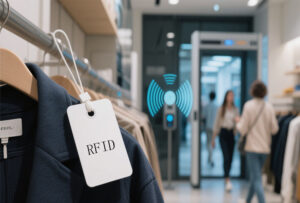
RFID in clothing refers to radio frequency identification technology used to identify and track garments through electronic tags attached to clothing or its labels. Retailers use these tags to manage stock, conduct inventory checks, verify item movement, and improve visibility across stores and distribution centers.
What Does RFID Mean on Clothing?
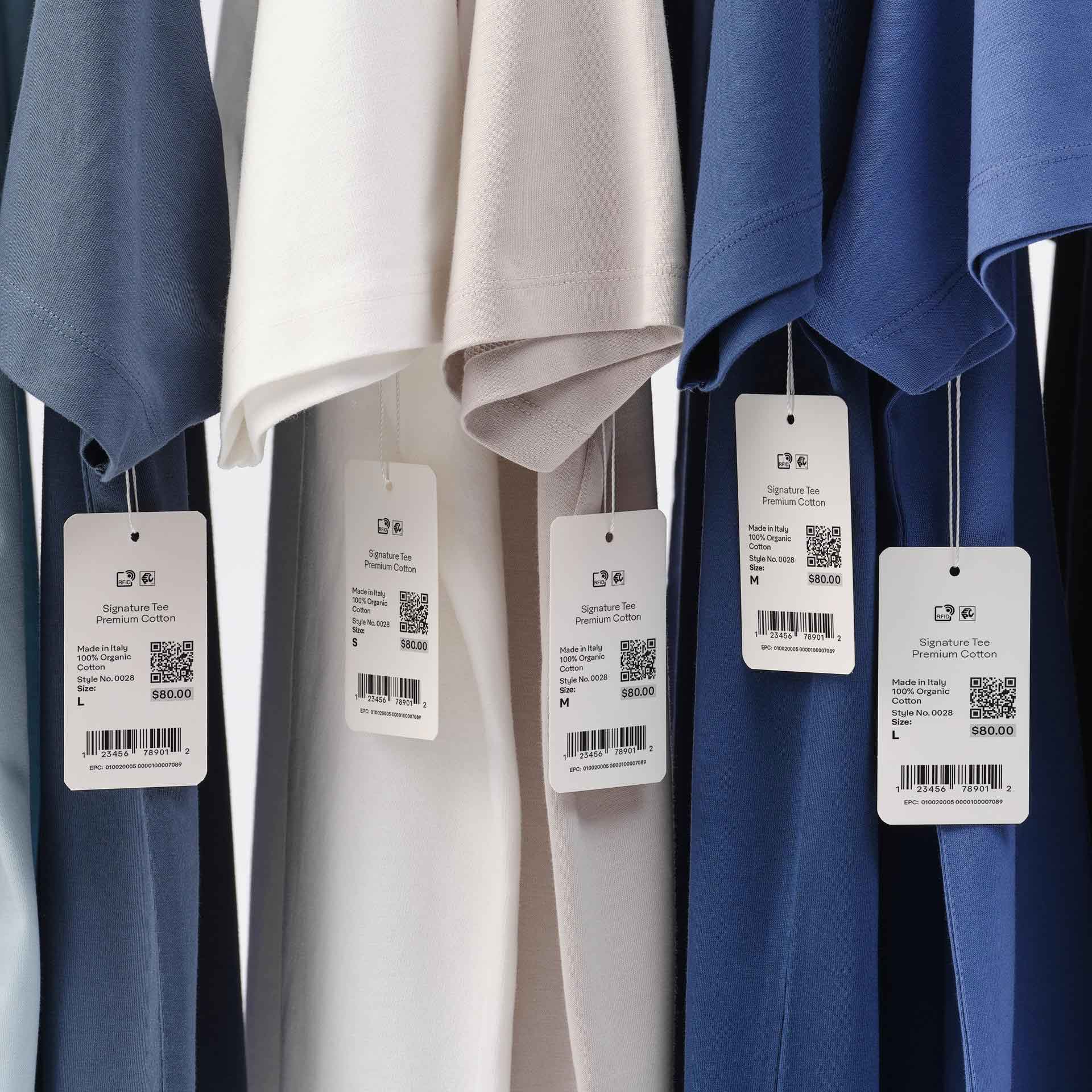
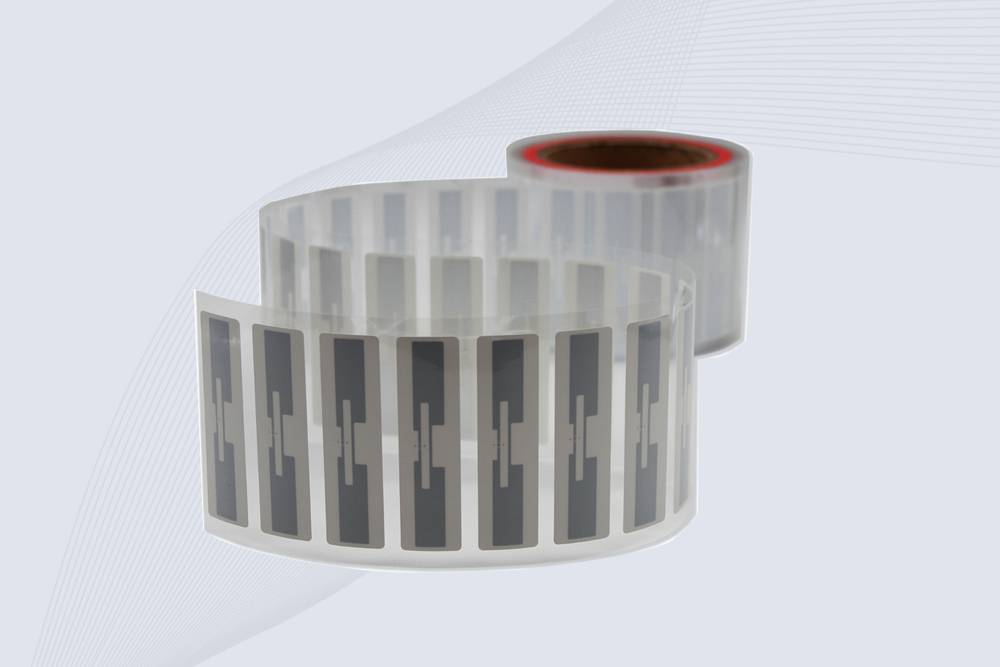
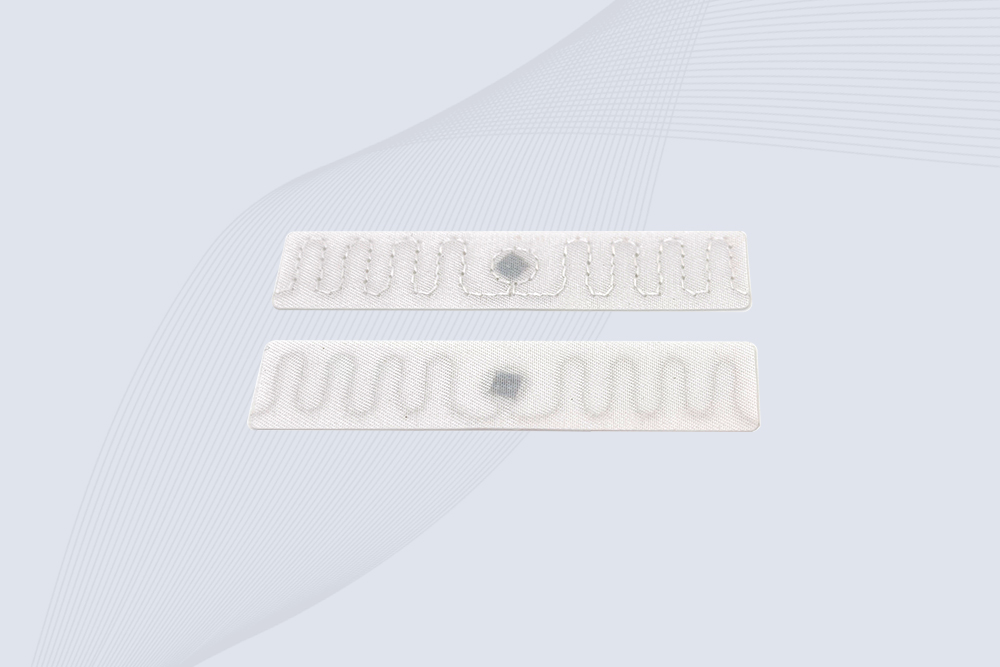
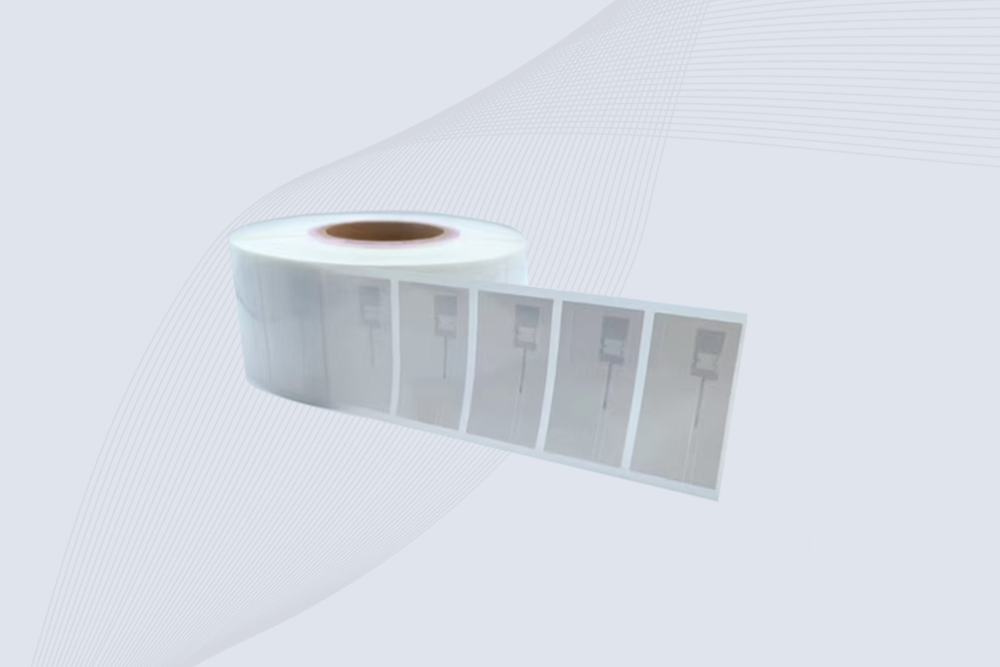
RFID stands for radio frequency identification. In apparel retail, a small RFID inlay containing a chip and antenna is commonly incorporated into a paper hangtag, care-label assembly, or another suitable garment label. The tag carries an identifier that compatible RFID readers can detect using radio waves.
Unlike a conventional barcode, which generally requires optical scanning, compatible RFID systems can identify multiple garments without scanning each label individually. This can make a noticeable difference during stocktaking, when employees may need to count hundreds of shirts, jackets, trousers, or accessories across a sales floor or stockroom.
An RFID tag does not necessarily contain a garment’s full product description. In many retail systems, its identifier is associated with information such as the item’s style, size, color, and stock record in the retailer’s database.
That distinction matters. If a store has several black jackets in different sizes, RFID helps the system distinguish individual tagged items rather than treating every jacket as an indistinguishable product category.
How Do RFID Tags in Clothing Work?
The process begins when a retailer associates a tag identifier with a garment record. A reader then communicates with the tag and sends the captured identifier to the inventory application.
1. A Tag Is Attached to the Garment
The RFID inlay may be embedded in a hangtag or integrated into an appropriate label. The choice depends on garment construction, laundering requirements, tag cost, and whether the tag is intended for retail inventory, reusable textiles, or another purpose.
2. An RFID Reader Identifies the Item
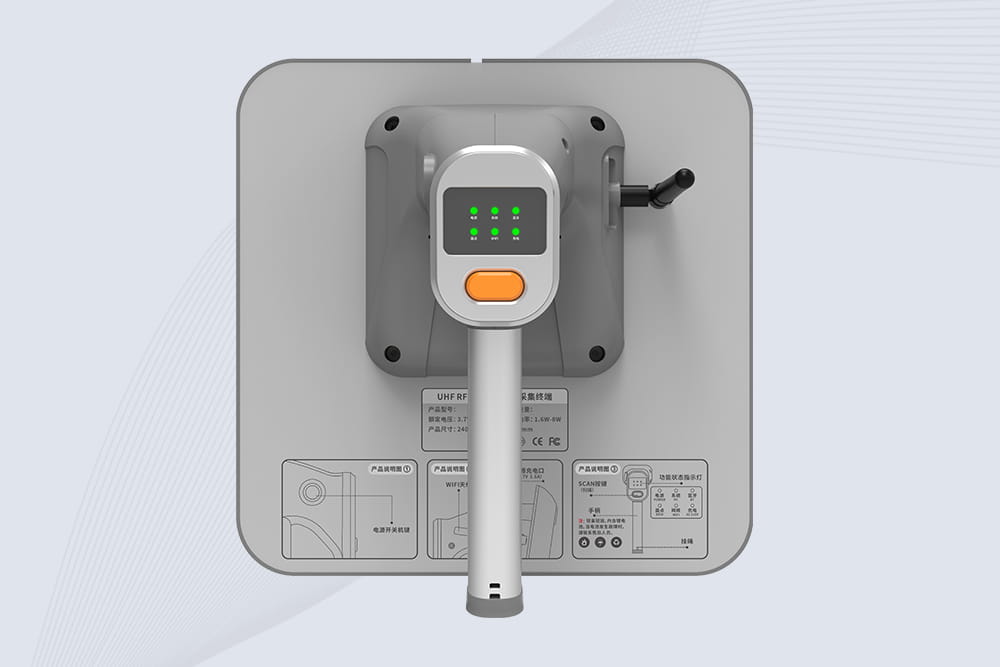
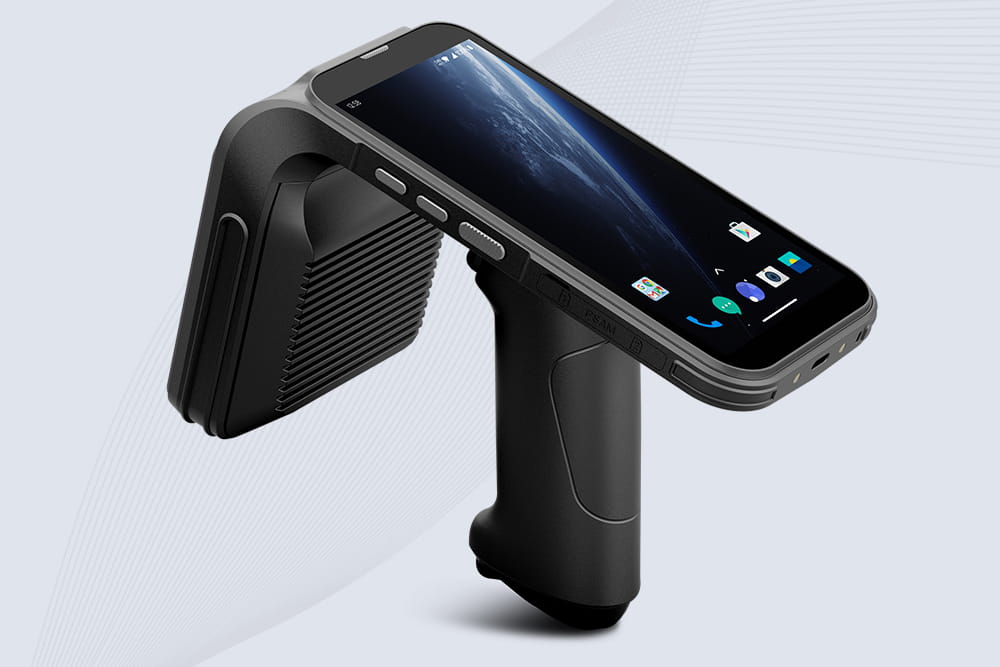
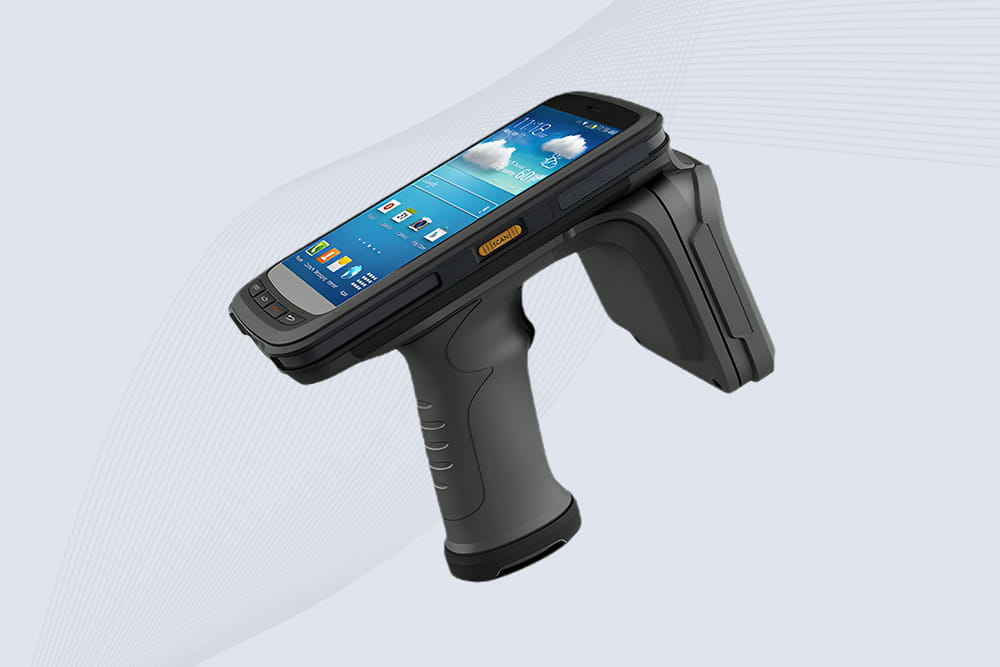
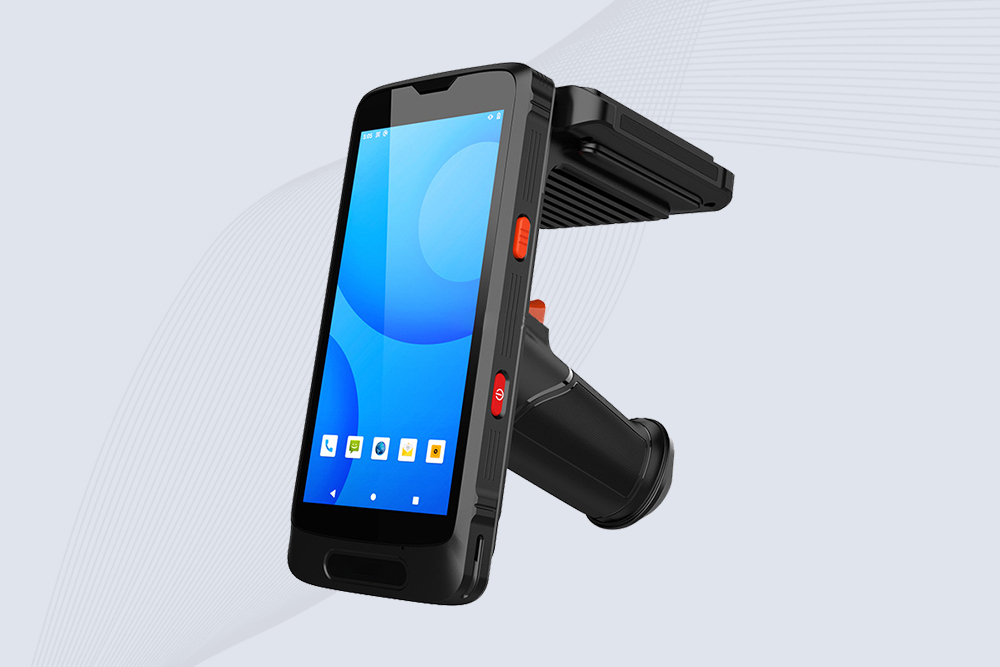
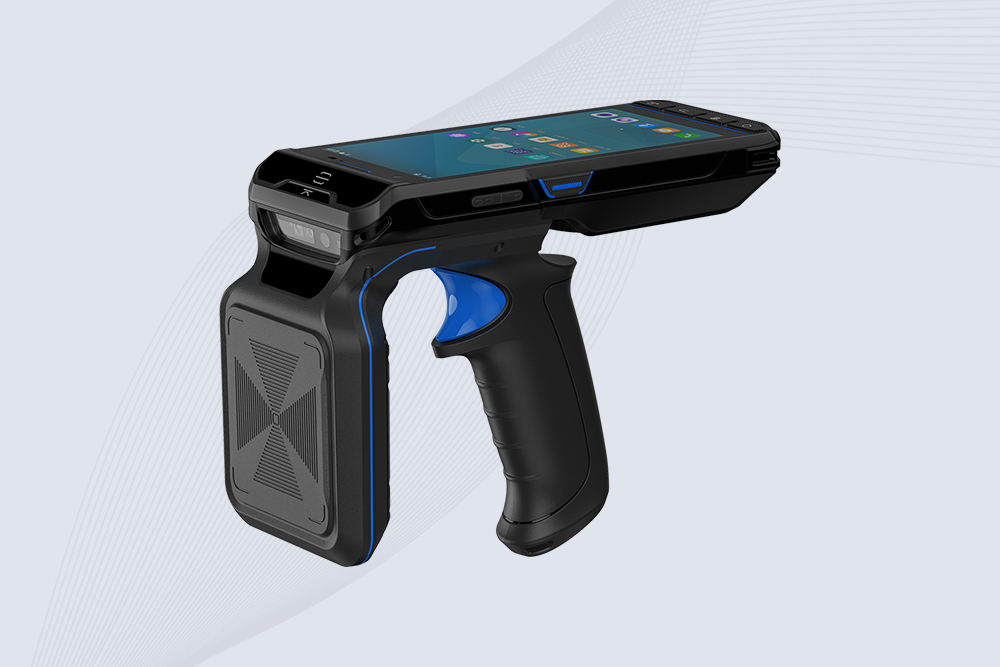
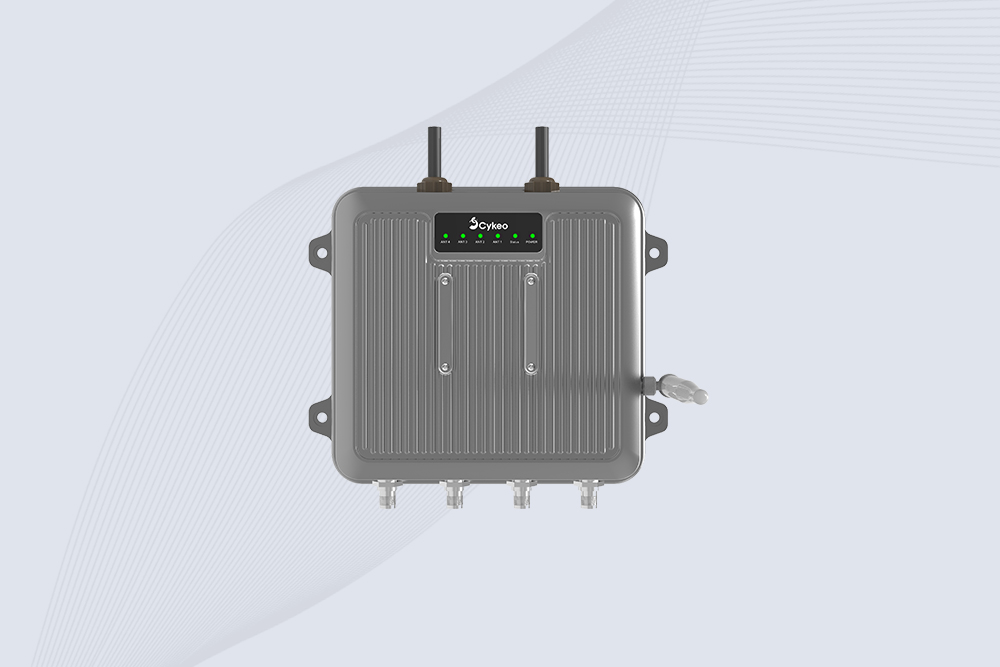
Retail apparel systems often use passive UHF RFID because it supports rapid identification of multiple tagged items under suitable conditions. Handheld rfid readers can help employees check stock on shelves, while fixed rfid readers can monitor selected points such as receiving or dispatch areas.
3. Software Updates Inventory Records
The reader sends tag data to software that associates the identifier with the garment record. Depending on the system, a read event can support receiving, stocktaking, replenishment, or shipment verification.
A reader detecting a tag does not automatically prove that a garment has been sold or moved to a particular shelf. The application must interpret the read in the context of the business process.
Why Do Clothing Brands Use RFID Tags?
For apparel retailers, RFID is valuable because clothing inventory changes constantly. Items move between stockrooms, fitting rooms, sales floors, distribution centers, and online order fulfillment areas. A garment may physically be in a store while the inventory system still reports it as unavailable.
RFID can help narrow that gap by making item-level identification and inventory checks easier to perform.
Common benefits include:
Faster stocktaking: Identify multiple tagged garments within a reader’s effective range.
Improved inventory visibility: Compare physical tag reads with recorded stock.
Better replenishment: Help staff identify sizes or colors that need restocking.
Shipment verification: Compare tagged items with expected delivery or dispatch records.
Omnichannel fulfillment: Help retailers verify whether a product is available for a store pickup or online order.
What Does the Research Say About RFID in Apparel Retail?
GS1 reports that RFID-enabled inventory management can help retailers raise inventory accuracy from approximately 70% to 95% or higher, citing a GS1 Norway case study. This is a reported case-study result, not a guaranteed outcome for every retailer.
A separate field study published in Production and Operations Management examined RFID-enabled inventory visibility across 13 retail stores over 23 weeks. Researchers reported an approximately 26% reduction in inventory record inaccuracy in the first experiment. A second experiment covered 62 stores and five product categories, with results varying by category.
The practical lesson is that tagging garments is only one part of the job. Retailers also need reliable product records, suitable reader placement, and software that uses read events correctly.
RFID clothing tags allow retailers to identify individual garments and associate them with inventory records.
What Types of RFID Tags Are Used in Clothing?
RFID tags used in apparel vary according to how garments are sold, handled, and maintained. A disposable retail hangtag has different requirements from a tag designed to remain attached to a uniform throughout repeated industrial laundering cycles.
RFID tag type
Common use
Important consideration
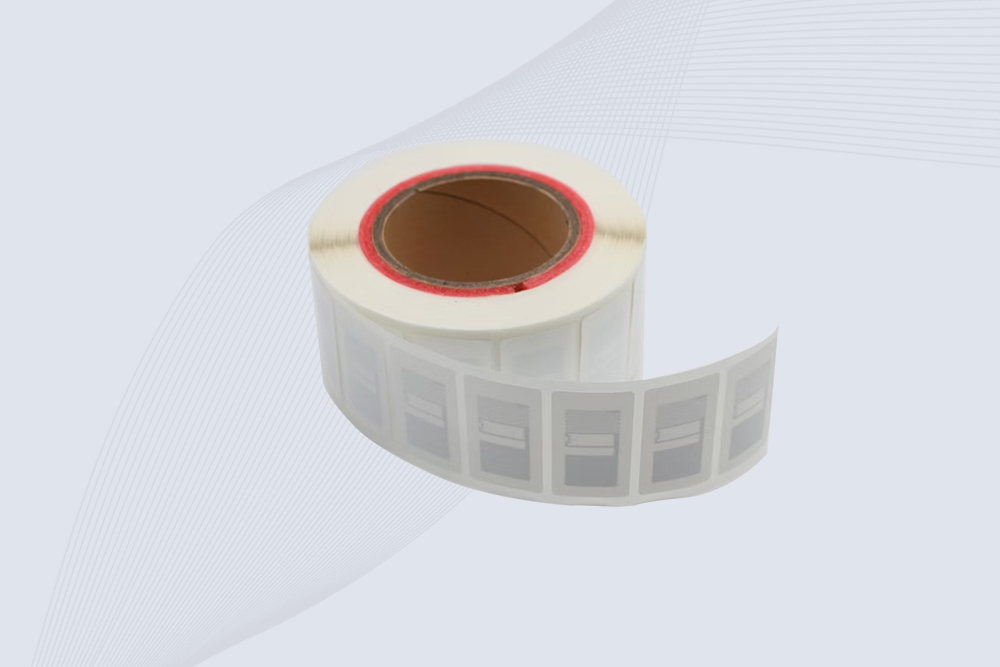
Paper RFID hangtag
Retail garments and fashion accessories
Suitable for item identification and inventory workflows
Sew-in RFID label
Selected uniforms and reusable textiles
Must suit garment construction and intended care conditions
Washable textile RFID tag
Industrial laundry, workwear, and linen management
Requires validation for washing, drying, and finishing conditions
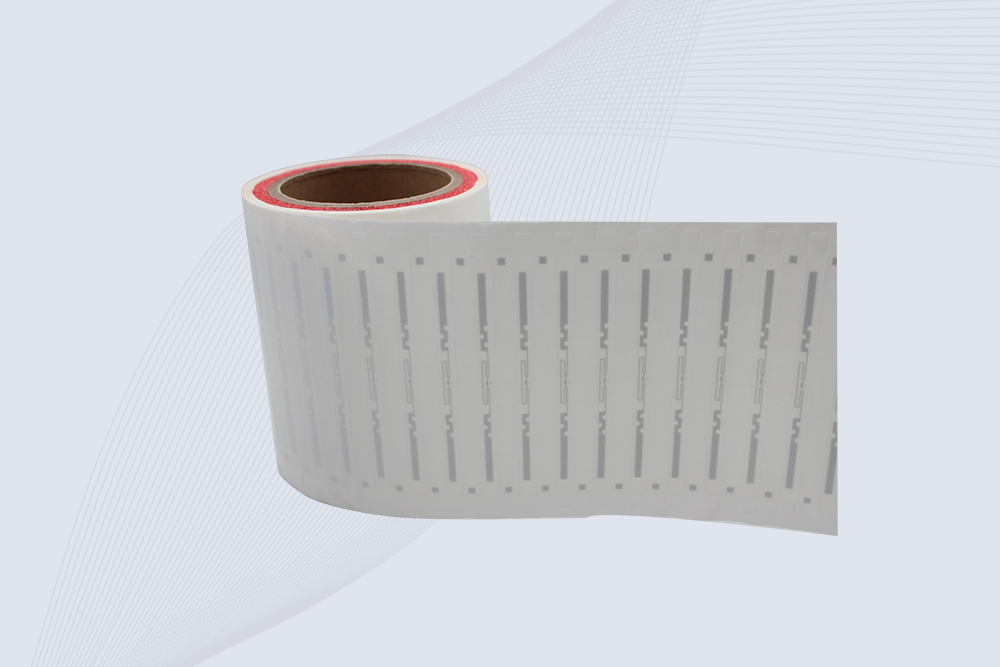
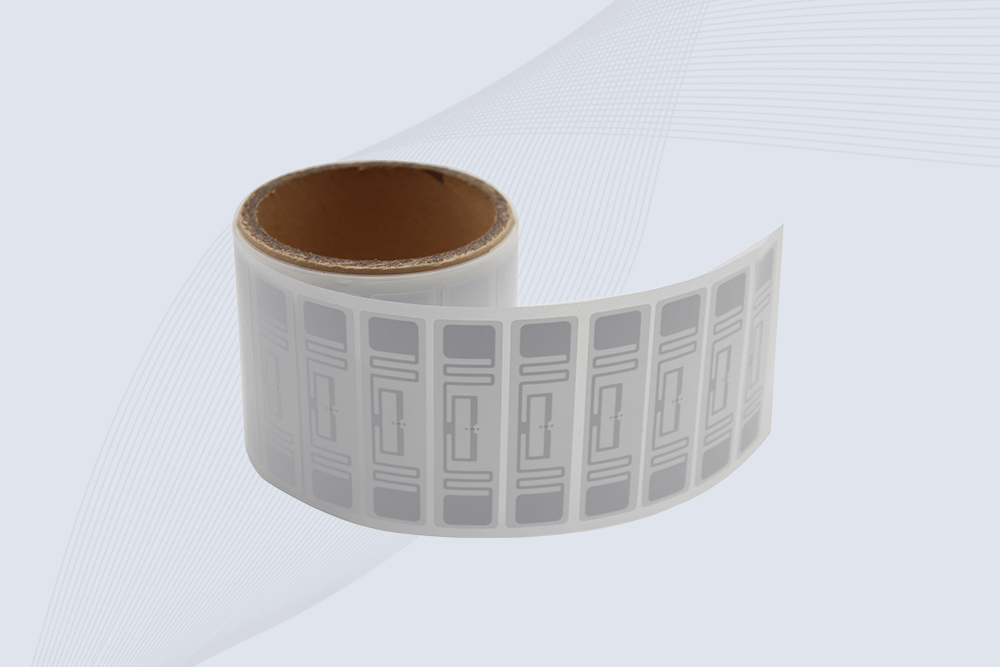
UHF RFID label
Apparel distribution and retail stocktaking
Supports item-level identification and multi-tag reading under suitable conditions
HF RFID tag
Selected identification and close-range applications
Requires compatible HF readers and software
The appropriate tag depends on the application’s frequency, read range, durability requirements, and operating environment. A paper hangtag intended for a retail sales floor should not be assumed to withstand repeated commercial laundering.
Can RFID Tags Be Washed with Clothing?
Some RFID tags are specifically engineered for washable textiles, but ordinary paper-based retail RFID tags are not necessarily suitable for washing.
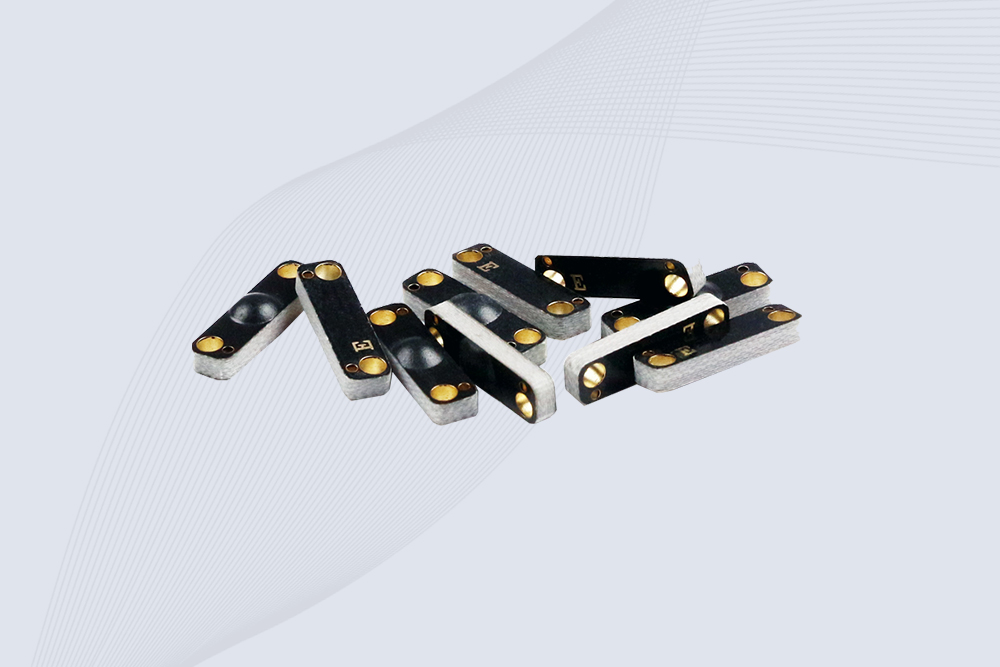
For uniforms and industrial laundry, the tag must be designed for the expected temperature, moisture, detergent exposure, mechanical pressure, and number of wash cycles. Tag placement also matters: stitching, folding, and contact with equipment can affect durability.
Before deploying washable RFID tags, test them under the actual laundry process and confirm that they remain readable after repeated treatment.
Does RFID in Clothing Track People?
RFID in clothing is generally used to identify garments and manage inventory, rather than continuously track the person wearing them.
A passive RFID tag typically responds when a compatible reader interrogates it. It does not independently transmit a continuous location signal like a GPS device. However, if a tagged garment is read at a particular location, a business system may record an event associated with that item.
For example, a retailer might use RFID to confirm that a jacket is present in a stockroom. That does not, by itself, establish who is wearing the jacket or where that person is.
Privacy depends on how a retailer or organization uses the collected data, whether garment identifiers can be linked to individuals, and what information is retained. Responsible implementations should apply appropriate access controls, data minimization, and transparent policies.
Can RFID Tags in Clothing Be Removed?
Yes, many retail RFID tags can be removed, but the method depends on where the tag is installed.
Paper hangtags: Usually detachable, like conventional price tags.
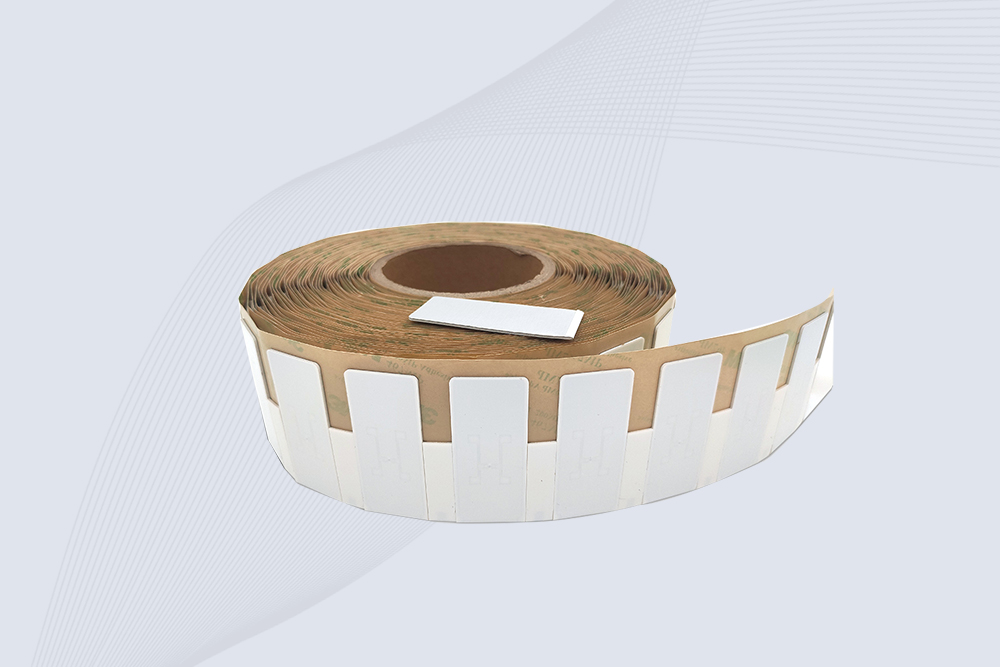
Adhesive labels: May be removable, depending on the adhesive and label construction.
Integrated or sewn-in tags: May require cutting or unpicking the relevant label or stitching.
Washable textile tags: Often intended to remain attached throughout the garment’s service life.
Removing a tag may prevent that tag from being read in subsequent inventory checks, but it does not necessarily remove all product identifiers or records held by the retailer. Follow the garment’s care instructions and avoid damaging the fabric or seams.
How Retailers Can Implement RFID for Clothing
A practical apparel RFID project should begin with the inventory problem, not the reader specification.
Define the objective. Decide whether the priority is stocktaking, receiving, replenishment, shipment verification, or reusable garment tracking.
Choose suitable tags. Confirm the tag type, frequency, physical dimensions, and durability requirements for the garments.
Associate tags with item records. Ensure each identifier maps correctly to the intended product or garment record.
Select the reading equipment. Use handheld readers for targeted checks or fixed readers for defined process points, depending on the workflow.
Test in realistic conditions. Check representative garments, densely packed racks, different orientations, and the expected reading volume.
Integrate the software. Verify that captured reads update the correct records and that duplicate or unexpected events are handled appropriately.
For a clothing retailer, one useful pilot is to compare a physical stock count with RFID results across a defined group of garments. Record missed reads, unintended reads, and discrepancies between the physical count and the inventory system. This reveals whether the main problem is tag placement, reader coverage, data quality, or the inventory workflow itself.
Handheld RFID readers help store employees check tagged clothing and investigate inventory discrepancies.
Frequently Asked Questions
1. What is RFID in clothing used for?
RFID in clothing is used to identify garments and manage inventory. Retailers use RFID-enabled tags to support stocktaking, replenishment, shipment verification, and item-level inventory visibility across stores and distribution centers.
2. Where is the RFID tag located on clothing?
An RFID tag may be incorporated into a paper hangtag, adhesive label, care-label assembly, or sewn-in textile tag. Its location depends on the garment design and intended application. Not every clothing item contains an RFID tag.
3. Does every piece of clothing have RFID?
No. RFID adoption varies by retailer, brand, product category, and supply chain. Some businesses tag individual garments for inventory management, while others use barcodes or different identification methods.
4. Can RFID clothing tags be washed?
Only tags designed and validated for laundering should be used in washable textile applications. Ordinary retail hangtags may not withstand washing. For uniforms and linens, verify the tag’s specifications against the actual laundering process.
5. Can RFID tags in clothing track your location?
An ordinary passive RFID clothing tag does not continuously transmit GPS-style location data. A reader can detect it within its reading zone, and a system may record where and when that read occurred. Whether such data identifies a person depends on how the system is designed and used.
6. Is RFID better than barcodes for clothing inventory?
RFID can identify multiple compatible tags without requiring individual optical scans, making it useful for frequent item-level stocktaking. Barcodes are often simpler and less expensive to implement. The better choice depends on inventory volume, workflow, infrastructure, and business requirements.
7. What frequency is commonly used for RFID clothing tags?
Passive UHF RFID is widely used for apparel inventory and retail stocktaking because it can support multi-tag reading over several metres under suitable conditions. Other frequencies may be appropriate for specific identification or close-range applications.
Final Perspective: What Is RFID in Clothing?
What is RFID in clothing? It is a practical way to connect physical garments with digital inventory records using electronic tags and compatible readers. For retailers, the value lies in more efficient stocktaking and better visibility of individual items. For reusable textiles, specially designed tags can support garment identification throughout repeated handling and laundering.
The results depend on suitable tag selection, reliable reader coverage, accurate product data, and software that reflects the way garments actually move.
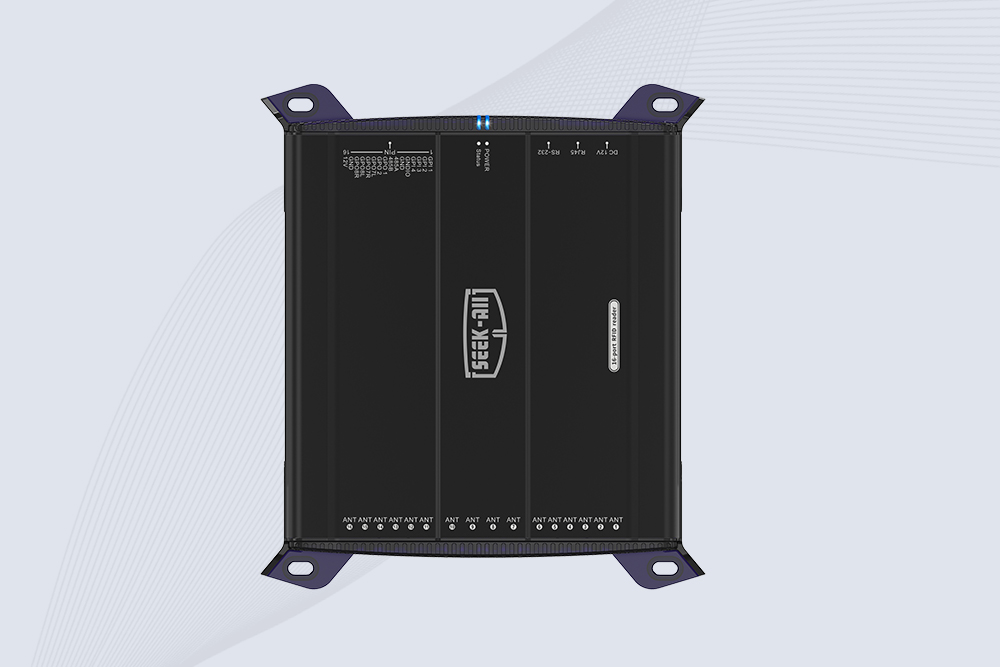
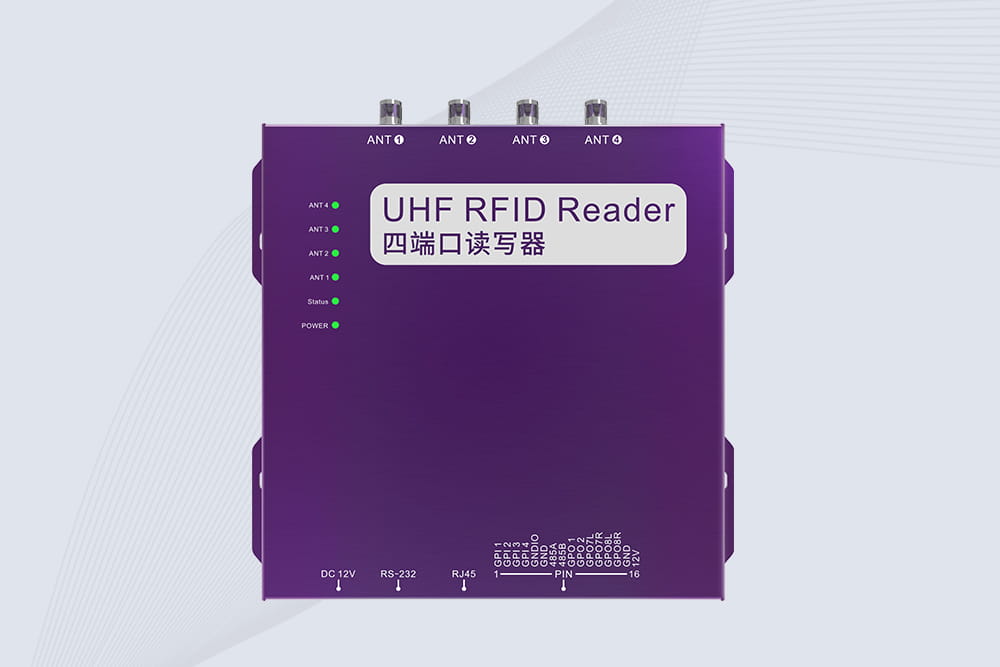
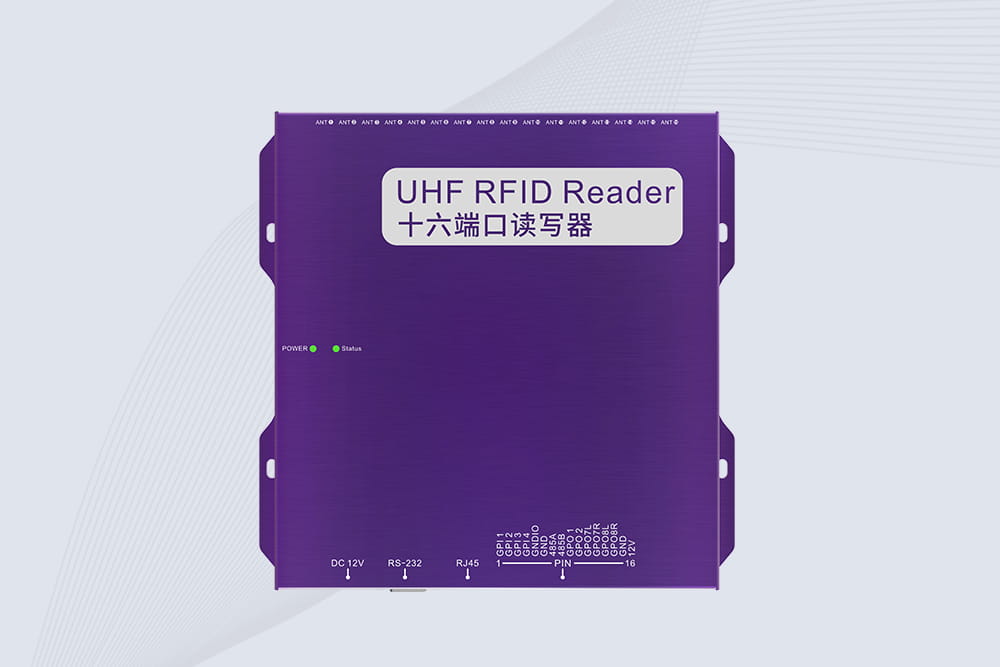
SSD-R16L Multi-Channel RFID Infrastructure for Automated Inventory Management ✔️ 16-Port High-Density RFID Reading Equipped with 16 SMA antenna ports, SSD-R16L supports multi-antenna deployment for warehouses, retail stores, logistics, production lines, and large-area RFID identification. ✔️ High-Speed & Long-Range Performance With up to 33…
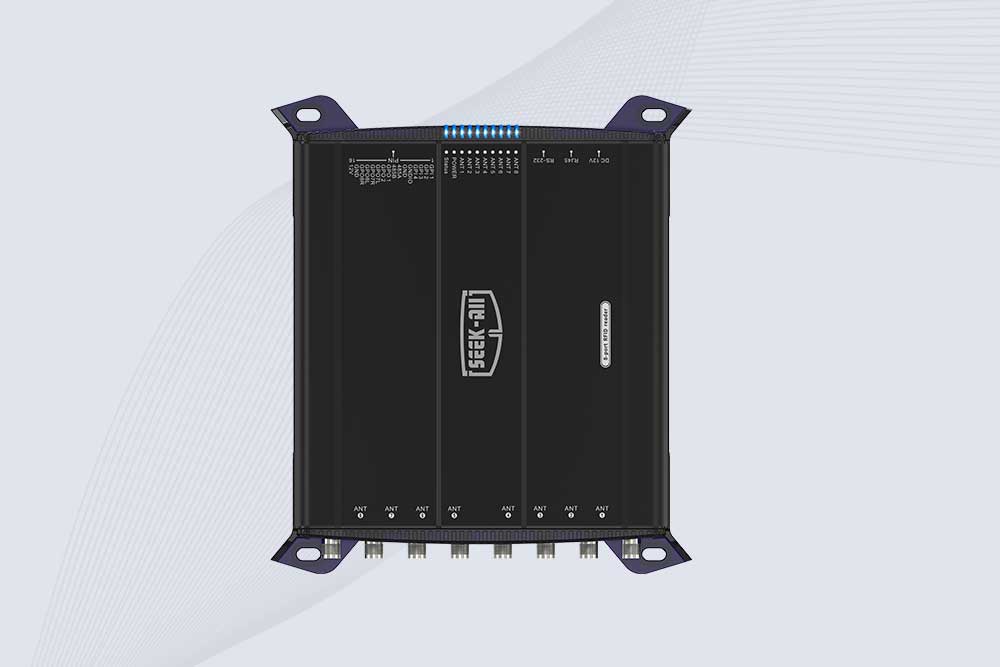
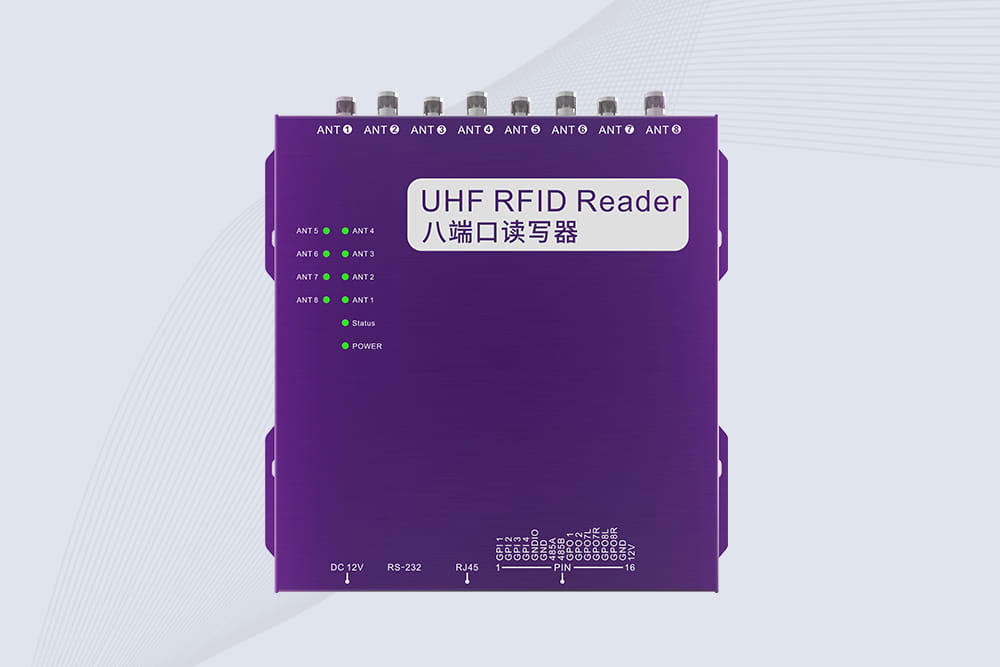
SSD-R8L 8-port UHF RFID reader with 33dBm output, up to 20m reading range and 600+ tags/s recognition. Ideal for warehouse, logistics, retail and asset tracking.
CYKEO Passive RFID Tags are made for wet and high-humidity environments where standard labels do not last. This rfid passive tag is often used around liquids, chemicals and temperature changes, providing stable reading distance and long data life for industrial tracking.
CYKEO CYKEO-PCB1504 Metal RFID Tags is a compact anti-metal UHF RFID solution built for direct mounting on metal surfaces. With stable 8-meter read range, Ucode-8 chip, and long data retention, this rfid metal tag fits tools, containers, automotive parts, and industrial asset tracking.
CYKEO CYKEO-PCB7020 On-Metal RFID Tags are designed for reliable tracking on steel and metal surfaces. Built with an FR4 epoxy body and industrial-grade chips, these On-Metal RFID Tags deliver stable performance, long data life, and chemical resistance, making them a dependable RFID anti-metal tag for harsh environments.
The CYKEO CYKEO-60-25 Anti-Metal RFID Tag is built for metal surfaces where standard tags fail. Designed for long-range performance, harsh environments, and stable data retention, this Anti-Metal RFID Tag is ideal for industrial assets, containers, and equipment tracking using on metal RFID tags.
The CYKEO RFID Laundry Tag is designed for long-term textile identification in harsh laundry environments. Built to withstand high heat, chemicals, and repeated washing, this RFID Laundry Tag delivers stable performance for hotels, hospitals, and industrial laundry operations using laundry rfid tags at scale.
The CYKEO CYKEO-125-7 RFID Book Tag is designed for reliable book and document tracking in libraries and archives. This RFID Book Tag delivers long read range, dense placement support, and stable performance on shelves, making it a practical rfid tag on books for library automation, file management, and archival systems.
CYKEO RFID tags in hospitals are designed for sterile environments where accuracy matters. These autoclavable RFID tags support long-term tracking of surgical tools, implants, and medications, helping hospitals improve visibility, compliance, and patient safety.
CYKEO RFID Cable Tie Tag is built for reliable identification on metal surfaces. This UHF RFID Cable Tie Tag is widely used in rfid tags for inventory systems, industrial asset management and Hospital RFID Tags, offering stable read performance, long service life and global EPC Gen2 compatibility.
CYKEO RFID Asset Tag is designed for stable identification of metal assets in industrial environments. This UHF RFID Asset Tag is commonly used for rfid tag asset tracking on equipment, tools and containers, providing reliable reads, long service life and ISO/IEC 18000-6C support.
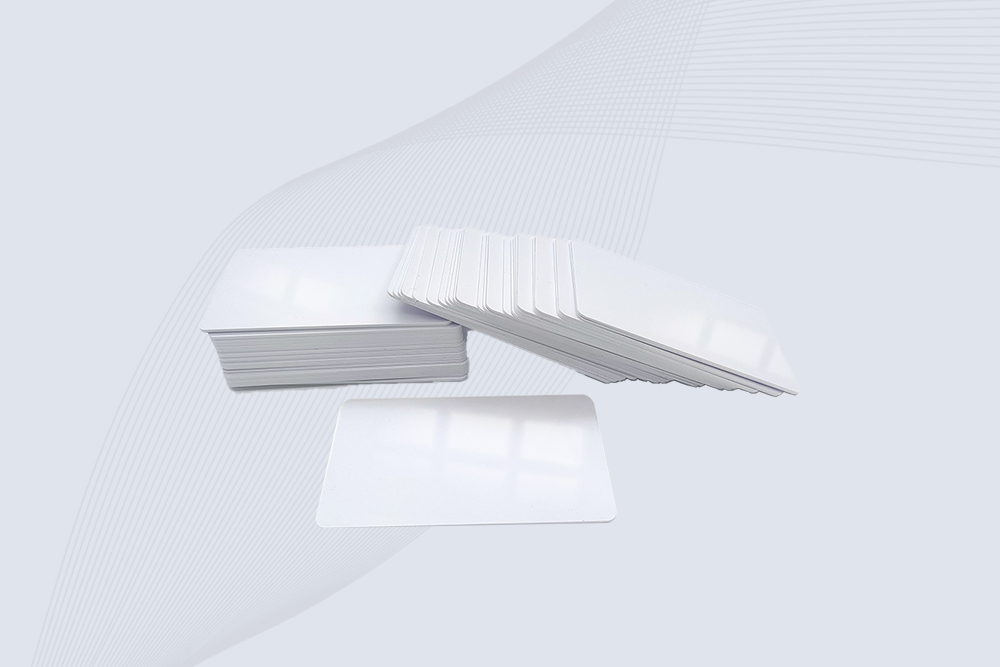
CYKEO UHF RFID Card is designed for fast identification and long-term use in industrial and commercial systems. Supporting ISO 18000-6C, this UHF RFID Card works at 860–960 MHz and is suitable for custom RFID cards used in asset tracking, access control and inventory management.
CYKEO HF RFID Cards are designed for secure and stable access control systems. These 13.56 MHz RFID key cards support ISO 14443-A, reliable rewriting and long service life, making HF RFID Cards suitable for offices, campuses, events and membership management.
CYKEO UHF RFID Tag is designed for reliable tracking of metal jewelry and high-value items. This Jewelry RFID Tag supports long-range reading up to 8 meters, anti-counterfeit protection and stable performance on metal, making it suitable for retail, inventory control and asset management.
Cykeo CYKEO-C1 industrial Forklift RFID Reader features 20m read range, 600 tags/sec scanning, Impinj R2000 chipset, and IP67 rugged design. Ideal for warehouse logistics and manufacturing. Supports ISO 18000-6C/6B protocols.
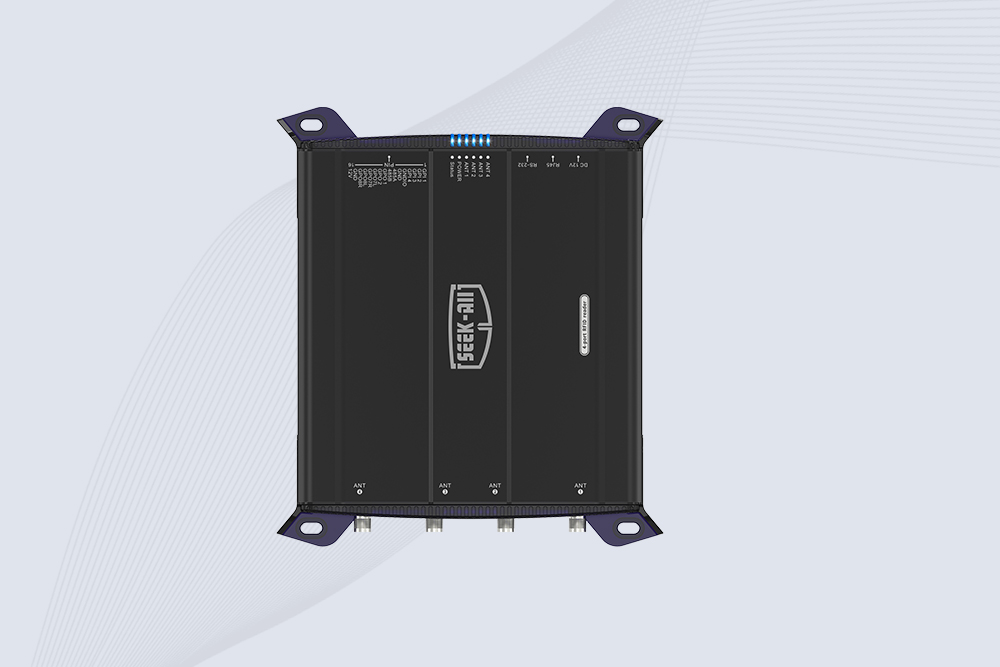
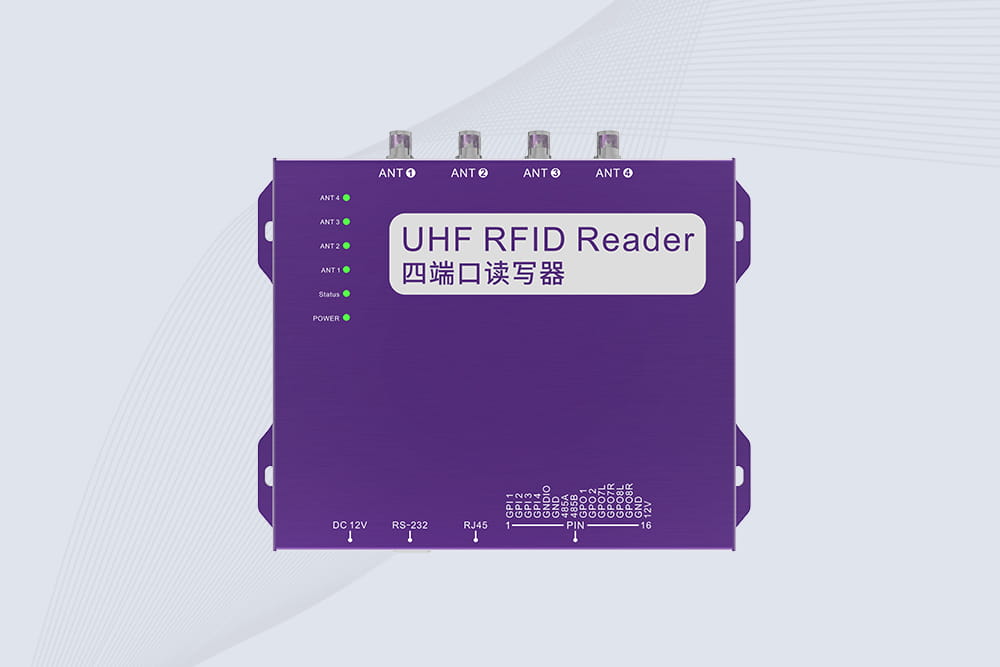
Cykeo CYKEO-R4 industrial UHF RFID Fixed Reader features 4 TNC ports, 400+ tags/sec speed, IP67 housing, and global frequency compliance for vehicle inspection, smart warehouse, and asset management systems.
CYKEO CYKEO-R8L Fixed RFID Reader with 8-port UHF design, Impinj-based RF core and up to 20m read range. An industrial Fixed RFID Reader for vehicle inspection, warehouse portals, smart manufacturing lines and secure access checkpoints.
RFID Fixed Reader from CYKEO – the CYKEO-R16L 16-port UHF fixed reader for warehouses, smart cabinets, and production lines. Long-range, multi-tag reading, stable performance for 24/7 industrial use.
This article comprehensively introduces the working principles and types of RFID security tags, compares them with traditional EAS tags, and explores their practical applications in retail theft prevention and inventory management. It also provide...
Looking for a reliable RFID antenna manufacturer? Learn what distributors, system integrators, and OEM companies should consider when choosing an RFID antenna supplier for bulk projects.
Discover the differences between passive and active RFID readers. Learn which system suits your business needs with Cykeo’s expert guide. Optimize asset tracking today!
 Cykeo RFID IoT Solution Products R&D Manufacturer