 Cykeo RFID IoT Solution Products R&D Manufacturer
How Does an RFID Tag in Car Enable Reliable Vehicle Identification and Access Control?
207RFID tag in car systems enable fast vehicle identification, access control, and tracking. Discover how CYKEO supports real-world deployments.
MoreAll RFID Product
RFID in logistics uses radio frequency identification to identify goods, record inventory movements, and verify shipments throughout warehouses and supply chains. By combining RFID tags, RFID readers, and software, logistics teams can automate item checks, reduce manual scanning, and improve the visibility of incoming and outgoing products.
RFID stands for radio frequency identification. In logistics, it connects physical goods with digital records so businesses can identify tagged products during receiving, storage, stocktaking, sorting, and dispatch.
A typical system includes RFID tags attached to products, cartons, or pallets; readers and antennas that capture tag data; and software that matches the captured identifiers with inventory or shipment records.
The operational benefit becomes clear at a busy dispatch station. Staff may need to verify that every item in a carton belongs to the expected order. Scanning each barcode individually takes time, particularly when shipments contain many small products. A properly configured RFID system can identify multiple compatible tags in one reading cycle without requiring each label to be positioned in front of a barcode scanner.
However, RFID does not automatically know whether a shipment is correct. The software must compare the detected tag IDs with the expected shipment list and flag missing, unexpected, or duplicated records according to the workflow.
For logistics operators, the real value of RFID is not simply reading tags faster. It is connecting identification, verification, and corrective action within one operational process.
Each tagged item carries an electronic identifier. Depending on the application, the tag may be attached to a garment, embedded in a product label, or applied to a carton or reusable container.
The identifier is associated with product information in the business database, such as item type, order number, or inventory status.
Fixed readers can monitor defined locations such as warehouse doorways, conveyor systems, or inspection stations. Handheld readers allow staff to conduct targeted stock checks.
Passive UHF RFID is commonly used in logistics because it can support multi-tag identification over several metres under suitable conditions. Actual performance depends on tag design, antenna placement, product materials, reader configuration, and the local radio environment.
Once the reader captures tag information, the system compares the results with the expected shipment or inventory records. A mismatch can trigger an on-screen warning or a follow-up inspection.
This is particularly useful when products are packed into cartons containing many individual tagged items. Rather than relying entirely on manual checks, operators can use the recorded results to identify discrepancies before goods move to the next stage.
A tunnel-style RFID counting system combines RFID identification with conveyor transport and software-based verification. Depending on the configuration, barcode scanning, weighing, and an automatic sorting or return conveyor can also be integrated into the same inspection process.
This is especially useful when a logistics operator needs to verify the contents of a carton rather than merely identify the carton itself.
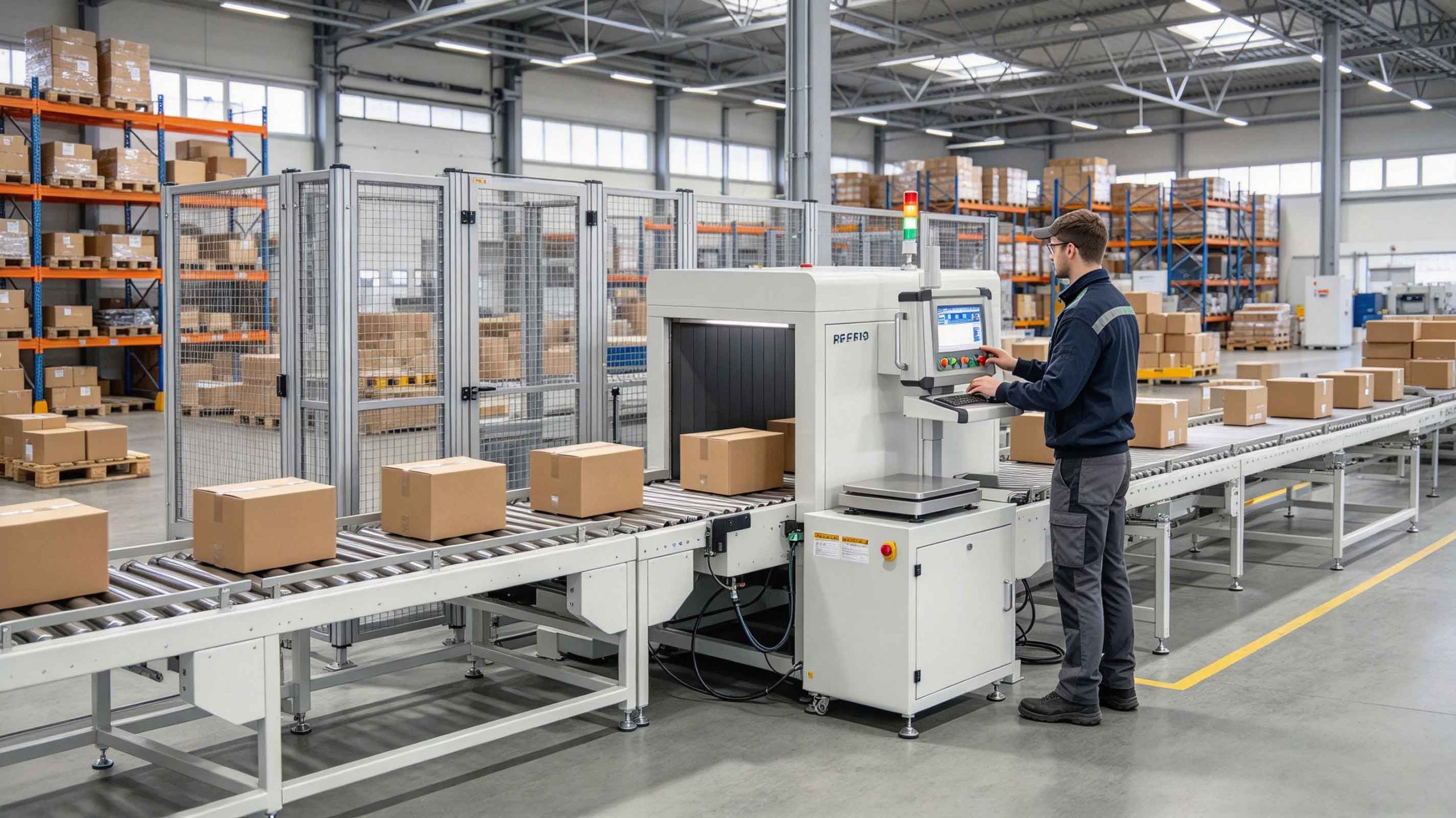
Cykeo’s tunnel-style RFID counting machine is designed to combine RFID identification, barcode scanning, weighing, and sorting for carton inspection and warehouse inventory workflows.
According to the supplied product specifications, the system is designed to identify more than 400 items within 3 seconds, display the captured item list in real time, and support weighing from 1 g to 50 kg, with customized configurations available for special applications. These are manufacturer-provided specifications; actual results depend on tag conditions, carton contents, system configuration, and operating conditions.
The design also incorporates motion control, RF optimization, an industrial computer, and a sorting return line for handling cartons flagged for inspection. For deployment planning, the important validation points are not only reading speed but also missed-tag rate, false reads, weighing tolerance, and the reliability of exception handling.
GS1 US identifies ultra-high-frequency RFID, also known as RAIN RFID, as a common technology for supply chain operations. Its implementation guidance explains how unique identification can improve visibility across manufacturing, distribution, and other supply chain touchpoints.
A related field study published in Production and Operations Management examined RFID-enabled inventory visibility in 13 retail stores over 23 weeks. The researchers reported an approximately 26% reduction in inventory record inaccuracy in the first experiment. A second experiment covered 62 stores and five product categories, with varying results across categories
These findings support the value of better inventory visibility, but they do not establish that every RFID tunnel will achieve the same improvement. The results depend on the process being measured and how the technology is implemented.
RFID supports logistics operations at several control points, from warehouse receiving to final dispatch. Its value comes from capturing item identities automatically and comparing the results with expected shipment or inventory records.
For mixed-product cartons, a tunnel-style RFID counting and sorting machine can combine RFID reading with barcode scanning and weighing. According to Cykeo’s supplied product specifications, its system can identify more than 400 items within three seconds under suitable operating conditions. Actual results depend on tag placement, product materials, carton configuration, and system setup.
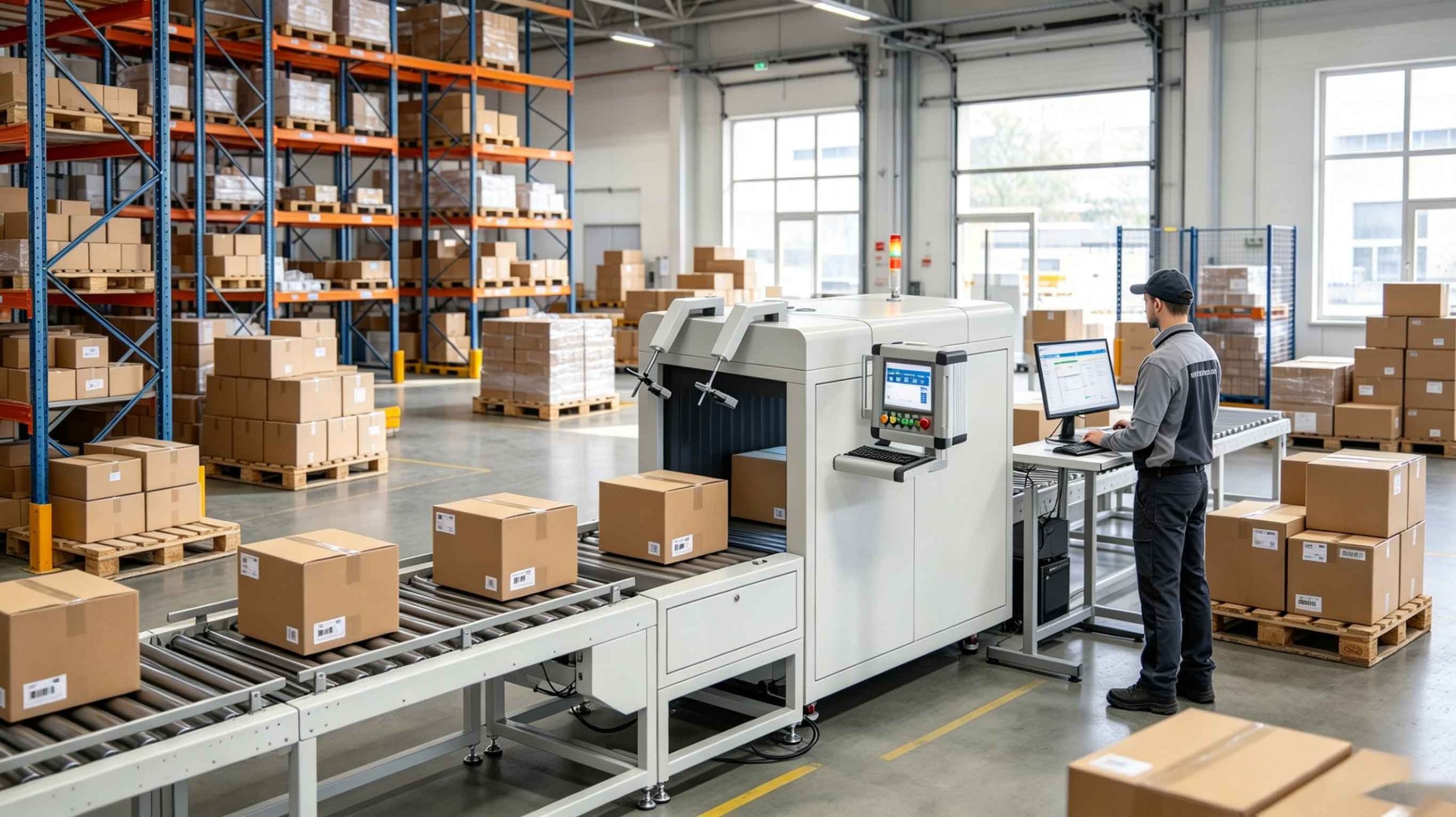
RFID and barcodes both identify products, but they work differently in warehouse operations.
| Feature | RFID | Barcode |
|---|---|---|
| Reading method | Radio-frequency communication | Optical scanning |
| Line of sight | Usually not required | Usually required |
| Multiple-item reading | Can identify multiple compatible tags in one read zone | Typically scanned individually unless using specialized imaging workflows |
| Tag or label cost | Generally higher for RFID tags and infrastructure | Generally lower |
| Common logistics use | Bulk inventory reads, portal verification, automated sorting | Shipping labels, parcel identification, manual picking |
Neither technology is universally better. Barcodes remain practical for low-cost, individual scans. RFID is useful when operations need to identify many tagged items quickly or automate checks at defined checkpoints. Some facilities use both technologies to connect product identification with shipment and carton records.
Before installing an RFID system, logistics teams should define the operational problem rather than begin with the maximum read distance or reader output power.
A controlled pilot using real cartons is more informative than relying only on laboratory read-range results.
RFID in logistics is used to identify tagged goods, support inventory management, verify shipments, and automate warehouse processes. It can reduce reliance on individual barcode scans when multiple compatible tags need to be read within a controlled area.
RFID readers can capture data from multiple compatible tags without requiring each tag to be visually scanned. This can make inventory checks faster, provided tag placement, reader coverage, and software integration are properly configured.
Yes. RFID systems can read multiple compatible tags within a reader’s effective field. The actual number and reliability of reads depend on the reader, antennas, tag design, item materials, and the surrounding RF environment.
Not in every situation. RFID is useful for bulk identification and automated checkpoints, while barcodes are often economical and effective for individual scans. Many logistics operations benefit from combining the two.
Businesses should evaluate tag and reader compatibility, product materials, read-zone design, software integration, exception handling, and performance with real shipments. A pilot project helps establish whether the system meets operational requirements.
RFID in logistics connects physical goods with digital inventory and shipment records. Its effectiveness depends not only on reader performance but also on tag selection, checkpoint design, data integration, and exception handling. For operations processing large volumes of tagged cartons, RFID-based verification and sorting can help automate repetitive identification tasks.
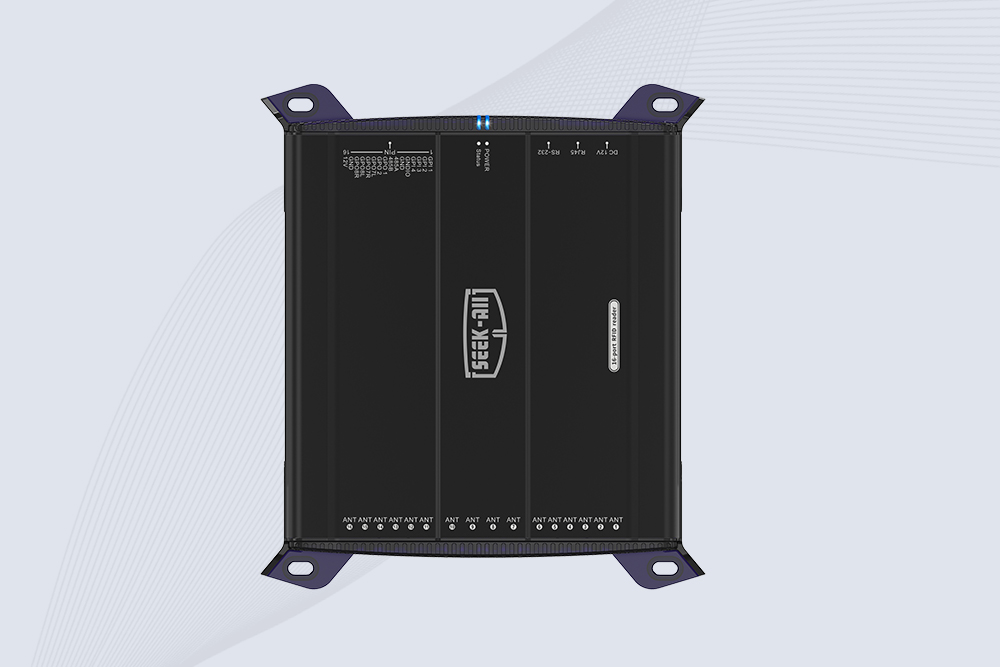
SSD-R16L Multi-Channel RFID Infrastructure for Automated Inventory Management ✔️ 16-Port High-Density RFID Reading Equipped with 16 SMA antenna ports, SSD-R16L supports multi-antenna deployment for warehouses, retail stores, logistics, production lines, and large-area RFID identification. ✔️ High-Speed & Long-Range Performance With up to 33…
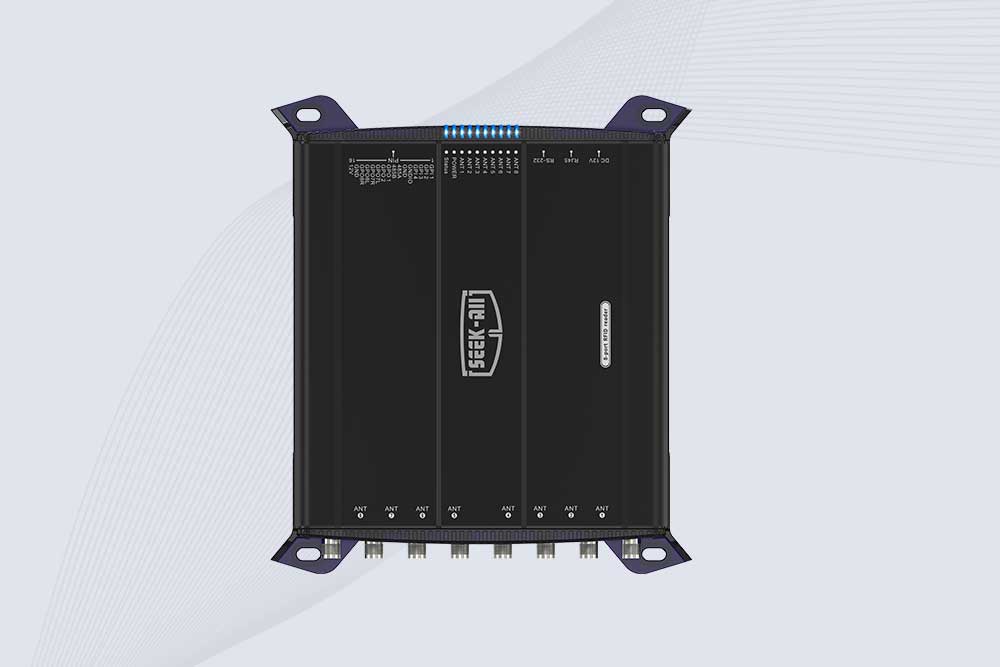
SSD-R8L 8-port UHF RFID reader with 33dBm output, up to 20m reading range and 600+ tags/s recognition. Ideal for warehouse, logistics, retail and asset tracking.
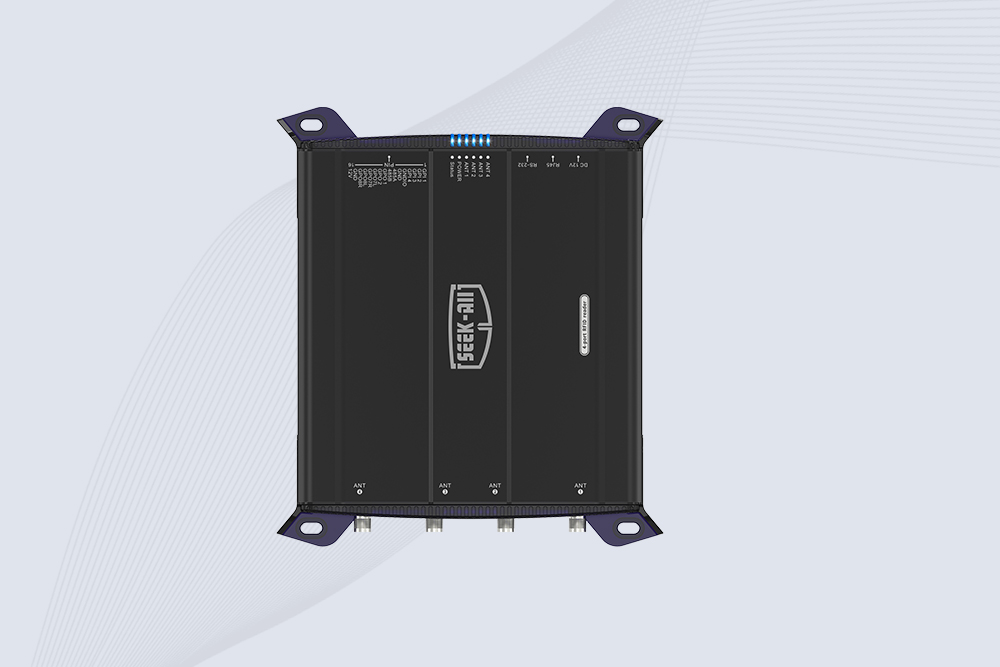
SSD-R4L is a 4-port UHF RFID fixed reader with 33dBm output power, up to 20m reading range, EPC C1G2 support and 600+ tags/s reading speed.
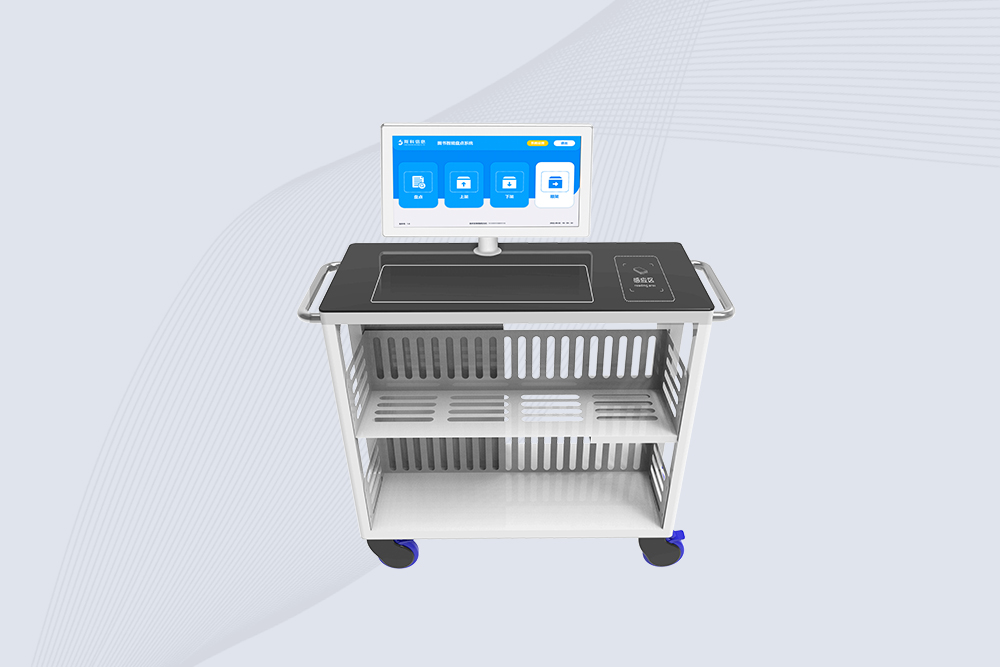
Cykeo CYKEO-C2 UHF RFID inventory cart features 10 UHF readers, 500 tags/sec scanning, Windows/Android OS, and hybrid power for warehouses/libraries. Supports ISO 18000-6C protocols and customization.
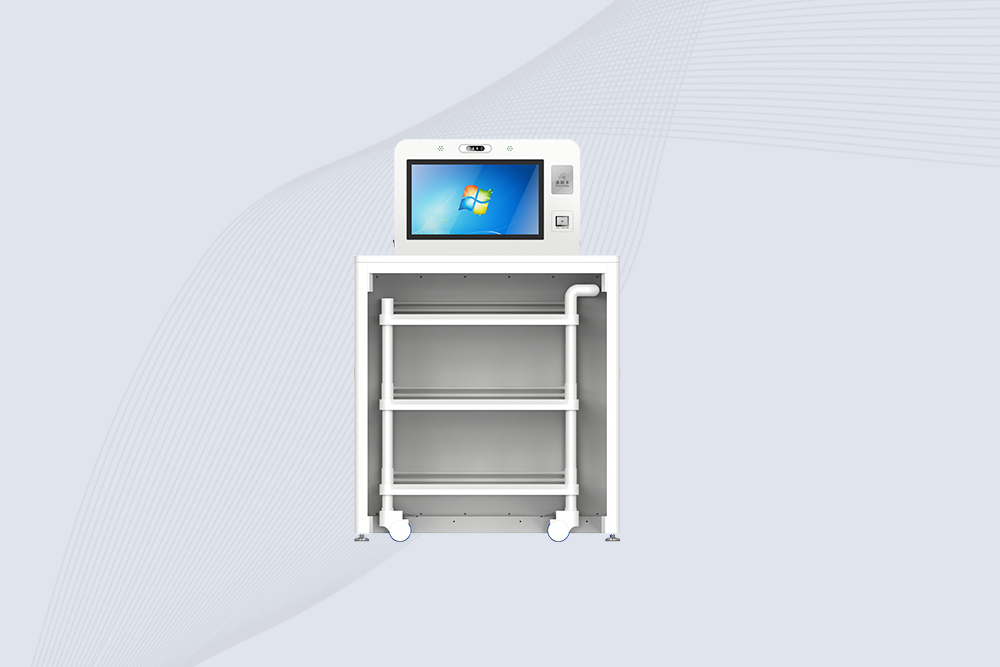
Cykeo’s industrial RFID Inventory Tracking station features dual scanning modes, 200+ items/sec bulk reading, and SAP integration for precise warehouse management. MIL-STD-810G certified with Windows/Android OS.

Cykeo CYKEO-D7 RFID system for inventory offers 40+ tags/sec scanning, 150L secure storage, and Impinj R2000 chipset for warehouses, toolrooms, and retail. Global frequency compliance (840-960MHz).
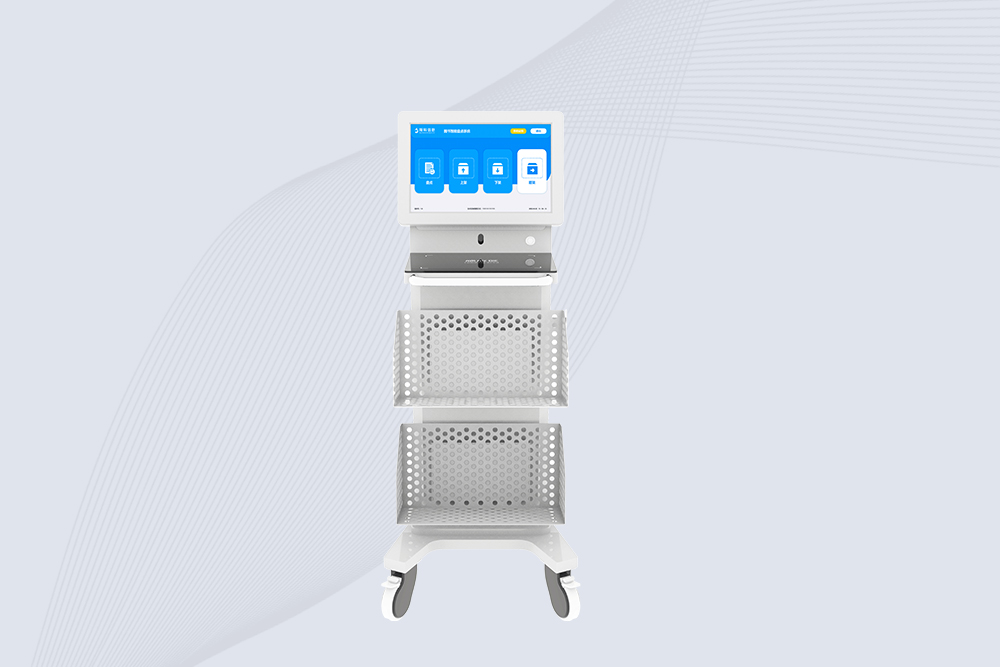
Cykeo CYKEO-C1 mobile RFID scanner cart features PLC-controlled antenna lifting, 10-tag/sec reading, and 21.5″ touchscreen for libraries, hospitals, and warehouses. Supports Windows/Android and multi-protocol RFID.

Cykeo CYKEO-C3 industrial warehouse RFID scanner features motorized lift (2.2m height), 800+ tags/min scanning, Windows/Android OS, and ERP integration. Ideal for high-shelf inventory in logistics/manufacturing.
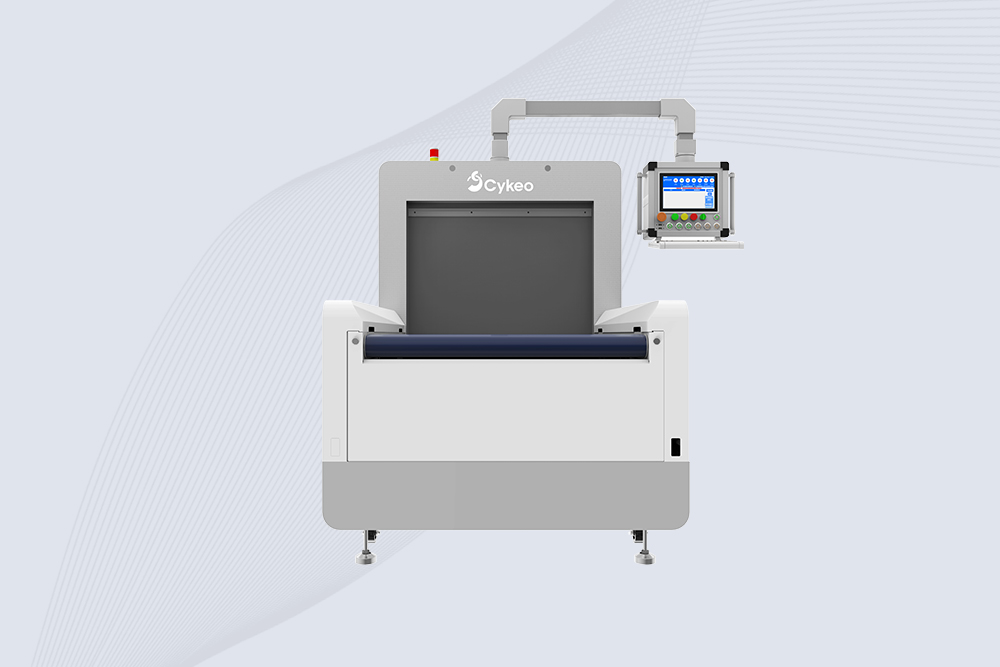
Cykeo’s CYKEO-TP2 automated RFID Inventory Management Tunnel System features 80kg capacity conveyor, 400 tags/sec scanning, and real-time data validation for warehouse/logistics operations.
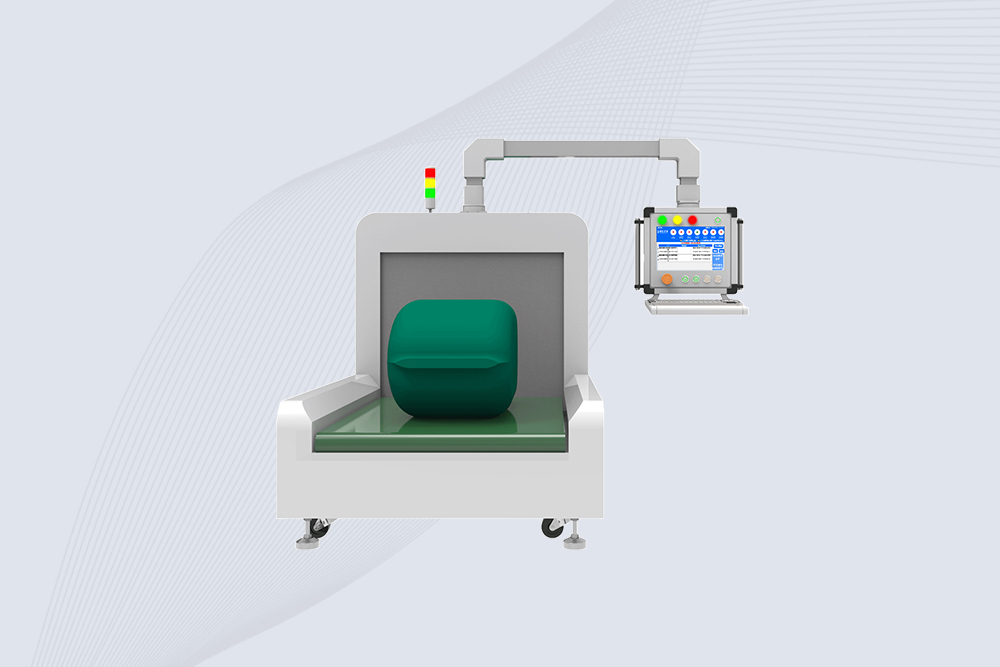
Cykeo’s CYKEO-TP3BC RFID inventory tunnel System management machine delivers 400+ tags/sec counting with ISO 18000-6C compliance. Features 80kg conveyor, -20°C~60°C operation, and ERP integration for apparel/electronics warehouses.
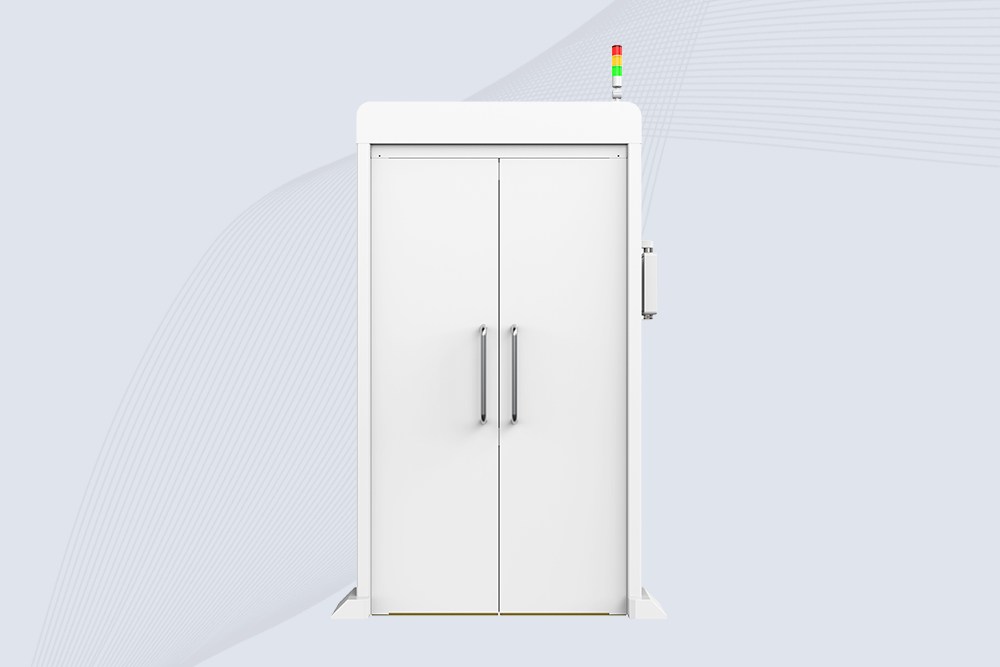
Cykeo’s industrial RFID tunnel scanner enables bulk inventory management for apparel, utilities, and hospitality. Features 10cm anti-interference, ISO18000-6C compliance, and SAP/Oracle integration.
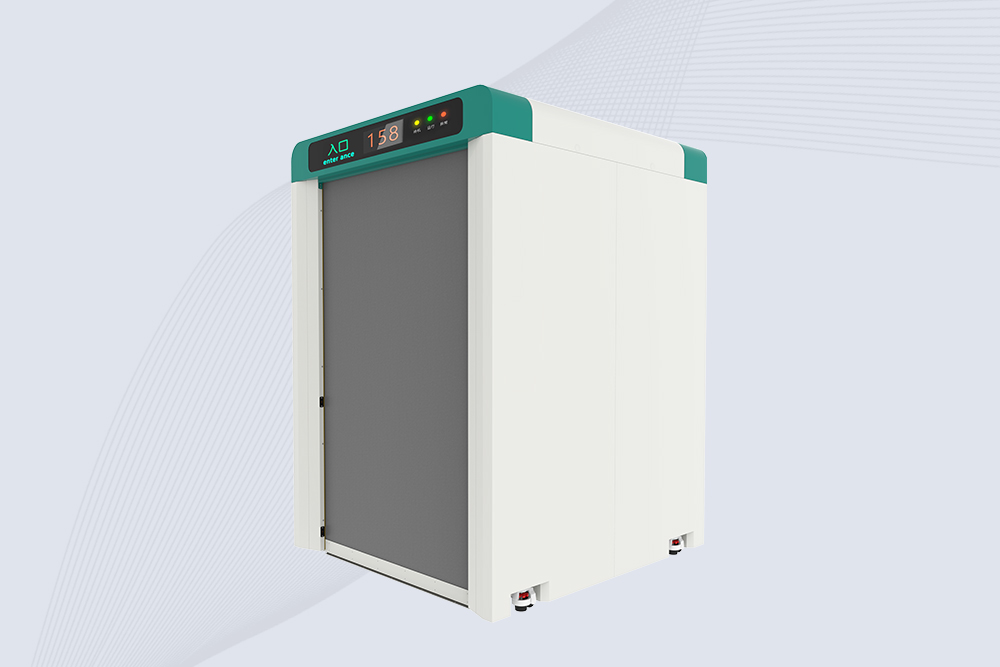
Cykeo CYKEO-TP4 industrial RFID tunnel system features 800-tag/batch processing, PLC-automated shutters, and SAP integration for apparel/hotel/power industries. 3-second verification with 99.9% accuracy.
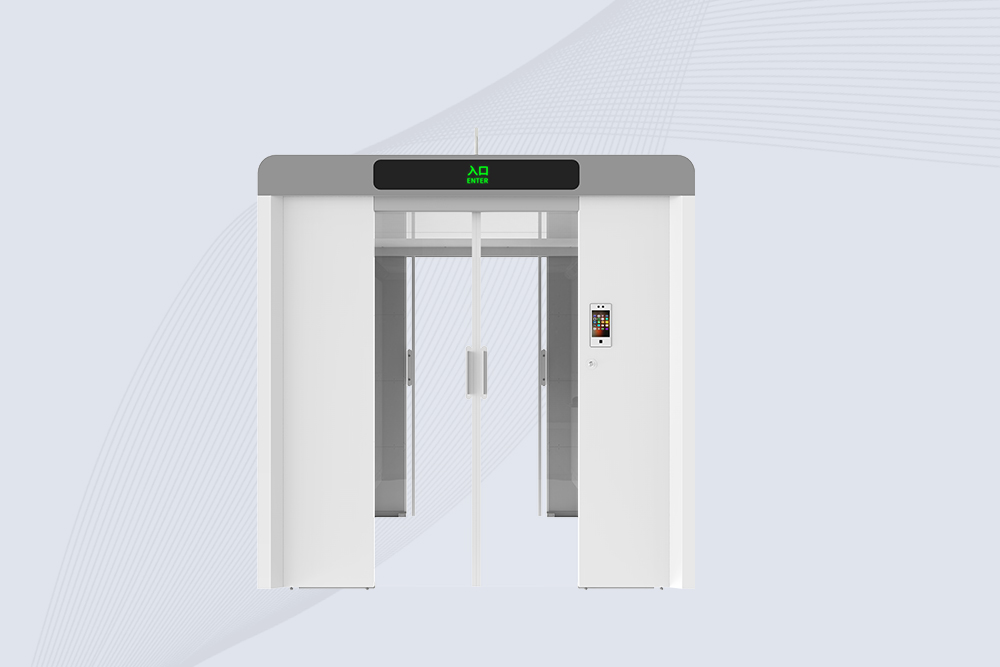
Cykeo CYKEO-TP5A industrial RFID tunnel system features 800-tag/batch processing, PLC-automated shutters, and SAP integration for apparel/hotel/power industries. 3-second verification with 99.9% accuracy.
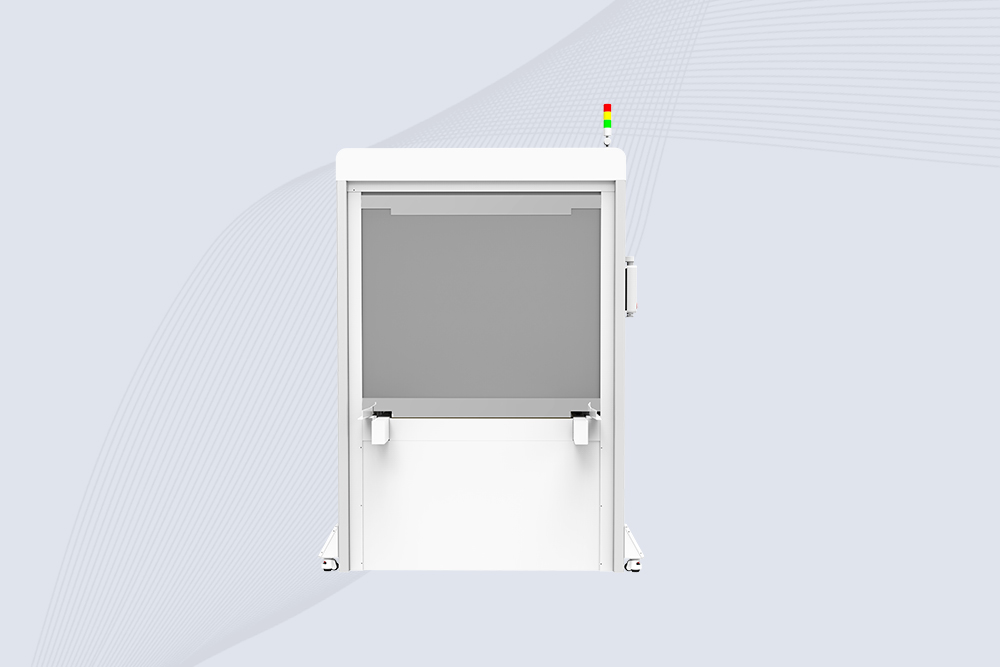
Cykeo CYKEO-TP3 industrial inventory tracking RFID machine achieves 300pcs/3sec bulk scanning with ISO18000-6C compliance. IP65 rugged design for power/garment/hotel linen logistics automation.
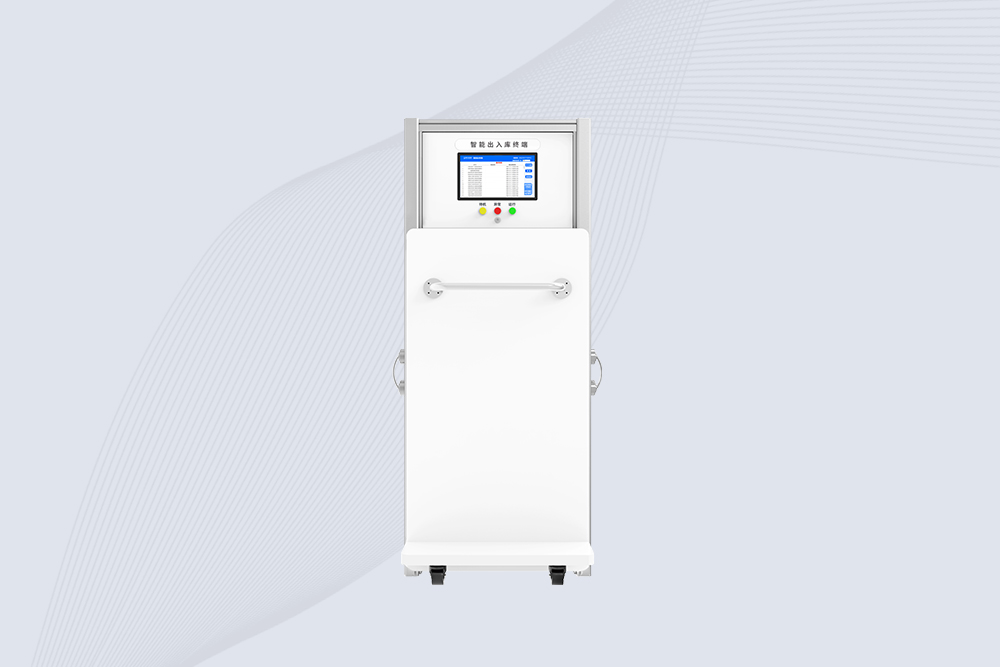
Cykeo CYKEO-GP industrial RFID tunnel achieves 300pcs/sec bulk RFID tags inventory tracking with ISO 18000-6C protocol. 1.9m tunnel height for cage carts, 20cm anti-crosshield tech.

Cykeo’s CYKEO-TP2B automated rfid warehouse management channel enables precision warehouse management with 3s batch processing, ISO 18000-6C compliance, and -20℃ cold chain operation.

Cykeo CYKEO-TP5 RFID inventory management solution delivers 100 tags/sec bulk processing, ISO 18000-6C compliance, and SAP/Oracle WMS integration for power/retail/logistics sectors.
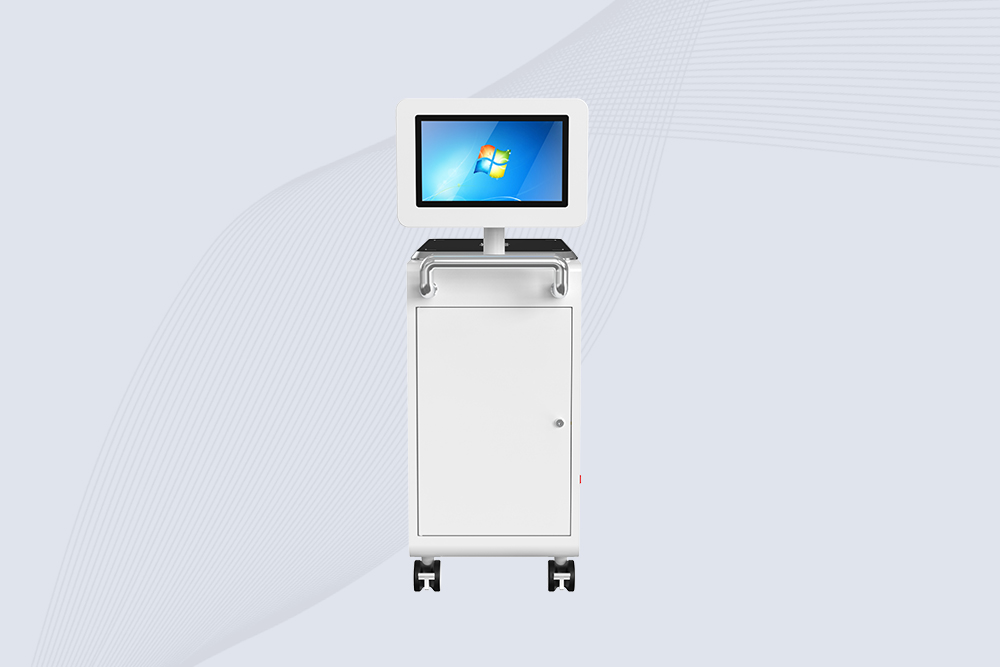
Cykeo CYKEO-C4A RFID inventory systems Cart feature dual-band scanning, 10-antenna array, and SAP integration for warehouse/hospital/supermarket asset audits. 300+ items/min accuracy with industrial reliability.
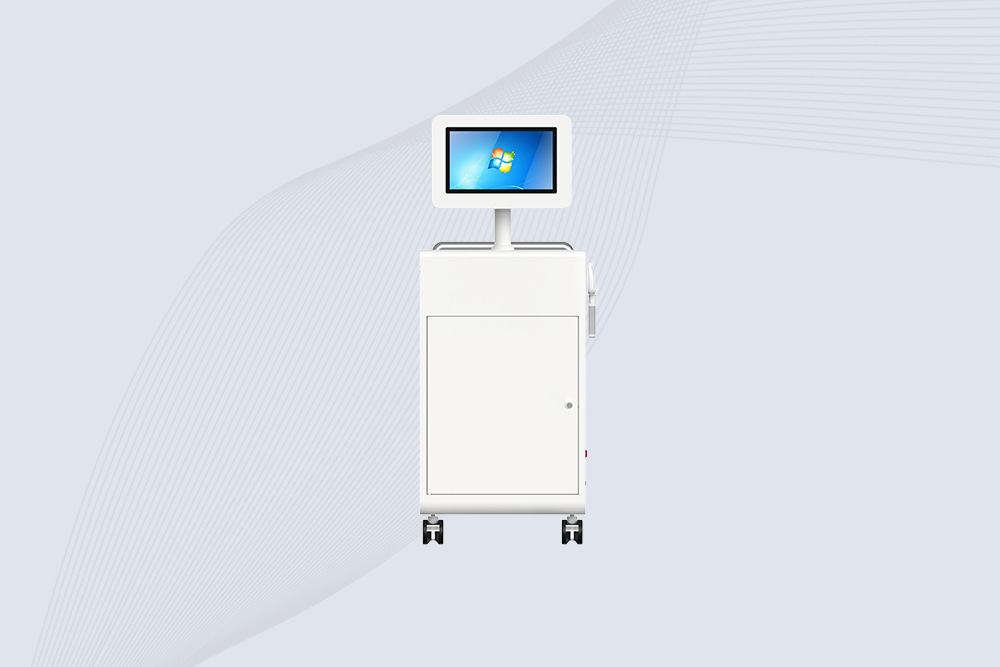
Cykeo CYKEO-C4B RFID inventory managment cart features dual-band scanning, 10-antenna array, and SAP integration for real-time asset tracking in warehouses/hospitals.
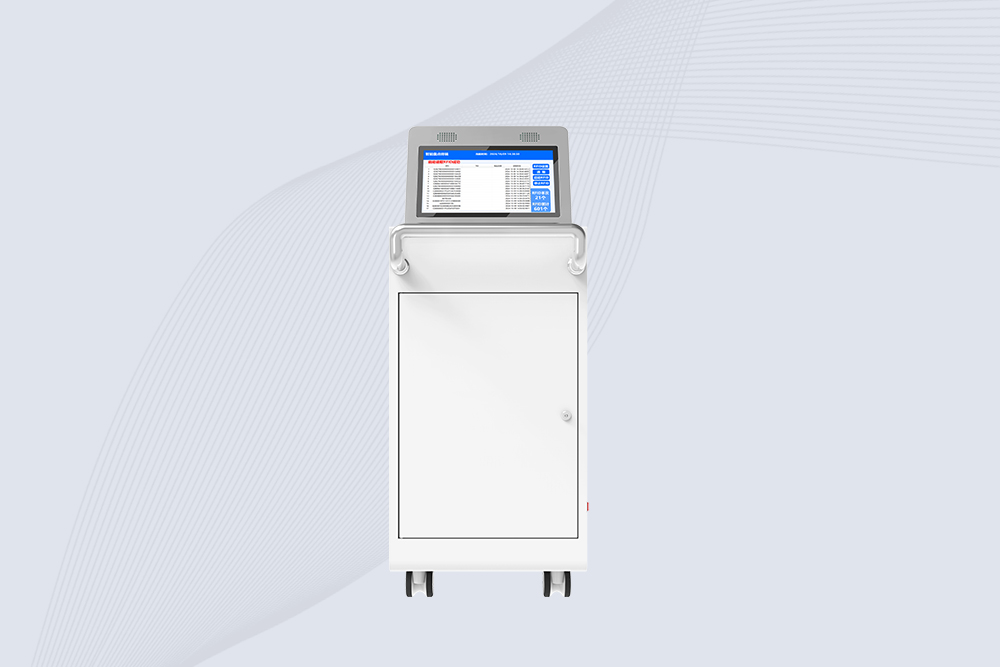
Cykeo CYKEO-C4C RFID inventory tracking cart features 10-antenna array, 300+ items/min scanning, and SAP integration for real-time asset visibility in warehouses/hospitals.
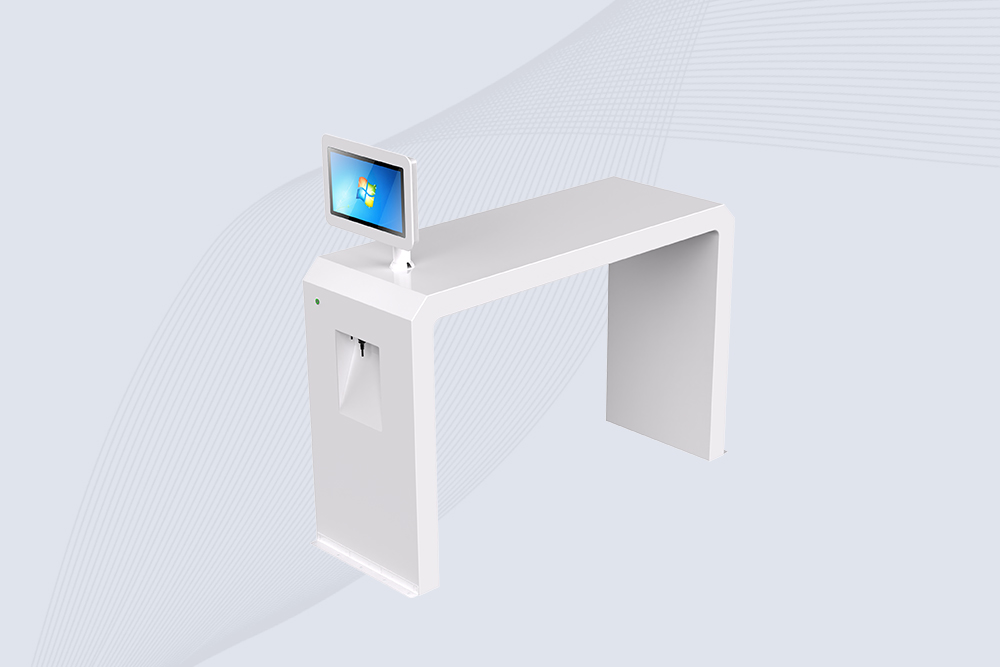
Cykeo CYKEO-T8B industrial rfid gate access system offers 1.85m scanning corridor, 99.6% read accuracy, and Windows/Android OS for production line verification. Supports SAP/Oracle integration.
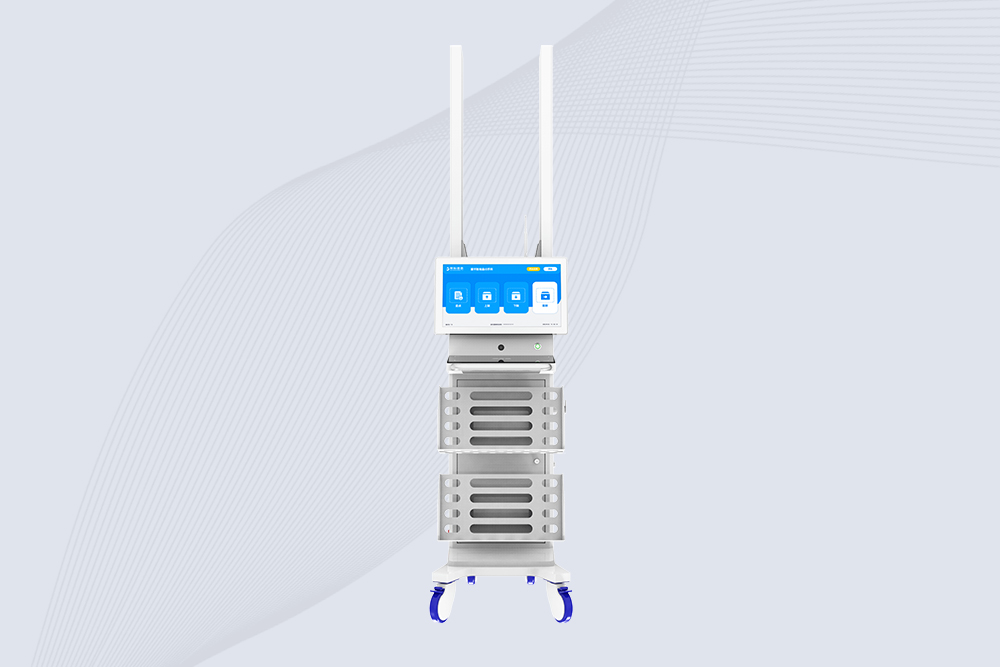
Cykeo CYKEO-C1A RFID tag inventory system features vertical 2.2m manual lift, dual antennas, and Android/Windows OS for warehouse/library inventory. Supports SAP/Oracle integration.

Cykeo CYKEO-TP4A retractable RFID gate processes 1000+ items in 10 seconds with expandable width design. Ideal for large-scale utility, hotel linen, and apparel inventory management.
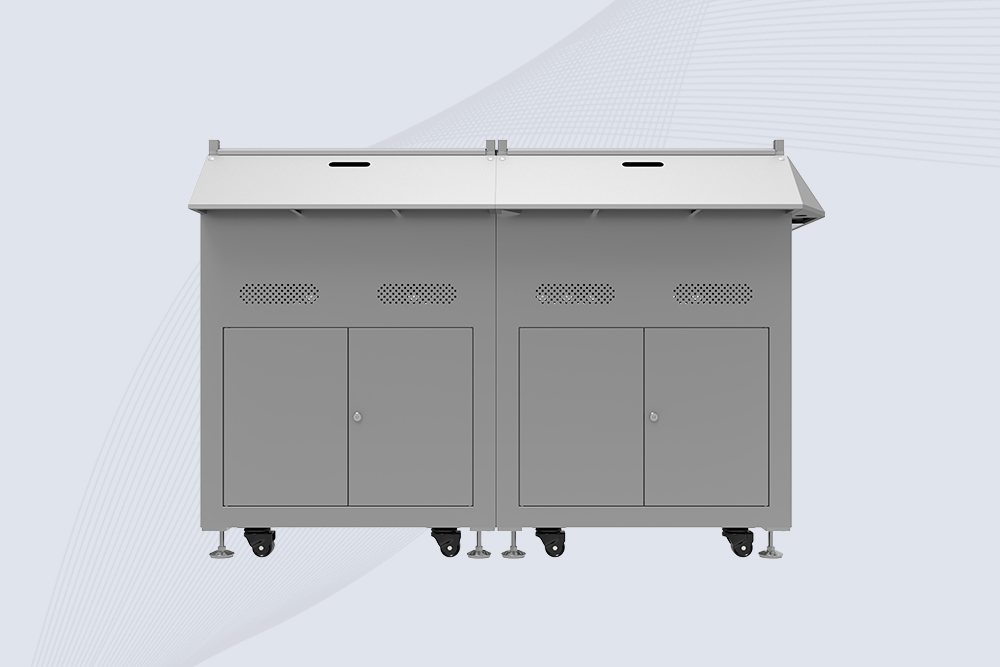
Cykeo CYKEO-S1 RFID library book return sorting system processes 1200 books/hour with modular design and dual-frequency RFID support. Ideal for automated library book sorting and categorization.
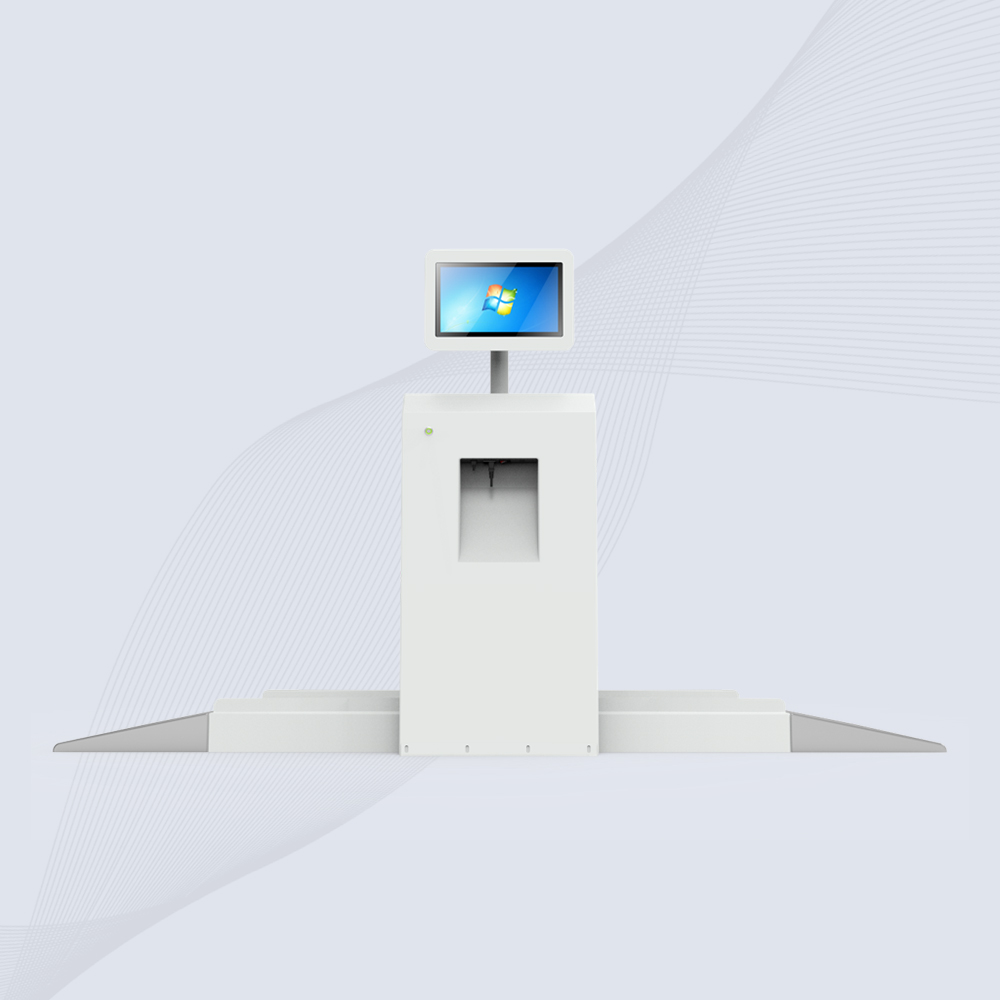
Cykeo CYKEO-TP2C RFID tunnel reader verifies 400+ items in 3 seconds with 4-antenna array and PLC control. Ideal for warehouse inventory management with 99.9% accuracy.
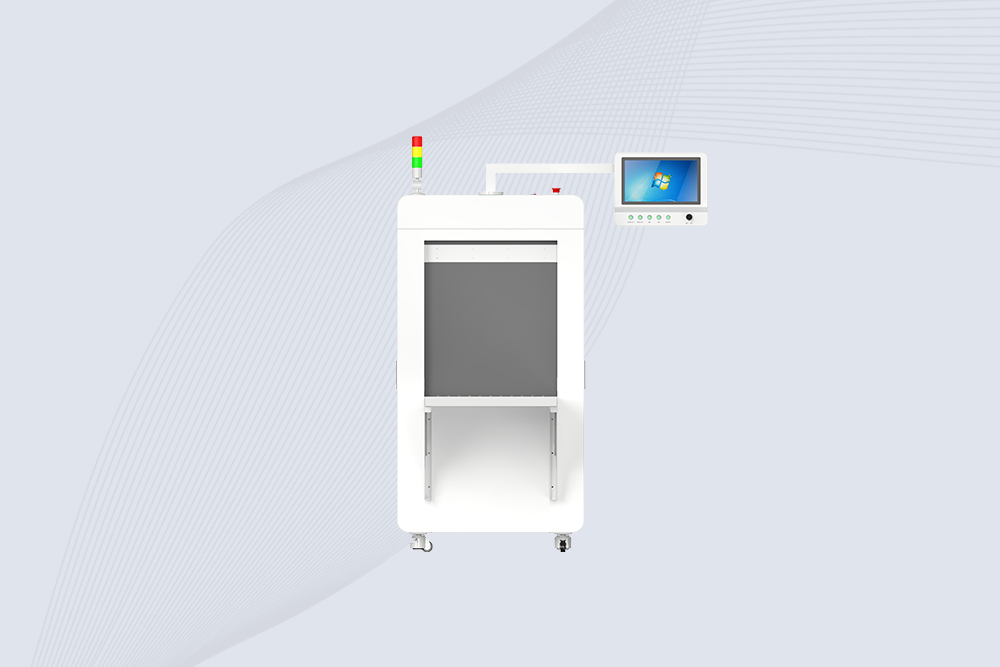
Cykeo CYKEO-TP2D compact RFID tunnel scanner reader offers enclosed scanning with auto-shutter door and IR-activated conveyor. Ideal for mid-scale warehouse inventory management.
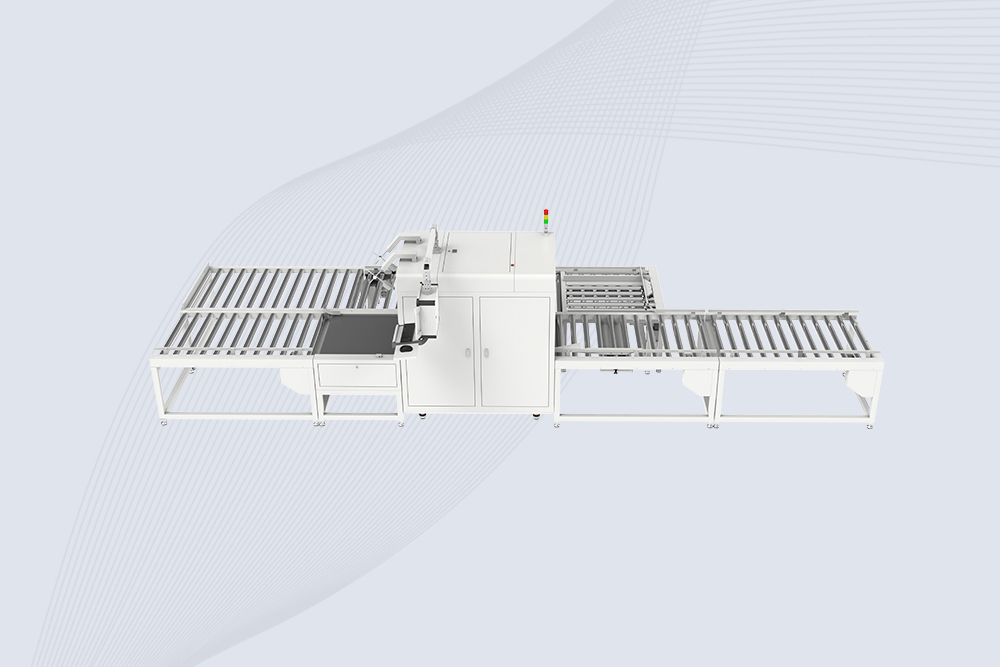
Cykeo CYKEO-TP2A RFID tunnel reader verifies 400+ items in 3 seconds. Integrates RFID, barcode, weighing, and automated sorting for warehouse logistics. Boosts accuracy to 100%.
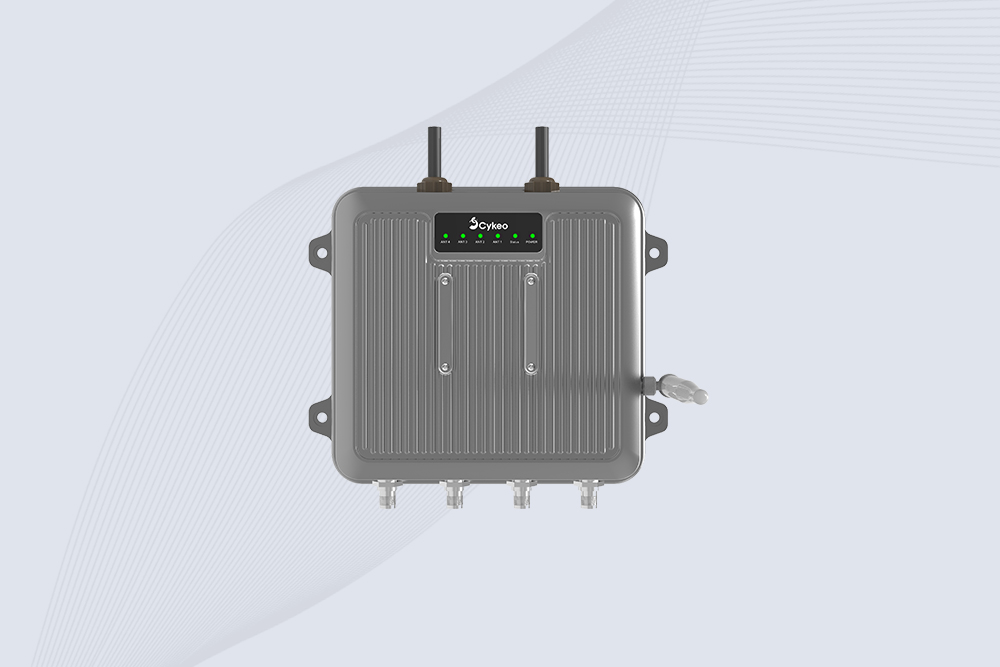
Cykeo CYKEO-C1 industrial Forklift RFID Reader features 20m read range, 600 tags/sec scanning, Impinj R2000 chipset, and IP67 rugged design. Ideal for warehouse logistics and manufacturing. Supports ISO 18000-6C/6B protocols.
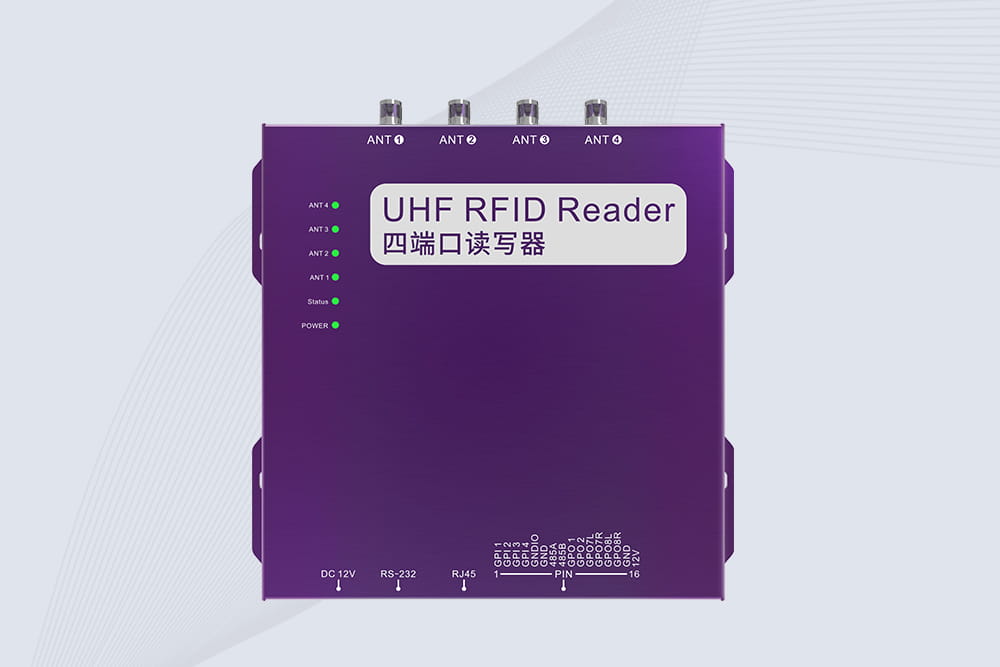
Cykeo CYKEO-R4 industrial UHF RFID Fixed Reader features 4 TNC ports, 400+ tags/sec speed, IP67 housing, and global frequency compliance for vehicle inspection, smart warehouse, and asset management systems.
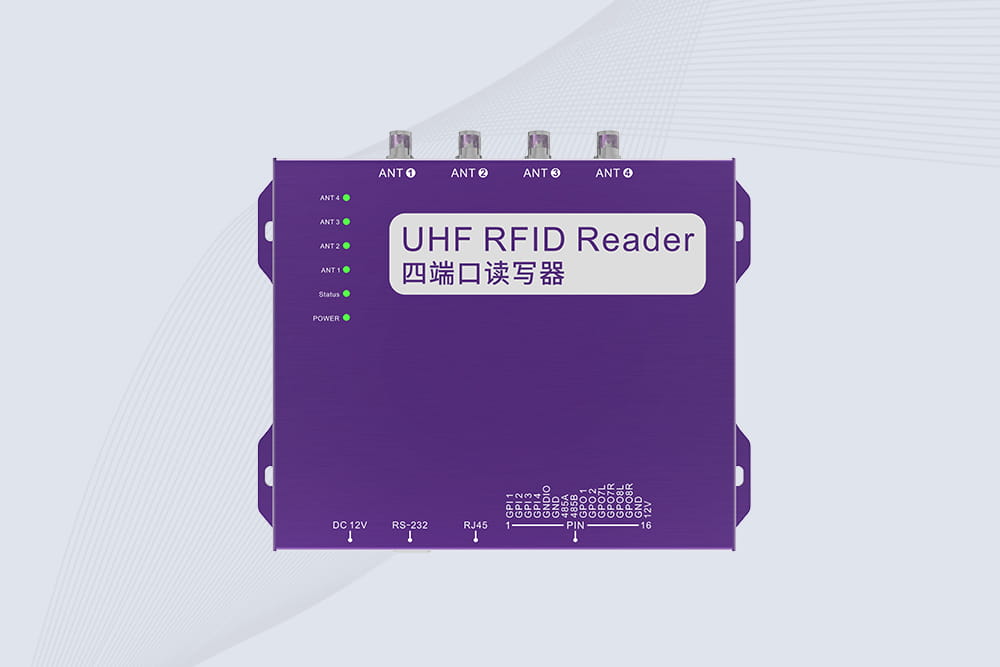
Cykeo’s CYKEO-R4L 4-port Fixed UHF RFID Reader delivers 400 tags/sec scanning, ISO 18000-6C compliance, and IP65 protection. Ideal for warehouse automation, manufacturing WIP tracking, and logistics management.
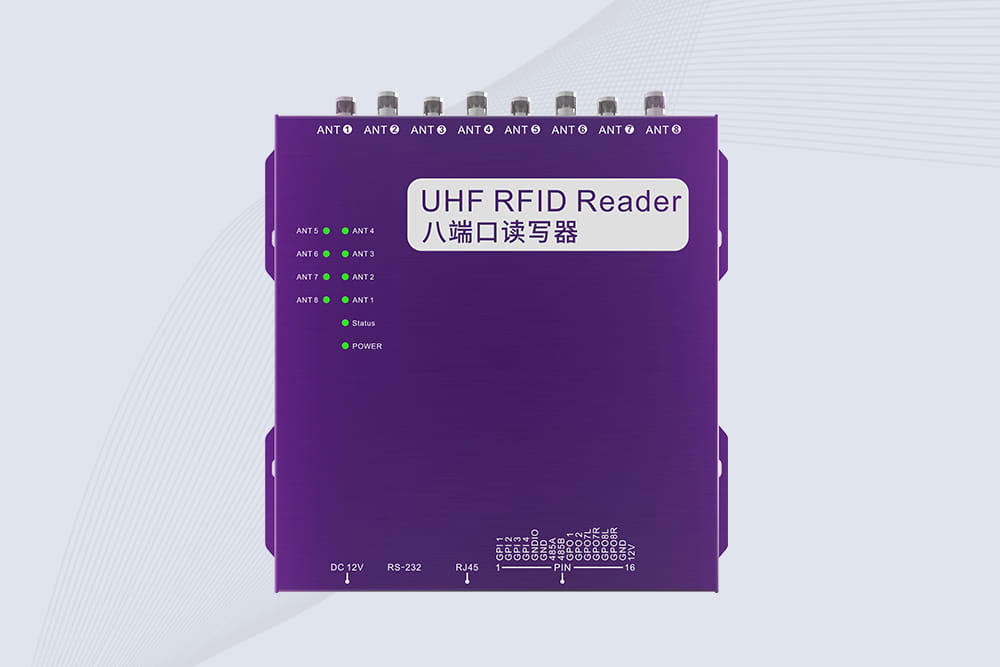
CYKEO CYKEO-R8L Fixed RFID Reader with 8-port UHF design, Impinj-based RF core and up to 20m read range. An industrial Fixed RFID Reader for vehicle inspection, warehouse portals, smart manufacturing lines and secure access checkpoints.
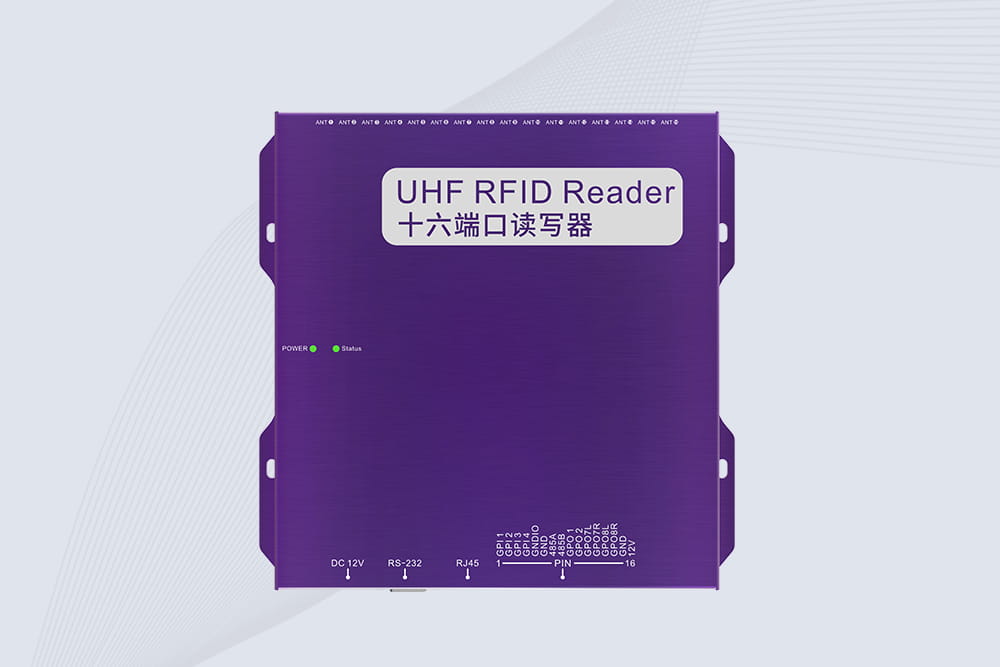
RFID Fixed Reader from CYKEO – the CYKEO-R16L 16-port UHF fixed reader for warehouses, smart cabinets, and production lines. Long-range, multi-tag reading, stable performance for 24/7 industrial use.

RFID tag in car systems enable fast vehicle identification, access control, and tracking. Discover how CYKEO supports real-world deployments.
More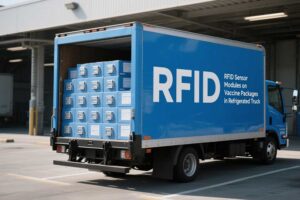
Discover how RFID sensor modules revolutionize cold chain logistics with real-time temperature tracking, compliance assurance, and minimized spoilage.
More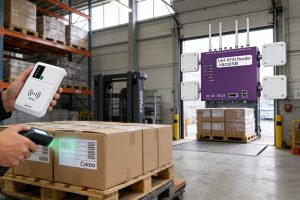
Learn how RFID tags inventory tracking transforms warehouse operations. Discover the benefits over barcodes, types of RFID tags, and step-by-step implementation. Expert guidance from CYKEO engineers.
More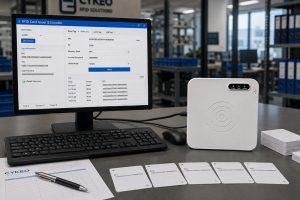
Learn what EPC in RFID means, how Electronic Product Codes work, and why EPC data is essential for RFID asset tracking, inventory management, and supply chain visibility.
More