 Cykeo RFID IoT Solution Products R&D Manufacturer
How to Pair a UHF RFID Reader with Metal-Tag-Friendly Antennas
846Struggling with RFID reads on metal? Learn how to pair UHF readers with anti-metal antennas, fix signal issues, and test your setup in 4 practical steps.
MoreAll RFID Product
EPC in RFID stands for Electronic Product Code, a globally standardized identifier stored in an RFID tag that uniquely identifies a specific item, asset, tool, or product throughout its lifecycle.
In simple terms, the EPC is the digital identity of an RFID tag.
When an RFID reader scans a tag, it is typically reading the EPC memory bank first. That EPC number allows software systems to distinguish one asset from millions of others, even if the items appear identical.
Having worked with RFID encoding projects across manufacturing, aviation, warehousing, and industrial asset management for more than a decade, I can confidently say that understanding EPC structure is one of the most overlooked aspects of successful RFID deployment.
Most RFID problems aren’t caused by hardware.
They’re caused by poor data design.
Without EPC, RFID becomes little more than electronic detection.
With EPC, RFID becomes identification.
The distinction matters.
Imagine a maintenance workshop containing 500 identical torque wrenches.
A standard barcode might identify the product type.
An EPC identifies the exact wrench.
Not a model.
Not a category.
The actual individual asset.
According to the global standards organization GS1, EPC was created specifically to provide unique identification for physical objects across supply chains and enterprise systems.
Today, EPC standards are used worldwide in:
Most UHF RFID tags compliant with EPC Gen2 standards contain several memory banks.
| Memory Bank | Purpose |
|---|---|
| Reserved | Password storage |
| EPC | Unique identifier |
| TID | Manufacturer information |
| User Memory | Custom application data |
The EPC memory bank is usually the most frequently accessed area.
A typical EPC may contain:
This combination creates globally unique identification.
Even if two companies manufacture identical products, their EPC structures remain distinct.
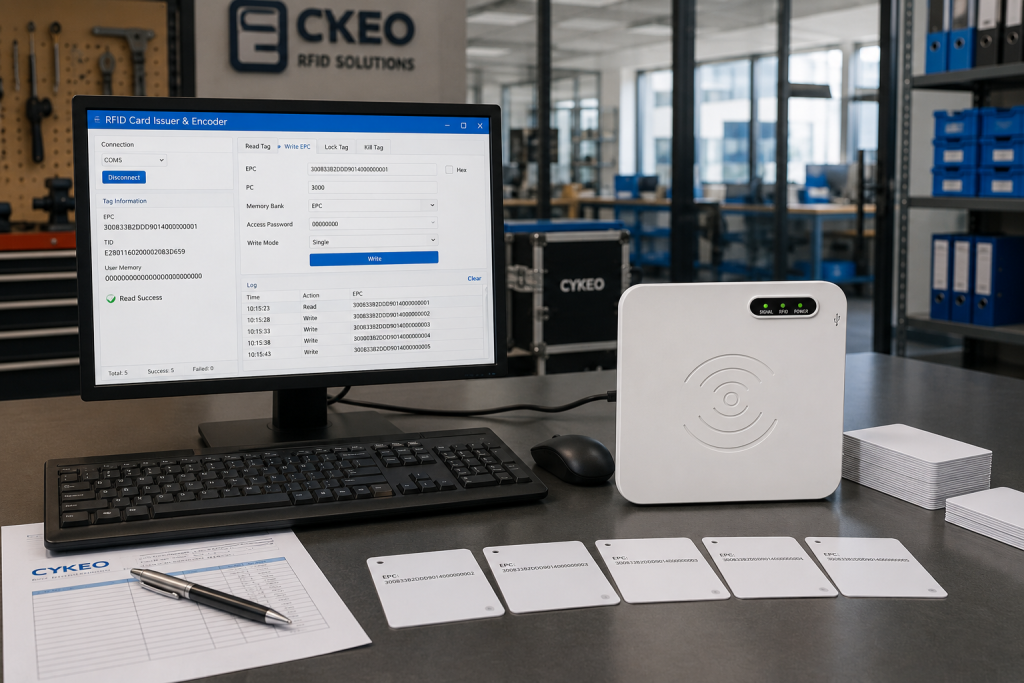
An EPC does not appear automatically.
Someone must write it into the tag.
This process is called EPC encoding.
That is where equipment such as the Cykeo CYKEO-D1LA RFID Desktop Encoder becomes valuable.
The CYKEO-D1LA was specifically designed for RFID tag programming and EPC writing operations.
Key capabilities include:
One feature I particularly appreciate during large encoding projects is its controlled writing range.
Unlike high-power readers that may accidentally program neighboring tags, the CYKEO-D1LA utilizes a near-field antenna design.
Practical operating ranges include:
This greatly reduces encoding errors during bulk EPC issuance.
Inventory accuracy depends heavily on unique identification.
According to research published by Auburn University RFID Lab, RFID technology consistently demonstrates inventory accuracy levels significantly higher than traditional manual counting methods.
The reason is simple.
RFID systems identify individual assets automatically.
No visual scanning.
No manual data entry.
No duplicate serial number confusion.
In one industrial deployment I observed, monthly inventory verification dropped from nearly two hours to less than ten minutes after RFID EPC tracking was implemented.
The software wasn’t faster.
The identification was cleaner.
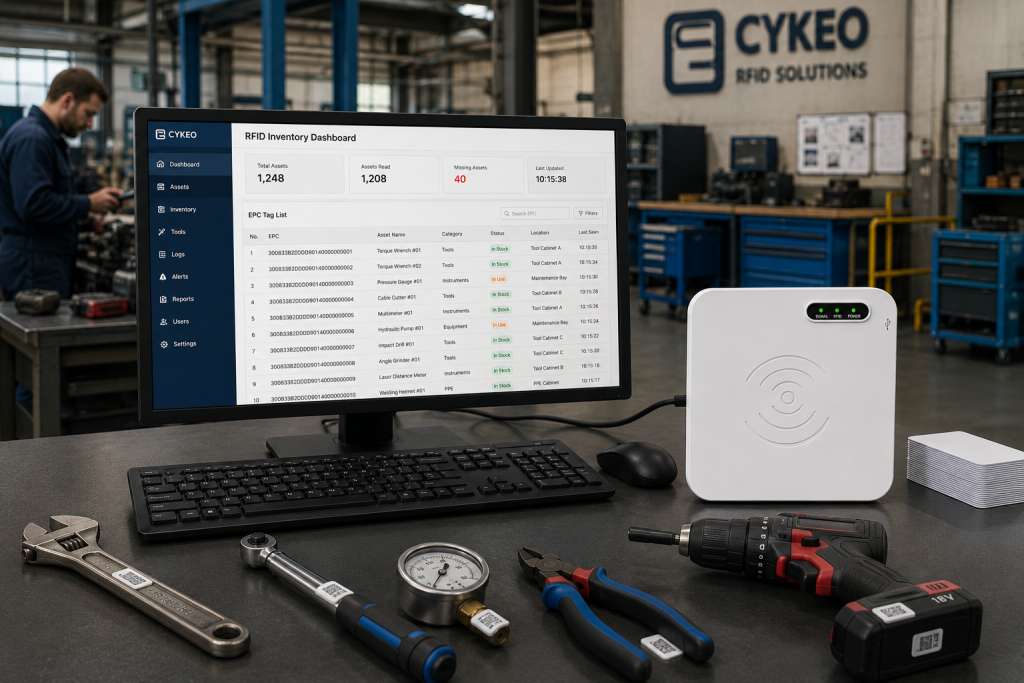
EPC technology has become the foundation of modern RFID deployments.
Track:
Monitor:
Identify:
Manage:
Track:
Across all these industries, EPC acts as the common language connecting physical assets to enterprise software.
Many companies spend weeks evaluating RFID readers.
Few spend enough time designing EPC numbering structures.
That is backwards.
Readers can be upgraded.
Data architecture remains for years.
When EPC allocation is poorly planned, organizations often encounter:
The most successful RFID projects I’ve participated in started with EPC strategy before hardware selection.
That approach consistently reduced implementation headaches later.
EPC stands for Electronic Product Code, a globally unique identifier stored in RFID tags.
EPC is stored in the EPC memory bank inside the RFID tag chip.
Yes. Most RFID tags allow EPC data to be rewritten unless the tag has been permanently locked.
Yes. EPC is user-programmable, while TID (Tag Identifier) is typically factory-programmed by the chip manufacturer.
EPC enables unique identification of individual items, supporting inventory management, asset tracking, and supply chain visibility.
EPC in RFID is the foundation of accurate RFID identification. By assigning a unique Electronic Product Code to every tagged asset, organizations gain traceability, inventory visibility, and data integrity across their operations. Combined with professional encoding equipment such as the CYKEO-D1LA RFID Desktop Encoder, EPC programming becomes reliable, scalable, and suitable for everything from industrial asset management to enterprise-level inventory systems.
The strongest RFID deployments are not defined by how many tags they read.
They are defined by how well those tags are identified.

Discover SSD-D4AL, a USB-HID UHF RFID reader with 4/8/16 antenna options, Impinj E710/X3M1 chipset, plug-and-play USB power, and OEM customization.
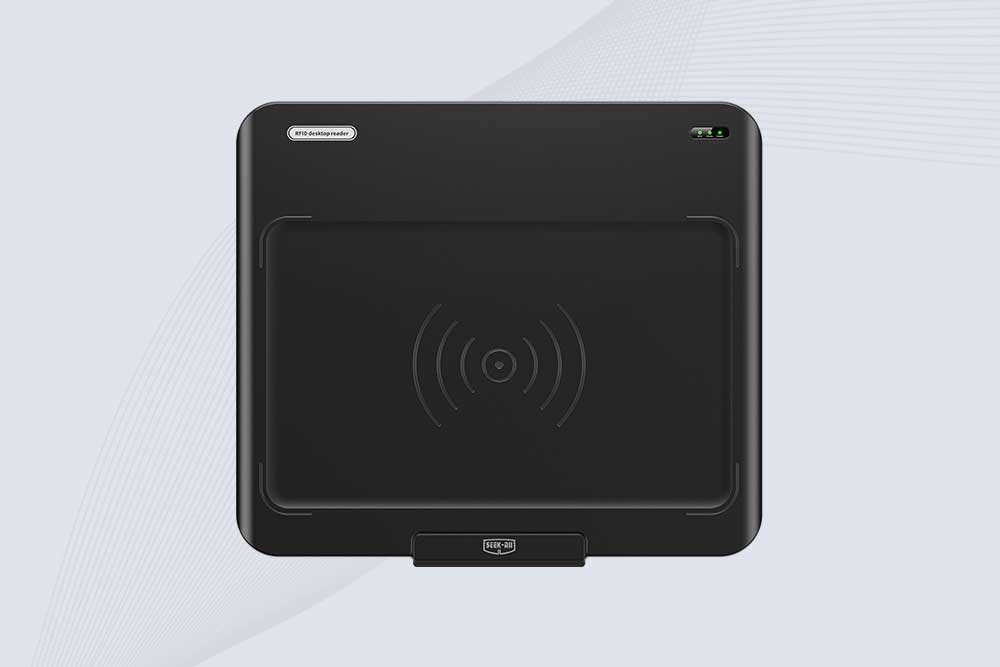
SSD-D3AL is a USB-HID UHF RFID reader with 0–30 cm reading, 0–15 cm writing, over 600 tags/s recognition, USB plug-and-play operation and OEM Logo customization.
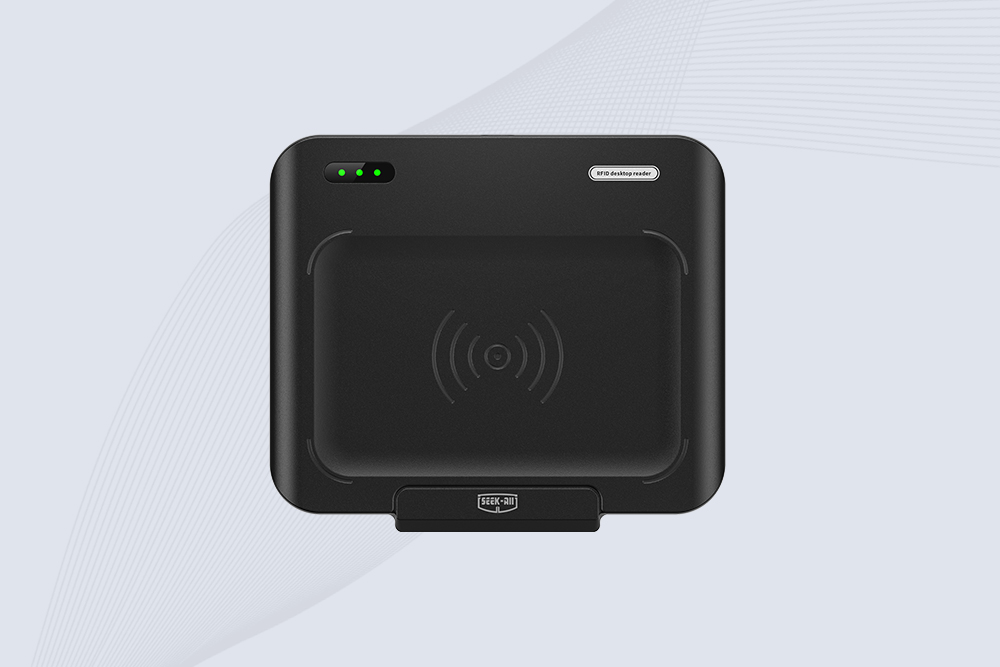
SSD-D1AL is a compact USB UHF RFID reader with Impinj E710/X3M1 chipset, USB-HID, 600+ tags/s recognition, 4/8/16 antenna support and plug-and-play USB power.

CYKEO CYKEO-D1LA USB RFID Reader is a compact desktop solution with near-field control for precise tag reading and encoding. Powered by USB, supporting ISO 18000-6C, and built for stable batch writing, this usb rfid tag reader fits retail, libraries, offices, and controlled RFID encoding tasks.
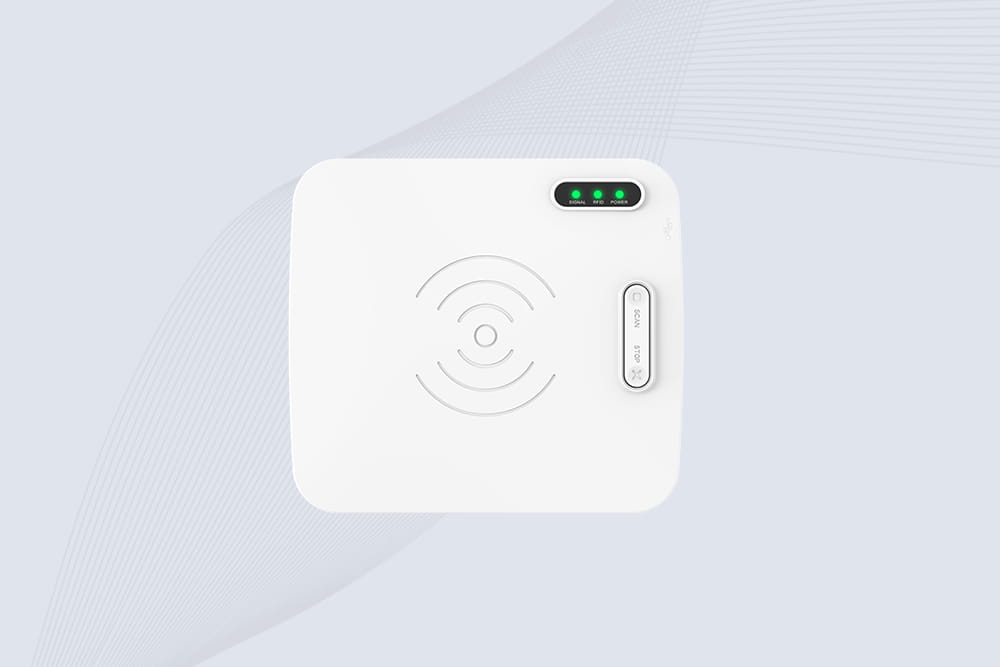
CYKEO CYKEO-D1L RFID scanner USB is a compact desktop UHF RFID scanner designed for short-range tag writing and verification. This usb rfid scanner supports batch encoding, stable 0–26 dBm output, and works across Windows, Linux, and Android systems.
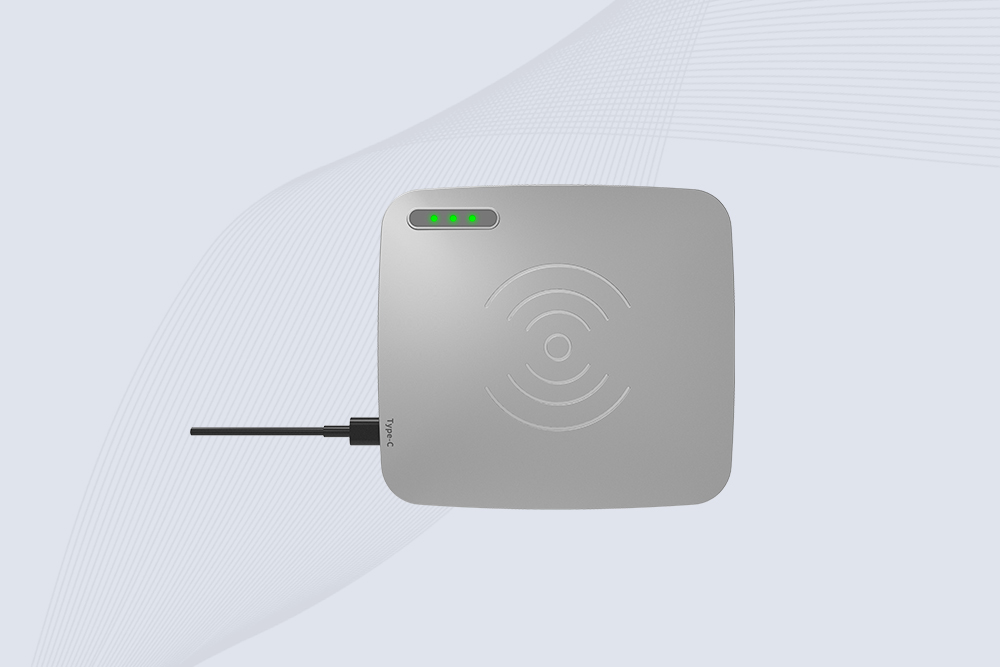
CYKEO CYKEO-D1C USB RFID Card Reader is a near-field UHF desktop writer designed for secure, short-range tag encoding. With USB-C connectivity and stable 26 dBm output, this rfid reader usb c is ideal for badge issuance, label encoding, and controlled desktop RFID workflows.
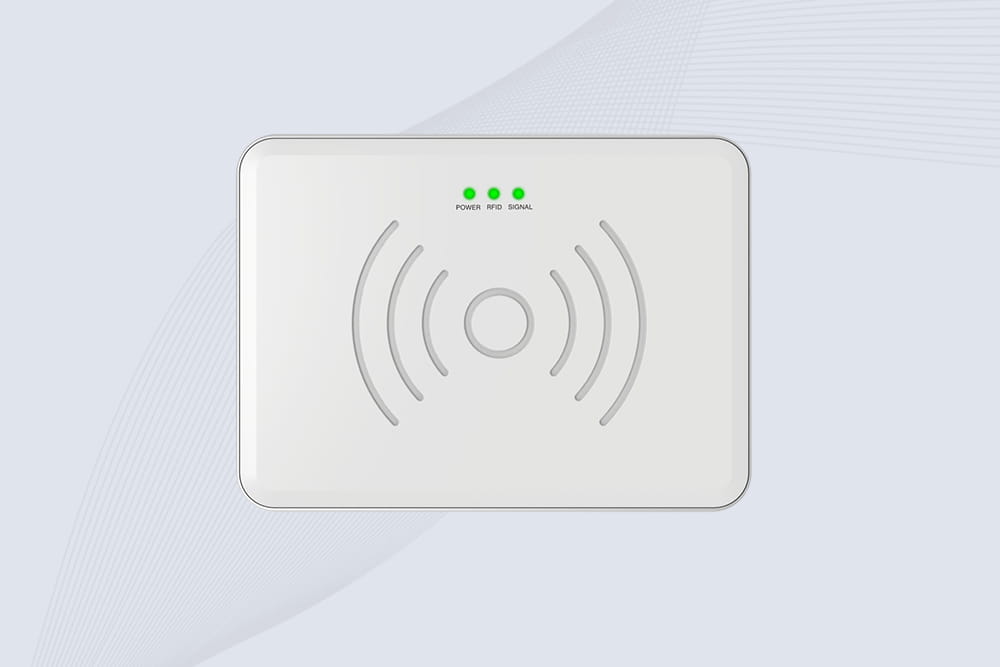
CYKEO CYKEO-D2L RFID Reader USB is a compact desktop encoder built on the Impinj R500 chip. With near-field control and stable USB power, this usb rfid card reader delivers precise tag writing for offices, retail counters, and small-scale logistics encoding tasks.
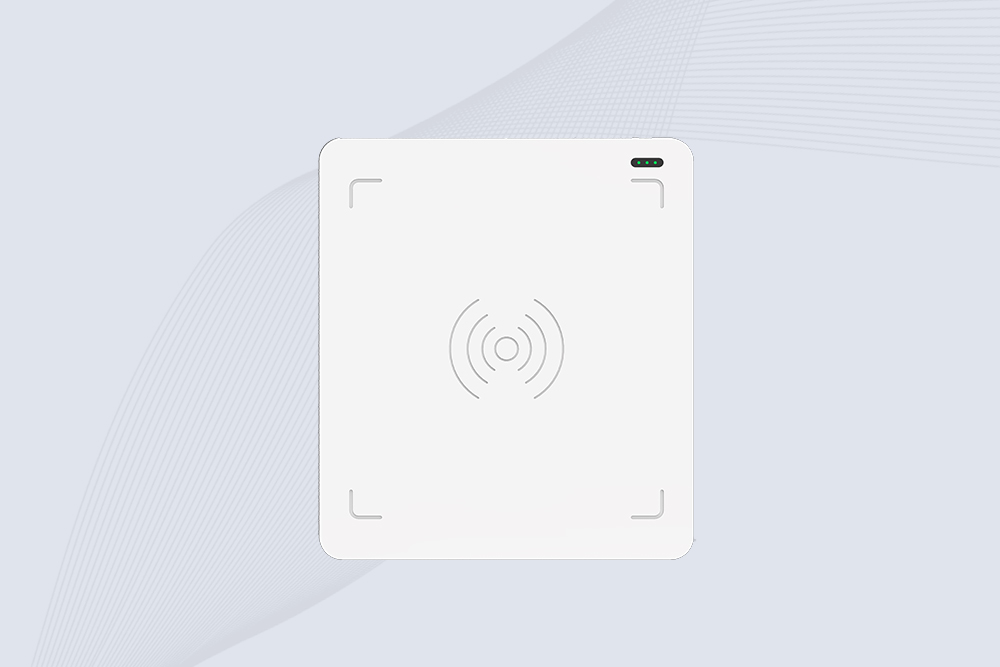
CYKEO CYKEO-D3L USB RFID Tag Reader delivers stable UHF tag reading and writing for daily desktop and light industrial tasks. Designed for controlled short-range operation, this USB RFID Tag Reader works reliably with rfid tag and reader systems in libraries, tool tracking, and inventory registration.
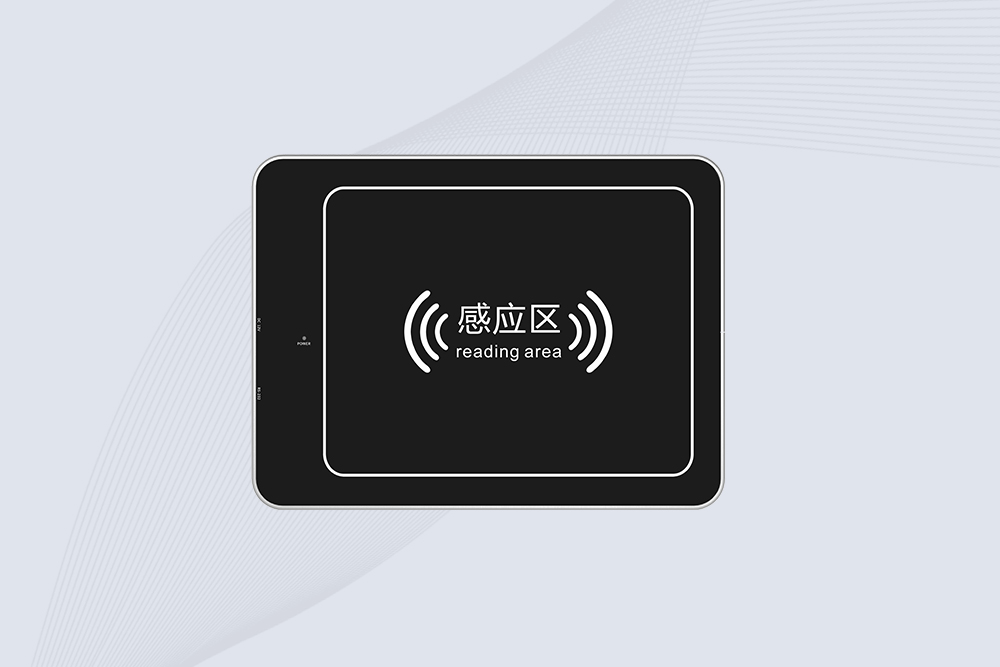
The CYKEO CYKEO-D4L UHF RFID Tag Reader is a stable Desktop RFID Reader designed for accurate tag registration, borrowing, and return workflows. Built with the Impinj R2000 chip, this UHF RFID Tag Reader delivers controlled short-range reads for libraries, asset tracking, and inventory management environments.
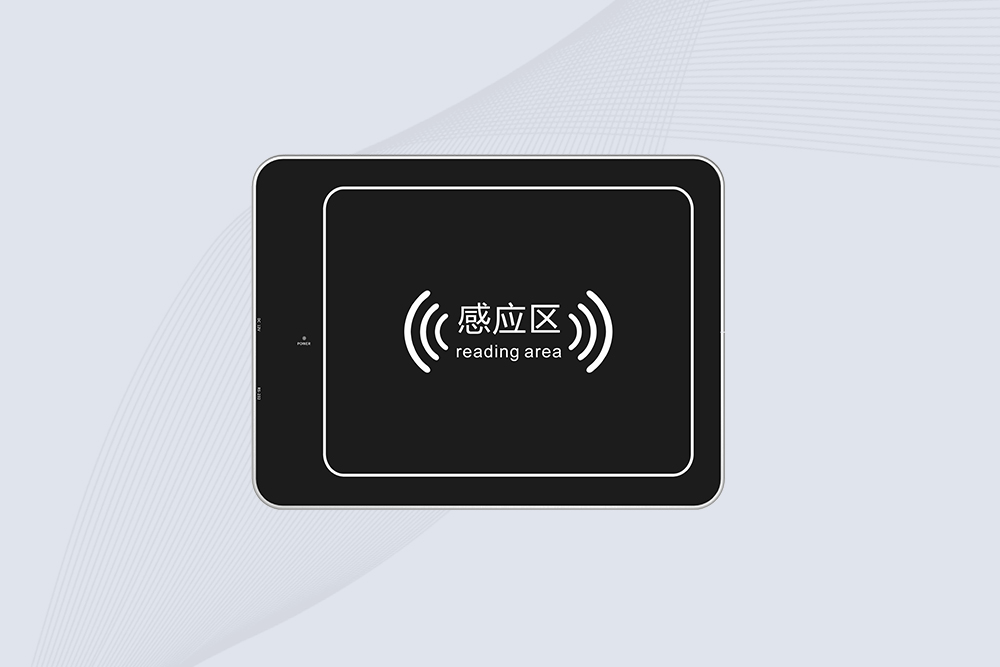
The CYKEO CYKEO-D5L Desktop RFID Card Reader is a stable UHF RFID Card Reader designed for controlled short-range reading and writing. Built for libraries, tool rooms, and asset desks, this UHF RFID Card Reader supports dense tag handling, secure data processing, and easy USB integration.
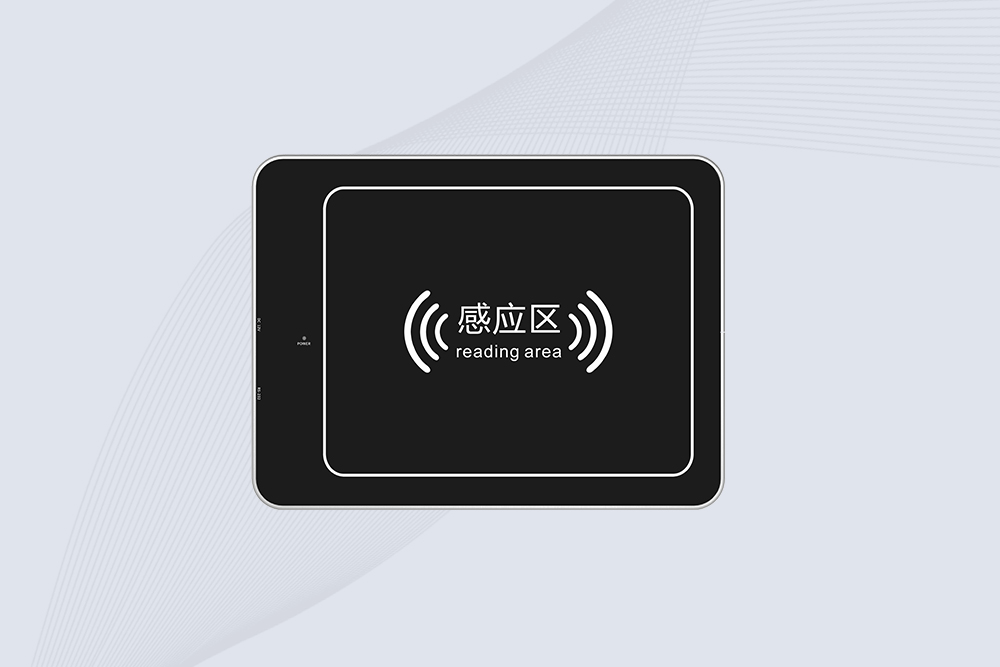
The CYKEO CYKEO-D6L RFID Reader Writer is a heavy-duty Desktop RFID Reader designed for short-range, high-accuracy tag programming. Built for libraries, labs, and asset desks, this RFID Reader Writer supports batch processing, stable 33dBm output, and seamless integration with existing management systems.
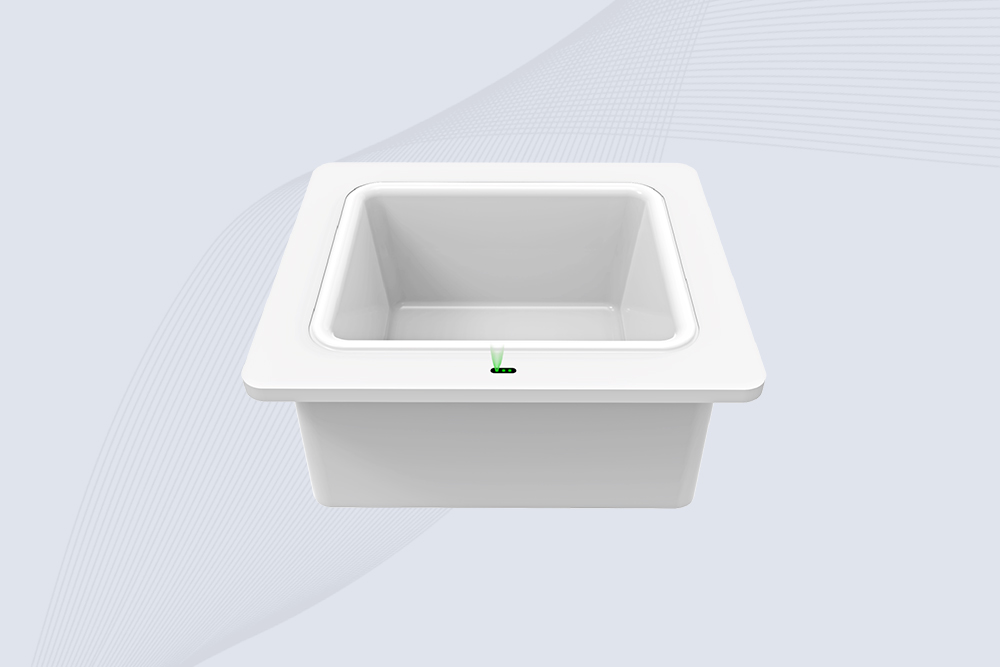
Cykeo CYKEO-D8B UHF RFID tunnel and RFID Desktop Reader features 30+ items batch reading,
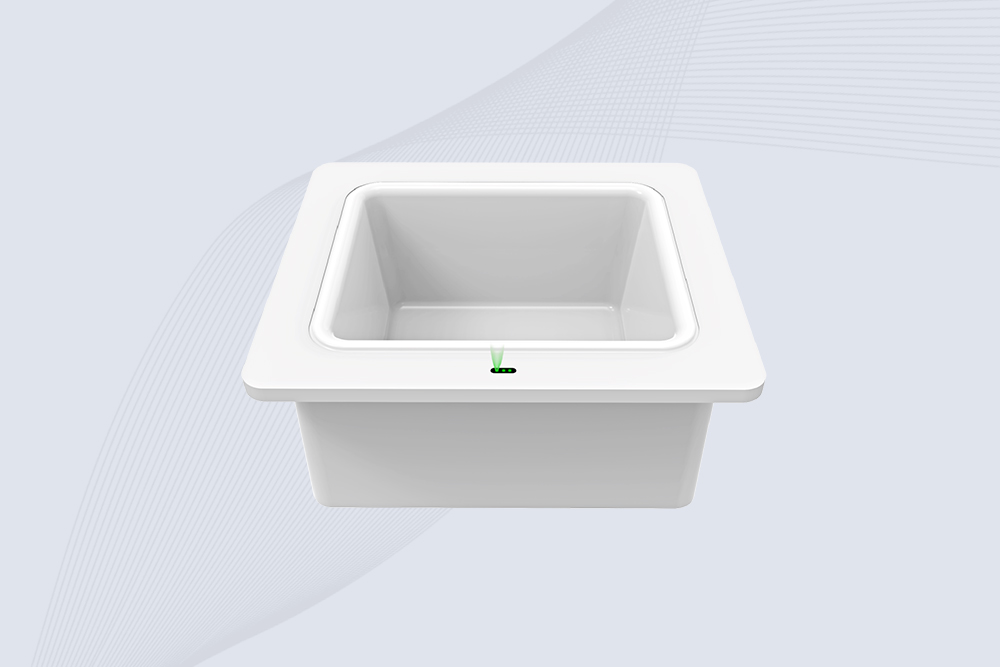
Cykeo CYKEO-D8A embedded RFID badge reader offers 30+ tags/sec scanning, 20cm anti-crosstalk precision, and DC 12V power for unmanned stores, warehouses, and smart inventory systems.
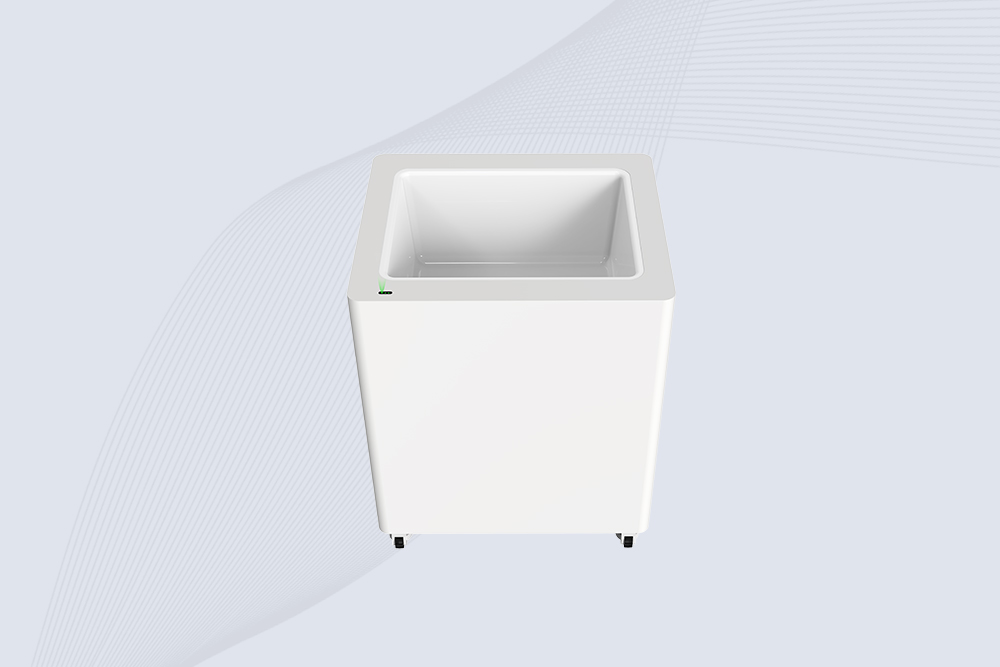
Cykeo’s CYKEO-D8C UHF RFID gate reader achieves 200-tag/batch scanning with adjustable power control, ideal for retail inventory and smart warehouse management.

Struggling with RFID reads on metal? Learn how to pair UHF readers with anti-metal antennas, fix signal issues, and test your setup in 4 practical steps.
More
Discover RFID scanners with NFC support for seamless mobile payments in retail. Learn how Cykeo’s solutions enhance checkout speed and customer experience.
More
How wireless RFID scanners work, their main types, key features, and real-world applications. A practical guide to RFID technology for inventory, retail, and access control.
More
how accurate is rfid tracking? Learn real RFID read-rate and location accuracy data, key factors affecting performance, and how to design reliable industrial RFID tracking systems.
More