 Cykeo RFID IoT Solution Products R&D Manufacturer
What is the fundamental working principle of RFID tags?
1155Explore the working principle of RFID tags: energy transfer, data transmission, and real-world applications. Learn about passive, active, and semi-passive RFID systems.
MoreAll RFID Product
RFID technology is becoming a core component of modern automation systems. Warehouses, hospitals, retail stores, and manufacturing plants are increasingly using RFID to track assets and automate inventory management.
Unlike barcode systems that require direct line-of-sight scanning, RFID allows objects to be identified automatically using radio signals. An RFID system typically includes tags, readers, and antennas working together to capture data and send it to management software.
If you are new to RFID, the first step is understanding how RFID readers actually work. In the article What Is an RFID Reader? the working principle of RFID readers and tag communication is explained in simple terms. The reader sends radio waves through an antenna, activates nearby RFID tags, and receives identification data back from them.
However, RFID is not a single technology. Different frequency types are designed for different environments and use cases.
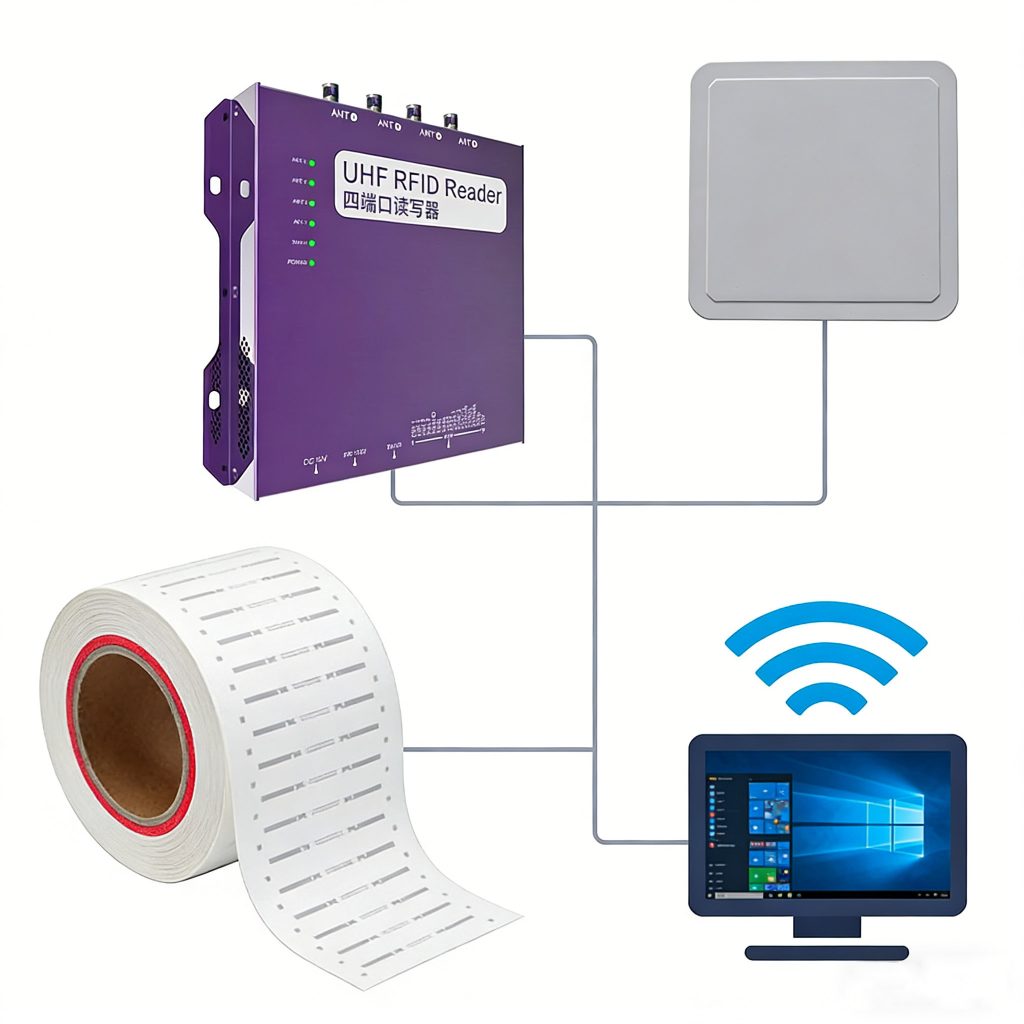
RFID systems are typically divided into three categories based on frequency: Low Frequency (LF), High Frequency (HF), and Ultra-High Frequency (UHF).
Each type has different characteristics such as reading distance, data speed, and resistance to interference.
Low Frequency RFID operates at around 125–134 kHz and is widely known for its stability in environments containing metal or liquids.
Typical applications include:
LF RFID systems have short read ranges, usually just a few centimeters, but they are very reliable in harsh environments.
Because of this stability, LF technology is often chosen when environmental interference is a major concern.
HF RFID works at 13.56 MHz and provides moderate reading distances of up to around one meter depending on the antenna design.
HF RFID is commonly used in:
HF also forms the basis of NFC technology, which allows smartphones to communicate with RFID tags.
HF systems are typically used when controlled reading distance and secure authentication are important.
UHF RFID operates between 860–960 MHz and is currently the most widely used RFID technology for industrial automation and logistics tracking.
Compared with LF and HF systems, UHF offers several major advantages:
These features make UHF ideal for warehouse management, supply chain tracking, and retail inventory systems.
For example, in the articleLong-Range UHF RFID Readers: What Makes Them Useful, it explains how modern long-range readers can detect tags from distances of more than 10–20 meters while processing hundreds of tags per second in large logistics environments.
RFID tags are also classified based on their power source.
Passive RFID tags do not contain batteries. Instead, they receive energy from the reader’s signal.
This design offers several advantages:
According to the articleUltimate Guide to RFID Asset Tracking, passive tags are widely used in large-scale inventory systems because they can be produced at extremely low cost while still delivering reliable identification.
This is why passive RFID dominates industries such as retail, manufacturing, and warehouse management.
Active RFID tags include their own battery and periodically broadcast signals.
Because of this, they offer:
However, they are more expensive and require battery replacement.
Active tags are typically used for high-value assets such as vehicles, containers, or heavy equipment.
Selecting the correct RFID system requires careful planning. Several key factors should be considered before deployment.
RFID systems only work correctly when all components operate within the same frequency and communication standard.
For example, antenna compatibility can greatly affect system performance. The article RFID Antenna Compatibility Guideexplains how mismatched antennas and readers can reduce read distance and cause inconsistent scanning.
Proper antenna placement and configuration are essential for stable RFID performance.
Environmental conditions such as metal shelves, liquid containers, and electromagnetic interference can affect RFID signals.
In the article Reduce RFID Tag Read Errors experts recommend adjusting antenna placement and keeping antennas several centimeters away from metal surfaces to reduce signal reflection.
Testing the environment before deployment can prevent many common RFID problems.
RFID readers must be installed based on real operational conditions such as tag movement speed and scanning area.
The guide Ultimate Guide to Installing and Configuring Industrial RFID Readers highlights the importance of reader placement, antenna direction, and signal power tuning to ensure accurate tag detection.
Many automation systems also use embedded RFID modules for flexible integration into industrial devices and smart cabinets.
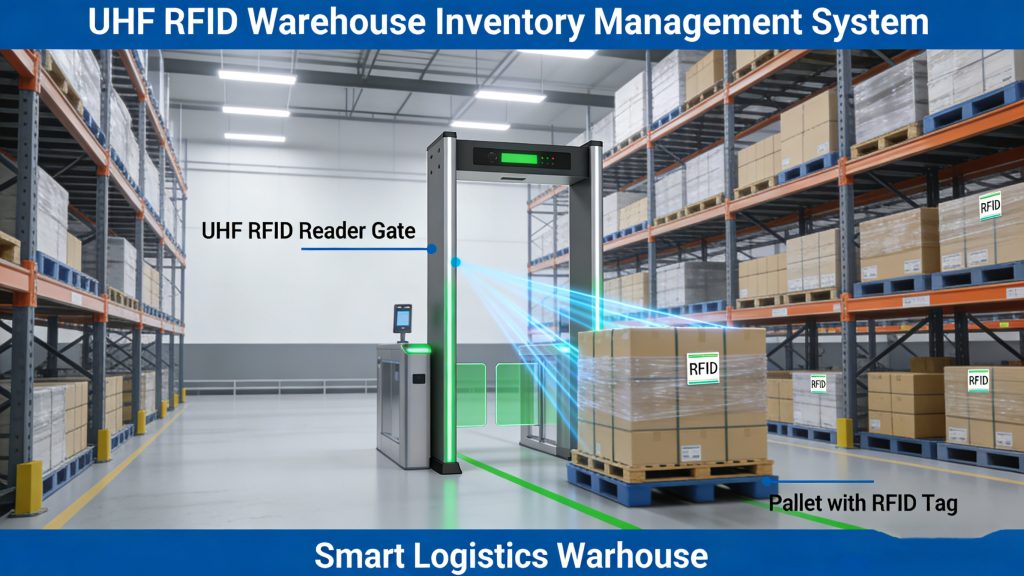
Today RFID technology supports a wide range of industries.
Logistics companies use RFID to track pallets and shipments throughout distribution centers.
Hospitals deploy RFID to monitor medical equipment and manage critical assets.
Factories use RFID for work-in-process tracking and production automation.
These applications demonstrate how RFID is becoming a key technology in smart supply chains and Industry 4.0 systems.
RFID technology offers powerful advantages for companies seeking automation and real-time visibility.
However, successful deployment requires understanding the differences between LF, HF, and UHF RFID, as well as proper system configuration.
By selecting compatible readers, antennas, and tags—and following proven deployment guidelines—businesses can build reliable RFID systems that significantly improve operational efficiency.
As supply chains become more digital and automated, RFID will continue to play an increasingly important role in modern industry.
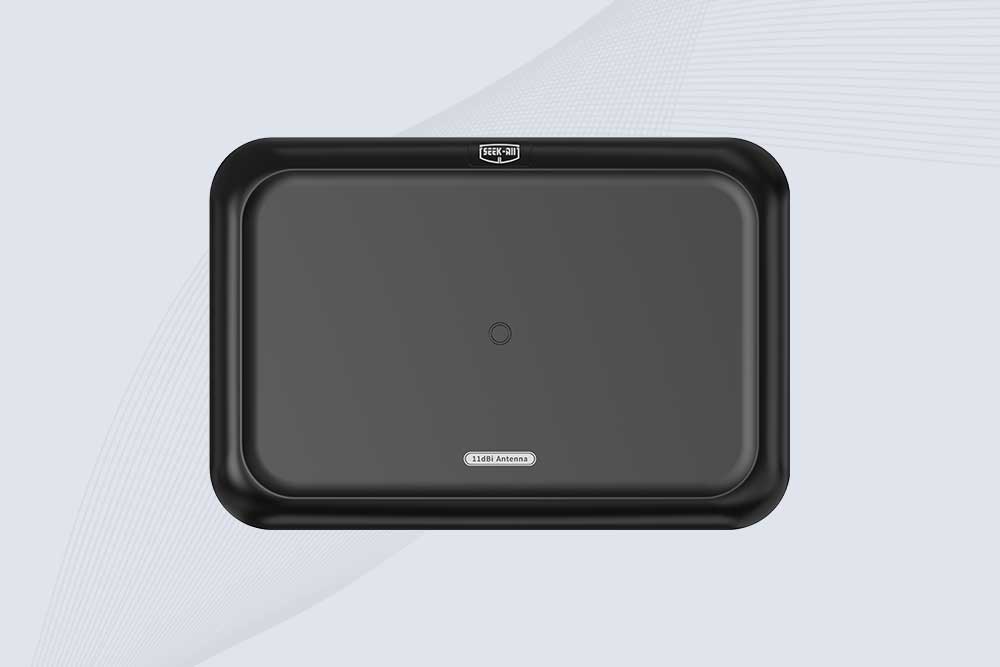
SSD-A11 UHF RFID antenna features 840–960 MHz adjustable frequency, ≥10.5 dBi gain, circular polarization and 50Ω impedance for fixed RFID systems.
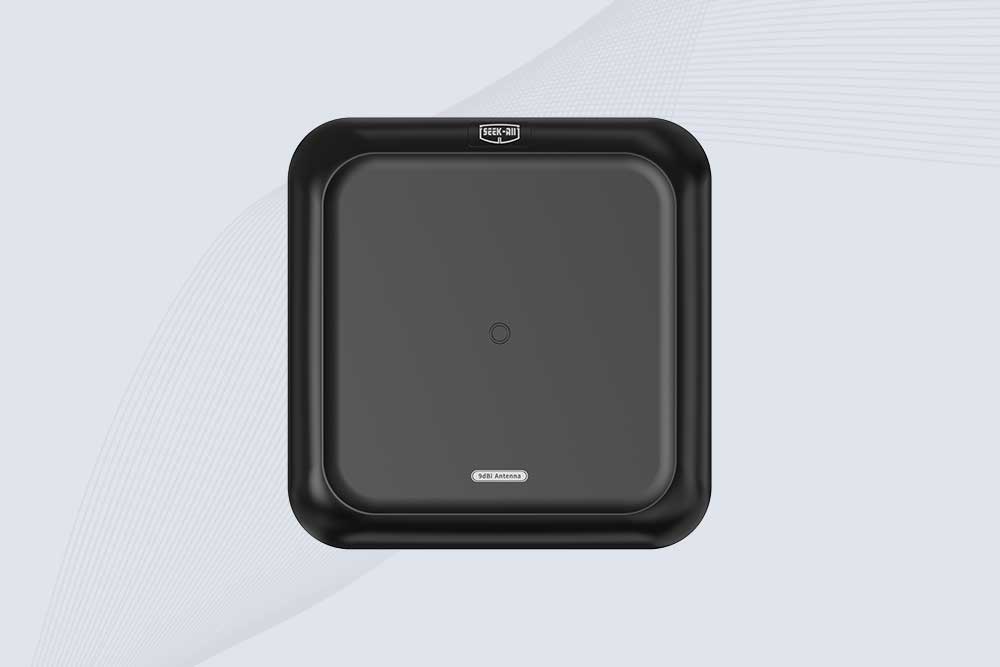
SSD-A09 is a 9 dBi UHF RFID antenna with 840–960 MHz adjustable frequency, circular polarization, 50Ω impedance and directional 60° × 60° coverage.
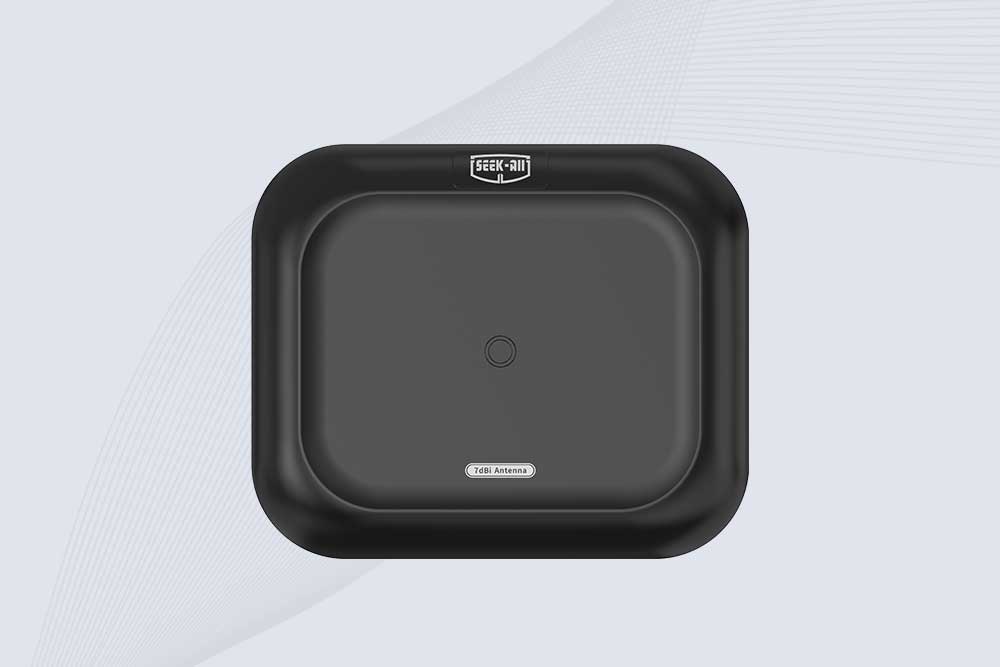
Explore the SSD-A07 UHF RFID antenna with 7 dBi gain, circular polarization, adjustable 840–960 MHz frequency, and 60°/75° beamwidth for stable RFID read/write performance.

SSD-A06 UHF RFID antenna with circular polarization, adjustable 840–960 MHz frequency, ≥4.5 dBi gain, and a compact directional design for RFID systems.
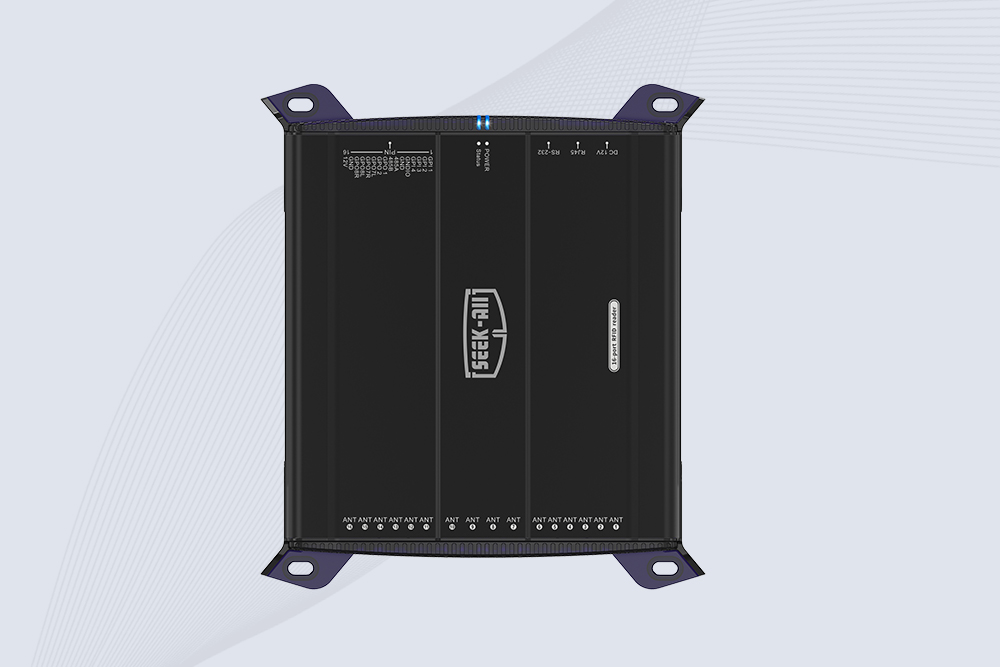
SSD-R16L Multi-Channel RFID Infrastructure for Automated Inventory Management ✔️ 16-Port High-Density RFID Reading Equipped with 16 SMA antenna ports, SSD-R16L supports multi-antenna deployment for warehouses, retail stores, logistics, production lines, and large-area RFID identification. ✔️ High-Speed & Long-Range Performance With up to 33…
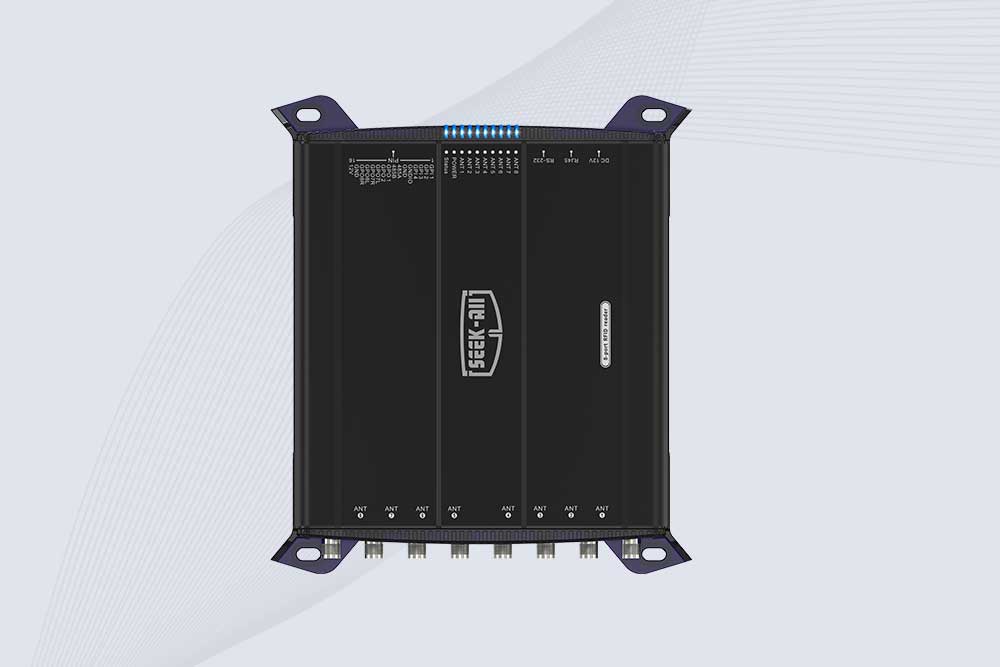
SSD-R8L 8-port UHF RFID reader with 33dBm output, up to 20m reading range and 600+ tags/s recognition. Ideal for warehouse, logistics, retail and asset tracking.
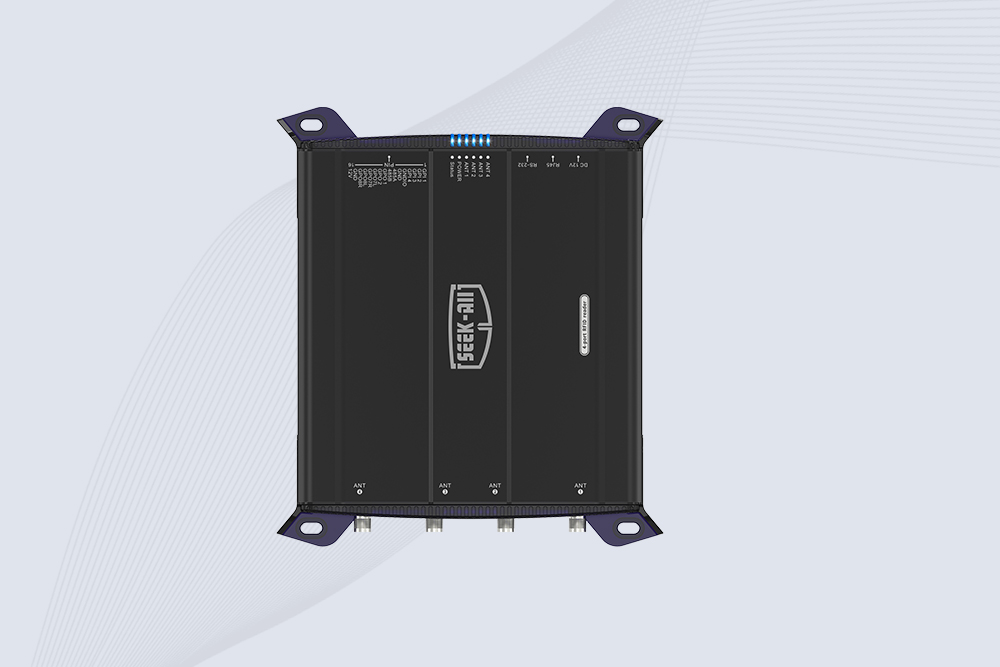
SSD-R4L is a 4-port UHF RFID fixed reader with 33dBm output power, up to 20m reading range, EPC C1G2 support and 600+ tags/s reading speed.
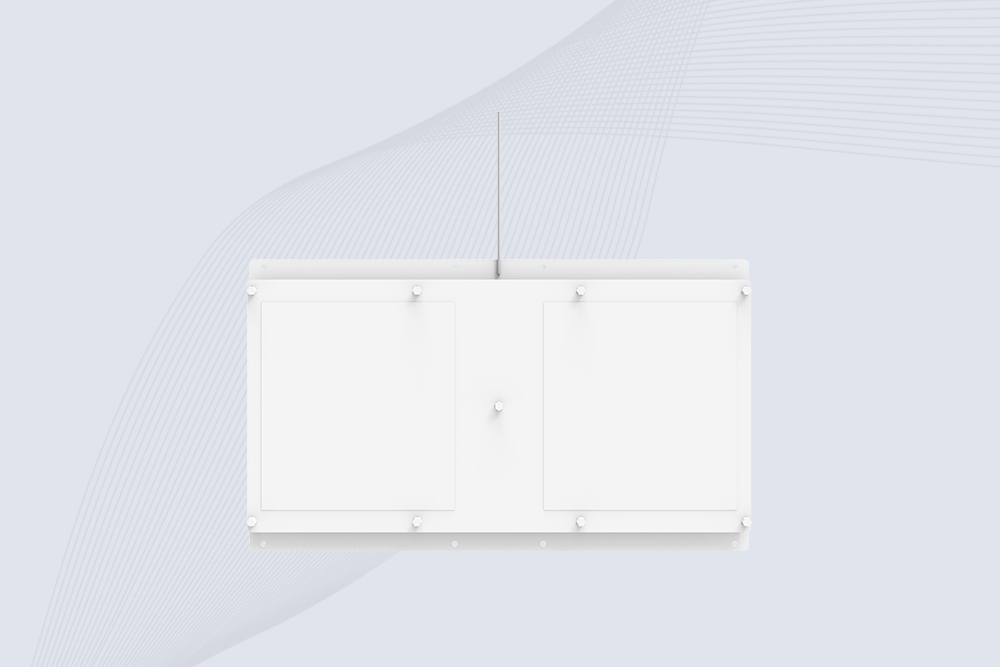
Cykeo CYKEO-A11 UHF RFID reader antenna delivers 11dBi gain, 840-960MHz frequency range, and IP65 ruggedness for retail, logistics, and industrial RFID systems. Features low VSWR and easy installation.

CYKEO Antenna RFID Reader delivers stable long-range UHF performance with a 10.5dBi directional design, built for warehouses, conveyor portals, and industrial RFID systems. This rfid reader antenna provides 20m+ read distance and rugged IP67 protection.

Cykeo CYKEO-PHF3 industrial HF RFID Antenna offers 24-point dynamic tracking, ISO 14443A/15693 protocols, metal-environment stability for archives/libraries/manufacturing.

Cykeo CYKEO-A5B industrial Linear RFID Antenna delivers 5dBi gain, ≤1.5:1 VSWR, and IP65 rugged design for warehouse, production line, and logistics UHF systems.

Cykeo’s CYKEO-B12 Long Range RFID Antenna delivers 15m+ read range with 12dBi gain, IP65 rugged design, and global 840-960MHz UHF support. Ideal for warehouse/logistics asset tracking.
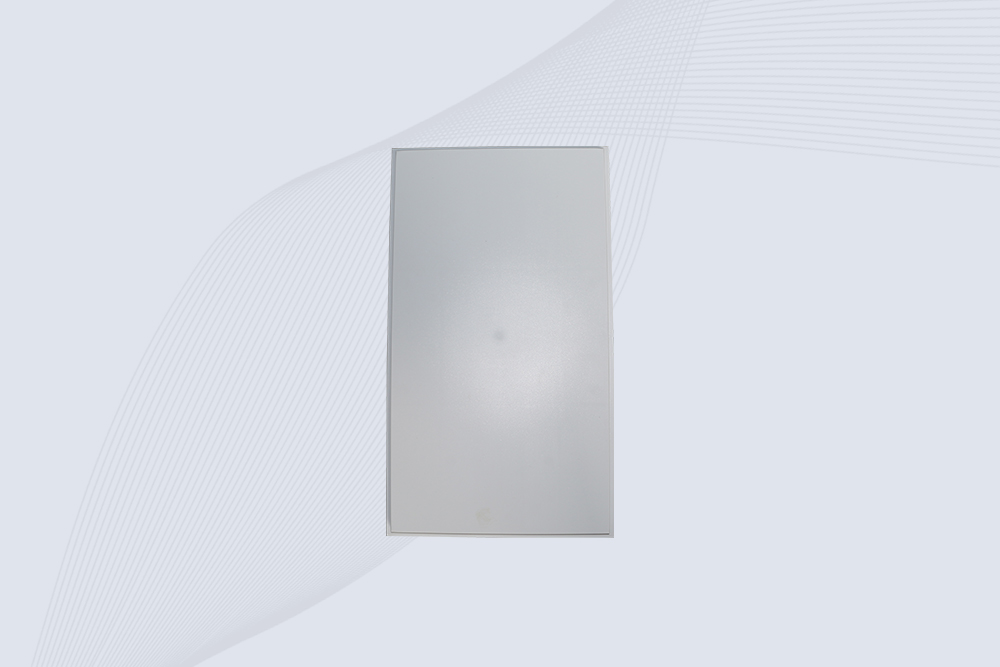
Cykeo CYKEO-B10 Long Distance RFID Antenna offers 10dBi gain, 840-960MHz frequency range, IP65 rating, and 20m+ coverage for logistics/warehousing/ETC systems. Low VSWR ensures stable signal transmission.
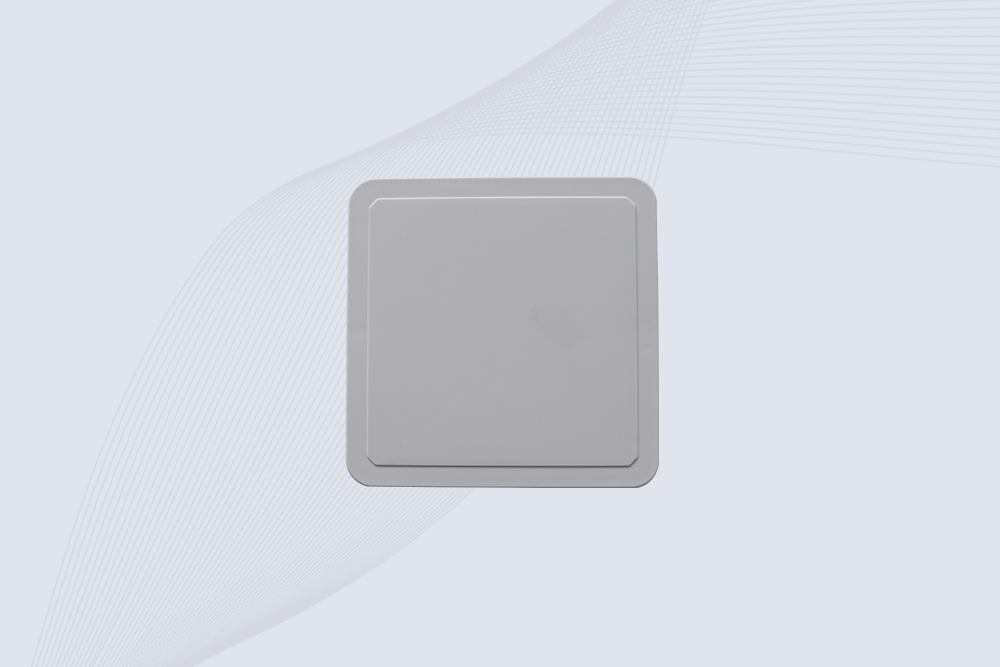
Cykeo CYKEO-A6 UHF RFID panel antenna features 6dBi gain, 840-960MHz broadband, IP65 metal-ready housing for logistics/smart retail. 18mm ultra-thin design with tool-free mounting.

Cykeo CK-A3 industrial antenna RFID UHF offers 5m+ tag detection, ≤1.3:1 VSWR, IP65 rugged design, and global UHF spectrum compatibility (840-960MHz) for warehouses, factories, and retail.
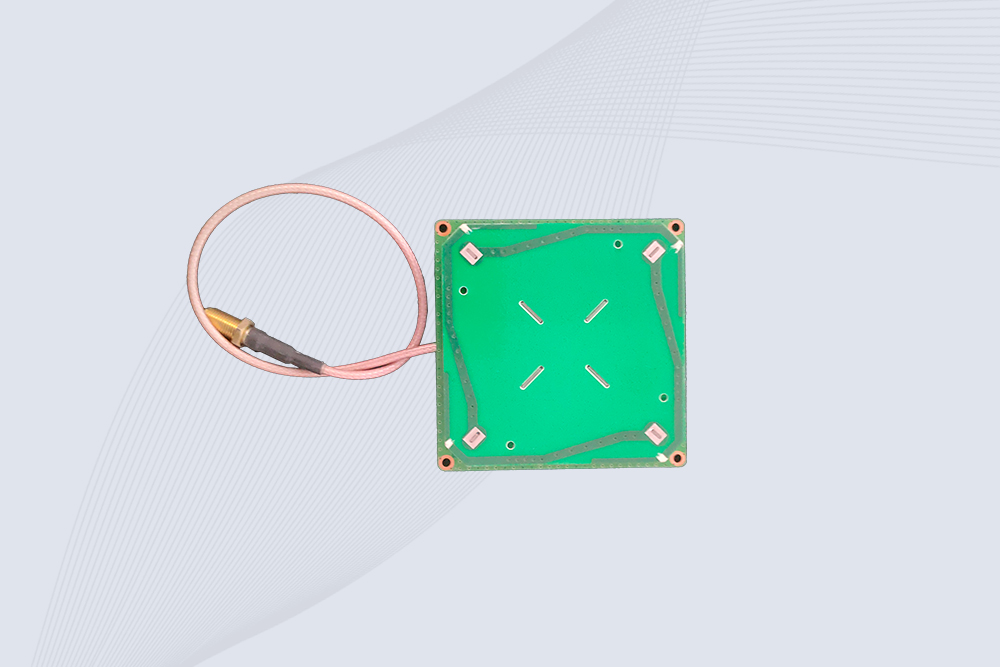
Cykeo CYKEO-B5 directional RFID antenna provides 5dBi gain with 60° narrow beamwidth for precise inventory tracking. IP65-rated, global UHF frequency support, and low VSWR.
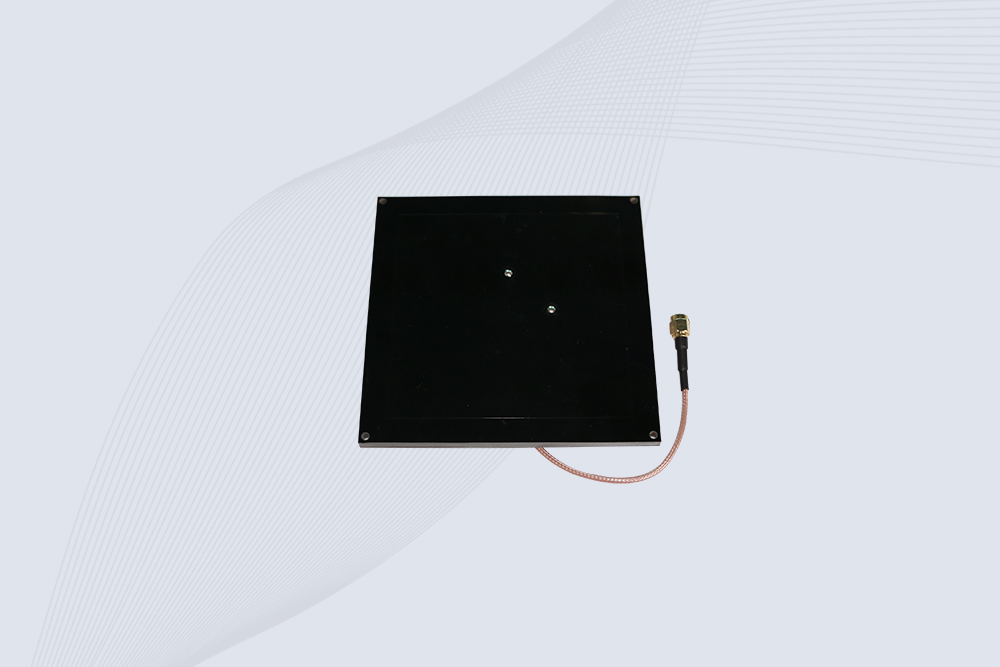
Create your own high-performance DIY RFID antenna! 5dBi gain, 840-960MHz tunable, step-by-step guides. Compatible with Arduino, Raspberry Pi, and commercial UHF readers.
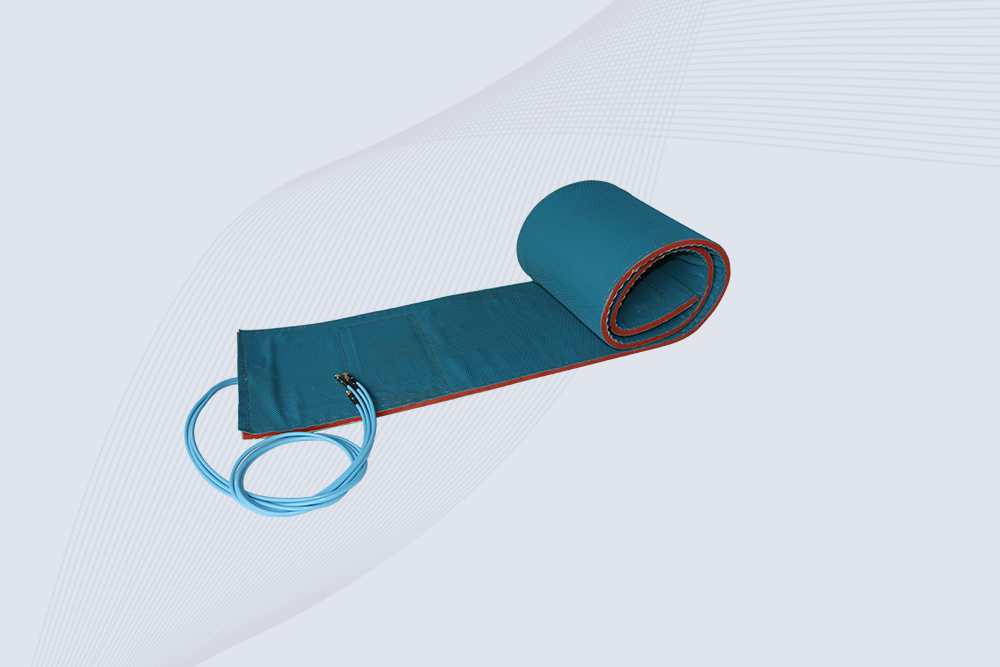
Cykeo CYKEO-A7 Flexible RFID Antenna features 840-960MHz wideband tuning, 7dBi gain, and IP68 rating for medical/retail/industrial curved surface deployments. 98% read accuracy with peel-and-stick installation.

Cykeo CYKEO-B5A industrial Passive RFID Antenna delivers 5dBi gain, 70° beamwidth, and -40°C~55°C operation for warehouses/smart cabinets. Compatible with Zebra/Impinj readers.
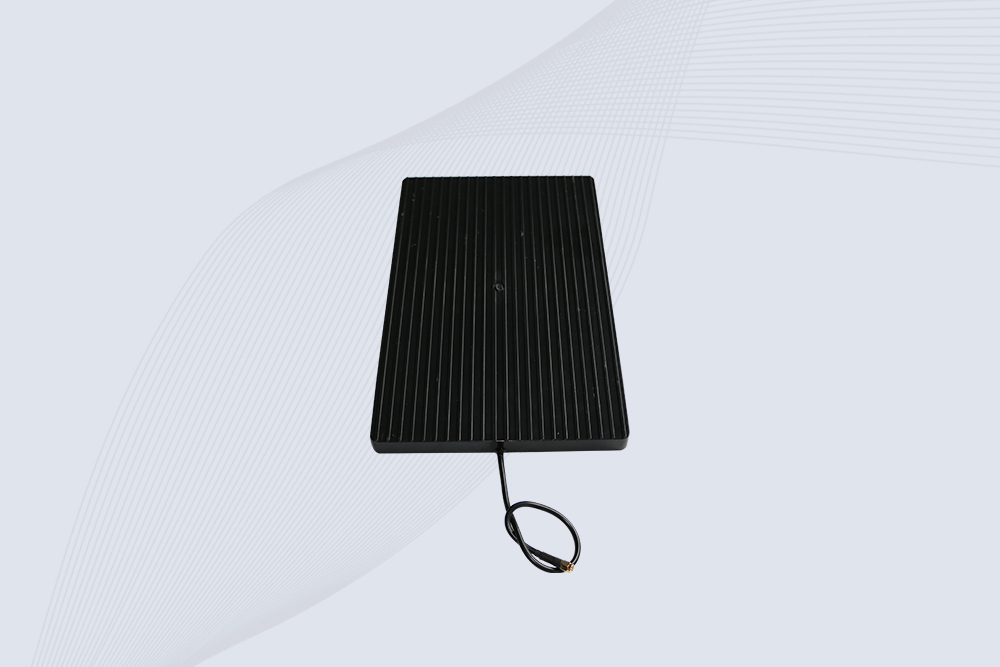
Cykeo’s CYKEO-A9B High Gain RFID Antenna delivers 15m+ read range with 9dBi amplification. Features IP54 rugged design, 840-960MHz bandwidth, and 80° beamwidth for warehouse/manufacturing RFID systems.

Cykeo’s enterprise-grade 8dbi Impinj RFID Antenna 10m+ read range with 840-960MHz tuning. Features IP65 housing, 1.4 VSWR, 35° beamwidth for retail/warehouse RFID systems.
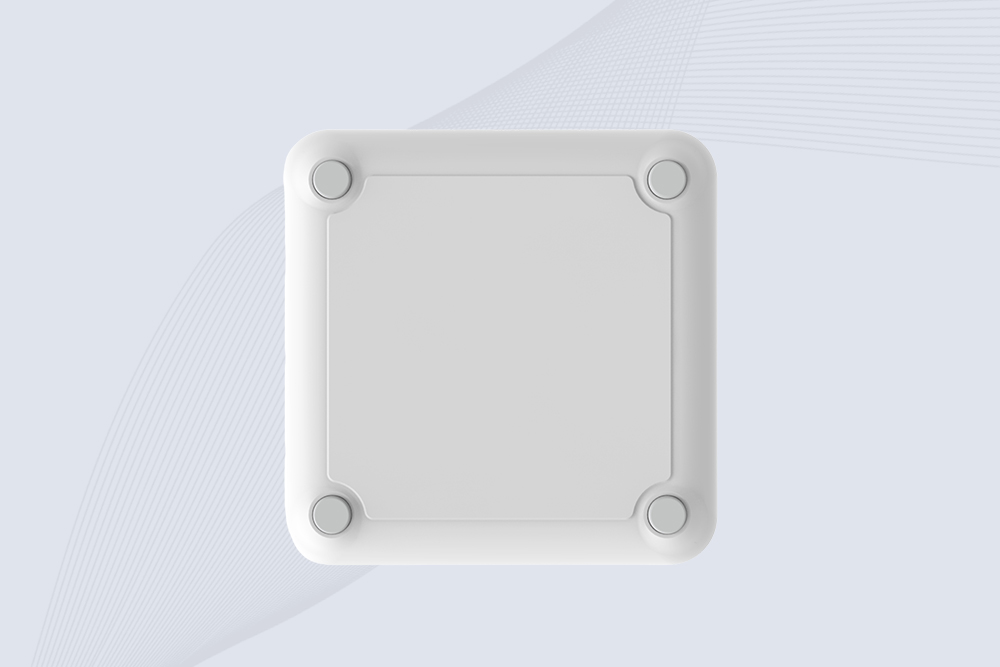
Cykeo CYKEO-A9 industrial UHF RFID antenna delivers 9dBi gain, 840-960MHz frequency range, and IP65 protection for warehouse/logistics/retail RFID systems. Features N-type connector and ≤1.3:1 VSWR.
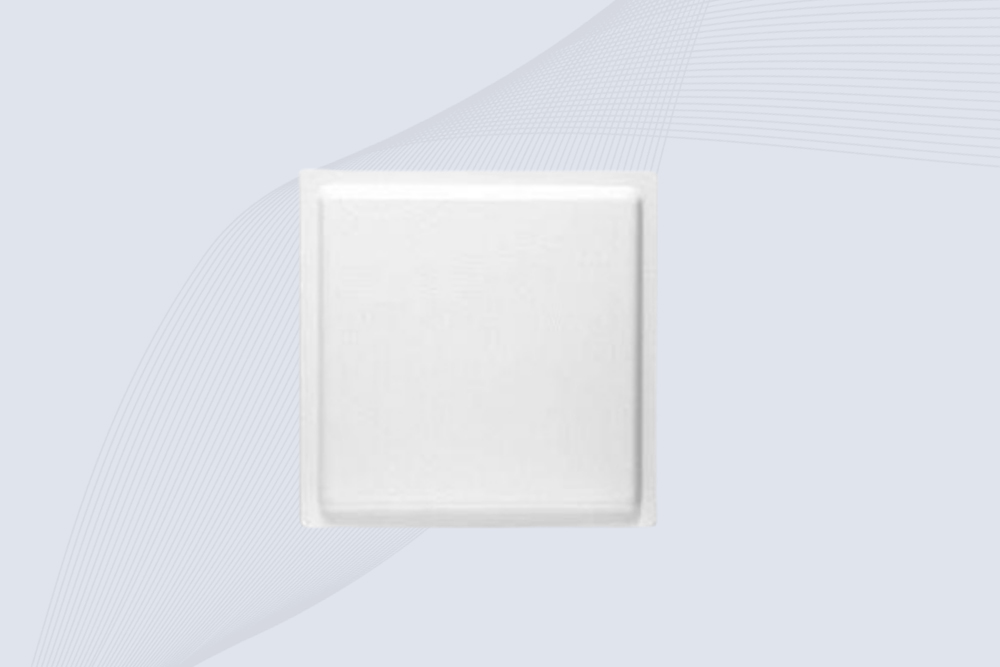
CYKEO UHF RFID Antenna built for long-distance and industrial applications. This antenna rfid uhf delivers strong gain, outdoor durability, and reliable tag performance in warehouses, yards, and vehicle ID systems.
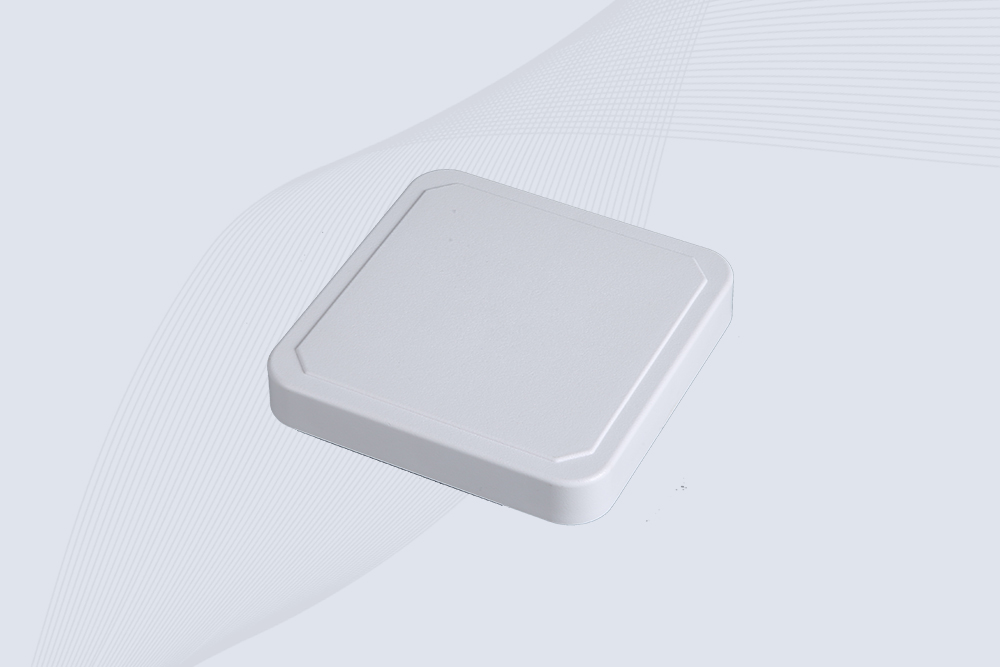
CYKEO Antenna RFID delivers reliable long-range UHF performance in warehouses, retail shelves, and cold-chain environments. This compact uhf rfid antenna provides stable reads with circular polarization and ultra-wide 840–960 MHz support, ideal for industrial tracking, smart shelves, and asset monitoring.
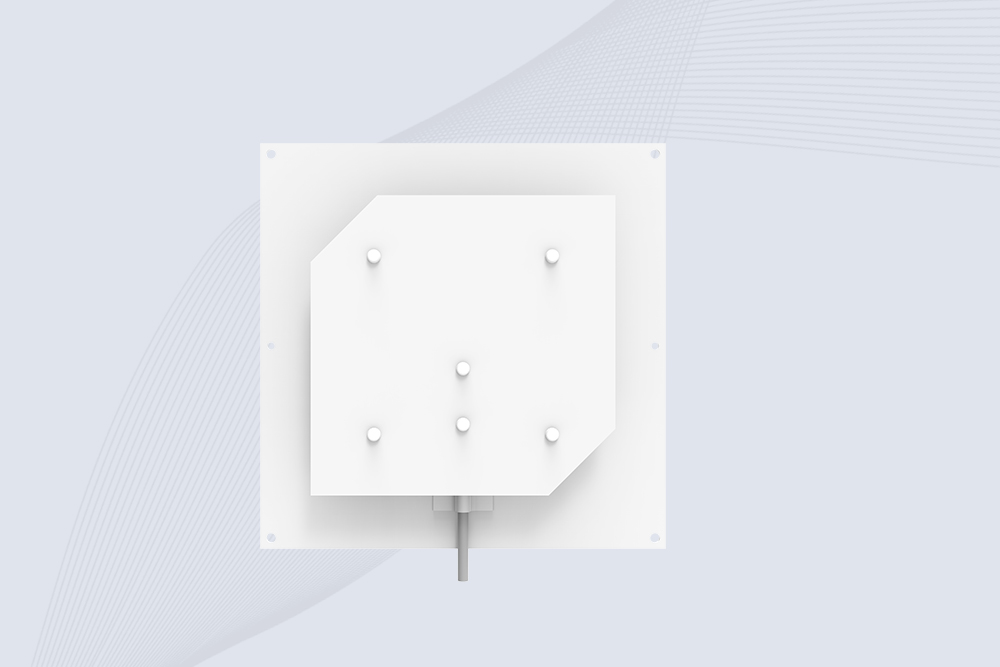
Cykeo’s CYKEO-C8 UHF RFID antennas delivers 8dBi gain, 840-960MHz full-band coverage, and IP65 ruggedness for manufacturing/warehouse RFID systems. Industrial RFID Antennas Features
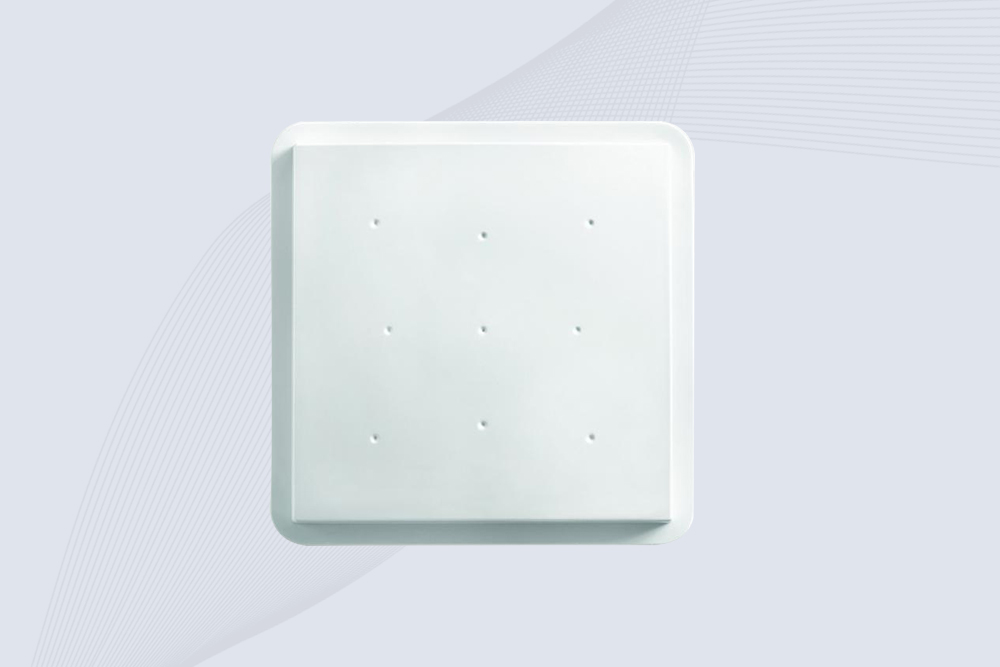
Cykeo’s 8dBi UHF RFID antenna and reader kit delivers 10m+ range, 840-960MHz broadband, and IP65 ruggedness for factories, warehouses, and logistics. ISO 18000-6C & EPC Gen2 certified.
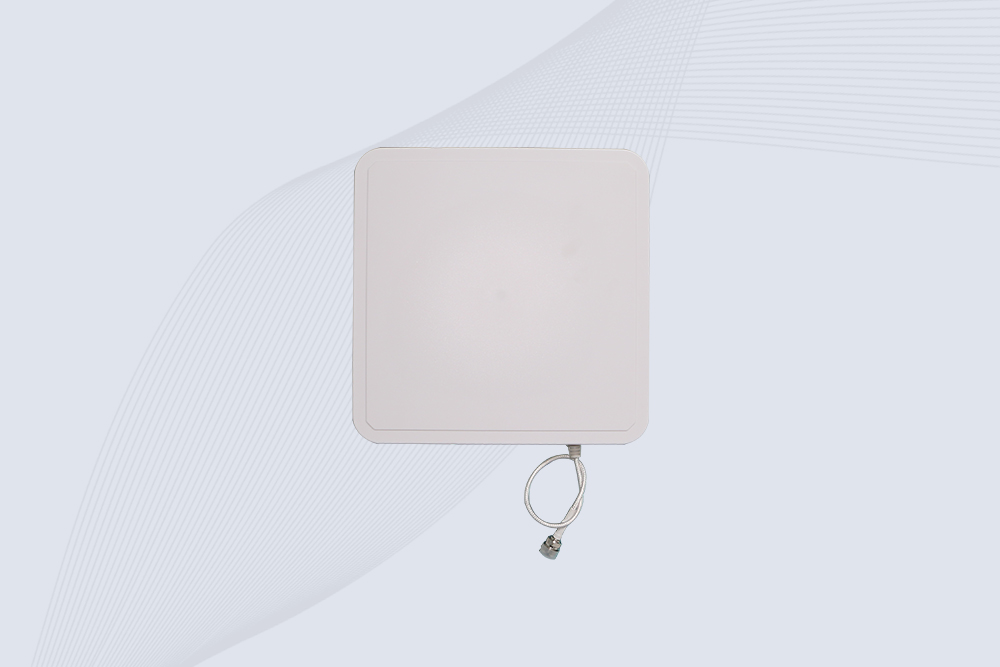
Cykeo CYKEO-A9A industrial UHF RFID reader and antenna kit delivers 10m range, 500 tags/sec, IP65 ruggedness for manufacturing/logistics. Supports EPC Gen2, ISO18000-6C.
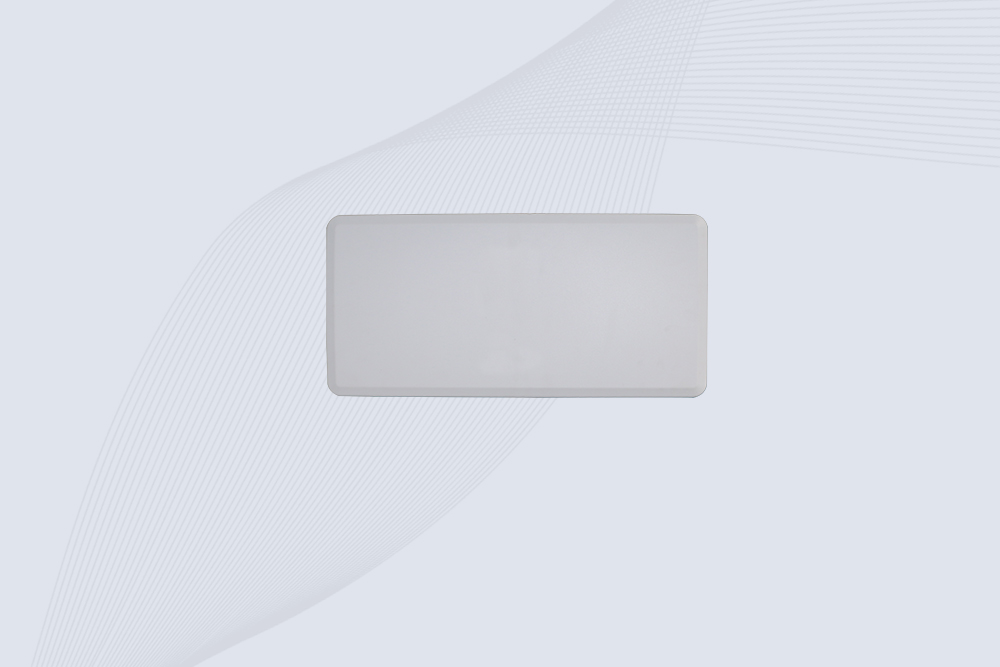
Cykeo’s CYKEO-A12C UHF Large RFID Antenna delivers 12dBi gain, 840-960MHz global frequency, IP65 ruggedness for logistics/warehousing/automotive. 40° beamwidth ensures stable 15m+ tag reads.

CYKEO Near Field RFID Antenna provides precise 5–30 cm reading for shelves, cabinets, and workstations. This compact rfid shelf antenna delivers stable short-range performance around metal and clutter, ideal for pharmacies, libraries, and electronics sorting.
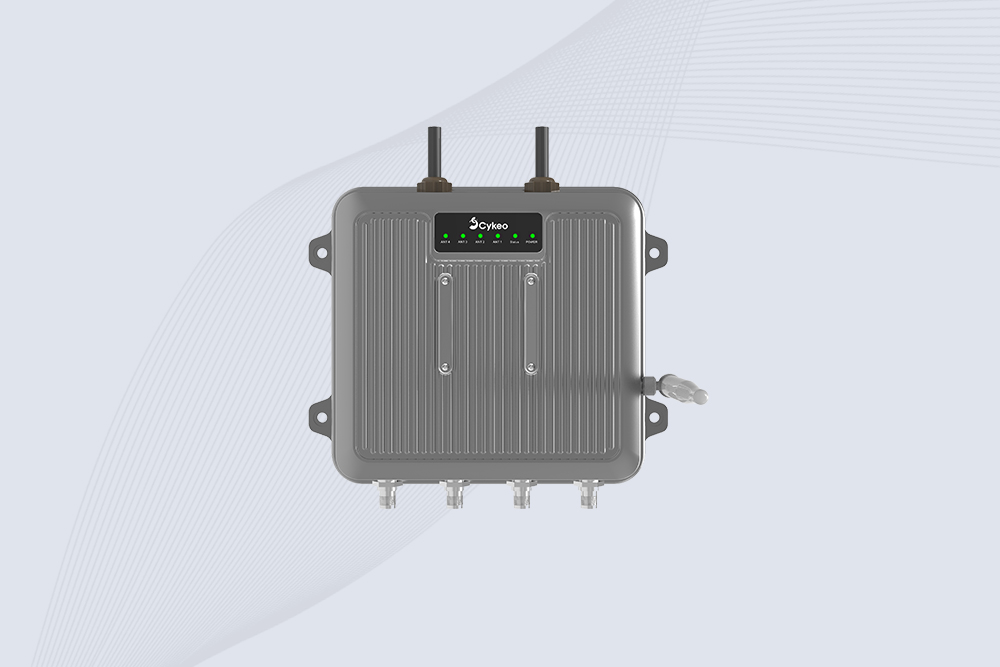
Cykeo CYKEO-C1 industrial Forklift RFID Reader features 20m read range, 600 tags/sec scanning, Impinj R2000 chipset, and IP67 rugged design. Ideal for warehouse logistics and manufacturing. Supports ISO 18000-6C/6B protocols.
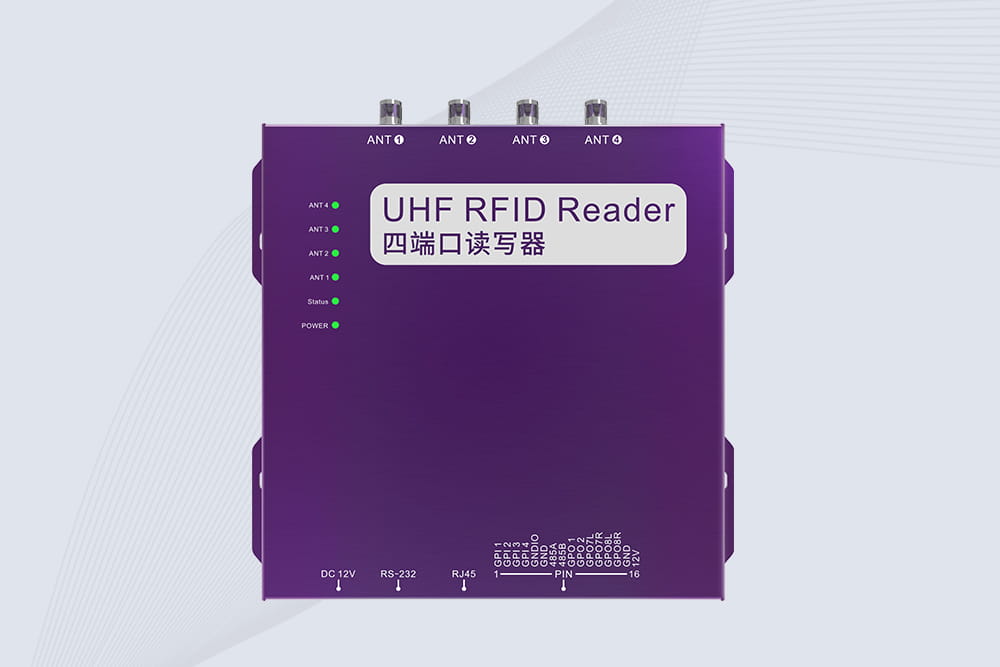
Cykeo CYKEO-R4 industrial UHF RFID Fixed Reader features 4 TNC ports, 400+ tags/sec speed, IP67 housing, and global frequency compliance for vehicle inspection, smart warehouse, and asset management systems.
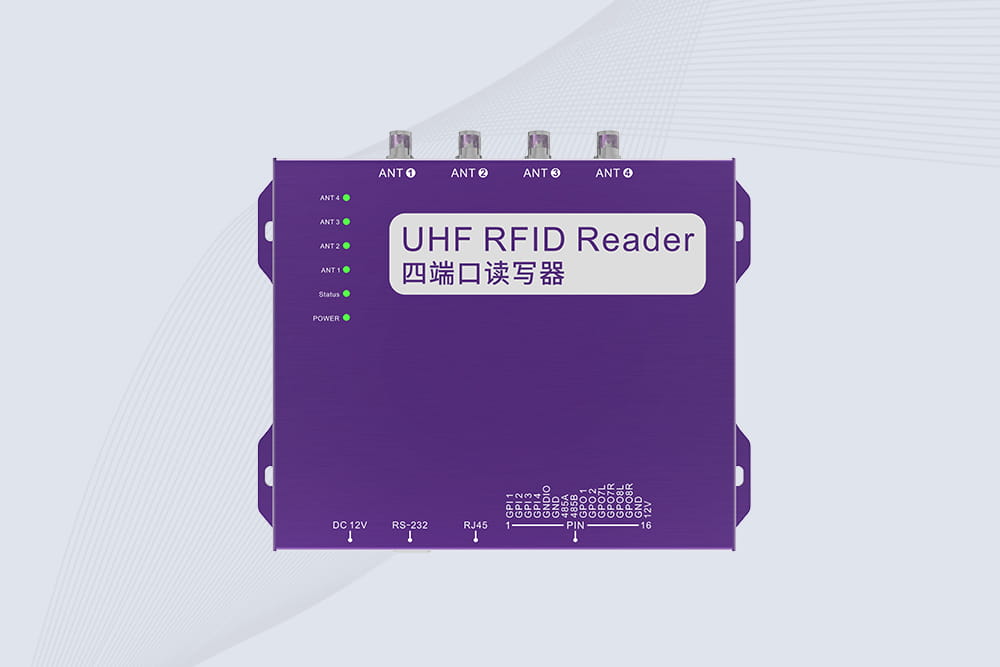
Cykeo’s CYKEO-R4L 4-port Fixed UHF RFID Reader delivers 400 tags/sec scanning, ISO 18000-6C compliance, and IP65 protection. Ideal for warehouse automation, manufacturing WIP tracking, and logistics management.
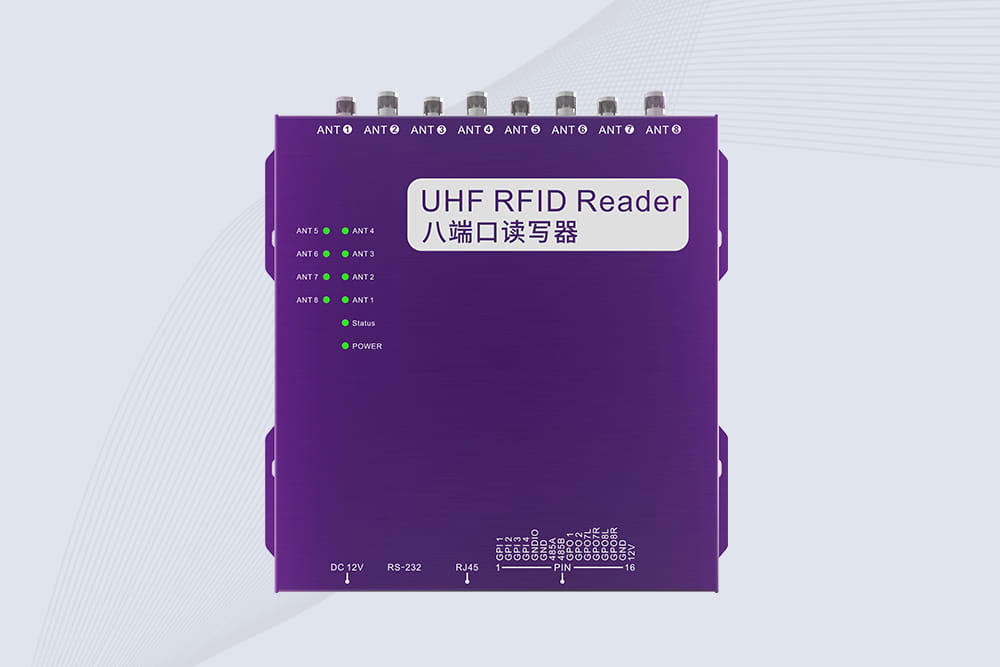
CYKEO CYKEO-R8L Fixed RFID Reader with 8-port UHF design, Impinj-based RF core and up to 20m read range. An industrial Fixed RFID Reader for vehicle inspection, warehouse portals, smart manufacturing lines and secure access checkpoints.
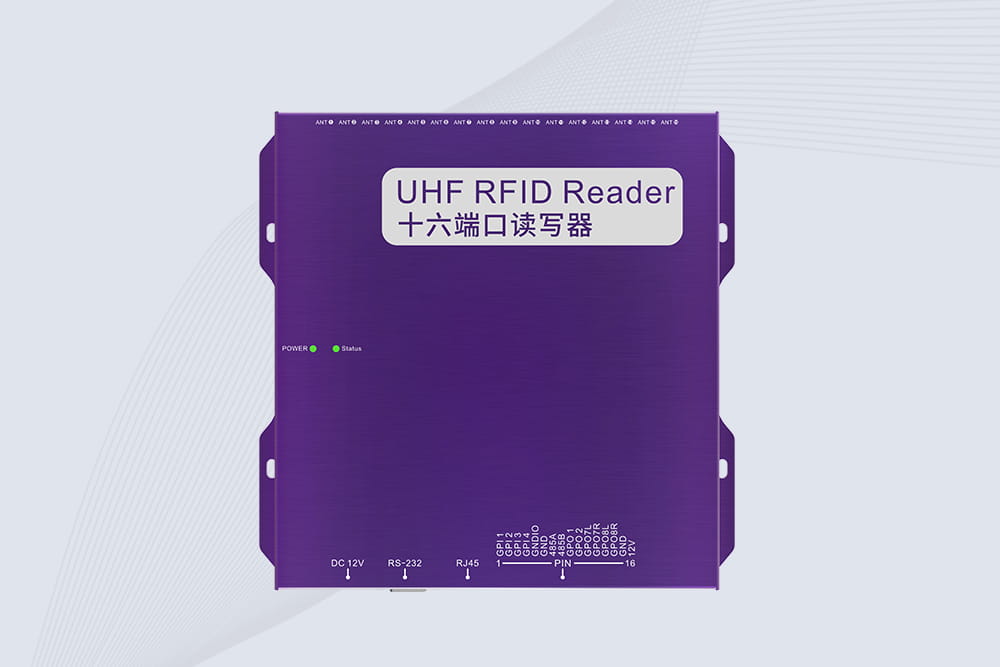
RFID Fixed Reader from CYKEO – the CYKEO-R16L 16-port UHF fixed reader for warehouses, smart cabinets, and production lines. Long-range, multi-tag reading, stable performance for 24/7 industrial use.

Explore the working principle of RFID tags: energy transfer, data transmission, and real-world applications. Learn about passive, active, and semi-passive RFID systems.
More
how IoT and RFID are transforming parking management. Find available parking spots in real-time, reserve spaces via mobile app, and reduce traffic congestion with smart parking systems.
More
Explore how industrial handheld RFID readers improve warehouse automation with WMS/ERP integration and bulk inventory efficiency. Practical strategies and real use cases included.
More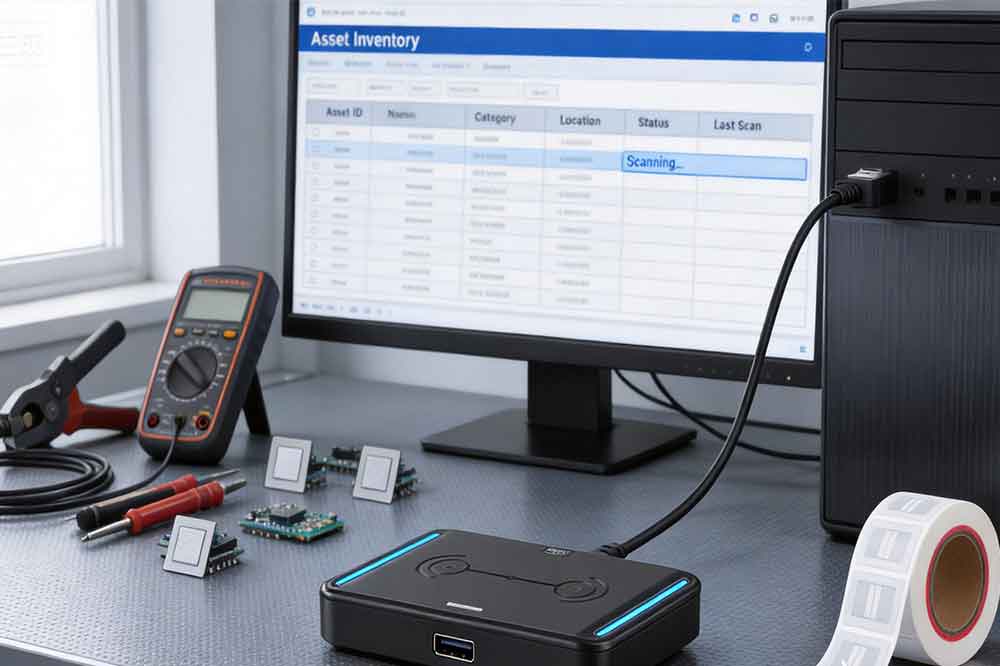
RFID asset tracking works best when the reader, tags, software, and daily operating procedures are designed together. A USB RFID reader can simplify equipmen...
More