 Cykeo RFID IoT Solution Products R&D Manufacturer



How to Use RFID on iPhone for UHF Scanning in Real IoT Applications?
227How to use RFID on iPhone for real UHF applications. Learn how CYKEO’s Bluetooth RFID reader enables long-range RFID scanning on iOS.
MoreAll RFID Product
Cut through the tech jargon and discover how these unsung heroes power modern tracking
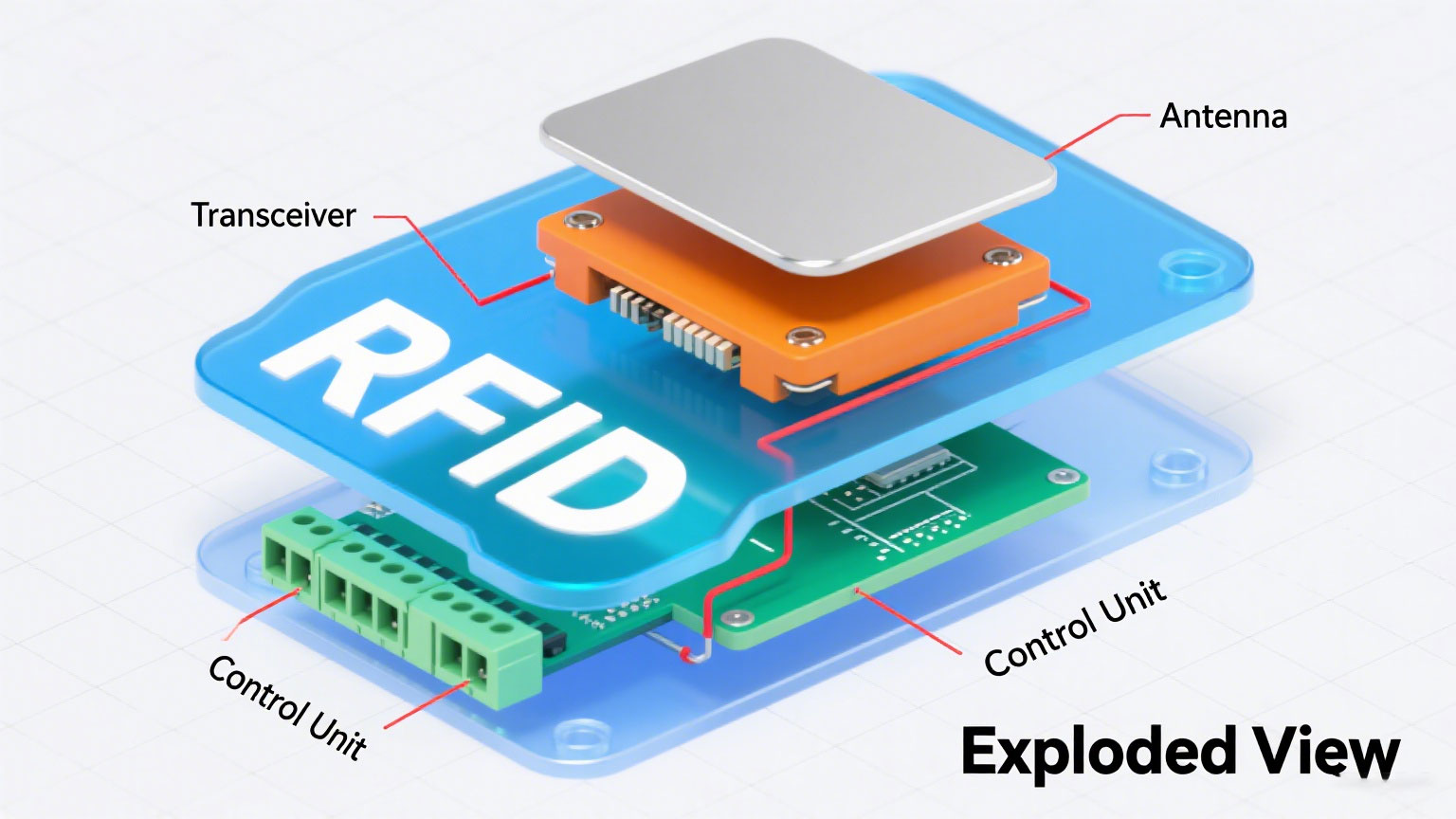
You’ve seen them in warehouses, stores, and offices – those mysterious devices that scan items without touching them. But what exactly is an RFID reader? Simply put: It’s the brain of any RFID system that talks to tags and turns radio waves into usable data. Unlike barcode scanners that need line-of-sight, RFID readers work through materials and handle dozens of items per second.
RFID readers aren’t magic – just smart radio communicators. Here’s the step-by-step:
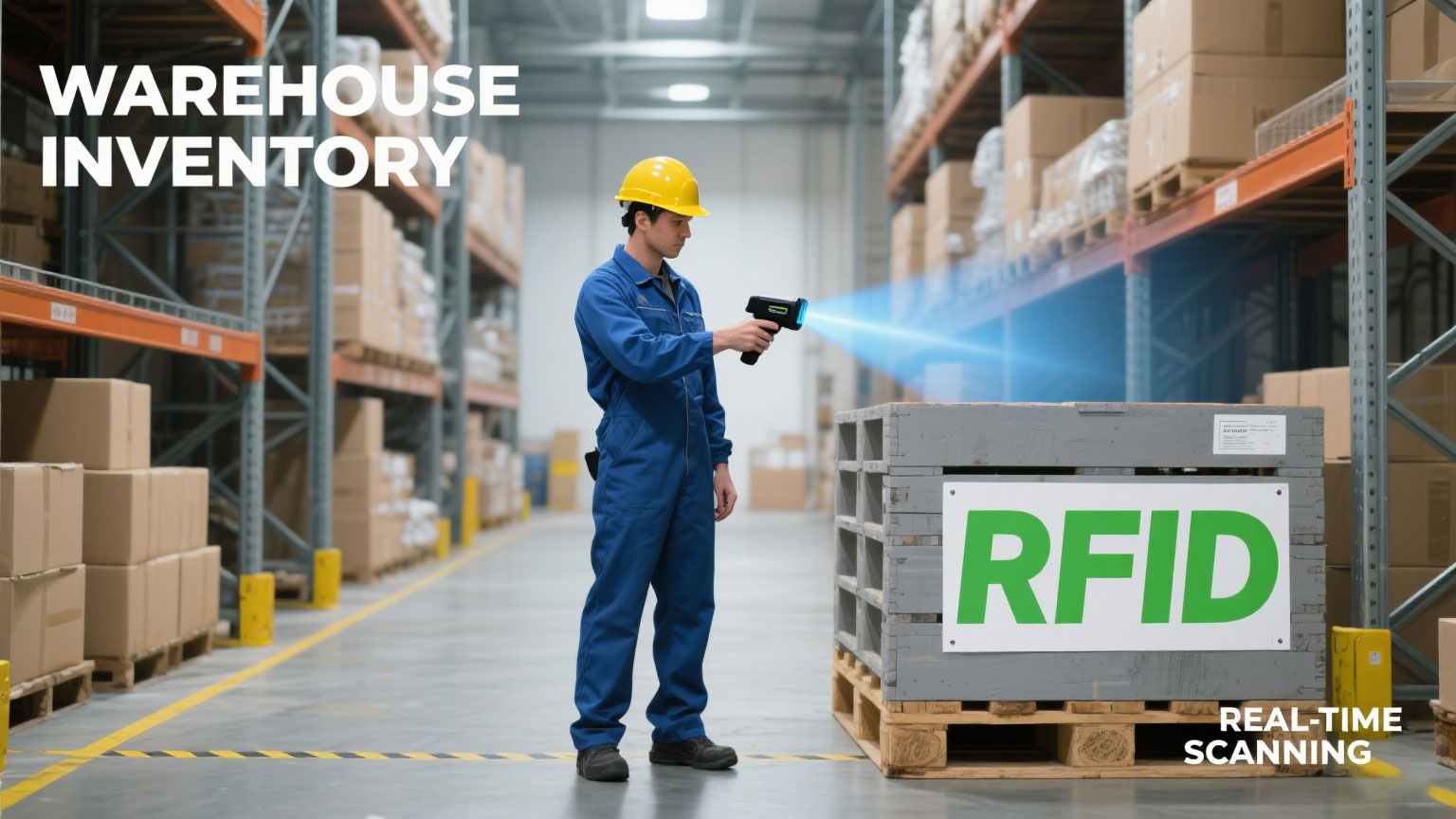
Real-world example: When Cykeo’s warehouse readers scan a pallet, they identify all 200 boxes in 3 seconds – no unpacking needed.
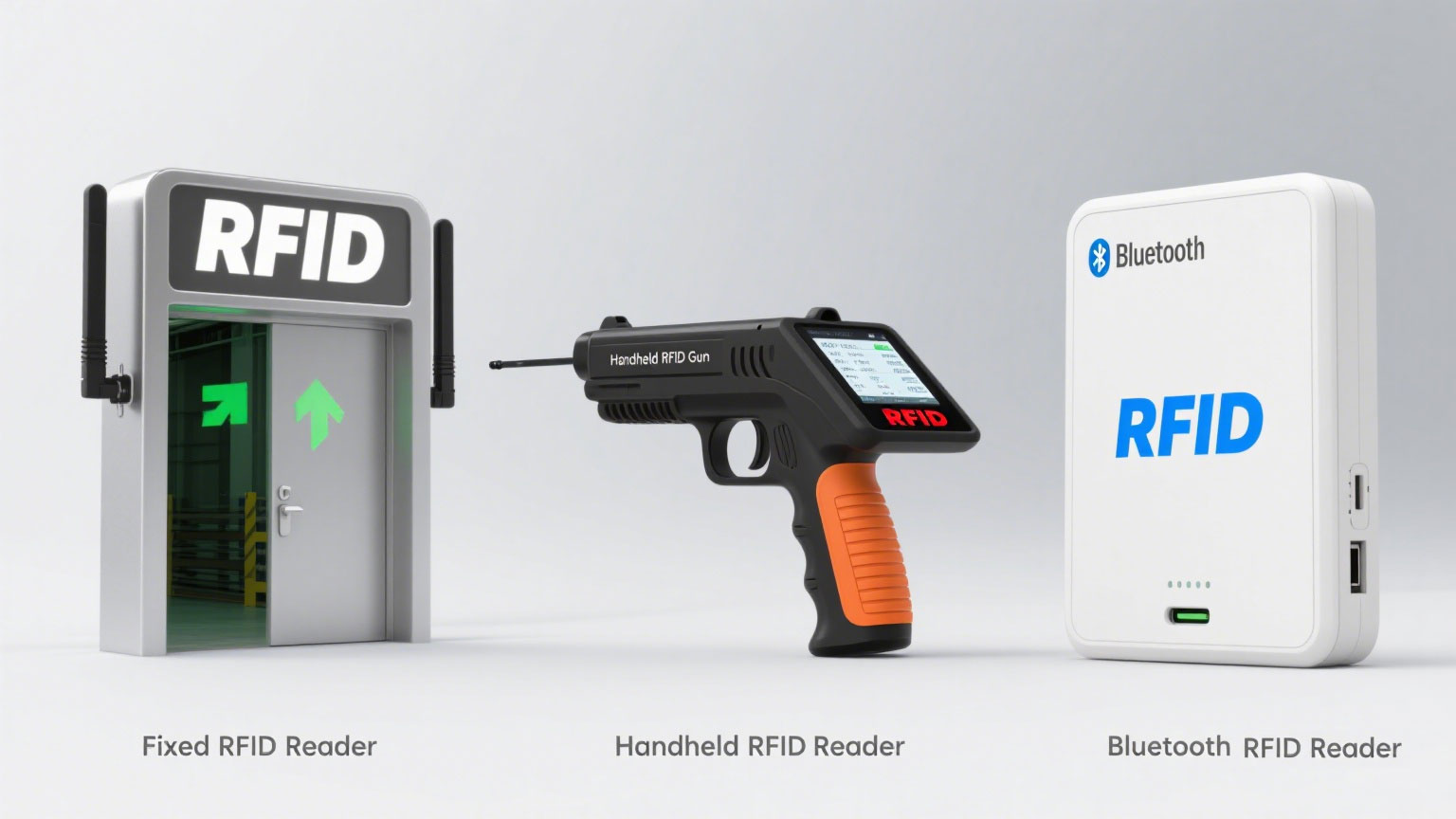
| Type | Best For | Where You’ll See Them |
|---|---|---|
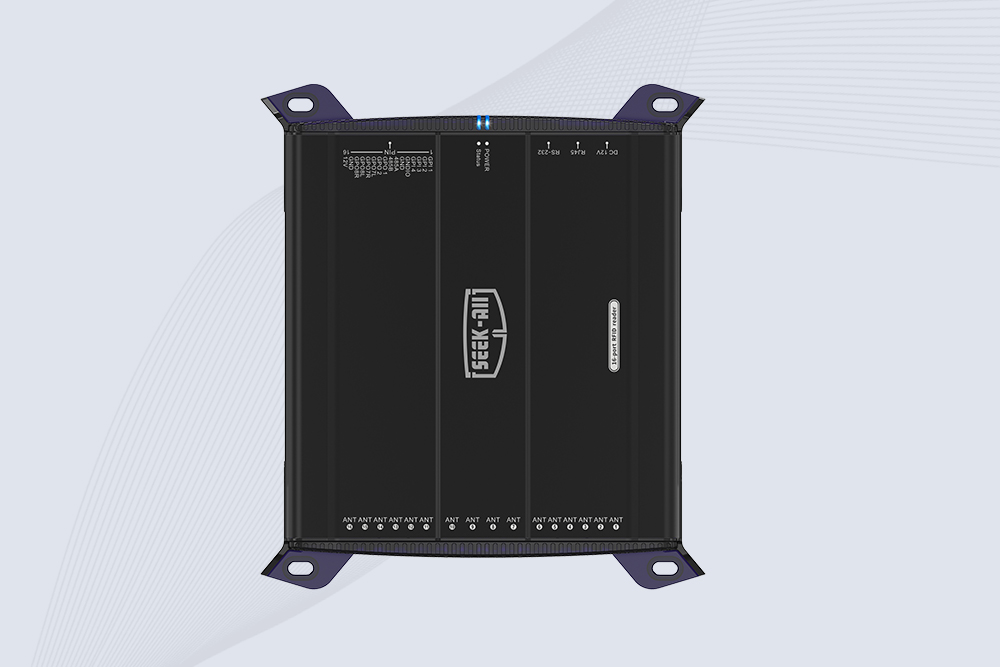
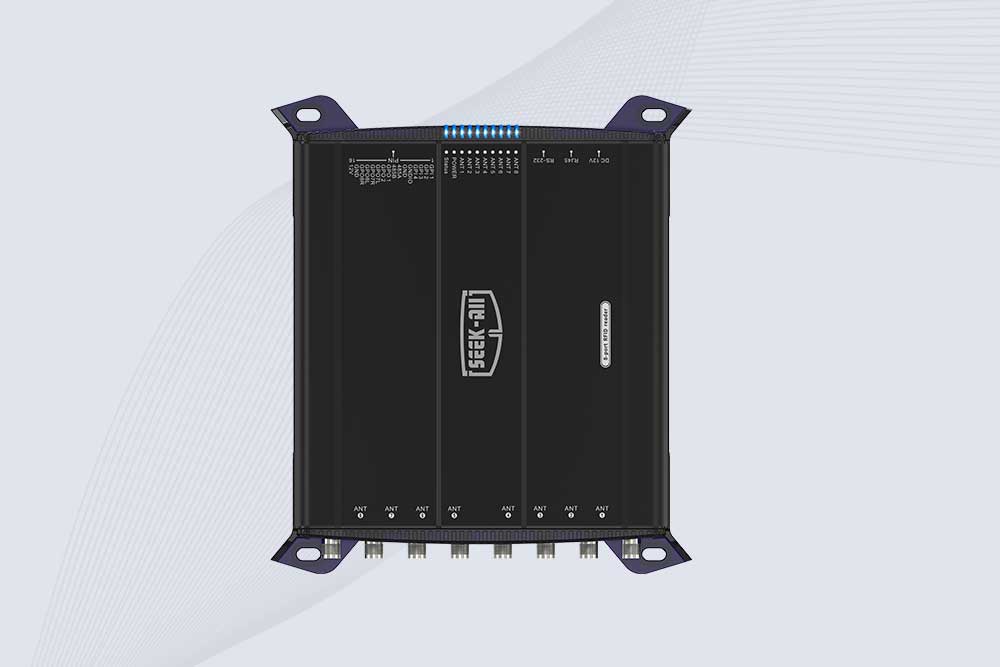
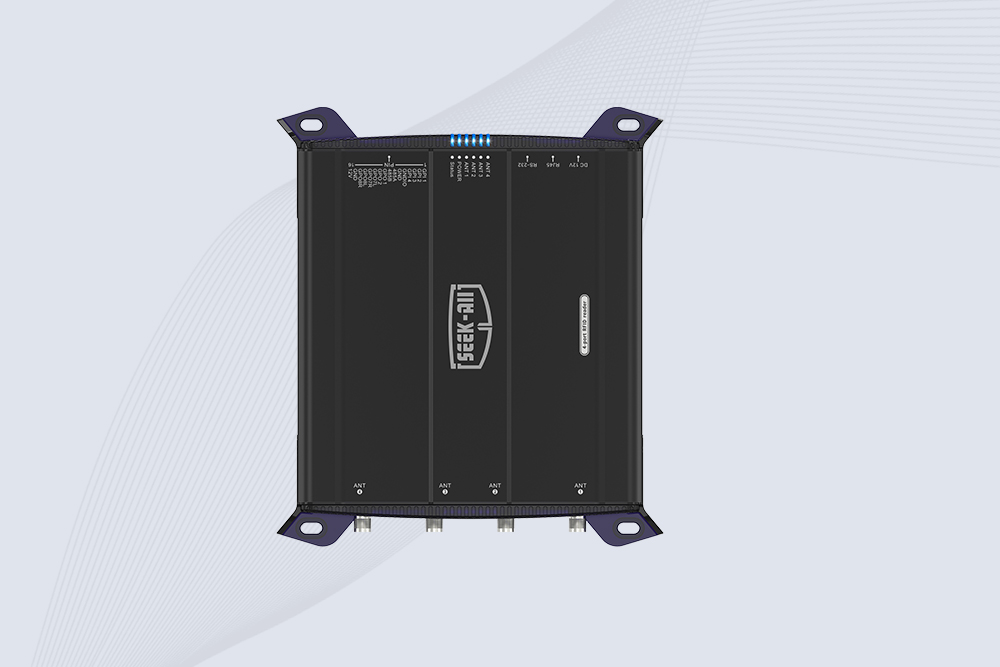
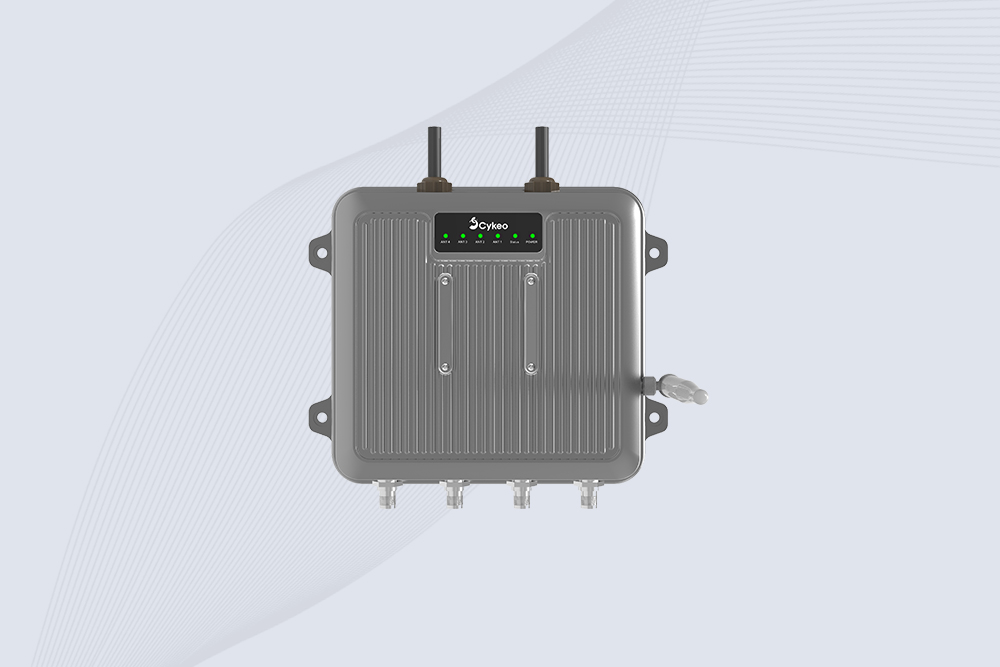
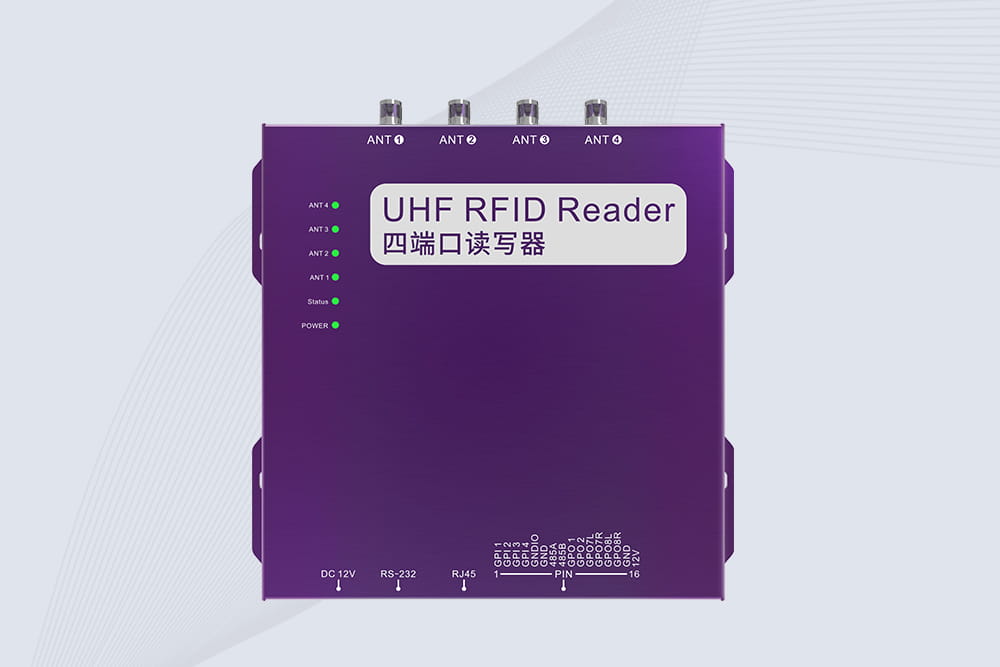
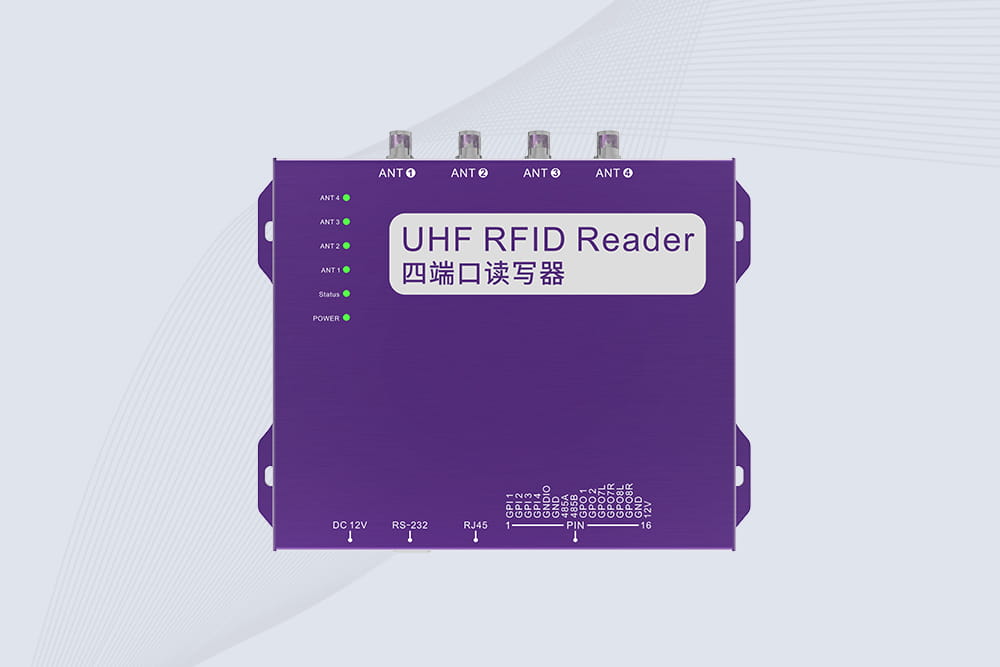
| Fixed RFID Reader | Entry/exit points | Warehouse doors, parking gates |
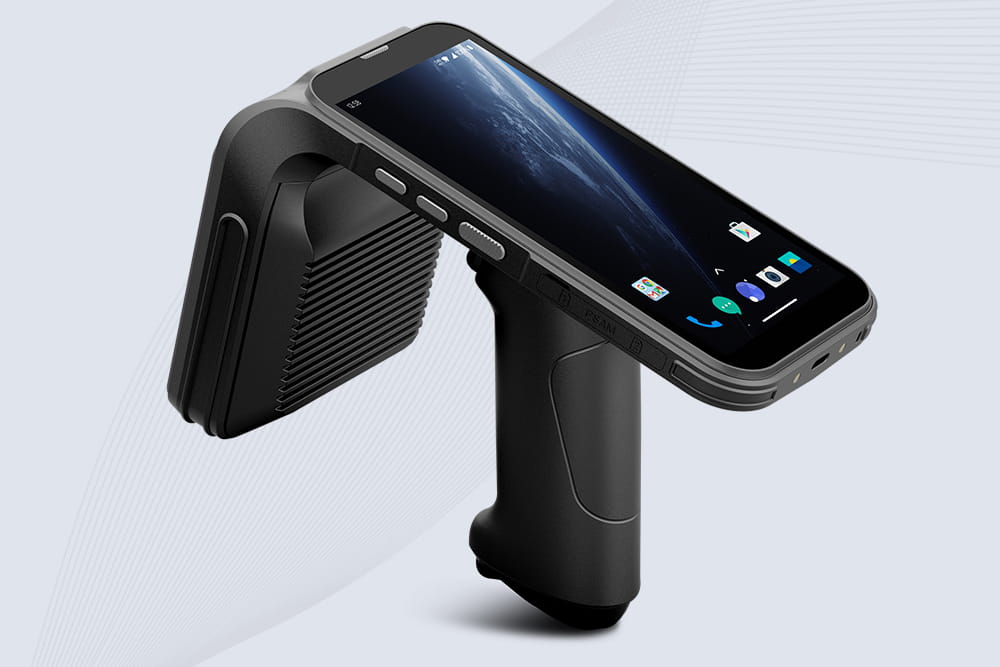
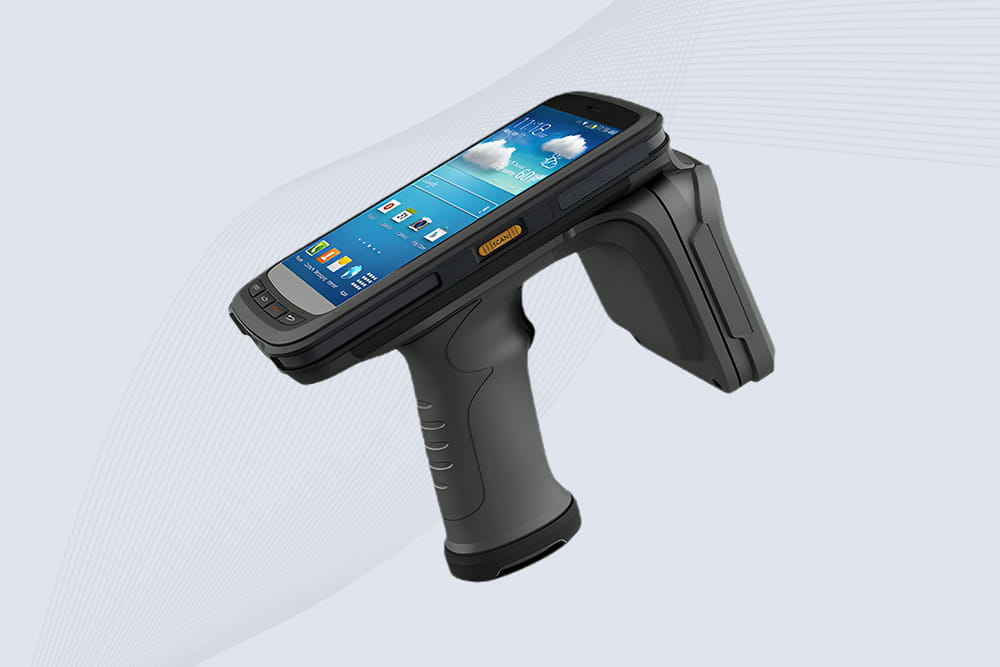
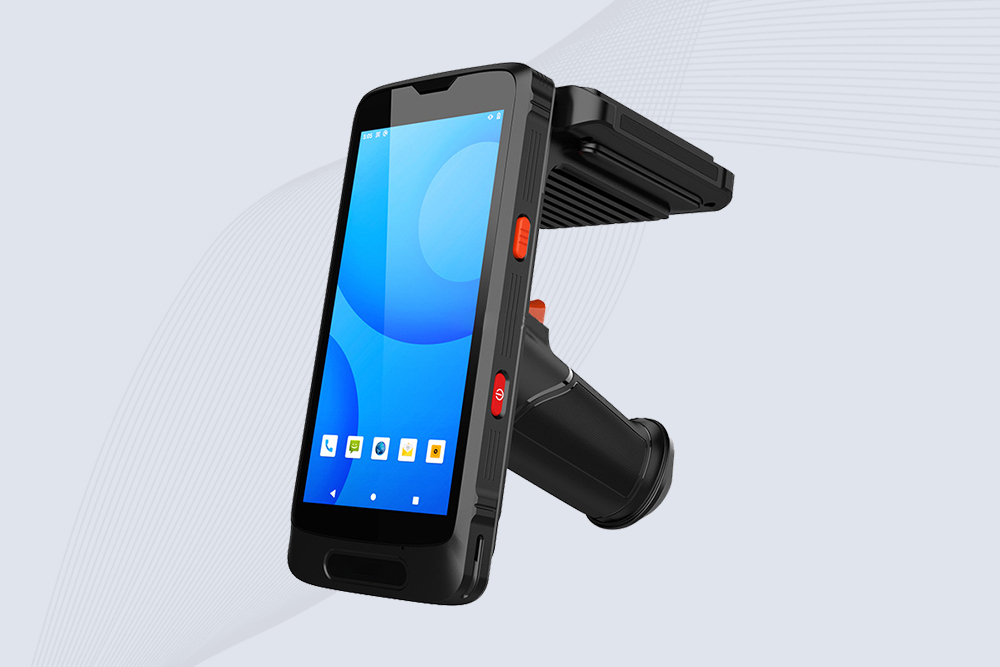
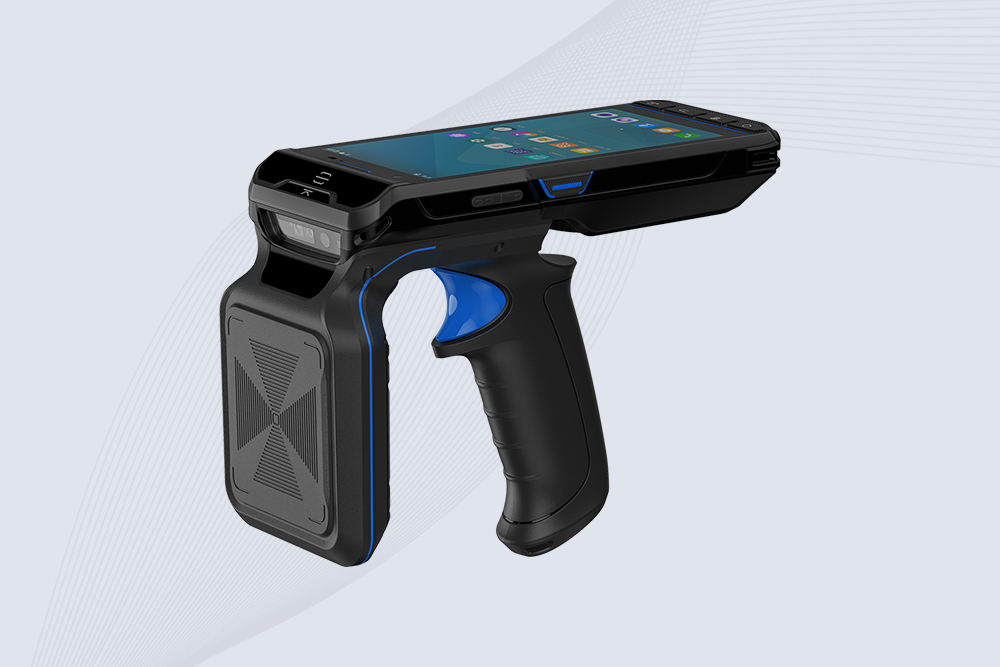
| Handheld RFID Reader | Mobile scanning | Stockrooms, retail floors |
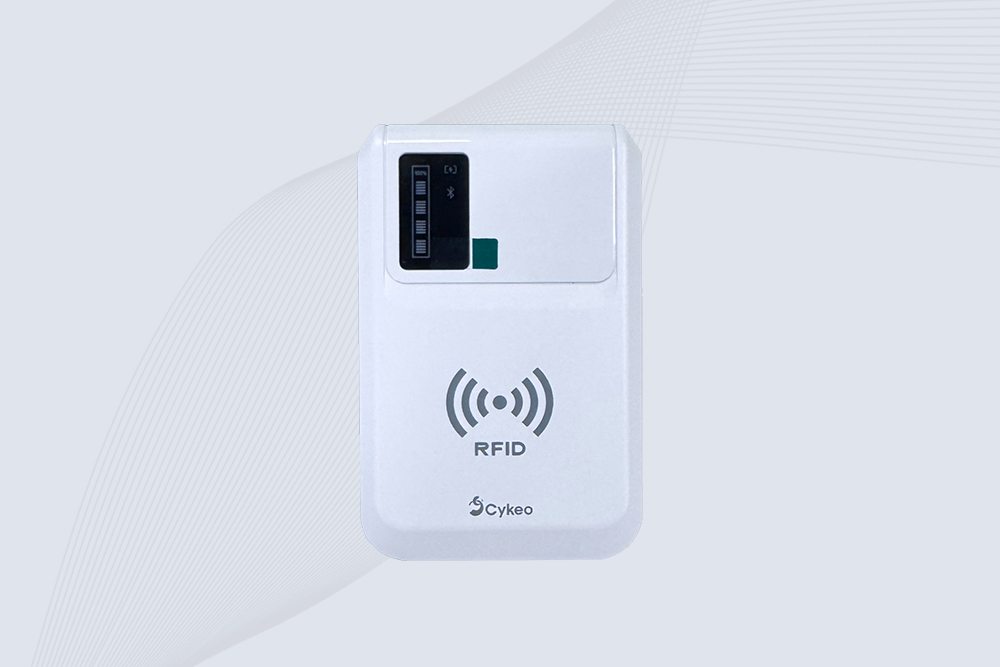
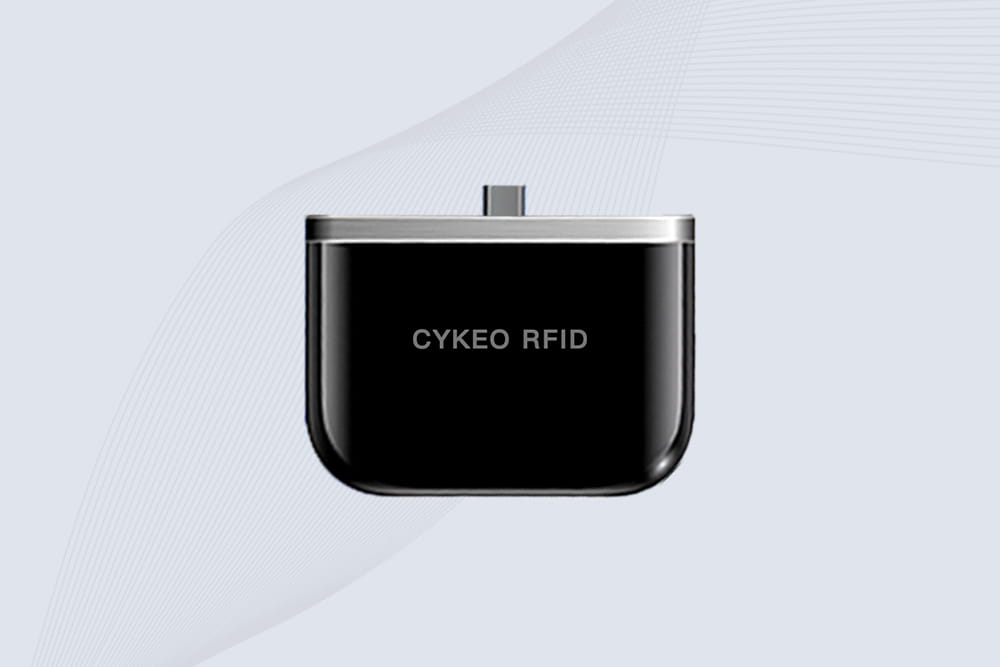
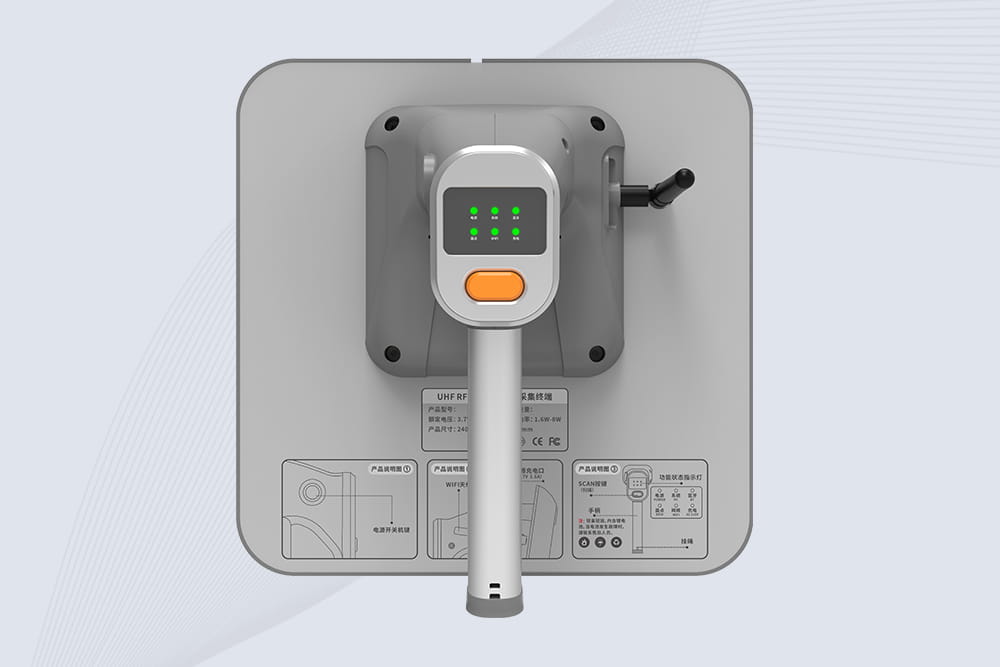
| Bluetooth RFID Scanner | Tablet/smartphone pairing | Field technicians, deliveries |
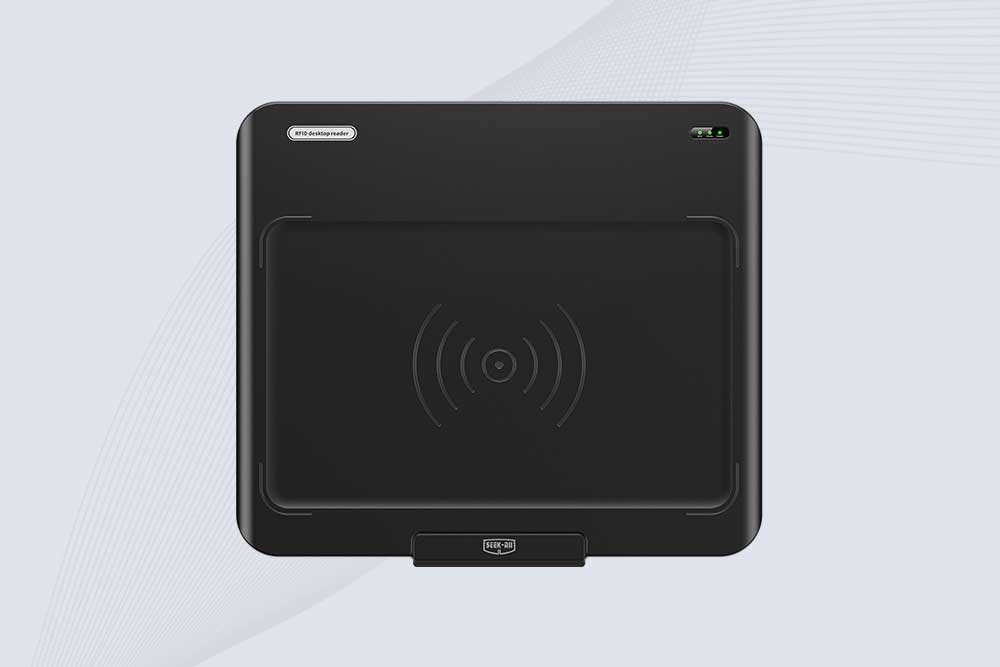
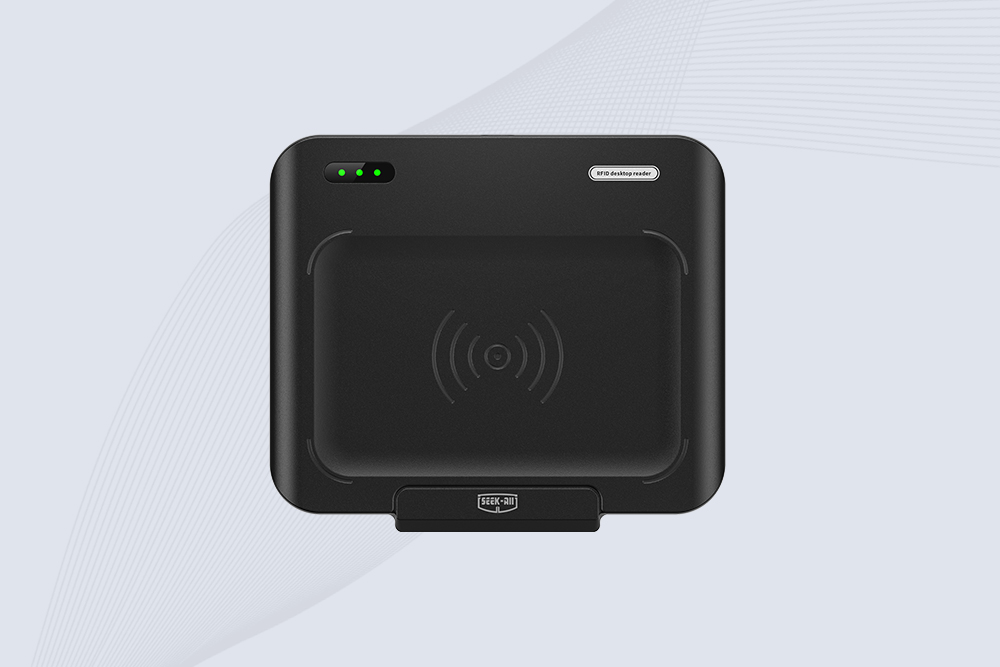
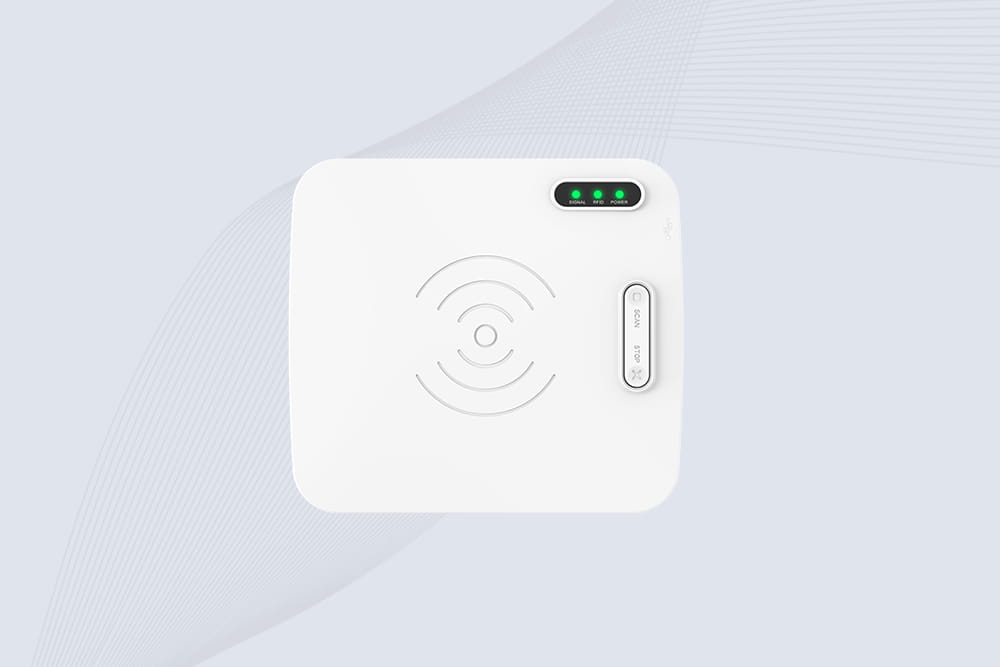
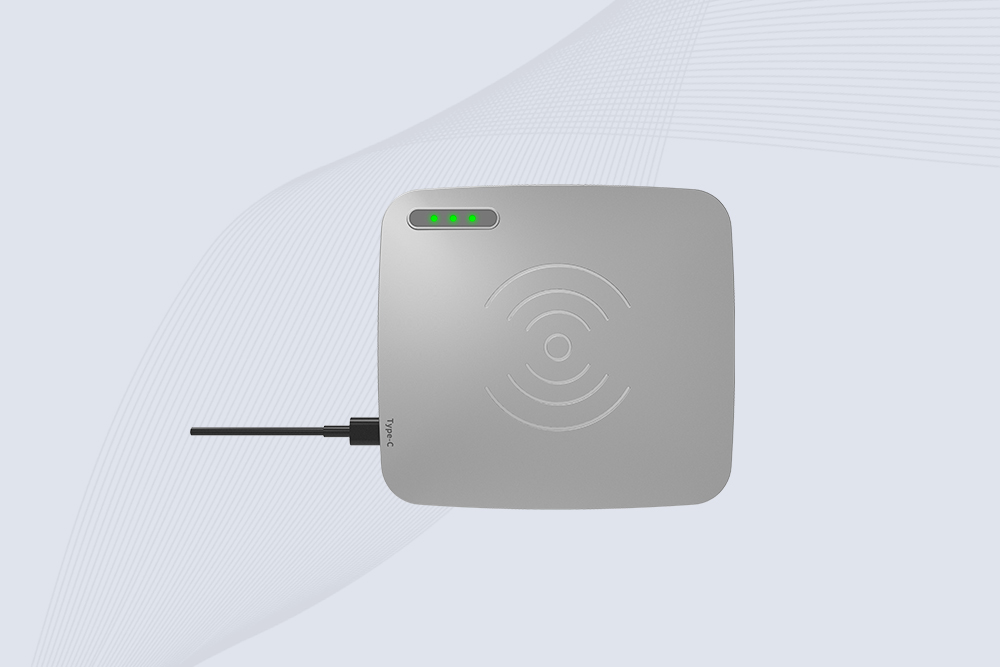
| USB RFID Reader | Desktop applications | Access control, file tracking |
| Integrated | All-in-one systems | Payment terminals, smart locks |
🔑 Pro Tip: Cykeo’s modular readers let warehouses switch between fixed and handheld use – no new hardware needed.
The sweet spot: Most businesses choose UHF for its balance of range and cost-effectiveness.

How to use RFID on iPhone for real UHF applications. Learn how CYKEO’s Bluetooth RFID reader enables long-range RFID scanning on iOS.
More
A practical developer-level breakdown of RFID tools tracking systems used in factories and workshops. Learn system architecture, RFID tool cabinets, edge data processing, and ERP integration for industrial asset management solutions. OEM and B2B i...
More
Can RFID tags be reprogrammed? Learn how EPC and user memory can be rewritten, what lock settings allow, and how Cykeo desktop RFID readers support reliable tag encoding.
More
Can RFID track animals? Discover how RFID animal tracking works, livestock identification methods, real applications, and Cykeo RFID solutions.
More