You’re eyeing passive RFID for inventory tracking, but one question nags: “How far will these tags actually read?” The truth? Passive RFID tag range varies wildly – from 2 inches to 50 feet – based on three key factors. Forget hype; here’s what works in the real world.
Frequency = Range Foundation
(Why your tag’s “DNA” matters)
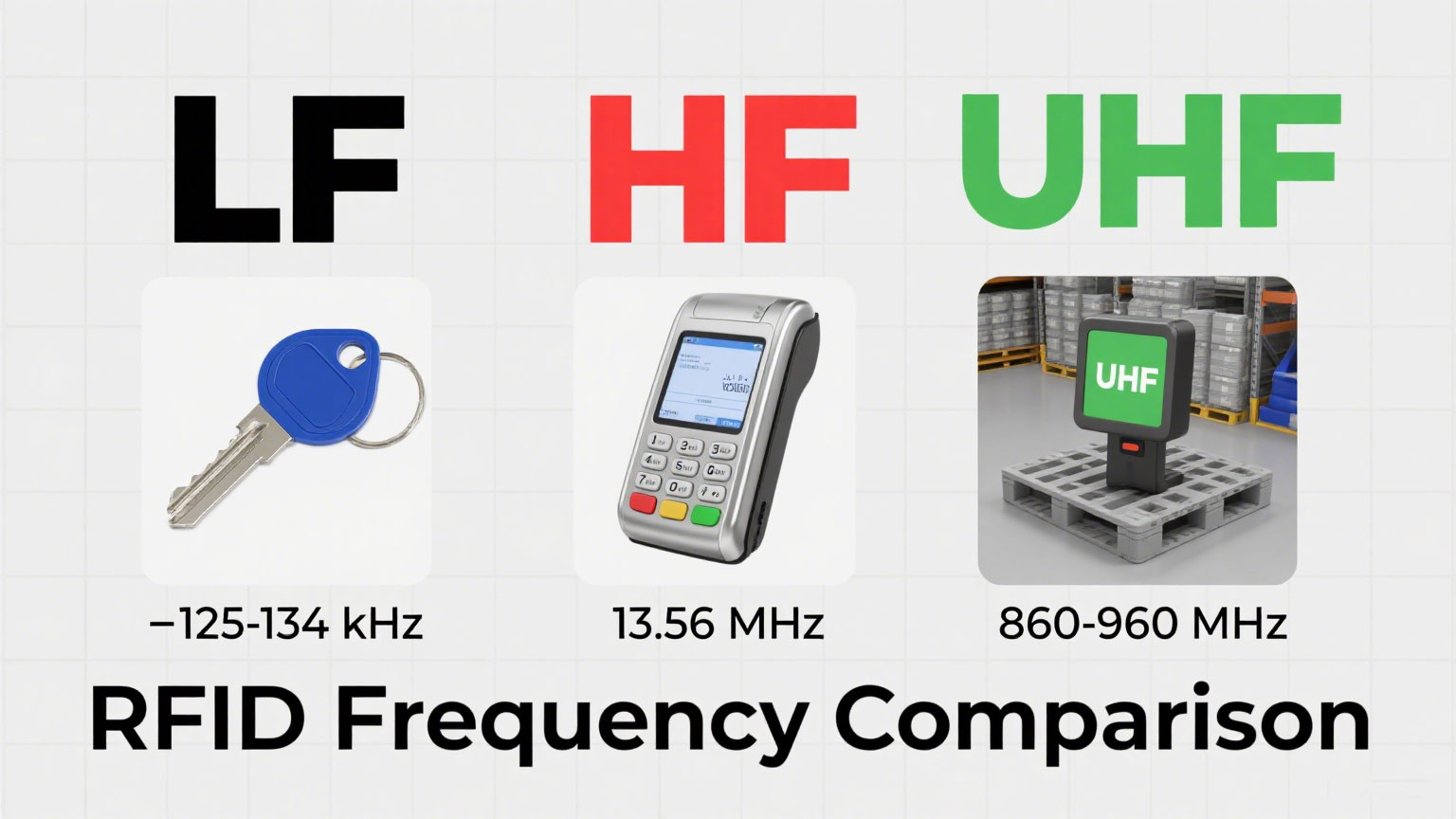
Band
Range
Best For
Limitations
LF (125 kHz)
1-5 inches
Animal tags, access fobs
Shortest range
HF/NFC (13.56 MHz)
Up to 1 foot
Payments, library books
Metal/liquid interference
UHF (900 MHz)
3-30 feet
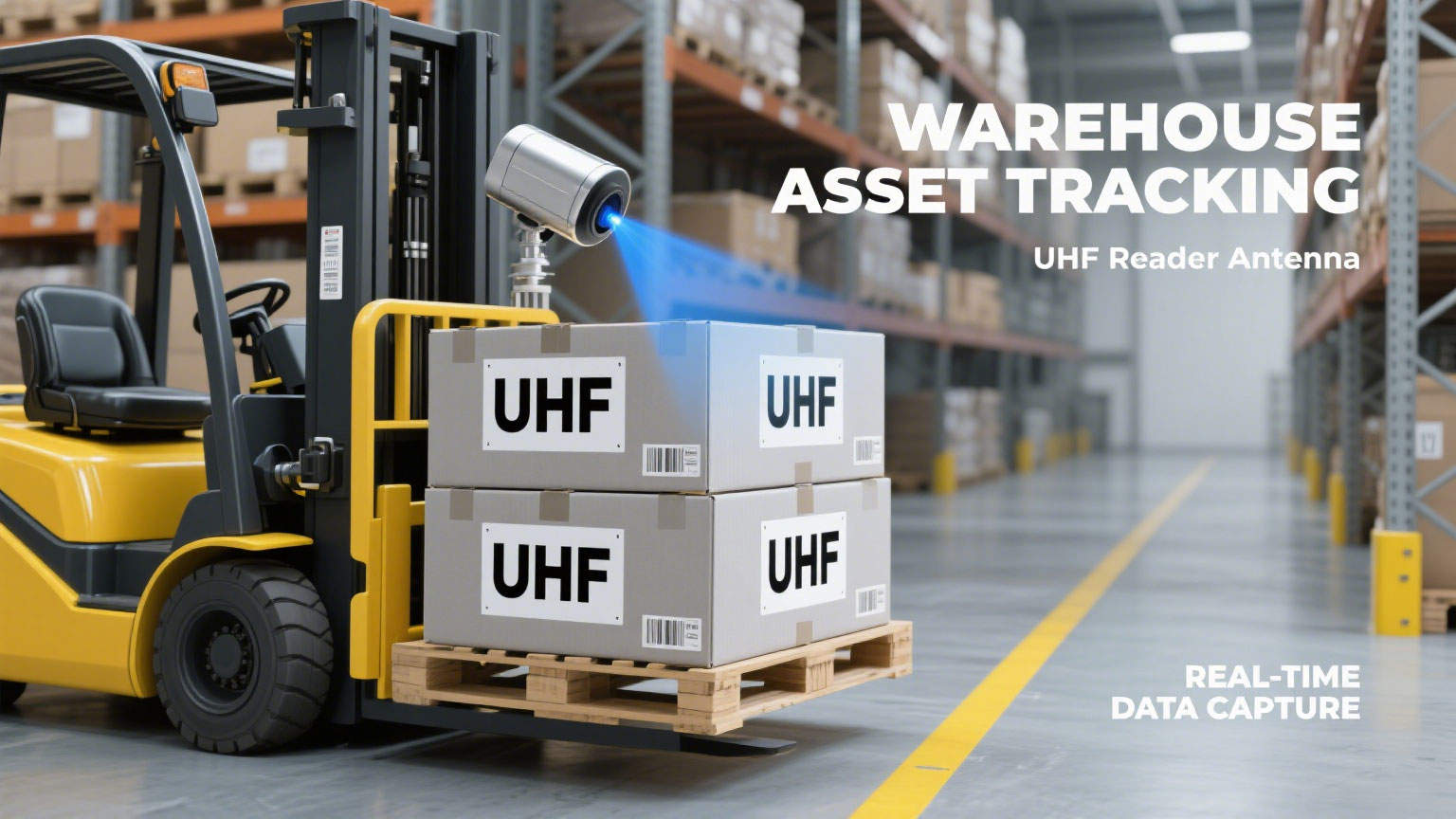
Warehouses, retail, tolls
Blocked by metal/liquid
🔎 Reality check: That “30-foot range” for UHF? Achievable only with large tags in open air. A compact UHF label on a metal toolbox? Maybe 3 feet.
What Kills Your Range (and Fixes)
(Environmental enemies & solutions)
Metal Surfaces:
Problem: Reflects UHF signals → 90% range loss
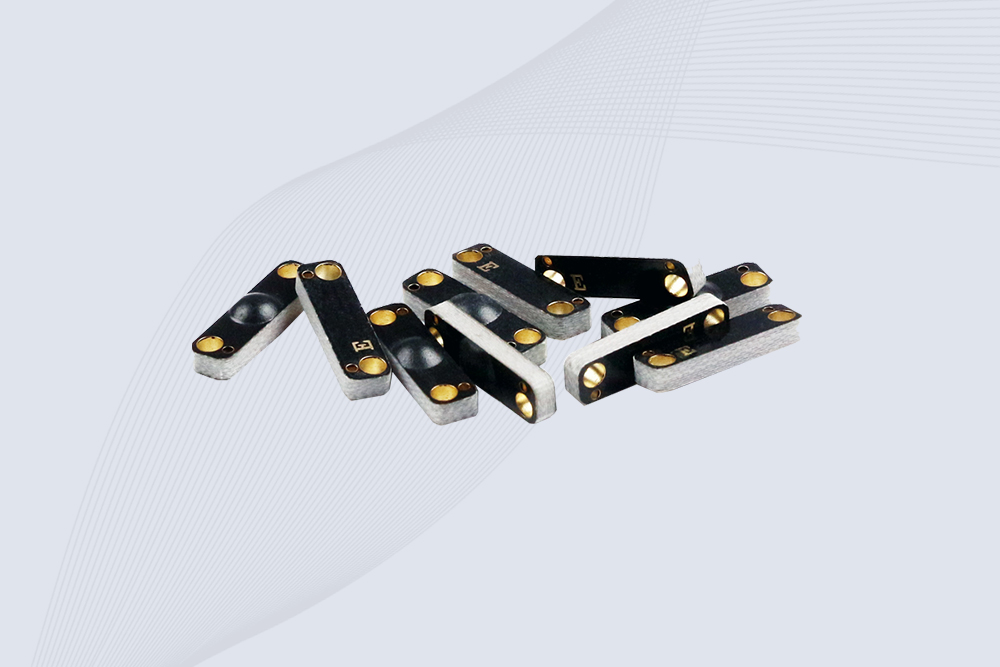
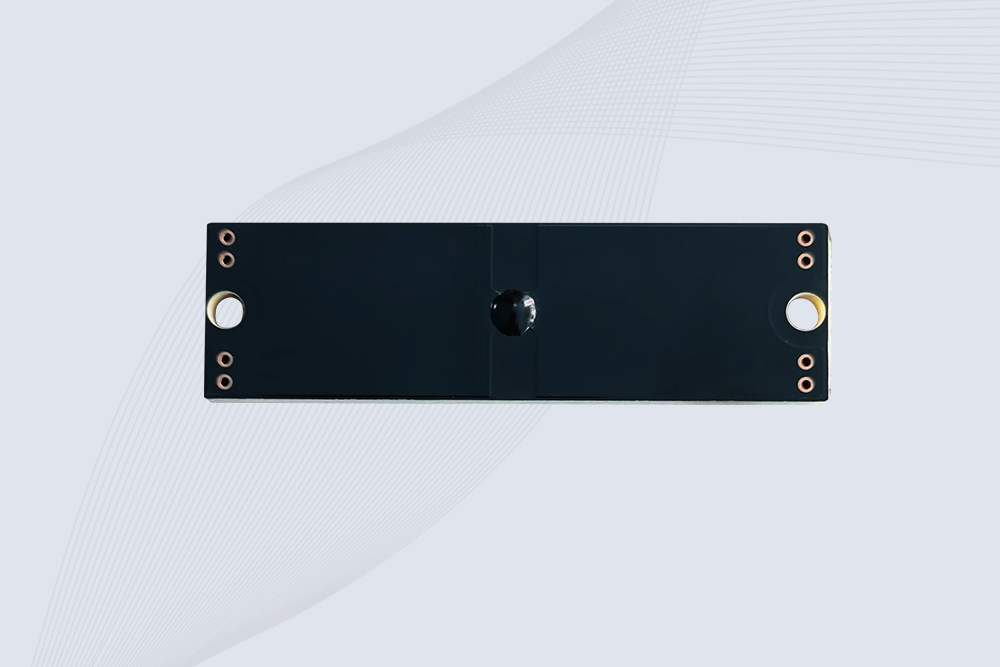
Fix: Use metal-mount tags (e.g., Cykeo’s MT-45 with foam spacer)
Liquids:
Problem: Water absorbs RF waves → UHF range drops
Fix: Switch to HF tags near liquids (e.g., medical vials)
how to test if rfid blocker works using real RFID readers. Learn accurate testing steps, signal loss benchmarks, and field-proven verification methods with Cykeo devices.
RFID in manufacturing is reshaping shop floors, from asset tracking to real-time production visibility. See how factories use RFID to cut errors and gain control.
Wondering if you can use smartphones to read RFID? We explain the NFC capability, its severe limitations, and when you need professional RFID hardware.