Lost tools, misplaced inventory, and manual tracking errors cost businesses millions annually. RFID (Radio-Frequency Identification) asset tracking solves these challenges by automating visibility and accuracy. Whether you’re managing equipment, vehicles, or high-value inventory, this guide breaks down how RFID works, its benefits, and how to implement it effectively.
Why RFID Asset Tracking Outperforms Traditional Methods
1. Real-Time Visibility
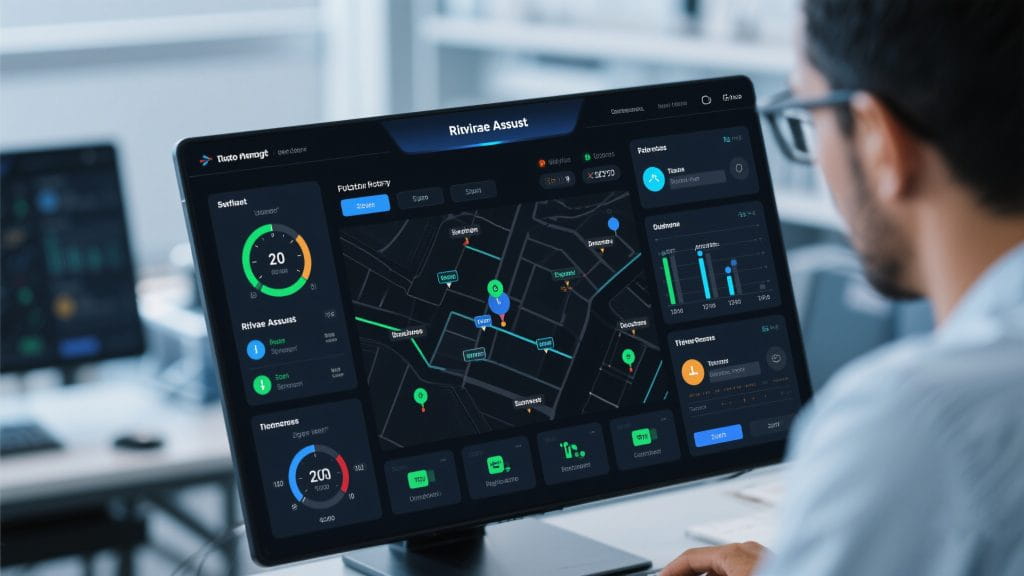
Unlike barcodes or spreadsheets, RFID provides live updates on asset locations. Sensors detect tagged items automatically, eliminating manual checks.
2. Reduce Losses and Theft
RFID alerts managers when assets leave designated zones. One Cykeo client in construction reduced equipment theft by 70% using geofenced tracking.
3. Boost Operational Efficiency
Scan hundreds of assets in seconds, slash labor costs, and repurpose staff for higher-value tasks.
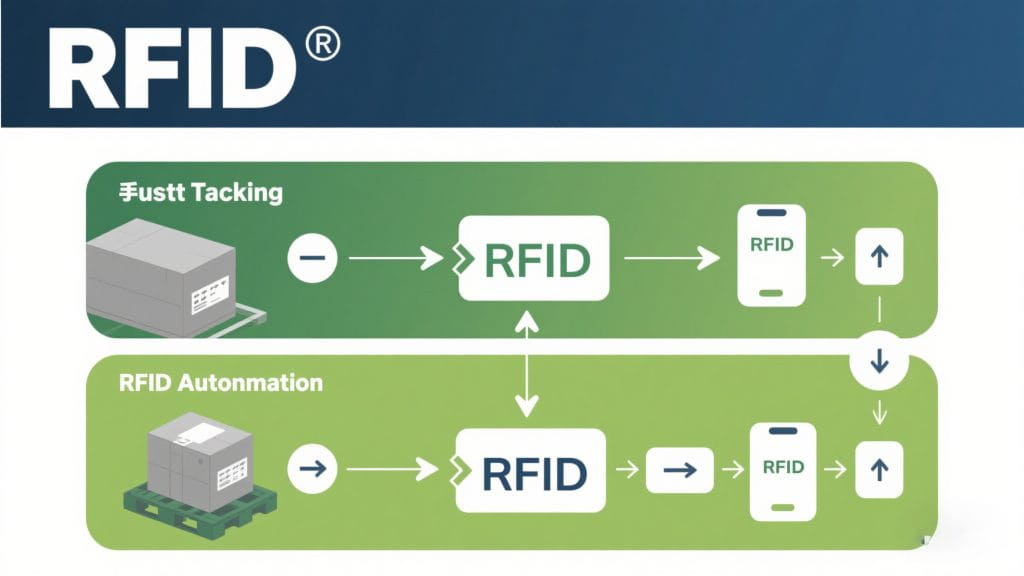
How RFID Asset Tracking Works
Tagging: Attach passive or active RFID tags to assets.
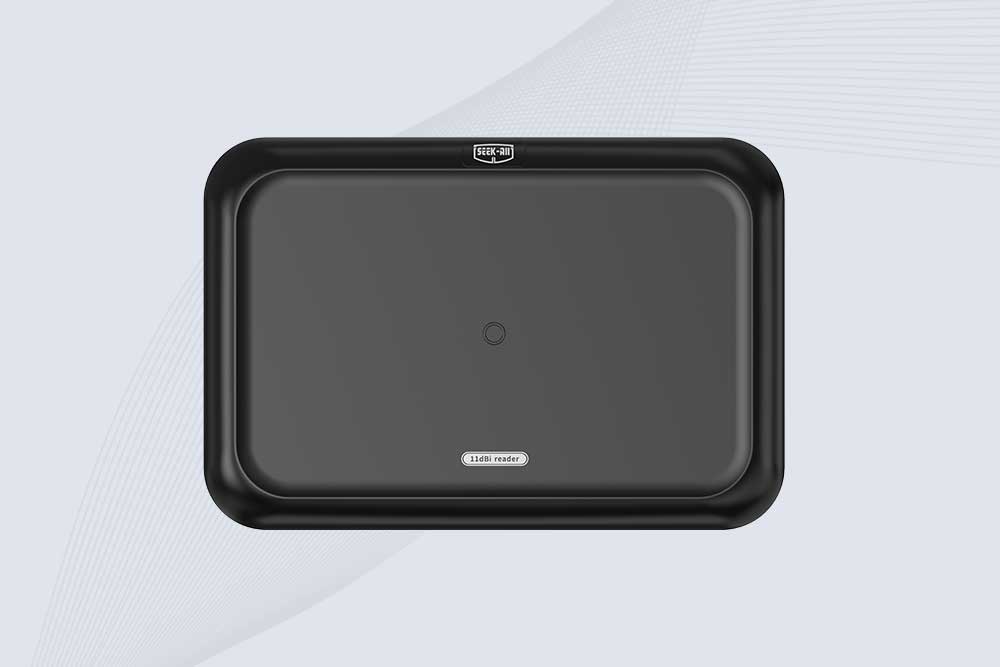
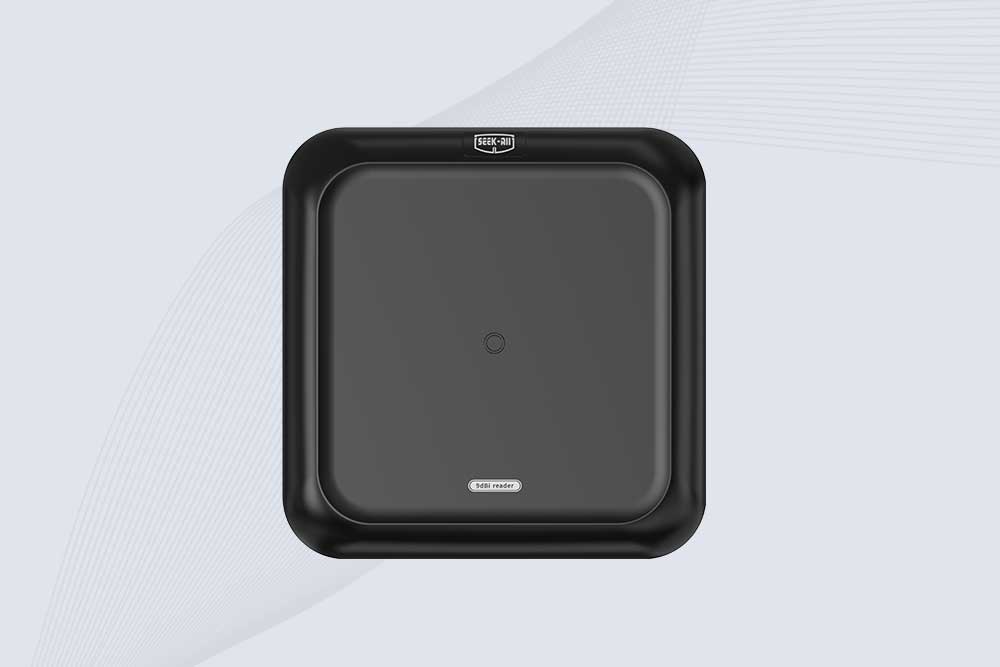
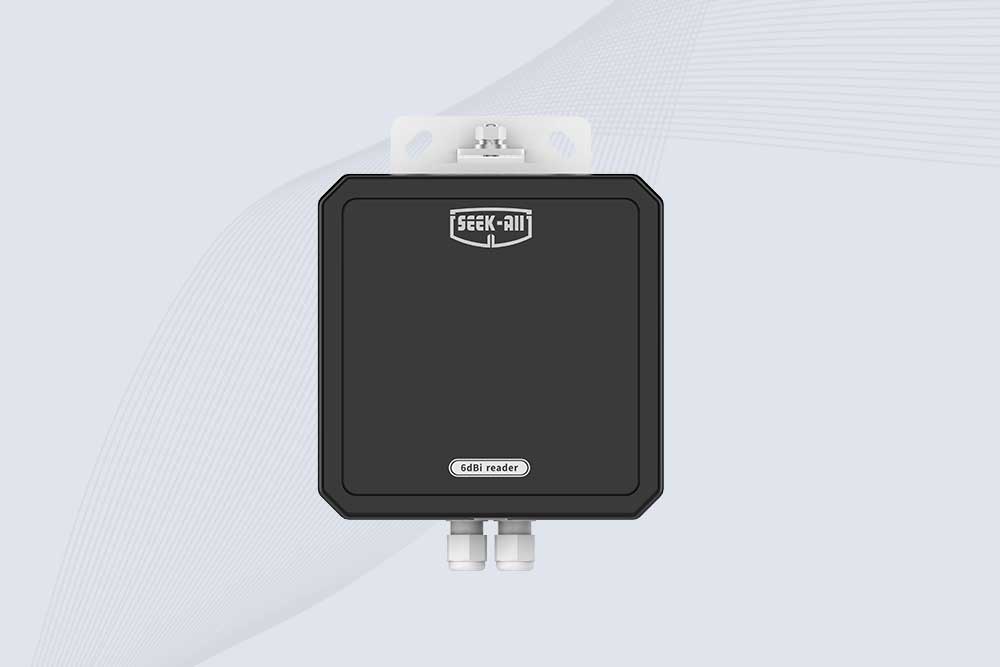
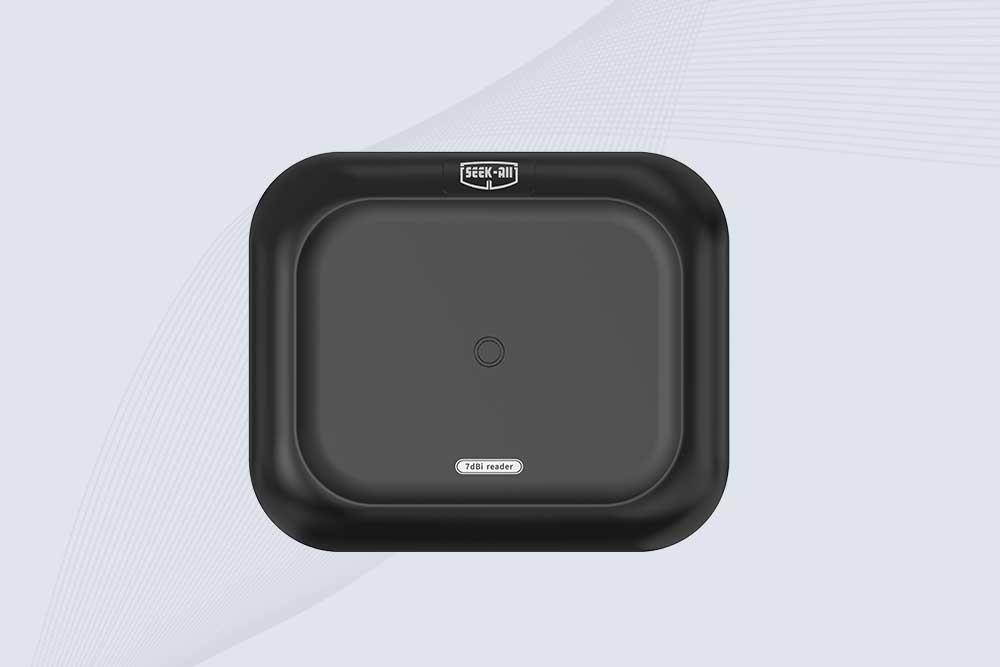
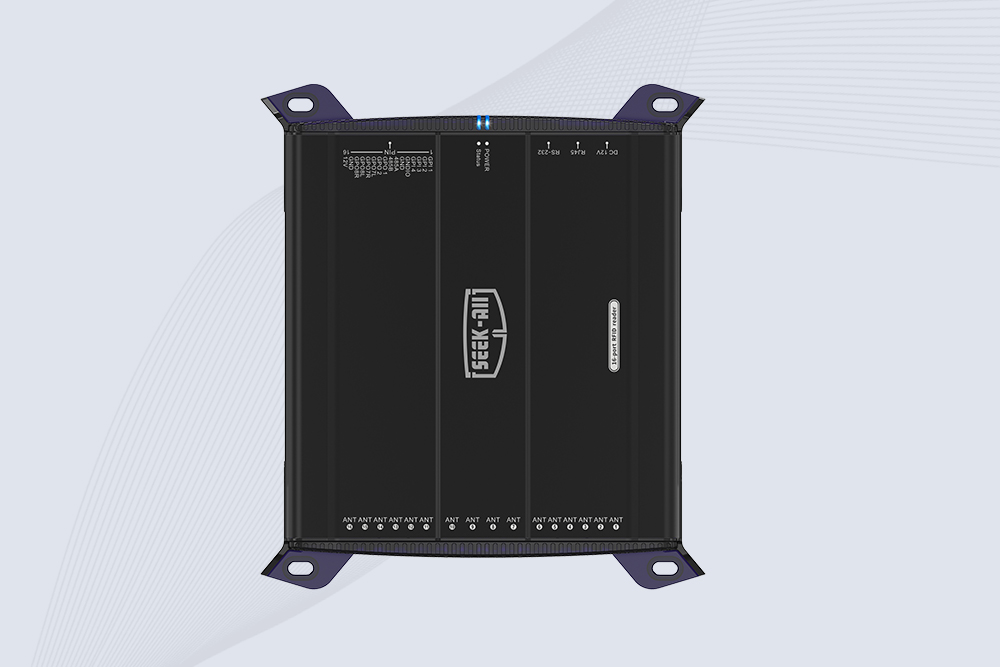
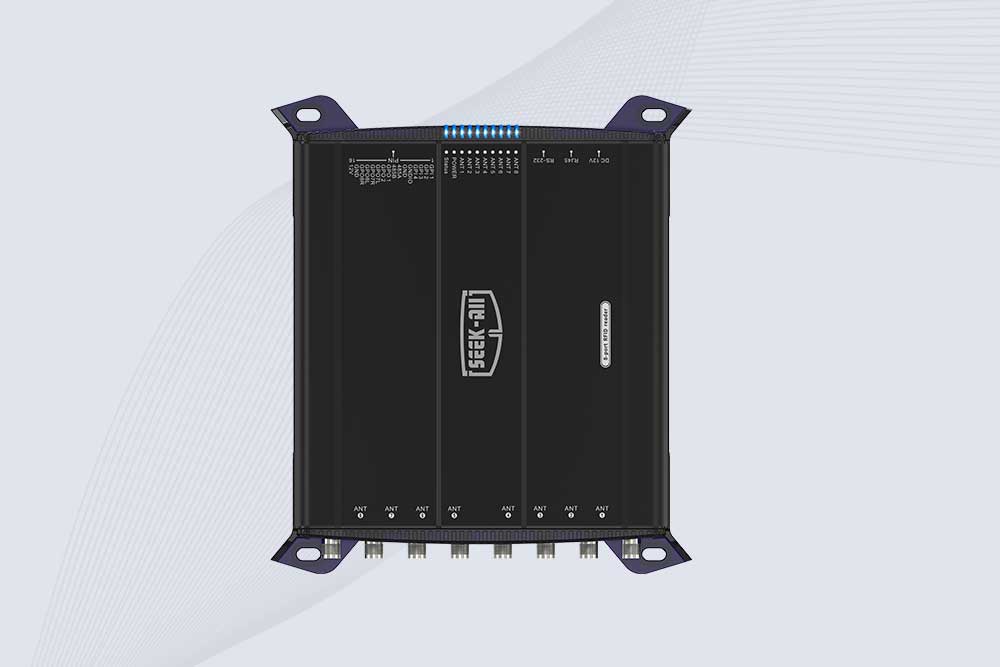
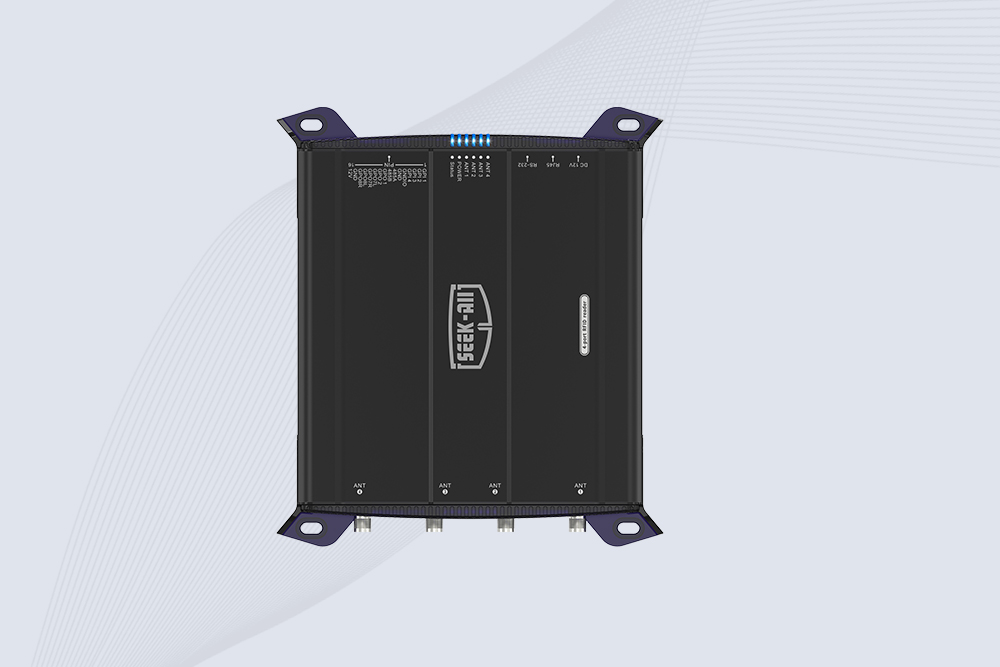
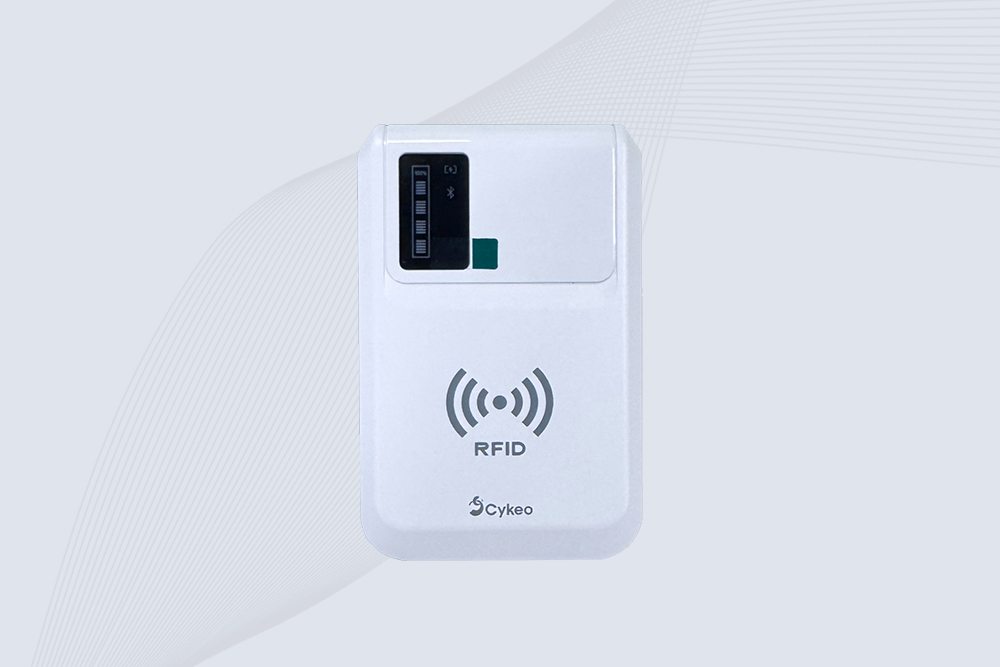
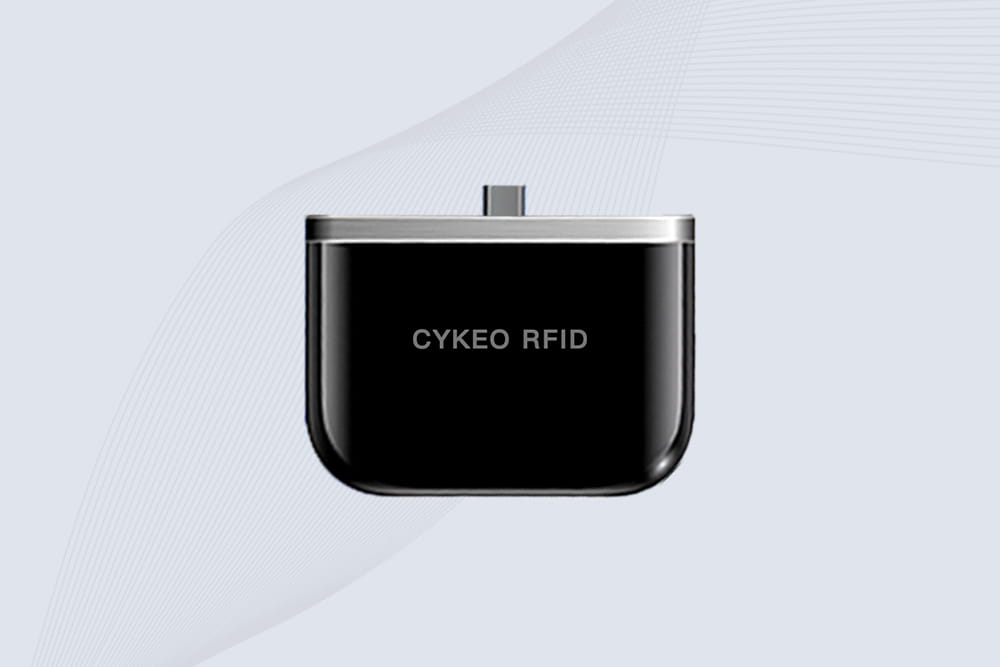
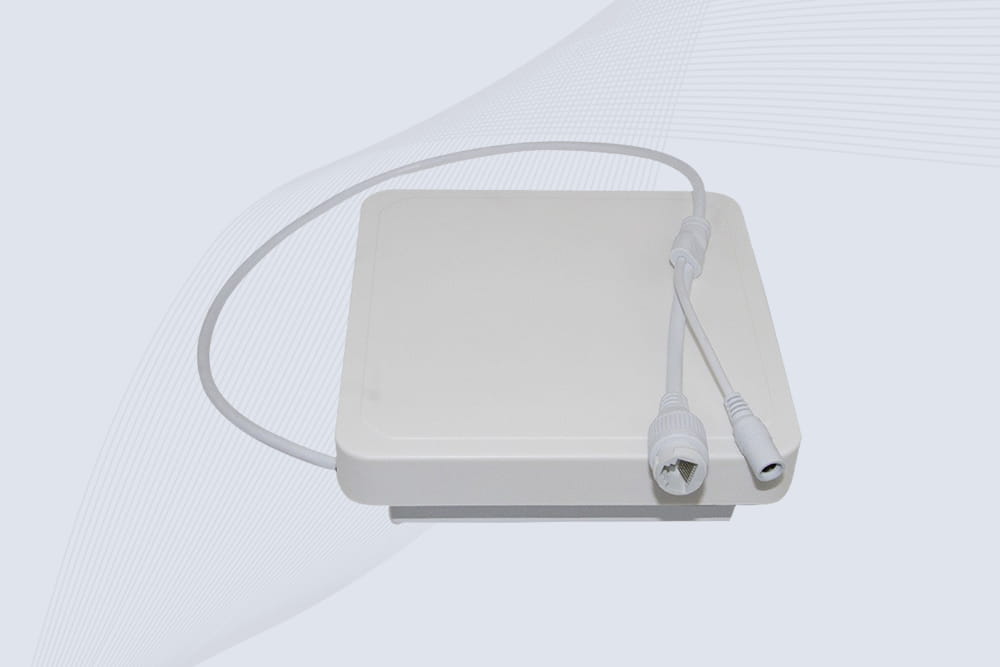
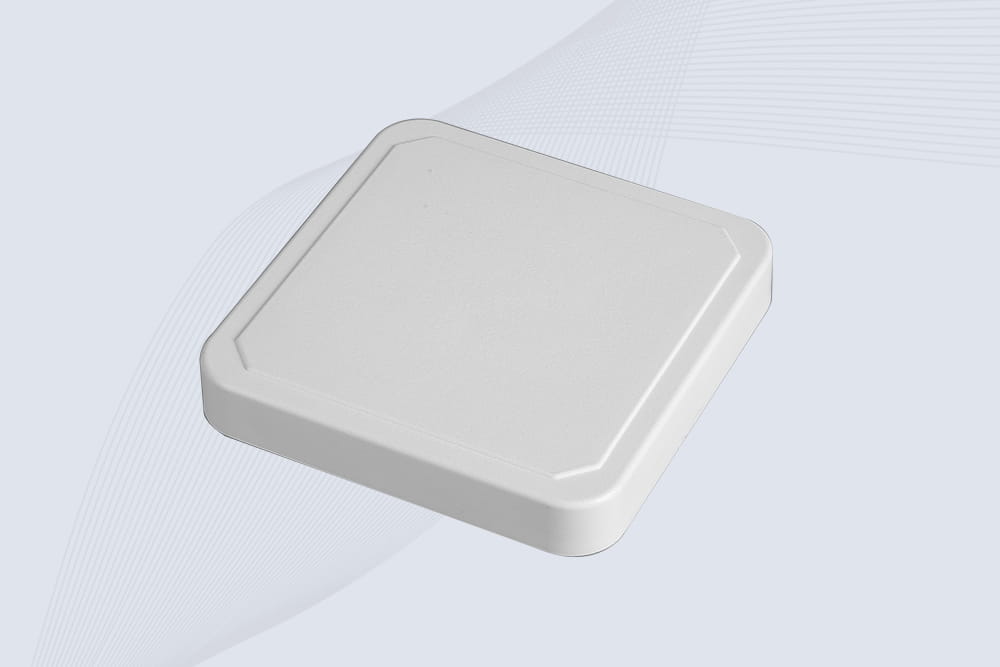
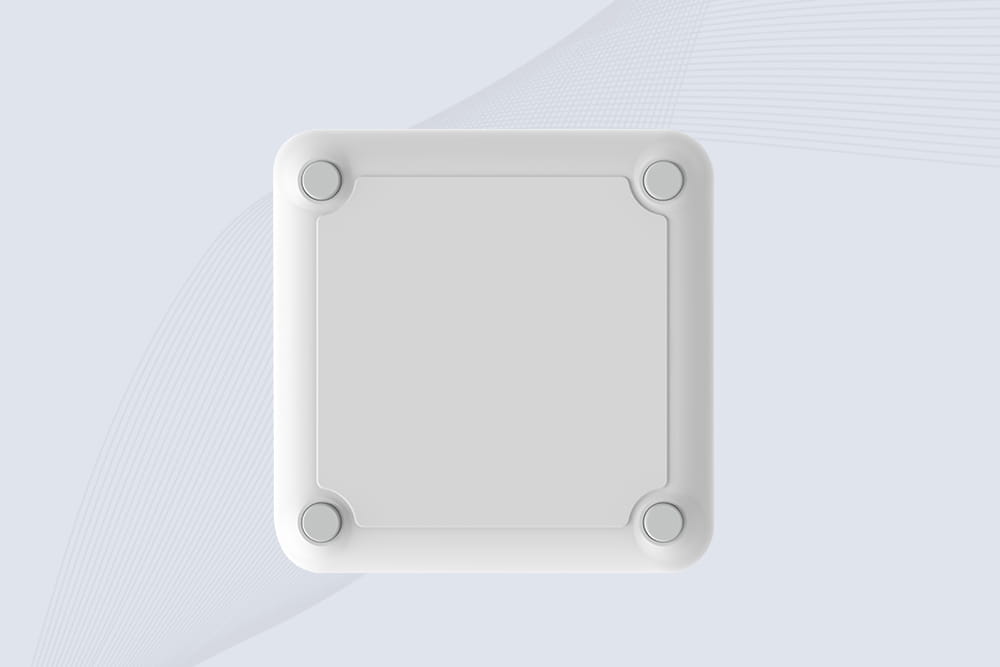
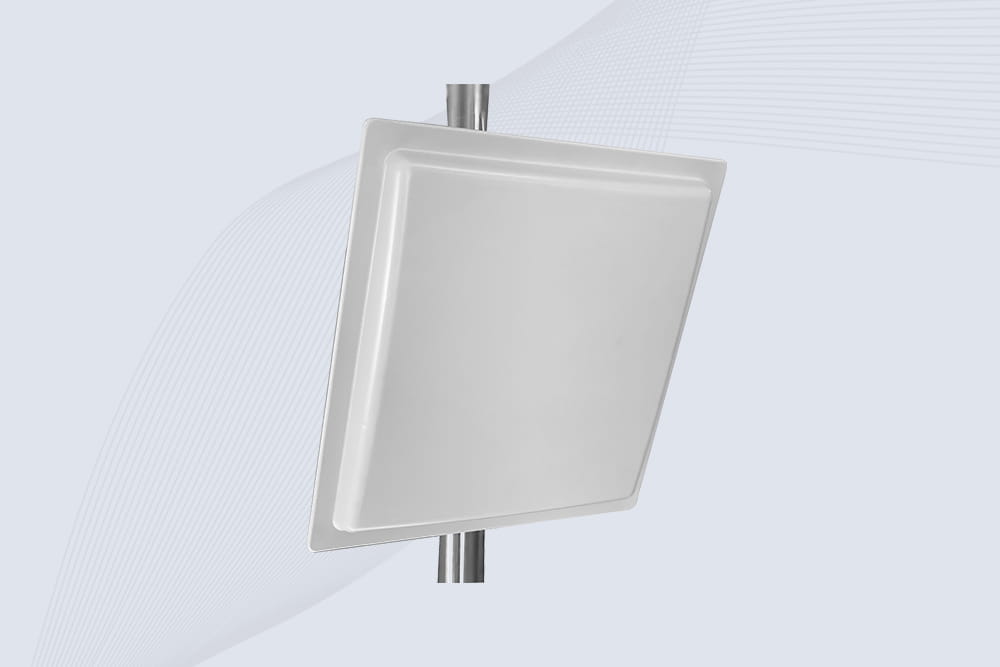
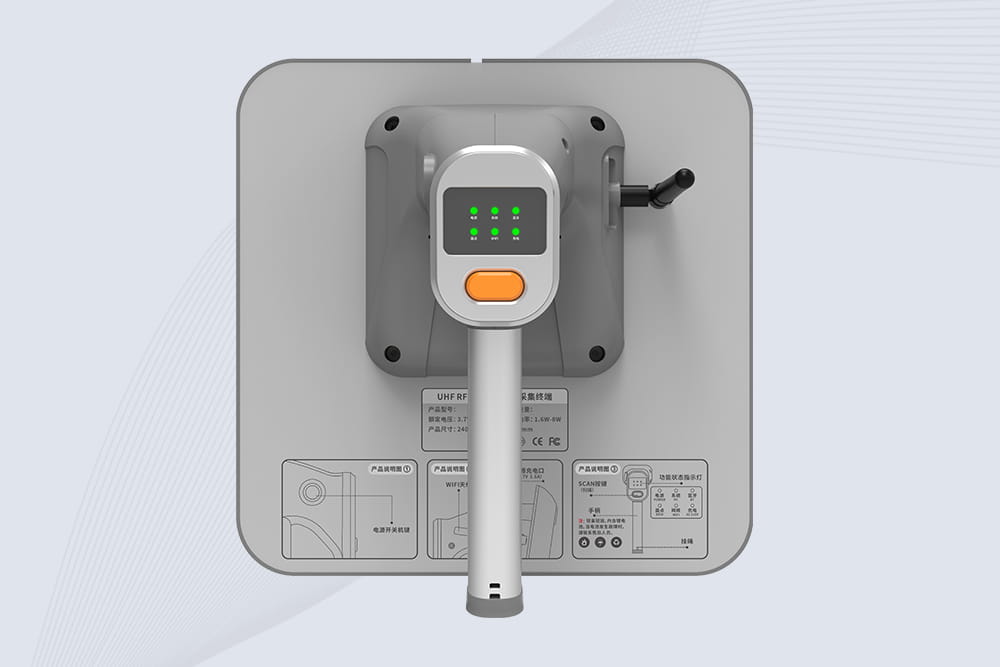
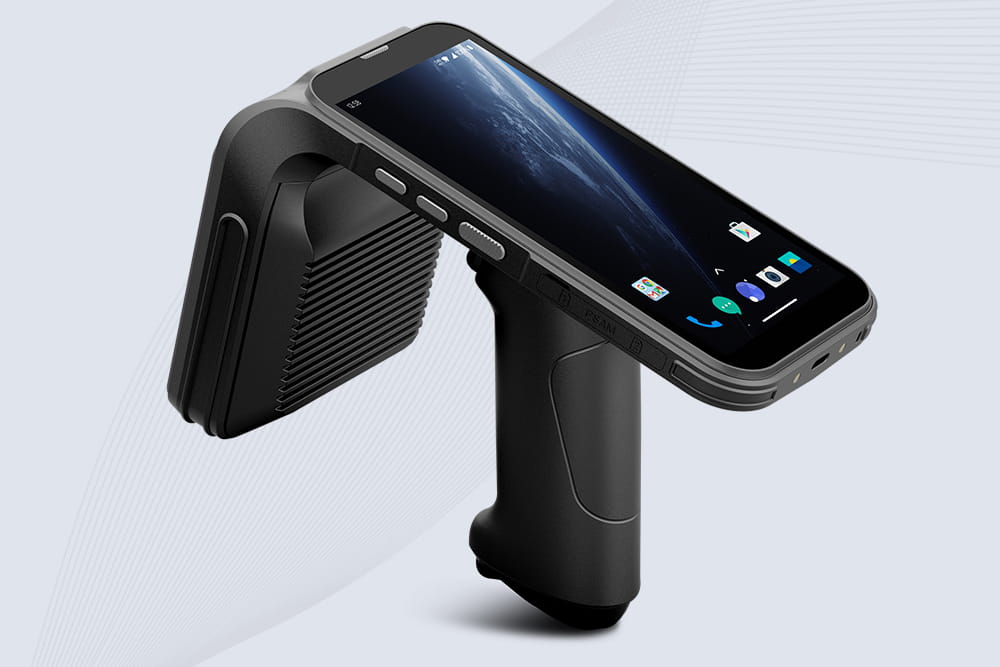
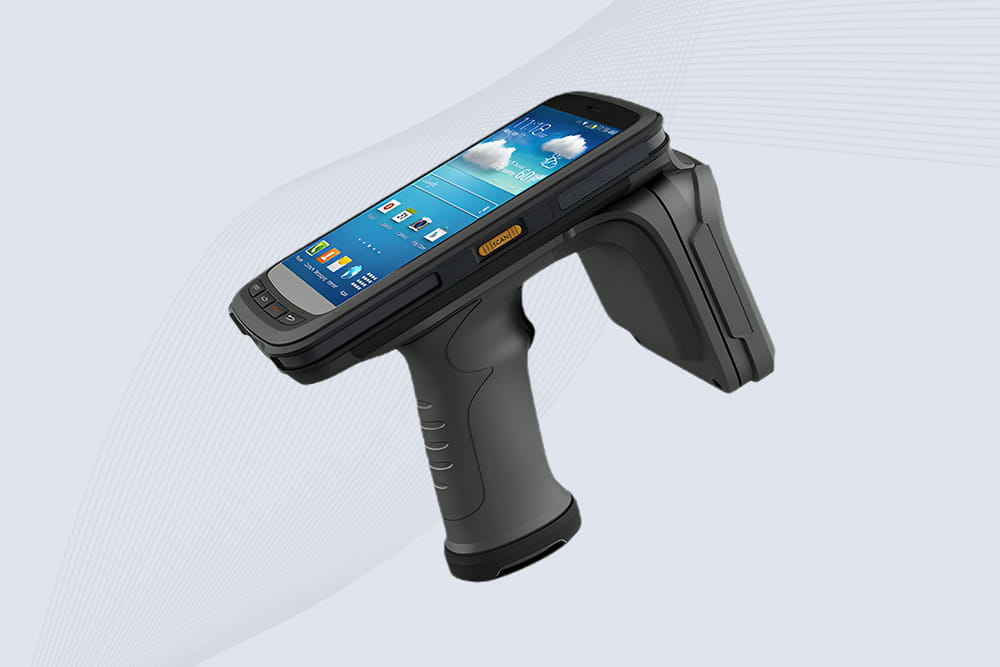
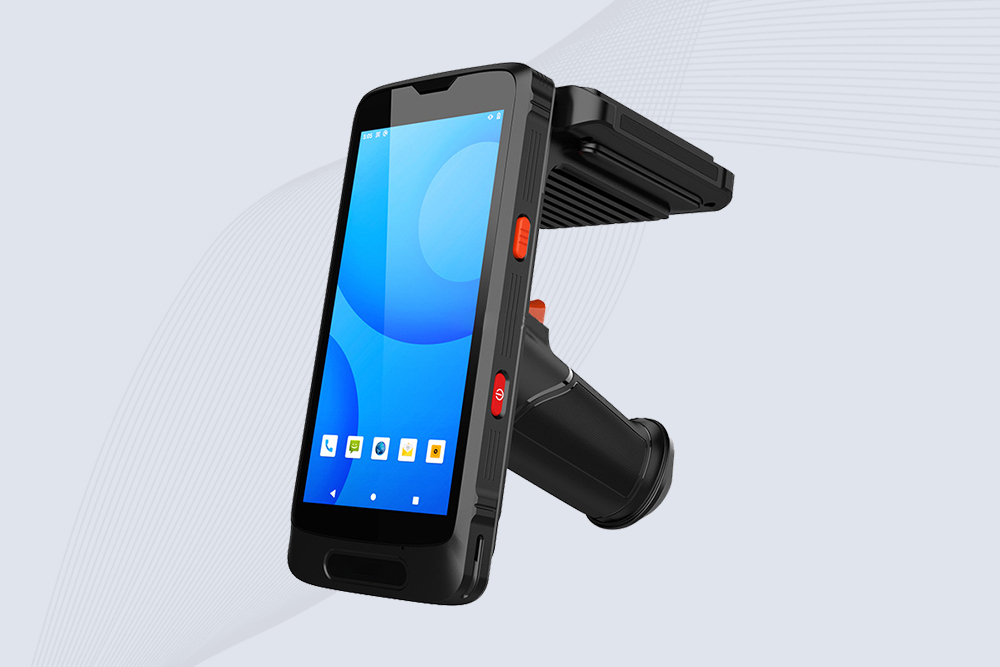
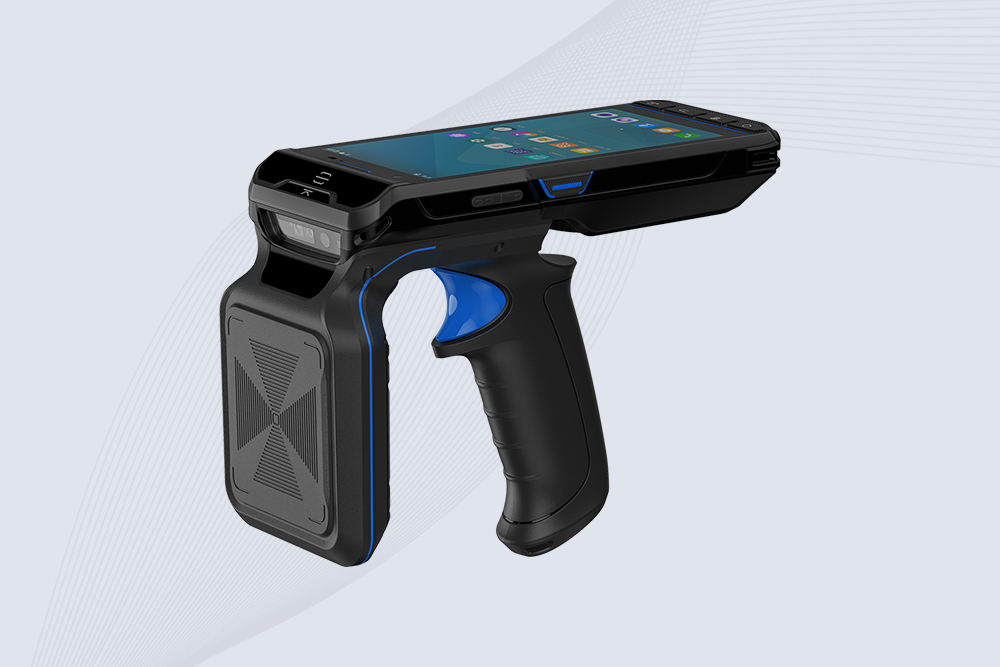
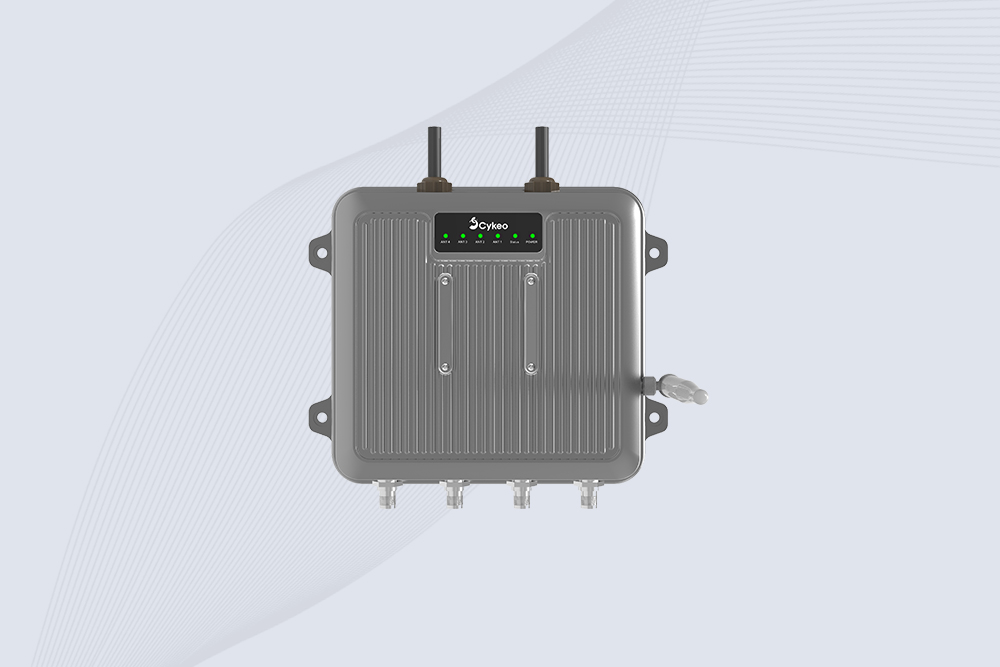
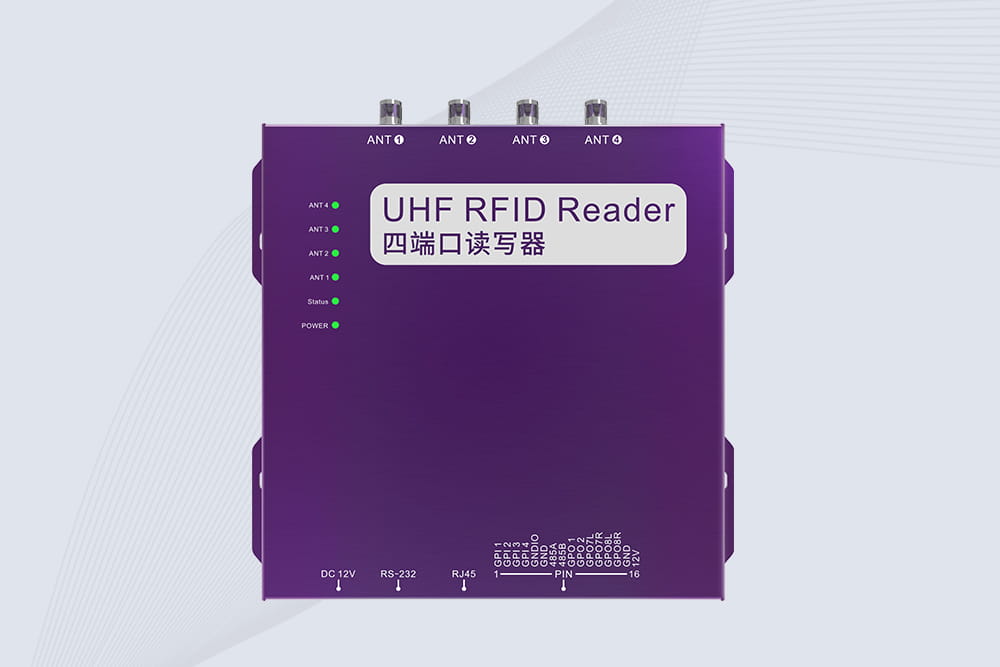
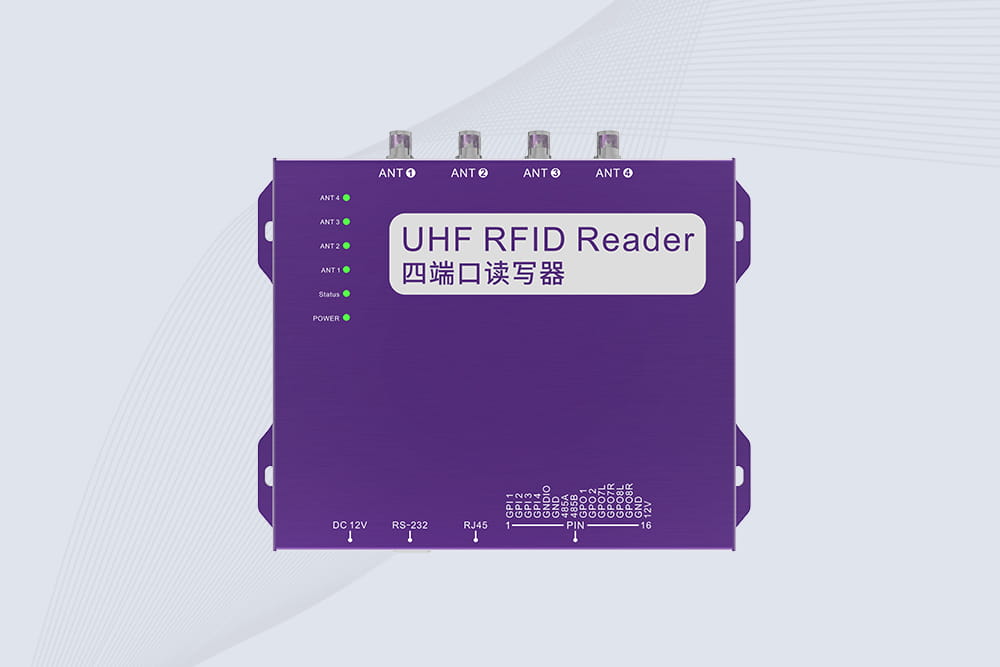
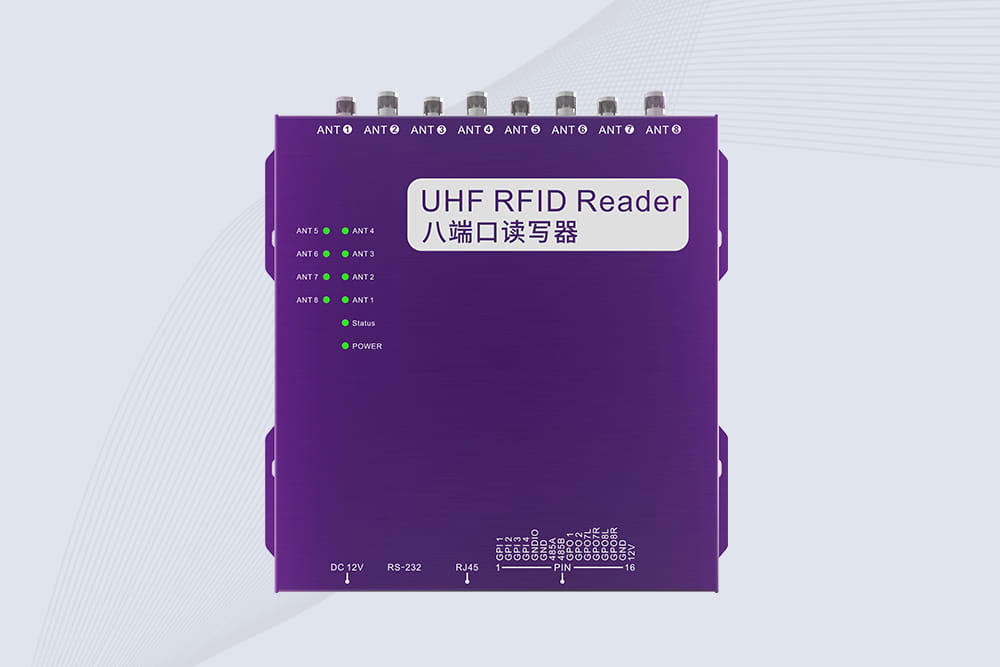
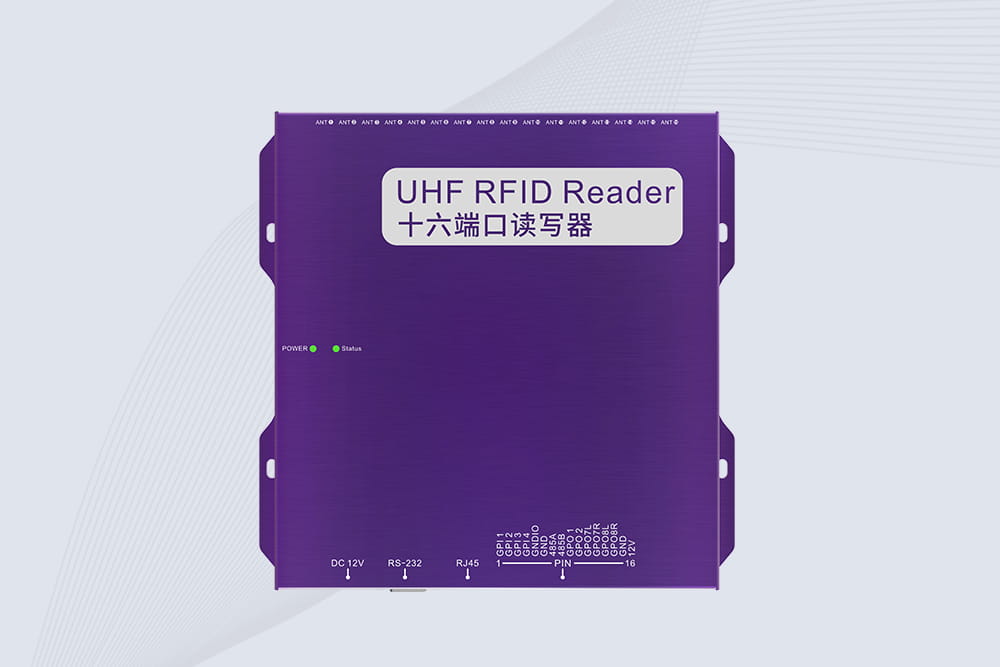
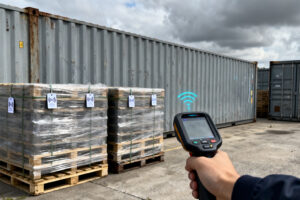
Readers: Install fixed or handheld readers to scan tags.
Software: Integrate data with platforms like ERP or IoT dashboards.
Key Advantage: Passive RFID tags cost under $0.10 each and last 10+ years, making them ideal for high-volume tracking.
Metal/waterproof tags: For machinery or outdoor assets.
Slim tags: For IT equipment or retail inventory.
3. Optimize Reader Placement
Chokepoints: Doorways, loading docks.
Mobile readers: For fieldwork or large facilities.
4. Integrate with Existing Systems
Ensure compatibility with tools like SAP or Microsoft Dynamics. Cykeo’s solutions, for instance, sync seamlessly with major logistics platforms.
5. Train Your Team
Simplify adoption with clear workflows and troubleshooting guides.
Common Mistakes to Avoid
Using Low-Quality Tags: Cheap tags fail in harsh environments, leading to inaccurate data.
Ignoring Scalability: Choose systems that grow with your business.
Overlooking Security: Encrypt RFID data to prevent hacking.
ROI of RFID Asset Tracking
Metric
Manual Tracking
RFID Tracking
Time per Audit
8 hours
15 minutes
Error Rate
12%
<1%
Theft/Loss Rate
8% annually
2% annually
Businesses typically recover RFID costs within 18 months through labor savings and loss reduction.
Future Trends in RFID Asset Tracking
Battery-Free Sensors: Emerging tags harvest energy from radio waves, slashing costs.
AI Predictive Analytics: Foresee maintenance needs or stock shortages using RFID data.
Ready to Streamline Your Asset Management?
RFID tracking isn’t just for Fortune 500 companies. Whether you’re a small warehouse or a global manufacturer, Cykeo’s scalable solutions can tailor a system to your budget. Contact us at contact@cykeo.com to start your free consultation.
Discover how rfid for inventory tracking improves inventory accuracy with Cykeo HF RFID smart storage cabinets featuring automatic inventory, compartment-level management, touchscreen control, and SDK integration.
Explore how long range passive RFID tags achieve 30-40 m performance in harsh environments. Real-world cases, installation tips, and human insights into this quiet but powerful tech.
Tool tracking solution for IT equipment helps organizations monitor laptops, servers, network devices, and IT assets using RFID technology for better visibility and security.
Learn how antenna RFID UHF technology improves RFID read accuracy, coverage, and inventory efficiency. Discover antenna types, deployment tips, expert insights, and industrial applications from Cykeo.
 Cykeo RFID IoT Solution Products R&D Manufacturer