 Cykeo RFID IoT Solution Products R&D Manufacturer
How Tool Tracking Tool for Facilities?
58Tool tracking tool for facilities helps maintenance teams automate tool control, improve accountability, reduce losses, and complete inventory checks in seconds using RFID technology.
MoreAll RFID Product
If you’ve ever stood in a warehouse surrounded by metal racks and wondered how a tiny sticker without a battery can tell you where a pallet is, you’ve brushed against the quiet magic of long range passive RFID tags.
Most people assume “passive” means “weak.” It doesn’t. These tags can reach tens of meters—sometimes 30, 40 meters in open air—if the conditions are right. No battery, no maintenance. Just a chip, an antenna, and the physics of electromagnetic fields doing their work.

A common misconception is that passive tags can only be read a few centimeters away. That’s true for low-frequency systems, like those used in animal microchips or access cards. But UHF (Ultra High Frequency) tags play by a different set of rules.
At around 860–960 MHz, they rely on radio waves that bounce, scatter, and penetrate in ways lower frequencies can’t. Give them a powerful reader, a clean environment, and a well-placed antenna—and they’ll surprise you.
I’ve seen passive tags mounted on outdoor shipping containers that still respond from a gate 30 meters away. In a lab test, a set of tags attached to steel drums were detected through rain, wind, and the chaos of forklifts passing by. It wasn’t magic—it was good matching between tag design, antenna type, and installation surface.
Of course, reality has its quirks. Metal reflects RF signals, and water absorbs them. Put a passive tag directly on a wet surface—or worse, stick it in someone’s back pocket—and the signal collapses. That’s why engineers often use on-metal tags, with a tiny insulating layer that separates the antenna from the metal and tunes the frequency just right.
In human environments—factories, hospitals, construction sites—the difference between a “failed” tag and a “perfect” one can be a few millimeters of placement. An RFID specialist once joked, “RF doesn’t forgive geometry mistakes.” He’s right.
Long-range performance isn’t just about the tag—it’s about the ecosystem. The reader power, antenna gain, tag orientation, and surrounding noise all matter. A 4-watt reader with a directional antenna can easily cover a 10-meter radius, maybe more. But if the tag sits behind a metal plate, you’ll get nothing.
A friend running a small logistics hub learned this the hard way. He tried to track workers with passive badges during warehouse shifts. On paper, the range was 8 meters. In practice, only half the tags registered, because they were near the body, which absorbs UHF signals. Once he switched to slightly thicker on-metal tags clipped to helmets instead of pockets, detection shot up to 95%.
You might ask, why not use active tags—with batteries and Bluetooth-level range? Because in large deployments, scale kills battery systems. A thousand active tags mean a thousand potential failures, battery replacements, and costs. Passive tags, on the other hand, last for years, even decades. Stick them on, forget about them.
And that’s the beauty of it. Long-range passive RFID is about balance—using physics and design to stretch the limits of something inherently simple.

In a world obsessed with “smart” gadgets powered by lithium and code, passive RFID tags remind us of another kind of intelligence: quiet, invisible, and enduring.
Whether they’re tracking steel containers at a port, tools in a maintenance yard, or pallets rolling through an industrial tunnel, these tags prove that “no battery” doesn’t mean “no power.” It means clever power—drawn from the air, managed by design, and tested in the chaos of real life.
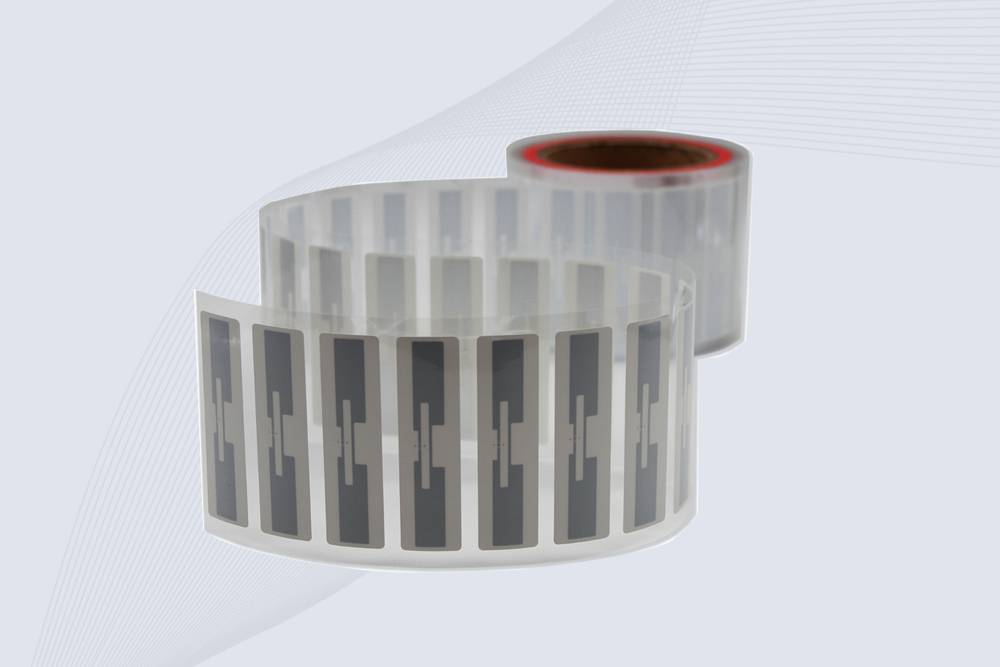
CYKEO Passive RFID Tags are made for wet and high-humidity environments where standard labels do not last. This rfid passive tag is often used around liquids, chemicals and temperature changes, providing stable reading distance and long data life for industrial tracking.
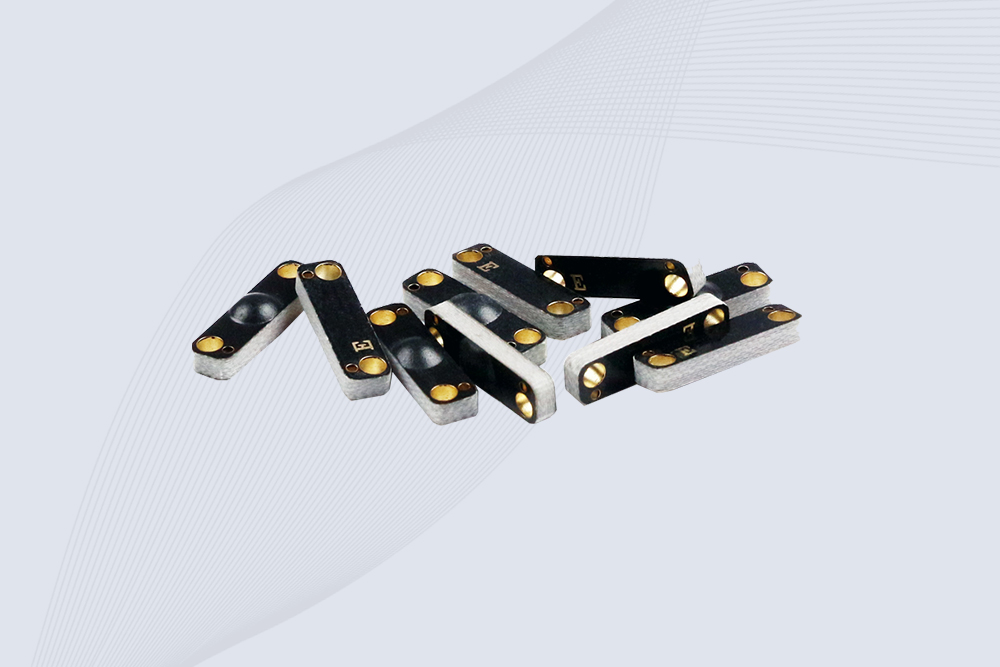
CYKEO CYKEO-PCB1504 Metal RFID Tags is a compact anti-metal UHF RFID solution built for direct mounting on metal surfaces. With stable 8-meter read range, Ucode-8 chip, and long data retention, this rfid metal tag fits tools, containers, automotive parts, and industrial asset tracking.
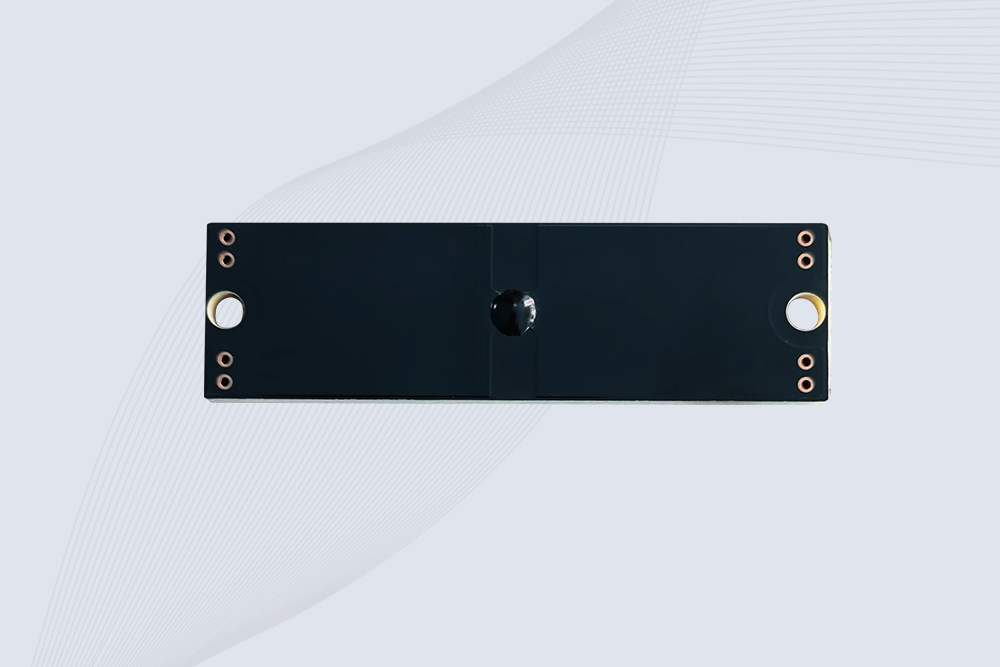
CYKEO CYKEO-PCB7020 On-Metal RFID Tags are designed for reliable tracking on steel and metal surfaces. Built with an FR4 epoxy body and industrial-grade chips, these On-Metal RFID Tags deliver stable performance, long data life, and chemical resistance, making them a dependable RFID anti-metal tag for harsh environments.
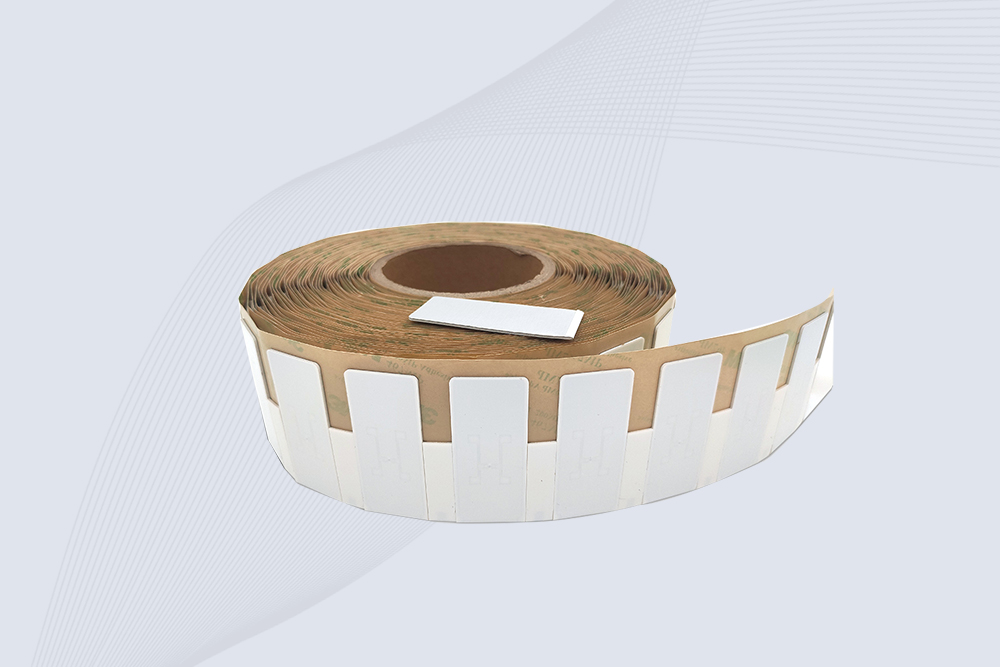
The CYKEO CYKEO-60-25 Anti-Metal RFID Tag is built for metal surfaces where standard tags fail. Designed for long-range performance, harsh environments, and stable data retention, this Anti-Metal RFID Tag is ideal for industrial assets, containers, and equipment tracking using on metal RFID tags.

Tool tracking tool for facilities helps maintenance teams automate tool control, improve accountability, reduce losses, and complete inventory checks in seconds using RFID technology.
More
Learn how an RFID inventory tracking system transforms warehouse operations. Discover components, benefits, real-world applications, and step-by-step implementation. Expert guidance from CYKEO engineers.
More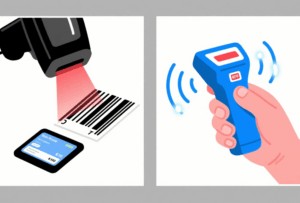
Compare RFID and barcode scanning technologies in warehouse, retail, logistics, and manufacturing. Discover their differences in efficiency, cost, and application suitability.
More
Curious about what is RFID antenna and how it works? This definitive guide explains RFID antenna technology, its types, and key industrial applications.
More