RFID is used for automatic identification, tracking, inventory management, and data collection without requiring direct line-of-sight scanning. Businesses use RFID to identify products, pallets, tools, equipment, garments, and other assets as they move through warehouses, factories, stores, libraries, and supply chains.
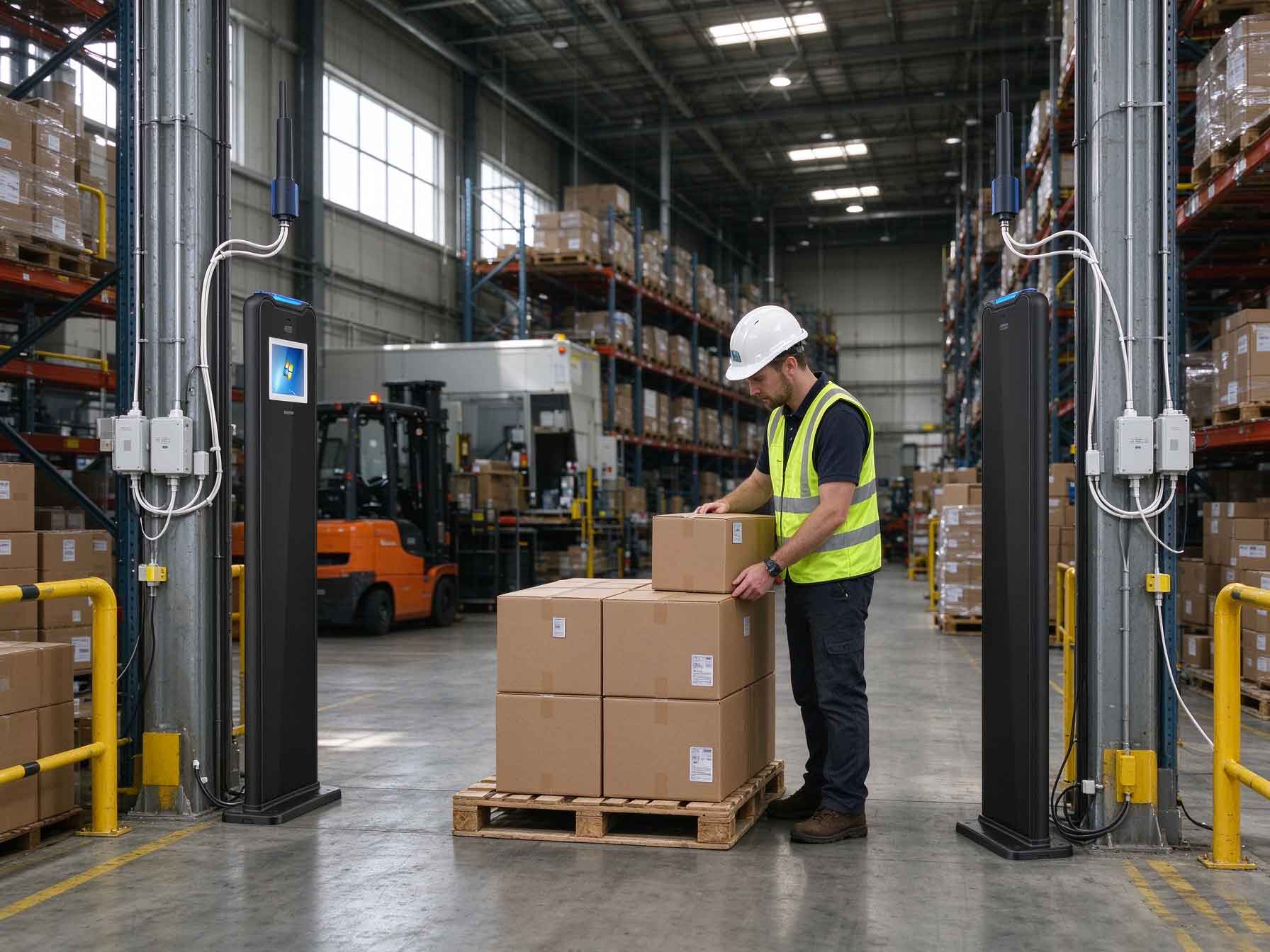
At Cykeo, we see the practical value of RFID less in the tag itself and more in the reading event it creates. A tagged carton passing through a warehouse portal, a tool entering a cabinet, or a garment arriving at a store can become a digital event without an employee stopping to scan every item individually.
GS1 describes RFID as an automatic identification and data-capture technology used across supply chains, with RAIN RFID supporting supply-chain visibility and inventory accuracy.
What Is RFID Used For in Business?
RFID Inventory Management
One of the most established uses is inventory management. RFID tags can identify individual products, cases, or pallets while readers capture their information automatically.
This changes the physical inventory process. Instead of repeatedly finding a barcode, positioning a scanner, and capturing one item at a time, an RFID reader can interrogate multiple tags within its reading zone.
A field experiment conducted by Auburn University’s RFID Lab provides a useful real-world reference. The study covered 23 weeks and 13 stores, with eight treatment stores and five control stores. RFID-enabled automatic inventory-record adjustment reduced inventory record inaccuracy by approximately 26% in that experiment.
That figure should not be treated as a universal RFID performance guarantee. The researchers specifically examined a defined retail environment and product categories. It does, however, demonstrate why inventory accuracy is one of the major commercial applications of RFID.
RFID Asset Tracking
RFID is also used to identify assets that repeatedly move between locations.
Typical examples include:
Returnable transport containers
Industrial tools
Medical equipment
Laundry and textiles
Library materials
Production components
Warehouse handling equipment
GS1 documents a Japanese fresh-food logistics application in which Kibun equipped cage trolleys with EPC/RFID tags using the GS1 GRAI identification key. The company reported that trolley inventories could be completed in minutes rather than days, and only one trolley had been lost since the system was launched.
This illustrates an important distinction: RFID does not necessarily provide continuous GPS-style positioning. Instead, the reader creates a known detection event at a known point.
RFID enables automated identification of tagged inventory and assets as they pass through defined reading zones.
What Is RFID Used For in Supply Chains?
Tracking Products Through Multiple Supply Chain Stages
RFID can be used to connect physical goods with digital supply-chain events.
A product may receive an RFID identity during manufacturing, pass through a distribution center, arrive at a retail store, and later be recorded during sale or return. Each reader interaction can contribute information about the item’s movement.
GS1’s EPCIS standard is designed to capture and share information about the what, when, where, why, and how of products and assets, including status, location, movement, and chain of custody.
This is where RFID becomes more than an electronic label. The tag supplies identification; the reader captures the event; business software gives that event operational meaning.
RFID in Retail Inventory
Retail is another major RFID application, particularly where item-level inventory matters.
RFID can be used for:
Store receiving
Stock counting
Shelf replenishment
Item-level inventory
Returns processing
Electronic article surveillance
Self-checkout workflows
GS1 identifies retail inventory management as an RFID application in which item-level identifiers can be captured during goods receiving and used to update inventory databases. Reader systems can also support replenishment and other store processes.
A useful field detail is that RFID does not make poor inventory processes automatically disappear. The reading zone still has to be engineered. Tags can be affected by metal, liquids, orientation, antenna placement, and reader configuration. At Cykeo, these physical factors are tested alongside the software workflow rather than treating them as separate problems.
RFID Applications by Industry
Industry
Common RFID Use
Typical Tagged Items
Logistics
Shipment and pallet identification
Cartons, pallets
Manufacturing
Work-in-progress tracking
Components, tools
Retail
Item-level inventory
Clothing, merchandise
Healthcare
Asset management
Medical equipment
Libraries
Circulation and inventory
Books, media
Laundry
Textile identification
Uniforms, linens
Warehousing
Automated inventory
Cases, containers
Food logistics
Returnable asset tracking
Trolleys, containers
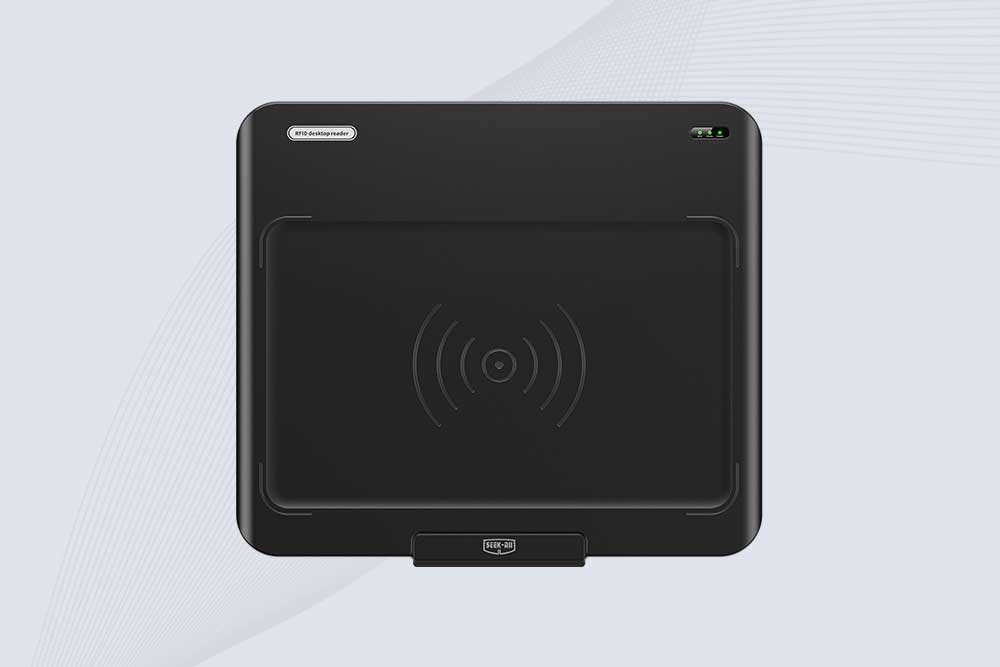
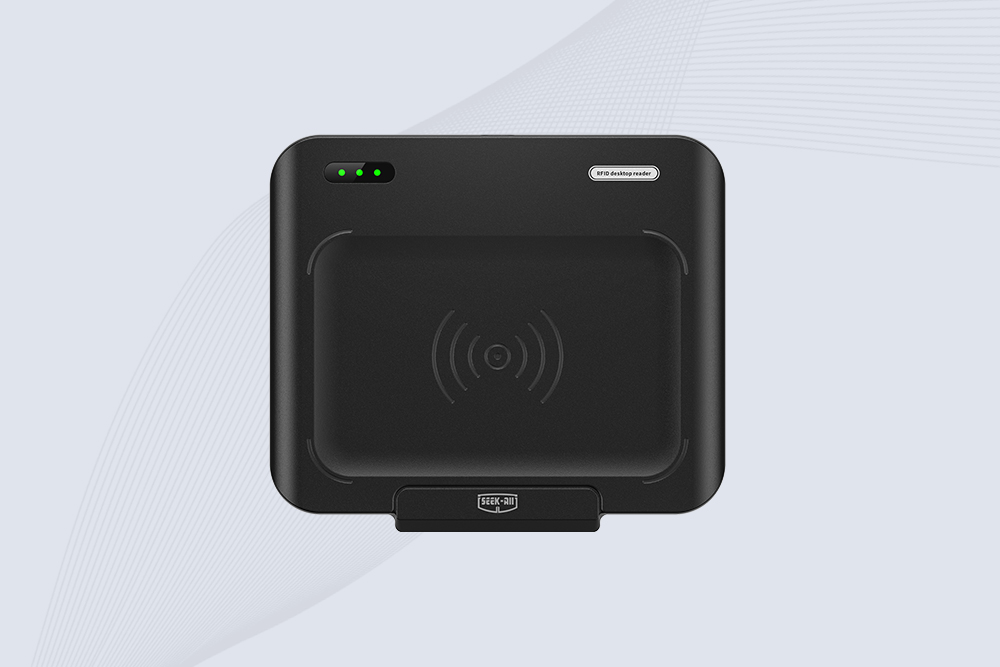
The technology itself is flexible, but the implementation is not identical from one industry to another. A library may need a short-range desktop reader for controlled tag operations. A warehouse may need fixed UHF readers and multiple antennas. A metal tool cabinet requires another approach again.
What Is RFID Used For in Manufacturing?
Following Work-in-Progress Without Constant Manual Scanning
Manufacturers use RFID to associate physical components with production information as items move between workstations.
A tagged component can be identified when it enters a production area, reaches a workstation, or passes a designated checkpoint. The reader captures the tag identity, while the connected software records the event.
This is particularly useful when the same type of component appears many times on a production floor. RFID gives each tagged item an electronic identity that can be read without visually locating a printed barcode.
Common manufacturing applications include:
Work-in-progress tracking
Tool identification
Component identification
Production-line monitoring
Returnable container management
Finished-goods identification
Automated process checkpoints
The physical setup matters. A reader mounted too close to metal machinery can behave very differently from the same reader tested on an open bench. During RFID integration work, Cykeo engineers pay particular attention to antenna position, read-zone boundaries, tag orientation, and interference before finalizing a deployment.
What Is RFID Used For in Healthcare?
Medical Equipment and Supply Identification
Healthcare organizations can use RFID to identify medical equipment, supplies, garments, and other movable assets.
A hospital does not necessarily need continuous geographic positioning for every device. In many workflows, knowing that a tagged infusion pump was detected at a particular room entrance, storage area, or equipment station can already provide useful operational information.
RFID can support:
Medical equipment management
Medical supply inventory
Linen and uniform tracking
Asset circulation
Storage management
Equipment checkout and return
The same principle applies to other environments where equipment is frequently moved but not necessarily tracked with GPS.
RFID vs Barcode: What Is RFID Used For That Barcodes Cannot Do?
Different Identification Methods for Different Workflows
RFID and barcodes can both identify products and assets, but their operating methods are different.
Feature
RFID
Barcode
Communication
Radio frequency
Optical scanning
Direct line of sight
Often not required
Usually required
Multiple-item reading
Possible
Normally one barcode at a time
Data storage
RFID chip memory
Printed symbol
Rewriting
Supported by writable RFID chips
Printed barcode cannot normally be rewritten
Reading through packaging
Possible in suitable conditions
Requires visual access
Typical hardware
RFID reader and antenna
Barcode scanner
This does not mean RFID automatically replaces barcodes. In many facilities, the two technologies coexist.
A barcode may remain the simpler choice for a workstation where an employee already handles one product at a time. RFID becomes more interesting when hundreds or thousands of objects need to be identified repeatedly and manual scanning becomes a bottleneck.
How RFID Readers Are Used With RFID Tags
The Reader Creates the Actual Tracking Event
An RFID tag by itself does not create a useful business record. The reader is what detects the tag and transfers its identification information to the application.
For example:
RFID tag → RFID reader → communication interface → software → business record
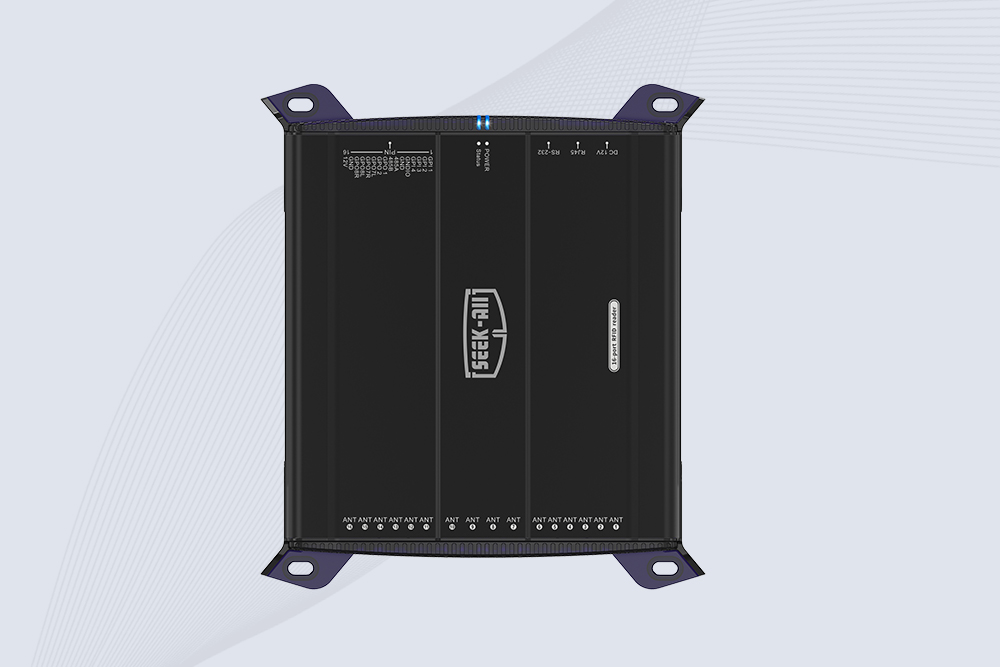
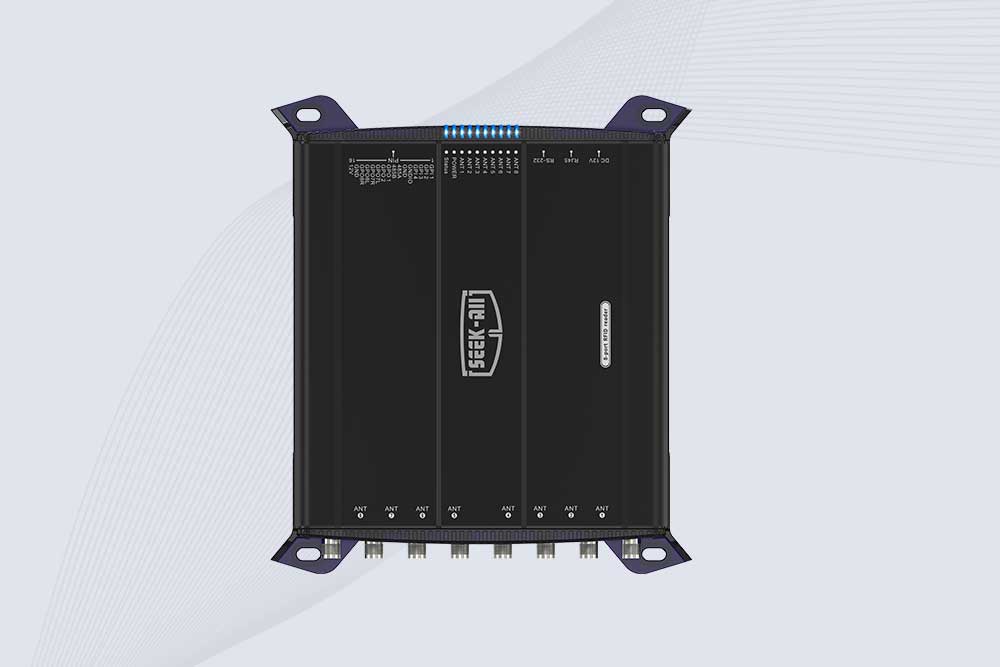
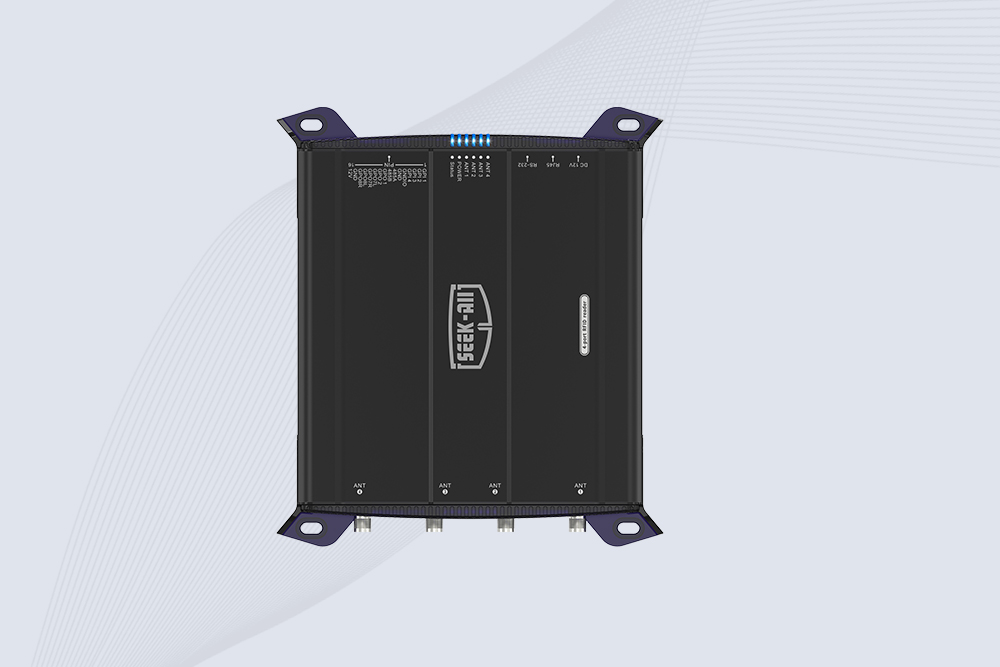
Cykeo fixed UHF RFID readers can communicate through interfaces such as Ethernet and RS-232, depending on the model and configuration. OEM modules such as the CYKEO-M4L can also be integrated into customer-developed RFID equipment through software APIs.
In an actual warehouse installation, the reader may be connected to an application that interprets a tag detection as “received,” “shipped,” “entered,” or “left.” The RFID reader does not need to understand the entire business process. Its job is to capture the identification event reliably.
RFID can connect tagged components and production assets with digital manufacturing workflows.
What Is RFID Used For in Libraries and Document Management?
Fast Identification of Large Numbers of Items
Libraries use RFID for book identification, circulation, inventory, sorting, and self-service workflows.
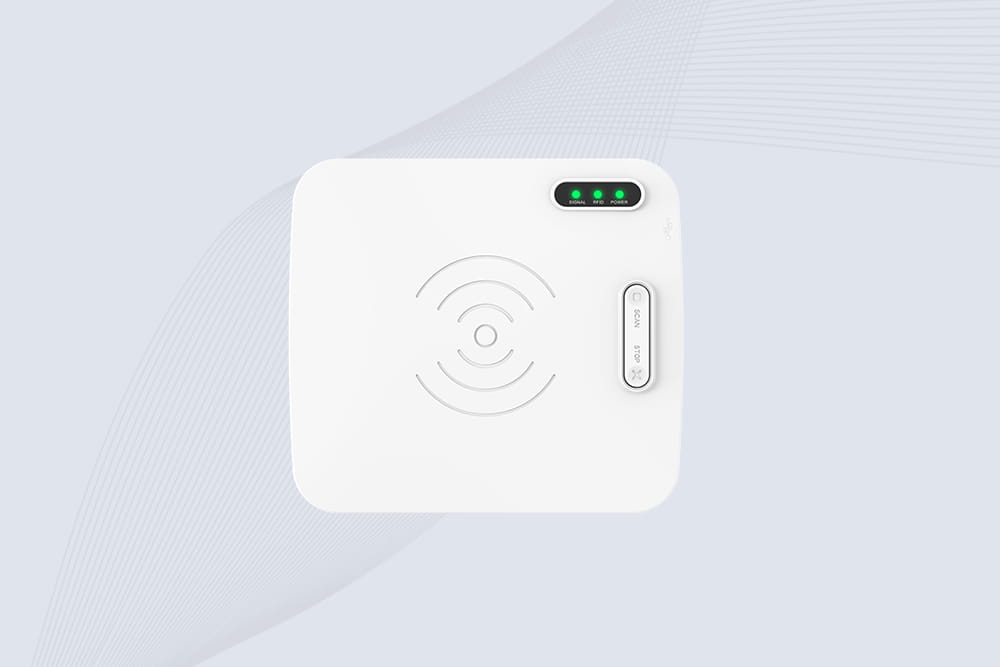
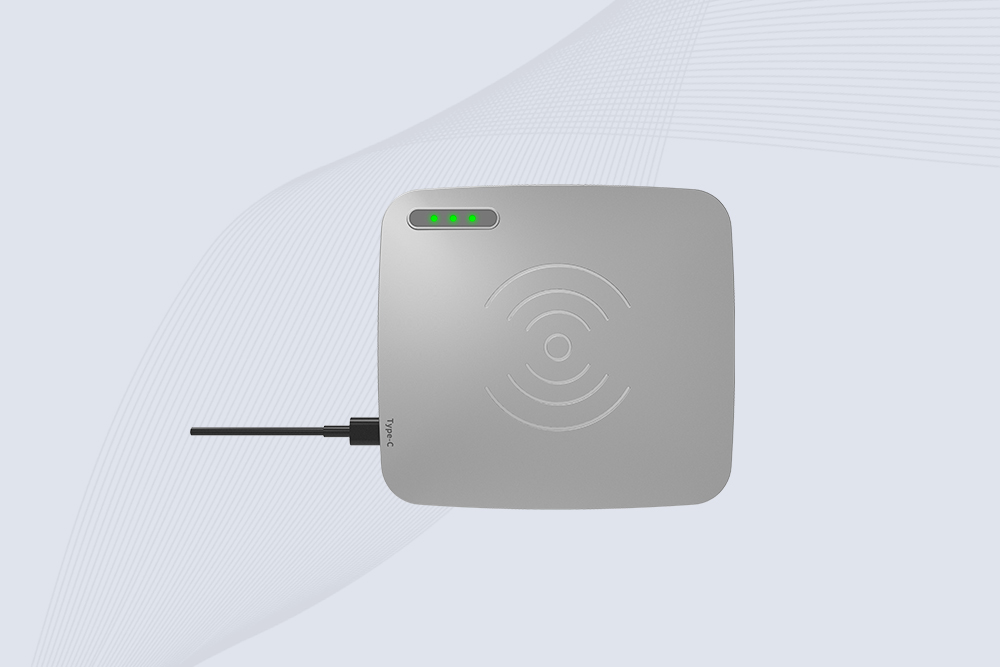
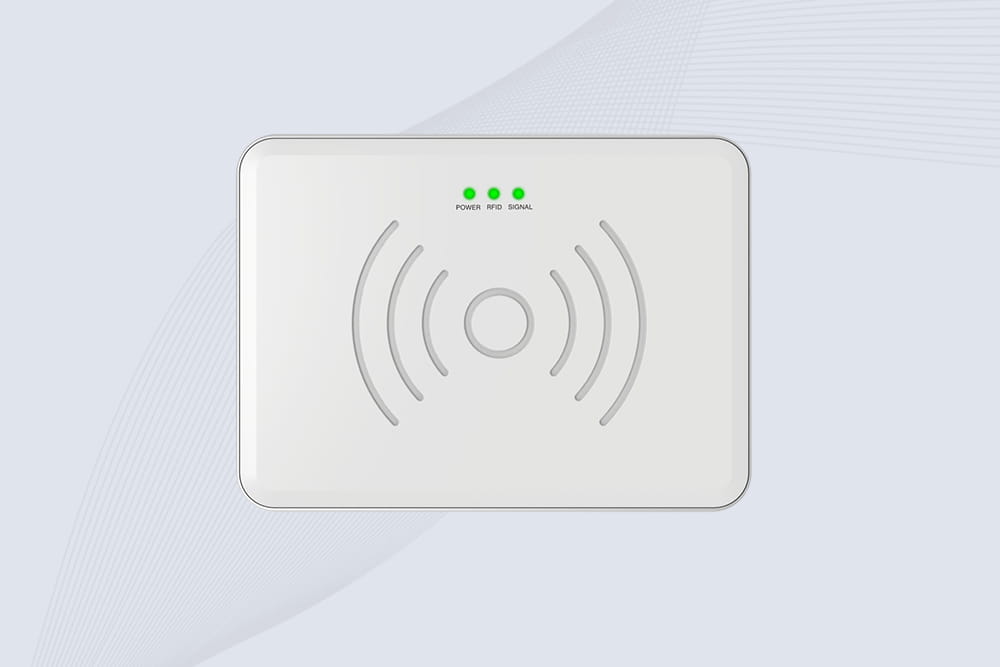
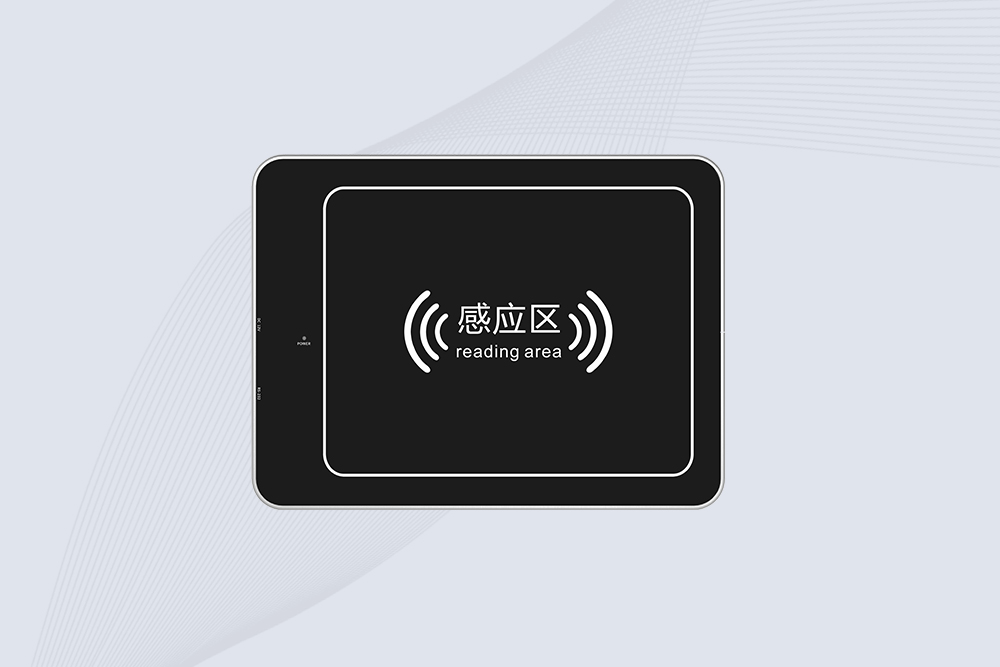
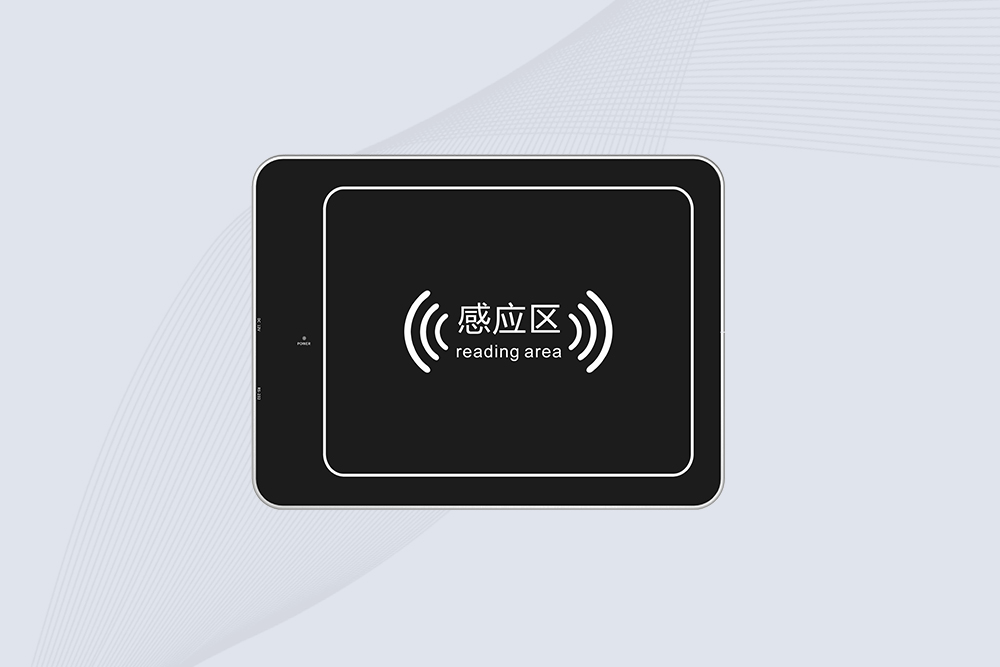
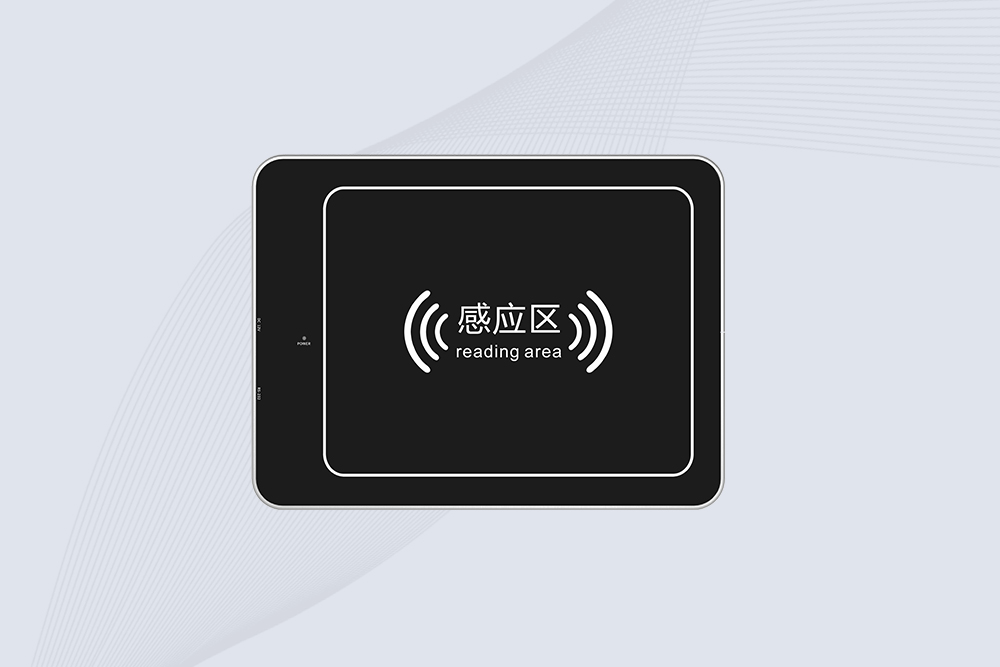
Instead of scanning the printed barcode on every book individually, an RFID reader can identify tagged books within its operating area. Desktop RFID readers can also be used when staff need controlled tag registration or rewriting.
Cykeo desktop RFID platforms support functions such as:
Tag registration
Item registration
Shelf-label registration
Borrowing and return operations
Item queries
Statistics
Log queries
Tag conversion
The important difference is workflow. A desktop reader provides a controlled near-field environment, while a warehouse reader is normally designed to cover a larger reading zone.
How Cykeo Uses RFID in Practical Applications
Hardware Performance Has to Match the Environment
At Cykeo, RFID development and integration work covers fixed readers, OEM modules, desktop platforms, and application-specific systems.
For example, the CYKEO-M4L OEM module supports ISO18000-6C/EPC C1G2, ISO18000-6B, adjustable output power up to 33 dBm, filtering, anti-collision processing, and multi-tag recognition. Under specified test conditions, its recognition capability exceeds 400 tags per second.
The number is useful when comparing hardware, but field deployment is where the real engineering begins.
A reader may perform well with cardboard cartons and behave differently near steel shelving. A tag may work reliably when facing the antenna and become inconsistent when rotated. Increasing RF power can also increase unwanted reads rather than simply improving the desired reading zone.
That is why our approach is to define the read zone first, then tune the hardware around the workflow.
Frequently Asked Questions About What Is an RFID Used For
1. What is an RFID used for?
RFID is used for automatic identification, inventory management, asset tracking, supply-chain visibility, manufacturing processes, retail inventory, healthcare equipment management, libraries, and other applications where physical items need to be identified electronically.
2. What is RFID mainly used for in warehouses?
RFID is commonly used to identify cartons, pallets, containers, and other inventory as they enter, leave, or move through defined warehouse reading zones. This can reduce manual scanning and improve inventory visibility.
3. What is RFID used for in retail?
Retailers can use RFID for item-level inventory, receiving, stock counting, replenishment, returns, and selected checkout or loss-prevention workflows. RFID allows multiple tagged items to be identified without individually scanning each printed barcode.
4. What is RFID used for in manufacturing?
Manufacturers use RFID to identify components, work-in-progress, tools, containers, and finished products. Reader events can be connected with production software to record movement between manufacturing stages.
5. Can RFID be used for asset tracking?
Yes. RFID asset tracking can identify equipment and record detection events at specific reader locations. It is commonly used for tools, medical equipment, containers, textiles, library materials, and other movable assets.
6. Is RFID better than a barcode?
RFID and barcodes serve different operational requirements. RFID can read multiple tags wirelessly and does not always require direct line of sight, while barcodes are often simpler and economical for individual optical scanning tasks.
What Is an RFID Used For in a Real RFID System?
RFID is ultimately used to make physical objects electronically identifiable.
The strongest applications are not necessarily the ones with the longest reading distance or the largest number of tags. They are the workflows where identifying an item automatically removes a repetitive manual step: receiving a pallet, counting stock, locating equipment at a checkpoint, registering a library item, or recording a production movement.
At Cykeo, that practical distinction guides RFID system design. Tags, readers, antennas, communication interfaces, and software have to work as one system. Once that relationship is understood, what is an RFID used for becomes a much more useful engineering question than simply asking what an RFID tag can do.
Explore the SSD-A07 UHF RFID antenna with 7 dBi gain, circular polarization, adjustable 840–960 MHz frequency, and 60°/75° beamwidth for stable RFID read/write performance.
SSD-A06 UHF RFID antenna with circular polarization, adjustable 840–960 MHz frequency, ≥4.5 dBi gain, and a compact directional design for RFID systems.
SSD-D3AL is a USB-HID UHF RFID reader with 0–30 cm reading, 0–15 cm writing, over 600 tags/s recognition, USB plug-and-play operation and OEM Logo customization.
SSD-D1AL is a compact USB UHF RFID reader with Impinj E710/X3M1 chipset, USB-HID, 600+ tags/s recognition, 4/8/16 antenna support and plug-and-play USB power.
SSD-R16L Multi-Channel RFID Infrastructure for Automated Inventory Management ✔️ 16-Port High-Density RFID Reading Equipped with 16 SMA antenna ports, SSD-R16L supports multi-antenna deployment for warehouses, retail stores, logistics, production lines, and large-area RFID identification. ✔️ High-Speed & Long-Range Performance With up to 33…
SSD-R8L 8-port UHF RFID reader with 33dBm output, up to 20m reading range and 600+ tags/s recognition. Ideal for warehouse, logistics, retail and asset tracking.
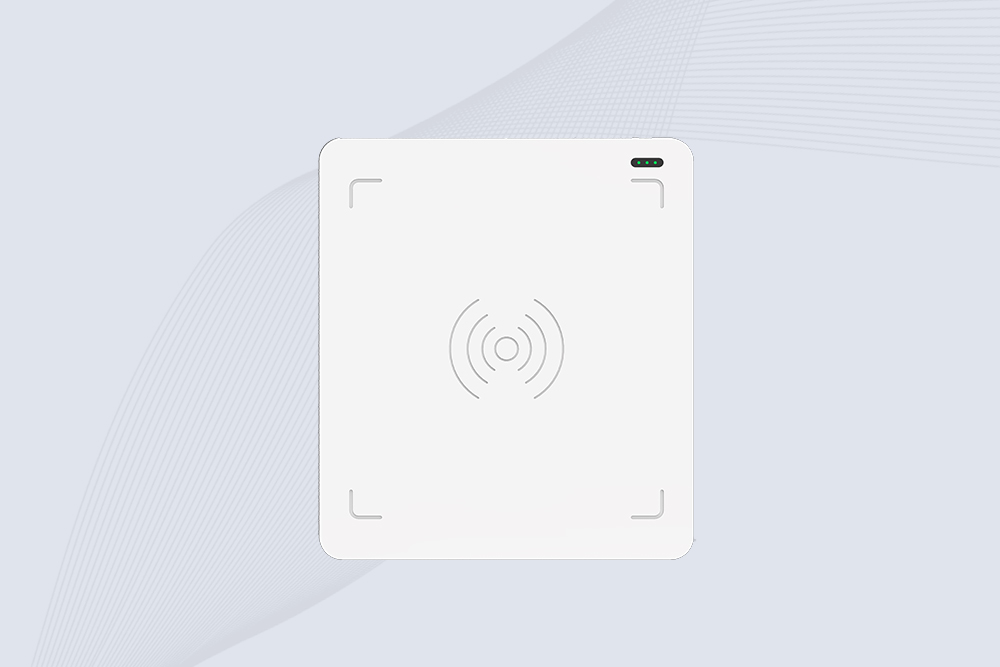
CYKEO CYKEO-D1LA USB RFID Reader is a compact desktop solution with near-field control for precise tag reading and encoding. Powered by USB, supporting ISO 18000-6C, and built for stable batch writing, this usb rfid tag reader fits retail, libraries, offices, and controlled RFID encoding tasks.
CYKEO CYKEO-D1L RFID scanner USB is a compact desktop UHF RFID scanner designed for short-range tag writing and verification. This usb rfid scanner supports batch encoding, stable 0–26 dBm output, and works across Windows, Linux, and Android systems.
CYKEO CYKEO-D1C USB RFID Card Reader is a near-field UHF desktop writer designed for secure, short-range tag encoding. With USB-C connectivity and stable 26 dBm output, this rfid reader usb c is ideal for badge issuance, label encoding, and controlled desktop RFID workflows.
CYKEO CYKEO-D2L RFID Reader USB is a compact desktop encoder built on the Impinj R500 chip. With near-field control and stable USB power, this usb rfid card reader delivers precise tag writing for offices, retail counters, and small-scale logistics encoding tasks.
CYKEO CYKEO-D3L USB RFID Tag Reader delivers stable UHF tag reading and writing for daily desktop and light industrial tasks. Designed for controlled short-range operation, this USB RFID Tag Reader works reliably with rfid tag and reader systems in libraries, tool tracking, and inventory registration.
The CYKEO CYKEO-D4L UHF RFID Tag Reader is a stable Desktop RFID Reader designed for accurate tag registration, borrowing, and return workflows. Built with the Impinj R2000 chip, this UHF RFID Tag Reader delivers controlled short-range reads for libraries, asset tracking, and inventory management environments.
The CYKEO CYKEO-D5L Desktop RFID Card Reader is a stable UHF RFID Card Reader designed for controlled short-range reading and writing. Built for libraries, tool rooms, and asset desks, this UHF RFID Card Reader supports dense tag handling, secure data processing, and easy USB integration.
The CYKEO CYKEO-D6L RFID Reader Writer is a heavy-duty Desktop RFID Reader designed for short-range, high-accuracy tag programming. Built for libraries, labs, and asset desks, this RFID Reader Writer supports batch processing, stable 33dBm output, and seamless integration with existing management systems.
Cykeo CYKEO-D8A embedded RFID badge reader offers 30+ tags/sec scanning, 20cm anti-crosstalk precision, and DC 12V power for unmanned stores, warehouses, and smart inventory systems.
Cykeo’s CYKEO-D8C UHF RFID gate reader achieves 200-tag/batch scanning with adjustable power control, ideal for retail inventory and smart warehouse management.
CYKEO Embedded RFID Modules are designed for compact industrial and IoT devices that require stable UHF performance. These UHF RFID Modules support global protocols, flexible power control, and reliable multi-tag reading for smart cabinets, production lines, and asset tracking systems.
CYKEO Embedded RFID Module is built for compact IoT and industrial devices that need stable UHF performance. This UHF module supports global protocols, low power operation, and reliable multi-tag reading for smart lockers, production lines, and always-on RFID systems.
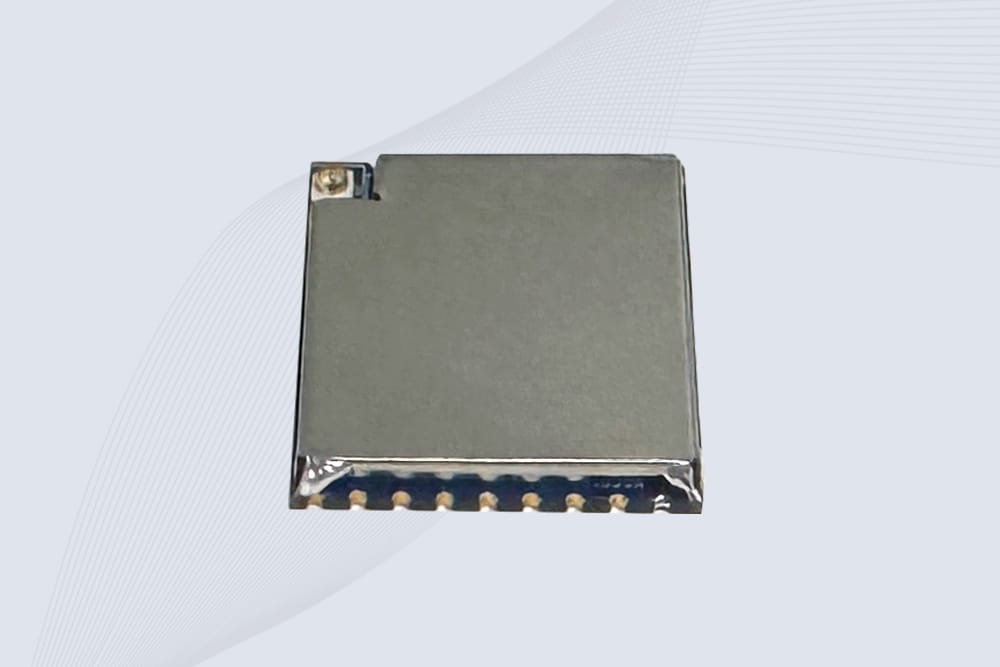
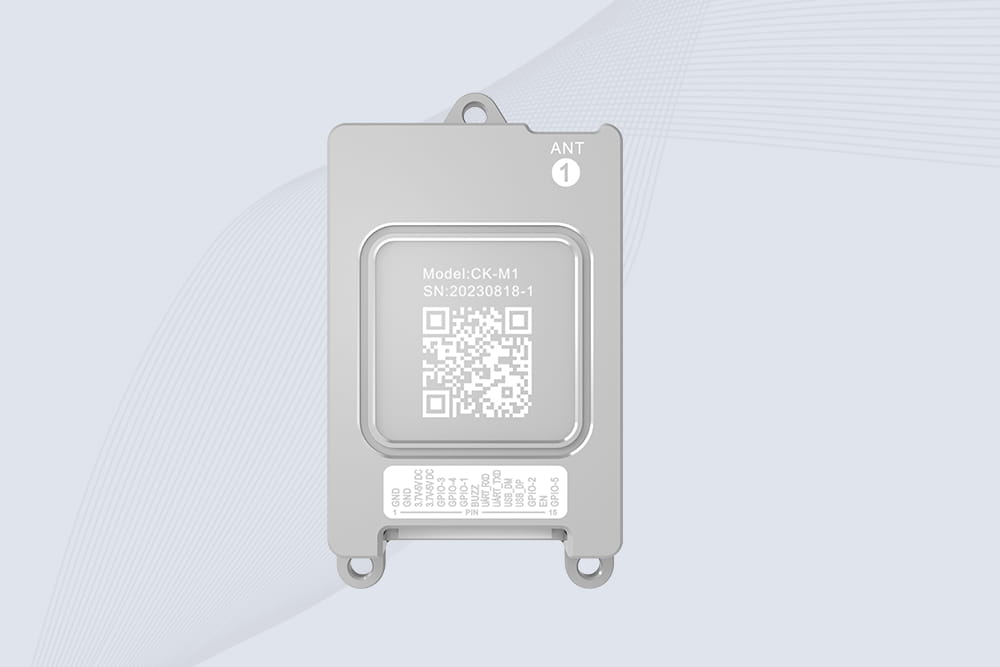
CYKEO CYKEO-M1 drone rfid module is a compact UHF RFID reader module designed for drones and UAV platforms. It supports long-range aerial scanning, fast multi-tag reading, and stable performance in wind, vibration, and outdoor environments.
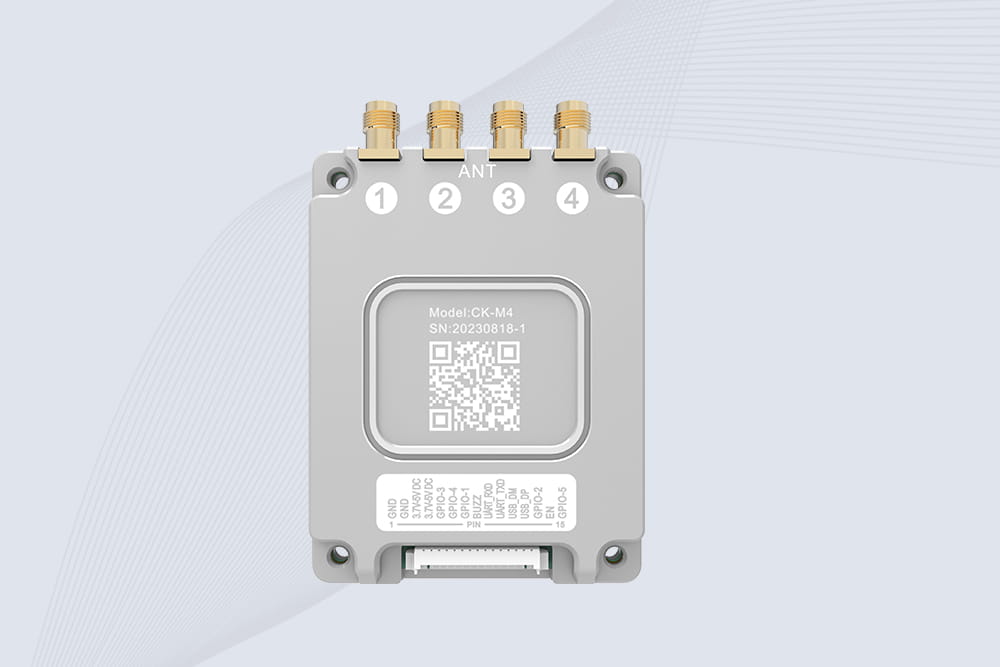
CYKEO CYKEO-M4 RC522 RFID Module is an industrial-grade UHF RFID reader with 4 ports, supporting ISO, EPC, and GB protocols. High-speed, accurate reading for IoT, automation, and warehouse applications.
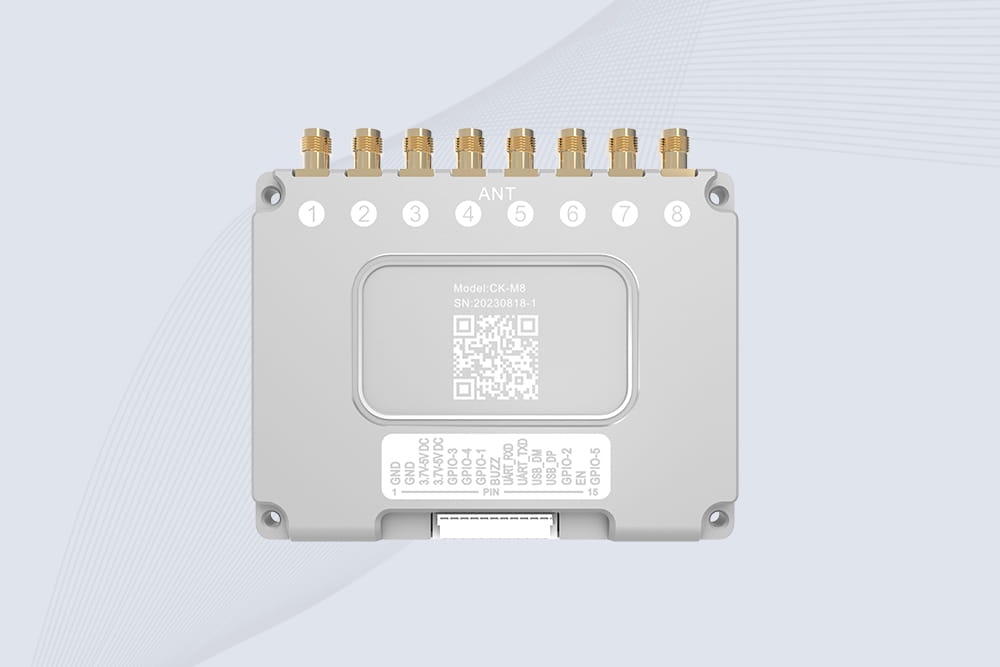
CYKEO CYKEO-M8 Module RFID is an 8-port UHF R2000 RFID Module designed for high-density, multi-tag environments. Stable 33dBm output, ISO & GB protocol support, ideal for warehouses, factories, and automated systems.
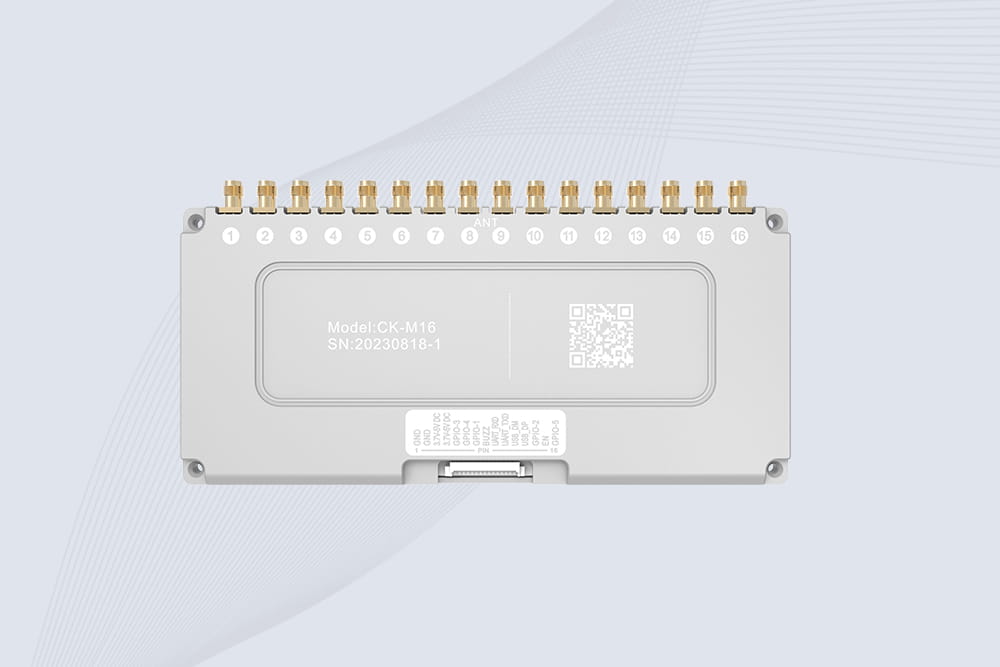
CYKEO CYKEO-M16 RFID Module is a 16-port UHF RFID reader module based on the R2000 chipset. Designed for dense tag environments, it supports ISO and GB standards and delivers stable multi-antenna control for industrial automation.
The CYKEO CYKEO-M16L RFID Reader Module is a 16-channel UHF RFID core designed for dense tag environments. With adjustable 33dBm output, multi-protocol support, and stable multi-antenna control, this RFID Tag Reader Module fits industrial automation, warehouse systems, and large-scale IoT deployments.
CYKEO CYKEO-M8L module RFID is a compact industrial UHF module built for dense tag and multi-antenna environments. With 8 RF ports, adjustable 33 dBm output, and ISO & GB protocol support, it is widely used in factories, warehouses, and automated tracking systems.
CYKEOCYKEO-M4L UHF RFID Module is a compact 4-channel RFID tag reader module designed for dense tag environments. Supporting ISO and GB protocols, it delivers stable reads up to 10 meters for industrial and IoT systems.
Cykeo CYKEO-A11 UHF RFID reader antenna delivers 11dBi gain, 840-960MHz frequency range, and IP65 ruggedness for retail, logistics, and industrial RFID systems. Features low VSWR and easy installation.
CYKEO Antenna RFID Reader delivers stable long-range UHF performance with a 10.5dBi directional design, built for warehouses, conveyor portals, and industrial RFID systems. This rfid reader antenna provides 20m+ read distance and rugged IP67 protection.
Cykeo CYKEO-A5B industrial Linear RFID Antenna delivers 5dBi gain, ≤1.5:1 VSWR, and IP65 rugged design for warehouse, production line, and logistics UHF systems.
Cykeo’s CYKEO-B12 Long Range RFID Antenna delivers 15m+ read range with 12dBi gain, IP65 rugged design, and global 840-960MHz UHF support. Ideal for warehouse/logistics asset tracking.
Cykeo CYKEO-B10 Long Distance RFID Antenna offers 10dBi gain, 840-960MHz frequency range, IP65 rating, and 20m+ coverage for logistics/warehousing/ETC systems. Low VSWR ensures stable signal transmission.
Cykeo CYKEO-A6 UHF RFID panel antenna features 6dBi gain, 840-960MHz broadband, IP65 metal-ready housing for logistics/smart retail. 18mm ultra-thin design with tool-free mounting.
Cykeo CK-A3 industrial antenna RFID UHF offers 5m+ tag detection, ≤1.3:1 VSWR, IP65 rugged design, and global UHF spectrum compatibility (840-960MHz) for warehouses, factories, and retail.
Cykeo CYKEO-B5 directional RFID antenna provides 5dBi gain with 60° narrow beamwidth for precise inventory tracking. IP65-rated, global UHF frequency support, and low VSWR.
Create your own high-performance DIY RFID antenna! 5dBi gain, 840-960MHz tunable, step-by-step guides. Compatible with Arduino, Raspberry Pi, and commercial UHF readers.
Cykeo CYKEO-A7 Flexible RFID Antenna features 840-960MHz wideband tuning, 7dBi gain, and IP68 rating for medical/retail/industrial curved surface deployments. 98% read accuracy with peel-and-stick installation.
Cykeo CYKEO-B5A industrial Passive RFID Antenna delivers 5dBi gain, 70° beamwidth, and -40°C~55°C operation for warehouses/smart cabinets. Compatible with Zebra/Impinj readers.
Cykeo’s CYKEO-A9B High Gain RFID Antenna delivers 15m+ read range with 9dBi amplification. Features IP54 rugged design, 840-960MHz bandwidth, and 80° beamwidth for warehouse/manufacturing RFID systems.
Cykeo’s enterprise-grade 8dbi Impinj RFID Antenna 10m+ read range with 840-960MHz tuning. Features IP65 housing, 1.4 VSWR, 35° beamwidth for retail/warehouse RFID systems.
Cykeo CYKEO-A9 industrial UHF RFID antenna delivers 9dBi gain, 840-960MHz frequency range, and IP65 protection for warehouse/logistics/retail RFID systems. Features N-type connector and ≤1.3:1 VSWR.
CYKEO UHF RFID Antenna built for long-distance and industrial applications. This antenna rfid uhf delivers strong gain, outdoor durability, and reliable tag performance in warehouses, yards, and vehicle ID systems.
CYKEO Antenna RFID delivers reliable long-range UHF performance in warehouses, retail shelves, and cold-chain environments. This compact uhf rfid antenna provides stable reads with circular polarization and ultra-wide 840–960 MHz support, ideal for industrial tracking, smart shelves, and asset monitoring.
Cykeo’s CYKEO-C8 UHF RFID antennas delivers 8dBi gain, 840-960MHz full-band coverage, and IP65 ruggedness for manufacturing/warehouse RFID systems. Industrial RFID Antennas Features
Cykeo’s 8dBi UHF RFID antenna and reader kit delivers 10m+ range, 840-960MHz broadband, and IP65 ruggedness for factories, warehouses, and logistics. ISO 18000-6C & EPC Gen2 certified.
Wondering what reads an RFID tag? The answer is an RFID reader. We explain how readers work, the different types available, and how to choose the right one. Clear guidance from CYKEO engineers.
Need a tiny, tough tag? We explain the practical pros and cons of choosing a 2.45-GHz RFID tag with on-chip antenna for small asset and industrial tracking.
Learn proven strategies to improve RFID handheld reader battery life in field operations. Discover power-saving settings, maintenance tips, and Cykeo’s rugged solutions.
 Cykeo RFID IoT Solution Products R&D Manufacturer