 Cykeo RFID IoT Solution Products R&D Manufacturer
How to Read RFID Tag with iPhone in Real Applications, Not Just Theory?
233How to read RFID tag with iPhone in real use. Learn what iPhone can’t do alone, and how CYKEO makes UHF RFID reading work via Bluetooth.
MoreAll RFID Product
An RFID writer is a device that uses radio frequency communication to write data into a compatible RFID tag’s writable memory. It works with RFID software to select a tag, encode information such as an EPC, and verify that the intended data has been stored correctly.
Unlike a basic RFID reader that primarily retrieves tag information, an RFID writer performs a write operation. In many commercial systems, the same hardware is actually a reader-writer, because it can both read existing tag data and write new information.
That distinction matters on a production line.
When an operator receives a batch of blank UHF RFID labels, the job is not simply “put a number on each tag.” The writer has to identify the intended tag, access the correct memory bank, transmit the encoded data, and confirm the result. If dozens of tags are sitting together, tag selection and verification become part of the engineering problem.
GS1’s current EPC UHF Gen2 standard explicitly defines a Write command for writing to supported tag memory banks. The standard identifies EPC, TID, User, and Reserved memory banks, while write permissions depend on the tag’s state and memory protection configuration.
An RFID writer normally operates through a sequence of reader-to-tag commands rather than directly “printing” information onto the physical label.
A typical UHF RFID writing workflow looks like this:
GS1’s system architecture explains that RFID readers send standardized commands to tags for both reading and writing, while passive tags receive operating energy from the reader’s RF signal.
For an engineer, the verification step is not optional in a serious deployment.
A successful communication response tells you that the command was processed. A subsequent read confirms that the expected information is actually present in the intended memory location. Those are related, but they are not the same test.
The exact writable data depends on the RFID chip and protocol.
For a RAIN RFID tag, GS1 identifies four logical memory banks:
| Memory Bank | Main Purpose | Normally Writable? |
|---|---|---|
| Reserved | Kill and access passwords | Restricted |
| EPC | Electronic Product Code | Often writable before locking |
| TID | Tag/chip identification | Generally manufacturer-defined |
| User | Application-specific information | Depends on tag |
GS1 states that EPC memory contains the Electronic Product Code used to identify the object associated with the tag, while User memory can contain additional application data.
GS1 also notes that RAIN RFID tags typically store no more than 8 KB of data, although actual capacity depends on the tag chip and application. Simple tags may carry only a 96-bit or 128-bit identifier, while higher-memory tags can support considerably more application data.
This is where RFID writing gets more interesting than simply assigning a serial number.
A warehouse may only need a serialized EPC. A manufacturer might use additional User memory. A reusable asset may need application-specific information associated with its identifier. The correct memory strategy depends on how the business system is designed.

The simplest distinction is:
RFID reader = retrieves tag information.
RFID writer = programs writable tag memory.
RFID reader-writer = performs both functions.
In practice, dedicated RFID writers are less common than reader-writer devices because most professional RFID applications need both capabilities.
For example, after encoding a new EPC, the system should normally read the tag back. A reader-writer therefore avoids moving the tag between two separate devices.
GS1’s RFID architecture reflects this combined approach: readers provide commands for reading and writing tags, while standards define how tag memory and communication are handled.
An RFID writer is only one part of the encoding workflow.
A reliable RFID programming station generally needs:
GS1’s standards distinguish between the air-interface protocol and data encoding. The EPC Tag Data Standard defines how EPCs and related identifiers are represented, while Low Level Reader Protocol provides communication between software and RFID readers.
This separation is important in real projects. A writer can successfully communicate with a tag while the application still writes the wrong identifier format. The RF layer may be working perfectly; the business data can still be wrong.
That is why Cykeo’s RFID development work treats writing as a complete process rather than a single hardware function.
An RFID writer is primarily used when an organization needs to program, update, or secure writable RFID tag data before or during an operational process.
Common applications include:
For example, a warehouse may receive a batch of unprogrammed UHF RFID labels. The operator can use an RFID writer to assign a unique EPC to each label and then associate that EPC with a product record in the warehouse management system.
GS1 explains that EPC memory commonly contains the electronic identifier associated with the tagged object, while User memory can hold additional application information when the chip supports it.
Writing an RFID tag is not simply entering text into a software box and pressing “Write.”
Before encoding, the application needs to know which memory bank should contain the information and how the information should be formatted.
A practical UHF RFID writing workflow is:
The current GS1 EPC Gen2 UHF standard, Release 3.0.1 ratified in February 2026, specifies a mandatory Write command and defines the memory-bank and word-address fields used during a write operation.
That detail is significant for software developers. A writer does not simply “send an EPC.” It performs a protocol-defined memory operation.
A production RFID station should normally verify what it has written.
Imagine an operator encoding 500 garment tags. If the software reports 500 successful write commands but 20 tags contain the wrong identifiers, the inventory system can still inherit bad data.
A useful verification sequence is:
Select → Write → Read → Compare → Accept
For high-volume work, the software can automatically flag a tag when the returned EPC does not match the intended value.
GS1 documentation confirms that RFID memory can also be protected using lock mechanisms. EPC memory, for example, can be locked to prevent overwriting while remaining readable, while permanent lock mechanisms can make the protection irreversible.
The practical lesson is simple: do not lock a tag until the encoding and verification process is finished.
Writing one RFID tag on a clean desktop is relatively controlled. Writing hundreds of tags in a production environment is different.
If several tags are inside the reader’s field simultaneously, the system must identify the intended tag before writing. Otherwise, the writer may program the wrong item.
This is why professional RFID writing systems use tag selection, anti-collision, filtering, and controlled antenna fields.
At Cykeo, our desktop RFID platforms are designed for controlled tag-management tasks such as tag registration, item registration, tag rewriting, and query operations. The system can use a near-field reading and writing environment to reduce unintended reads from neighboring tags.
For a desktop application, this can be more useful than simply maximizing RF output.
A narrow, predictable writing zone is often preferable to a powerful reader that detects everything on the workbench.

Cykeo develops RFID hardware for both embedded and standalone applications.
The CYKEO-D4 desktop RFID platform is designed for controlled tag management. Its application functions include tag registration, item and document registration, shelf-label registration, borrowing and return operations, statistics, log queries, and tag conversion.
The platform supports dense tag reading and writing, filtering, RSSI-related functions, anti-collision processing, and stable write operations. Its near-field antenna configuration is intended for close-range work, with a specified reading distance of up to approximately 30 cm and writing distance of up to approximately 10 cm under suitable conditions.
This type of design reflects an important practical point: RFID writing does not always benefit from maximum range.
When the operator is registering one tag at a workstation, a short and controlled writing field can make the process more predictable. In a warehouse portal, the requirement is completely different.
The terms are often used interchangeably.
An RFID writer emphasizes the ability to write information into a tag. An RFID encoder commonly refers to equipment or software used to encode structured identification data onto RFID tags.
In commercial specifications, you may therefore encounter:
The hardware may perform essentially the same core operation. The important questions are which RFID protocol it supports, which tags it can program, what memory can be written, how tag selection works, and how the application verifies the result.
An RFID writer is a device that programs writable RFID tag memory using radio frequency communication. It can write identifiers such as EPC data and, when supported by the tag, additional information stored in User memory.
Yes. Most professional RFID writing equipment is actually a reader-writer, allowing the device to identify a tag, write data, and read the tag again for verification.
Depending on the RFID chip, an RFID writer can encode EPC information and potentially User memory data. GS1 notes that additional information such as application-specific data can be stored in User memory when supported.
Yes, provided the target memory is writable and has not been locked or permanently protected. EPC and User memory writing capabilities depend on the specific RFID chip and its configuration.
GS1 states that a RAIN RFID tag typically stores no more than 8 KB of data, although many simple tags use only a 96-bit or 128-bit identifier. Actual capacity depends on the chip and application.
Verification confirms that the intended information was stored in the correct tag memory. Reading the tag after writing allows software to compare the actual returned value with the expected identifier.
An RFID writer is the part of an RFID system that turns an unprogrammed or rewritable tag into a usable digital identifier. It does this through controlled radio communication, memory addressing, data encoding, and—when properly implemented—verification.
For a simple application, that may mean writing one EPC to one label. For a production system, it can mean processing thousands of tags while maintaining unique identities and preventing accidental overwrites.
At Cykeo, this is why RFID writing is treated as both an RF problem and a data-management problem. The writer has to communicate with the tag, but the software has to know what to write, where to write it, which tag to select, and how to verify the result.
For anyone researching what is an RFID writer, that is the practical distinction: it is not merely a device that sends data to a tag. It is the controlled interface between RFID tag memory and the business information assigned to that tag.
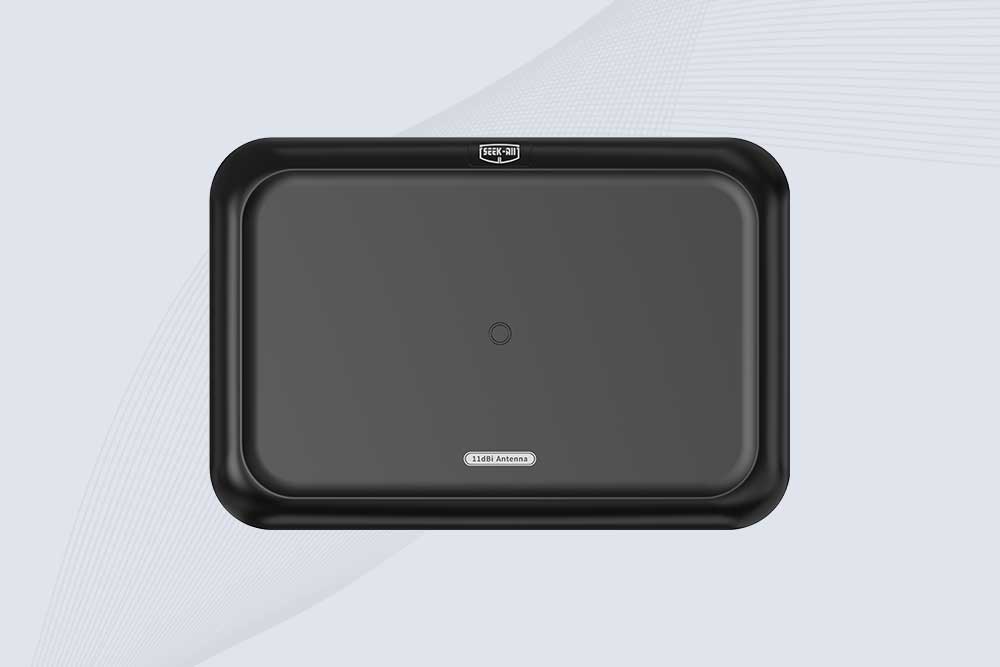
SSD-A11 UHF RFID antenna features 840–960 MHz adjustable frequency, ≥10.5 dBi gain, circular polarization and 50Ω impedance for fixed RFID systems.
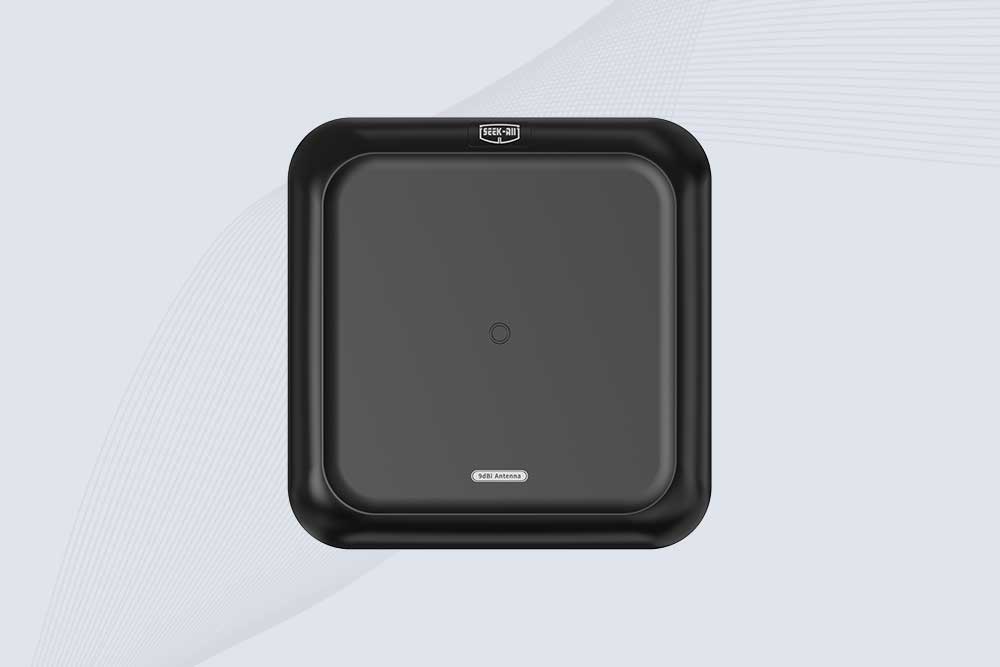
SSD-A09 is a 9 dBi UHF RFID antenna with 840–960 MHz adjustable frequency, circular polarization, 50Ω impedance and directional 60° × 60° coverage.
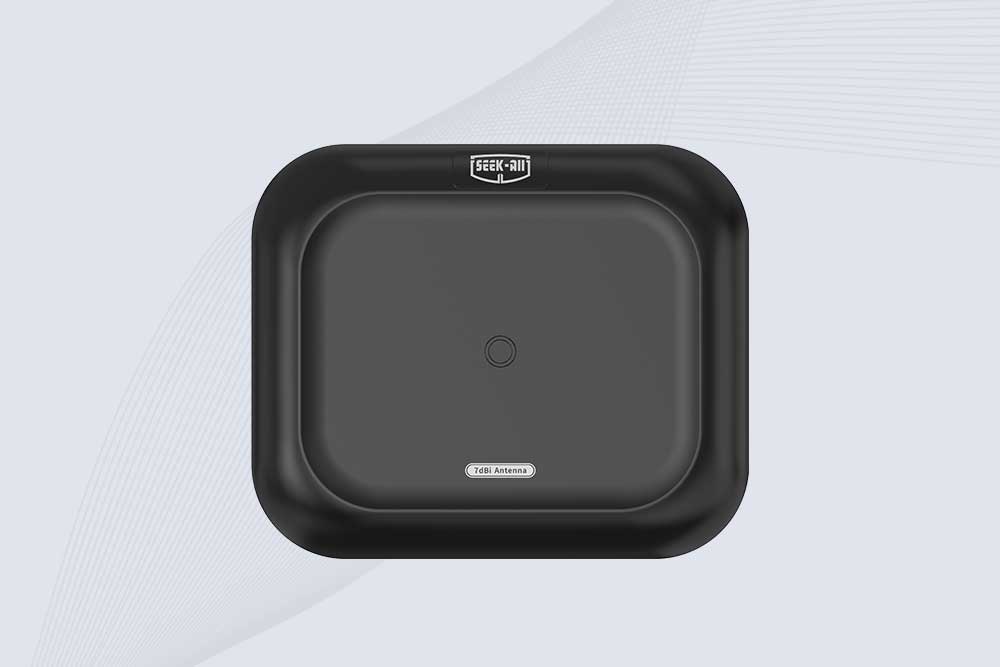
Explore the SSD-A07 UHF RFID antenna with 7 dBi gain, circular polarization, adjustable 840–960 MHz frequency, and 60°/75° beamwidth for stable RFID read/write performance.

SSD-A06 UHF RFID antenna with circular polarization, adjustable 840–960 MHz frequency, ≥4.5 dBi gain, and a compact directional design for RFID systems.

Discover SSD-D4AL, a USB-HID UHF RFID reader with 4/8/16 antenna options, Impinj E710/X3M1 chipset, plug-and-play USB power, and OEM customization.
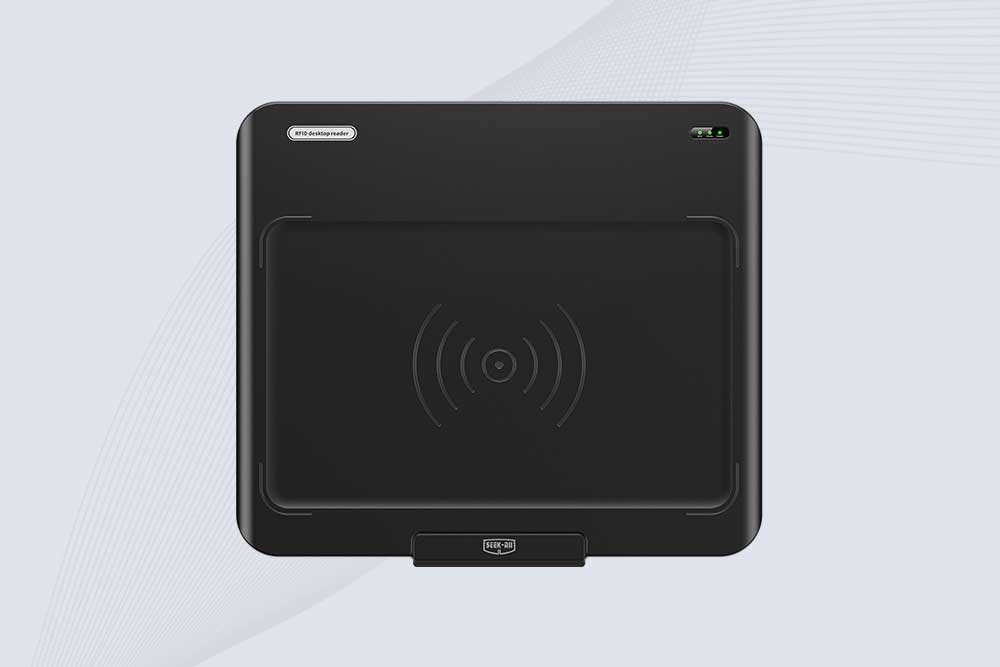
SSD-D3AL is a USB-HID UHF RFID reader with 0–30 cm reading, 0–15 cm writing, over 600 tags/s recognition, USB plug-and-play operation and OEM Logo customization.
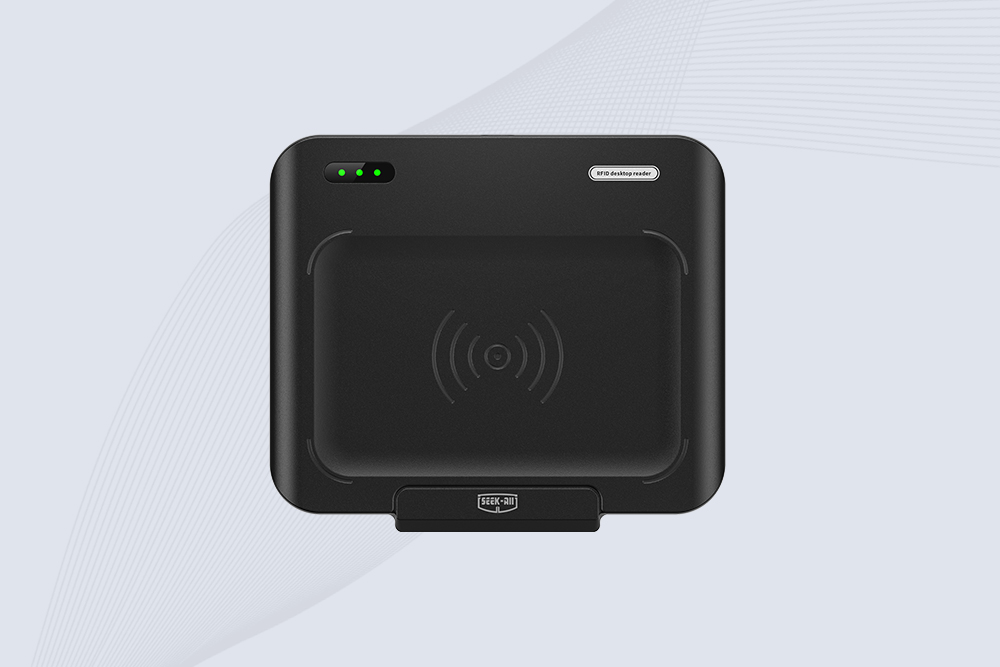
SSD-D1AL is a compact USB UHF RFID reader with Impinj E710/X3M1 chipset, USB-HID, 600+ tags/s recognition, 4/8/16 antenna support and plug-and-play USB power.
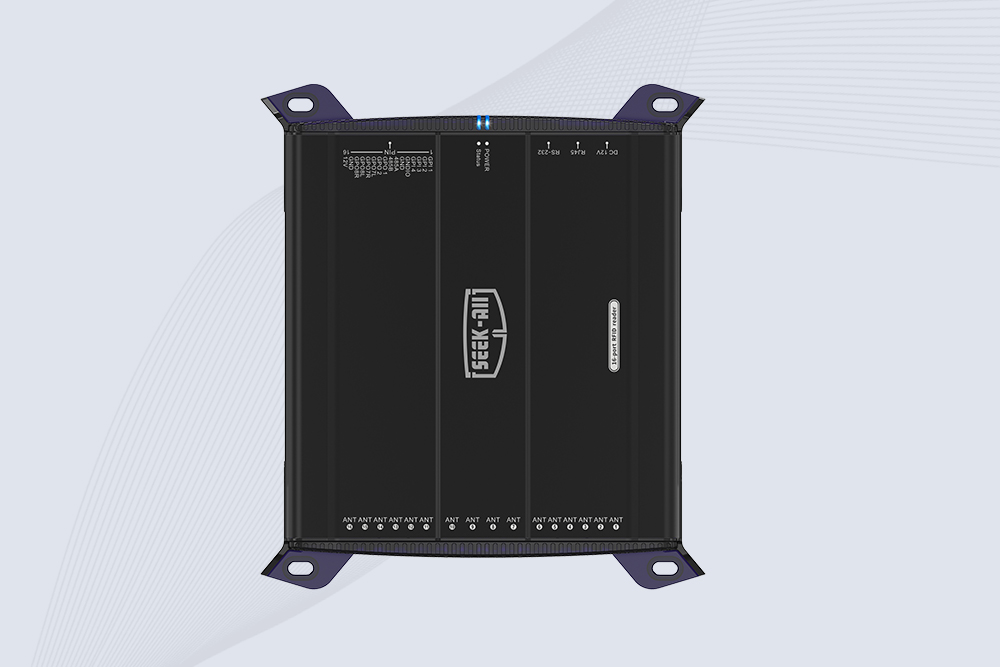
SSD-R16L Multi-Channel RFID Infrastructure for Automated Inventory Management ✔️ 16-Port High-Density RFID Reading Equipped with 16 SMA antenna ports, SSD-R16L supports multi-antenna deployment for warehouses, retail stores, logistics, production lines, and large-area RFID identification. ✔️ High-Speed & Long-Range Performance With up to 33…
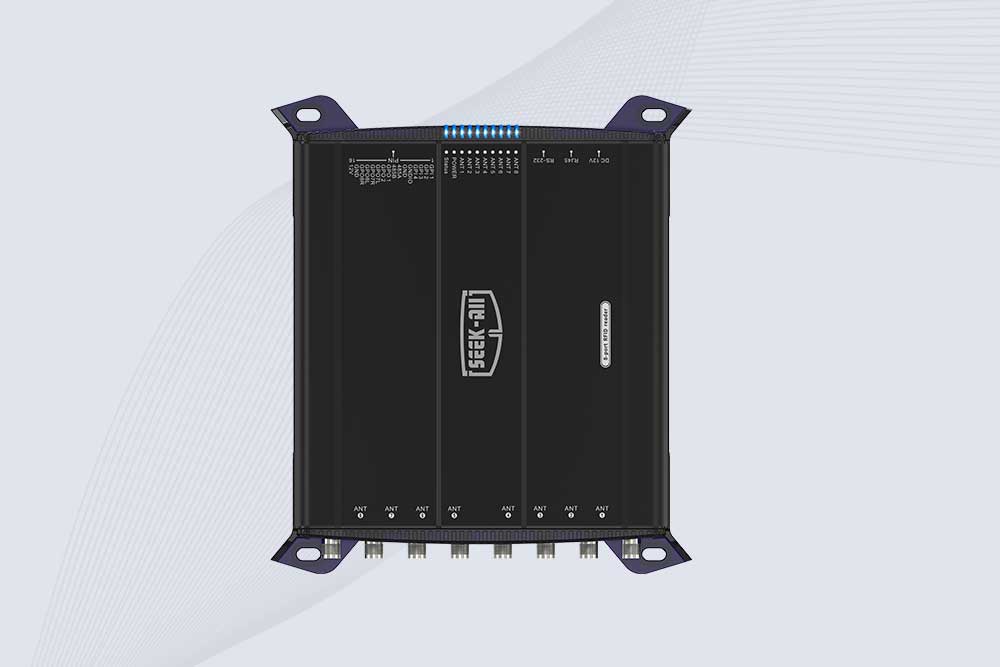
SSD-R8L 8-port UHF RFID reader with 33dBm output, up to 20m reading range and 600+ tags/s recognition. Ideal for warehouse, logistics, retail and asset tracking.
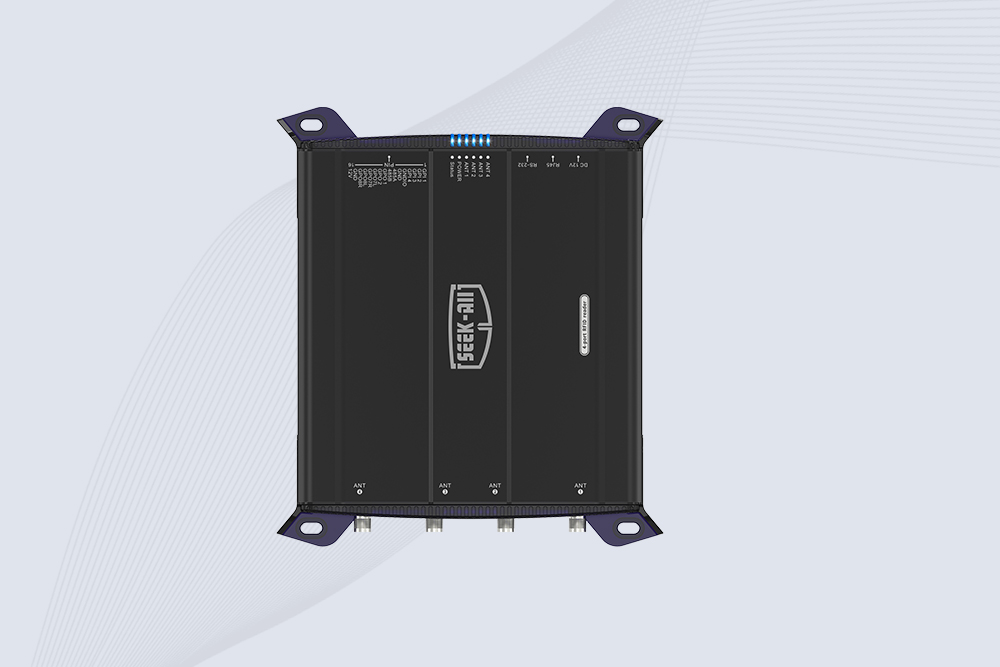
SSD-R4L is a 4-port UHF RFID fixed reader with 33dBm output power, up to 20m reading range, EPC C1G2 support and 600+ tags/s reading speed.

CYKEO CYKEO-D1LA USB RFID Reader is a compact desktop solution with near-field control for precise tag reading and encoding. Powered by USB, supporting ISO 18000-6C, and built for stable batch writing, this usb rfid tag reader fits retail, libraries, offices, and controlled RFID encoding tasks.
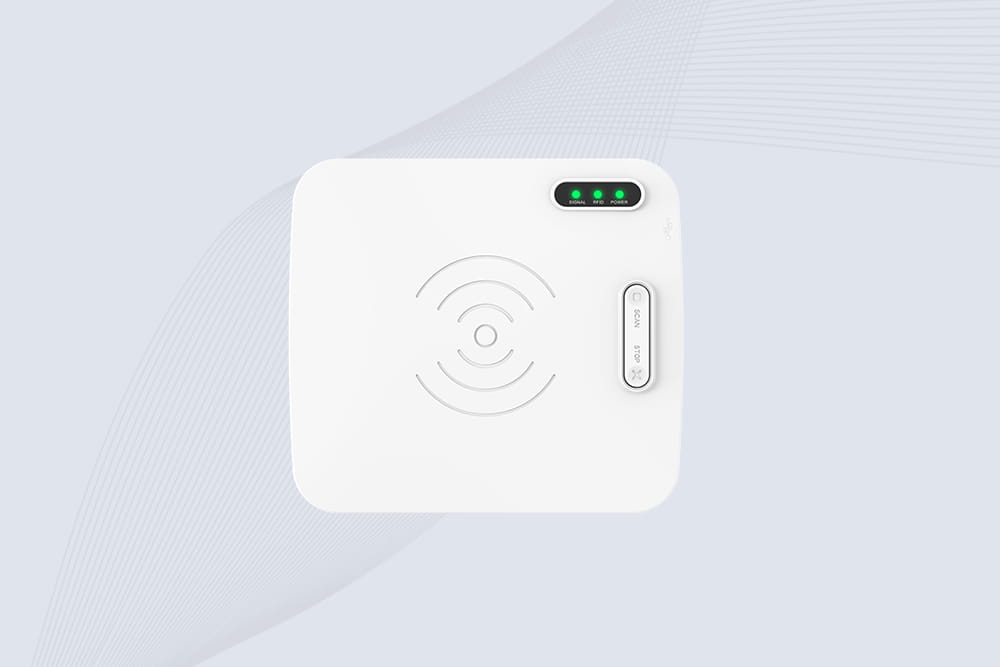
CYKEO CYKEO-D1L RFID scanner USB is a compact desktop UHF RFID scanner designed for short-range tag writing and verification. This usb rfid scanner supports batch encoding, stable 0–26 dBm output, and works across Windows, Linux, and Android systems.
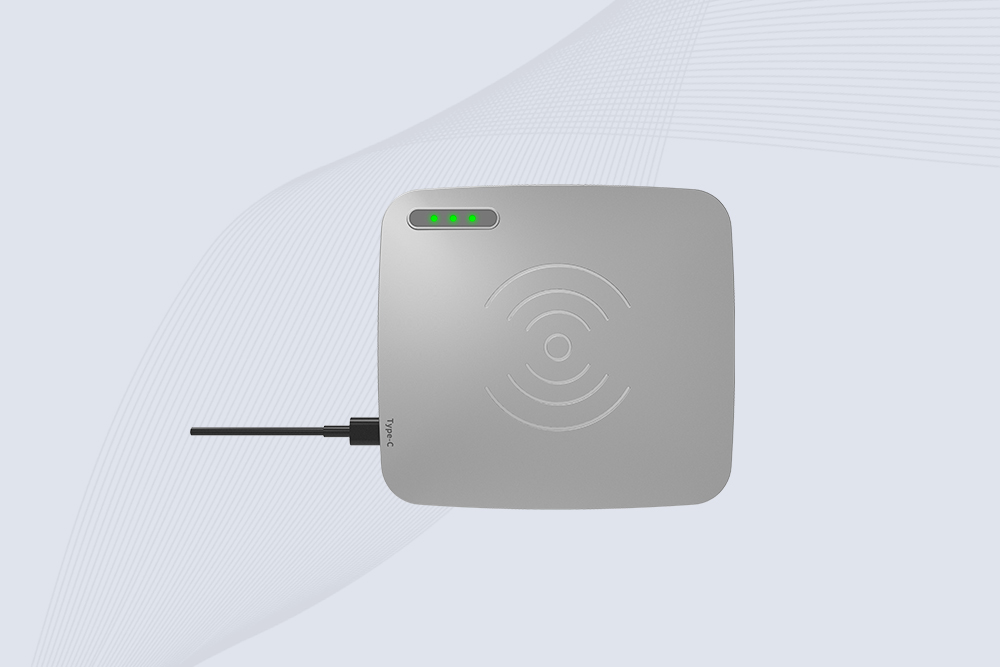
CYKEO CYKEO-D1C USB RFID Card Reader is a near-field UHF desktop writer designed for secure, short-range tag encoding. With USB-C connectivity and stable 26 dBm output, this rfid reader usb c is ideal for badge issuance, label encoding, and controlled desktop RFID workflows.
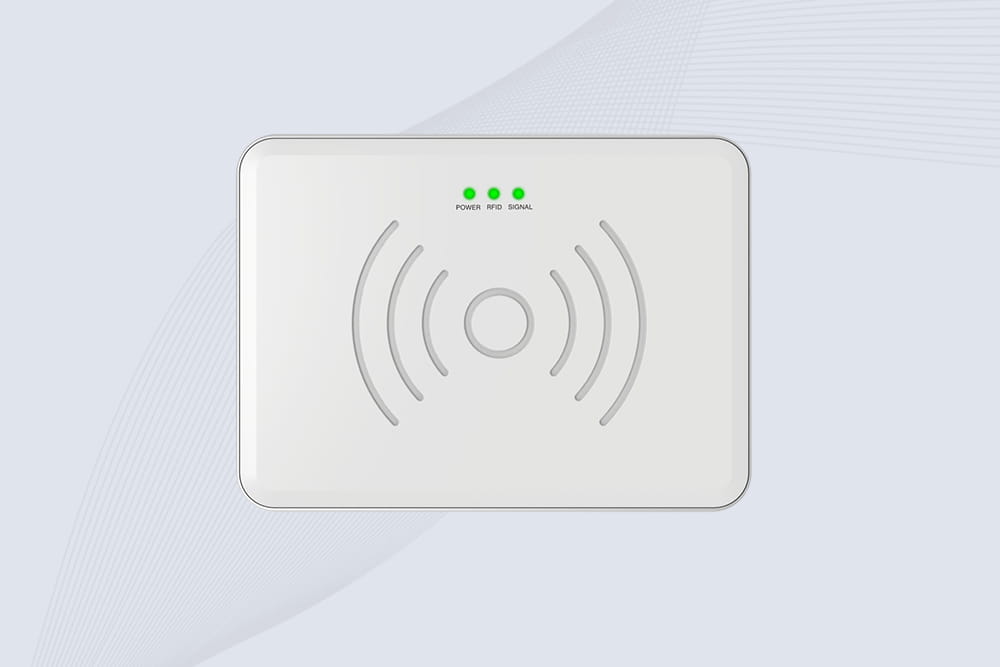
CYKEO CYKEO-D2L RFID Reader USB is a compact desktop encoder built on the Impinj R500 chip. With near-field control and stable USB power, this usb rfid card reader delivers precise tag writing for offices, retail counters, and small-scale logistics encoding tasks.
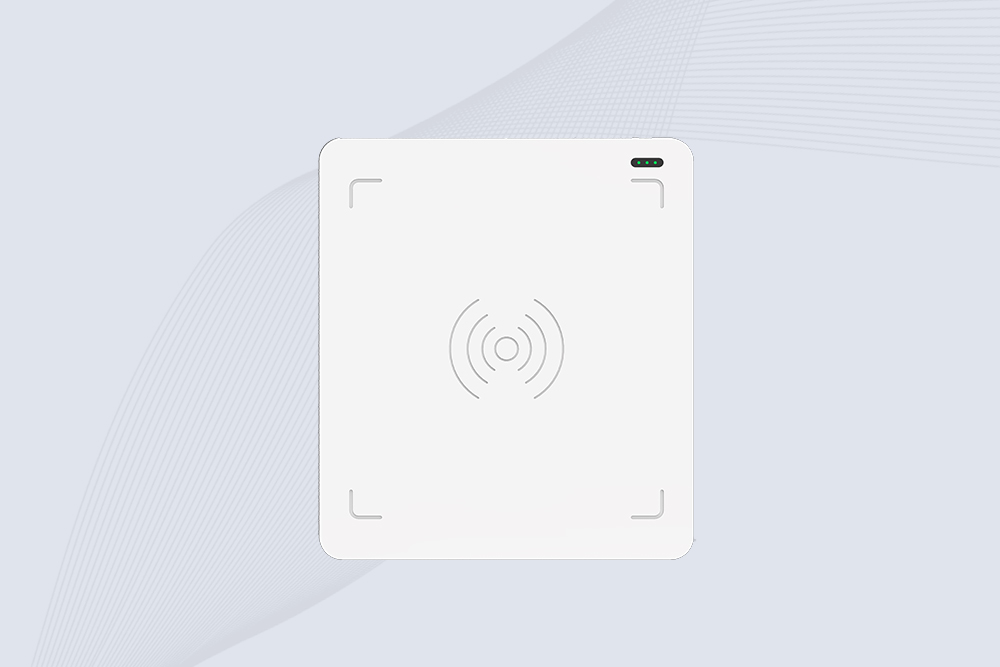
CYKEO CYKEO-D3L USB RFID Tag Reader delivers stable UHF tag reading and writing for daily desktop and light industrial tasks. Designed for controlled short-range operation, this USB RFID Tag Reader works reliably with rfid tag and reader systems in libraries, tool tracking, and inventory registration.
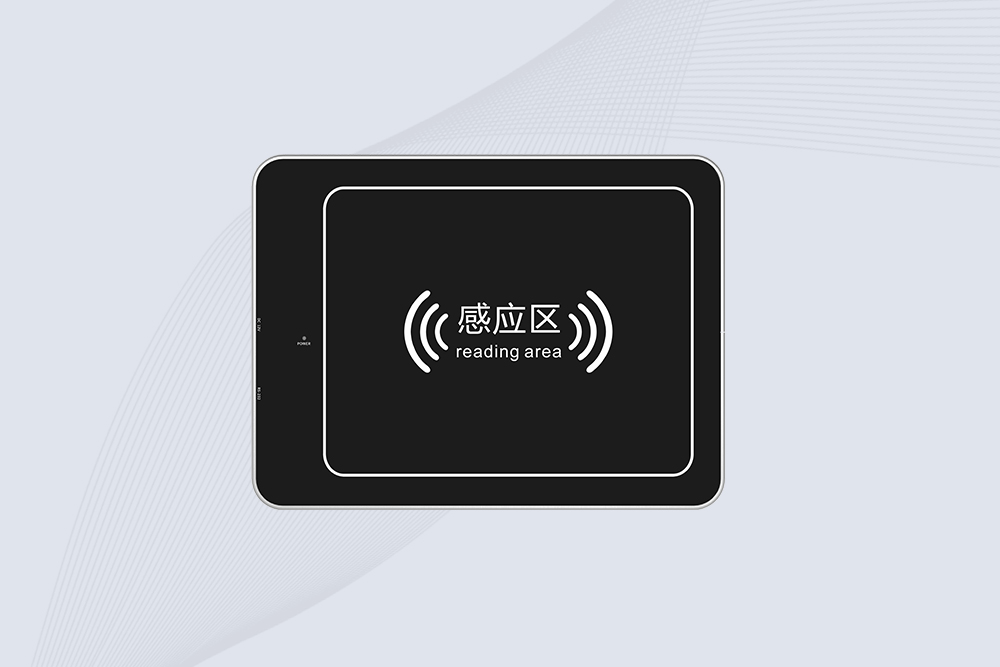
The CYKEO CYKEO-D4L UHF RFID Tag Reader is a stable Desktop RFID Reader designed for accurate tag registration, borrowing, and return workflows. Built with the Impinj R2000 chip, this UHF RFID Tag Reader delivers controlled short-range reads for libraries, asset tracking, and inventory management environments.
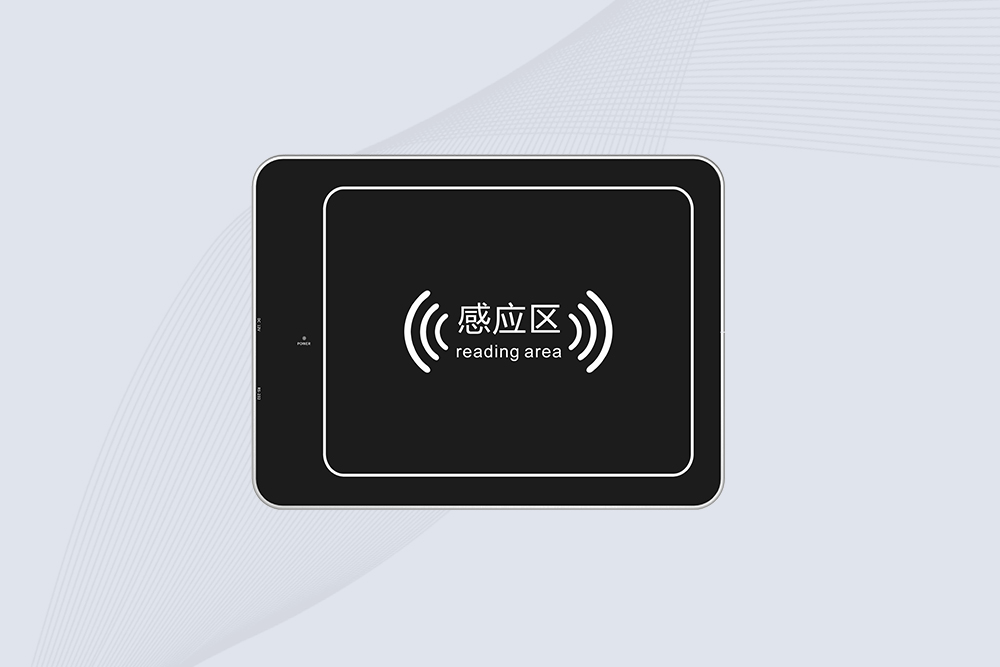
The CYKEO CYKEO-D5L Desktop RFID Card Reader is a stable UHF RFID Card Reader designed for controlled short-range reading and writing. Built for libraries, tool rooms, and asset desks, this UHF RFID Card Reader supports dense tag handling, secure data processing, and easy USB integration.
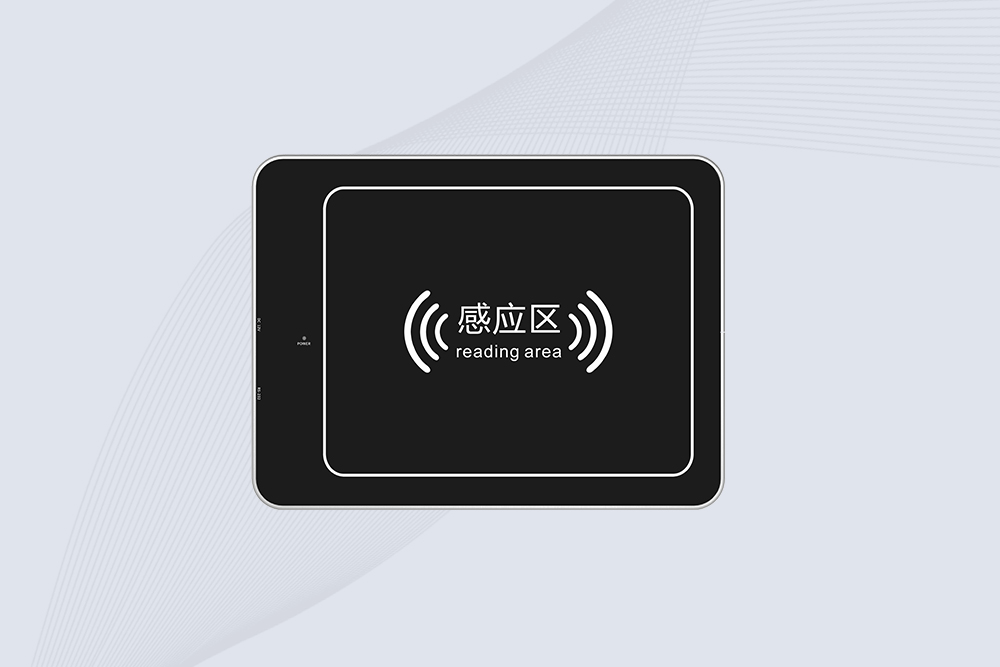
The CYKEO CYKEO-D6L RFID Reader Writer is a heavy-duty Desktop RFID Reader designed for short-range, high-accuracy tag programming. Built for libraries, labs, and asset desks, this RFID Reader Writer supports batch processing, stable 33dBm output, and seamless integration with existing management systems.
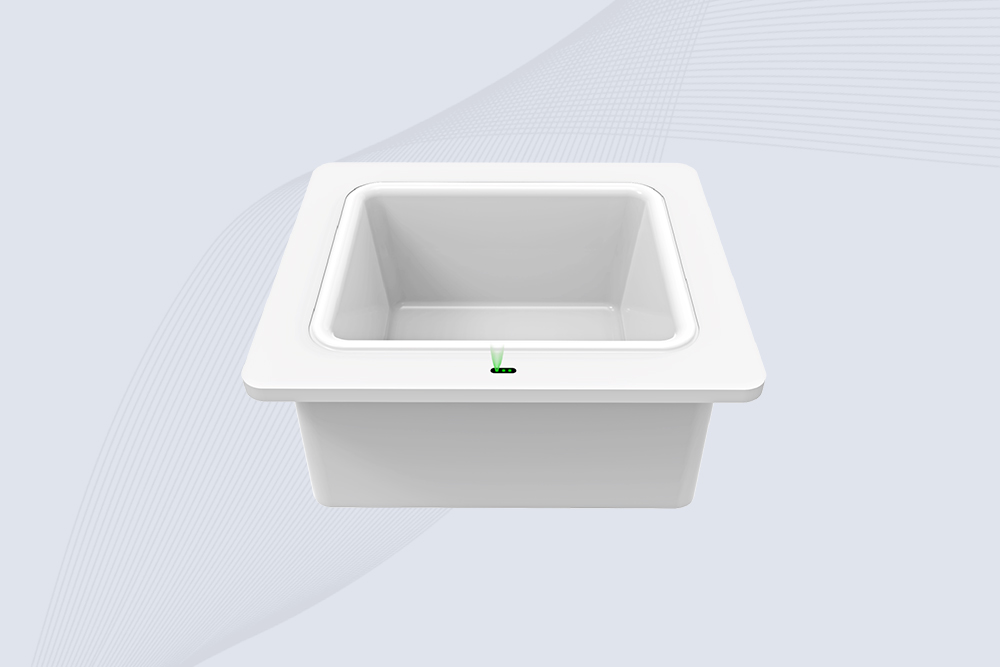
Cykeo CYKEO-D8B UHF RFID tunnel and RFID Desktop Reader features 30+ items batch reading,
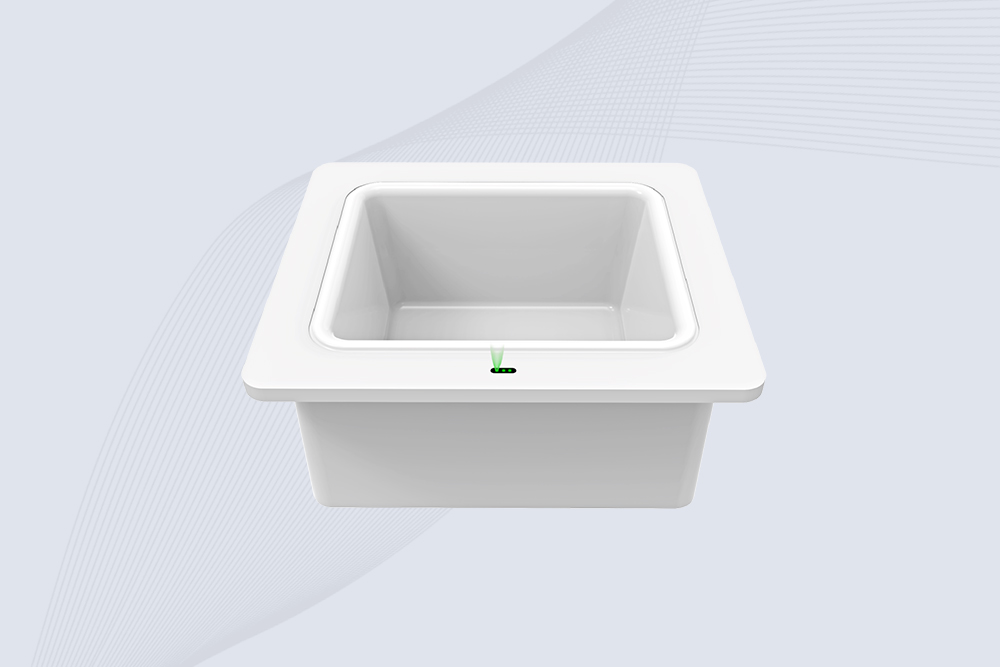
Cykeo CYKEO-D8A embedded RFID badge reader offers 30+ tags/sec scanning, 20cm anti-crosstalk precision, and DC 12V power for unmanned stores, warehouses, and smart inventory systems.
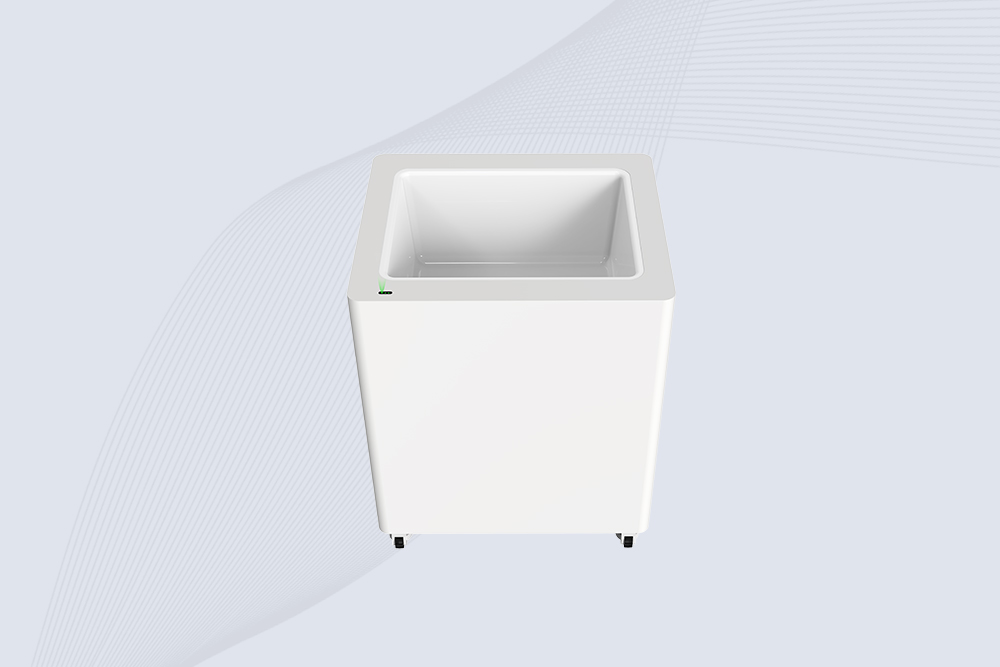
Cykeo’s CYKEO-D8C UHF RFID gate reader achieves 200-tag/batch scanning with adjustable power control, ideal for retail inventory and smart warehouse management.
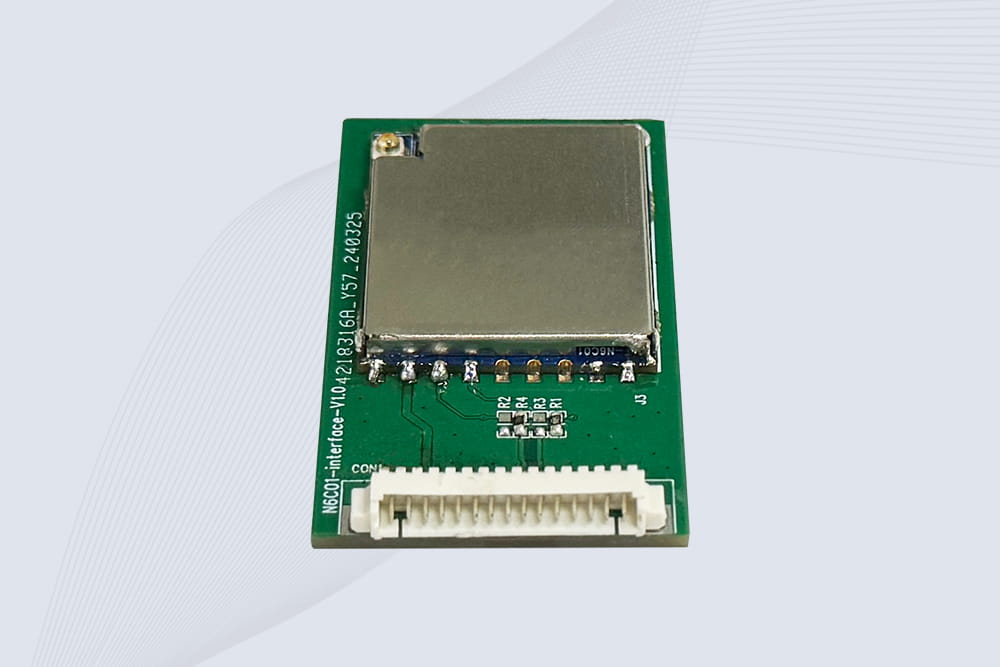
CYKEO Embedded RFID Modules are designed for compact industrial and IoT devices that require stable UHF performance. These UHF RFID Modules support global protocols, flexible power control, and reliable multi-tag reading for smart cabinets, production lines, and asset tracking systems.
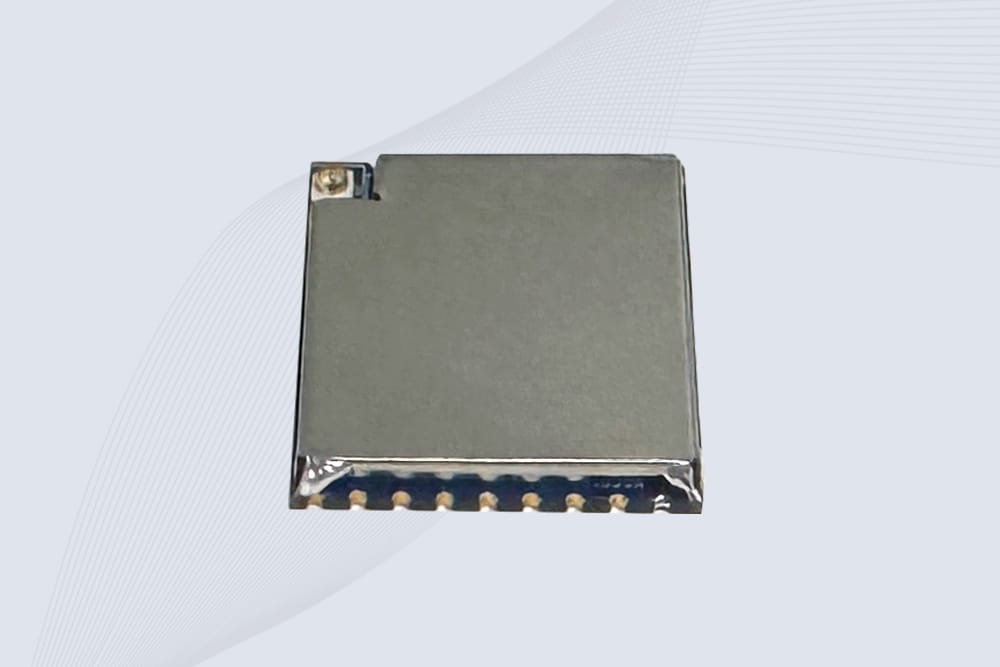
CYKEO Embedded RFID Module is built for compact IoT and industrial devices that need stable UHF performance. This UHF module supports global protocols, low power operation, and reliable multi-tag reading for smart lockers, production lines, and always-on RFID systems.
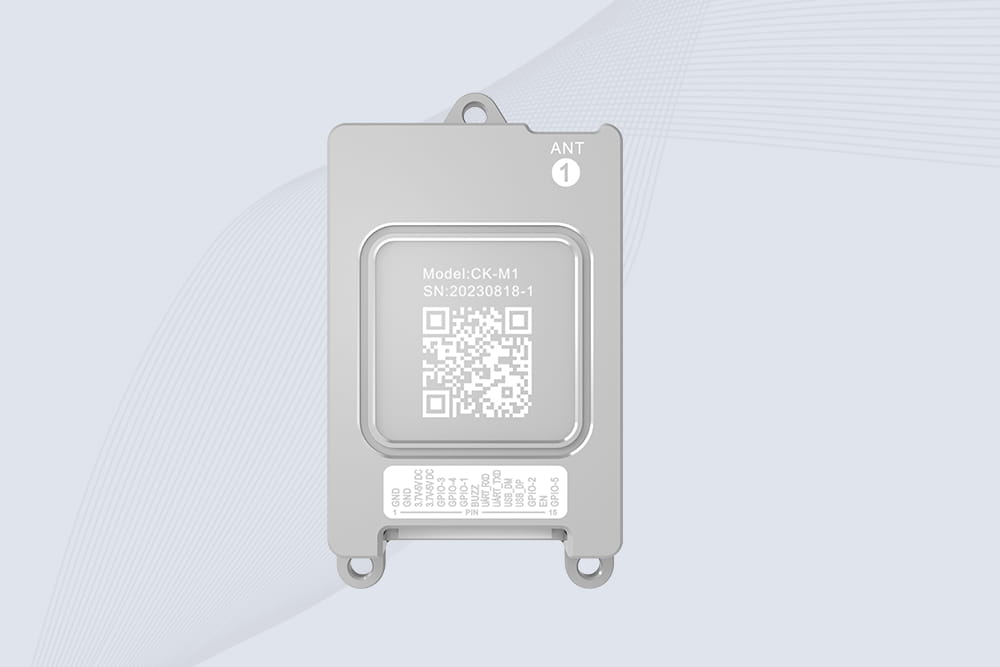
CYKEO CYKEO-M1 drone rfid module is a compact UHF RFID reader module designed for drones and UAV platforms. It supports long-range aerial scanning, fast multi-tag reading, and stable performance in wind, vibration, and outdoor environments.
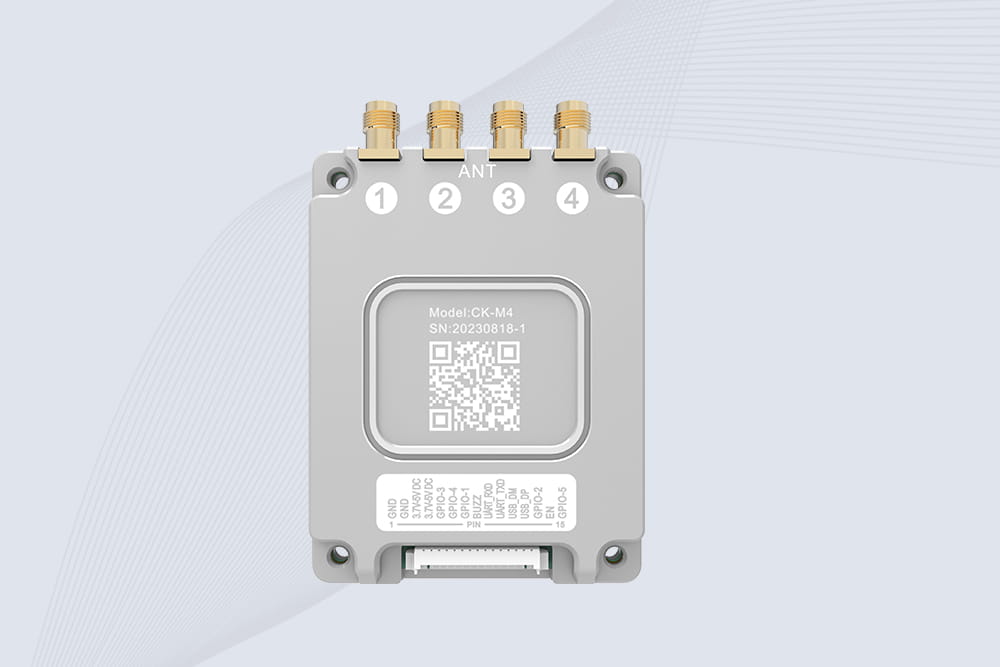
CYKEO CYKEO-M4 RC522 RFID Module is an industrial-grade UHF RFID reader with 4 ports, supporting ISO, EPC, and GB protocols. High-speed, accurate reading for IoT, automation, and warehouse applications.
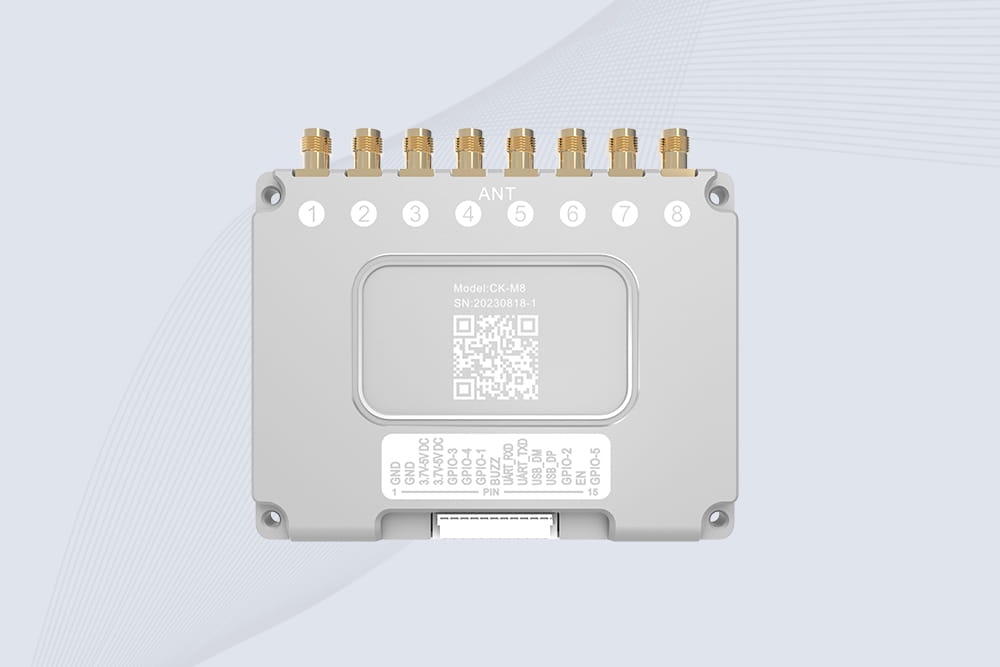
CYKEO CYKEO-M8 Module RFID is an 8-port UHF R2000 RFID Module designed for high-density, multi-tag environments. Stable 33dBm output, ISO & GB protocol support, ideal for warehouses, factories, and automated systems.
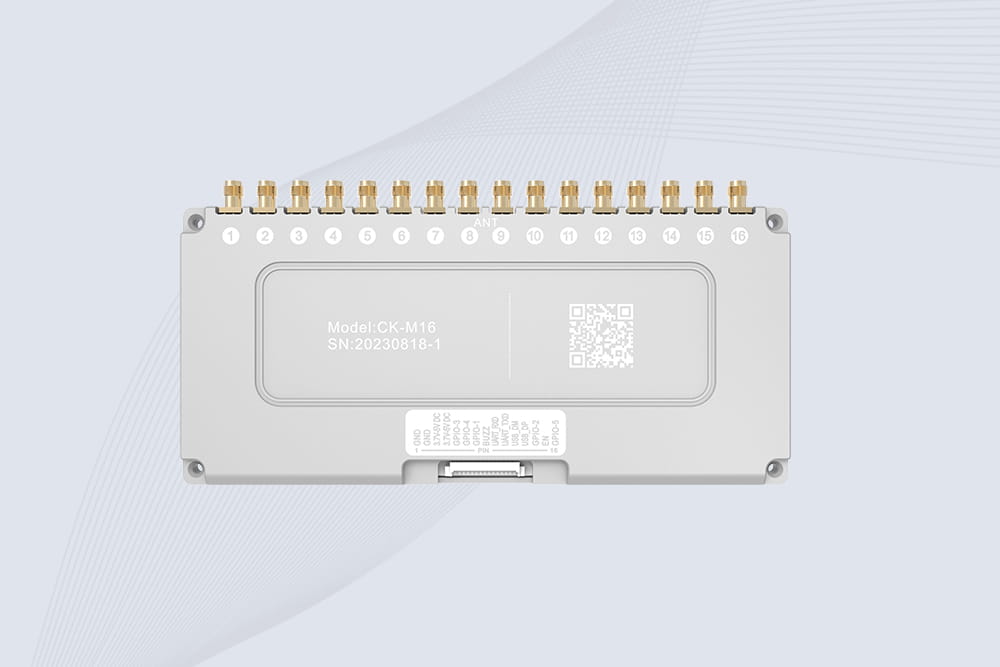
CYKEO CYKEO-M16 RFID Module is a 16-port UHF RFID reader module based on the R2000 chipset. Designed for dense tag environments, it supports ISO and GB standards and delivers stable multi-antenna control for industrial automation.
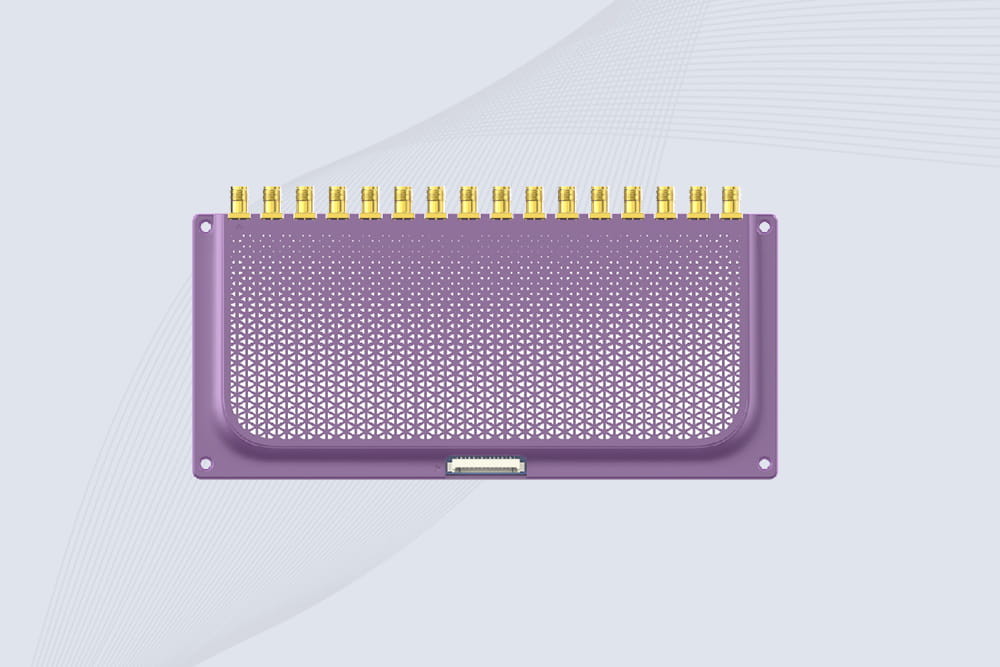
The CYKEO CYKEO-M16L RFID Reader Module is a 16-channel UHF RFID core designed for dense tag environments. With adjustable 33dBm output, multi-protocol support, and stable multi-antenna control, this RFID Tag Reader Module fits industrial automation, warehouse systems, and large-scale IoT deployments.
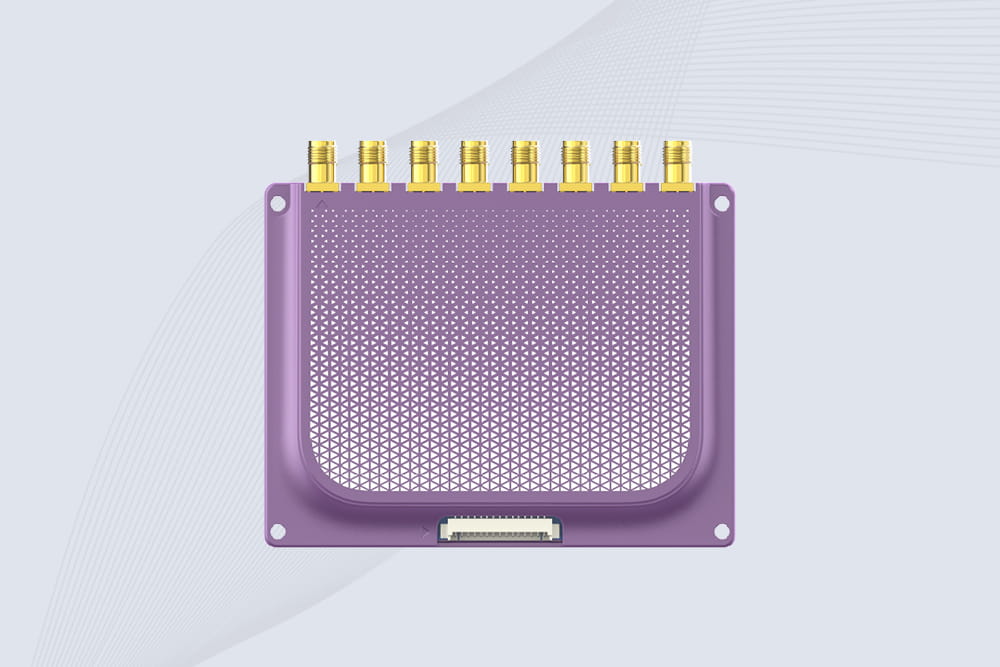
CYKEO CYKEO-M8L module RFID is a compact industrial UHF module built for dense tag and multi-antenna environments. With 8 RF ports, adjustable 33 dBm output, and ISO & GB protocol support, it is widely used in factories, warehouses, and automated tracking systems.
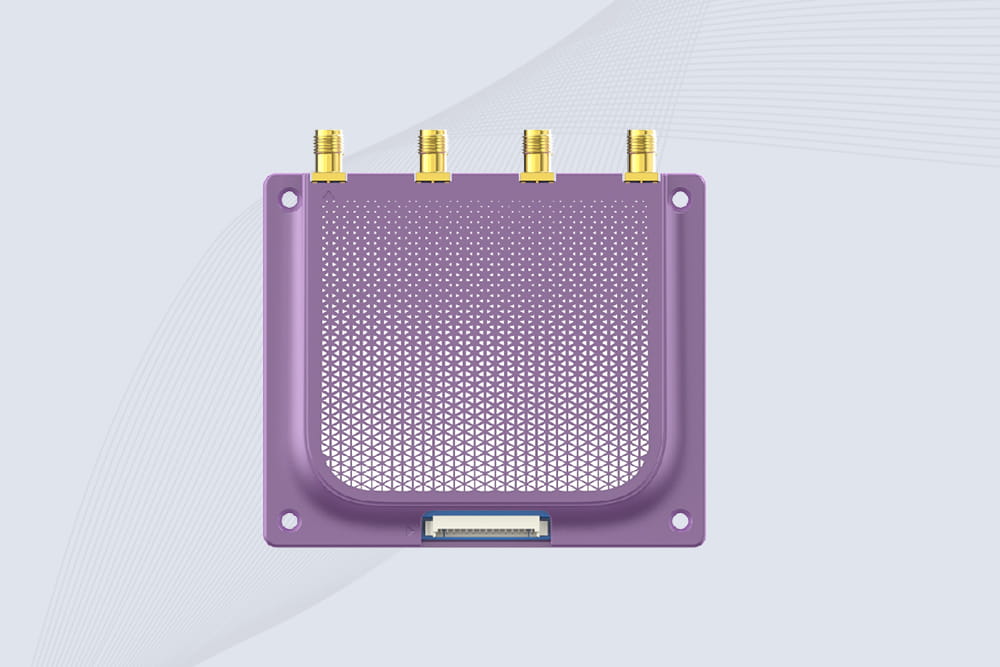
CYKEOCYKEO-M4L UHF RFID Module is a compact 4-channel RFID tag reader module designed for dense tag environments. Supporting ISO and GB protocols, it delivers stable reads up to 10 meters for industrial and IoT systems.
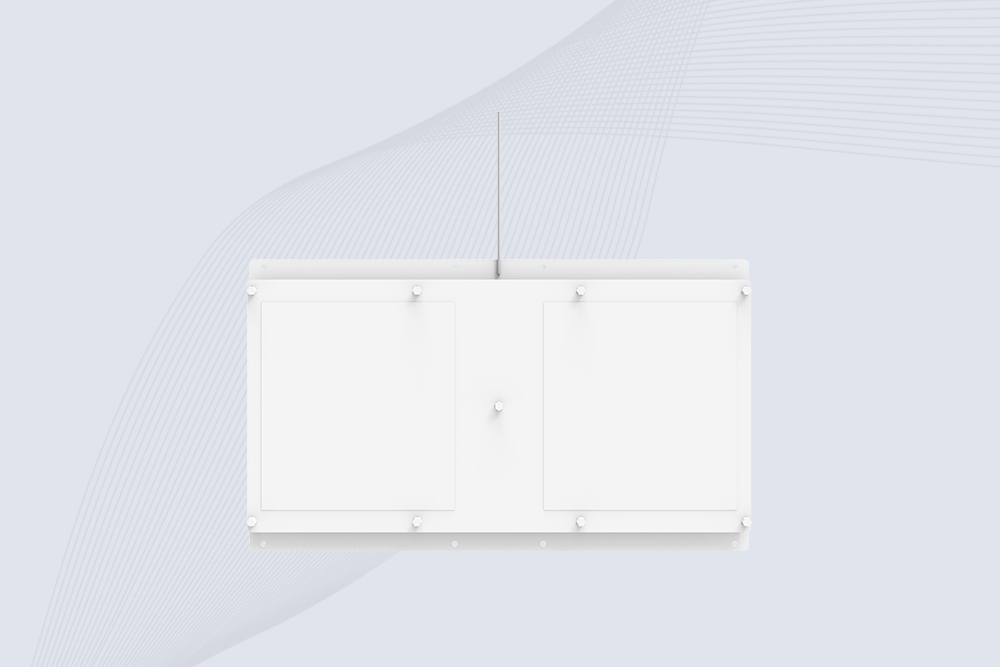
Cykeo CYKEO-A11 UHF RFID reader antenna delivers 11dBi gain, 840-960MHz frequency range, and IP65 ruggedness for retail, logistics, and industrial RFID systems. Features low VSWR and easy installation.

CYKEO Antenna RFID Reader delivers stable long-range UHF performance with a 10.5dBi directional design, built for warehouses, conveyor portals, and industrial RFID systems. This rfid reader antenna provides 20m+ read distance and rugged IP67 protection.

Cykeo CYKEO-PHF3 industrial HF RFID Antenna offers 24-point dynamic tracking, ISO 14443A/15693 protocols, metal-environment stability for archives/libraries/manufacturing.

Cykeo CYKEO-A5B industrial Linear RFID Antenna delivers 5dBi gain, ≤1.5:1 VSWR, and IP65 rugged design for warehouse, production line, and logistics UHF systems.

Cykeo’s CYKEO-B12 Long Range RFID Antenna delivers 15m+ read range with 12dBi gain, IP65 rugged design, and global 840-960MHz UHF support. Ideal for warehouse/logistics asset tracking.
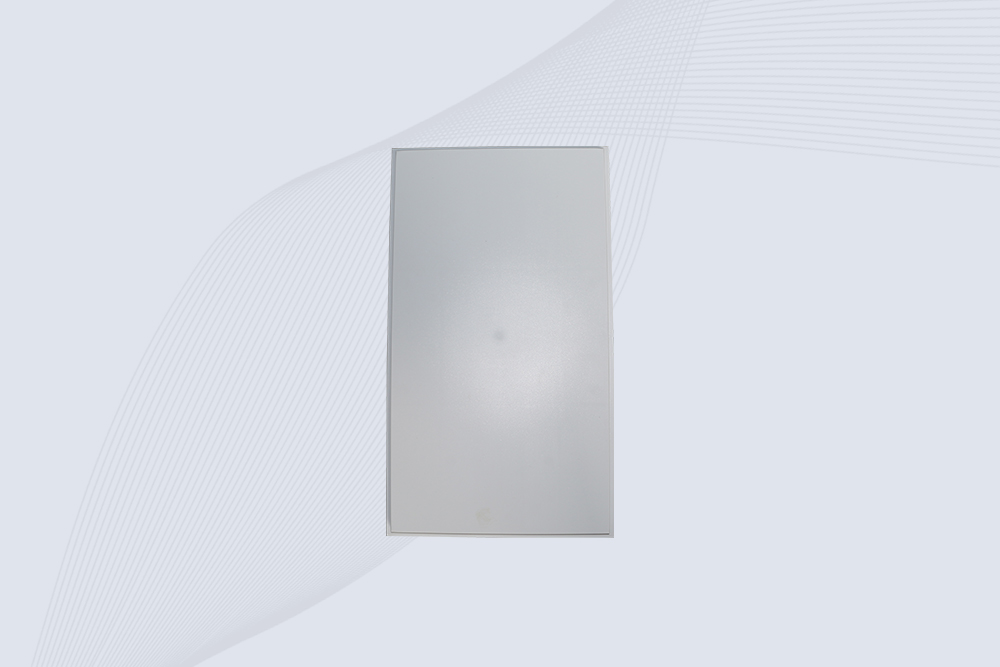
Cykeo CYKEO-B10 Long Distance RFID Antenna offers 10dBi gain, 840-960MHz frequency range, IP65 rating, and 20m+ coverage for logistics/warehousing/ETC systems. Low VSWR ensures stable signal transmission.
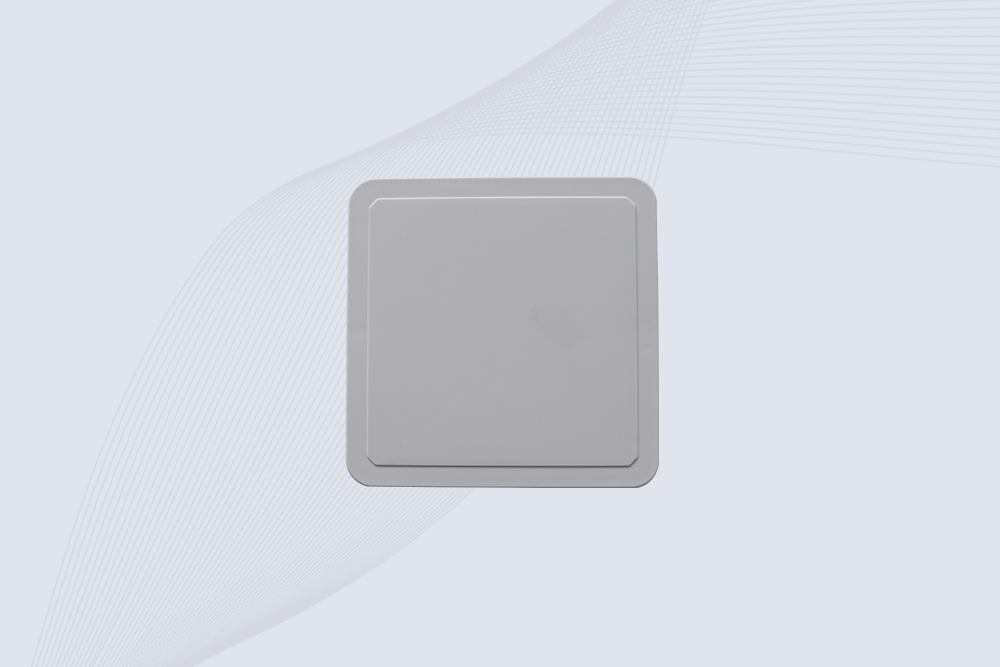
Cykeo CYKEO-A6 UHF RFID panel antenna features 6dBi gain, 840-960MHz broadband, IP65 metal-ready housing for logistics/smart retail. 18mm ultra-thin design with tool-free mounting.

Cykeo CK-A3 industrial antenna RFID UHF offers 5m+ tag detection, ≤1.3:1 VSWR, IP65 rugged design, and global UHF spectrum compatibility (840-960MHz) for warehouses, factories, and retail.
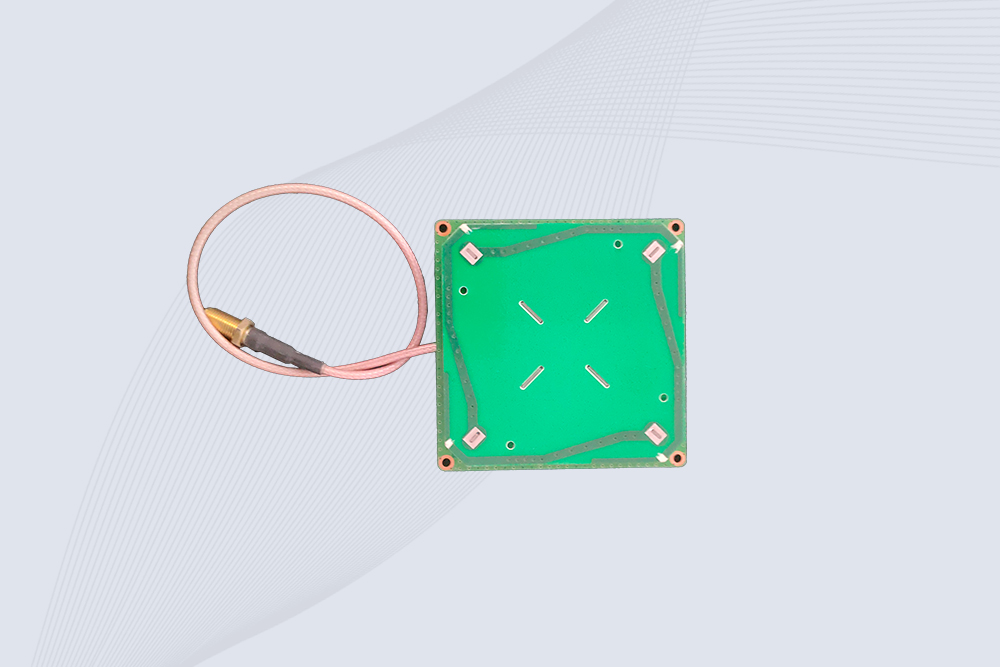
Cykeo CYKEO-B5 directional RFID antenna provides 5dBi gain with 60° narrow beamwidth for precise inventory tracking. IP65-rated, global UHF frequency support, and low VSWR.
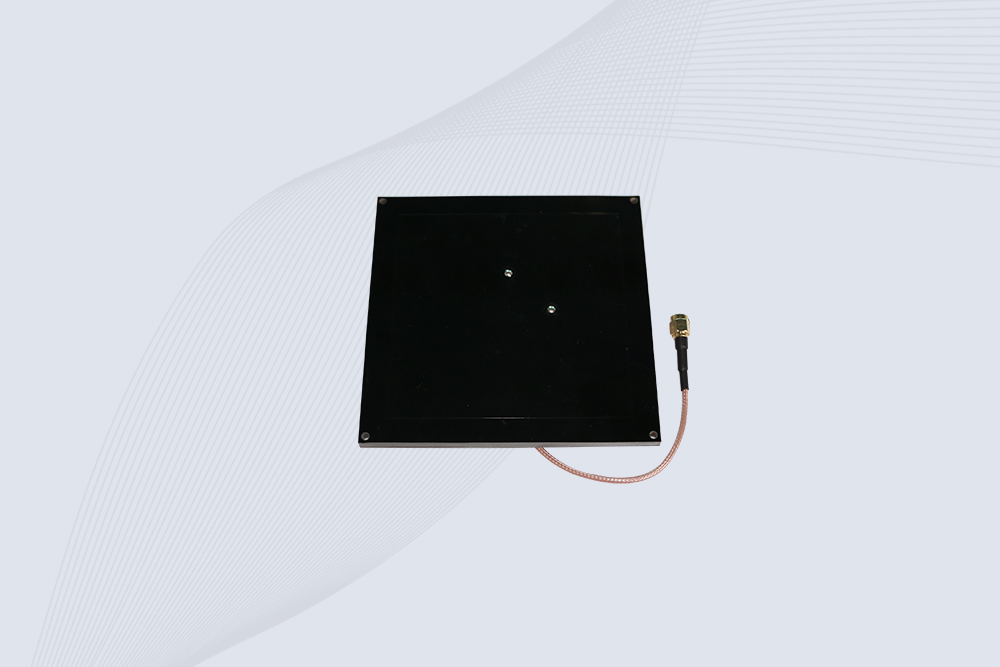
Create your own high-performance DIY RFID antenna! 5dBi gain, 840-960MHz tunable, step-by-step guides. Compatible with Arduino, Raspberry Pi, and commercial UHF readers.
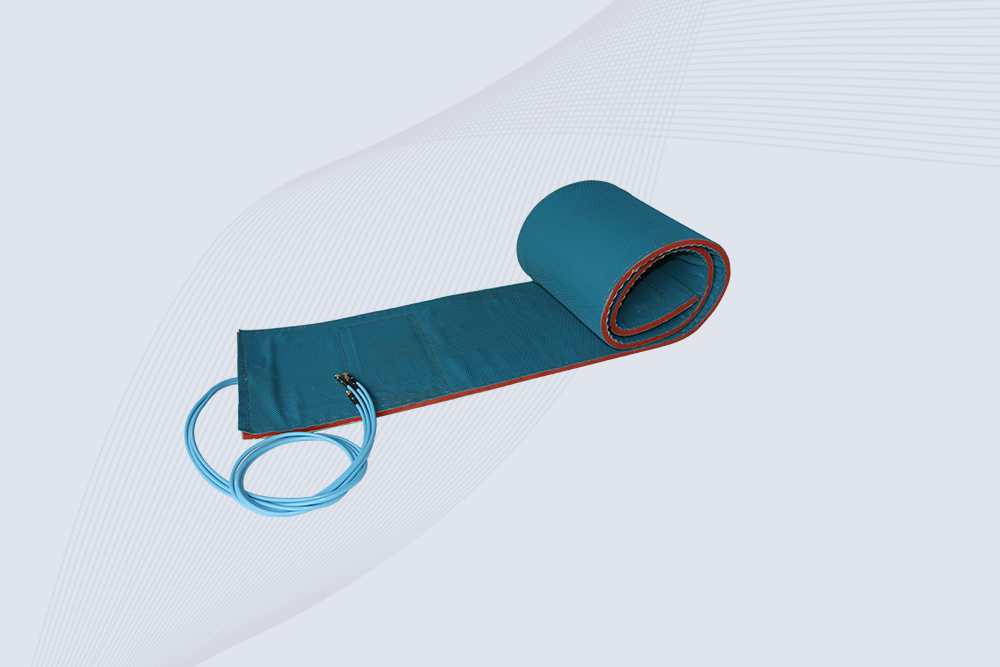
Cykeo CYKEO-A7 Flexible RFID Antenna features 840-960MHz wideband tuning, 7dBi gain, and IP68 rating for medical/retail/industrial curved surface deployments. 98% read accuracy with peel-and-stick installation.

Cykeo CYKEO-B5A industrial Passive RFID Antenna delivers 5dBi gain, 70° beamwidth, and -40°C~55°C operation for warehouses/smart cabinets. Compatible with Zebra/Impinj readers.
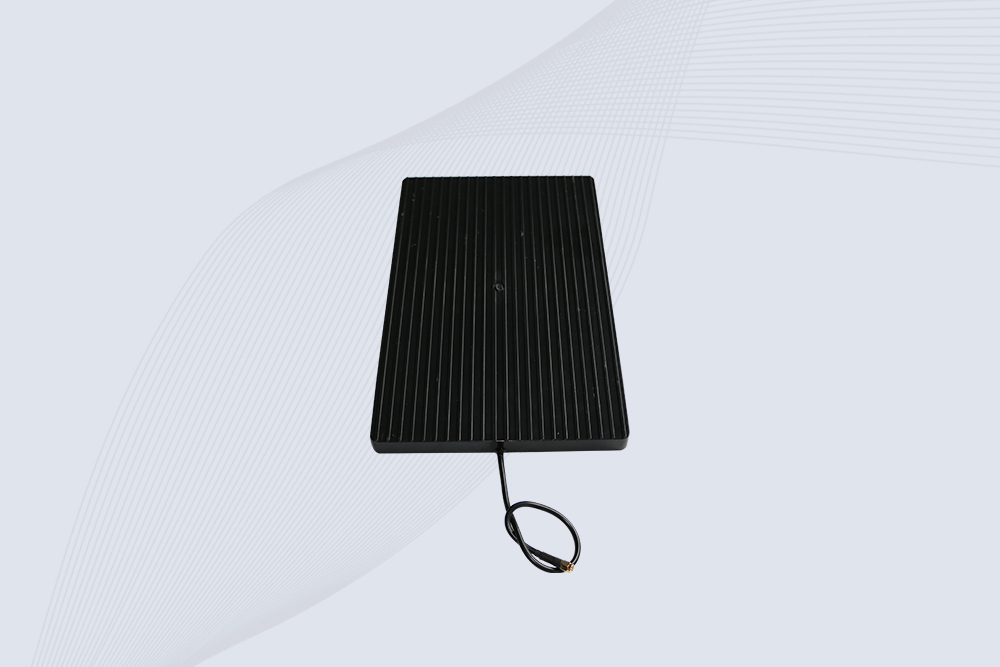
Cykeo’s CYKEO-A9B High Gain RFID Antenna delivers 15m+ read range with 9dBi amplification. Features IP54 rugged design, 840-960MHz bandwidth, and 80° beamwidth for warehouse/manufacturing RFID systems.

Cykeo’s enterprise-grade 8dbi Impinj RFID Antenna 10m+ read range with 840-960MHz tuning. Features IP65 housing, 1.4 VSWR, 35° beamwidth for retail/warehouse RFID systems.
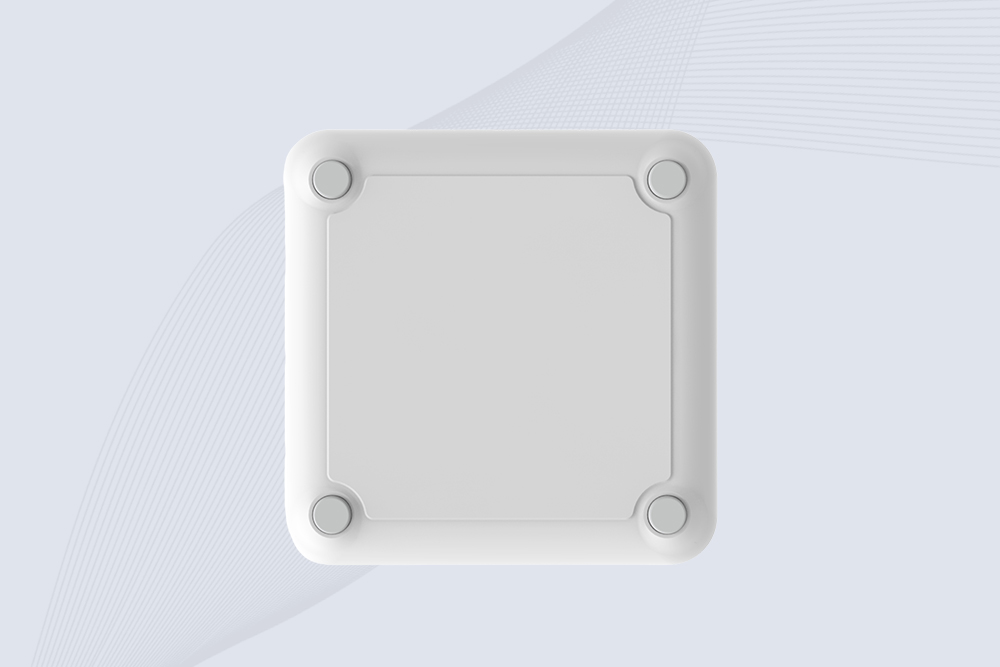
Cykeo CYKEO-A9 industrial UHF RFID antenna delivers 9dBi gain, 840-960MHz frequency range, and IP65 protection for warehouse/logistics/retail RFID systems. Features N-type connector and ≤1.3:1 VSWR.
CYKEO UHF RFID Antenna built for long-distance and industrial applications. This antenna rfid uhf delivers strong gain, outdoor durability, and reliable tag performance in warehouses, yards, and vehicle ID systems.
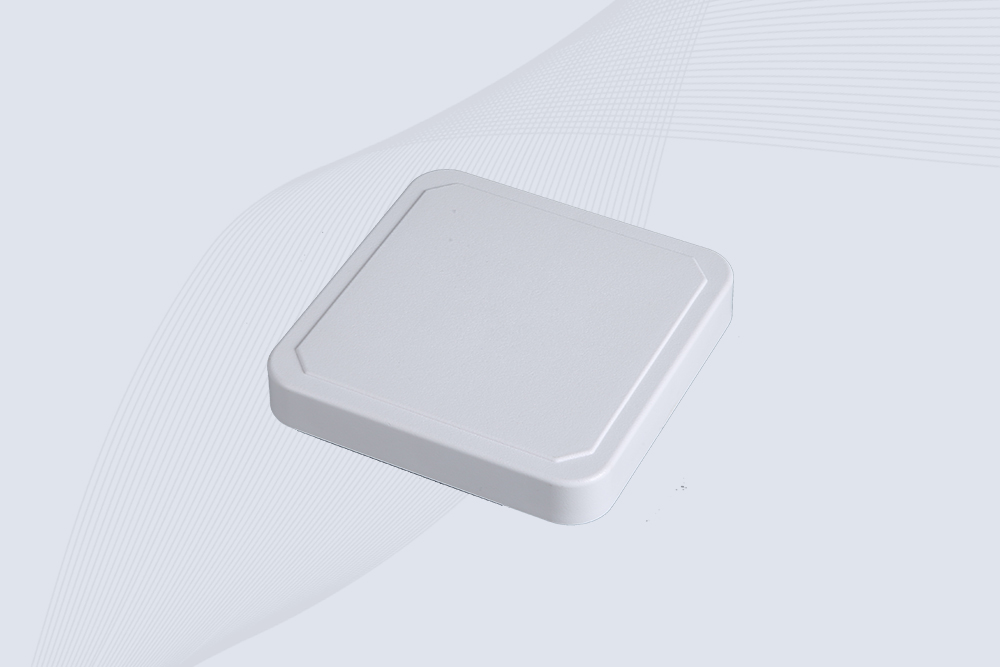
CYKEO Antenna RFID delivers reliable long-range UHF performance in warehouses, retail shelves, and cold-chain environments. This compact uhf rfid antenna provides stable reads with circular polarization and ultra-wide 840–960 MHz support, ideal for industrial tracking, smart shelves, and asset monitoring.
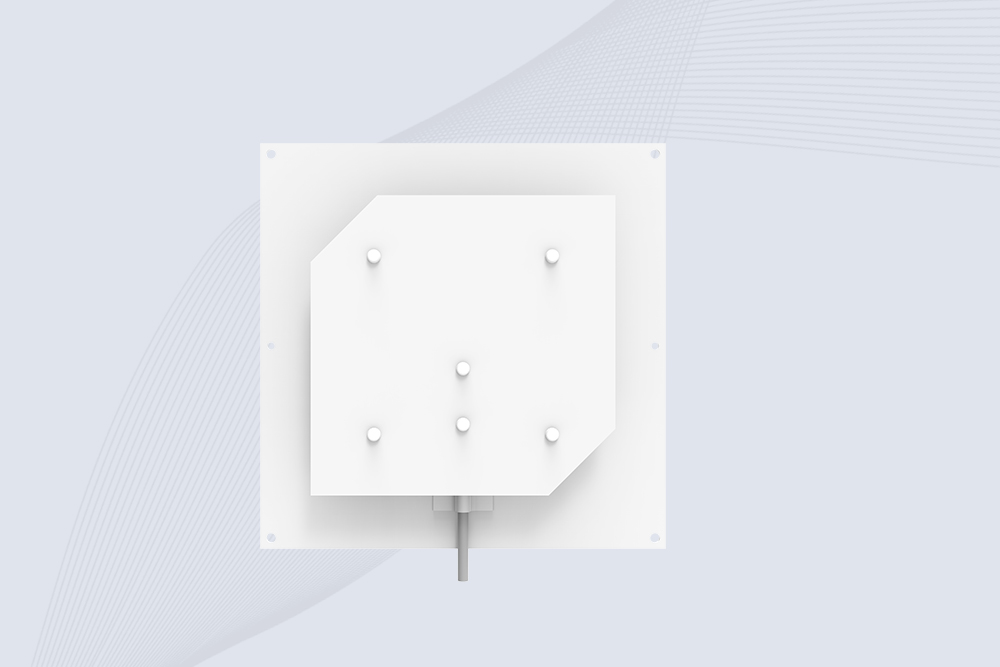
Cykeo’s CYKEO-C8 UHF RFID antennas delivers 8dBi gain, 840-960MHz full-band coverage, and IP65 ruggedness for manufacturing/warehouse RFID systems. Industrial RFID Antennas Features
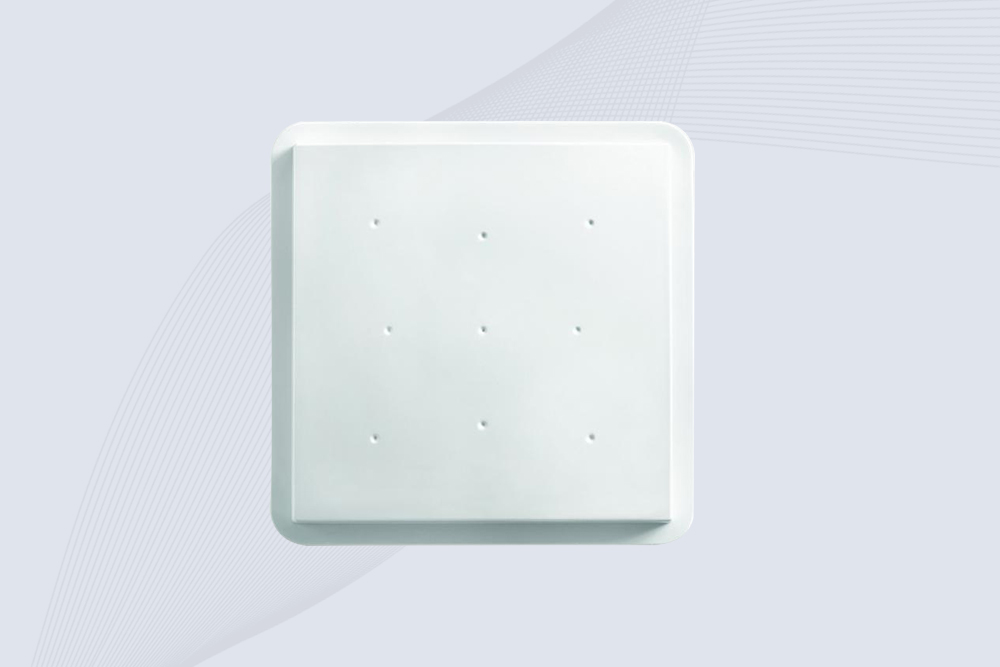
Cykeo’s 8dBi UHF RFID antenna and reader kit delivers 10m+ range, 840-960MHz broadband, and IP65 ruggedness for factories, warehouses, and logistics. ISO 18000-6C & EPC Gen2 certified.
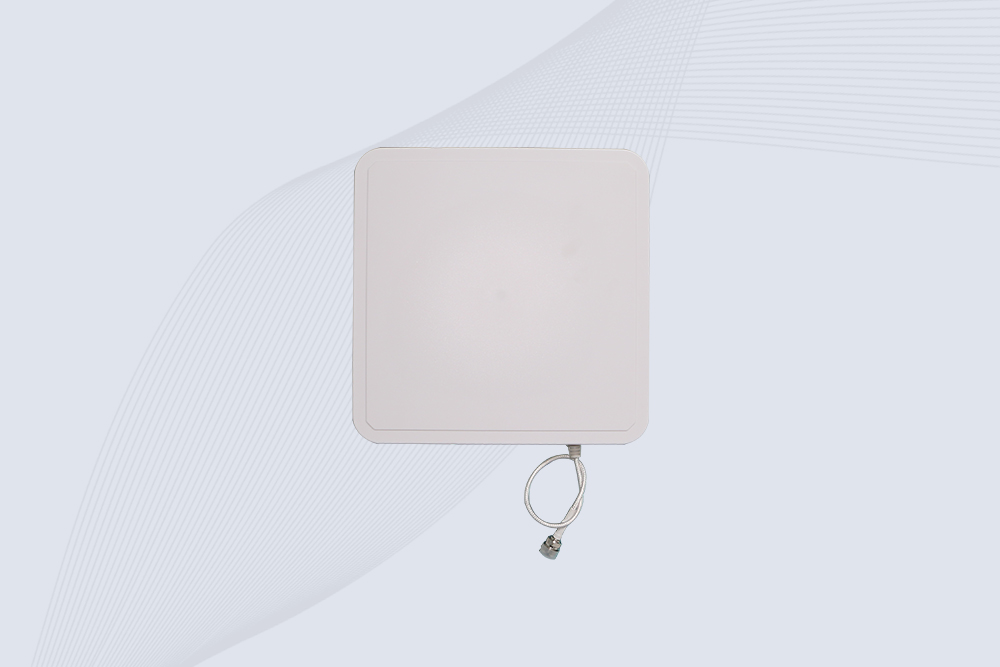
Cykeo CYKEO-A9A industrial UHF RFID reader and antenna kit delivers 10m range, 500 tags/sec, IP65 ruggedness for manufacturing/logistics. Supports EPC Gen2, ISO18000-6C.

How to read RFID tag with iPhone in real use. Learn what iPhone can’t do alone, and how CYKEO makes UHF RFID reading work via Bluetooth.
More
Discover the best antenna types for fixed RFID readers. Learn how Cykeo’s directional, omnidirectional, and circular-polarized antennas optimize performance in warehouses, factories, and more.
More
RFID serves to identify, track, and manage physical objects through wireless communication between RFID tags and readers, connecting assets with digital syst...
More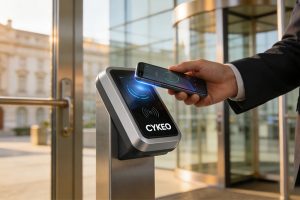
Wondering "can RFID reader read NFC tag"? Discover the technical relationship between RFID and NFC, compatibility factors, and how CYKEO solutions bridge both technologies for seamless access control.
More