AutoSweep RFID is an electronic toll collection service used on participating toll roads in the Philippines, allowing enrolled vehicles to pay toll charges through an RFID sticker linked to a prepaid account. When the vehicle passes through a designated electronic toll collection lane, the system detects the sticker and automatically deducts the applicable toll from the associated account.
AutoSweep RFID is therefore a specific toll-road RFID service, rather than a general name for RFID technology.
According to the official AutoSweep terms, the service operates across the South Metro Manila Skyway, South Luzon Expressway (SLEX), STAR Tollway, NAIA Expressway, Tarlac-Pangasinan-La Union Expressway (TPLEX), and other toll roads covered by the participating operators. The system is operated through the relevant tollway companies in coordination with Intelligent E-Processes Technologies Corp. (IETC), the stated third-party service provider.
For anyone researching what is AutoSweep RFID, this distinction matters. An AutoSweep sticker is an RFID-based vehicle identification device, but the complete service also involves an account, toll-lane equipment, payment processing, vehicle registration, and account balance management.
How Does AutoSweep RFID Work?
From RFID Sticker Detection to Toll Deduction
The basic process is relatively straightforward from the driver’s perspective.
An eligible vehicle is enrolled in an AutoSweep RFID account.
An AutoSweep RFID sticker is installed on the enrolled vehicle.
The vehicle enters a designated electronic toll collection lane.
The toll system detects the RFID sticker.
The corresponding toll charge is deducted from the prepaid account.
The transaction is reflected in the subscriber’s account statement.
The official AutoSweep terms state that toll charges incurred by a subscriber are automatically deducted from the prepaid load associated with the RFID account.
The sticker is associated with a particular vehicle. AutoSweep’s terms specifically state that the RFID sticker is non-transferable and is to be installed on the enrolled vehicle by authorized AutoSweep personnel.
That is an important difference from a generic RFID label used on cartons or inventory. In a warehouse, a tag may be encoded and attached to many different types of objects. With AutoSweep, the RFID identifier participates in a controlled vehicle-and-account relationship.
What Is AutoSweep RFID Used For?
Electronic Toll Collection in the Philippines
AutoSweep RFID is primarily used to automate toll payment for enrolled vehicles using designated ETC lanes.
The official service terms identify the following toll-road operators and roads within the AutoSweep service framework:
Toll Road / Facility
RFID Application
Skyway
Electronic toll collection
SLEX
Electronic toll collection
STAR Tollway
Electronic toll collection
NAIA Expressway
Electronic toll collection
TPLEX
Electronic toll collection
Other covered toll roads
Electronic toll collection where supported
The exact toll-road coverage can change as participating facilities and operating arrangements evolve, so motorists should check the current official AutoSweep information before planning a trip. The current published terms explicitly describe the roads and operators covered by the service.
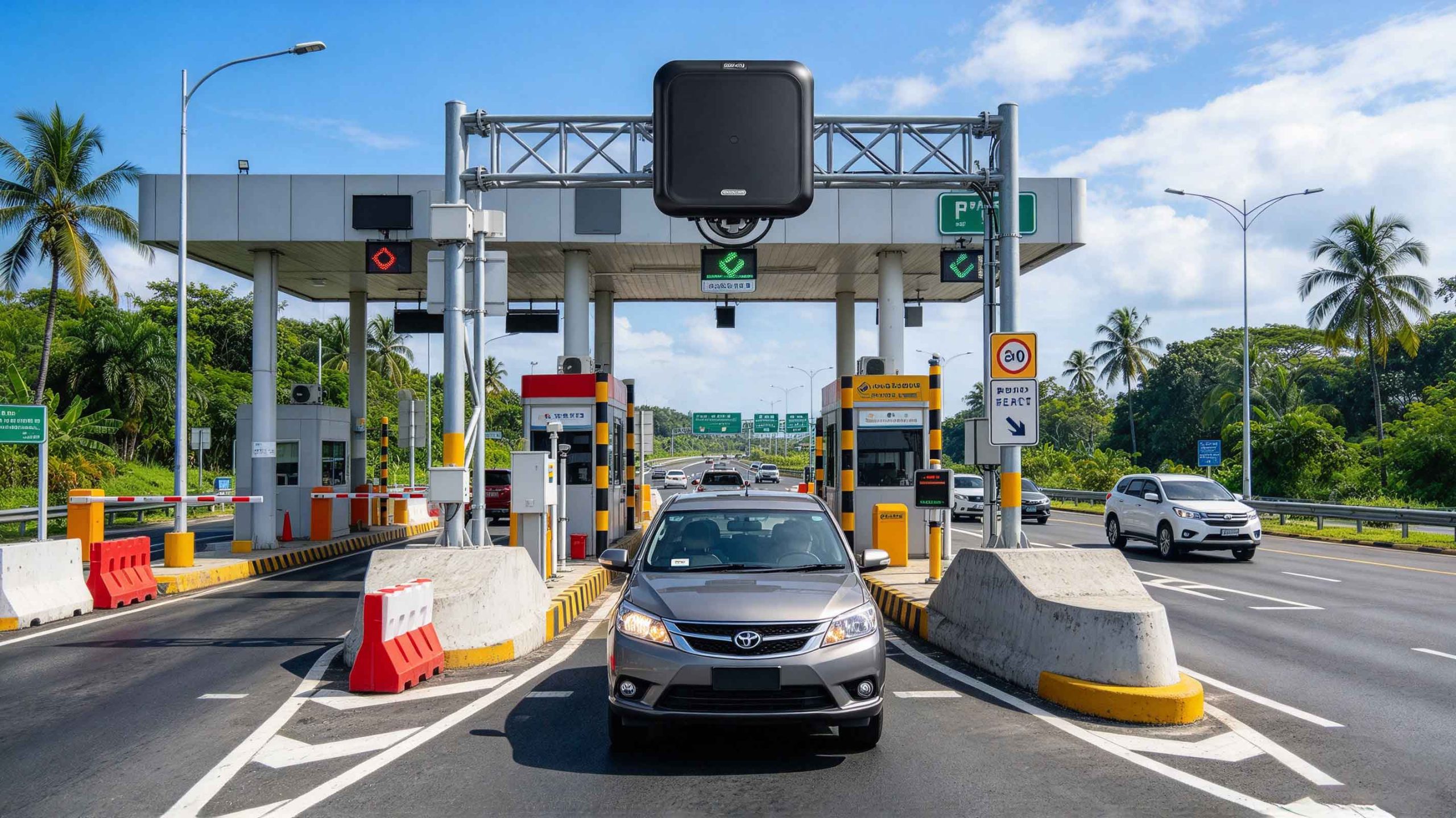
An RFID-enabled toll lane detects an enrolled vehicle’s AutoSweep RFID sticker for electronic toll collection.
AutoSweep RFID Account and Prepaid Balance
Why the Account Balance Matters
AutoSweep is based on a prepaid account model. The RFID sticker itself does not function as an independent payment instrument. It is connected to the subscriber’s AutoSweep RFID account.
The official terms specify initial load requirements at enrollment of:
Vehicle Class
Initial Load
Class 1
PHP 500
Class 2
PHP 1,000
Class 3
PHP 1,000
The same terms state that a PHP 200 tag cost applies, while an annual subscription fee of PHP 50 per account is charged on the subscription anniversary.
AutoSweep also specifies maintaining balances of PHP 100 for Class 1, PHP 200 for Class 2, and PHP 300 for Class 3, with a minimum threshold of PHP 500 per account unless another applicable threshold is defined.
These are published service terms, not universal characteristics of RFID technology. Fees, thresholds, and operating rules can change, so the current AutoSweep terms should be checked before enrollment or account management.
AutoSweep RFID Sticker and Vehicle Registration
The Sticker Is Tied to the Enrolled Vehicle
One of the easiest details to overlook is that an AutoSweep RFID sticker is not intended to be casually moved between vehicles.
The official terms state that:
Each enrolled vehicle receives an RFID sticker and backup RFID card.
The sticker is non-transferable.
Authorized AutoSweep personnel install the sticker.
The sticker should not be removed, torn, cut, transferred, or altered.
A vehicle transfer or sale requires the subscriber to contact an AutoSweep Customer Service Center.
This is good RFID-system design from an identification perspective. The physical identifier is connected to a defined vehicle record rather than treated like a generic reusable label.
What Happens If AutoSweep RFID Is Not Detected?
Unreadable RFID Sticker at the Toll Lane
RFID systems can occasionally encounter detection problems. A damaged sticker, improper handling, installation issues, or other system conditions can result in an unreadable RFID identifier.
The official AutoSweep terms specify that if the sticker is not detected at an ETC lane, the subscriber should obtain an Entry Toll Card and pay the corresponding toll through the applicable cash or mixed lane at exit. The terms also describe consequences if the Entry Card is not presented, including a potential charge based on the farthest entry and a PHP 150 penalty, subject to the toll operator’s rules.
AutoSweep’s published terms also state that the sticker has a six-month warranty for manufacturer defects, while damage attributed to subscriber mishandling can void the warranty.
From an RFID engineering perspective, this is a useful reminder: reliable detection depends not only on the reader. The physical condition and installation of the RFID transponder are part of the system.
AutoSweep RFID vs. General RFID Technology
A Specific Service Built on RFID Principles
AutoSweep RFID should not be confused with RFID as a whole.
RFID is a broad identification technology that uses radio-frequency communication between tags or transponders and readers. It is used in warehouses, manufacturing, libraries, retail, healthcare, logistics, and many other environments.
AutoSweep RFID, by contrast, is a specific electronic toll collection service in the Philippines.
Aspect
General RFID
AutoSweep RFID
Technology
Radio-frequency identification
RFID-based toll collection
Main purpose
Identification and data capture
Electronic toll payment
RFID device
Tag, card, transponder, etc.
Vehicle RFID sticker
Reader location
Depends on application
Designated toll lanes
Data relationship
Application-dependent
Vehicle + RFID account
Payment
Not inherently a payment system
Linked to prepaid toll account
This distinction is important when researching what is AutoSweep RFID. The sticker is only one part of the system. The reader infrastructure, account database, toll calculation, and payment process turn RFID identification into an electronic toll transaction.
How AutoSweep RFID Uses RFID Toll Technology
Controlled Reading Zones at Expressway Lanes
An RFID toll system needs a controlled reading environment.
As a vehicle approaches a designated lane, the roadside RFID equipment communicates with the RFID sticker associated with the vehicle. The system identifies the account and applies the appropriate toll transaction.
The concept is similar to other fixed RFID installations used in logistics. A warehouse reader might interpret a detected tag as “pallet received,” while a toll reader interprets a detected vehicle identifier as part of a toll transaction.
The physical environment is very different, though.
At a toll plaza, the vehicle is moving, the RFID sticker has a defined mounting position, and the reader equipment is installed around a known lane. In a warehouse, tagged products may have different orientations and materials. This controlled road-lane configuration is one reason RFID can be used effectively for automated toll collection.
AutoSweep RFID and RFID Engineering Considerations
Why Reader and Tag Configuration Matter
From an RFID engineering perspective, a toll application illustrates an important principle: the reader, antenna, transponder, and operating environment must be treated as one system.
A generic RFID reader specification may list output power, sensitivity, frequency range, and reading distance. Those numbers alone do not determine whether a toll lane will perform correctly.
The same applies to industrial RFID.
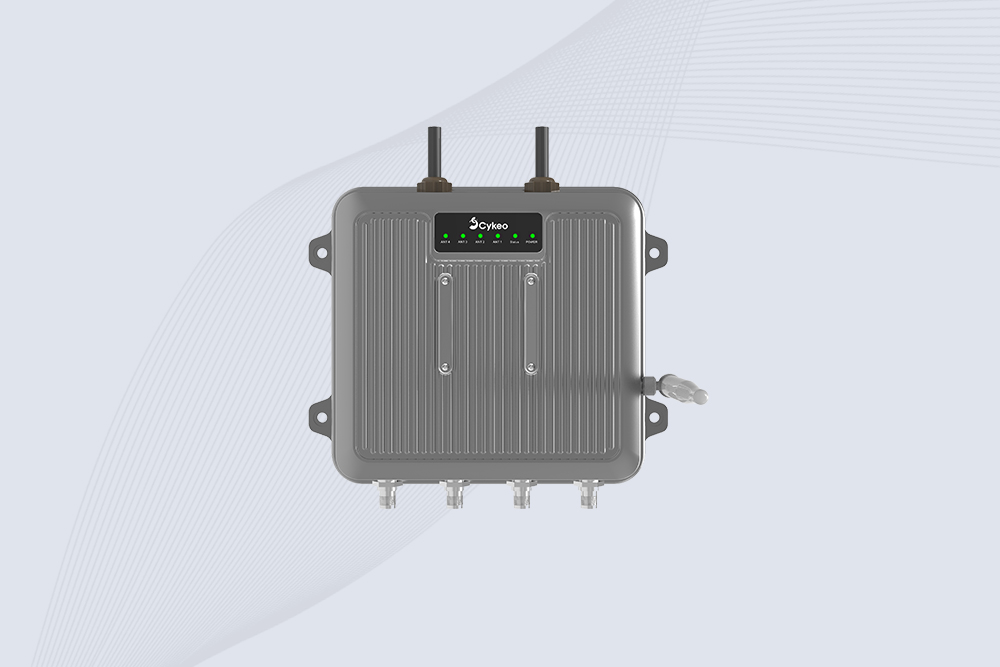
At Cykeo, our RFID development work includes fixed UHF readers such as the RA9L and CK-D9L, OEM modules such as the CYKEO-M4L, and desktop RFID platforms. These products are designed for different operating environments because the requirements of a warehouse portal are not the same as those of a controlled desktop writing station.
For example, a Cykeo fixed reader can be configured with Ethernet or RS-232 communication and used in applications requiring automatic tag detection. An OEM module can instead be integrated into a customer’s own equipment.
The lesson from toll RFID is familiar to anyone who has commissioned an industrial RFID system: read-zone control matters more than chasing the largest theoretical read distance.
What Information Does an AutoSweep RFID Transaction Involve?
RFID Identification and Toll Account Data
The RFID sticker provides the electronic identity used by the toll system. The associated account contains the information necessary for processing the toll transaction.
AutoSweep’s published terms describe subscriber information, vehicle information, RFID sticker identification, account balance, and toll transactions as part of the service relationship. The terms also state that toll charges are automatically deducted from the subscriber’s prepaid load.
This is different from saying that the RFID sticker itself stores the driver’s entire payment history.
The RFID identifier and the back-end account are separate pieces of the system. The reader detects the identifier; the service infrastructure uses that identifier to process the corresponding account transaction.
Frequently Asked Questions About What Is AutoSweep RFID
1. What is AutoSweep RFID?
AutoSweep RFID is an electronic toll collection service in the Philippines. Enrolled vehicles use an RFID sticker linked to a prepaid account, allowing toll charges to be processed electronically when the vehicle passes through participating RFID toll lanes.
2. Is AutoSweep RFID the same as a normal RFID tag?
No. AutoSweep uses RFID technology, but it is a specific toll collection service. A normal RFID tag can be used for many purposes, including inventory, logistics, asset tracking, and access control.
3. How does AutoSweep RFID charge toll fees?
The RFID sticker identifies the enrolled vehicle, while the associated prepaid AutoSweep account is used for the toll transaction. According to AutoSweep’s published terms, applicable toll charges are automatically deducted from the account balance.
4. Can an AutoSweep RFID sticker be transferred to another vehicle?
The published AutoSweep terms state that the RFID sticker is non-transferable and is associated with the enrolled vehicle. Vehicle ownership or registration changes should therefore be handled through the official AutoSweep process rather than simply moving the sticker.
5. What happens if an AutoSweep RFID sticker cannot be detected?
According to the published terms, the subscriber should obtain an Entry Toll Card and follow the applicable toll-lane payment procedure. Additional charges may apply under the stated conditions.
6. Is AutoSweep RFID available on every Philippine toll road?
No. AutoSweep operates on participating toll facilities covered by its service arrangements. Motorists should check the current official AutoSweep information for the latest participating roads and ETC-lane availability.
7. Is AutoSweep RFID the same thing as GPS tracking?
No. AutoSweep RFID is an electronic toll identification and payment system. RFID detection at a toll lane does not mean the sticker continuously provides GPS-style geographic tracking.
Why AutoSweep RFID Is a Useful Example of RFID in Practice
AutoSweep provides a clear everyday example of how RFID moves beyond simple product identification.
The sticker is physically small. The useful system around it is not.
A successful toll transaction involves the RFID device, fixed reader equipment, controlled reading conditions, vehicle registration, account management, toll calculation, and transaction processing. The same principle appears in industrial RFID deployments, although the application changes.
In a warehouse, the event may be a pallet entering a loading area. In manufacturing, it may be a component reaching a workstation. In a library, it may be a book being returned. At an AutoSweep lane, it is a vehicle passing through a toll point.
That is why RFID engineering cannot be reduced to the tag alone.
At Cykeo, our work with RFID readers, RFID reader modules, and tag-management systems focuses on this complete interaction between hardware and application. The reader has to detect the correct tag, the communication interface has to deliver the event, and the software has to interpret it correctly.
For someone asking what is AutoSweep RFID, the most accurate short answer is therefore: it is a Philippines electronic toll collection service that uses RFID vehicle identification to automate toll transactions on participating expressways.
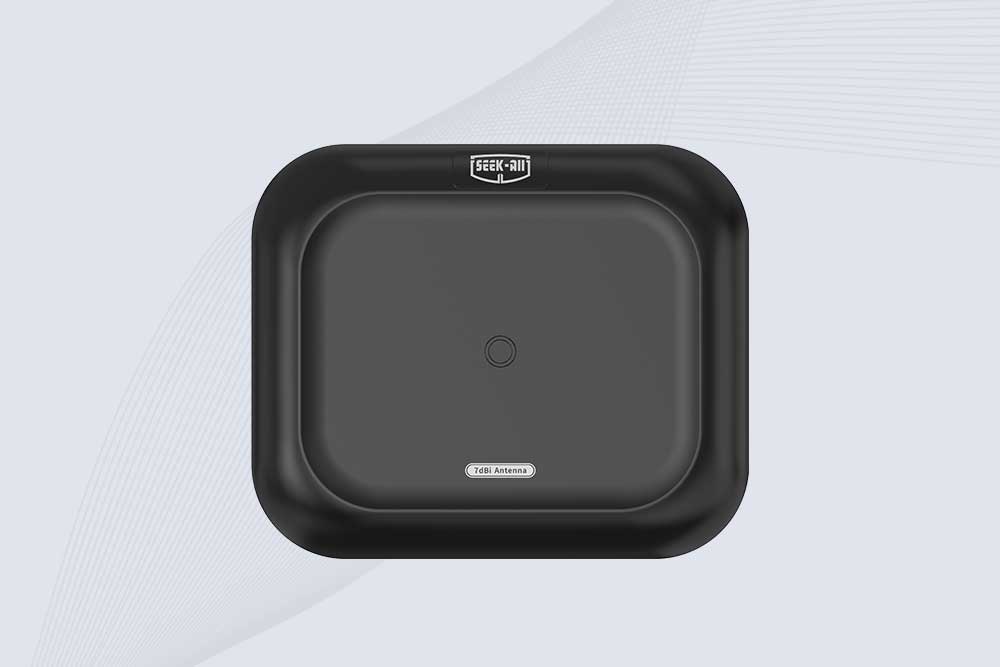
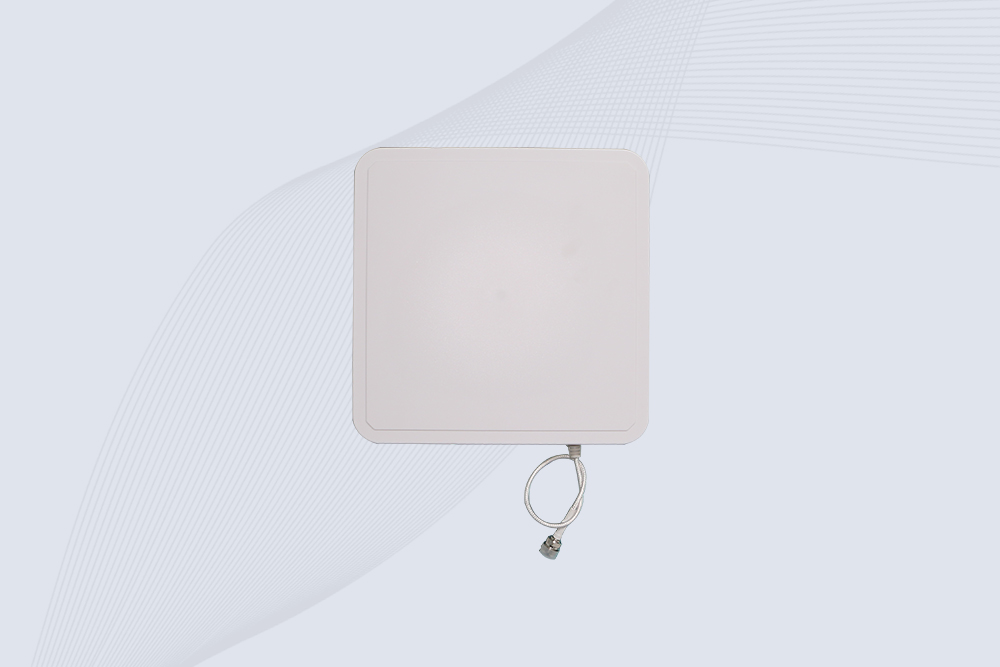
Explore the SSD-A07 UHF RFID antenna with 7 dBi gain, circular polarization, adjustable 840–960 MHz frequency, and 60°/75° beamwidth for stable RFID read/write performance.
SSD-A06 UHF RFID antenna with circular polarization, adjustable 840–960 MHz frequency, ≥4.5 dBi gain, and a compact directional design for RFID systems.
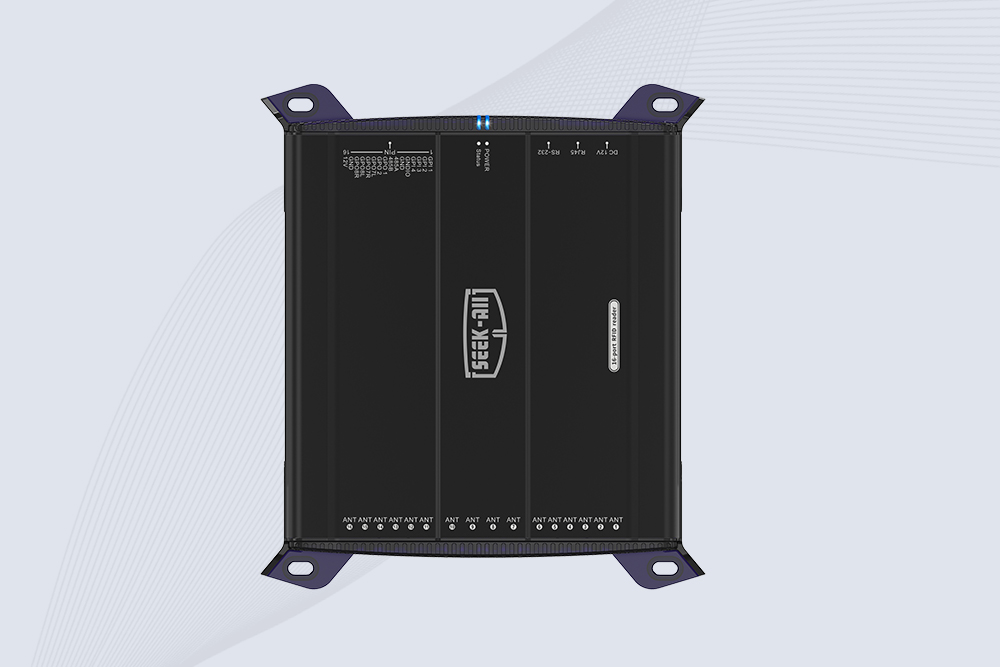
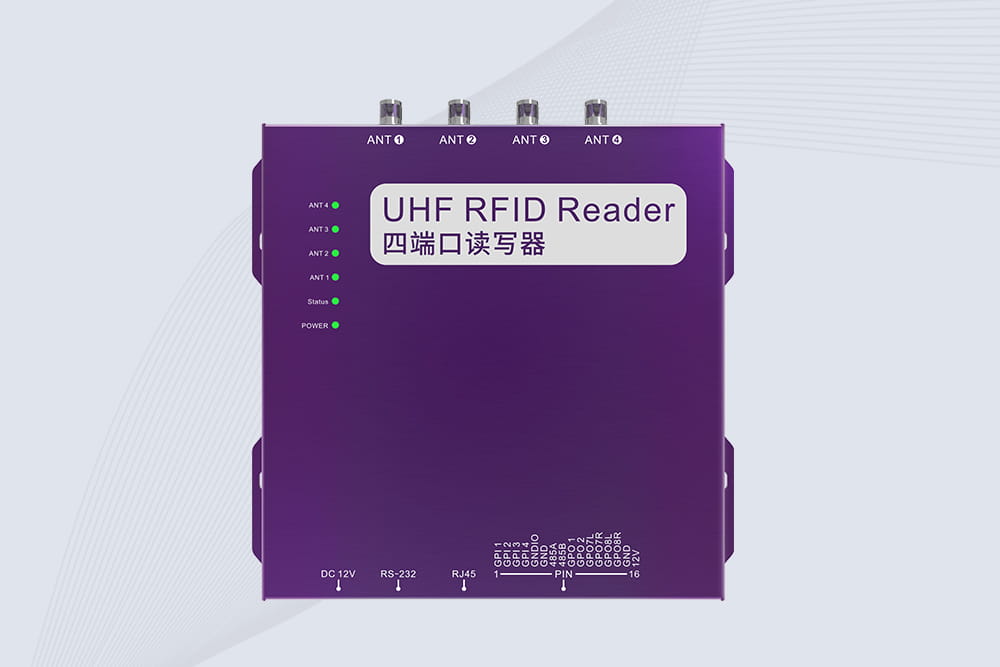
SSD-R16L Multi-Channel RFID Infrastructure for Automated Inventory Management ✔️ 16-Port High-Density RFID Reading Equipped with 16 SMA antenna ports, SSD-R16L supports multi-antenna deployment for warehouses, retail stores, logistics, production lines, and large-area RFID identification. ✔️ High-Speed & Long-Range Performance With up to 33…
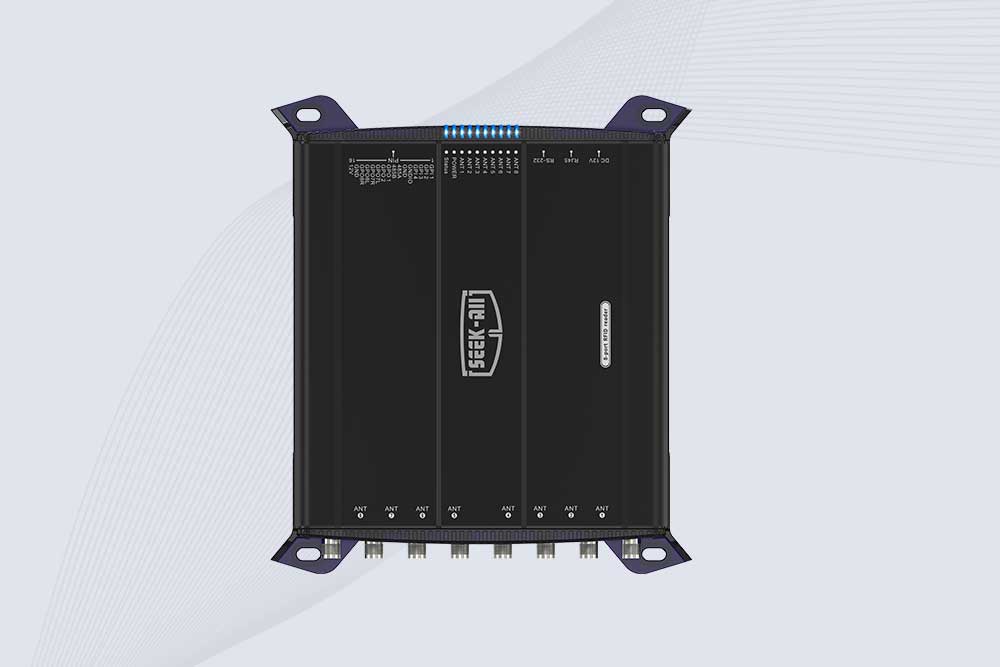
SSD-R8L 8-port UHF RFID reader with 33dBm output, up to 20m reading range and 600+ tags/s recognition. Ideal for warehouse, logistics, retail and asset tracking.
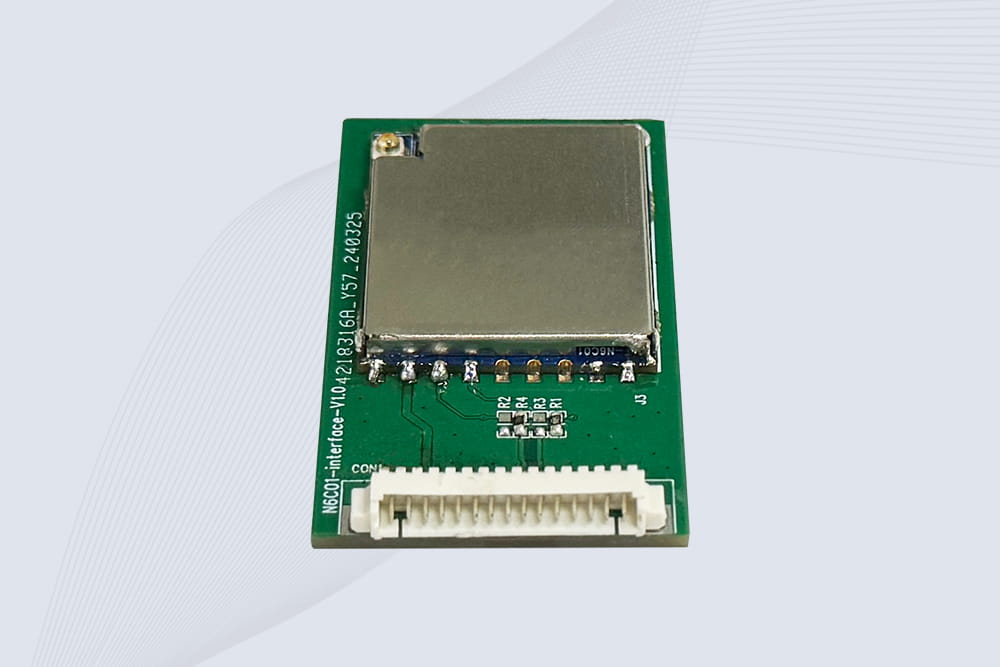
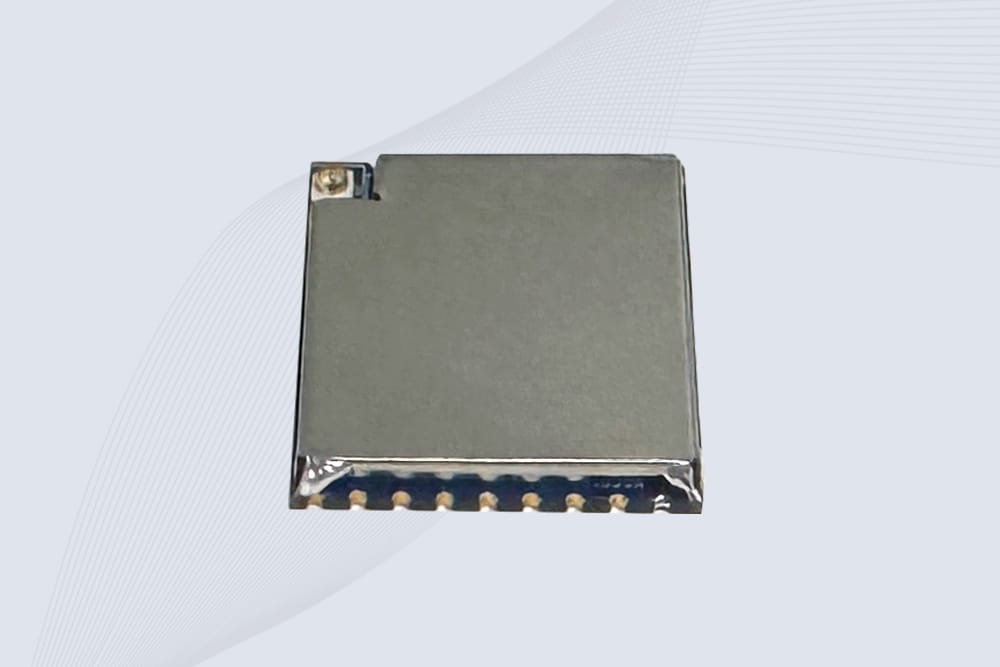
CYKEO Embedded RFID Modules are designed for compact industrial and IoT devices that require stable UHF performance. These UHF RFID Modules support global protocols, flexible power control, and reliable multi-tag reading for smart cabinets, production lines, and asset tracking systems.
CYKEO Embedded RFID Module is built for compact IoT and industrial devices that need stable UHF performance. This UHF module supports global protocols, low power operation, and reliable multi-tag reading for smart lockers, production lines, and always-on RFID systems.
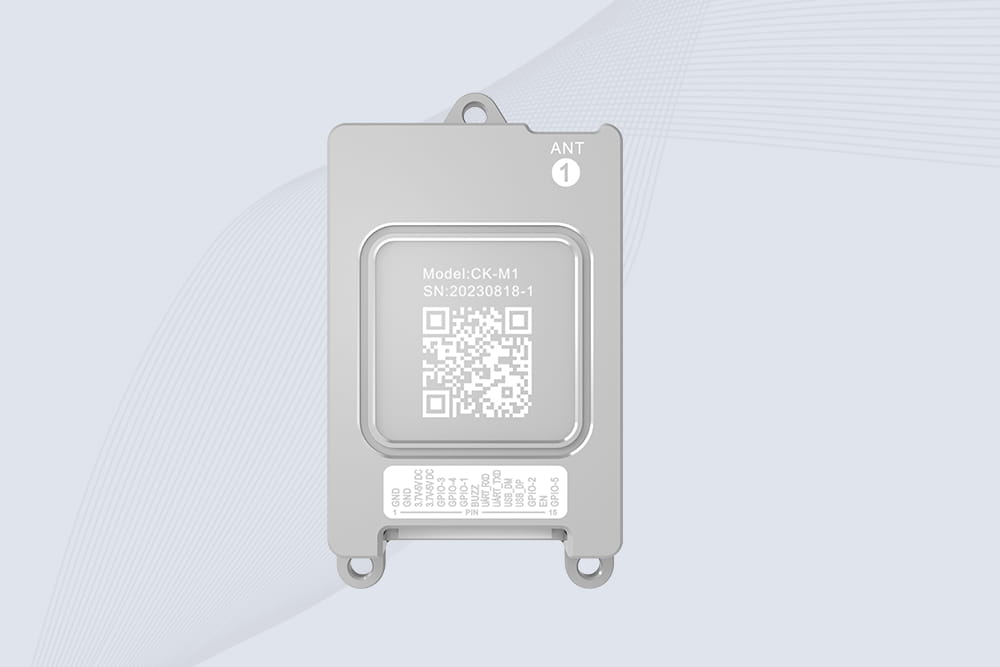
CYKEO CYKEO-M1 drone rfid module is a compact UHF RFID reader module designed for drones and UAV platforms. It supports long-range aerial scanning, fast multi-tag reading, and stable performance in wind, vibration, and outdoor environments.
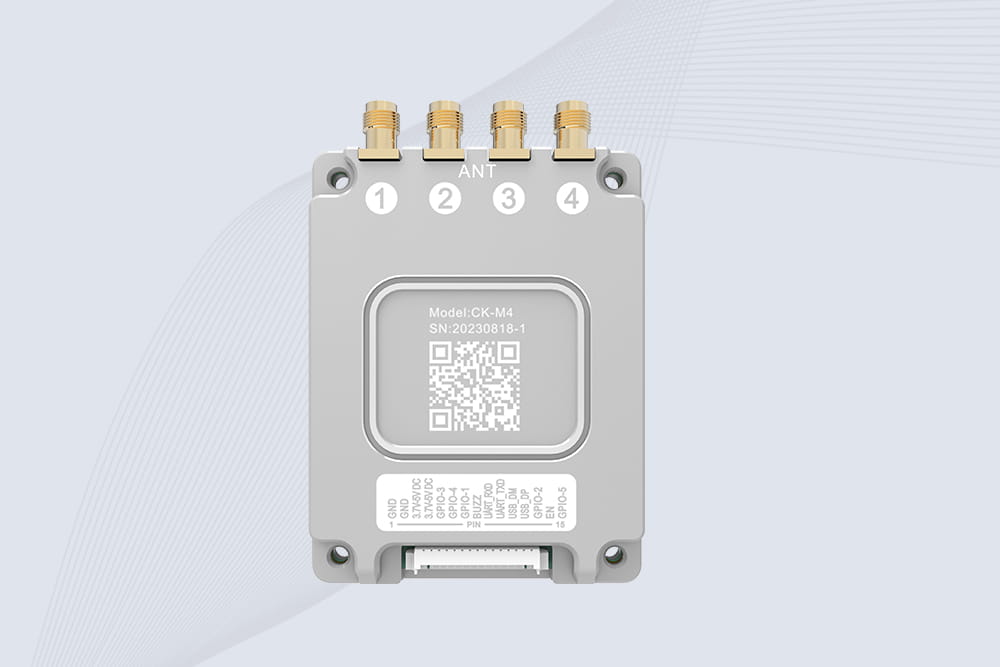
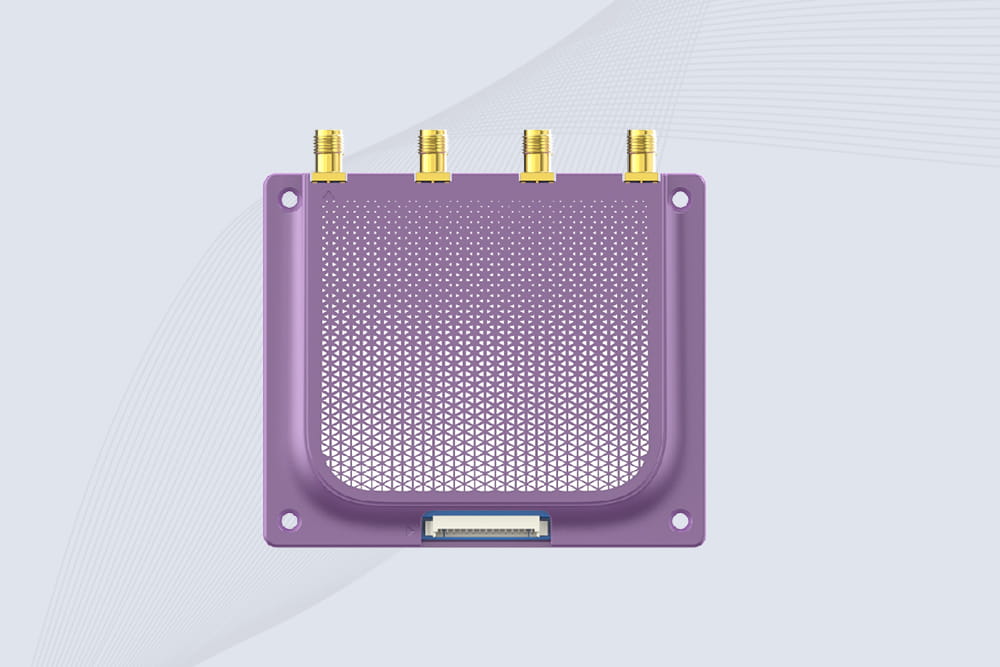
CYKEO CYKEO-M4 RC522 RFID Module is an industrial-grade UHF RFID reader with 4 ports, supporting ISO, EPC, and GB protocols. High-speed, accurate reading for IoT, automation, and warehouse applications.
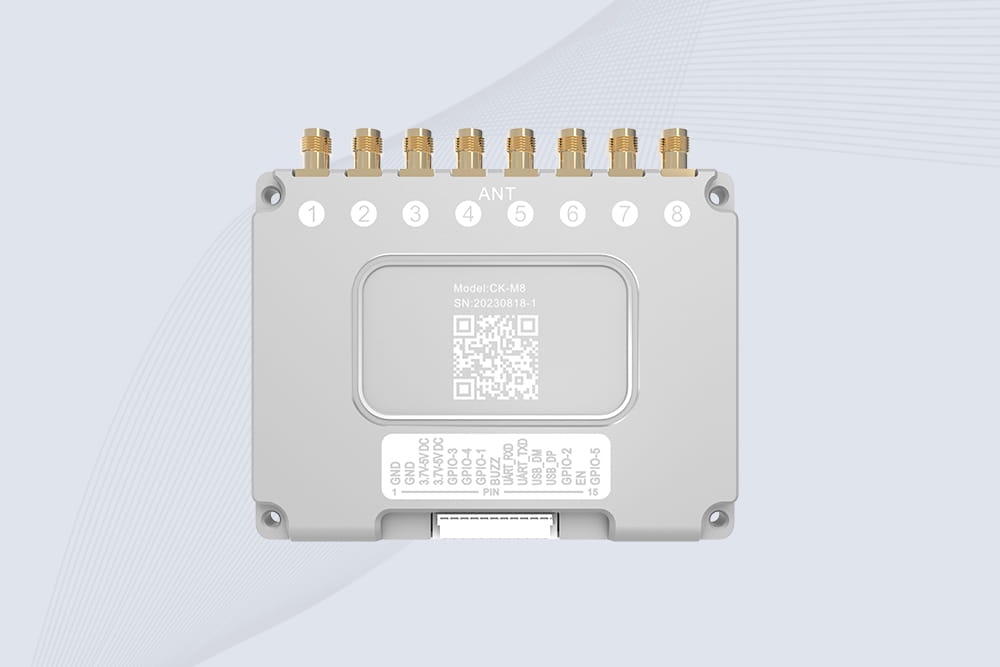
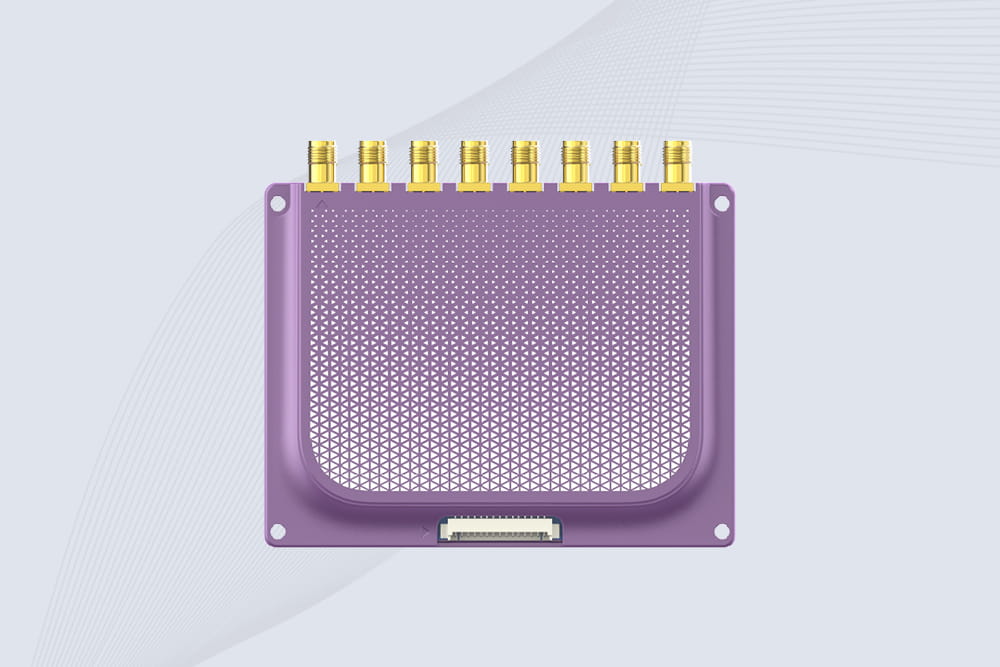
CYKEO CYKEO-M8 Module RFID is an 8-port UHF R2000 RFID Module designed for high-density, multi-tag environments. Stable 33dBm output, ISO & GB protocol support, ideal for warehouses, factories, and automated systems.
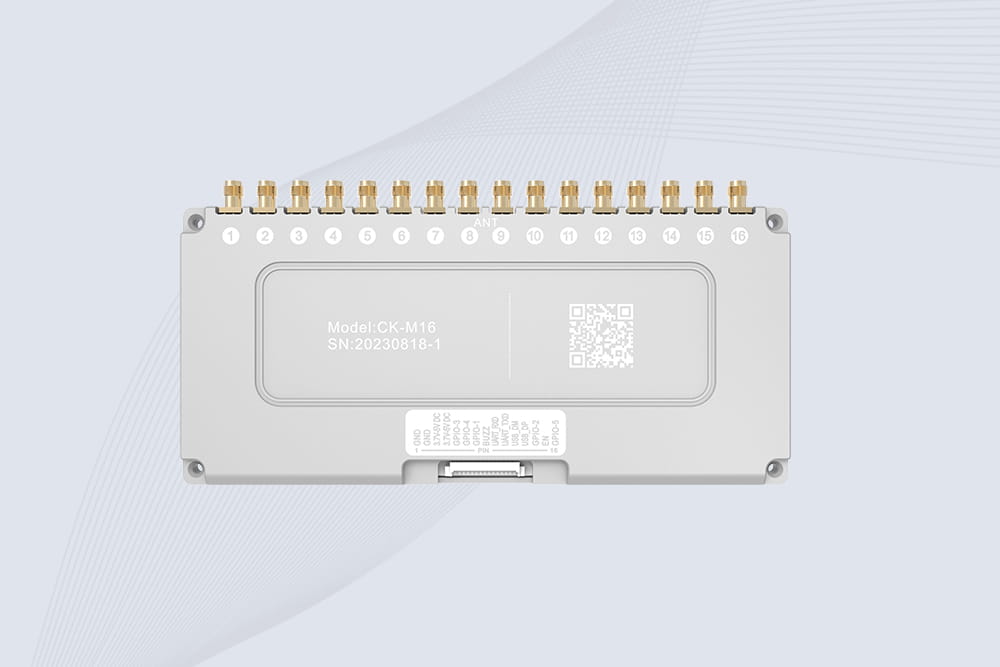
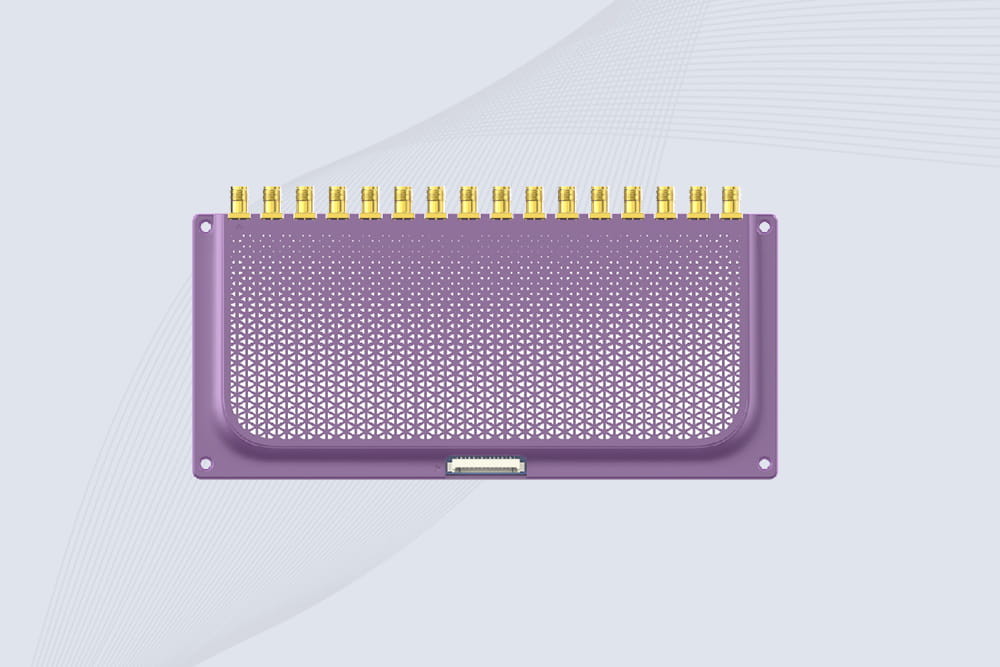
CYKEO CYKEO-M16 RFID Module is a 16-port UHF RFID reader module based on the R2000 chipset. Designed for dense tag environments, it supports ISO and GB standards and delivers stable multi-antenna control for industrial automation.
The CYKEO CYKEO-M16L RFID Reader Module is a 16-channel UHF RFID core designed for dense tag environments. With adjustable 33dBm output, multi-protocol support, and stable multi-antenna control, this RFID Tag Reader Module fits industrial automation, warehouse systems, and large-scale IoT deployments.
CYKEO CYKEO-M8L module RFID is a compact industrial UHF module built for dense tag and multi-antenna environments. With 8 RF ports, adjustable 33 dBm output, and ISO & GB protocol support, it is widely used in factories, warehouses, and automated tracking systems.
CYKEOCYKEO-M4L UHF RFID Module is a compact 4-channel RFID tag reader module designed for dense tag environments. Supporting ISO and GB protocols, it delivers stable reads up to 10 meters for industrial and IoT systems.
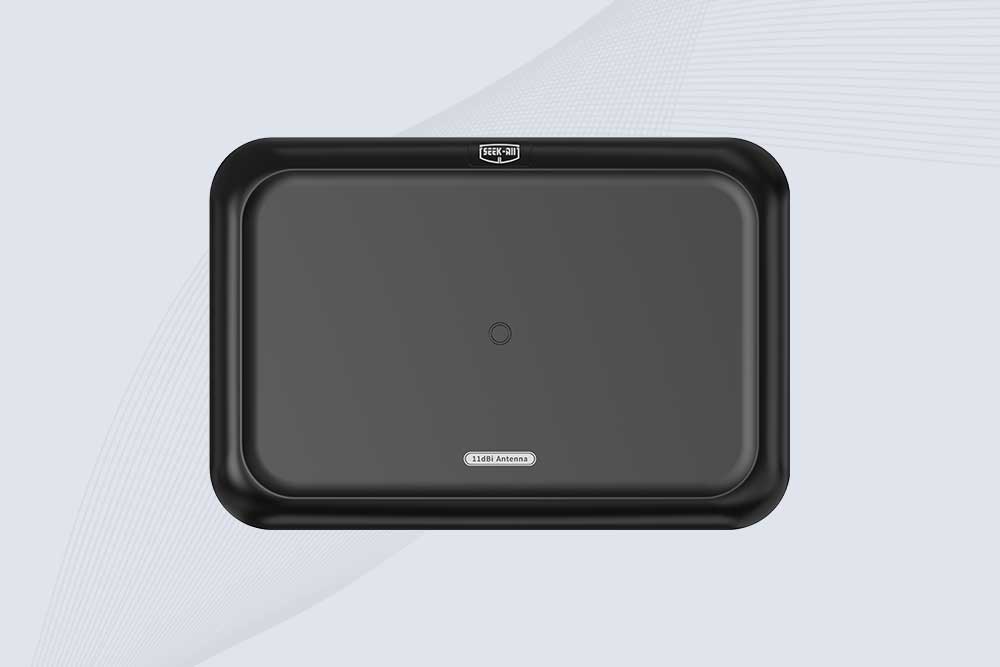
Cykeo CYKEO-A11 UHF RFID reader antenna delivers 11dBi gain, 840-960MHz frequency range, and IP65 ruggedness for retail, logistics, and industrial RFID systems. Features low VSWR and easy installation.
CYKEO Antenna RFID Reader delivers stable long-range UHF performance with a 10.5dBi directional design, built for warehouses, conveyor portals, and industrial RFID systems. This rfid reader antenna provides 20m+ read distance and rugged IP67 protection.
Cykeo CYKEO-A5B industrial Linear RFID Antenna delivers 5dBi gain, ≤1.5:1 VSWR, and IP65 rugged design for warehouse, production line, and logistics UHF systems.
Cykeo’s CYKEO-B12 Long Range RFID Antenna delivers 15m+ read range with 12dBi gain, IP65 rugged design, and global 840-960MHz UHF support. Ideal for warehouse/logistics asset tracking.
Cykeo CYKEO-B10 Long Distance RFID Antenna offers 10dBi gain, 840-960MHz frequency range, IP65 rating, and 20m+ coverage for logistics/warehousing/ETC systems. Low VSWR ensures stable signal transmission.
Cykeo CYKEO-A6 UHF RFID panel antenna features 6dBi gain, 840-960MHz broadband, IP65 metal-ready housing for logistics/smart retail. 18mm ultra-thin design with tool-free mounting.
Cykeo CK-A3 industrial antenna RFID UHF offers 5m+ tag detection, ≤1.3:1 VSWR, IP65 rugged design, and global UHF spectrum compatibility (840-960MHz) for warehouses, factories, and retail.
Cykeo CYKEO-B5 directional RFID antenna provides 5dBi gain with 60° narrow beamwidth for precise inventory tracking. IP65-rated, global UHF frequency support, and low VSWR.
Create your own high-performance DIY RFID antenna! 5dBi gain, 840-960MHz tunable, step-by-step guides. Compatible with Arduino, Raspberry Pi, and commercial UHF readers.
Cykeo CYKEO-A7 Flexible RFID Antenna features 840-960MHz wideband tuning, 7dBi gain, and IP68 rating for medical/retail/industrial curved surface deployments. 98% read accuracy with peel-and-stick installation.
Cykeo CYKEO-B5A industrial Passive RFID Antenna delivers 5dBi gain, 70° beamwidth, and -40°C~55°C operation for warehouses/smart cabinets. Compatible with Zebra/Impinj readers.
Cykeo’s CYKEO-A9B High Gain RFID Antenna delivers 15m+ read range with 9dBi amplification. Features IP54 rugged design, 840-960MHz bandwidth, and 80° beamwidth for warehouse/manufacturing RFID systems.
Cykeo’s enterprise-grade 8dbi Impinj RFID Antenna 10m+ read range with 840-960MHz tuning. Features IP65 housing, 1.4 VSWR, 35° beamwidth for retail/warehouse RFID systems.
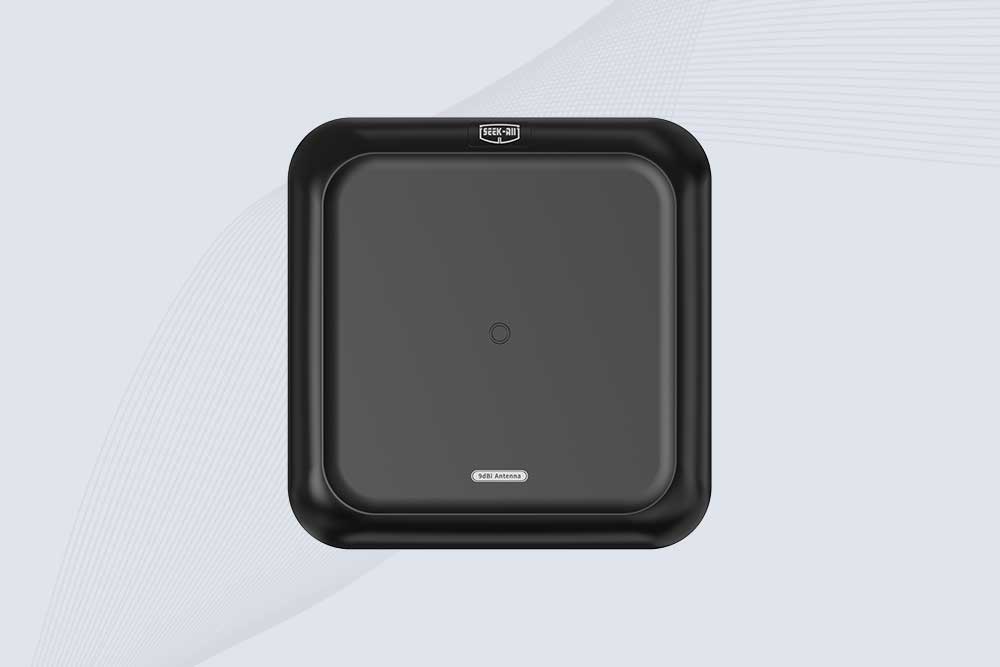
Cykeo CYKEO-A9 industrial UHF RFID antenna delivers 9dBi gain, 840-960MHz frequency range, and IP65 protection for warehouse/logistics/retail RFID systems. Features N-type connector and ≤1.3:1 VSWR.
CYKEO UHF RFID Antenna built for long-distance and industrial applications. This antenna rfid uhf delivers strong gain, outdoor durability, and reliable tag performance in warehouses, yards, and vehicle ID systems.
CYKEO Antenna RFID delivers reliable long-range UHF performance in warehouses, retail shelves, and cold-chain environments. This compact uhf rfid antenna provides stable reads with circular polarization and ultra-wide 840–960 MHz support, ideal for industrial tracking, smart shelves, and asset monitoring.
Cykeo’s CYKEO-C8 UHF RFID antennas delivers 8dBi gain, 840-960MHz full-band coverage, and IP65 ruggedness for manufacturing/warehouse RFID systems. Industrial RFID Antennas Features
Cykeo’s 8dBi UHF RFID antenna and reader kit delivers 10m+ range, 840-960MHz broadband, and IP65 ruggedness for factories, warehouses, and logistics. ISO 18000-6C & EPC Gen2 certified.
Cykeo’s CYKEO-A12C UHF Large RFID Antenna delivers 12dBi gain, 840-960MHz global frequency, IP65 ruggedness for logistics/warehousing/automotive. 40° beamwidth ensures stable 15m+ tag reads.
CYKEO Near Field RFID Antenna provides precise 5–30 cm reading for shelves, cabinets, and workstations. This compact rfid shelf antenna delivers stable short-range performance around metal and clutter, ideal for pharmacies, libraries, and electronics sorting.
Cykeo CYKEO-C1 industrial Forklift RFID Reader features 20m read range, 600 tags/sec scanning, Impinj R2000 chipset, and IP67 rugged design. Ideal for warehouse logistics and manufacturing. Supports ISO 18000-6C/6B protocols.
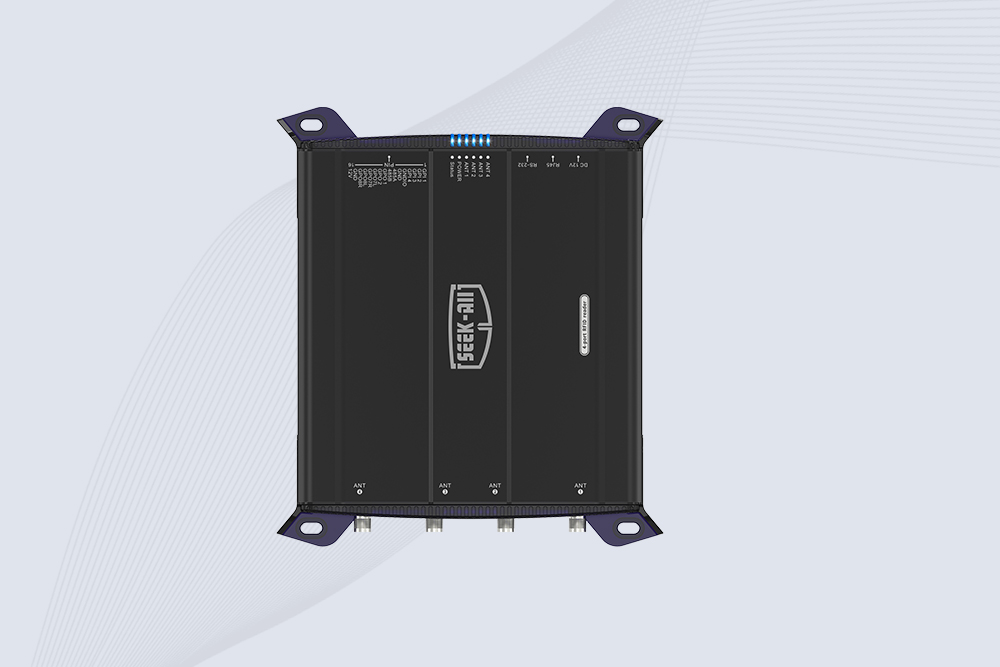
Cykeo CYKEO-R4 industrial UHF RFID Fixed Reader features 4 TNC ports, 400+ tags/sec speed, IP67 housing, and global frequency compliance for vehicle inspection, smart warehouse, and asset management systems.
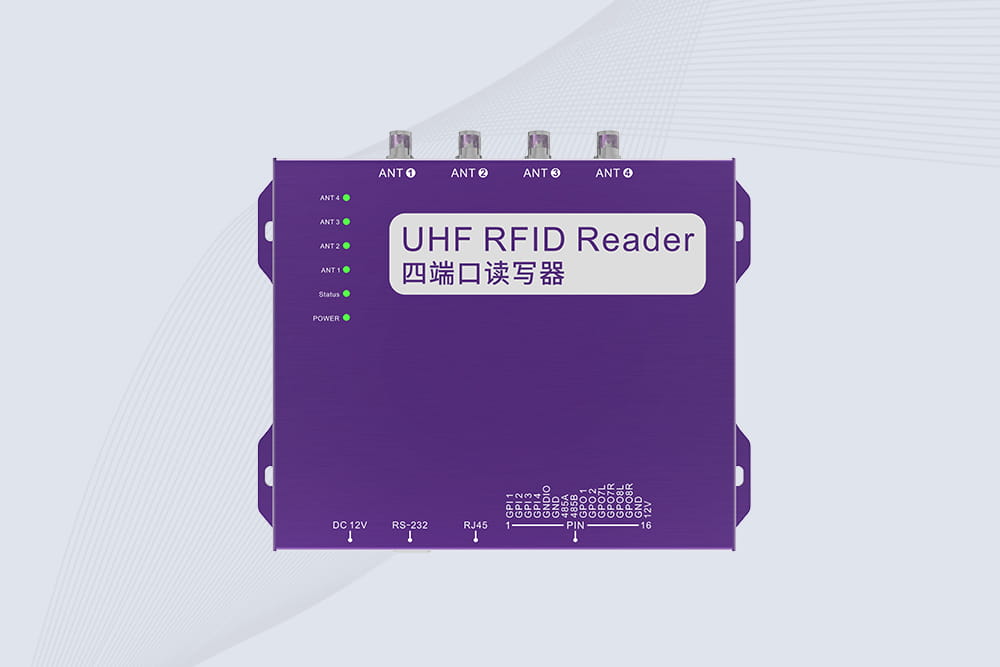
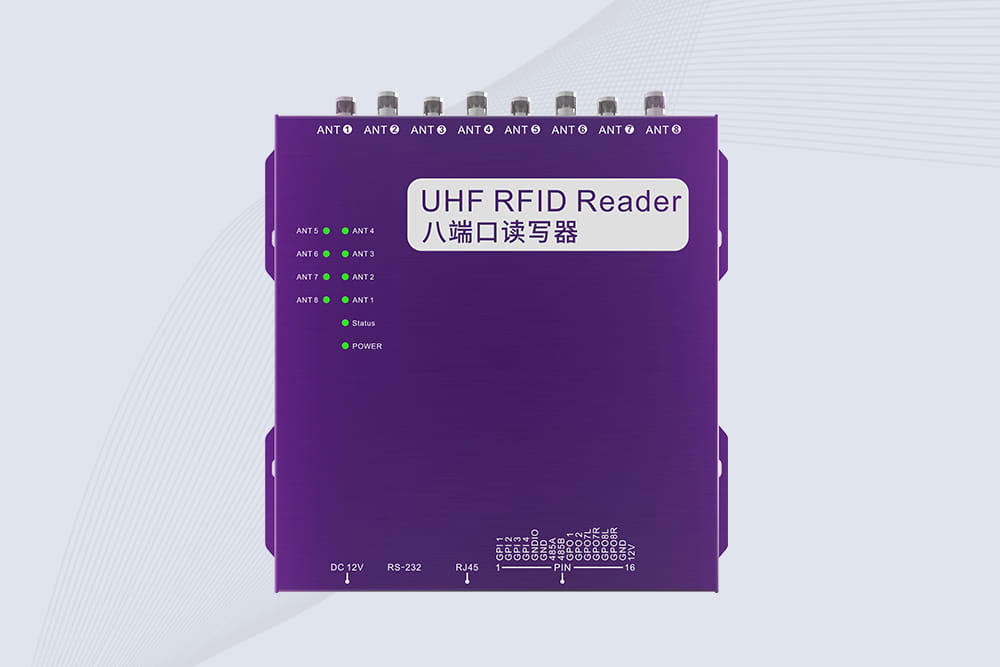
CYKEO CYKEO-R8L Fixed RFID Reader with 8-port UHF design, Impinj-based RF core and up to 20m read range. An industrial Fixed RFID Reader for vehicle inspection, warehouse portals, smart manufacturing lines and secure access checkpoints.
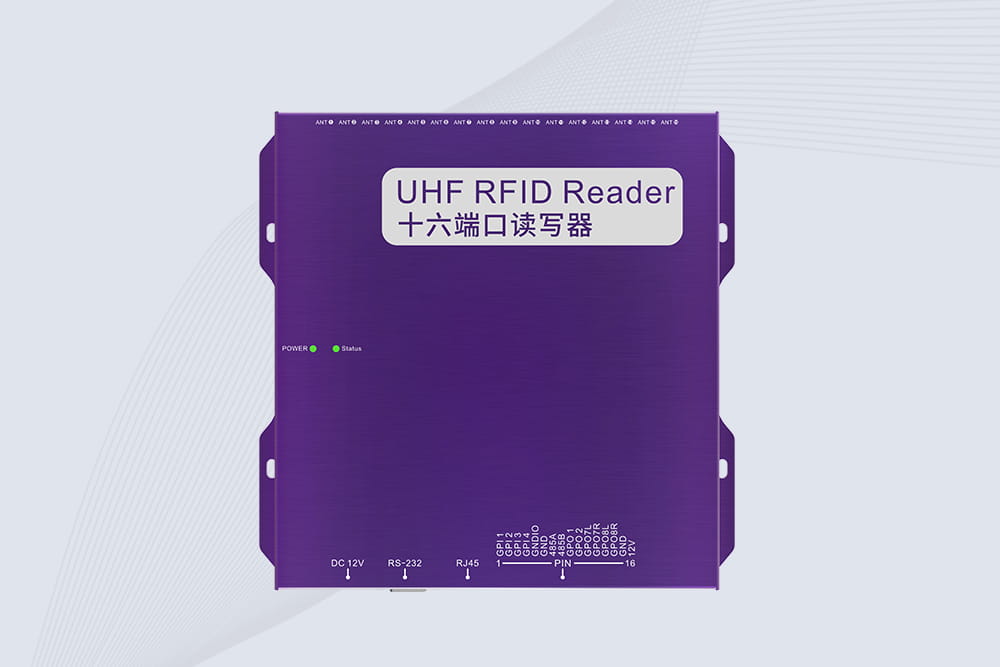
RFID Fixed Reader from CYKEO – the CYKEO-R16L 16-port UHF fixed reader for warehouses, smart cabinets, and production lines. Long-range, multi-tag reading, stable performance for 24/7 industrial use.
Discover how long range RFID scanners are used in logistics for pallet tracking, shipment verification, warehouse automation, and vehicle management. Practic...
Looking for a UHF RFID reader for warehouse automation or asset tracking? This guide shares practical selection tips, deployment insights, and wholesale considerations for system integrators and distributors.
Discover how a handheld rfid writer enables fast, accurate tag encoding in real-world operations. Improve tracking efficiency with Cykeo’s proven RFID solutions.
Discover what RFID readers are, how they function, different types available, and where they're used. Learn key selection tips for your business needs.
 Cykeo RFID IoT Solution Products R&D Manufacturer