 Cykeo RFID IoT Solution Products R&D Manufacturer

how to read a rfid chip
36RFID chip reading requires a compatible RFID reader, correct frequency, suitable environment, and software processing to convert wireless signals into useful...
MoreAll RFID Product
Every few months, someone asks almost the same question:
“Which UHF RFID reader has the longest range?”
It’s understandable. Reading distance is easy to compare on a datasheet. But after seeing different warehouse projects over the years, I’m not convinced it’s the first thing people should focus on.
In fact, a reader that reaches too far can sometimes create more problems than it solves.
A supplier might demonstrate impressive performance in an open area with perfectly placed tags.
Then the equipment arrives at a customer’s warehouse.
Now there are steel shelves, wrapped pallets, forklifts moving around, and workers placing products wherever they fit. Suddenly the same reader behaves differently.
That’s not unusual. It’s simply the reality of radio frequency technology.
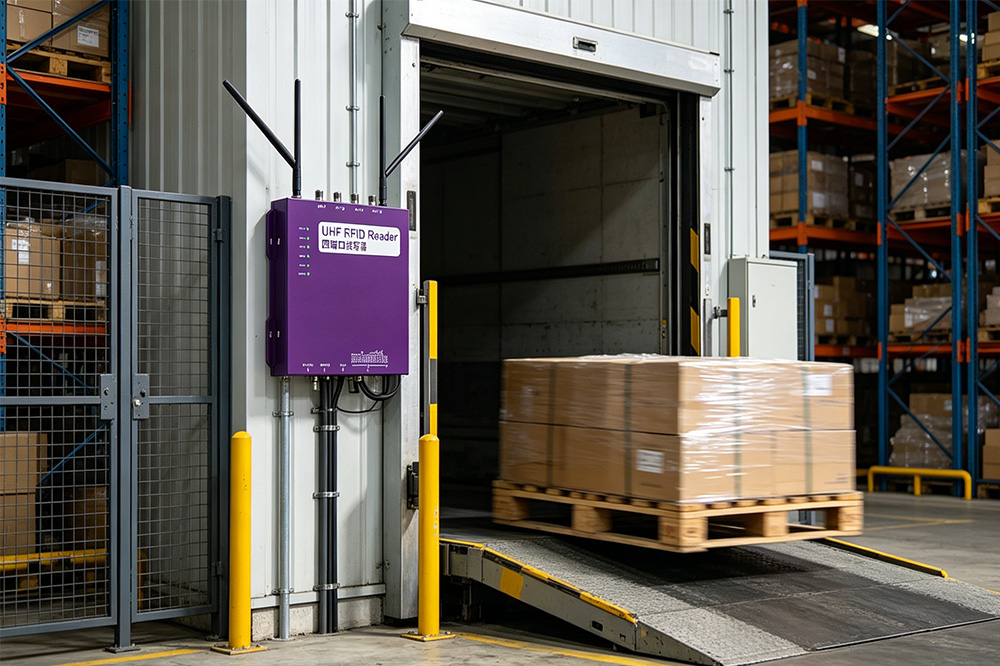
One logistics company I visited spent weeks comparing reader specifications but almost no time discussing where data would actually be collected.
Eventually they realized they only needed RFID checkpoints at two loading doors instead of every aisle.
The project became simpler and less expensive.
Before selecting hardware, it often helps to answer questions like:
Those answers usually influence reader selection more than maximum advertised range.
For warehouse automation, fixed UHF RFID readers remain the preferred option.
Typical applications include:
Companies looking for industrial-grade reader options can review available models here:rfid reader
Different projects require different configurations, so choosing based on deployment requirements usually works better than chasing the highest specification.
This might sound surprising, but I’ve seen projects replace perfectly good readers when the actual issue was antenna placement.
Moving an antenna by just a few centimeters or adjusting its angle changed read consistency dramatically.
Readers matter.
Antennas matter too.
But installation often matters just as much.
Hardware purchasing is only half of the project.
The reader still needs to communicate with business systems.
Many integrators ask about:
These topics rarely appear in marketing brochures, yet they often determine how quickly a deployment succeeds.
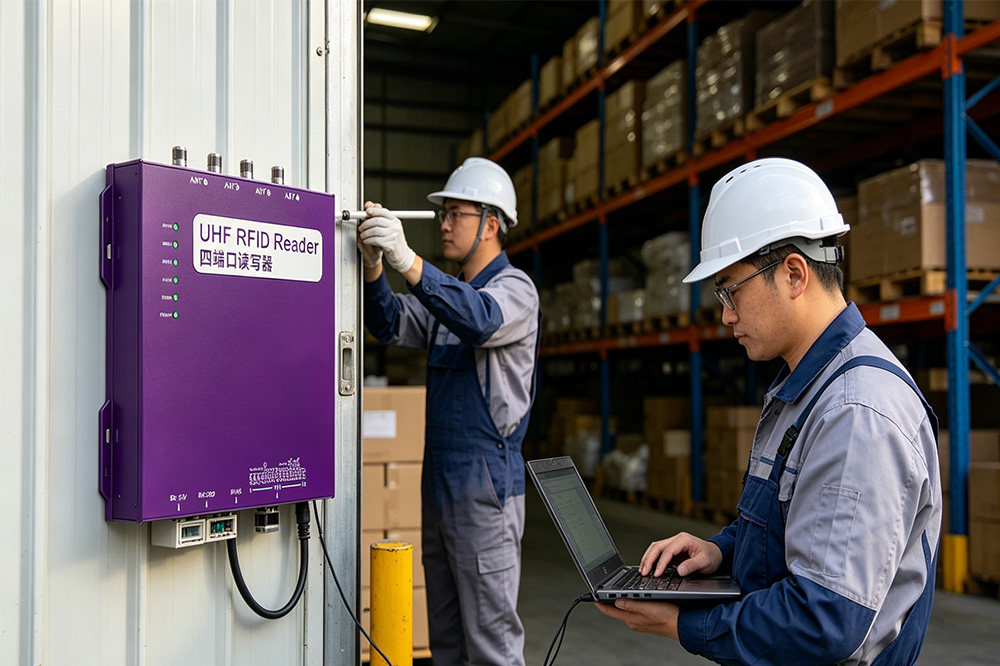
Distributors and system integrators often evaluate products differently from end users.
Price is important, certainly.
But so are:
These details become increasingly valuable when ordering dozens or hundreds of units instead of a single sample.
There’s an interesting misconception in RFID projects.
People often assume that detecting every nearby tag is the goal.
Sometimes it isn’t.
Imagine two loading bays positioned close together.
If one reader captures tags from both doors simultaneously, inventory records become confusing very quickly.
Controlled reading zones often produce cleaner operational data than maximum sensitivity.
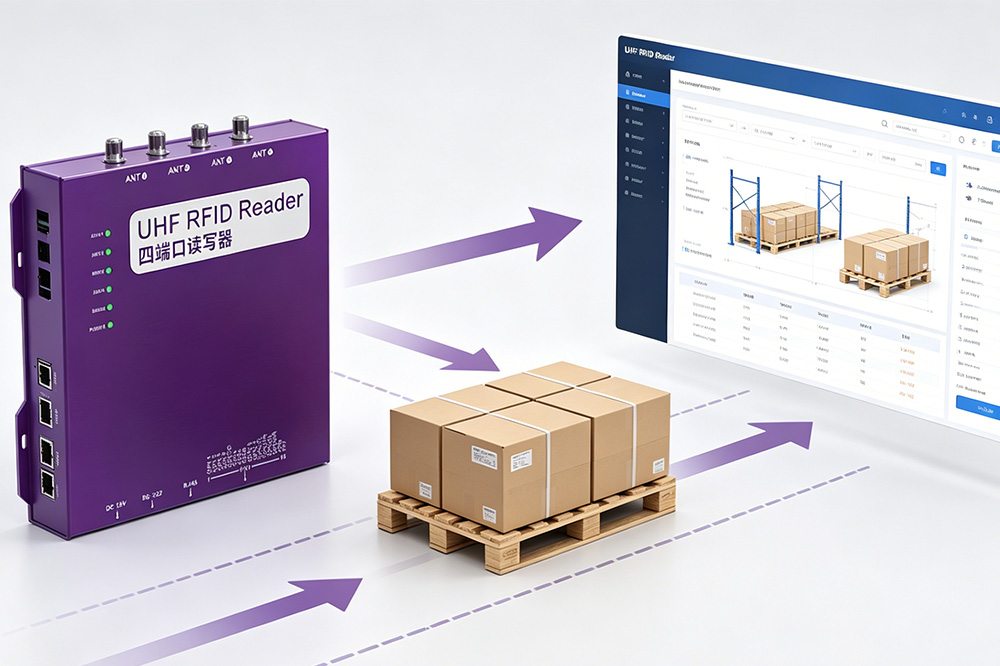
Whenever possible, test readers in the actual environment before purchasing at scale.
Use real shelves.
Use real packaging.
Use the same forklifts and workflow the warehouse operates every day.
The difference between laboratory performance and production performance can be larger than expected.
And catching those differences early is usually much cheaper than redesigning the system after installation.
Buying UHF RFID reader isn’t really about buying a box with antennas.
It’s about choosing a reliable data collection point that fits the way people actually move through a warehouse.
When that match is right, the technology tends to disappear into the background—and that’s often the best outcome for everyone involved.
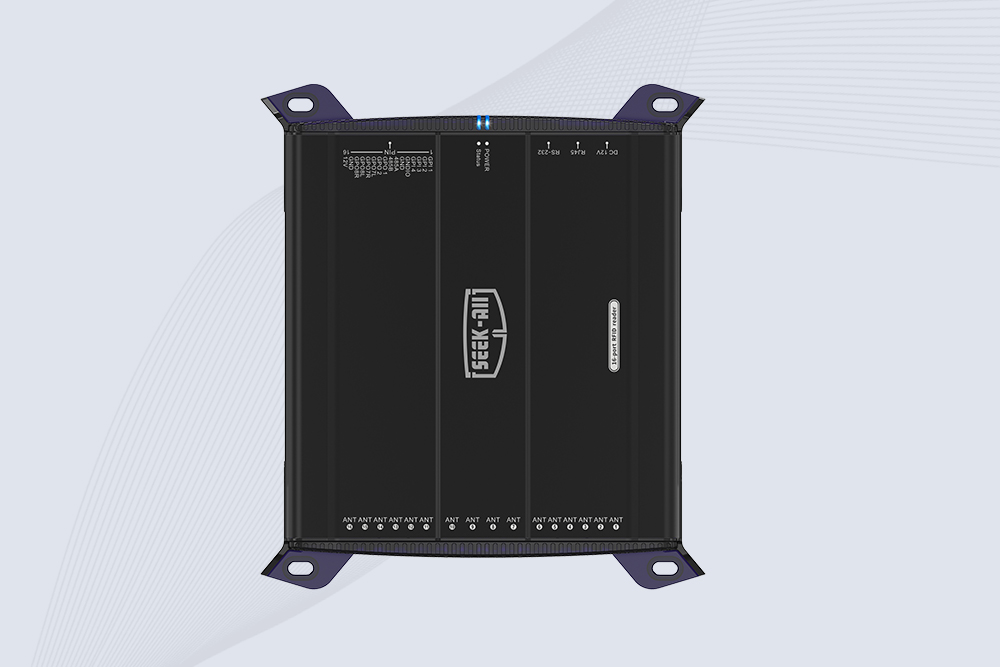
SSD-R16L Multi-Channel RFID Infrastructure for Automated Inventory Management ✔️ 16-Port High-Density RFID Reading Equipped with 16 SMA antenna ports, SSD-R16L supports multi-antenna deployment for warehouses, retail stores, logistics, production lines, and large-area RFID identification. ✔️ High-Speed & Long-Range Performance With up to 33…
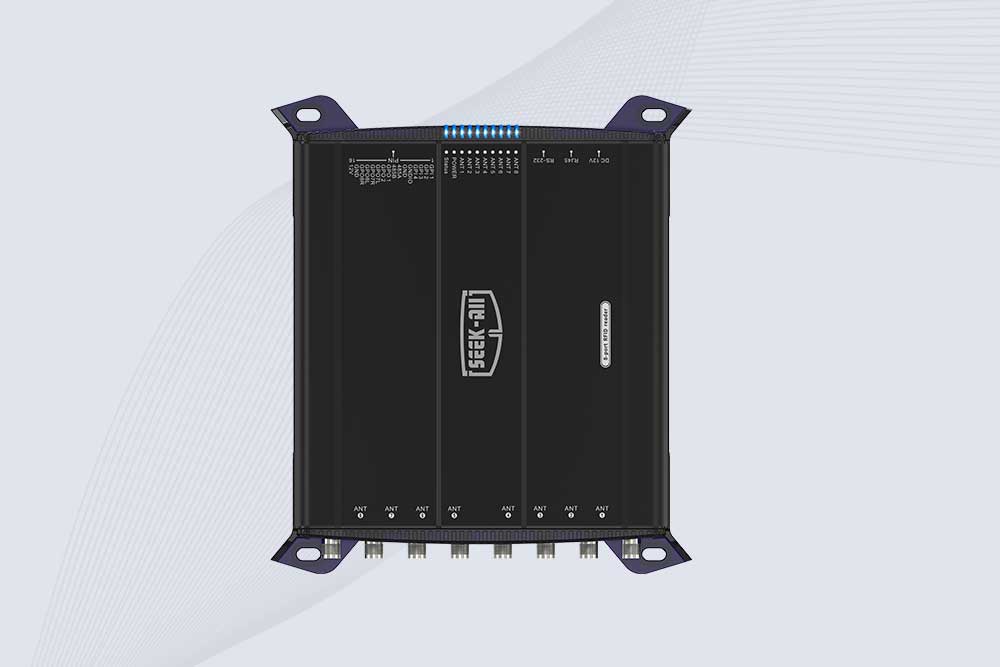
SSD-R8L 8-port UHF RFID reader with 33dBm output, up to 20m reading range and 600+ tags/s recognition. Ideal for warehouse, logistics, retail and asset tracking.
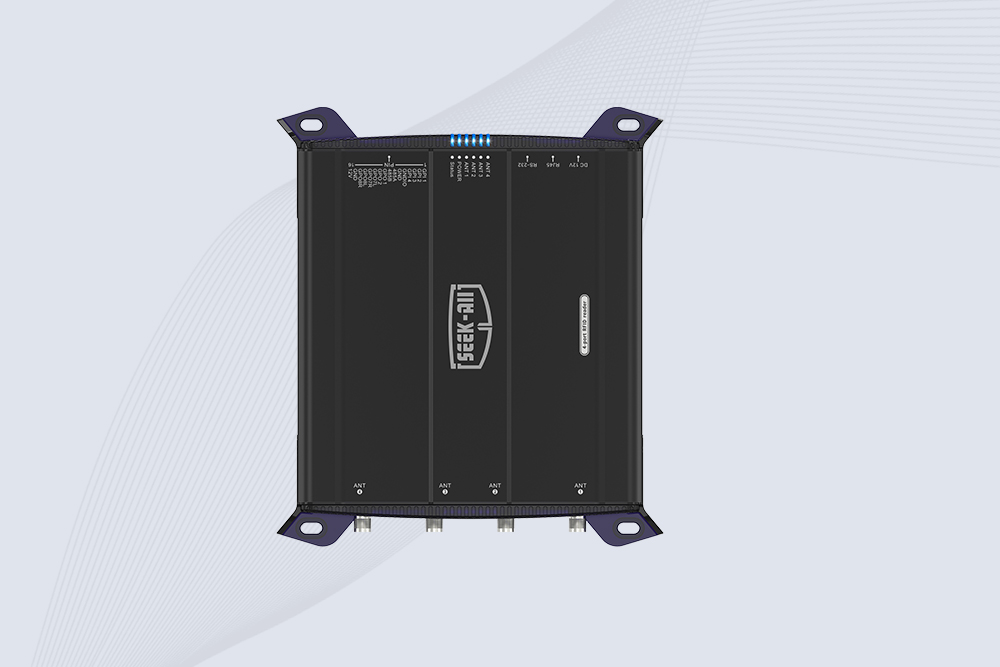
SSD-R4L is a 4-port UHF RFID fixed reader with 33dBm output power, up to 20m reading range, EPC C1G2 support and 600+ tags/s reading speed.
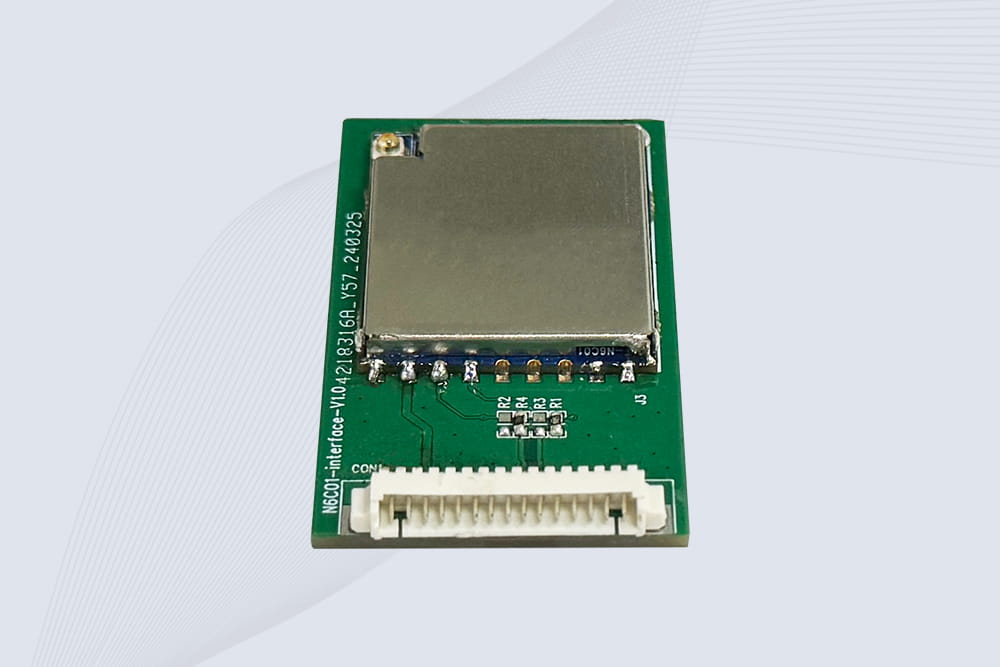
CYKEO Embedded RFID Modules are designed for compact industrial and IoT devices that require stable UHF performance. These UHF RFID Modules support global protocols, flexible power control, and reliable multi-tag reading for smart cabinets, production lines, and asset tracking systems.
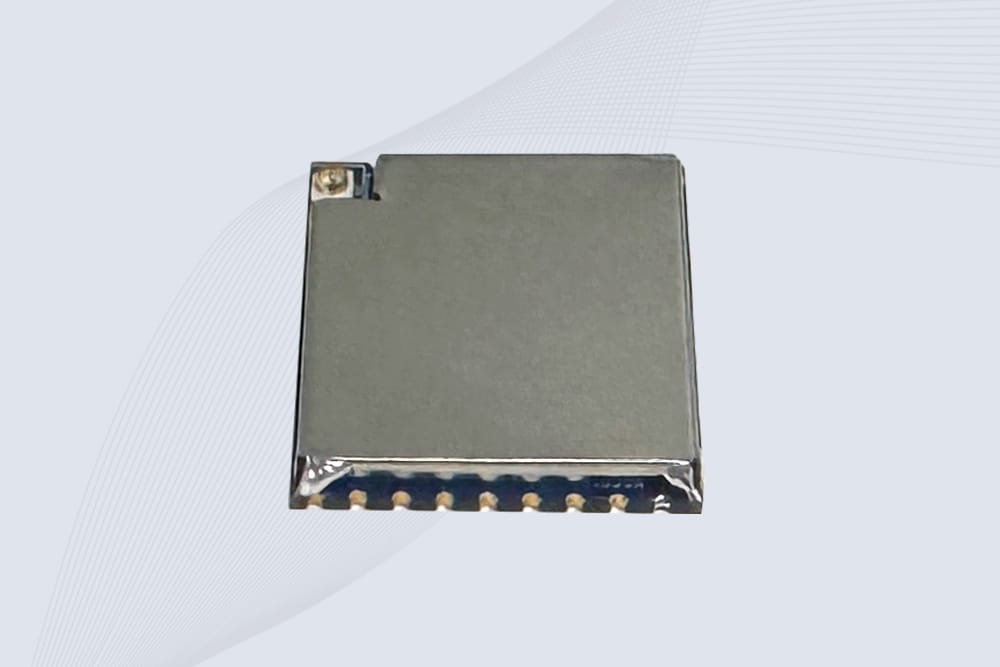
CYKEO Embedded RFID Module is built for compact IoT and industrial devices that need stable UHF performance. This UHF module supports global protocols, low power operation, and reliable multi-tag reading for smart lockers, production lines, and always-on RFID systems.
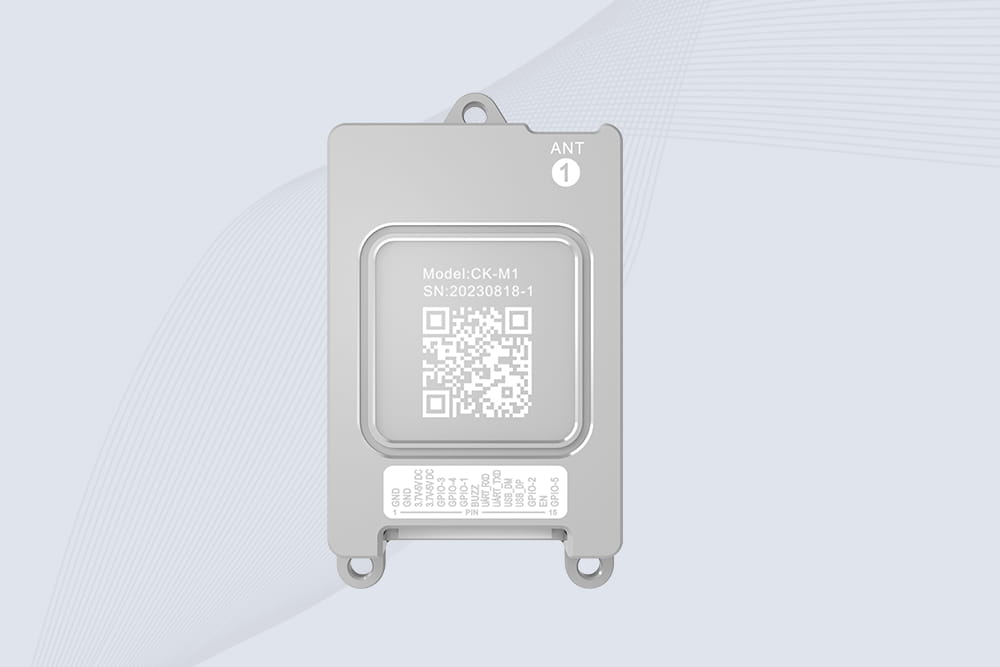
CYKEO CYKEO-M1 drone rfid module is a compact UHF RFID reader module designed for drones and UAV platforms. It supports long-range aerial scanning, fast multi-tag reading, and stable performance in wind, vibration, and outdoor environments.
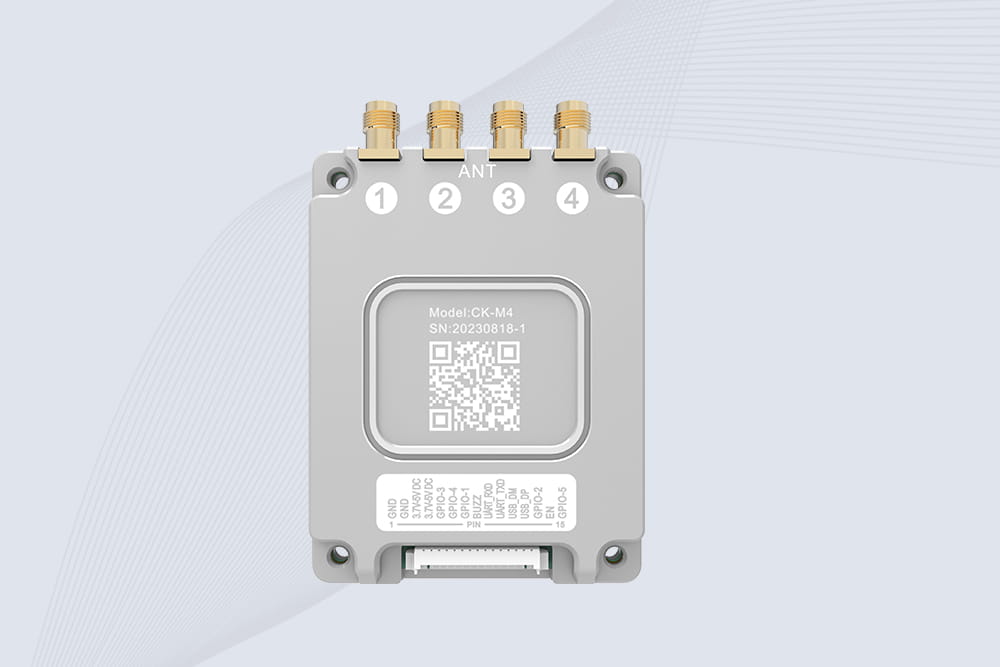
CYKEO CYKEO-M4 RC522 RFID Module is an industrial-grade UHF RFID reader with 4 ports, supporting ISO, EPC, and GB protocols. High-speed, accurate reading for IoT, automation, and warehouse applications.
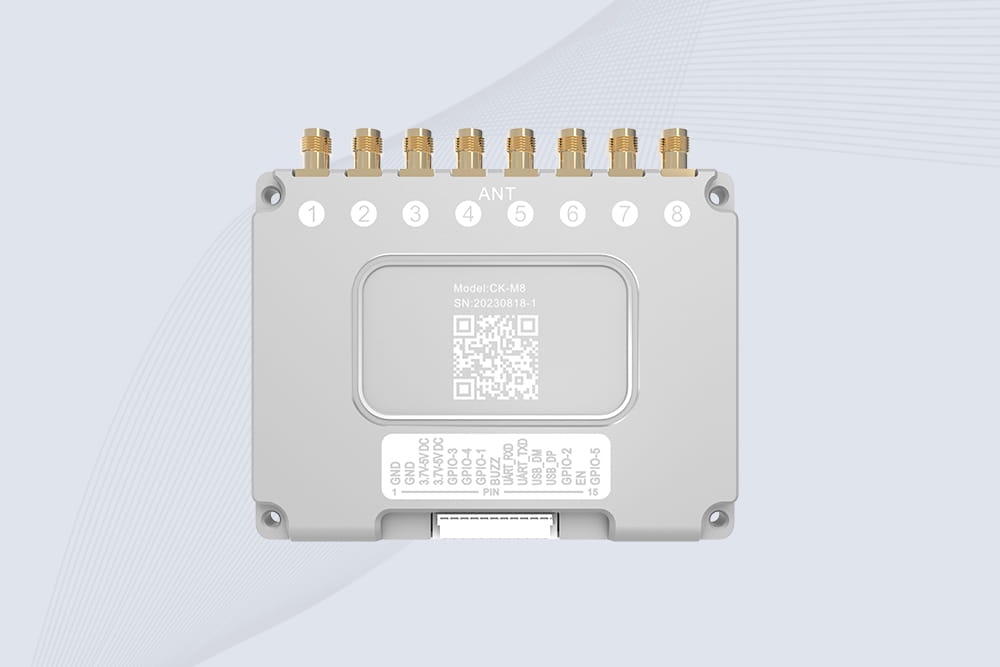
CYKEO CYKEO-M8 Module RFID is an 8-port UHF R2000 RFID Module designed for high-density, multi-tag environments. Stable 33dBm output, ISO & GB protocol support, ideal for warehouses, factories, and automated systems.
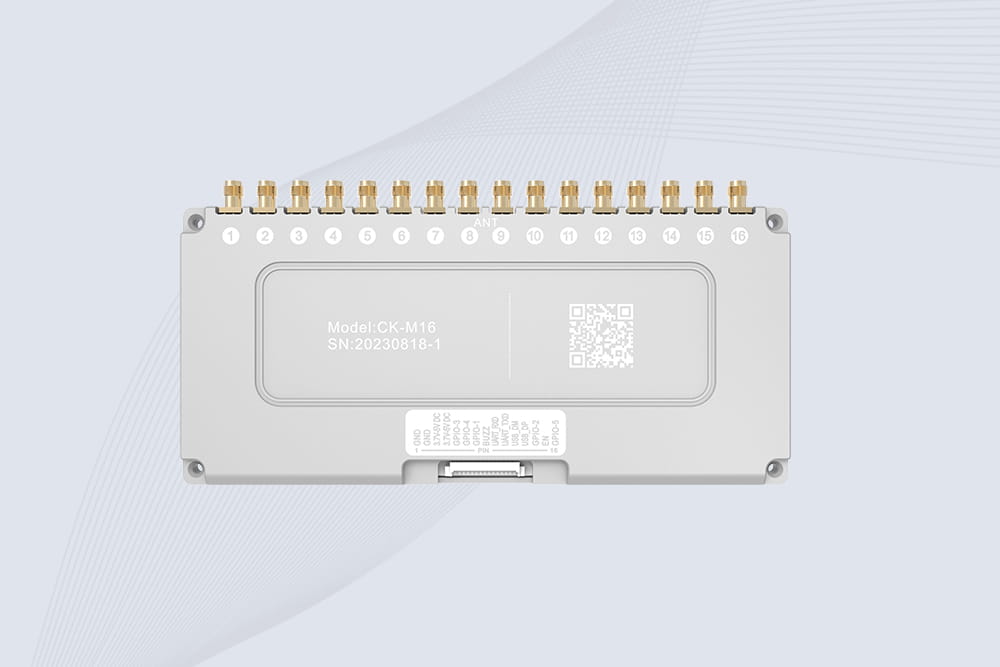
CYKEO CYKEO-M16 RFID Module is a 16-port UHF RFID reader module based on the R2000 chipset. Designed for dense tag environments, it supports ISO and GB standards and delivers stable multi-antenna control for industrial automation.
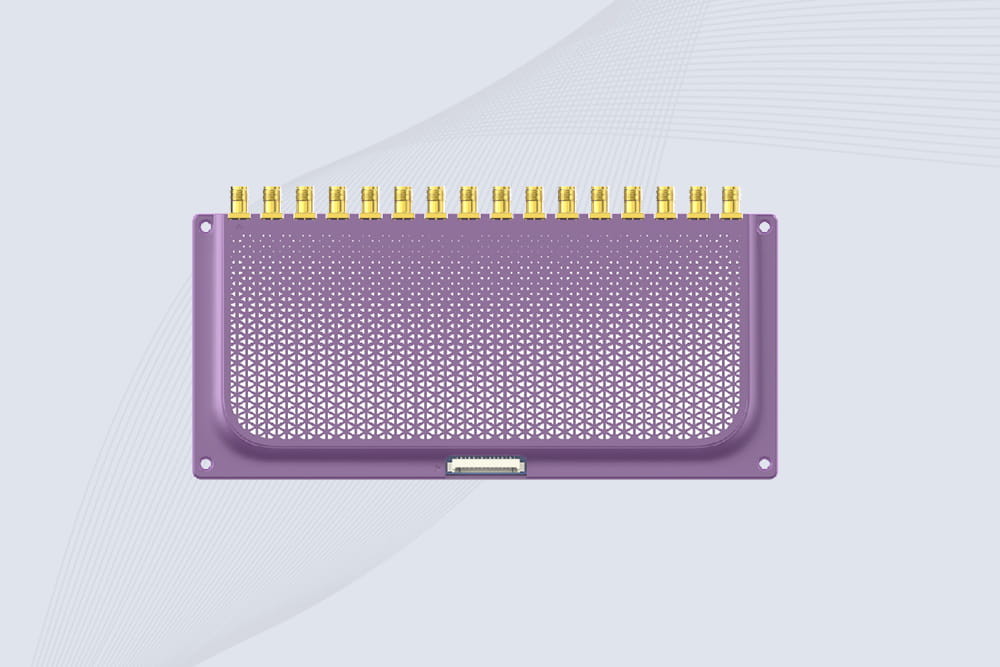
The CYKEO CYKEO-M16L RFID Reader Module is a 16-channel UHF RFID core designed for dense tag environments. With adjustable 33dBm output, multi-protocol support, and stable multi-antenna control, this RFID Tag Reader Module fits industrial automation, warehouse systems, and large-scale IoT deployments.
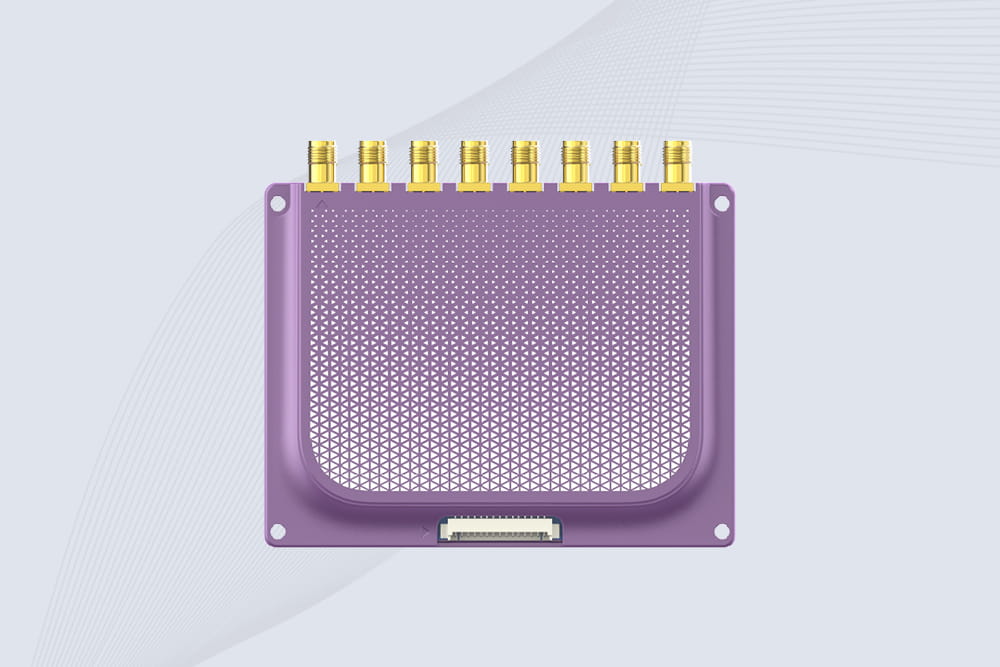
CYKEO CYKEO-M8L module RFID is a compact industrial UHF module built for dense tag and multi-antenna environments. With 8 RF ports, adjustable 33 dBm output, and ISO & GB protocol support, it is widely used in factories, warehouses, and automated tracking systems.
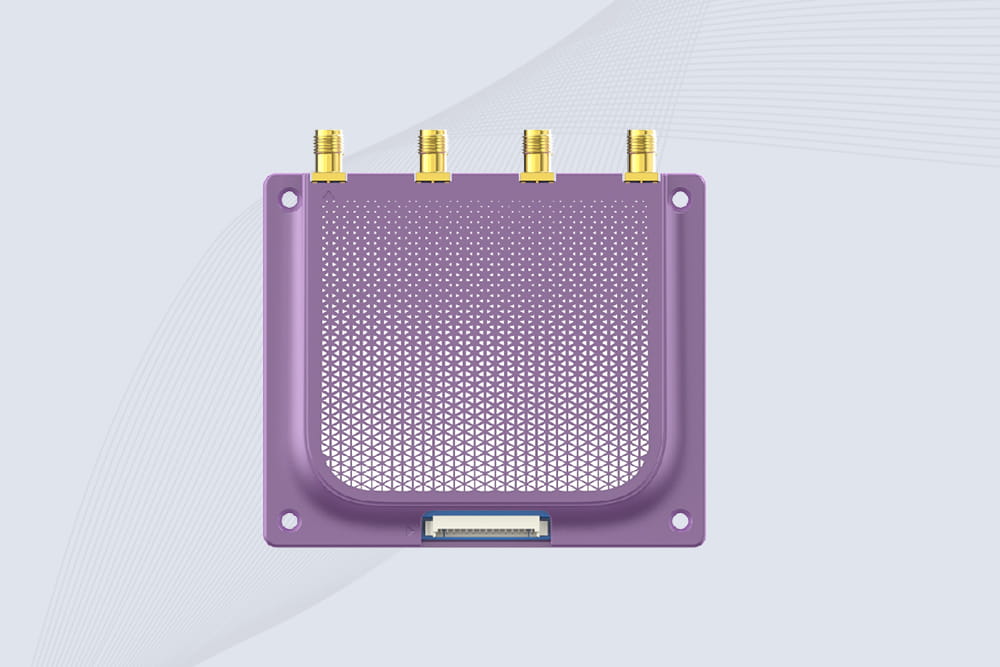
CYKEOCYKEO-M4L UHF RFID Module is a compact 4-channel RFID tag reader module designed for dense tag environments. Supporting ISO and GB protocols, it delivers stable reads up to 10 meters for industrial and IoT systems.
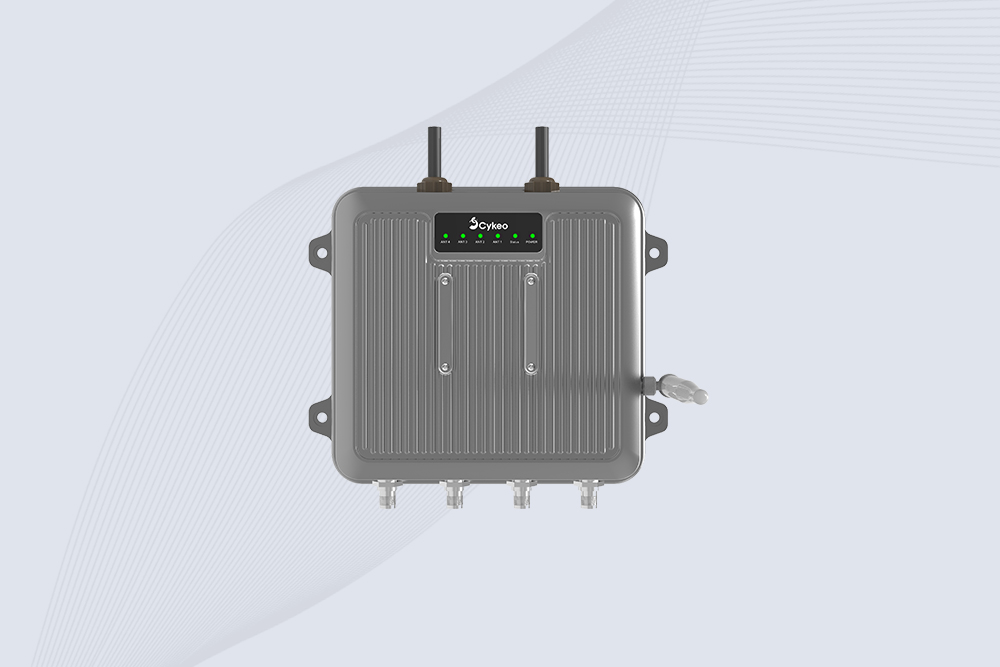
Cykeo CYKEO-C1 industrial Forklift RFID Reader features 20m read range, 600 tags/sec scanning, Impinj R2000 chipset, and IP67 rugged design. Ideal for warehouse logistics and manufacturing. Supports ISO 18000-6C/6B protocols.
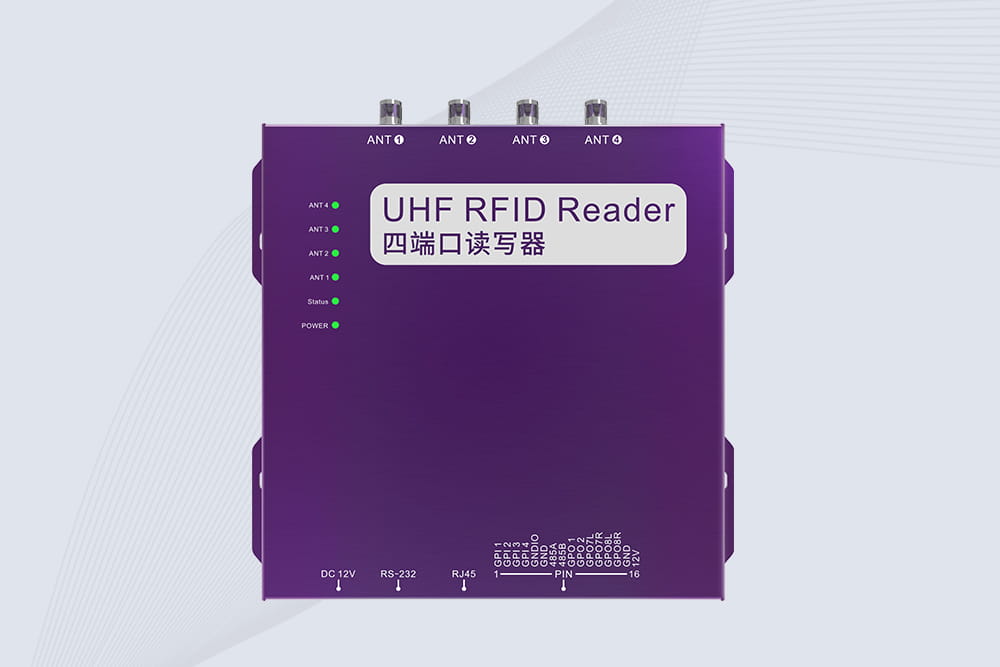
Cykeo CYKEO-R4 industrial UHF RFID Fixed Reader features 4 TNC ports, 400+ tags/sec speed, IP67 housing, and global frequency compliance for vehicle inspection, smart warehouse, and asset management systems.
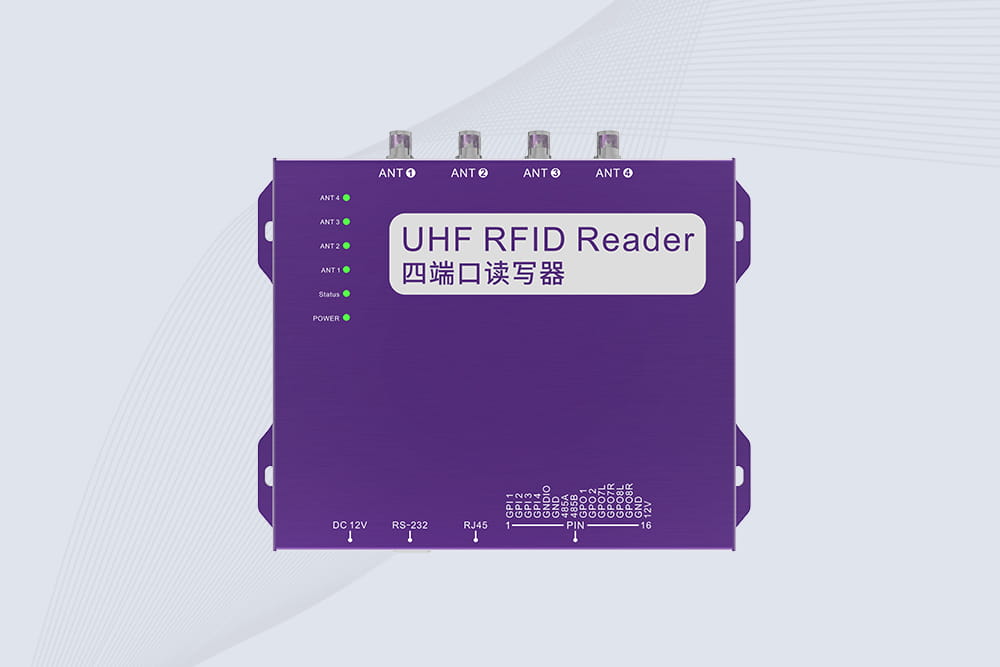
Cykeo’s CYKEO-R4L 4-port Fixed UHF RFID Reader delivers 400 tags/sec scanning, ISO 18000-6C compliance, and IP65 protection. Ideal for warehouse automation, manufacturing WIP tracking, and logistics management.
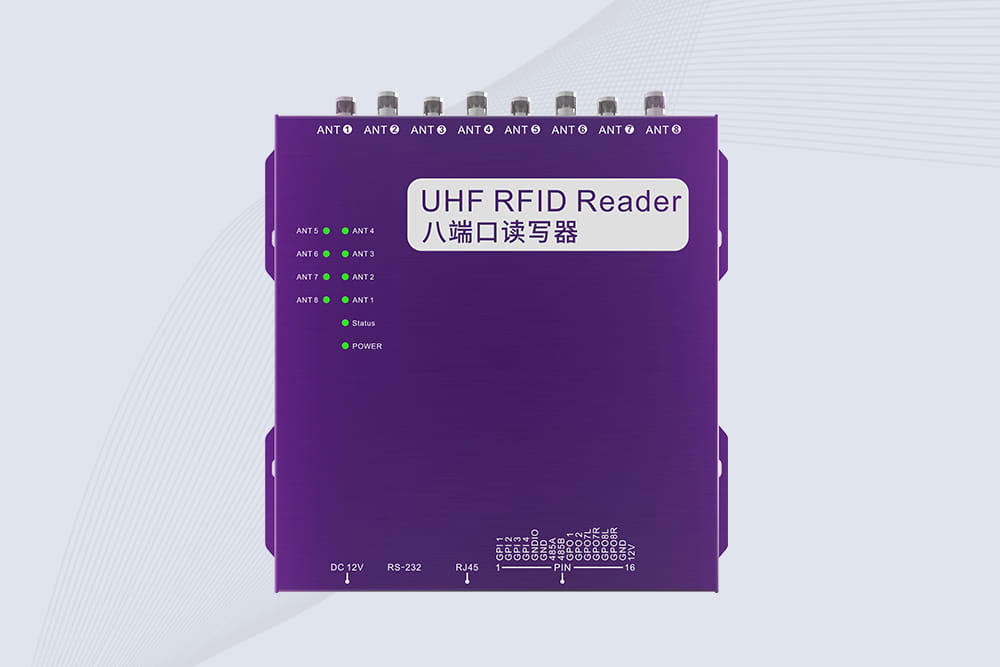
CYKEO CYKEO-R8L Fixed RFID Reader with 8-port UHF design, Impinj-based RF core and up to 20m read range. An industrial Fixed RFID Reader for vehicle inspection, warehouse portals, smart manufacturing lines and secure access checkpoints.
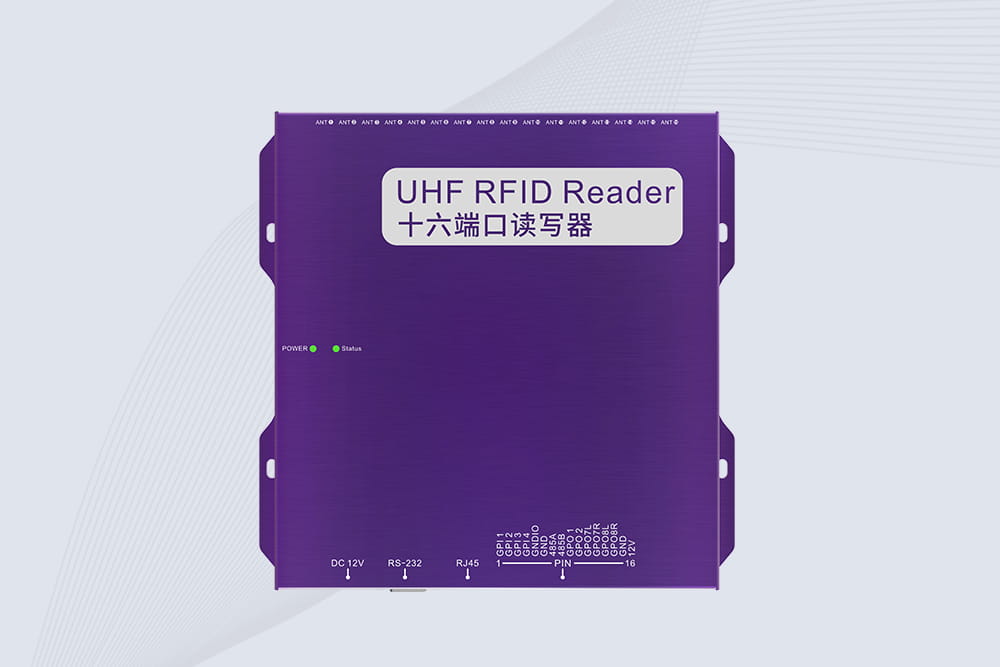
RFID Fixed Reader from CYKEO – the CYKEO-R16L 16-port UHF fixed reader for warehouses, smart cabinets, and production lines. Long-range, multi-tag reading, stable performance for 24/7 industrial use.
RFID Industry Writer | IoT & Asset Tracking Analyst
James writes about RFID technology, asset tracking, and the practical challenges of digital transformation across warehousing, retail, manufacturing, and logistics.
His work focuses on how RFID is applied in real-world operations—improving inventory visibility, automating workflows, and helping businesses manage assets with greater accuracy and efficiency.
He regularly covers topics including UHF RFID, smart cabinets, RFID portals, tool tracking, warehouse automation, and industrial IoT trends..

RFID chip reading requires a compatible RFID reader, correct frequency, suitable environment, and software processing to convert wireless signals into useful...
More
Protect your fixed RFID readers from cyber threats with Cykeo’s expert strategies. Learn encryption, network hardening, and compliance practices to safeguard sensitive data.
More
Can RFID track location? Learn how RFID location tracking works, including UHF RFID, asset monitoring, and Cykeo solutions for smart tracking systems.
More
A long range RFID scanner for logistics helps identify tagged pallets, containers, cartons, and other assets as they move through warehouses, loading docks, ...
More