A few years ago, I visited a manufacturing plant that had invested a considerable amount of money in RFID.
The software looked impressive. The dashboards were colorful. Every tool and piece of equipment had a tag attached.
Yet the staff still walked around asking one another, “Has anyone seen the calibration kit?”
That experience stayed with me.
Technology wasn’t the problem. The system simply wasn’t collecting reliable data.
Asset Tracking Is Really About Confidence
People often describe RFID as a way to locate assets, but I think that’s only half the story.
The real value comes from confidence.
When an engineer opens the management platform and sees that a machine, laptop, or testing instrument was detected five minutes ago in a certain area, they stop wasting time searching.
That confidence depends heavily on the quality and positioning of the UHF RFID reader.
Bigger Coverage Isn’t Automatically Better
It’s tempting to buy the reader with the longest advertised range.
Sometimes that’s exactly the wrong decision.
Imagine two storage areas separated by only a few meters.
If one reader captures tags from both zones at the same time, the software receives conflicting information. Instead of improving visibility, you’ve introduced uncertainty.
For many projects, defining controlled reading zones is far more useful than maximizing distance.
Start with the Environment
Before comparing technical specifications, I usually suggest walking through the site.
Notice where people naturally enter and leave.
Watch how forklifts move.
Look at the amount of metal shelving.
Observe whether assets stay stationary or move constantly.
Only after understanding those details does reader selection become much easier.
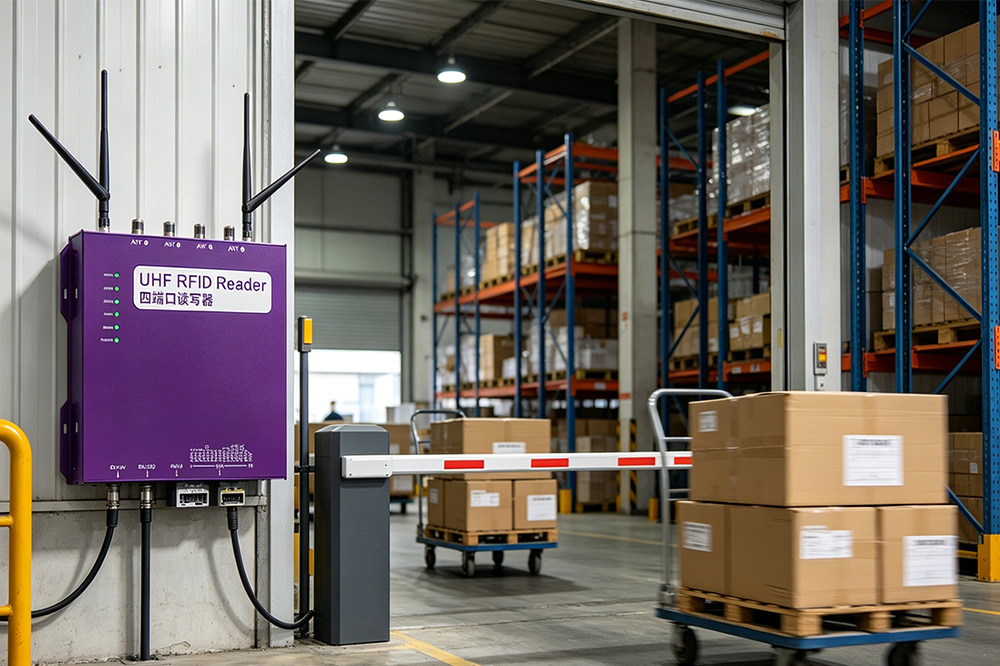
Most industrial asset tracking deployments rely on fixed readers installed at strategic locations such as:
Warehouse entrances
Production line checkpoints
Tool rooms
Secure storage areas
Maintenance workshops
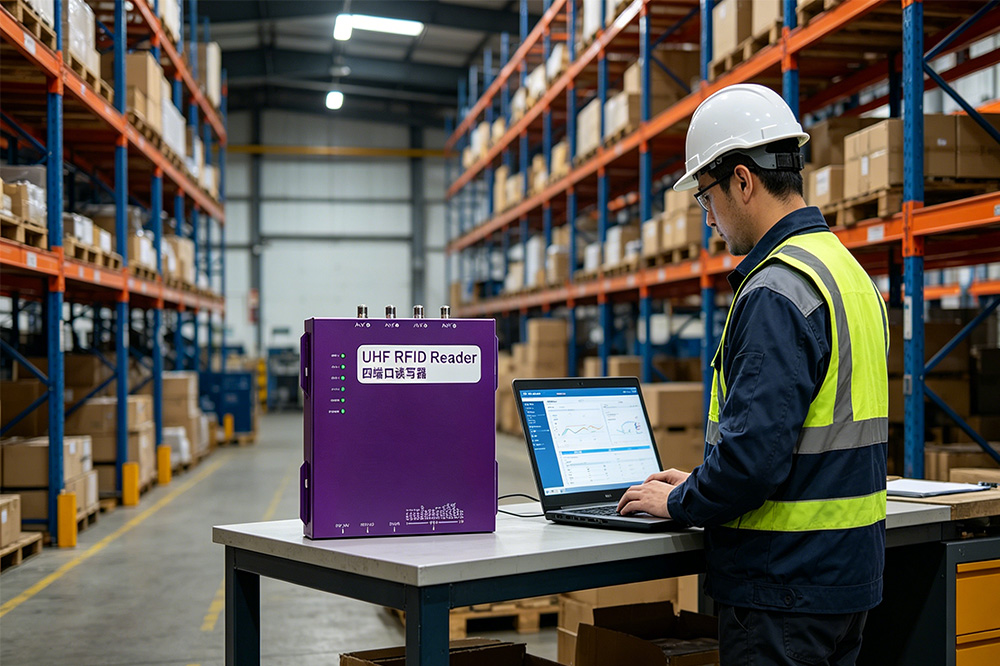
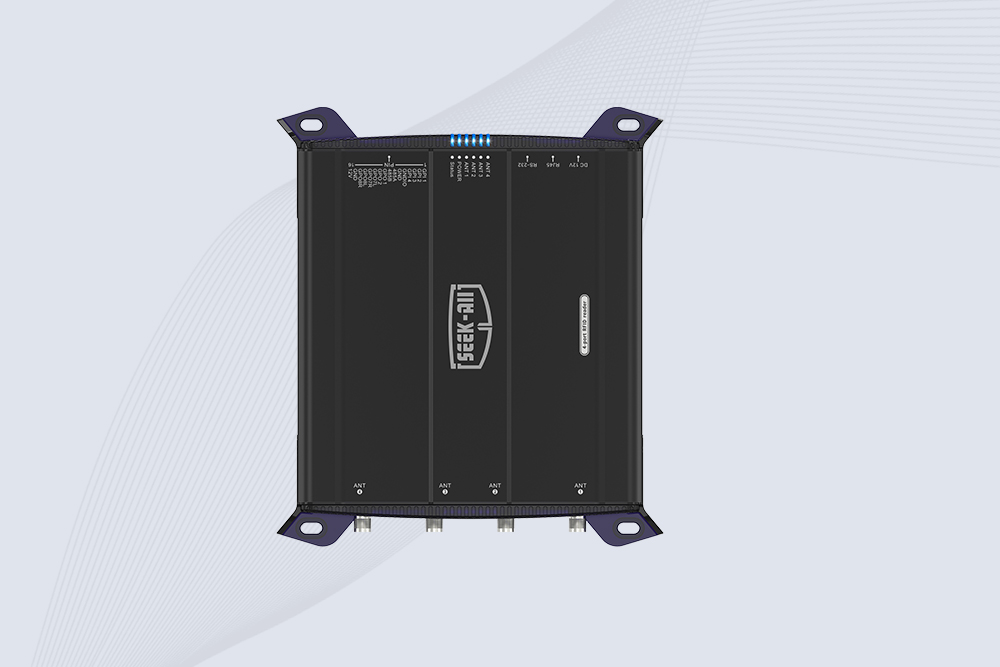
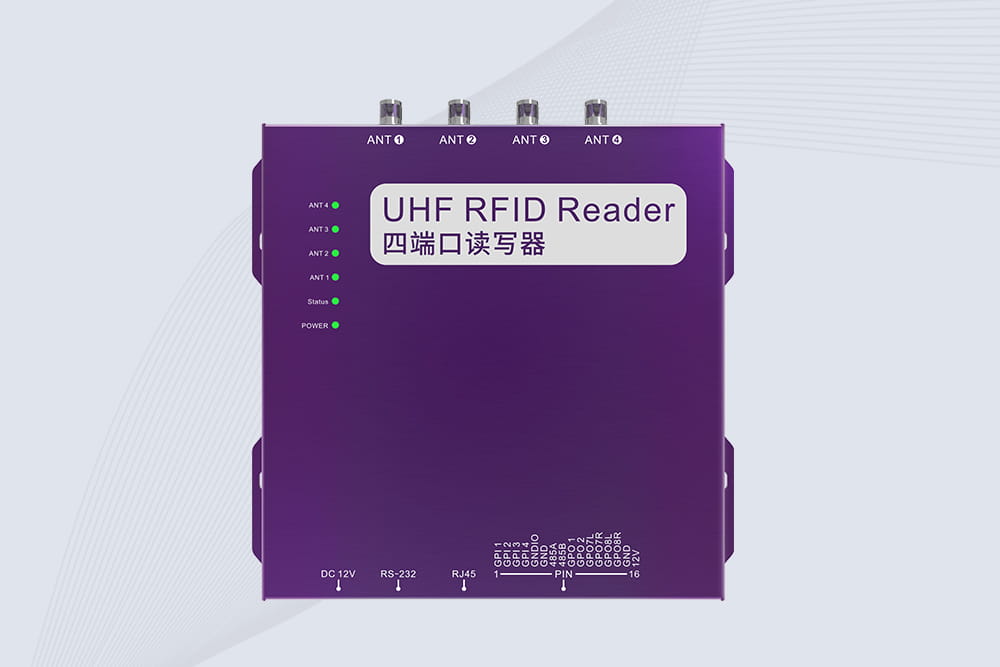
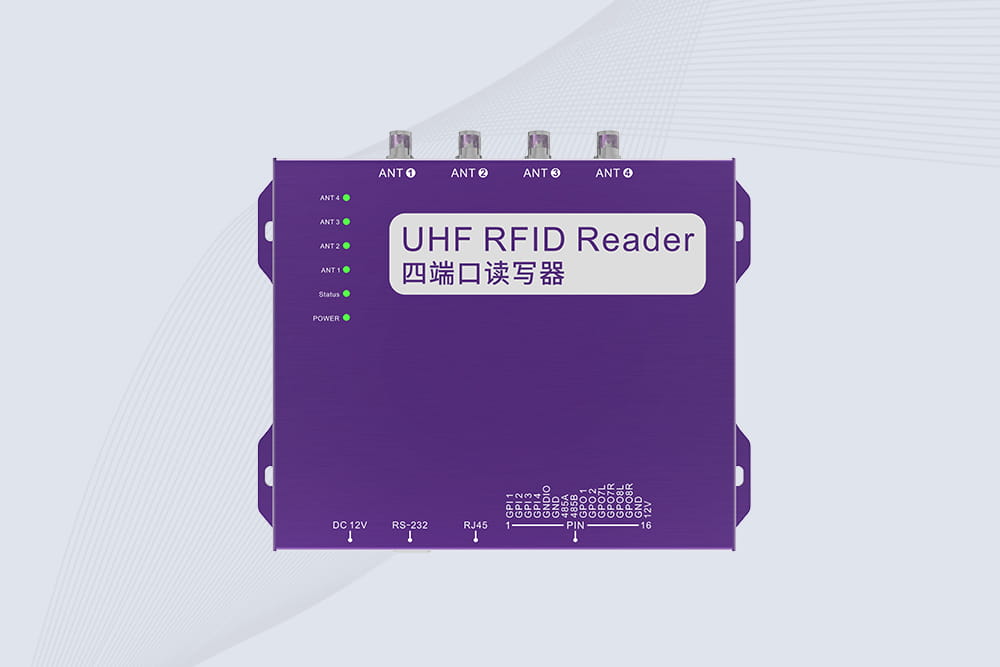
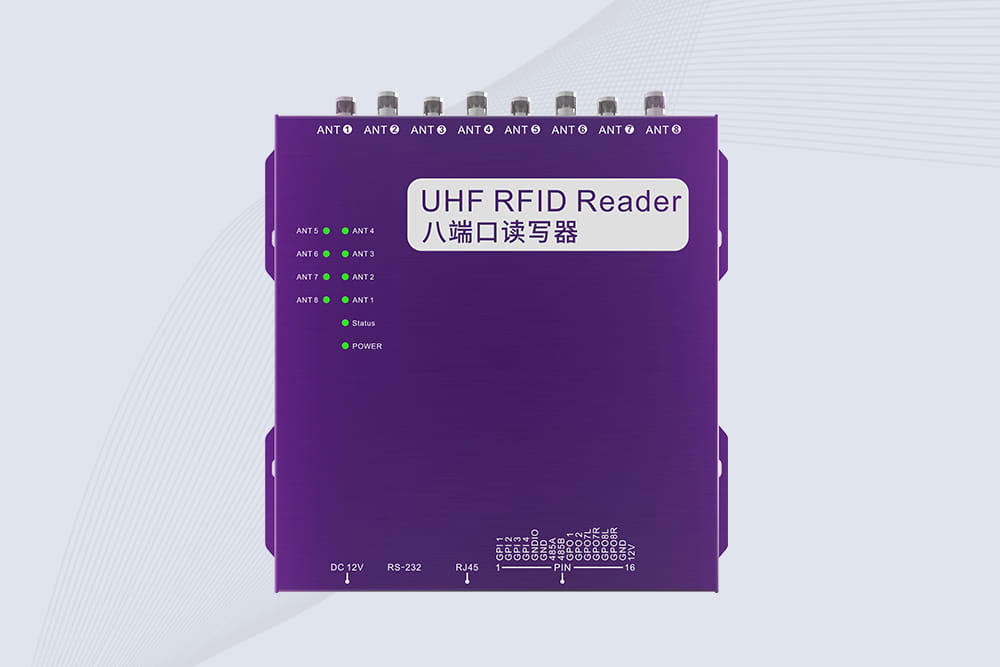
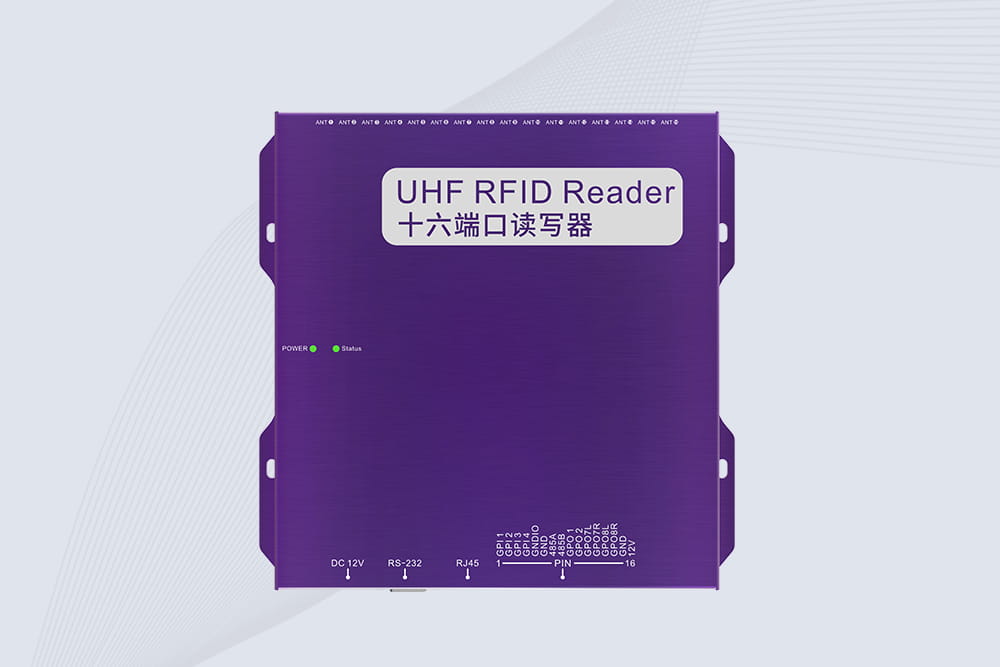
Businesses evaluating industrial hardware can review differentUHF RFID readeroptions
Different projects require different mounting methods, antenna layouts, and communication interfaces, so matching the hardware to the workflow is usually more important than comparing headline specifications.
One Installation Taught Me an Interesting Lesson
During a pilot project, everything performed perfectly for three days.
Then read rates suddenly dropped.
The customer suspected defective hardware.
After several hours of troubleshooting, the cause turned out to be much simpler.
Someone had parked a large metal trolley directly beside the antenna assembly.
Once it was moved away, performance immediately returned to normal.
That experience reminded everyone involved that RF signals don’t exist in isolation—they interact with the environment every minute of every day.
Integration Often Determines Success
Many procurement teams spend weeks evaluating hardware prices but only briefly discuss software integration.
In practice, system compatibility deserves equal attention.
Questions worth asking include:
Does the reader support Ethernet communication?
Is there a stable SDK for development?
Can data be forwarded to ERP or WMS platforms?
Are APIs documented clearly?
Will firmware updates be available in the future?
These details rarely appear in product photos, but they can influence deployment schedules significantly.
Wholesale Buyers Usually Think Long-Term
For distributors and system integrators, purchasing decisions extend beyond today’s project.
Reliable manufacturing capacity, consistent product revisions, technical support, and OEM customization all become important considerations.
Private labeling, customized enclosures, firmware modifications, and long-term supply commitments can make a noticeable difference when supporting enterprise customers.
Sometimes the Simplest Pilot Is the Best Investment
Rather than filling an entire facility with readers immediately, many successful projects begin with a single doorway or one storage room.
That limited deployment reveals unexpected blind spots, identifies interference sources, and helps optimize antenna placement before expansion.
It may feel slower at first.
In reality, it often saves both money and engineering effort.
Closing Thoughts
RFID asset tracking isn’t really about installing more equipment.
It’s about creating information that people trust enough to make decisions without second-guessing it.
The right UHF RFID reader is part of that process—but understanding the environment, planning installation carefully, and integrating the system well are what usually make the biggest difference in the long run.
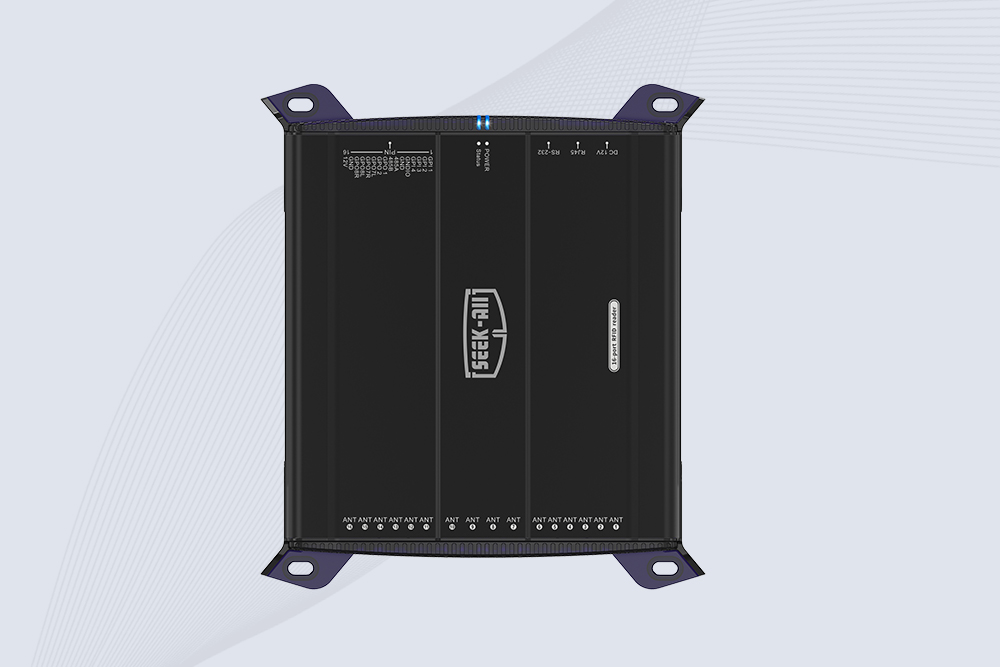
SSD-R16L Multi-Channel RFID Infrastructure for Automated Inventory Management ✔️ 16-Port High-Density RFID Reading Equipped with 16 SMA antenna ports, SSD-R16L supports multi-antenna deployment for warehouses, retail stores, logistics, production lines, and large-area RFID identification. ✔️ High-Speed & Long-Range Performance With up to 33…
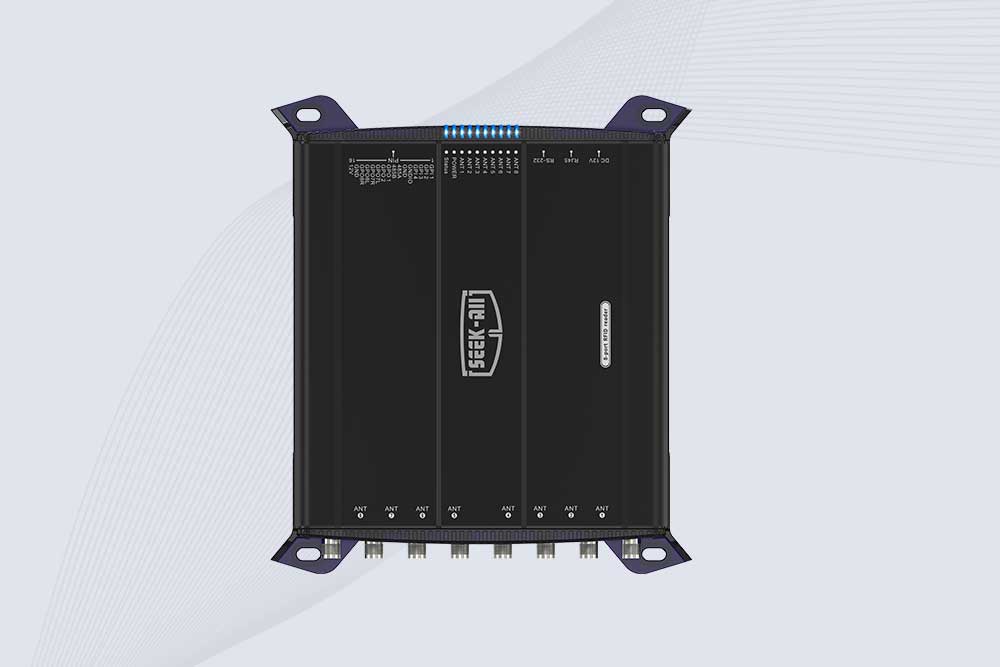
SSD-R8L 8-port UHF RFID reader with 33dBm output, up to 20m reading range and 600+ tags/s recognition. Ideal for warehouse, logistics, retail and asset tracking.
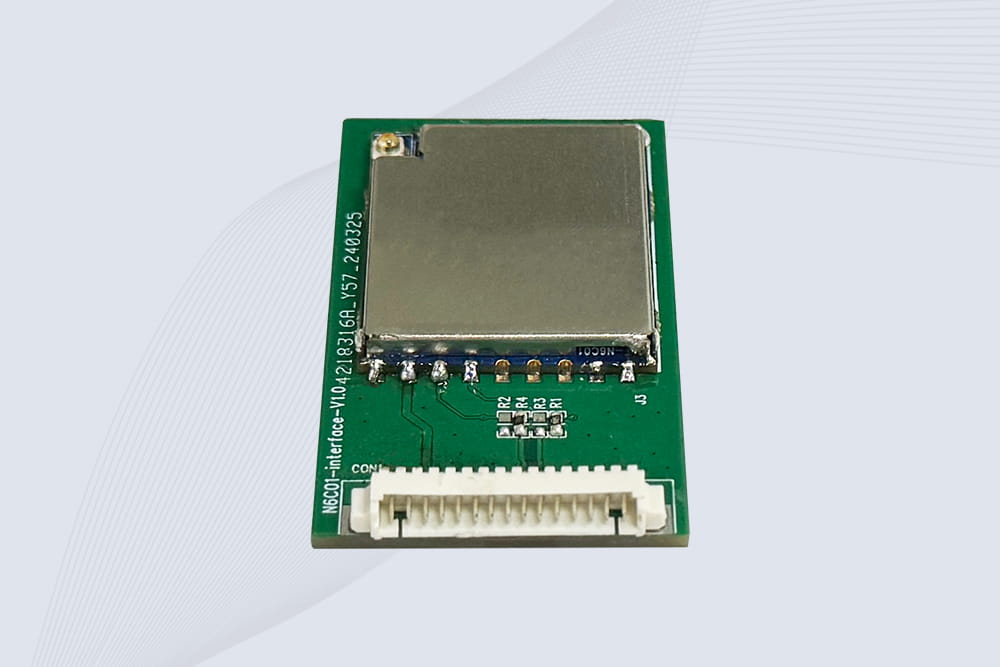
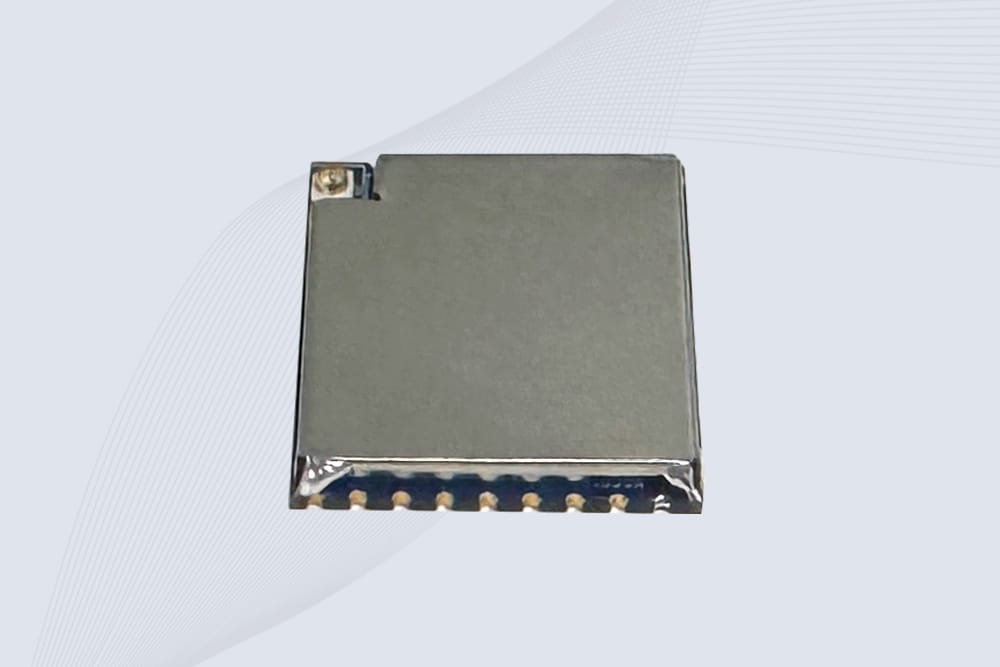
CYKEO Embedded RFID Modules are designed for compact industrial and IoT devices that require stable UHF performance. These UHF RFID Modules support global protocols, flexible power control, and reliable multi-tag reading for smart cabinets, production lines, and asset tracking systems.
CYKEO Embedded RFID Module is built for compact IoT and industrial devices that need stable UHF performance. This UHF module supports global protocols, low power operation, and reliable multi-tag reading for smart lockers, production lines, and always-on RFID systems.
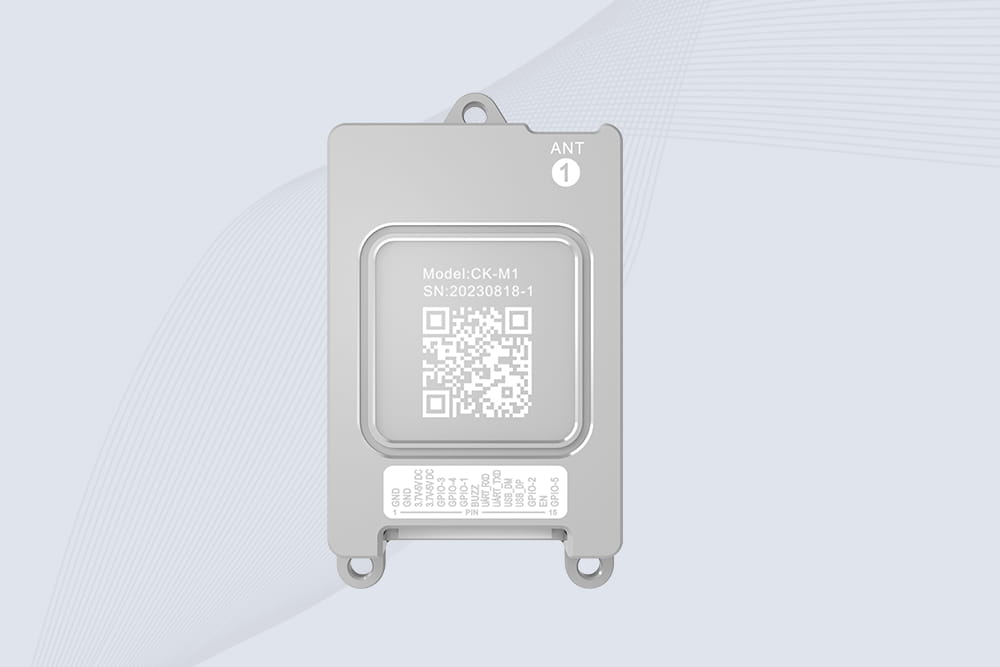
CYKEO CYKEO-M1 drone rfid module is a compact UHF RFID reader module designed for drones and UAV platforms. It supports long-range aerial scanning, fast multi-tag reading, and stable performance in wind, vibration, and outdoor environments.
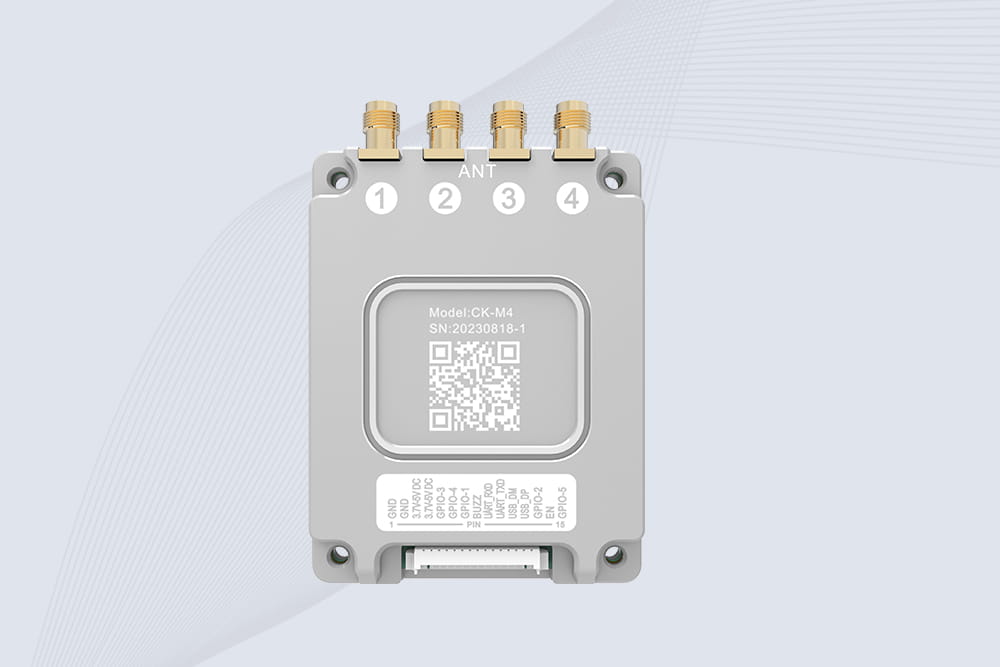
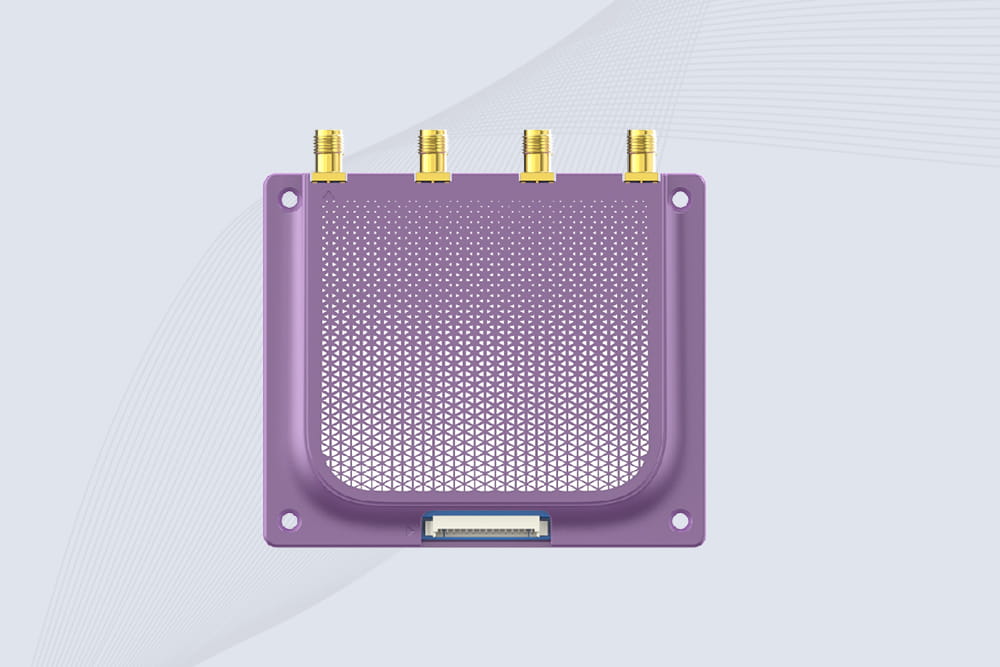
CYKEO CYKEO-M4 RC522 RFID Module is an industrial-grade UHF RFID reader with 4 ports, supporting ISO, EPC, and GB protocols. High-speed, accurate reading for IoT, automation, and warehouse applications.
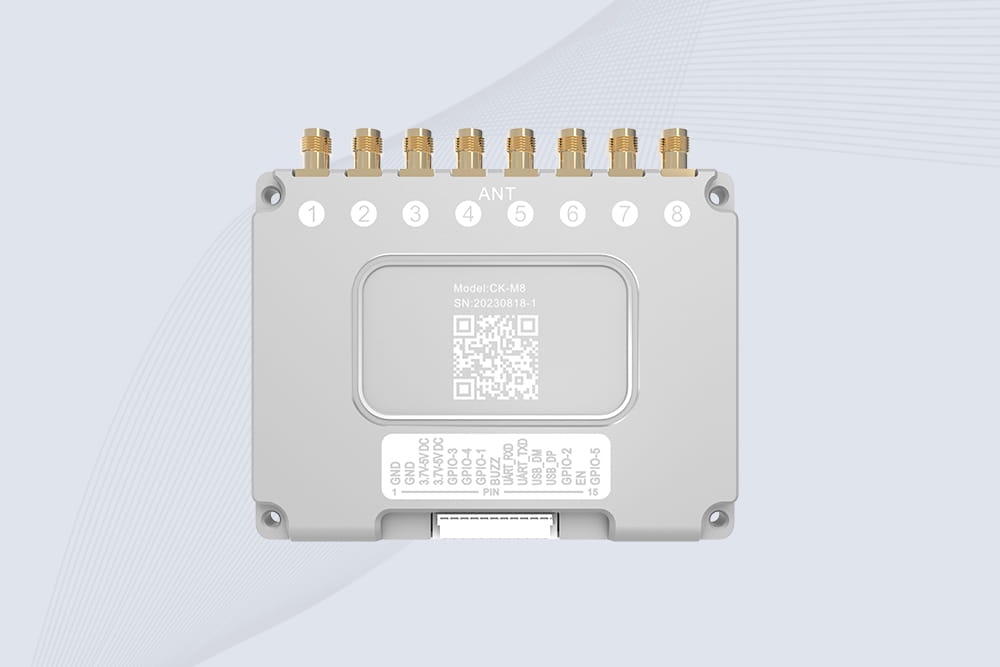
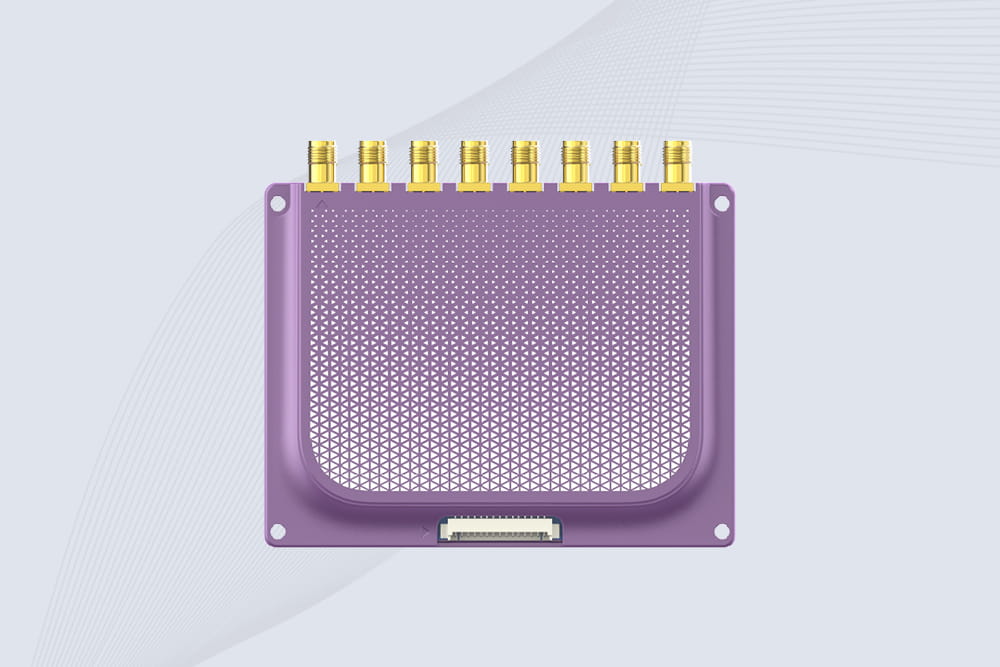
CYKEO CYKEO-M8 Module RFID is an 8-port UHF R2000 RFID Module designed for high-density, multi-tag environments. Stable 33dBm output, ISO & GB protocol support, ideal for warehouses, factories, and automated systems.
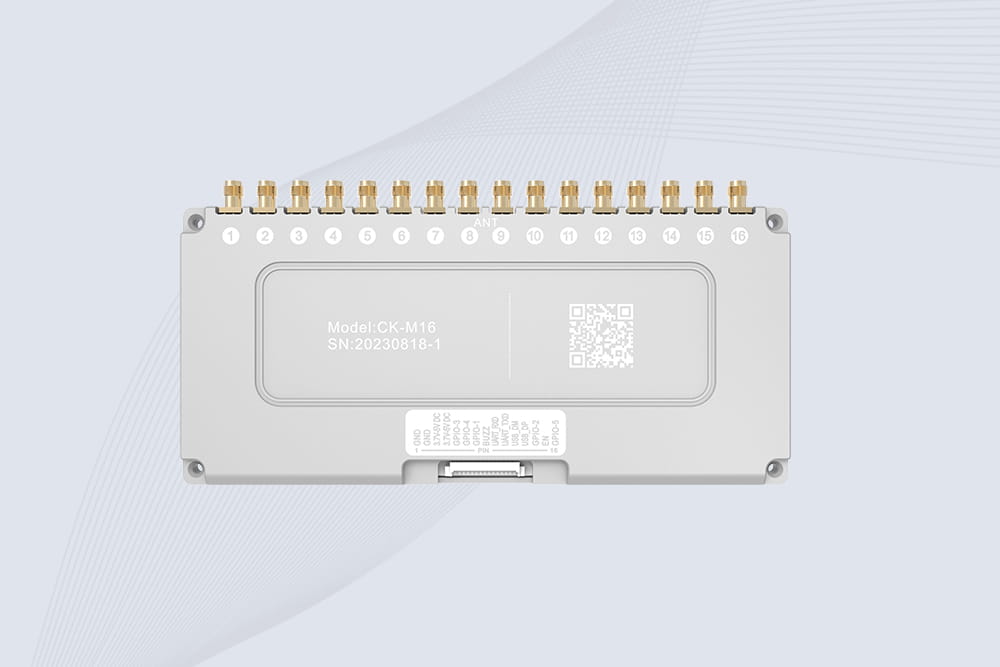
CYKEO CYKEO-M16 RFID Module is a 16-port UHF RFID reader module based on the R2000 chipset. Designed for dense tag environments, it supports ISO and GB standards and delivers stable multi-antenna control for industrial automation.
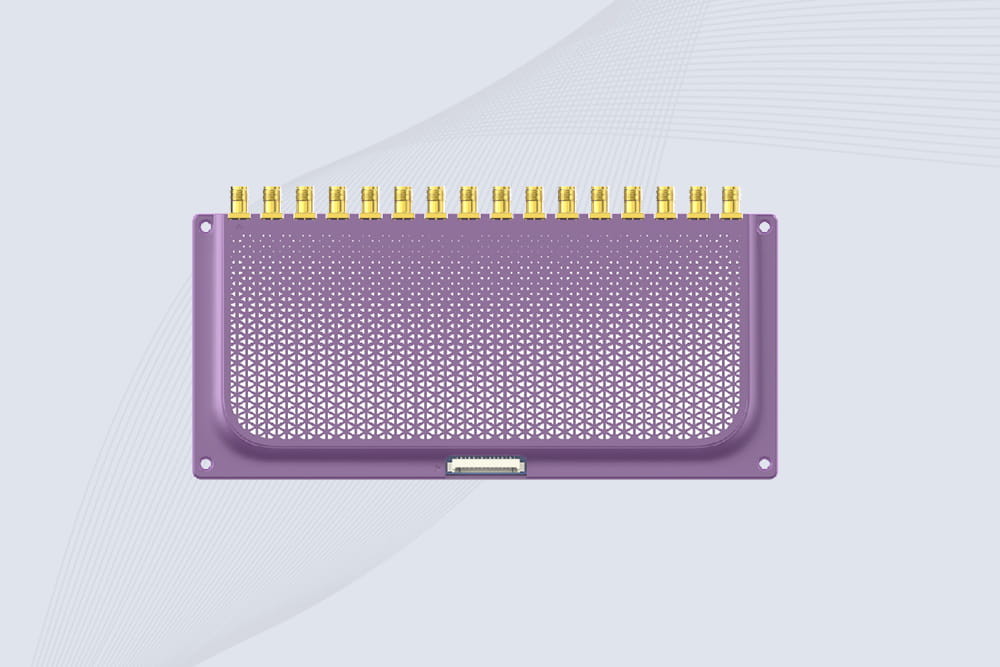
The CYKEO CYKEO-M16L RFID Reader Module is a 16-channel UHF RFID core designed for dense tag environments. With adjustable 33dBm output, multi-protocol support, and stable multi-antenna control, this RFID Tag Reader Module fits industrial automation, warehouse systems, and large-scale IoT deployments.
CYKEO CYKEO-M8L module RFID is a compact industrial UHF module built for dense tag and multi-antenna environments. With 8 RF ports, adjustable 33 dBm output, and ISO & GB protocol support, it is widely used in factories, warehouses, and automated tracking systems.
CYKEOCYKEO-M4L UHF RFID Module is a compact 4-channel RFID tag reader module designed for dense tag environments. Supporting ISO and GB protocols, it delivers stable reads up to 10 meters for industrial and IoT systems.
Cykeo CYKEO-C1 industrial Forklift RFID Reader features 20m read range, 600 tags/sec scanning, Impinj R2000 chipset, and IP67 rugged design. Ideal for warehouse logistics and manufacturing. Supports ISO 18000-6C/6B protocols.
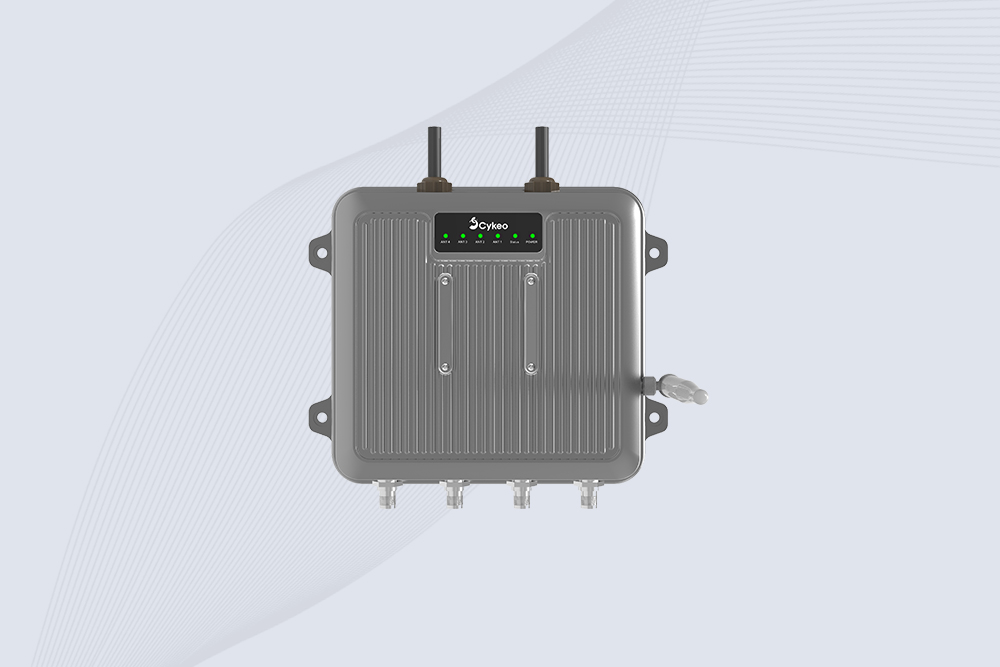
Cykeo CYKEO-R4 industrial UHF RFID Fixed Reader features 4 TNC ports, 400+ tags/sec speed, IP67 housing, and global frequency compliance for vehicle inspection, smart warehouse, and asset management systems.
CYKEO CYKEO-R8L Fixed RFID Reader with 8-port UHF design, Impinj-based RF core and up to 20m read range. An industrial Fixed RFID Reader for vehicle inspection, warehouse portals, smart manufacturing lines and secure access checkpoints.
RFID Fixed Reader from CYKEO – the CYKEO-R16L 16-port UHF fixed reader for warehouses, smart cabinets, and production lines. Long-range, multi-tag reading, stable performance for 24/7 industrial use.
RFID Industry Writer | IoT & Asset Tracking Analyst
James writes about RFID technology, asset tracking, and the practical challenges of digital transformation across warehousing, retail, manufacturing, and logistics.
His work focuses on how RFID is applied in real-world operations—improving inventory visibility, automating workflows, and helping businesses manage assets with greater accuracy and efficiency.
He regularly covers topics including UHF RFID, smart cabinets, RFID portals, tool tracking, warehouse automation, and industrial IoT trends..
Discover how rfid shipment tracking improves shipment visibility, warehouse accuracy, and delivery efficiency with real-time RFID identification and industrial-grade Cykeo RFID solutions.
Discover how handheld RFID scanners enhance inventory accuracy and streamline operations. Learn why Cykeo’s solutions are trusted for error-free asset tracking.
 Cykeo RFID IoT Solution Products R&D Manufacturer