 Cykeo RFID IoT Solution Products R&D Manufacturer

RFID Copy Machine: What Is It Really Used For, and Where Does It Stop?
275RFID copy machine explained honestly: what can be copied, what can’t, and where risks appear. Real use cases, no hype.
MoreAll RFID Product
ISO standards for RFID in supply chain management ensure interoperability, security, and efficiency across global logistics networks. These protocols govern everything from RFID tag data formats to anti-collision algorithms, enabling seamless tracking of goods from factories to end consumers. Below, we break down the most critical ISO standards and how to implement them for audit-ready supply chains.
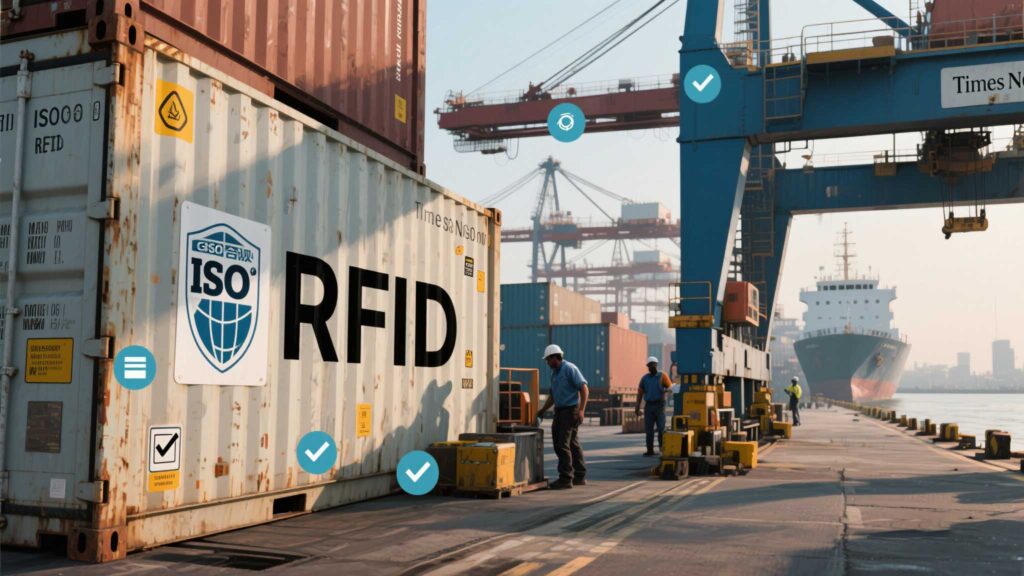
Cykeo’s SupplyTrack system pre-maps to ISO 17363–17367, automating compliance for container and pallet tracking across 50+ countries.
A global automotive supplier reduced customs delays by 70% after aligning its RFID system with ISO 17363 for container tracking.
Cykeo’s RFID solutions are certified across ISO 17363, 18000-6C, and 27001, with built-in compliance dashboards for real-time audits. Their tags undergo ISO/IEC 17025 lab testing, ensuring accuracy in high-noise environments like ports and assembly lines.

RFID copy machine explained honestly: what can be copied, what can’t, and where risks appear. Real use cases, no hype.
More
Discover how to select the best handheld RFID reader for warehouse inventory. Learn key features like durability, read range, and software integration for optimal efficiency.
More
Upgrade highway efficiency with rfid for toll gate solutions that speed up vehicle flow, reduce congestion, and improve toll accuracy with reliable CYKEO RFID technology.
More
Discover affordable USB RFID readers under $100 perfect for small businesses. Compare features like read range, durability, and compatibility with inventory software.
More