 Cykeo RFID IoT Solution Products R&D Manufacturer
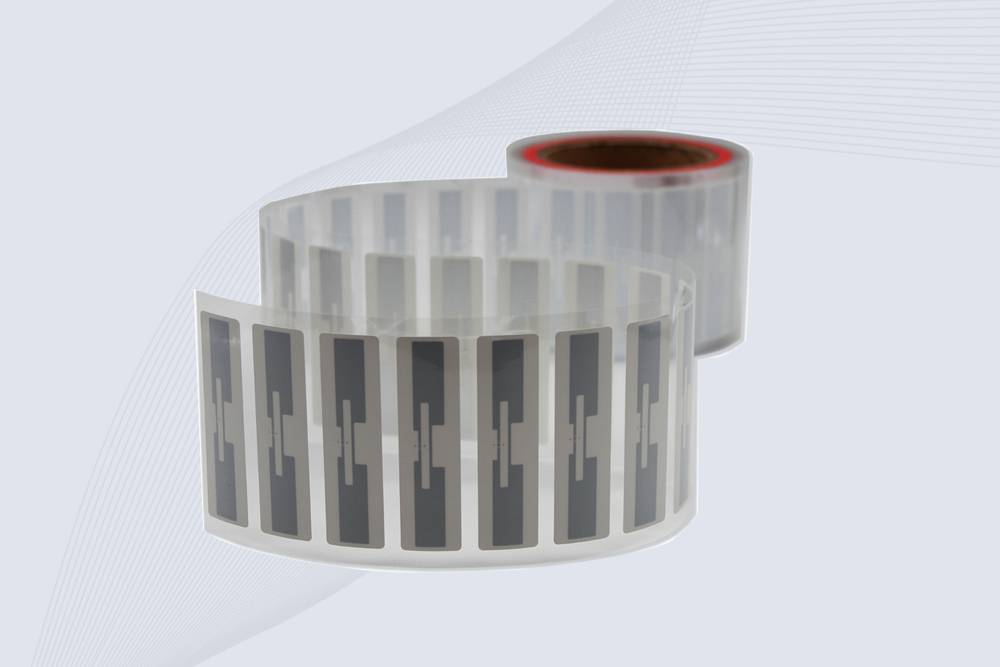
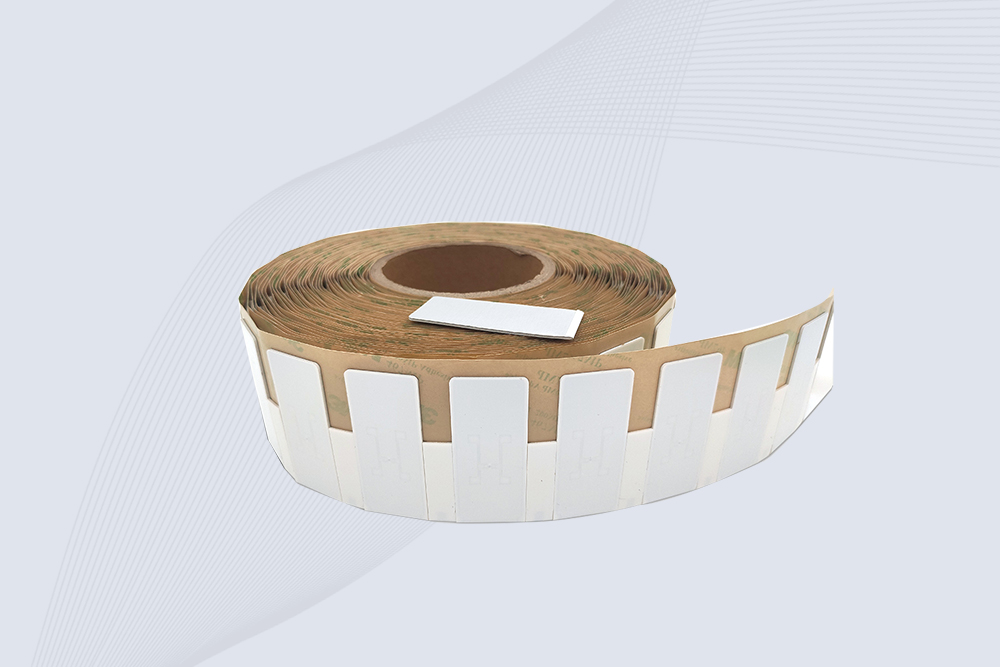
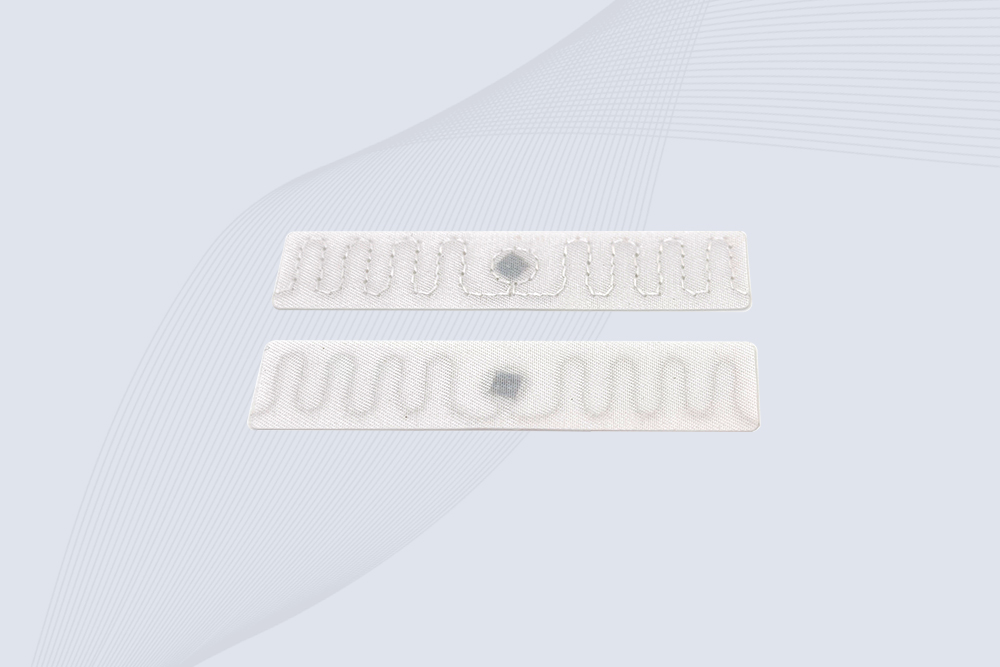
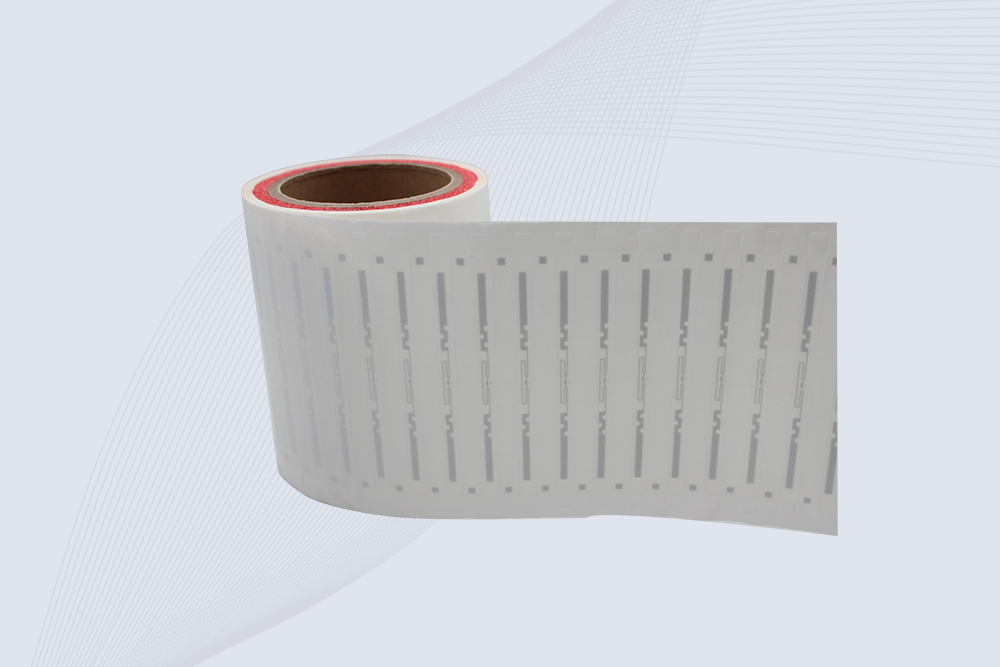
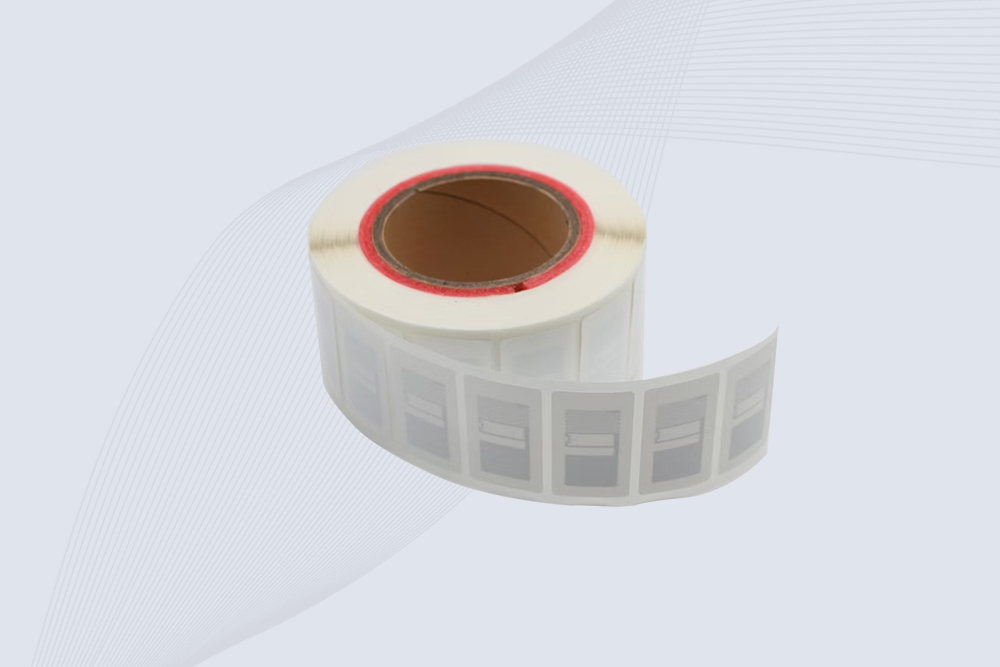

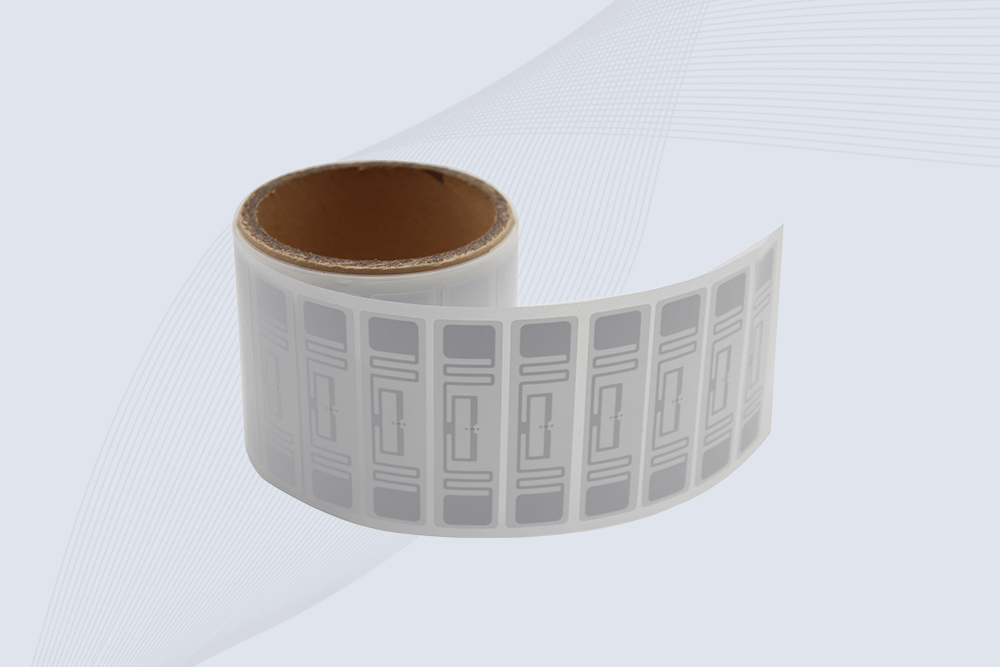

uhf gen2 rfid tags: What They Are and Why They Dominate Tracking
471Learn how uhf gen2 rfid tags enable long-range, high-speed tracking with 99%+ accuracy for retail, logistics, and asset management systems.
MoreAll RFID Product
High-value assets like luxury goods, medical equipment, and industrial machinery require RFID tags that combine durability, encryption, and tamper-proof designs. These tags must withstand harsh environments, prevent counterfeiting, and enable real-time tracking. Below, we explore critical features to prioritize and how to deploy RFID systems that protect mission-critical assets.
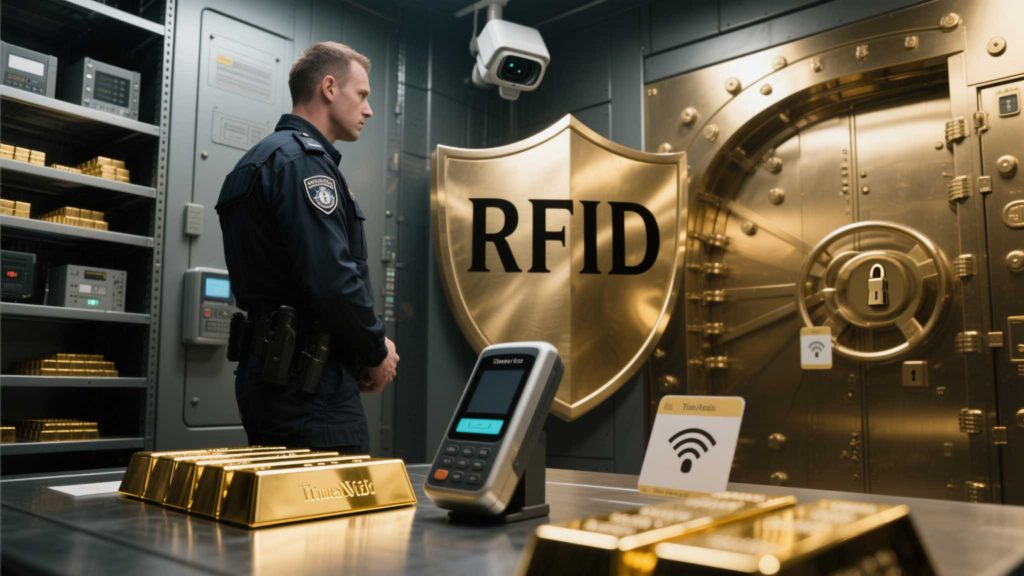
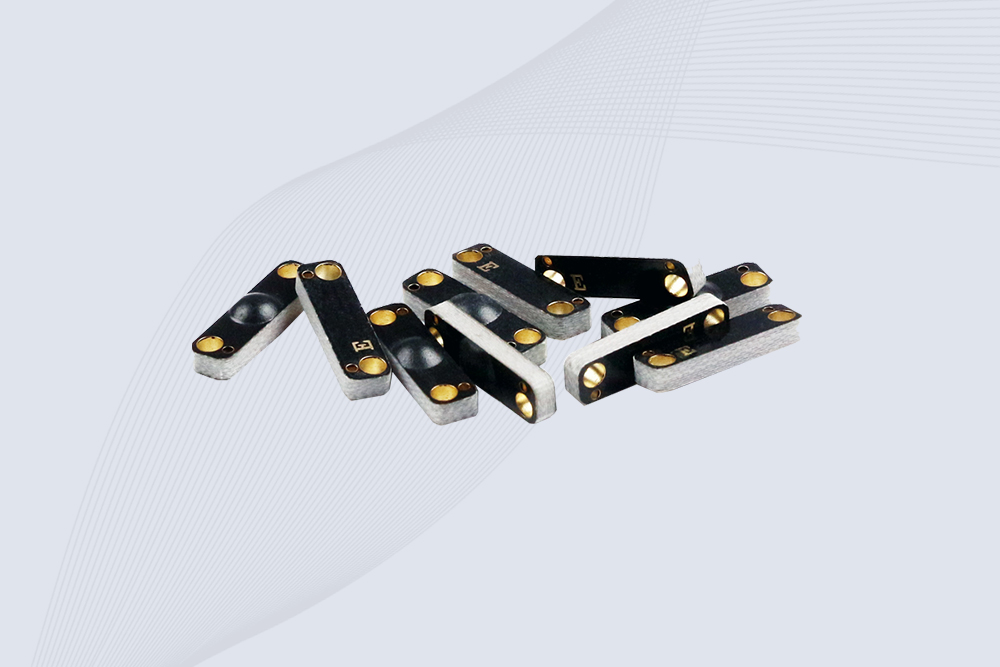
Cykeo’s SecureTrack tags, for example, use ceramic housings and self-destructing adhesives to deter theft in luxury retail and pharma logistics.
A European art gallery reduced forgery risks by 90% using Cykeo’s tags to authenticate high-value paintings and sculptures.
Cykeo’s tags are engineered for asset protection, featuring dual-frequency operation (UHF/HF) and customizable tamper alerts. Their cloud dashboard provides audit trails and integrates with legacy ERP systems, ensuring compliance without overhauling IT infrastructure.

Learn how uhf gen2 rfid tags enable long-range, high-speed tracking with 99%+ accuracy for retail, logistics, and asset management systems.
More
Wondering "how far away can you read an RFID chip"? Discover exact read distances for LF, HF, UHF, and active RFID chips. Factors affecting range and real-world performance with CYKEO.
More
Wondering how does rfid reader work? We explain the basics of RFID technology in plain language, showing how readers and tags communicate wirelessly.
More
How RFID tags improve fashion inventory accuracy by delivering real-time stock visibility, reducing inventory errors, and optimizing retail operations with Cykeo RFID.
More