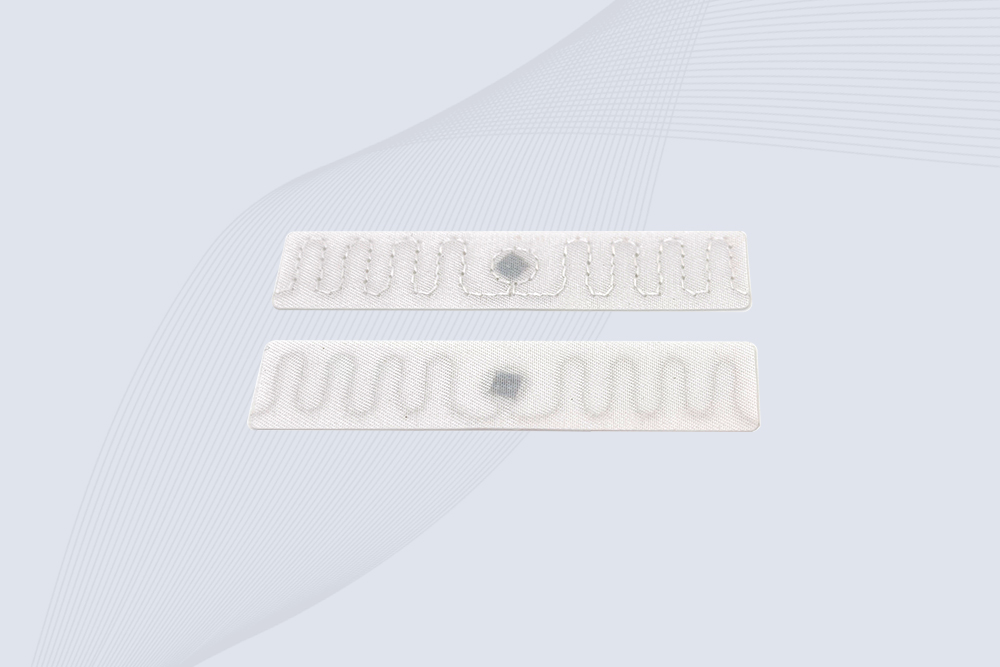
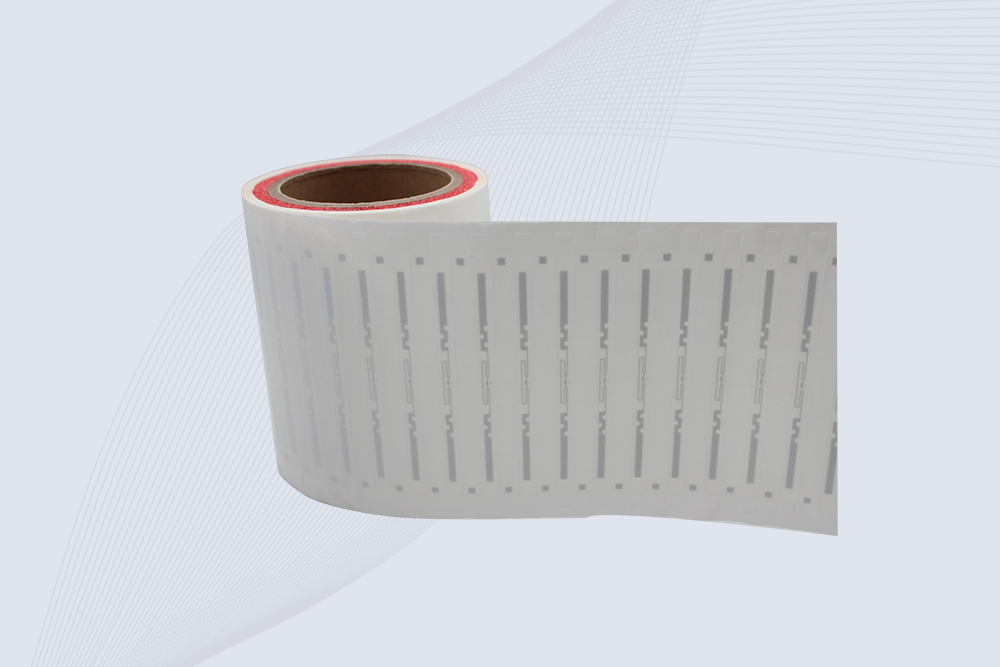
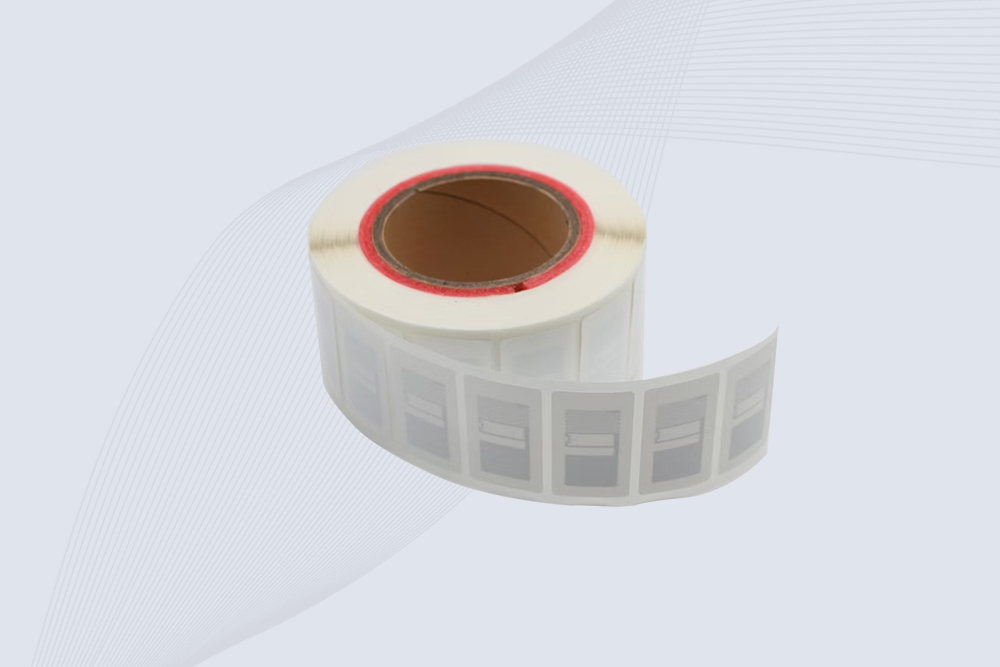
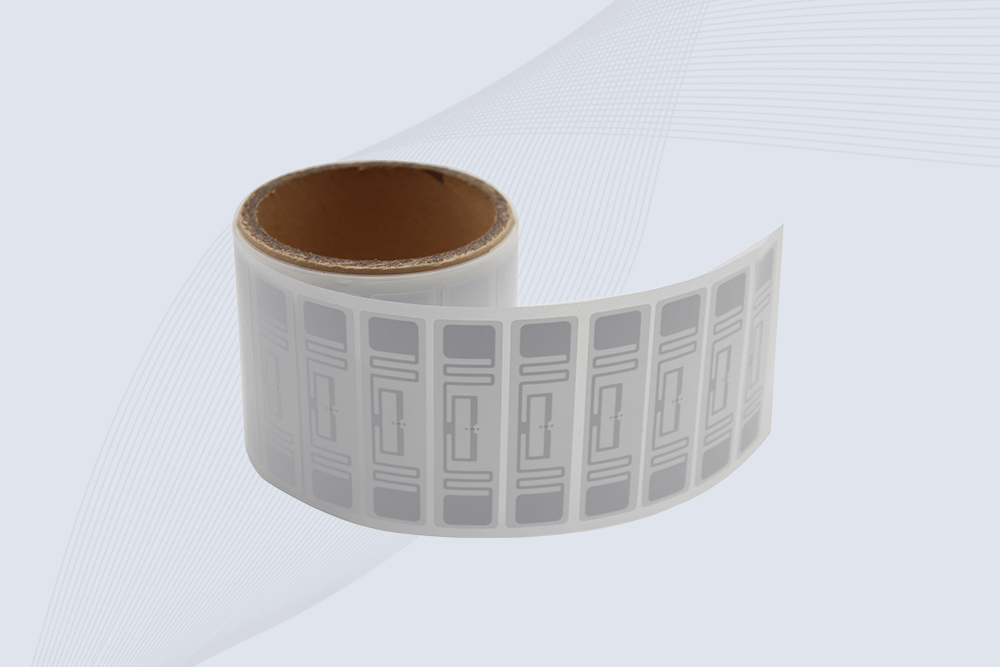
How RFID tags improve fashion inventory accuracy is through automatic item identification, real-time stock visibility, and faster inventory updates, helping fashion retailers reduce counting errors and maintain accurate product availability across stores and warehouses.
In fashion retail projects I have analyzed with Cykeo RFID technology teams, inventory accuracy problems rarely come from a lack of data. They come from delayed data.
A clothing item may be moved from a warehouse shelf to a fitting room, returned to another location, or placed on the wrong rack without being recorded. By the time a system shows the difference, the retailer has already lost a sales opportunity.
RFID changes this situation by creating continuous visibility at item level.
Unlike barcode systems that require individual scanning, RFID tags can be read automatically and in groups. This allows retailers to understand where products are, how many units are available, and whether digital inventory matches the physical store environment.
RFID fashion inventory management: Moving from estimated stock to real-time visibility
Fashion inventory is unusually complex.
A single store may manage thousands of SKUs with variations including:
Size
Color
Style
Seasonal collections
Limited editions
Promotional items
Traditional inventory processes often depend on manual counting. Employees may spend hours checking racks, shelves, and storage areas.
RFID introduces a different approach:
Traditional Inventory
RFID-Based Inventory
Manual barcode scanning
Automatic wireless identification
Item-by-item checking
Multiple tag reading
Periodic stock counting
Frequent real-time updates
Higher human error risk
Improved data accuracy
Limited product visibility
Item-level tracking
According to Auburn University RFID Lab, RFID adoption in apparel retail has demonstrated significant improvements in inventory accuracy, with many retail deployments achieving inventory accuracy levels above 95% when RFID systems are properly implemented.
The important point from real deployments is that RFID does not simply count products faster. It creates a more reliable connection between physical merchandise and digital inventory systems.
How RFID clothing tags improve retail inventory accuracy
Item-level visibility across stores and warehouses
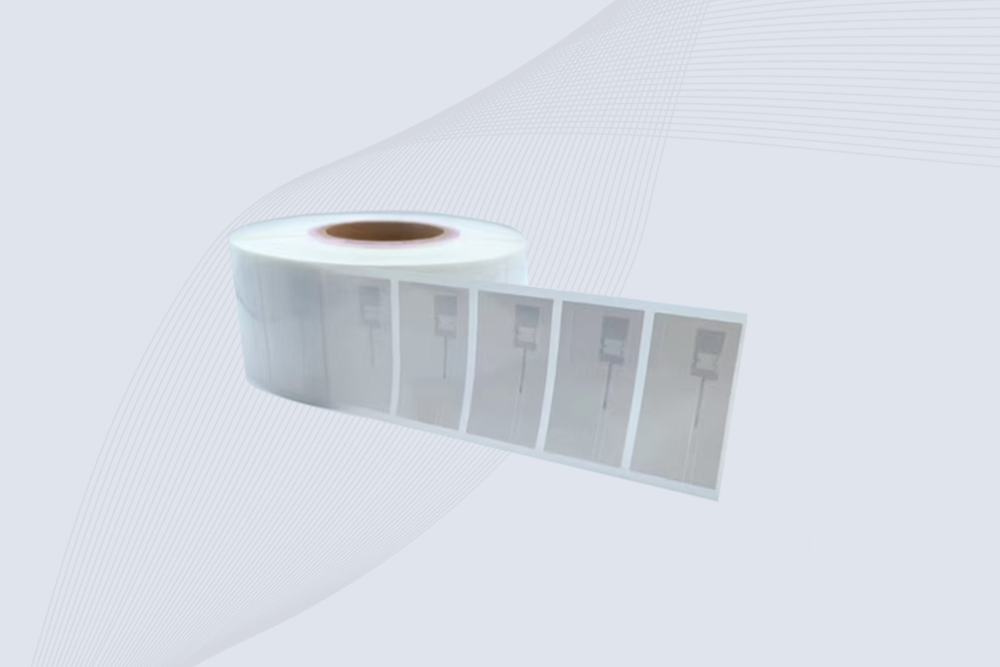
Each RFID clothing tag contains a unique identification number linked to product information.
When connected with retail software, the system can identify:
Product category
Stock quantity
Location history
Movement records
Sales availability
For fashion brands managing thousands of garments across multiple locations, this creates a clearer inventory picture.
A store employee can quickly determine whether a customer’s preferred size exists nearby instead of relying on outdated inventory records.
Faster stock counting with UHF RFID technology
Fashion retailers often conduct inventory checks during off-hours because manual counting interrupts store operations.
UHF RFID technology changes this process.
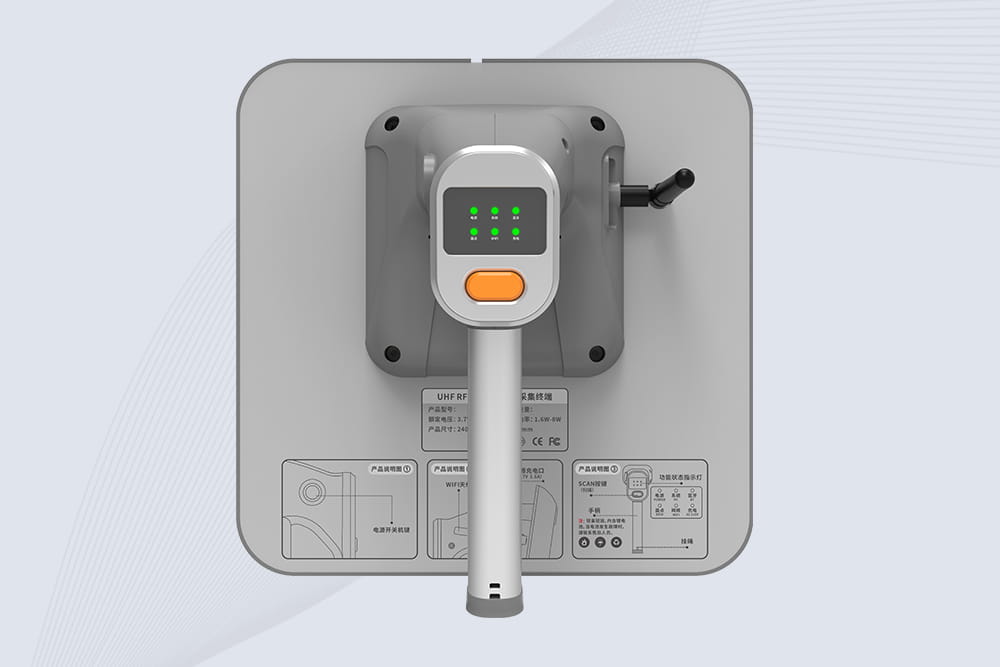
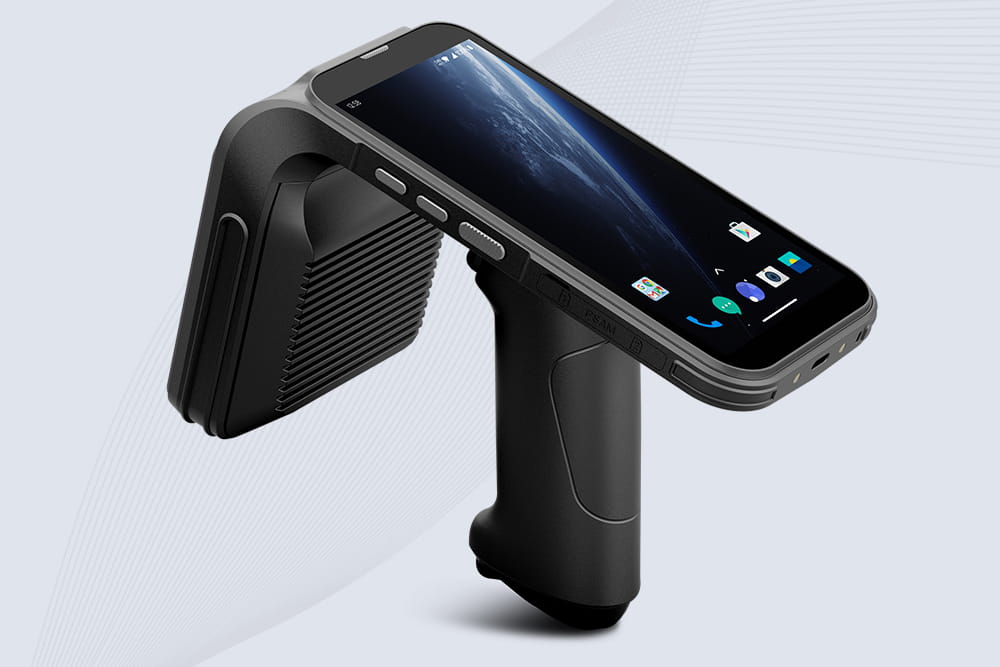
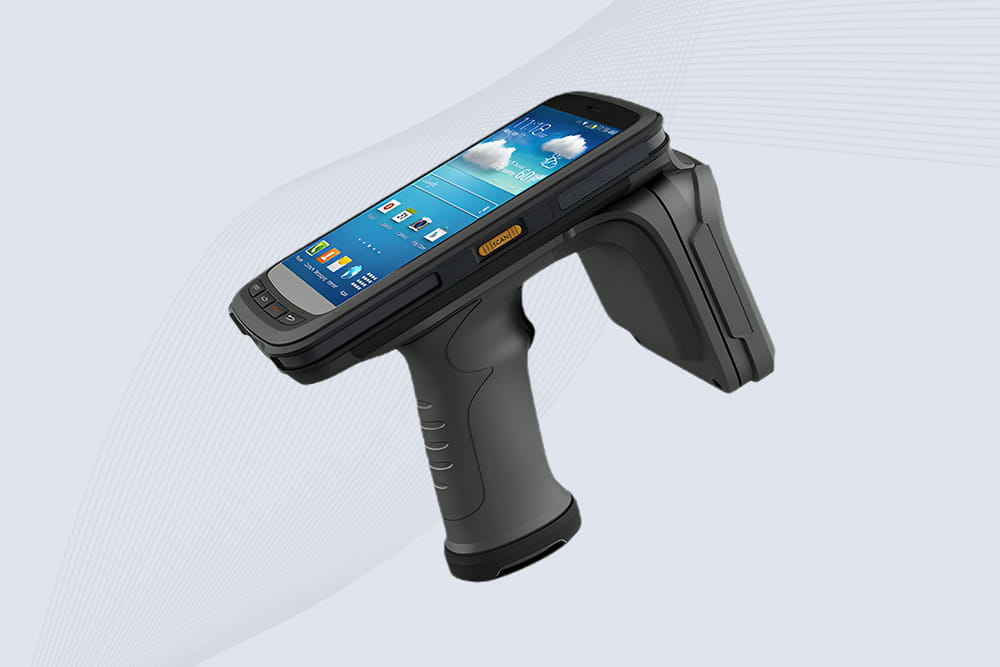
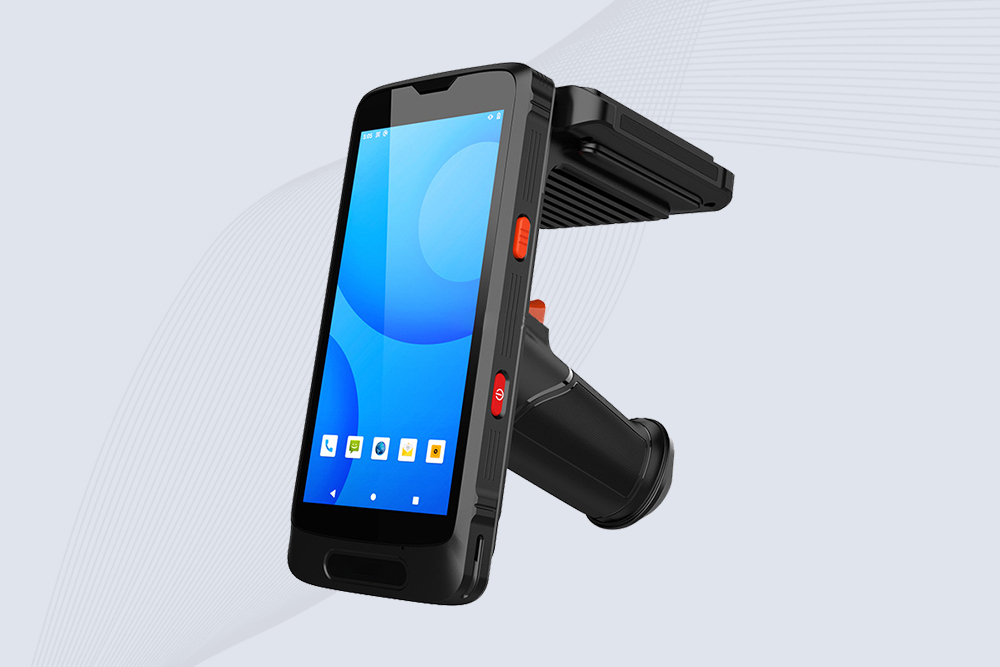
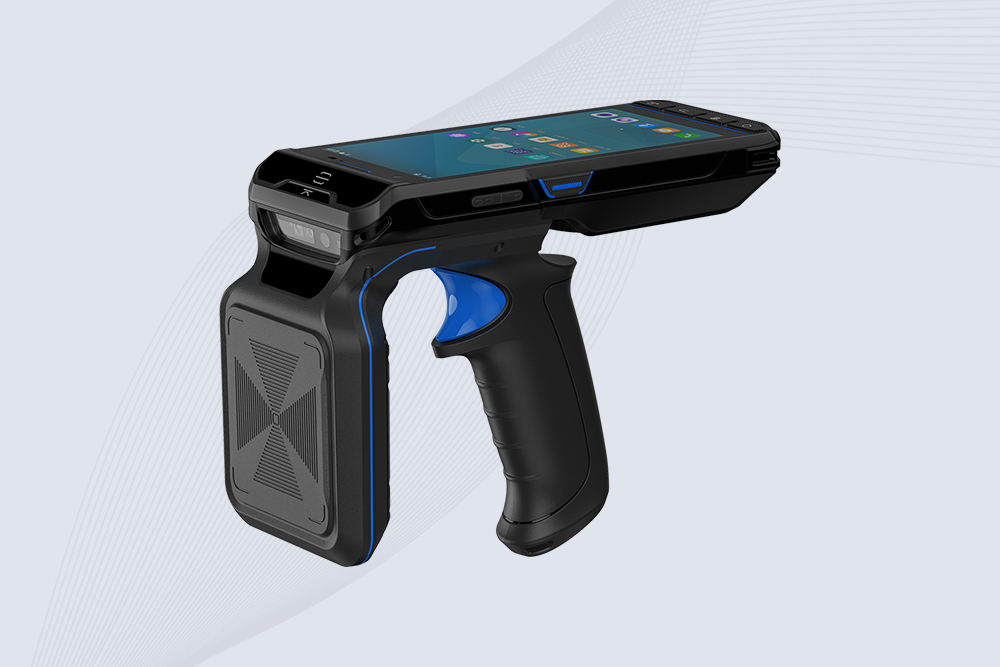
An employee equipped with an RFID reader can walk through a store and capture information from many tagged products without scanning each item individually.
Typical benefits include:
Shorter inventory cycle time
Reduced labor requirements
More frequent stock verification
Better replenishment decisions
During retail RFID evaluations, one practical observation stands out: the biggest improvement is not the speed of counting. It is the ability to count more often.
Frequent inventory updates help retailers react before products disappear from shelves or become unavailable online.
RFID retail inventory accuracy challenges and practical solutions
RFID implementation requires careful planning.
Fashion environments create unique challenges:
Dense product displays
Hundreds of garments may hang closely together. Reader settings and antenna placement must prevent missed reads or unnecessary duplicate identification.
Mixed materials
Clothing may include:
Cotton
Leather
Synthetic fabrics
Accessories with metal components
Different materials influence RFID tag performance.
Customer movement
Retail stores are dynamic environments. People, shopping carts, and changing displays can affect reading conditions.
Professional RFID deployment focuses on optimizing the complete system rather than only selecting a powerful reader.
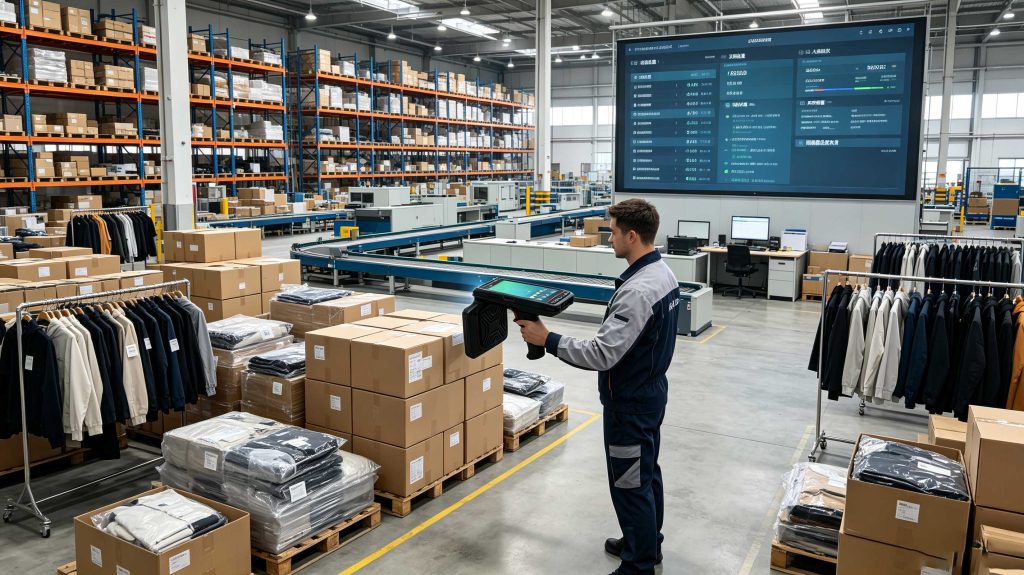
A modern fashion store using RFID technology to improve inventory visibility and product availability.
Apparel RFID tracking system: Improving omnichannel retail operations
Modern fashion brands often sell through multiple channels:
Physical stores
Online marketplaces
Brand websites
Distribution centers
Inventory accuracy becomes more difficult when products move between these channels.
RFID provides a shared data foundation by connecting physical items with digital systems.
For example:
A customer orders a jacket online.
Before confirming the order, the system can check RFID-based inventory data to determine whether the item is actually available in a nearby store or warehouse.
This reduces:
False product availability
Order cancellations
Customer dissatisfaction
Excess inventory
Cykeo RFID solutions for fashion inventory management
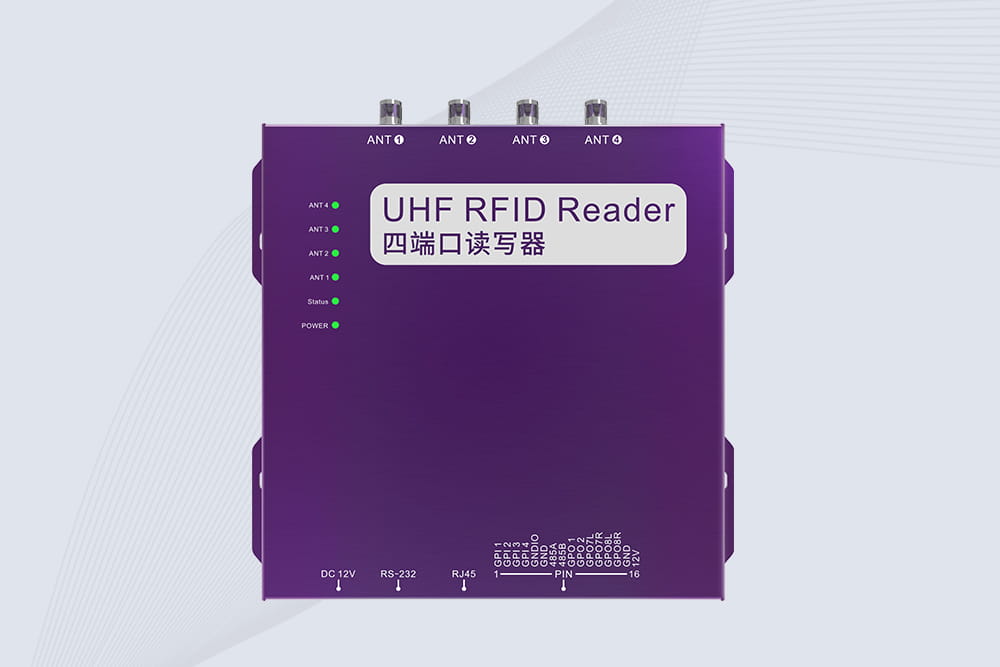
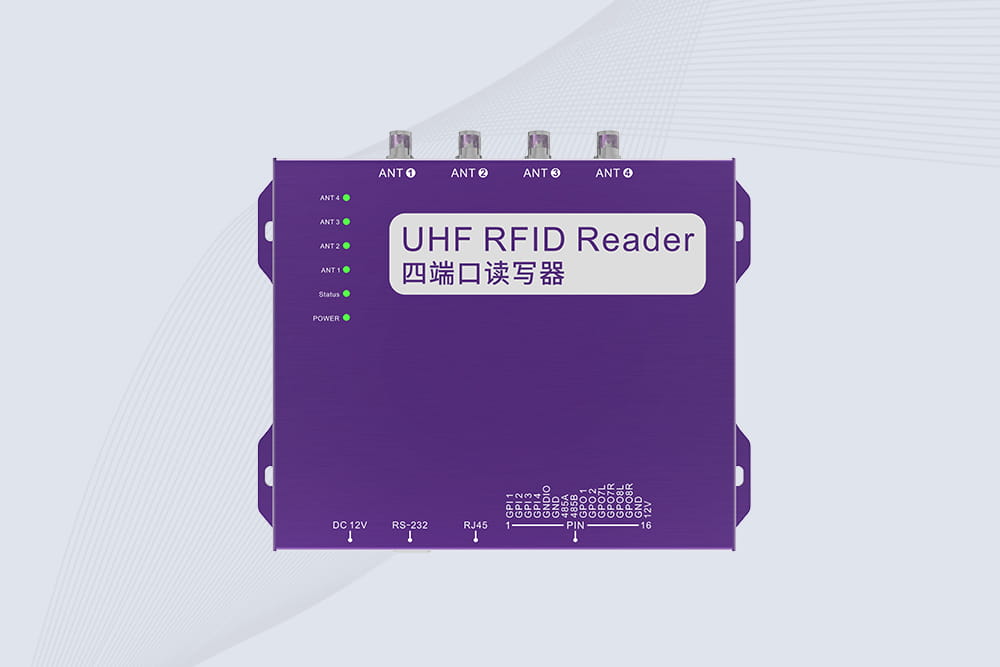
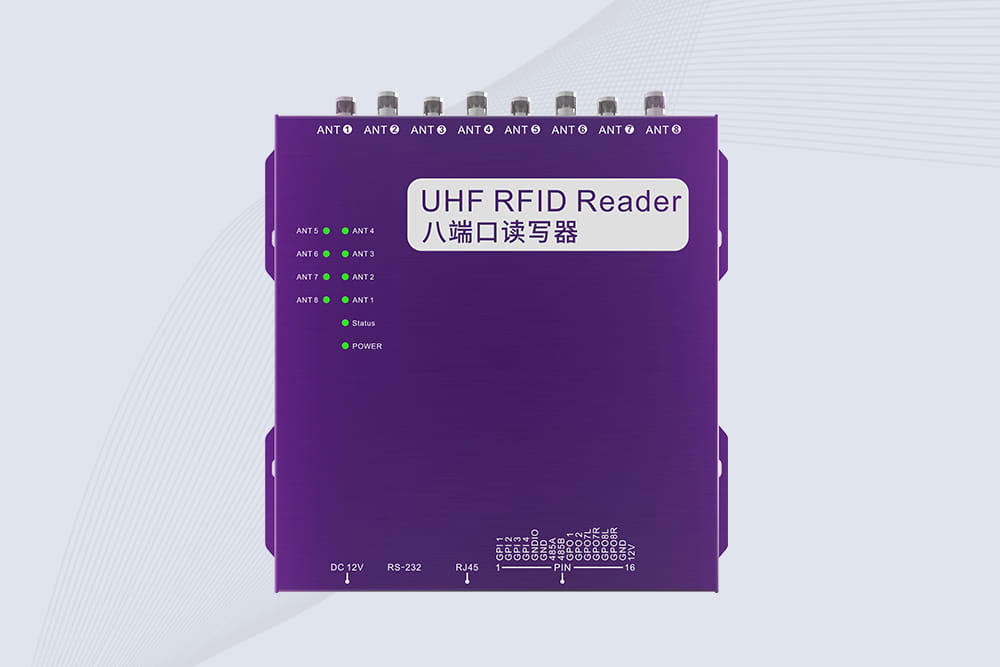
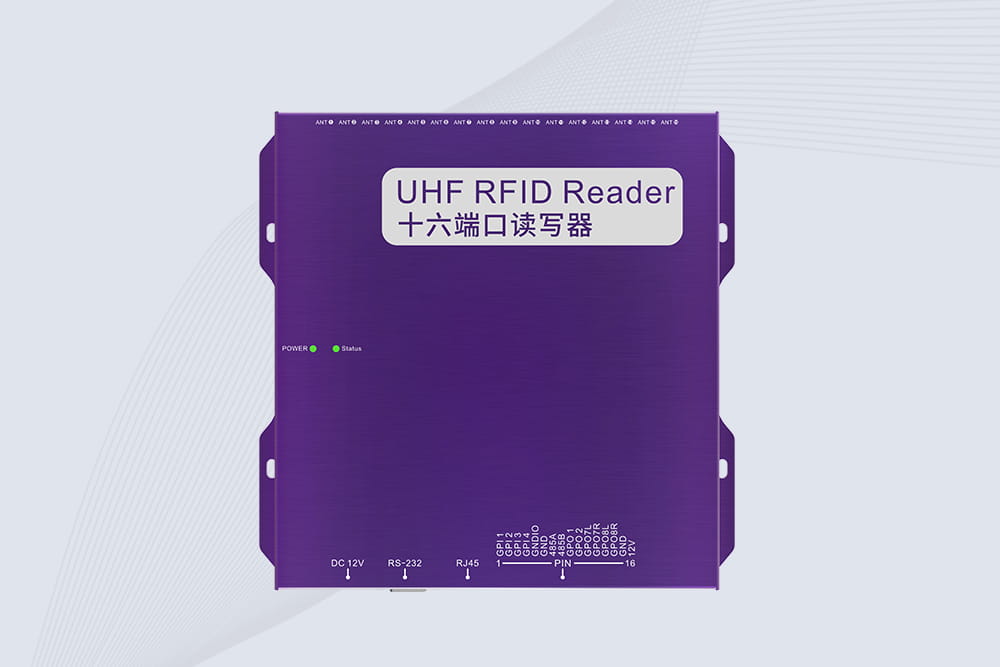
Cykeo provides RFID identification solutions designed for retail environments requiring accurate product tracking.
Key capabilities include:
High-speed UHF identification
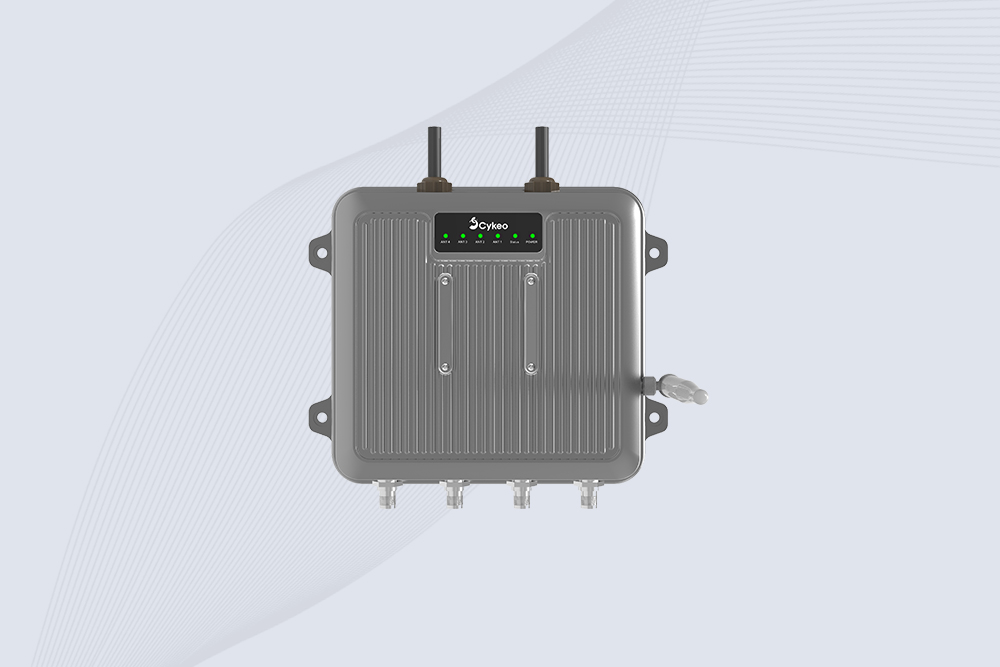
Cykeo RFID readers support fast multi-tag recognition, suitable for clothing racks, inventory rooms, and retail checkpoints.
Flexible deployment
Solutions can be adapted for:
Fashion stores
Apparel warehouses
Distribution centers
Smart retail cabinets
Enterprise integration
Cykeo RFID systems support integration with retail management platforms, helping businesses connect physical inventory with digital operations.
Fashion RFID Technical Data: Measuring Inventory Accuracy in Retail Environments
RFID Apparel Tracking Performance Validation
The effectiveness of how RFID tags improve fashion inventory accuracy depends on more than attaching tags to clothing. Successful retail RFID systems combine suitable UHF tags, readers, antennas, software integration, and optimized store workflows.
According to RAIN RFID Alliance, RAIN RFID technology based on EPC UHF standards enables automatic identification of individual items across retail and supply chain environments.
In fashion retail deployments, RFID performance is commonly measured through:
Technical Metric
Retail RFID Requirement
Frequency Band
UHF 860–960 MHz
Identification Method
Wireless automatic item recognition
Tag Reading Capability
Multiple garments simultaneously
Inventory Accuracy
Typically improved above traditional manual counting
Reading Distance
Several meters depending on environment
Integration
POS, ERP, WMS, retail management platforms
A clothing store is not a laboratory.
Garments are constantly moving. Customers pick up products, employees rearrange displays, and seasonal inventory changes every week. The RFID system must continue operating inside this changing environment.
That is why experienced RFID engineers focus on repeatable accuracy rather than only maximum reading distance.
How RFID Tags Improve Fashion Inventory Accuracy Through Real-Time Data
Reducing inventory distortion in apparel retail
Inventory distortion is one of the most expensive challenges in fashion.
A product may appear available in a database but be physically missing. Another item may sit in the stockroom while customers cannot find it.
RFID improves accuracy by creating a digital connection between each physical item and the inventory system.
Examples:
A jacket has a unique RFID identification number.
The reader captures its movement.
The software updates inventory status.
Employees see accurate availability information.
This improves decisions around:
Replenishment
Product transfers
Online order fulfillment
Store allocation
RFID Clothing Tag Technology: Key Technical Considerations
Tag selection for different fashion products
Not all apparel requires the same RFID tag.
Fashion products vary significantly:
Product Type
RFID Tag Consideration
Cotton clothing
Standard UHF RFID label
Leather products
Special tag design may be required
Shoes
Compact RFID tag solutions
Luxury accessories
Small hidden RFID integration
Metal accessories
Specialized anti-interference tags
A luxury handbag and a basic cotton shirt may both require RFID, but the engineering approach is different.
A modern apparel distribution center using RFID technology for accurate fashion inventory management.
Frequently Asked Questions About RFID Fashion Inventory Accuracy
FAQ 1: How RFID tags improve fashion inventory accuracy?
RFID tags improve fashion inventory accuracy by automatically identifying clothing items, reducing manual counting errors, and providing real-time visibility of stock locations and quantities.
FAQ 2: Why is RFID better than barcodes for fashion inventory?
RFID can read multiple tagged items without direct scanning, while barcodes usually require individual visual scanning. This makes RFID more suitable for large apparel inventories.
FAQ 3: How accurate is RFID inventory tracking in fashion retail?
RFID inventory accuracy can significantly improve when properly implemented. Many apparel retailers achieve inventory accuracy above 95% after adopting RFID-based processes.
FAQ 4: Can RFID track individual clothing items?
Yes. Each RFID clothing tag contains a unique identification number, allowing retailers to track individual garments throughout stores, warehouses, and supply chains.
FAQ 5: Does RFID work with all types of clothing?
RFID works with most clothing products, but tag selection may need adjustment for materials such as leather, metallic accessories, or special packaging.
FAQ 6: How does RFID improve online fashion inventory?
RFID provides more accurate stock information, helping retailers reduce overselling, improve order fulfillment, and provide customers with reliable product availability.
FAQ 7: What RFID frequency is used for fashion inventory?
UHF RFID operating around 860–960 MHz is commonly used in fashion retail because it supports longer reading distances and fast inventory scanning.
RFID Technology Builds More Accurate Fashion Retail Operations
The answer to how RFID tags improve fashion inventory accuracy is based on one fundamental change: RFID connects physical clothing items with real-time digital inventory information.
For fashion brands managing complex product ranges, RFID provides better visibility across stores, warehouses, and distribution networks.
Cykeo delivers professional RFID readers, rfid tags, and retail identification solutions designed for apparel inventory management, smart retail operations, and supply chain optimization.
With reliable UHF RFID technology, flexible integration capability, and practical deployment experience, Cykeo helps fashion businesses reduce inventory uncertainty and build more efficient retail systems.
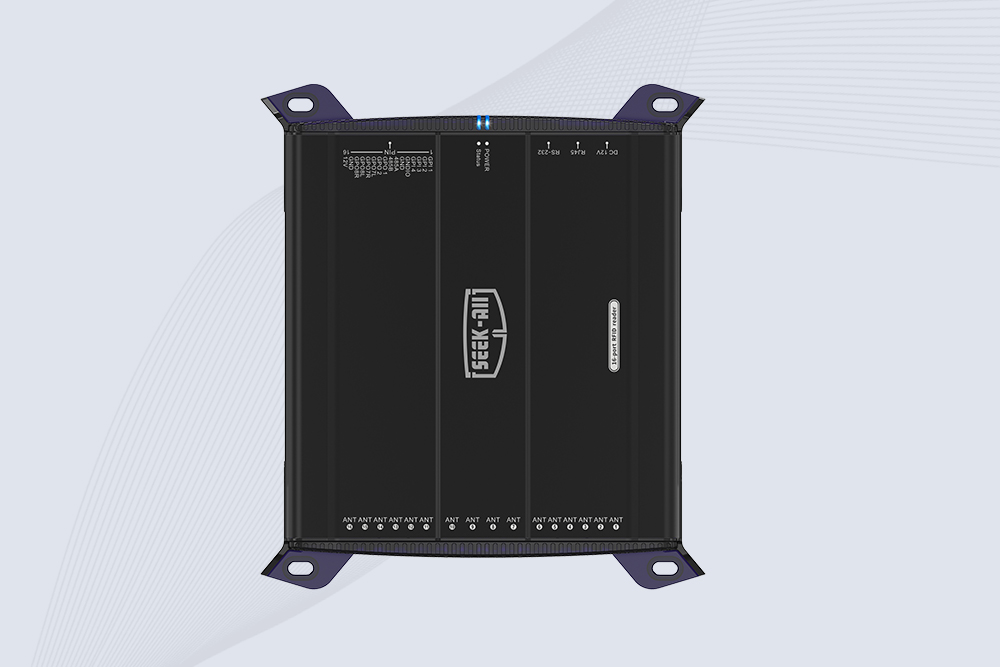
SSD-R16L Multi-Channel RFID Infrastructure for Automated Inventory Management ✔️ 16-Port High-Density RFID Reading Equipped with 16 SMA antenna ports, SSD-R16L supports multi-antenna deployment for warehouses, retail stores, logistics, production lines, and large-area RFID identification. ✔️ High-Speed & Long-Range Performance With up to 33…
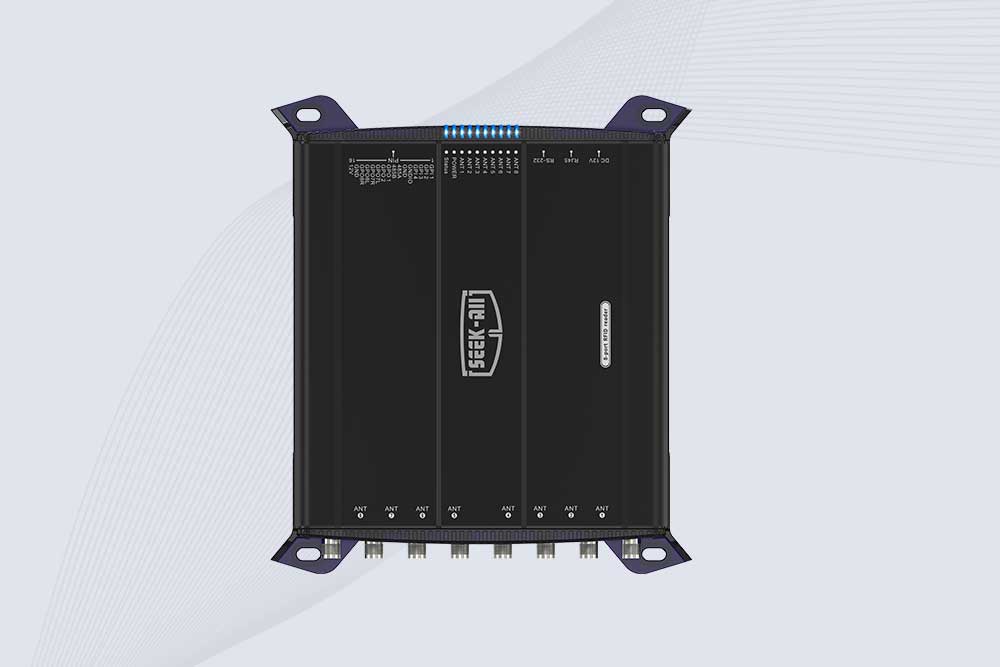
SSD-R8L 8-port UHF RFID reader with 33dBm output, up to 20m reading range and 600+ tags/s recognition. Ideal for warehouse, logistics, retail and asset tracking.
CYKEO Passive RFID Tags are made for wet and high-humidity environments where standard labels do not last. This rfid passive tag is often used around liquids, chemicals and temperature changes, providing stable reading distance and long data life for industrial tracking.
CYKEO CYKEO-PCB1504 Metal RFID Tags is a compact anti-metal UHF RFID solution built for direct mounting on metal surfaces. With stable 8-meter read range, Ucode-8 chip, and long data retention, this rfid metal tag fits tools, containers, automotive parts, and industrial asset tracking.
CYKEO CYKEO-PCB7020 On-Metal RFID Tags are designed for reliable tracking on steel and metal surfaces. Built with an FR4 epoxy body and industrial-grade chips, these On-Metal RFID Tags deliver stable performance, long data life, and chemical resistance, making them a dependable RFID anti-metal tag for harsh environments.
The CYKEO CYKEO-60-25 Anti-Metal RFID Tag is built for metal surfaces where standard tags fail. Designed for long-range performance, harsh environments, and stable data retention, this Anti-Metal RFID Tag is ideal for industrial assets, containers, and equipment tracking using on metal RFID tags.
The CYKEO RFID Laundry Tag is designed for long-term textile identification in harsh laundry environments. Built to withstand high heat, chemicals, and repeated washing, this RFID Laundry Tag delivers stable performance for hotels, hospitals, and industrial laundry operations using laundry rfid tags at scale.
The CYKEO CYKEO-125-7 RFID Book Tag is designed for reliable book and document tracking in libraries and archives. This RFID Book Tag delivers long read range, dense placement support, and stable performance on shelves, making it a practical rfid tag on books for library automation, file management, and archival systems.
CYKEO RFID tags in hospitals are designed for sterile environments where accuracy matters. These autoclavable RFID tags support long-term tracking of surgical tools, implants, and medications, helping hospitals improve visibility, compliance, and patient safety.
CYKEO RFID Cable Tie Tag is built for reliable identification on metal surfaces. This UHF RFID Cable Tie Tag is widely used in rfid tags for inventory systems, industrial asset management and Hospital RFID Tags, offering stable read performance, long service life and global EPC Gen2 compatibility.
CYKEO RFID Asset Tag is designed for stable identification of metal assets in industrial environments. This UHF RFID Asset Tag is commonly used for rfid tag asset tracking on equipment, tools and containers, providing reliable reads, long service life and ISO/IEC 18000-6C support.
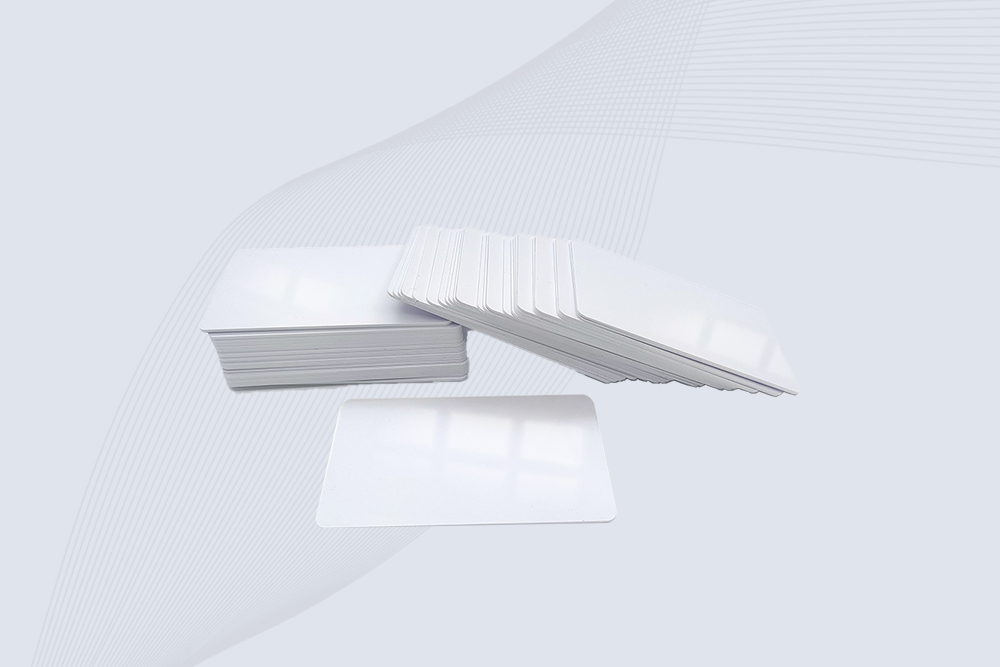
CYKEO UHF RFID Card is designed for fast identification and long-term use in industrial and commercial systems. Supporting ISO 18000-6C, this UHF RFID Card works at 860–960 MHz and is suitable for custom RFID cards used in asset tracking, access control and inventory management.
CYKEO HF RFID Cards are designed for secure and stable access control systems. These 13.56 MHz RFID key cards support ISO 14443-A, reliable rewriting and long service life, making HF RFID Cards suitable for offices, campuses, events and membership management.
CYKEO UHF RFID Tag is designed for reliable tracking of metal jewelry and high-value items. This Jewelry RFID Tag supports long-range reading up to 8 meters, anti-counterfeit protection and stable performance on metal, making it suitable for retail, inventory control and asset management.
Cykeo CYKEO-C1 industrial Forklift RFID Reader features 20m read range, 600 tags/sec scanning, Impinj R2000 chipset, and IP67 rugged design. Ideal for warehouse logistics and manufacturing. Supports ISO 18000-6C/6B protocols.
Cykeo CYKEO-R4 industrial UHF RFID Fixed Reader features 4 TNC ports, 400+ tags/sec speed, IP67 housing, and global frequency compliance for vehicle inspection, smart warehouse, and asset management systems.
CYKEO CYKEO-R8L Fixed RFID Reader with 8-port UHF design, Impinj-based RF core and up to 20m read range. An industrial Fixed RFID Reader for vehicle inspection, warehouse portals, smart manufacturing lines and secure access checkpoints.
RFID Fixed Reader from CYKEO – the CYKEO-R16L 16-port UHF fixed reader for warehouses, smart cabinets, and production lines. Long-range, multi-tag reading, stable performance for 24/7 industrial use.
You know that awkward moment in class or at work when someone has to call out names, and half the time it’s wrong, or you lose track of who’s in or out? Well, that’s where RFID attendance monitoring systems step in, quietly fixing all those little...
RFID reader can help warehouses identify products, pallets, containers and assets without requiring workers to scan every barcode individually. The most prac...
Discover how handheld RFID readers streamline retail stock audits. Learn setup, scanning best practices, and integration with POS systems for 99% inventory accuracy.
Cykeo, a leading IoT hardware solutions provider, announces the grand opening of its Shenzhen smart factory, expanding its national production network to 25,000㎡. Explore how Cykeo leverages RFID technology, 200+ patents, and global certification...
 Cykeo RFID IoT Solution Products R&D Manufacturer