 Cykeo RFID IoT Solution Products R&D Manufacturer
OEM RFID Reader Module: How Companies Build Custom RFID Devices
80Learn how companies use OEM RFID reader modules to build custom RFID devices for smart cabinets, industrial automation, warehouse systems, and medical equipment tracking.
MoreAll RFID Product
How is RFID used in manufacturing? RFID is used to track materials, monitor production processes, manage tools, improve inventory accuracy, and create real-time visibility across modern factories through automated identification technology.
In manufacturing projects supported by Cykeo, RFID is not treated as a simple replacement for barcode scanning. Engineers usually introduce RFID where manual recording creates delays: incoming material inspection, work-in-process tracking, tooling control, and final product verification.
I have participated in RFID system evaluation and deployment discussions involving production workshops, equipment manufacturers, and industrial automation teams. One recurring finding is that the biggest value of RFID appears when factories need information before a problem becomes visible on the production floor.
A missing component, an incorrectly assembled part, or an unavailable maintenance tool often creates hours of hidden downtime. RFID helps expose these conditions earlier through automatic identification.
Manufacturing environments are complex. Raw materials move between warehouses, assembly stations, inspection areas, and finished goods storage. Traditional manual recording often depends on workers scanning or entering information at specific checkpoints.
RFID changes this workflow by allowing tagged objects to communicate automatically with RFID readers.
A typical RFID manufacturing system includes:
| Component | Manufacturing Function |
|---|---|
| RFID Tags | Store product, component, or asset identification information |
| RFID Readers | Capture tag data automatically |
| RFID Antennas | Create identification zones around production areas |
| Software Platform | Connect RFID data with MES, ERP, or WMS systems |
According to International Data Corporation, manufacturers continue increasing investment in digital transformation technologies as factories move toward connected operations and Industry 4.0 models.
The important shift is not only collecting more data. It is collecting accurate data at the moment when production decisions are made.
One of the most common manufacturing RFID applications is tracking products during production.
A tagged component can be identified automatically when it enters:
Unlike barcode systems, RFID does not require direct visual alignment. This allows operators to identify multiple items even when tags are partially covered or moving.
In automotive and electronics manufacturing, this capability is especially valuable because thousands of components may pass through production every day.
During factory trials, RFID checkpoints are often installed at points where mistakes create the highest cost.
Examples include:
A production line equipped with RFID verification can compare actual component information with manufacturing instructions before the next process begins.
This approach changes quality control from a final inspection activity into a continuous verification process.

Manufacturers often lose efficiency because materials are difficult to locate.
RFID enables:
For example, when raw materials enter a warehouse, RFID readers can automatically record arrival information without requiring employees to scan every individual package.
This is particularly useful for:
Production tools and maintenance equipment are critical factory assets.
A missing tool may stop an entire production process.
RFID asset tracking helps manufacturers monitor:
| Asset Type | RFID Application |
|---|---|
| Manufacturing tools | Tool location and usage history |
| Maintenance equipment | Check-in/check-out management |
| Production fixtures | Process tracking |
| Safety equipment | Inspection records |
Cykeo RFID solutions are designed for industrial environments where equipment identification must remain reliable despite dust, metal structures, and continuous operation.
Cykeo develops RFID hardware and solutions for industrial applications requiring stable identification performance.
Key advantages include:
Cykeo UHF RFID readers support multi-tag recognition using anti-collision algorithms, allowing factories to process large numbers of tagged items efficiently.
Manufacturing systems often require integration with existing platforms.
Cykeo RFID devices support flexible communication methods and software integration options for OEM and enterprise projects.
Factory environments contain:
Cykeo RFID solutions focus on practical deployment reliability rather than only laboratory performance.
Understanding how is RFID used in manufacturing requires looking beyond the RFID tag itself. In industrial applications, performance is measured by identification speed, read accuracy, environmental resistance, and integration capability.
According to GS1, EPC UHF RFID technology is widely adopted in manufacturing and logistics because it enables automatic identification of products and assets without direct line-of-sight scanning.
In practical factory deployments, RFID system performance is commonly evaluated through:
| Technical Parameter | Manufacturing Requirement |
|---|---|
| Operating Frequency | UHF 860–960 MHz for long-range identification |
| Protocol Compatibility | EPC Class 1 Gen2 / ISO18000-6C |
| Reading Speed | Hundreds of tags per second depending on environment |
| Output Power | Adjustable according to installation conditions |
| Communication Interface | Ethernet, RS-232, USB, industrial integration options |
| Environmental Protection | Suitable for dust, vibration, and industrial conditions |
The actual value of RFID in manufacturing is created when identification data connects with production systems.
A factory manager does not need more barcode scans. They need to know where materials are, which process has been completed, and whether production status matches the planned workflow.
Modern factories use RFID readers at strategic checkpoints to automatically identify products moving between processes.
Typical installation locations include:
When a tagged product enters a reading zone, the system can automatically record:
This reduces manual recording tasks and improves traceability.
In automotive manufacturing, where a single vehicle may contain thousands of components, RFID helps connect physical products with digital production records.
Material availability directly affects production efficiency.
A missing component discovered during assembly can interrupt an entire production schedule.
RFID warehouse systems help manufacturers achieve:
Compared with traditional manual counting, RFID enables companies to capture inventory information continuously instead of only during periodic checks.
Manufacturing tools often move between workers, maintenance areas, and production stations.
Without tracking, companies may experience:
RFID tool management creates a digital history for each asset.
For example:
A torque wrench used in an automotive factory can have an RFID tag recording:
This transforms tools from passive equipment into monitored industrial assets.
Cykeo develops RFID readers, modules, and industrial identification systems for manufacturing environments where reliability matters.
Key technical advantages include:
Manufacturing environments often contain large numbers of tagged items.
Cykeo UHF RFID readers use advanced anti-collision algorithms to support simultaneous tag identification, helping factories process multiple products without manual scanning.
Typical applications:
Factory environments are demanding.
RFID equipment may face:
Cykeo industrial RFID readers are designed with protective structures and stable communication interfaces for long-term deployment.
Manufacturers rarely replace all existing systems.
RFID solutions must connect with:
Cykeo RFID devices support software development integration through APIs and SDK resources, allowing OEM customers and system integrators to customize applications.
RFID helps automotive factories track:
Large manufacturing lines benefit from automatic identification because every production error can create significant cost.
Electronic components are small, high-value, and require strict traceability.
RFID supports:
Aircraft manufacturing requires strict documentation.
RFID can track:
Medical products require reliable production history.
RFID helps manage:
Industrial factories use RFID for:

RFID is used in manufacturing to automatically identify products, track materials, monitor production processes, manage tools, and improve factory visibility through real-time data collection.
The main benefits include:
Yes. Industrial RFID systems can work in metal environments when using suitable RFID tags, antenna designs, and reader configurations.
RFID provides advantages when factories need automatic identification, multiple-item reading, and tracking without direct scanning.
UHF RFID (860–960 MHz) is commonly used for manufacturing because it provides longer reading distances and supports fast multi-tag identification.
RFID improves quality control by verifying components, recording process history, and ensuring products follow correct manufacturing workflows.
Yes. Industrial RFID solutions can integrate with MES, ERP, and warehouse systems through software interfaces and customized development tools.
The answer to how is rfid used in manufacturing is no longer limited to tracking products. RFID has become a foundation technology for connected factories by linking materials, machines, workers, and production data.
From production line tracking to smart inventory management, Cykeo provides industrial RFID solutions designed for manufacturers seeking higher visibility, automation, and operational efficiency.
With reliable UHF RFID readers, customizable integration options, and practical deployment experience, Cykeo helps companies build smarter manufacturing environments.
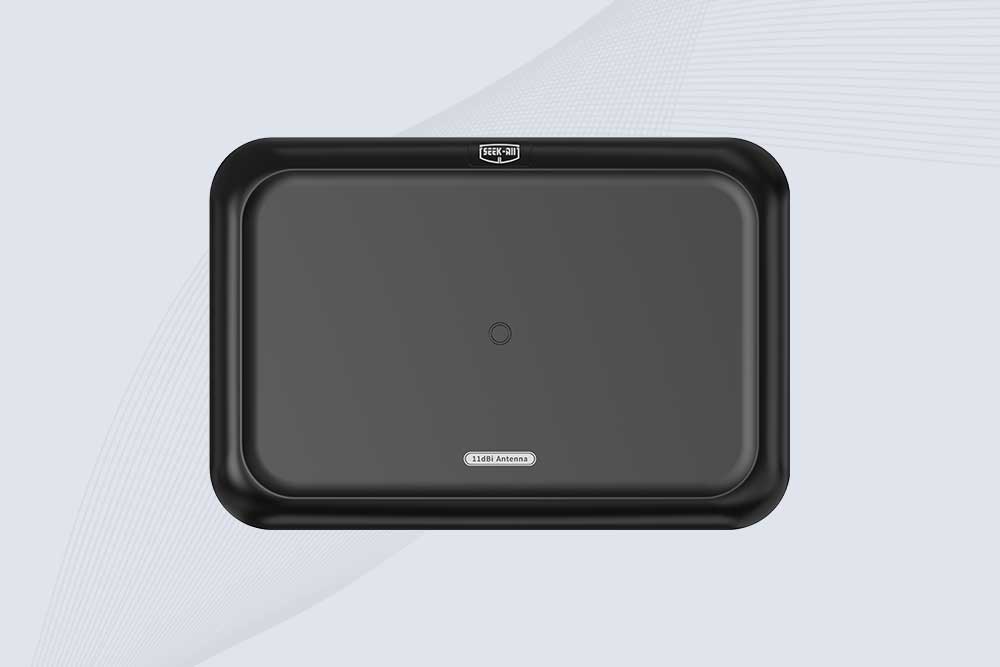
SSD-A11 UHF RFID antenna features 840–960 MHz adjustable frequency, ≥10.5 dBi gain, circular polarization and 50Ω impedance for fixed RFID systems.
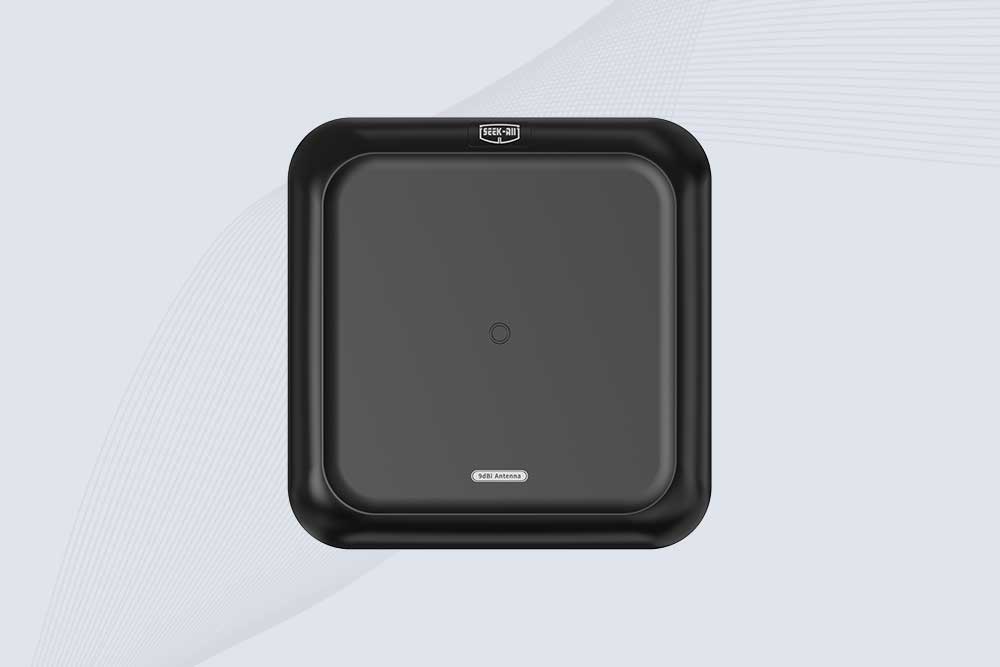
SSD-A09 is a 9 dBi UHF RFID antenna with 840–960 MHz adjustable frequency, circular polarization, 50Ω impedance and directional 60° × 60° coverage.
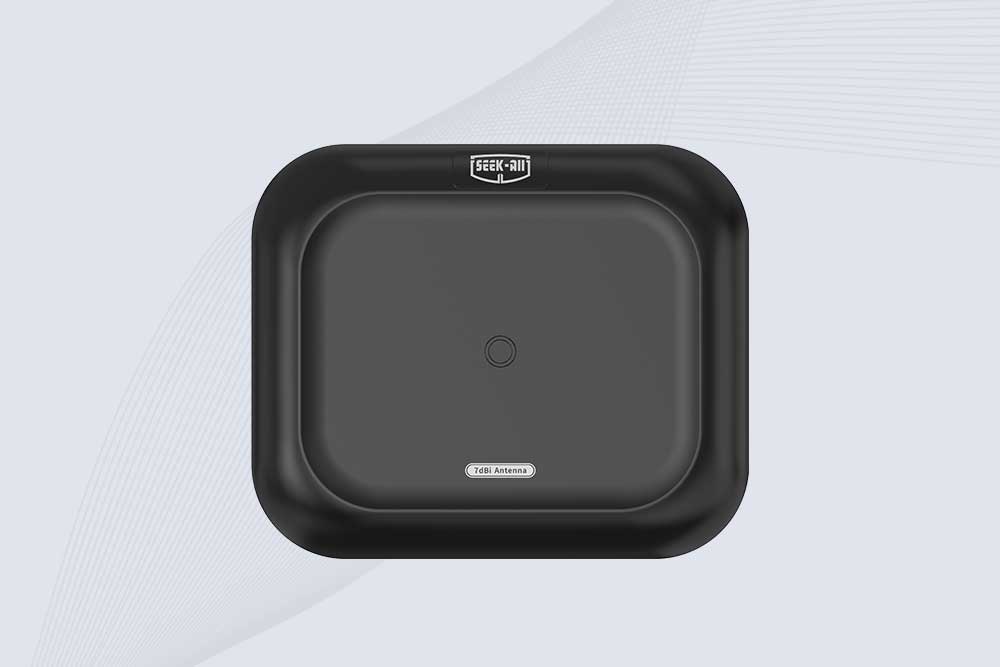
Explore the SSD-A07 UHF RFID antenna with 7 dBi gain, circular polarization, adjustable 840–960 MHz frequency, and 60°/75° beamwidth for stable RFID read/write performance.

SSD-A06 UHF RFID antenna with circular polarization, adjustable 840–960 MHz frequency, ≥4.5 dBi gain, and a compact directional design for RFID systems.
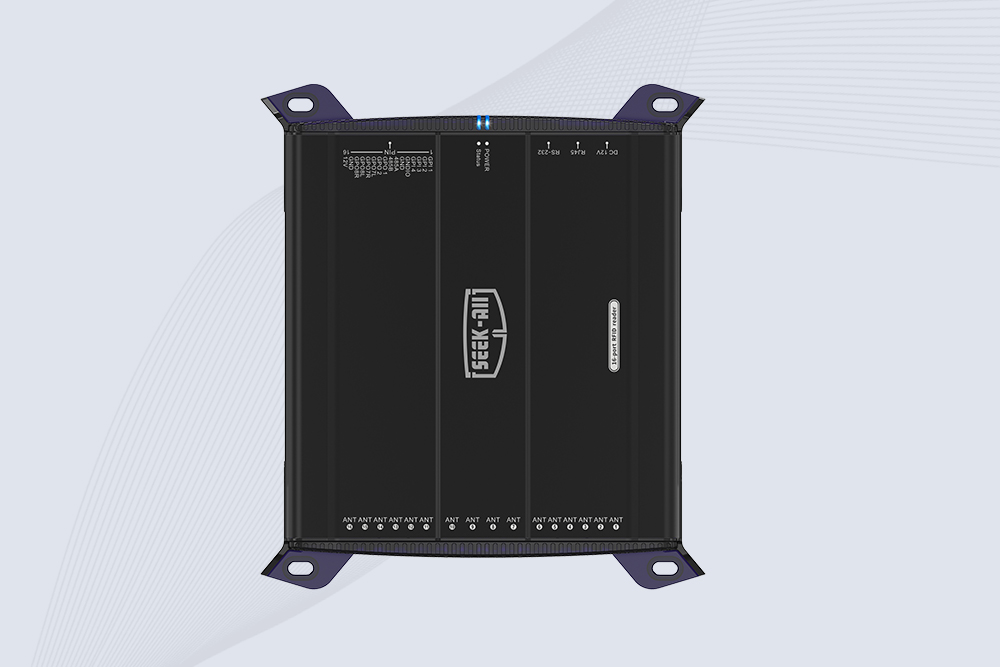
SSD-R16L Multi-Channel RFID Infrastructure for Automated Inventory Management ✔️ 16-Port High-Density RFID Reading Equipped with 16 SMA antenna ports, SSD-R16L supports multi-antenna deployment for warehouses, retail stores, logistics, production lines, and large-area RFID identification. ✔️ High-Speed & Long-Range Performance With up to 33…
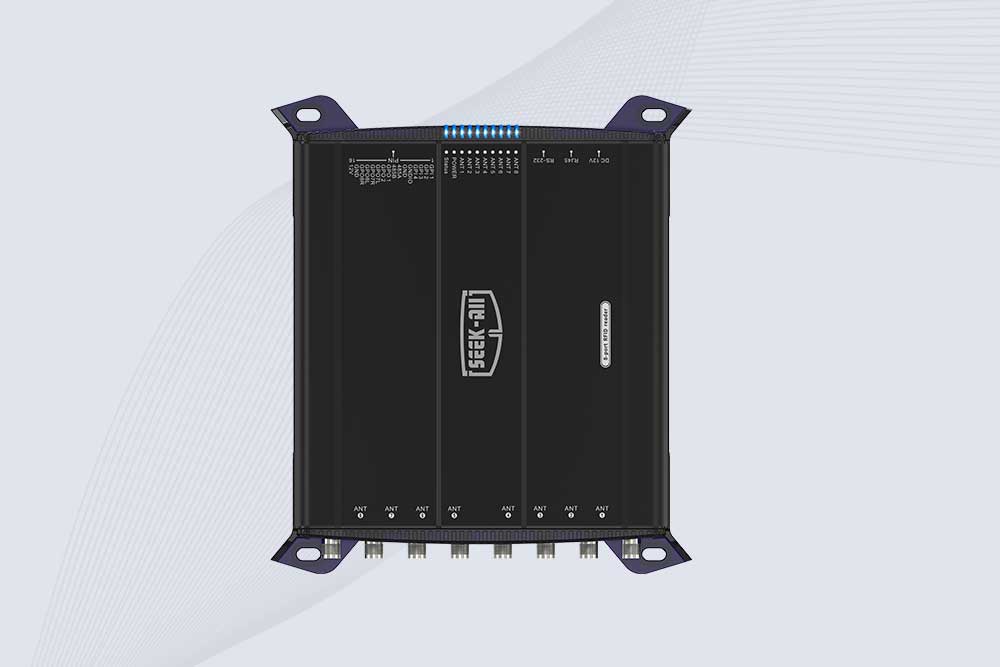
SSD-R8L 8-port UHF RFID reader with 33dBm output, up to 20m reading range and 600+ tags/s recognition. Ideal for warehouse, logistics, retail and asset tracking.
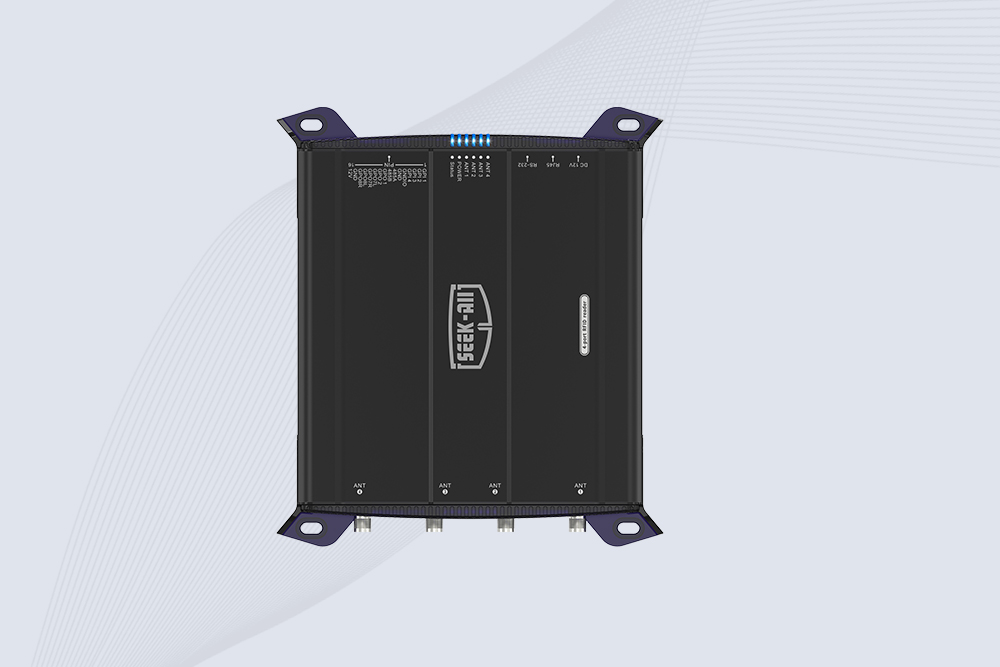
SSD-R4L is a 4-port UHF RFID fixed reader with 33dBm output power, up to 20m reading range, EPC C1G2 support and 600+ tags/s reading speed.
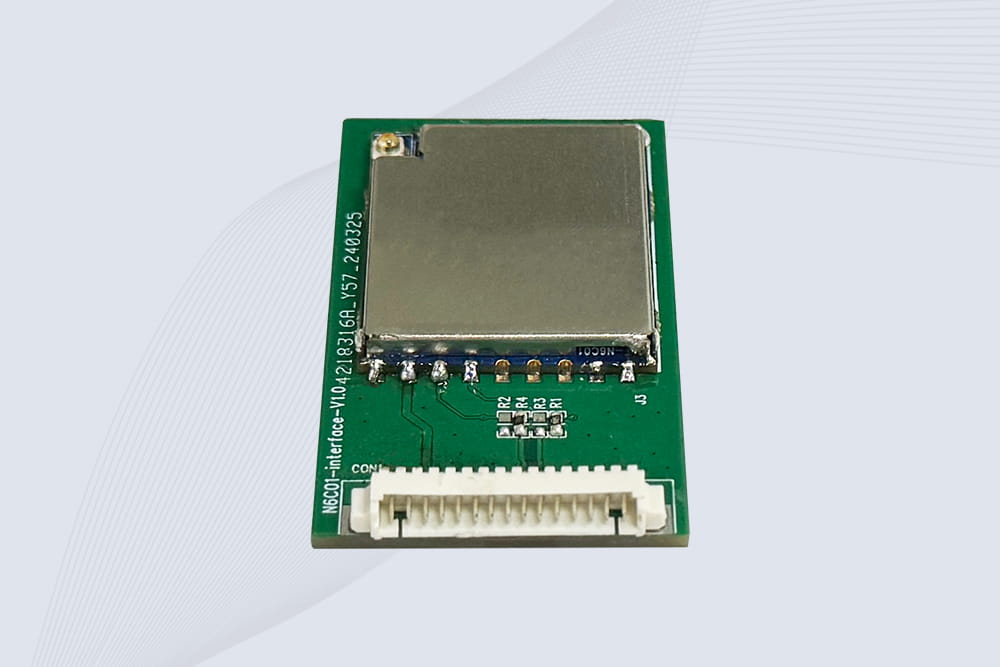
CYKEO Embedded RFID Modules are designed for compact industrial and IoT devices that require stable UHF performance. These UHF RFID Modules support global protocols, flexible power control, and reliable multi-tag reading for smart cabinets, production lines, and asset tracking systems.
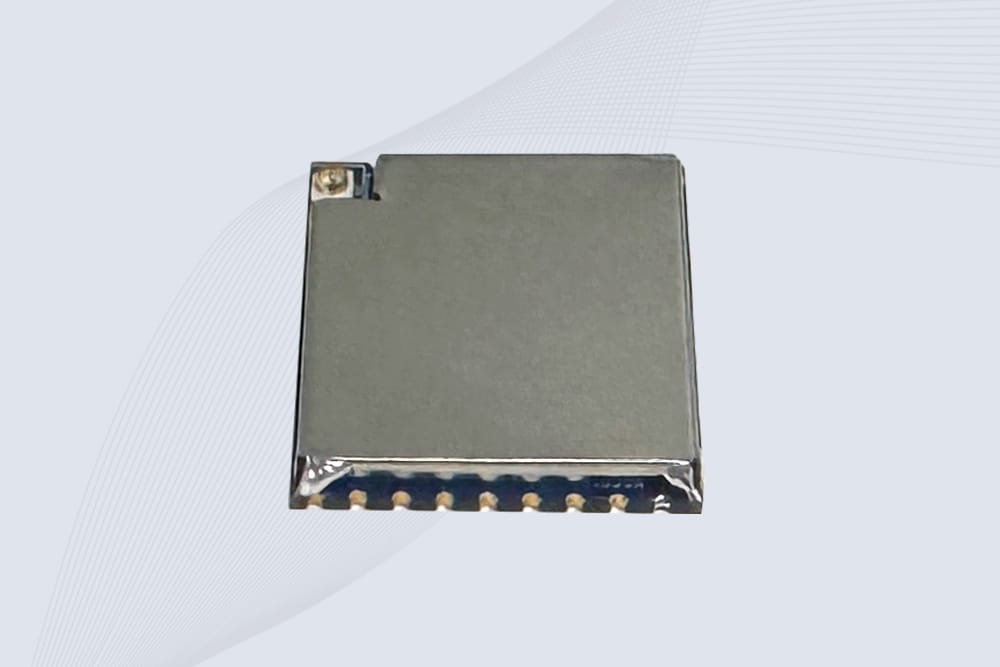
CYKEO Embedded RFID Module is built for compact IoT and industrial devices that need stable UHF performance. This UHF module supports global protocols, low power operation, and reliable multi-tag reading for smart lockers, production lines, and always-on RFID systems.
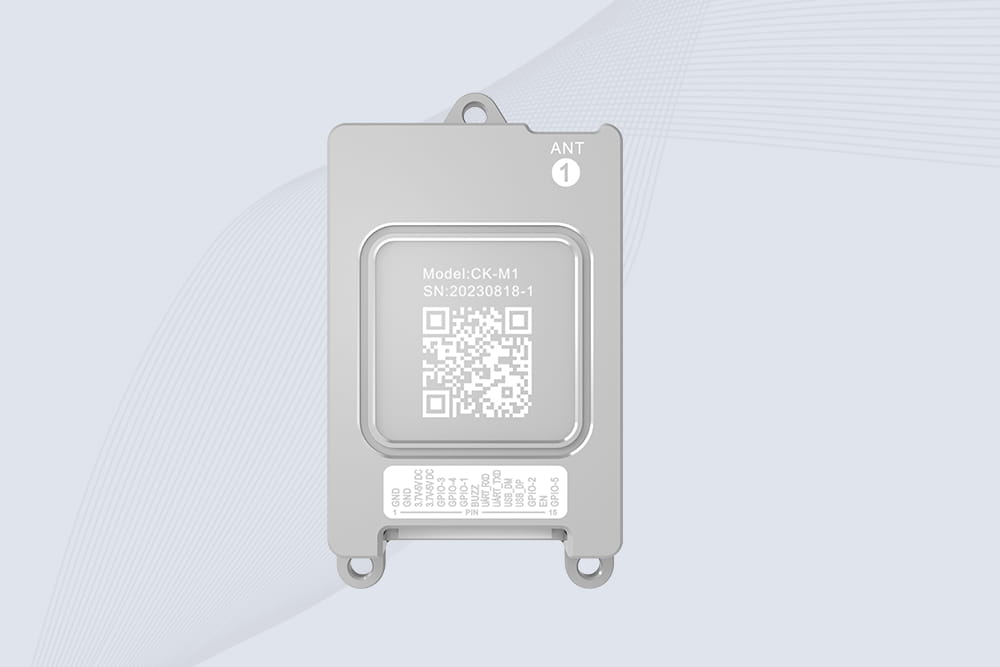
CYKEO CYKEO-M1 drone rfid module is a compact UHF RFID reader module designed for drones and UAV platforms. It supports long-range aerial scanning, fast multi-tag reading, and stable performance in wind, vibration, and outdoor environments.
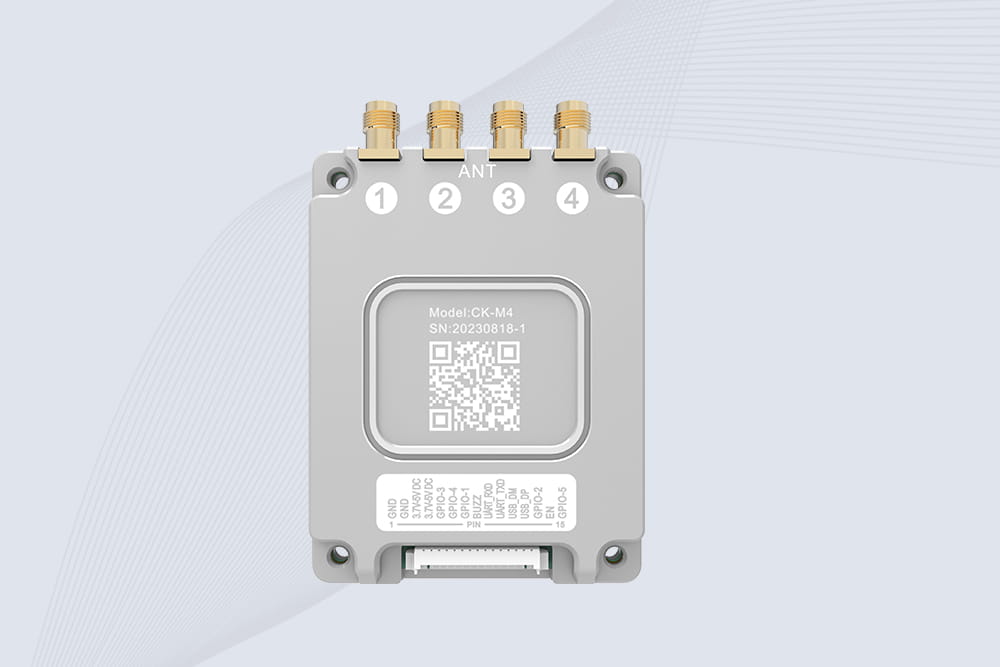
CYKEO CYKEO-M4 RC522 RFID Module is an industrial-grade UHF RFID reader with 4 ports, supporting ISO, EPC, and GB protocols. High-speed, accurate reading for IoT, automation, and warehouse applications.
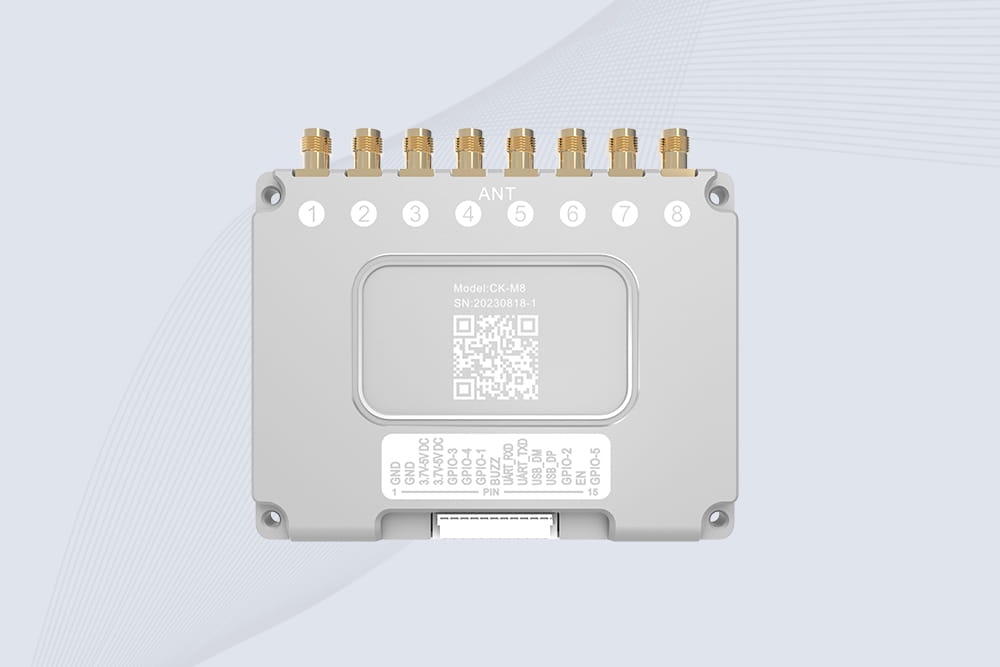
CYKEO CYKEO-M8 Module RFID is an 8-port UHF R2000 RFID Module designed for high-density, multi-tag environments. Stable 33dBm output, ISO & GB protocol support, ideal for warehouses, factories, and automated systems.
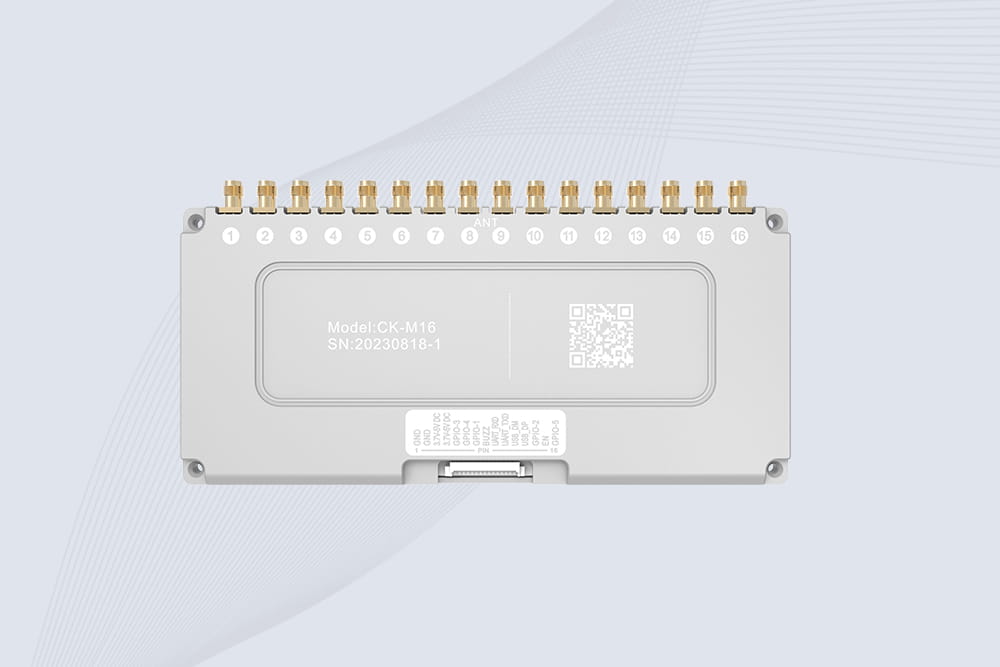
CYKEO CYKEO-M16 RFID Module is a 16-port UHF RFID reader module based on the R2000 chipset. Designed for dense tag environments, it supports ISO and GB standards and delivers stable multi-antenna control for industrial automation.
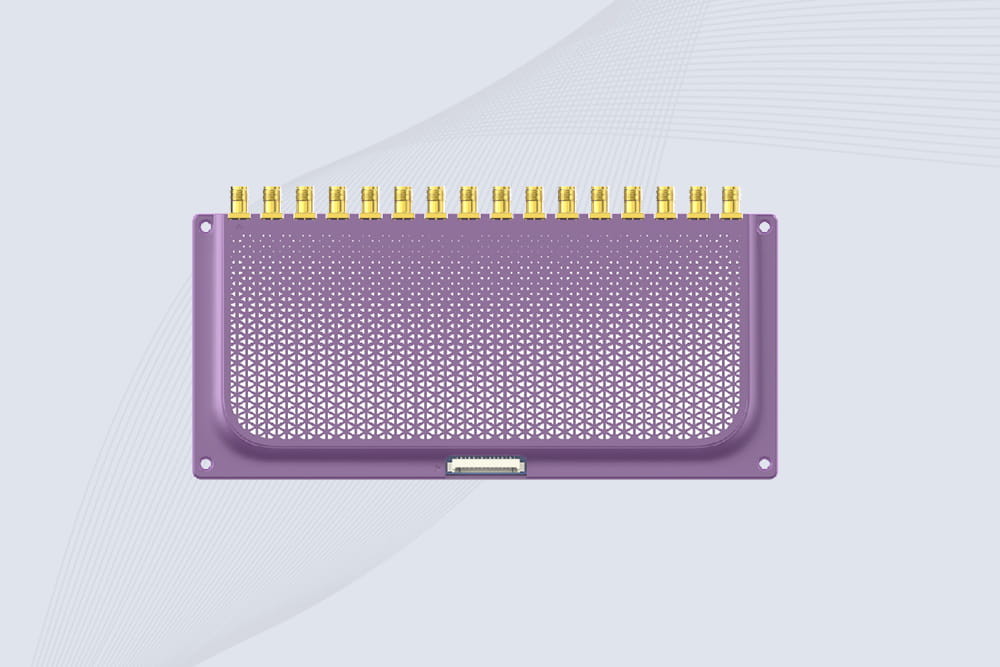
The CYKEO CYKEO-M16L RFID Reader Module is a 16-channel UHF RFID core designed for dense tag environments. With adjustable 33dBm output, multi-protocol support, and stable multi-antenna control, this RFID Tag Reader Module fits industrial automation, warehouse systems, and large-scale IoT deployments.
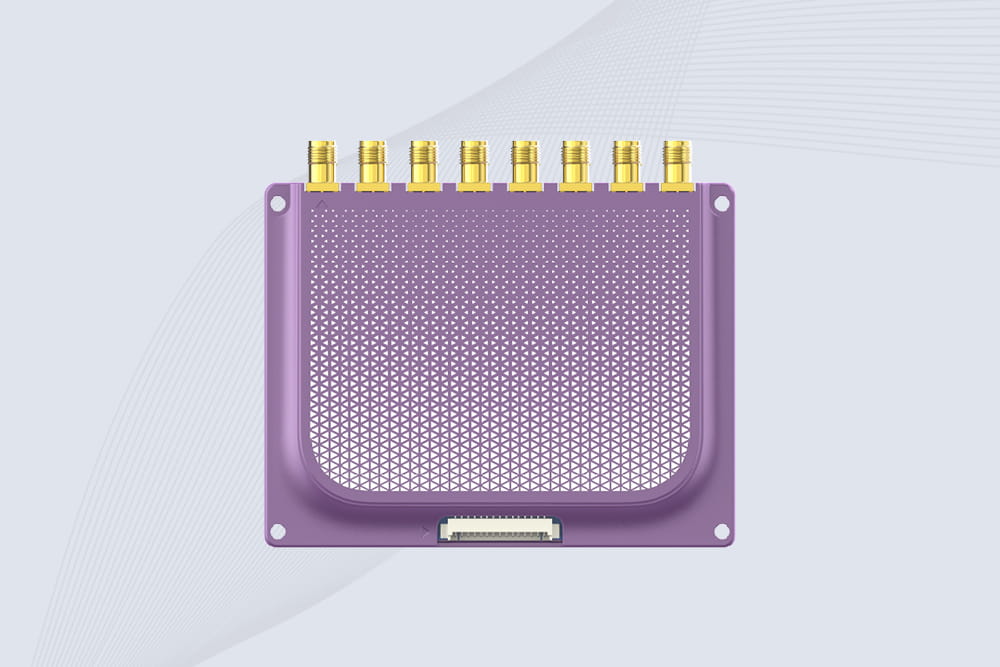
CYKEO CYKEO-M8L module RFID is a compact industrial UHF module built for dense tag and multi-antenna environments. With 8 RF ports, adjustable 33 dBm output, and ISO & GB protocol support, it is widely used in factories, warehouses, and automated tracking systems.
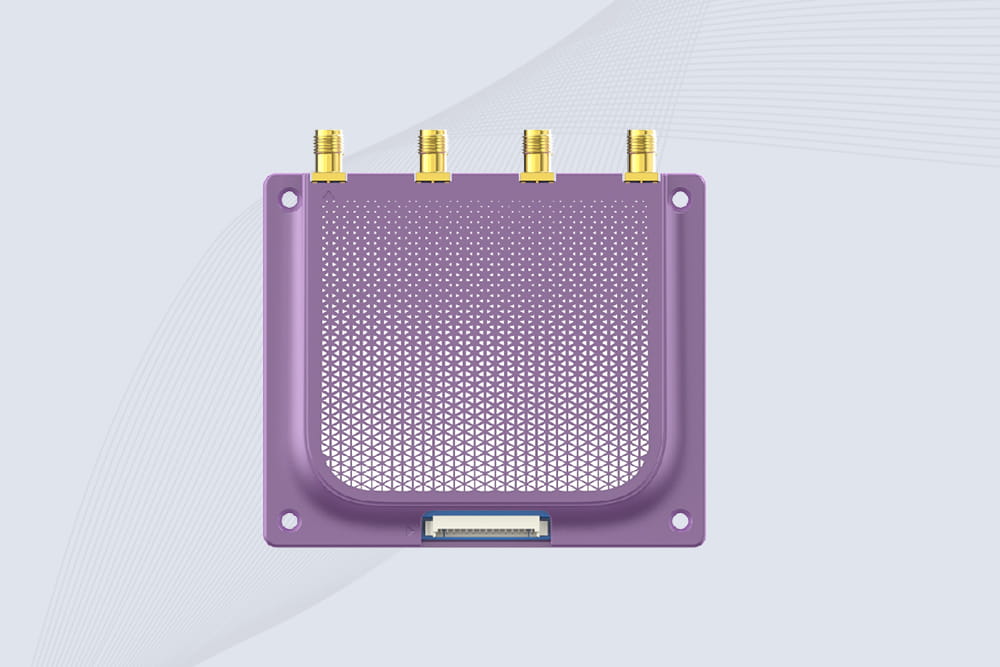
CYKEOCYKEO-M4L UHF RFID Module is a compact 4-channel RFID tag reader module designed for dense tag environments. Supporting ISO and GB protocols, it delivers stable reads up to 10 meters for industrial and IoT systems.
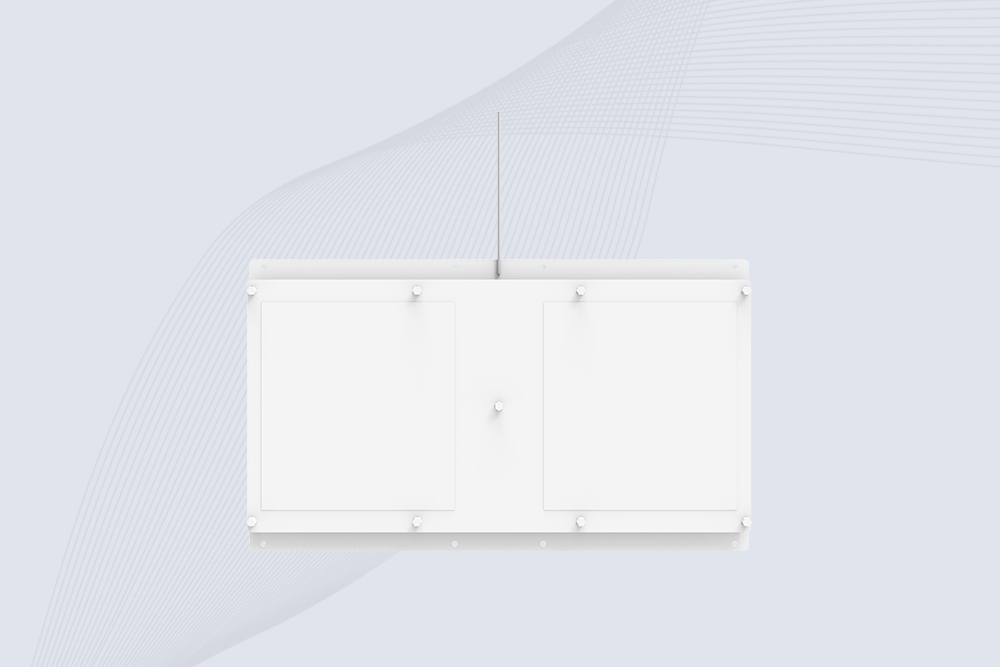
Cykeo CYKEO-A11 UHF RFID reader antenna delivers 11dBi gain, 840-960MHz frequency range, and IP65 ruggedness for retail, logistics, and industrial RFID systems. Features low VSWR and easy installation.

CYKEO Antenna RFID Reader delivers stable long-range UHF performance with a 10.5dBi directional design, built for warehouses, conveyor portals, and industrial RFID systems. This rfid reader antenna provides 20m+ read distance and rugged IP67 protection.

Cykeo CYKEO-PHF3 industrial HF RFID Antenna offers 24-point dynamic tracking, ISO 14443A/15693 protocols, metal-environment stability for archives/libraries/manufacturing.

Cykeo CYKEO-A5B industrial Linear RFID Antenna delivers 5dBi gain, ≤1.5:1 VSWR, and IP65 rugged design for warehouse, production line, and logistics UHF systems.

Cykeo’s CYKEO-B12 Long Range RFID Antenna delivers 15m+ read range with 12dBi gain, IP65 rugged design, and global 840-960MHz UHF support. Ideal for warehouse/logistics asset tracking.
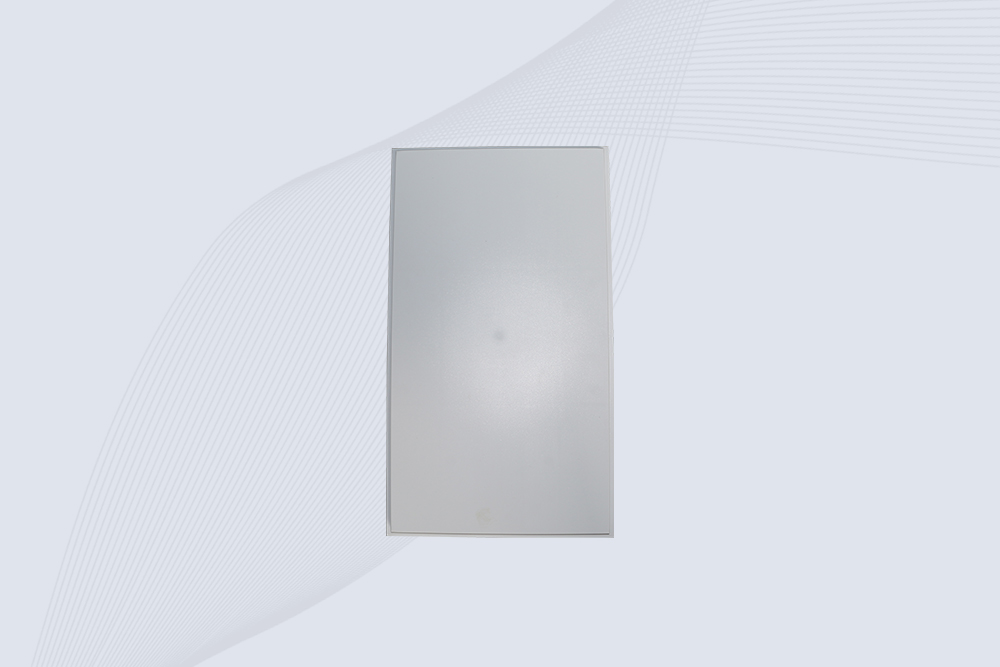
Cykeo CYKEO-B10 Long Distance RFID Antenna offers 10dBi gain, 840-960MHz frequency range, IP65 rating, and 20m+ coverage for logistics/warehousing/ETC systems. Low VSWR ensures stable signal transmission.
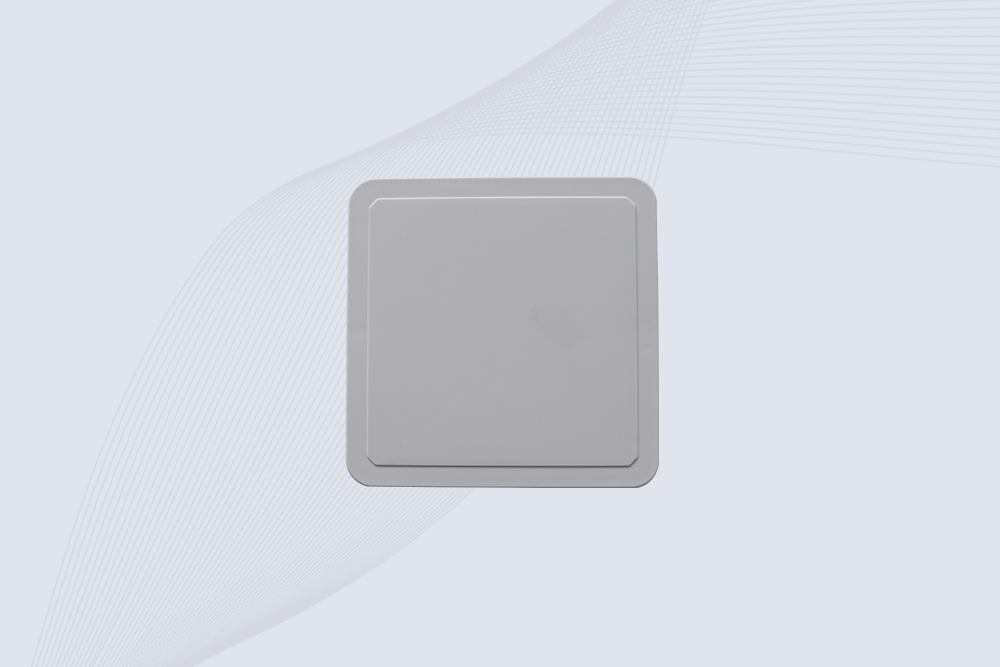
Cykeo CYKEO-A6 UHF RFID panel antenna features 6dBi gain, 840-960MHz broadband, IP65 metal-ready housing for logistics/smart retail. 18mm ultra-thin design with tool-free mounting.

Cykeo CK-A3 industrial antenna RFID UHF offers 5m+ tag detection, ≤1.3:1 VSWR, IP65 rugged design, and global UHF spectrum compatibility (840-960MHz) for warehouses, factories, and retail.
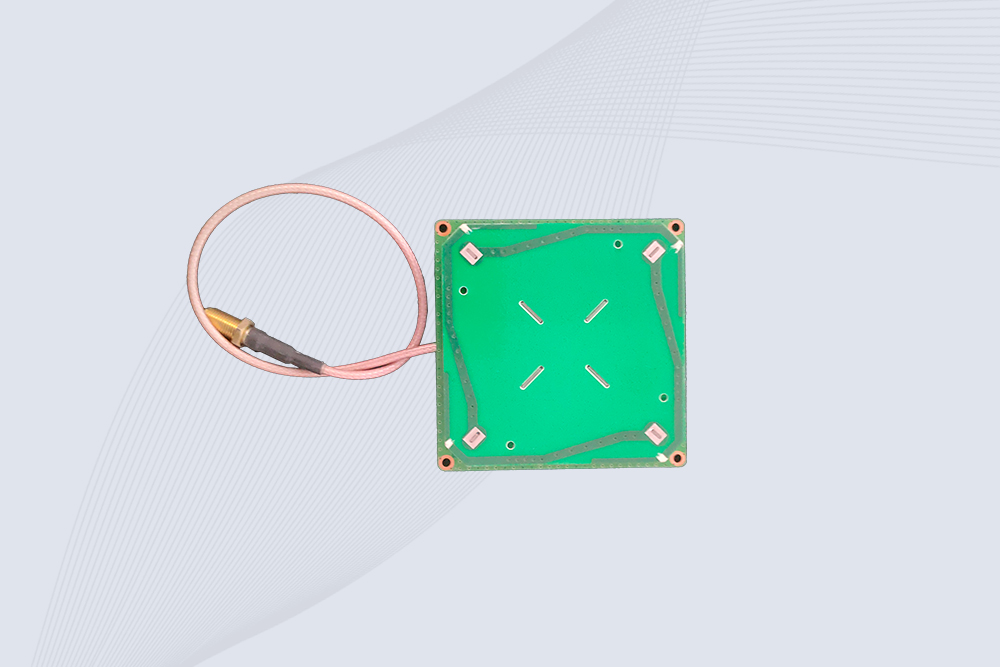
Cykeo CYKEO-B5 directional RFID antenna provides 5dBi gain with 60° narrow beamwidth for precise inventory tracking. IP65-rated, global UHF frequency support, and low VSWR.
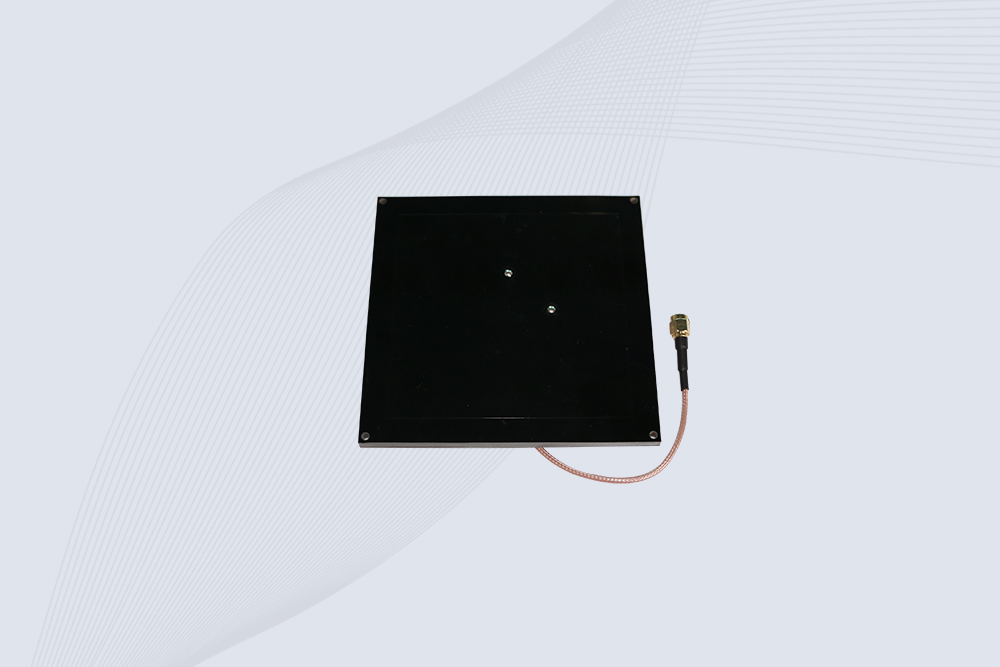
Create your own high-performance DIY RFID antenna! 5dBi gain, 840-960MHz tunable, step-by-step guides. Compatible with Arduino, Raspberry Pi, and commercial UHF readers.
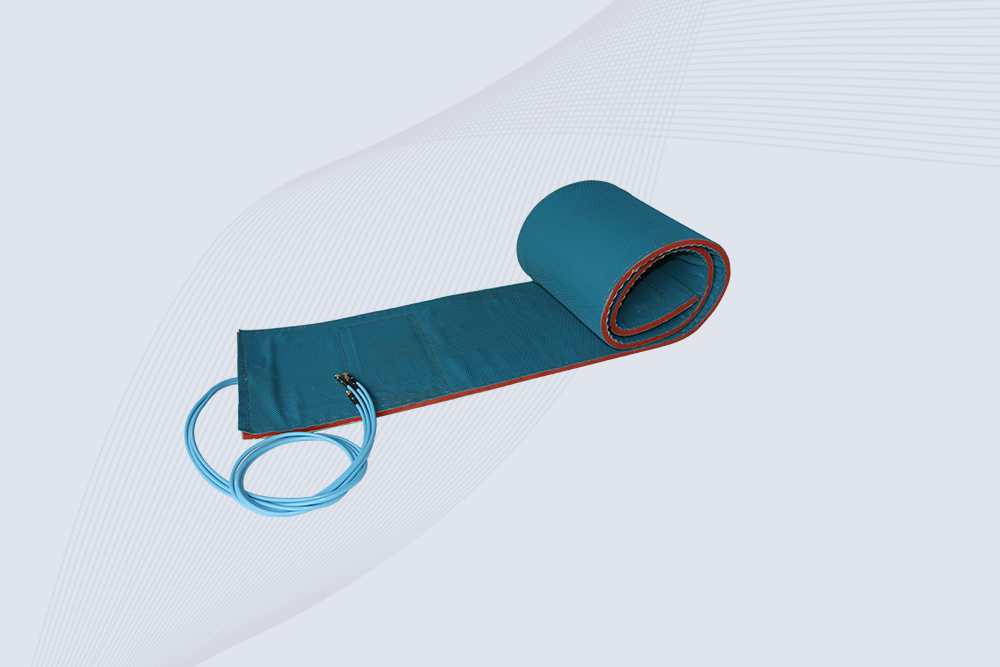
Cykeo CYKEO-A7 Flexible RFID Antenna features 840-960MHz wideband tuning, 7dBi gain, and IP68 rating for medical/retail/industrial curved surface deployments. 98% read accuracy with peel-and-stick installation.

Cykeo CYKEO-B5A industrial Passive RFID Antenna delivers 5dBi gain, 70° beamwidth, and -40°C~55°C operation for warehouses/smart cabinets. Compatible with Zebra/Impinj readers.
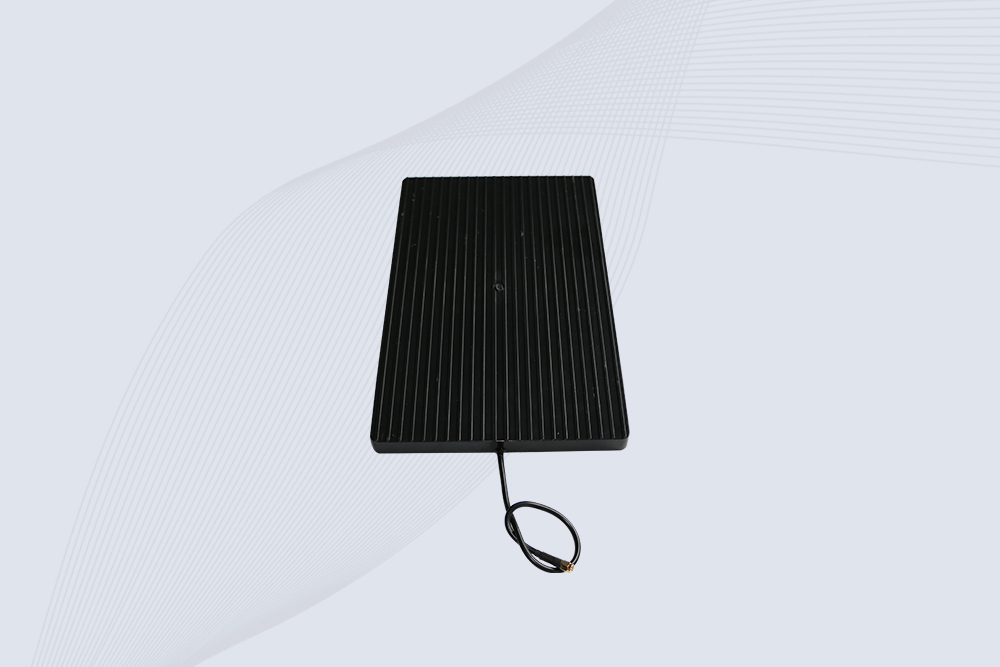
Cykeo’s CYKEO-A9B High Gain RFID Antenna delivers 15m+ read range with 9dBi amplification. Features IP54 rugged design, 840-960MHz bandwidth, and 80° beamwidth for warehouse/manufacturing RFID systems.

Cykeo’s enterprise-grade 8dbi Impinj RFID Antenna 10m+ read range with 840-960MHz tuning. Features IP65 housing, 1.4 VSWR, 35° beamwidth for retail/warehouse RFID systems.
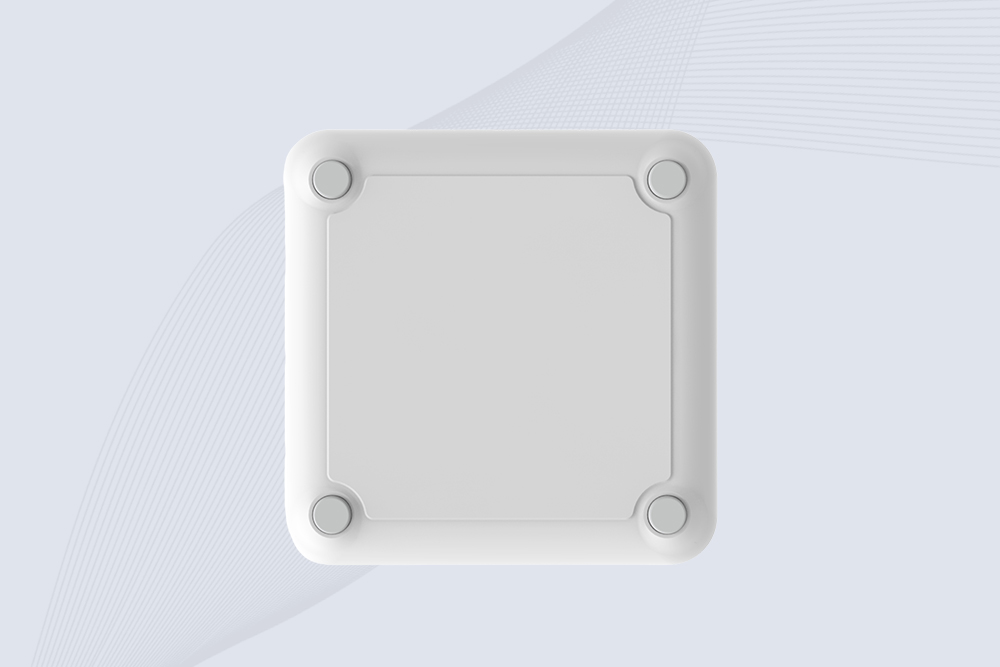
Cykeo CYKEO-A9 industrial UHF RFID antenna delivers 9dBi gain, 840-960MHz frequency range, and IP65 protection for warehouse/logistics/retail RFID systems. Features N-type connector and ≤1.3:1 VSWR.
CYKEO UHF RFID Antenna built for long-distance and industrial applications. This antenna rfid uhf delivers strong gain, outdoor durability, and reliable tag performance in warehouses, yards, and vehicle ID systems.
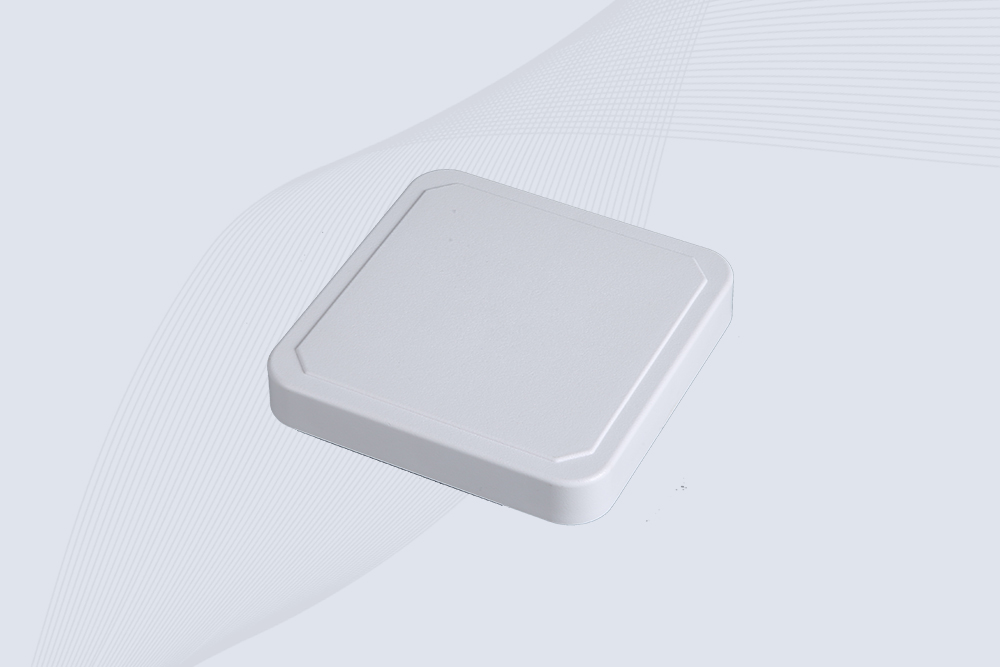
CYKEO Antenna RFID delivers reliable long-range UHF performance in warehouses, retail shelves, and cold-chain environments. This compact uhf rfid antenna provides stable reads with circular polarization and ultra-wide 840–960 MHz support, ideal for industrial tracking, smart shelves, and asset monitoring.
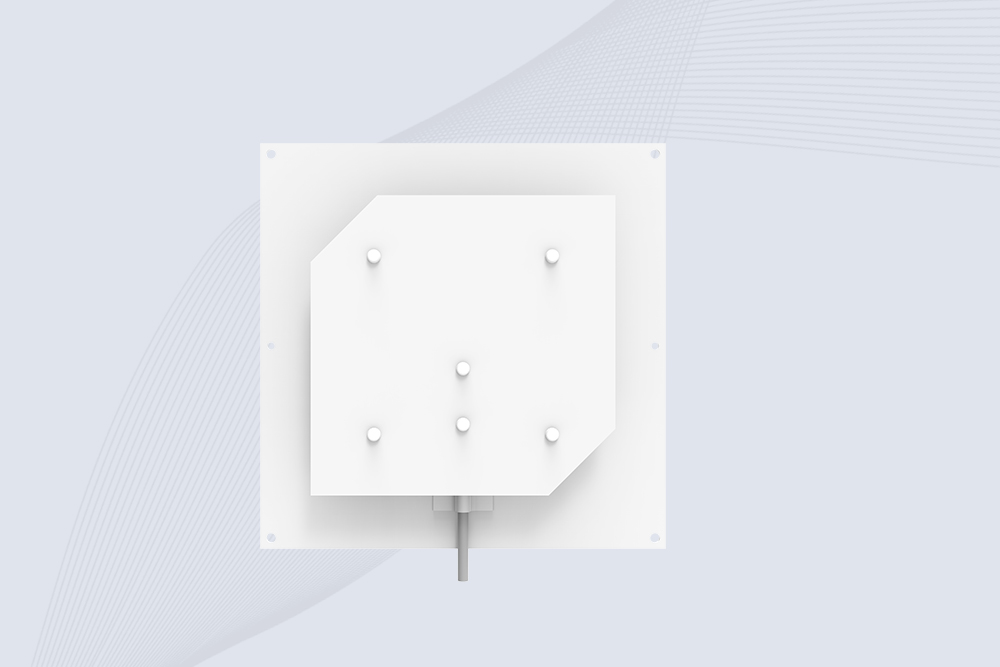
Cykeo’s CYKEO-C8 UHF RFID antennas delivers 8dBi gain, 840-960MHz full-band coverage, and IP65 ruggedness for manufacturing/warehouse RFID systems. Industrial RFID Antennas Features
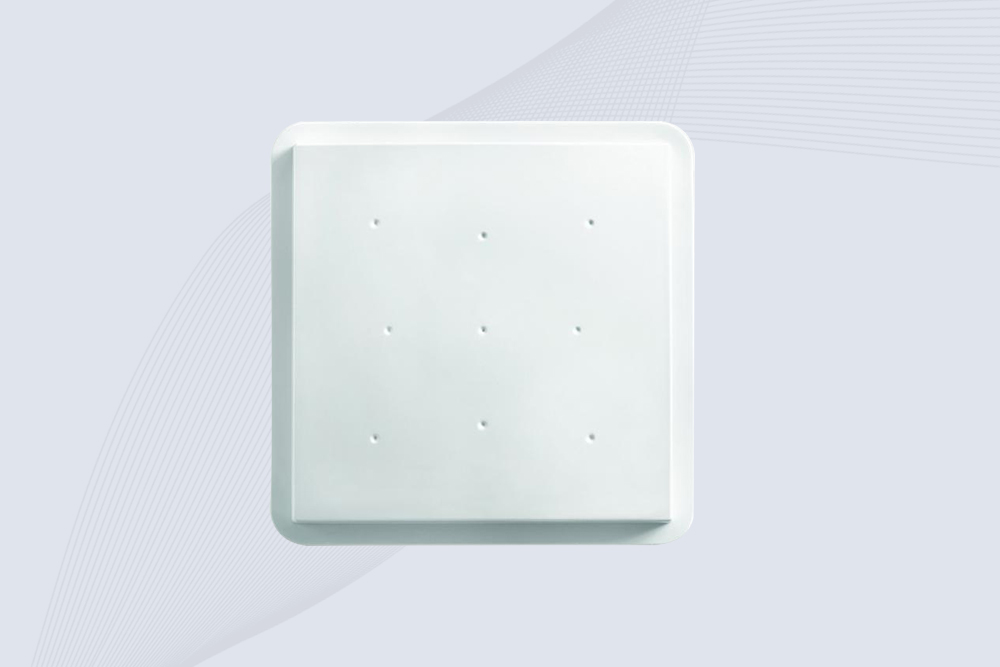
Cykeo’s 8dBi UHF RFID antenna and reader kit delivers 10m+ range, 840-960MHz broadband, and IP65 ruggedness for factories, warehouses, and logistics. ISO 18000-6C & EPC Gen2 certified.
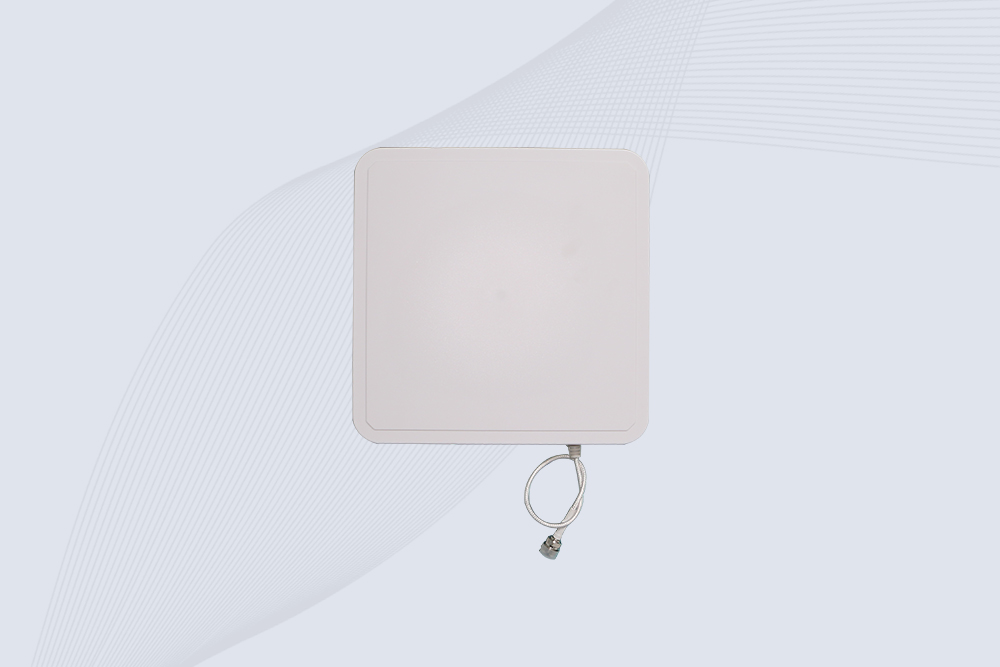
Cykeo CYKEO-A9A industrial UHF RFID reader and antenna kit delivers 10m range, 500 tags/sec, IP65 ruggedness for manufacturing/logistics. Supports EPC Gen2, ISO18000-6C.
Cykeo’s CYKEO-A12C UHF Large RFID Antenna delivers 12dBi gain, 840-960MHz global frequency, IP65 ruggedness for logistics/warehousing/automotive. 40° beamwidth ensures stable 15m+ tag reads.

CYKEO Near Field RFID Antenna provides precise 5–30 cm reading for shelves, cabinets, and workstations. This compact rfid shelf antenna delivers stable short-range performance around metal and clutter, ideal for pharmacies, libraries, and electronics sorting.
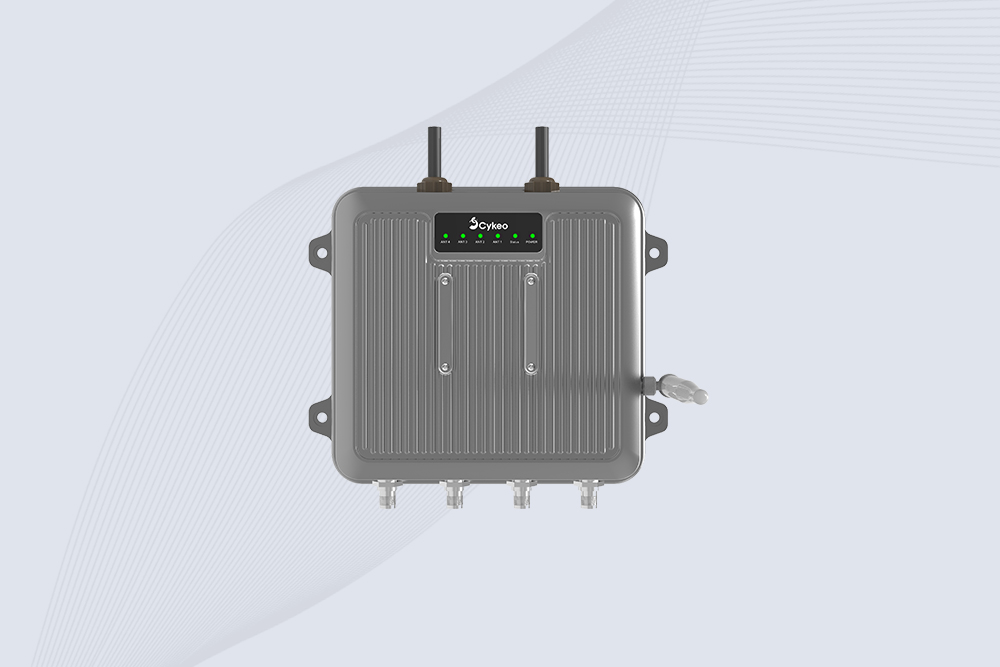
Cykeo CYKEO-C1 industrial Forklift RFID Reader features 20m read range, 600 tags/sec scanning, Impinj R2000 chipset, and IP67 rugged design. Ideal for warehouse logistics and manufacturing. Supports ISO 18000-6C/6B protocols.
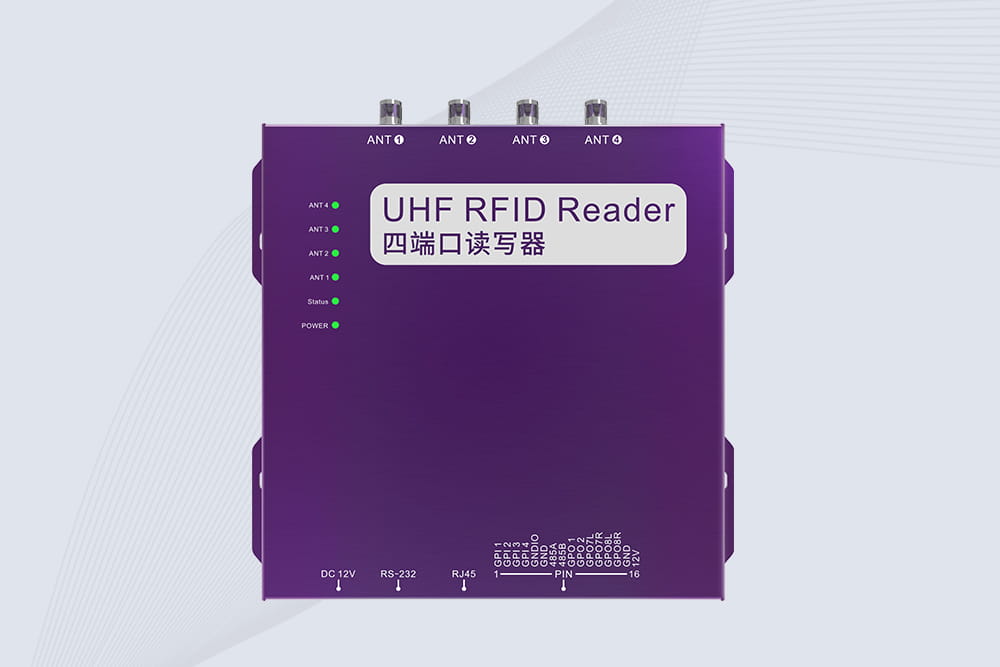
Cykeo CYKEO-R4 industrial UHF RFID Fixed Reader features 4 TNC ports, 400+ tags/sec speed, IP67 housing, and global frequency compliance for vehicle inspection, smart warehouse, and asset management systems.
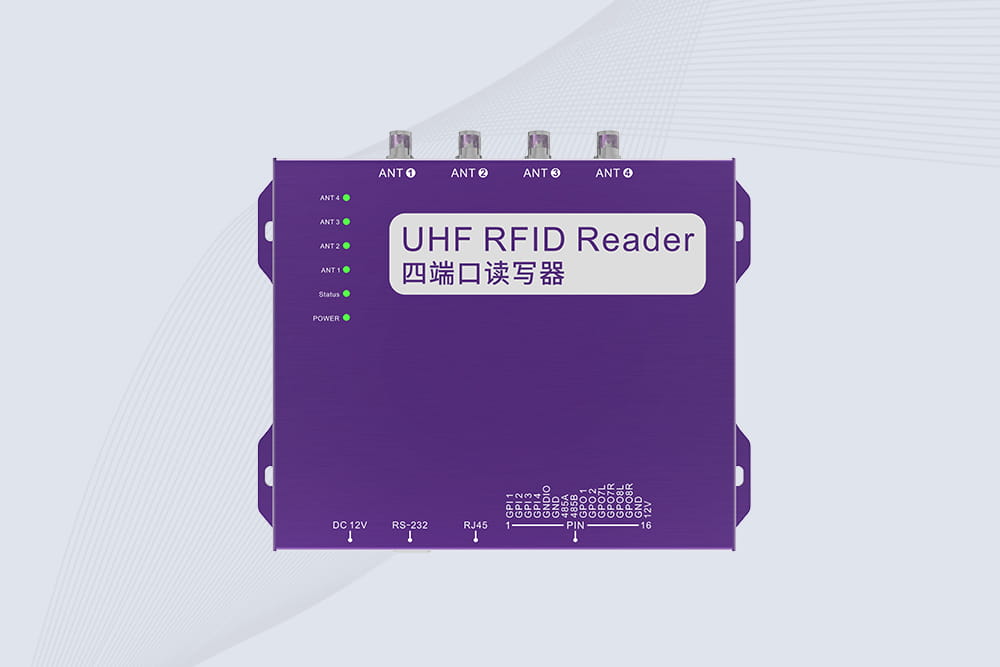
Cykeo’s CYKEO-R4L 4-port Fixed UHF RFID Reader delivers 400 tags/sec scanning, ISO 18000-6C compliance, and IP65 protection. Ideal for warehouse automation, manufacturing WIP tracking, and logistics management.
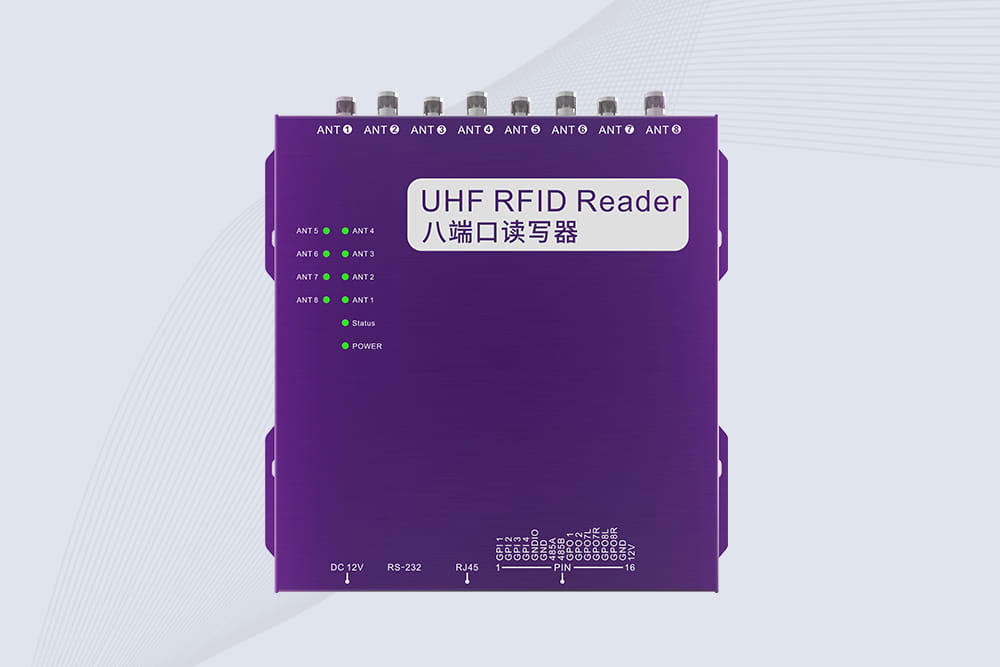
CYKEO CYKEO-R8L Fixed RFID Reader with 8-port UHF design, Impinj-based RF core and up to 20m read range. An industrial Fixed RFID Reader for vehicle inspection, warehouse portals, smart manufacturing lines and secure access checkpoints.
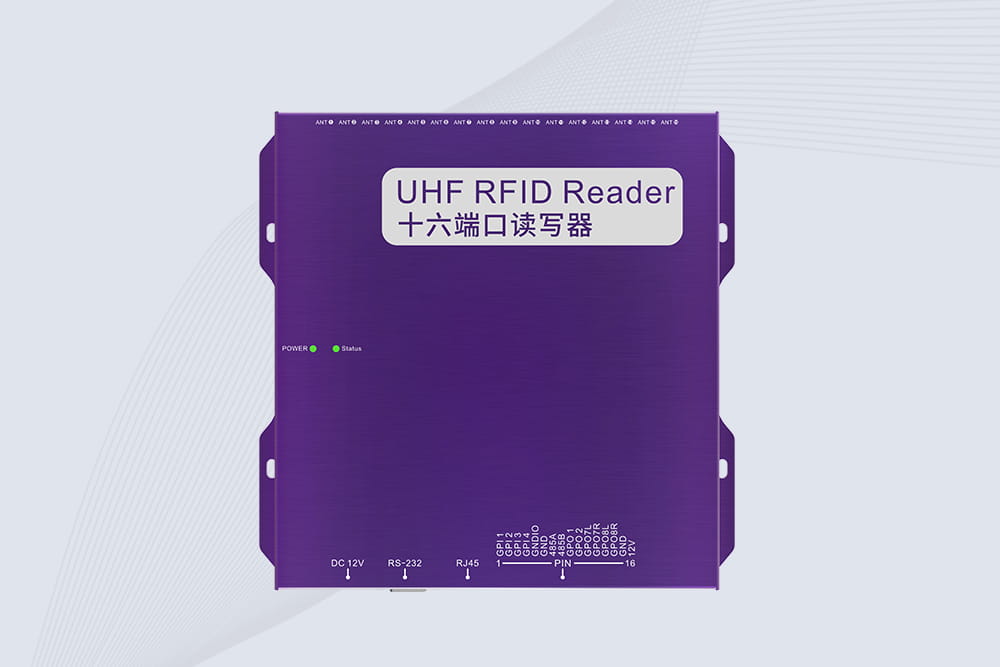
RFID Fixed Reader from CYKEO – the CYKEO-R16L 16-port UHF fixed reader for warehouses, smart cabinets, and production lines. Long-range, multi-tag reading, stable performance for 24/7 industrial use.

Learn how companies use OEM RFID reader modules to build custom RFID devices for smart cabinets, industrial automation, warehouse systems, and medical equipment tracking.
More
RFID starts with selecting the right frequency, tag, reader, antenna, and software workflow, then validating the complete system within the intended reading ...
More
Discover waterproof handheld RFID scanners built for rugged outdoor environments. Learn how Cykeo’s durable devices enhance accuracy in harsh weather and dust.
More
RFID reader reading distance is not determined by the reader alone. Antenna design, tag type, reader power, tag orientation, installation height, metal, liqu...
More