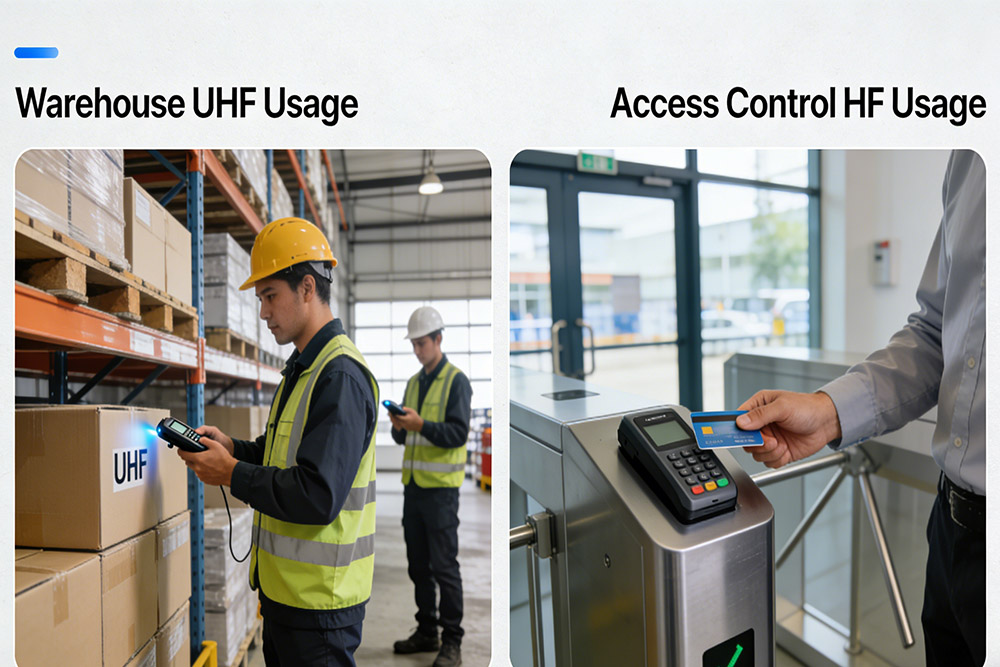
Discover how the CYKEO RFID warehouse management system transforms logistics with real-time inventory tracking, smart storage allocation, faster picking, and automated shipping verification. Boost accuracy, efficiency, and transparency in your war...
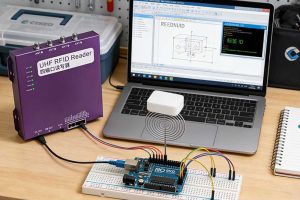
Learn how to hook up an RFID antenna to Arduino using common modules like the RC522. Our guide covers the connections, code basics, and what to do when it doesn't work.
Discover how RFID tags reader systems improve inventory accuracy, asset visibility, and operational efficiency. Learn proven applications, performance data, and deployment insights from Cykeo experts.
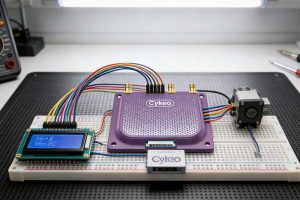
A practical guide on how to use RFID module with Mega Board (Arduino Mega 2560). Learn wiring, coding, and project ideas for advanced RFID applications.
 Cykeo RFID IoT Solution Products R&D Manufacturer