 Cykeo RFID IoT Solution Products R&D Manufacturer


Can an RFID Antenna Activate Devices? The Truth About Wireless Power
299Many ask: can an RFID antenna activate devices? We explain the limitations and possibilities of UHF antenna power transfer for sensors and simple circuits.
MoreAll RFID Product
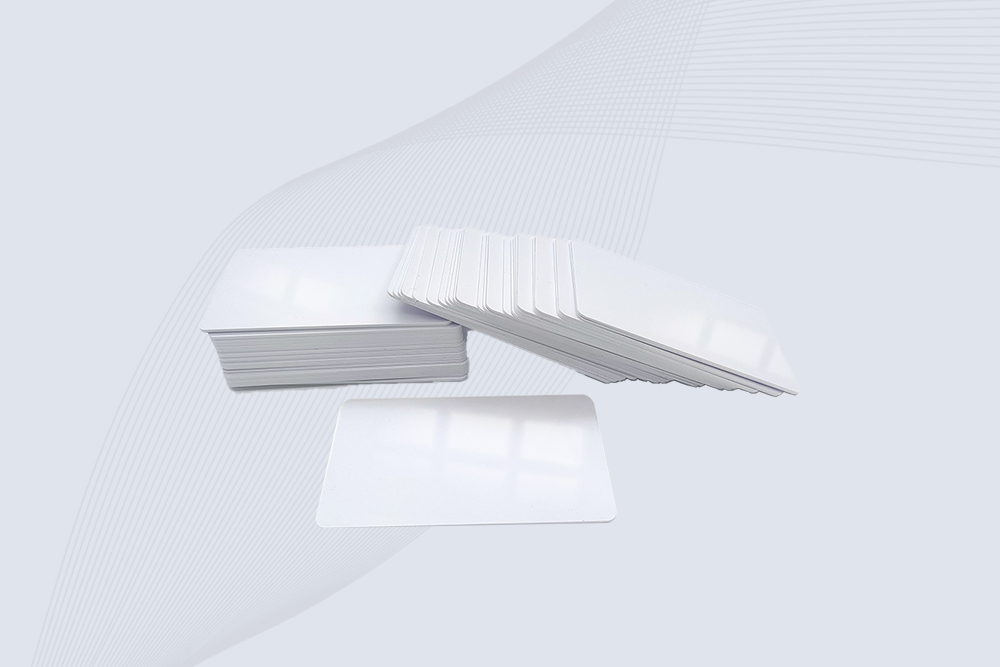
An RFID card is a credit card-sized device that uses embedded radio frequency identification (RFID) technology to wirelessly transmit data. Unlike traditional cards with magnetic stripes, RFID cards contain a microchip and antenna that communicate with readers via electromagnetic fields, enabling touchless authentication, payments, and secure access.
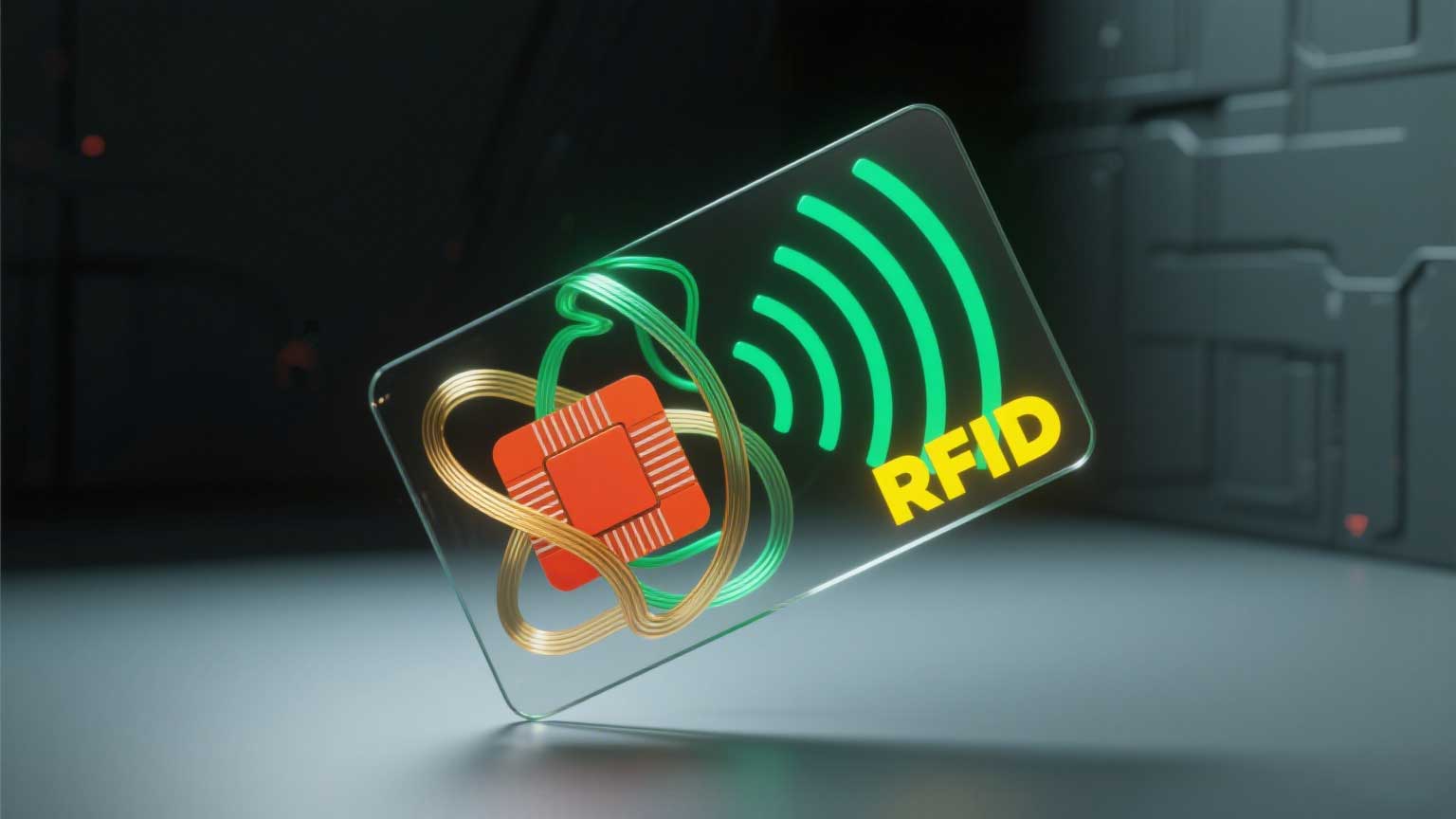
💡 Key fact: Passive RFID cards never require charging – all energy comes from the reader.
| Type | Frequency | Primary Use Case |
|---|---|---|
| Low Frequency (LF) | 125 kHz | Animal tracking, basic access |
| High Frequency (HF) | 13.56 MHz | Contactless payments, secure access |
| Ultra-High Frequency (UHF) | 860–960 MHz | Warehouse inventory tools |
Note: Most “RFID cards” refer to HF systems (ISO 14443/15693 standards) used in security and finance.
Cykeo’s corporate access cards use multi-layer encryption that self-locks after 3 failed scan attempts.
| Industry | Implementation |
|---|---|
| Corporate Security | Keyless building access with time restrictions |
| Public Transit | Touchless fare payments (e.g., London Oyster) |
| Healthcare | Patient identification and medication tracking |
| Payment Systems | Contactless Visa/Mastercard transactions |
| Type | RFID Card | Magnetic Stripe | NFC |
|---|---|---|---|
| Security | High (encryption) | Low (static data) | High (dynamic codes) |
| Durability | 5–10 years | 1–3 years | Varies by device |
| Speed | < 0.5 seconds | 2–3 seconds | Instant |
| Contact Required? | No (proximity-based) | Yes (swipe/insert) | Touch required |
Many ask: can an RFID antenna activate devices? We explain the limitations and possibilities of UHF antenna power transfer for sensors and simple circuits.
More
RFID card readers aren’t just gadgets. This practical guide explores real-world setups, common hiccups, and lessons learned in offices, warehouses, schools, and DIY projects, with hands-on tips and observations.
More
Retail RFID technology improves stock accuracy, loss prevention, and inventory visibility with ultra high frequency RFID solutions for modern retail stores.
More
This buying guide helps businesses and system integrators evaluate USB RFID readers based on tag compatibility, reading performance, software integration, sa...
More