 Cykeo RFID IoT Solution Products R&D Manufacturer

how to read an rfid tag
114Learn how to read an RFID tag using professional tools. Discover accurate methods, real-world insights, and high-performance RFID reading techniques.
MoreAll RFID Product
In RFID projects, one of the most common early-stage decisions is choosing the reader type.
On paper, the difference seems simple: fixed, integrated, handheld. But in real deployments, the choice is rarely that clean. Many system integrators only realize later that the “wrong form factor” can slow down installation, limit scalability, or even affect system stability.
This is not just a hardware comparison. It is more about how the system is going to be used on site.
Fixed RFID readers are what you usually see in warehouses, parking gates, and production lines.
They are installed at a fixed position and connected to external antennas. This structure makes them suitable for controlled reading zones and multi-antenna setups.
Typical use cases:
What makes them popular among system integrators is flexibility. You can adjust antenna layout, coverage angle, and reading zone independently.
But this flexibility also means more design work. If the antenna layout is wrong, performance will drop even if the reader itself is high-end.
In real projects, fixed readers are often chosen when:
the system needs stable long-term operation with multiple antennas and centralized control.
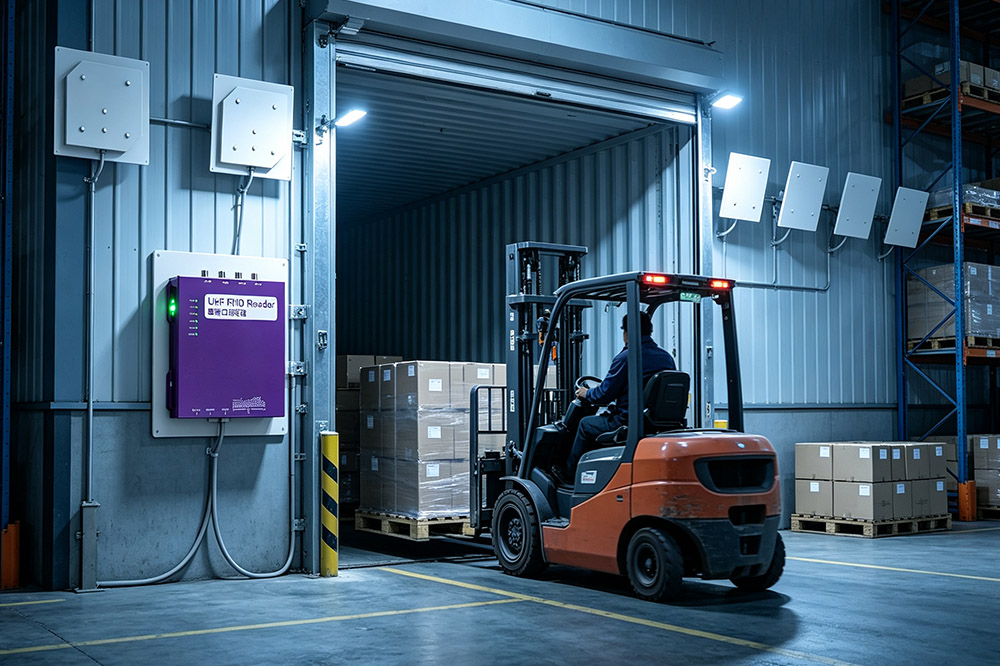
Integrated rfid readers combine the reader and antenna into one compact unit.
At first glance, this looks like a convenient solution. And in small projects, it often is.
Typical applications:
Installation is fast. Wiring is minimal. Setup is straightforward.
But there is a trade-off.
Because the antenna is fixed inside the unit, you lose control over:
In projects where the environment is stable and small, this is not a problem. But in larger warehouses or parking systems, limitations start to appear quickly.
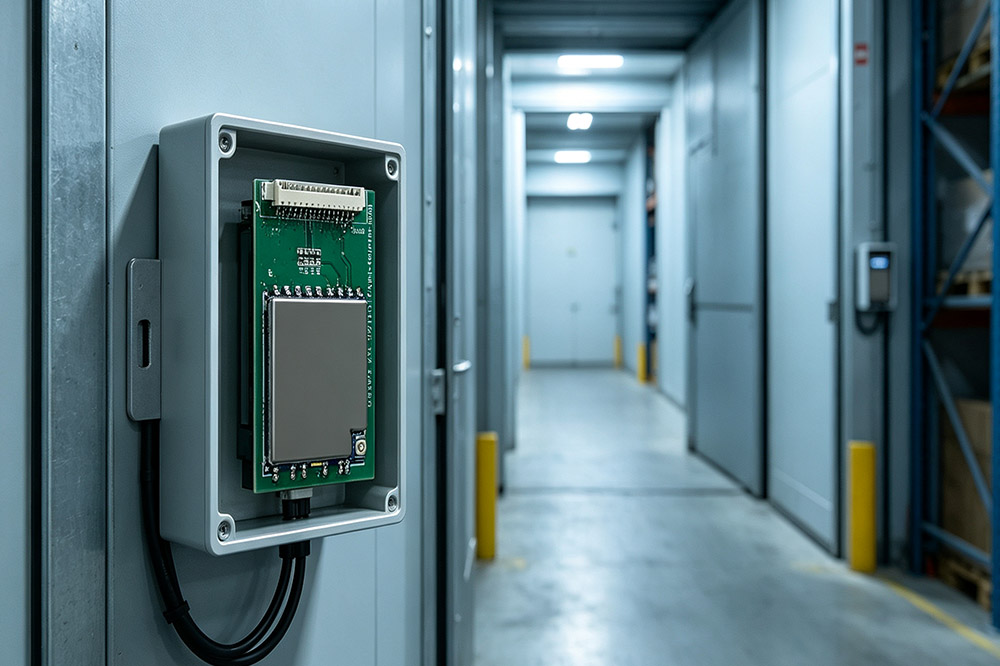
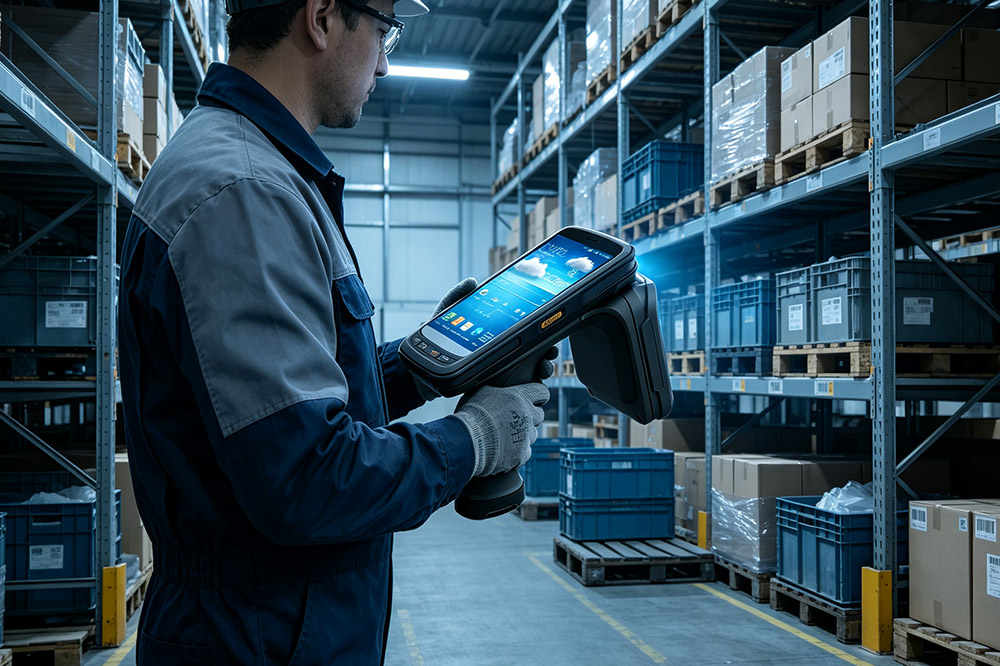
Handheld RFID readers serve a very different purpose.
They are not designed for continuous infrastructure-level automation. Instead, they are used for manual operations:
In warehouses, handheld readers are often used when:
The advantage is obvious: mobility.
But the downside is also clear:
It depends on human operation.
That means results can vary based on user behavior, speed, and scanning discipline.
So handheld devices are usually a support tool, not the core of an RFID system.
If we ignore datasheets and look at real deployment behavior, the differences become more practical:
In warehouse automation, fixed readers dominate because they can handle continuous flow.
In small access systems, integrated readers are often enough.
In logistics audits or troubleshooting, handheld devices become essential.
Most mature RFID systems actually use all three together, not just one.
One pattern appears again and again in early-stage projects:
Customers choose based on “simplicity” instead of “workflow.”
For example:
The result is usually not hardware failure, but system mismatch.
RFID performance depends heavily on how the reader fits into the process, not just its specification.
Instead of asking “which is better,” most integrators use a simpler logic:
This approach reduces design errors more effectively than comparing technical datasheets alone.
Even though fixed readers require more planning, they remain the most widely used in industrial RFID projects.
The reason is simple:
For warehouse, parking, and logistics automation projects, fixed readers are usually the foundation of the entire system.
Fixed readers use external antennas and support flexible system design, while integrated readers combine antenna and reader in one compact unit with limited adjustability.
No. Handheld readers are designed for manual operations, not continuous automated tracking systems.
Most warehouse automation systems use fixed RFID readers with external antennas for dock door or zone-based tracking.
Yes. Many real-world systems combine fixed, integrated, and handheld readers depending on workflow needs.
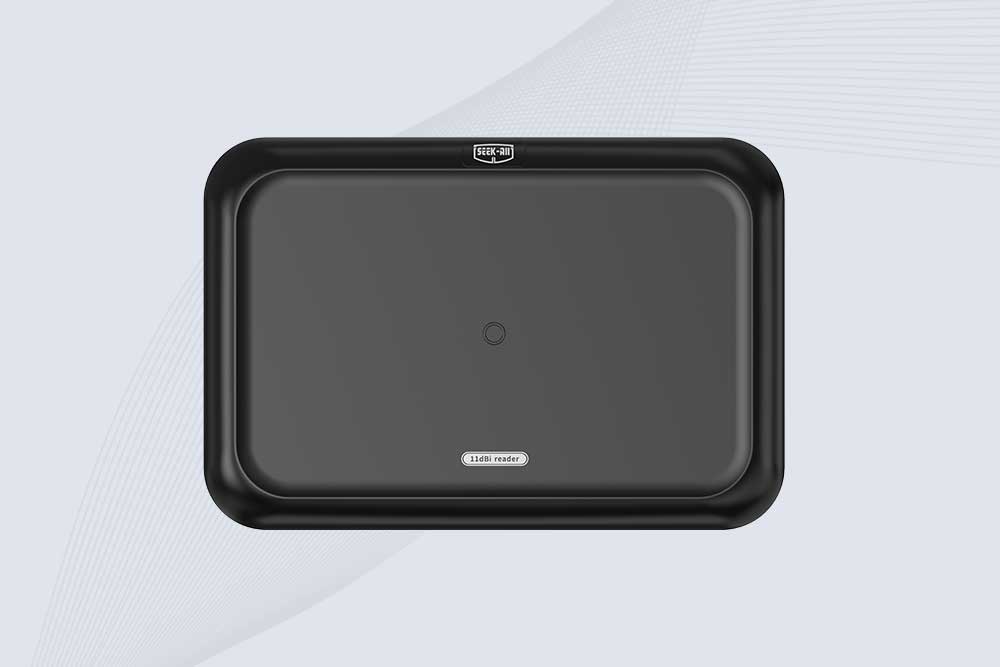
SSD-RA11L is an 11 dBi UHF RFID reader with up to 15m reading distance, 600+ tags/s speed, integrated antenna and flexible connectivity.
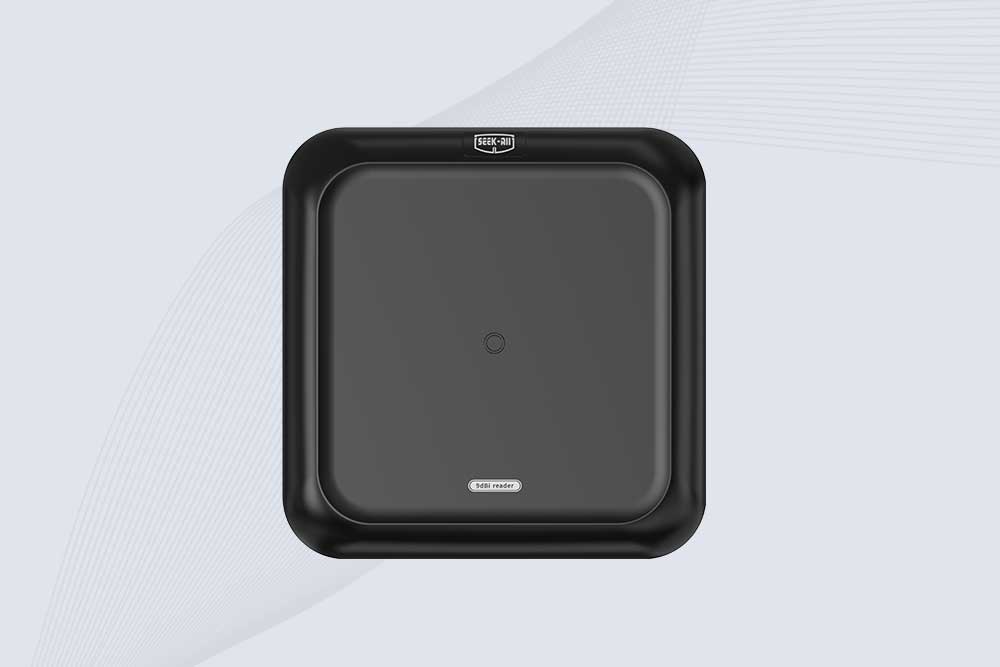
SSD-RA09L is a long range UHF RFID reader with a built-in 9 dBi antenna, 10m reading range, 600+ tags/s speed and flexible interfaces.
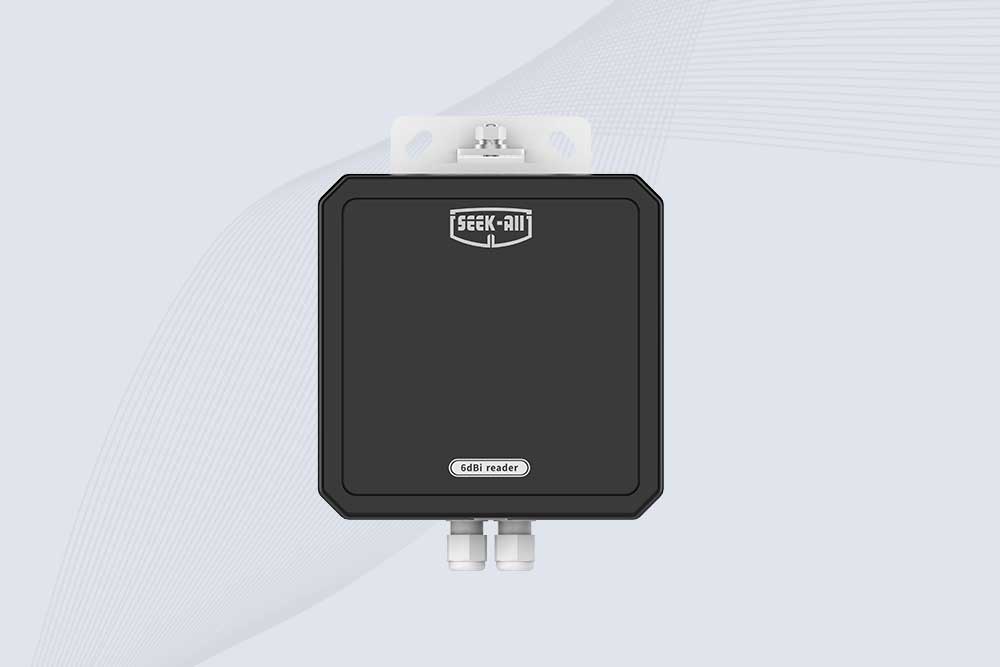
SSD-RA06L is an industrial UHF RFID reader with a built-in 6 dBi antenna, 3 m read range, 600+ tags/s, Ethernet, RS232, and optional Wi-Fi, 4G, and PoE.
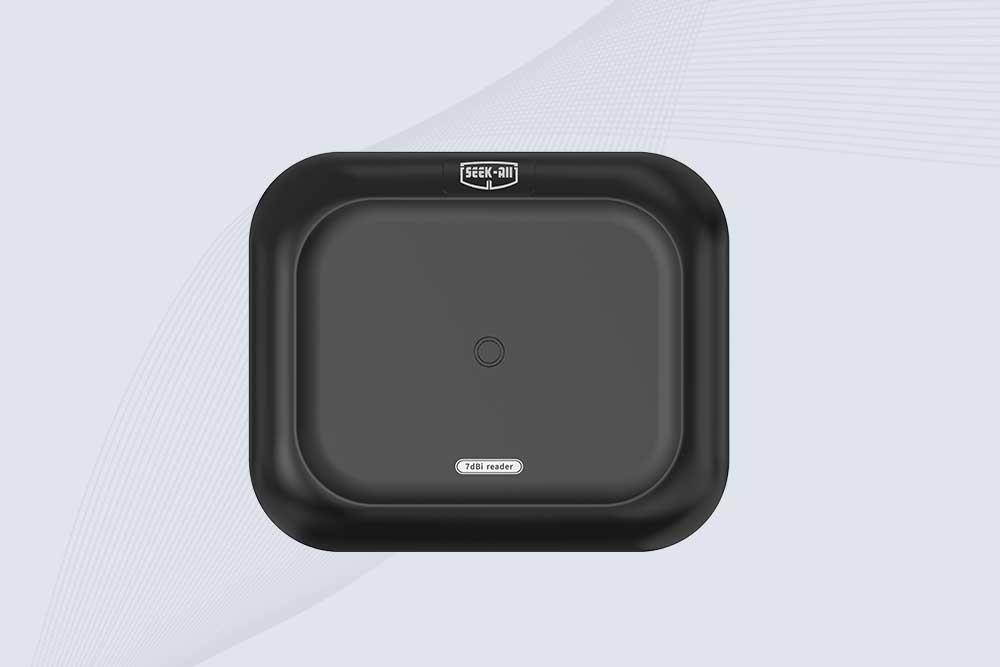
SSD-RA07L industrial UHF RFID reader with integrated 7 dBi antenna, up to 6 m reading distance, over 600 tags/s, Ethernet, RS232, and optional Wi-Fi, 4G, and PoE.
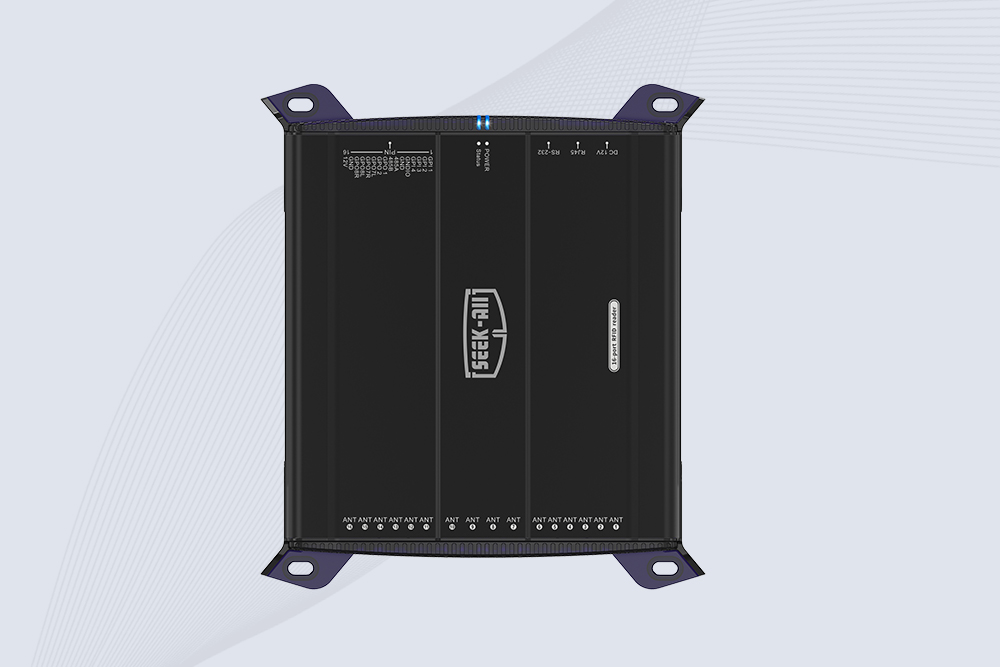
SSD-R16L Multi-Channel RFID Infrastructure for Automated Inventory Management ✔️ 16-Port High-Density RFID Reading Equipped with 16 SMA antenna ports, SSD-R16L supports multi-antenna deployment for warehouses, retail stores, logistics, production lines, and large-area RFID identification. ✔️ High-Speed & Long-Range Performance With up to 33…
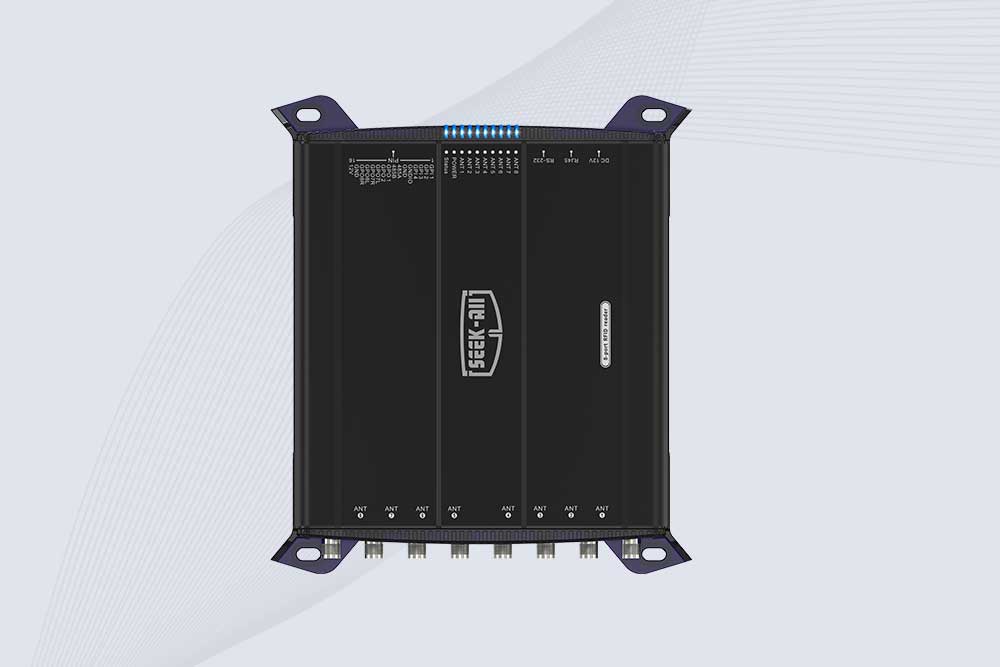
SSD-R8L 8-port UHF RFID reader with 33dBm output, up to 20m reading range and 600+ tags/s recognition. Ideal for warehouse, logistics, retail and asset tracking.
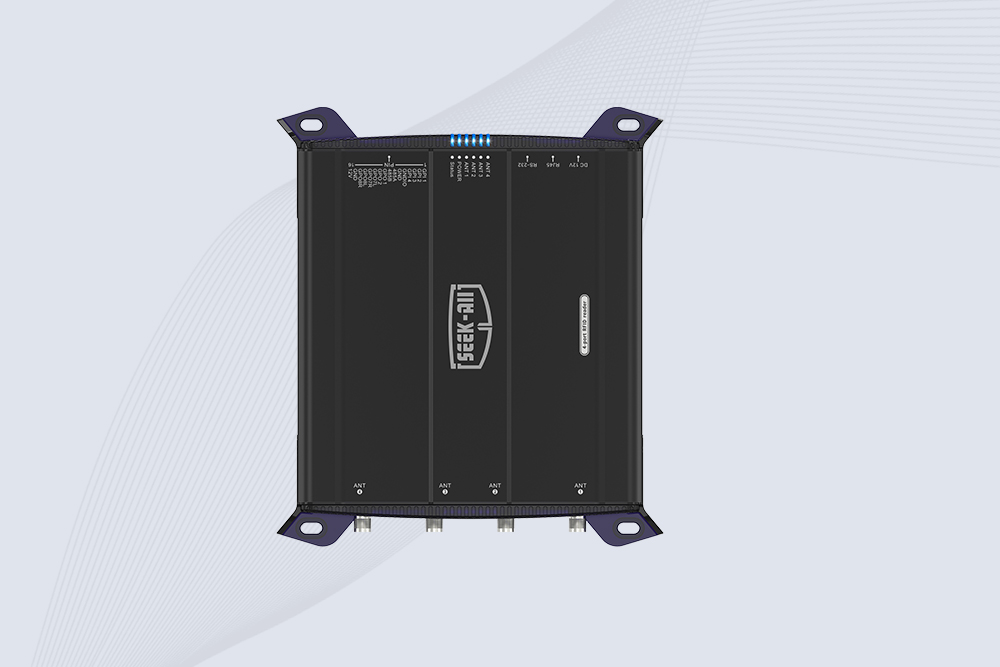
SSD-R4L is a 4-port UHF RFID fixed reader with 33dBm output power, up to 20m reading range, EPC C1G2 support and 600+ tags/s reading speed.
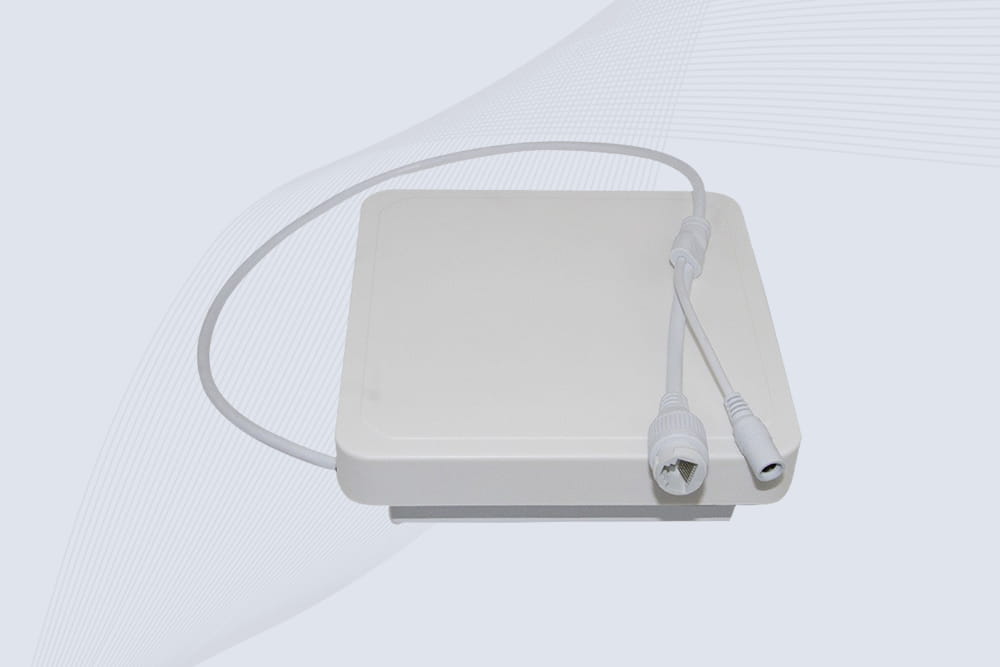
Cykeo’s industrial long range RFID reader delivers 20-meter scanning, 500+ tags/sec speed, and IP67 waterproof design for automated warehouses, logistics, and harsh environment applications.
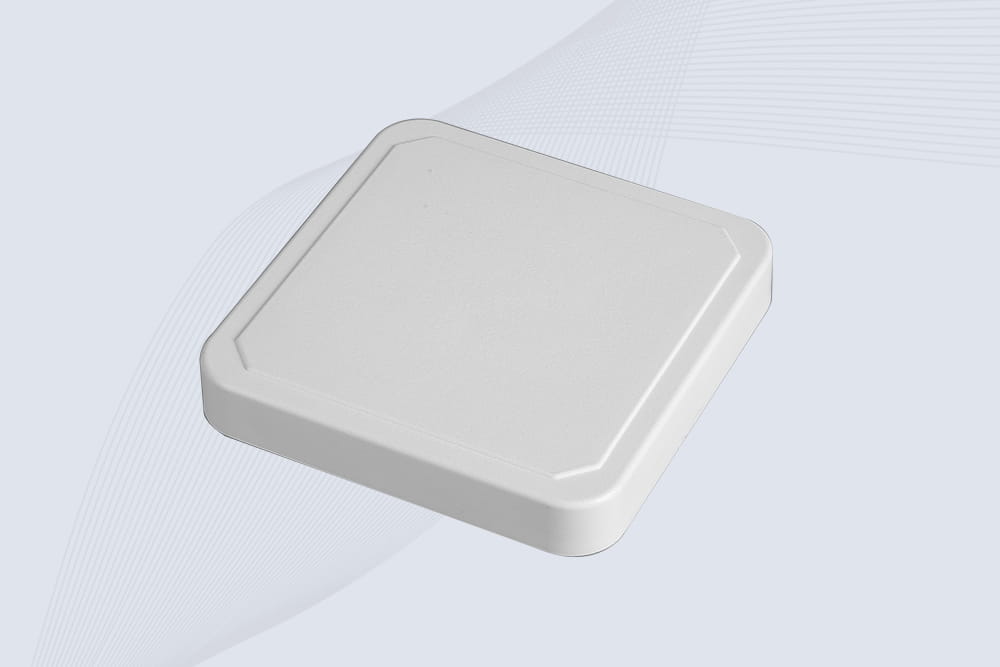
Cykeo’s CYKEO-RA6L industrial RFID long range reader features 20m read distance, 500 tags/sec speed, and IP67 protection. Ideal for warehouse automation, manufacturing WIP tracking, and smart logistics. Supports ISO 18000-6C/6B protocols.
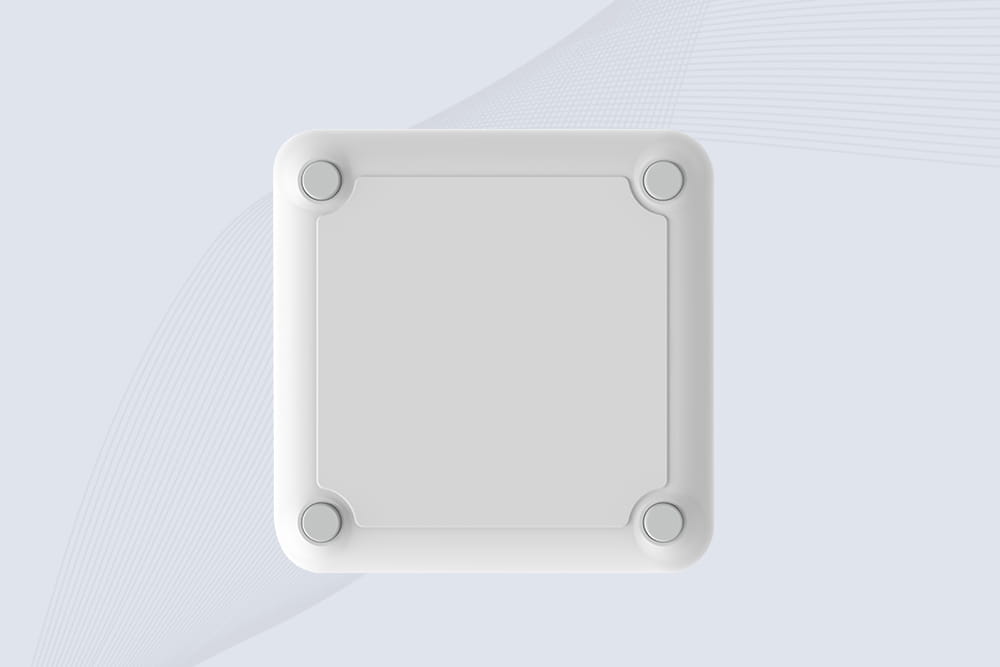
CYKEO Long Range RFID Tag Reader built for outdoor and industrial operations. This Outdoor RFID Reader delivers 20m read distance, fast tag processing, and IP67 durability for wide-area tracking.
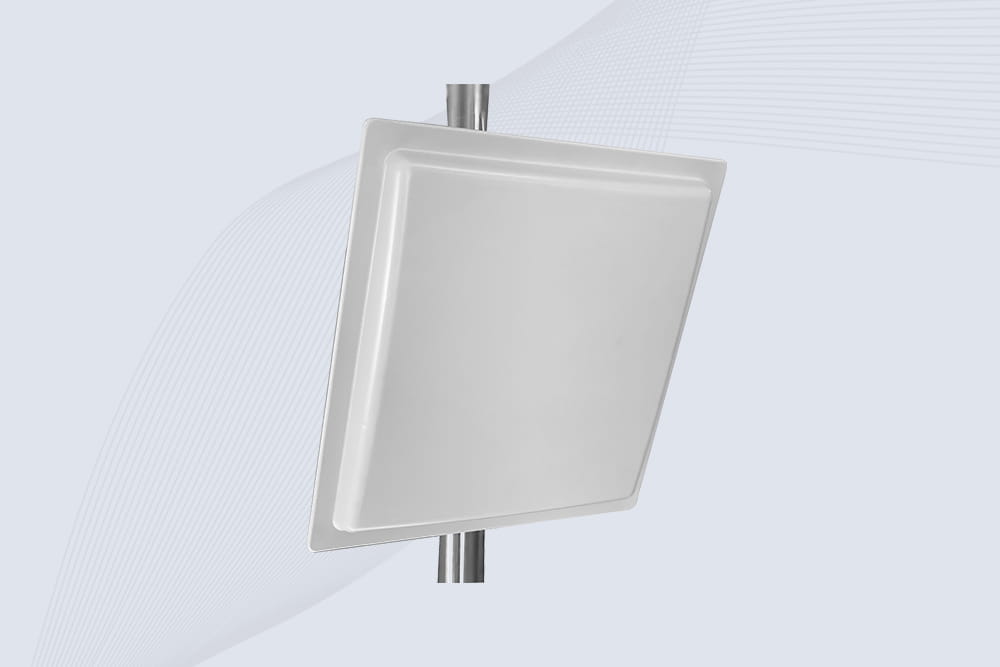
Cykeo CYKEO-RA12L industrial Long Range RFID Reader delivers 20m read range, 200+ tags/sec scanning, and IP67 protection for manufacturing/logistics applications. Supports ISO 18000-6C/GB protocols.
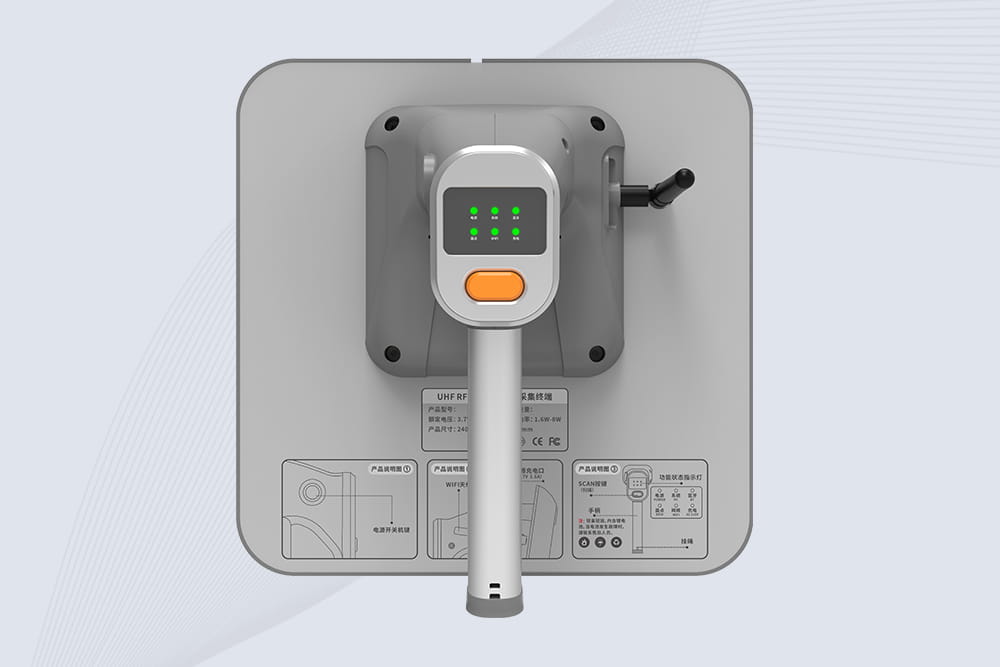
Cykeo CYKEO-B9 UHF Bluetooth handheld RFID scanner features 12m UHF range, 200+ tags/sec scanning, IP67 rugged design for retail/warehouse/pharma. Supports Android SDK & real-time Bluetooth 5.0 transmission.
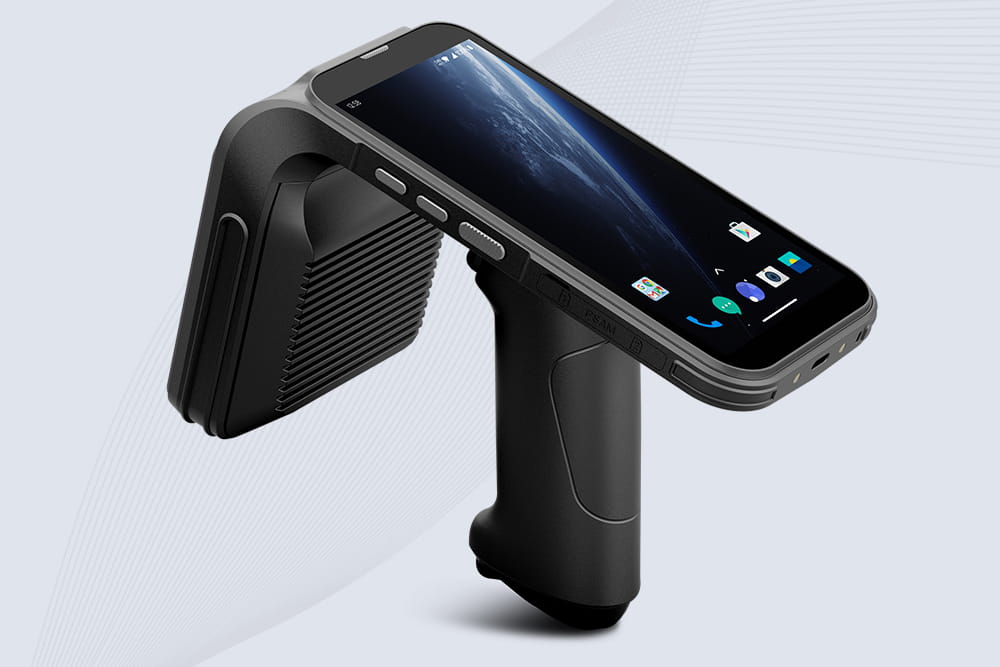
Cykeo CYKEO-B4 UHF Handheld RFID Reader scanner delivers 1300 tags/sec reading, 30m UHF range, and 12-hour battery life. IP65 rugged design with barcode/NFC/ID scanning for retail/manufacturing/logistics.
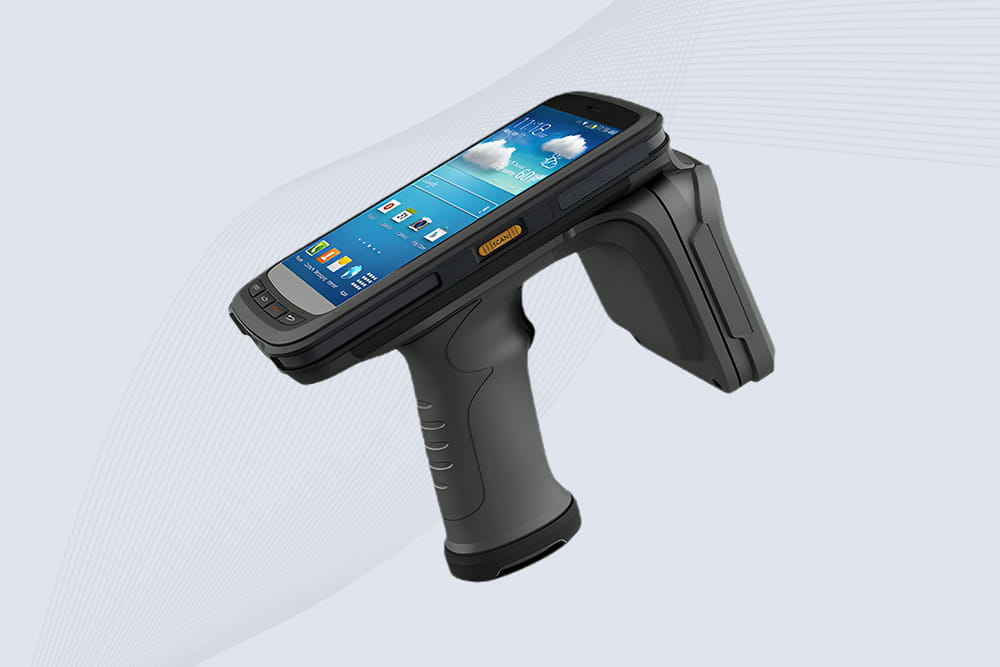
Cykeo CYKEO-B2 industrial UHF RFID handheld Scanner offers 10m range, 500 tags/sec scanning, Android 11 OS, and IP65 rugged design for retail/warehouse/manufacturing.
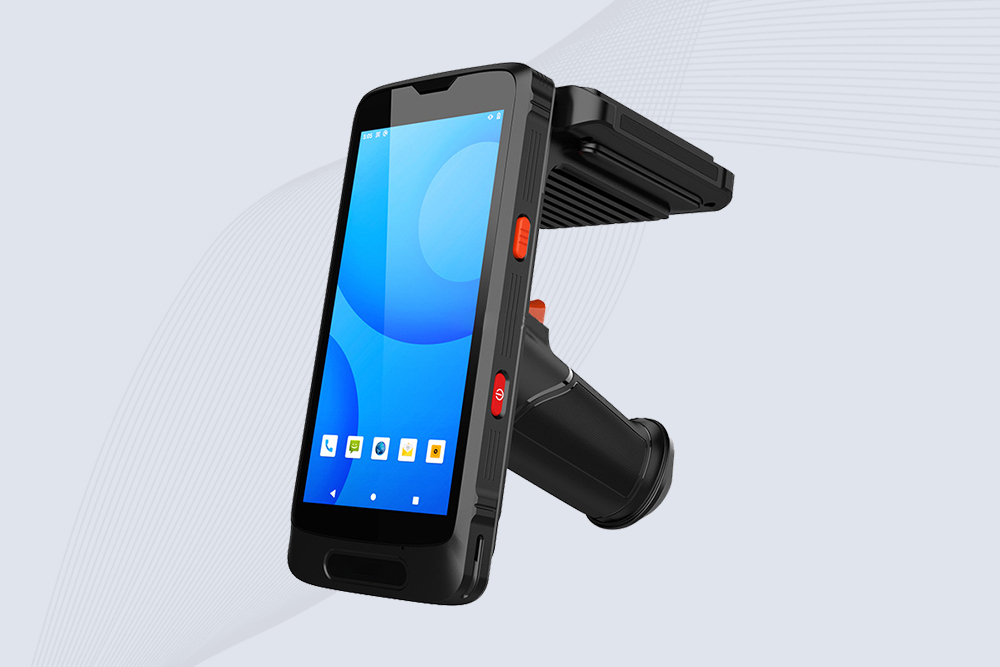
Cykeo CYKEO-B3 industrial RFID Reader Handheld, terminal offers 2m read range, multi-protocol scanning (NFC/barcode/ID), Android 10 OS, and IP65 ruggedness for logistics/retail/manufacturing.
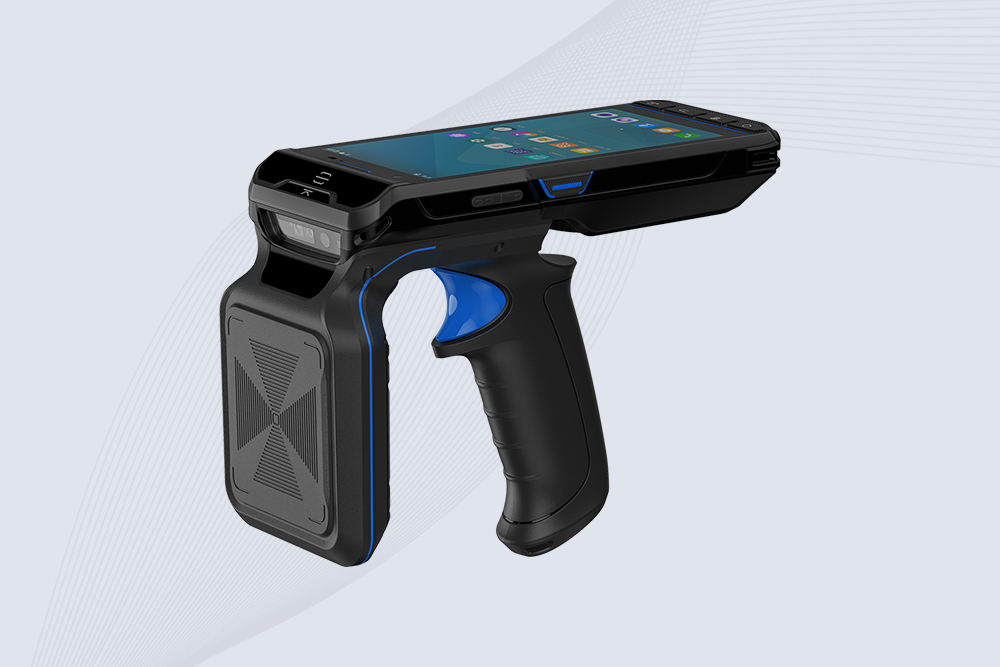
Cykeo CYKEO-B3L industrial handheld UHF RFID Reader terminal features 20m read range, 500 tags/sec scanning, Android 13 OS, 12-hour battery for logistics/retail/manufacturing. Supports barcode/NFC/ID reading.
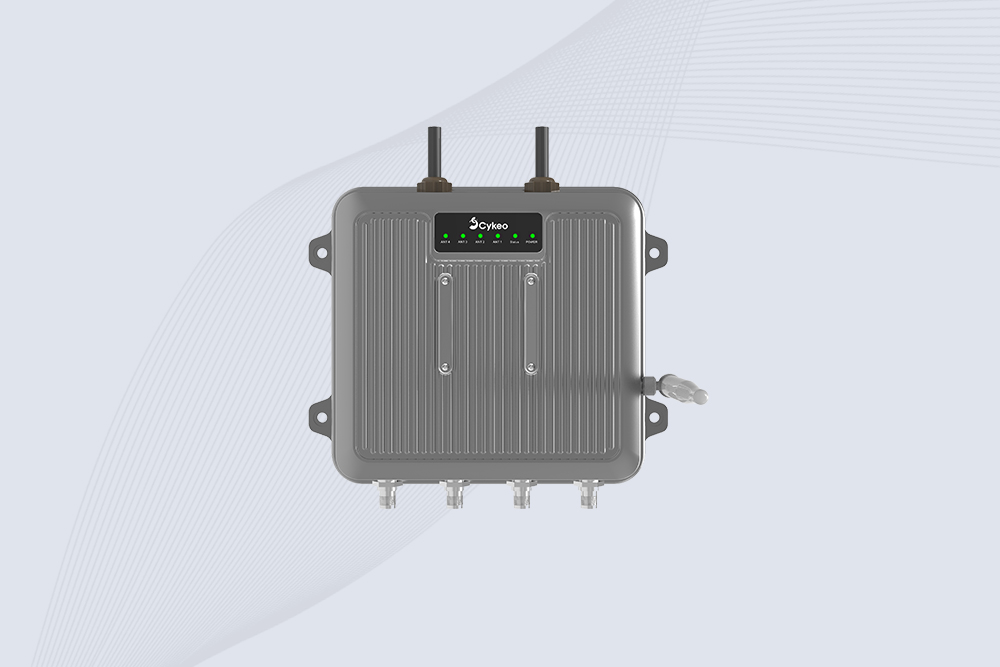
Cykeo CYKEO-C1 industrial Forklift RFID Reader features 20m read range, 600 tags/sec scanning, Impinj R2000 chipset, and IP67 rugged design. Ideal for warehouse logistics and manufacturing. Supports ISO 18000-6C/6B protocols.
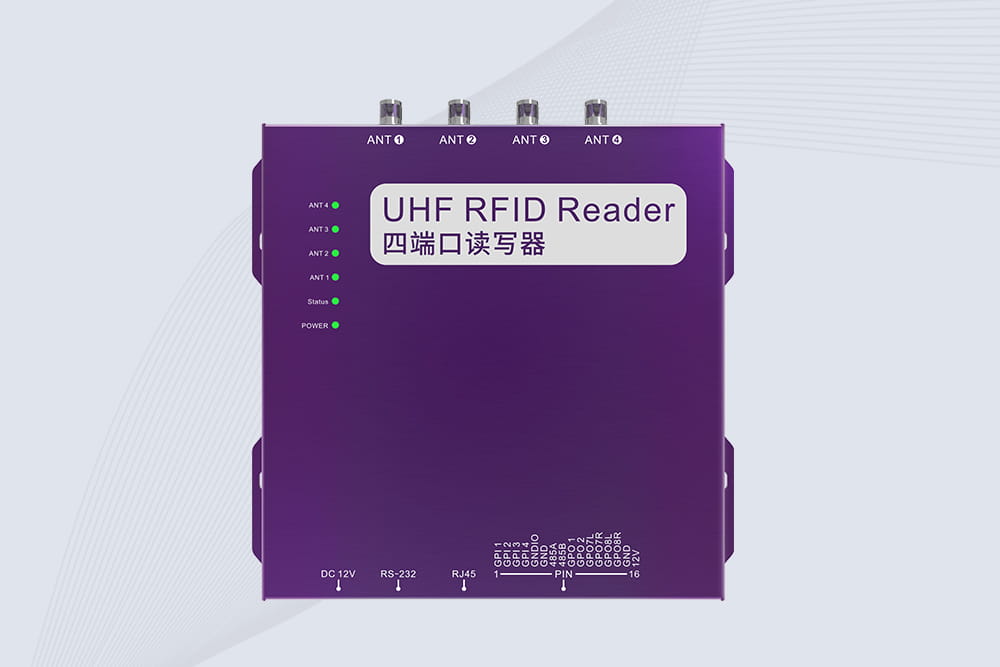
Cykeo CYKEO-R4 industrial UHF RFID Fixed Reader features 4 TNC ports, 400+ tags/sec speed, IP67 housing, and global frequency compliance for vehicle inspection, smart warehouse, and asset management systems.
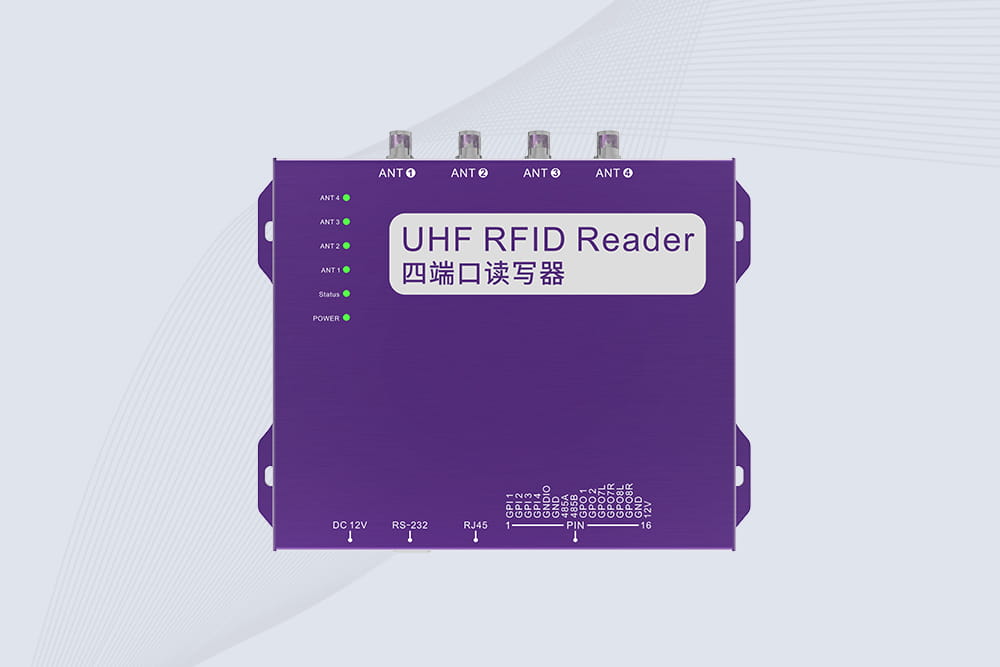
Cykeo’s CYKEO-R4L 4-port Fixed UHF RFID Reader delivers 400 tags/sec scanning, ISO 18000-6C compliance, and IP65 protection. Ideal for warehouse automation, manufacturing WIP tracking, and logistics management.
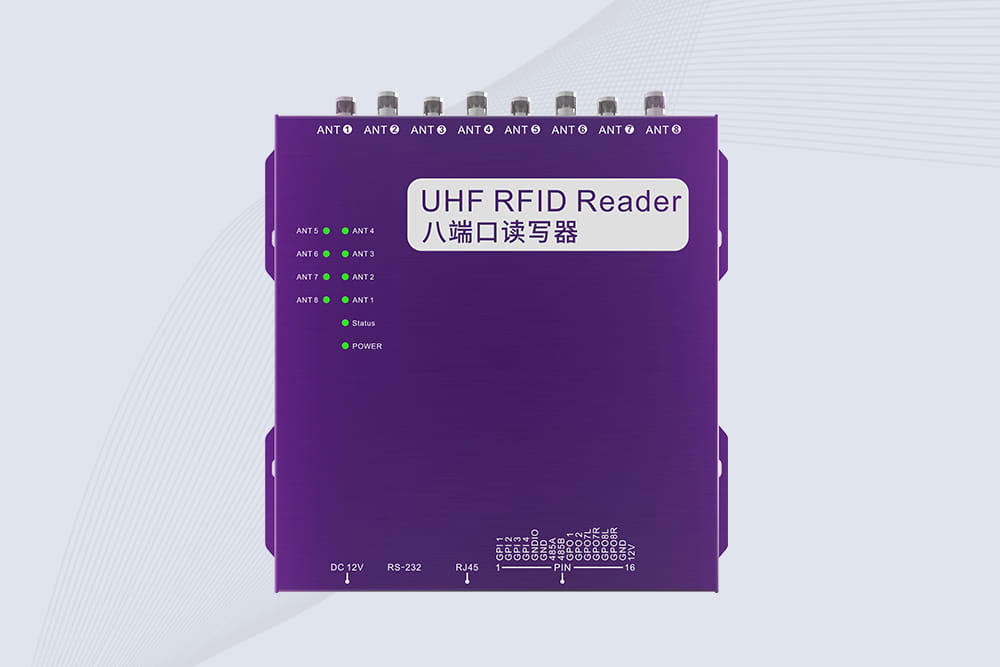
CYKEO CYKEO-R8L Fixed RFID Reader with 8-port UHF design, Impinj-based RF core and up to 20m read range. An industrial Fixed RFID Reader for vehicle inspection, warehouse portals, smart manufacturing lines and secure access checkpoints.
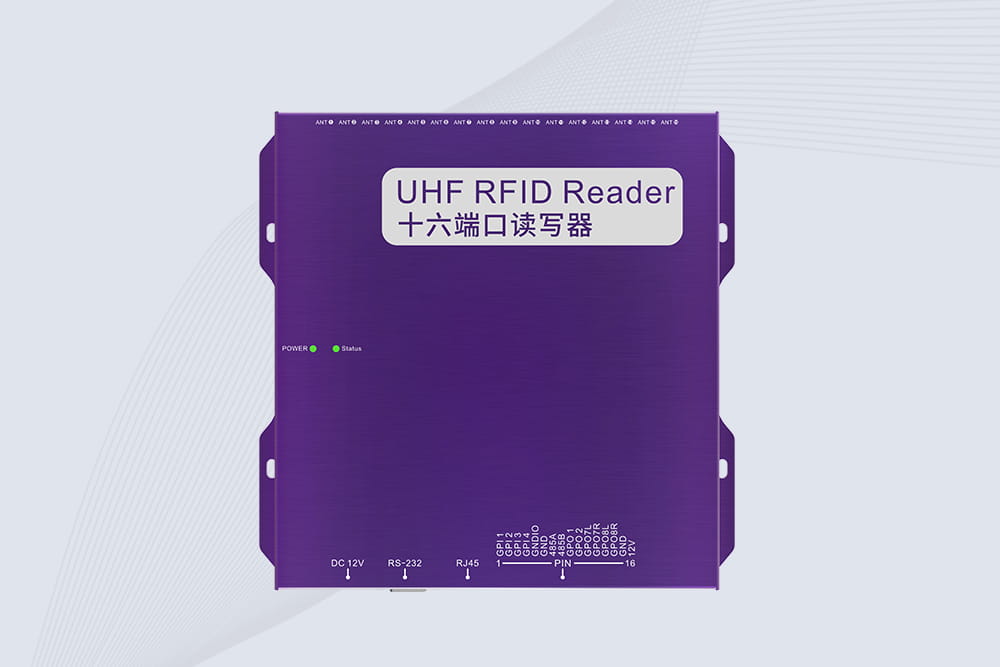
RFID Fixed Reader from CYKEO – the CYKEO-R16L 16-port UHF fixed reader for warehouses, smart cabinets, and production lines. Long-range, multi-tag reading, stable performance for 24/7 industrial use.
RFID Industry Writer | IoT & Asset Tracking Analyst
James writes about RFID technology, asset tracking, and the practical challenges of digital transformation across warehousing, retail, manufacturing, and logistics.
His work focuses on how RFID is applied in real-world operations—improving inventory visibility, automating workflows, and helping businesses manage assets with greater accuracy and efficiency.
He regularly covers topics including UHF RFID, smart cabinets, RFID portals, tool tracking, warehouse automation, and industrial IoT trends..
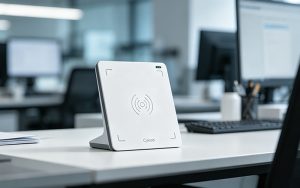
Learn how to read an RFID tag using professional tools. Discover accurate methods, real-world insights, and high-performance RFID reading techniques.
More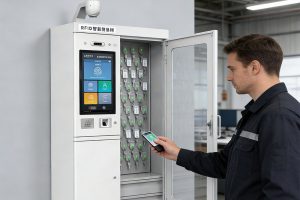
A field perspective on RFID key cabinets, how integrators implement them, and the practical lessons from real installations in offices, hospitals, and industrial sites.
More
Discover how a major retail chain reduced stockouts by 40% using RFID for real-time inventory tracking. Learn actionable strategies to apply in your stores.
More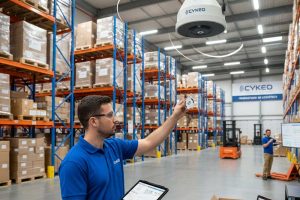
Learn how to test rfid reader performance with real field methods, troubleshooting tips, and CYKEO technician insights to verify range, stability, and accuracy.
More