 Cykeo RFID IoT Solution Products R&D Manufacturer
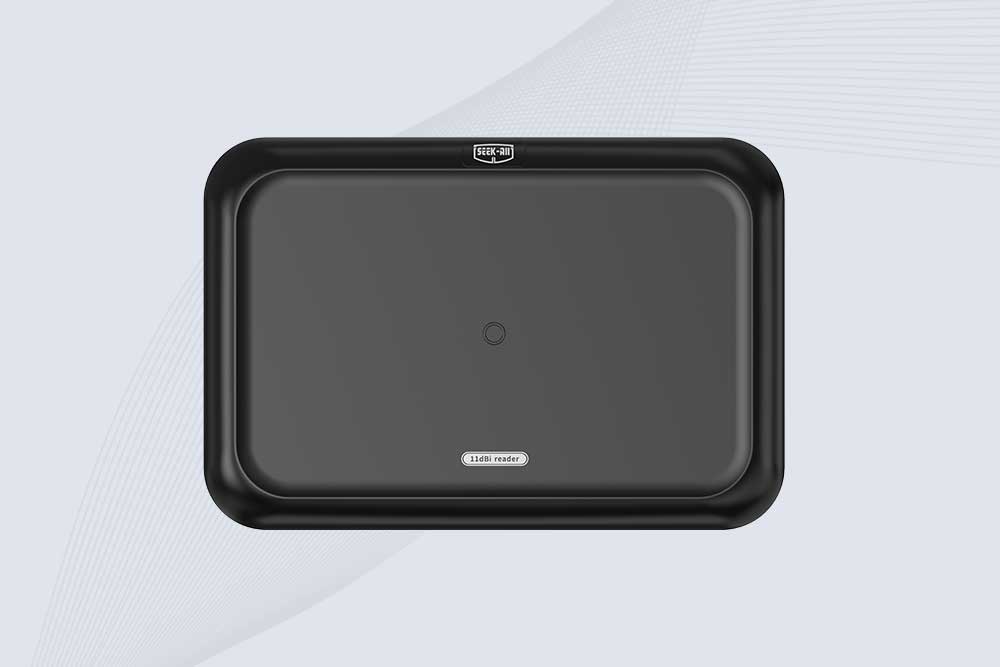
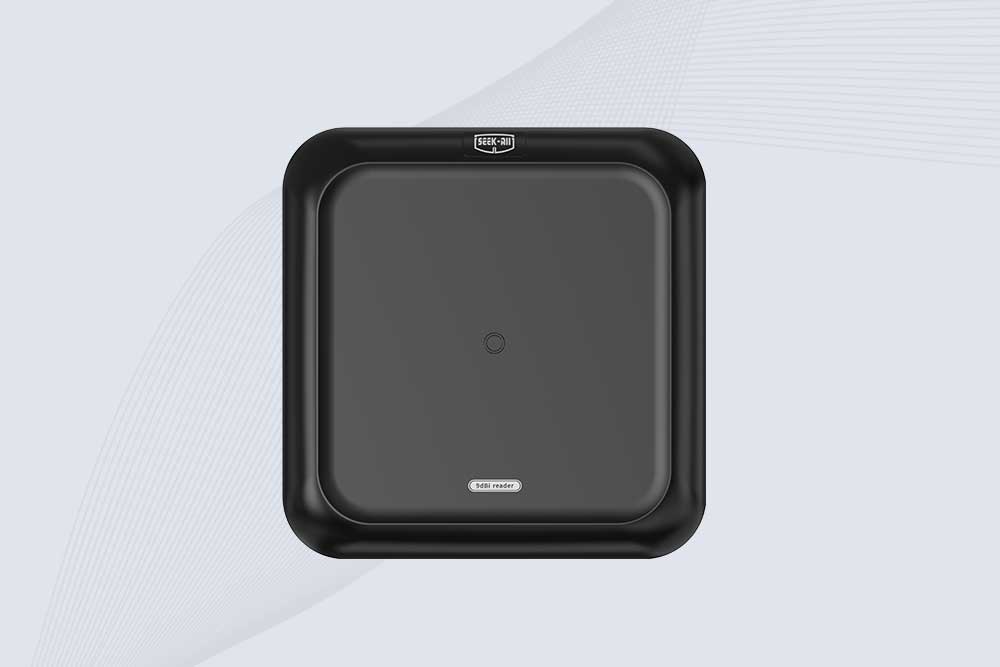
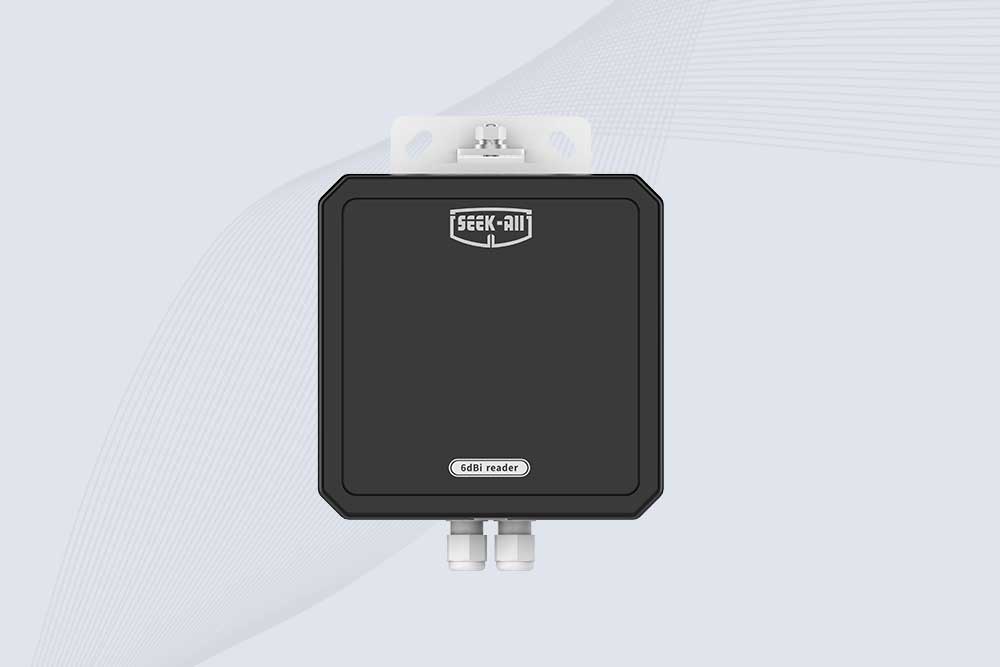
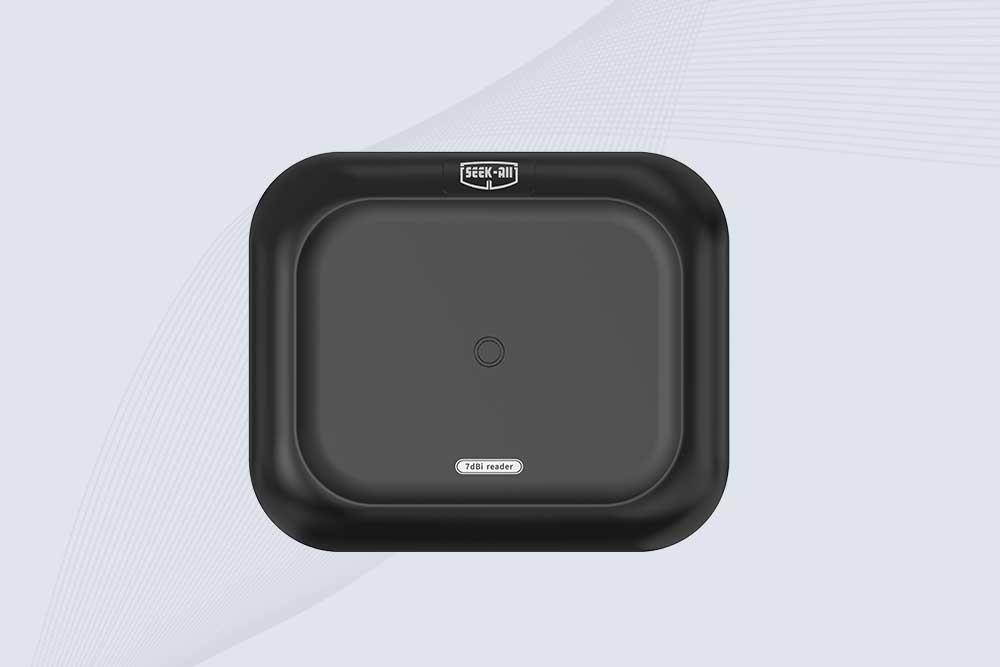





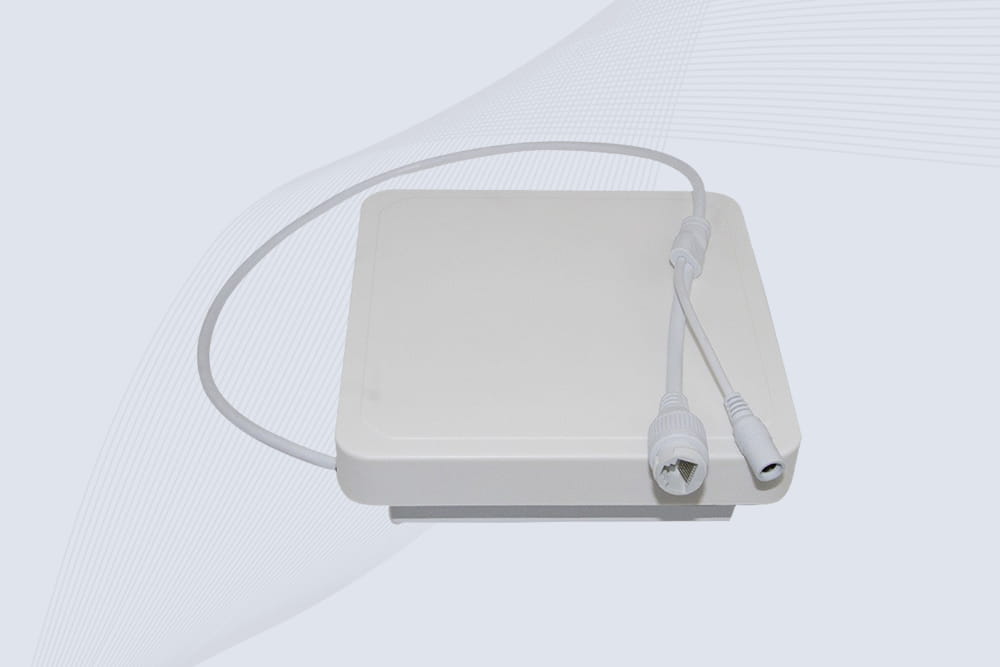
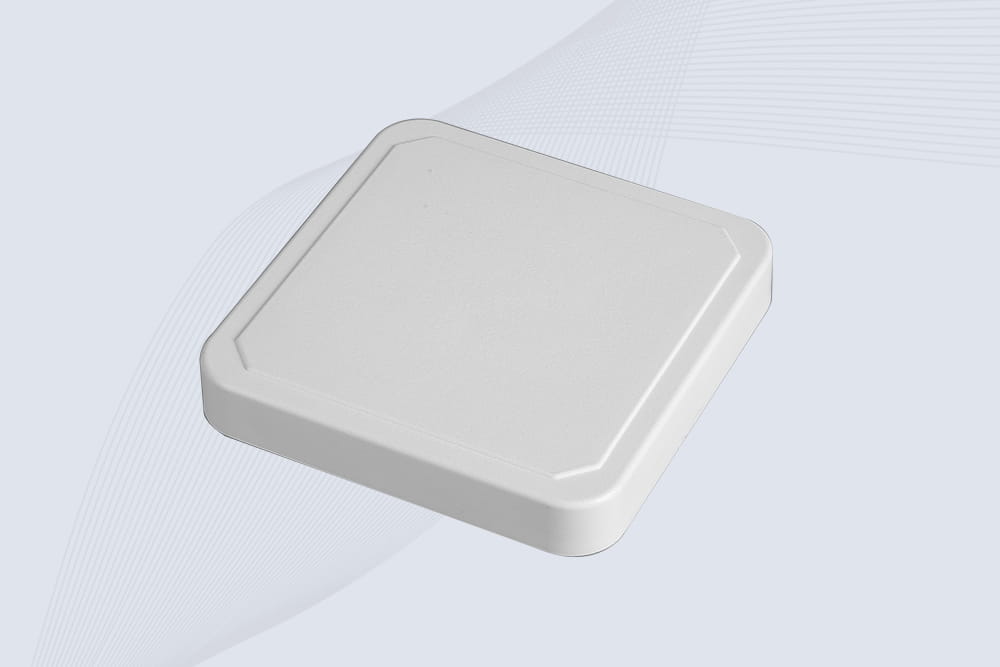


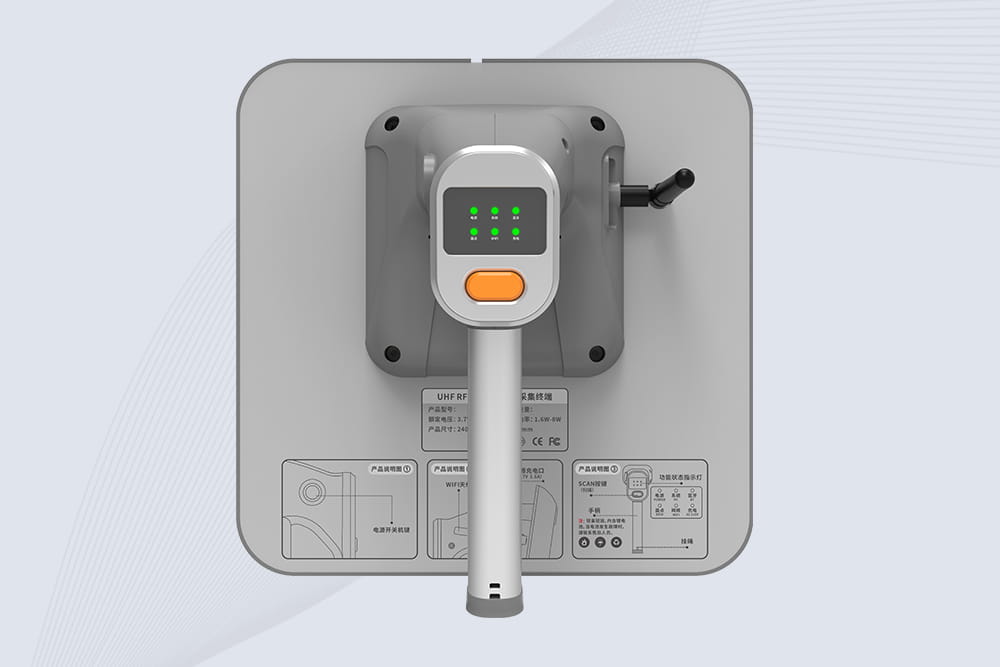


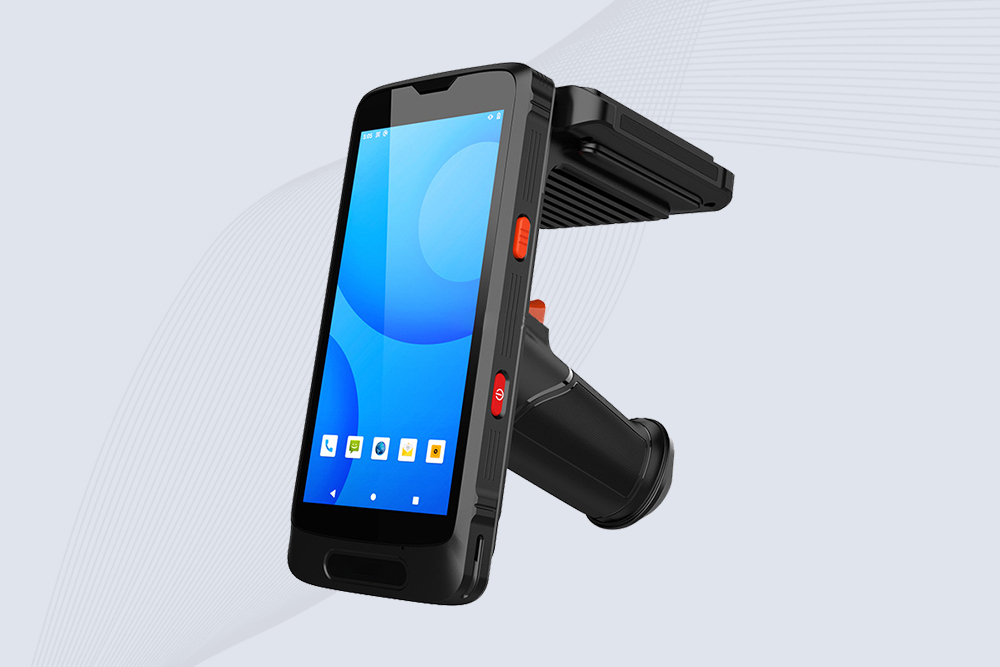




What is a Fractal-Based Circularly Polarized UHF RFID Reader Antenna?
246Exploring a fractal-based circularly polarized UHF RFID reader antenna: its design advantages for robust read performance in challenging RF environments.
MoreAll RFID Product
The logistics industry generates 1.9 billion tons of packaging waste yearly—enough to circle the globe 600 times. While RFID is famed for efficiency, its role in sustainability is often overlooked. From biodegradable tags to waste-free shipping routes, here’s how RFID is turning supply chains into circular economies.
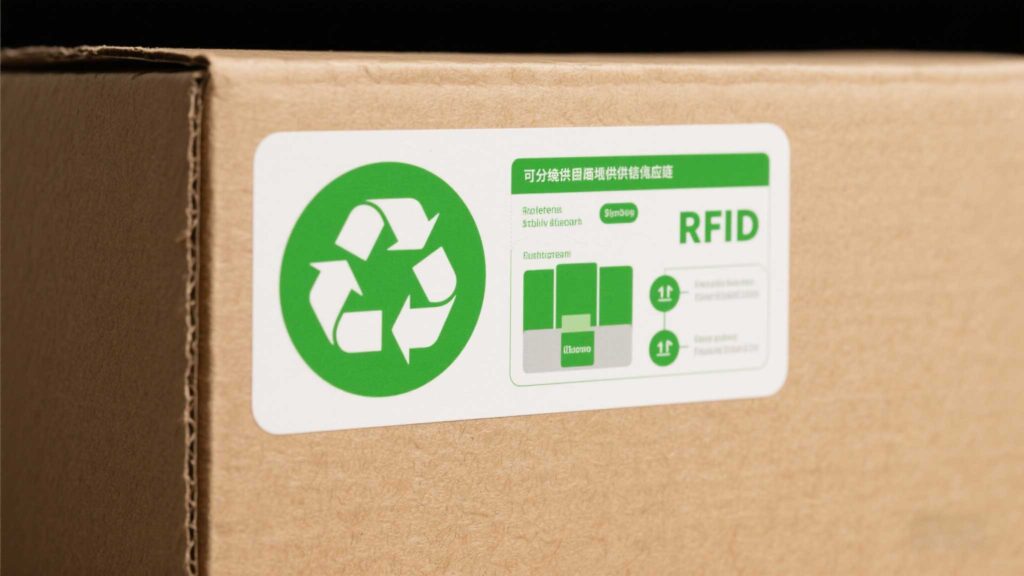
Excess packaging often stems from “just-in-case” padding to protect misrouted goods. RFID eliminates guesswork:
Single-use packaging dominates landfills. RFID enables reusable systems:
Traditional RFID tags contain plastics and metals. Innovations now offer:
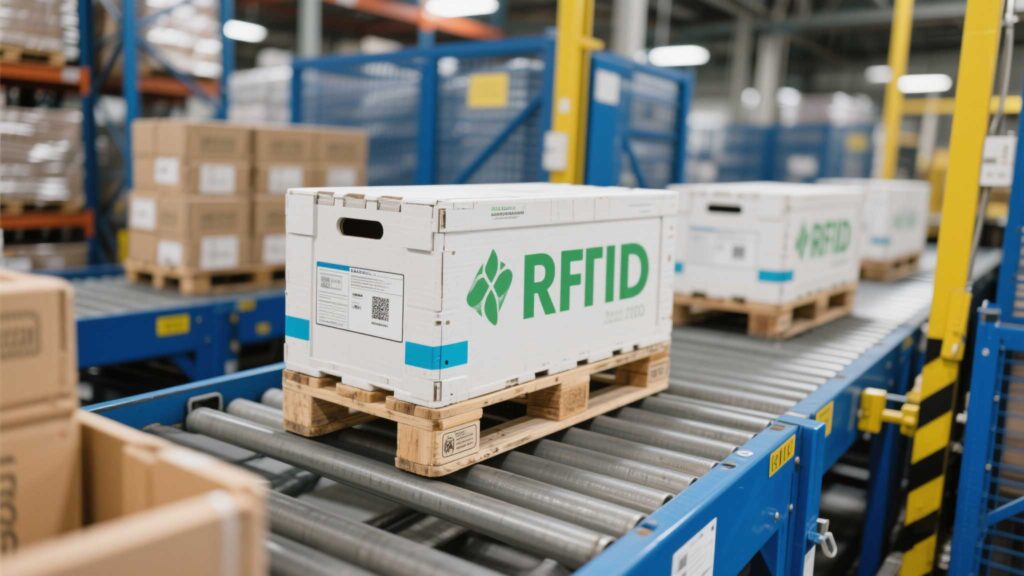
Idling trucks and redundant trips account for 15% of logistics emissions. RFID aids smarter routing:
Only 14% of plastic packaging is recycled due to sorting errors. RFID fixes this:
Cykeo’s Circular RFID Platform helps brands track packaging from factory to Recycling. A beverage company using it achieved 100% reuse of glass bottles, eliminating single-use labels.
Sustainable RFID isn’t about tree-hugging—it’s about profit preservation. By cutting waste fines, packaging costs, and fuel bills, eco-smart RFID systems pay for themselves while future-proofing against climate regulations. For businesses eyeing net-zero goals, this tech is the ultimate two-for-one: planet saved, margins secured.

Exploring a fractal-based circularly polarized UHF RFID reader antenna: its design advantages for robust read performance in challenging RF environments.
More
How RFID Tags Work, Choosing the Right RFID Tag Guide
More
RFID vs barcode explained with real warehouse insights, cost data, and performance comparison. Learn which identification system fits your business needs.
More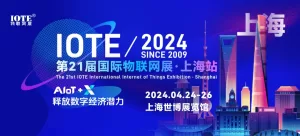
Cykeo 2024 Shanghai International IoT Exhibition "AIoT+X, unleashing the potential of the digital economy", this April, Shanghai once again became the focus of the technology field. April 24th to 26th, the high-profile IOTE 2024 21st Int...
More