 Cykeo RFID IoT Solution Products R&D Manufacturer
OEM RFID Reader Module: How Companies Build Custom RFID Devices
132Learn how companies use OEM RFID reader modules to build custom RFID devices for smart cabinets, industrial automation, warehouse systems, and medical equipment tracking.
MoreAll RFID Product
RFID vs barcode comes down to speed, automation, and cost—RFID enables bulk, contactless identification, while barcodes remain a low-cost, reliable solution for simple, line-of-sight scanning tasks.
That’s the short answer.
But in real operations—warehouses, production lines, retail backrooms—the decision is rarely that clean.
I’ve worked with teams that upgraded to RFID expecting instant efficiency gains… only to realize their workflows weren’t ready. I’ve also seen companies stick with barcodes far too long, manually scanning thousands of items that could have been read in seconds.
So the real question isn’t “which is better.”
It’s which one fits how you actually operate.
At a technical level, the difference between barcode and RFID is straightforward:
But operationally, the gap is wider.
RFID doesn’t need line-of-sight.
Barcode does.
RFID reads multiple items at once.
Barcode reads one at a time.
According to GS1, the global authority behind barcode standards, barcodes are designed for simple identification and universal compatibility, while RFID supports automated data capture and advanced tracking.
| Feature | RFID | Barcode |
|---|---|---|
| Reading Method | Wireless (no line-of-sight) | Optical (line-of-sight) |
| Speed | Bulk reading (dozens/sec) | One-by-one |
| Distance | Up to 10 meters | 3–30 cm |
| Data Capacity | Read/write, KB-level | Limited, read-only |
| Durability | Resistant to dirt/damage | Easily damaged |
That’s the theory.
In practice, speed is what changes everything.
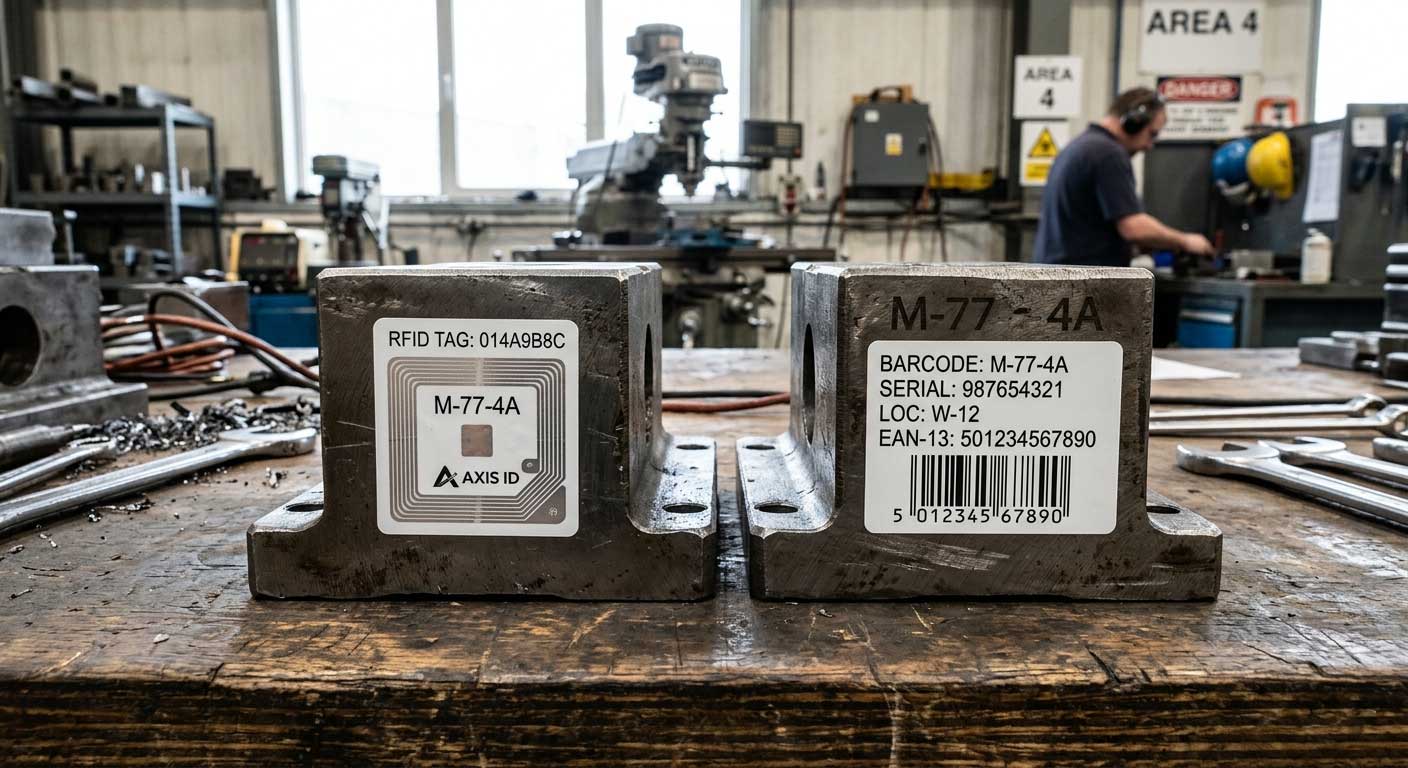
Let’s be specific.
The advantages of RFID over barcode are not theoretical—they show up in labor hours.
According to a study by Deloitte, RFID-based inventory systems can improve inventory accuracy to over 95%, compared to typical barcode systems at around 65–75% in large retail environments.
That gap matters.
In one warehouse project I observed:
Same inventory.
Different system.
This is where most decisions get stuck.
| Cost Factor | RFID | Barcode |
|---|---|---|
| Tag Cost | ¥0.5–¥2 | ¥0.01–¥0.05 |
| Hardware | High | Low |
| Integration | Complex | Simple |
Barcode wins on upfront cost.
No debate.
But RFID wins over time—if used correctly.
According to McKinsey & Company, automation technologies (including RFID) can reduce labor-related operational costs by 20–30% in logistics environments.
Companies buy RFID expecting instant ROI.
But they don’t adjust:
RFID doesn’t fix a broken process.
It accelerates it.
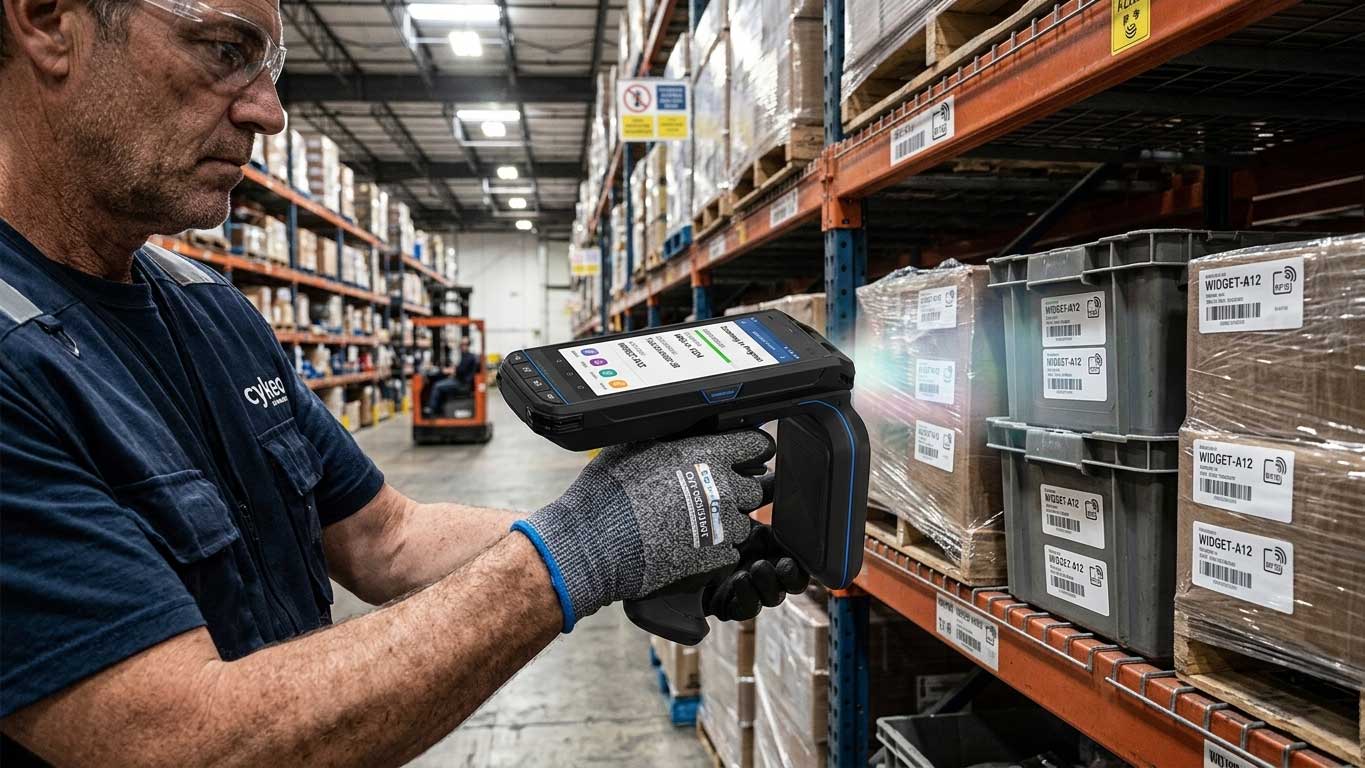
Let’s put it side by side.
Pros:
Cons:
Pros:
Cons:
This gets overlooked.
In manufacturing environments, this alone can justify RFID.
In more demanding environments—chemicals, outdoor logistics, heavy manufacturing—the gap widens.
RFID performs better when:
Barcode still works—but requires more manual effort.

From a supplier perspective, both technologies are easy to explain.
From a deployment perspective, things get messy.
I’ve been involved in:
What stands out:
At Cykeo, most real-world deployments today are not RFID or barcode.
They’re both.
Barcode requires line-of-sight and scans one item at a time, while RFID enables wireless, bulk scanning.
Not entirely. Barcodes remain dominant in low-cost, simple applications.
When you need speed, automation, and high inventory accuracy.
Yes. Many systems now support hybrid scanning.
The rfid vs barcode decision isn’t about technology superiority.
It’s about operational fit.
If your process is manual and low-volume, barcode is enough.
If your operation demands speed, scale, and visibility—RFID changes the game.
And if you’re somewhere in between—
You’re probably going to need both.
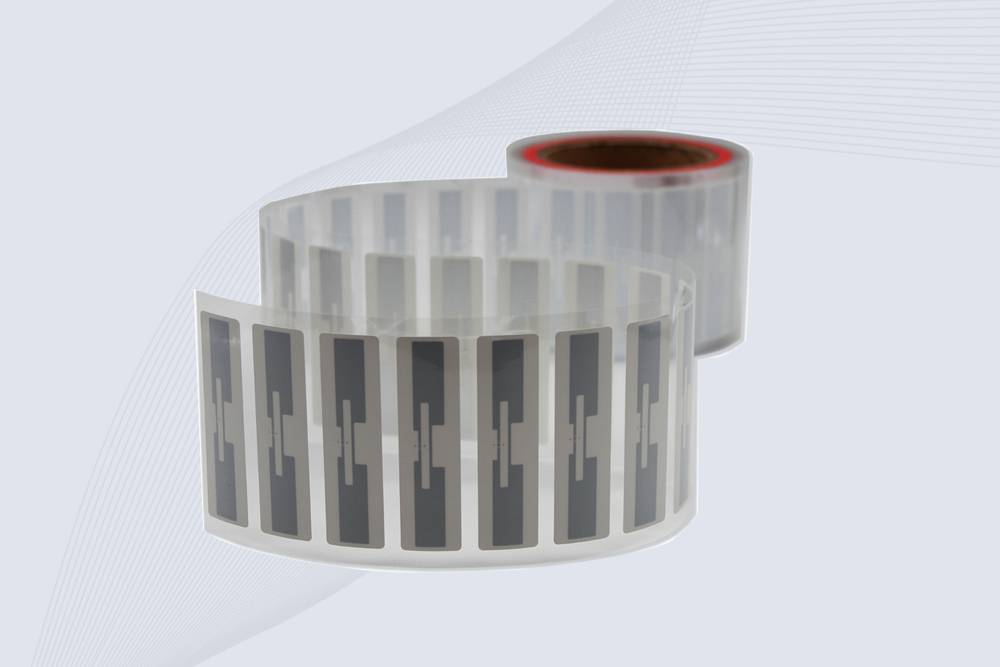
CYKEO Passive RFID Tags are made for wet and high-humidity environments where standard labels do not last. This rfid passive tag is often used around liquids, chemicals and temperature changes, providing stable reading distance and long data life for industrial tracking.
More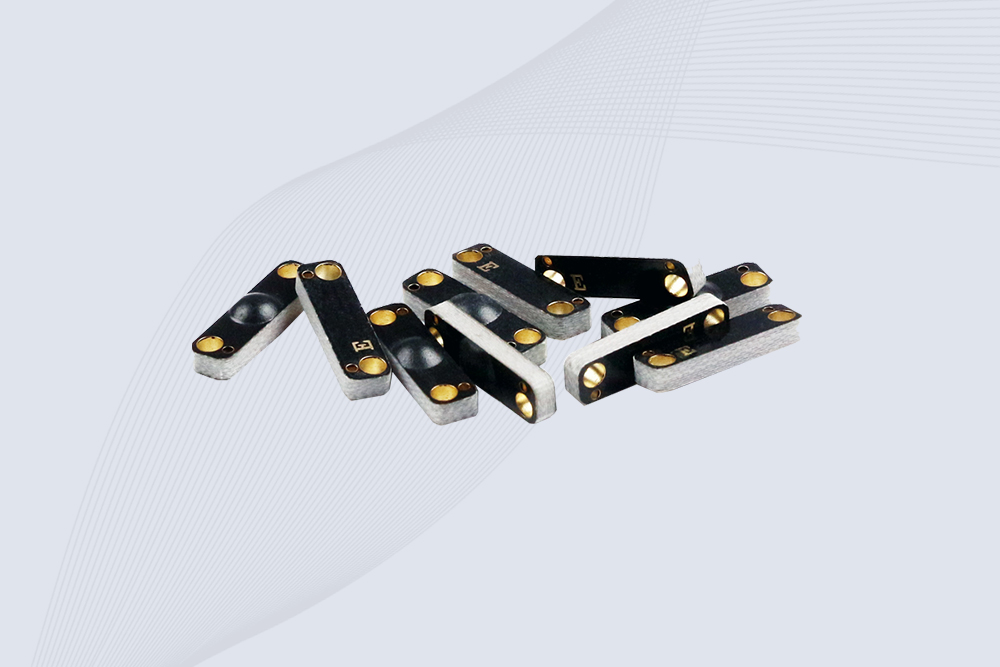
CYKEO CYKEO-PCB1504 Metal RFID Tags is a compact anti-metal UHF RFID solution built for direct mounting on metal surfaces. With stable 8-meter read range, Ucode-8 chip, and long data retention, this rfid metal tag fits tools, containers, automotive parts, and industrial asset tracking.
More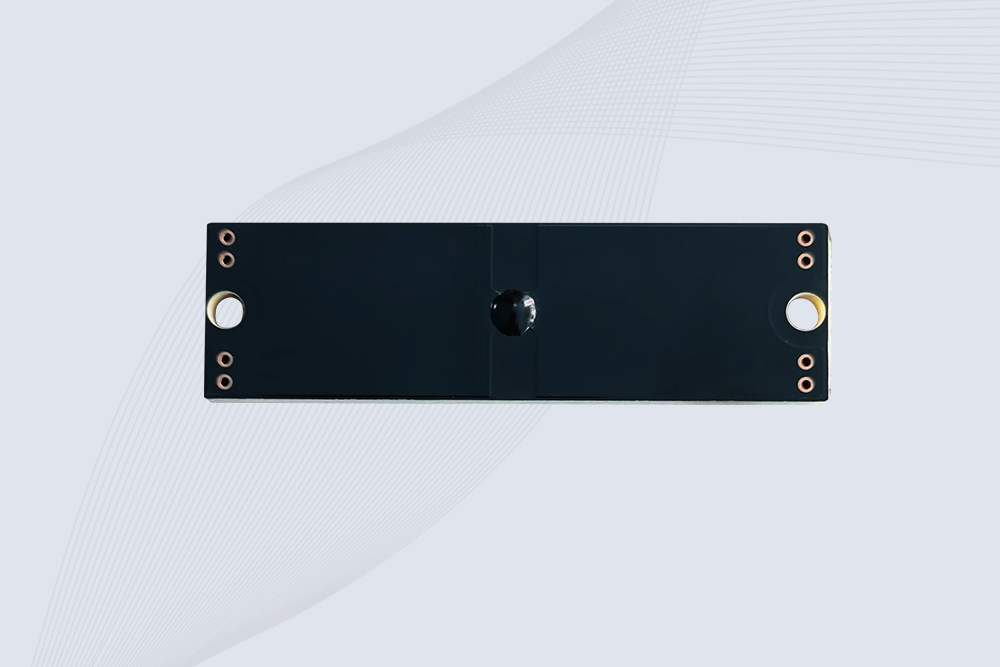
CYKEO CYKEO-PCB7020 On-Metal RFID Tags are designed for reliable tracking on steel and metal surfaces. Built with an FR4 epoxy body and industrial-grade chips, these On-Metal RFID Tags deliver stable performance, long data life, and chemical resistance, making them a dependable RFID anti-metal tag for harsh environments.
More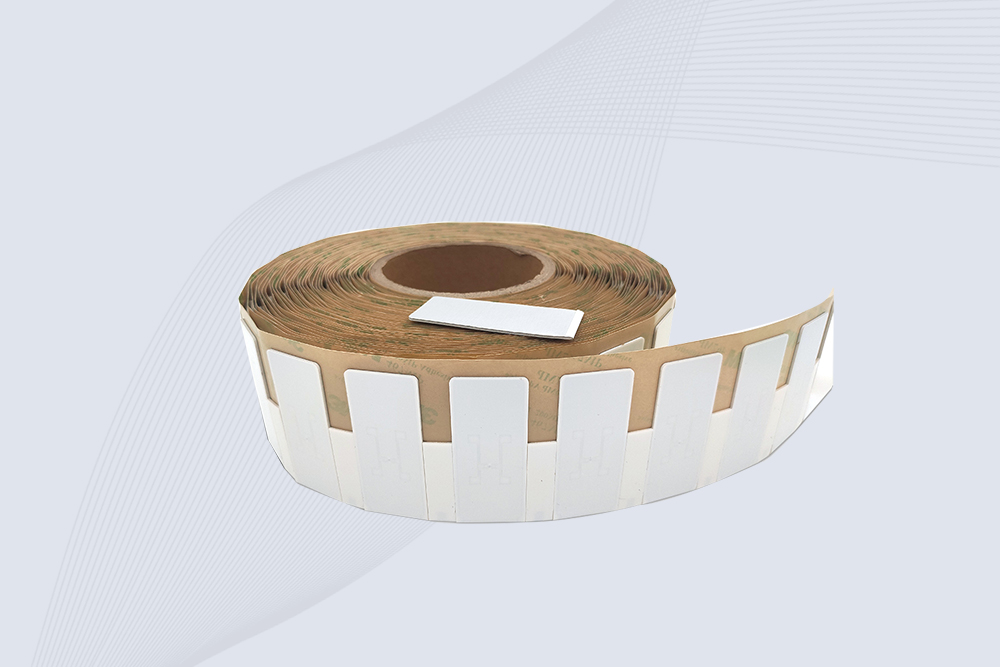
The CYKEO CYKEO-60-25 Anti-Metal RFID Tag is built for metal surfaces where standard tags fail. Designed for long-range performance, harsh environments, and stable data retention, this Anti-Metal RFID Tag is ideal for industrial assets, containers, and equipment tracking using on metal RFID tags.
More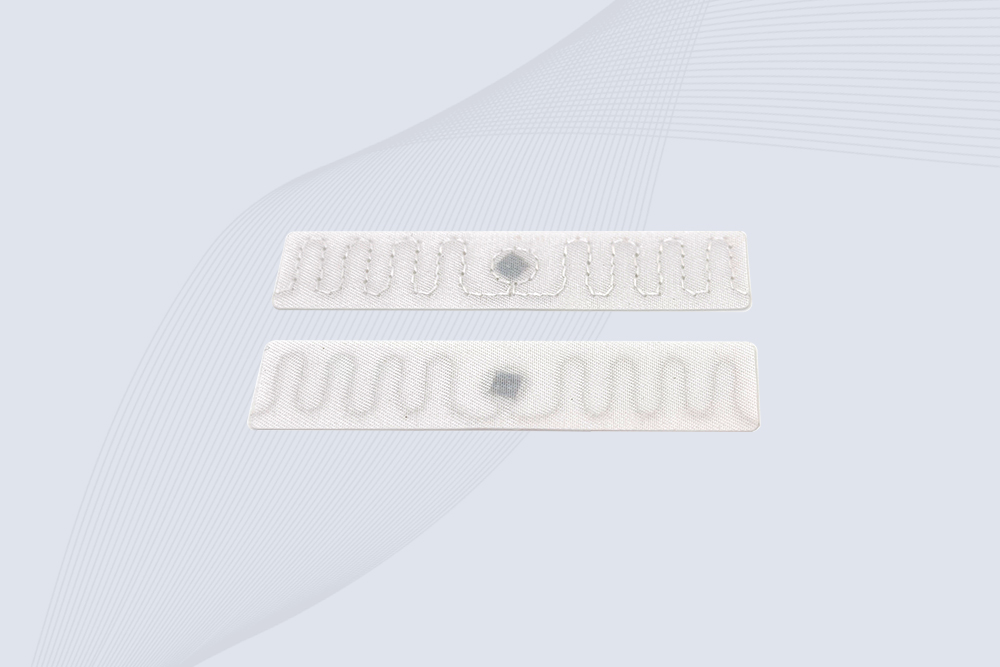
The CYKEO RFID Laundry Tag is designed for long-term textile identification in harsh laundry environments. Built to withstand high heat, chemicals, and repeated washing, this RFID Laundry Tag delivers stable performance for hotels, hospitals, and industrial laundry operations using laundry rfid tags at scale.
More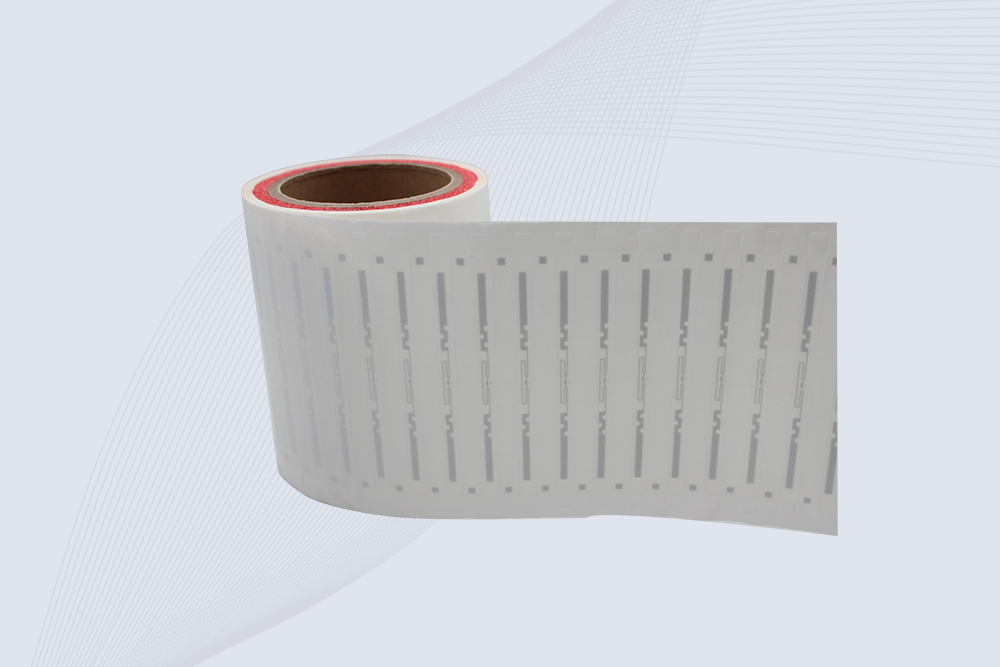
The CYKEO CYKEO-125-7 RFID Book Tag is designed for reliable book and document tracking in libraries and archives. This RFID Book Tag delivers long read range, dense placement support, and stable performance on shelves, making it a practical rfid tag on books for library automation, file management, and archival systems.
More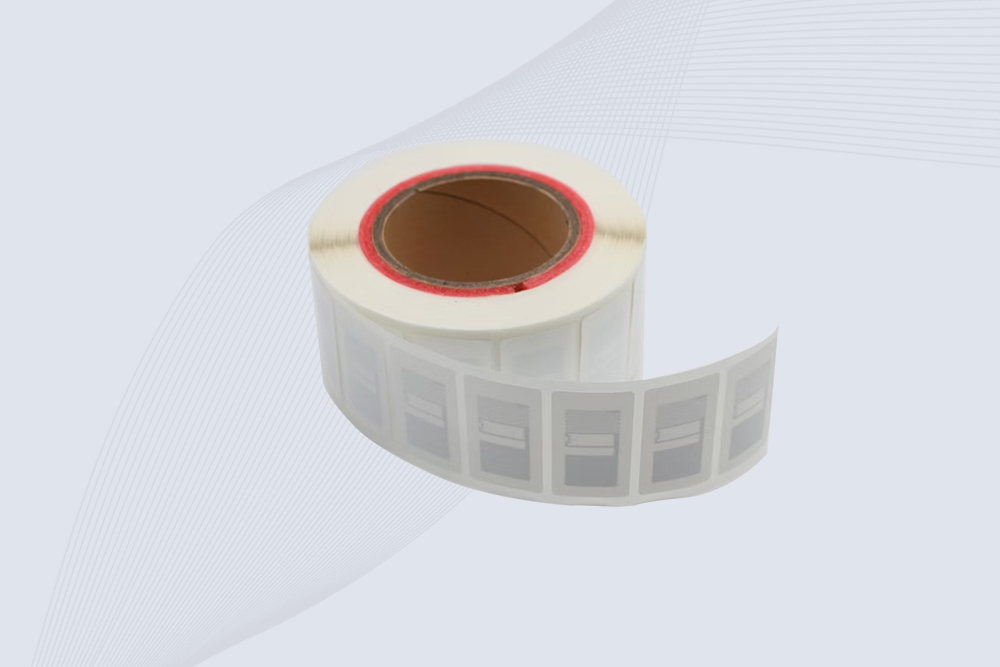
CYKEO RFID tags in hospitals are designed for sterile environments where accuracy matters. These autoclavable RFID tags support long-term tracking of surgical tools, implants, and medications, helping hospitals improve visibility, compliance, and patient safety.
More
CYKEO RFID Cable Tie Tag is built for reliable identification on metal surfaces. This UHF RFID Cable Tie Tag is widely used in rfid tags for inventory systems, industrial asset management and Hospital RFID Tags, offering stable read performance, long service life and global EPC Gen2 compatibility.
More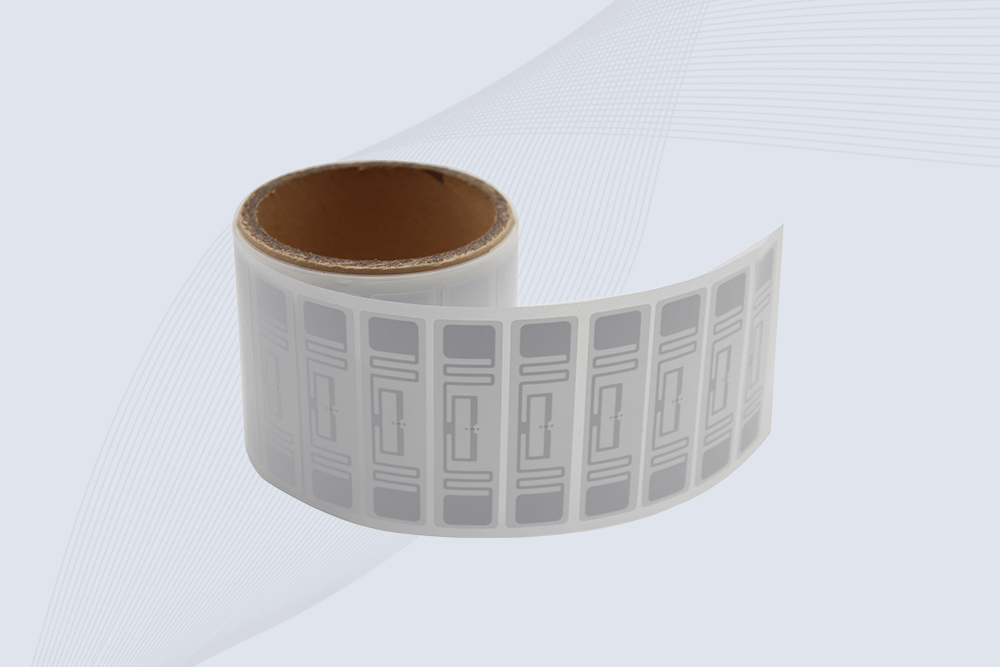
CYKEO RFID Asset Tag is designed for stable identification of metal assets in industrial environments. This UHF RFID Asset Tag is commonly used for rfid tag asset tracking on equipment, tools and containers, providing reliable reads, long service life and ISO/IEC 18000-6C support.
More
CYKEO UHF RFID Card is designed for fast identification and long-term use in industrial and commercial systems. Supporting ISO 18000-6C, this UHF RFID Card works at 860–960 MHz and is suitable for custom RFID cards used in asset tracking, access control and inventory management.
More
CYKEO HF RFID Cards are designed for secure and stable access control systems. These 13.56 MHz RFID key cards support ISO 14443-A, reliable rewriting and long service life, making HF RFID Cards suitable for offices, campuses, events and membership management.
More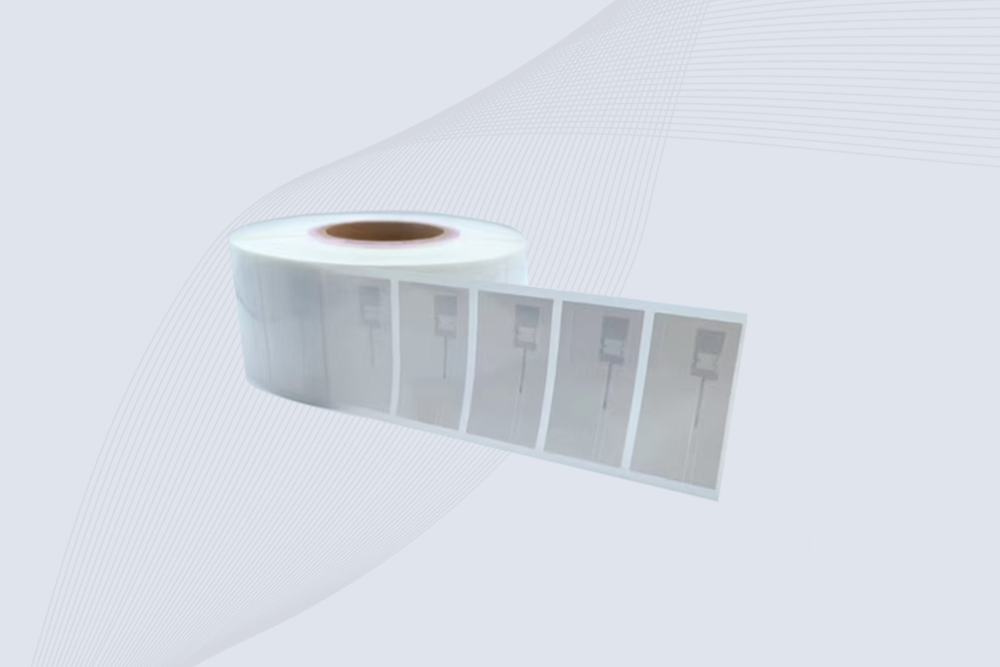
CYKEO UHF RFID Tag is designed for reliable tracking of metal jewelry and high-value items. This Jewelry RFID Tag supports long-range reading up to 8 meters, anti-counterfeit protection and stable performance on metal, making it suitable for retail, inventory control and asset management.
More
Learn how companies use OEM RFID reader modules to build custom RFID devices for smart cabinets, industrial automation, warehouse systems, and medical equipment tracking.
More
Learn how to optimize long-range RFID readers for livestock tracking. Discover Cykeo’s tips to enhance range and accuracy in rugged farm and ranch environments.
More
This article explains how to properly install RFID stickers on various surfaces such as metal, plastic, and glass. Learn key installation techniques and common mistakes to ensure a stable and efficient RFID identification system.
More
Active RFID tags are battery-powered devices that transmit identification signals to readers, supporting longer-range asset tracking, real-time monitoring, a...
More