 Cykeo RFID IoT Solution Products R&D Manufacturer


Can an iPhone Read RFID?
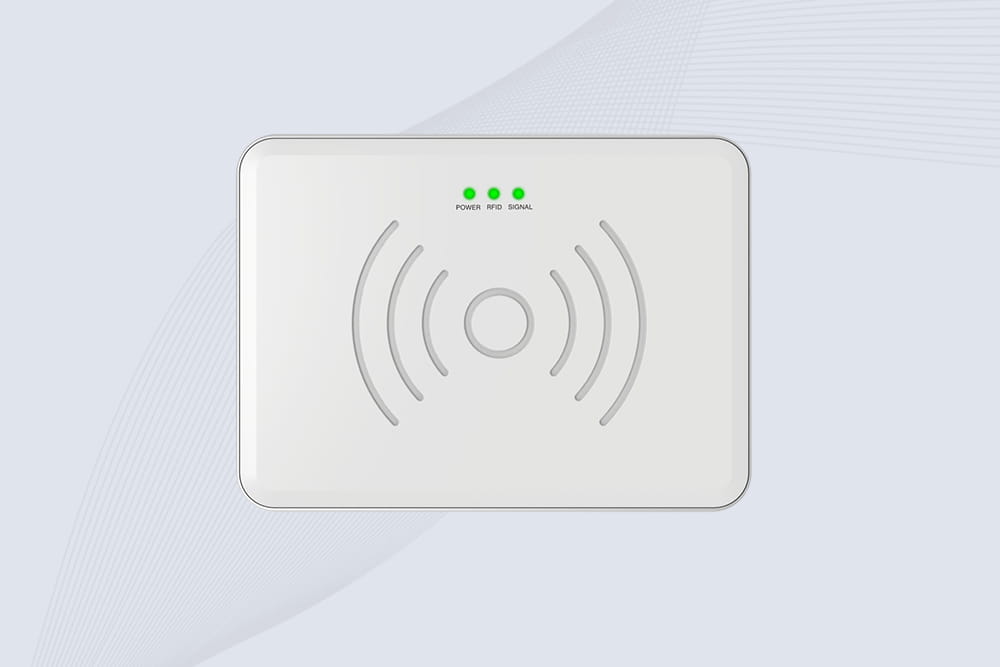
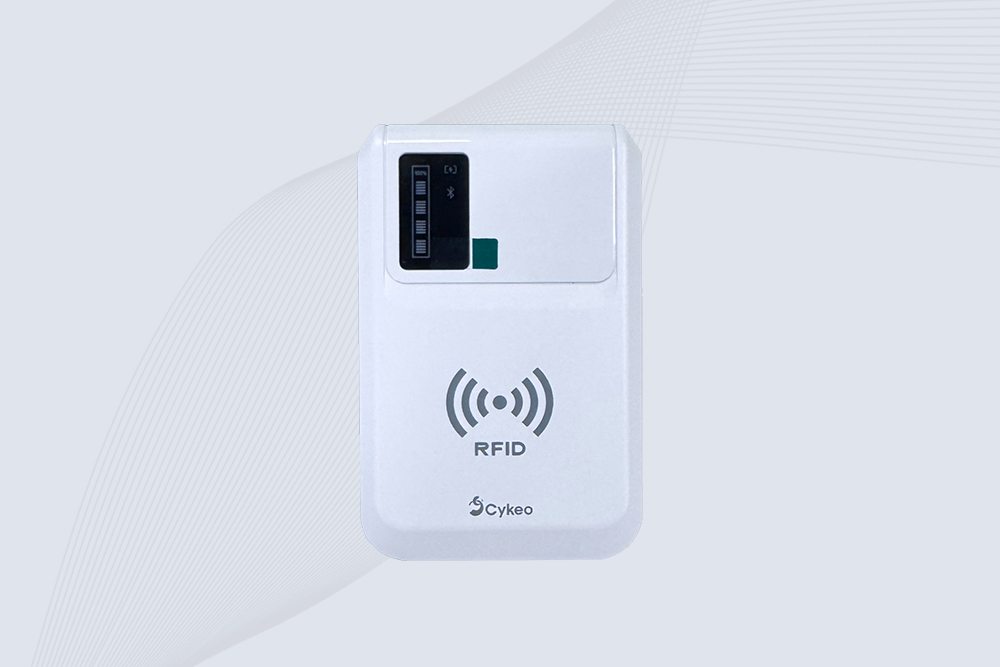
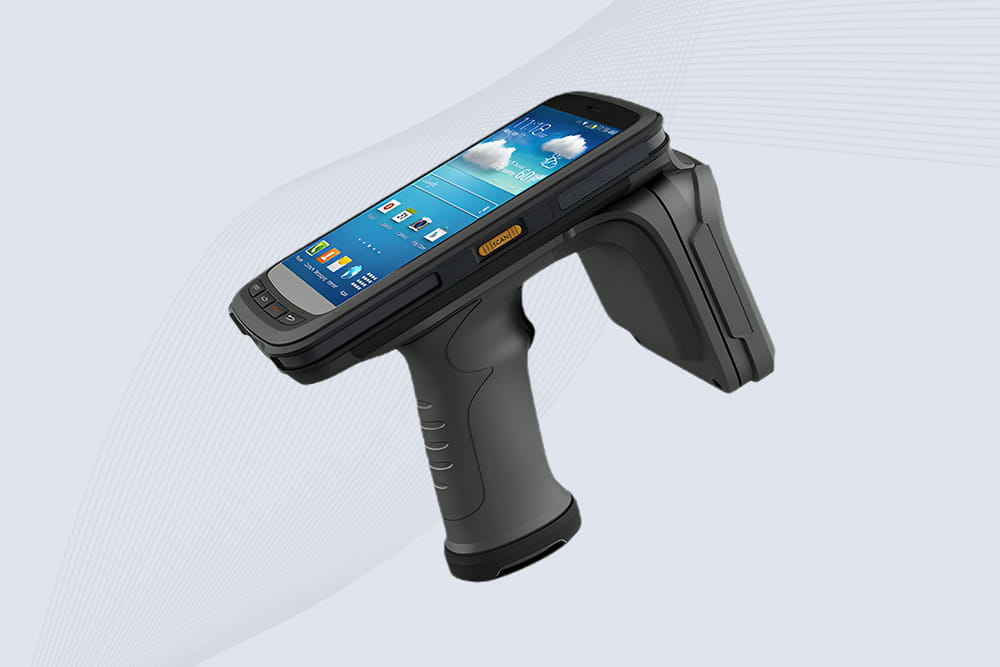
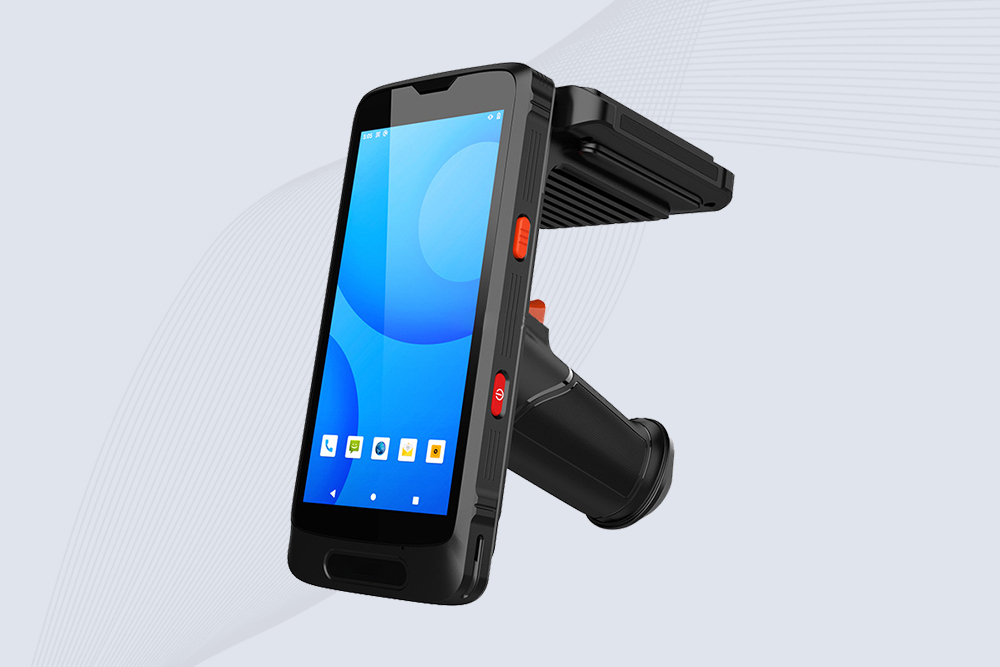
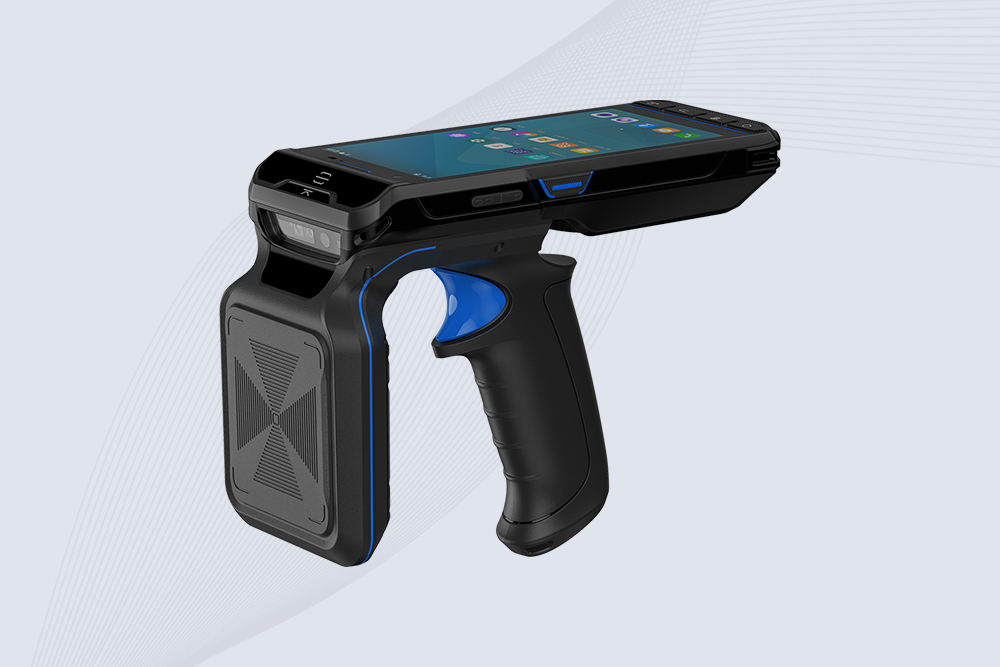
374Thinking of using an iPhone for RFID tasks? We answer "can an iPhone read RFID," explaining its severe limitations and why dedicated hardware is essential for asset tracking.
MoreAll RFID Product
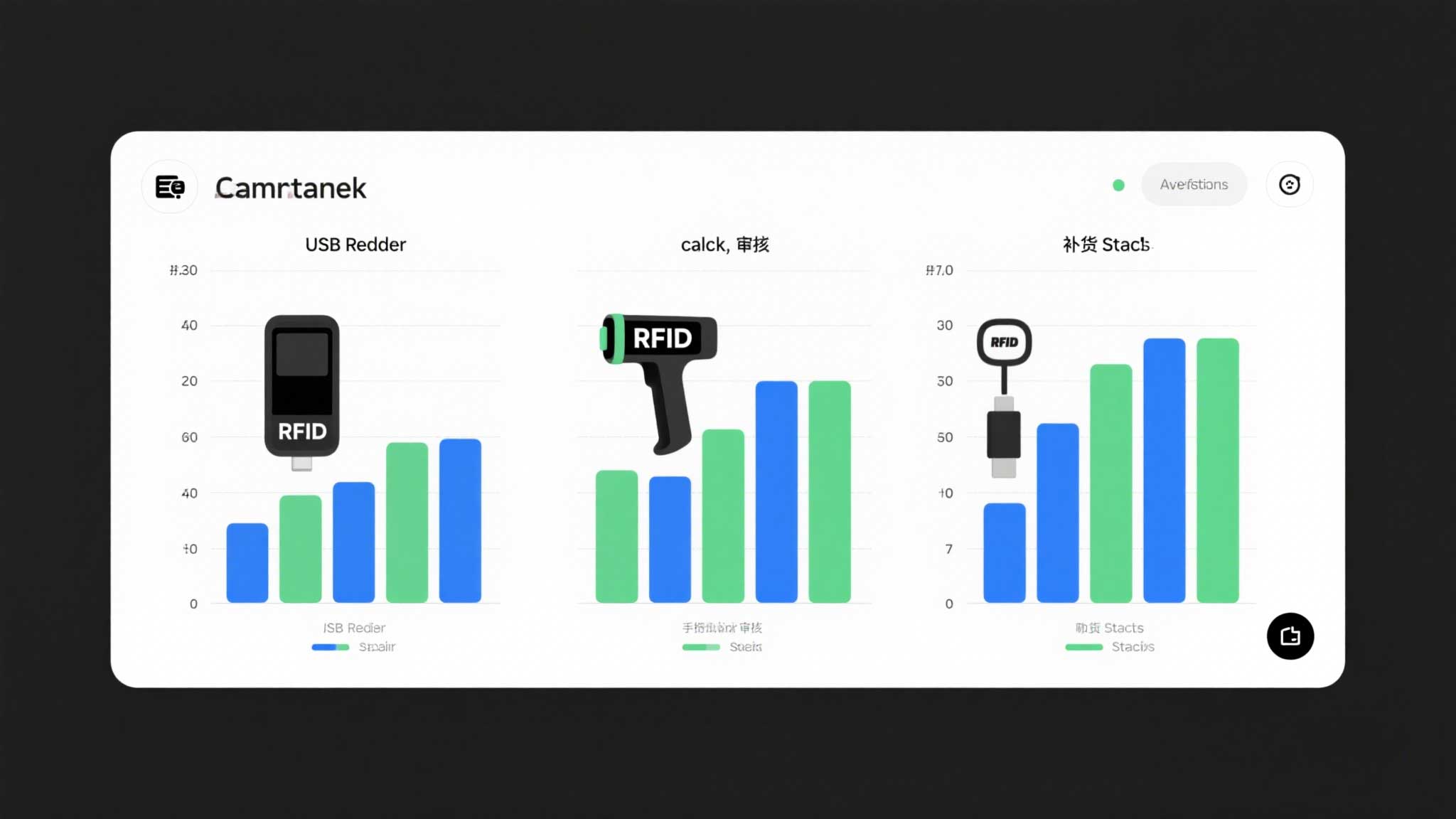
Your cashier is stuck rescanning a shirt tag for the third time. Your stockroom crew spends hours hunting for misplaced jeans. The problem? Maybe you’re using the wrong RFID tool. USB readers and handheld scanners both track inventory, but they’re built for very different jobs. Let’s break down which saves time (and sanity) for your store.
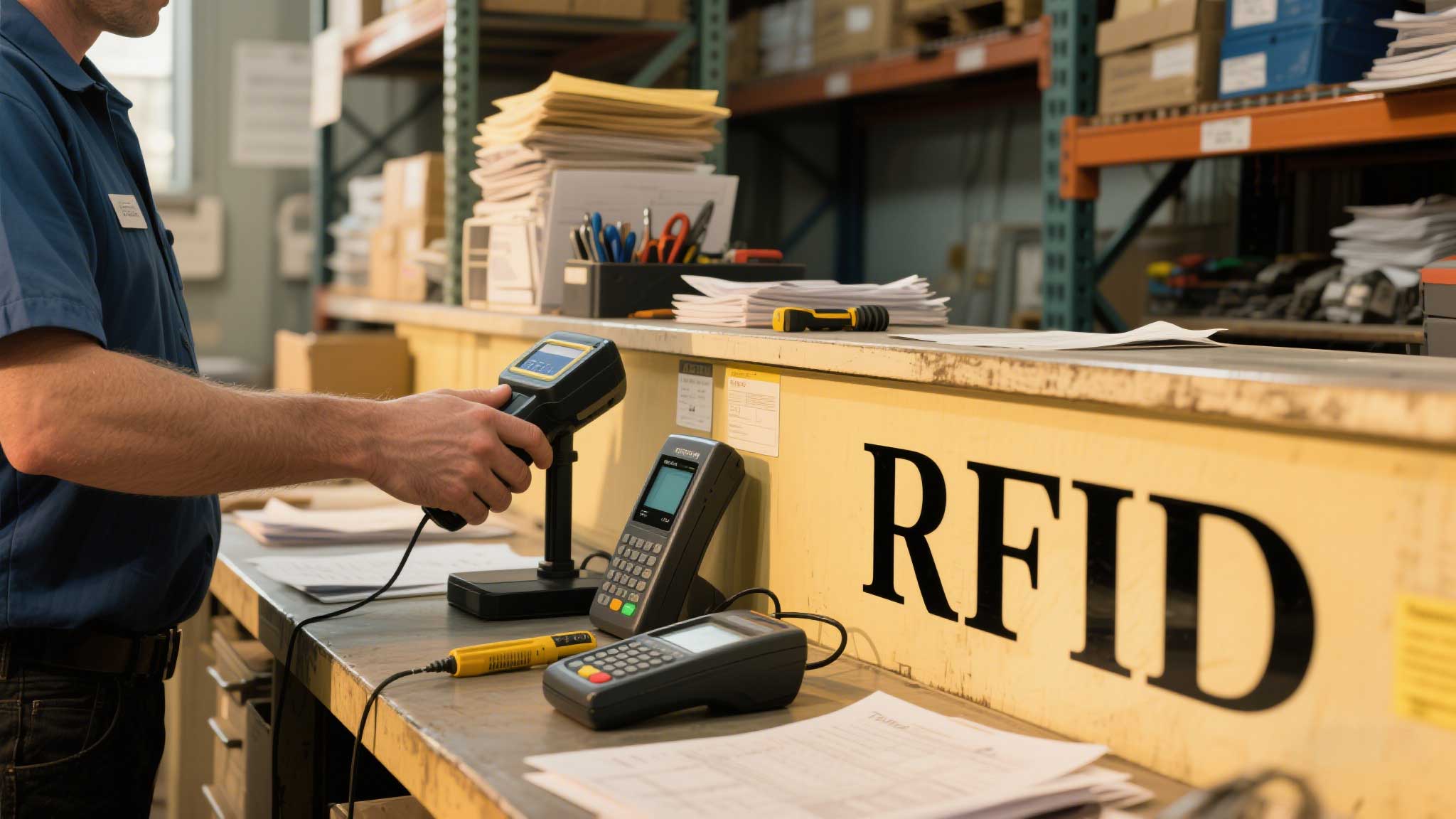
a. Checkout Lines
b. Inventory Audits
Cykeo Case Study: A boutique replaced handhelds with USB readers at checkout, cutting average transaction time from 90s to 22s.
a. Hardware
b. Labor
c. Errors
a. Small Boutiques (Under 1,000 sq ft)
b. Large Apparel Stores
c. Hybrid Approach
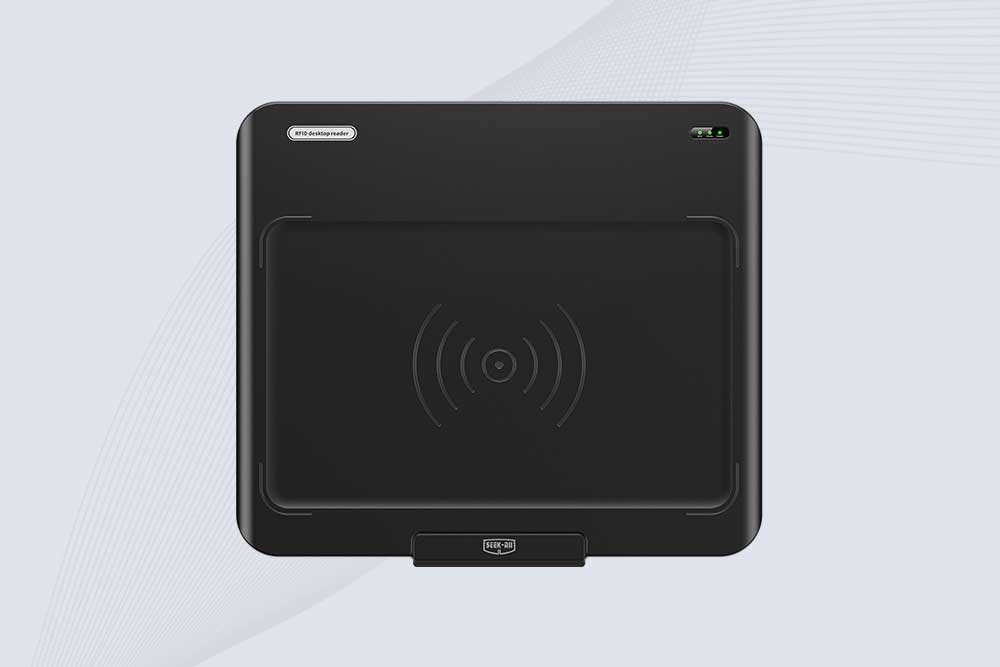
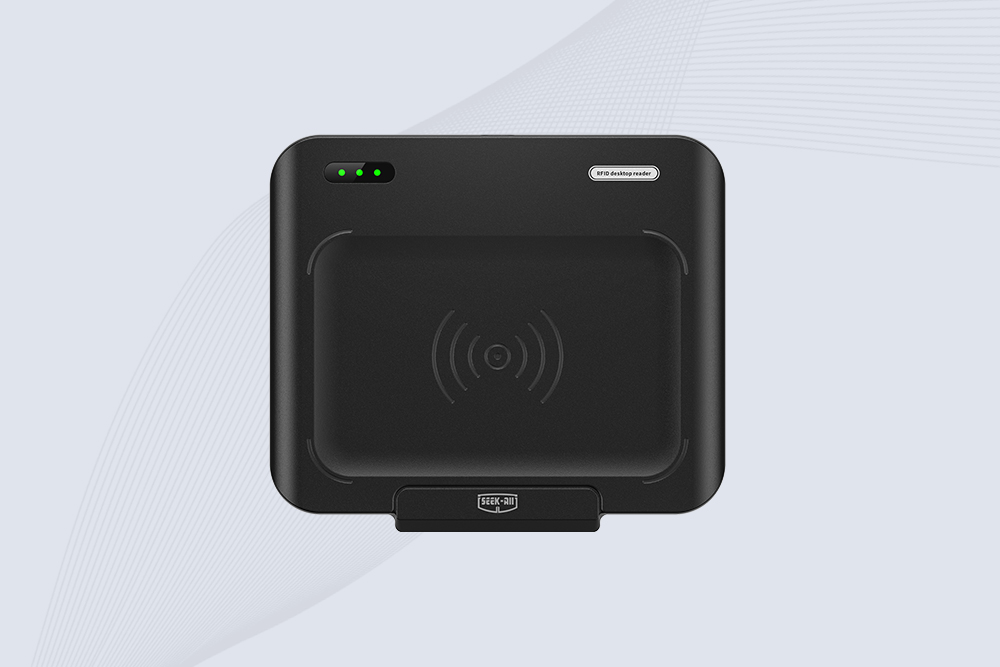
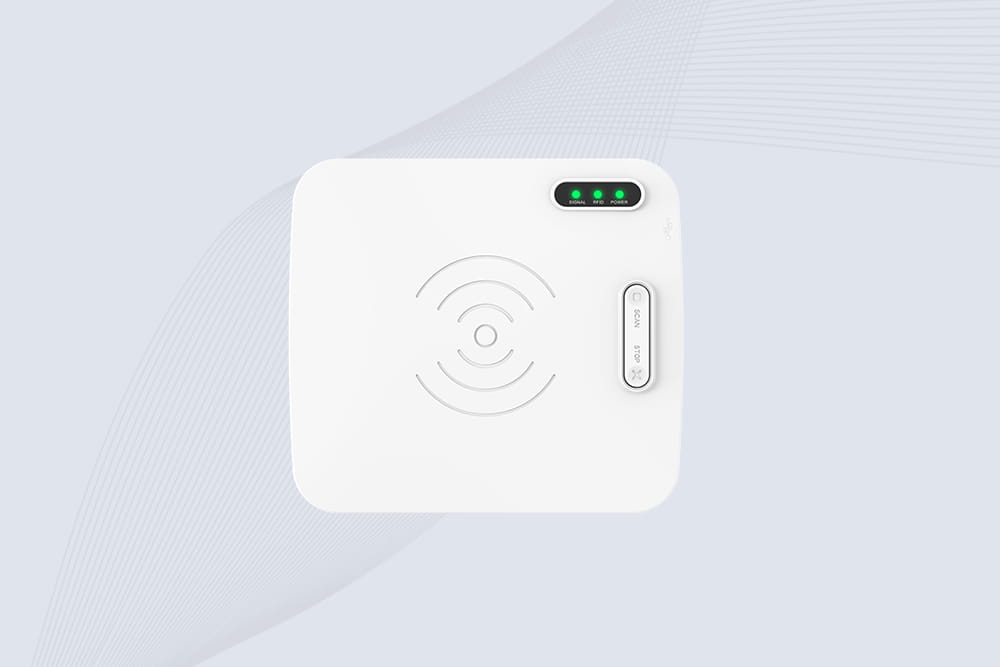
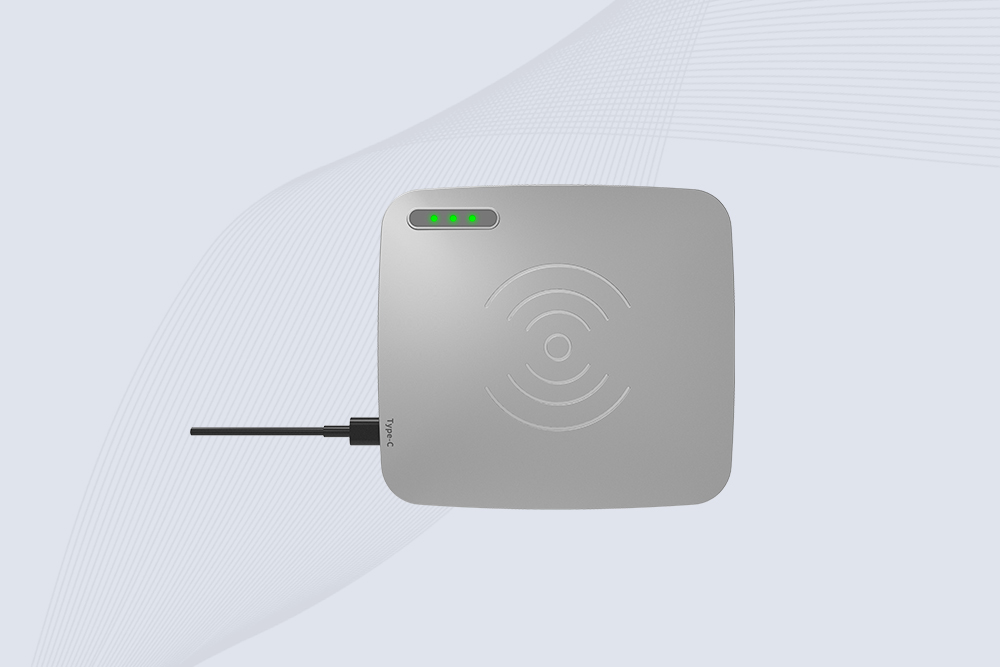
a. USB Readers
b. Handhelds
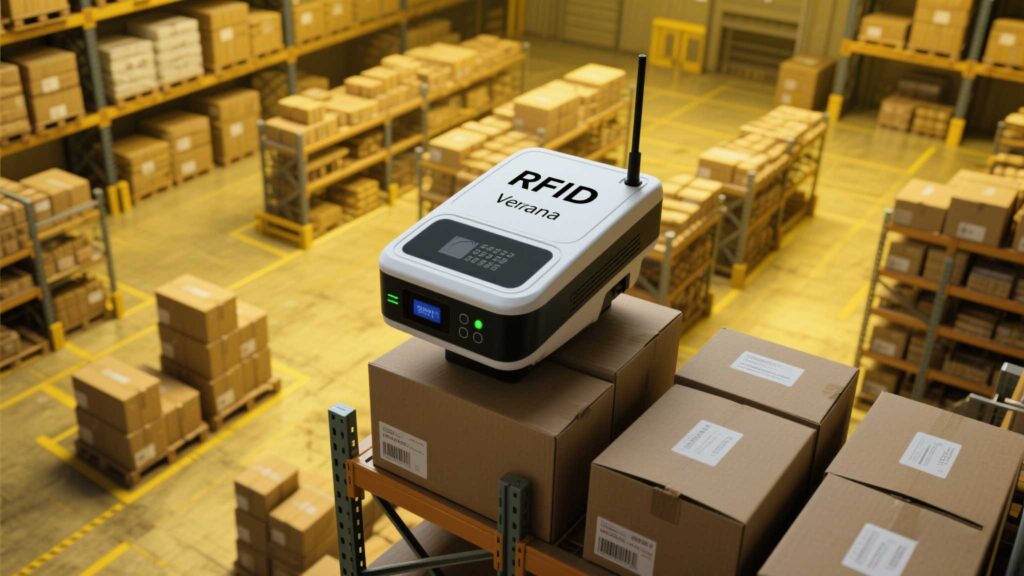
Go USB RFID If:
Go Handheld If:
Takeaway: USB RFID readers are the sprinters—blazing fast for controlled tasks. Handhelds are the marathoners—versatile but slower. For most small retailers, a $80 USB reader at checkout + one handheld for audits balances speed and flexibility. Test both for a week; let your team’s frustration (or relief) decide.
Thinking of using an iPhone for RFID tasks? We answer "can an iPhone read RFID," explaining its severe limitations and why dedicated hardware is essential for asset tracking.
More
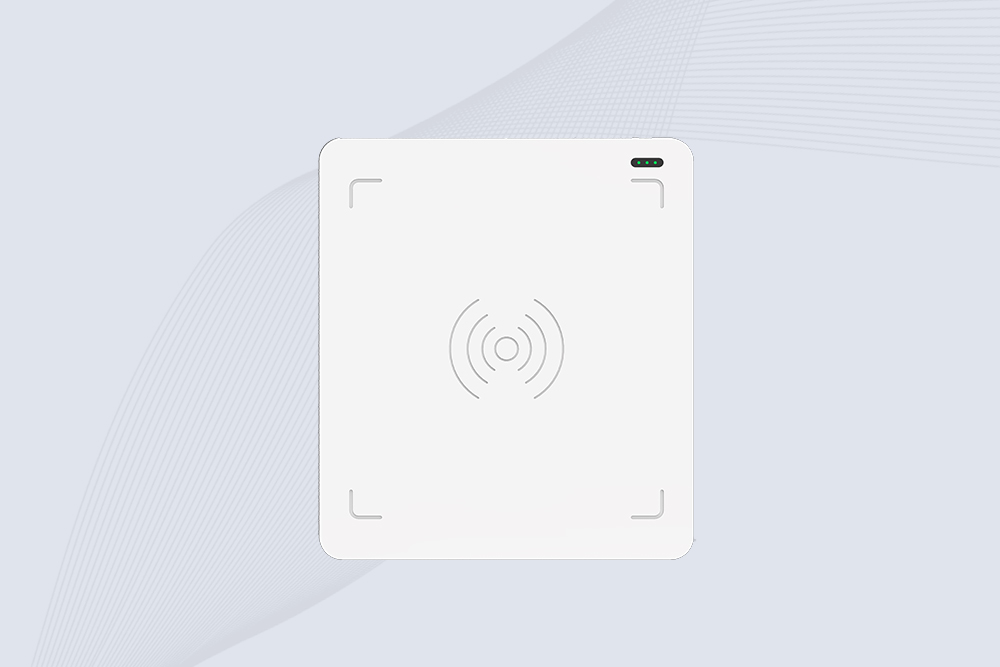
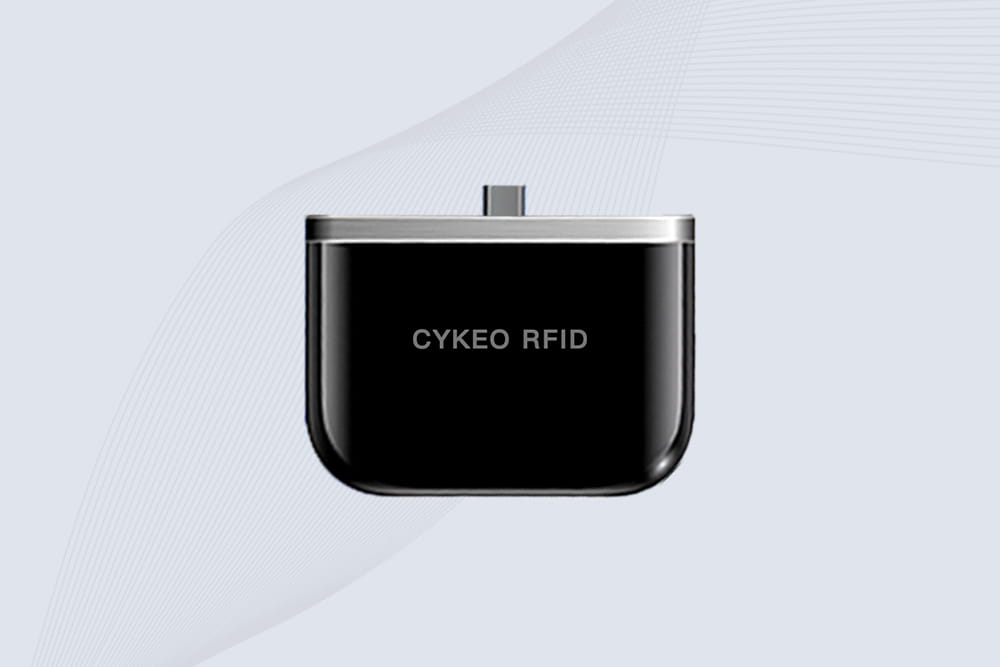
iOS read RFID solutions tested: Discover which setups actually work for inventory. See iPhone compatibility, hidden costs, and how Cykeo users avoid common fails.
More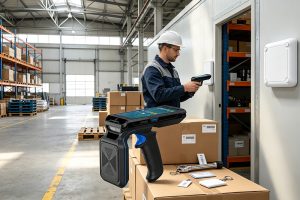
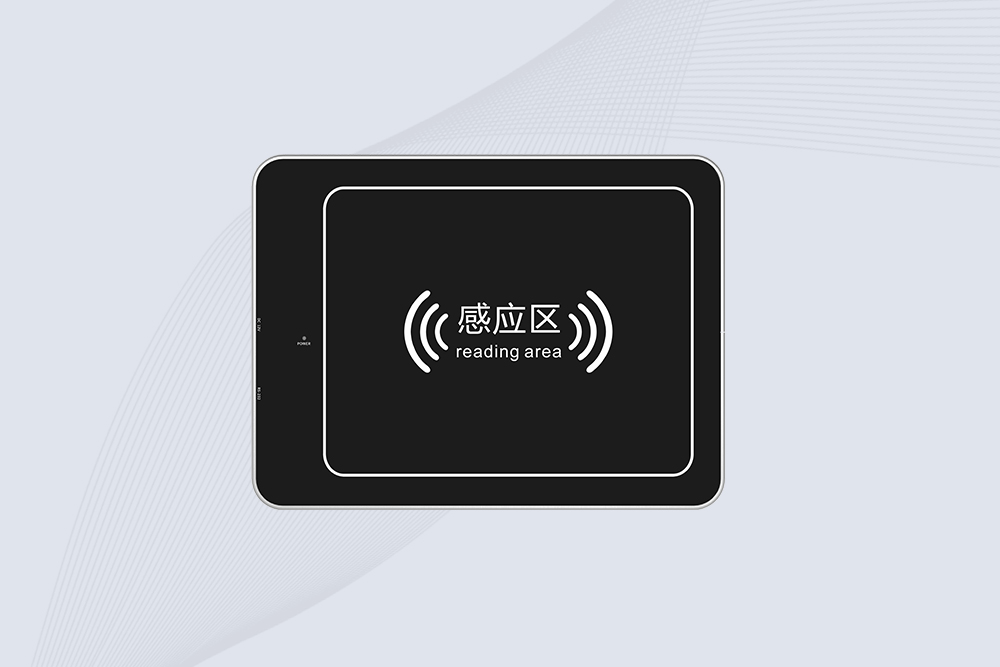
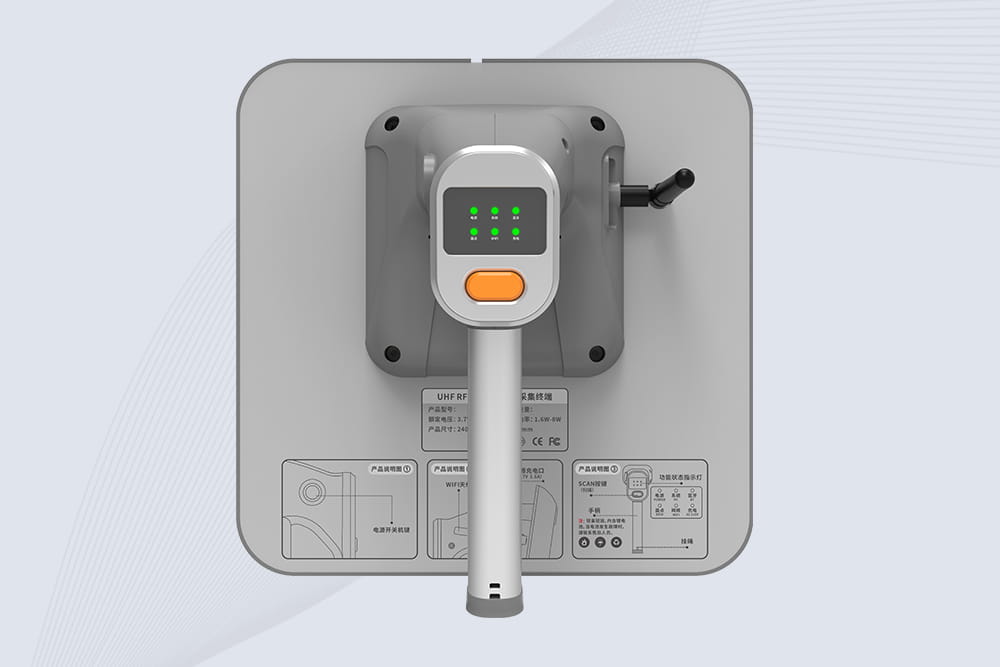
See how does rfid look like in real applications, from tiny embedded tags and cards to UHF readers and antennas, with practical examples from industrial RFID deployments.
More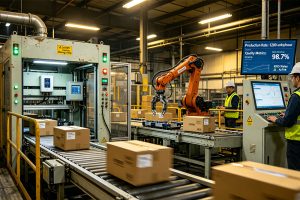
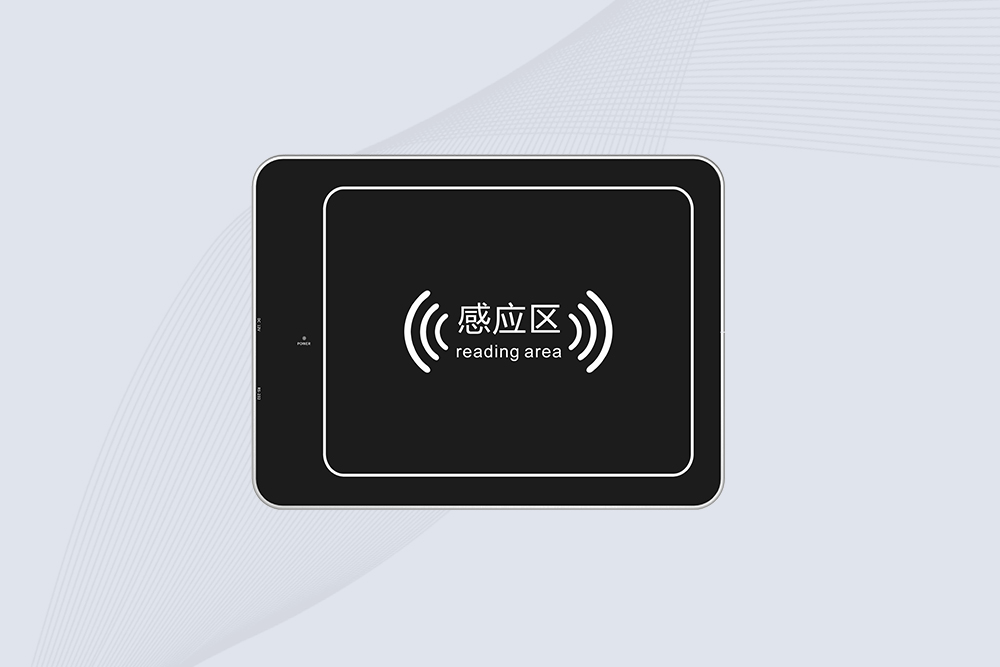
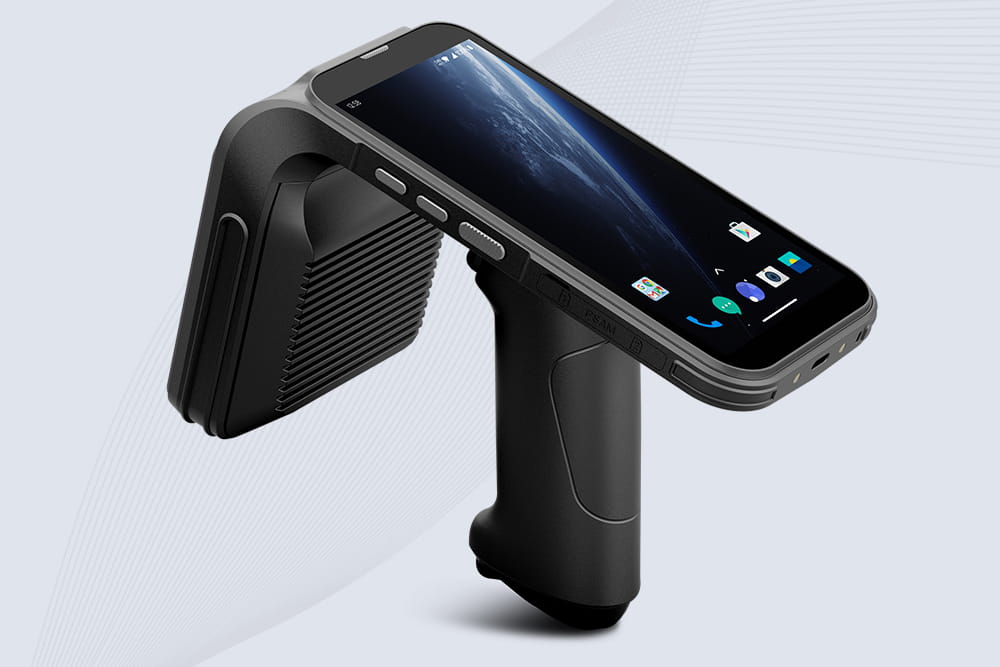
Learn how RFID reader modules are used in industrial automation systems including conveyors, AGVs, smart cabinets, and production tracking environments.
More