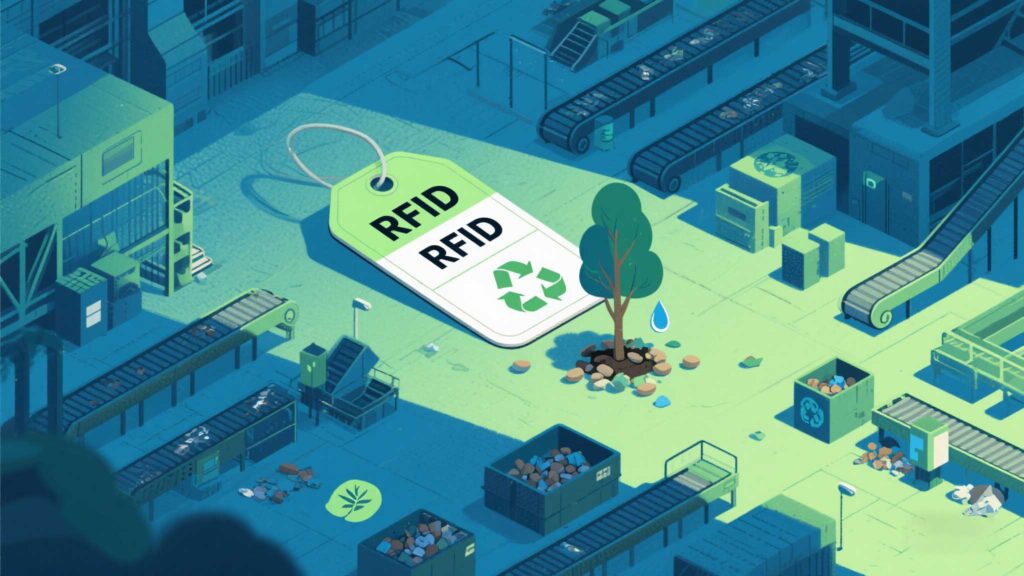
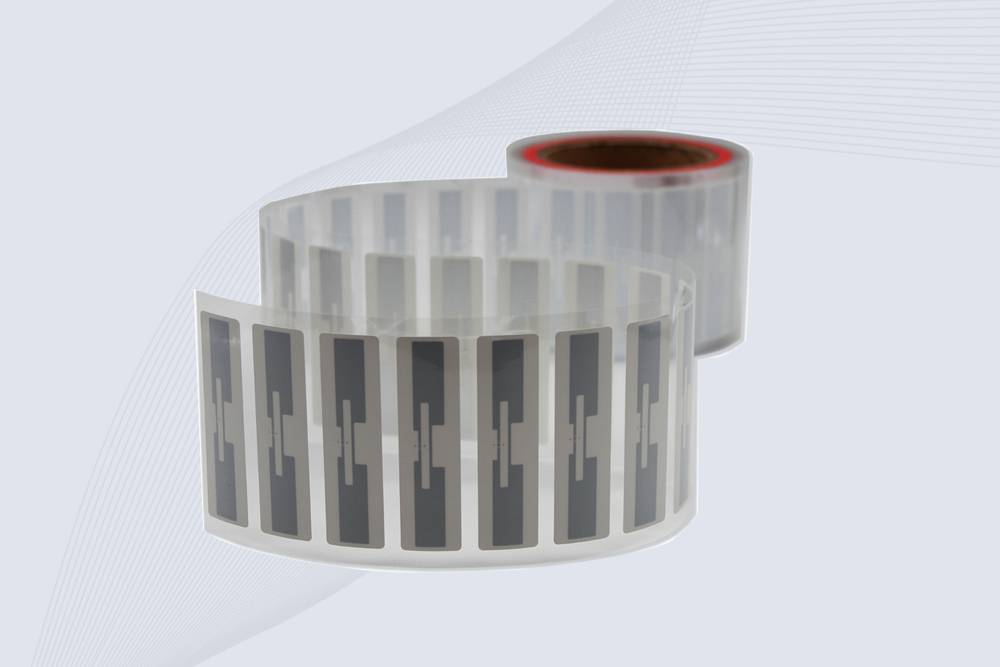
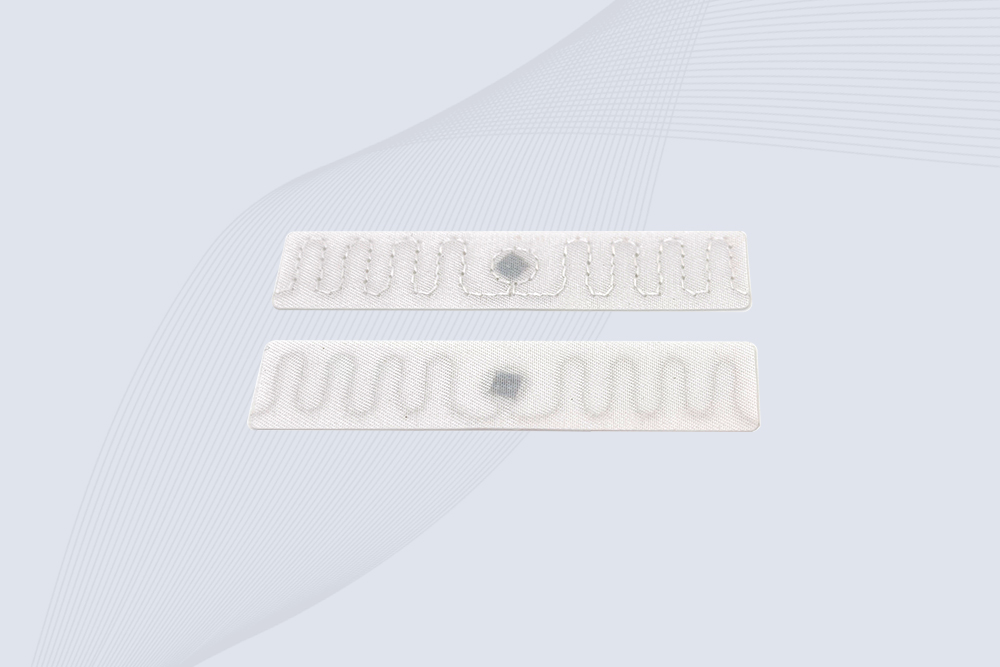
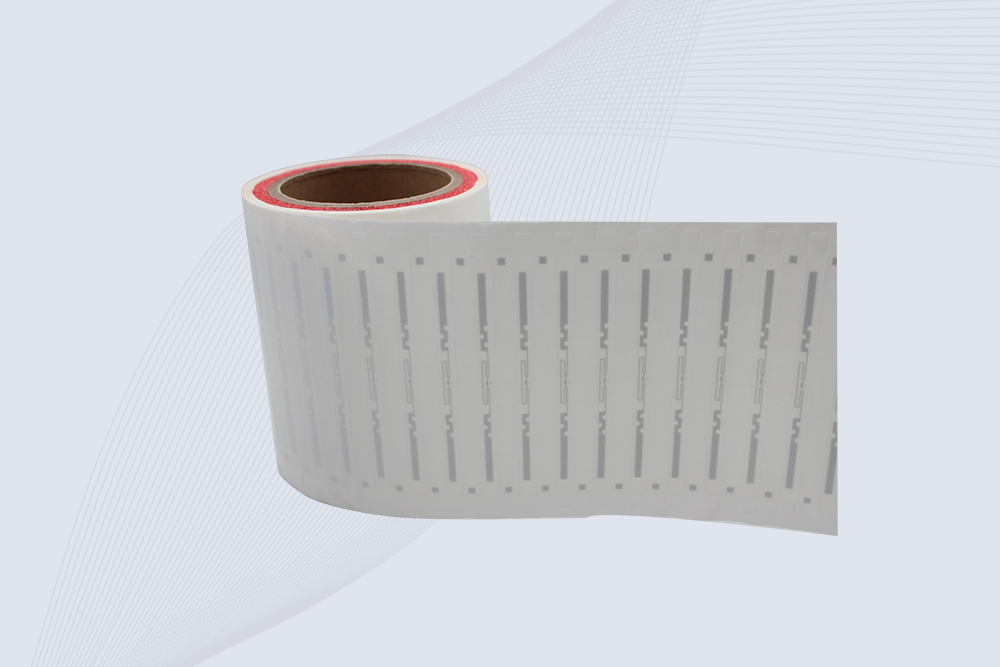
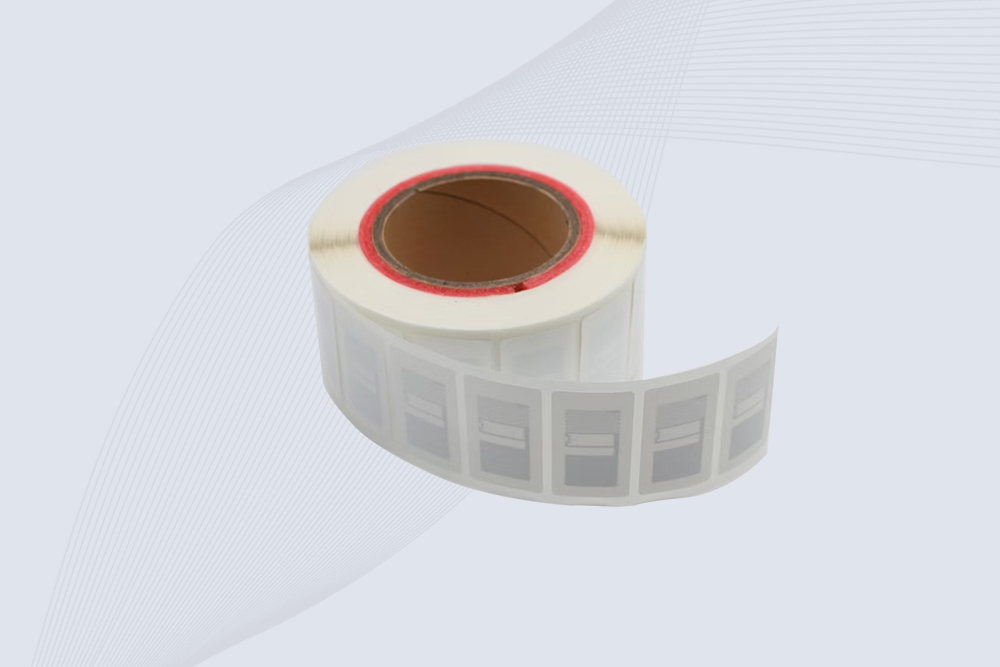
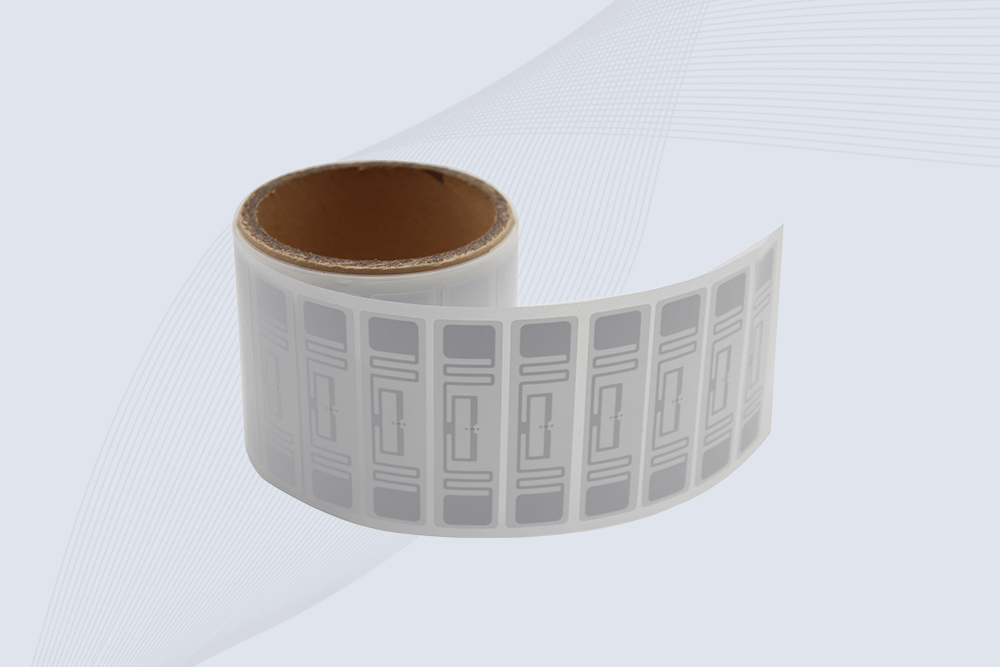
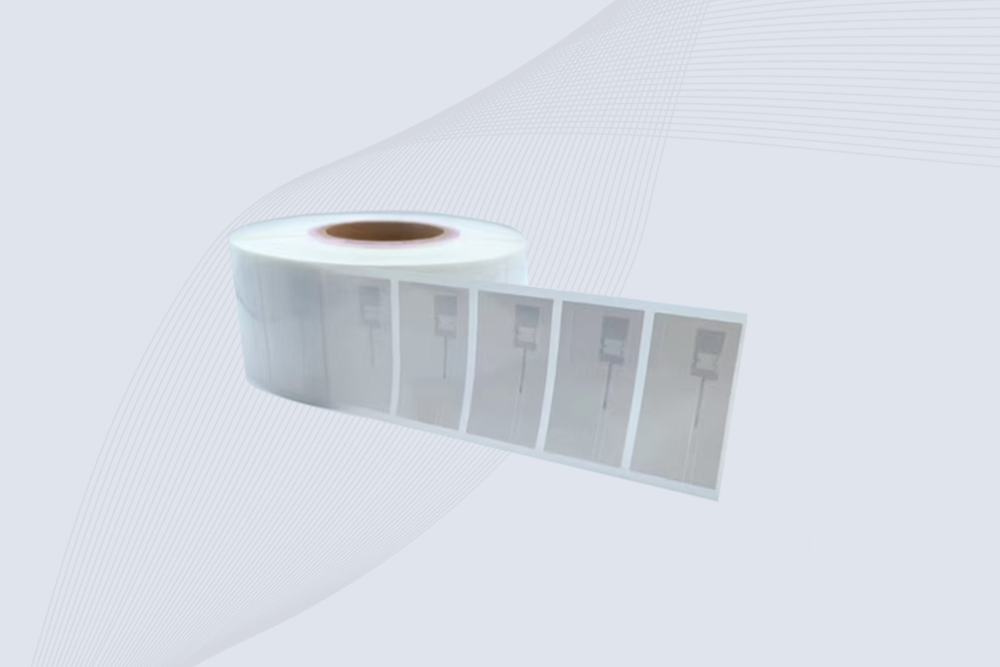
RFID tags, while efficient for tracking, pose environmental risks when improperly discarded. Their layered construction—plastic, metal antennas, and silicon chips—complicates recycling and contributes to e-waste, microplastic pollution, and toxic chemical leaching. Below, we analyze these impacts and provide actionable strategies to mitigate harm through sustainable design, recycling programs, and regulatory compliance.
1. Key Environmental Concerns
Non-Biodegradable Materials:
Plastic Housings: Most tags use PET or PVC, which take 500+ years to decompose, releasing microplastics into soil/water.
Metal Antennas: Aluminum/copper etching waste contaminates recycling streams if not separated.
E-Waste Hazards:
Silicon chips contain trace heavy metals (lead, arsenic) that leach into groundwater from landfills.
Incineration releases dioxins and furans, harming air quality.
Carbon Footprint:
Producing 1 million RFID tags generates ~15 tons of CO2, equivalent to driving 35,000 miles.
2. Sustainable Disposal and Recycling Solutions
Design Innovations:
Bio-Based Plastics: Tags made from PLA (polylactic acid) decompose in industrial composters within 12 weeks.
Reusable Tags: Encapsulated tags with QR codes allow 100+ reuse cycles (e.g., Cykeo’s EcoTrack line).
Recycling Programs:
Partner with e-waste recyclers to shred tags, recover metals, and repurpose plastics into pellets.
Cykeo’s Closed-Loop Program offers free return shipping for used tags, achieving 92% material recovery.
Regulatory Compliance:
Follow WEEE Directive (EU) and EPR (Extended Producer Responsibility) laws mandating tag recycling.
3. Industry Progress and Challenges
Success Stories:
A UK retailer reduced landfill waste by 8 tons/year by switching to Cykeo’s biodegradable tags for clothing.
Automotive suppliers cut CO2 emissions 18% using recycled aluminum antennas.
Ongoing Issues:
Lack of standardized recycling infrastructure in developing nations.
High costs of bio-materials (2–3x conventional plastics).
4. How Businesses and Consumers Can Help
Business Strategies:
Audit tag usage: Replace single-use tags with reusable options for pallets/containers.
Educate staff on proper segregation of RFID waste from general trash.
Consumer Actions:
Return used tags via retailer take-back programs.
Support brands using eco-certified RFID systems (e.g., ECOLABEL, Cradle to Cradle).
Cykeo’s Commitment to Eco-Friendly RFID
Cykeo’s tags incorporate 30% recycled PET and are compatible with standard paper recycling streams. Their Zero-Waste RFID initiative aims to eliminate landfill contributions by 2030 through modular designs and chemical-free chip detachment.
Wondering whether RFID security tags can be bypassed? Learn how RFID anti-theft systems work, common security risks, and what retailers can do to protect inventory and reduce losses.
We tried figuring out how to make an RFID antenna in our lab. Here's an honest look at the DIY process, its real-world limits, and why off-the-shelf antennas often win.
A practical comparison of RFID vs barcode in hospital equipment tracking. Learn the real differences in speed, accuracy, and daily usability in healthcare environments.
 Cykeo RFID IoT Solution Products R&D Manufacturer