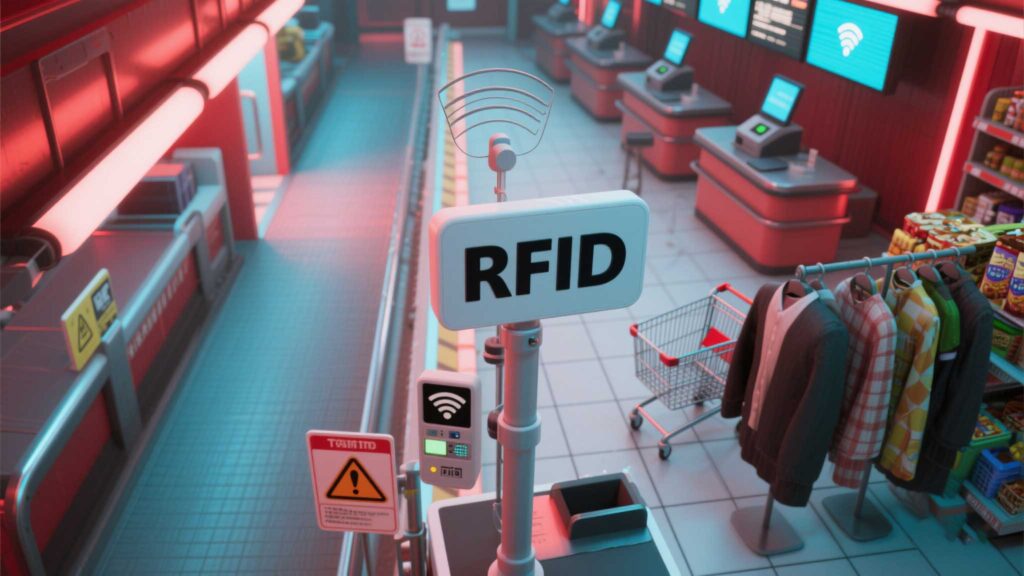
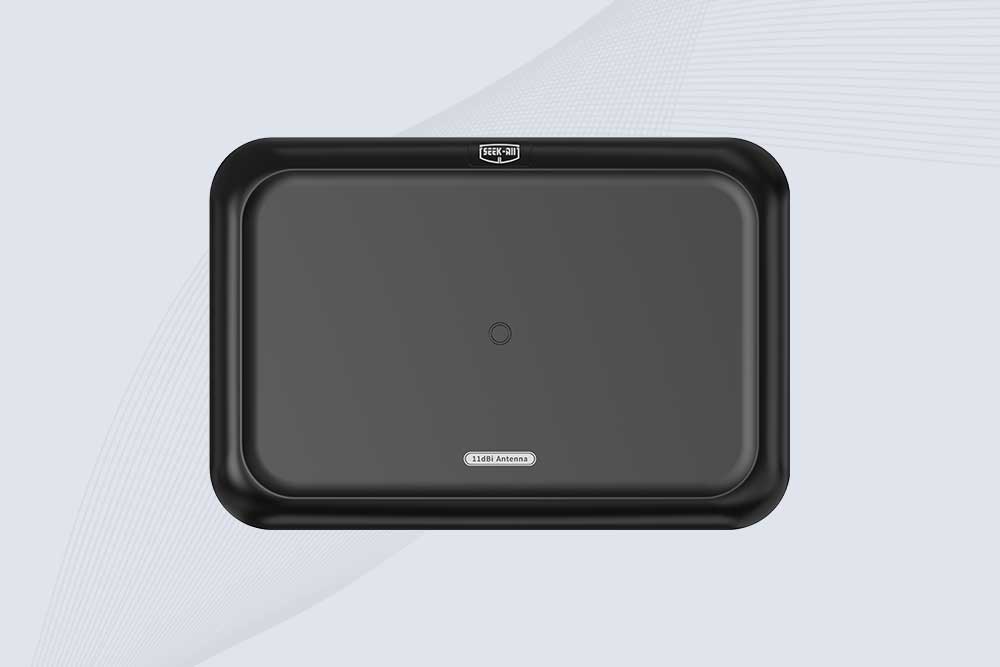
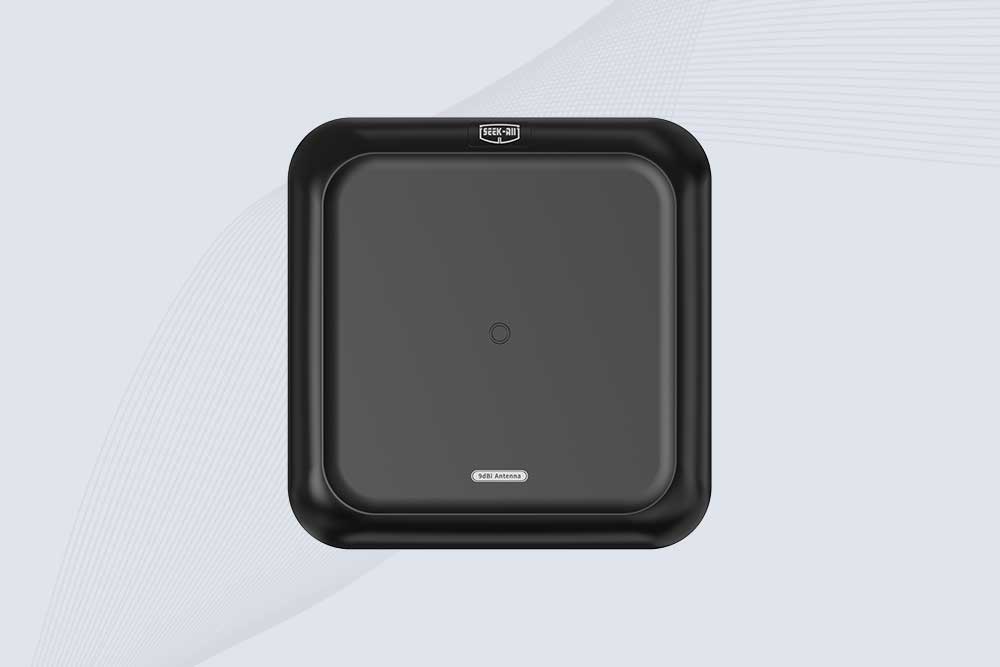
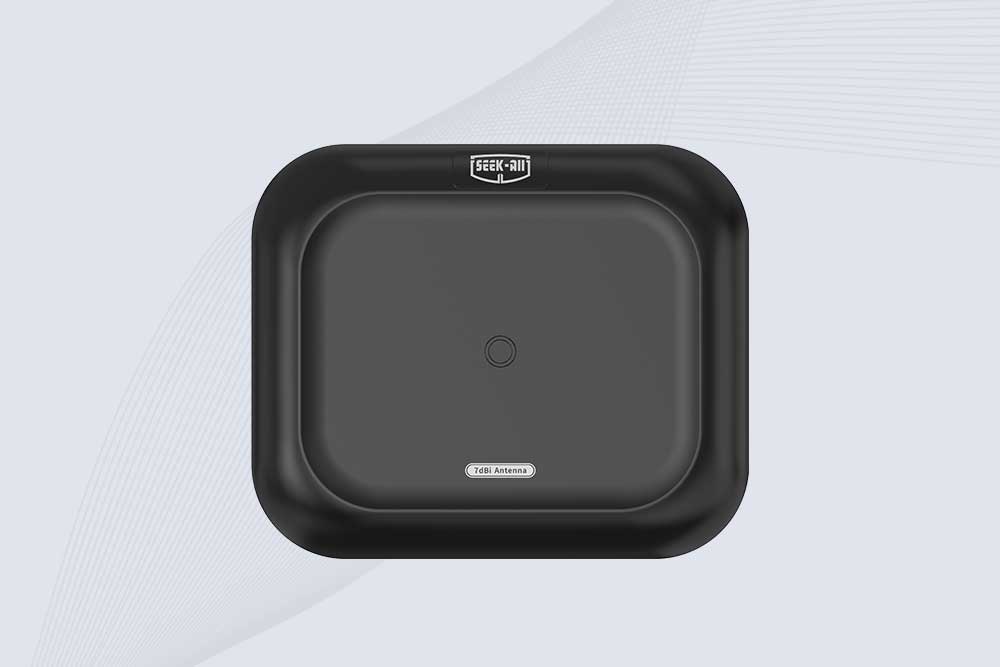
Proper RFID antenna placement at retail checkout gates ensures fast, accurate scans of tagged items while minimizing false reads. Poorly positioned antennas lead to missed items, customer delays, and inventory discrepancies. Below, we outline best practices for antenna orientation, spacing, and integration to streamline self-checkout and staffed lanes.
1. Antenna Positioning for Full Coverage
Height and Angle:
Mount antennas 30–50 cm above the conveyor belt to cover standard shopping baskets.
Tilt antennas 10–15 degrees downward to focus energy on items and reduce ceiling reflections.
Conveyor Zones: Cover items sliding toward the cashier.
Space antennas 1–1.5 meters apart to avoid signal overlap.
Cykeo’s checkout systems use phase array antennas to create overlapping fields, ensuring no blind spots in high-traffic lanes.
2. Mitigate Interference and False Reads
Shielding:
Place ferrite sheets or aluminum foil behind antennas to block signals from adjacent lanes or storage areas.
Polarization:
Use circularly polarized antennas to read tags regardless of orientation (e.g., crumpled clothing tags).
Power Settings:
Reduce transmit power to 1–2W in narrow lanes to prevent scanning unintended items in nearby carts.
3. Test and Fine-Tune Performance
Tag Testing:
Test readability of common items: clothing (folded/hung), electronics, and metal-wrapped products.
Adjust antenna angles if tags on shoes or handbags (often placed low in carts) are missed.
Software Tools:
Use Cykeo’s Field Mapper software to visualize coverage and identify dead zones.
Set RSSI thresholds to filter out weak signals from distant tags.
A European apparel retailer reduced checkout errors by 30% after aligning antennas to prioritize hanging garment tags.
4. Integrate with Checkout Ecosystems
Sync with POS Systems:
Ensure antennas trigger instant updates in POS software (e.g., Shopify, Square) upon successful scans.
Anti-Theft Features:
Link exit gate antennas to EAS (Electronic Article Surveillance) systems to detect unpaid items.
Data Analytics:
Monitor scan success rates and antenna health via Cykeo’s dashboard to schedule maintenance.
Why Cykeo Excels in Checkout RFID
Cykeo’s antennas support dynamic power adjustment, automatically lowering output during idle periods to save energy. Their systems are pre-configured for major retail POS platforms, cutting integration time by 50%.
CYKEO CK-B3L is a rugged uhf rfid bluetooth handheld reader with long read range, Android system and stable performance. This UHF RFID Handheld Reader is designed for warehousing, logistics, manufacturing and outdoor field operations.
Forget complex theories. Here's a straight answer: What is the RFID antenna? Learn its one job, why you need it, and the common setup mistake everyone makes.
Upgrade your doors with RFID technology. Touch-free access, high security, low maintenance, and smart operations for libraries, retail stores, and warehouses.
RFID in supply chain management uses radio waves to identify tagged goods and record their movement through receiving, storage, production, and distribution....
 Cykeo RFID IoT Solution Products R&D Manufacturer