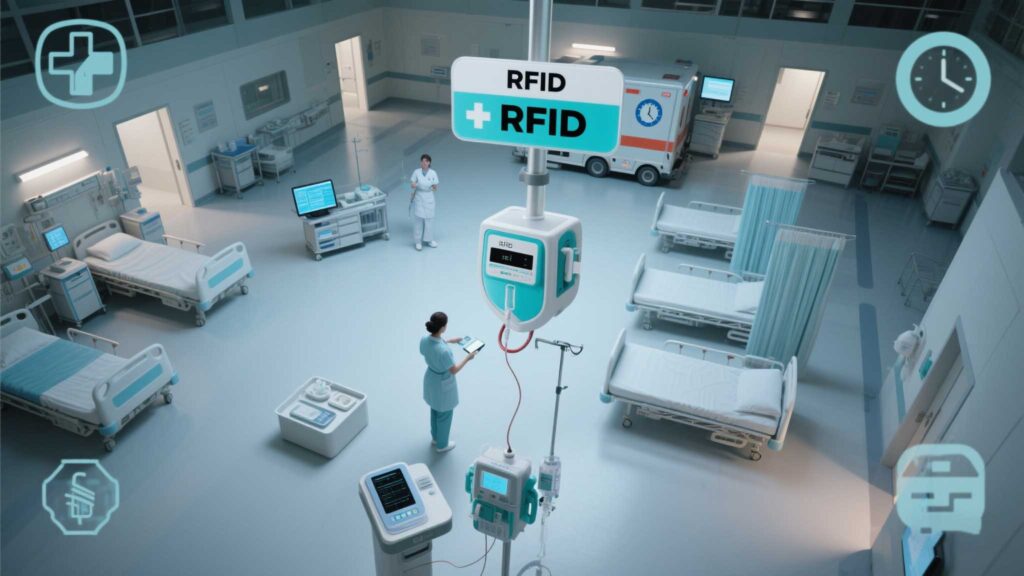
Implementing RFID for healthcare equipment tracking ensures compliance with regulations like HIPAA, FDA UDI, and Joint Commission standards while reducing equipment loss and sterilization errors. A successful rollout requires selecting medical-grade RFID tags, integrating with EHR/CMMS systems, and maintaining audit trails. Below, we outline a compliance-focused strategy for hospitals, clinics, and labs.
1. Select Compliance-Ready RFID Hardware
Medical-Grade Tags:
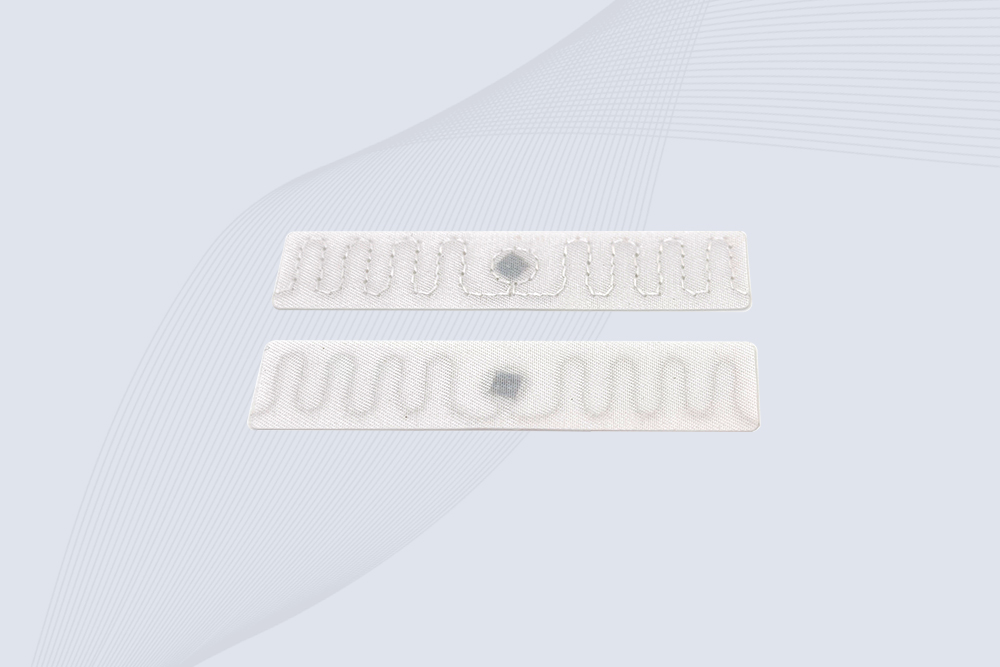
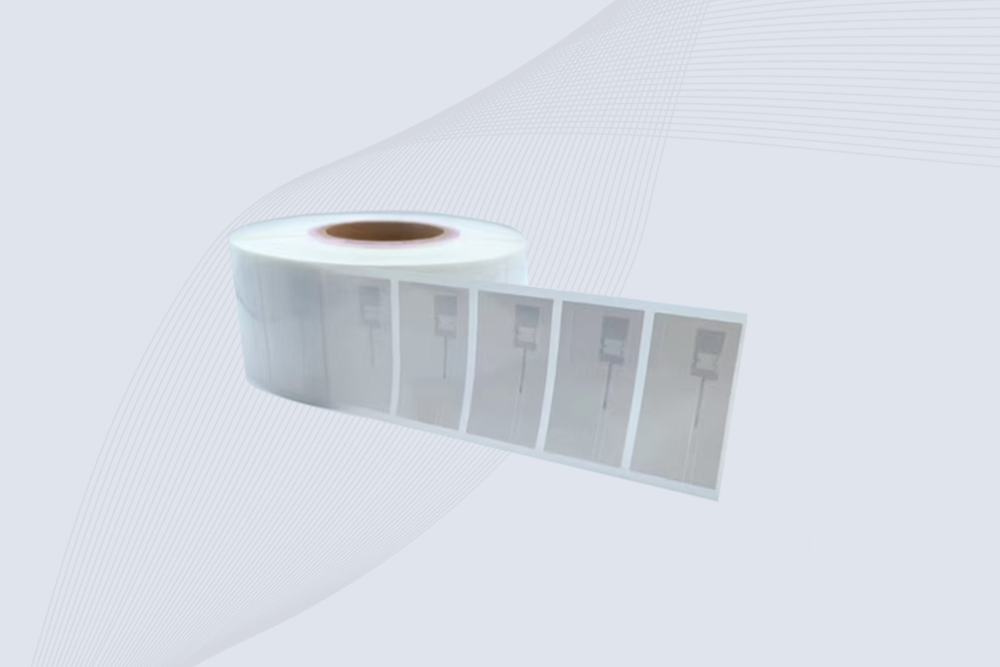
Choose tags that withstand autoclave sterilization (135°C/275°F), chemical exposure, and MRI environments.
Ensure tags comply with ISO 13485 for medical devices and FDA 21 CFR Part 11 for electronic records.
Reader Placement:
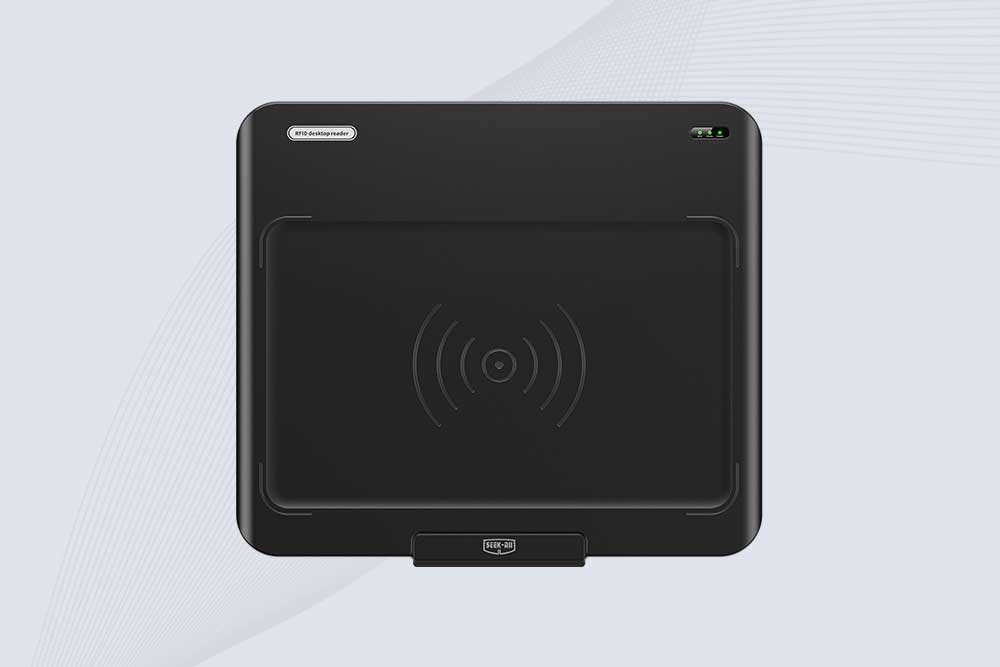
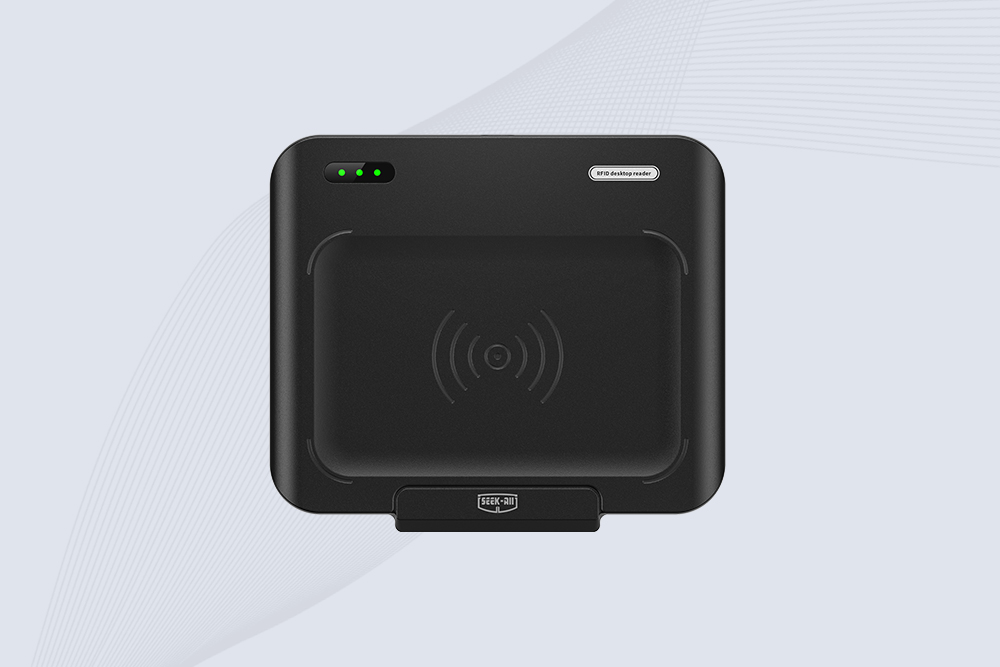
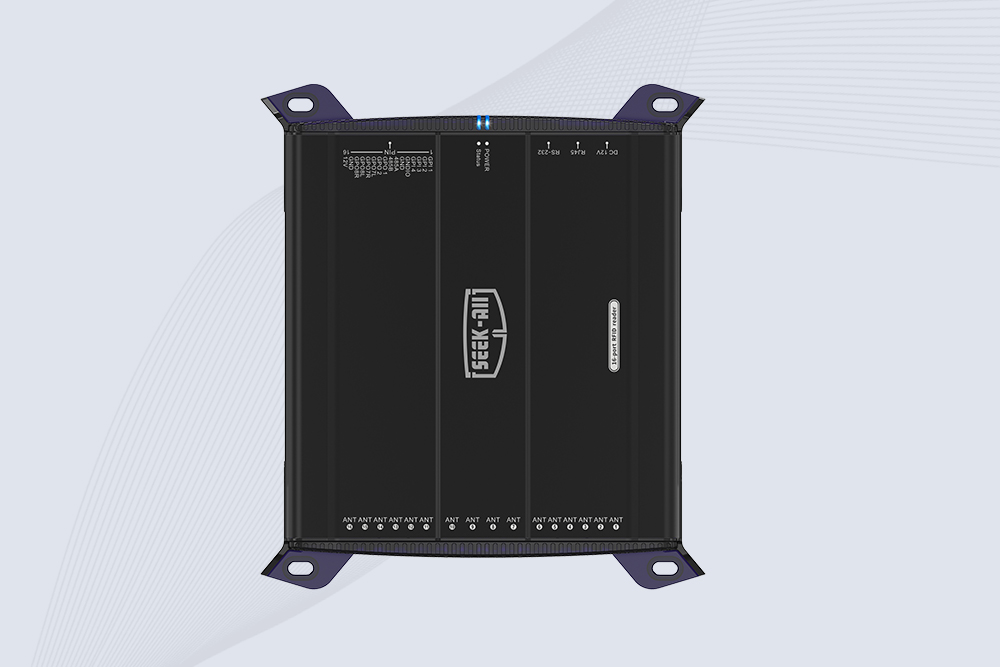
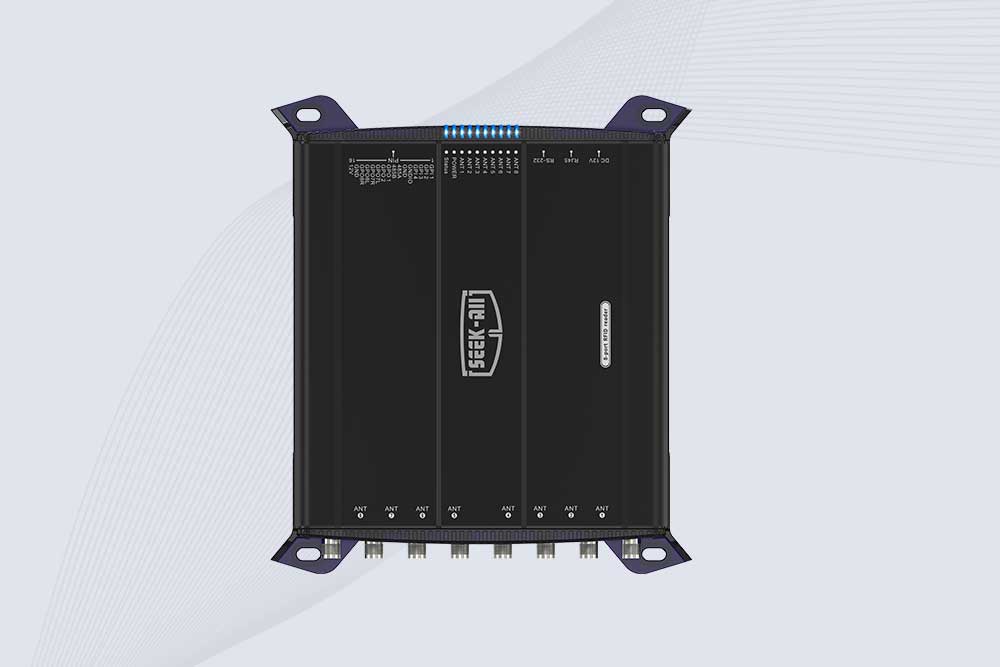
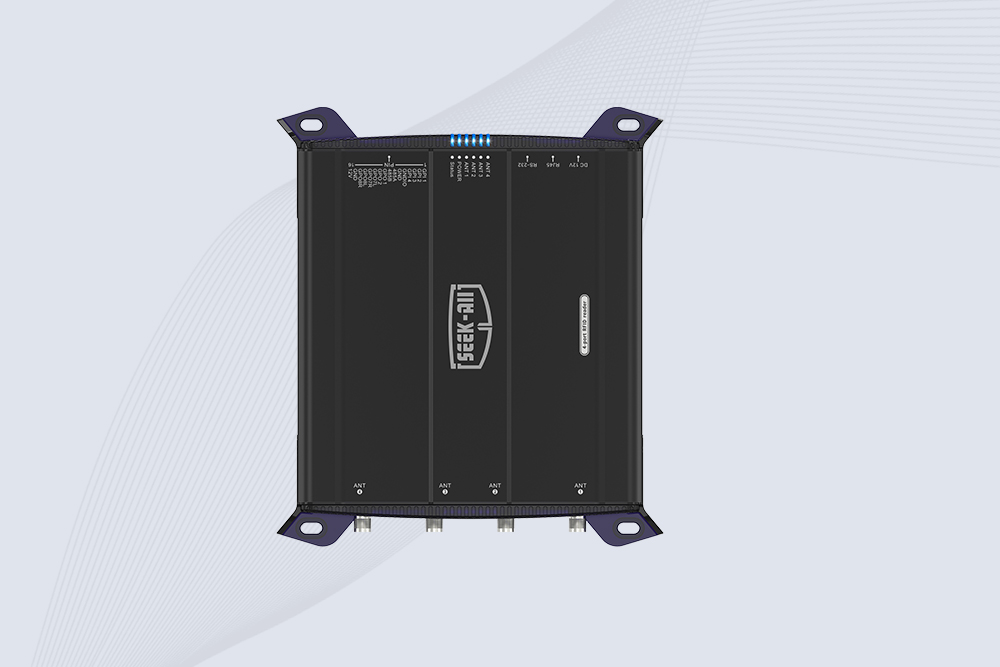
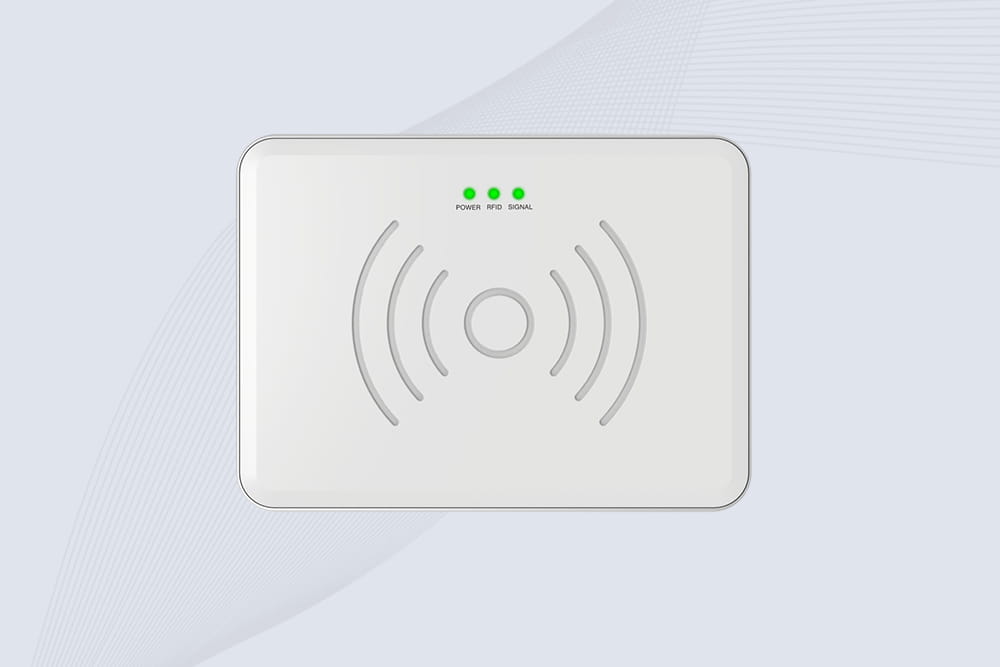
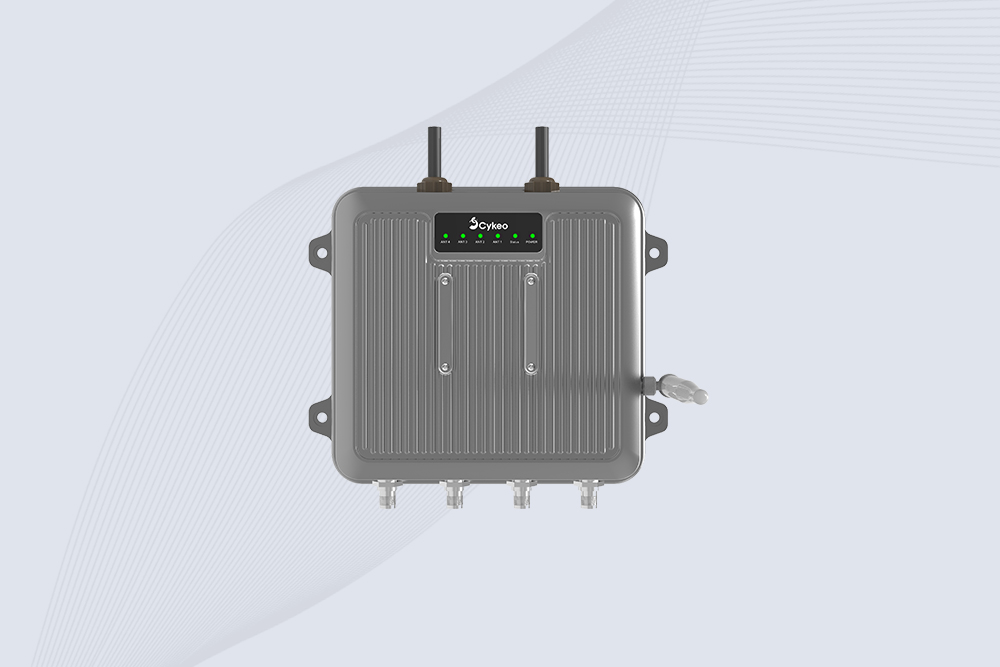
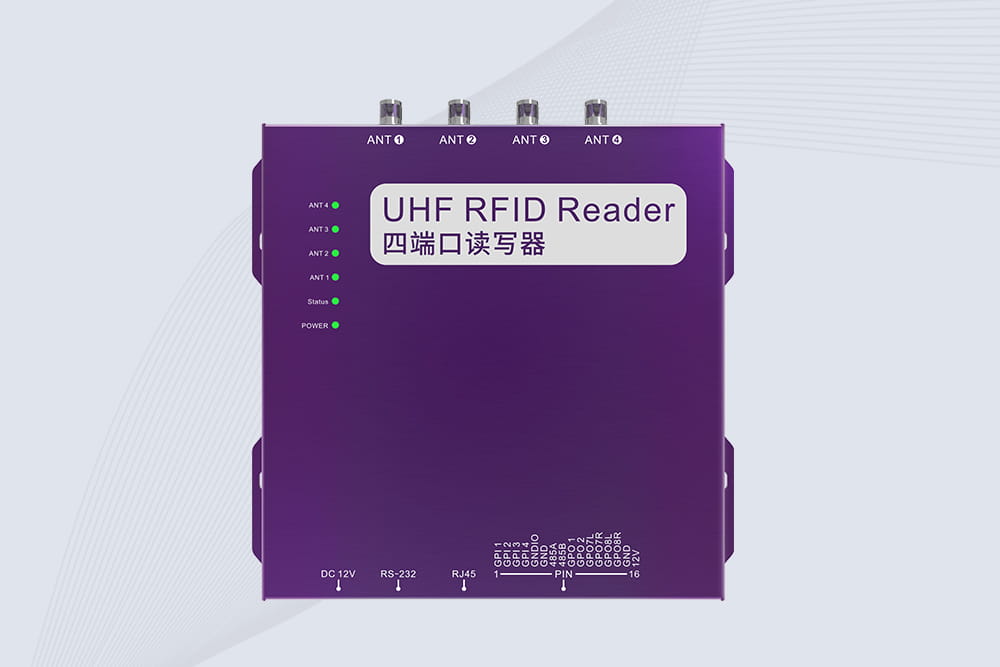
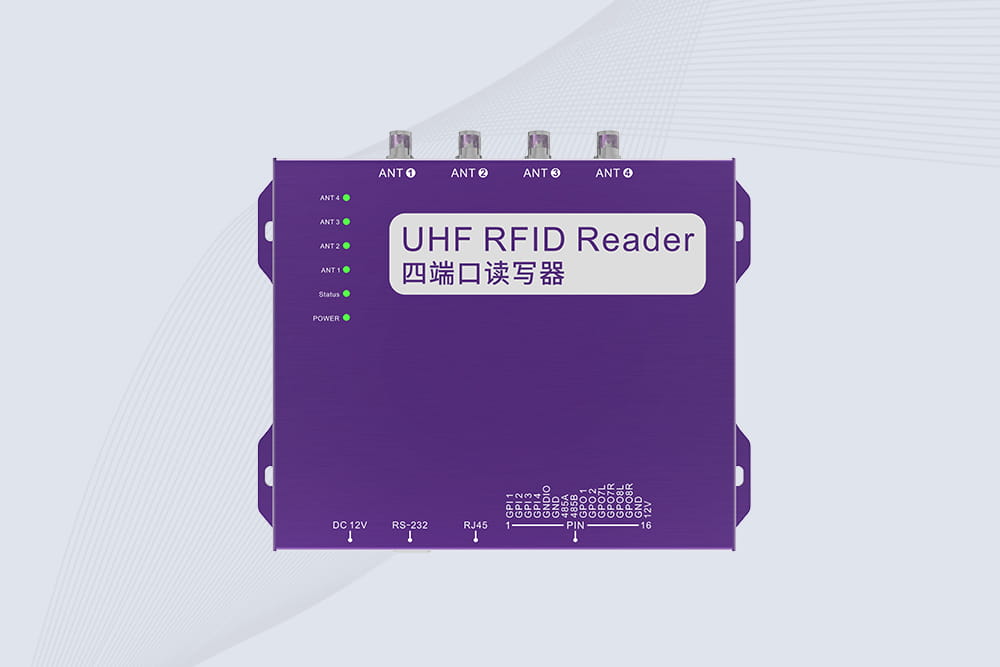
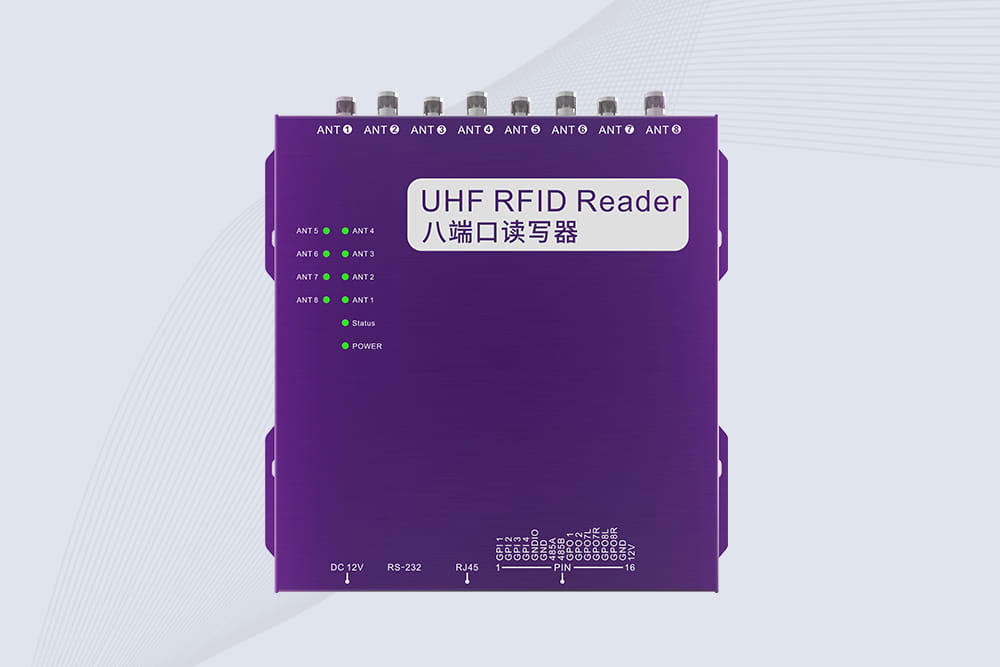
Install fixed readers in sterilization rooms, OR exits, and storage areas to automate tracking.
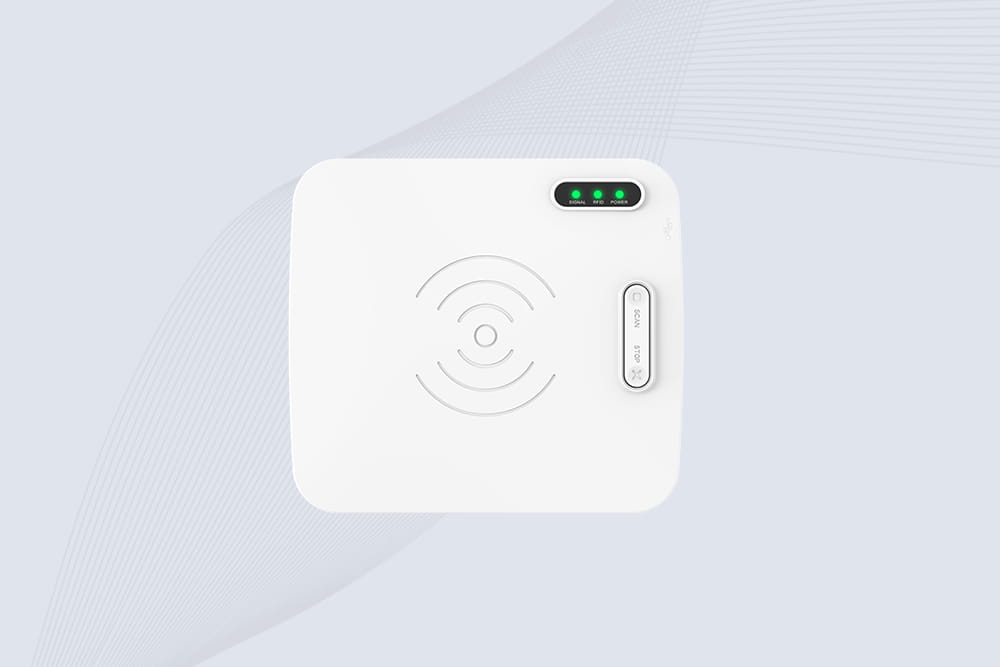
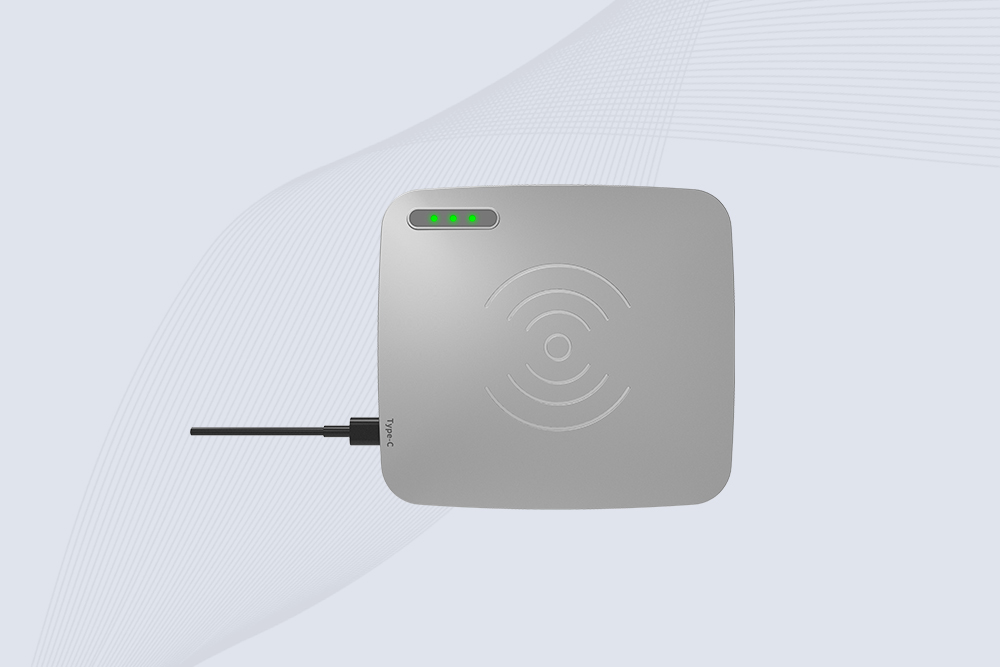
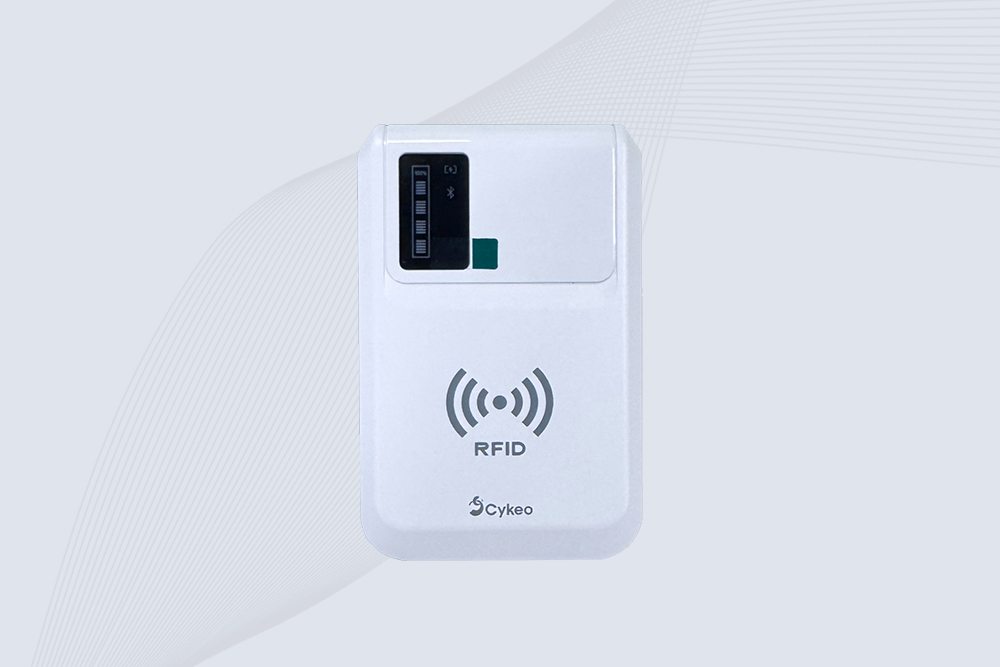
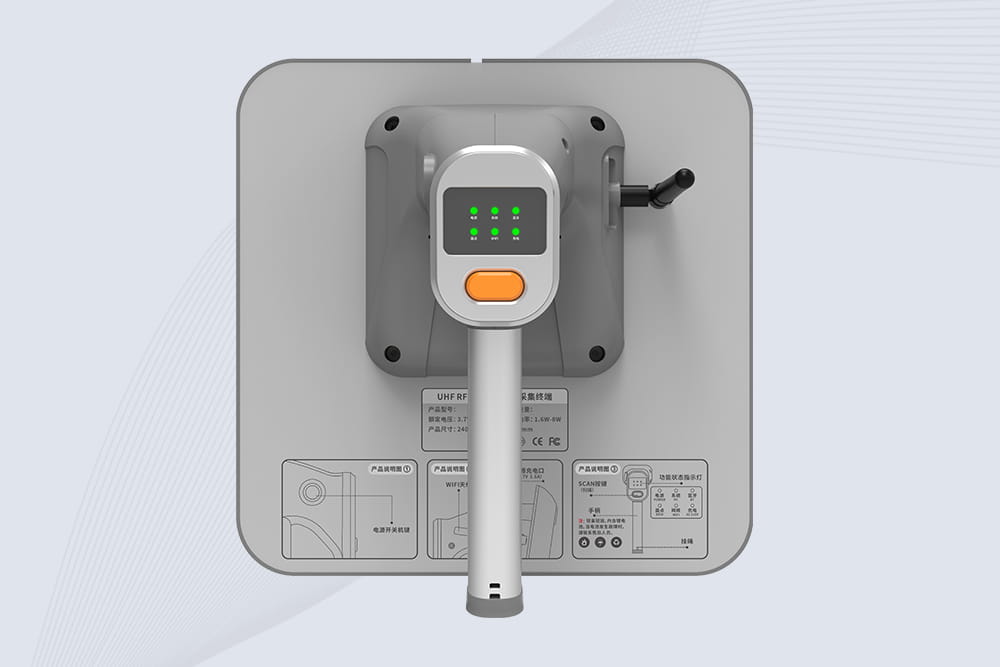
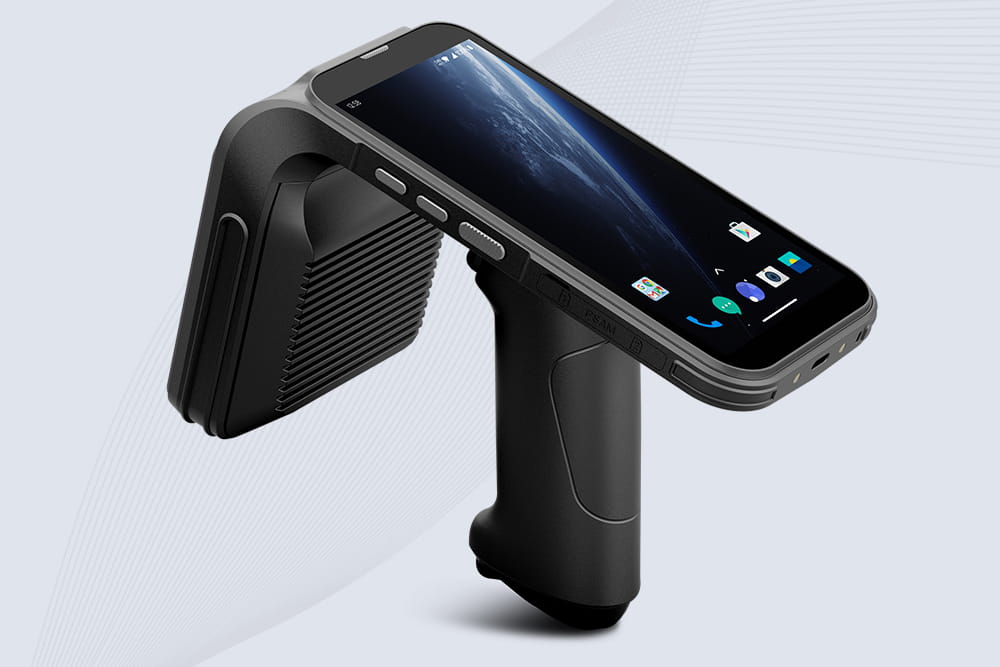
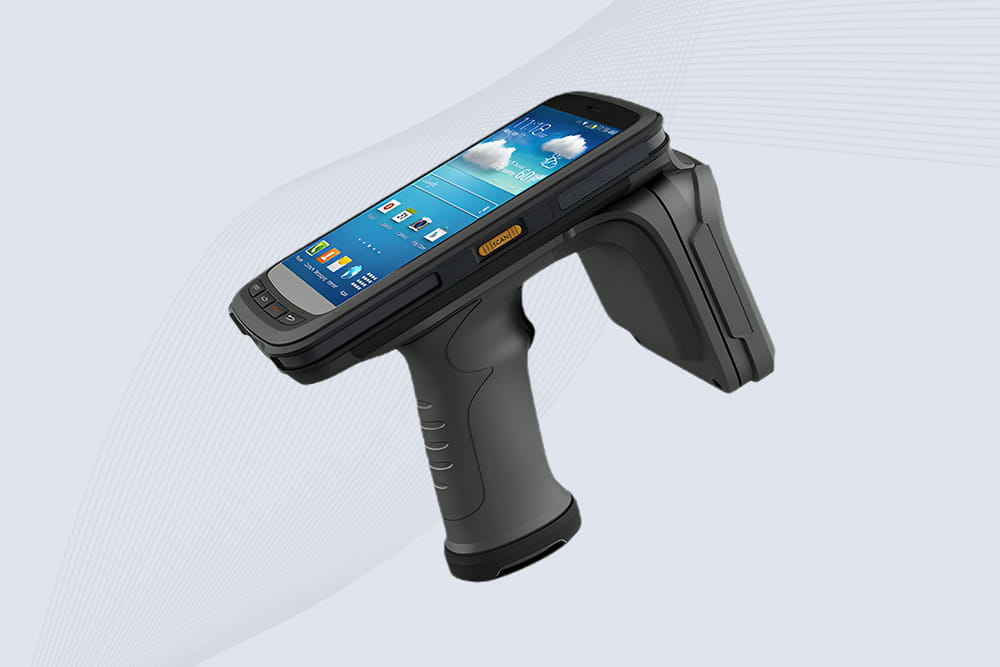
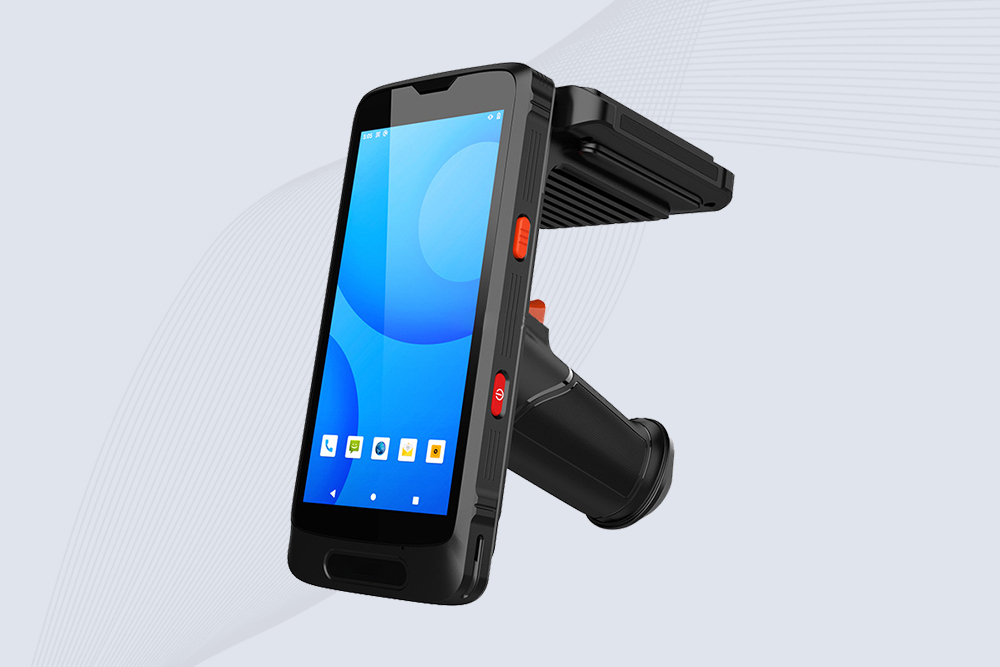
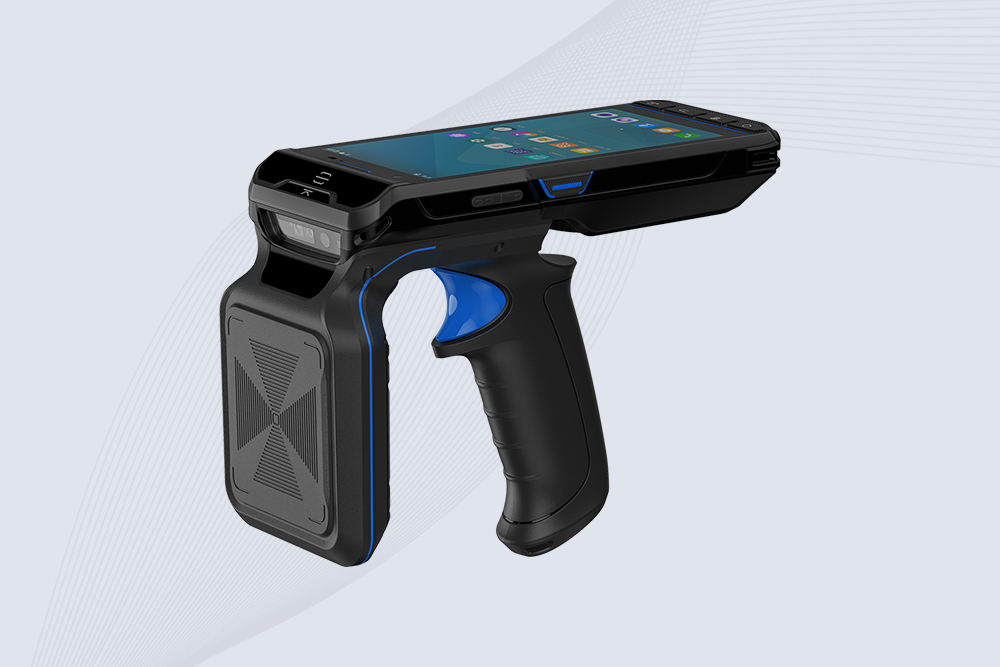
Use handheld readers for mobile audits in wards or ambulances.
Cykeo’s MedTrack tags are validated for 1,000+ autoclave cycles and pre-mapped to FDA Unique Device Identification (UDI) databases.
2. Integrate with Healthcare IT Systems
EHR/CMMS Sync:
Link RFID data to EHRs (Epic, Cerner) for real-time equipment availability updates.
Sync maintenance schedules with CMMS platforms like IBM Maximo to meet Joint Commission standards.
Audit Trails:
Automate logs of equipment usage, cleaning cycles, and user access for HIPAA audits.
Use blockchain-enabled systems for tamper-proof records in clinical trials.
3. Ensure Data Security and Privacy
Encryption:
Encrypt tag data using AES-256 to protect PHI (Protected Health Information) under HIPAA.
Mask patient data on tags—store only anonymized IDs linked to secure databases.
Access Controls:
Restrict RFID system access via biometric authentication or role-based permissions.
A Midwest hospital network reduced HIPAA violations by 62% after deploying Cykeo’s encrypted RFID tags for infusion pumps.
4. Staff Training and Workflow Optimization
Sterilization Protocols:
Train staff to scan tags before/after autoclaving to validate sterilization cycles.
Flag expired or recalled devices via RFID-triggered alerts in workflows.
Mobile Alerts:
Send nurse phones real-time alerts when tagged crash carts or ventilators are moved.
5. Maintenance and Compliance Audits
Preventive Maintenance:
Schedule RFID reader calibration every 6 months to ensure accurate reads.
Replace tags showing signal degradation (RSSI < -70 dBm).
Mock Audits:
Conduct quarterly audits using RFID-generated reports to identify gaps in equipment traceability.
Why Cykeo Meets Healthcare Standards
Cykeo’s healthcare RFID systems are pre-validated for ISO 13485, HIPAA, and GDPR compliance. Their cloud platform auto-generates audit reports, reducing prep time by 80% for Joint Commission inspections.
What does NFC tag detected mean on your phone? Learn how NFC tags work, why your device detects them, and how RFID tags are used for access control, inventory, and industrial tracking.
RFID readers for boom barriers boost security and traffic efficiency in parking lots, factories, and gated communities. Learn real deployment cases, setup tricks, and key questions before installation.
RFID tag reprogramming requires a writable RFID chip, compatible reader writer, correct software, and data verification to update tag information safely.
 Cykeo RFID IoT Solution Products R&D Manufacturer