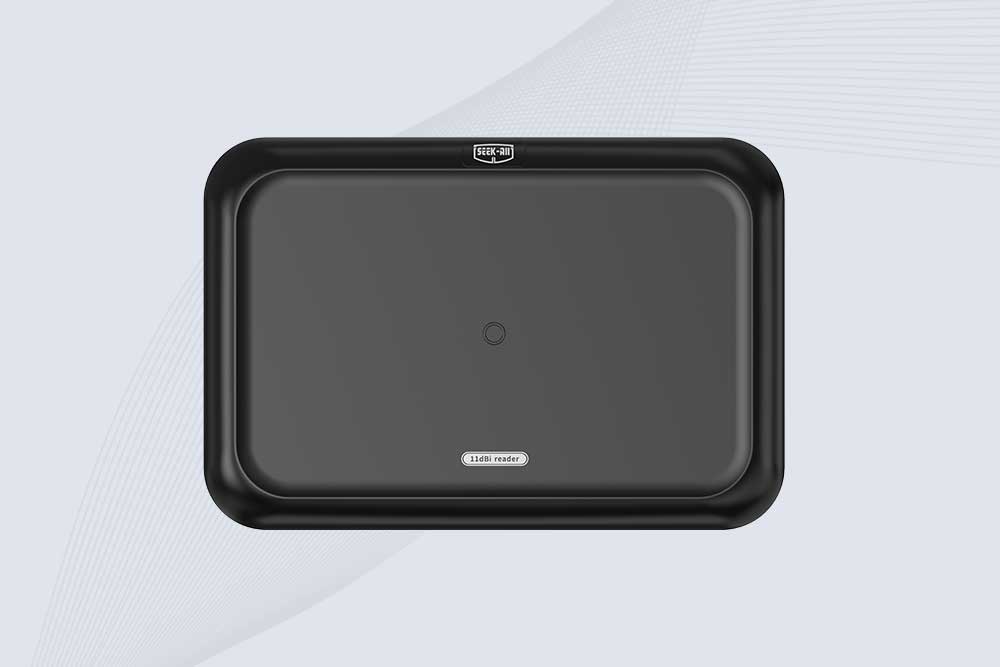
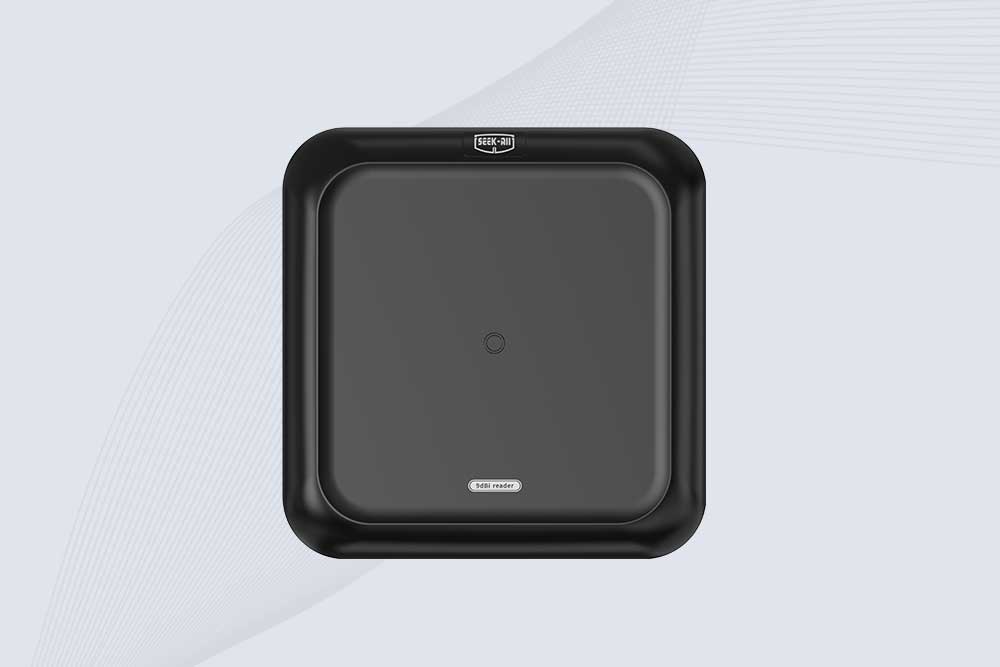
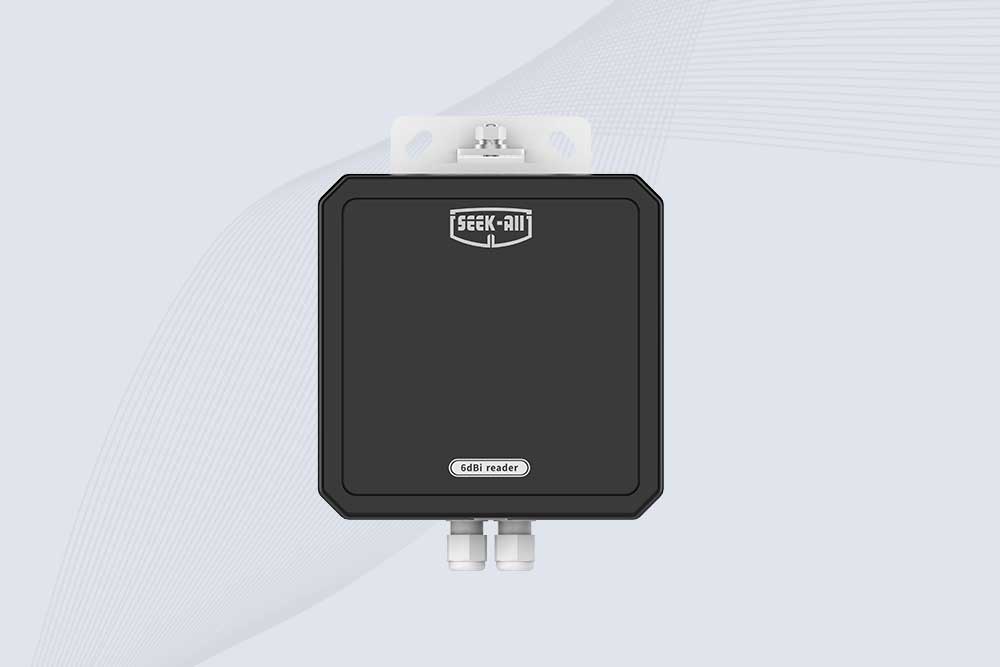
Large-scale logistics operations demand RFID systems that balance long-range performance (10–15+ meters) with affordability, especially when tracking thousands of assets across warehouses, ports, or transportation networks. While premium readers excel in extreme conditions, mid-tier devices with smart configurations can deliver 90% of the functionality at half the cost. Here’s how to prioritize features and optimize setups for budget-conscious deployments.
Scalability: Look for readers supporting 1,000+ RFID tags per second to handle bulk scans without slowdowns.
Multi-Protocol Support: UHF (RAIN RFID) and NFC compatibility future-proofs investments as operations grow.
Cloud-Ready: Built-in Wi-Fi or LTE reduces dependency on expensive gateways or infrastructure.
Durability: IP65 or higher ratings ensure reliability in dusty warehouses or humid ports.
Cykeo’s logistics-grade readers, for example, offer modular designs—users can start with basic UHF tracking and later add GPS or temperature sensors without replacing hardware.
2. Strategies to Reduce Total Ownership Costs
Hybrid Deployments: Use fixed readers at choke points (e.g., dock doors) and handhelds for spot checks to minimize device counts.
Open-Source Integration: Choose readers compatible with free platforms like Apache Kafka or Node-RED to avoid vendor-locked software fees.
Bulk Tag Purchasing: Passive UHF tags cost <$0.10/unit at 10,000+ quantities—plan tag needs annually for volume discounts.
A European 3PL provider cut RFID costs by 40% using Cykeo’s cloud-connected readers and open-source middleware, avoiding proprietary license fees.
3. Real-World Applications on a Budget
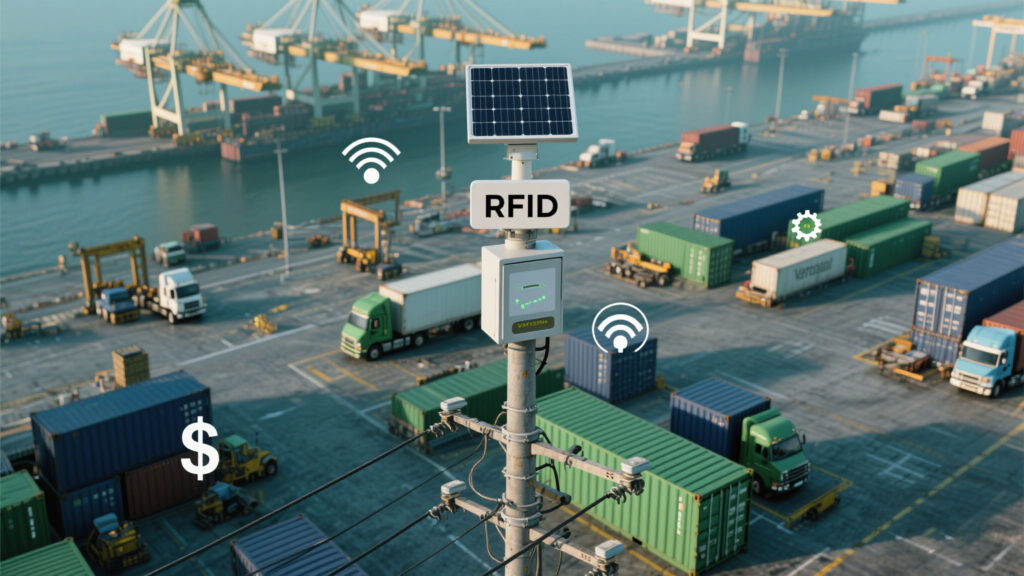
Port Container Yards: Deploy readers on reusable solar-powered poles to track containers without trenching power lines.
Retail Warehouses: Use “zone scanning” with 2–3 readers covering entire aisles instead of per-shelf setups.
Fleet Management: Tag trailers and containers with reusable RFID tags, reducing replacement costs vs. barcodes.
4. Maintenance and Upgrade Tips
Firmware-as-a-Service (FaaS): Opt for vendors offering free firmware updates to extend hardware lifespan.
Battery Swapping: Use readers with hot-swappable batteries to avoid downtime during charging.
API Access: Ensure readers work with low-cost IoT platforms like AWS IoT Core or Google Cloud for custom analytics.
Why Cykeo Stands Out in Budget Logistics RFID
Cykeo’s readers are designed for scalability, with pay-as-you-grow licensing and backward-compatible hardware. Their devices are tested in emerging markets, where budget constraints and harsh conditions coexist, ensuring robust performance without premium price tags.
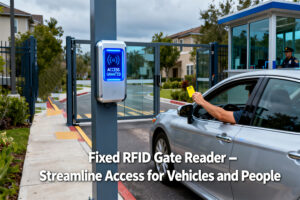
Learn how a fixed RFID gate reader improves security and efficiency in offices, warehouses, and residential communities. Vehicles and personnel move seamlessly while every entry is logged automatically.
Discover the best waterproof RFID devices for harsh marine and port environments. Compare IP68 ratings, saltwater resistance, and rugged UHF performance for logistics efficiency.
Discover how RFID laundry tag solutions help hotels improve linen tracking, reduce textile loss, and manage laundry operations more efficiently with automated inventory visibility.
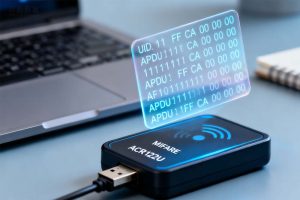
Read and write MIFARE (ISO14443-A) cards using PC/SC readers like ACR122U and Omnikey. Includes the GET DATA APDU, SCard flow, sample code (C++, Python, C#) and practical troubleshooting.
 Cykeo RFID IoT Solution Products R&D Manufacturer