 Cykeo RFID IoT Solution Products R&D Manufacturer

Can an RFID Reader Read NFC? I’ll Give You the Clear Answer—No Fluff.
266Can an RFID reader read NFC? Only if it's an HF 13.56 MHz reader. UHF readers can't. LF 125 kHz readers can't. Learn exactly what works and what doesn't.
MoreAll RFID Product
While NFC and RFID offer advanced features like contactless payments and real-time tracking, QR codes remain relevant due to their cost-effectiveness, simplicity, and offline accessibility. Instead of replacing QR codes, these technologies often complement each other in hybrid systems. Here’s a detailed comparison and why QR codes are here to stay.
| Feature | QR Codes | NFC | RFID |
|---|---|---|---|
| Data Capacity | ~3KB (text/URLs) | ~4KB (dynamic data) | ~2KB (IDs/sensor data) |
| Interaction | One-way (read-only) | Two-way (read/write) | One-way (read-only) |
| Cost per Unit | 0.001–0.01 | 0.10–2.00 | 0.05–50 (passive/active) |
A conference organizer reduced entry delays by 40% using Cykeo’s hybrid badges (QR for ticket scanning, NFC for session access), accommodating both tech-savvy and low-tech attendees.
Can an RFID reader read NFC? Only if it's an HF 13.56 MHz reader. UHF readers can't. LF 125 kHz readers can't. Learn exactly what works and what doesn't.
More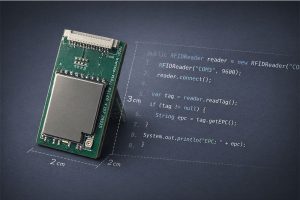
Cykeo UHF embedded RFID modules are designed for developers who need stable performance, clean APIs, and real SDK support. Easy to integrate, predictable in real systems, and ready for custom development.
More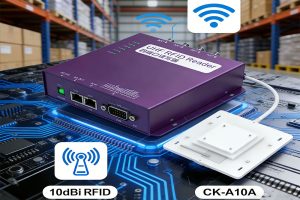
How to seamlessly integrate the CK-A10A 10dBi RFID antenna with your existing RFID reader system, improve signal strength, and enhance tracking accuracy. A straightforward approach to boosting RFID system performance.
More
Wondering whether RFID or barcodes are more cost-effective? This article compares the cost of RFID tags vs barcodes and helps you decide based on your business needs and budget.
More