 Cykeo RFID IoT Solution Products R&D Manufacturer
What Type of Antenna Do RFID Tags Use? Your Pocket Guide.
453Confused about what type of antenna RFID tags use? We explain the key designs—coils for proximity and dipoles for long-range UHF tracking—and how to choose.
MoreAll RFID Product
When you walk into many modern libraries today, you’ll notice how much faster the borrowing and returning process has become. In the past, patrons had to line up while librarians scanned each book one by one. Now, you just place a stack of books on a self-checkout station, and with a single beep, it’s all done. The unsung hero behind this convenience is the humble library RFID tag.
The impact of RFID in libraries is very tangible. Imagine a student borrowing six books at once. In the old days, the librarian had to open each book, find the barcode, and scan them one at a time. With RFID tags already embedded in the covers, the machine reads everything in one go.
The result? Patrons save time, and staff are no longer stuck at the desk doing repetitive scans. Instead, they can focus on more meaningful tasks—helping people find resources, organizing reading programs, or even just engaging with the community.
Of course, implementing new technology isn’t just about efficiency. The American Library Association (ALA) has issued guidelines reminding libraries to pay attention to privacy when rolling out RFID. After all, the data stored on a tag—linked to a book and indirectly to a reader—shouldn’t be accessible to just any unauthorized device.
That’s why libraries usually follow industry standards, such as NISO recommendations, and configure their systems to make sure RFID helps with management without crossing the line into surveillance.
Here’s a fun fact: not every sticker you see in a book is actually RFID. Someone once posted on Reddit about a thin metallic strip inside a rented book, thinking it was an RFID tag. Tech folks quickly pointed out that it was just a simple anti-theft magnetic strip—an LC resonant circuit that sets off alarms at the exit, with no chip and no data storage.
In other words, library RFID tags and old-school security strips aren’t the same thing, even if they look similar at first glance.
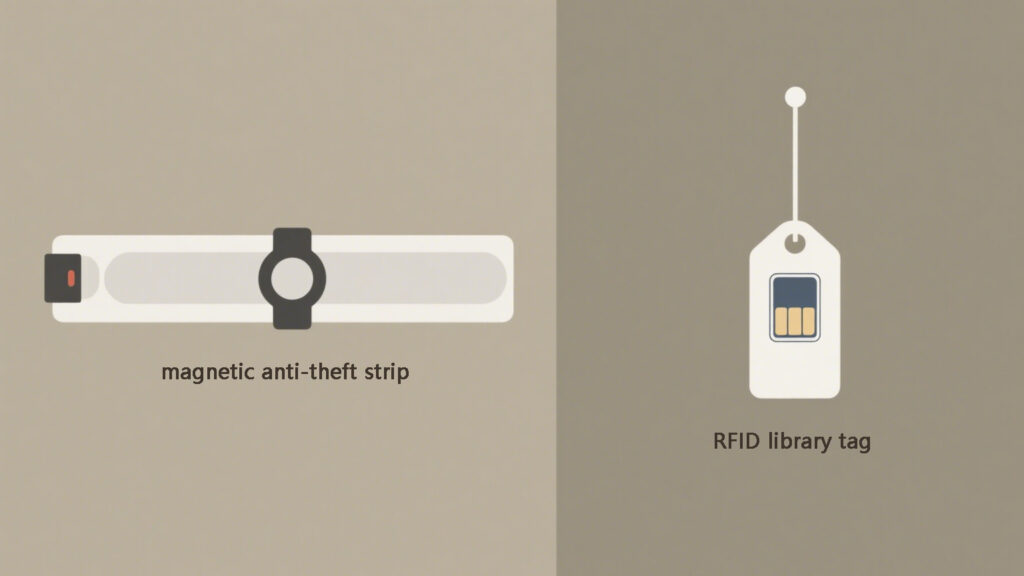
Real RFID tags contain both a chip and an antenna. They store key book information—title, ISBN, catalog number—and when placed near a reader, they transmit that data back. Unlike barcodes, RFID tags can also be updated, which means the system can instantly switch a book’s status between “borrowed” and “returned.”
The advantages go well beyond faster checkouts:
Picture this: a full floor of library shelves that used to take days to audit can now be checked in just a few hours.
Actual materials that make RFID systems work smoothly:
It’s these small details that keep a library running efficiently day-to-day.

The library RFID tag may not draw much attention, but it has quietly reshaped how libraries operate. It’s not only about speed and convenience—it also brings up questions of privacy, standards, and even misconceptions (like confusing RFID with simple anti-theft strips).
When combined with scanners, software, and everyday supplies, RFID isn’t just a tag—it’s part of a bigger ecosystem that makes libraries more efficient, welcoming, and ready for the future.
Maybe that’s why the long lines at checkout counters are becoming a thing of the past—and RFID is the little helper making it happen.
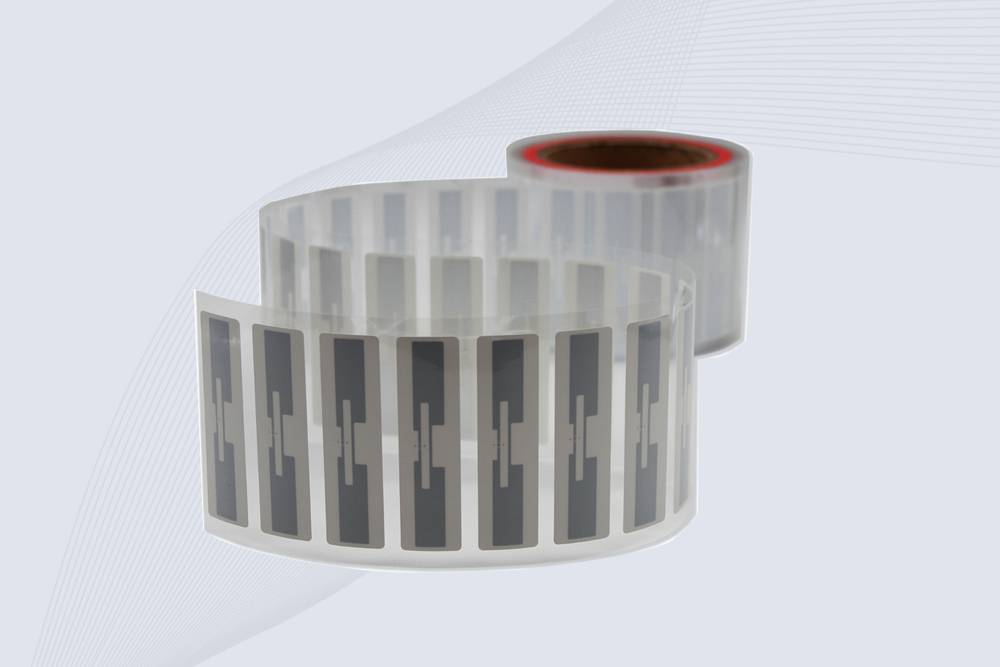
CYKEO Passive RFID Tags are made for wet and high-humidity environments where standard labels do not last. This rfid passive tag is often used around liquids, chemicals and temperature changes, providing stable reading distance and long data life for industrial tracking.
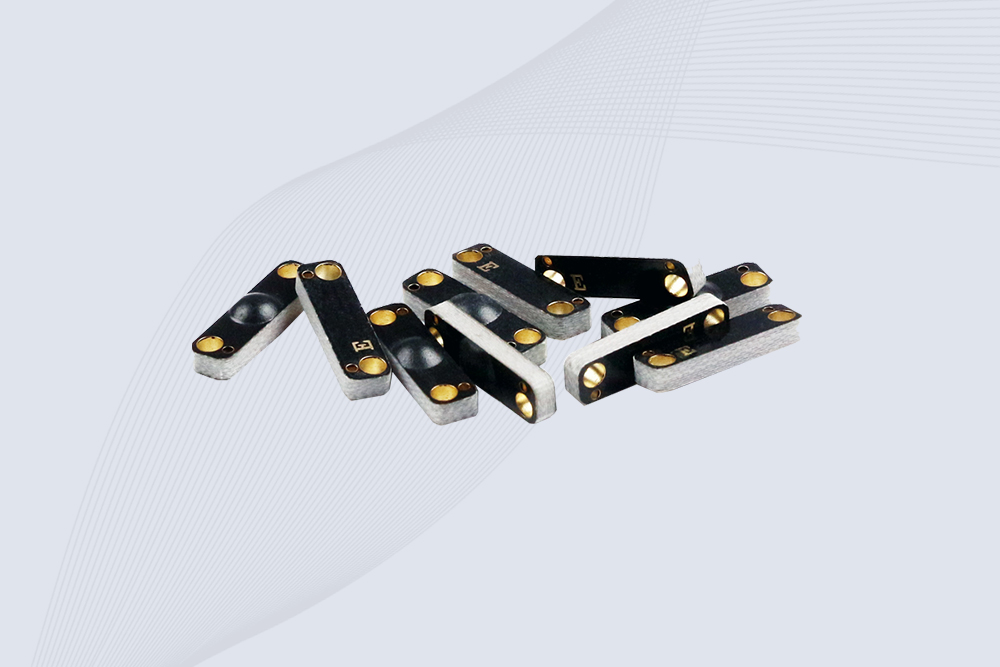
CYKEO CYKEO-PCB1504 Metal RFID Tags is a compact anti-metal UHF RFID solution built for direct mounting on metal surfaces. With stable 8-meter read range, Ucode-8 chip, and long data retention, this rfid metal tag fits tools, containers, automotive parts, and industrial asset tracking.
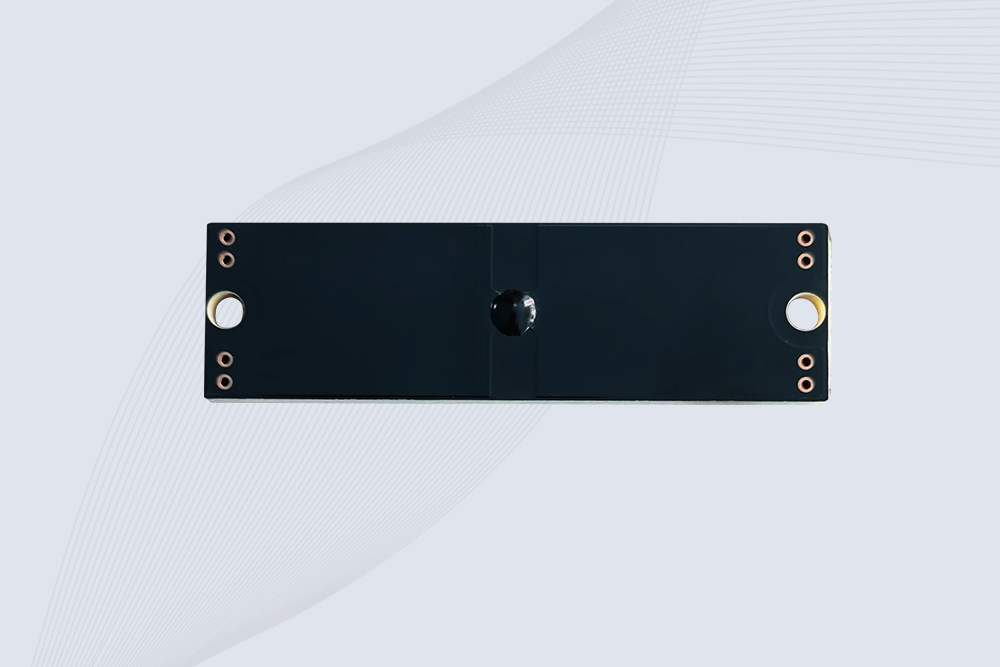
CYKEO CYKEO-PCB7020 On-Metal RFID Tags are designed for reliable tracking on steel and metal surfaces. Built with an FR4 epoxy body and industrial-grade chips, these On-Metal RFID Tags deliver stable performance, long data life, and chemical resistance, making them a dependable RFID anti-metal tag for harsh environments.
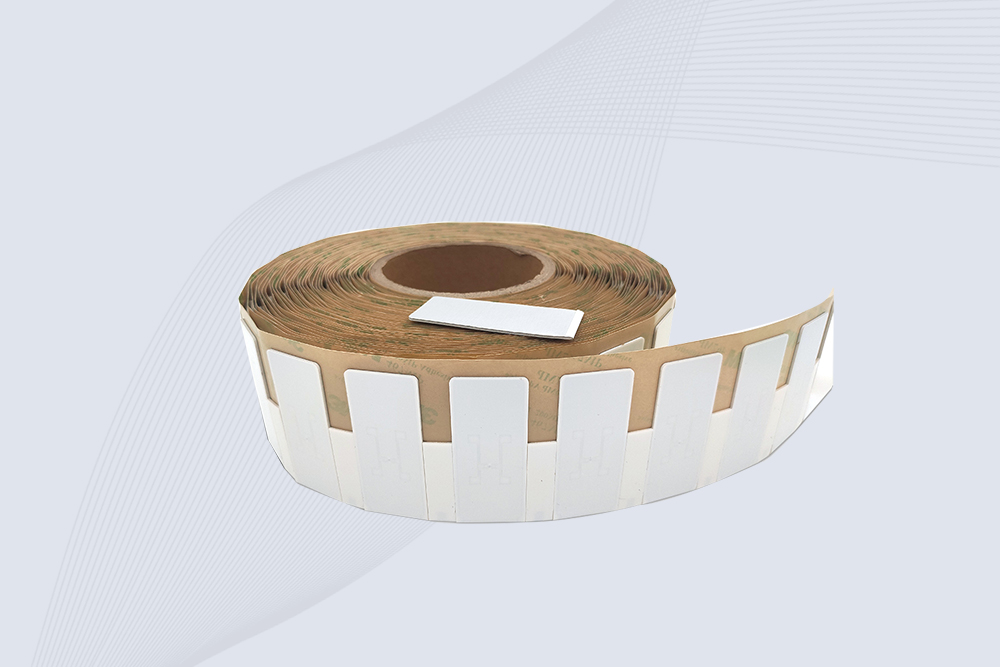
The CYKEO CYKEO-60-25 Anti-Metal RFID Tag is built for metal surfaces where standard tags fail. Designed for long-range performance, harsh environments, and stable data retention, this Anti-Metal RFID Tag is ideal for industrial assets, containers, and equipment tracking using on metal RFID tags.
Confused about what type of antenna RFID tags use? We explain the key designs—coils for proximity and dipoles for long-range UHF tracking—and how to choose.
More
Explore how yms with rfid compatibility delivers real-time yard visibility, automates gate processes, and boosts logistics efficiency with proven RFID data insights and Cykeo solutions.
More
Explore how to build RFID reader for a prototype, and understand the challenges vs. buying a reliable, certified professional unit from CYKEO.
More
Is your RFID reader actually reliable? Our field-proven guide on how to test an RFID reader covers range mapping, failure points, and data validation most people miss.
More