 Cykeo RFID IoT Solution Products R&D Manufacturer
What is RFID UHF Tag?How it is work?
127RFID UHF tag technology enables long-range asset tracking, inventory management, and logistics visibility. Discover applications, benefits, and industry insights.
MoreAll RFID Product
UHF Gen2 RFID tags are passive ultra-high-frequency tags compliant with EPC Class1 Gen2 standards, enabling long-range, high-speed, and multi-item identification in real-time tracking systems.
That’s the technical answer.
On-site, they behave differently. Once deployed correctly, they don’t just identify items—they keep up with movement without needing to be triggered.
EPC Gen2 (also known as ISO 18000-6C) is the global standard for UHF RFID.
It defines how tags and readers communicate—anti-collision, data encoding, security.
In a logistics project I worked on, switching to Gen2 tags solved a recurring issue: missed reads during peak throughput. Not eliminated entirely—but reduced to the point it stopped affecting operations.

UHF Gen2 tags are known for their range—but range alone isn’t the real story.
| Metric | UHF Gen2 RFID Tags |
|---|---|
| Read distance | Up to 10–15 meters |
| Read speed | >400 tags/sec |
| Accuracy | 99%+ (optimized setup) |
| Tag cost | Low (passive) |
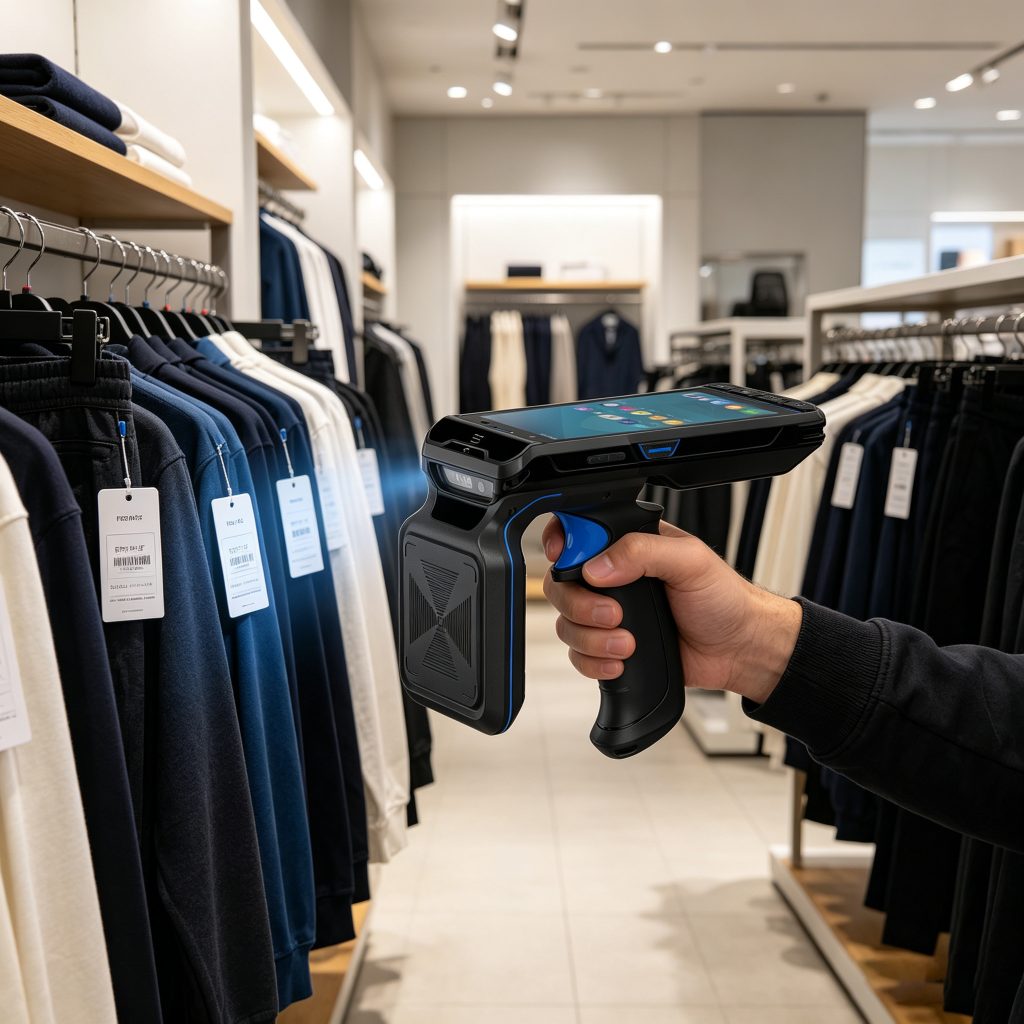
With readers like Cykeo UHF RFID devices, these tags operate at full scale:
According to RAIN RFID Alliance:
Gen2 tags are typically passive—no battery.
That matters more than it sounds.
In high-volume environments, reliability beats complexity. Passive Gen2 tags don’t need attention—they just keep responding when energized.
The Gen2 standard solves one key problem: scale.
In a warehouse (~10,000 items):
According to GS1:
Even Gen2 tags have constraints.
Most failures aren’t due to the tag—they come from environmental mismatch.
| Feature | UHF Gen2 | HF RFID | LF RFID |
|---|---|---|---|
| Range | Long | Medium | Short |
| Speed | High | Moderate | Low |
| Multi-tag reading | Yes | Limited | No |
| Use case | Logistics | Payments | Access control |
They are used for long-range, high-speed tracking in logistics, retail, and asset management.
Typically up to 10–15 meters depending on the system.
Yes, most Gen2 tags are passive and require no battery.
UHF Gen2 RFID tags don’t stand out when you see them.
They’re thin. Passive. Almost invisible.
But once deployed, they change how systems behave.
No pauses for scanning.
No guessing inventory.
Just continuous visibility—quiet, consistent, and difficult to go back from once experienced.
User Guide
How to Remove RFID Tags from Clothing Safely (Without Ripping Your Shirt)
The Truth About RFID Signals: Aluminum Foil, Smartphones, and Reading Range Explained
How Security Tag Readers Work: RFID vs. Magnetic Systems – Which Is More Efficient?
How to Deactivate RFID Tags Without Guesswork or Myths?
How to Test RFID Tags with Phone
How to Test RFID Tags with Your Smartphone (No Scanner Needed)
How to Use Android Phone to Emulate RFID Tag: Full Tutorial and Application Guide
Can Your RFID Tags Reader iPhone ? Here’s How It Actually Works
Can You Use an NFC Phone as an RFID Tag?
How to Choose the Right RFID Tag for Clothing? Materials, Packaging & Attachment Explained
Industrial Essentials: 2025 Guide to the Most Durable Rugged RFID Tags
Active RFID Tag Range: The Real Difference Between Active and Passive Tags

RFID UHF tag technology enables long-range asset tracking, inventory management, and logistics visibility. Discover applications, benefits, and industry insights.
More
Learn essential RFID terminology including tags, reader modules, antennas, EPC, anti-collision and frequency bands. A practical guide to understanding RFID systems and components.
More
Discover the average battery life of handheld UHF RFID readers. Learn how to extend runtime, compare top models like Zebra RFD8500, and optimize scanning for warehouses.
More
Learn key ISO standards for RFID in supply chain management, including ISO 17363 and 18000-6C. Discover how Cykeo’s solutions ensure global compliance and efficiency.
More