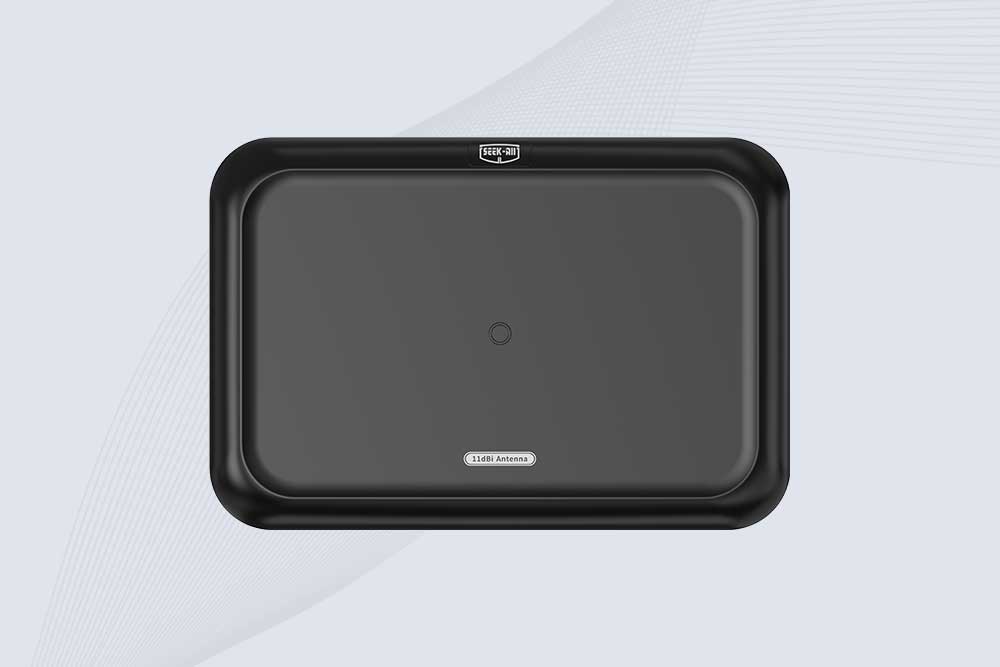
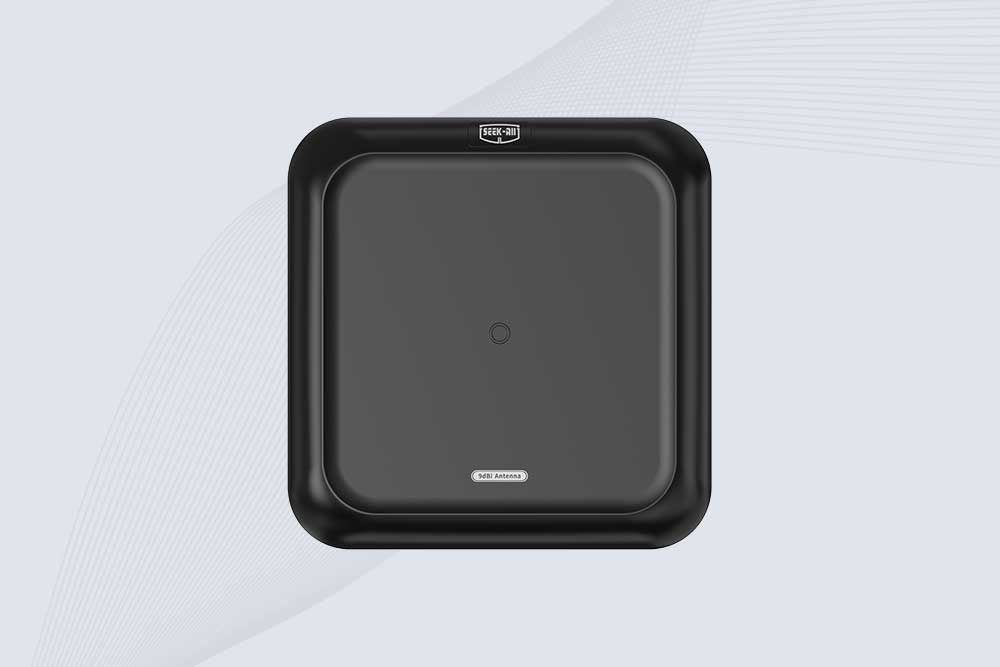
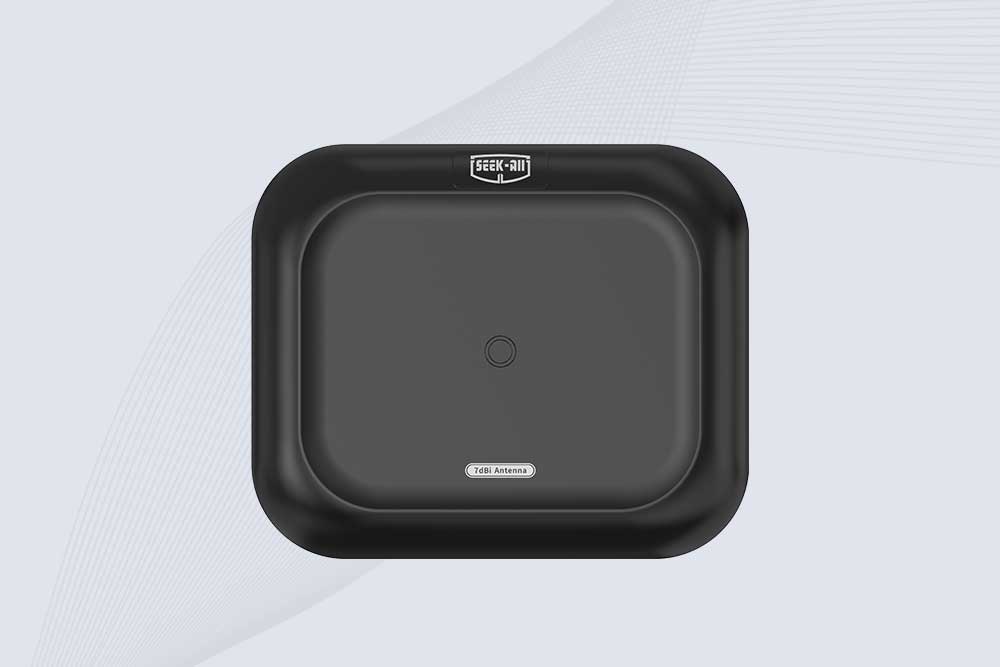
As global IoT technology rapidly advances, RFID (Radio Frequency Identification) has found widespread application across various industries. Among its core components, the Passive RFID Antenna plays a critical role—its performance directly affects the recognition accuracy and overall efficiency of the system. Understanding how passive RFID antennas work, where they’re used, and how to select them empowers decision-makers in procurement and implementation to capture new opportunities. This article offers comprehensive analysis of passive RFID antenna technology.
What Is a Passive RFID Antenna and Why It Matters
Passive RFID antenna is a device used to transmit and receive radio frequency signals within an RFID system. It does not contain a power source; instead, it works in conjunction with RFID tags and readers to enable signal exchange. Passive RFID antennas offer several distinct advantages:
Low cost: Without built-in power, they cost less to manufacture, making them highly cost-effective for large-scale deployments.
Simple structure: With no complex circuitry, they are compact and easy to install or integrate into various devices and environments.
Long service life: Free from power-related degradation, they typically last for many years under normal conditions.
Strong environmental adaptability: They operate reliably in challenging conditions—heat, humidity, dust—meeting the needs of diverse industries.
How Passive RFID Antennas Work
In RFID system, the passive RFID antenna collaborates with readers and tags. The reader emits a specific-frequency signal via the antenna. When an RFID tag enters the antenna’s coverage area, the tag’s internal antenna captures the signal and, using electromagnetic induction, extracts energy from it to activate the chip. The chip then modulates the stored data and sends it back through the tag’s antenna. The passive RFID antenna receives this return signal and transmits it to the reader, which demodulates and decodes the data to complete the identification process.
Types and Characteristics of Passive RFID Antennas
Dipole Antennas: Simple to construct and offering broad bandwidth, ideal for short-range applications like access control or small-scale warehouse tracking.
Microstrip Antennas: Compact, lightweight, and inexpensive; widely used in retail product tags and smart cards.
Loop Antennas: With strong anti-interference capabilities, they work well in complex electromagnetic environments such as industrial automation and logistics tracking.
Broad Application Scenarios
Logistics and Warehouse Management: By installing passive RFID antennas at warehouse entrances and on shelves, businesses can automate goods check-in/out, conduct fast inventory audits, and track item locations, boosting logistics efficiency.
Retail Sector: Useful in anti-theft systems, inventory control, and self-checkout stations. These antennas enable quick item scanning and reduce labor costs.
Asset Management: Enterprises tag fixed assets (like office equipment or instruments) and use passive RFID antennas for fast audits and real-time usage monitoring.
Smart Transportation: Applications include highway electronic toll collection (ETC) systems and parking management. Passive RFID antennas read vehicle tags swiftly to improve traffic flow.
Key Selection Criteria for Global Buyers
Frequency Matching: Choose antennas based on the application’s required frequency—low frequency (LF), high frequency (HF), or ultra-high frequency (UHF). The antenna frequency must align with that of the RFID tags and readers.
Gain and Directionality: Higher gain means stronger signal transmission and reception. Directionality defines signal coverage—use high-gain directional antennas for long-distance applications or omnidirectional ones for general coverage.
Environmental Adaptability: Depending on the deployment environment, select antennas that are waterproof, dustproof, and heat-resistant—look for products with at least an IP65 rating.
System Compatibility: Ensure the antenna is compatible with your existing RFID infrastructure (readers and tags) and can integrate with ERP or WMS platforms.
Vendor Credentials: Prioritize vendors with international certifications (like CE, FCC), proven industry experience, and reliable after-sales support.
Installation and Maintenance of Passive RFID Antennas
Installation Tips: Avoid metal obstructions around the antenna. Maintain appropriate height and angle to ensure optimal signal coverage. Follow the installation manual closely—different antenna types require different mounting methods.
Routine Maintenance: Periodically inspect the antenna for damage or loose connections. Clean the surface to prevent signal interference from dust or debris. If environmental conditions change significantly, adjust the antenna’s parameters or position as needed.
With their technical advantages and broad application potential, passive RFID antennas serve as foundational component in the global growth of IoT. If you’re exploring passive RFID antenna procurement or have technical inquiries, feel free to contact us—we’re here to support your success.
Explore the SSD-A07 UHF RFID antenna with 7 dBi gain, circular polarization, adjustable 840–960 MHz frequency, and 60°/75° beamwidth for stable RFID read/write performance.
SSD-A06 UHF RFID antenna with circular polarization, adjustable 840–960 MHz frequency, ≥4.5 dBi gain, and a compact directional design for RFID systems.
The best long range RFID scanner is not necessarily the one with the highest power or longest advertised range. A suitable reader should match the tag, produ...
Need to know: is RFID module field install ZT510 possible? Yes. Learn the prerequisites, step-by-step process, and essential tools for a successful on-site upgrade of your Zebra printer.
Tired of confusing tech jargon? We give you a straight answer on what is an RFID antenna, why it matters, and how to avoid common setup mistakes that waste money.
Learn how to clean and maintain RFID handheld readers to extend their lifespan. Discover best practices for sanitization, battery care, and preventing hardware failures.
 Cykeo RFID IoT Solution Products R&D Manufacturer