 Cykeo RFID IoT Solution Products R&D Manufacturer


rfid gun: What Is It and How Does It Work in Real Scenarios?
270rfid gun enables rapid, non-line-of-sight inventory scanning, improving accuracy and speed in warehouses, retail, and asset tracking environments.
MoreAll RFID Product
Ask three suppliers what an RFID reader costs and you’ll get three answers that don’t even overlap. That’s not them dodging the question — it’s because “RFID reader” covers devices from a $60 desktop dongle to a $2,000 industrial controller, and the spread between them is bigger than most first-time buyers expect. This guide lays out real price ranges by category, explains what pushes a reader from the cheap end to the expensive one, and lists the costs that never show up on the first quotation.
Here’s the honest version, based on 2025 listings from US distributors and factory-direct quotes:
| Reader Type | Factory Direct | US Distributor |
| USB desktop reader (UHF) | $60–300 | $100–800 |
| Handheld / Bluetooth UHF reader | $300–900 | $1,200–2,000 |
| Fixed 4-port UHF reader | $350–800 | $1,275–1,770 |
| Fixed 8-port UHF reader | $550–1,100 | $1,800–3,000 |
| Fixed 16-port UHF reader | $1,100–2,500 | $3,000+ |
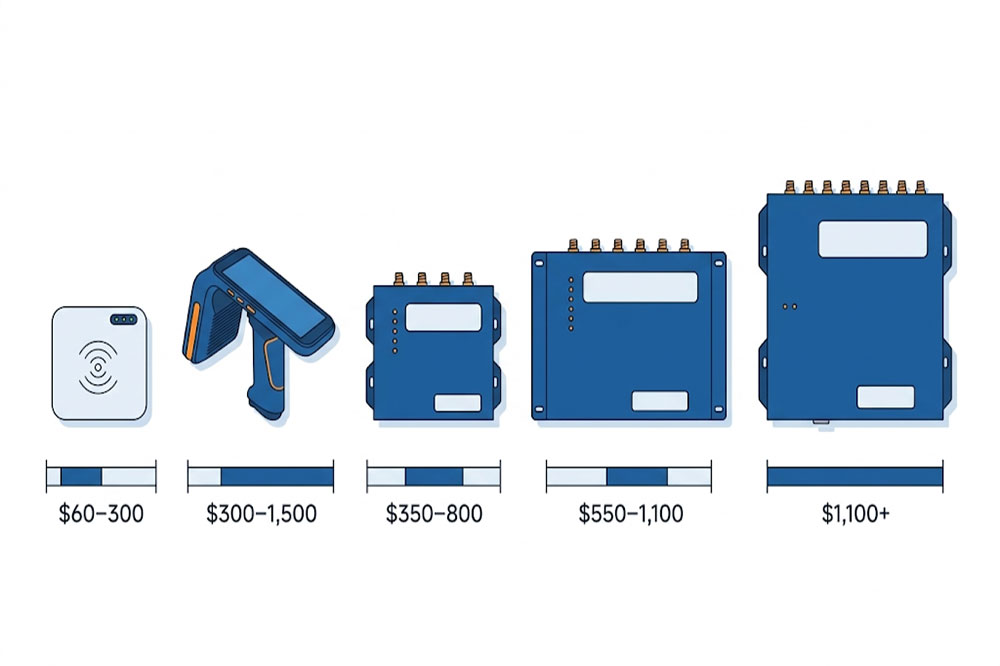
Two things jump out. First, the same Impinj-chipset reader can cost two to three times more through a Western distributor than direct from the factory — public listings put brand-name 4-port fixed readers between roughly $1,275 and $1,770, while an FOB factory quote for equivalent specs lands between $350 and $800. Second, these ranges cover hardware only. Antennas, tags, cables and software sit outside every number in that table, and we’ll deal with them further down.
The RF chipset is the single most expensive component inside the housing. Readers built on Impinj’s R2000 or E710 silicon cost more than ones built on generic chips, and they earn the premium: better receiver sensitivity, more consistent multi-tag performance, and cleaner behavior in noisy RF environments like warehouses full of metal. Frequency band matters too — a reader certified for FCC (902–928 MHz), ETSI (865–868 MHz) and other regional bands carries extra testing cost that a single-band reader doesn’t. Always have the band variant named explicitly on the quotation before you pay.
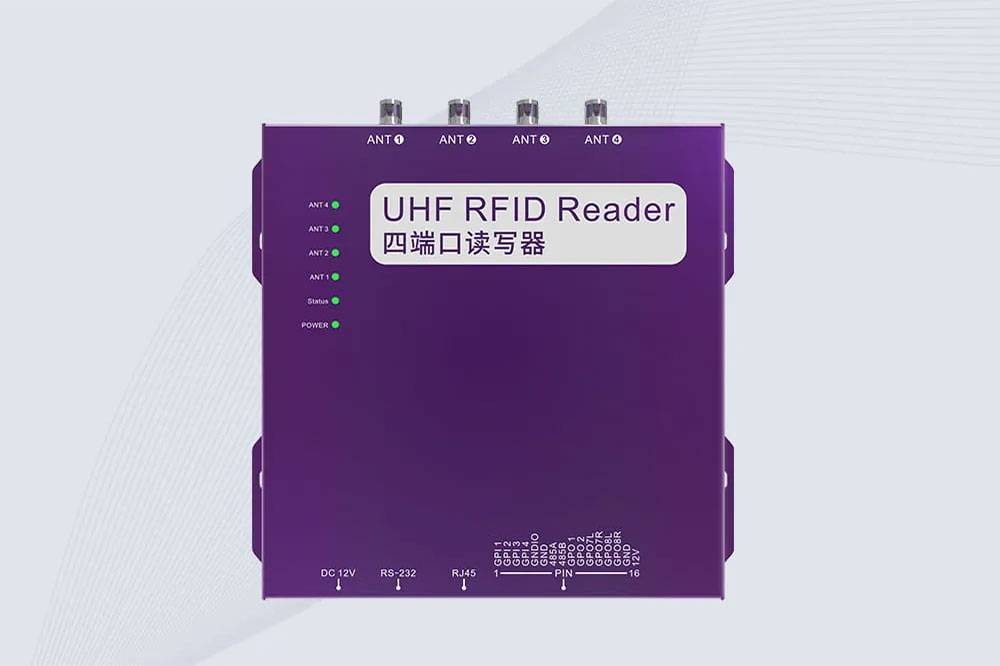
Ports scale price almost linearly. A 4-port reader drives four antennas from one box; an 8-port doubles that; a 16-port quadruples it. The hardware difference is more than extra connectors — each channel needs its own RF path, and the switching logic gets more complex. That said, more ports can actually lower your total cost. When one read point has to cover an entire dock door zone, the SSD-R16L 16-port reader spreads the cost across sixteen antennas from a single controller, instead of buying four separate readers plus four separate network drops and power supplies.
Read range follows the same logic. Reaching 20 meters takes 33 dBm output power, careful antenna matching, and better thermal design — all money. A desktop reader topping out at 30 cm is a fundamentally simpler machine.
An IP65 or IP67 housing with an aluminum chassis that survives vibration, dust and -20°C winters costs several times what a plastic desktop shell does. Forklift readers are the extreme case: the CYKEO-C1 industrial forklift RFID reader is built to take shock and weather while reading 600 tags a second at up to 20 meters — and it’s priced like the industrial machine it is. If your reader lives on a shelf in a climate-controlled office, paying for IP67 is wasted money; if it rides on a forklift through a loading yard in January, it’s the only part of the quote that matters.
Two readers with identical hardware can differ by 30% in price purely because of what comes with them. Free SDKs, demo software, REST APIs, C#/Java examples and firmware customization turn a box of electronics into something your engineers can actually ship. Our fixed UHF RFID readers ship with SDK/API support and integration documentation for WMS, ERP and MES systems — and that support is part of what you’re paying for. A reader with no SDK forces you to budget engineering time instead, which usually costs more than the software support ever did.
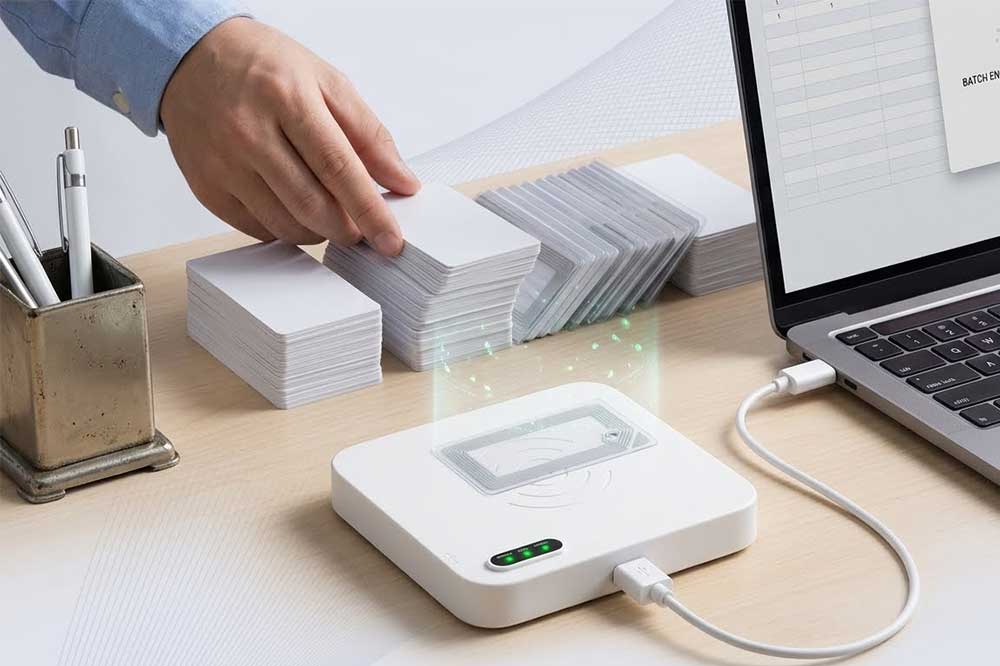
USB readers are the cheapest way into UHF RFID, and rightly so. They plug into a PC over USB-HID or USB-C, need no external power, and read one tag at a time at 10–30 cm. Typical pricing: $60–150 for a basic desktop unit, $150–300 for models with Impinj chipsets, batch encoding and adjustable output power up to 26–33 dBm.
If your workload is one tag at a time — badge issuance, retail checkout, tag encoding stations, library check-in — browse our USB RFID readers to compare desktop models. Don’t stretch the category: a USB reader that works beautifully for encoding a stack of tags will disappoint badly if you point it at a conveyor or a warehouse doorway. We break this category down in more detail in our dedicated guide on how much a USB RFID reader costs, including the HF-vs-UHF price split.
Fixed readers are the workhorses — dock doors, conveyor checkpoints, smart cabinets, access gates. Factory-direct pricing starts around $350–800 for a 4-port unit and $550–1,100 for 8 ports, before antennas. The SSD-R4L 4-port fixed UHF reader, for example, delivers 33 dBm output, up to 20 m of read range and 600+ tags/second, which covers most single-zone warehouse and production applications without touching the top of the budget.
Fixed units also carry integration costs the USB category never will: Ethernet or RS-485 wiring, PoE or local power, GPIO triggers for light stacks and sensors, and middleware to push reads into your WMS or ERP. Budget for those on day one. And if your project is mostly mobile — counting shelves, scanning pallets in transit — handheld RFID readers run $300–900 direct from the factory and remove most of the integration bill entirely.
One more cost lever worth knowing: if your hardware budget is tight and you have firmware engineers on staff, read our RFID reader vs RFID module comparison. Modules trade unit cost for engineering time — cheap per piece, expensive per project.
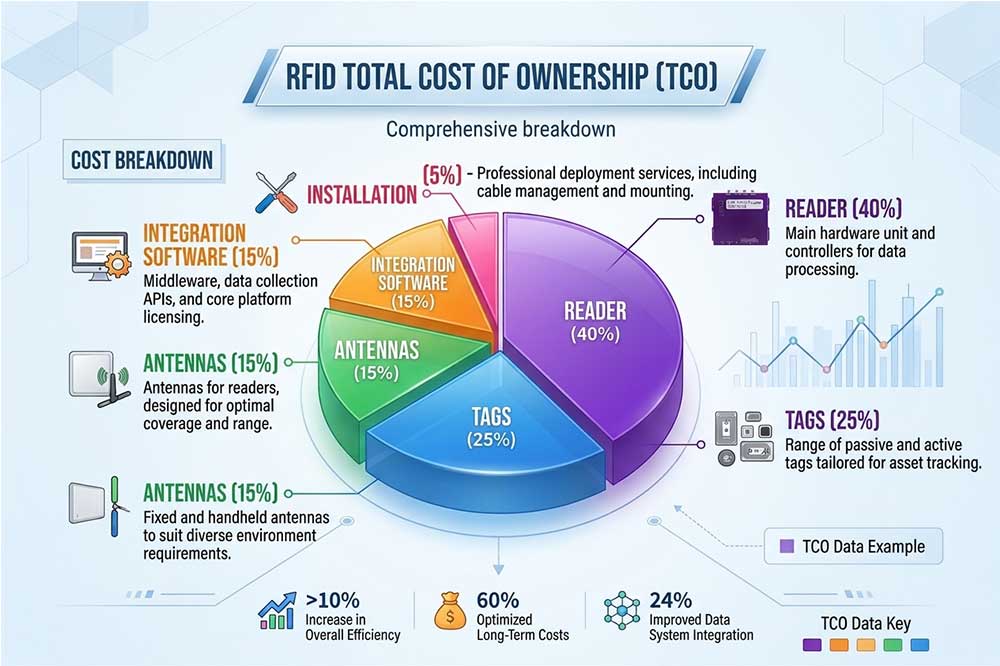
The reader is rarely the biggest line on the invoice. Ask anyone who has deployed RFID at scale:
Price tells you what you’re paying; our checklist on how to technically evaluate an industrial RFID reader tells you what you’re actually getting for it.
Send any serious manufacturer three things and you’ll get a line-itemed quotation within days instead of a vague range:
Add your target read rate (tags per second, not “range” — a single-tag range test proves nothing about real performance) and your integration target (WMS, MES, SAP, standalone), and the quote you get back will be comparable across suppliers instead of apples to oranges.
Q: What’s the cheapest RFID reader that still works reliably? A functional desktop UHF USB reader from a reputable factory starts around $60–100. Below that, you’re usually looking at HF/NFC dongles that read one tag at centimeter range — fine for access cards, useless for inventory. The trap isn’t price, it’s buying a short-range module when the application needed distance.
Q: Why is a 4-port reader from a US distributor $1,400 when the factory quote is $600? Distributor pricing includes local stock, next-day replacement, regional certification, channel margin and support overhead. Factory-direct pricing trades all of that for cost — you own freight, import duty and warranty logistics. Both models are legitimate; pick based on how much supply-chain risk your project tolerates.
Q: Do I need to buy antennas separately for a fixed reader? Yes, in almost all cases. Fixed readers expose SMA/TNC antenna ports and rely on external antennas priced roughly $100–500 each depending on gain and polarization. Only integrated readers and USB desktop units bundle the antenna.
Q: Is a more expensive reader cheaper in the long run? Sometimes, and for a specific reason: read consistency. A reader with a premium chipset captures more tags per second and misses fewer, which cuts the labor hours spent re-scanning and fixing gaps. If your project reads millions of tags a day, a $400 saving on hardware can cost you thousands in operator time. If it reads a few hundred a day, it won’t.
Expect roughly $60–300 for a USB desktop reader, $300–900 for a factory-direct handheld, $350–1,100 for a fixed 4- or 8-port unit, and $1,100+ for 16 ports — then add antennas, tags and integration on top, because they’ll often outspend the reader itself. The rfid reader cost question isn’t really “how much is the box.” It’s “how much is the system, and which box lets me build it with the fewest surprises.” Get quotes against the three-point checklist above, judge hardware on tags-per-second rather than brochure range, and the pricing stops being guesswork.
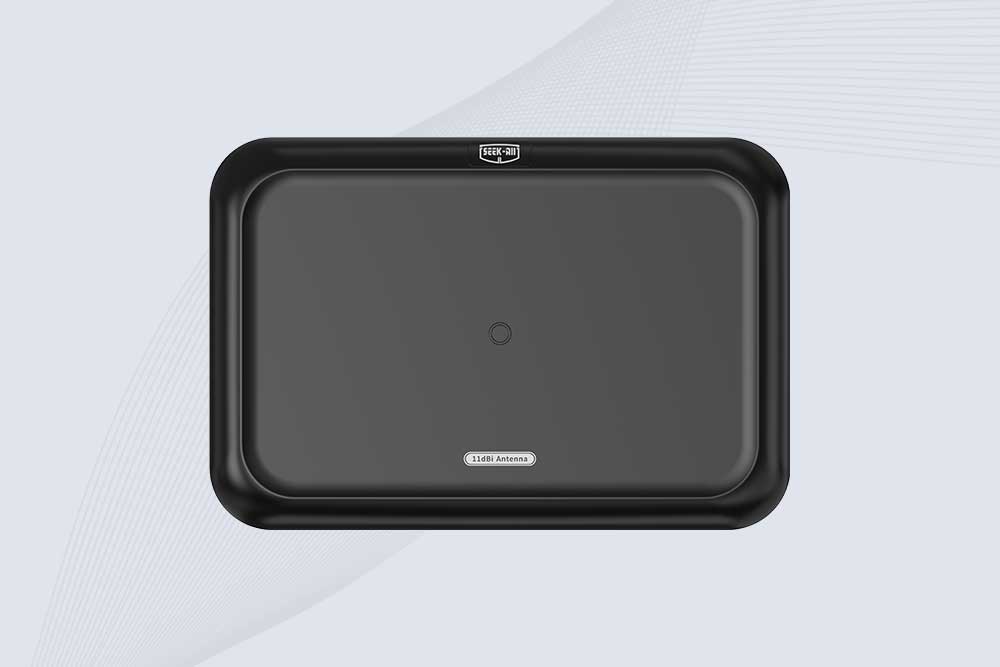
SSD-A11 UHF RFID antenna features 840–960 MHz adjustable frequency, ≥10.5 dBi gain, circular polarization and 50Ω impedance for fixed RFID systems.
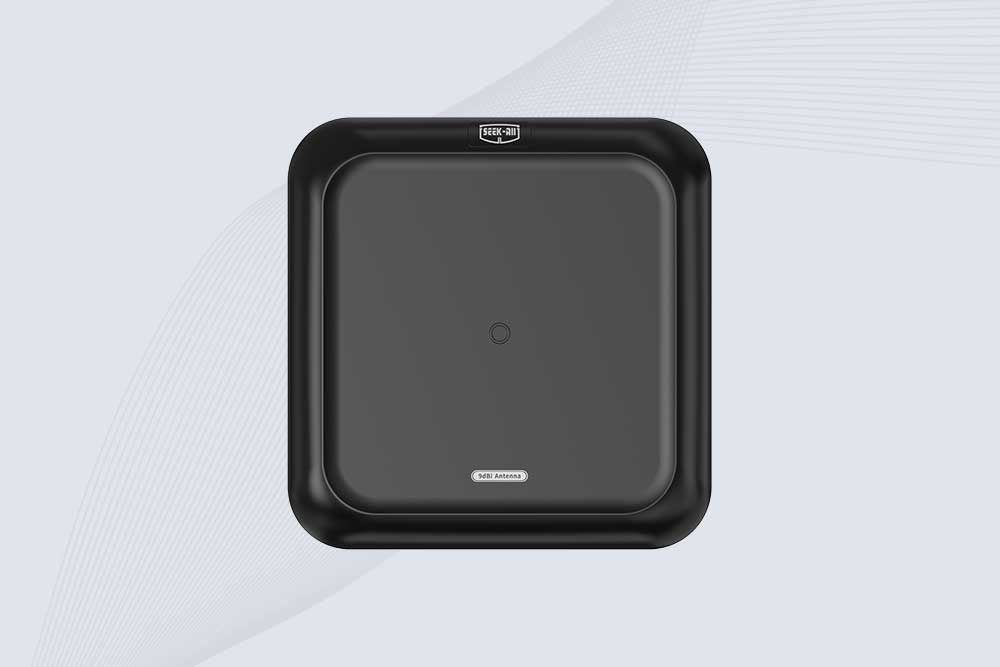
SSD-A09 is a 9 dBi UHF RFID antenna with 840–960 MHz adjustable frequency, circular polarization, 50Ω impedance and directional 60° × 60° coverage.
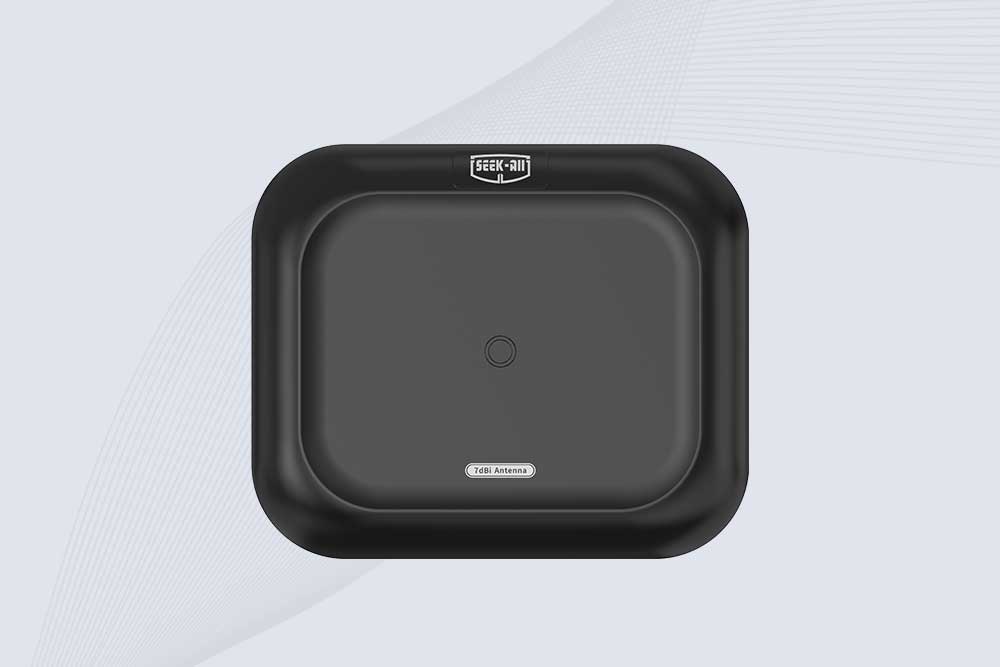
Explore the SSD-A07 UHF RFID antenna with 7 dBi gain, circular polarization, adjustable 840–960 MHz frequency, and 60°/75° beamwidth for stable RFID read/write performance.

SSD-A06 UHF RFID antenna with circular polarization, adjustable 840–960 MHz frequency, ≥4.5 dBi gain, and a compact directional design for RFID systems.

Discover SSD-D4AL, a USB-HID UHF RFID reader with 4/8/16 antenna options, Impinj E710/X3M1 chipset, plug-and-play USB power, and OEM customization.
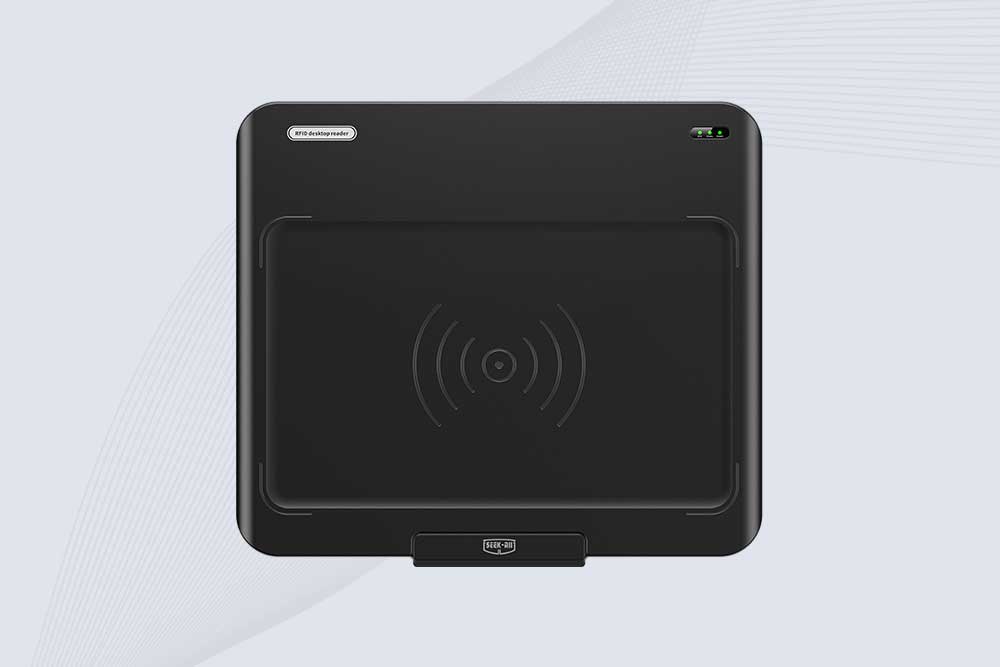
SSD-D3AL is a USB-HID UHF RFID reader with 0–30 cm reading, 0–15 cm writing, over 600 tags/s recognition, USB plug-and-play operation and OEM Logo customization.
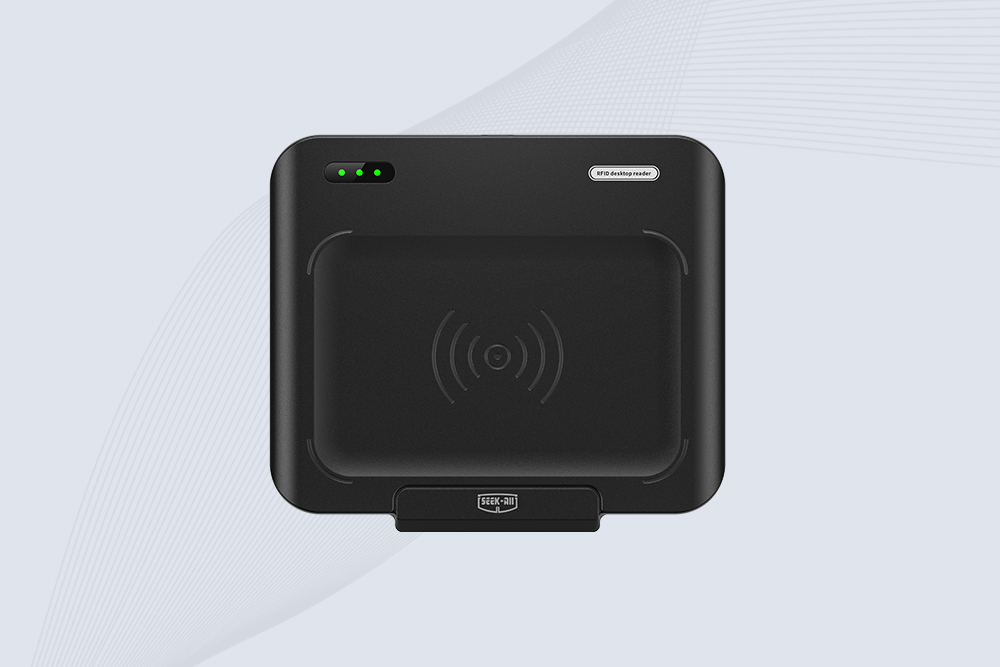
SSD-D1AL is a compact USB UHF RFID reader with Impinj E710/X3M1 chipset, USB-HID, 600+ tags/s recognition, 4/8/16 antenna support and plug-and-play USB power.

SSD-R16L Multi-Channel RFID Infrastructure for Automated Inventory Management ✔️ 16-Port High-Density RFID Reading Equipped with 16 SMA antenna ports, SSD-R16L supports multi-antenna deployment for warehouses, retail stores, logistics, production lines, and large-area RFID identification. ✔️ High-Speed & Long-Range Performance With up to 33…

SSD-R8L 8-port UHF RFID reader with 33dBm output, up to 20m reading range and 600+ tags/s recognition. Ideal for warehouse, logistics, retail and asset tracking.

SSD-R4L is a 4-port UHF RFID fixed reader with 33dBm output power, up to 20m reading range, EPC C1G2 support and 600+ tags/s reading speed.

CYKEO CYKEO-D1LA USB RFID Reader is a compact desktop solution with near-field control for precise tag reading and encoding. Powered by USB, supporting ISO 18000-6C, and built for stable batch writing, this usb rfid tag reader fits retail, libraries, offices, and controlled RFID encoding tasks.
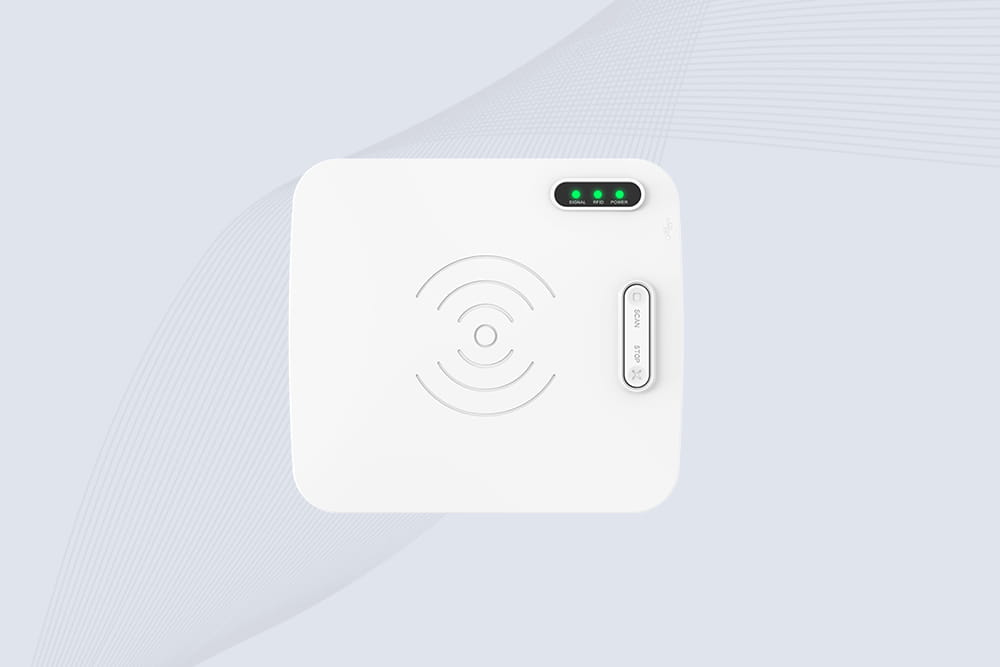
CYKEO CYKEO-D1L RFID scanner USB is a compact desktop UHF RFID scanner designed for short-range tag writing and verification. This usb rfid scanner supports batch encoding, stable 0–26 dBm output, and works across Windows, Linux, and Android systems.
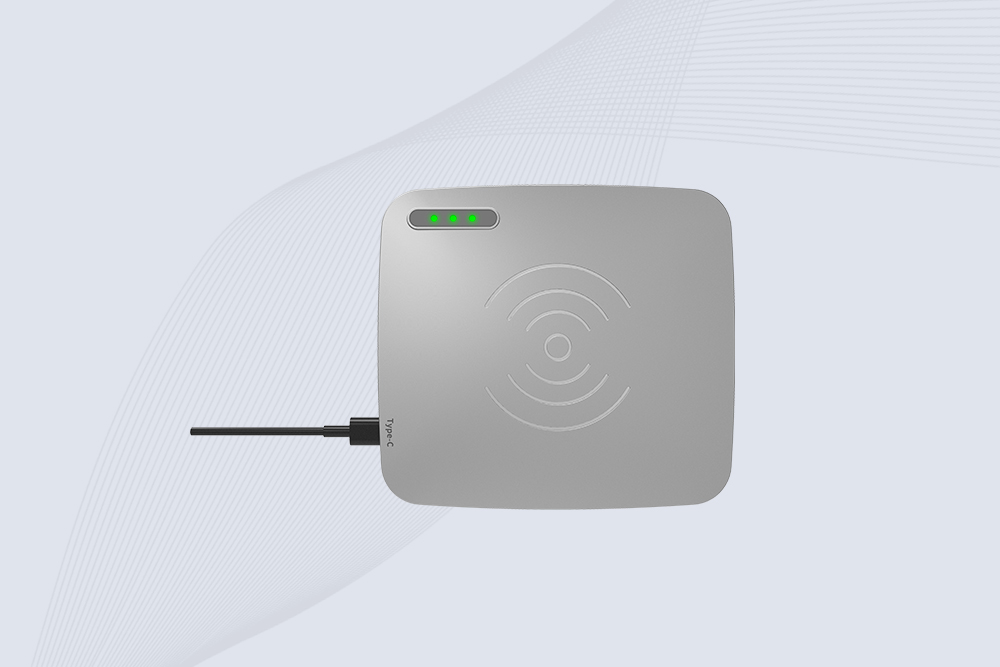
CYKEO CYKEO-D1C USB RFID Card Reader is a near-field UHF desktop writer designed for secure, short-range tag encoding. With USB-C connectivity and stable 26 dBm output, this rfid reader usb c is ideal for badge issuance, label encoding, and controlled desktop RFID workflows.
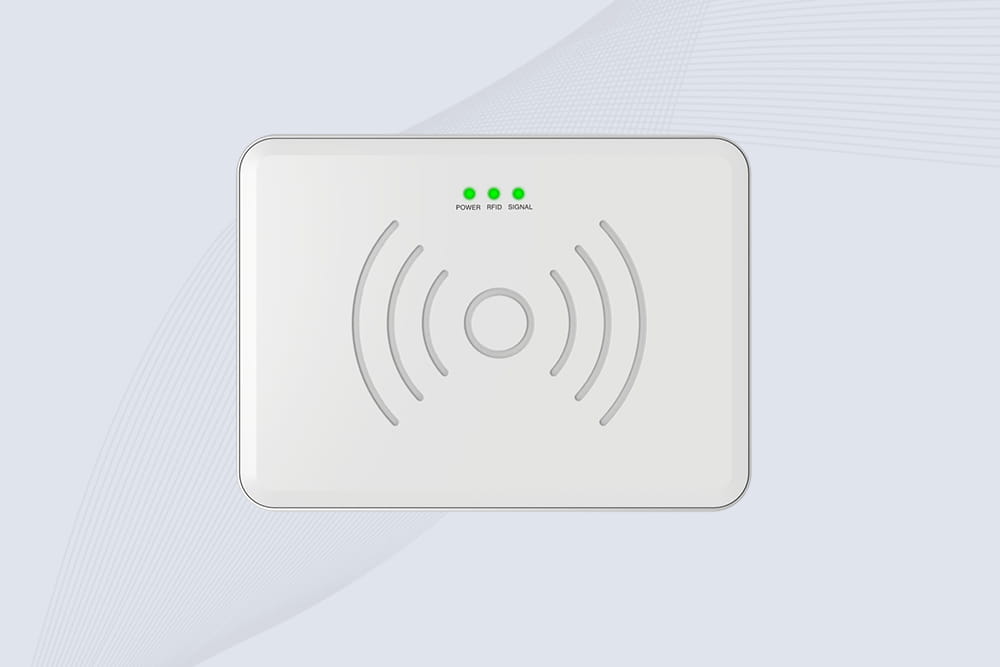
CYKEO CYKEO-D2L RFID Reader USB is a compact desktop encoder built on the Impinj R500 chip. With near-field control and stable USB power, this usb rfid card reader delivers precise tag writing for offices, retail counters, and small-scale logistics encoding tasks.
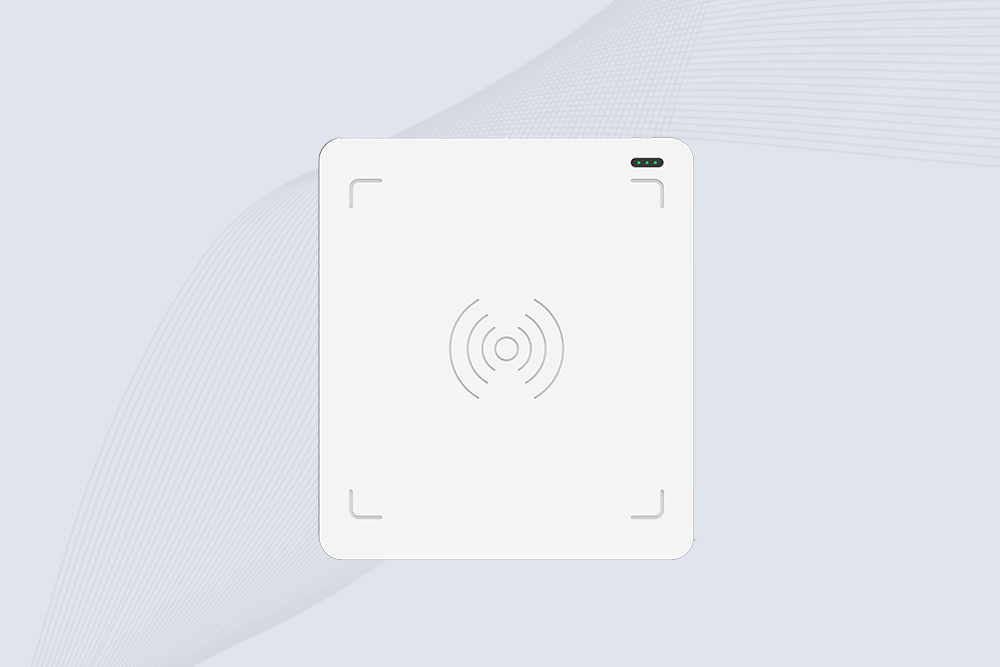
CYKEO CYKEO-D3L USB RFID Tag Reader delivers stable UHF tag reading and writing for daily desktop and light industrial tasks. Designed for controlled short-range operation, this USB RFID Tag Reader works reliably with rfid tag and reader systems in libraries, tool tracking, and inventory registration.
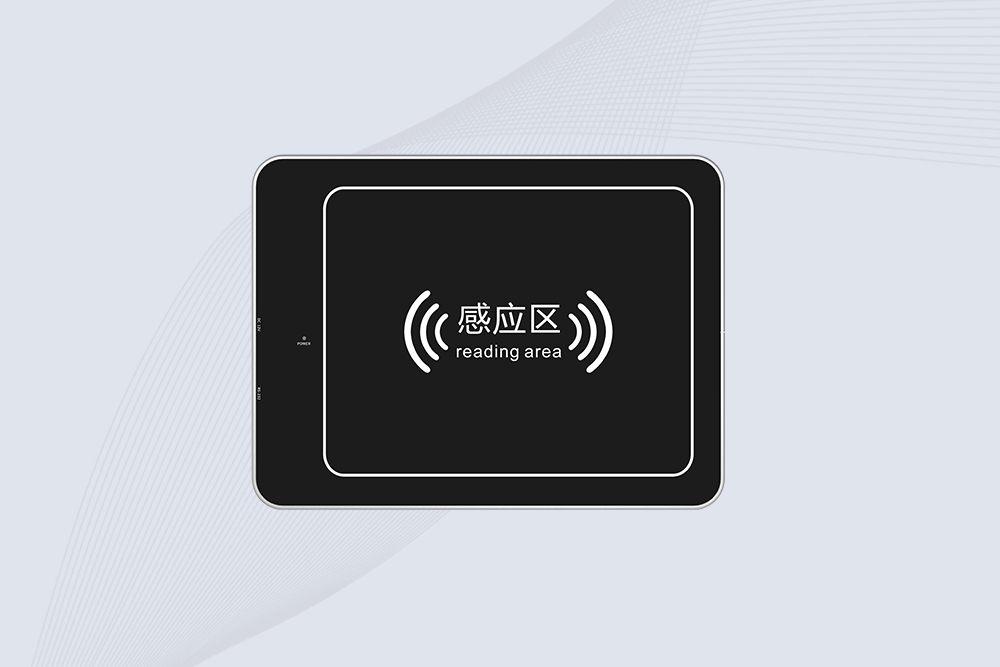
The CYKEO CYKEO-D4L UHF RFID Tag Reader is a stable Desktop RFID Reader designed for accurate tag registration, borrowing, and return workflows. Built with the Impinj R2000 chip, this UHF RFID Tag Reader delivers controlled short-range reads for libraries, asset tracking, and inventory management environments.
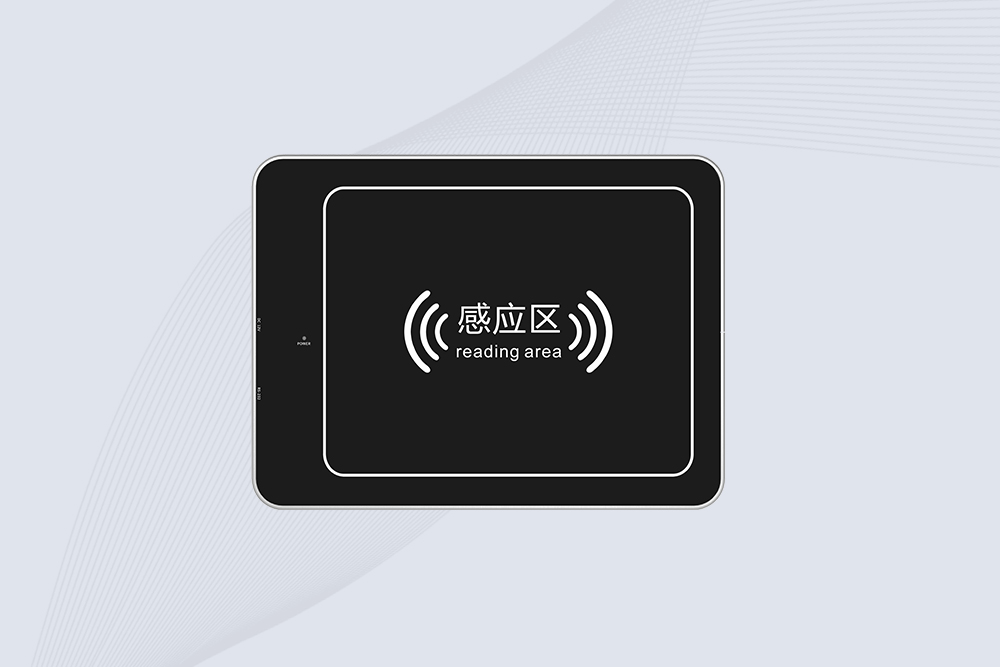
The CYKEO CYKEO-D5L Desktop RFID Card Reader is a stable UHF RFID Card Reader designed for controlled short-range reading and writing. Built for libraries, tool rooms, and asset desks, this UHF RFID Card Reader supports dense tag handling, secure data processing, and easy USB integration.
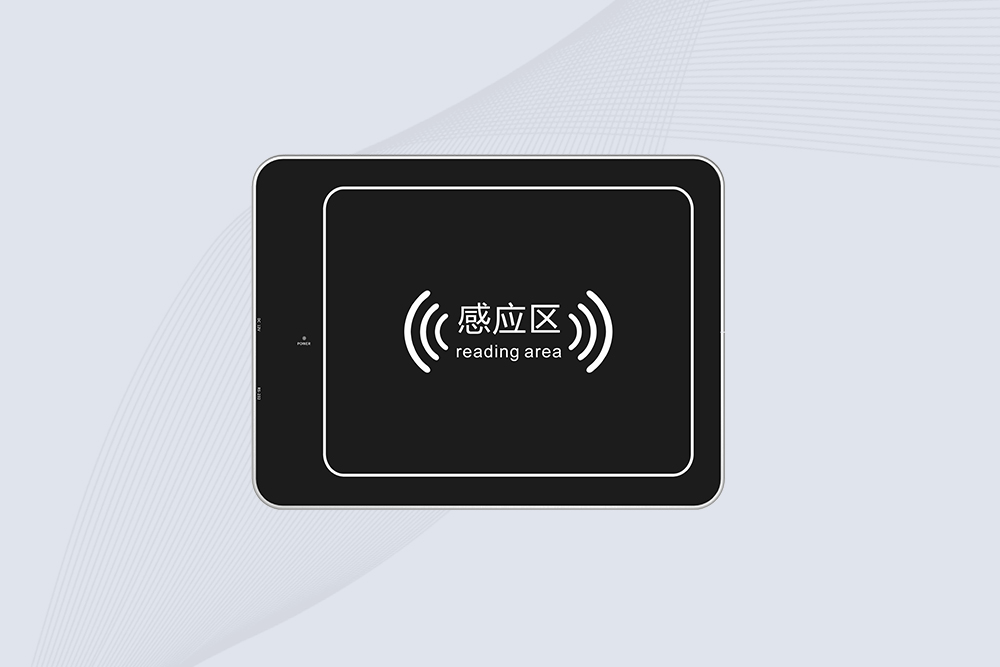
The CYKEO CYKEO-D6L RFID Reader Writer is a heavy-duty Desktop RFID Reader designed for short-range, high-accuracy tag programming. Built for libraries, labs, and asset desks, this RFID Reader Writer supports batch processing, stable 33dBm output, and seamless integration with existing management systems.
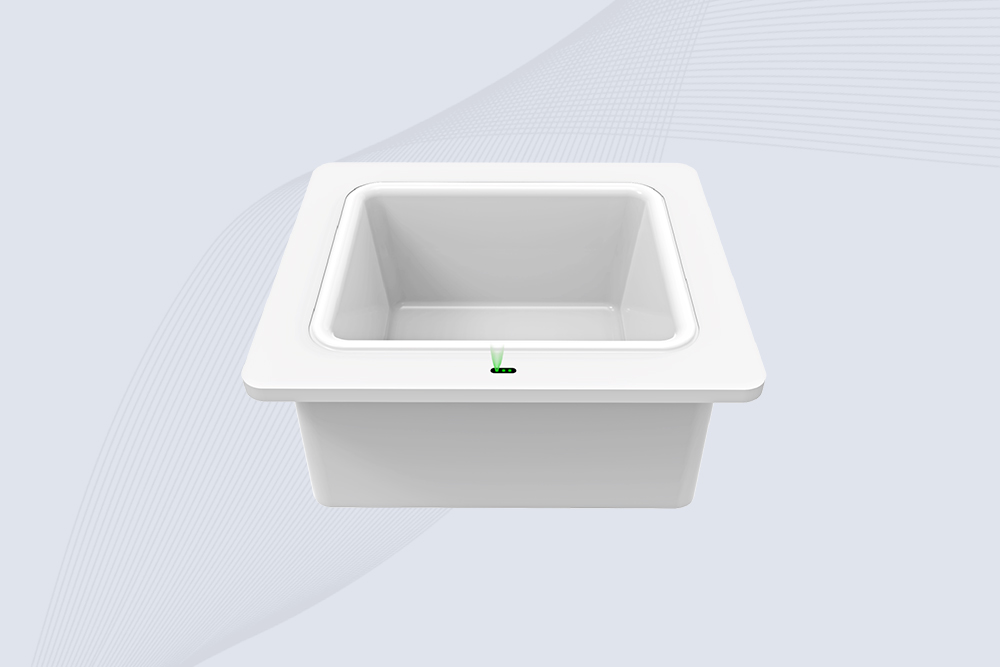
Cykeo CYKEO-D8B UHF RFID tunnel and RFID Desktop Reader features 30+ items batch reading,
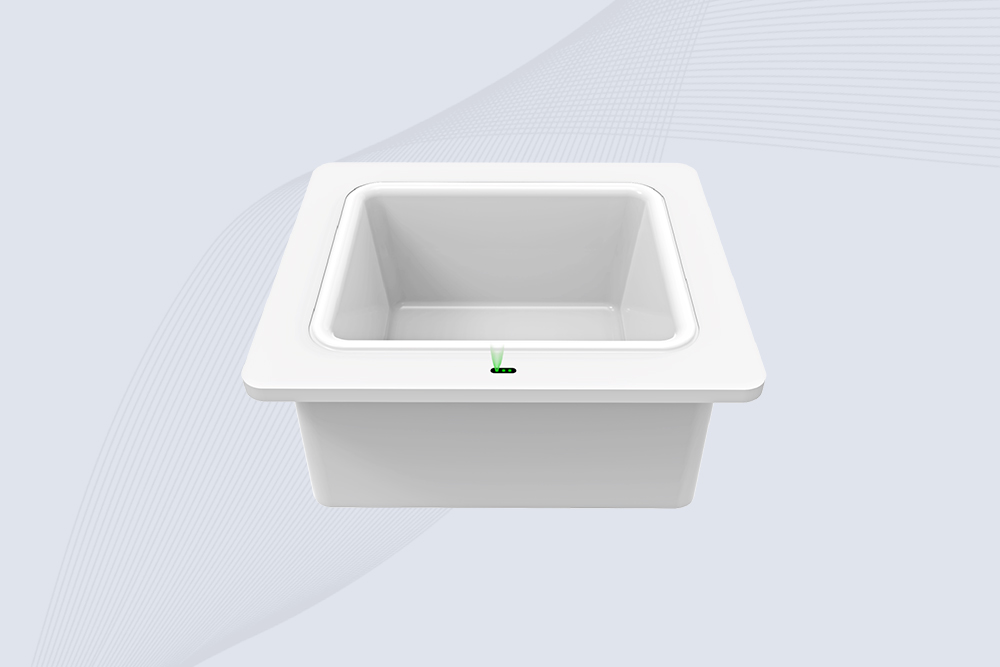
Cykeo CYKEO-D8A embedded RFID badge reader offers 30+ tags/sec scanning, 20cm anti-crosstalk precision, and DC 12V power for unmanned stores, warehouses, and smart inventory systems.
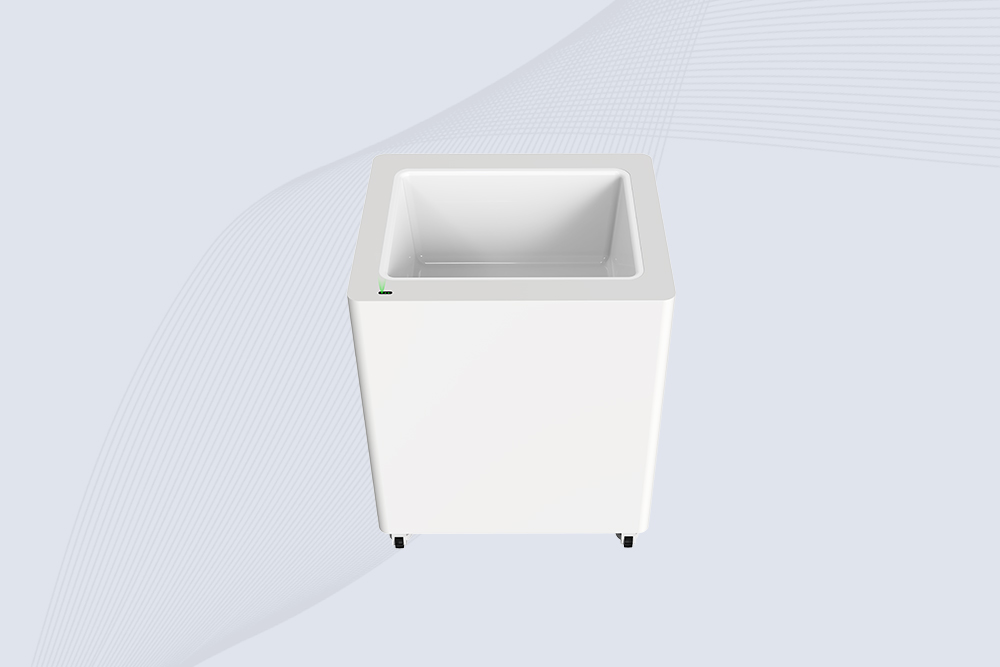
Cykeo’s CYKEO-D8C UHF RFID gate reader achieves 200-tag/batch scanning with adjustable power control, ideal for retail inventory and smart warehouse management.
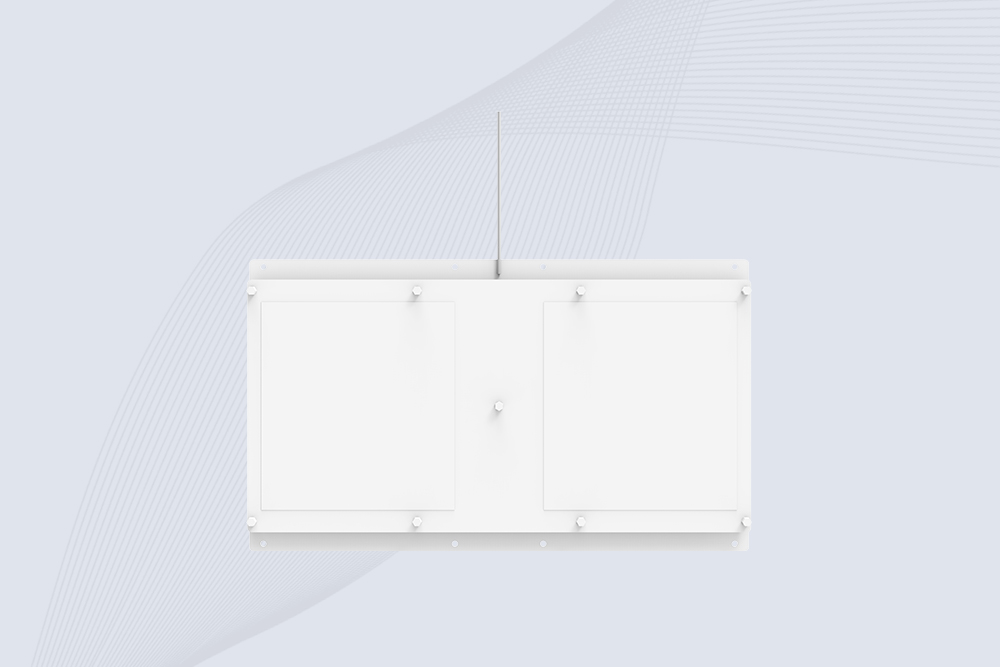
Cykeo CYKEO-A11 UHF RFID reader antenna delivers 11dBi gain, 840-960MHz frequency range, and IP65 ruggedness for retail, logistics, and industrial RFID systems. Features low VSWR and easy installation.
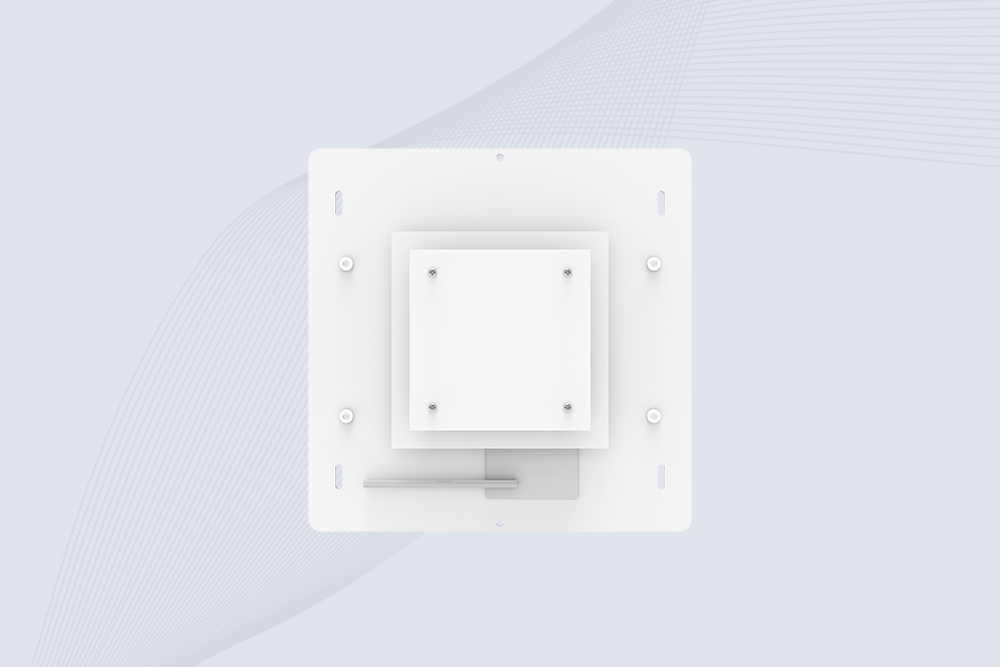
CYKEO Antenna RFID Reader delivers stable long-range UHF performance with a 10.5dBi directional design, built for warehouses, conveyor portals, and industrial RFID systems. This rfid reader antenna provides 20m+ read distance and rugged IP67 protection.

Cykeo CYKEO-PHF3 industrial HF RFID Antenna offers 24-point dynamic tracking, ISO 14443A/15693 protocols, metal-environment stability for archives/libraries/manufacturing.

Cykeo CYKEO-A5B industrial Linear RFID Antenna delivers 5dBi gain, ≤1.5:1 VSWR, and IP65 rugged design for warehouse, production line, and logistics UHF systems.

Cykeo’s CYKEO-B12 Long Range RFID Antenna delivers 15m+ read range with 12dBi gain, IP65 rugged design, and global 840-960MHz UHF support. Ideal for warehouse/logistics asset tracking.
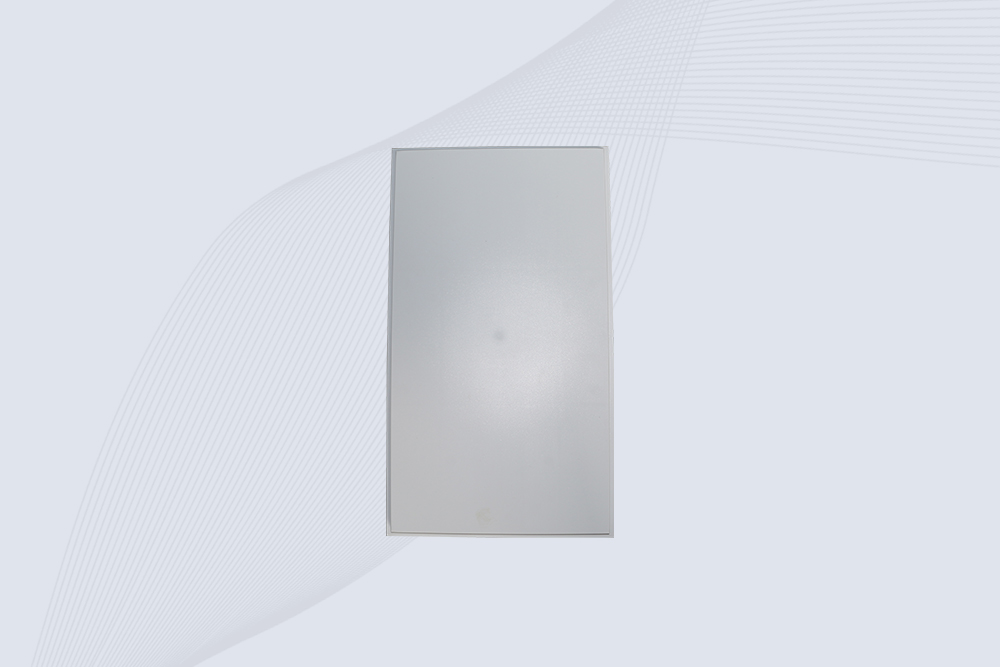
Cykeo CYKEO-B10 Long Distance RFID Antenna offers 10dBi gain, 840-960MHz frequency range, IP65 rating, and 20m+ coverage for logistics/warehousing/ETC systems. Low VSWR ensures stable signal transmission.
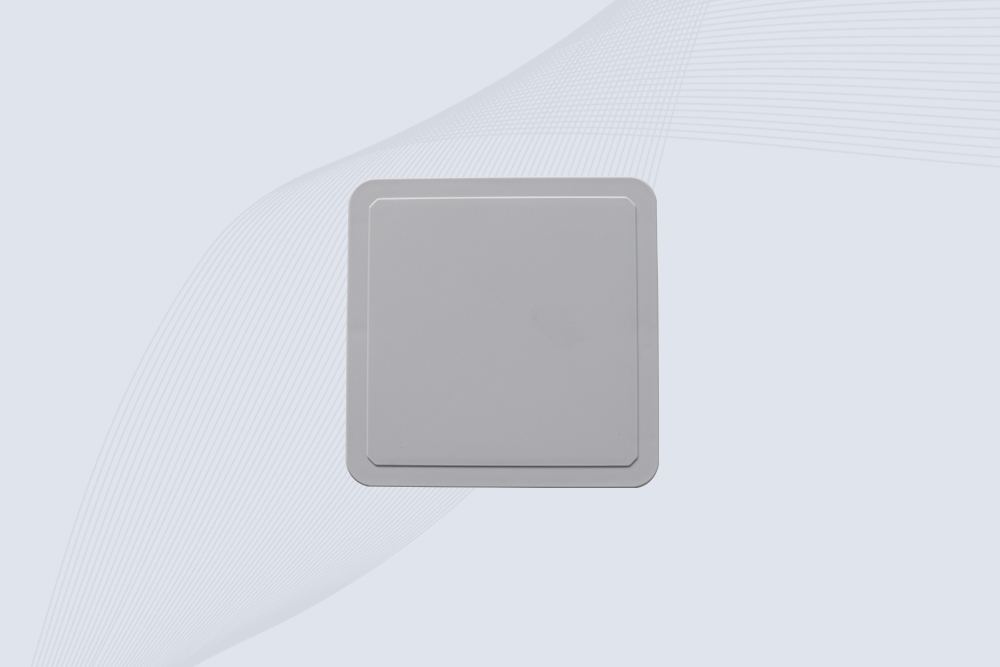
Cykeo CYKEO-A6 UHF RFID panel antenna features 6dBi gain, 840-960MHz broadband, IP65 metal-ready housing for logistics/smart retail. 18mm ultra-thin design with tool-free mounting.

Cykeo CK-A3 industrial antenna RFID UHF offers 5m+ tag detection, ≤1.3:1 VSWR, IP65 rugged design, and global UHF spectrum compatibility (840-960MHz) for warehouses, factories, and retail.
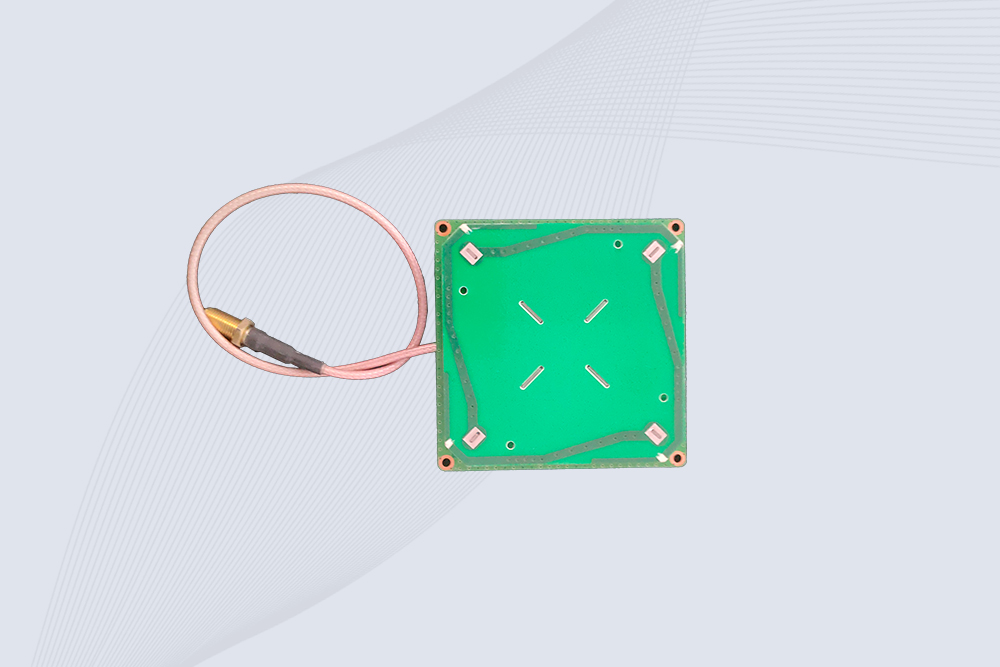
Cykeo CYKEO-B5 directional RFID antenna provides 5dBi gain with 60° narrow beamwidth for precise inventory tracking. IP65-rated, global UHF frequency support, and low VSWR.
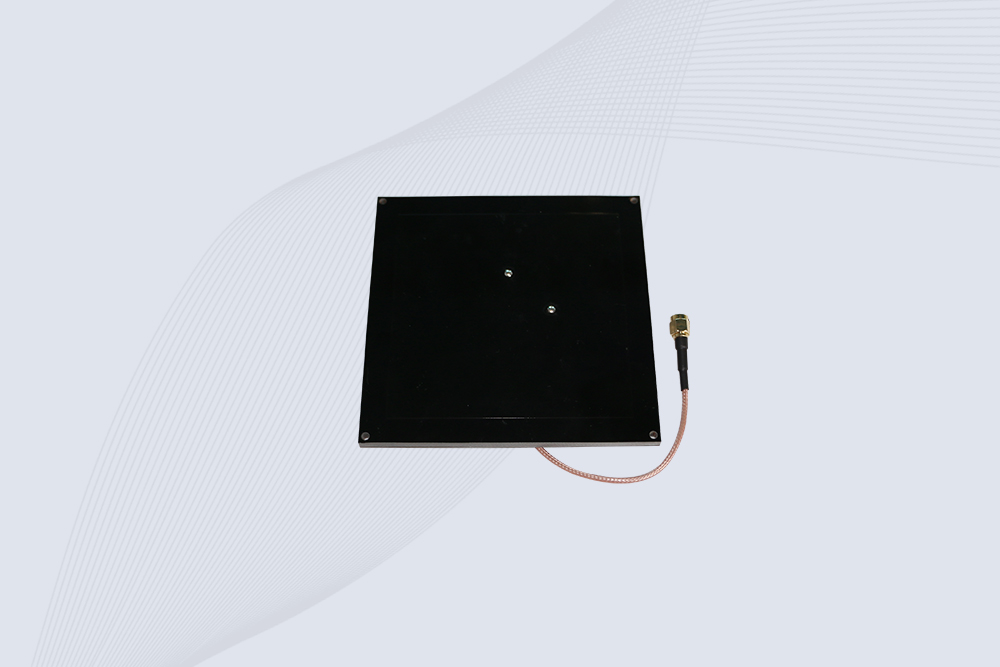
Create your own high-performance DIY RFID antenna! 5dBi gain, 840-960MHz tunable, step-by-step guides. Compatible with Arduino, Raspberry Pi, and commercial UHF readers.
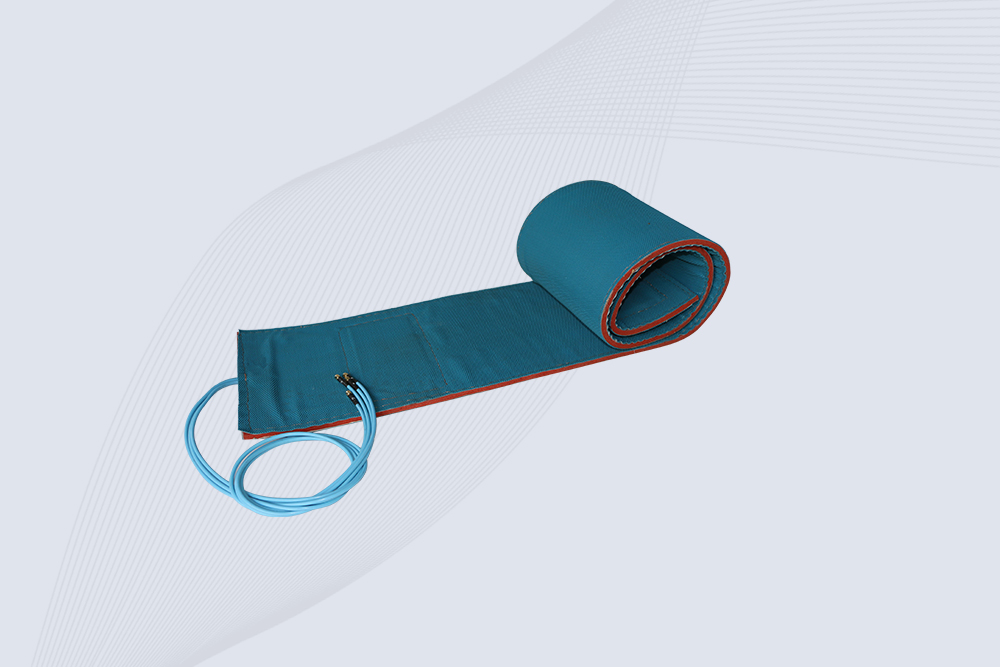
Cykeo CYKEO-A7 Flexible RFID Antenna features 840-960MHz wideband tuning, 7dBi gain, and IP68 rating for medical/retail/industrial curved surface deployments. 98% read accuracy with peel-and-stick installation.
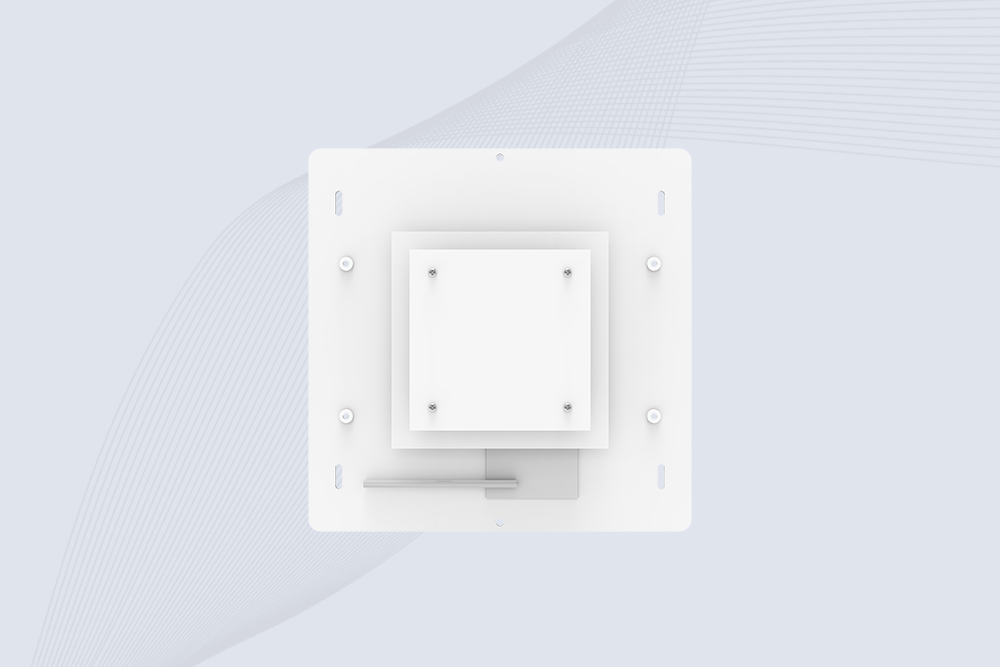
Cykeo CYKEO-B5A industrial Passive RFID Antenna delivers 5dBi gain, 70° beamwidth, and -40°C~55°C operation for warehouses/smart cabinets. Compatible with Zebra/Impinj readers.
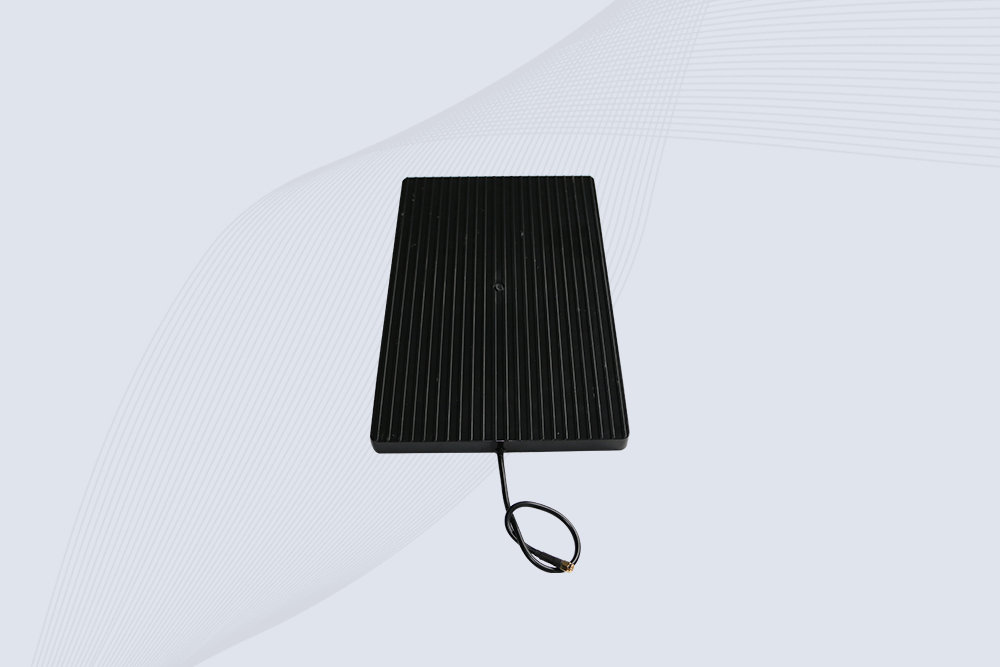
Cykeo’s CYKEO-A9B High Gain RFID Antenna delivers 15m+ read range with 9dBi amplification. Features IP54 rugged design, 840-960MHz bandwidth, and 80° beamwidth for warehouse/manufacturing RFID systems.

Cykeo’s enterprise-grade 8dbi Impinj RFID Antenna 10m+ read range with 840-960MHz tuning. Features IP65 housing, 1.4 VSWR, 35° beamwidth for retail/warehouse RFID systems.
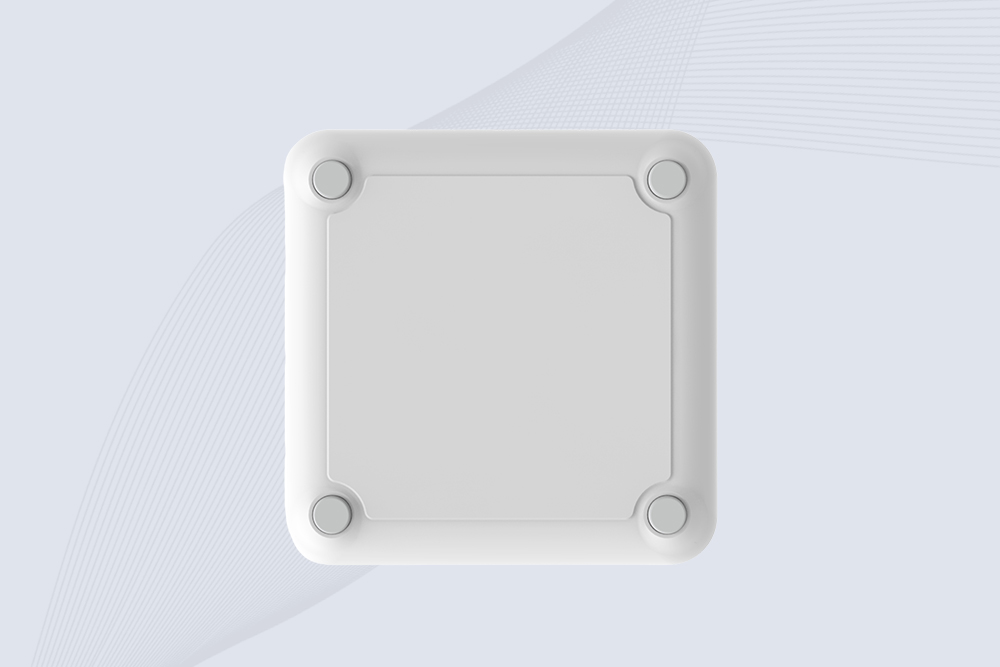
Cykeo CYKEO-A9 industrial UHF RFID antenna delivers 9dBi gain, 840-960MHz frequency range, and IP65 protection for warehouse/logistics/retail RFID systems. Features N-type connector and ≤1.3:1 VSWR.
CYKEO UHF RFID Antenna built for long-distance and industrial applications. This antenna rfid uhf delivers strong gain, outdoor durability, and reliable tag performance in warehouses, yards, and vehicle ID systems.
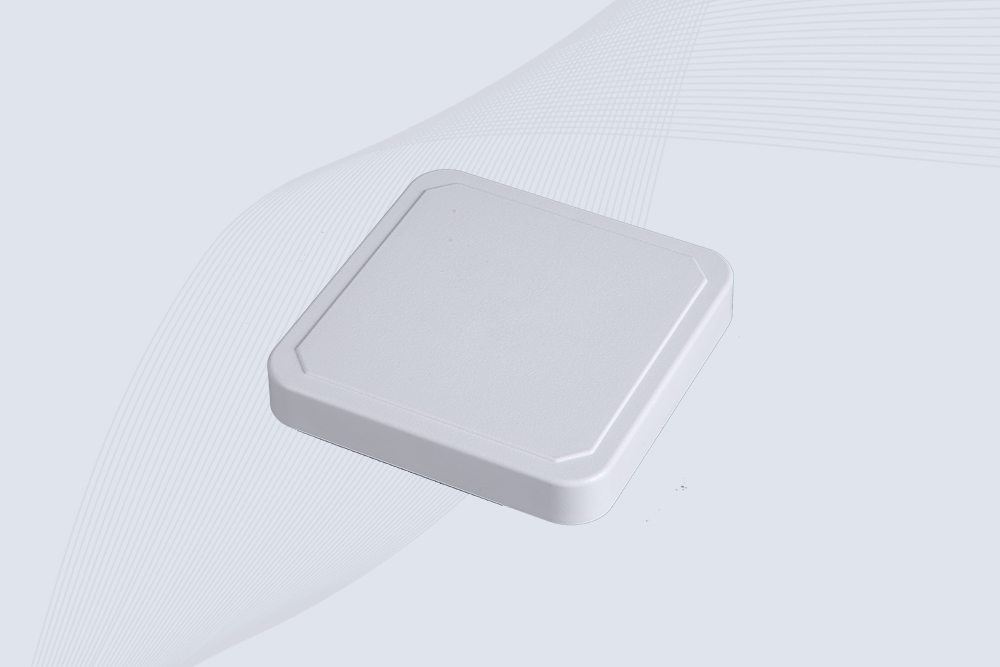
CYKEO Antenna RFID delivers reliable long-range UHF performance in warehouses, retail shelves, and cold-chain environments. This compact uhf rfid antenna provides stable reads with circular polarization and ultra-wide 840–960 MHz support, ideal for industrial tracking, smart shelves, and asset monitoring.
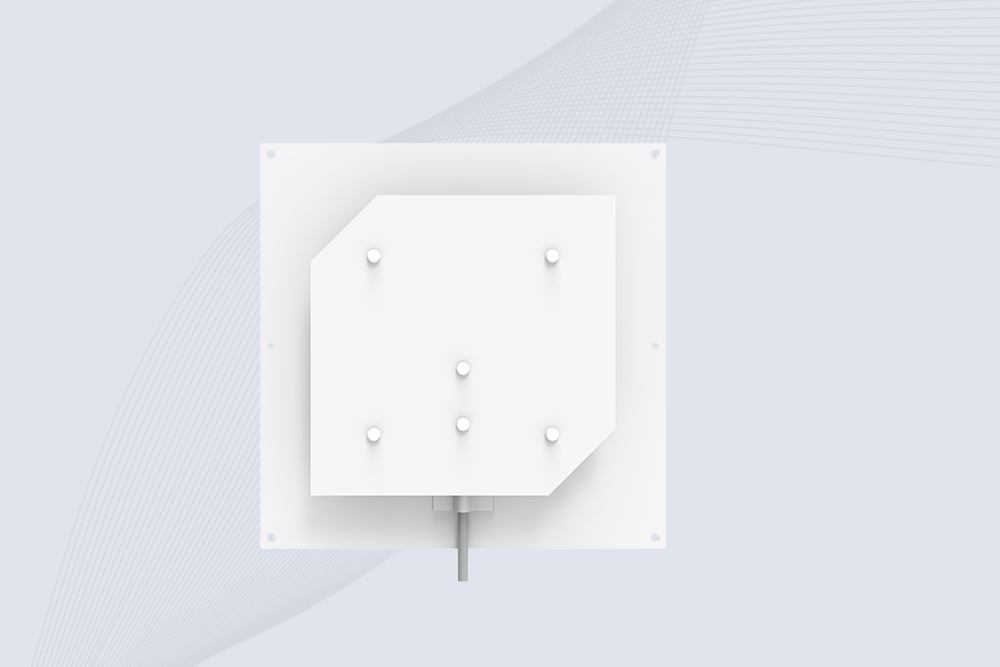
Cykeo’s CYKEO-C8 UHF RFID antennas delivers 8dBi gain, 840-960MHz full-band coverage, and IP65 ruggedness for manufacturing/warehouse RFID systems. Industrial RFID Antennas Features
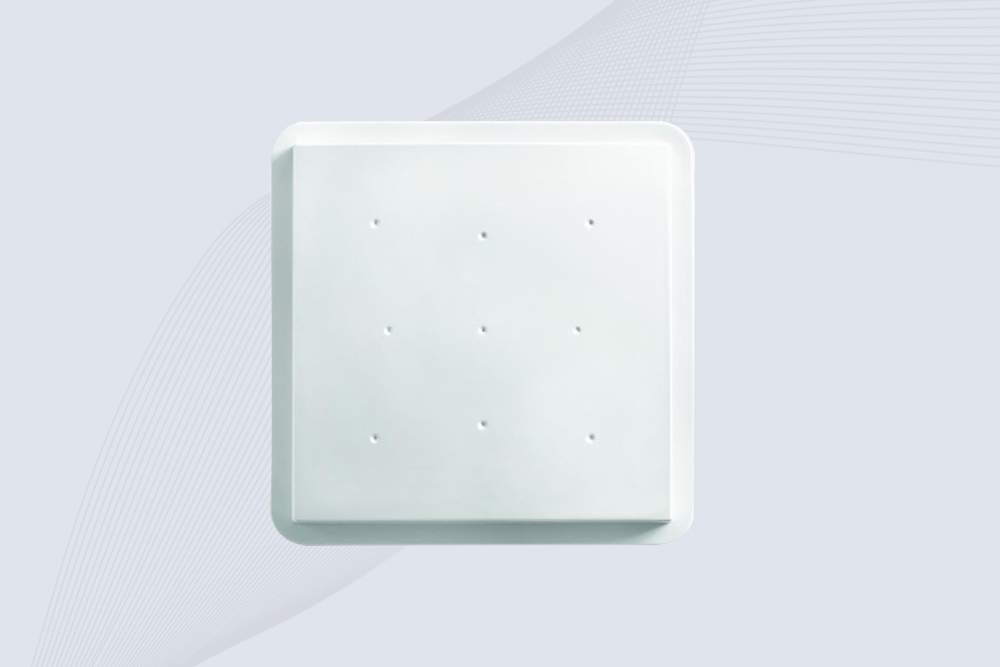
Cykeo’s 8dBi UHF RFID antenna and reader kit delivers 10m+ range, 840-960MHz broadband, and IP65 ruggedness for factories, warehouses, and logistics. ISO 18000-6C & EPC Gen2 certified.
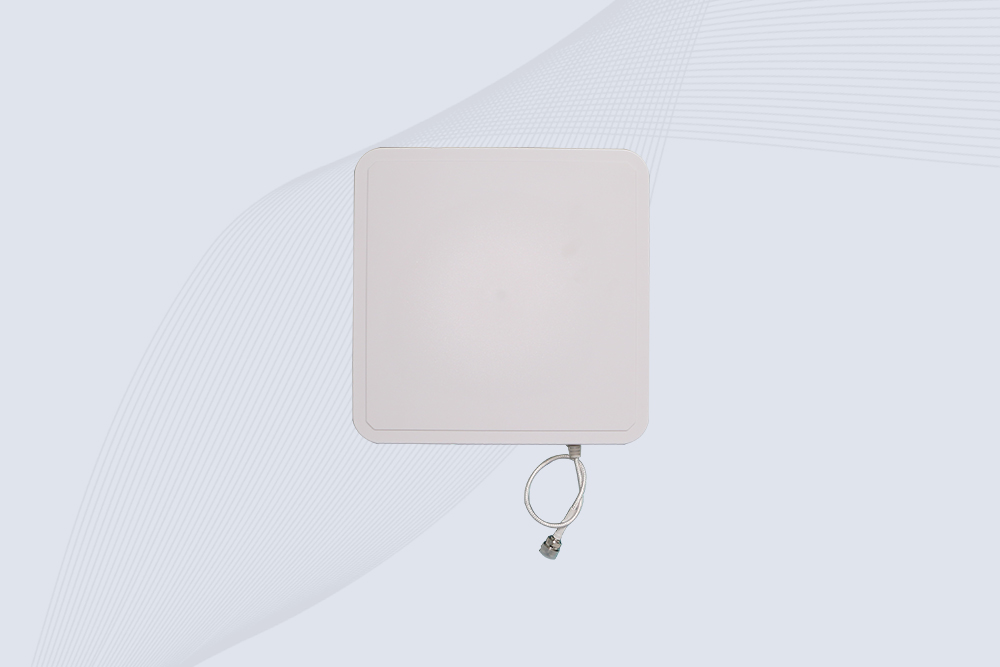
Cykeo CYKEO-A9A industrial UHF RFID reader and antenna kit delivers 10m range, 500 tags/sec, IP65 ruggedness for manufacturing/logistics. Supports EPC Gen2, ISO18000-6C.
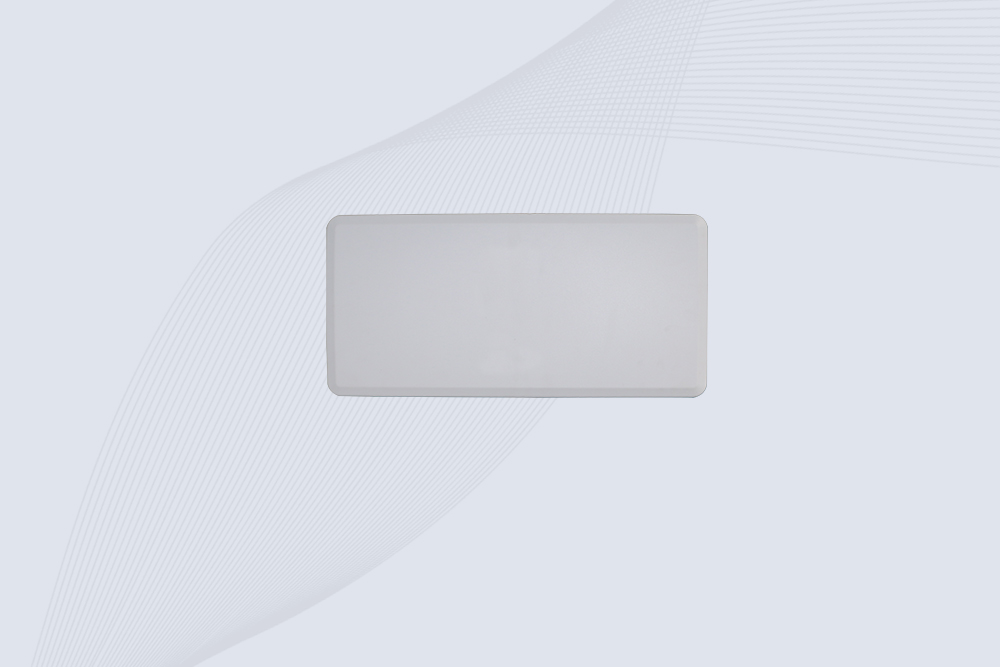
Cykeo’s CYKEO-A12C UHF Large RFID Antenna delivers 12dBi gain, 840-960MHz global frequency, IP65 ruggedness for logistics/warehousing/automotive. 40° beamwidth ensures stable 15m+ tag reads.

CYKEO Near Field RFID Antenna provides precise 5–30 cm reading for shelves, cabinets, and workstations. This compact rfid shelf antenna delivers stable short-range performance around metal and clutter, ideal for pharmacies, libraries, and electronics sorting.
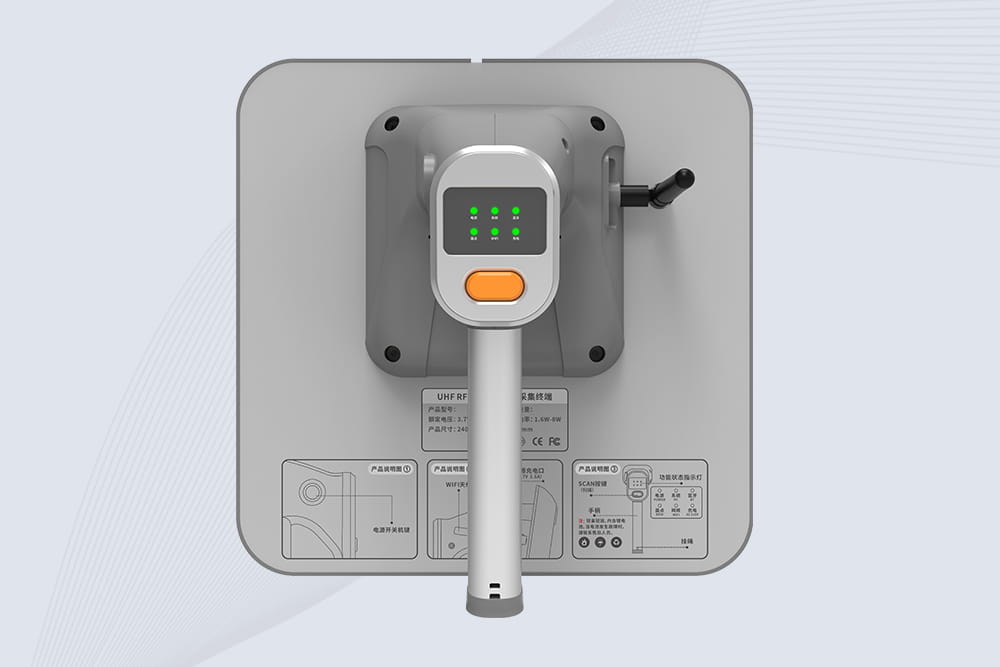
Cykeo CYKEO-B9 UHF Bluetooth handheld RFID scanner features 12m UHF range, 200+ tags/sec scanning, IP67 rugged design for retail/warehouse/pharma. Supports Android SDK & real-time Bluetooth 5.0 transmission.
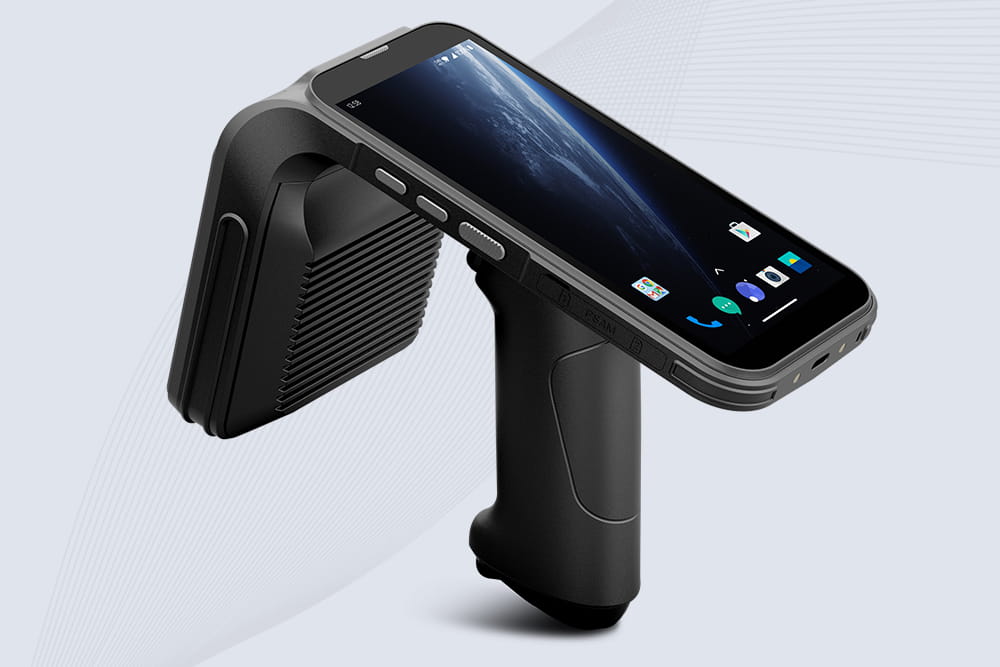
Cykeo CYKEO-B4 UHF Handheld RFID Reader scanner delivers 1300 tags/sec reading, 30m UHF range, and 12-hour battery life. IP65 rugged design with barcode/NFC/ID scanning for retail/manufacturing/logistics.
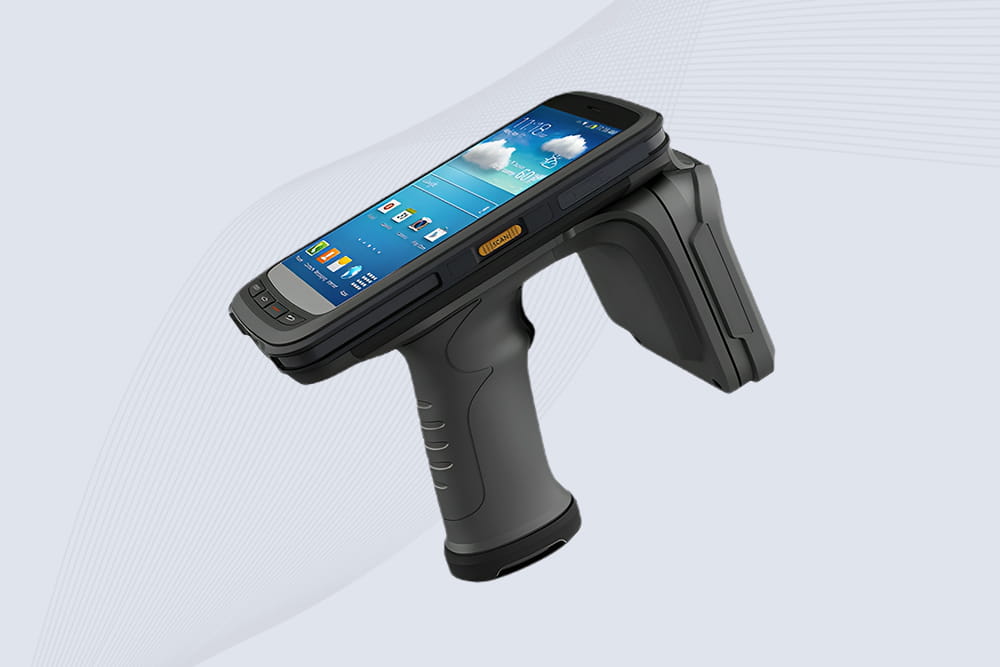
Cykeo CYKEO-B2 industrial UHF RFID handheld Scanner offers 10m range, 500 tags/sec scanning, Android 11 OS, and IP65 rugged design for retail/warehouse/manufacturing.
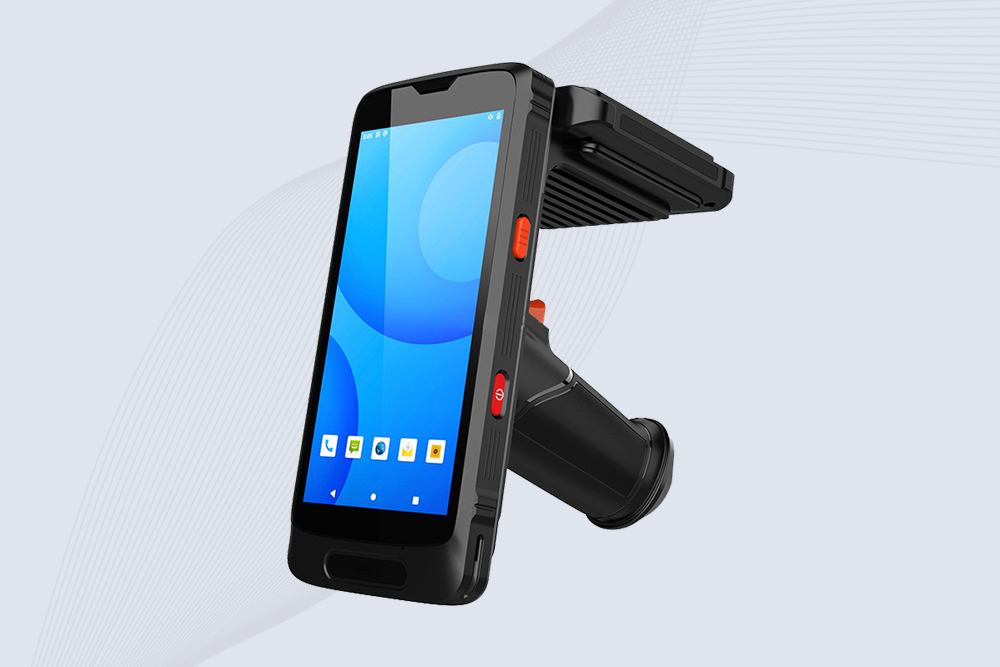
Cykeo CYKEO-B3 industrial RFID Reader Handheld, terminal offers 2m read range, multi-protocol scanning (NFC/barcode/ID), Android 10 OS, and IP65 ruggedness for logistics/retail/manufacturing.
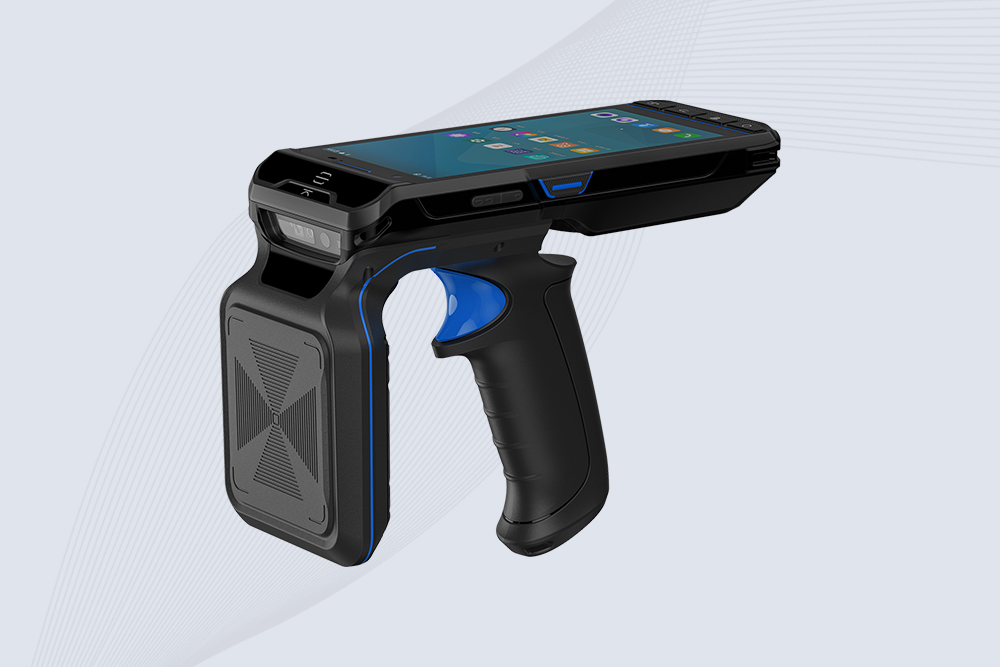
Cykeo CYKEO-B3L industrial handheld UHF RFID Reader terminal features 20m read range, 500 tags/sec scanning, Android 13 OS, 12-hour battery for logistics/retail/manufacturing. Supports barcode/NFC/ID reading.
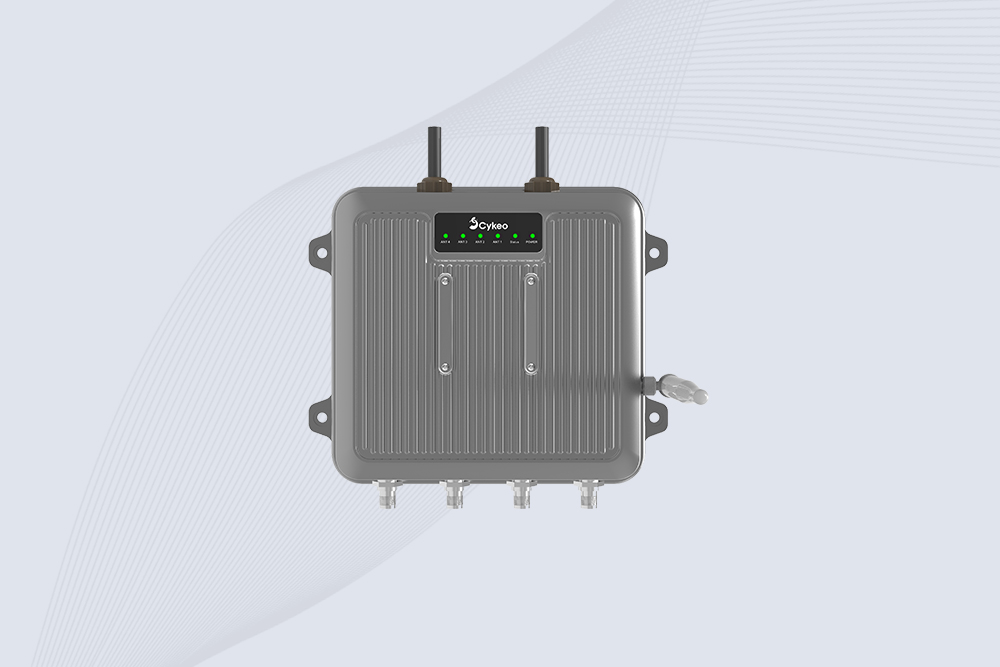
Cykeo CYKEO-C1 industrial Forklift RFID Reader features 20m read range, 600 tags/sec scanning, Impinj R2000 chipset, and IP67 rugged design. Ideal for warehouse logistics and manufacturing. Supports ISO 18000-6C/6B protocols.
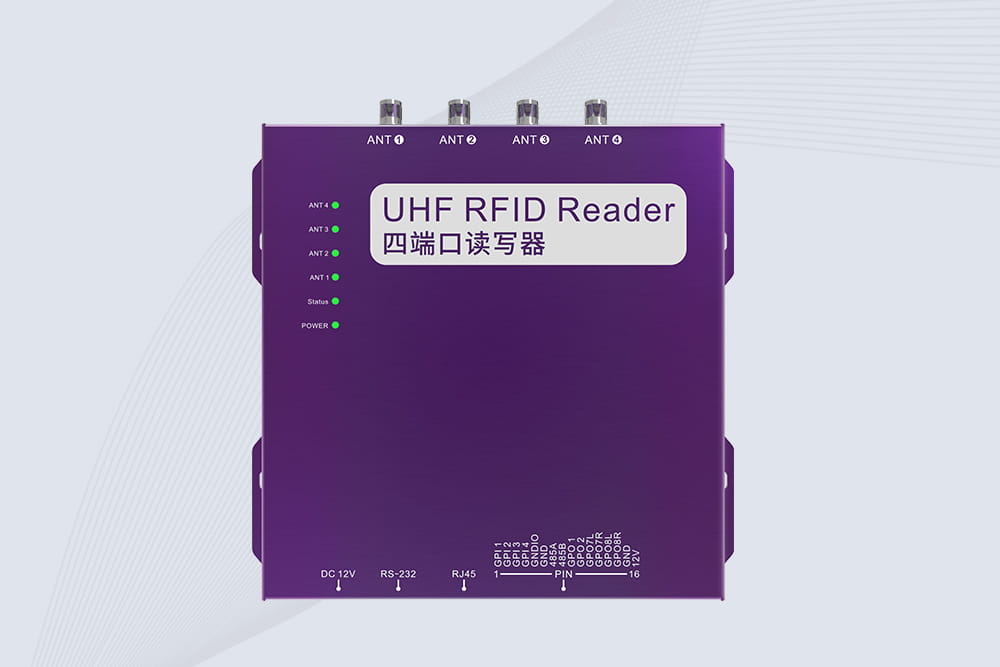
Cykeo CYKEO-R4 industrial UHF RFID Fixed Reader features 4 TNC ports, 400+ tags/sec speed, IP67 housing, and global frequency compliance for vehicle inspection, smart warehouse, and asset management systems.
RFID Industry Writer | IoT & Asset Tracking Analyst
James writes about RFID technology, asset tracking, and the practical challenges of digital transformation across warehousing, retail, manufacturing, and logistics.
His work focuses on how RFID is applied in real-world operations—improving inventory visibility, automating workflows, and helping businesses manage assets with greater accuracy and efficiency.
He regularly covers topics including UHF RFID, smart cabinets, RFID portals, tool tracking, warehouse automation, and industrial IoT trends..

rfid gun enables rapid, non-line-of-sight inventory scanning, improving accuracy and speed in warehouses, retail, and asset tracking environments.
More
Learn step-by-step how to integrate RFID handheld scanners with ERP systems for real-time inventory updates, asset tracking, and streamlined operations.
More
Learn which hospital equipment can be tracked with RFID, including real examples from healthcare environments and how RFID improves asset visibility and control.
More
Discover Cykeo retail types of security tags for effective theft prevention, inventory protection, and seamless self-checkout. Learn about RF, AM, and hard tag solutions for modern stores.
More