Not Everything in a Hospital Needs RFID—But Some Things Definitely Do
One mistake people often make when they first look at RFID is trying to apply it to everything.
In reality, hospitals don’t track every single item with RFID—and they don’t need to.
What usually happens is more selective: RFID gets applied to equipment that moves often, gets shared between departments, or tends to “disappear” in daily operations.
Once you look at it from that angle, the use cases become much clearer.
High-Value Mobile Equipment (The First Priority)
The most common starting point is mobile medical equipment.
Things like:
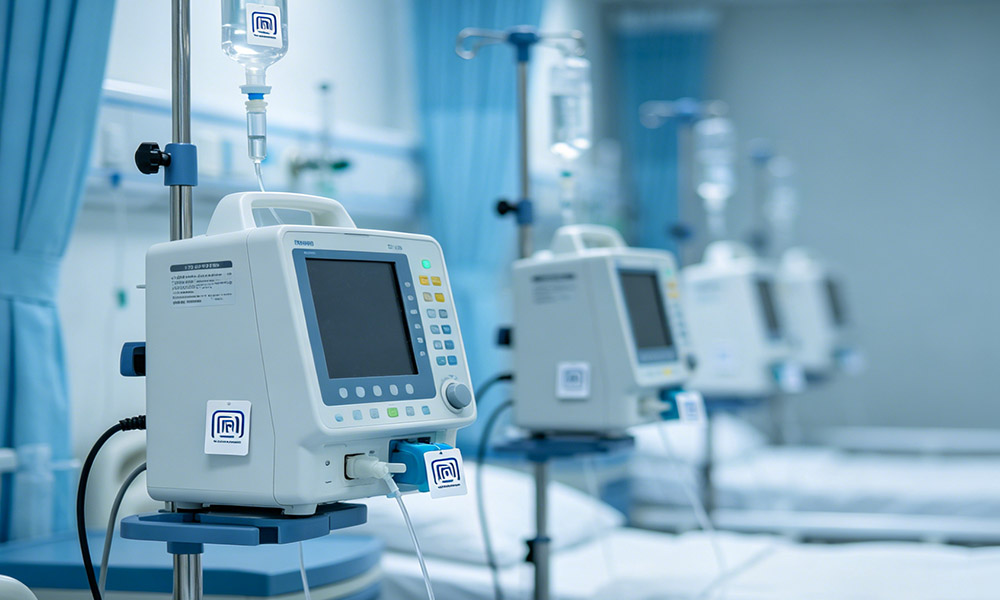
Infusion pumps
Patient monitors
Ventilators
Defibrillators
These are constantly moving between ICU, ER, and general wards.
And because they’re mobile, they’re also the most likely to be misplaced or double-counted.
RFID tracking helps here by making movement visible without relying on manual updates.
It doesn’t prevent movement—it just makes it traceable.
Shared Equipment Between Departments
This is where a lot of confusion usually happens in hospitals.
Some devices are not assigned to a single department. Instead, they get shared based on demand.
For example:
Diagnostic devices
Portable imaging tools
Specialized monitoring equipment
In these cases, ownership becomes unclear very quickly.
RFID helps by showing where the equipment actually is—not where it was supposed to be.
That difference is often what reduces “I thought it was in your department” situations.
Emergency-Critical Equipment
There’s also a category that doesn’t get talked about enough: equipment that must be available immediately.
In emergencies, even a small delay matters.
RFID is often used to ensure visibility of:
Crash carts
Emergency ventilators
Resuscitation equipment
The goal here isn’t tracking for reporting—it’s reducing search time to near zero.
If something is needed urgently, the system should already know where it is.
Smaller Portable Devices (The Easy-to-Lose Category)
Not all valuable equipment is large.
Some of the most commonly lost items are actually small:
Portable ultrasound devices
Handheld diagnostic tools
Battery-operated monitors
These are easy to move, easy to forget, and often not tied to a fixed storage location.
RFID tracking helps reduce “silent loss”—when something isn’t officially missing, but nobody knows where it is.
Consumables and Inventory Items (Where Tracking Becomes Control)
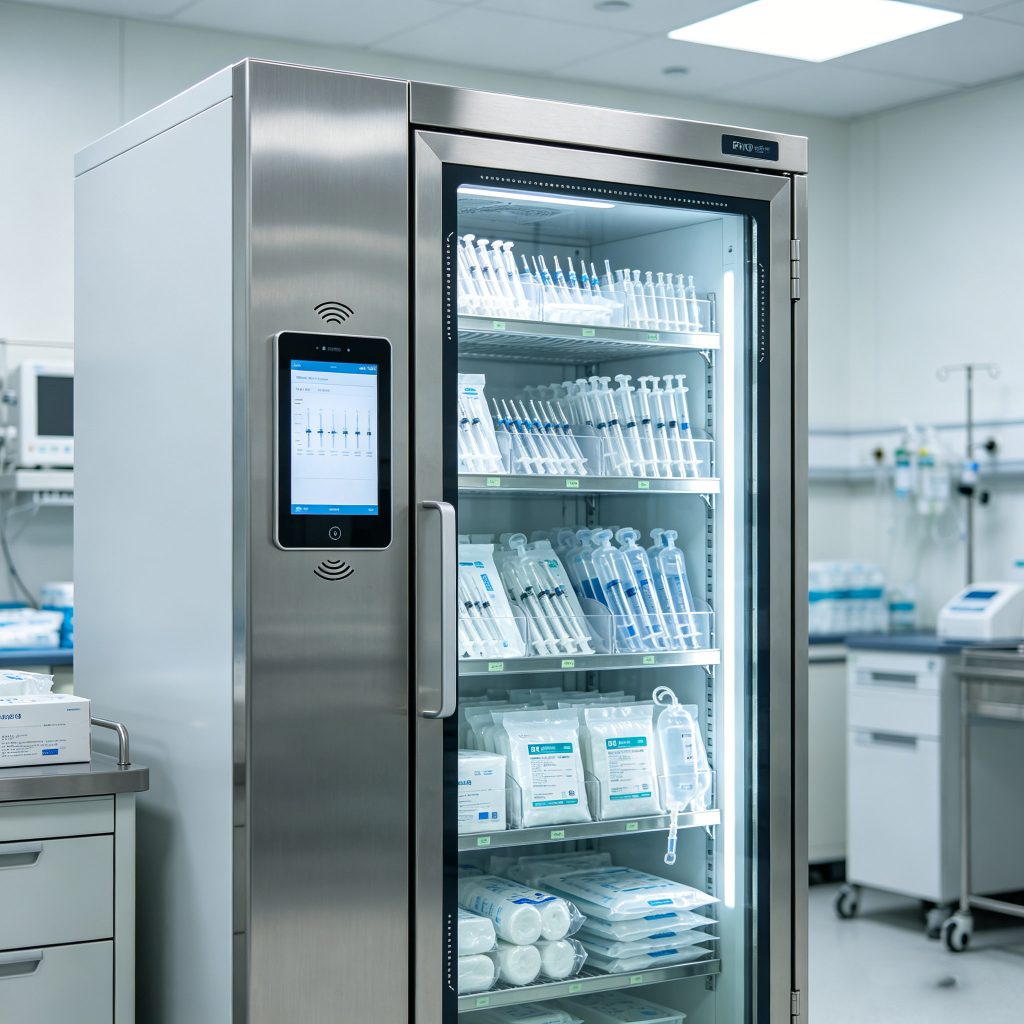
RFID isn’t just about equipment. In some setups, it extends into inventory management as well.
This includes:
Surgical kits
PPE supplies
Sterile consumables
The challenge here isn’t location—it’s consumption.
Items move fast, and manual logging often falls behind reality.
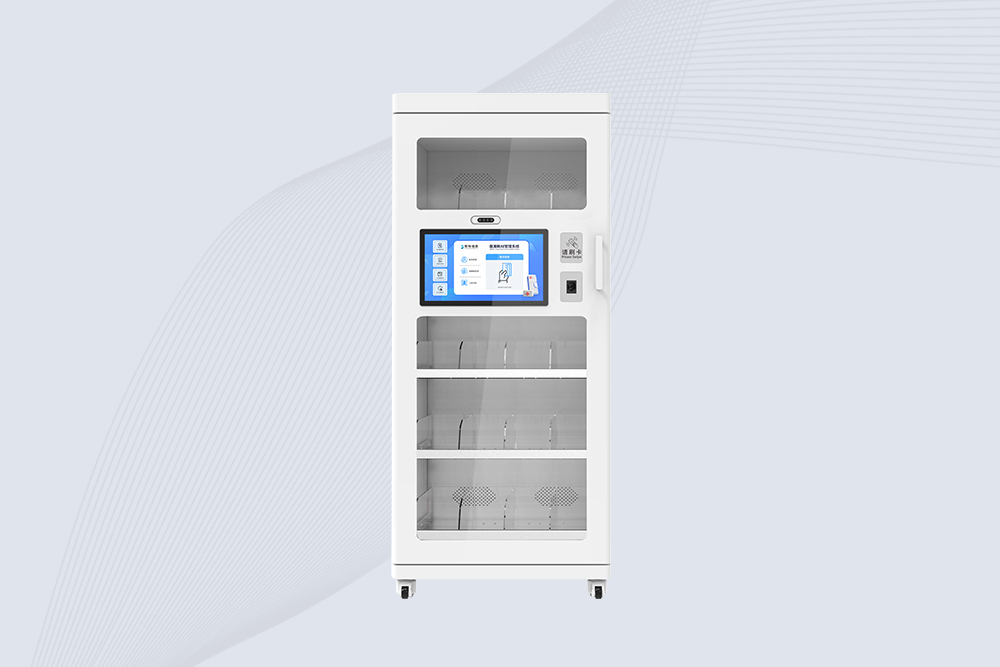
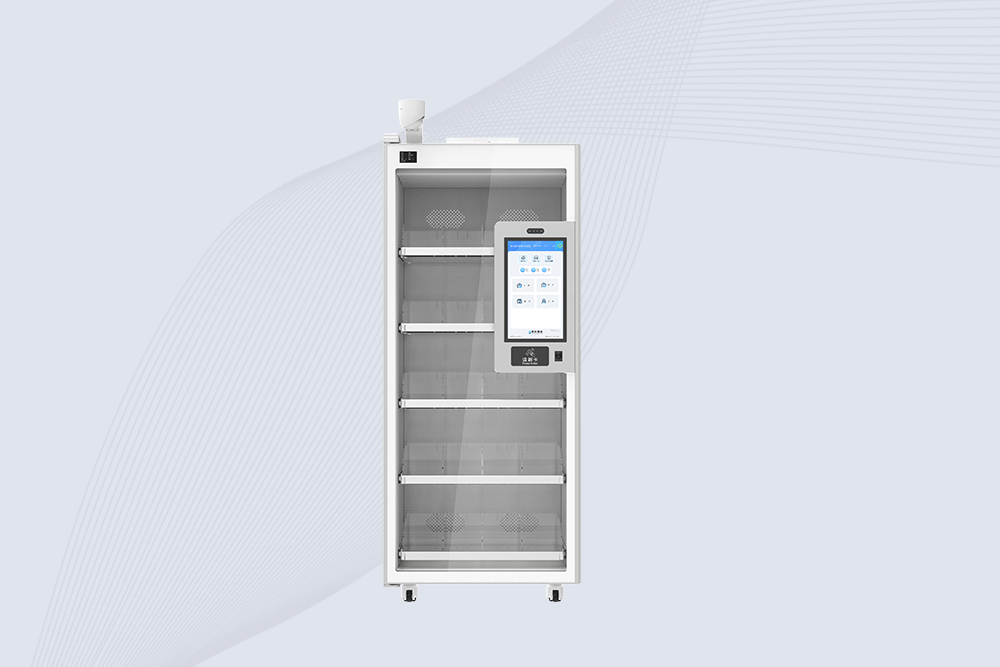
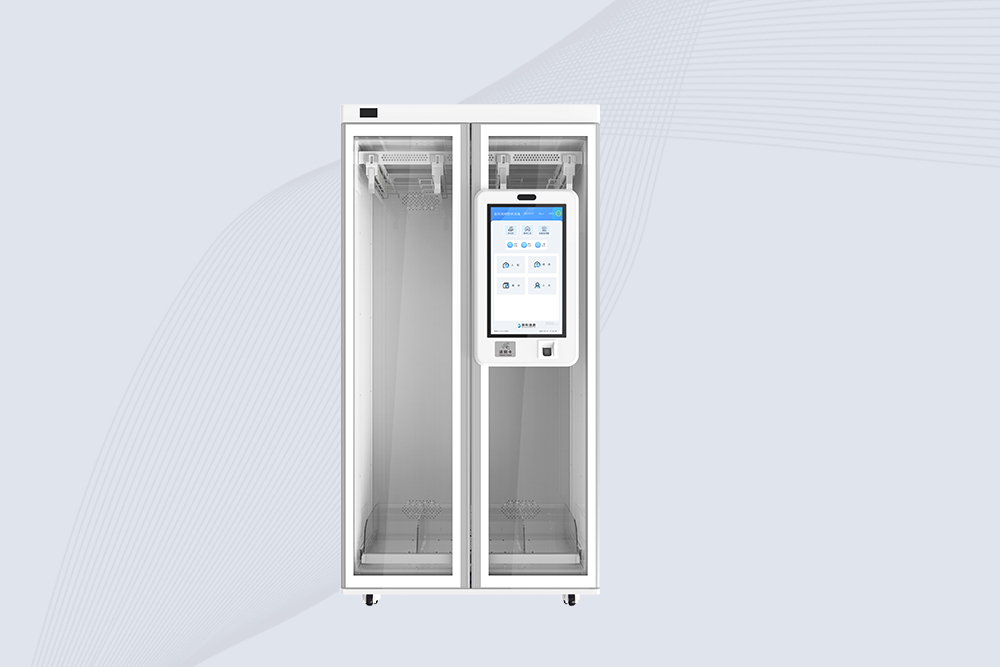
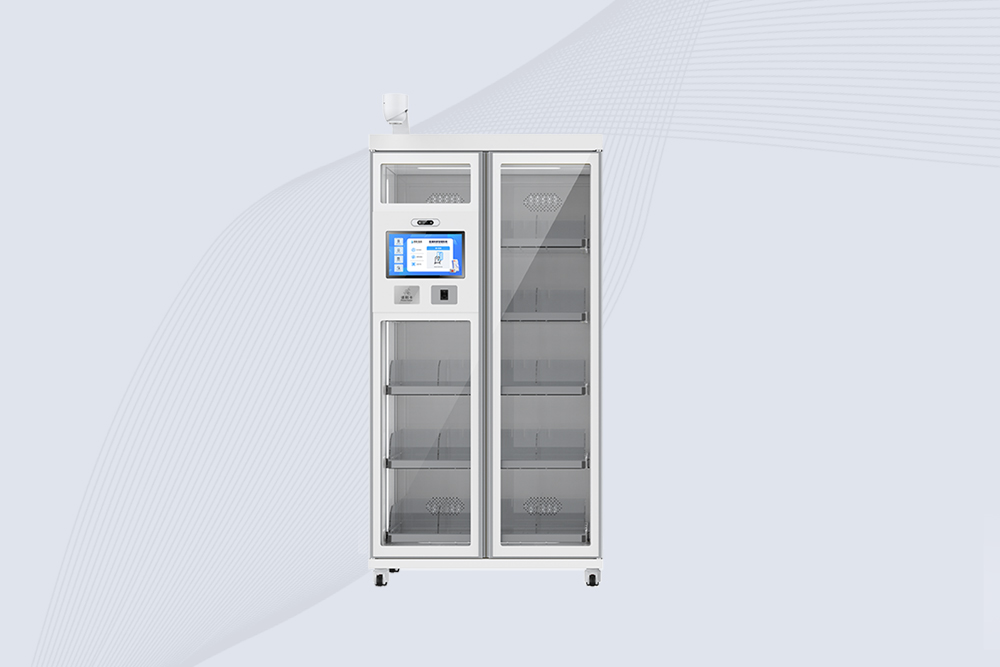
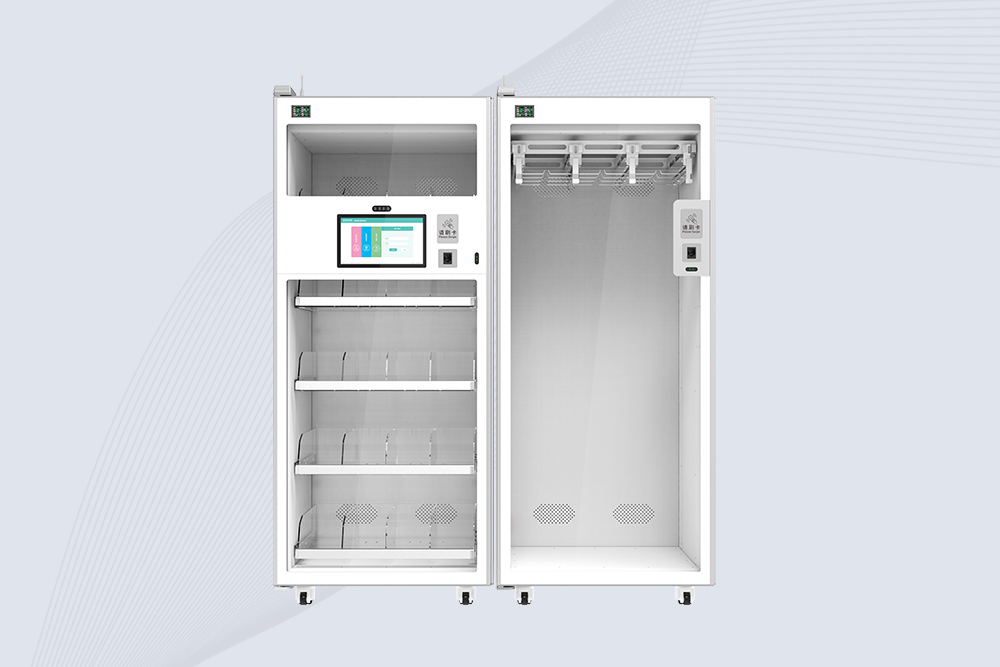
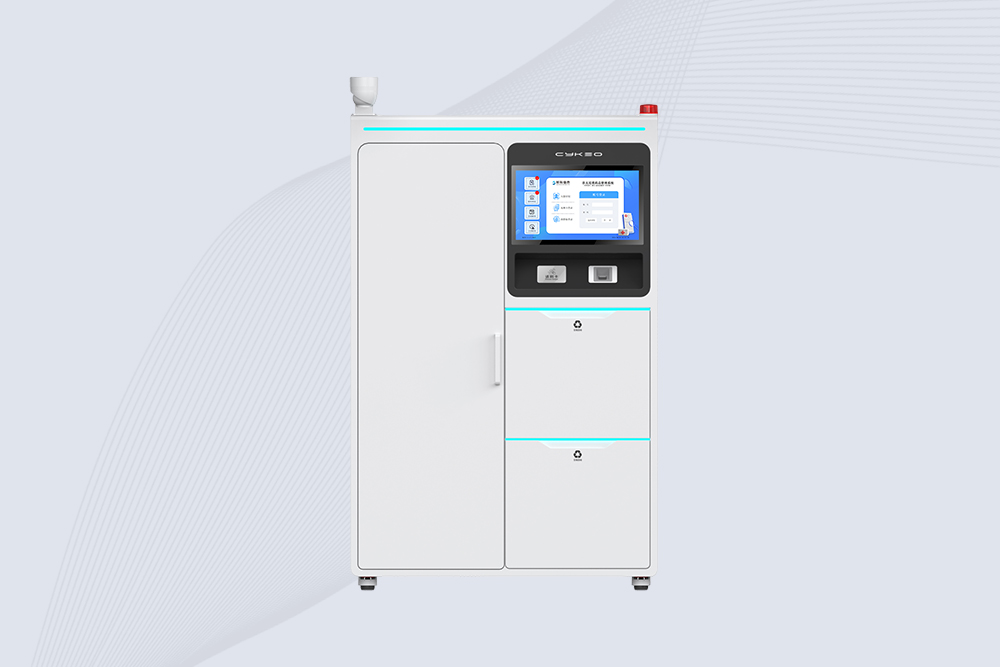
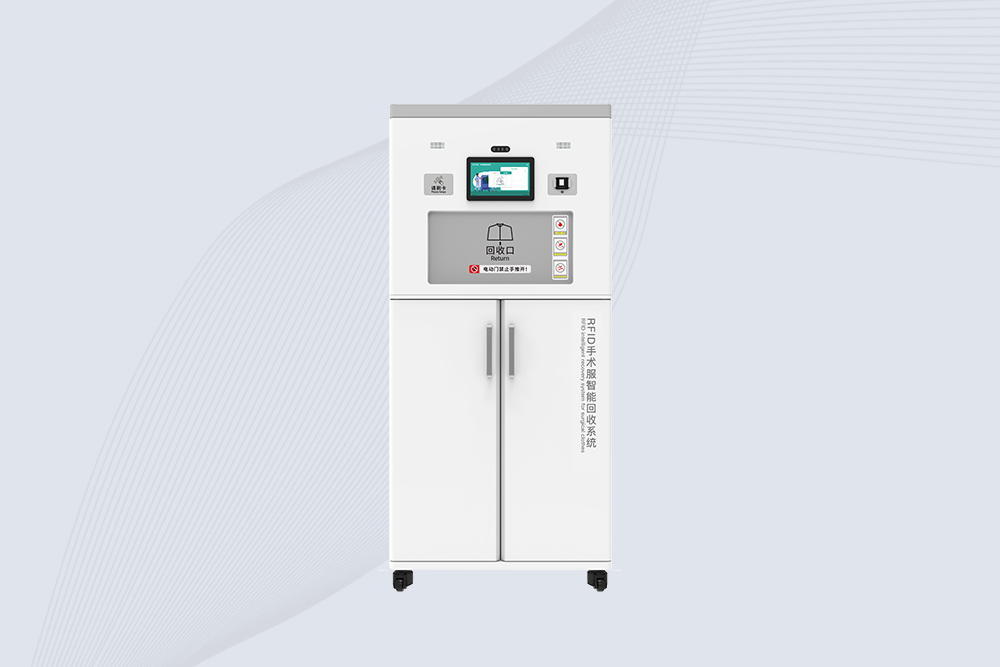
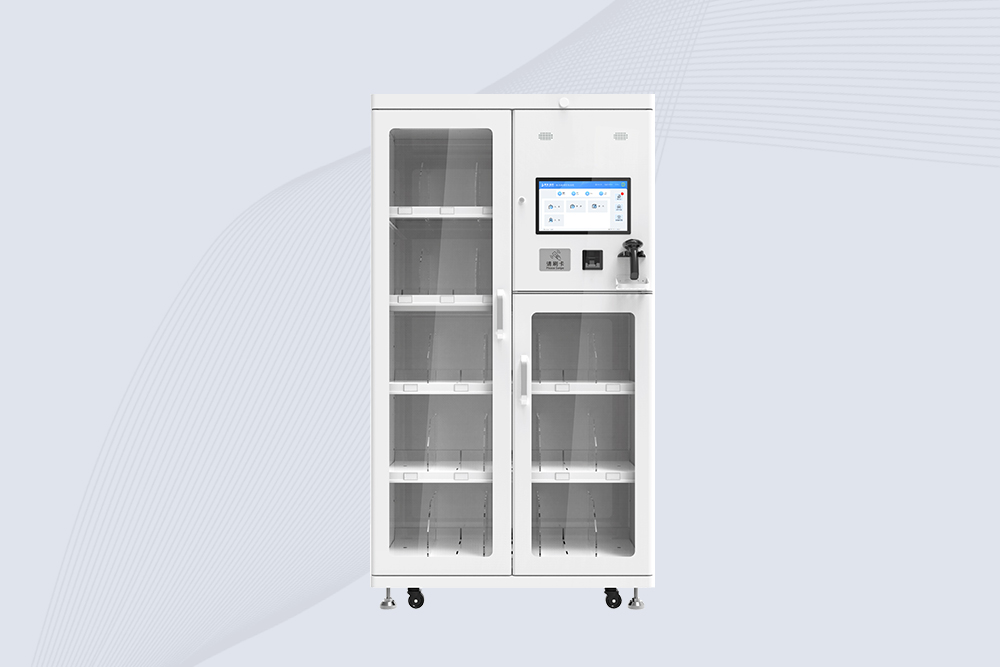
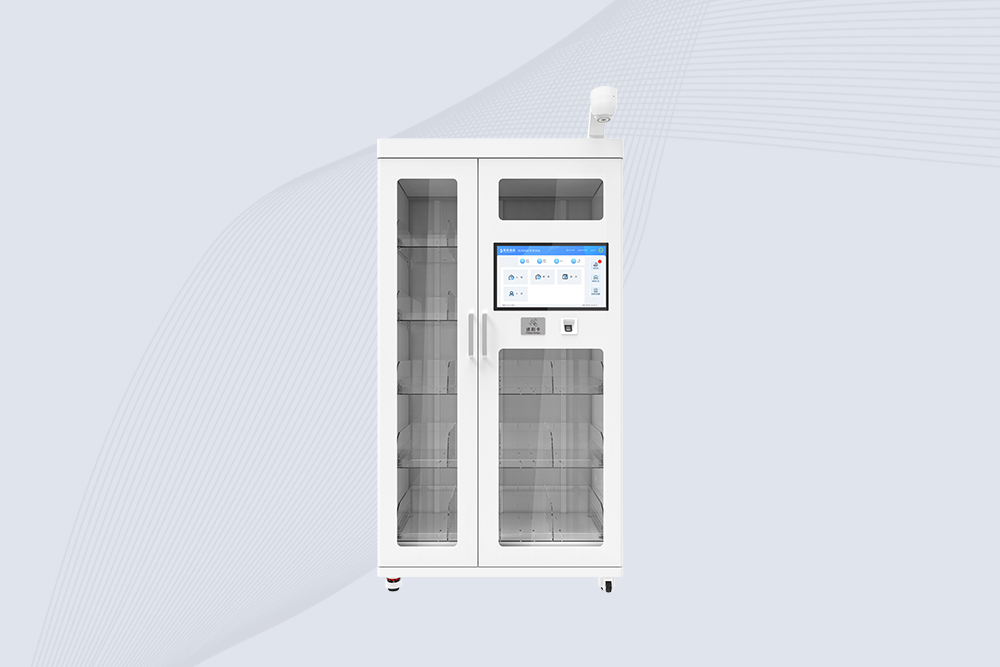
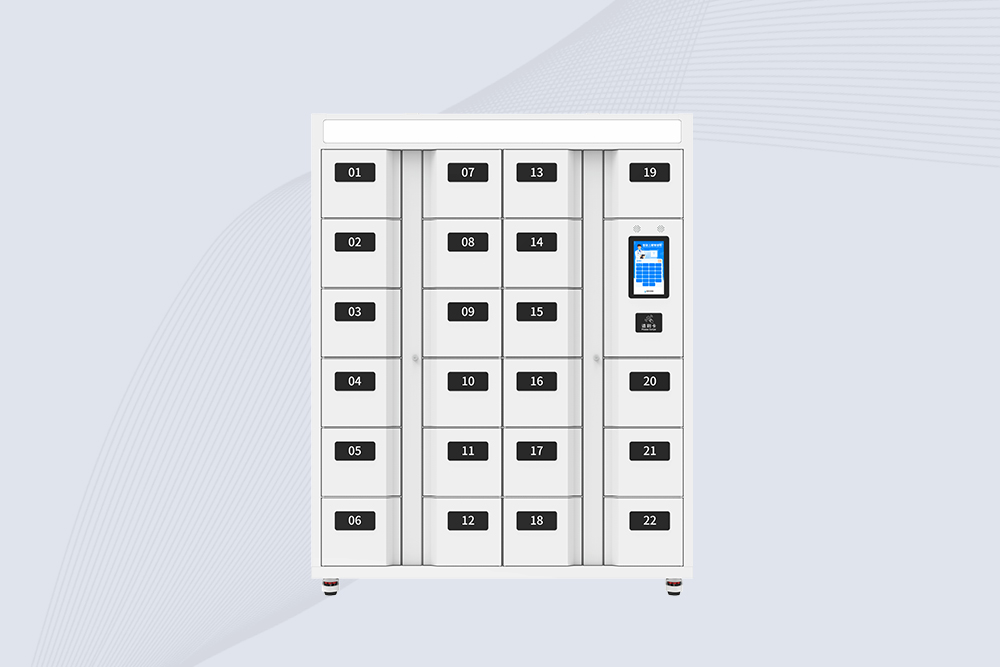
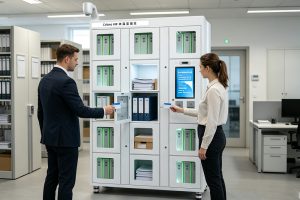
That’s why many hospitals combine RFID tracking with controlled storage systems like an RFID medical cabinet system.
Instead of tracking items after they leave storage, the system records movement at the point of access.
That shift is small, but it makes inventory far more accurate.
Equipment That Usually Doesn’t Need RFID
It’s also important to be realistic—RFID isn’t necessary for everything.
In most hospitals, RFID is usually NOT used for:
Fixed infrastructure equipment
Low-cost disposable items
Rarely moved furniture
Single-location devices
Trying to track everything often creates unnecessary complexity without adding real value.
Most successful systems focus on movement-heavy assets, not static ones.
Why Selection Matters More Than Coverage
One thing I’ve seen in real deployments is this:
Hospitals that try to track everything often get overwhelmed with data. Hospitals that track the right things get useful visibility.
The difference isn’t the technology—it’s the selection strategy.
RFID works best when it’s applied where uncertainty is high, not everywhere by default.
A Simple Way to Decide What to Track
A practical way many teams approach it is by asking three questions:
Does this equipment move frequently?
Is it shared between departments?
Does losing visibility create operational delay?
If the answer is yes to at least one, it’s usually a good candidate for RFID.
If all answers are no, barcode or manual tracking is often enough.
Final Thoughts
RFID medical equipment tracking isn’t about tagging everything in a hospital.
It’s about focusing on the equipment that actually causes problems when it goes missing or becomes untraceable.
Once you narrow it down to the right categories—mobile equipment, shared devices, emergency tools, and high-turnover inventory—the system becomes much more practical and easier to manage.
And in most real-world cases, that’s where RFID delivers the most value: not everywhere, but in the places that matter most.
Cykeo’s smart medical cabinet RFID features 21.5″ touchscreen & 99.9% accuracy for OR instrument tracking. Modular shelves for 500+ items. HIPAA compliant. Request demo.
Cykeo’s UHF RFID hospital asset cabinet features dual-door security, antibacterial coating & 99.9% accuracy for OR implants. ISO 13485 compliant. Tracks 2000+ items.
Cykeo medical RFID medicine cabinet features ≤5cm drug tracking, real-time HIS sync, military security, and USP-compliant climate control for Schedule II drugs.
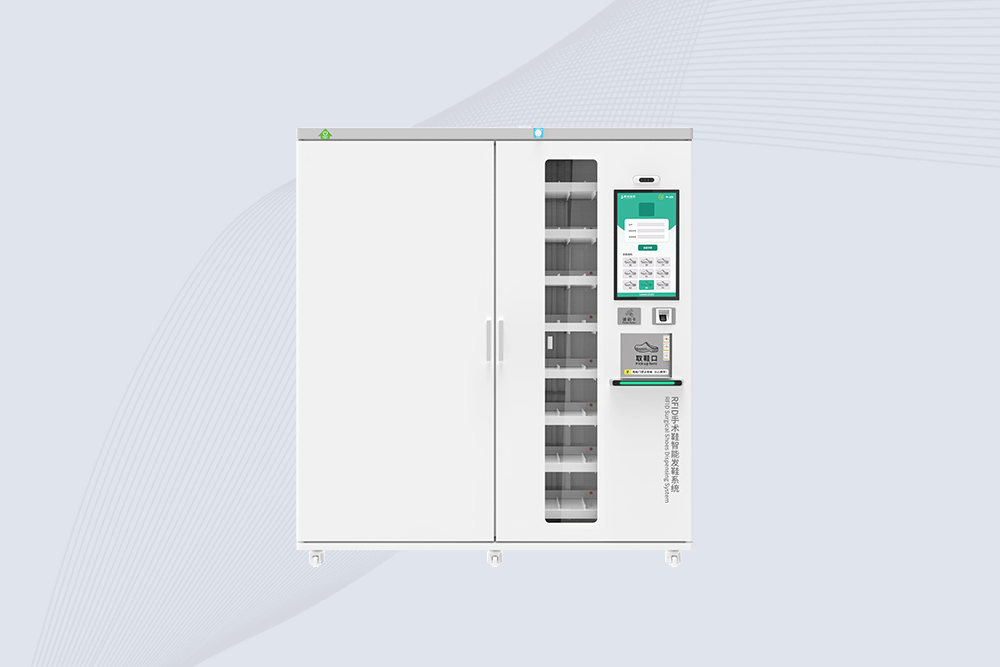
Cykeo RFID operating room cabinet features ≤55s shoe delivery, UHF RFID inventory control, ISO 13485 certification, and biometric access for OR workflow optimization.
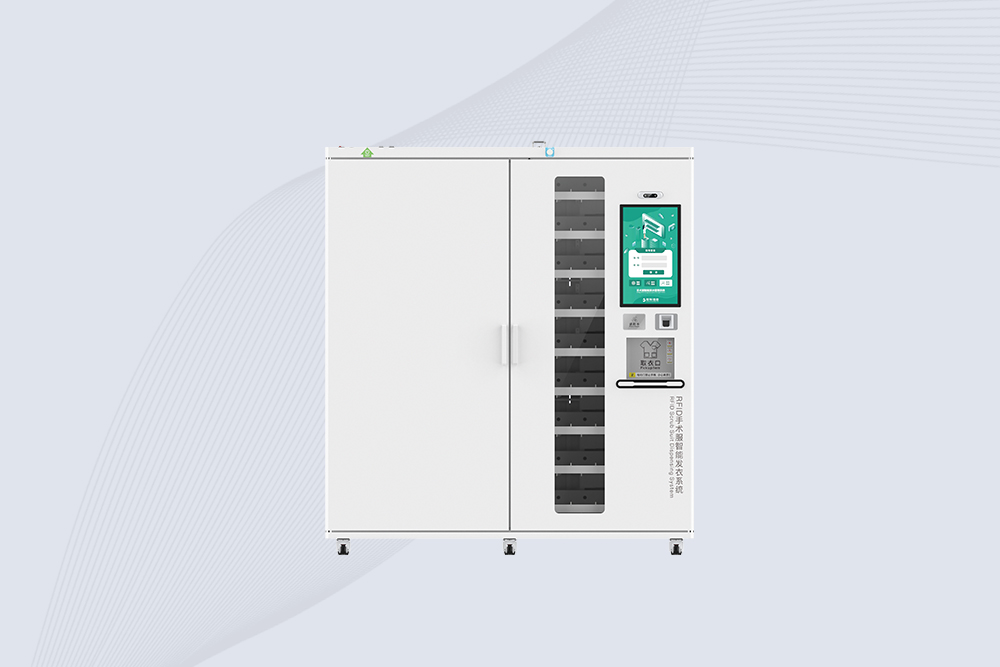
Cykeo operating room RFID cabinet features 108-gown capacity, UHF RFID tracking, real-time SPD integration, and biometric access for sterile OR management.
Cykeo’s low-value consumables cabinet offers 5-tier storage, HIPAA encryption, FDA compliance, and SAP integration for hospitals/clinics. Reduces stockouts by 70%.
Cykeo’s RFID high-value consumables cabinet offers 500-implant capacity, FDA compliance, real-time Epic sync, and theft prevention for ORs/surgery centers.
Cykeo CYKEO-G2224 rfid linen management cabinet features modular lockers, 10.1″ Android screen, and 200+/sec scanning for hospitals/hotels. SAP/Oracle integration.
Discover how rfid for inventory tracking improves inventory accuracy with Cykeo HF RFID smart storage cabinets featuring automatic inventory, compartment-level management, touchscreen control, and SDK integration.
RFID tags are everywhere—from the clothes you try on to the packages moving through ports. Explore how RFID tags work, their hidden power in logistics, healthcare, retail, and beyond, with real-world reflections and human insight.
Discover the top Arduino-compatible RFID reader modules for DIY projects like smart locks, inventory systems, and access control. Compare features and find your match.
 Cykeo RFID IoT Solution Products R&D Manufacturer