 Cykeo RFID IoT Solution Products R&D Manufacturer

How Far Away Can RFID Chips Be Read?
266How far away can RFID chips be read? Learn practical RFID ranges by frequency, reader power, antenna design, tag orientation, materials, and real-world conditions.
MoreAll RFID Product
Para que sirve el RFID? RFID is used to identify objects, capture product information, and monitor the movement of goods through radio-frequency communication. Businesses use it to automate inventory counting, improve asset visibility, verify shipments, manage access, and reduce repetitive manual scanning in retail, logistics, manufacturing, and other operations.
RFID is not simply a replacement for a barcode. It changes how physical objects communicate with business systems.
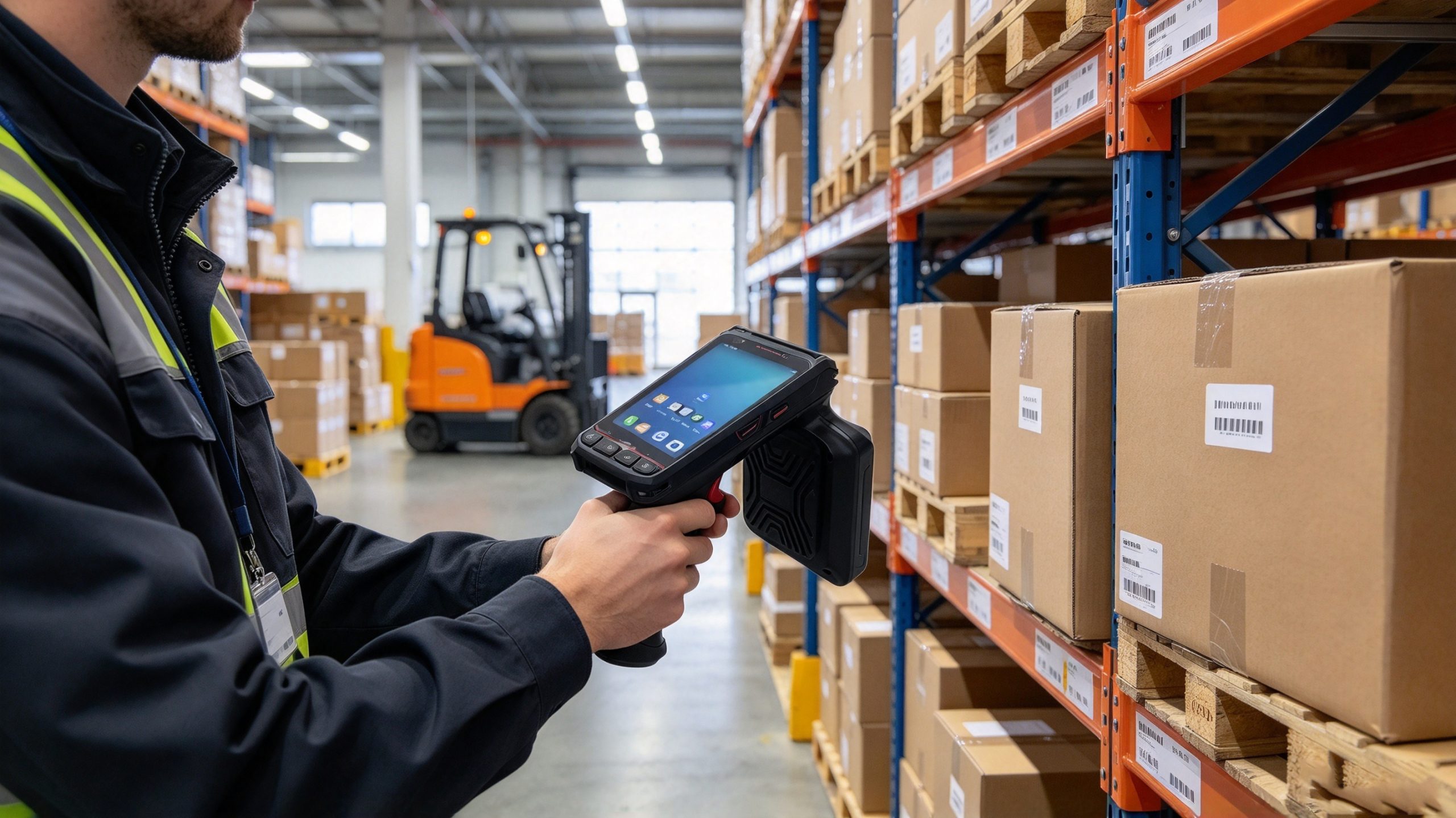
Consider a warehouse receiving several pallets of merchandise. An employee using a conventional barcode scanner generally needs to locate and scan individual labels. With a properly designed UHF RFID installation, a reader can identify multiple tagged items as they pass through a controlled reading area. The identification data can then be transferred to warehouse software.
The difference is not just the scanning method. It affects how goods are received, counted, located, and verified.
This is why the question para que sirve el rfid is particularly relevant to companies dealing with large product volumes, reusable assets, frequent stock movements, or processes where manual identification creates delays.
RFID is also used outside warehouses. Contactless cards, library systems, clothing labels, industrial equipment, and logistics containers can all incorporate this technology. Their applications differ, but the underlying principle is similar: identify an object electronically without requiring direct optical scanning of a printed code.
RFID stands for Radio Frequency Identification. Its primary purpose is to identify objects and exchange information using radio-frequency signals.
An RFID system usually contains three essential components:
The system may also connect to inventory software, a manufacturing execution system (MES), a warehouse management system (WMS), or another business application.
The tag does not necessarily store a complete product description. In many UHF applications, it contains an Electronic Product Code (EPC) or another identifier. The software uses this identifier to retrieve the corresponding product record.
For example, a carton might carry an RFID tag containing an electronic identifier. When the carton passes through a warehouse reading zone, the reader captures that identifier. The inventory application checks the associated database record and registers the relevant event.
Depending on the application, that event could represent:
The important distinction is that RFID captures identification data, while the connected software determines how that data is used.
A reader can identify a tagged object, but it does not automatically know its commercial value, ownership, destination, or business status. Those details depend on the information system connected to the reader.
The purpose of RFID becomes clearer when examining actual business processes. A retail store, a distribution center, and a manufacturing plant may all use RFID, but their operational priorities are not identical.
One of the most important applications of RFID is inventory management.
Companies need to know what products they have, where those products are stored, and when stock moves between different locations. Traditional inventory processes often depend on employees scanning barcodes or manually recording movements.
RFID can automate parts of this work.
A warehouse employee may use a handheld UHF RFID reader to count tagged products on shelves. Alternatively, fixed readers can be installed at receiving areas, warehouse entrances, or conveyor systems to capture tag information as goods move through designated zones.
Common applications include:
An important operational detail: RFID does not automatically guarantee accurate inventory records.
If a reader captures tags belonging to neighboring shelves, the software may register products that are not actually part of the intended counting area. Similarly, tags positioned against metal or near liquid-filled products may be difficult to read.
In a real warehouse project, the reading zone should be designed around the movement and physical arrangement of the goods. Antenna placement, tag selection, reader power, and filtering rules all influence the result.
A smaller, controlled reading area can be more useful than a reader configured to detect everything within its maximum theoretical range.
RFID is also used to monitor product movements throughout a supply chain.
A tag can carry a unique identifier that connects a physical object to a digital record. When the object passes a reader, the system can record an identification event.
For example, a manufacturer may use RFID tags to identify reusable containers moving between production, storage, and distribution locations.
The application can record:
This is particularly useful for reusable transport items, industrial tools, production materials, and logistics assets.
However, there is an important distinction between identification and continuous location tracking.
A passive RFID tag does not independently transmit its GPS coordinates. It normally responds when a compatible reader activates it. Its location is therefore inferred from the known position of the reader that detected it.
If a tagged pallet is read at a warehouse entrance, the system knows that the pallet passed that reading point. It does not automatically know its exact position inside the warehouse afterward.
For businesses requiring continuous location information, RFID may need to be combined with other technologies.

Retail is another major application area.
RFID labels can be attached to garments, footwear, accessories, and packaged products. Retailers use the tags to identify individual items and improve stock visibility across stores and distribution centers.
Typical applications include:
Imagine a clothing store preparing for a weekend sales period. Employees need to check whether the sizes and colors shown in the inventory system actually match the products available on the sales floor.
Using a handheld RFID reader, staff can identify multiple tagged garments without scanning each barcode separately.
This can reduce repetitive handling, especially when products are densely arranged on racks.
RFID can also help identify discrepancies between recorded and physical inventory. However, it cannot independently determine whether a garment is correctly displayed, damaged, or suitable for sale. Additional business processes are still required.
The practical value lies in obtaining more frequent and efficient product identification data.
RFID plays an important role in logistics because products and reusable containers often pass through several facilities before reaching their final destinations.
A shipment may move from a manufacturing plant to a distribution center, then to a regional warehouse, and finally to a retail store. At each stage, businesses need reliable information about what was received, what was dispatched, and whether the shipment matches its documentation.
RFID can support these operations through automated identification at designated checkpoints.
For example, fixed UHF RFID readers can be installed near loading docks. When tagged cartons or pallets pass through the reading area, the system captures their identifiers and compares them with shipment records.
Typical logistics applications include:
An important related standard is GS1 EPCIS (Electronic Product Code Information Services). It provides a standardized way to capture and share supply-chain visibility events, including information about what moved, when it moved, where it was observed, and the business context of the event.
This is particularly relevant to companies working with multiple logistics partners. RFID can provide the identification data, while EPCIS can help different systems exchange meaningful information about physical events.
Manufacturing facilities use RFID to identify materials, tools, work-in-process items, and reusable production containers.
A practical example is an assembly line where components must pass through several processing stations.
An RFID tag attached to a production container can identify the material or work order associated with that container. Readers installed at selected stations can capture its movement and send the information to the manufacturing application.
This can support:
The environment matters considerably.
A reader installed near metal machinery may behave differently from one operating in an open warehouse. Tags mounted directly on metal surfaces may require specially designed antennas. If products contain liquids, tag positioning also needs careful evaluation.
For production engineers, RFID selection should begin with the actual object being identified, not simply the reader’s advertised maximum range.
RFID is also used to manage access to buildings, offices, hotels, and restricted industrial areas.
An employee may carry an RFID-enabled card or key fob. When presented to a compatible reader, the credential communicates identification information that the access-control system uses to determine whether entry should be authorized.
Typical applications include:
It is important to distinguish RFID identification from secure authentication. A basic card identifier alone does not guarantee protection against credential copying or unauthorized access.
Businesses should consider the card technology, encryption, authentication protocol, credential management, and reader security features when designing an access-control system.
RFID can also help organizations manage physical assets that are frequently borrowed, transferred, or returned.
Libraries use RFID labels to identify books and support circulation, self-service borrowing, and inventory checks.
Hospitals and other healthcare facilities may use RFID to identify selected equipment, reusable assets, and inventory, subject to their operational and regulatory requirements.
Examples include:
A hospital, for instance, may need to locate a particular piece of mobile equipment across several departments. An RFID-based identification system can record when that equipment passes designated reading points.
However, passive RFID should not be confused with continuous indoor positioning. If an organization needs precise real-time location, additional infrastructure and location technologies may be necessary.
RFID’s business value should be evaluated through measurable operational results, not general claims that automation always improves efficiency.
One useful example comes from research by Bill C. Hardgrave, John A. Aloysius, and Sandeep Goyal, published in Production and Operations Management in 2013.
The researchers investigated RFID-enabled inventory visibility through two retail field experiments.
The first experiment included eight treatment stores and five control stores. It ran for 23 weeks and reported an approximately 26% reduction in inventory record inaccuracy associated with RFID-enabled visibility.
The second experiment expanded the research to 62 stores and five product categories. Its findings showed that the effect varied by product category, ranging from no statistically significant improvement to substantial reductions.
There is a useful lesson in these results.
RFID does not improve inventory accuracy simply because electronic tags have been installed. The value comes from integrating identification events into inventory processes and using those events to maintain better records.
For a warehouse manager, this means measuring more than the number of tags read per second. The more meaningful questions are:
These are the indicators that help establish whether an RFID project is delivering measurable business value.
Not every RFID system operates in the same way. The frequency used by a tag and reader affects communication distance, antenna design, data exchange, and the type of application for which the equipment is suitable.
The three main RFID frequency categories are Low Frequency (LF), High Frequency (HF), and Ultra-High Frequency (UHF).
LF RFID commonly operates at 125 kHz or 134.2 kHz.
It is used in applications where relatively short-range identification is sufficient.
Common examples include:
LF systems are generally designed for close-range communication. Their performance characteristics differ from those of UHF systems, and they are not intended for the same high-volume warehouse reading applications.
HF RFID operates at 13.56 MHz.
It is widely used in contactless identification applications, including:
HF RFID includes several standards and protocols. ISO/IEC 14443 is associated with proximity cards, while ISO/IEC 15693 covers vicinity cards.
NFC is also based on 13.56 MHz technology, but not every HF RFID product is automatically compatible with every NFC application.
For businesses choosing HF equipment, protocol compatibility is just as important as frequency.
UHF RFID commonly operates within regional allocations around 860–960 MHz.
It is especially useful for inventory management, logistics, and industrial identification because compatible systems can identify multiple passive tags within a reading zone.
Typical applications include:
Passive UHF RFID is commonly associated with the RAIN RFID ecosystem and EPC Gen2 technology.
GS1’s EPC Gen2 standard defines the air-interface communication between compatible UHF readers and tags. It provides the technical basis for many commercial passive UHF RFID systems.
| Feature | LF RFID | HF RFID | UHF RFID |
|---|---|---|---|
| Common frequency | 125–134.2 kHz | 13.56 MHz | Approximately 860–960 MHz |
| Typical reading distance | Short | Short to moderate | Moderate to long, depending on conditions |
| Multiple-tag reading | Application-dependent | Supported by suitable systems | Common in inventory applications |
| Typical applications | Animal identification, access | Cards, libraries, NFC | Warehouses, retail, logistics |
| Metal and liquid considerations | Application-dependent | Application-dependent | Requires particular attention |
| Common standards | ISO 11784/11785 in animal identification | ISO 14443, ISO 15693 | ISO 18000-63 / EPC Gen2 |
The table provides a general comparison, not guaranteed operating performance. Actual reading distance depends on the tag, reader, antenna, power settings, surrounding materials, and regional regulations.
For example, a UHF tag may perform well on a cardboard carton but poorly when attached directly to an unsuitable metal surface.
This is why selecting RFID equipment by frequency alone is insufficient. The tag and reader must also be evaluated together under realistic operating conditions.
RFID and barcode technology both identify products, but they use different methods.
A barcode scanner captures information through an optical sensor. RFID equipment communicates with an electronic tag using radio-frequency signals.
The difference becomes particularly important when businesses handle large quantities of products.
| Comparison | RFID | Barcode |
|---|---|---|
| Identification method | Radio-frequency communication | Optical scanning |
| Direct visual line of sight | Usually not required | Required |
| Multiple-item identification | Possible with suitable readers | Generally individual scanning |
| Electronic data storage | Supported by tag memory | Data encoded in printed pattern |
| Reusable identification | Many RFID tags can be reused | Printed labels can be replaced or reprinted |
| Environmental sensitivity | Affected by RF interference and materials | Affected by visibility, damage, and print quality |
| Infrastructure cost | Generally higher | Generally lower |
| Suitable applications | Automated identification and tracking | Checkout, shipping, simple inventory |
RFID may be more suitable when:
For example, a distribution center processing large numbers of tagged cartons may benefit from fixed UHF readers installed at receiving and dispatch stations.
Instead of requiring employees to scan each carton individually, the system can capture multiple tag responses during movement through a defined reading area.
The actual benefit depends on reading accuracy and how well the RFID data is integrated into the warehouse application.
Barcode technology remains a strong choice when:
A business does not necessarily need to replace its barcode infrastructure completely.
RFID and barcode systems can coexist. Some warehouse operations use barcodes for individual verification and RFID for automated bulk identification.
That combination can be more practical than attempting to make one technology handle every identification task.
RFID offers several operational advantages, but their value depends on implementation quality.
One of the main reasons businesses adopt RFID is to reduce the need for individual manual scanning.
A compatible UHF reader can identify multiple tags within its effective reading zone. This is useful when handling cartons, pallets, clothing, and reusable containers.
However, faster identification does not necessarily mean that every tag will be detected correctly. The system still needs suitable antenna placement, tag selection, and reading parameters.
RFID can automate identification activities that would otherwise require repeated barcode scanning or manual data entry.
For example, a fixed reader installed at a warehouse entrance can capture tagged items as they pass through the reading zone.
Employees can then spend less time performing repetitive identification tasks and more time handling exceptions or other warehouse activities.
RFID enables businesses to collect identification events at multiple points in an operation.
When these events are integrated with inventory software, companies can obtain more frequent information about stock movements and asset usage.
This can support:
RFID does not normally require physical contact between the reader and tag.
A passive tag can respond when it enters a compatible reader’s radio-frequency field.
This is useful when tags are attached inside packaging or when direct access to individual labels would make identification inconvenient.
RFID readers can be integrated into warehouse management systems, manufacturing applications, conveyor controls, and asset-management platforms.
For example, a fixed reader may transmit tag data through Ethernet or a serial communication interface to a host computer.
The application can then validate the identifier and trigger the appropriate business process.
This is where RFID becomes more than an identification technology. It becomes part of a wider operational data system.
RFID is not suitable for every identification problem. A professional evaluation should also consider its limitations.
RFID may require more infrastructure than a basic barcode system.
Costs can include:
The total investment depends on the number of reading points, required automation level, and existing infrastructure.
RFID performance can be affected by the physical environment.
Metal surfaces, liquid products, antenna orientation, nearby readers, and surrounding equipment can all influence reading results.
For UHF applications, specialized tags may be needed for metal equipment or difficult materials.
A reader may detect tags outside the intended identification area.
This can happen when the antenna field extends into adjacent storage areas or when several products are positioned close together.
The solution may involve adjusting reader power, changing antenna orientation, installing shielding where appropriate, or configuring software filters.
RFID tags and readers must support compatible frequencies and protocols.
A UHF reader cannot simply replace an HF reader, and a reader supporting one tag protocol may not support every other RFID product.
Businesses should verify compatibility before ordering equipment in quantity.
RFID can generate large volumes of identification events.
If the software records every repeated tag observation without appropriate filtering, the database may become difficult to manage.
A well-designed application should distinguish between a new movement event and repeated observations of the same item within one reading session.
Choosing an RFID system should start with the identification problem, not the reader model.
A company managing clothing inventory has different requirements from a factory identifying metal tools or a distribution center processing pallets. Even when all three use UHF RFID, their tags, antennas, readers, and software configurations may be very different.
Before selecting equipment, evaluate five factors.
Start with the physical object.
Is the system identifying individual products, cartons, pallets, containers, tools, or equipment?
This matters because the physical characteristics of the object influence tag selection.
For example:
A tag that works well on a cardboard carton may not deliver the same performance when attached directly to a metal machine.
Reading distance should be based on the actual operating process.
A desktop RFID reader used to encode tags does not need the same reading range as a fixed reader installed at a warehouse entrance.
Consider these general application differences:
| Application | Equipment requirement |
|---|---|
| Desktop tag encoding | Short-range desktop reader-writer |
| Employee access cards | Compatible LF or HF card reader |
| Retail stocktaking | Handheld RFID reader |
| Warehouse receiving | Fixed UHF reader and suitable antennas |
| Conveyor identification | Industrial fixed reader with controlled reading zones |
| Production-line tracking | Reader and antenna configuration matched to production movement |
Avoid choosing equipment simply because its specification advertises a long reading distance.
A reader that detects tags beyond the intended area can create unwanted reads. In automated environments, controlled identification is often more valuable than maximum range.
Different reader types support different workflows.
Desktop RFID reader-writers
These are suitable for workstation operations, including tag encoding, card registration, testing, and small-scale identification.
For example, Cykeo’s SSD-D1AL desktop RFID reader-writer uses an Impinj R500-based platform and a near-field antenna design.
Its stated specifications include:
These specifications should be interpreted as product-level maximums rather than guaranteed results for every tag and environment.
Industrial fixed RFID readers
Fixed readers are designed for applications where identification needs to take place at designated locations without requiring an employee to hold the reader.
Cykeo’s CYKEO-RA9L and CK-D9L product platforms are examples of integrated industrial UHF fixed readers.
Depending on the configuration, these platforms support:
For an industrial project, also check the enclosure protection, antenna characteristics, power requirements, frequency configuration, and environmental operating conditions.
An RFID reader that successfully identifies tags is only one part of the complete solution.
The captured information needs to reach the application responsible for inventory, production, or asset management.
Before choosing equipment, confirm:
For larger installations, software integration should be evaluated early. Leaving it until after hardware installation can create unnecessary development work.
A laboratory demonstration is not a substitute for an operational pilot.
Test the selected tags and readers using the actual products, packaging, equipment, and movement patterns.
For a warehouse project, I would prioritize these measurements:
A system that reads 100 stationary tags successfully during a demonstration may behave differently when those tags are attached to moving products in a crowded warehouse.
The pilot should reproduce the actual workflow as closely as possible.
One question frequently raised by business decision-makers is whether RFID can justify its initial investment.
The answer depends on the operational savings and improvements that can be measured.
A useful starting point is to compare the existing identification process with the proposed RFID workflow.
For example, a warehouse currently performs manual inventory counting every week. Employees spend a certain number of hours locating products, scanning barcodes, checking discrepancies, and updating records.
An RFID implementation may reduce some of these activities, but the project also introduces tag, hardware, software, and maintenance costs.
A basic ROI calculation can be structured as follows:
For a more practical evaluation, separate the benefits into measurable categories.
| ROI factor | What to measure |
|---|---|
| Labor efficiency | Hours spent on inventory counting and manual scanning |
| Inventory accuracy | Difference between recorded and physical stock |
| Receiving efficiency | Time required to identify incoming goods |
| Shipment verification | Time and error rate during dispatch checks |
| Asset utilization | Time spent locating shared equipment |
| Operational costs | Tags, readers, software, installation, and maintenance |
Illustrative example — not an industry benchmark
Suppose a warehouse currently spends 20 employee-hours each week on a particular inventory-counting process.
After implementing RFID, the process requires 8 employee-hours per week.
The potential labor-time reduction is:
Across 52 weeks:
This represents 624 hours of potentially recovered labor capacity.
It does not automatically mean that the business saves the full monetary value of those hours. The financial benefit depends on whether employees can be reassigned, overtime can be reduced, or additional work can be completed.
A credible RFID business case should therefore combine time savings with inventory accuracy, receiving performance, error reduction, and total system costs.
RFID sirve para identificar productos, registrar movimientos de mercancías y automatizar procesos de inventario mediante comunicación por radiofrecuencia. Las empresas lo utilizan en almacenes, fábricas, tiendas y centros logísticos para mejorar la visibilidad de los productos, reducir tareas manuales y facilitar el seguimiento de activos.
Una etiqueta RFID sirve para almacenar un identificador electrónico y transmitirlo a un lector compatible mediante señales de radiofrecuencia. Puede instalarse en productos, cajas, pallets, herramientas o equipos para facilitar su identificación, clasificación, inventario y seguimiento dentro de un sistema de gestión.
Un sistema RFID funciona mediante la comunicación entre una etiqueta electrónica y un lector. El lector genera un campo de radiofrecuencia y, cuando una etiqueta compatible entra en su zona de lectura, responde con información identificativa. El software recibe estos datos y los relaciona con los registros correspondientes.
RFID utiliza señales de radiofrecuencia para identificar etiquetas electrónicas, mientras que los códigos de barras utilizan patrones impresos que necesitan ser escaneados ópticamente. RFID permite identificar varios artículos dentro de una zona de lectura, mientras que los códigos de barras suelen requerir un escaneo individual.
La distancia depende de la frecuencia, el tipo de etiqueta, la potencia del lector, la antena y las condiciones ambientales. Los sistemas LF y HF suelen utilizarse para identificación de proximidad, mientras que los sistemas UHF pasivos pueden alcanzar varios metros en condiciones adecuadas. Algunas instalaciones UHF pueden llegar aproximadamente a 10 metros, aunque no es una distancia garantizada para todas las aplicaciones.
No. Un lector RFID puede identificar etiquetas sin conexión a Internet. Puede comunicarse directamente con un ordenador, un controlador industrial o un servidor local. La conexión a Internet solamente es necesaria cuando el sistema requiere sincronización en la nube, acceso remoto o intercambio de información con plataformas externas.
Depende del volumen de productos y del proceso de identificación. Un lector RFID portátil es adecuado para realizar inventarios manuales, mientras que un lector fijo UHF resulta más apropiado para automatizar la identificación en almacenes, cintas transportadoras y puntos de recepción. También deben comprobarse la frecuencia, los protocolos y la integración con el software de gestión.
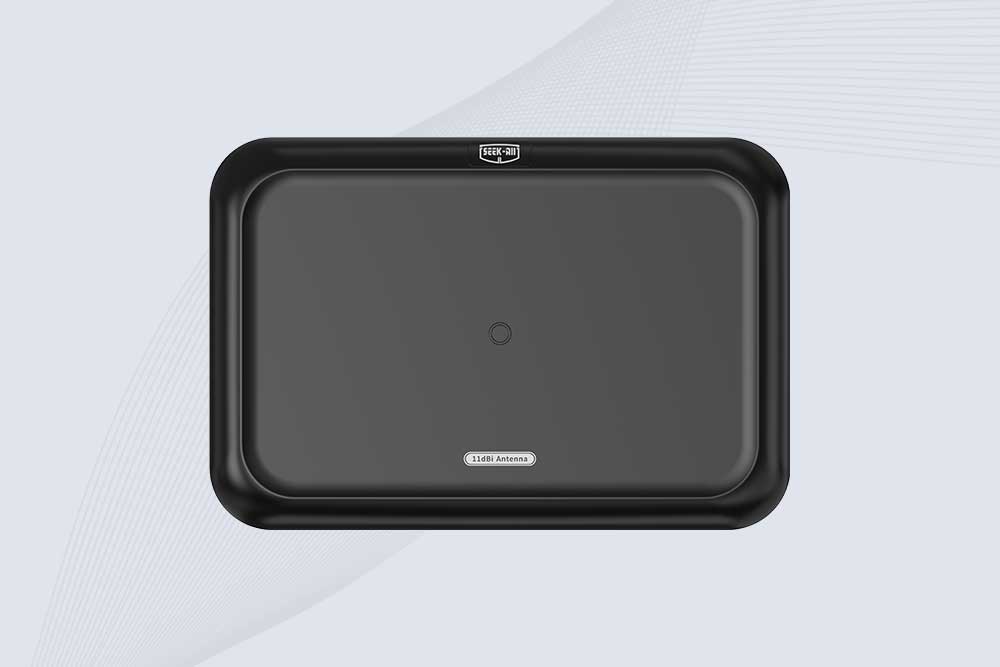
SSD-A11 UHF RFID antenna features 840–960 MHz adjustable frequency, ≥10.5 dBi gain, circular polarization and 50Ω impedance for fixed RFID systems.
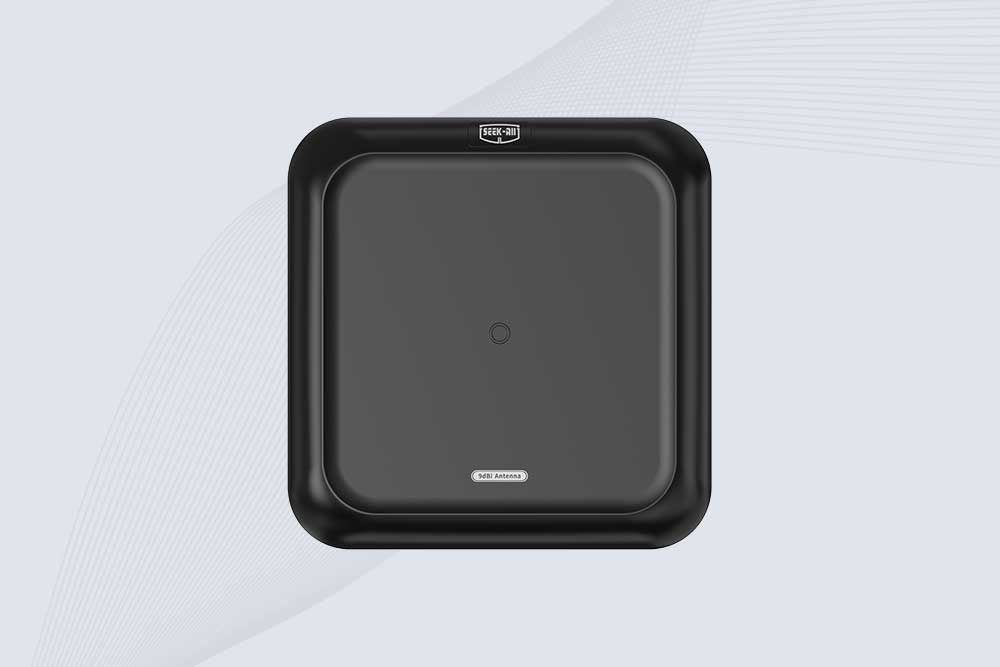
SSD-A09 is a 9 dBi UHF RFID antenna with 840–960 MHz adjustable frequency, circular polarization, 50Ω impedance and directional 60° × 60° coverage.
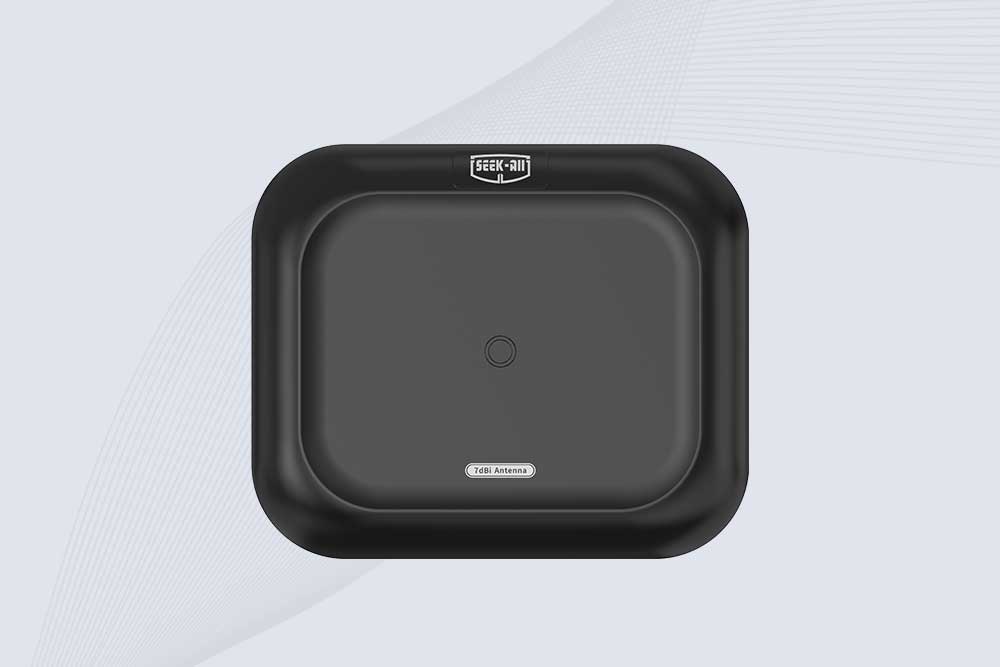
Explore the SSD-A07 UHF RFID antenna with 7 dBi gain, circular polarization, adjustable 840–960 MHz frequency, and 60°/75° beamwidth for stable RFID read/write performance.

SSD-A06 UHF RFID antenna with circular polarization, adjustable 840–960 MHz frequency, ≥4.5 dBi gain, and a compact directional design for RFID systems.

SSD-R16L Multi-Channel RFID Infrastructure for Automated Inventory Management ✔️ 16-Port High-Density RFID Reading Equipped with 16 SMA antenna ports, SSD-R16L supports multi-antenna deployment for warehouses, retail stores, logistics, production lines, and large-area RFID identification. ✔️ High-Speed & Long-Range Performance With up to 33…

SSD-R8L 8-port UHF RFID reader with 33dBm output, up to 20m reading range and 600+ tags/s recognition. Ideal for warehouse, logistics, retail and asset tracking.

SSD-R4L is a 4-port UHF RFID fixed reader with 33dBm output power, up to 20m reading range, EPC C1G2 support and 600+ tags/s reading speed.
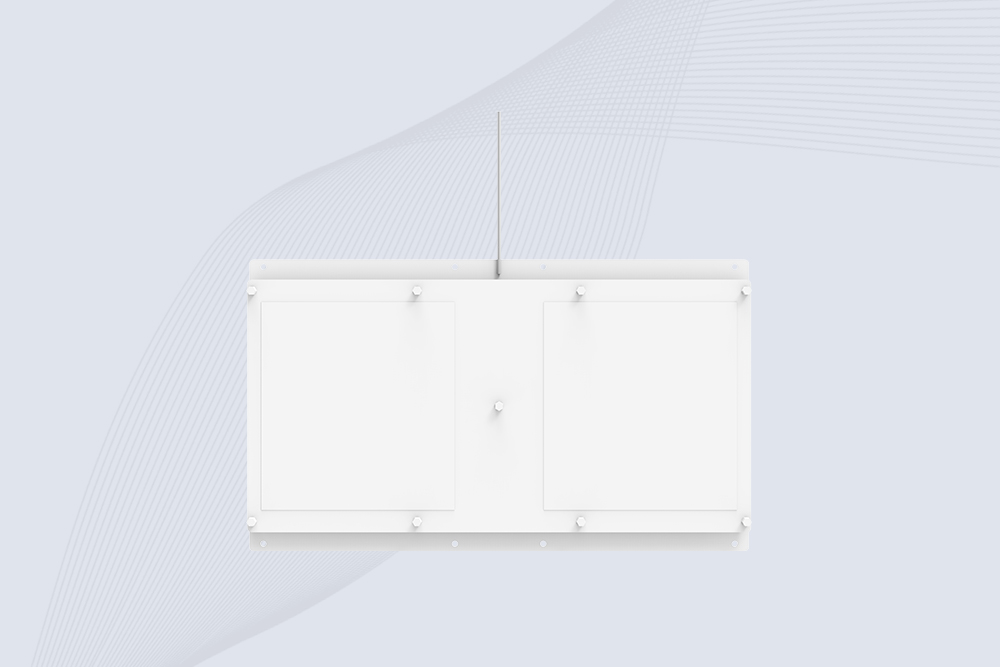
Cykeo CYKEO-A11 UHF RFID reader antenna delivers 11dBi gain, 840-960MHz frequency range, and IP65 ruggedness for retail, logistics, and industrial RFID systems. Features low VSWR and easy installation.
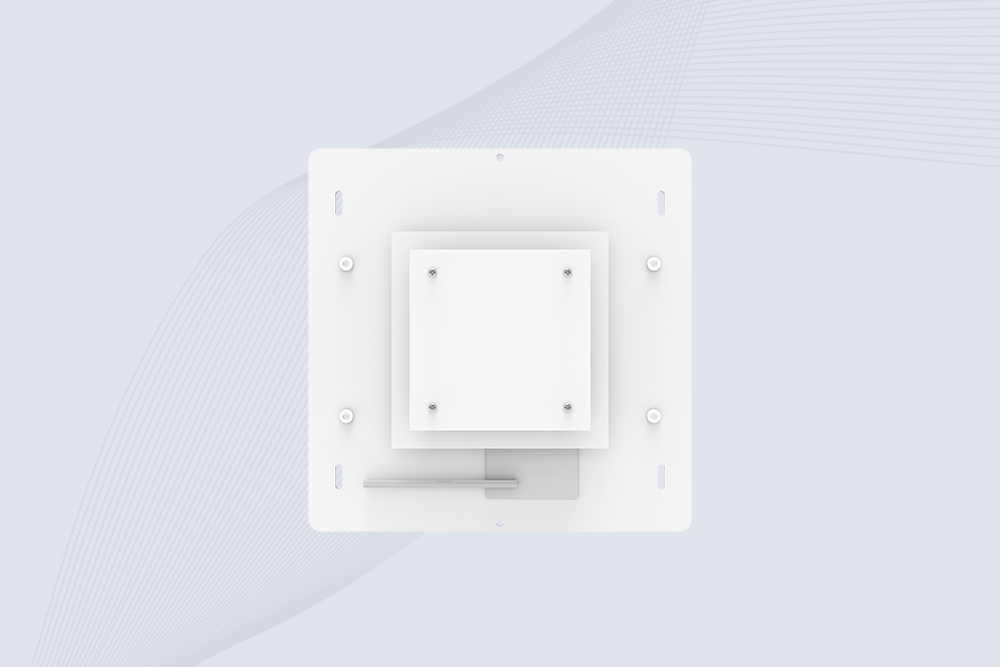
CYKEO Antenna RFID Reader delivers stable long-range UHF performance with a 10.5dBi directional design, built for warehouses, conveyor portals, and industrial RFID systems. This rfid reader antenna provides 20m+ read distance and rugged IP67 protection.

Cykeo CYKEO-PHF3 industrial HF RFID Antenna offers 24-point dynamic tracking, ISO 14443A/15693 protocols, metal-environment stability for archives/libraries/manufacturing.

Cykeo CYKEO-A5B industrial Linear RFID Antenna delivers 5dBi gain, ≤1.5:1 VSWR, and IP65 rugged design for warehouse, production line, and logistics UHF systems.

Cykeo’s CYKEO-B12 Long Range RFID Antenna delivers 15m+ read range with 12dBi gain, IP65 rugged design, and global 840-960MHz UHF support. Ideal for warehouse/logistics asset tracking.
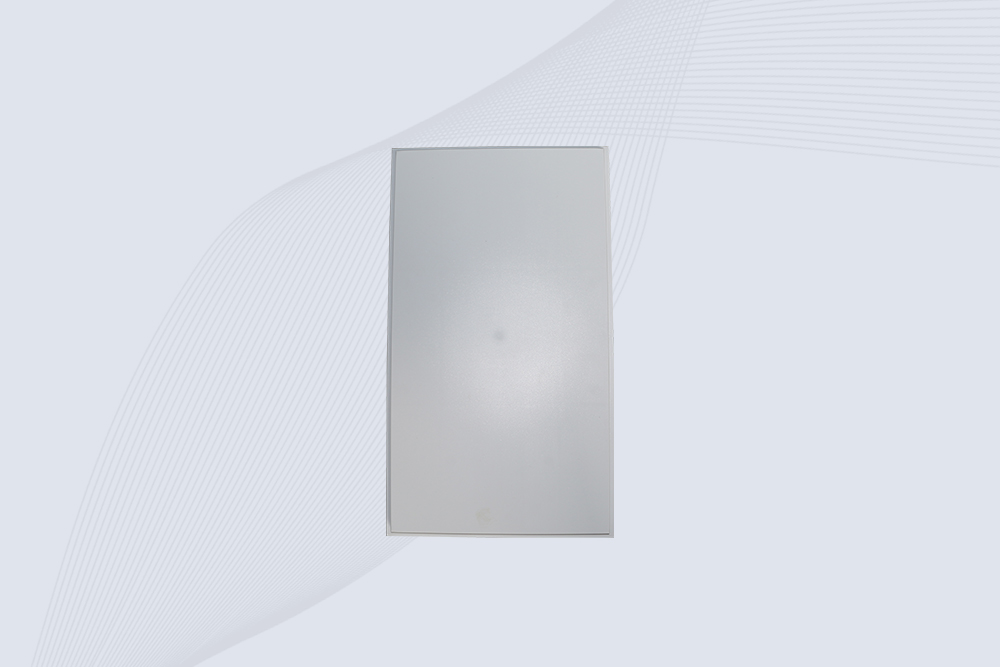
Cykeo CYKEO-B10 Long Distance RFID Antenna offers 10dBi gain, 840-960MHz frequency range, IP65 rating, and 20m+ coverage for logistics/warehousing/ETC systems. Low VSWR ensures stable signal transmission.
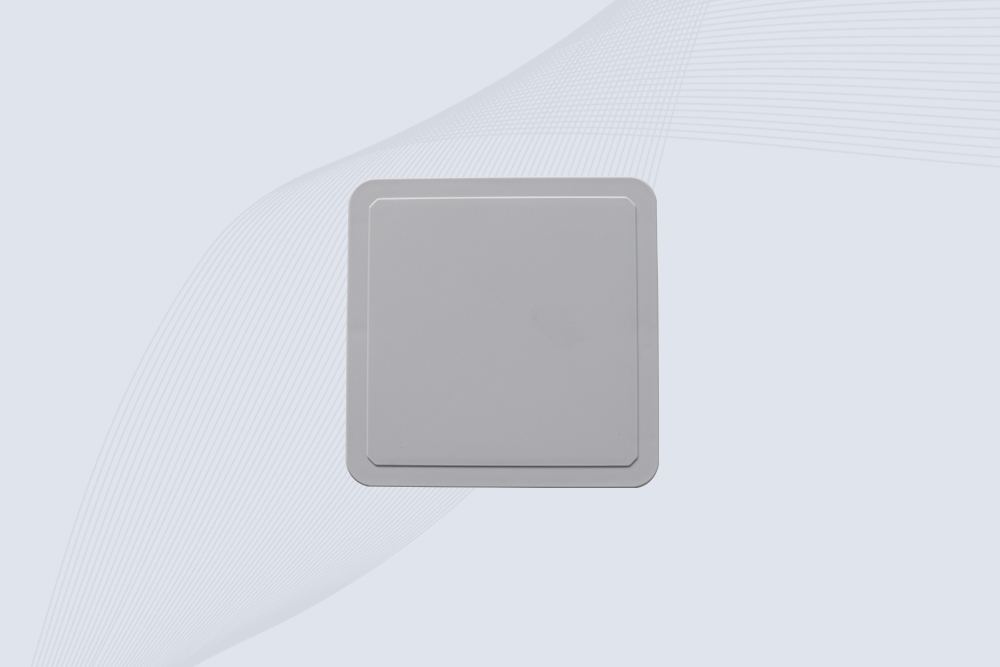
Cykeo CYKEO-A6 UHF RFID panel antenna features 6dBi gain, 840-960MHz broadband, IP65 metal-ready housing for logistics/smart retail. 18mm ultra-thin design with tool-free mounting.

Cykeo CK-A3 industrial antenna RFID UHF offers 5m+ tag detection, ≤1.3:1 VSWR, IP65 rugged design, and global UHF spectrum compatibility (840-960MHz) for warehouses, factories, and retail.
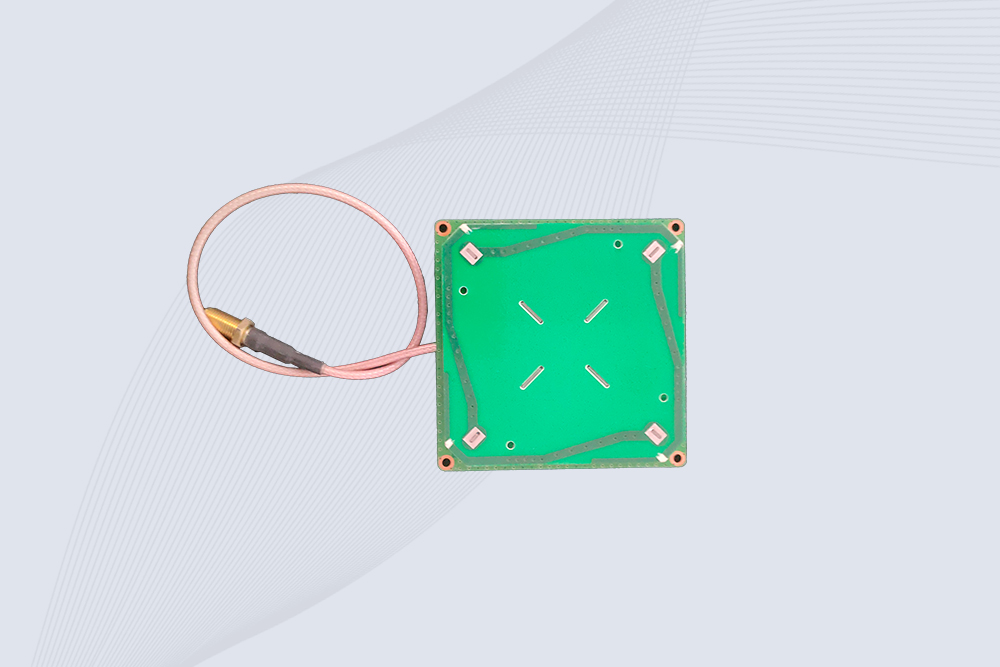
Cykeo CYKEO-B5 directional RFID antenna provides 5dBi gain with 60° narrow beamwidth for precise inventory tracking. IP65-rated, global UHF frequency support, and low VSWR.
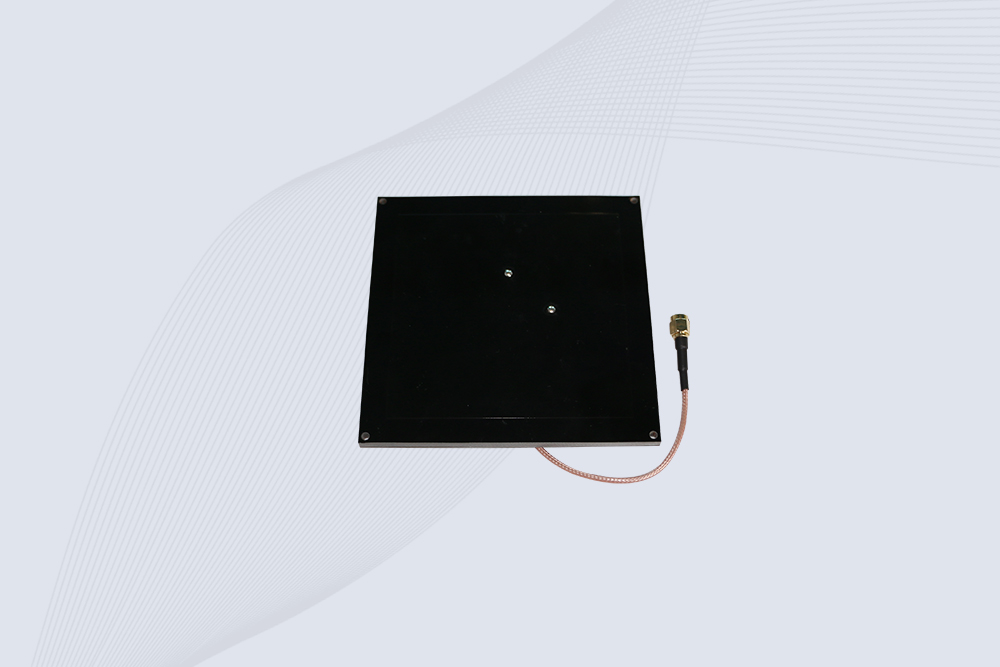
Create your own high-performance DIY RFID antenna! 5dBi gain, 840-960MHz tunable, step-by-step guides. Compatible with Arduino, Raspberry Pi, and commercial UHF readers.
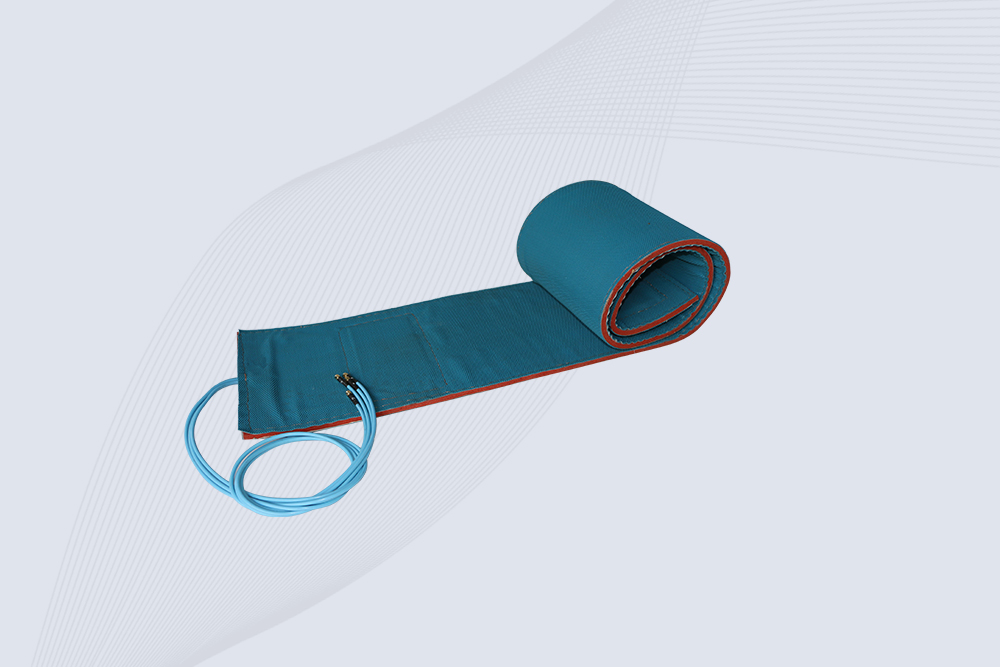
Cykeo CYKEO-A7 Flexible RFID Antenna features 840-960MHz wideband tuning, 7dBi gain, and IP68 rating for medical/retail/industrial curved surface deployments. 98% read accuracy with peel-and-stick installation.
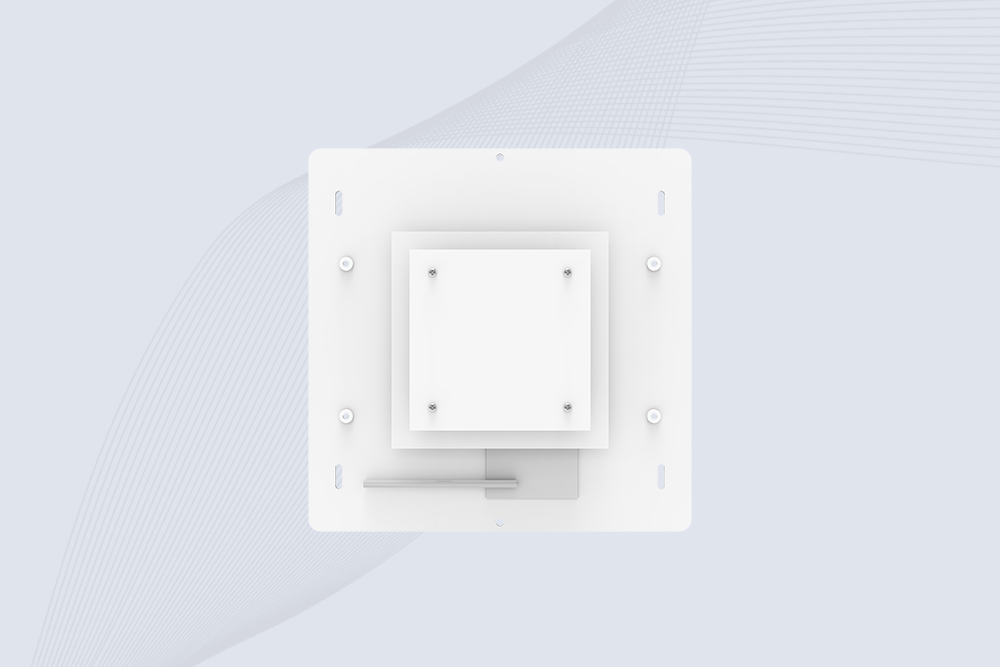
Cykeo CYKEO-B5A industrial Passive RFID Antenna delivers 5dBi gain, 70° beamwidth, and -40°C~55°C operation for warehouses/smart cabinets. Compatible with Zebra/Impinj readers.
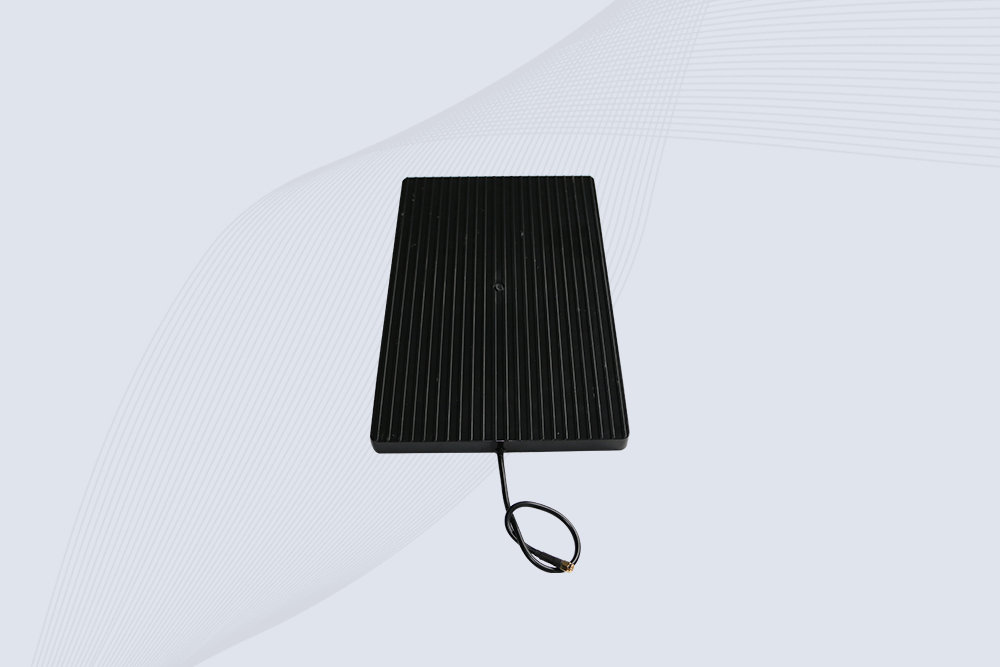
Cykeo’s CYKEO-A9B High Gain RFID Antenna delivers 15m+ read range with 9dBi amplification. Features IP54 rugged design, 840-960MHz bandwidth, and 80° beamwidth for warehouse/manufacturing RFID systems.

Cykeo’s enterprise-grade 8dbi Impinj RFID Antenna 10m+ read range with 840-960MHz tuning. Features IP65 housing, 1.4 VSWR, 35° beamwidth for retail/warehouse RFID systems.
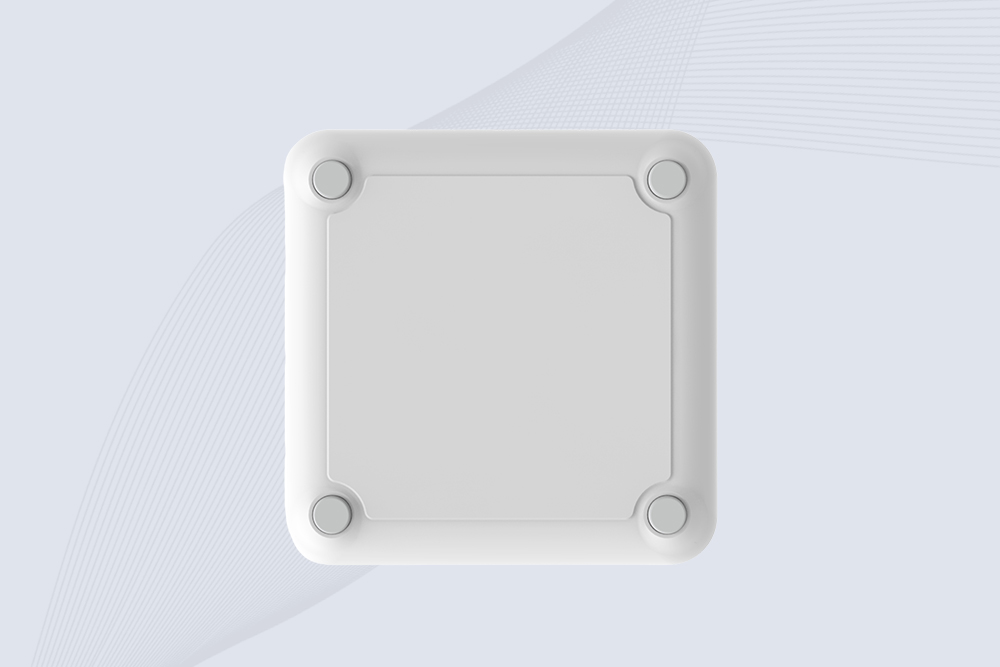
Cykeo CYKEO-A9 industrial UHF RFID antenna delivers 9dBi gain, 840-960MHz frequency range, and IP65 protection for warehouse/logistics/retail RFID systems. Features N-type connector and ≤1.3:1 VSWR.
CYKEO UHF RFID Antenna built for long-distance and industrial applications. This antenna rfid uhf delivers strong gain, outdoor durability, and reliable tag performance in warehouses, yards, and vehicle ID systems.
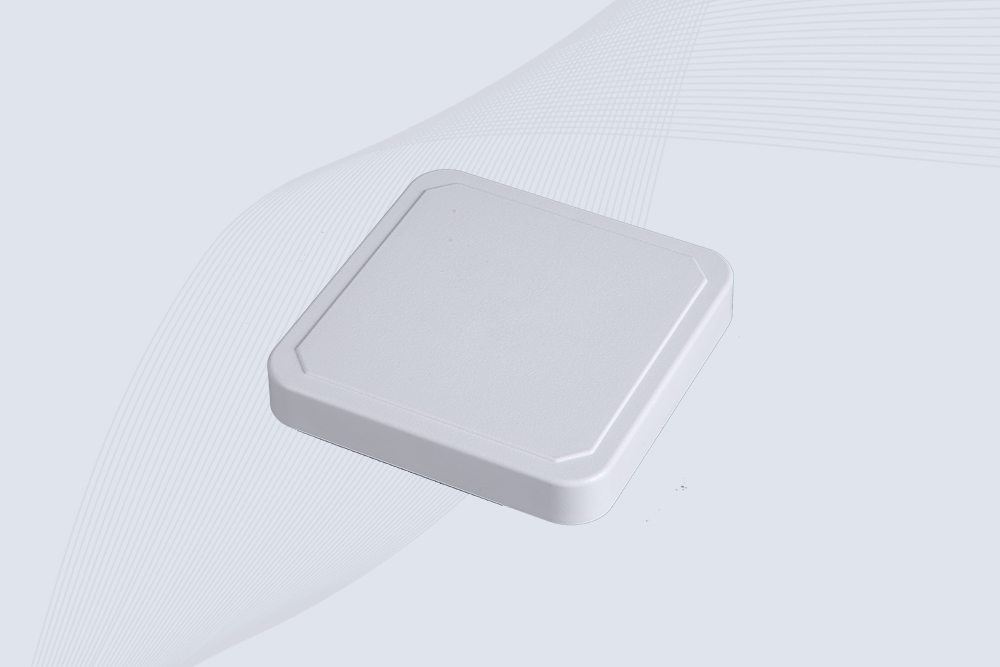
CYKEO Antenna RFID delivers reliable long-range UHF performance in warehouses, retail shelves, and cold-chain environments. This compact uhf rfid antenna provides stable reads with circular polarization and ultra-wide 840–960 MHz support, ideal for industrial tracking, smart shelves, and asset monitoring.
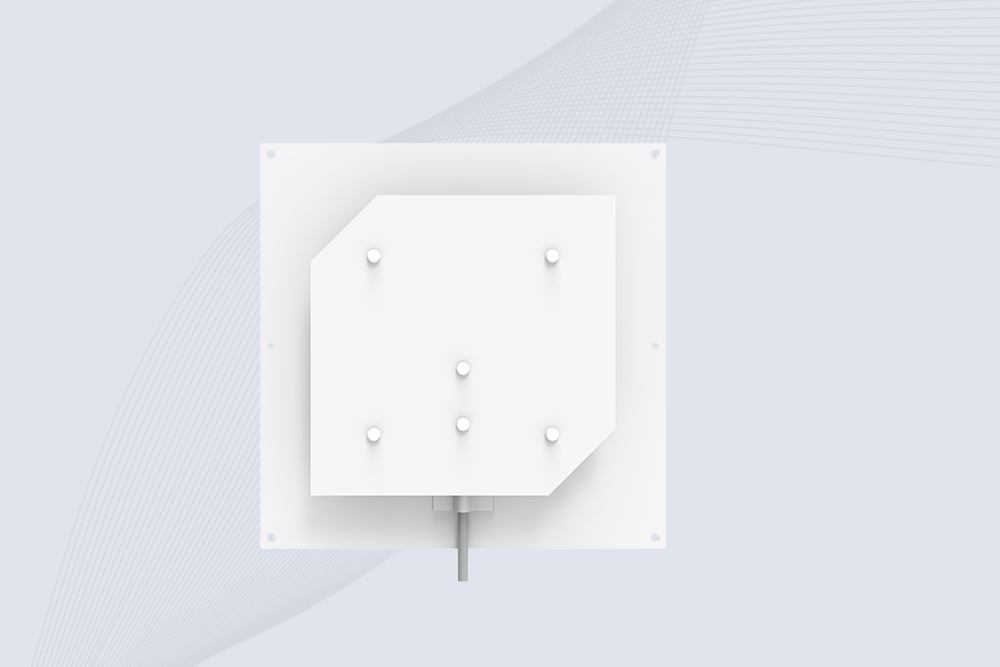
Cykeo’s CYKEO-C8 UHF RFID antennas delivers 8dBi gain, 840-960MHz full-band coverage, and IP65 ruggedness for manufacturing/warehouse RFID systems. Industrial RFID Antennas Features
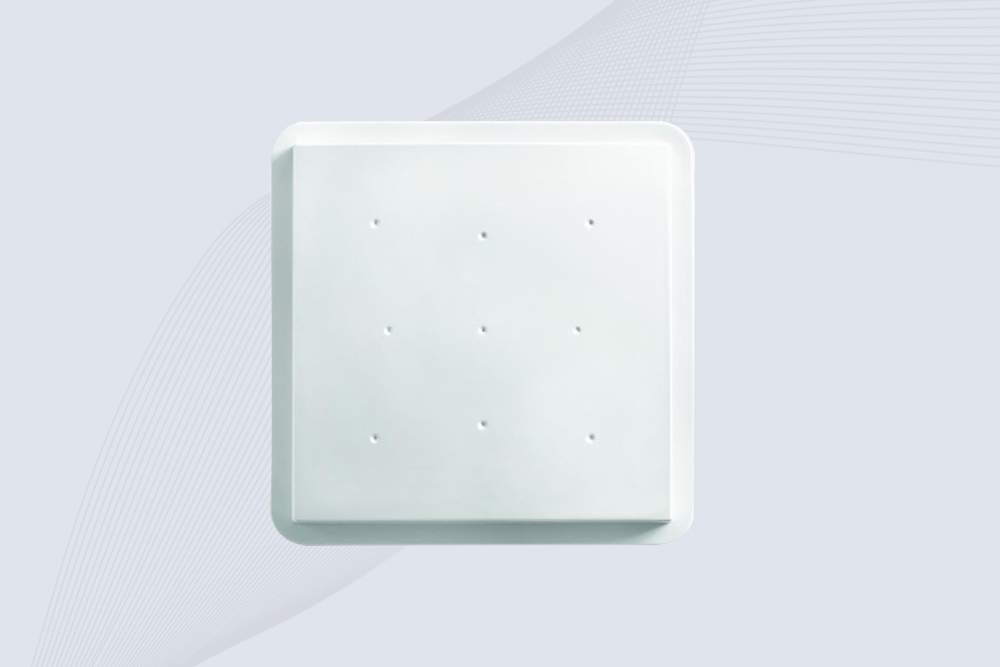
Cykeo’s 8dBi UHF RFID antenna and reader kit delivers 10m+ range, 840-960MHz broadband, and IP65 ruggedness for factories, warehouses, and logistics. ISO 18000-6C & EPC Gen2 certified.
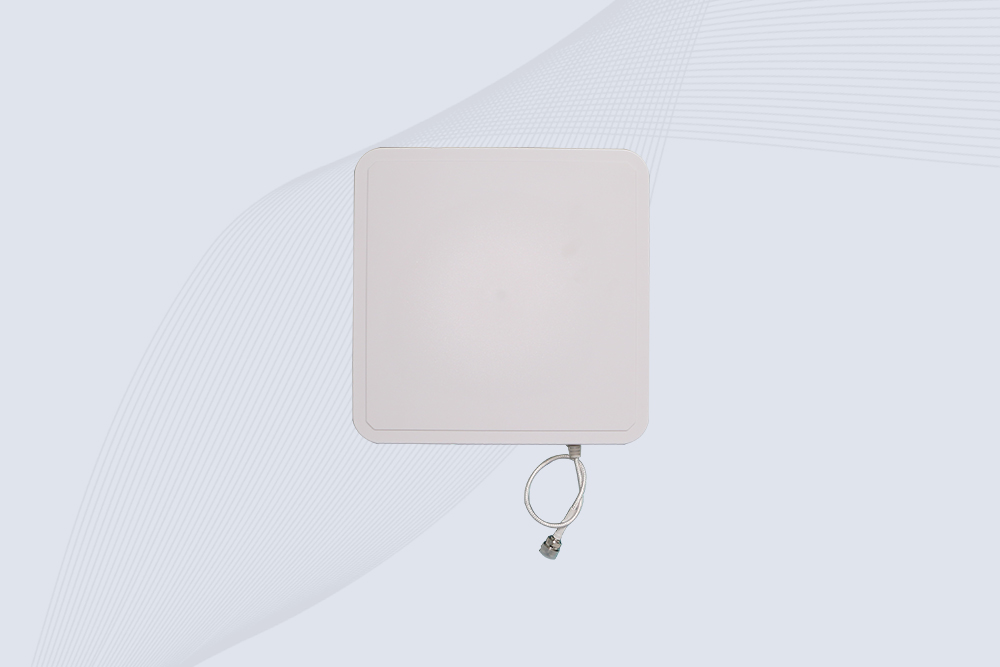
Cykeo CYKEO-A9A industrial UHF RFID reader and antenna kit delivers 10m range, 500 tags/sec, IP65 ruggedness for manufacturing/logistics. Supports EPC Gen2, ISO18000-6C.
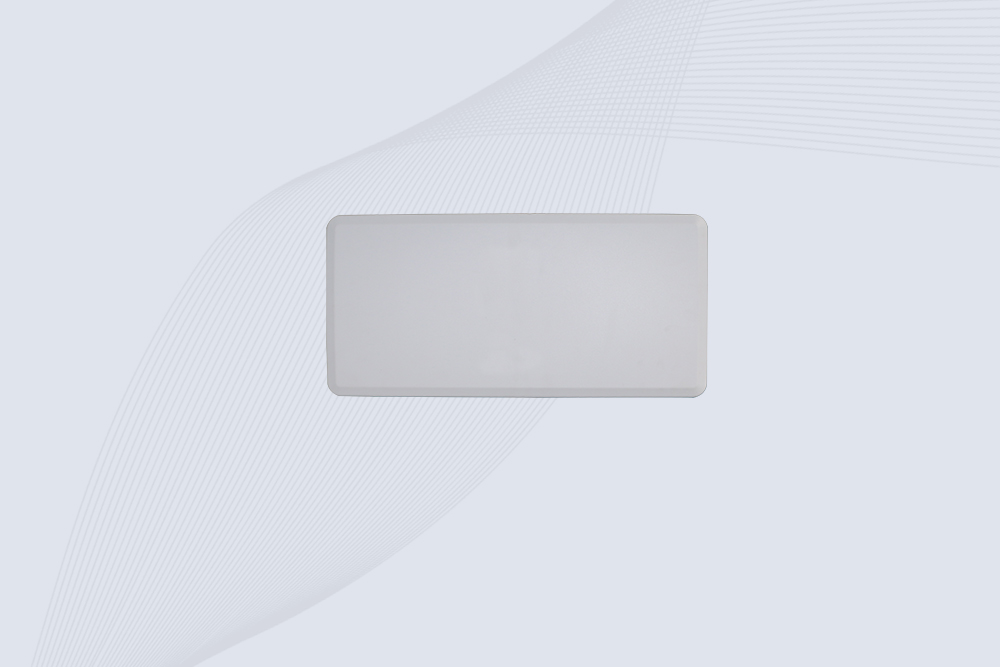
Cykeo’s CYKEO-A12C UHF Large RFID Antenna delivers 12dBi gain, 840-960MHz global frequency, IP65 ruggedness for logistics/warehousing/automotive. 40° beamwidth ensures stable 15m+ tag reads.

CYKEO Near Field RFID Antenna provides precise 5–30 cm reading for shelves, cabinets, and workstations. This compact rfid shelf antenna delivers stable short-range performance around metal and clutter, ideal for pharmacies, libraries, and electronics sorting.
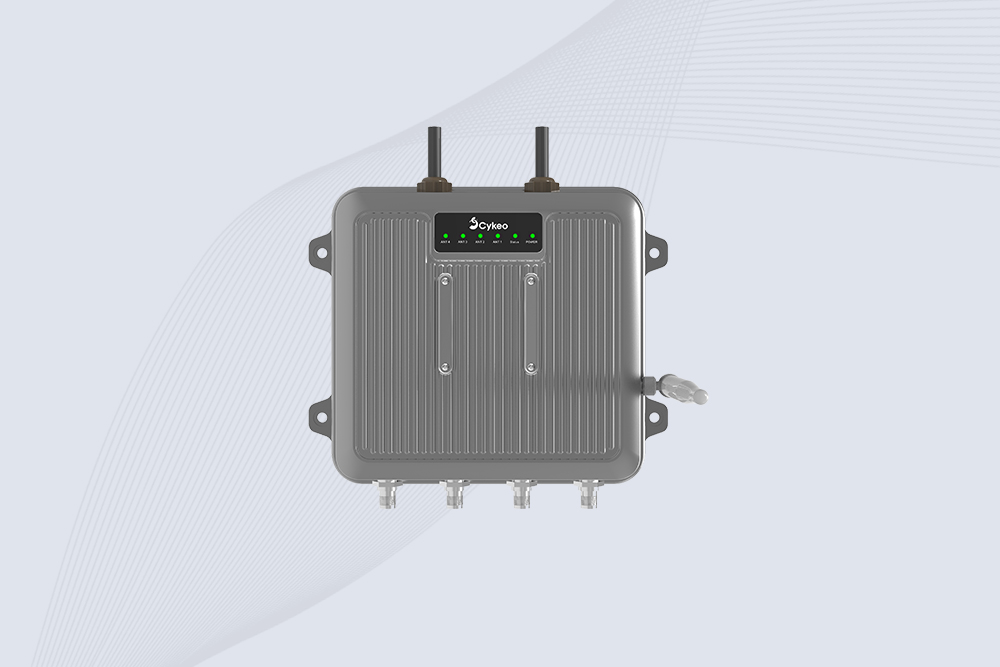
Cykeo CYKEO-C1 industrial Forklift RFID Reader features 20m read range, 600 tags/sec scanning, Impinj R2000 chipset, and IP67 rugged design. Ideal for warehouse logistics and manufacturing. Supports ISO 18000-6C/6B protocols.
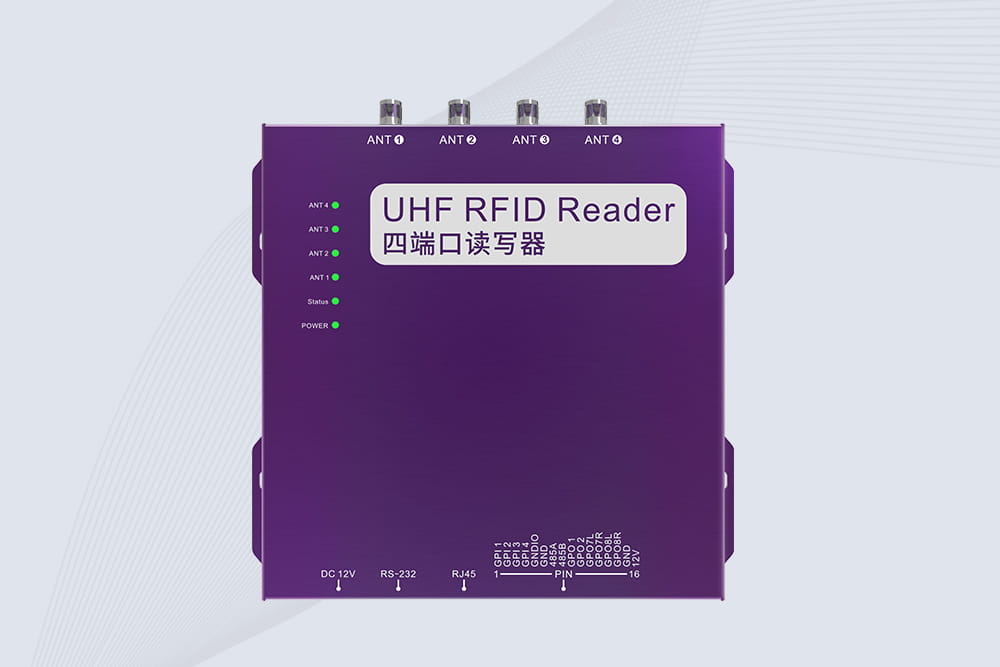
Cykeo CYKEO-R4 industrial UHF RFID Fixed Reader features 4 TNC ports, 400+ tags/sec speed, IP67 housing, and global frequency compliance for vehicle inspection, smart warehouse, and asset management systems.
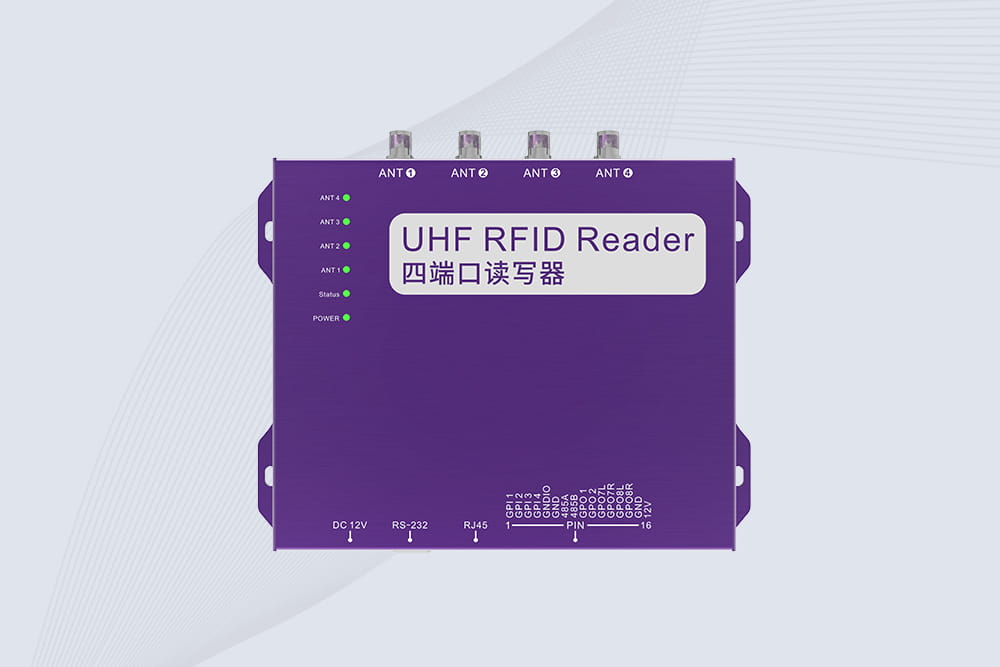
Cykeo’s CYKEO-R4L 4-port Fixed UHF RFID Reader delivers 400 tags/sec scanning, ISO 18000-6C compliance, and IP65 protection. Ideal for warehouse automation, manufacturing WIP tracking, and logistics management.
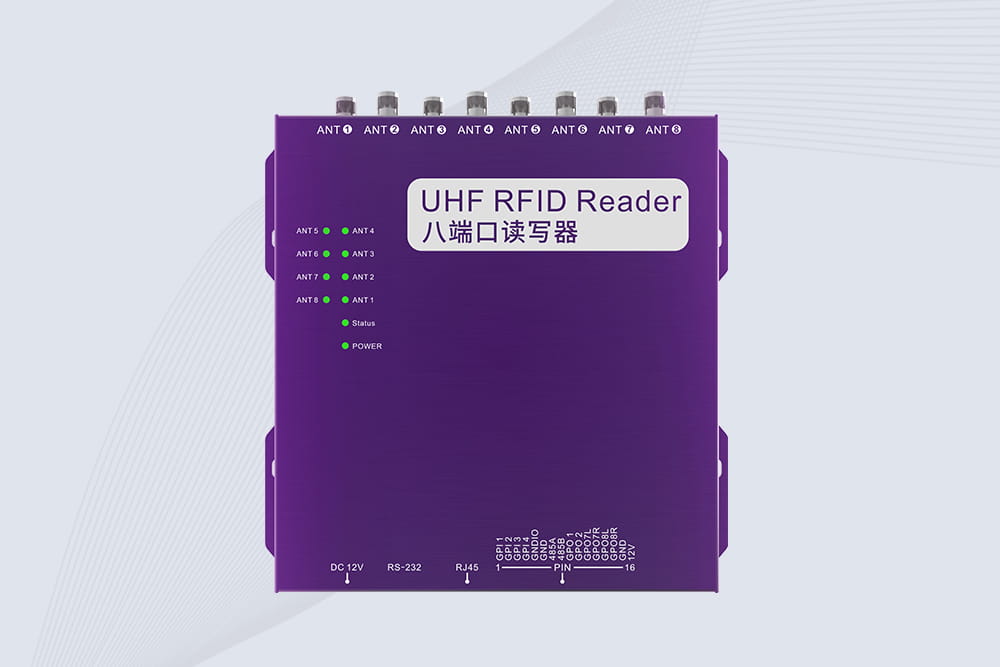
CYKEO CYKEO-R8L Fixed RFID Reader with 8-port UHF design, Impinj-based RF core and up to 20m read range. An industrial Fixed RFID Reader for vehicle inspection, warehouse portals, smart manufacturing lines and secure access checkpoints.
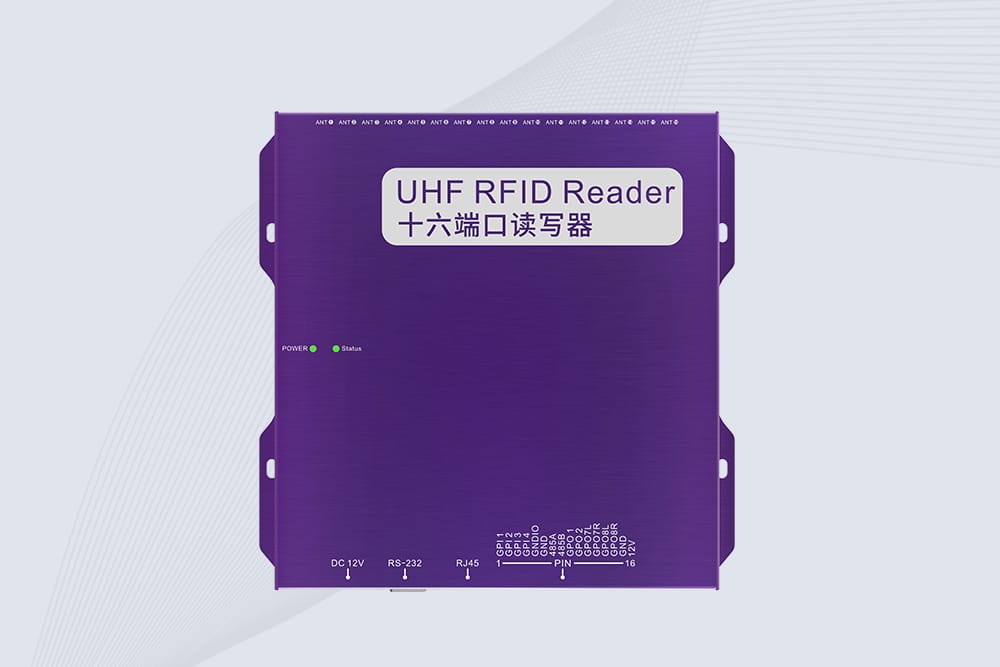
RFID Fixed Reader from CYKEO – the CYKEO-R16L 16-port UHF fixed reader for warehouses, smart cabinets, and production lines. Long-range, multi-tag reading, stable performance for 24/7 industrial use.
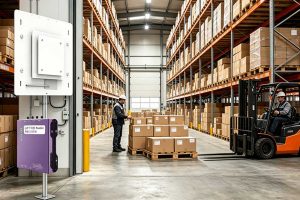
How far away can RFID chips be read? Learn practical RFID ranges by frequency, reader power, antenna design, tag orientation, materials, and real-world conditions.
More
Learn how to deactivate RFID tags safely and effectively. Explore proven methods, real-world insights, and professional tools for secure RFID tag deactivation.
More
Reading an RFID tag requires a compatible reader that matches its frequency and protocol. The reader retrieves the tag’s identifier or accessible memory data...
More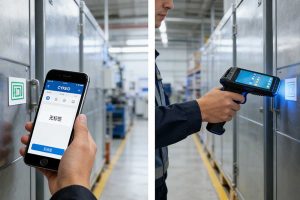
Thinking of using an iPhone for RFID tasks? We answer "can an iPhone read RFID," explaining its severe limitations and why dedicated hardware is essential for asset tracking.
More