 Cykeo RFID IoT Solution Products R&D Manufacturer
What’s the Maximum Scanning Range of a Handheld RFID Device?
1410Discover the maximum scanning range of handheld RFID devices, factors affecting performance, and how Cykeo’s technology extends coverage for industrial use.
MoreAll RFID Product
To deactivate RFID tags, use a reader to issue a kill or lock command, permanently disabling the chip; alternatively, physically destroy the antenna or shield the tag. The safest method is controlled deactivation via authorized RFID readers to ensure data security and system integrity.
On a retail exit line in Düsseldorf, I watched a batch of tagged garments move past the reader gate—each tag silently “killed” in under half a second. No sparks, no visible change. Just gone from the RF field.
That’s the thing about RFID deactivation: when it’s done right, it’s invisible—but very deliberate.
In my own deployments across warehousing and asset tracking environments, deactivation isn’t about destroying tags randomly. It’s about control.
Using a UHF RFID reader, send a kill command with a password:
Use case: retail, logistics, privacy protection
Instead of killing the tag:
Use case: reusable assets, controlled environments
Drawback: irreversible, inconsistent results
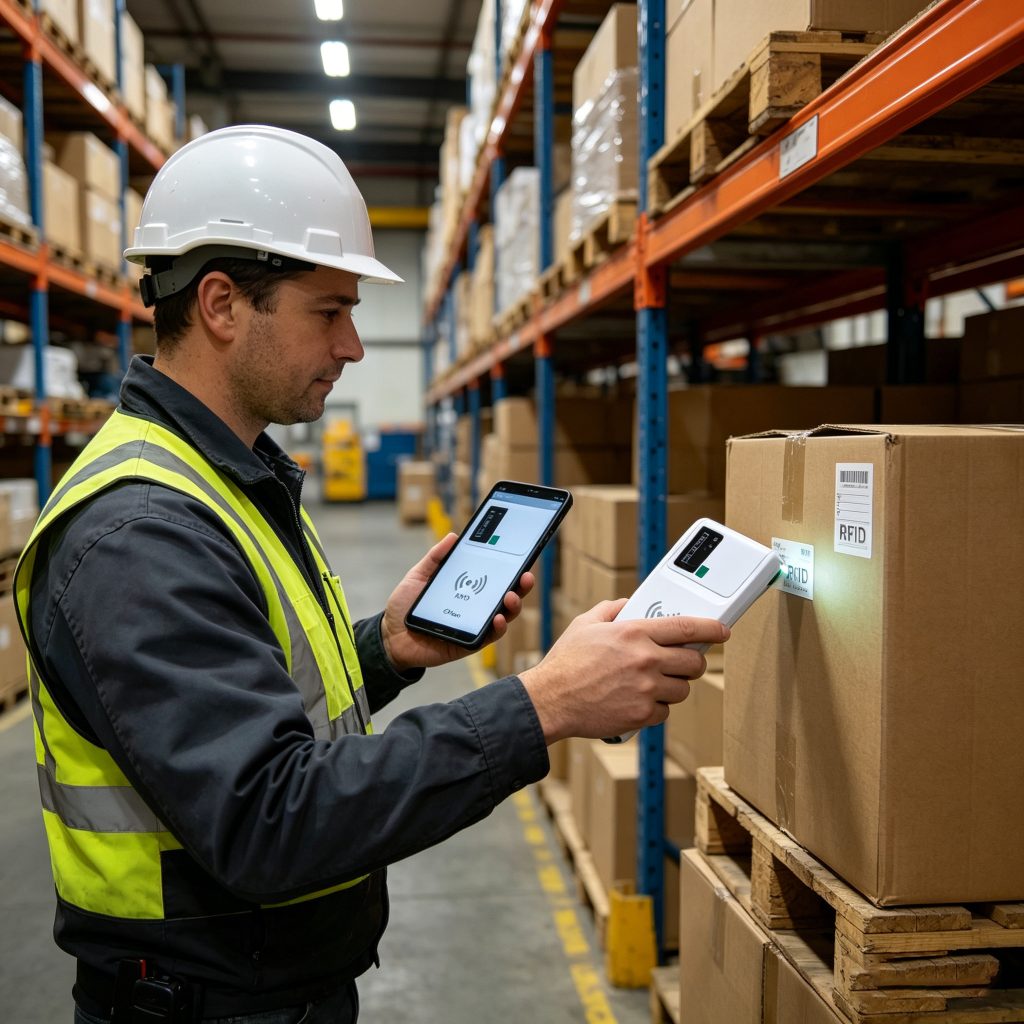
This is where theory meets RF physics.
When a reader sends a kill command:
After that, the chip no longer responds to any reader.
According to GS1 EPCglobal compliant tags support secure kill and lock features specifically for lifecycle control.
From field measurements and industry reports:
But in dense environments? That number drops fast if RF tuning is poor.
I’ve tested low-cost readers that technically support kill commands—but fail in practice.
The difference shows up in:
| Factor | Low-end reader | Industrial-grade reader |
|---|---|---|
| RF stability | Fluctuating | Consistent |
| Command success | ~80–90% | >99% |
| Multi-tag handling | Limited | Efficient |
| Interference resistance | Weak | Strong |
Cykeo readers are engineered with optimized RF circuits and anti-collision algorithms, which directly impacts deactivation reliability in real environments—not just lab demos.

Tags don’t receive the full command → partial execution → still readable
Kill command fails silently
RF field doesn’t fully energize the tag
Metal surfaces, liquids, dense stacking
No. Kill command permanently disables the tag.
Most UHF tags support kill/lock features, but implementation depends on manufacturer and configuration.
Not always. Damaged tags may still respond weakly or inconsistently.
Authorized reader-based deactivation with proper authentication.
Here’s what rarely gets said:
Deactivation isn’t just a “technical step”—it’s part of your data lifecycle strategy.
In high-volume systems, the difference between a clean kill and a missed tag is the difference between secure operations and ghost inventory.
And that’s why professionals don’t rely on improvised methods. They rely on controlled RF systems—like those built by Cykeo—to make sure when a tag is gone, it’s truly gone.

Discover the maximum scanning range of handheld RFID devices, factors affecting performance, and how Cykeo’s technology extends coverage for industrial use.
More
how far does rfid work? Explore practical RFID read ranges by frequency, tag type, reader power, antenna design, materials, and real deployment conditions.
More
how HF RFID antennas improve read performance and system integration. Practical tips, real-world applications, and flexible antenna solutions for RFID solution providers and system integrators.
More
how RFID antennas work, optimize read zones, handle industrial interference, and ensure reliable tag reading in warehouses and logistics systems.
More