 Cykeo RFID IoT Solution Products R&D Manufacturer
Why Do Retailers Prefer Handheld RFID Readers Over Fixed Systems?
1301Discover why handheld RFID readers dominate retail—mobility, flexibility, and cost savings. Learn how Cykeo’s solutions enhance inventory accuracy and customer experience.
MoreAll RFID Product
If you’re searching for alternatives to Impinj RFID readers, you’re not alone.
In fact, most system integrators don’t start by looking for alternatives—but they usually end up there after running into one (or more) of these issues:
Impinj is solid, no question. But when projects scale up or become more complex, “solid” isn’t always enough—you need something more adaptable.
So let’s walk through what actually makes a good alternative, and what options are worth considering.
Before jumping into products, it’s worth clarifying something:
A “good alternative” isn’t just cheaper.
From a system integrator’s perspective, it usually comes down to four things:
Not lab conditions—real warehouses, metal interference, dense tag environments.
Can it handle:
Hardware is just one part:
For most warehouse and industrial projects, the closest and most practical alternative isn’t another “brand equivalent”—it’s a different category:
Industrial UHF RFID fixed readers
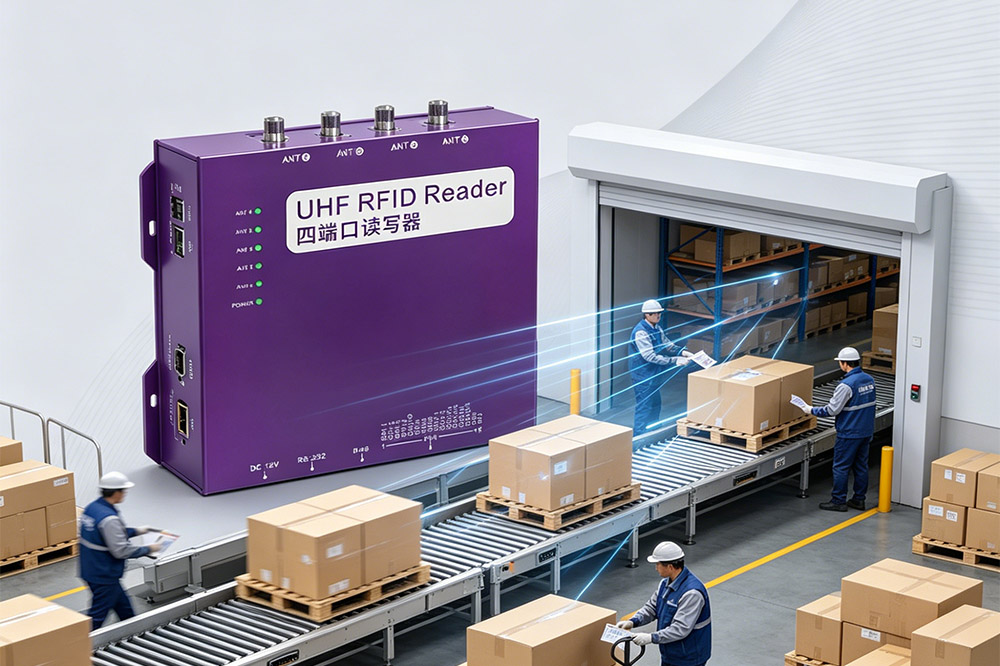
From actual deployment experience, these readers tend to offer:
Critical for:
Especially when deploying:
Many industrial manufacturers provide:
Unlike some standardized readers, these are built for:
To keep it realistic—not every project should switch.
Impinj still makes sense when:
In those cases, replacing it may actually create unnecessary risk.
Here’s how decisions usually happen on the ground—not in theory:
→ Go with Impinj (low risk, easy approval)
→ Start comparing alternatives
→ Shift toward industrial UHF fixed readers
→ Actively look for replacements
→ Avoid rigid ecosystems, choose flexible hardware
One thing I’ve seen quite a few times:
A project starts with a well-known brand like Impinj…
…but halfway through, the team realizes:
Then switching becomes painful.
A better approach is to evaluate based on:
—not just brand recognition.
There’s nothing wrong with sticking to Impinj—it’s a proven solution.
But if your project involves:
Then exploring alternatives—especially industrial UHF RFID fixed readers—is not just an option, it’s often the smarter move.
Guide Recommendations
Fixed RFID Reader: Why It’s Becoming Must-Have
Fixed RFID Readers: What I Didn’t Expect and What I Learned
RFID Handheld Reader vs. Fixed Reader: Which Is Better for Retail?
Different Types of RFID Readers: A Simple Introduction
Best Budget USB RFID Readers Under $100 for Small Business Inventory Systems
RFID Module vs. RFID Reader: What’s the Difference?
Fixed RFID Reader Buying Guide: 5 Core Parameters You Must Know
What is an RFID Reader Used For?
How RFID Reader Works: The Simple Explanation
How to Choose the Best Long-Range RFID Reader for Warehouse Management
RFID Readers for Boom Barriers ,Where Efficiency Meets Access Control
Why Your Warehouse Needs Smarter RFID Readers in 2025
Understanding RFID Readers,Essential Devices for Efficient Tracking
Discover why handheld RFID readers dominate retail—mobility, flexibility, and cost savings. Learn how Cykeo’s solutions enhance inventory accuracy and customer experience.
More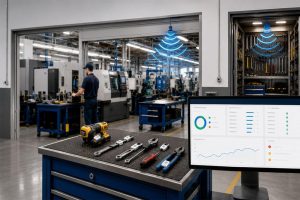
A tool tracking system is more than inventory software—it’s a full process for managing tools, reducing loss, and improving accountability. This article breaks down real-world use cases in construction sites, workshops, and warehouses, including R...
More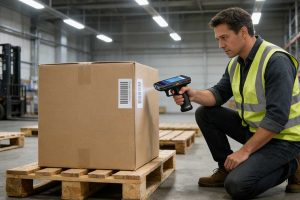
Learn how to read an RFID tag correctly. Our practical guide covers choosing the right equipment, configuring readers, and solving common read failures for CYKEO systems.
More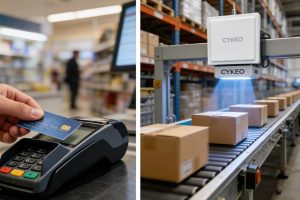
Can RFID reader read credit cards? We explain the technology compatibility, security protections, and key differences between payment and industrial RFID systems.
More