 Cykeo RFID IoT Solution Products R&D Manufacturer
RFID Sensor Modules in Cold Chain Monitoring: Real-Time Tracking for Unbroken Compliance
690Master cold chain compliance with RFID sensor modules. Learn how real-time temperature tracking safeguards pharmaceuticals, food, and more.
MoreAll RFID Product
When I first encountered RFID building security, I thought, “It’s just a card and a reader; swipe and the door opens.” Reality slapped me in the face on day one.
We installed the system in an office building. Everything seemed fine—hardware installed, permissions set—but when I swiped my new card at the door, nothing happened. The reason? The antenna was placed right next to the metal door frame, blocking the signal. That moment taught me that RFID systems are far more intricate than simply “swipe to enter.”
An RFID system is a full-fledged management solution: tags, antennas, readers, and a backend control system—all indispensable. Each part has its quirks, and if overlooked, small problems quickly become daily headaches.
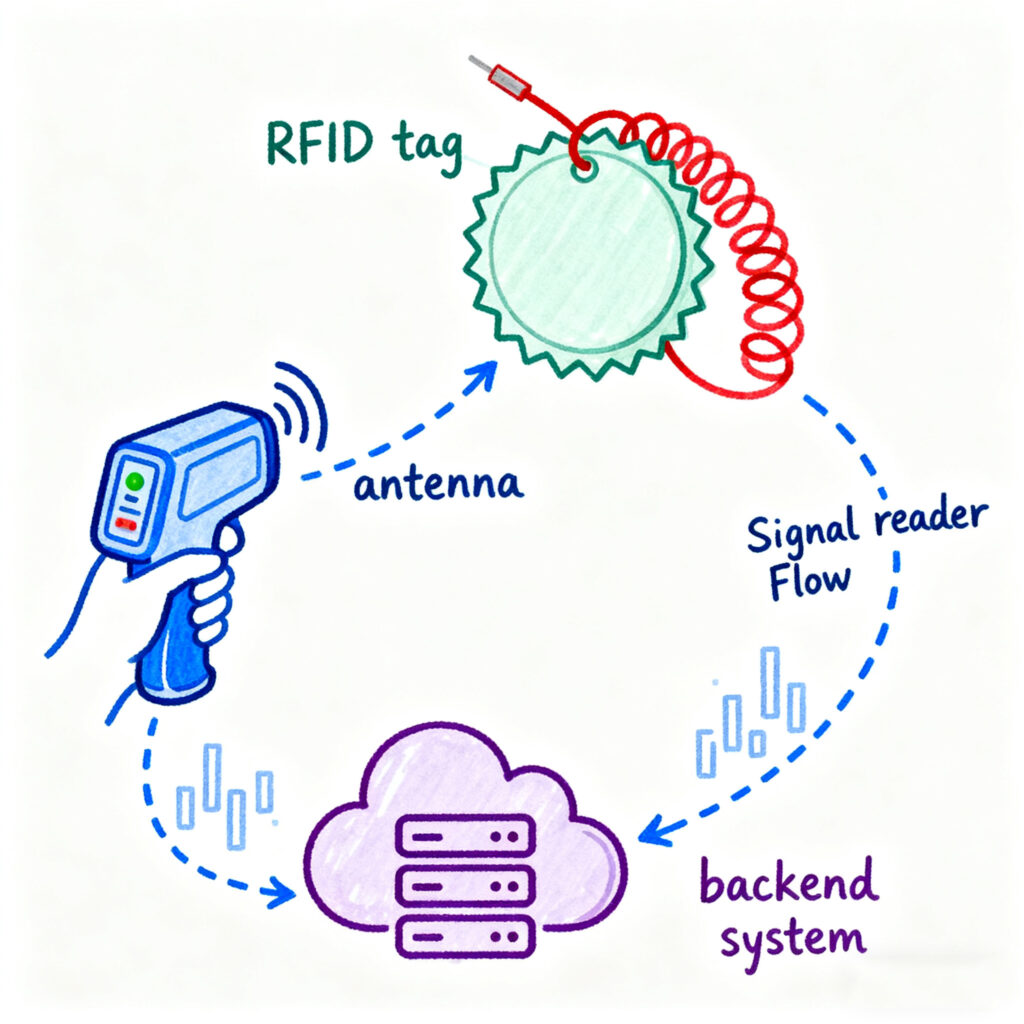
From hands-on experience, a typical RFID building security system consists of four main parts:
Practical tip: During installation, simulate peak usage with multiple people swiping at once. It helps identify antenna or reader placement issues early.
Compared to traditional magnetic stripe cards or keys, RFID systems have clear benefits—but there are caveats:
Still, reality has hiccups. One morning, a cleaning staff member couldn’t swipe in. The backend revealed her card wasn’t activated. Technically minor, but awkward at the scene—she stood at the door while I explained. That moment made me realize management and training matter as much as hardware.

RFID isn’t foolproof. Some risks include:
My experience suggests:
I once had employees unable to swipe out; the issue was antenna placement. Fixing it not only resolved the problem but taught me how to handle unexpected challenges in the field.
RFID building security systems are used widely:
Across these scenarios, one thing is constant: hardware is just part of the picture. Management, backend setup, and user habits determine true security. Small flaws are inevitable, but with practical experience, the system runs smoothly.
RFID building security is like an “invisible administrator.” It quietly guards doors, but design, setup, and management are what ensure real safety.
Small imperfections will always exist, but understanding system mechanics, operating carefully, and accumulating experience makes RFID building security effective, practical, and reliable.
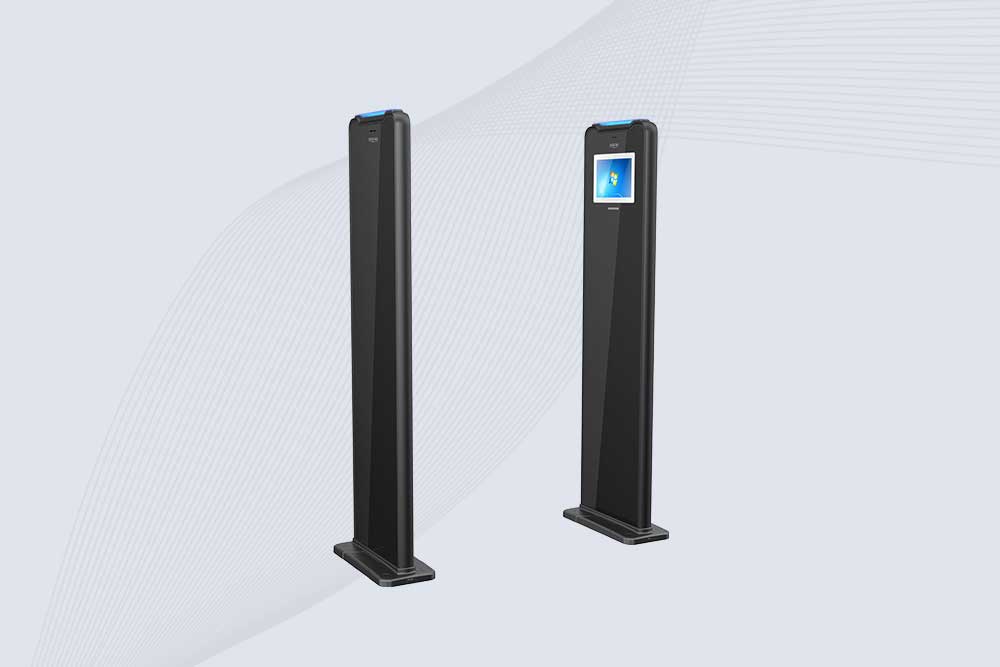
SSD-T4A-P Smart access control with real-time crowd tracking ✔️ AI Tag Filtering for Reduced Misreads SSD-T4A-P supports AI-based tag filtering and up to 6 EPC filtering sets, helping reduce unwanted reads and improve identification accuracy in busy entrances, exits, and retail environments. ✔️ Fast In & Out Detection with Visual & Audio…
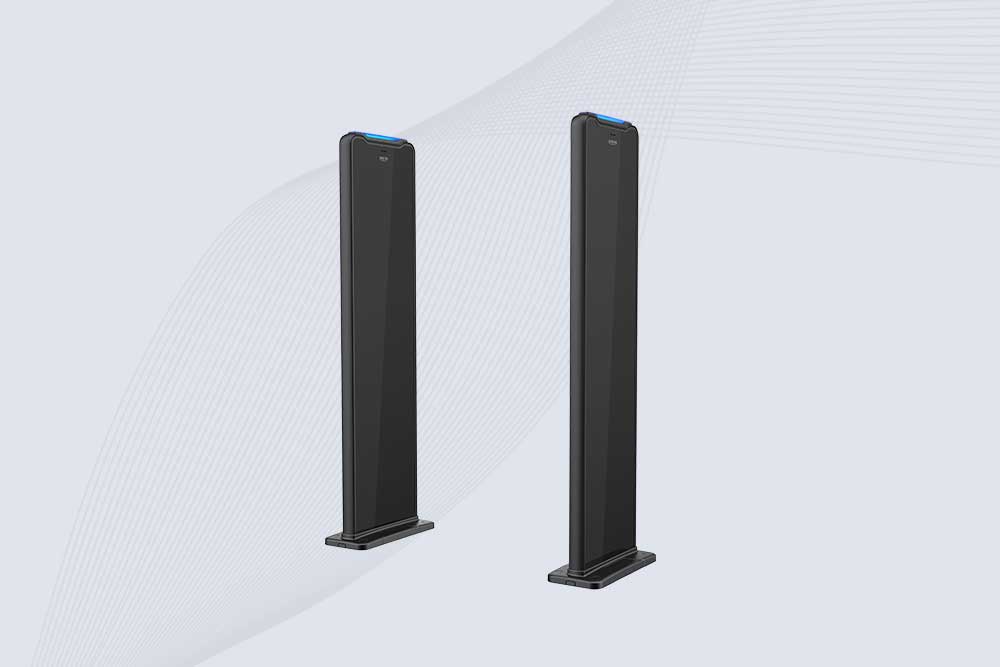
SSD-T4A UHF RFID Gate Reader with 11 dBi antenna, up to 10 m reading distance, AI tag filtering, in/out detection, 300,000 data storage, and TCP/HTTP/MQTT support.
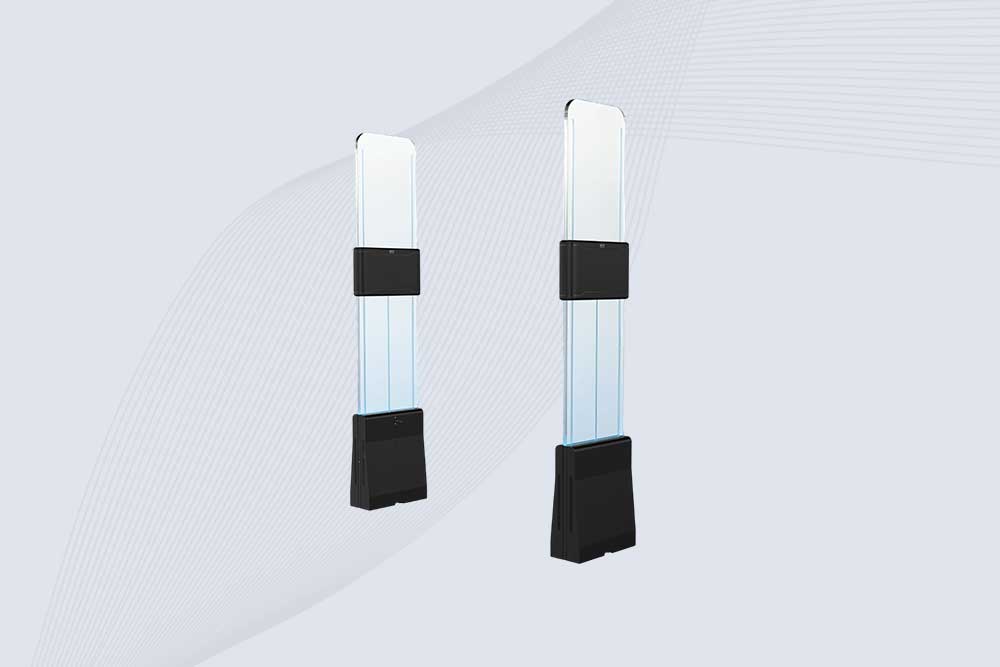
SSD-T2D UHF RFID Gate Reader with 11dBi circular antenna, Impinj E710/X3M1 chipset, up to 10m reading distance, AI tag filtering, in/out detection, and audio-visual alarms.
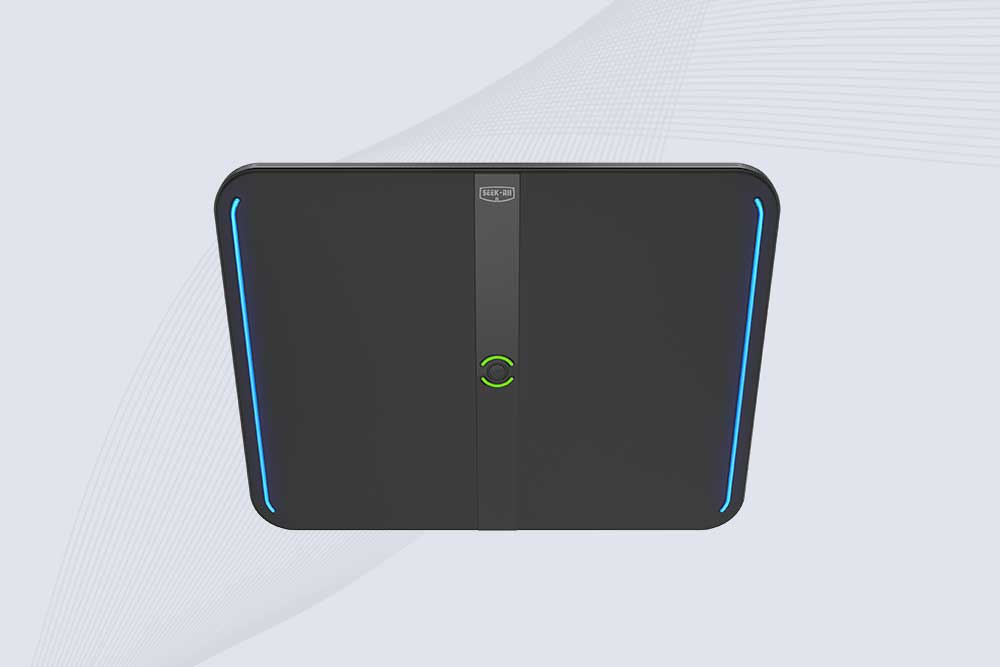
SSD-T1 ✔️ AI-Powered Tag Filtering SSD-T1 supports AI-based tag filtering with up to 6 EPC filtering sets, helping reduce unwanted tag reads and improve identification accuracy in busy retail and access-control environments. ✔️ Reliable In & Out Detection With a 7dBi antenna and a reading range of up to 2.5 meters, SSD-T1 can detect tagged i…

Master cold chain compliance with RFID sensor modules. Learn how real-time temperature tracking safeguards pharmaceuticals, food, and more.
More
Learn how RFID reader modules are used in access control systems, smart cabinets, industrial security devices, and RFID-enabled entry management applications.
More
A developer-focused look at handheld RFID readers, exploring why they are often used as development tools, integration references, and building blocks for custom RFID systems beyond inventory counting.
More
See how the Cykeo CK-GY2B RFID medical storage cabinet helps hospitals manage medical supplies more accurately, reduce loss, and simplify daily inventory work with real-time tracking.
More