Is it RFID? If a product, card, label, or tracking device uses radio waves to identify or exchange information with a compatible reader, it may be using Radio Frequency Identification (RFID). The easiest way to confirm this is to examine its internal components, product specifications, operating frequency, and communication method rather than relying on appearance alone.
RFID is not always visible. A small label attached to a carton, an access card carried in someone’s wallet, and an industrial reader mounted above a conveyor can all belong to the same technology family. Yet they look completely different and perform different jobs.
This creates a common problem for people researching identification systems: an object may look like an RFID tag without actually containing one, while an RFID-enabled product may have no obvious external indication of its technology.
The distinction matters when selecting equipment, checking product compatibility, designing an inventory process, or deciding whether an existing identification system can be upgraded.
For businesses evaluating RFID equipment, the question is not simply whether something contains an RFID chip. It is whether the tag, reader, antenna, frequency, protocol, and software can work together reliably in the intended environment.
What Does RFID Actually Mean?
RFID stands for Radio Frequency Identification. It is a technology that uses radio frequency electromagnetic fields to identify objects and, depending on the system, retrieve information stored in electronic tags.
An RFID system generally consists of three main elements:
RFID tag: A small electronic component containing an integrated circuit and an antenna. It stores an identifier or other data.
RFID reader: A device that communicates with RFID tags through radio signals.
RFID antenna: A component that transmits and receives radio frequency signals. It may be integrated into the reader or connected externally.
A software application or backend database usually handles the information after the reader receives it. For example, when a tagged carton passes through a warehouse identification zone, the reader captures its electronic identifier and sends the result to an inventory management system.
The tag does not necessarily contain the entire product record. In many commercial applications, it carries an identifier that software uses to retrieve information such as product type, batch number, storage location, or ownership.
That distinction is important.
An RFID tag is not automatically a GPS tracker, and it does not independently report its location over the internet. A passive RFID tag normally responds when it enters the communication field of a compatible reader.
RFID identifies objects through radio communication. The surrounding system determines how that identification becomes useful business information.
How Can You Tell If Something Is RFID?
There is no single visual feature that proves a device uses RFID. Some tags are obvious, while others are embedded inside plastic, paper, fabric, or electronic equipment.
A more dependable approach is to examine several characteristics together.
1. Look for an Embedded Antenna or RFID Inlay
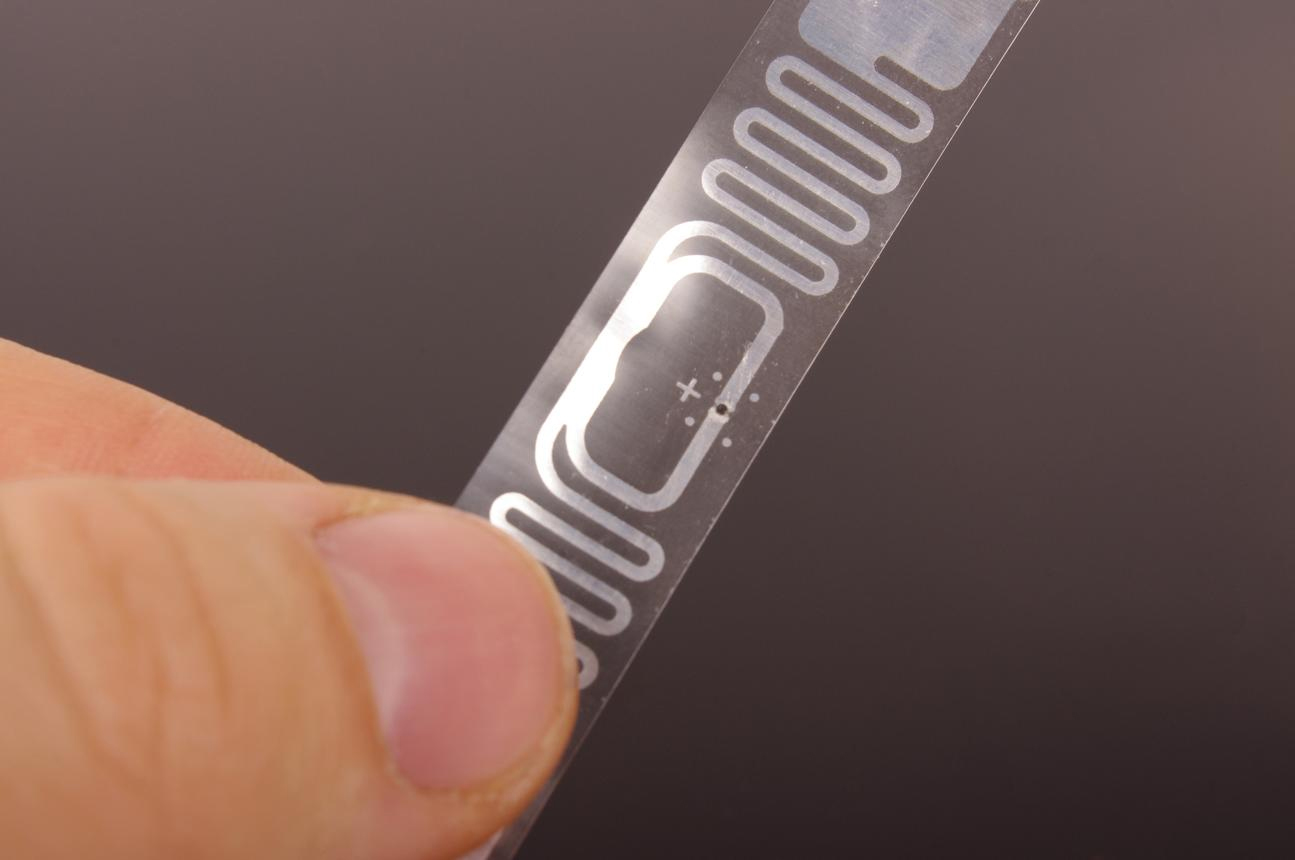
A typical passive RFID inlay combines an antenna with an electronic chip to enable identification by a compatible reader.
A conventional passive RFID label often contains a small chip connected to a thin metallic antenna.
On a UHF RFID label, the antenna may appear as a narrow aluminum or copper pattern embedded inside the adhesive label. Its shape varies according to the frequency, chip, antenna design, and intended application.
You might find these components inside:
Retail clothing labels.
Warehouse carton labels.
Asset identification stickers.
Library book labels.
Industrial plastic identification cards.
Laundry tracking tags.
However, not every RFID tag has a visible antenna. Some are laminated, molded into plastic, or integrated into a product during manufacturing.
A tag embedded inside an access card, for example, may look like an ordinary plastic card from the outside.
2. Check the Product Specifications
Product documentation is usually more reliable than appearance.
Look for technical terms such as:
Specification
What it indicates
RFID
Radio-frequency identification technology
NFC
Short-range technology based on HF RFID
LF 125 kHz or 134.2 kHz
Low-frequency RFID
HF 13.56 MHz
High-frequency RFID
UHF 860–960 MHz
Ultra-high-frequency RFID operating band
ISO/IEC 14443
Proximity card technology
ISO/IEC 15693
Vicinity card technology
EPC Gen2
Common passive UHF RFID air-interface technology
ISO/IEC 18000-6C
Passive UHF RFID air-interface standard
A specification that mentions EPC Gen2 or ISO/IEC 18000-6C is a particularly useful indicator when identifying passive UHF equipment.
Be careful with general product descriptions, though. A manufacturer may use the word “smart” or “wireless” without specifying RFID. Wireless communication alone does not establish that a device is an RFID product.
3. Check Whether It Communicates Without Direct Contact
RFID does not normally require a reader to touch the tag.
A compatible reader can identify a tag when it enters the reader’s effective communication field. Depending on the frequency and system design, this may happen at a distance of a few centimeters or several meters.
For example:
An HF access card is normally presented close to a card reader.
A UHF warehouse tag may be identified while a carton passes through a reading zone.
An RFID laundry tag may be detected when garments move through an industrial sorting station.
This contactless behavior is a useful clue, but it is not conclusive by itself. NFC, Bluetooth, infrared, and other technologies also support wireless communication.
The frequency and communication protocol must still be checked.
4. Use a Compatible RFID Reader to Test It
A practical way to confirm whether an object contains RFID is to test it with a reader designed for its expected frequency and protocol.
For example, a UHF RFID reader cannot generally identify an ordinary 13.56 MHz HF card because the two technologies operate in different frequency bands.
A basic identification test involves:
Identify the likely RFID frequency from the product specifications.
Select a reader compatible with that frequency.
Connect the reader to a computer or test application.
Place the suspected tag within the appropriate reading area.
Observe whether the reader receives an electronic identifier.
If the reader detects an EPC number from a compatible UHF tag, this is strong evidence that the object contains a functioning UHF RFID component.
A failed reading, however, does not automatically mean the object is not RFID. The tag could be damaged, incompatible, incorrectly positioned, shielded by metal, or outside the effective reading zone.
This is why technical verification is more useful than relying on a single unsuccessful scan.
How RFID Identification Works in Practice
The key difference between an RFID system and a printed barcode is the way identification data is captured.
A barcode scanner reads a printed optical pattern. An RFID reader communicates with an electronic tag using radio waves. Depending on the RFID system, multiple tags may be identified within a reading zone without requiring an operator to position each label in front of a scanner.
This does not mean that every RFID reader can identify every tag simultaneously or from any distance. Actual performance depends on the tag design, frequency, antenna configuration, reader settings, and surrounding materials.
Passive RFID, Active RFID, and NFC: Are They the Same?
These technologies are related, but they are not interchangeable.
Technology
Power source
Typical use
Important distinction
Passive RFID
No onboard battery for normal tag operation
Retail inventory, cartons, asset tracking
The tag responds to energy supplied by the reader’s field
Active RFID
Battery-powered tag
Selected asset tracking and long-range applications
The tag can use its battery to support communication
NFC
Usually a passive device powered by the reader’s field; some NFC devices have other power arrangements
NFC operates at 13.56 MHz and supports standardized short-range communication
Barcode
No electronic power source
Retail checkout, shipping labels, identification
Data is captured optically rather than through RFID radio communication
NFC is closely related to HF RFID, but the terms should not be treated as universally synonymous. Compatibility depends on the specific technology, protocol, and application.
Likewise, a device described as an asset tracker is not necessarily an RFID device. It might use GPS, cellular communication, Bluetooth, or another technology.
The name of a product tells you what it is intended to do. Its technical specification tells you how it does it.
What Do RFID Frequency Numbers Tell You?
Frequency is one of the most useful clues when identifying an RFID product.
The following ranges are common examples of RFID operating bands:
LF: Approximately 125–134.2 kHz, used in applications such as certain access, identification, and animal-tagging systems.
HF: 13.56 MHz, used in many contactless cards, NFC applications, and library identification systems.
UHF: Commonly around 860–960 MHz, depending on the applicable regional regulations and equipment configuration.
This is a standards-based operating range, not a guarantee that every UHF RFID product operates across the entire band. The permitted frequencies depend on the country, and the tag and reader must be designed for a compatible band.
If a product specification lists 13.56 MHz, for instance, that is a useful starting point for identifying it as an HF RFID product. It is not enough to determine the exact card standard or application.
For engineers and procurement teams, checking the frequency before purchasing a reader can prevent a costly compatibility mistake.
Is It RFID or Just a Barcode?
The two technologies can serve similar business purposes, but they capture identification data differently.
A barcode requires an optical line of sight to the printed code. RFID uses radio communication, so a compatible reader may identify tags without seeing the printed label itself.
Consider a receiving dock handling several cartons. With a barcode-based process, an employee typically scans each relevant label individually. With a properly configured UHF RFID system, multiple tagged cartons may be read as they move through a defined reading zone.
That difference can change the workflow, particularly when a business processes many items in a short period.
However, RFID is not automatically the better choice. Barcodes remain useful when item-level visibility is unnecessary, labels are easy to reach, or the cost of electronic tags and readers is difficult to justify.
A Real Research Example: What RFID Can Change
Research published in Production and Operations Management by Bill C. Hardgrave, John A. Aloysius, and Sandeep Goyal examined RFID-enabled inventory visibility in retail stores.
In the first field experiment, researchers studied 13 stores over 23 weeks, with eight treatment stores and five control stores. The study reported an approximately 26% reduction in inventory record inaccuracy associated with RFID-enabled visibility. A second experiment expanded the research to 62 stores and five product categories, with results varying by category. Sage Journals+1
The finding is useful because it illustrates the purpose of RFID beyond simply reading a tag. The operational value comes from using captured identification data to improve inventory records and business decisions.
It is not evidence that every RFID installation will improve inventory accuracy by 26%. The study examined particular retail environments, workflows, and product categories. Results in another warehouse, factory, or store will depend on how tags are applied, how readers are configured, and how the captured data is integrated into the inventory process.
For a business asking is it RFID, the practical question therefore has two parts: does the object contain an RFID component, and can the complete system use that component to solve a real identification problem?
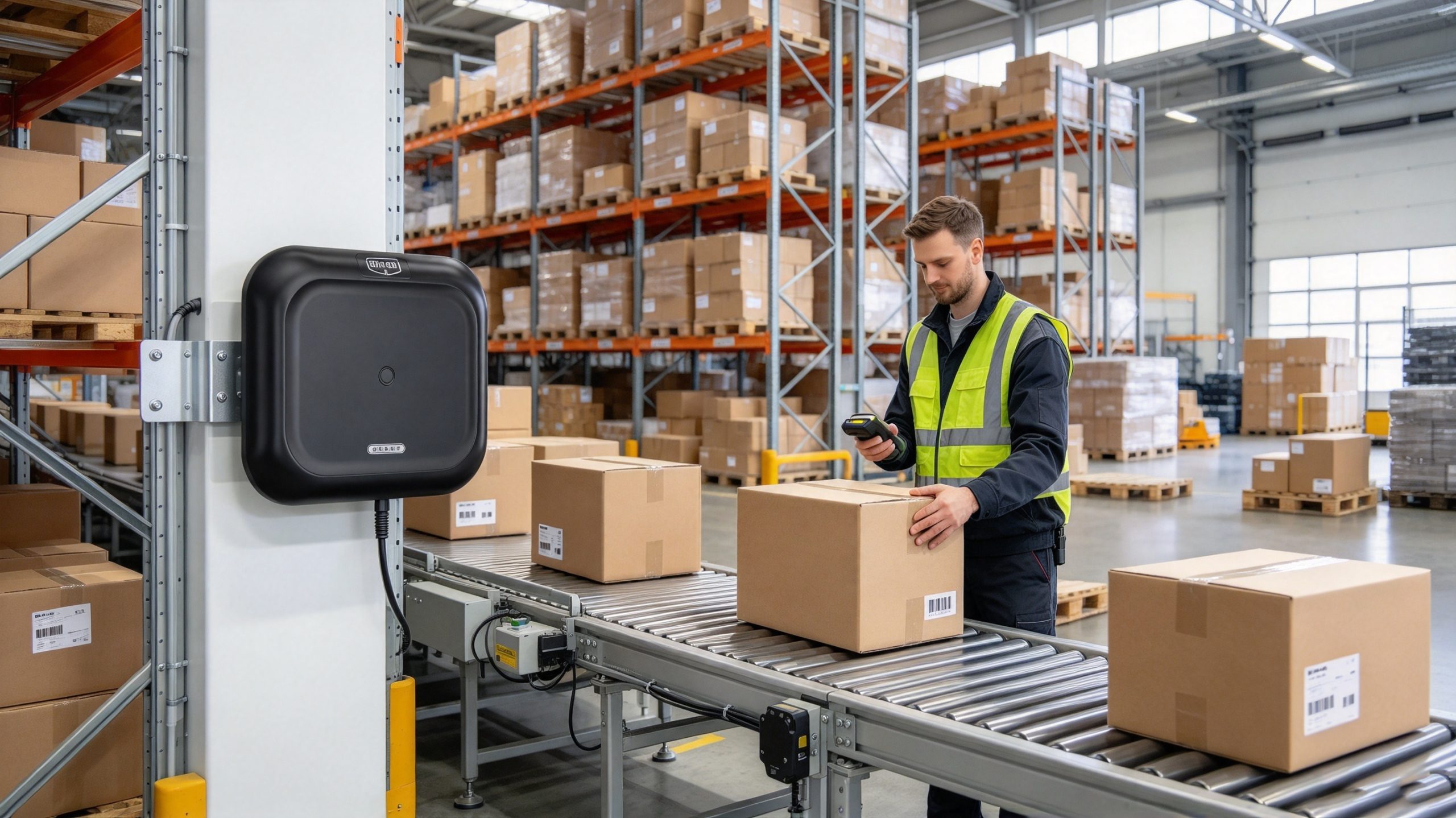
Barcode scanners capture printed codes optically, while compatible RFID readers identify electronic tags through radio communication.
Author and Editorial Credibility
Suggested author attribution: Cykeo RFID Technical Team
Suggested editorial note: Technical content covering RFID identification, tag-reader compatibility, frequency selection, and industrial identification workflows.
For Google’s E-E-A-T expectations, the published page should include a genuine author or reviewer biography, relevant technical experience, and verifiable qualifications. Do not claim specific years of experience, certifications, customer projects, or firsthand installation results unless Cykeo can substantiate them.
Where Is RFID Used in Everyday Life and Business?
RFID is used in far more places than most people realize. It appears in products that people handle every day, but it is also built into industrial identification systems that operate continuously without much human interaction.
The technology is particularly useful when an organization needs to identify physical objects repeatedly, collect identification data quickly, or reduce the amount of manual scanning involved in a process.
The following applications illustrate how to recognize RFID in different environments.
1 RFID in Retail Stores and Clothing Labels
Clothing is one of the more familiar examples of RFID use.
A garment may contain an RFID label attached to its price tag, care label, or another part of its packaging. In some implementations, the RFID inlay is integrated into the garment label itself.
Retailers use these tags to support:
Stocktaking and inventory counting.
Product identification and replenishment.
Receiving and shipment verification.
Item-level stock visibility.
Loss-prevention workflows when integrated with suitable security systems.
A store employee may use a handheld UHF RFID reader to identify multiple garments without individually scanning their printed labels.
There is an important operational detail here: reading several tags at once does not mean the reader automatically knows which shelf or rack each item occupies. Location accuracy depends on the reader’s antenna configuration, read-zone design, and supporting software.
A poorly configured reader can detect tags from an adjacent display or nearby storage area. That is why retail RFID projects need controlled reading zones rather than simply maximizing transmission power.
2 RFID in Warehouses and Inventory Management
Warehouse operations provide another clear answer to the question, is it RFID?
If cartons, pallets, or individual products carry electronic tags that are identified by radio-frequency readers, the operation is using RFID technology.
Typical applications include:
Goods receiving and dispatch verification.
Pallet and carton identification.
Inventory counting.
Warehouse movement tracking.
Storage-location verification.
Production material identification.
In a typical UHF RFID installation, fixed readers and antennas can be installed around conveyor lines, warehouse entrances, or designated scanning stations.
When a tagged object enters the reading area, the reader captures its electronic identifier. The software then matches that identifier against the relevant inventory record.
This is where system design becomes important.
Imagine a warehouse receiving several pallets containing hundreds of cartons. A reader may capture numerous tag responses in a short period, but the application still needs to determine which tags belong to the current shipment. If tags from adjacent pallets are also detected, the system needs filtering, zone control, and appropriate event-processing rules.
A reliable RFID installation is therefore not simply a reader connected to an antenna. It is an identification process designed around the movement of physical goods.
3 RFID in Libraries and Document Management
Libraries use RFID to identify books and other circulating materials.
An RFID label can be attached to a book, allowing a compatible reader to identify it during borrowing, returning, sorting, or inventory checks.
Common applications include:
Self-service borrowing and returns.
Book identification.
Collection inventory.
Automated sorting.
Security gate integration.
Item location and circulation management.
Many library RFID systems use HF technology, although the exact frequency and standards depend on the implementation.
For example, ISO 28560 provides standards for RFID in libraries, including data models and encoding considerations. This is different from assuming that all RFID tags use UHF technology.
The distinction matters when selecting a reader. A UHF industrial reader is not a substitute for an HF library circulation reader simply because both devices are described as RFID equipment.
4 RFID in Access Control and Identification Cards
Access cards are another familiar example.
An RFID-enabled access card contains an electronic component that communicates with a compatible reader. When an authorized card is presented, the system checks its identifier or credentials against the access-control configuration.
These systems are used in:
Office buildings.
Hotels.
Educational institutions.
Employee identification systems.
Controlled industrial areas.
Parking facilities.
However, not every contactless access card uses the same protocol or security architecture.
Some systems use low-frequency technologies, while others use 13.56 MHz HF technologies such as products based on ISO/IEC 14443.
It is also important to distinguish between identifying a card and authenticating its holder. A reader receiving a card identifier does not, by itself, establish that the credential is secure. Encryption, authentication, key management, and system configuration are separate security considerations.
5 RFID in Manufacturing and Industrial Automation
Industrial RFID applications are often less visible to ordinary consumers, but they can be among the most demanding.
Manufacturers may attach RFID tags to work-in-process containers, reusable transport items, tools, equipment, or production fixtures.
Fixed readers installed at production stations can capture identification data as materials move through different stages.
For example, a factory might use RFID to identify a production container before it enters an assembly station. The manufacturing application can then retrieve the corresponding work order, verify the expected process, and record the movement.
Industrial environments introduce challenges that are not always present in offices or retail stores:
Metal structures can detune or interfere with some tag antennas.
Liquids can affect UHF radio-frequency performance.
Multiple tags may respond within the same reading zone.
Electrical noise and physical obstructions can affect installation conditions.
High-speed conveyor movement leaves less time for reliable identification.
The solution is not necessarily a more powerful reader. In some installations, selecting a tag designed for metal surfaces, changing antenna orientation, or narrowing the reading zone produces a better result.
How to Verify Whether a Device or Product Really Uses RFID
When a product description says “RFID compatible,” it is worth checking what that actually means.
A device may contain an RFID reader, support RFID tags through an external module, or simply connect to another RFID-enabled system. These are three different situations.
For technical buyers, the following verification process is more useful than relying on marketing terminology.
1 Identify the Electronic Component
Start by checking whether the product contains an RFID integrated circuit and antenna.
For a card or label, look for an embedded antenna or chip. For an industrial device, inspect the technical documentation for its reader module, RF interface, and antenna connections.
A product may have an RFID component even when it is not visible externally.
2 Confirm the Operating Frequency
Frequency compatibility is essential.
Suspected product
What to verify
Access card
LF or HF operating frequency
NFC-enabled card
13.56 MHz and supported NFC technology
Retail clothing label
UHF frequency and EPC Gen2 compatibility
Industrial asset tag
Frequency, protocol, and environmental suitability
Library label
Applicable library RFID standard and encoding
Animal identification tag
Supported LF or other applicable identification standard
Do not select a reader based solely on the physical appearance of a tag.
3 Test With a Compatible Reader
A practical test should use a reader with the correct frequency and protocol.
For a UHF passive RFID label, an EPC Gen2-compatible reader can be used to check whether the tag responds and whether its electronic identifier can be retrieved.
For an HF card, use a compatible HF reader instead.
A successful reading provides evidence that the tag is functioning. It does not necessarily reveal every piece of information stored on the chip, because access to certain memory areas may require authentication or specific commands.
4 Check the Reader Software
A reader can receive a tag response without displaying useful business information.
For example, an RFID reader may return an EPC identifier such as a hexadecimal value. The warehouse application then uses that identifier to retrieve the associated product record.
When testing equipment, check whether the software can:
Display the tag identifier.
Show repeated tag observations.
Filter duplicate readings where appropriate.
Configure reading parameters.
Export or transmit identification data.
Communicate with the intended inventory or management system.
This final step distinguishes a functioning RFID component from a usable RFID solution.
Why Might an RFID Reader Fail to Detect a Tag?
A failed reading is one of the most common reasons people mistakenly conclude that a product is not RFID.
In actual installations, a tag can be present and operational but still fail to respond under particular conditions.
1 Frequency Mismatch
This is the first issue to investigate.
A UHF reader cannot normally read a conventional 13.56 MHz HF tag. Similarly, a reader designed for one regional UHF band may not be suitable for a tag designed for another region.
Check the reader’s frequency range and supported protocols before changing hardware.
2 Metal and Liquid Interference
Metal and liquid can influence RFID performance, particularly in UHF applications.
Metal surfaces can change antenna behavior, while water-containing materials can absorb or alter radio-frequency energy.
This becomes important when identifying:
Metal equipment and machinery.
Liquid containers.
Packaged beverages.
Metal storage racks.
Products containing electronic components.
Specially designed on-metal tags, suitable antenna positioning, and careful installation can help address these problems.
3 Incorrect Tag Orientation
A tag may respond strongly in one position and poorly in another.
This is related to the relationship between the tag antenna and the reader antenna, as well as the polarization characteristics of the system.
In a warehouse, cartons moving along a conveyor may rotate or overlap. A reader installation that works reliably with stationary test samples may perform differently when goods move through the same area.
Testing should therefore reproduce the actual movement and placement of tagged products.
4 Insufficient or Excessive Reading Power
Increasing reader output power is not always the right solution.
Insufficient power may prevent a tag from receiving enough energy to respond. Excessive power, however, may cause the reader to detect tags outside the intended area.
A controlled reading zone is usually more valuable than the maximum possible reading distance.
For an industrial UHF system, engineers should evaluate antenna placement, output power, tag sensitivity, and the intended detection area together.
5 Incorrect Software or Communication Settings
Sometimes the RF hardware is working correctly, but the application does not receive or process the expected data.
Possible causes include:
Incorrect serial-port settings.
Network communication problems.
Unsupported reader commands.
Incorrect regional frequency configuration.
EPC filtering rules.
Application-side duplicate suppression.
Incorrect tag memory access settings.
This is why troubleshooting should cover the complete communication path, from tag response to application display.
How to Choose the Right RFID Equipment
Once you have confirmed that a product uses RFID, the next question is whether the equipment is suitable for the intended application.
Not all RFID readers serve the same purpose.
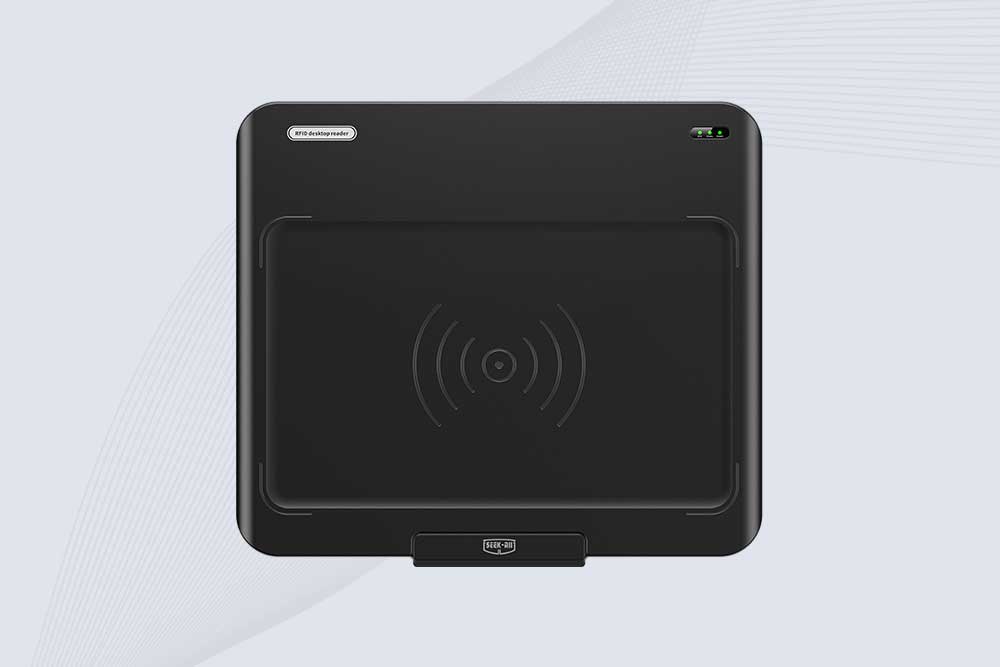
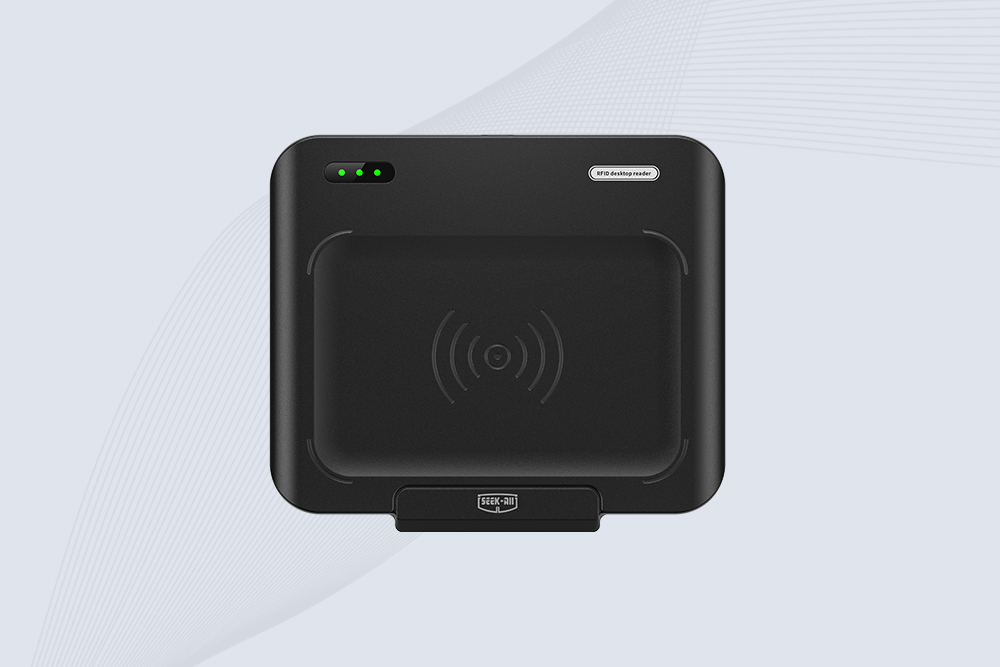
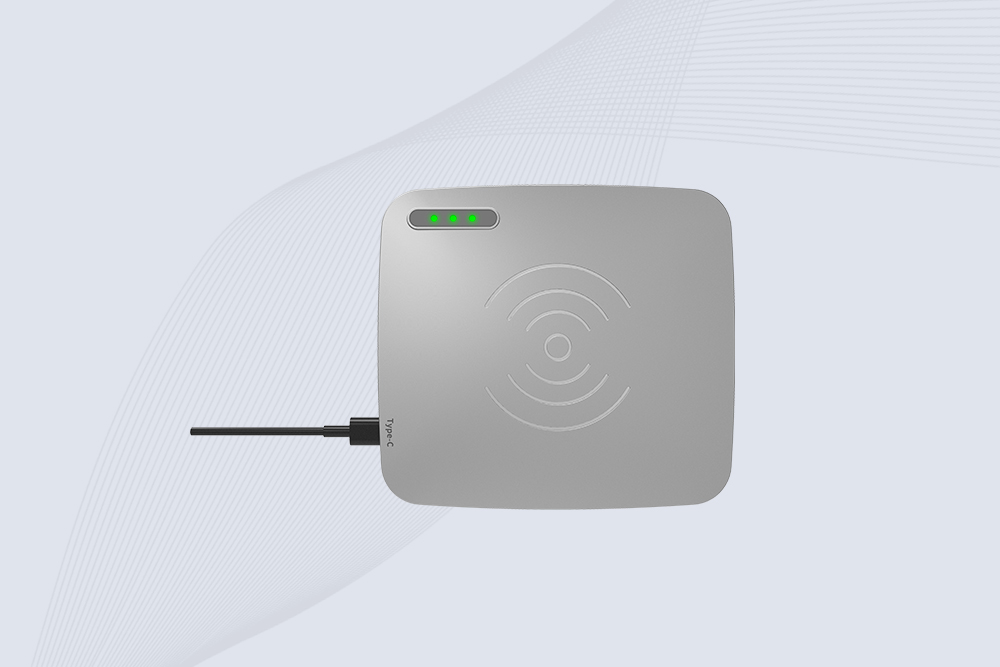
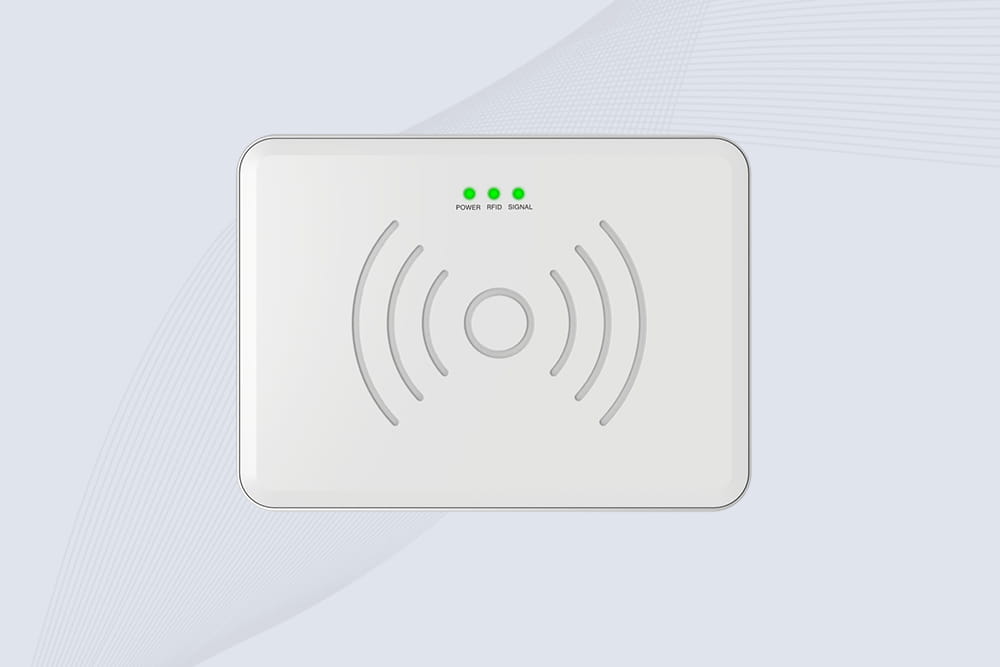
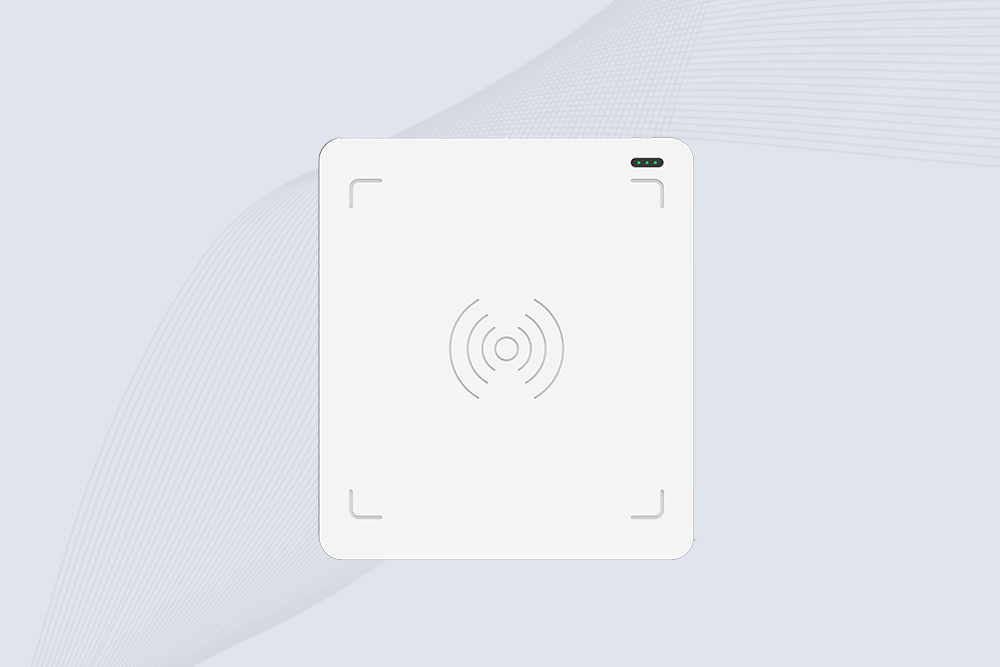
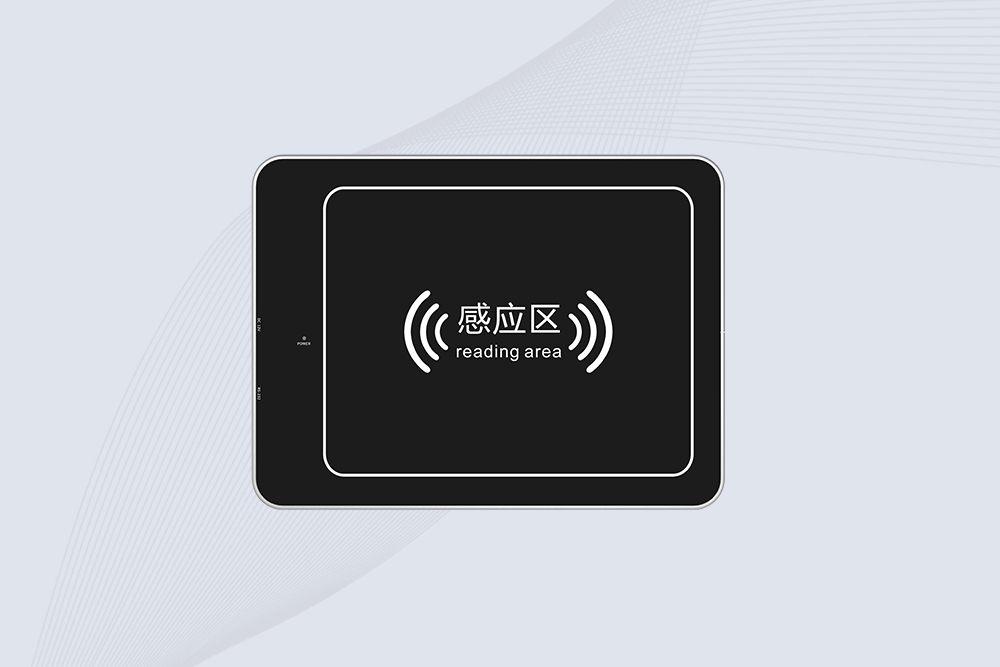
A desktop reader designed for writing cards and labels is very different from an industrial fixed reader intended to identify large numbers of tags in a warehouse.
1 Desktop RFID Readers
Desktop RFID readers are appropriate when identification or tag writing takes place at a workstation.
Typical applications include:
RFID tag encoding.
Card and tag registration.
Sample testing.
Small-scale inventory operations.
Library and asset-management workflows.
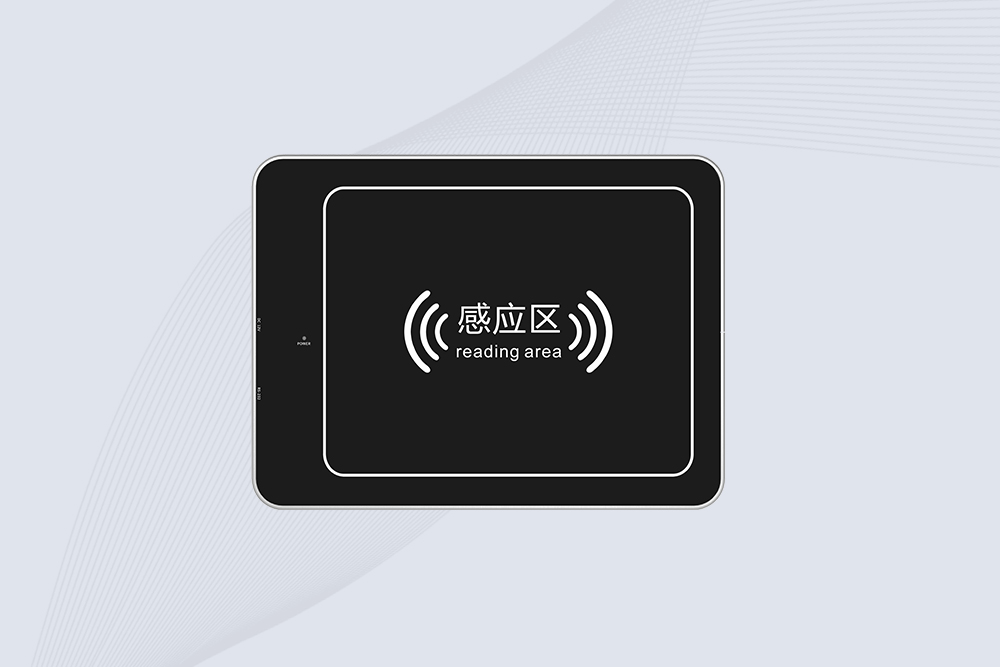
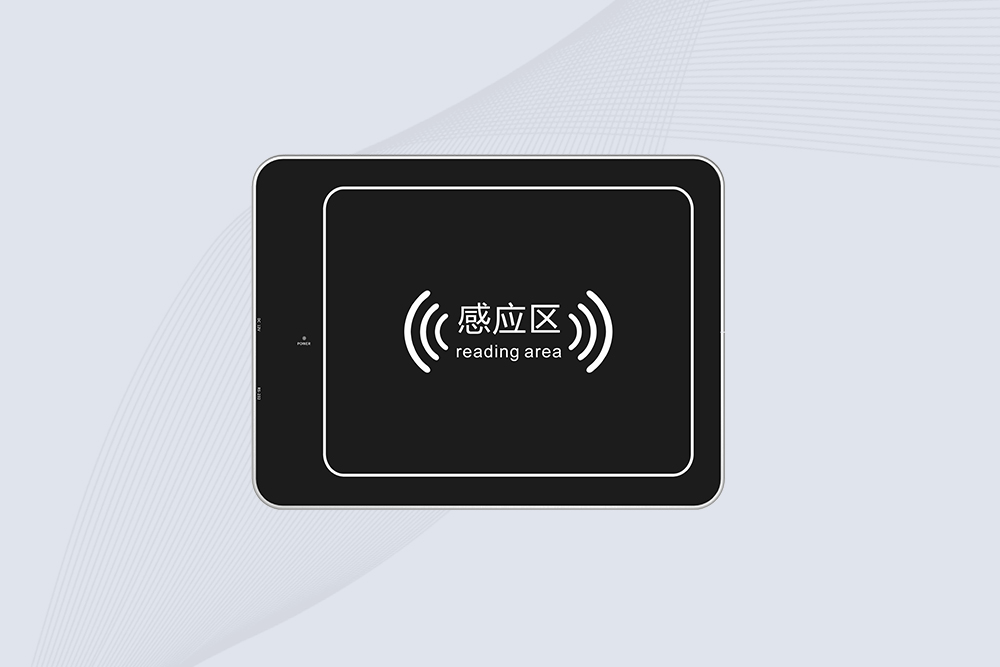
For example, Cykeo’s SSD-D1AL desktop RFID reader-writer uses a near-field antenna design and an Impinj R500-based platform.
Its stated specifications include a maximum port output of 33 dBm, a reading distance of up to 30 cm, and a writing distance of up to 10 cm. Actual performance depends on the tag, antenna conditions, and operating environment.
It also supports tag writing, batch operations, and software-based reading demonstrations.
These characteristics make desktop equipment more appropriate for controlled workstation operations than for large warehouse reading zones.
2 Industrial Fixed RFID Readers
Industrial fixed readers are designed for continuous or repeated identification in defined operating areas.
They are commonly used in:
Warehouse entrances.
Conveyor identification stations.
Production lines.
Equipment management.
Automated inventory collection.
Logistics sorting systems.
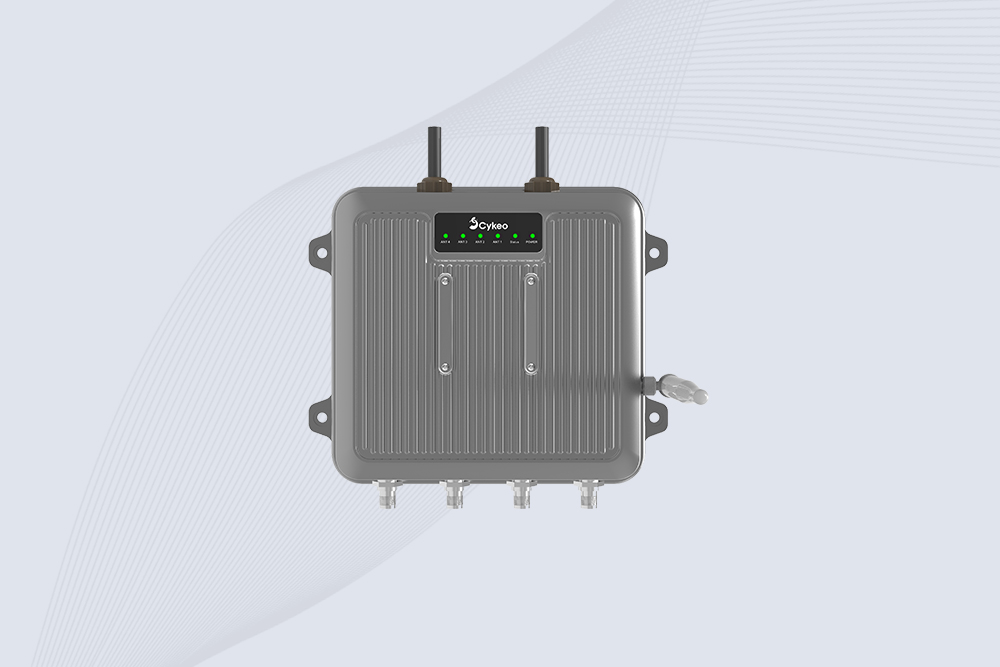
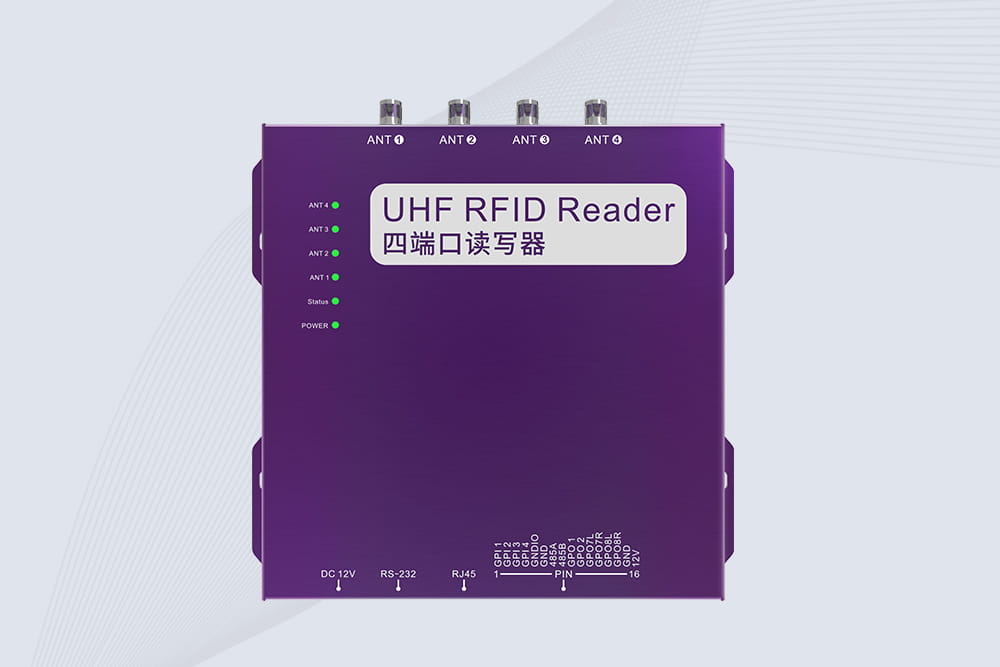
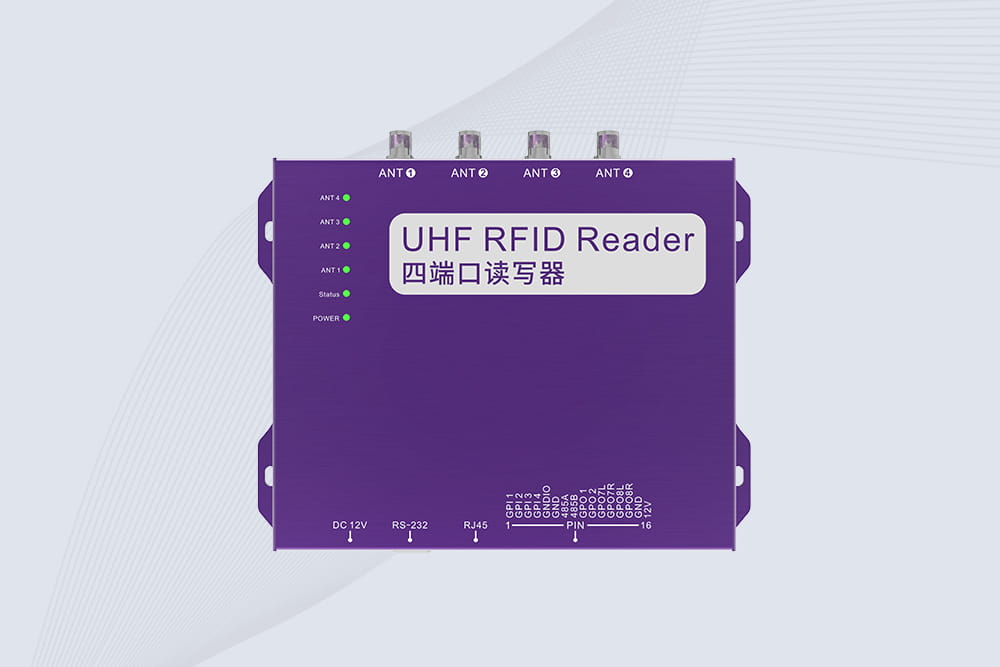
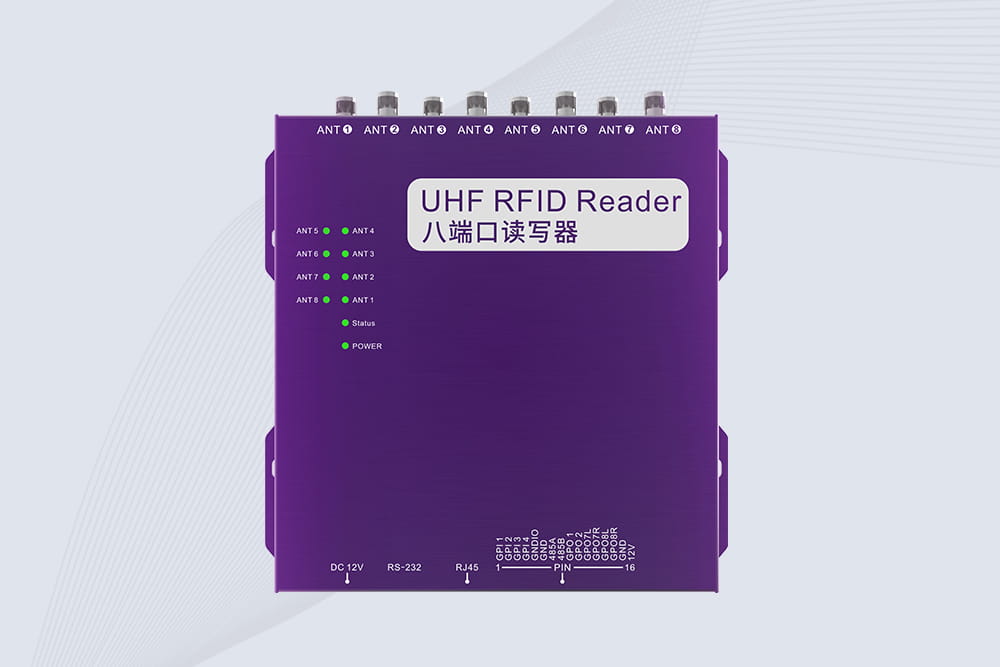
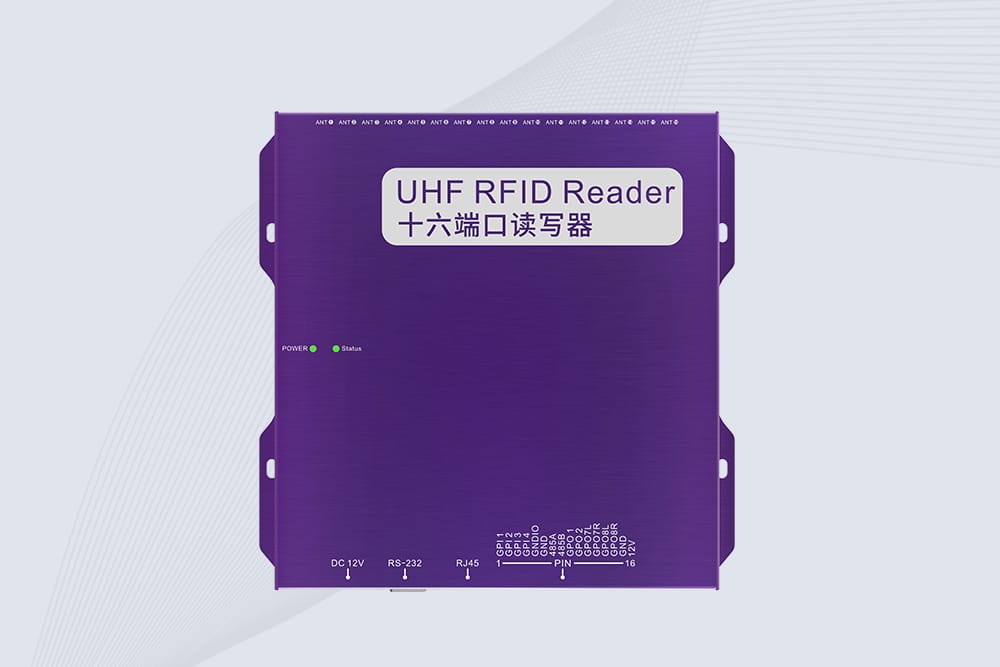
Cykeo’s CYKEO-RA9L and CK-D9L industrial reader platforms are examples of integrated UHF fixed-reader equipment.
Depending on the configuration, the product family supports industrial communication interfaces, including RS-232 and Ethernet options, as well as anti-collision functions and software development resources.
When choosing this type of reader, consider:
Whether the operating frequency matches the tag.
Whether the antenna coverage suits the reading area.
Whether the reader supports the required communication interface.
Whether the enclosure suits the installation environment.
Whether the SDK and API can integrate with the existing application.
3 RFID Reader Selection Comparison
Requirement
Desktop RFID reader
Industrial fixed RFID reader
Main purpose
Workstation identification and encoding
Automated identification
Typical installation
Desk or workbench
Conveyor, gate, production line
Operation
Manual or application-controlled
Fixed or continuous operation
Tag writing
Common feature, model-dependent
Model-dependent
Antenna configuration
Often integrated
Integrated or external
Integration
USB, serial, SDK/API depending on model
Ethernet, RS-232, SDK/API depending on model
Suitable environment
Office, laboratory, workstation
Warehouse, factory, logistics area
The important point is that RFID equipment should be selected according to the identification task, not simply the advertised reading distance or output power.
Is RFID Worth Using Instead of Traditional Identification?
RFID is valuable when a business needs more than a simple visual identification method.
However, its suitability depends on operational requirements, the number of items being processed, labor costs, infrastructure, and the expected value of better inventory visibility.
Consider the following comparison:
Business requirement
RFID suitability
Reason
Identifying many items quickly
High
Multiple compatible tags can be detected in a reading zone
Tracking inventory movements
High
Readers can capture identification events automatically
Identifying items without direct visual access
High
Radio communication does not require optical line of sight
Low-cost individual product labeling
Depends
Barcode labels may be more economical
Reading printed information
Low
Barcode or OCR technology is more appropriate
Identifying products around metal or liquids
Depends
Requires suitable tag and antenna engineering
Secure access authentication
Depends
Requires appropriate credential and security protocols
Before investing in RFID, businesses should evaluate the following factors:
Tag cost: The cost of electronic tags may be higher than printed barcode labels.
Reader infrastructure: Fixed readers, antennas, cabling, and network connections may require additional investment.
Software integration: Capturing a tag identifier is only the first step. The business needs a system that can process the information and connect it to operational records.
Labor savings: RFID may reduce repetitive scanning and manual counting, but the actual savings depend on the existing workflow.
Inventory accuracy: Better identification visibility can improve inventory records, provided that the system is correctly implemented and operational processes use the collected data.
A sensible evaluation begins with a pilot project. Select one product category, one warehouse area, or one receiving process. Measure reading performance, labor requirements, missed reads, unwanted reads, and the quality of the resulting inventory records.
This provides more useful evidence than choosing equipment based on a specification sheet alone.
Frequently Asked Questions About RFID
1. Is it RFID if a product can be scanned without touching it?
Not necessarily. RFID products can be identified without physical contact, but NFC, Bluetooth, and other wireless technologies also support contactless communication. To confirm RFID, check the operating frequency, tag components, and supported communication protocol.
2. How can I tell if my card is RFID?
Check the card manufacturer’s specifications for terms such as RFID, NFC, LF, HF, or 13.56 MHz. You can also test it with a compatible card reader. A successful reading confirms that the card communicates with that reader, although the exact technology and security features require further verification.
3. Is RFID the same as NFC?
No. NFC is a specific short-range communication technology operating at 13.56 MHz and is closely related to HF RFID. However, RFID includes other frequency categories, such as LF and UHF, which support different applications and communication protocols.
4. Can a smartphone detect every RFID tag?
No. Most NFC-enabled smartphones support compatible NFC technologies, but they cannot directly read every RFID tag. In particular, ordinary smartphones do not generally include the UHF radio hardware required to communicate with standard passive UHF inventory tags.
5. Can RFID work without an internet connection?
Yes. An RFID reader can communicate with compatible tags without an internet connection. The reader may send identification data to a locally connected computer or industrial controller. Internet connectivity is only necessary when the application requires remote services, cloud synchronization, or external database access.
6. Can RFID tags be read through packaging?
In many situations, yes. Passive UHF RFID tags can often be read through cardboard, paper, plastic, and other suitable non-metallic packaging. However, performance depends on the packaging materials, liquid content, metal components, tag position, and reader configuration.
7. How do I know whether I need an RFID reader or an RFID writer?
An RFID reader retrieves identification data from compatible tags. An RFID writer can also modify supported writable memory areas, subject to the tag’s permissions and security settings. If you only need inventory identification, a reader may be sufficient. If you need to encode EPC identifiers or update tag data, choose a reader-writer that supports the required memory operations.
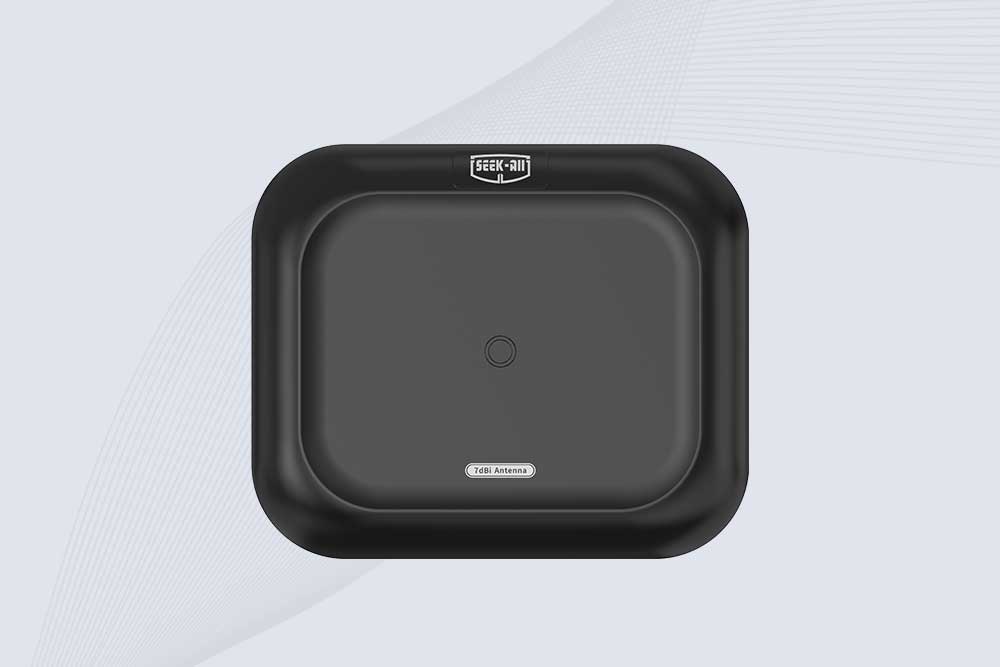
Explore the SSD-A07 UHF RFID antenna with 7 dBi gain, circular polarization, adjustable 840–960 MHz frequency, and 60°/75° beamwidth for stable RFID read/write performance.
SSD-A06 UHF RFID antenna with circular polarization, adjustable 840–960 MHz frequency, ≥4.5 dBi gain, and a compact directional design for RFID systems.
SSD-D3AL is a USB-HID UHF RFID reader with 0–30 cm reading, 0–15 cm writing, over 600 tags/s recognition, USB plug-and-play operation and OEM Logo customization.
SSD-D1AL is a compact USB UHF RFID reader with Impinj E710/X3M1 chipset, USB-HID, 600+ tags/s recognition, 4/8/16 antenna support and plug-and-play USB power.
SSD-R16L Multi-Channel RFID Infrastructure for Automated Inventory Management ✔️ 16-Port High-Density RFID Reading Equipped with 16 SMA antenna ports, SSD-R16L supports multi-antenna deployment for warehouses, retail stores, logistics, production lines, and large-area RFID identification. ✔️ High-Speed & Long-Range Performance With up to 33…
SSD-R8L 8-port UHF RFID reader with 33dBm output, up to 20m reading range and 600+ tags/s recognition. Ideal for warehouse, logistics, retail and asset tracking.
CYKEO CYKEO-D1LA USB RFID Reader is a compact desktop solution with near-field control for precise tag reading and encoding. Powered by USB, supporting ISO 18000-6C, and built for stable batch writing, this usb rfid tag reader fits retail, libraries, offices, and controlled RFID encoding tasks.
CYKEO CYKEO-D1L RFID scanner USB is a compact desktop UHF RFID scanner designed for short-range tag writing and verification. This usb rfid scanner supports batch encoding, stable 0–26 dBm output, and works across Windows, Linux, and Android systems.
CYKEO CYKEO-D1C USB RFID Card Reader is a near-field UHF desktop writer designed for secure, short-range tag encoding. With USB-C connectivity and stable 26 dBm output, this rfid reader usb c is ideal for badge issuance, label encoding, and controlled desktop RFID workflows.
CYKEO CYKEO-D2L RFID Reader USB is a compact desktop encoder built on the Impinj R500 chip. With near-field control and stable USB power, this usb rfid card reader delivers precise tag writing for offices, retail counters, and small-scale logistics encoding tasks.
CYKEO CYKEO-D3L USB RFID Tag Reader delivers stable UHF tag reading and writing for daily desktop and light industrial tasks. Designed for controlled short-range operation, this USB RFID Tag Reader works reliably with rfid tag and reader systems in libraries, tool tracking, and inventory registration.
The CYKEO CYKEO-D4L UHF RFID Tag Reader is a stable Desktop RFID Reader designed for accurate tag registration, borrowing, and return workflows. Built with the Impinj R2000 chip, this UHF RFID Tag Reader delivers controlled short-range reads for libraries, asset tracking, and inventory management environments.
The CYKEO CYKEO-D5L Desktop RFID Card Reader is a stable UHF RFID Card Reader designed for controlled short-range reading and writing. Built for libraries, tool rooms, and asset desks, this UHF RFID Card Reader supports dense tag handling, secure data processing, and easy USB integration.
The CYKEO CYKEO-D6L RFID Reader Writer is a heavy-duty Desktop RFID Reader designed for short-range, high-accuracy tag programming. Built for libraries, labs, and asset desks, this RFID Reader Writer supports batch processing, stable 33dBm output, and seamless integration with existing management systems.
Cykeo CYKEO-D8A embedded RFID badge reader offers 30+ tags/sec scanning, 20cm anti-crosstalk precision, and DC 12V power for unmanned stores, warehouses, and smart inventory systems.
Cykeo’s CYKEO-D8C UHF RFID gate reader achieves 200-tag/batch scanning with adjustable power control, ideal for retail inventory and smart warehouse management.
Cykeo CYKEO-A11 UHF RFID reader antenna delivers 11dBi gain, 840-960MHz frequency range, and IP65 ruggedness for retail, logistics, and industrial RFID systems. Features low VSWR and easy installation.
CYKEO Antenna RFID Reader delivers stable long-range UHF performance with a 10.5dBi directional design, built for warehouses, conveyor portals, and industrial RFID systems. This rfid reader antenna provides 20m+ read distance and rugged IP67 protection.
Cykeo CYKEO-A5B industrial Linear RFID Antenna delivers 5dBi gain, ≤1.5:1 VSWR, and IP65 rugged design for warehouse, production line, and logistics UHF systems.
Cykeo’s CYKEO-B12 Long Range RFID Antenna delivers 15m+ read range with 12dBi gain, IP65 rugged design, and global 840-960MHz UHF support. Ideal for warehouse/logistics asset tracking.
Cykeo CYKEO-B10 Long Distance RFID Antenna offers 10dBi gain, 840-960MHz frequency range, IP65 rating, and 20m+ coverage for logistics/warehousing/ETC systems. Low VSWR ensures stable signal transmission.
Cykeo CYKEO-A6 UHF RFID panel antenna features 6dBi gain, 840-960MHz broadband, IP65 metal-ready housing for logistics/smart retail. 18mm ultra-thin design with tool-free mounting.
Cykeo CK-A3 industrial antenna RFID UHF offers 5m+ tag detection, ≤1.3:1 VSWR, IP65 rugged design, and global UHF spectrum compatibility (840-960MHz) for warehouses, factories, and retail.
Cykeo CYKEO-B5 directional RFID antenna provides 5dBi gain with 60° narrow beamwidth for precise inventory tracking. IP65-rated, global UHF frequency support, and low VSWR.
Create your own high-performance DIY RFID antenna! 5dBi gain, 840-960MHz tunable, step-by-step guides. Compatible with Arduino, Raspberry Pi, and commercial UHF readers.
Cykeo CYKEO-A7 Flexible RFID Antenna features 840-960MHz wideband tuning, 7dBi gain, and IP68 rating for medical/retail/industrial curved surface deployments. 98% read accuracy with peel-and-stick installation.
Cykeo CYKEO-B5A industrial Passive RFID Antenna delivers 5dBi gain, 70° beamwidth, and -40°C~55°C operation for warehouses/smart cabinets. Compatible with Zebra/Impinj readers.
Cykeo’s CYKEO-A9B High Gain RFID Antenna delivers 15m+ read range with 9dBi amplification. Features IP54 rugged design, 840-960MHz bandwidth, and 80° beamwidth for warehouse/manufacturing RFID systems.
Cykeo’s enterprise-grade 8dbi Impinj RFID Antenna 10m+ read range with 840-960MHz tuning. Features IP65 housing, 1.4 VSWR, 35° beamwidth for retail/warehouse RFID systems.
Cykeo CYKEO-A9 industrial UHF RFID antenna delivers 9dBi gain, 840-960MHz frequency range, and IP65 protection for warehouse/logistics/retail RFID systems. Features N-type connector and ≤1.3:1 VSWR.
CYKEO UHF RFID Antenna built for long-distance and industrial applications. This antenna rfid uhf delivers strong gain, outdoor durability, and reliable tag performance in warehouses, yards, and vehicle ID systems.
CYKEO Antenna RFID delivers reliable long-range UHF performance in warehouses, retail shelves, and cold-chain environments. This compact uhf rfid antenna provides stable reads with circular polarization and ultra-wide 840–960 MHz support, ideal for industrial tracking, smart shelves, and asset monitoring.
Cykeo’s CYKEO-C8 UHF RFID antennas delivers 8dBi gain, 840-960MHz full-band coverage, and IP65 ruggedness for manufacturing/warehouse RFID systems. Industrial RFID Antennas Features
Cykeo’s 8dBi UHF RFID antenna and reader kit delivers 10m+ range, 840-960MHz broadband, and IP65 ruggedness for factories, warehouses, and logistics. ISO 18000-6C & EPC Gen2 certified.
Cykeo’s CYKEO-A12C UHF Large RFID Antenna delivers 12dBi gain, 840-960MHz global frequency, IP65 ruggedness for logistics/warehousing/automotive. 40° beamwidth ensures stable 15m+ tag reads.
CYKEO Near Field RFID Antenna provides precise 5–30 cm reading for shelves, cabinets, and workstations. This compact rfid shelf antenna delivers stable short-range performance around metal and clutter, ideal for pharmacies, libraries, and electronics sorting.
Cykeo CYKEO-C1 industrial Forklift RFID Reader features 20m read range, 600 tags/sec scanning, Impinj R2000 chipset, and IP67 rugged design. Ideal for warehouse logistics and manufacturing. Supports ISO 18000-6C/6B protocols.
Cykeo CYKEO-R4 industrial UHF RFID Fixed Reader features 4 TNC ports, 400+ tags/sec speed, IP67 housing, and global frequency compliance for vehicle inspection, smart warehouse, and asset management systems.
CYKEO CYKEO-R8L Fixed RFID Reader with 8-port UHF design, Impinj-based RF core and up to 20m read range. An industrial Fixed RFID Reader for vehicle inspection, warehouse portals, smart manufacturing lines and secure access checkpoints.
RFID Fixed Reader from CYKEO – the CYKEO-R16L 16-port UHF fixed reader for warehouses, smart cabinets, and production lines. Long-range, multi-tag reading, stable performance for 24/7 industrial use.
Wondering if your smartphone works with NFC RFID readers? Follow our step-by-step test to check compatibility, fix pairing issues, and start scanning tags in minutes.
Learn multiple ways for how to connect an RFID reader to computer. Step-by-step guide for USB, Ethernet & serial ports with CYKEO readers, including driver and software setup.
Discover how RFID doors can power your software projects. From UHF readers to CK-A11 antennas, learn integration tips, actionable data insights, and IoT-ready solutions for developers.
 Cykeo RFID IoT Solution Products R&D Manufacturer