A reader that costs $89 and then needs a $400 antenna, a $300 power supply, and two weeks of driver debugging is not a cheap reader. It is an expensive one with a low invoice.
The sticker price is the easiest number to compare and the least useful one. What you pay for is a read point that works on the tags you own, in the building you own, run by the software team you have.
What follows is a filter: what to check, in what order, and where saving money is safe.
Cheap Is a Total, Not a Sticker
Three layers make up the cost of a working read point.
Hardware is the reader, antenna, coax, bracket, power supply, and a network drop. Integration is whoever writes the code that turns tag reads into rows in your database. Running cost is power, heat, failure rate, and whether the vendor answers email in year three.
On a fixed read point the reader is a quarter to a third of installed hardware cost. Cut 30% off the reader and you cut maybe 10% off the project. Cut the SDK documentation and you add a month of developer time, which costs more than the discount saved.
Spend the savings on the integration, not on the radio.
Decide the Job Before You Compare Prices
Write down four numbers before you open a product page.
Distance
Near-field desktop readers work at 0 to 30 cm. Fixed readers with an external antenna reach 3 to 20 m, depending on gain, power, and what the tags sit on. A $120 desktop unit is not a cheaper version of a dock door reader. It is a different product.
Tag volume
Thirty tags per second is fine for issuing badges. Six hundred per second matters when a truckload crosses a dock door and nobody will ask the driver to slow down.
Environment
A back office and an unheated loading bay are not the same job. IP65 housings and lightning protection are not upgrades you add later.
Duty cycle
Eight hours a day allows a lighter build than 24/7. Heatsink size drives price.
Get the Frequency Band Right, or Nothing Else Matters
UHF RFID is not one frequency. Europe uses 865 to 868 MHz, North America 902 to 928 MHz, China 920 to 925 MHz, and Japan, Brazil, and India sit elsewhere. A reader locked for the wrong region is a paperweight.
Ask two questions in writing: which band is this unit locked to, and can it be changed in firmware? Some low-cost readers are hard-locked at the factory. Fine if you deploy in one country. A disaster if you ship to three continents. Library books or NFC phones mean HF at 13.56 MHz, a different product line entirely.
The Interface Determines Your Labor Cost
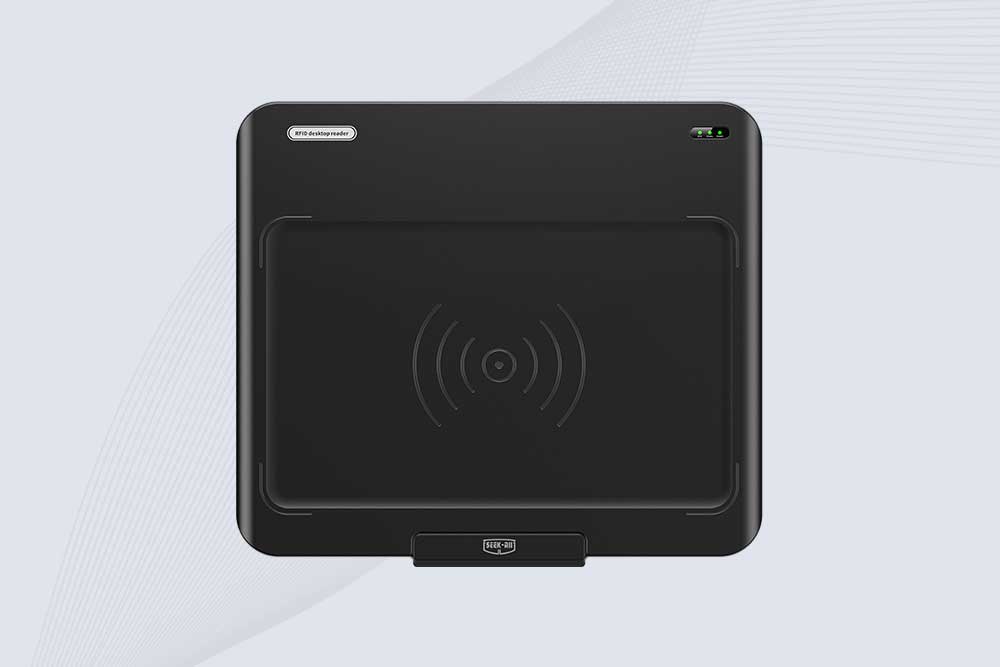
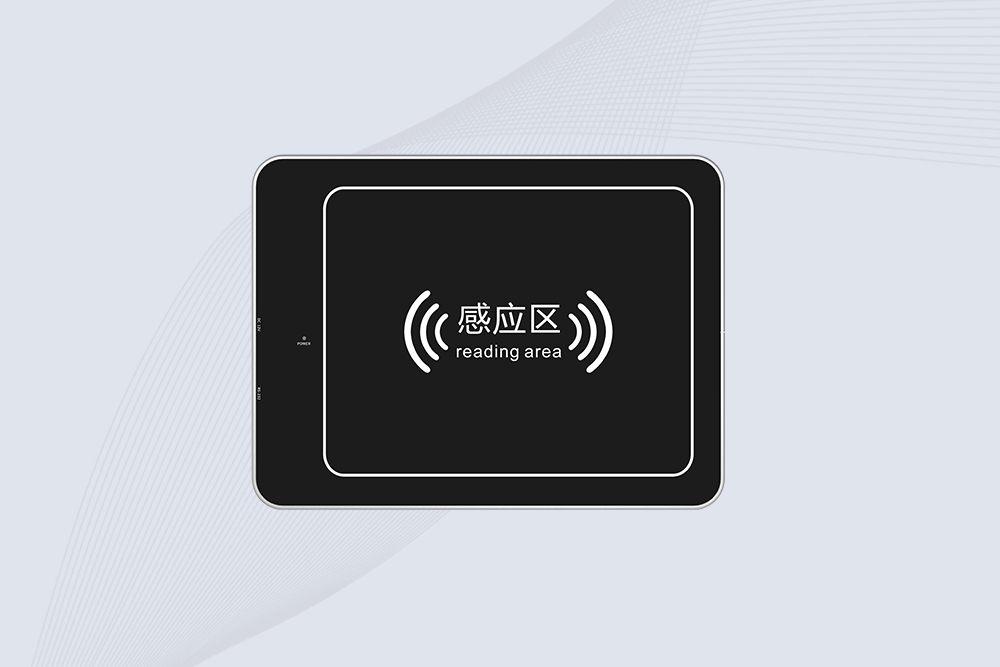
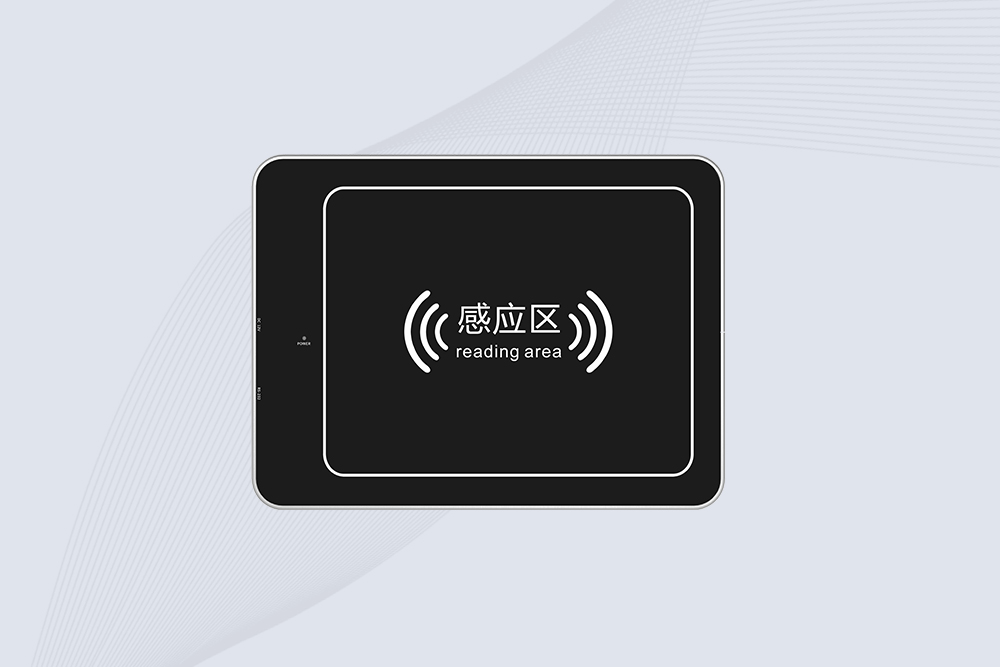
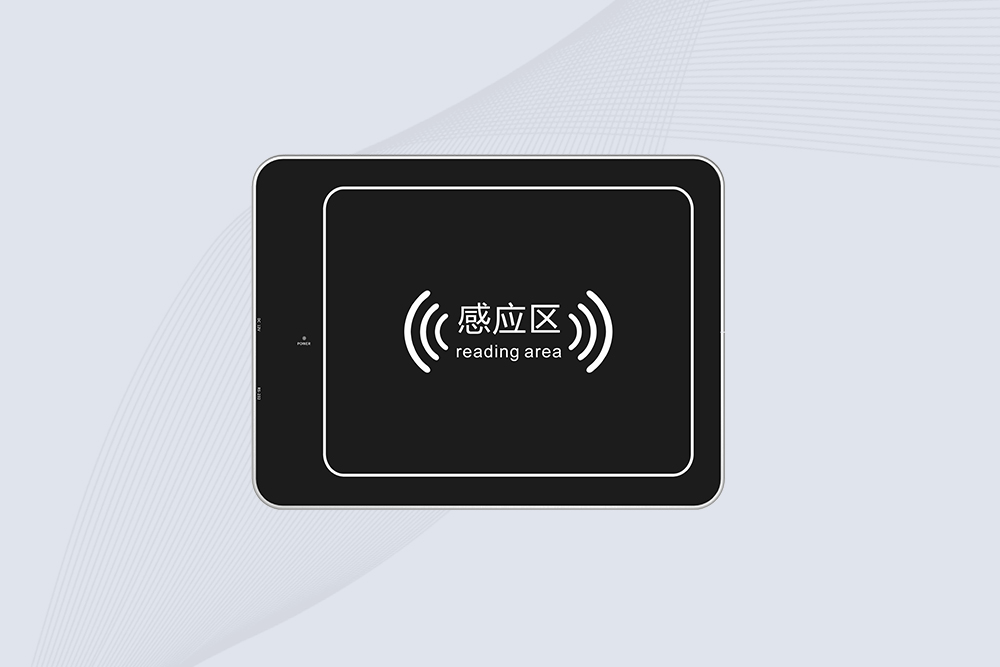
USB-HID is cheapest in practice. The reader acts like a keyboard, types tag IDs into whatever field has focus, and needs no driver and no developer. For a stockroom or a first prototype, that is the entire integration.
USB virtual COM needs a driver per operating system. Confirm it exists for your OS before you buy.
Ethernet and PoE put the reader on the network, so any machine can talk to it without a cable across the warehouse. PoE also removes a power run, which can save more than the price difference.
RS232, RS485, and Wiegand appear when you talk to a PLC or an access panel. The reader has to match exactly, because adapters in the middle of an industrial link cause intermittent faults.
Where the Price Difference Really Lives
Two readers can look identical and behave nothing alike, because the radio chip sets the ceiling.
Modules on Impinj parts, the E710, E510, R2000, and R500 families among them, hold read rates when tags are packed tight, sit on metal or liquid, or sit at the edge of range. Budget readers with unbranded chips work fine in easy conditions. Push the same reader to a pallet of 200 cartons and the count falls.
The test is not the datasheet’s maximum distance. It is your read rate at your distance with your tag density.
You don’t always need the best chip. You need to know which one you’re buying, written into the quotation.
Specs That Sellers Quietly Leave Out
These lines don’t appear in the headline specs, and they decide whether the project ships.
SDK support, and whether the documentation is real. Java and C# with working sample code is the baseline. A PDF with three function names is not an SDK.
Firmware update path. Ask who provides updates.
Antenna ports and connector type. SMA and TNC are not interchangeable, and every port is a read zone.
Power draw at full output. 33 dBm means real current. Check the supply and the heat.
Dense-reader mode. Two readers facing each other need a way to stop deafening each other.
Warranty, MOQ, lead time. Twelve weeks is not cheap when go-live is in six.
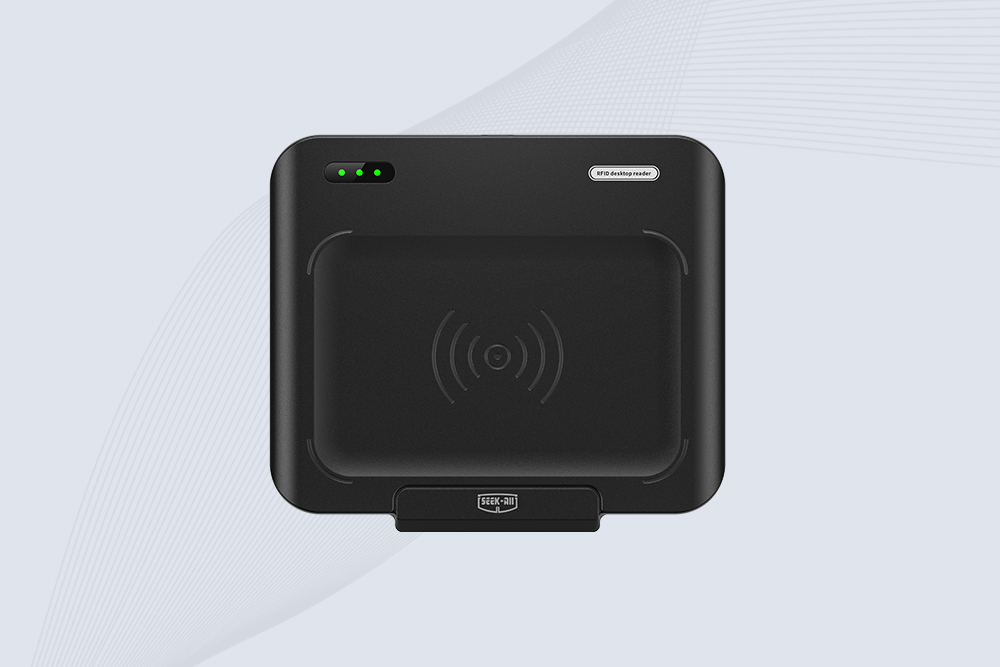
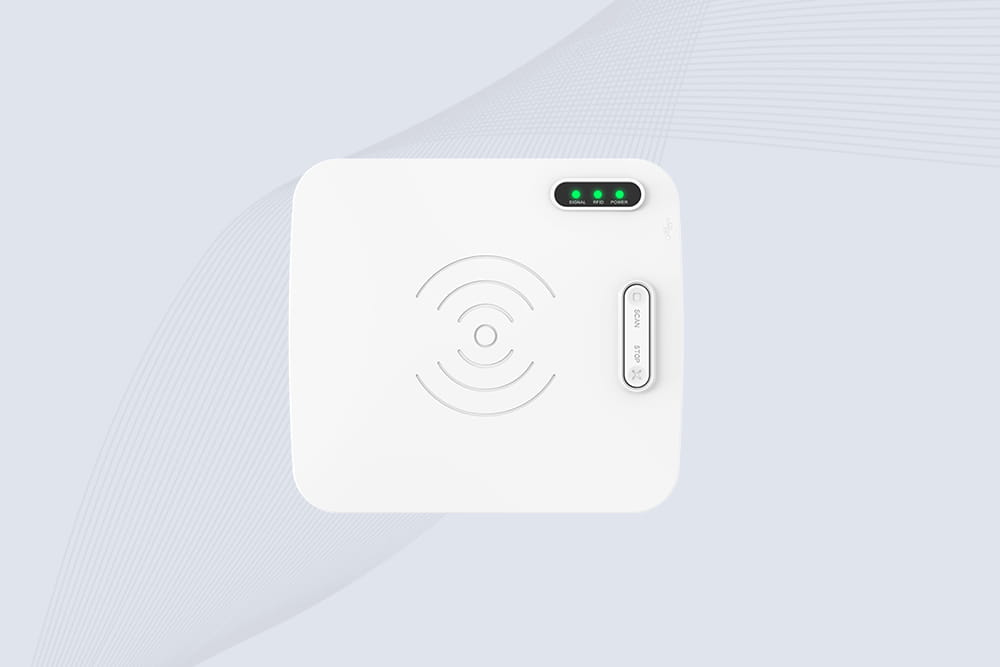
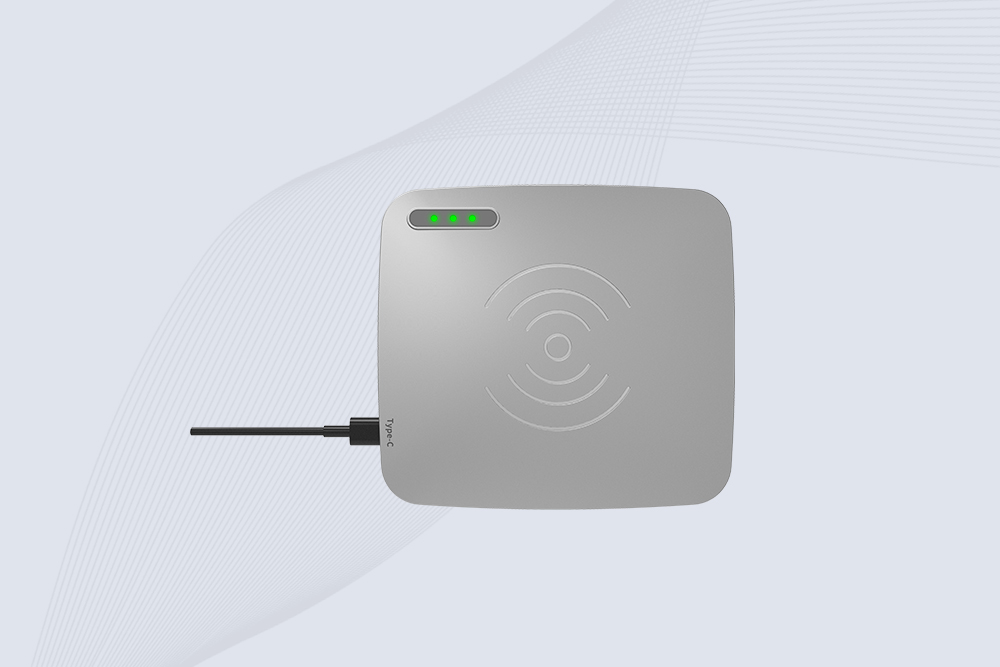
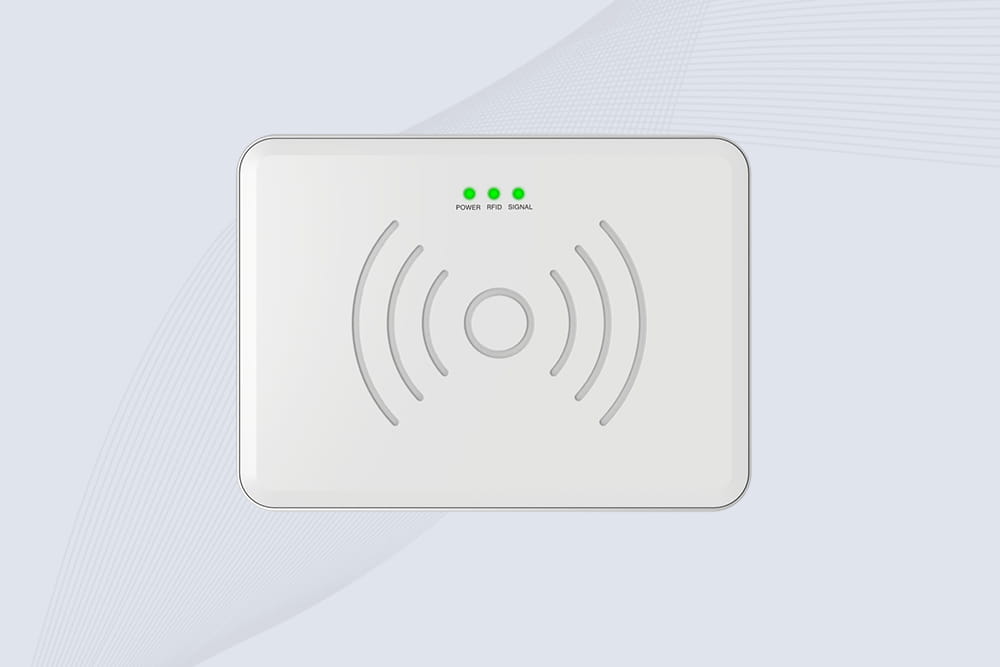
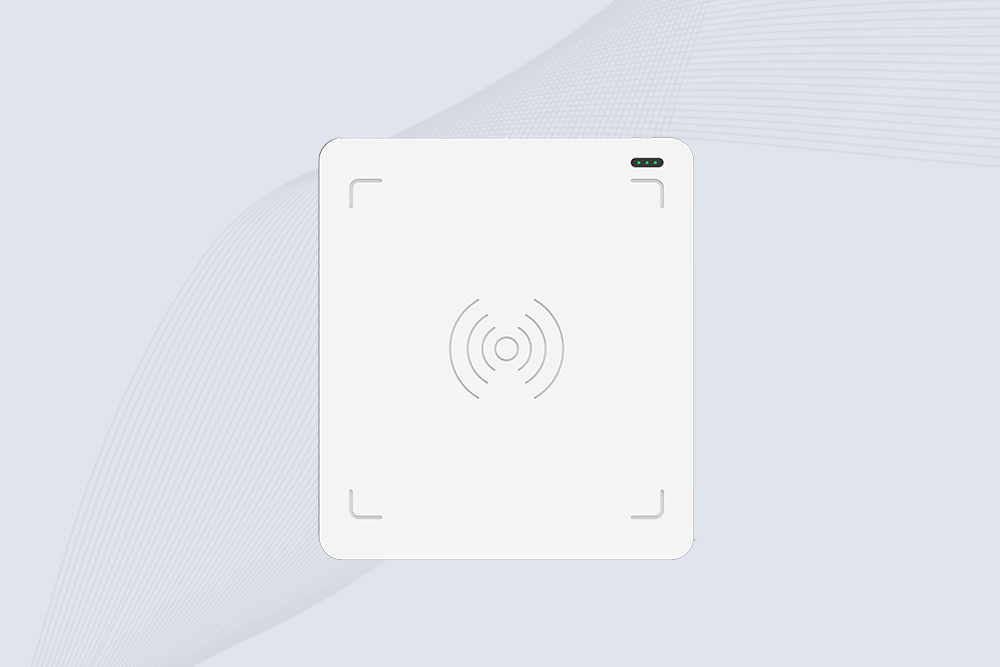
Lowest entry price, fastest to prove. Cykeo’s USB RFID reader line runs from compact units at 0 to 30 cm to batch encoders that handle 30 or more items in one pass. Best for encoding, badge issuing, checkout, and first pilots.
Fixed multi-port readers
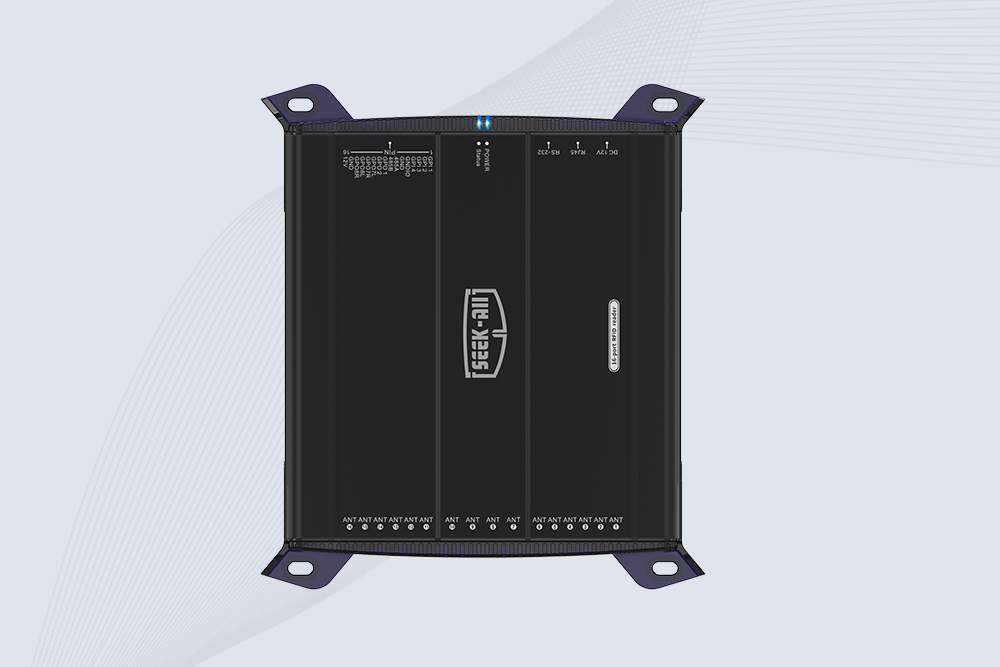
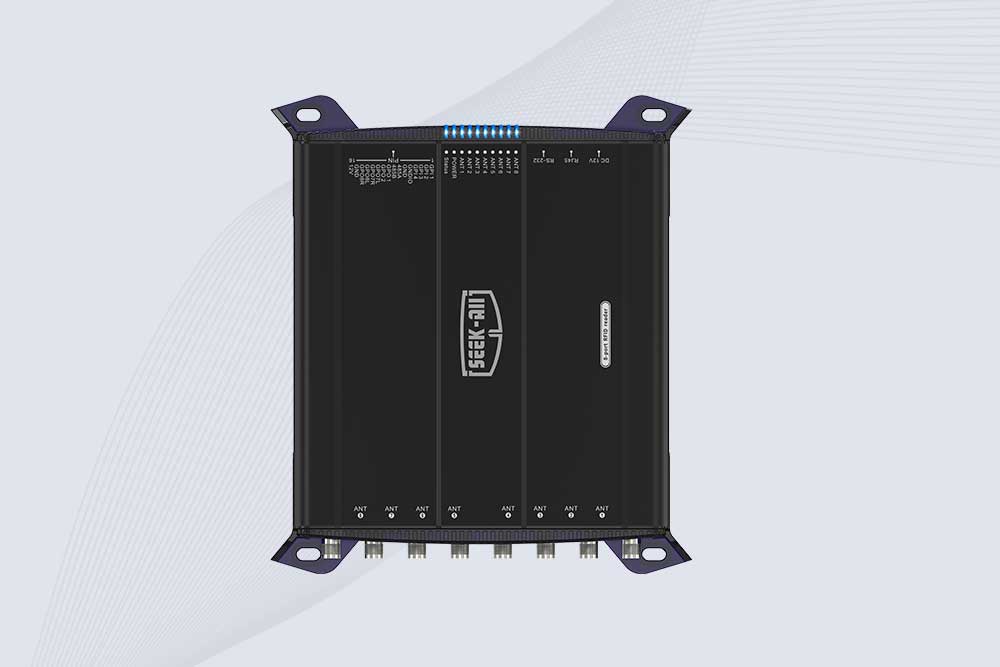
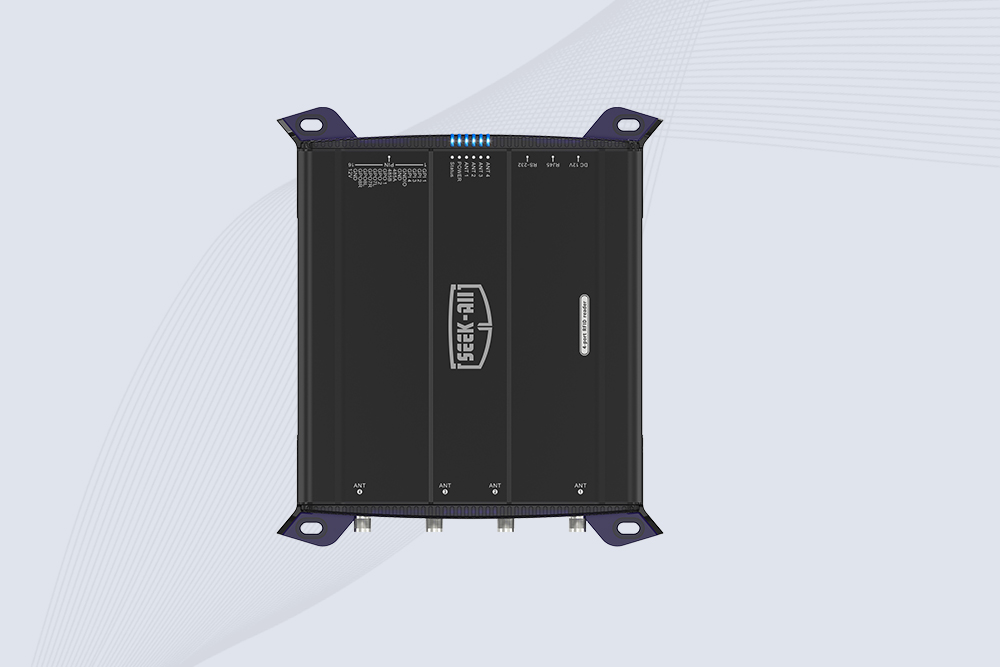
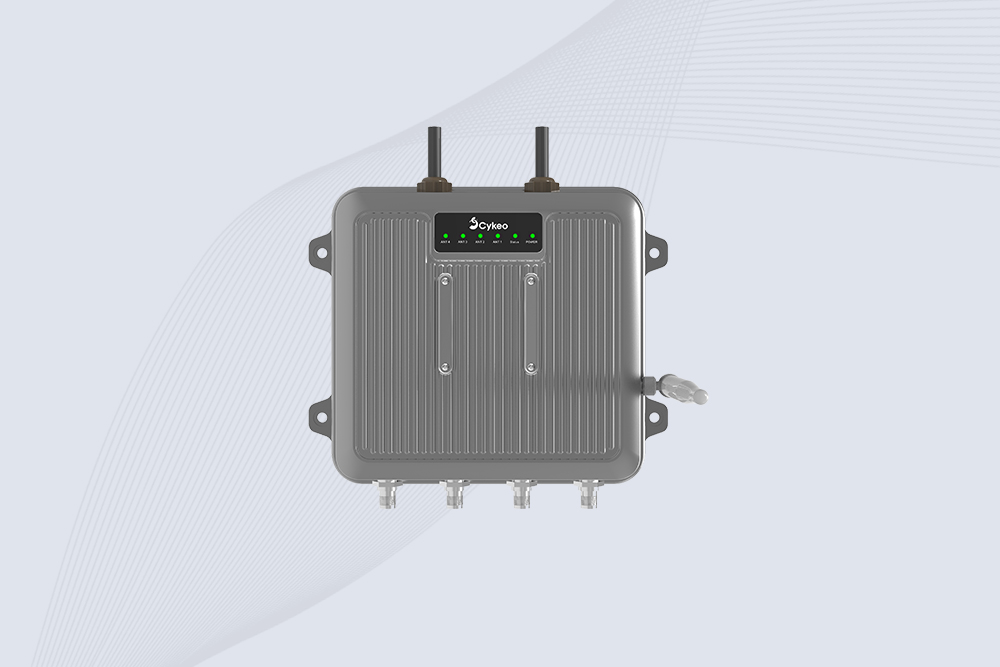
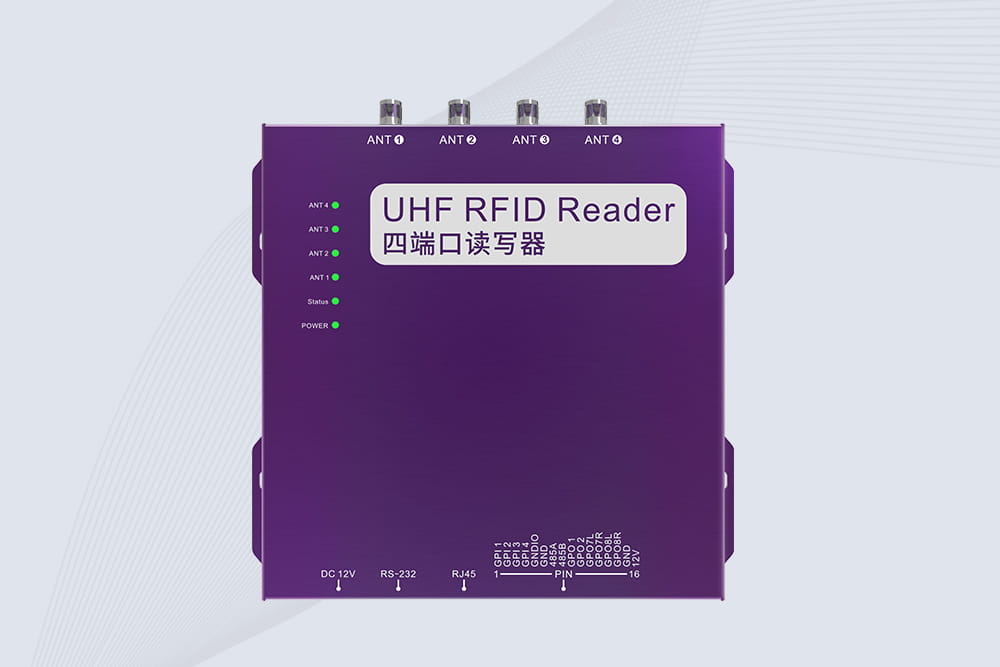
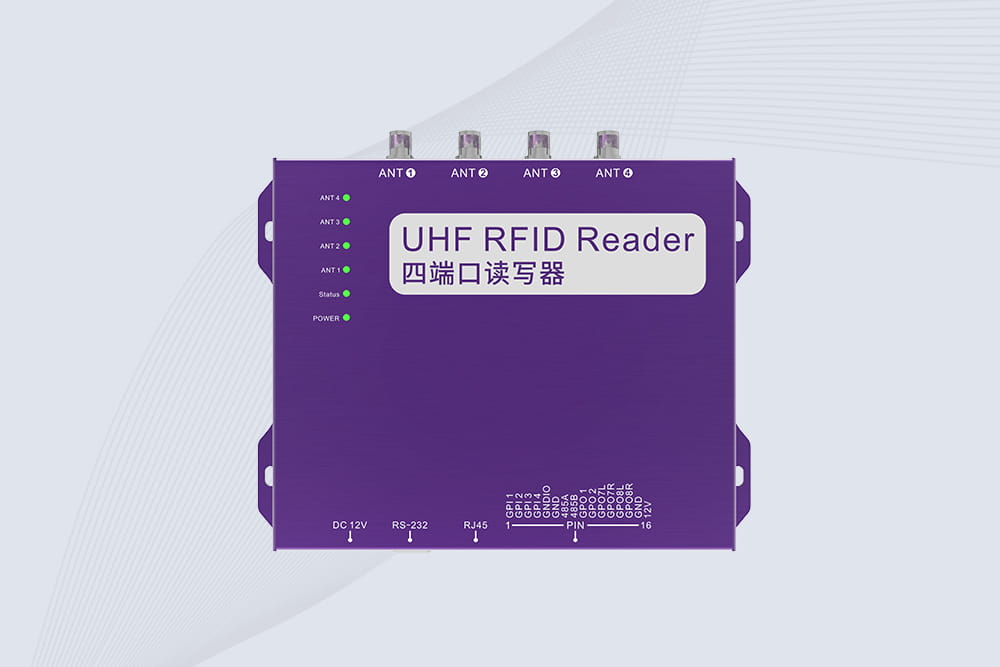
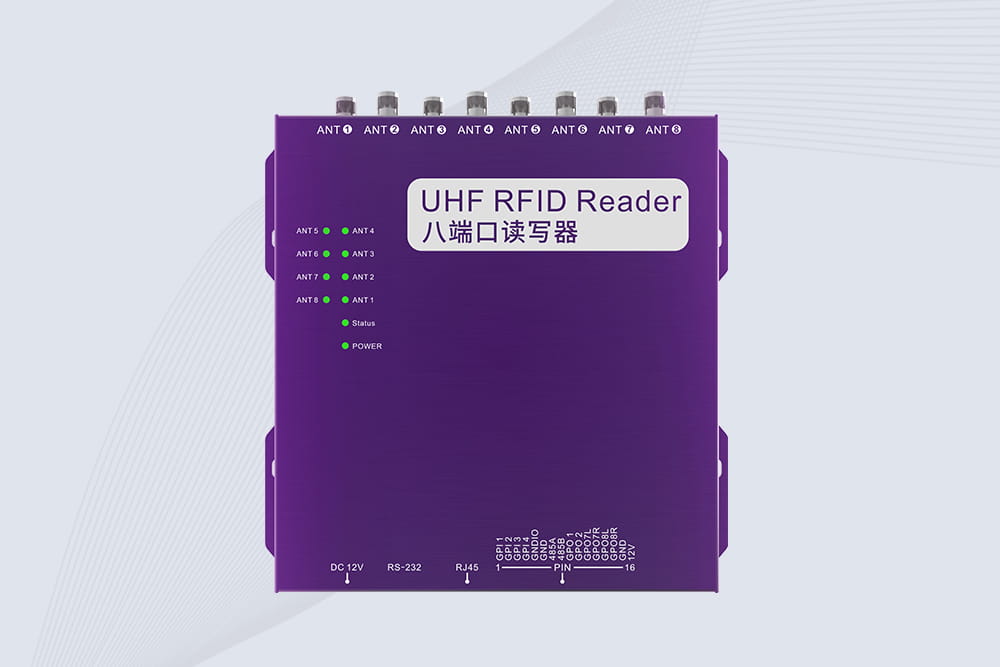
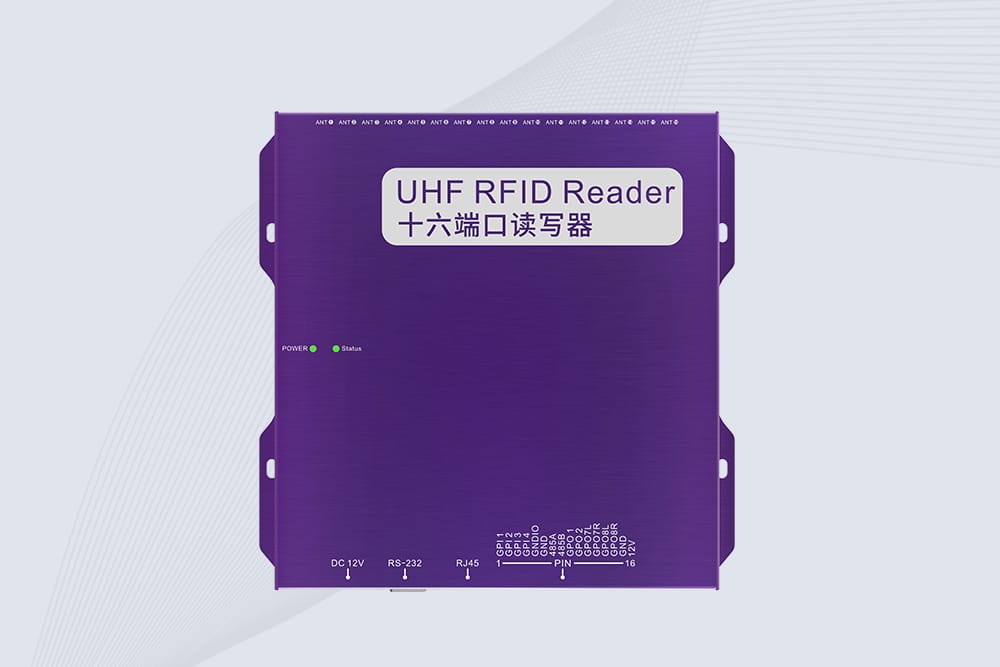
Price rises with port count, cost per read point falls. A 4-port unit on one dock door is expensive per door. A 16-port unit on a whole aisle is not. Fixed UHF readers are where most of the money in a real project goes.
Handhelds
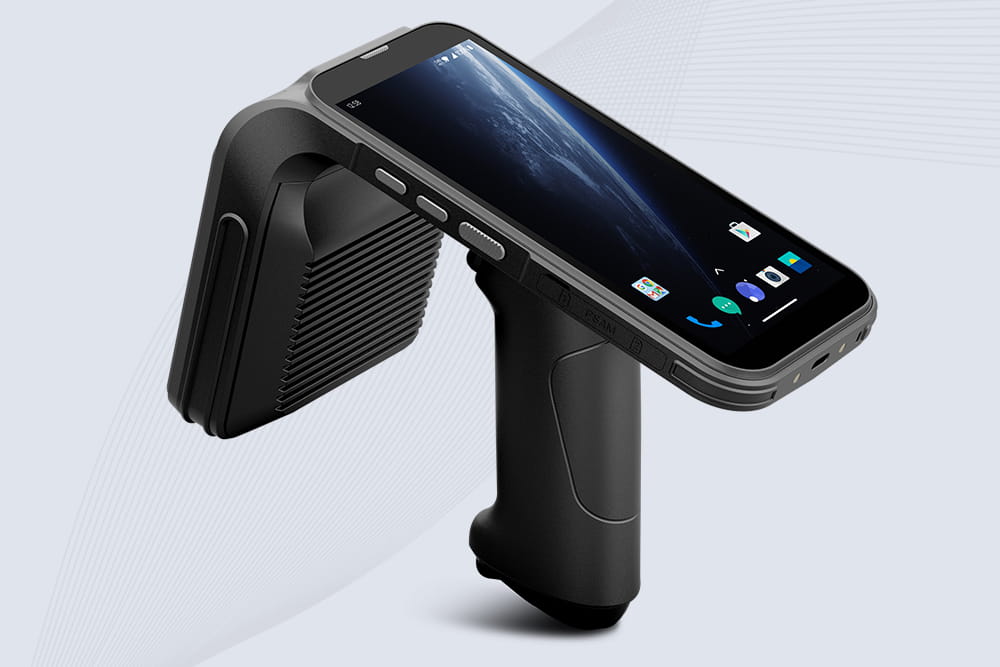
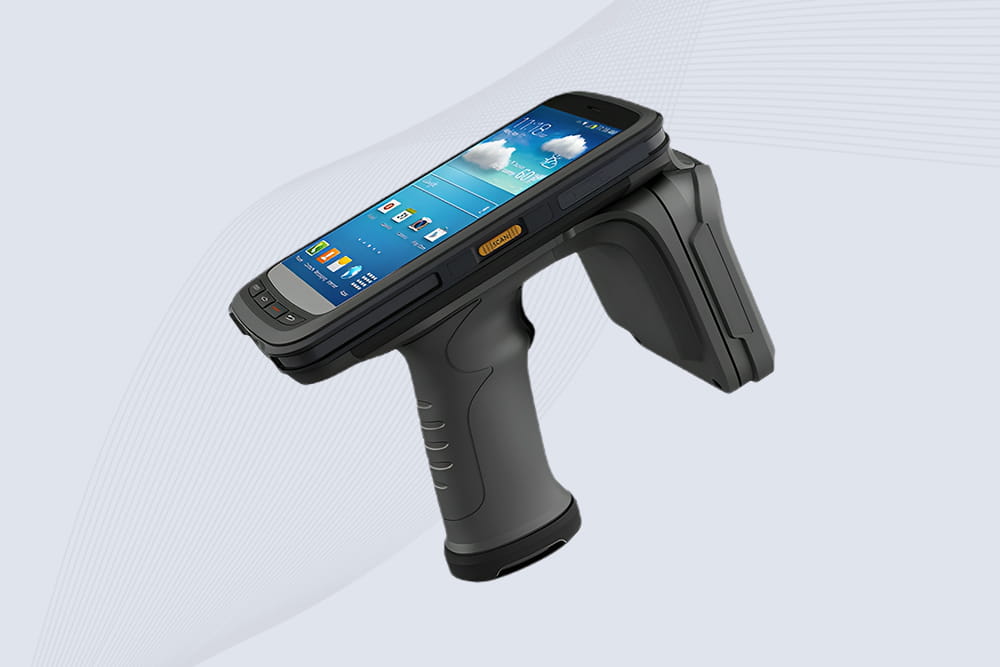
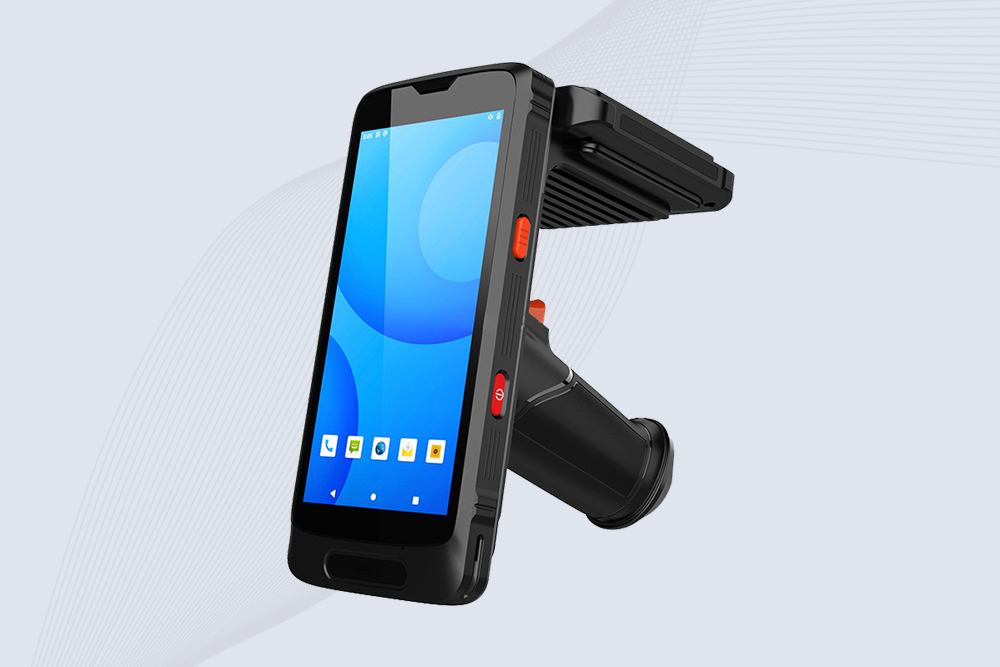
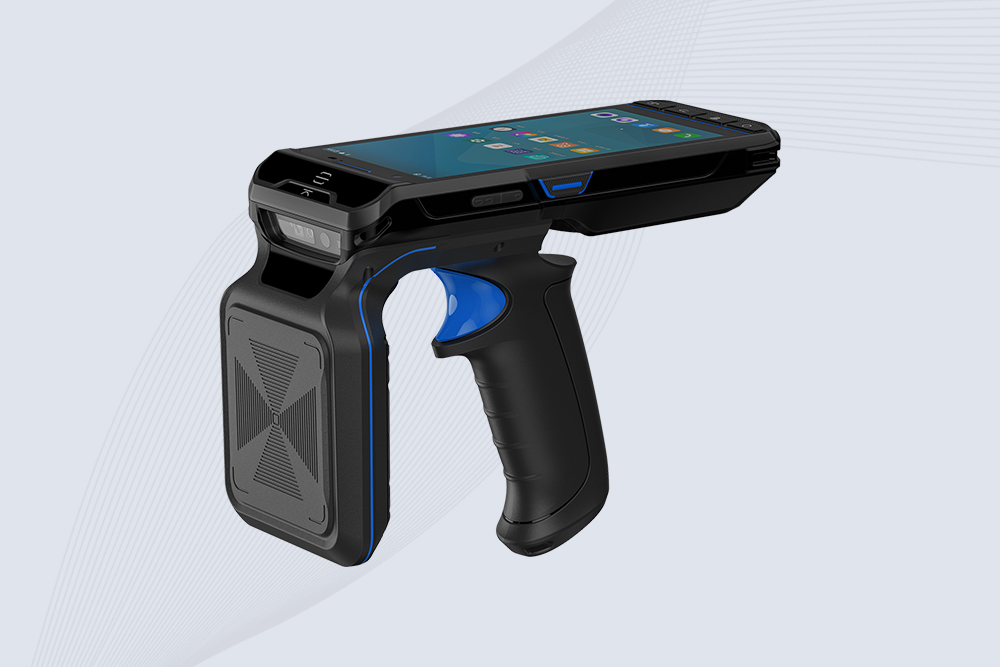
Cheapest per task, most expensive per hour of labor. Buy them when a person has to walk to the tag, not when the tag can walk past an antenna.
OEM modules
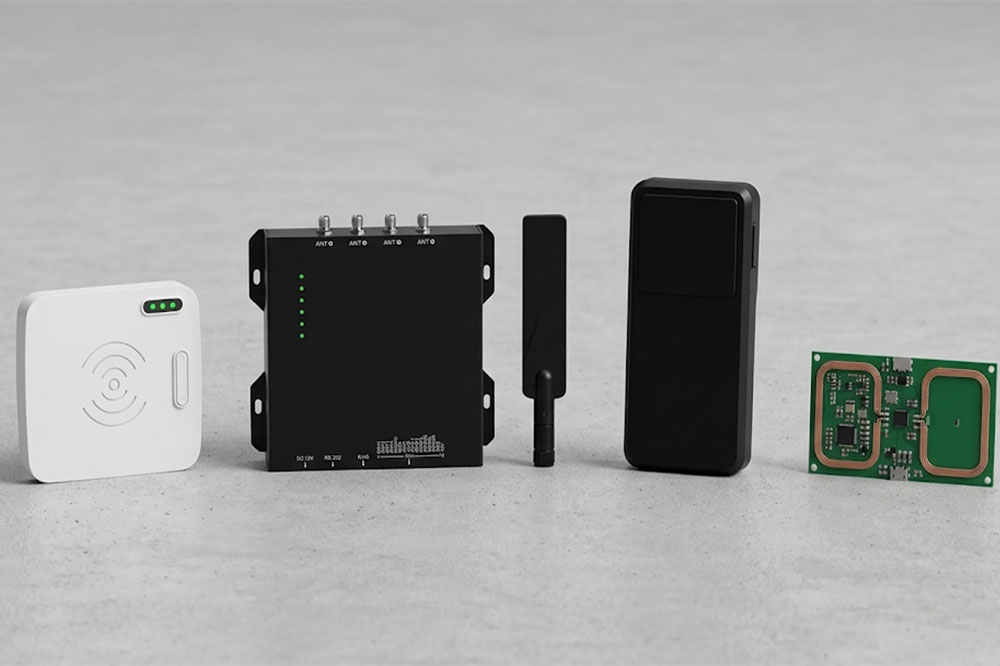
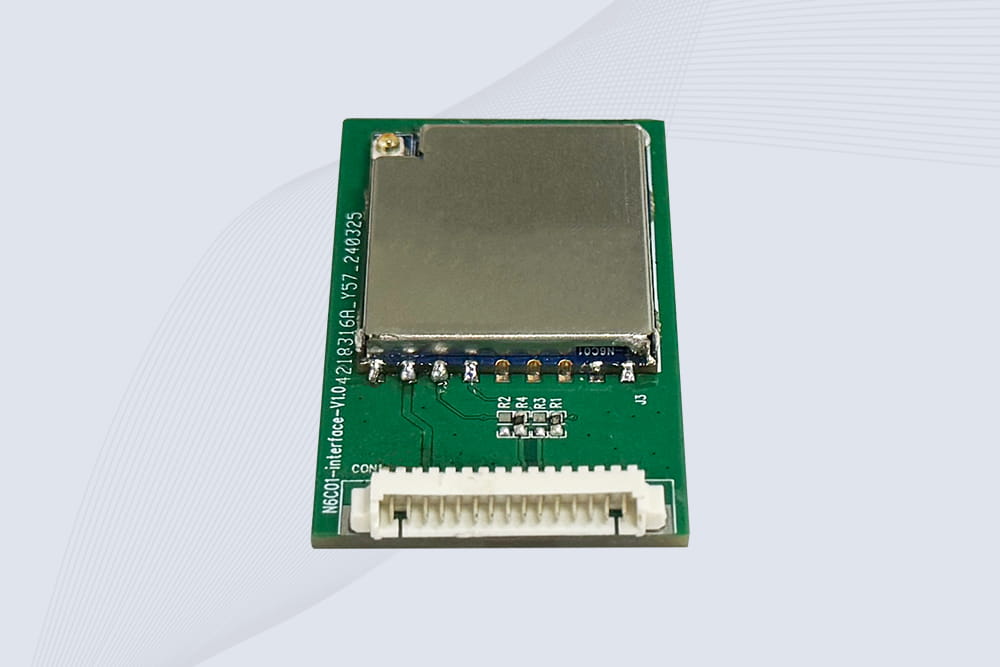
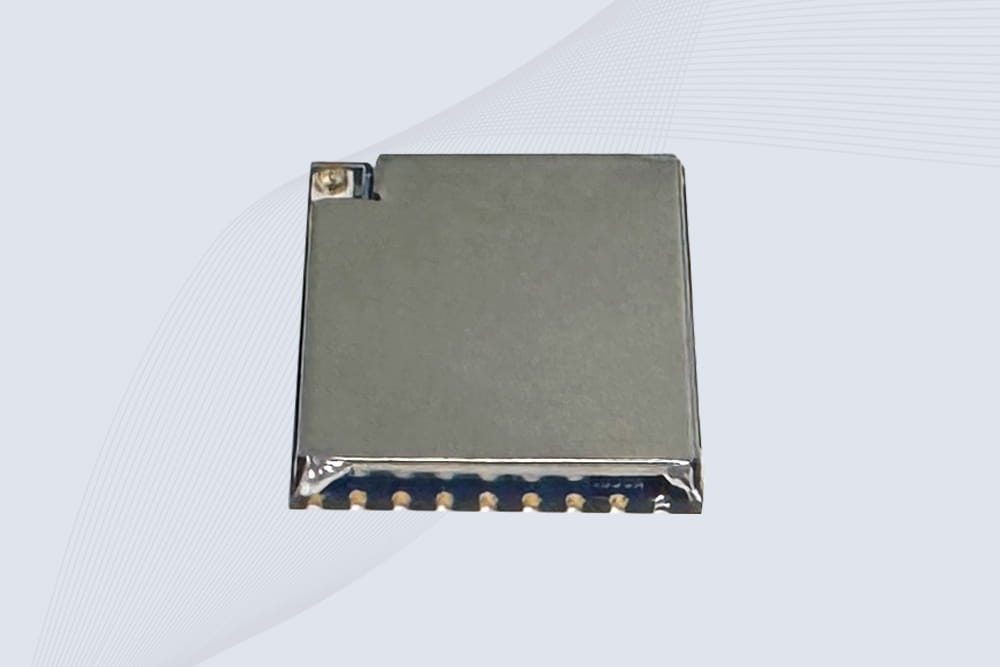
Lowest bill of materials, highest engineering burden. You own the enclosure, thermal design, antenna matching, and certification. Worth understanding the difference between a module and a reader before you commit.
A weak antenna wastes a good reader. A $60 antenna on a $500 reader is a better trade than the reverse.
Test One Before You Order a Hundred
Order a sample. Not a demo video.
Run it with your own tags, on your own products, at real density with real metal nearby. Measure three things over a hundred passes: read rate at the distance you need, tags per second on a full pallet, and missed reads.
Missed reads matter more than peak speed. A system that reads 98% of tags creates cleanup work that never ends, and the labor bill stays invisible until month three.
Ask for the SDK on day one.
Buying Direct Without Paying for a Brand Name
For small projects, buying from the manufacturer is usually cheaper than buying through a distributor, and you get firmware changes a reseller can’t authorise.
Cykeo builds readers in Shenzhen and ships hardware with an open SDK rather than a closed platform, which matters when your software team wants to control it from their own application. The catalogue covers USB units, 4, 8, and 16-port fixed readers, handhelds, gate readers, antennas, and modules. Quotes come per project, which is normal at this level and why you should bring your tag sample and distance requirement to the first call.
Two questions worth asking: will you sell a single sample, and will you flash custom firmware at my volume.
FAQ
How much should a cheap RFID reader cost?
Depends on type. USB desktop UHF readers sit in the low hundreds of dollars. A 4-port fixed reader with one antenna lands several times higher once you add antenna, cable, and power. Any quote far below those bands deserves a second look at the radio chip and the SDK.
Can a cheap reader reach 20 meters?
Only with the right antenna and a clear path. Distance comes from antenna gain and output power, not the reader alone. A budget reader with a 12 dBi antenna can cover a dock door. It will not read through packed metal shelving.
Is a USB reader enough for a small warehouse?
Often yes, for encoding, receiving checks, and cycle counts done by hand. It stops being enough the moment you want reads without someone holding a scanner, because USB-HID ties the reader to one PC.
What is the biggest hidden cost of a cheap RFID reader?
Developer time. Weak SDKs turn a two-week integration into a two-month one, and that bill arrives after the purchase order closes.
Do I need a different reader for metal or liquid?
No, but you need different tags and more care with antenna placement. Metal reflects UHF energy and liquid absorbs it. On-metal tags and a little more distance usually solve it.
SSD-D3AL is a USB-HID UHF RFID reader with 0–30 cm reading, 0–15 cm writing, over 600 tags/s recognition, USB plug-and-play operation and OEM Logo customization.
SSD-D1AL is a compact USB UHF RFID reader with Impinj E710/X3M1 chipset, USB-HID, 600+ tags/s recognition, 4/8/16 antenna support and plug-and-play USB power.
SSD-R16L Multi-Channel RFID Infrastructure for Automated Inventory Management ✔️ 16-Port High-Density RFID Reading Equipped with 16 SMA antenna ports, SSD-R16L supports multi-antenna deployment for warehouses, retail stores, logistics, production lines, and large-area RFID identification. ✔️ High-Speed & Long-Range Performance With up to 33…
SSD-R8L 8-port UHF RFID reader with 33dBm output, up to 20m reading range and 600+ tags/s recognition. Ideal for warehouse, logistics, retail and asset tracking.
CYKEO CYKEO-D1LA USB RFID Reader is a compact desktop solution with near-field control for precise tag reading and encoding. Powered by USB, supporting ISO 18000-6C, and built for stable batch writing, this usb rfid tag reader fits retail, libraries, offices, and controlled RFID encoding tasks.
CYKEO CYKEO-D1L RFID scanner USB is a compact desktop UHF RFID scanner designed for short-range tag writing and verification. This usb rfid scanner supports batch encoding, stable 0–26 dBm output, and works across Windows, Linux, and Android systems.
CYKEO CYKEO-D1C USB RFID Card Reader is a near-field UHF desktop writer designed for secure, short-range tag encoding. With USB-C connectivity and stable 26 dBm output, this rfid reader usb c is ideal for badge issuance, label encoding, and controlled desktop RFID workflows.
CYKEO CYKEO-D2L RFID Reader USB is a compact desktop encoder built on the Impinj R500 chip. With near-field control and stable USB power, this usb rfid card reader delivers precise tag writing for offices, retail counters, and small-scale logistics encoding tasks.
CYKEO CYKEO-D3L USB RFID Tag Reader delivers stable UHF tag reading and writing for daily desktop and light industrial tasks. Designed for controlled short-range operation, this USB RFID Tag Reader works reliably with rfid tag and reader systems in libraries, tool tracking, and inventory registration.
The CYKEO CYKEO-D4L UHF RFID Tag Reader is a stable Desktop RFID Reader designed for accurate tag registration, borrowing, and return workflows. Built with the Impinj R2000 chip, this UHF RFID Tag Reader delivers controlled short-range reads for libraries, asset tracking, and inventory management environments.
The CYKEO CYKEO-D5L Desktop RFID Card Reader is a stable UHF RFID Card Reader designed for controlled short-range reading and writing. Built for libraries, tool rooms, and asset desks, this UHF RFID Card Reader supports dense tag handling, secure data processing, and easy USB integration.
The CYKEO CYKEO-D6L RFID Reader Writer is a heavy-duty Desktop RFID Reader designed for short-range, high-accuracy tag programming. Built for libraries, labs, and asset desks, this RFID Reader Writer supports batch processing, stable 33dBm output, and seamless integration with existing management systems.
Cykeo CYKEO-D8A embedded RFID badge reader offers 30+ tags/sec scanning, 20cm anti-crosstalk precision, and DC 12V power for unmanned stores, warehouses, and smart inventory systems.
Cykeo’s CYKEO-D8C UHF RFID gate reader achieves 200-tag/batch scanning with adjustable power control, ideal for retail inventory and smart warehouse management.
CYKEO Embedded RFID Modules are designed for compact industrial and IoT devices that require stable UHF performance. These UHF RFID Modules support global protocols, flexible power control, and reliable multi-tag reading for smart cabinets, production lines, and asset tracking systems.
CYKEO Embedded RFID Module is built for compact IoT and industrial devices that need stable UHF performance. This UHF module supports global protocols, low power operation, and reliable multi-tag reading for smart lockers, production lines, and always-on RFID systems.
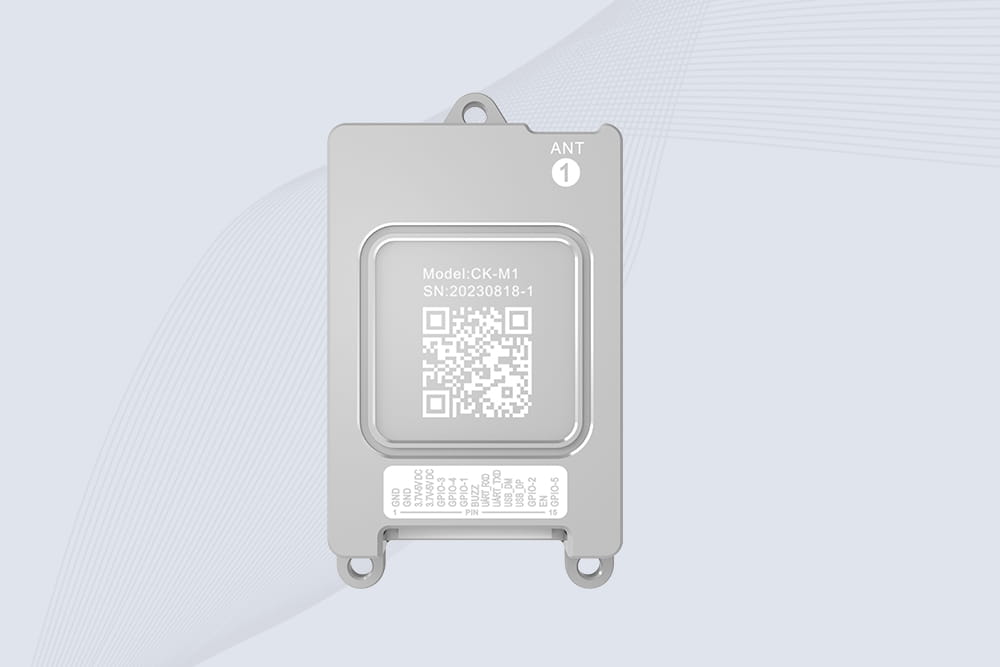
CYKEO CYKEO-M1 drone rfid module is a compact UHF RFID reader module designed for drones and UAV platforms. It supports long-range aerial scanning, fast multi-tag reading, and stable performance in wind, vibration, and outdoor environments.
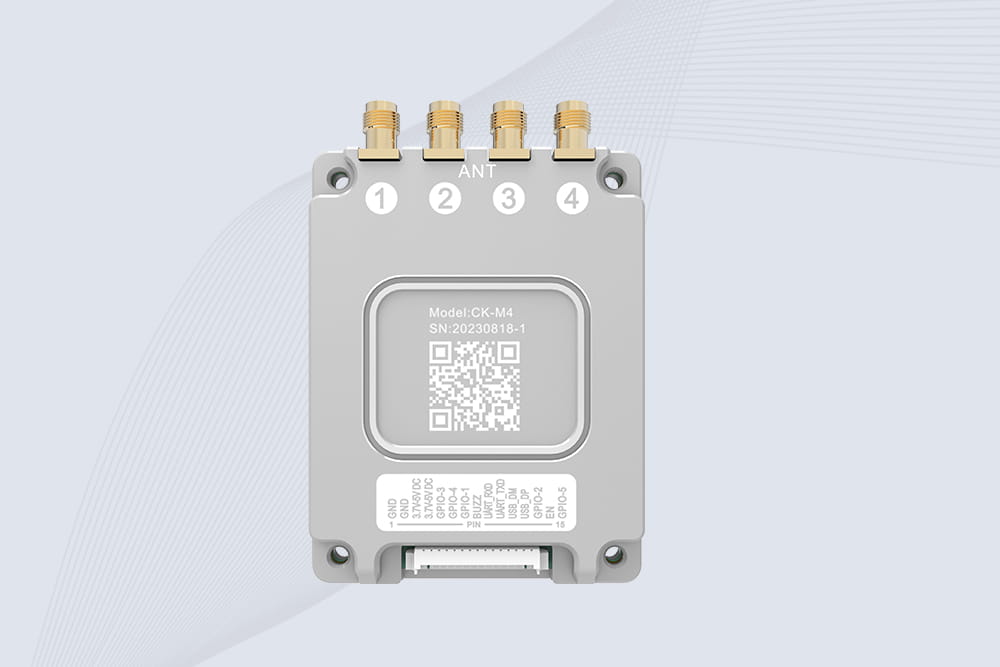
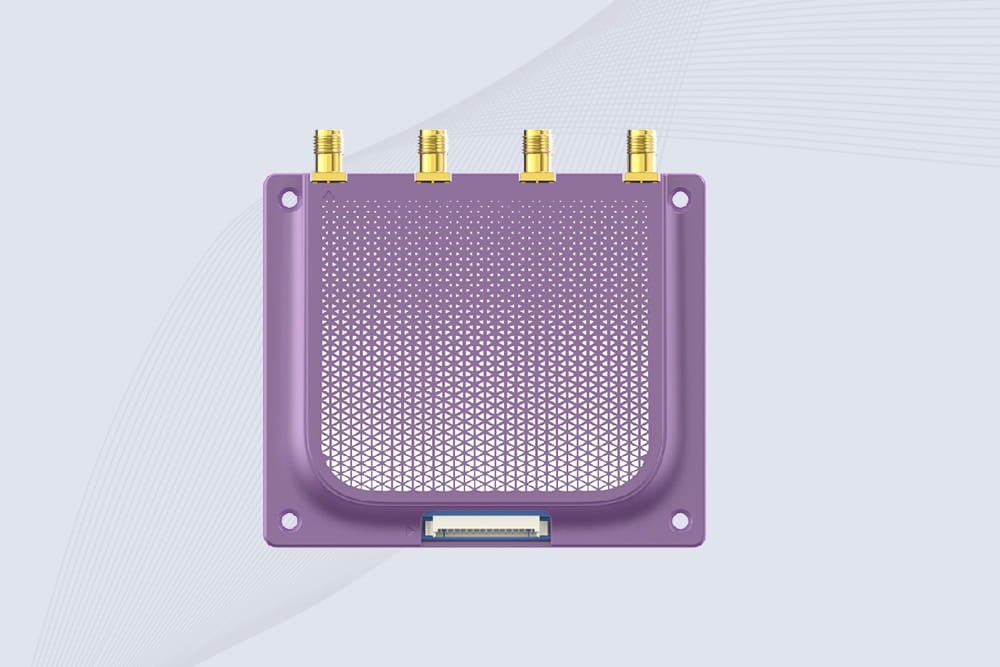
CYKEO CYKEO-M4 RC522 RFID Module is an industrial-grade UHF RFID reader with 4 ports, supporting ISO, EPC, and GB protocols. High-speed, accurate reading for IoT, automation, and warehouse applications.
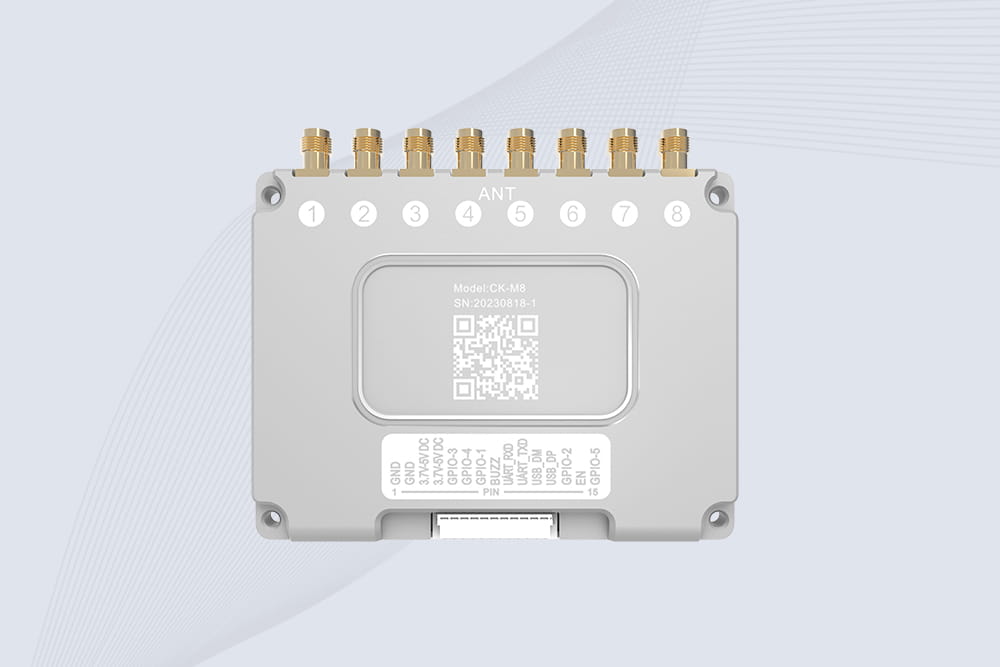
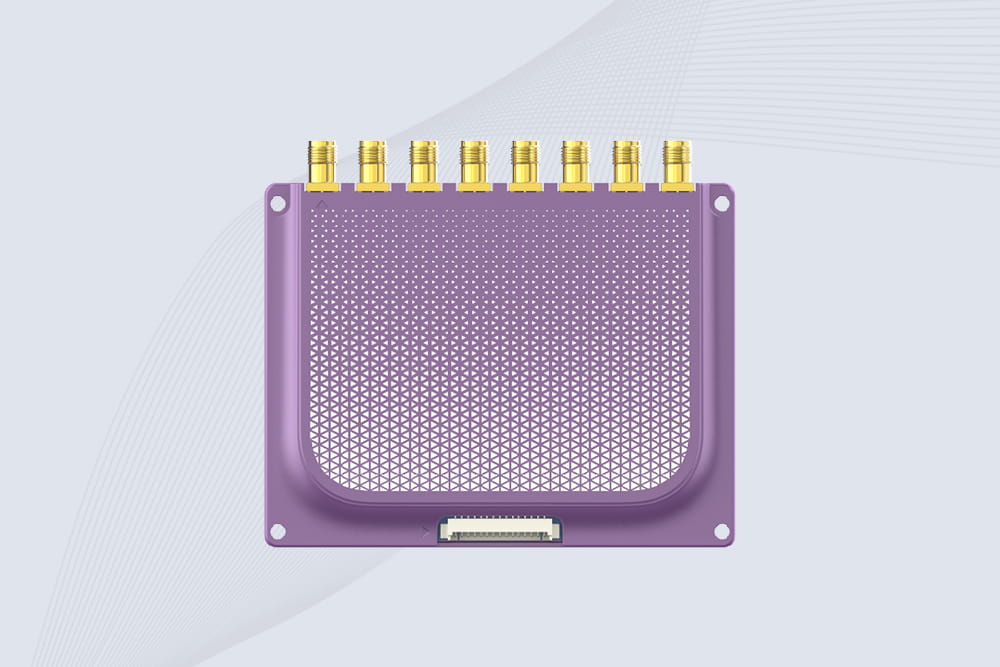
CYKEO CYKEO-M8 Module RFID is an 8-port UHF R2000 RFID Module designed for high-density, multi-tag environments. Stable 33dBm output, ISO & GB protocol support, ideal for warehouses, factories, and automated systems.
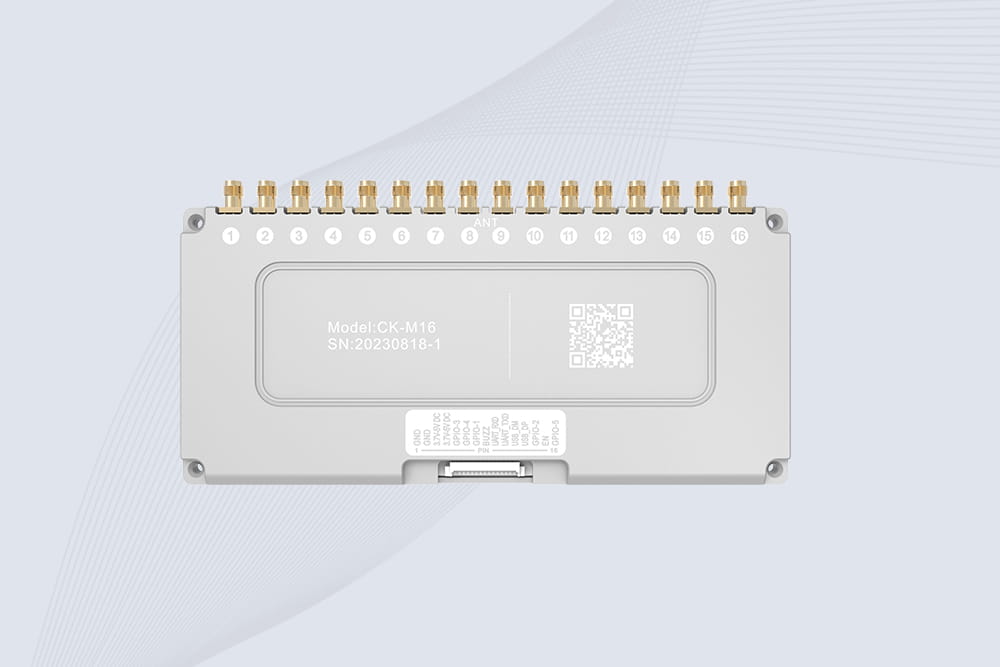
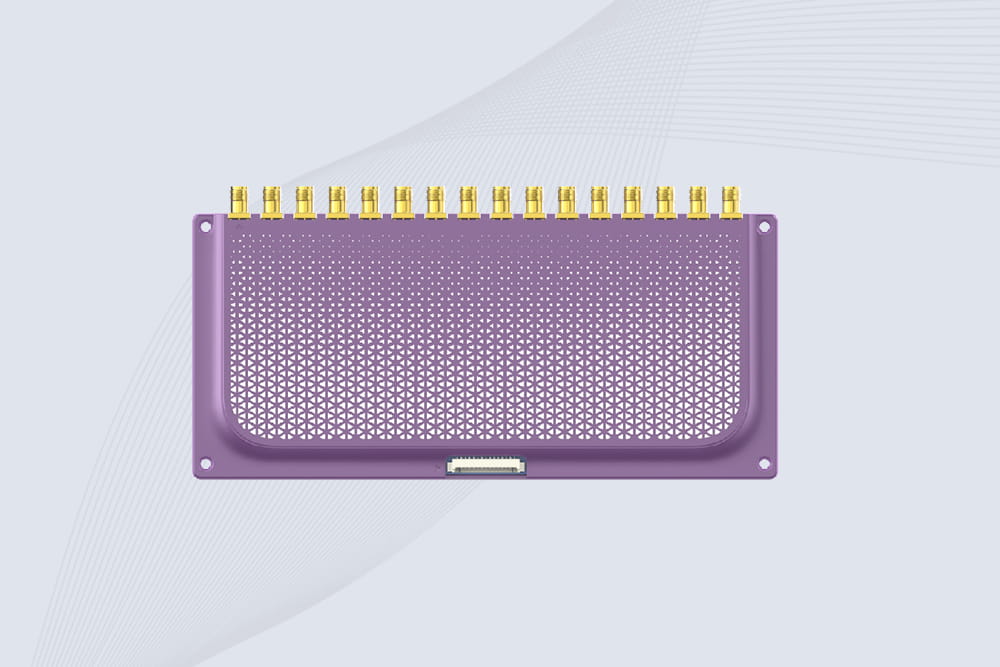
CYKEO CYKEO-M16 RFID Module is a 16-port UHF RFID reader module based on the R2000 chipset. Designed for dense tag environments, it supports ISO and GB standards and delivers stable multi-antenna control for industrial automation.
The CYKEO CYKEO-M16L RFID Reader Module is a 16-channel UHF RFID core designed for dense tag environments. With adjustable 33dBm output, multi-protocol support, and stable multi-antenna control, this RFID Tag Reader Module fits industrial automation, warehouse systems, and large-scale IoT deployments.
CYKEO CYKEO-M8L module RFID is a compact industrial UHF module built for dense tag and multi-antenna environments. With 8 RF ports, adjustable 33 dBm output, and ISO & GB protocol support, it is widely used in factories, warehouses, and automated tracking systems.
CYKEOCYKEO-M4L UHF RFID Module is a compact 4-channel RFID tag reader module designed for dense tag environments. Supporting ISO and GB protocols, it delivers stable reads up to 10 meters for industrial and IoT systems.
Cykeo CYKEO-C1 industrial Forklift RFID Reader features 20m read range, 600 tags/sec scanning, Impinj R2000 chipset, and IP67 rugged design. Ideal for warehouse logistics and manufacturing. Supports ISO 18000-6C/6B protocols.
Cykeo CYKEO-R4 industrial UHF RFID Fixed Reader features 4 TNC ports, 400+ tags/sec speed, IP67 housing, and global frequency compliance for vehicle inspection, smart warehouse, and asset management systems.
CYKEO CYKEO-R8L Fixed RFID Reader with 8-port UHF design, Impinj-based RF core and up to 20m read range. An industrial Fixed RFID Reader for vehicle inspection, warehouse portals, smart manufacturing lines and secure access checkpoints.
RFID Fixed Reader from CYKEO – the CYKEO-R16L 16-port UHF fixed reader for warehouses, smart cabinets, and production lines. Long-range, multi-tag reading, stable performance for 24/7 industrial use.
RFID Industry Writer | IoT & Asset Tracking Analyst
James writes about RFID technology, asset tracking, and the practical challenges of digital transformation across warehousing, retail, manufacturing, and logistics.
His work focuses on how RFID is applied in real-world operations—improving inventory visibility, automating workflows, and helping businesses manage assets with greater accuracy and efficiency.
He regularly covers topics including UHF RFID, smart cabinets, RFID portals, tool tracking, warehouse automation, and industrial IoT trends..
RFID in hospitals improves medical asset visibility, inventory accuracy, and supply management. Discover how Cykeo RFID solutions enable real-time healthcare tracking and automation.
How wireless RFID scanners work, their main types, key features, and real-world applications. A practical guide to RFID technology for inventory, retail, and access control.
 Cykeo RFID IoT Solution Products R&D Manufacturer