 Cykeo RFID IoT Solution Products R&D Manufacturer

How Does RFID Look Like?
290See how does rfid look like in real applications, from tiny embedded tags and cards to UHF readers and antennas, with practical examples from industrial RFID deployments.
MoreAll RFID Product
RFID works by using radio waves to exchange identification data between electronic tags and readers. A reader sends a radio signal, the tag responds according to its power source and communication method, and the system converts the response into digital information for identifying and managing physical objects.
At first glance, an RFID system looks relatively simple: a small electronic label is attached to an object, a reader detects it, and information appears on a computer screen.
But there is considerably more happening between those three steps.
The reader must generate the correct radio-frequency field. The tag must receive enough energy or use its own battery. Its chip processes the incoming signal, and the antenna communicates information back to the reader. The software then interprets the received data and associates it with the corresponding product, asset, or business record.
Understanding how rfids works requires looking at the complete communication process rather than treating RFID as a wireless barcode.
In warehouse deployments, for example, a reader may detect several tagged cartons within the same reading zone. In a library, a desktop reader may identify a single book label during registration. Both applications use RFID, but their antenna arrangements, reading environments, and software requirements can be very different.
RFID stands for Radio Frequency Identification. It is a wireless identification technology that uses radio-frequency communication to identify objects equipped with electronic tags.
Unlike traditional barcode systems, RFID does not generally require a scanner to visually locate and directly face a printed code.
Instead, an RFID reader communicates with an electronic tag through an antenna.
An RFID system commonly includes four main components:
These components work together. Removing any one of them can affect the complete identification process.
According to GS1 US, RFID systems use tags, antennas, readers, and host systems to exchange and process identification information.
The comparison with barcodes is useful, but it has limits.
A barcode stores information in a printed visual pattern. A barcode scanner captures the pattern optically and decodes it.
RFID stores electronic information in a chip. The reader communicates with that chip using radio waves.
This creates several operational differences.
| Feature | Barcode | RFID |
|---|---|---|
| Identification method | Optical scanning | Radio-frequency communication |
| Line of sight | Usually required | Generally not required |
| Multiple-item identification | Usually one code at a time | Multiple tags can be identified |
| Data storage | Printed information | Electronic chip memory |
| Data modification | Requires changing or replacing the label | Supported by writable RFID tags |
| Reading environment | Requires visible code | Affected by RF conditions and materials |
| Typical hardware | Barcode scanner | RFID reader and antenna |
There is one detail worth emphasizing: RFID does not automatically identify every object in a room.
A tag must be within the effective communication area, use a compatible frequency and protocol, and receive sufficient signal energy or reader communication to respond.
Metal surfaces, liquids, tag orientation, antenna placement, and interference can all affect the result.
That is why a successful RFID installation begins with the physical environment, not just the equipment specifications.
The easiest way to understand RFID is to follow a single tagged object through a reading operation.
Imagine a warehouse employee placing a carton containing an RFID-tagged product near a fixed UHF RFID reader.
The reader does not need to touch the carton. It generates a radio-frequency signal through its antenna, creating a communication area around the reading point.
If the tag is passive and receives sufficient energy, its chip activates and processes the reader’s command.
The tag then communicates its stored identification information back to the reader.
The reader decodes the response and forwards the result to the warehouse management system.
The software can then identify the carton, update its inventory record, or trigger another application-specific operation.
The reader generates and sends a radio-frequency signal through its antenna.
A passive tag harvests energy from the reader’s field to power its chip.
The chip processes the request and prepares its identification data.
The tag sends information back, typically through backscatter in passive UHF systems.
The reader forwards decoded information to the host application for identification and record updates.
The reader is responsible for initiating communication with compatible tags.
Its RF transmitter generates a signal at the operating frequency configured for the RFID system. The antenna converts the electrical RF energy into electromagnetic waves.
The antenna’s design determines how energy is distributed through the reading area.
For example, a fixed UHF reader installed above a warehouse conveyor may use an antenna positioned to cover cartons moving beneath it. A desktop reader may use a smaller, near-field antenna to create a more controlled reading zone.
These are different physical arrangements, even though both devices communicate with RFID tags.
In a passive RFID system, the tag has no conventional battery to power its communication circuitry.
Instead, its antenna receives energy from the reader’s electromagnetic field.
The received energy is used to activate the chip, allowing it to process commands and respond.
A passive RFID tag generally contains:
The chip and antenna form the essential electronic part of the tag, commonly called an RFID inlay.
According to the RAIN Alliance, passive RAIN RFID tags obtain their operating energy from the reader’s transmitted signal and communicate through backscatter.
Once the chip receives sufficient energy, it can respond to commands from the reader.
Depending on the protocol and operation, the reader may request the tag to participate in an inventory process, provide its EPC identifier, access supported memory, or perform a writing operation.
The tag’s response is governed by its chip capabilities and the communication standard.
For example, a passive UHF tag compliant with the EPC Gen2 air-interface protocol can participate in inventory and memory-access operations.
This is why selecting the right RFID protocol matters. A reader designed for one frequency and protocol cannot necessarily communicate with every RFID tag on the market.
This is one of the most interesting parts of passive RFID.
Unlike a mobile phone, a typical passive UHF RFID tag does not generate its own independent radio transmission.
Instead, it uses a technique called backscatter modulation.
The tag changes the electrical load presented to its antenna. This changes how the incoming radio-frequency energy is reflected. The reader detects these changes and decodes them into digital information.
The response can contain the tag’s electronic identification information and other supported data.
In practical terms, the reader sends the initial signal, while the passive tag communicates by modifying the reflection of that signal.
GS1 describes this reader-to-tag communication and backscatter response as the basis of its EPC/RFID infrastructure.
Receiving a tag response is only part of the process.
The reader must decode the information and make it available to the software application.
Depending on the installation, the connection between the reader and host system may use USB, Ethernet, serial communication, or another supported interface.
The application can then:
This is where RFID becomes useful to an actual business operation.
A reader that successfully identifies a tag does not automatically update inventory. The host software must understand the identifier and have the appropriate business rules in place.
Not all RFID systems operate in the same way. The main differences involve their power sources, operating frequencies, communication methods, and intended applications.
From an engineering perspective, choosing the wrong RFID technology can create problems before the software is even installed.
For example, a short-range access card system and a long-range warehouse inventory system may both use RFID, but their tags, antennas, and readers are not necessarily interchangeable.
Passive RFID tags do not contain their own battery for normal communication. They rely on energy supplied by the reader’s electromagnetic field.
The process is relatively straightforward:
Passive RFID is widely used in retail inventory, warehouse management, library systems, logistics, and asset tracking.
Its main advantages include:
However, passive RFID performance depends heavily on the reader’s available RF energy and the tag’s antenna characteristics.
A passive tag attached to a cardboard carton may behave differently from the same tag placed directly against a metal surface.
This is not necessarily a reader defect. The material surrounding the tag changes the electromagnetic conditions in which it operates.
Active RFID tags contain an internal power source, usually a battery.
Unlike passive tags, active RFID tags can use their own power to transmit radio signals to readers.
Depending on the system design, an active tag may periodically broadcast its identifier or transmit information when a specific event occurs.
Active RFID is often considered for applications requiring longer communication distances or continuous asset monitoring.
Typical examples include:
The trade-off is that active tags are generally larger, more expensive, and require battery maintenance or replacement.
There is also a third category: Battery-Assisted Passive RFID (BAP).
A BAP tag uses an internal battery to power its chip or attached sensors, but it still communicates with the reader using backscatter rather than acting as a conventional active radio transmitter.
This distinction is important when comparing RFID products.
A tag containing a battery is not automatically an active RFID tag. Its communication method determines the category.
GS1 provides a technical distinction between active, passive, and battery-assisted passive tags in its RFID guidance.
| RFID type | Power source | Communication | Typical application |
|---|---|---|---|
| Passive RFID | Reader’s RF field | Backscatter | Retail, library, inventory |
| Active RFID | Internal battery | Active transmission | Long-range asset tracking |
| BAP RFID | Internal battery for chip or sensors | Backscatter | Sensor-enabled asset monitoring |
Frequency is one of the most important factors when designing an RFID system.
RFID technologies generally operate in three widely used frequency bands:
Each band has different communication characteristics. These differences influence reading distance, tag design, data communication, and the types of objects that can be identified effectively.
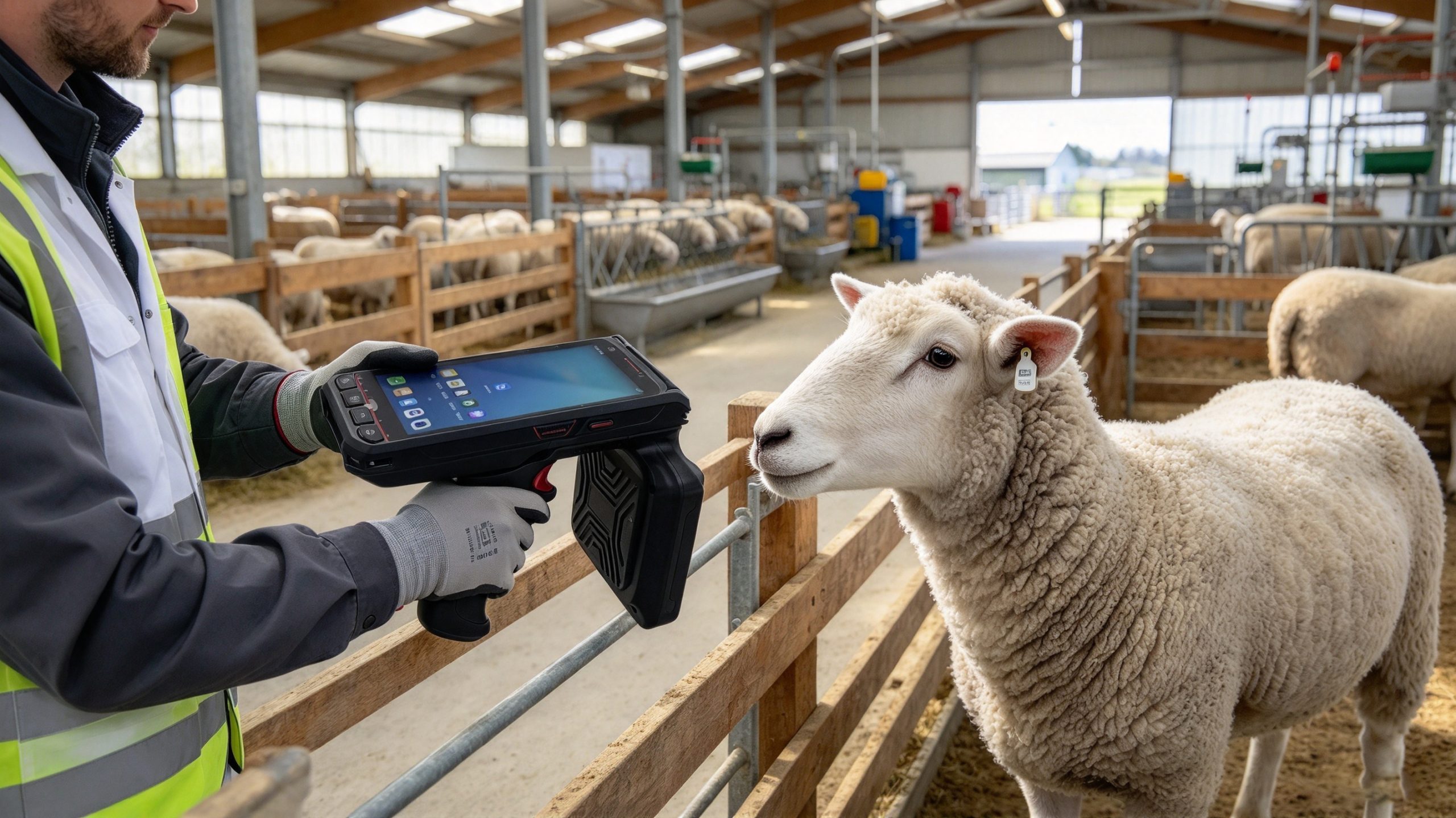
HF RFID commonly operates at 13.56 MHz.
It is widely used in:
HF communication commonly uses inductive coupling between the reader antenna and the tag antenna.
This differs from the far-field backscatter communication commonly associated with passive UHF RFID.
For example, an HF access card is usually presented relatively close to the reader. The reader creates an alternating magnetic field, and the card receives energy through its antenna coil.
The card then communicates according to the supported HF protocol.
Not all 13.56 MHz cards use the same standard. ISO/IEC 14443, ISO/IEC 15693, and NFC-related specifications serve different application requirements.
Passive UHF RFID is also commonly known as RAIN RFID.
It is particularly useful for applications requiring relatively fast identification of multiple items, including:
GS1 identifies the 860–930 MHz range for passive UHF RFID and notes that read distances can reach up to 10 metres depending on the environment.
That distance should not be treated as a guaranteed reading range.
The actual result depends on the tag, reader output, antenna gain, mounting position, object material, regional power restrictions, and surrounding RF conditions.
| Technical characteristic | LF RFID | HF RFID | UHF RFID |
|---|---|---|---|
| Common frequency | 125/134.2 kHz | 13.56 MHz | 860–930 MHz |
| Communication | Inductive coupling | Inductive coupling | Commonly far-field backscatter |
| Typical range | Short | Short to medium | Medium to long |
| Multiple-tag reading | More limited | Depends on protocol | Well suited to inventorying multiple tags |
| Common applications | Animal identification | Cards, NFC, libraries | Logistics, retail, warehouses |
| Main consideration | Short reading distance | Protocol compatibility | RF environment and tag orientation |
The frequency band should be selected according to the application, not simply because one technology offers a longer reading distance.
For a library circulation system, HF or UHF may both be relevant depending on the existing infrastructure and required workflow. For warehouse carton identification, passive UHF is often a more suitable starting point.
One of the practical advantages of RFID is its ability to identify multiple tags without requiring an operator to scan each object individually.
However, this introduces a technical challenge: several tags may respond within the same reading area.
If multiple tags transmit their responses simultaneously without an appropriate communication procedure, the reader may not be able to decode all of them.
This is known as a tag collision.
Passive UHF RFID systems commonly use an inventory procedure based on the EPC Gen2 protocol.
The reader manages the inventory process and coordinates tag responses so that multiple tags can be identified.
Rather than requiring every tag to communicate independently without coordination, the protocol provides mechanisms for organizing their responses.
The reader can identify tags in successive inventory rounds and maintain a list of detected identifiers.
This is particularly important in warehouse applications.
Imagine a pallet containing 40 cartons, each with its own RFID label. The reader must distinguish the tags, collect their identification information, and forward the results to the inventory system.
The objective is not simply to maximize the number of tags detected. It is to obtain the correct identifiers within the available time and reading zone.
This is a common misunderstanding during RFID installation.
Increasing reader output power may improve tag activation at greater distances, but it can also expand the reading area beyond the intended boundary.
In a busy warehouse, that could result in tags from adjacent pallets being detected unexpectedly.
For example, consider two conveyor lanes positioned close together. If the antenna field extends too far, the reader assigned to one lane may also detect tags moving through the neighboring lane.
The system is reading tags correctly from a radio-frequency perspective, but the business application may interpret the results incorrectly.
A better installation considers:
A controlled reading zone is often more valuable than achieving the maximum possible read distance.
Understanding radio-frequency communication is important, but the real value of RFID becomes visible when identification data is connected to daily business operations.
Consider a warehouse receiving process.
When a shipment arrives, employees traditionally need to inspect product labels, scan barcodes, and reconcile the collected information with purchase orders. With a properly configured UHF RFID system, tagged cartons can pass through a designated reading area, allowing the system to collect multiple electronic identifiers.
The warehouse application then compares the collected identifiers with expected shipment records.
If a carton is missing, duplicated, or assigned to the wrong shipment, the system can flag the discrepancy for investigation.
This does not eliminate the need for operational controls. It changes how identification information is collected.
There is published field research supporting the operational value of RFID.
A study by Bill C. Hardgrave, John A. Aloysius, and Sandeep Goyal, published in Production and Operations Management in 2013, examined RFID-enabled inventory visibility in retail stores.
The first experiment involved:
A second experiment expanded the research to 62 stores and five product categories. The results varied by category, ranging from no statistically significant improvement to an 81% reduction in inventory record inaccuracy.
The important qualification is that this result should not be interpreted as a guaranteed 26% improvement for every RFID installation.
The researchers found that effectiveness varied across product categories and operating conditions.
For RFID project planning, that is a more useful finding than a universal performance claim. It suggests that businesses should identify where inventory errors occur, determine whether RFID can improve visibility in those situations, and measure the results after deployment.
In practical RFID system design, the advertised maximum reading distance is rarely the only specification worth examining.
An RFID reader may detect a tag from several metres away in a suitable test environment. Yet the same equipment may behave differently around metal racks, liquid-filled containers, tightly packed cartons, or adjacent antenna fields.
The real engineering question is:
Can the system consistently identify the intended tags in the correct location without collecting unrelated tag responses?
For a warehouse, that means defining the reading area around the conveyor or loading point.
For a library, it may mean controlling which books are detected during registration or circulation.
For a tool-management workstation, a short, well-defined reading area may be more useful than long-distance detection.
This distinction between maximum range and usable reading-zone performance is one of the most important considerations when designing an RFID installation.
RFID technology is used in many industries, but the way it is deployed depends on what needs to be identified, how frequently objects move, and where reading operations take place.
A warehouse needs to identify cartons and pallets as they move through receiving and dispatch areas. A library needs to associate books with electronic records. A manufacturing facility may need to track tools, components, and work-in-progress materials.
The underlying radio-frequency communication is similar. The application requirements are not.
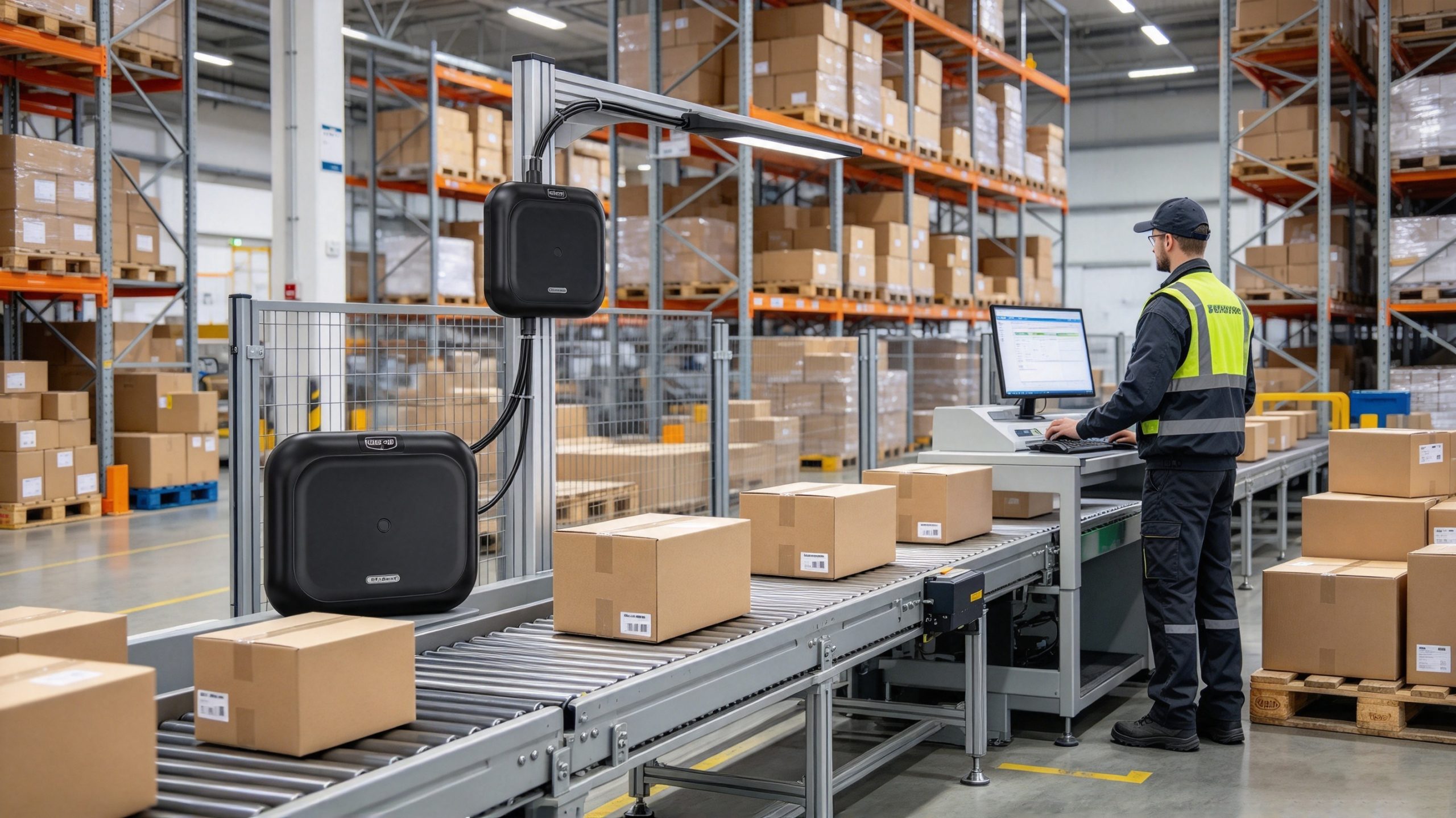
Warehouse operations are one of the most established applications of passive UHF RFID.
A typical installation may include:
When a tagged pallet passes through a reading zone, the reader identifies available tags and forwards the results to the warehouse application.
The application can then compare the collected identifiers with expected shipment information.
For example, a distribution center receiving 50 tagged cartons can use RFID to collect their identifiers without requiring an employee to scan each carton individually.
However, the system still needs to distinguish between cartons belonging to the current shipment and tags detected from nearby storage areas. Antenna placement, RF power adjustment, and software filtering all contribute to this process.
Retail stores use RFID to improve item-level inventory visibility.
A clothing store, for example, may attach an RFID label to each garment. The label contains an electronic identifier associated with the product’s database record.
Employees can use handheld RFID readers to conduct inventory checks across shelves, display areas, and storage rooms.
A retail RFID system can support:
The benefit is not simply that RFID reads faster than barcode scanning in every situation. Its value comes from collecting item identifiers without requiring each label to be individually presented to a scanner.
The 2013 field research by Hardgrave, Aloysius, and Goyal, discussed in Part 1, is particularly relevant here. Its results showed that RFID-enabled inventory visibility can improve inventory record accuracy, although the effect varied between product categories and stores.

Libraries use RFID to associate electronic tags with individual books, magazines, and other materials.
A typical library RFID workflow may involve:
A desktop reader-writer is particularly useful during the initial registration stage.
Cykeo’s UHF RFID desktop reading platform is designed to support library administrators with functions including tag registration, identity registration, shelf-label registration, borrowing, returning, item queries, borrowing statistics, registration statistics, and operation-log queries.
The reader handles electronic tag communication, while the management application handles the library’s business records.
That distinction matters. A successful RFID read does not automatically mean that a book has been correctly registered in the library database.
Manufacturing environments introduce additional challenges because tagged objects may be surrounded by metal machinery, liquids, electrical equipment, and moving components.
RFID can be used to identify:
For example, a factory may assign an RFID identifier to each production tool. When an employee borrows or returns a tool, the management system records the corresponding transaction.
The tag provides the electronic identity. The software maintains the information about who used the tool, where it belongs, and whether maintenance is required.
One practical consideration is tag construction.
A standard UHF label may not perform reliably when directly attached to a metal tool cabinet. An on-metal tag or a suitable mounting arrangement may be necessary.
For applications involving metal equipment, testing the actual tag-reader combination on the intended surface is more useful than relying exclusively on a general product specification.
Commercial laundry operations need to identify textiles throughout repeated handling cycles.
RFID laundry tags can be attached to suitable towels, sheets, uniforms, and other textile items.
Each tag is assigned an identifier that connects the textile to its management record.
Depending on the system, RFID can support:
The most important technical decision is choosing tags designed for the actual washing environment.
A tag used in commercial laundry must tolerate the relevant temperature, pressure, detergents, moisture, and mechanical handling. An ordinary adhesive RFID label should not be assumed to have these capabilities.
The initial encoding process can be completed at a desktop workstation before the tagged textile enters circulation.
An RFID reader is not an isolated device. Its performance depends on the antenna, communication settings, tag characteristics, and the software responsible for interpreting the collected information.
In an actual installation, these components must work as one system.
The RFID reader is responsible for initiating communication with tags and processing their responses.
Depending on the application, readers can be divided into several common types:
| Reader type | Main characteristics | Typical applications |
|---|---|---|
| Handheld RFID reader | Portable, operator-controlled scanning | Stocktaking, retail, asset inspection |
| Fixed RFID reader | Installed at a designated reading point | Warehouse portals, production lines |
| Desktop RFID reader | Compact, workstation-based operation | Tag registration, encoding, verification |
| Integrated RFID reader | Reader and antenna combined in one enclosure | Industrial identification, access points |
| OEM RFID module | Embedded into a larger device | Custom equipment and integrated systems |
The selection depends on how the business intends to use RFID.
A warehouse may require fixed readers at several operational points. A library administrator may prefer a desktop reader for registering new labels. An equipment manufacturer may integrate an OEM RFID module into a customized machine.
These devices are not necessarily interchangeable, even when they support the same RFID frequency.
The antenna is responsible for transmitting and receiving radio-frequency signals.
Its design influences:
For passive UHF RFID, antenna selection is particularly important because the tag relies on energy transmitted by the reader.
If the tag receives insufficient energy, its chip may not activate reliably.
There are two common antenna arrangements in RFID installations:
Circular polarization can help reduce sensitivity to the rotational orientation of tags. This can be useful when products move through a reading area in different orientations.
Linear polarization can provide effective performance when tag orientation is controlled and aligned with the reader antenna.
Neither arrangement is universally better. The correct choice depends on how tagged objects move and how their antennas are positioned.
The RAIN Alliance’s system design guidance emphasizes that tag antenna characteristics, reader antenna configuration, interference, and the physical environment all influence RFID performance.
The reader identifies tags, but software determines what the collected information means to the business.
A typical system architecture looks like this:
Books, products, tools, cartons, and other tagged assets
Radio communication, tag identification, and data collection
Filtering, data processing, event handling, and business rules
Inventory records, borrowing history, asset information, and reports
For example, when a warehouse reader detects an EPC, the middleware can filter repeated observations and forward the relevant identification event to the inventory application.
The application then checks the identifier against its database.
If the EPC belongs to a registered product, the system can retrieve its description, SKU, location, and inventory status.
This is where standards such as EPCIS become relevant.
GS1 EPCIS provides a standardized way to share information about the status, location, movement, and other events associated with physical objects. It complements RFID identification rather than replacing the reader’s air-interface protocol.
A system can use technically compatible readers and tags and still experience inconsistent results after installation.
The reason is that RFID operates in a physical environment. Radio-frequency signals interact with surrounding objects, surfaces, and materials.
Understanding these influences is essential when designing a reliable RFID deployment.
Metal can reflect electromagnetic waves and change the electrical behavior of an RFID tag antenna.
This may reduce tag sensitivity or make an ordinary label difficult to read when mounted directly on a metallic surface.
However, RFID can still be used for metal assets.
Manufacturers produce specialized on-metal tags with antenna structures and packaging designed for metallic environments.
For example, an industrial maintenance department can use suitable on-metal tags to identify tools, machinery, metal containers, and equipment.
The important point is to select a tag designed for the mounting surface rather than assuming that all standard labels will perform equally well.
GS1 confirms that specialized RFID tags can be designed for metal-mounted applications.
Water and other liquids can absorb UHF radio-frequency energy and detune RFID tag antennas.
This is particularly relevant in:
A tag attached to a dry cardboard carton may perform well, while a similar tag mounted directly against a liquid-filled container may have a significantly different reading performance.
The solution may involve changing tag placement, selecting a liquid-compatible antenna design, or using a tag specifically developed for that application.
The orientation of a tag relative to the reader antenna can influence communication quality.
A linearly polarized reader antenna, for example, may perform poorly when the tag antenna is positioned at an unfavorable angle.
This becomes important when cartons or products move unpredictably through a reading area.
Possible solutions include:
Increasing reader output power is not always the best way to solve an identification problem.
A reader operating at excessive power may detect tags outside the intended area.
Instead, installation engineers should evaluate antenna direction, gain, power settings, tag sensitivity, and surrounding interference together.
The RAIN Alliance’s System Design Guidelines specifically identify reader power, antenna propagation, reflection, absorption, tag sensitivity, and interference as factors affecting system performance
RFID security depends on the tag type, communication protocol, memory configuration, and protection mechanisms implemented by the system.
An important misconception is that every RFID tag stores sensitive business information in a completely protected format.
Many passive UHF tags contain an EPC identifier that can be read by a compatible reader. Depending on the tag’s capabilities and configuration, additional information may be stored in User memory.
For ordinary inventory applications, the EPC is generally used as an identifier rather than as a complete database.
Sensitive business information is often maintained in the host system, where access can be controlled through application permissions and authentication.
Many Gen2 RFID tags support password-based memory protection.
Depending on the tag and its supported features, protection can include:
GS1 explains that Gen2V2 RAIN RFID tags support password-protected lock features and that memory protection can be reversible or permanent. It also describes encryption of sensitive information stored in User memory.
A practical RFID deployment should therefore consider:
For example, a library may allow authorized administrators to register and convert RFID labels while preventing ordinary users from modifying protected identification information.
The reader, software, and security policy must be designed together.
The most suitable RFID system is not necessarily the one with the longest reading distance or the highest advertised reading speed.
It is the one that fits the actual working environment.
Before purchasing RFID equipment, define what needs to be identified, how the tagged objects move, and whether the system needs to read, write, or perform both operations.
| Business requirement | Recommended equipment type | Important considerations |
|---|---|---|
| Warehouse carton identification | Fixed UHF RFID reader | Antenna coverage, multi-tag reading, filtering |
| Retail stocktaking | Handheld UHF RFID reader | Portability, battery life, inventory software |
| Library tag registration | Desktop RFID reader-writer | Controlled reading area, writing, USB |
| Tool registration | Desktop or handheld RFID reader | Tag compatibility, asset association |
| Industrial equipment tracking | Fixed reader or OEM module | Environmental protection, antenna design |
| Laundry tag registration | Desktop RFID reader-writer | Suitable textile tags, stable encoding |
| Automated production equipment | OEM RFID module | SDK, API, interface integration |
Before purchasing a reader, confirm that its supported frequency and protocol match the tags being used.
For passive UHF projects, check:
A device advertised as a UHF RFID reader should not automatically be assumed to support every UHF tag and application.
Regional radio regulations also matter. The permitted operating frequencies and power levels differ between countries.
For example, a reader configured for one regional frequency plan may need different settings when deployed in another country.
The RAIN Alliance provides regional UHF RFID system-design guidance and recommends checking the applicable local radio regulations before enabling readers.
Not all RFID deployments require writing capability.
A business may only need to read pre-encoded EPC identifiers during warehouse receiving or stocktaking.
Another business may need to register new tags, modify existing identifiers, or convert tags during daily operations.
These requirements call for different reader configurations.
If tag programming is a regular activity, look for equipment that supports:
For workstation-based tag management, a desktop reader-writer is often a practical choice.
When an RFID system does not perform as expected, the problem is not always caused by the reader.
In many installations, the issue comes from the interaction between the tag, antenna, physical object, and software.
A useful troubleshooting approach is to identify where communication or data processing stops.
Possible causes:
Recommended troubleshooting:
Start with a known-compatible tag and test it close to the reader antenna. Check the regional frequency configuration, antenna connection, and reader status before changing other parameters.
If the reader detects the test tag but not the actual product label, investigate tag suitability and mounting conditions.
This problem can be more difficult to diagnose because the system may work correctly under some conditions but fail under others.
Common causes include:
Recommended troubleshooting:
Test the tag in its actual operating position rather than testing it separately on a desk.
For a warehouse installation, conduct tests with real cartons moving through the conveyor at normal operating speeds. For an industrial asset application, test the tag after it has been mounted on the actual equipment.
Sometimes the problem is not missed tags but unintended tag detection.
For example, a warehouse reader may capture identifiers from products stored near the conveyor instead of only the cartons passing through the intended reading area.
Possible causes include:
Recommended troubleshooting:
Reduce unnecessary coverage by adjusting antenna position and power. Introduce appropriate EPC filtering and application-level rules to distinguish expected tags from unrelated observations.
This problem often occurs when the reader and management application are not correctly integrated.
Possible causes include:
Recommended troubleshooting:
Check the reader’s raw tag output first.
If the EPC is being received correctly, the problem is likely downstream in the middleware, application, or database connection.
This simple separation can save considerable debugging time.
| Problem | Likely cause | Practical solution |
|---|---|---|
| No tag response | Incompatible protocol | Check tag and reader compatibility |
| Short reading distance | Poor tag placement or RF conditions | Test antenna and tag positioning |
| Unstable detection | Metal, liquid, or orientation | Select suitable tags and adjust installation |
| Unwanted tag detection | Excessive coverage | Adjust RF power and filtering |
| Duplicate inventory records | Repeated observations | Implement event filtering and deduplication |
| Incorrect inventory update | Database mapping problem | Check EPC association and application logic |
| Writing failure | Memory protection or incorrect command | Verify memory settings and access permissions |
One practical recommendation: avoid changing several RF parameters at once.
If antenna position, reader output, tag placement, and software filtering are all changed simultaneously, it becomes difficult to identify which adjustment actually solved the problem.
A controlled test is more useful than repeated trial and error.
Cykeo develops RFID hardware for identification, inventory management, industrial automation, and tag-management applications.
Different deployments require different equipment configurations. A desktop reader-writer, for example, solves a different problem from a fixed industrial reader or an embedded OEM module.

The Cykeo desktop platform is designed for daily RFID tag-management operations.
Its technical features include:
| Specification | Description |
|---|---|
| RFID technology | UHF RFID |
| Computer interface | USB |
| Antenna design | Near-field antenna |
| Effective reading range | Within 30 cm |
| Effective writing range | Within 10 cm |
| Maximum port output | 33 dBm |
| Tag identification | Multi-tag identification |
| Processing | Advanced anti-collision algorithm |
| Data functions | Filtering and RSSI detection |
| Tag operations | Reading, writing, and conversion |
| Development support | C# and Java materials |
The near-field antenna is particularly relevant to individual tag registration.
For example, an employee can place a book label, tool tag, or other electronic label within the designated working area and perform a controlled identification or writing operation.
The platform can support application workflows such as:
These functions are especially useful in libraries, tool-management departments, laundry management, and other environments where administrators regularly register and modify RFID labels.
The maximum port output of 33 dBm is a hardware specification, not a recommendation to operate at maximum power in every situation. Actual output settings must follow the application requirements and applicable regional regulations.
For warehouse entrances, production lines, and industrial identification points, a fixed RFID reader may be more suitable.
Cykeo’s industrial fixed-reader product range includes integrated UHF RFID equipment such as the CYKEO-RA9L / CK-D9L platform.
Its application-oriented features include:
The fixed reader is intended for installations where tags need to be identified within a designated operational area.
Examples include warehouse receiving, industrial equipment identification, and automated inventory collection.
The correct antenna configuration and environmental suitability should be confirmed against the actual installation requirements.
For equipment manufacturers and system integrators, an OEM RFID module can provide the communication capability needed for a customized RFID product.
Cykeo’s CYKEO-M4L UHF OEM module combines an RF front-end and baseband digital signal processing with software development support.
Its supplied technical specifications include:
The last figure is a product performance specification, not a universal reading speed for every tag population or installation.
Actual results depend on tag characteristics, RF configuration, reader settings, and the test environment.
For system integrators, the OEM module can be considered when developing custom inventory equipment, automated identification devices, or embedded RFID applications.
A successful RFID project should be evaluated in its actual operating environment before full deployment.
A laboratory demonstration may prove that the reader can communicate with a tag, but it does not necessarily prove that the system will perform reliably on a production floor.
For this reason, a pilot test should include the actual objects, tags, antennas, and software intended for the final installation.
| Test area | What to verify |
|---|---|
| Tag compatibility | Correct frequency and protocol |
| Tag mounting | Performance on the actual object |
| Reader configuration | Regional frequency and output settings |
| Antenna coverage | Intended reading area |
| Reading reliability | Detection under normal operating conditions |
| Multi-tag performance | Correct identification of nearby tags |
| Data processing | Accurate EPC-to-record mapping |
| Software integration | Reliable communication with the host |
| Security | Appropriate memory and access protection |
| Operational testing | Performance under real workflow conditions |
Reading speed is an important specification, but it should not be the only performance measurement.
A practical RFID pilot should also evaluate:
For example, a system that reads 500 tags quickly but frequently captures objects from the wrong storage area may be less useful than a slower system with a precisely controlled reading zone.
The best performance metric is the one connected to the business objective.
For a library, that might be registration accuracy. For a warehouse, it may be shipment identification and inventory reconciliation. For a production line, it may be reliable identification at a specific process stage.
Passive RFID works without a conventional battery by receiving electromagnetic energy from the reader’s antenna. The energy activates the tag’s integrated circuit, allowing it to process commands and return identification data through backscatter communication. This makes passive RFID suitable for applications involving large numbers of relatively inexpensive electronic labels.
RFID tags communicate with readers through radio-frequency signals. The reader sends a signal, and the tag responds according to its technology and communication protocol. Passive UHF tags typically use backscatter modulation, changing the reflection of the incoming signal so the reader can decode the stored information.
RFID reading distance depends on the frequency, tag design, antenna gain, reader output, and surrounding environment. LF and HF systems generally operate over shorter distances, while passive UHF RFID can reach several metres under suitable conditions. Some optimized systems can achieve longer distances, but actual performance must be tested in the intended environment.
Passive RFID tags obtain operating energy from the reader’s RF field and generally communicate through backscatter. Active RFID tags contain an internal power source and use it to transmit information. Passive tags are commonly used for inventory and retail applications, while active systems are considered for certain long-range asset-tracking requirements.
Yes. Many UHF RFID systems support multiple-tag identification using anti-collision procedures. The reader coordinates communication with tags so that their identifiers can be collected in successive inventory rounds. Actual performance depends on the tag population, reader configuration, antenna arrangement, and surrounding RF conditions.
Ordinary RFID tags can experience reduced performance near metal and water. Metal can reflect radio waves and detune tag antennas, while water absorbs RF energy and can reduce the power available to passive tags. Specialized on-metal and liquid-compatible RFID tags can help address these challenges when selected for the intended application.
A typical RFID system requires compatible RFID tags, an RFID reader, one or more antennas where applicable, and host software. Depending on the application, it may also require middleware, a database, network connections, and integration with an existing inventory or asset-management platform. The equipment configuration depends on whether the system needs desktop registration, handheld scanning, or fixed industrial identification.
Understanding how rfids works means looking beyond the radio signal itself.
An RFID system combines electronic tags, reader antennas, communication protocols, signal processing, and software to identify physical objects and connect them with digital records.
Passive RFID uses energy from the reader to activate tags. UHF systems use backscatter to communicate with multiple electronic labels, while LF and HF technologies support different identification requirements.
In a warehouse, RFID can help identify cartons and pallets as they move through designated reading zones. In retail, it can improve item-level inventory visibility. In libraries, it supports book registration, borrowing, returns, and inventory management. In manufacturing, it provides an electronic identification method for tools, equipment, and production assets.
But reliable results do not come from the reader alone.
Tag selection, antenna placement, frequency configuration, RF power, software integration, and the physical environment all influence system performance.
For businesses evaluating RFID equipment, the starting point should be the actual identification workflow.
A desktop reader-writer may be appropriate for tag registration and data modification. A fixed industrial reader may be more suitable for automated warehouse identification. An OEM module may be the better option for manufacturers developing customized RFID equipment.
Cykeo provides UHF RFID desktop platforms, industrial fixed readers, and OEM RFID modules for these different application requirements.
The objective is not simply to detect an electronic tag. It is to make the identification process useful, consistent, and manageable within the business’s existing operations.
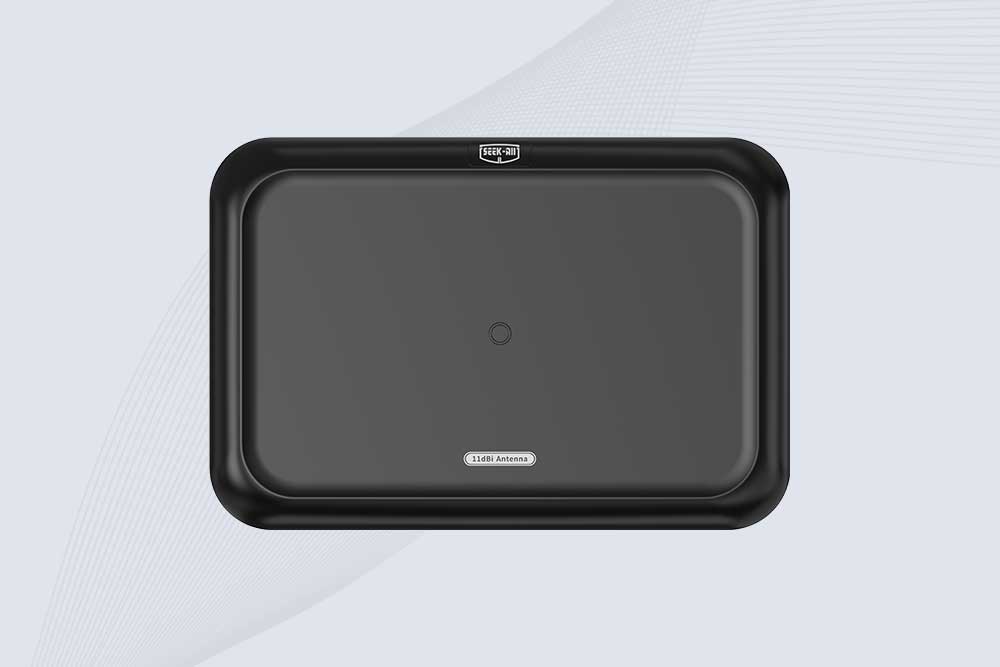
SSD-A11 UHF RFID antenna features 840–960 MHz adjustable frequency, ≥10.5 dBi gain, circular polarization and 50Ω impedance for fixed RFID systems.
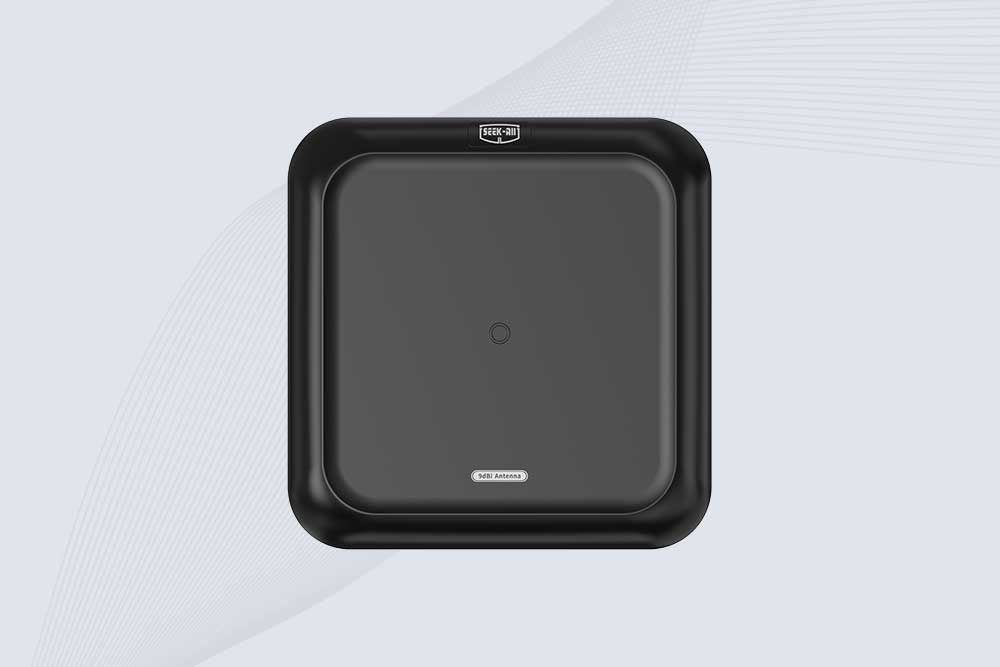
SSD-A09 is a 9 dBi UHF RFID antenna with 840–960 MHz adjustable frequency, circular polarization, 50Ω impedance and directional 60° × 60° coverage.
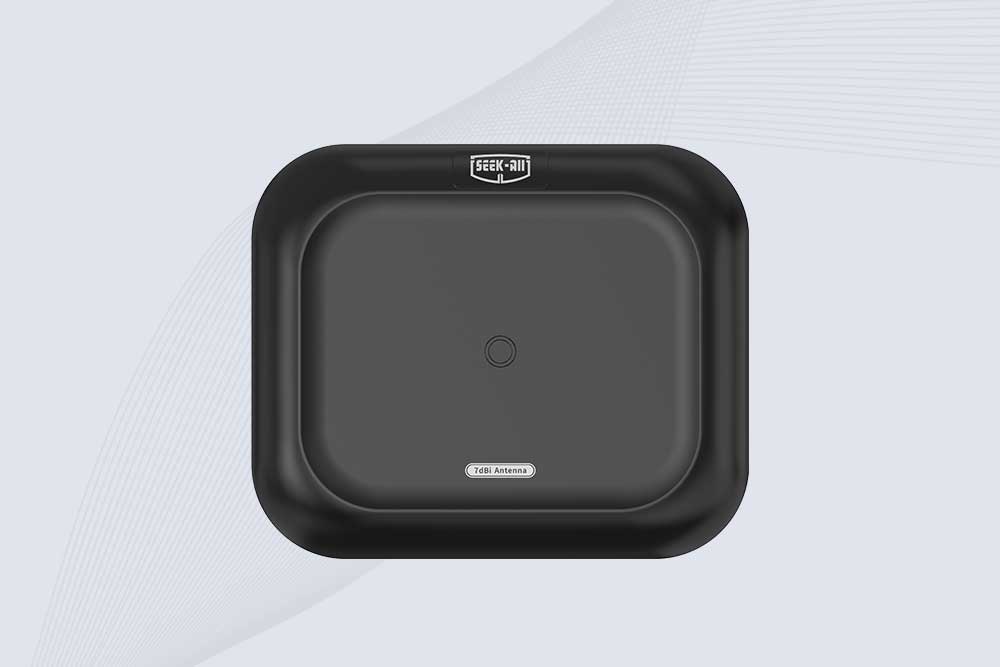
Explore the SSD-A07 UHF RFID antenna with 7 dBi gain, circular polarization, adjustable 840–960 MHz frequency, and 60°/75° beamwidth for stable RFID read/write performance.

SSD-A06 UHF RFID antenna with circular polarization, adjustable 840–960 MHz frequency, ≥4.5 dBi gain, and a compact directional design for RFID systems.

Discover SSD-D4AL, a USB-HID UHF RFID reader with 4/8/16 antenna options, Impinj E710/X3M1 chipset, plug-and-play USB power, and OEM customization.
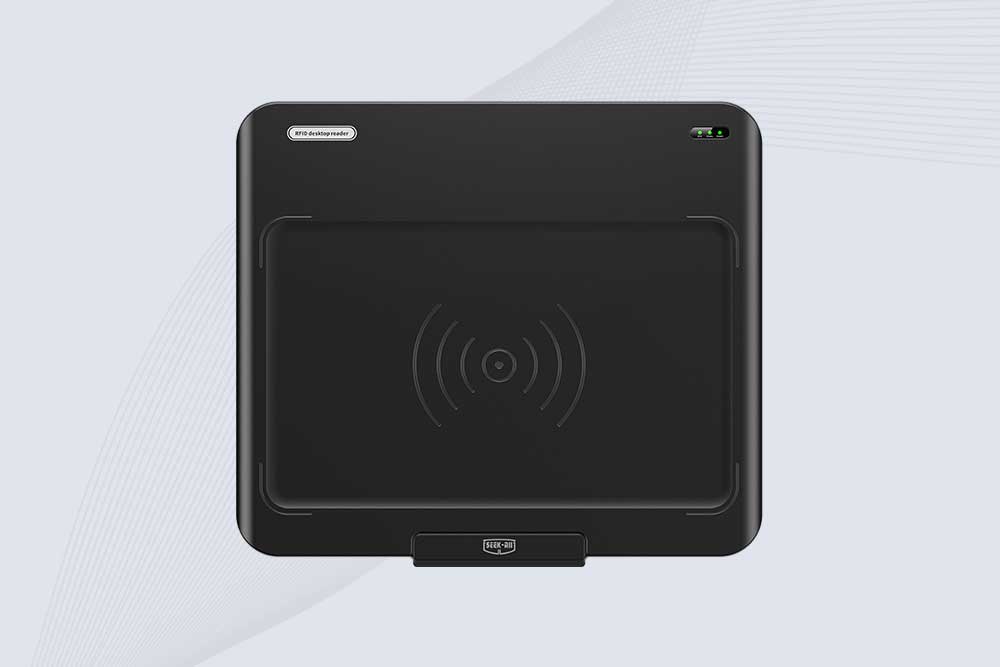
SSD-D3AL is a USB-HID UHF RFID reader with 0–30 cm reading, 0–15 cm writing, over 600 tags/s recognition, USB plug-and-play operation and OEM Logo customization.
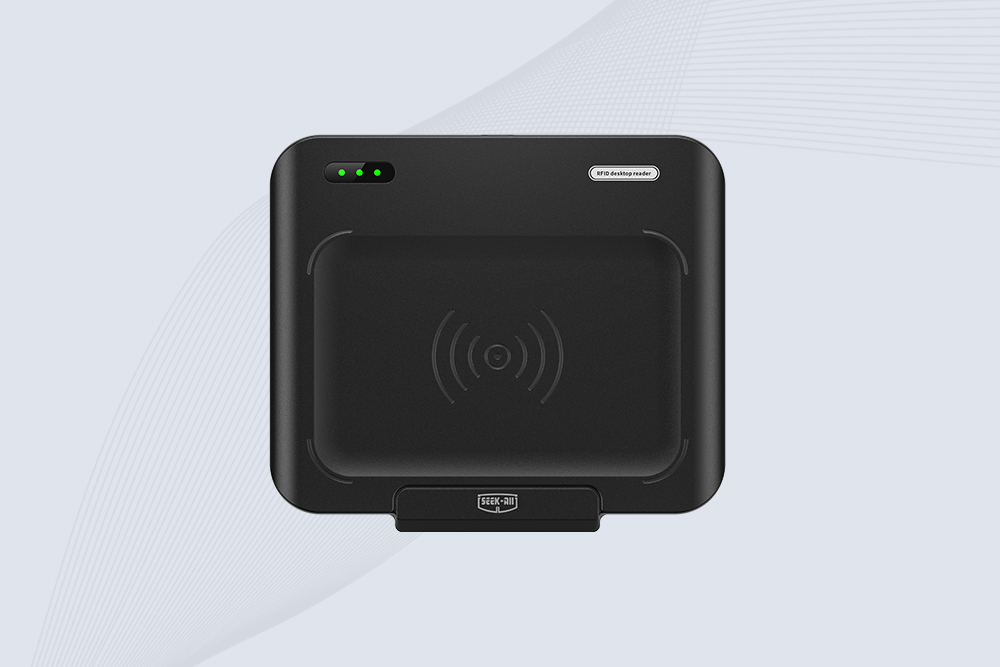
SSD-D1AL is a compact USB UHF RFID reader with Impinj E710/X3M1 chipset, USB-HID, 600+ tags/s recognition, 4/8/16 antenna support and plug-and-play USB power.

SSD-R16L Multi-Channel RFID Infrastructure for Automated Inventory Management ✔️ 16-Port High-Density RFID Reading Equipped with 16 SMA antenna ports, SSD-R16L supports multi-antenna deployment for warehouses, retail stores, logistics, production lines, and large-area RFID identification. ✔️ High-Speed & Long-Range Performance With up to 33…

SSD-R8L 8-port UHF RFID reader with 33dBm output, up to 20m reading range and 600+ tags/s recognition. Ideal for warehouse, logistics, retail and asset tracking.

SSD-R4L is a 4-port UHF RFID fixed reader with 33dBm output power, up to 20m reading range, EPC C1G2 support and 600+ tags/s reading speed.

CYKEO CYKEO-D1LA USB RFID Reader is a compact desktop solution with near-field control for precise tag reading and encoding. Powered by USB, supporting ISO 18000-6C, and built for stable batch writing, this usb rfid tag reader fits retail, libraries, offices, and controlled RFID encoding tasks.
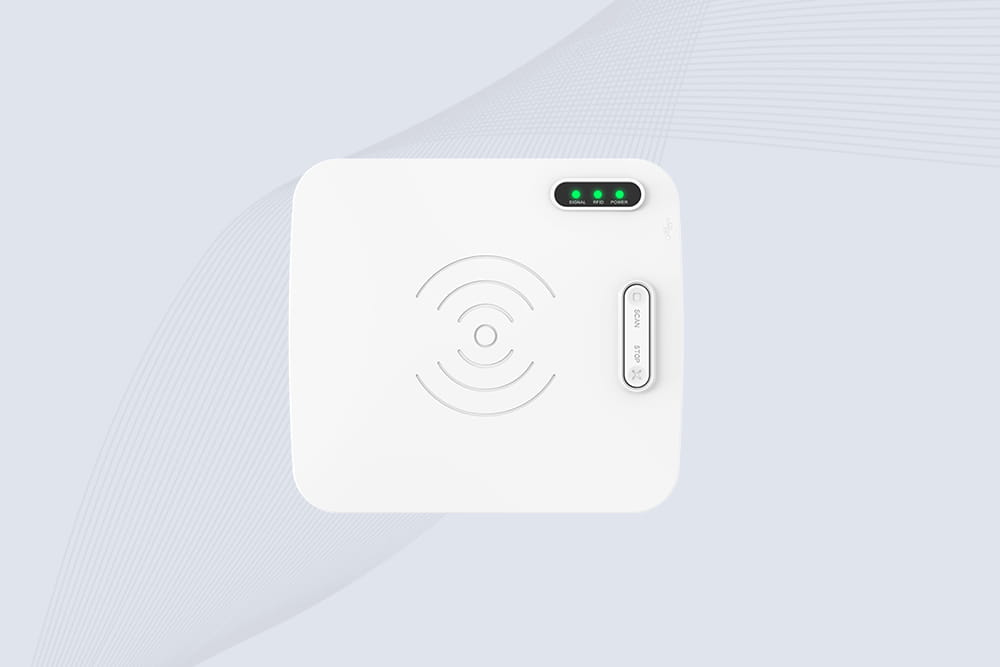
CYKEO CYKEO-D1L RFID scanner USB is a compact desktop UHF RFID scanner designed for short-range tag writing and verification. This usb rfid scanner supports batch encoding, stable 0–26 dBm output, and works across Windows, Linux, and Android systems.
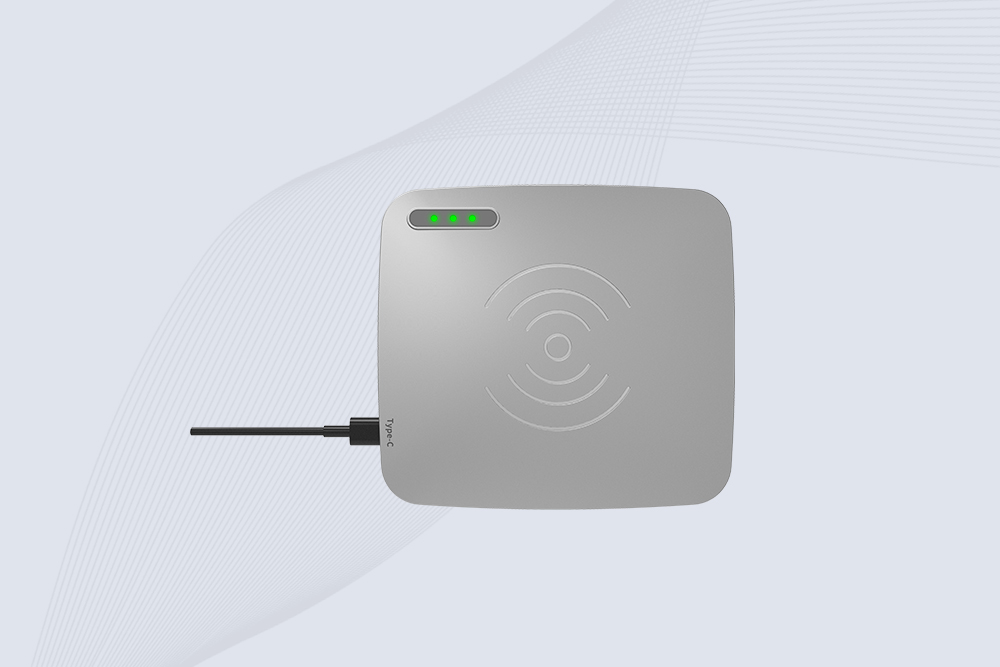
CYKEO CYKEO-D1C USB RFID Card Reader is a near-field UHF desktop writer designed for secure, short-range tag encoding. With USB-C connectivity and stable 26 dBm output, this rfid reader usb c is ideal for badge issuance, label encoding, and controlled desktop RFID workflows.
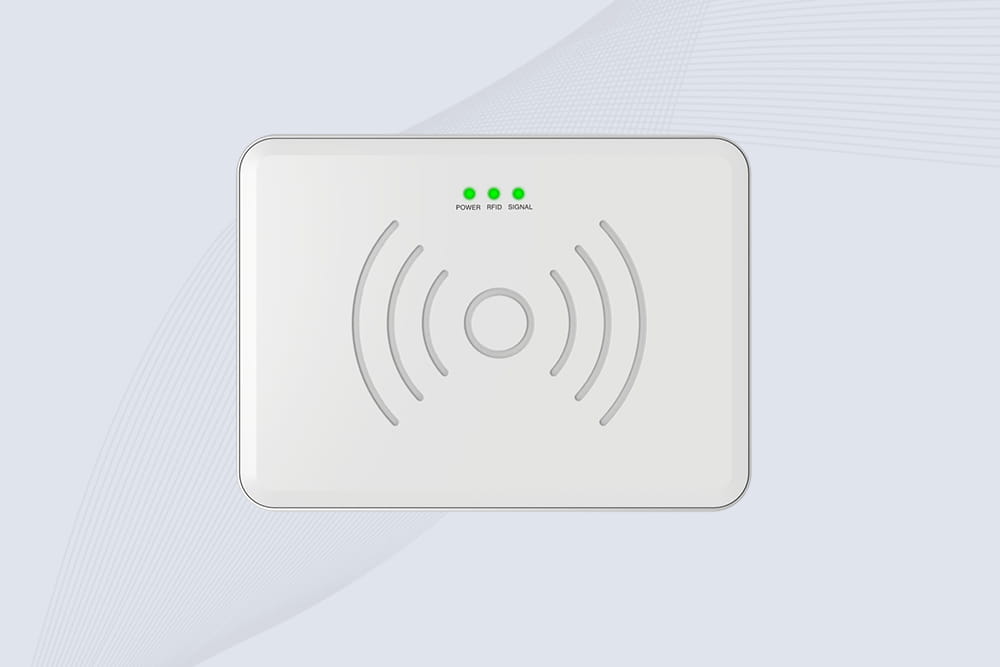
CYKEO CYKEO-D2L RFID Reader USB is a compact desktop encoder built on the Impinj R500 chip. With near-field control and stable USB power, this usb rfid card reader delivers precise tag writing for offices, retail counters, and small-scale logistics encoding tasks.
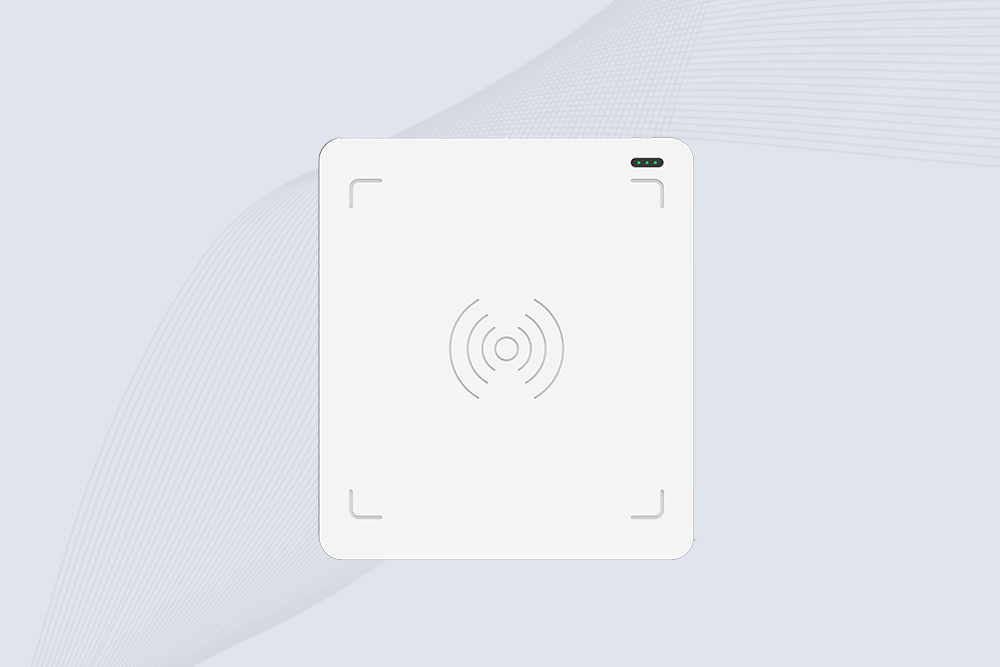
CYKEO CYKEO-D3L USB RFID Tag Reader delivers stable UHF tag reading and writing for daily desktop and light industrial tasks. Designed for controlled short-range operation, this USB RFID Tag Reader works reliably with rfid tag and reader systems in libraries, tool tracking, and inventory registration.
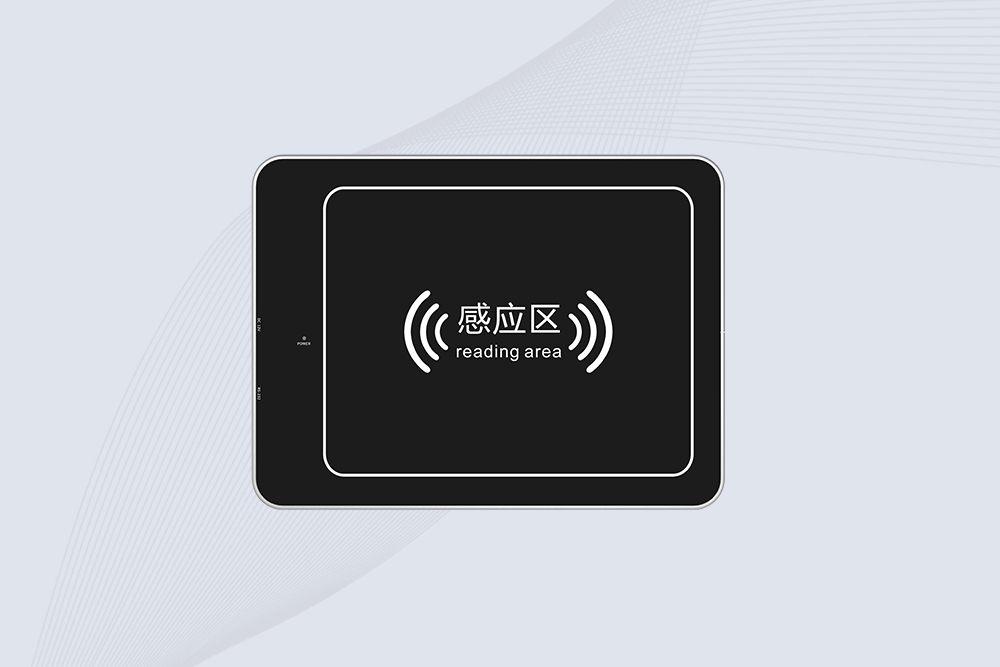
The CYKEO CYKEO-D4L UHF RFID Tag Reader is a stable Desktop RFID Reader designed for accurate tag registration, borrowing, and return workflows. Built with the Impinj R2000 chip, this UHF RFID Tag Reader delivers controlled short-range reads for libraries, asset tracking, and inventory management environments.
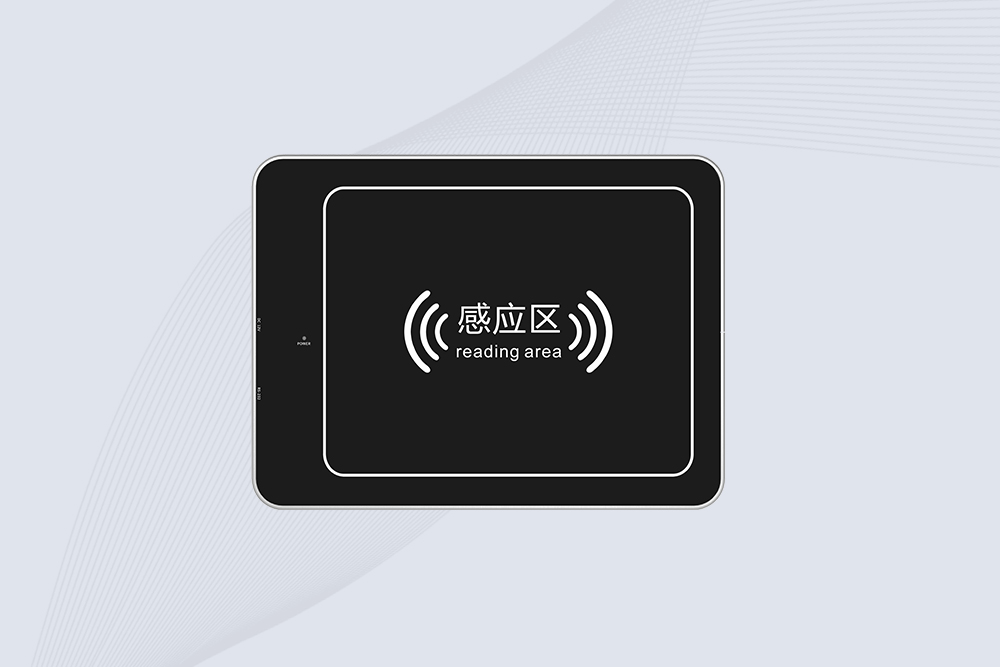
The CYKEO CYKEO-D5L Desktop RFID Card Reader is a stable UHF RFID Card Reader designed for controlled short-range reading and writing. Built for libraries, tool rooms, and asset desks, this UHF RFID Card Reader supports dense tag handling, secure data processing, and easy USB integration.
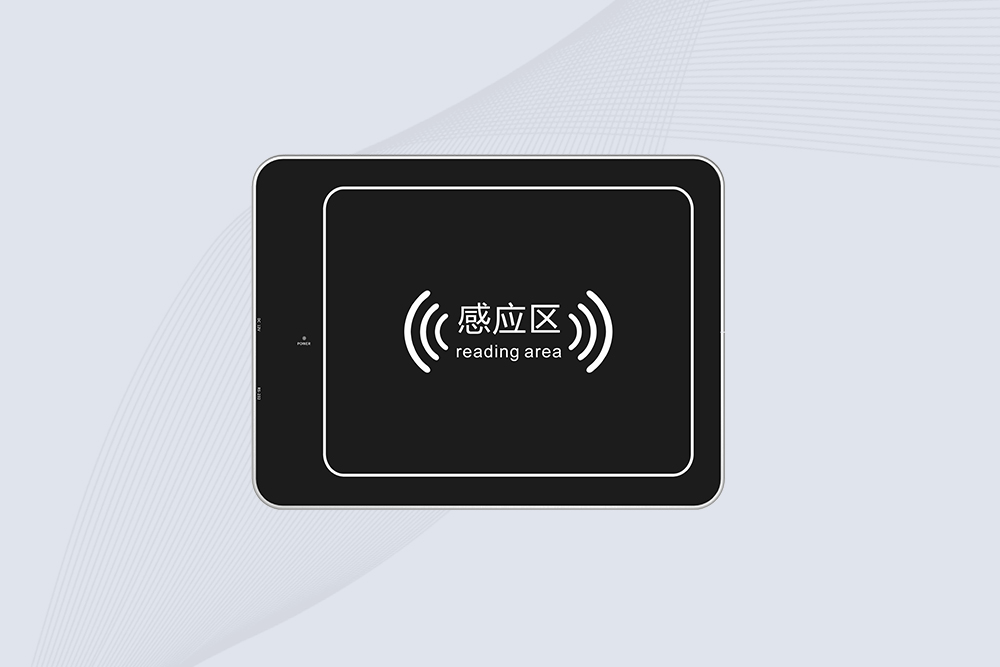
The CYKEO CYKEO-D6L RFID Reader Writer is a heavy-duty Desktop RFID Reader designed for short-range, high-accuracy tag programming. Built for libraries, labs, and asset desks, this RFID Reader Writer supports batch processing, stable 33dBm output, and seamless integration with existing management systems.
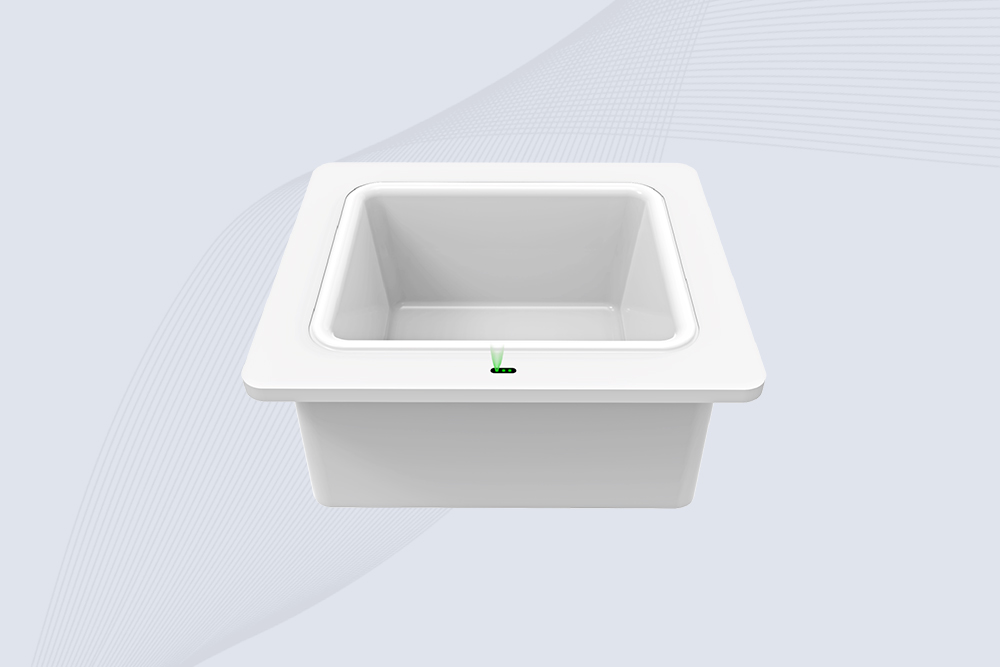
Cykeo CYKEO-D8B UHF RFID tunnel and RFID Desktop Reader features 30+ items batch reading,
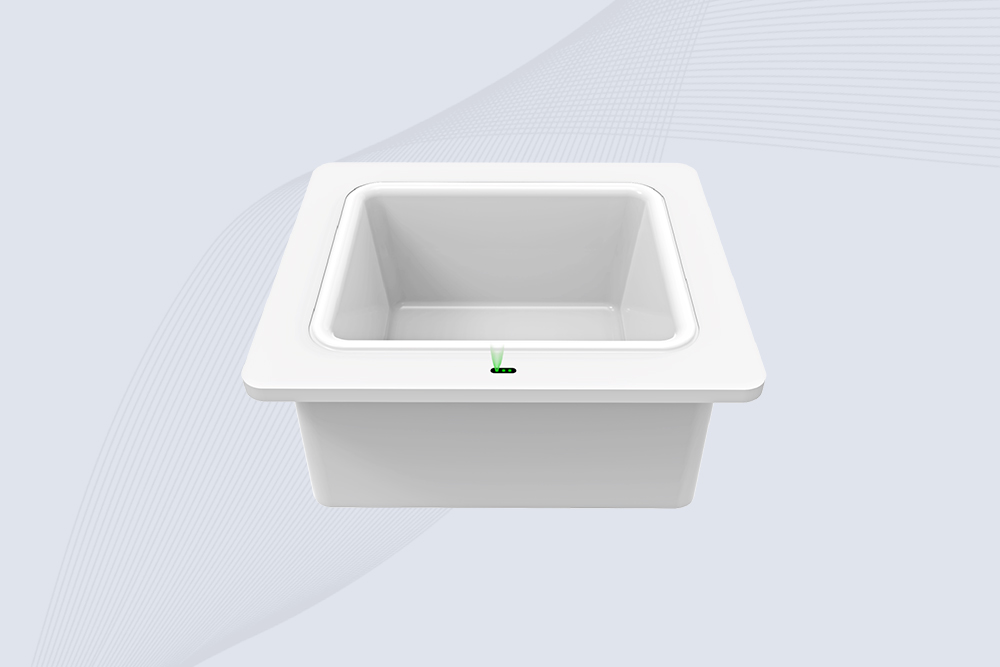
Cykeo CYKEO-D8A embedded RFID badge reader offers 30+ tags/sec scanning, 20cm anti-crosstalk precision, and DC 12V power for unmanned stores, warehouses, and smart inventory systems.

Cykeo’s CYKEO-D8C UHF RFID gate reader achieves 200-tag/batch scanning with adjustable power control, ideal for retail inventory and smart warehouse management.
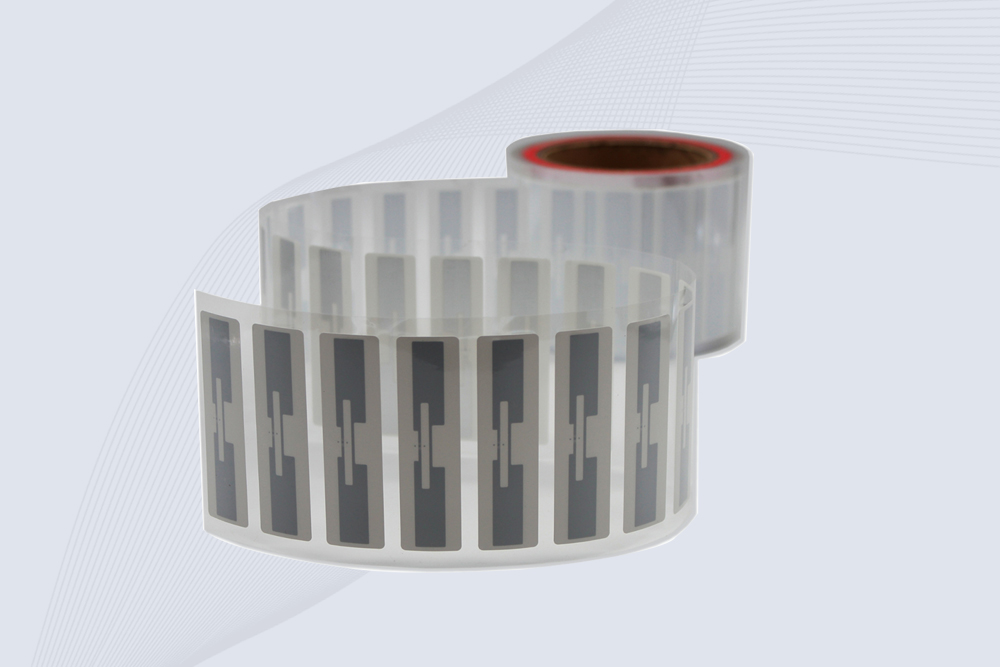
CYKEO Passive RFID Tags are made for wet and high-humidity environments where standard labels do not last. This rfid passive tag is often used around liquids, chemicals and temperature changes, providing stable reading distance and long data life for industrial tracking.
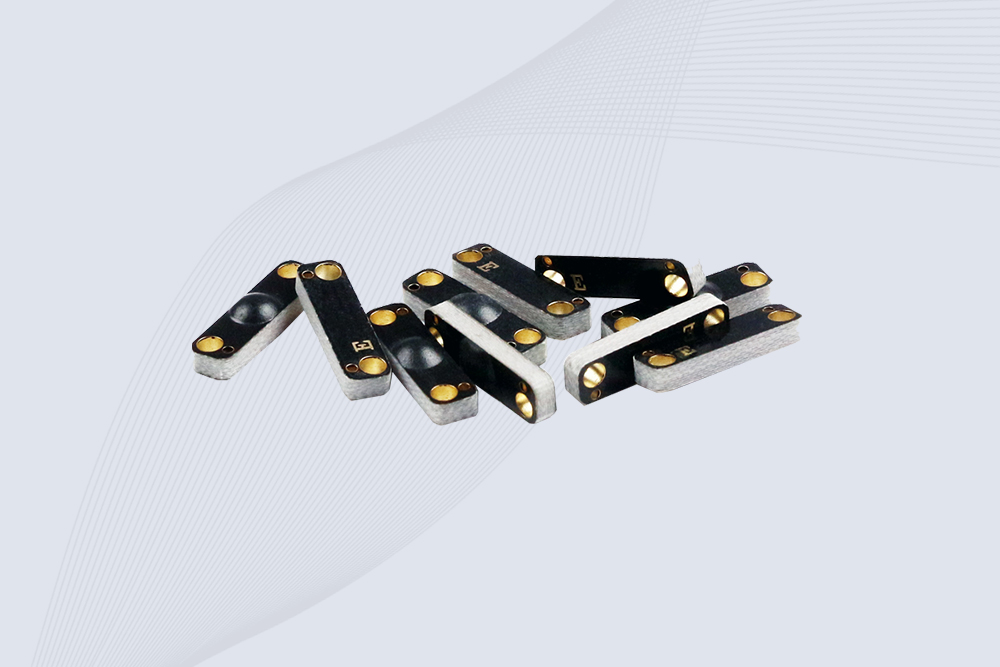
CYKEO CYKEO-PCB1504 Metal RFID Tags is a compact anti-metal UHF RFID solution built for direct mounting on metal surfaces. With stable 8-meter read range, Ucode-8 chip, and long data retention, this rfid metal tag fits tools, containers, automotive parts, and industrial asset tracking.
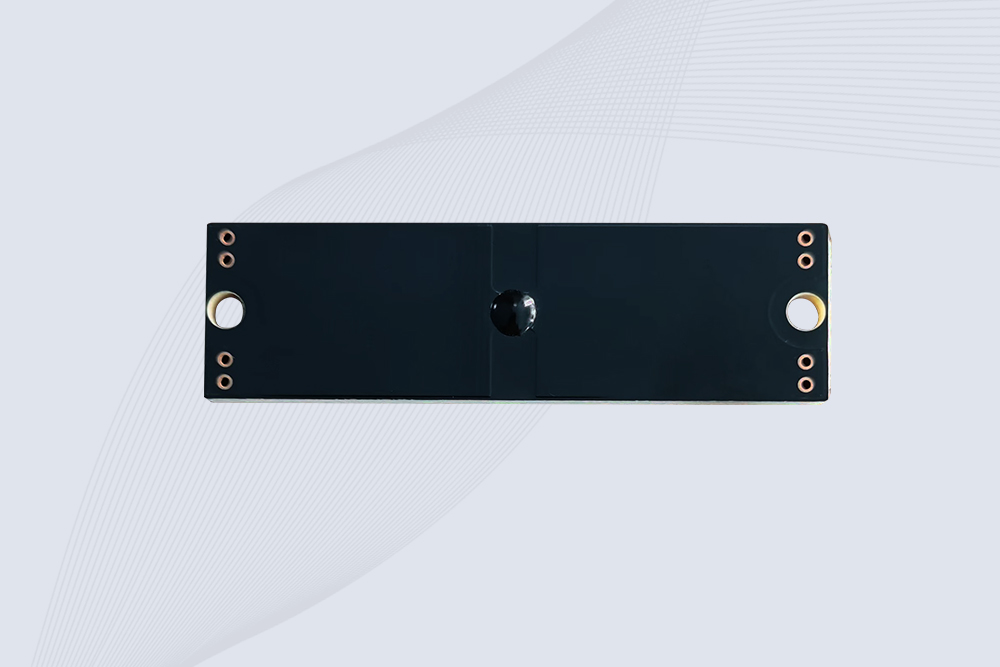
CYKEO CYKEO-PCB7020 On-Metal RFID Tags are designed for reliable tracking on steel and metal surfaces. Built with an FR4 epoxy body and industrial-grade chips, these On-Metal RFID Tags deliver stable performance, long data life, and chemical resistance, making them a dependable RFID anti-metal tag for harsh environments.
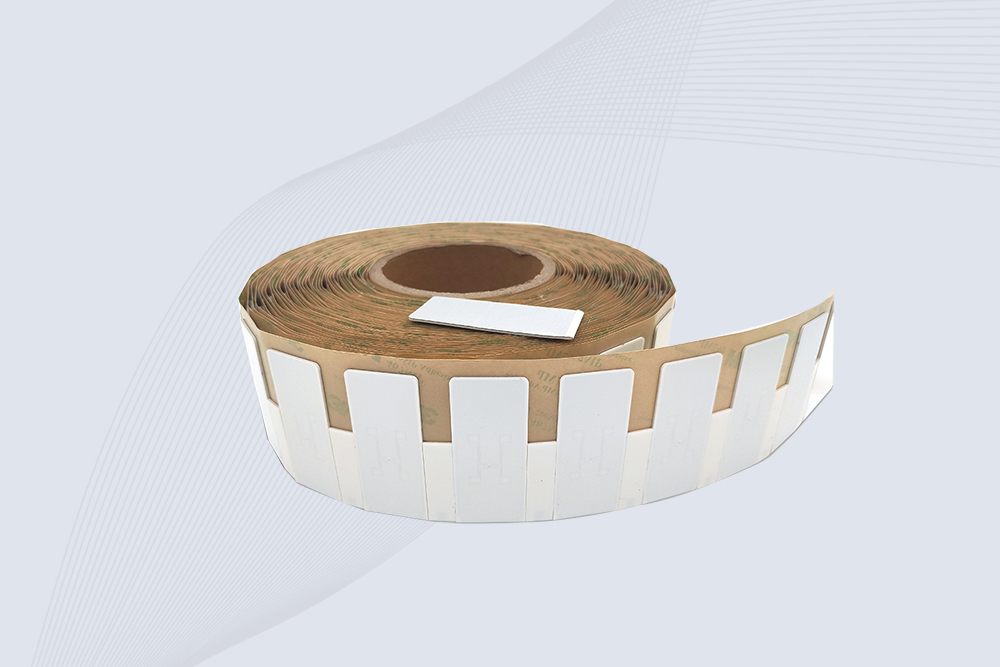
The CYKEO CYKEO-60-25 Anti-Metal RFID Tag is built for metal surfaces where standard tags fail. Designed for long-range performance, harsh environments, and stable data retention, this Anti-Metal RFID Tag is ideal for industrial assets, containers, and equipment tracking using on metal RFID tags.
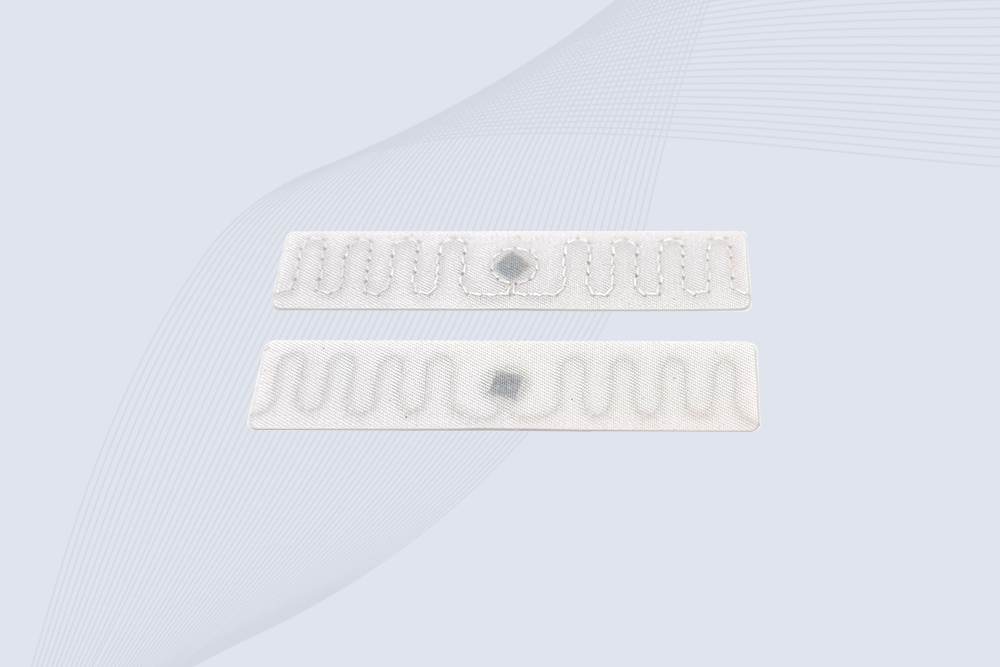
The CYKEO RFID Laundry Tag is designed for long-term textile identification in harsh laundry environments. Built to withstand high heat, chemicals, and repeated washing, this RFID Laundry Tag delivers stable performance for hotels, hospitals, and industrial laundry operations using laundry rfid tags at scale.
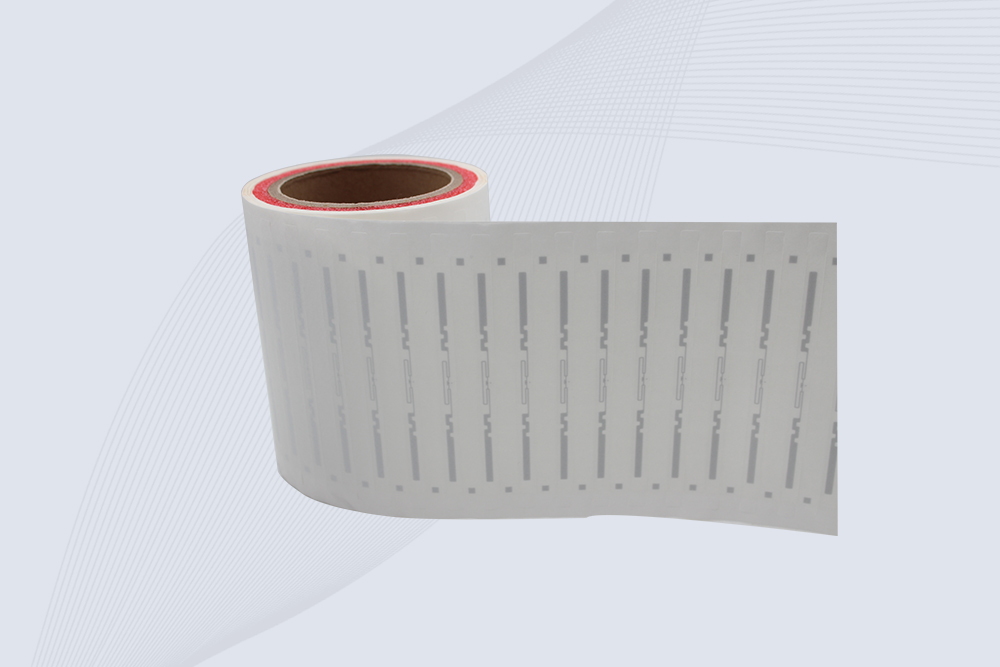
The CYKEO CYKEO-125-7 RFID Book Tag is designed for reliable book and document tracking in libraries and archives. This RFID Book Tag delivers long read range, dense placement support, and stable performance on shelves, making it a practical rfid tag on books for library automation, file management, and archival systems.
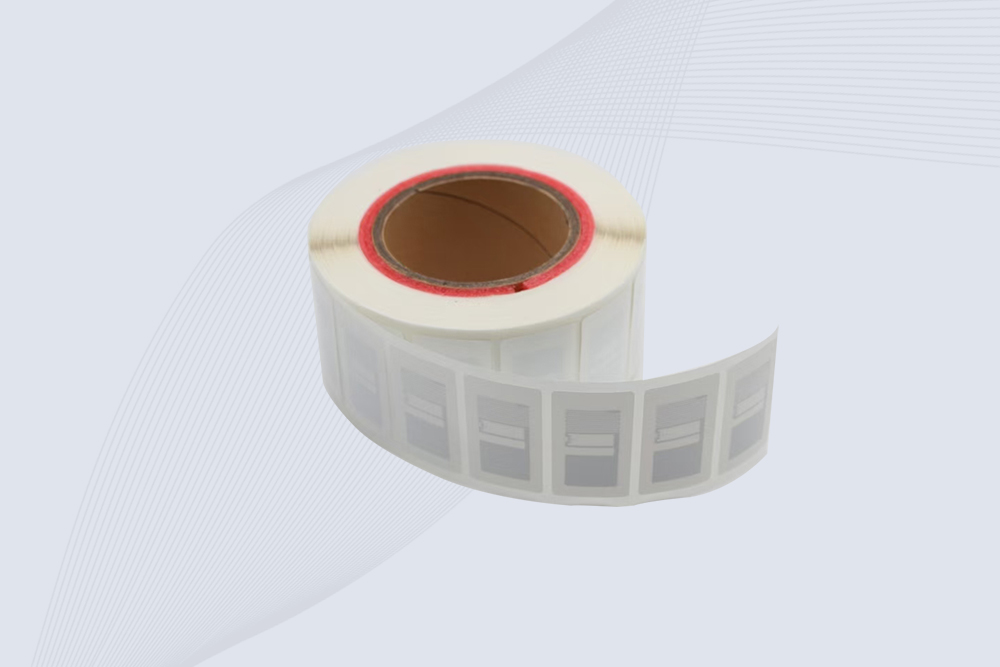
CYKEO RFID tags in hospitals are designed for sterile environments where accuracy matters. These autoclavable RFID tags support long-term tracking of surgical tools, implants, and medications, helping hospitals improve visibility, compliance, and patient safety.

CYKEO RFID Cable Tie Tag is built for reliable identification on metal surfaces. This UHF RFID Cable Tie Tag is widely used in rfid tags for inventory systems, industrial asset management and Hospital RFID Tags, offering stable read performance, long service life and global EPC Gen2 compatibility.
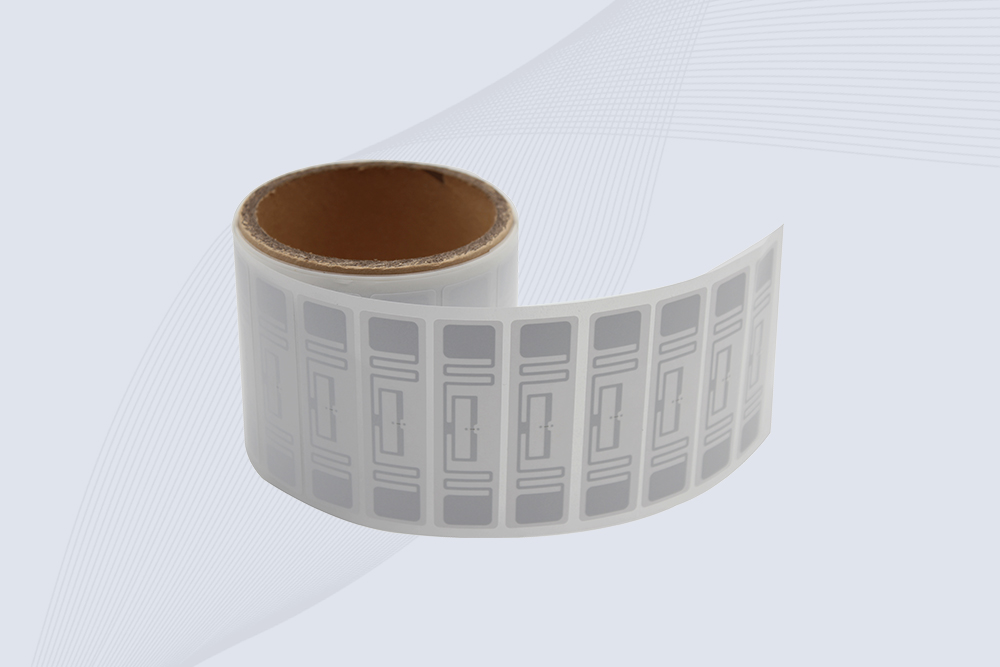
CYKEO RFID Asset Tag is designed for stable identification of metal assets in industrial environments. This UHF RFID Asset Tag is commonly used for rfid tag asset tracking on equipment, tools and containers, providing reliable reads, long service life and ISO/IEC 18000-6C support.

CYKEO UHF RFID Card is designed for fast identification and long-term use in industrial and commercial systems. Supporting ISO 18000-6C, this UHF RFID Card works at 860–960 MHz and is suitable for custom RFID cards used in asset tracking, access control and inventory management.
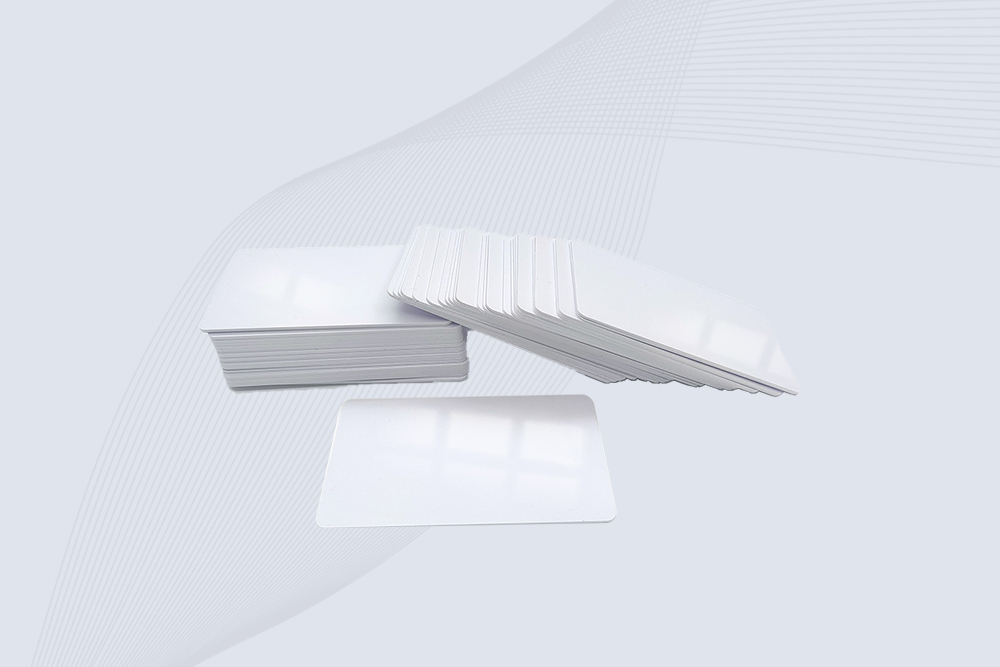
CYKEO HF RFID Cards are designed for secure and stable access control systems. These 13.56 MHz RFID key cards support ISO 14443-A, reliable rewriting and long service life, making HF RFID Cards suitable for offices, campuses, events and membership management.
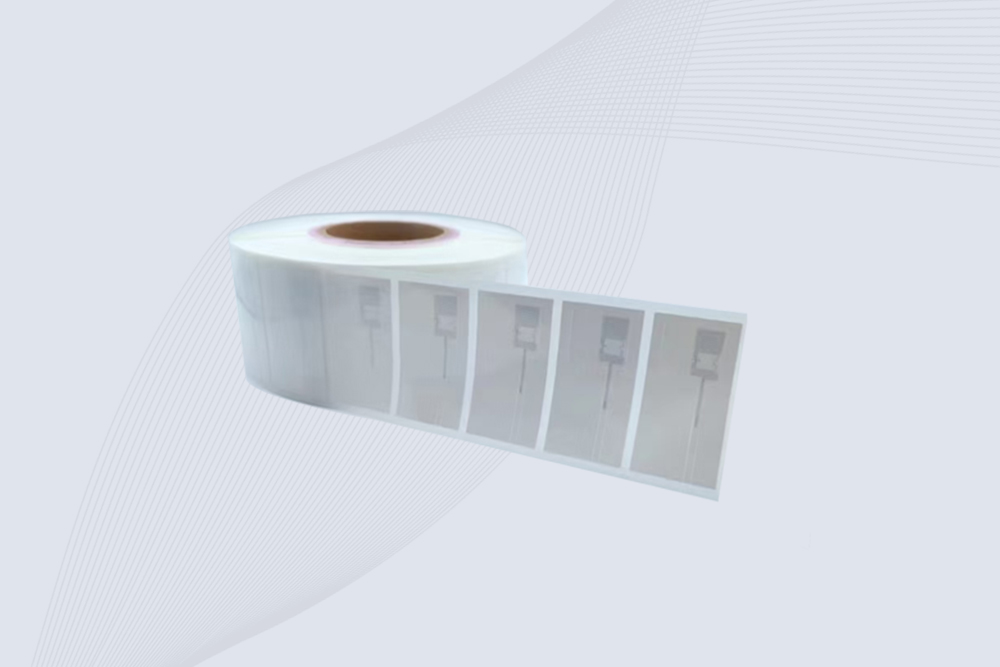
CYKEO UHF RFID Tag is designed for reliable tracking of metal jewelry and high-value items. This Jewelry RFID Tag supports long-range reading up to 8 meters, anti-counterfeit protection and stable performance on metal, making it suitable for retail, inventory control and asset management.
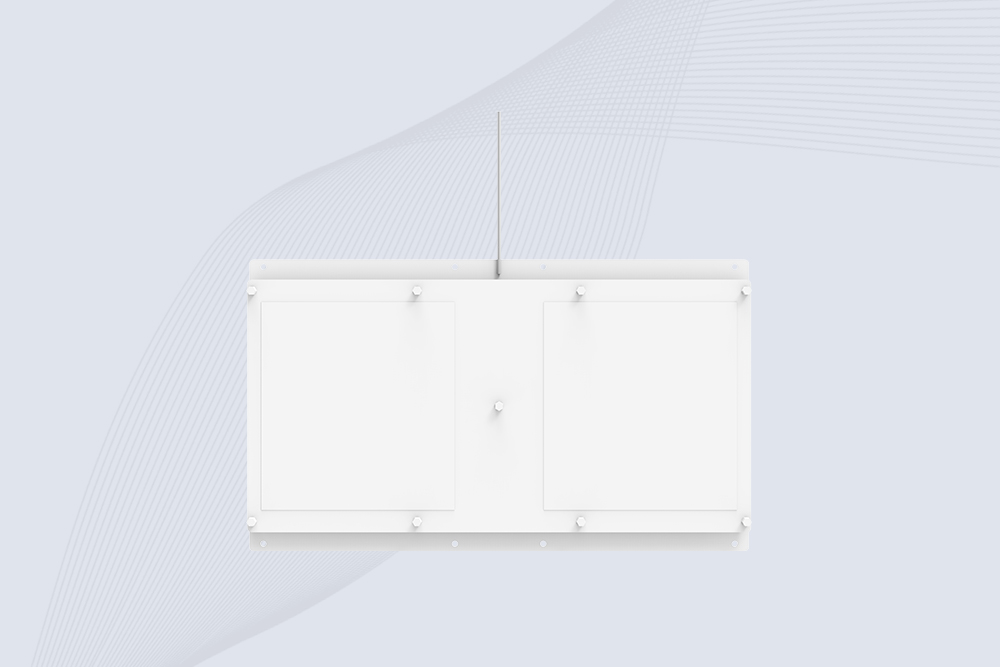
Cykeo CYKEO-A11 UHF RFID reader antenna delivers 11dBi gain, 840-960MHz frequency range, and IP65 ruggedness for retail, logistics, and industrial RFID systems. Features low VSWR and easy installation.

CYKEO Antenna RFID Reader delivers stable long-range UHF performance with a 10.5dBi directional design, built for warehouses, conveyor portals, and industrial RFID systems. This rfid reader antenna provides 20m+ read distance and rugged IP67 protection.

Cykeo CYKEO-PHF3 industrial HF RFID Antenna offers 24-point dynamic tracking, ISO 14443A/15693 protocols, metal-environment stability for archives/libraries/manufacturing.

Cykeo CYKEO-A5B industrial Linear RFID Antenna delivers 5dBi gain, ≤1.5:1 VSWR, and IP65 rugged design for warehouse, production line, and logistics UHF systems.

Cykeo’s CYKEO-B12 Long Range RFID Antenna delivers 15m+ read range with 12dBi gain, IP65 rugged design, and global 840-960MHz UHF support. Ideal for warehouse/logistics asset tracking.
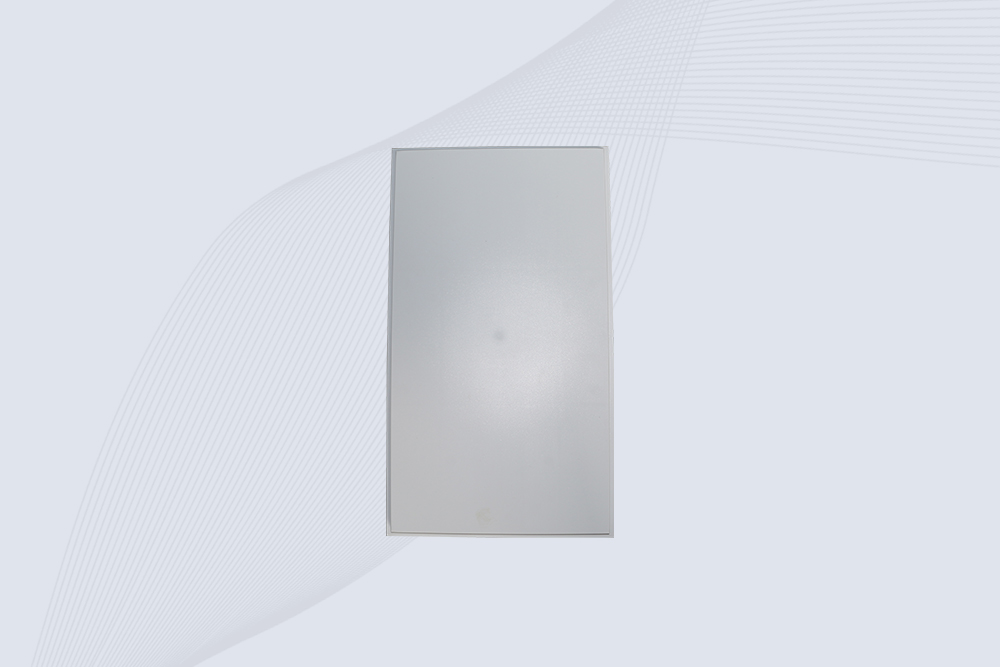
Cykeo CYKEO-B10 Long Distance RFID Antenna offers 10dBi gain, 840-960MHz frequency range, IP65 rating, and 20m+ coverage for logistics/warehousing/ETC systems. Low VSWR ensures stable signal transmission.
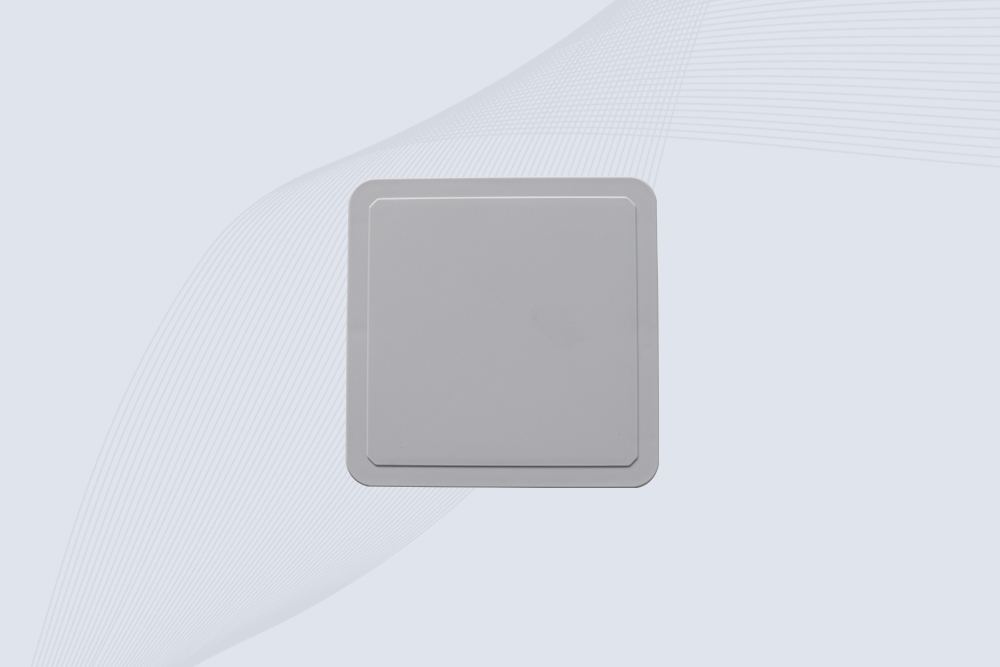
Cykeo CYKEO-A6 UHF RFID panel antenna features 6dBi gain, 840-960MHz broadband, IP65 metal-ready housing for logistics/smart retail. 18mm ultra-thin design with tool-free mounting.

Cykeo CK-A3 industrial antenna RFID UHF offers 5m+ tag detection, ≤1.3:1 VSWR, IP65 rugged design, and global UHF spectrum compatibility (840-960MHz) for warehouses, factories, and retail.
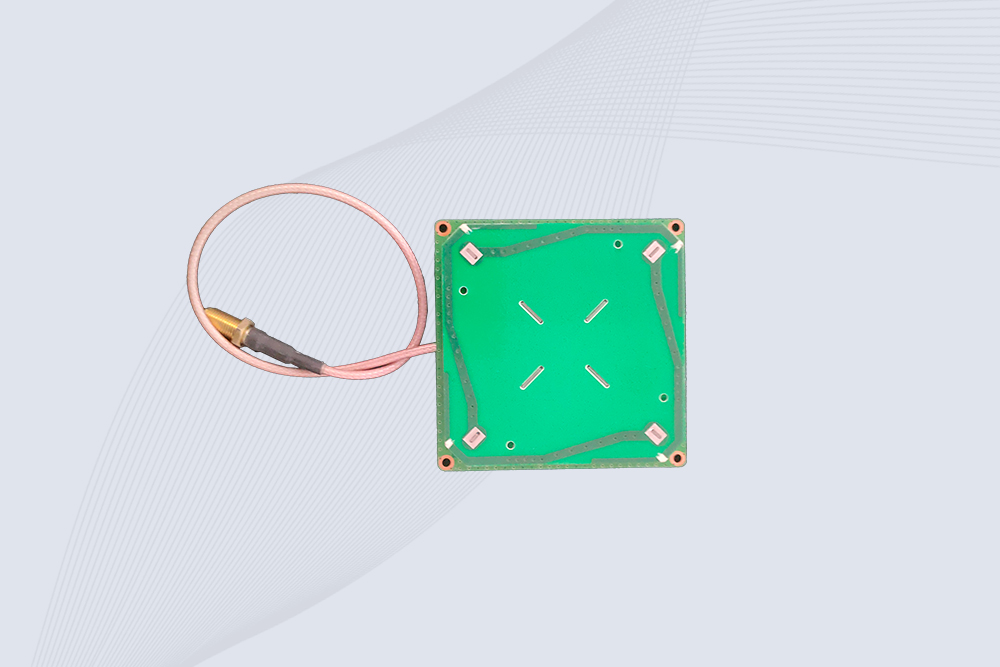
Cykeo CYKEO-B5 directional RFID antenna provides 5dBi gain with 60° narrow beamwidth for precise inventory tracking. IP65-rated, global UHF frequency support, and low VSWR.
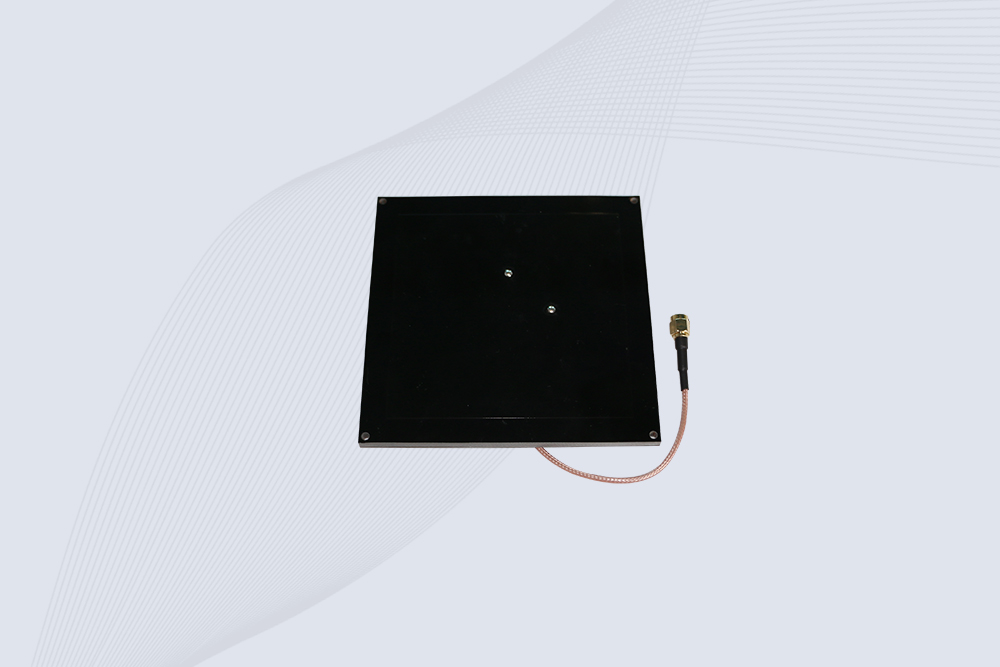
Create your own high-performance DIY RFID antenna! 5dBi gain, 840-960MHz tunable, step-by-step guides. Compatible with Arduino, Raspberry Pi, and commercial UHF readers.
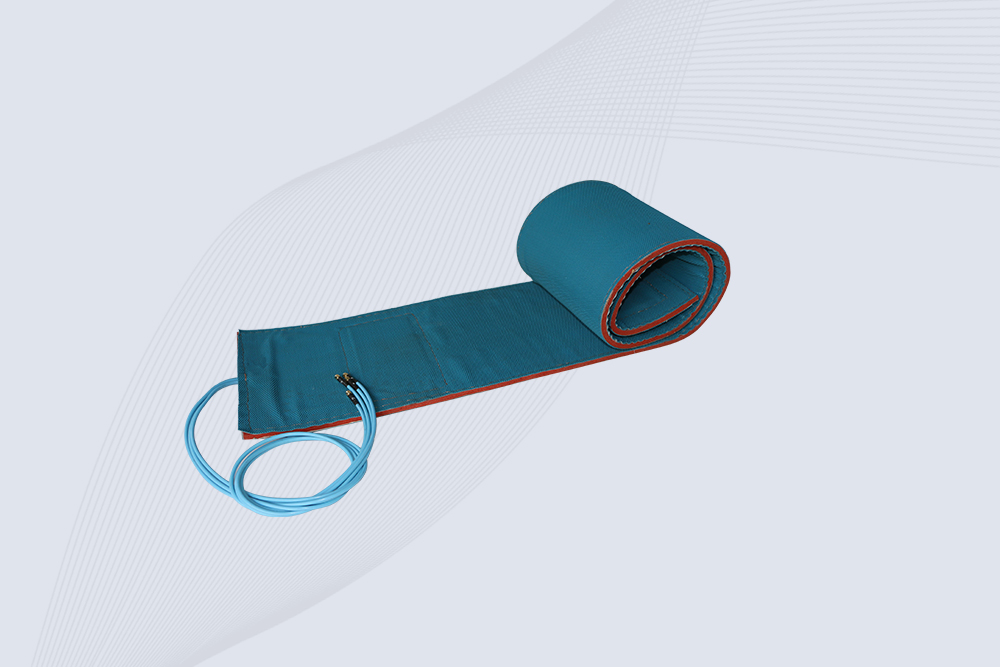
Cykeo CYKEO-A7 Flexible RFID Antenna features 840-960MHz wideband tuning, 7dBi gain, and IP68 rating for medical/retail/industrial curved surface deployments. 98% read accuracy with peel-and-stick installation.

Cykeo CYKEO-B5A industrial Passive RFID Antenna delivers 5dBi gain, 70° beamwidth, and -40°C~55°C operation for warehouses/smart cabinets. Compatible with Zebra/Impinj readers.
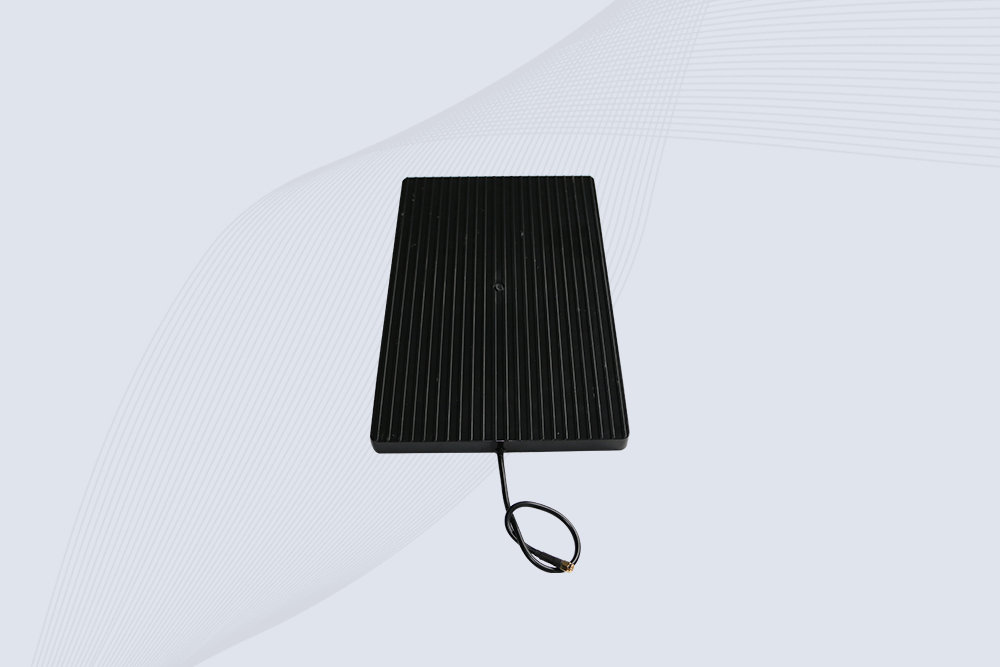
Cykeo’s CYKEO-A9B High Gain RFID Antenna delivers 15m+ read range with 9dBi amplification. Features IP54 rugged design, 840-960MHz bandwidth, and 80° beamwidth for warehouse/manufacturing RFID systems.

Cykeo’s enterprise-grade 8dbi Impinj RFID Antenna 10m+ read range with 840-960MHz tuning. Features IP65 housing, 1.4 VSWR, 35° beamwidth for retail/warehouse RFID systems.
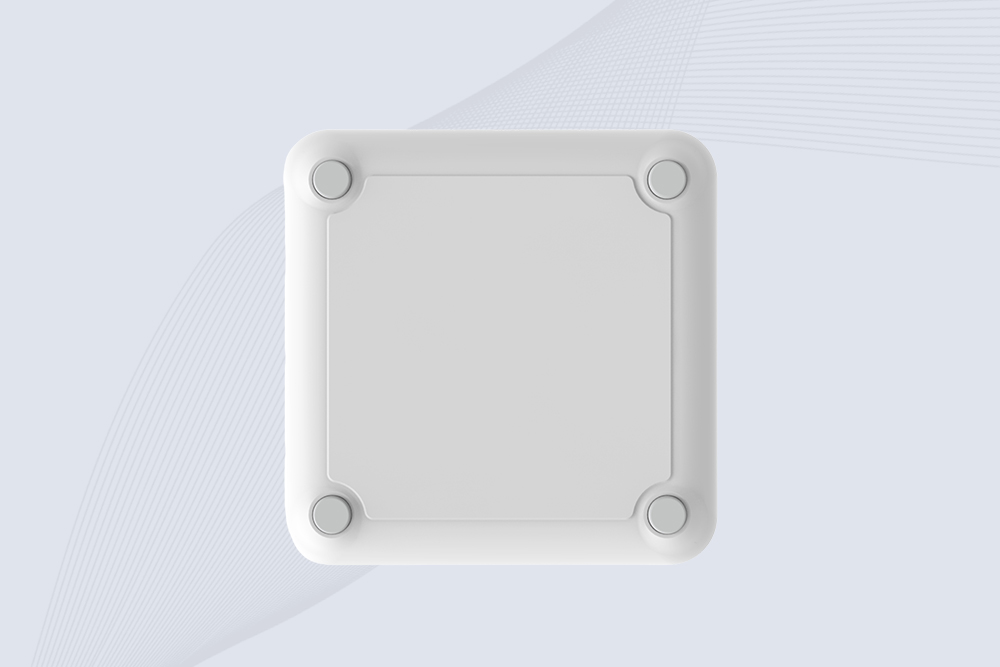
Cykeo CYKEO-A9 industrial UHF RFID antenna delivers 9dBi gain, 840-960MHz frequency range, and IP65 protection for warehouse/logistics/retail RFID systems. Features N-type connector and ≤1.3:1 VSWR.
CYKEO UHF RFID Antenna built for long-distance and industrial applications. This antenna rfid uhf delivers strong gain, outdoor durability, and reliable tag performance in warehouses, yards, and vehicle ID systems.
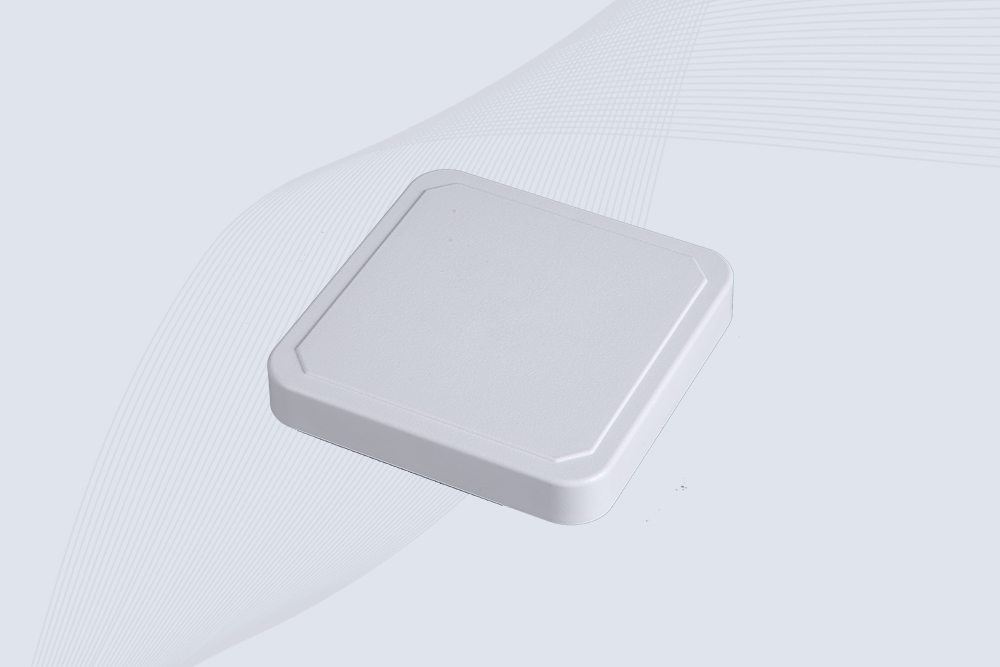
CYKEO Antenna RFID delivers reliable long-range UHF performance in warehouses, retail shelves, and cold-chain environments. This compact uhf rfid antenna provides stable reads with circular polarization and ultra-wide 840–960 MHz support, ideal for industrial tracking, smart shelves, and asset monitoring.

See how does rfid look like in real applications, from tiny embedded tags and cards to UHF readers and antennas, with practical examples from industrial RFID deployments.
More
Discover the cost of implementing RFID attendance systems in schools, including hardware, software, and long-term savings. Explore Cykeo’s affordable, scalable solutions.
More
Learn how to clean and maintain RFID handheld readers to extend their lifespan. Discover best practices for sanitization, battery care, and preventing hardware failures.
More
Learn how rfid tag label technology enables fast tracking, real-time inventory, and automation across retail, logistics, and asset management systems.
More