RFID for asset tracking and inventory management provides real-time visibility of assets and inventory, reducing manual counting, improving inventory accuracy, and enabling organizations to track thousands of items automatically across warehouses, factories, hospitals, and retail operations.
For organizations struggling with missing equipment, inventory discrepancies, or slow stock audits, RFID is no longer an experimental technology. It has become one of the most practical tools available for improving operational control.
As an RFID solutions engineer who has participated in warehouse automation, industrial asset tracking, and inventory digitization projects for more than a decade, I have seen RFID reduce inventory counting time from several days to a few hours while significantly improving data reliability.
RFID for asset tracking and inventory management uses radio frequency identification technology to automatically identify, locate, and monitor physical assets and inventory items.
Each item receives an RFID tag containing a unique identifier. RFID readers collect data wirelessly and transfer it into management software, creating real-time visibility across operations.
Unlike barcode systems, RFID does not require direct line-of-sight scanning.
A reader can identify multiple tagged assets simultaneously.
Common Assets Tracked Using RFID
IT equipment
Production tools
Medical devices
Warehouse inventory
Returnable transport items
Office assets
Industrial components
Finished goods
According to GS1, RFID technology significantly improves inventory visibility and operational efficiency by automating data capture processes across supply chains.
Why Companies Are Investing in RFID Asset Tracking
Inventory inaccuracies often appear small until they affect operations.
During a recent warehouse deployment, management estimated inventory accuracy at approximately 90%.
After RFID auditing, actual inventory accuracy measured closer to 82%.
The difference represented thousands of dollars in misplaced stock.
According to Auburn University’s RFID Lab, retailers using item-level RFID frequently achieve inventory accuracy rates exceeding 95%.
How RFID Tags Improve Inventory Tracking Accuracy
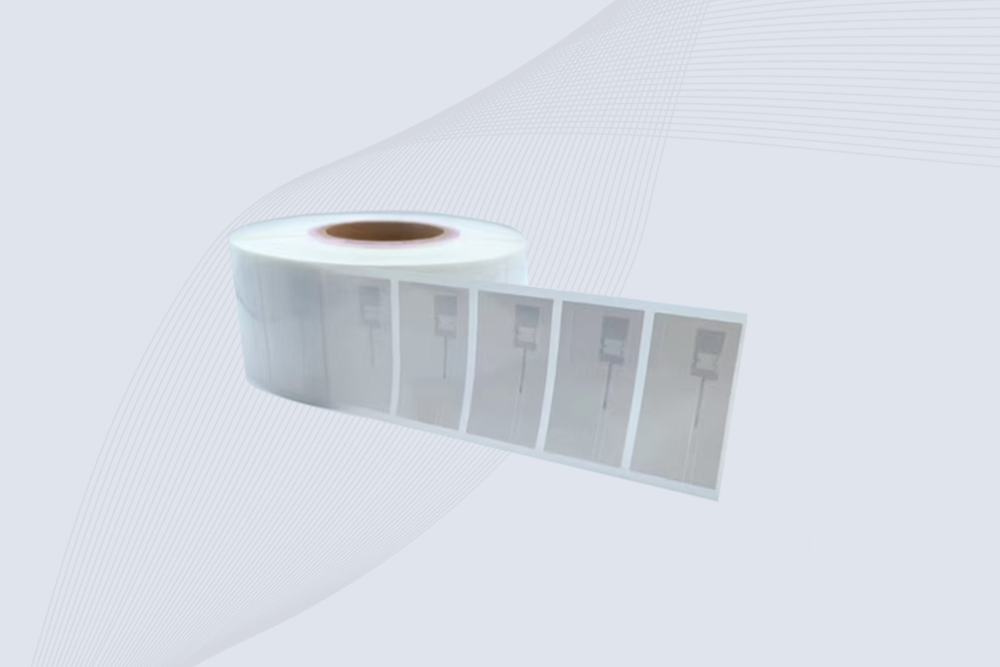
RFID tags inventory tracking solutions are helping businesses move from manual stock counting to automated and data-driven inventory control. By attaching RFID tags to products, tools, equipment, or containers, each item receives a unique digital identity that can be captured by RFID readers without requiring direct scanning. This allows companies to collect inventory data faster and maintain better visibility of asset movement.
In large warehouses, factories, and distribution centers, RFID tags inventory tracking systems can monitor items throughout different stages, including receiving, storage, picking, and shipping. Unlike traditional barcode-based methods, RFID technology can identify multiple tagged items simultaneously, reducing the time required for inventory audits and minimizing errors caused by manual recording.
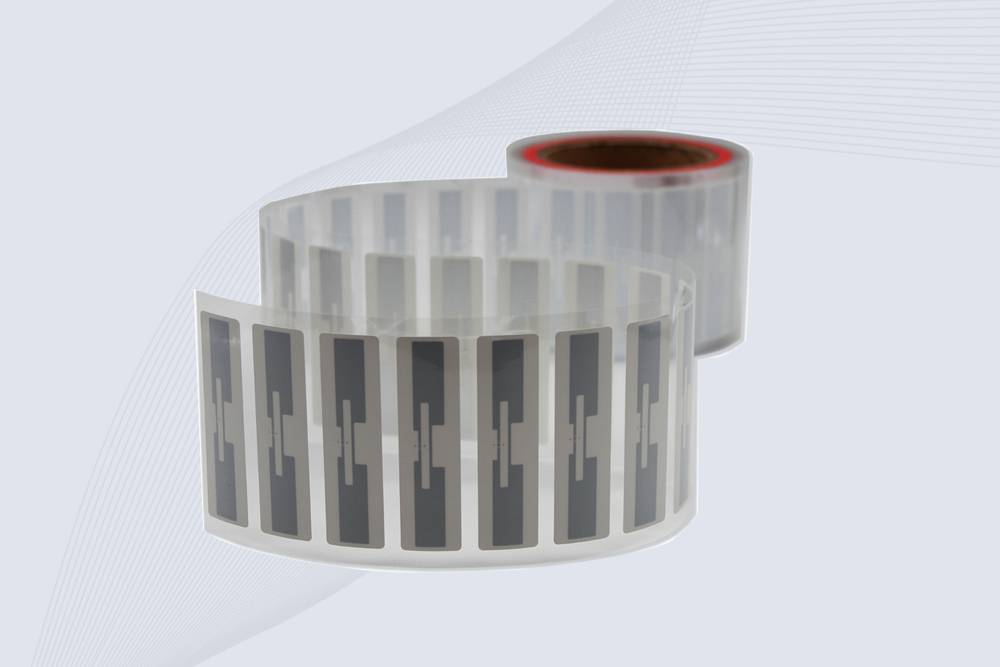
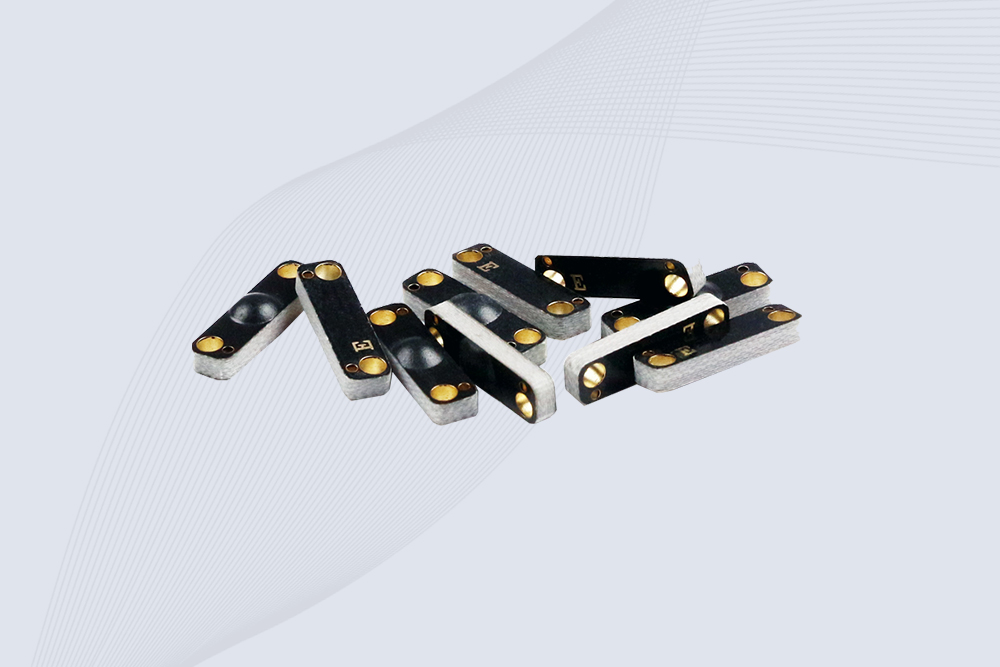
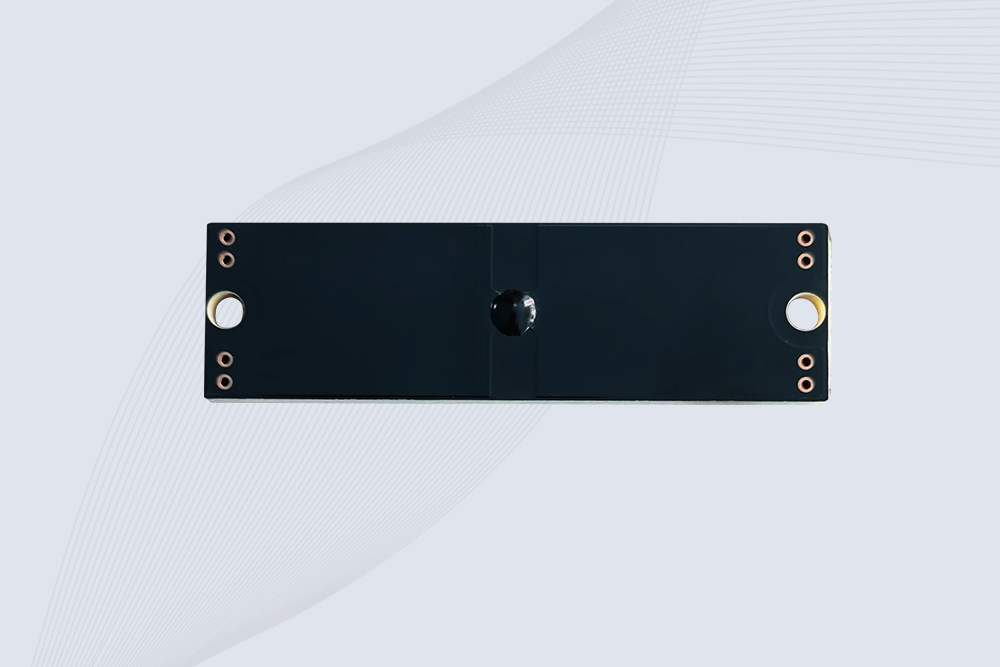
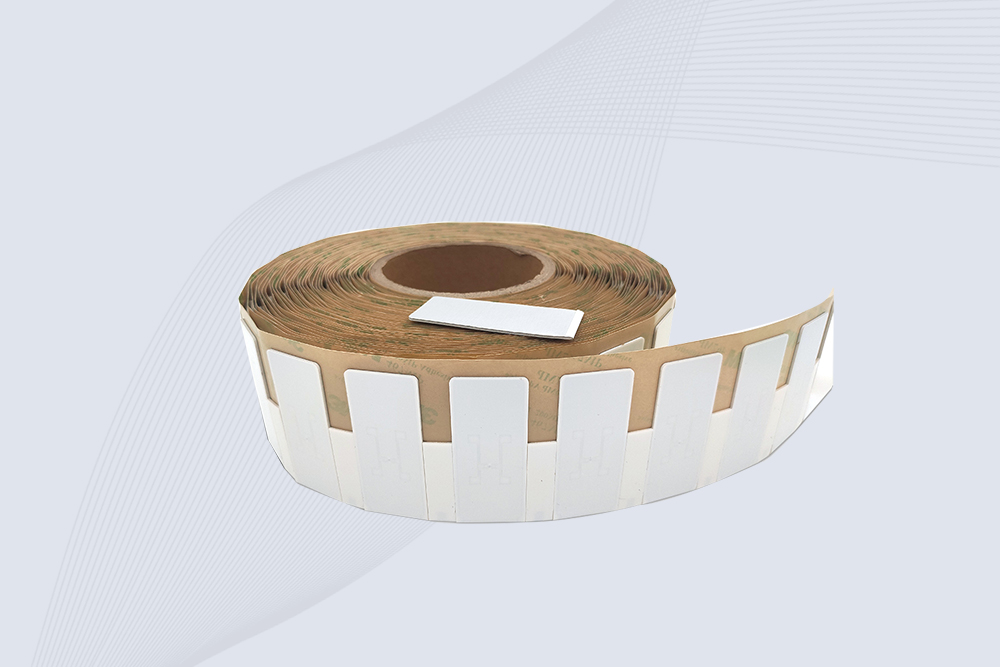
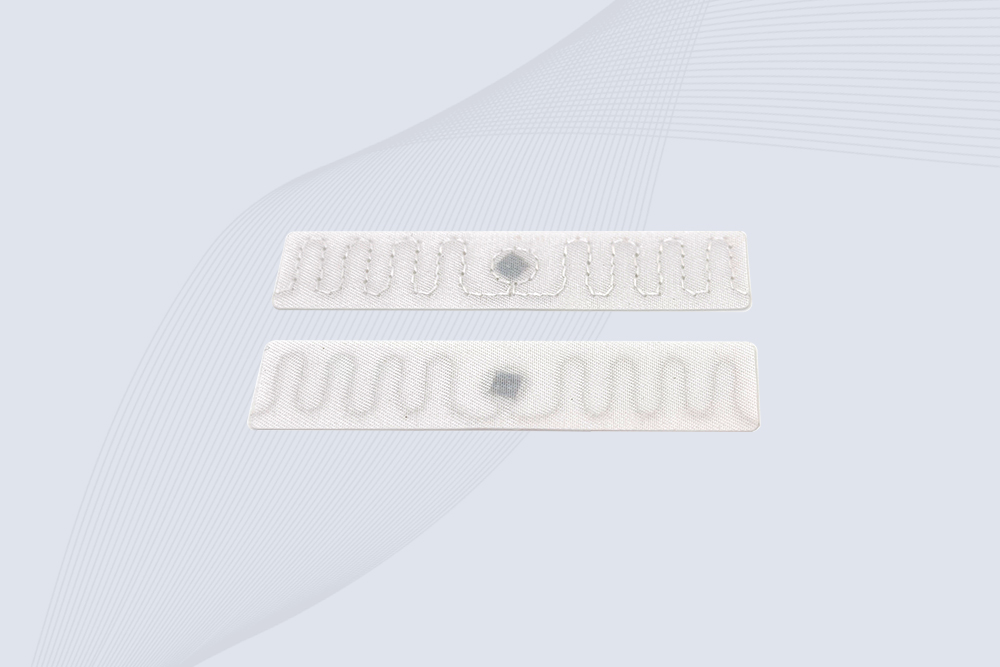
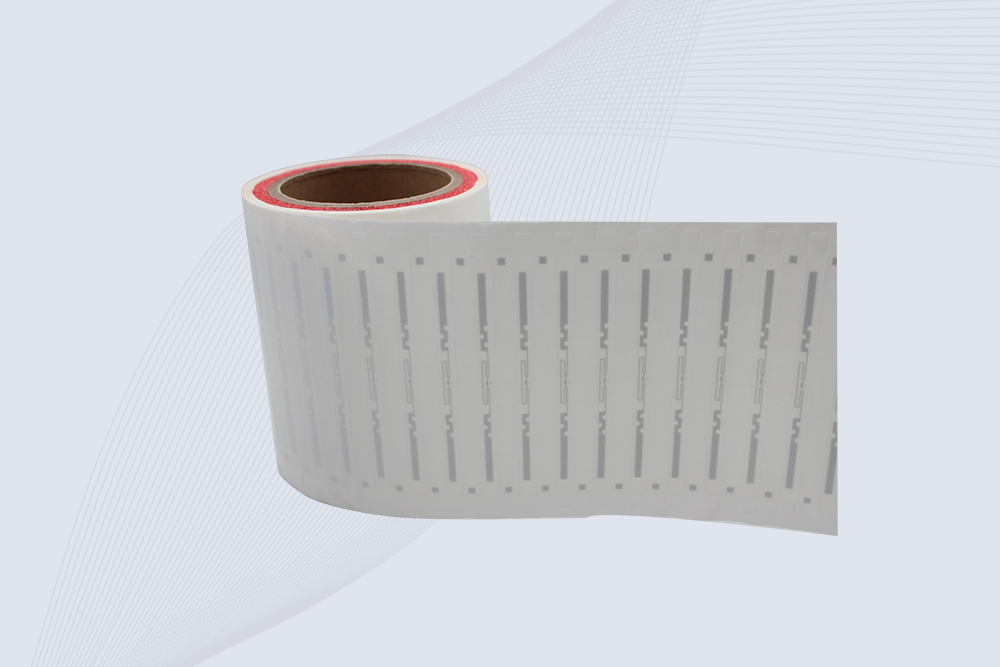
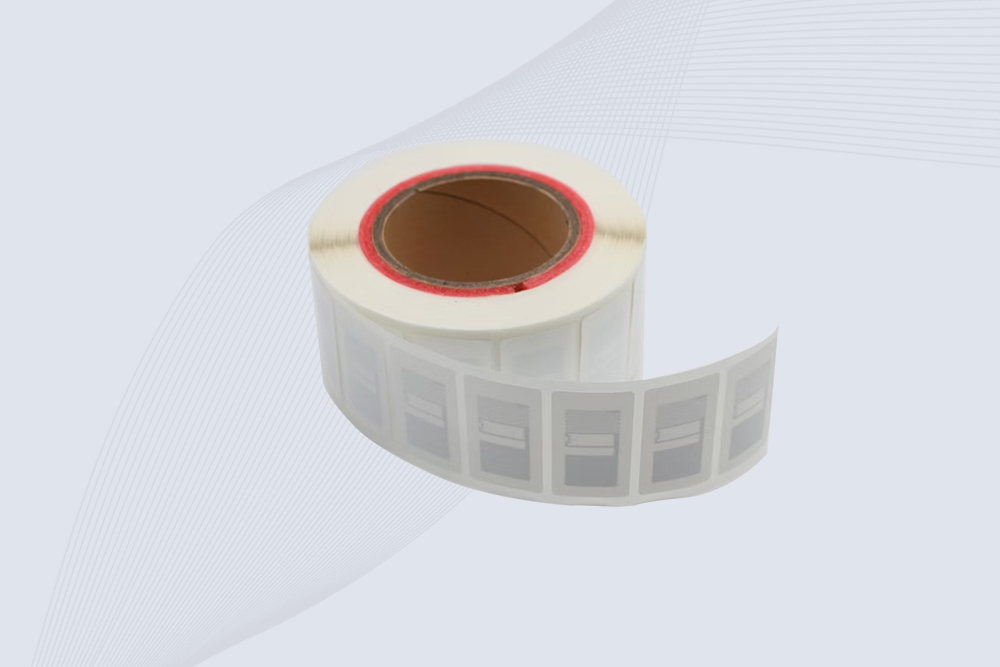
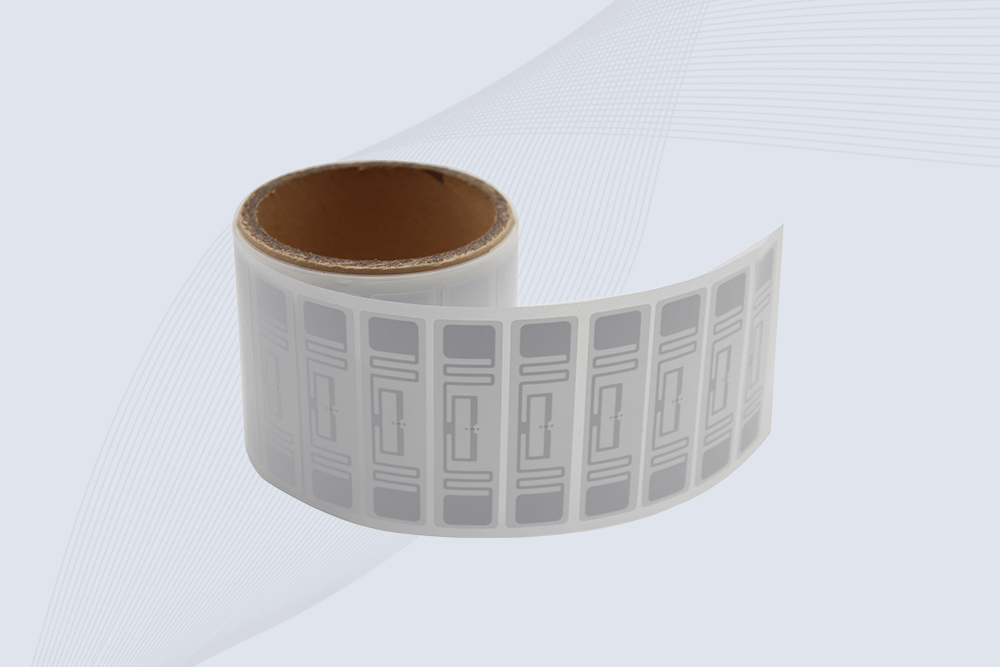
Choosing the right RFID tags is also important for reliable inventory tracking. Different applications may require different tag designs, such as flexible RFID labels for cartons and retail products, durable hard tags for industrial equipment, or anti-metal RFID tags for tools and metal assets. Factors such as reading distance, environment, attachment surface, and expected service life should be considered before selecting an RFID tag solution.
For companies looking to improve inventory accuracy, RFID tags inventory tracking provides more than simple item identification. When combined with RFID readers, antennas, and management software, it creates a complete tracking system that helps reduce missing inventory, improve operational efficiency, and provide real-time insight into asset usage.
Key Business Benefits
Benefit
Operational Impact
Real-Time Visibility
Faster decision making
Inventory Accuracy
Reduced stock discrepancies
Automated Audits
Less labor required
Asset Utilization
Improved equipment availability
Loss Prevention
Reduced shrinkage
Process Automation
Faster workflows
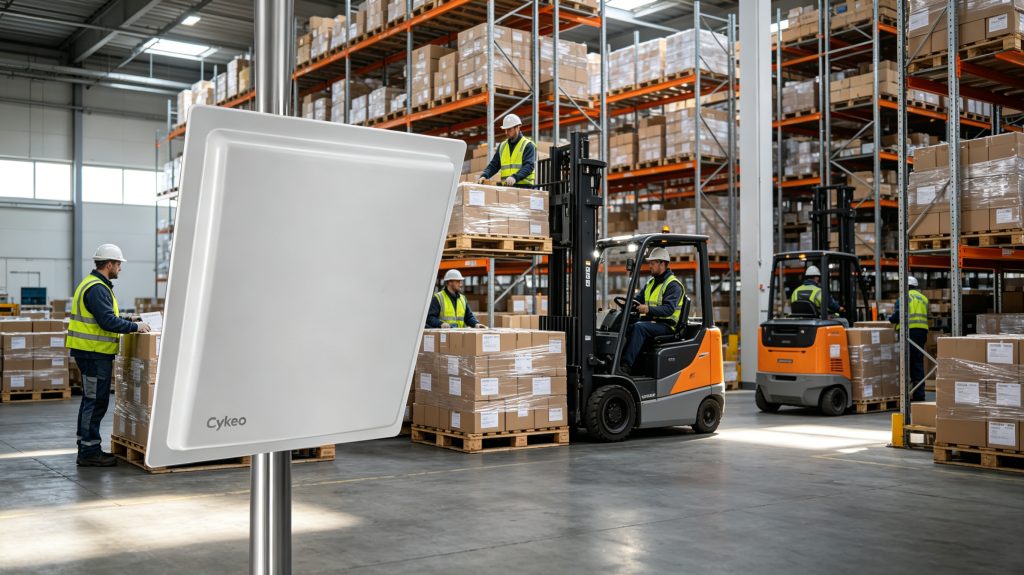
RFID for asset tracking and inventory management enables real-time visibility across warehouse operations.
RFID vs Traditional Inventory Management
Traditional inventory systems rely heavily on manual scanning and data entry.
RFID changes the workflow completely.
Comparison Table
Feature
RFID
Barcode
Line of Sight Required
No
Yes
Bulk Reading
Yes
No
Inventory Speed
Very Fast
Moderate
Automation
High
Low
Human Error Risk
Lower
Higher
The biggest operational difference is not technology.
It is labor.
Teams spend less time searching and counting and more time performing productive work.
RFID Inventory Management Solution
Inventory Audits Without Production Interruptions
One frequently overlooked advantage of RFID inventory management is the ability to conduct audits during normal operations.
Instead of shutting down sections of a facility, workers can scan inventory while processes continue.
This is particularly valuable in:
Manufacturing plants
Distribution centers
Hospitals
Equipment rental operations
According to Deloitte supply chain research, improved inventory visibility contributes directly to operational resilience and inventory optimization initiatives.
Industrial organizations use RFID to automate inventory counts and asset movement records.
Warehouse RFID Tracking
Faster Receiving and Shipping Operations
RFID dramatically reduces bottlenecks during receiving and dispatch.
Instead of scanning products individually:
Entire pallets can be identified automatically.
Inventory records update instantly.
Shipping accuracy improves.
In high-volume environments, these gains compound daily.
The result is fewer shipping errors and better customer satisfaction.
Real Time Asset Visibility
Asset Location Without Guesswork
One of the most common complaints from maintenance teams is simple:
“We know we own it. We just don’t know where it is.”
RFID provides continuous asset visibility across facilities.
Typical tracked assets include:
Calibration tools
Laptops
Medical equipment
Forklifts
Maintenance kits
The value isn’t only preventing loss.
It’s eliminating wasted time searching for equipment.
Frequently Asked Questions
How accurate is RFID inventory tracking?
Most professionally deployed RFID systems achieve inventory accuracy rates above 95%, depending on environmental conditions and tag placement.
Can RFID track assets in real time?
Yes. Fixed RFID readers continuously capture asset movement and location events as tagged items pass designated checkpoints.
Is RFID better than barcodes?
For large-scale inventory management and asset tracking, RFID generally offers faster data collection and higher automation than barcode systems.
What industries use RFID asset tracking?
Common industries include:
Manufacturing
Warehousing
Retail
Healthcare
Logistics
Education
Government
Does RFID reduce inventory labor costs?
Yes. Automated identification significantly reduces manual counting, data entry, and inventory verification tasks.
Final Thoughts
Organizations seeking better operational visibility increasingly adopt rfid for asset tracking and inventory management because it delivers measurable improvements in inventory accuracy, asset utilization, and process efficiency. When combined with reliable hardware and properly designed workflows, RFID becomes a foundational technology for digital operations. Cykeo continues to help organizations deploy scalable RFID solutions that transform inventory and asset management from a manual process into a real-time intelligence system.
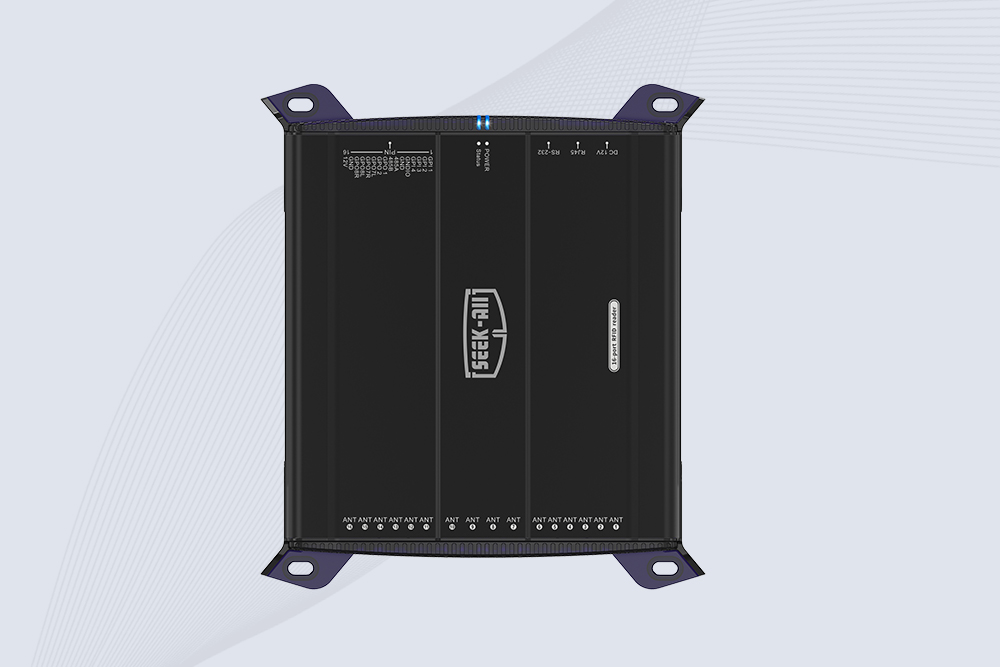
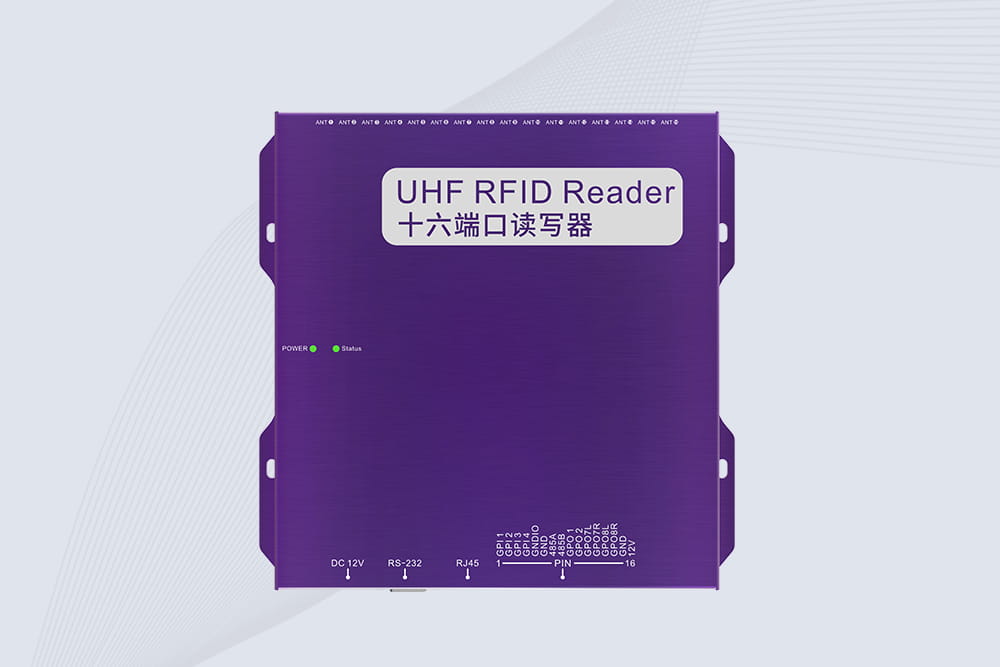
SSD-R16L Multi-Channel RFID Infrastructure for Automated Inventory Management ✔️ 16-Port High-Density RFID Reading Equipped with 16 SMA antenna ports, SSD-R16L supports multi-antenna deployment for warehouses, retail stores, logistics, production lines, and large-area RFID identification. ✔️ High-Speed & Long-Range Performance With up to 33…
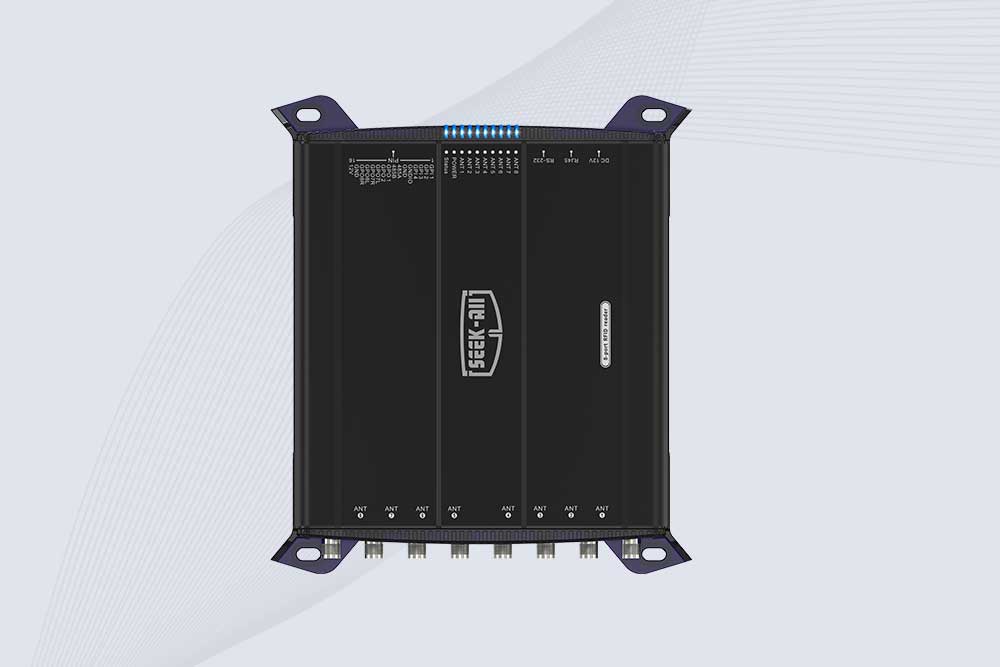
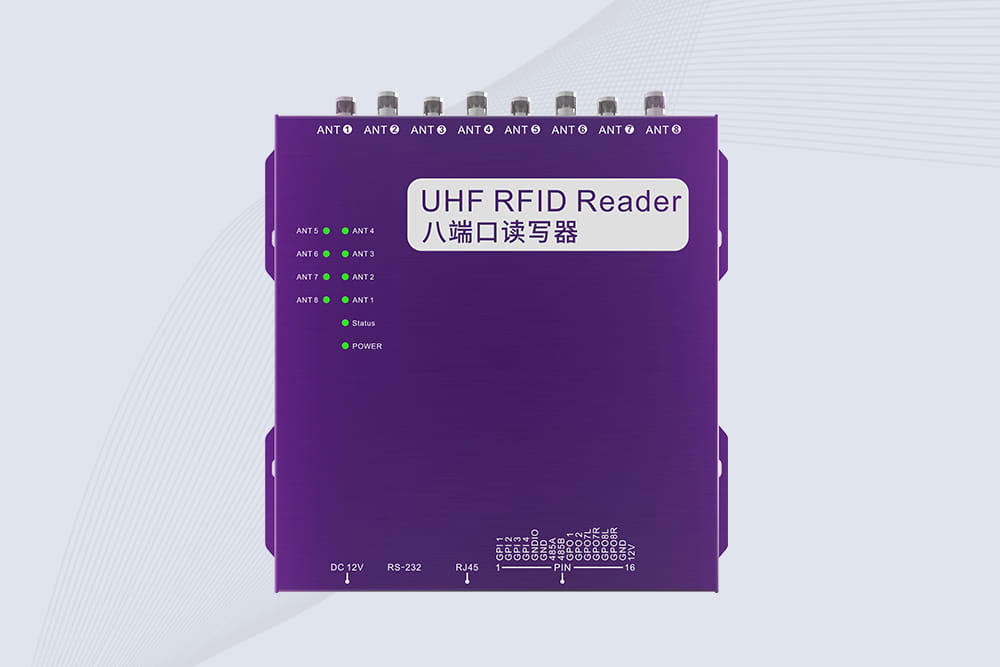
SSD-R8L 8-port UHF RFID reader with 33dBm output, up to 20m reading range and 600+ tags/s recognition. Ideal for warehouse, logistics, retail and asset tracking.
CYKEO Passive RFID Tags are made for wet and high-humidity environments where standard labels do not last. This rfid passive tag is often used around liquids, chemicals and temperature changes, providing stable reading distance and long data life for industrial tracking.
CYKEO CYKEO-PCB1504 Metal RFID Tags is a compact anti-metal UHF RFID solution built for direct mounting on metal surfaces. With stable 8-meter read range, Ucode-8 chip, and long data retention, this rfid metal tag fits tools, containers, automotive parts, and industrial asset tracking.
CYKEO CYKEO-PCB7020 On-Metal RFID Tags are designed for reliable tracking on steel and metal surfaces. Built with an FR4 epoxy body and industrial-grade chips, these On-Metal RFID Tags deliver stable performance, long data life, and chemical resistance, making them a dependable RFID anti-metal tag for harsh environments.
The CYKEO CYKEO-60-25 Anti-Metal RFID Tag is built for metal surfaces where standard tags fail. Designed for long-range performance, harsh environments, and stable data retention, this Anti-Metal RFID Tag is ideal for industrial assets, containers, and equipment tracking using on metal RFID tags.
The CYKEO RFID Laundry Tag is designed for long-term textile identification in harsh laundry environments. Built to withstand high heat, chemicals, and repeated washing, this RFID Laundry Tag delivers stable performance for hotels, hospitals, and industrial laundry operations using laundry rfid tags at scale.
The CYKEO CYKEO-125-7 RFID Book Tag is designed for reliable book and document tracking in libraries and archives. This RFID Book Tag delivers long read range, dense placement support, and stable performance on shelves, making it a practical rfid tag on books for library automation, file management, and archival systems.
CYKEO RFID tags in hospitals are designed for sterile environments where accuracy matters. These autoclavable RFID tags support long-term tracking of surgical tools, implants, and medications, helping hospitals improve visibility, compliance, and patient safety.
CYKEO RFID Cable Tie Tag is built for reliable identification on metal surfaces. This UHF RFID Cable Tie Tag is widely used in rfid tags for inventory systems, industrial asset management and Hospital RFID Tags, offering stable read performance, long service life and global EPC Gen2 compatibility.
CYKEO RFID Asset Tag is designed for stable identification of metal assets in industrial environments. This UHF RFID Asset Tag is commonly used for rfid tag asset tracking on equipment, tools and containers, providing reliable reads, long service life and ISO/IEC 18000-6C support.
CYKEO UHF RFID Card is designed for fast identification and long-term use in industrial and commercial systems. Supporting ISO 18000-6C, this UHF RFID Card works at 860–960 MHz and is suitable for custom RFID cards used in asset tracking, access control and inventory management.
CYKEO HF RFID Cards are designed for secure and stable access control systems. These 13.56 MHz RFID key cards support ISO 14443-A, reliable rewriting and long service life, making HF RFID Cards suitable for offices, campuses, events and membership management.
CYKEO UHF RFID Tag is designed for reliable tracking of metal jewelry and high-value items. This Jewelry RFID Tag supports long-range reading up to 8 meters, anti-counterfeit protection and stable performance on metal, making it suitable for retail, inventory control and asset management.
Cykeo CYKEO-C1 industrial Forklift RFID Reader features 20m read range, 600 tags/sec scanning, Impinj R2000 chipset, and IP67 rugged design. Ideal for warehouse logistics and manufacturing. Supports ISO 18000-6C/6B protocols.
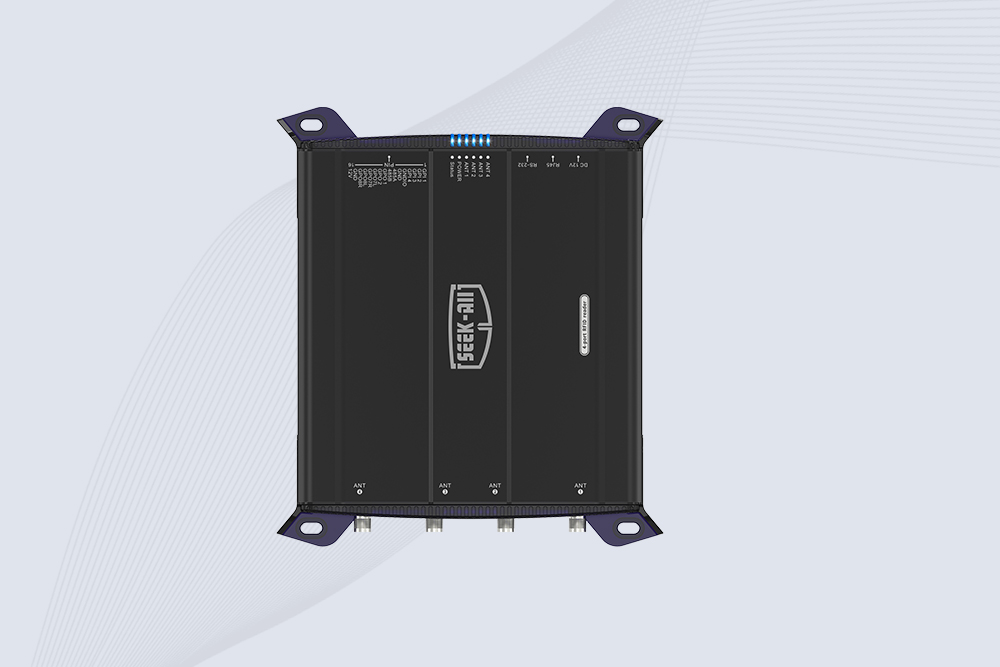
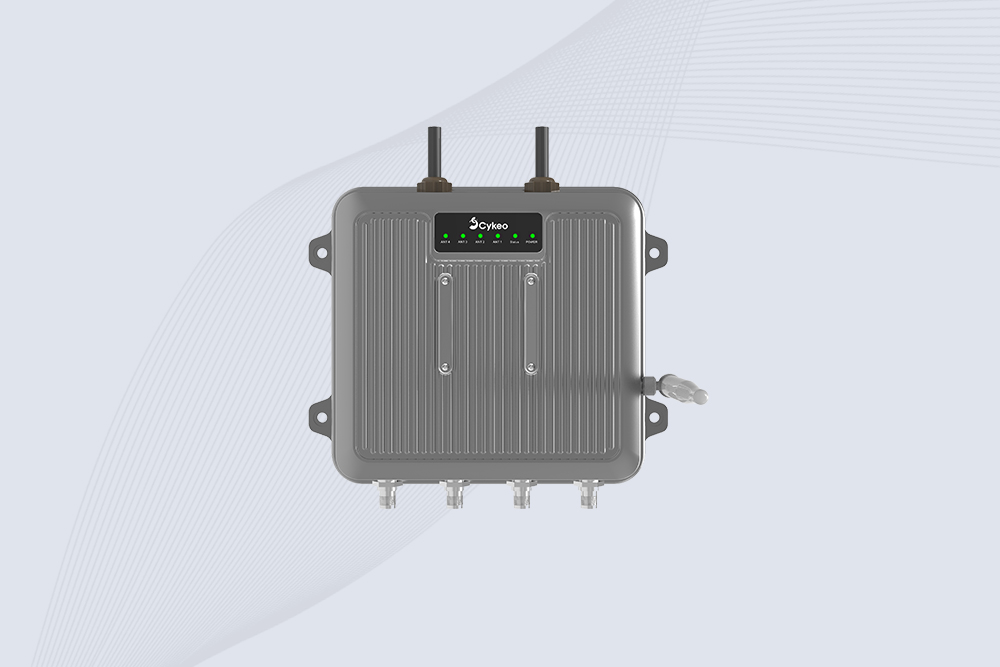
Cykeo CYKEO-R4 industrial UHF RFID Fixed Reader features 4 TNC ports, 400+ tags/sec speed, IP67 housing, and global frequency compliance for vehicle inspection, smart warehouse, and asset management systems.
CYKEO CYKEO-R8L Fixed RFID Reader with 8-port UHF design, Impinj-based RF core and up to 20m read range. An industrial Fixed RFID Reader for vehicle inspection, warehouse portals, smart manufacturing lines and secure access checkpoints.
RFID Fixed Reader from CYKEO – the CYKEO-R16L 16-port UHF fixed reader for warehouses, smart cabinets, and production lines. Long-range, multi-tag reading, stable performance for 24/7 industrial use.
Learn how to select the best handheld RFID reader for warehouse inventory management. Compare UHF range, durability, software integration, and budget-friendly options.
Discover how RFID systems work from a physics perspective. Learn how energy flows between reader and tag, how backscatter works, and why RFID tags don’t need batteries.
 Cykeo RFID IoT Solution Products R&D Manufacturer