Goods arrive, somebody checks them, they are stored, then somebody sends them somewhere else.
But inside a busy distribution center, there can be thousands of movements every day.
A pallet comes in.
Another pallet leaves.
A forklift moves several containers across the warehouse.
A truck arrives earlier than expected.
Someone scans the wrong barcode.
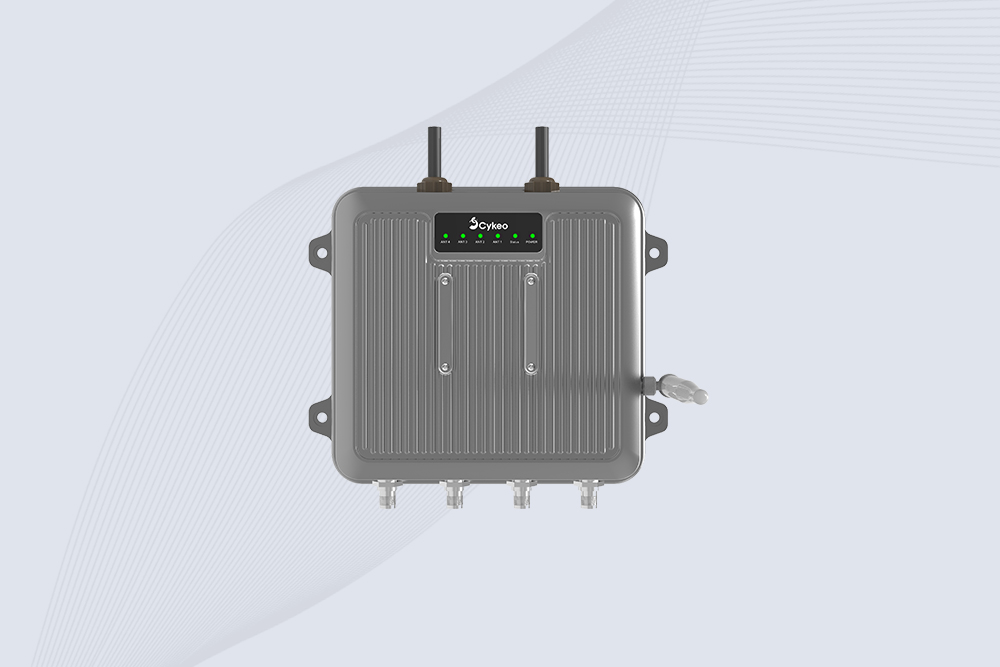
This is where a long range RFID scanner for logistics can make a noticeable difference.
Instead of asking workers to manually scan every item, RFID can automatically identify tagged goods when they pass through selected checkpoints.
The important word here is selected.
A logistics RFID system does not need to read everything everywhere. It needs to know what should be read, where it should be read, and when that event should be recorded.
Where Long Range RFID Fits Into Logistics
RFID can be used at several points in a logistics operation.
Common applications include:
Pallet tracking
Shipment verification
Warehouse receiving
Loading and unloading
Container tracking
Vehicle identification
Returnable packaging management
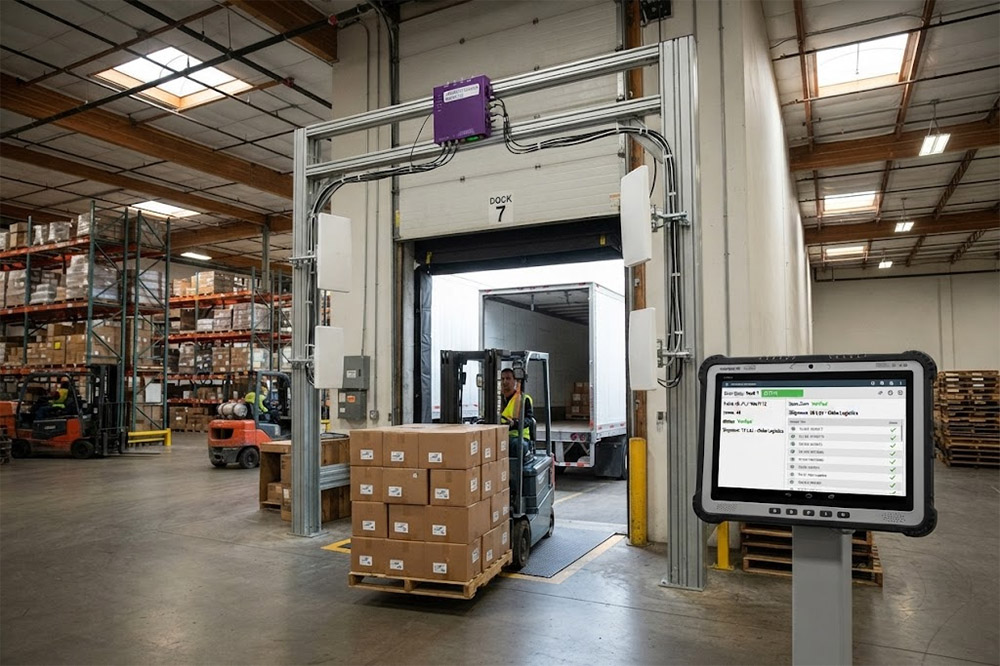
A warehouse entrance is probably the easiest example to understand.
A pallet arrives from a supplier.
The forklift carries it through the receiving area.
The fixed RFID reader detects the tag.
The system records the pallet ID and time.
The warehouse software can then update the inventory record.
Nobody has to stop and point a barcode scanner at the pallet.
For a warehouse handling a few pallets a day, this may not matter much.
For a large distribution center, it can become a different story.
Pallet Tracking Is One of the Practical RFID Applications
Pallets are constantly moving between suppliers, warehouses, trucks, and customers.
This creates a visibility problem.
A company may know that it owns 10,000 pallets, but knowing exactly where those pallets are can be much harder.
RFID tags provide each pallet with a digital identity.
Long range RFID scanners can then detect the pallet at important checkpoints.
For example:
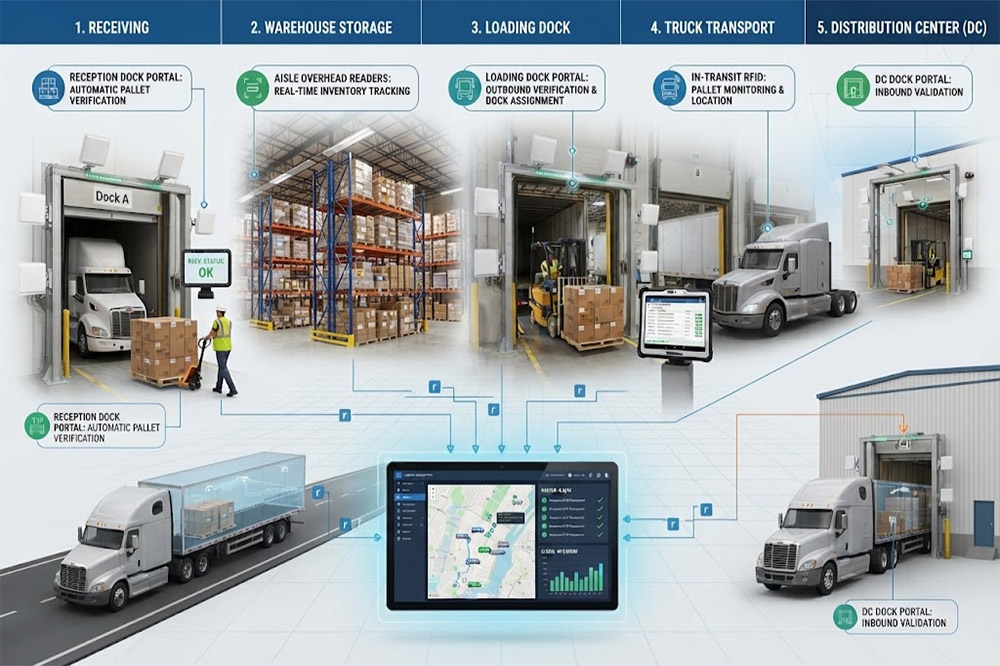
Receiving → Storage → Picking → Shipping
The system can build a movement history from those RFID events.
It is not necessarily real-time GPS tracking.
That distinction is important.
RFID usually tells you that an item was detected at a particular reading point. It does not automatically tell you its exact location every second.
Why RFID Can Be Useful at Loading Docks
Loading docks are busy places.
Forklifts move quickly.
Workers are checking shipping documents.
Drivers are waiting.
Pallets can be very close together.
This is exactly where manual scanning can become inconvenient.
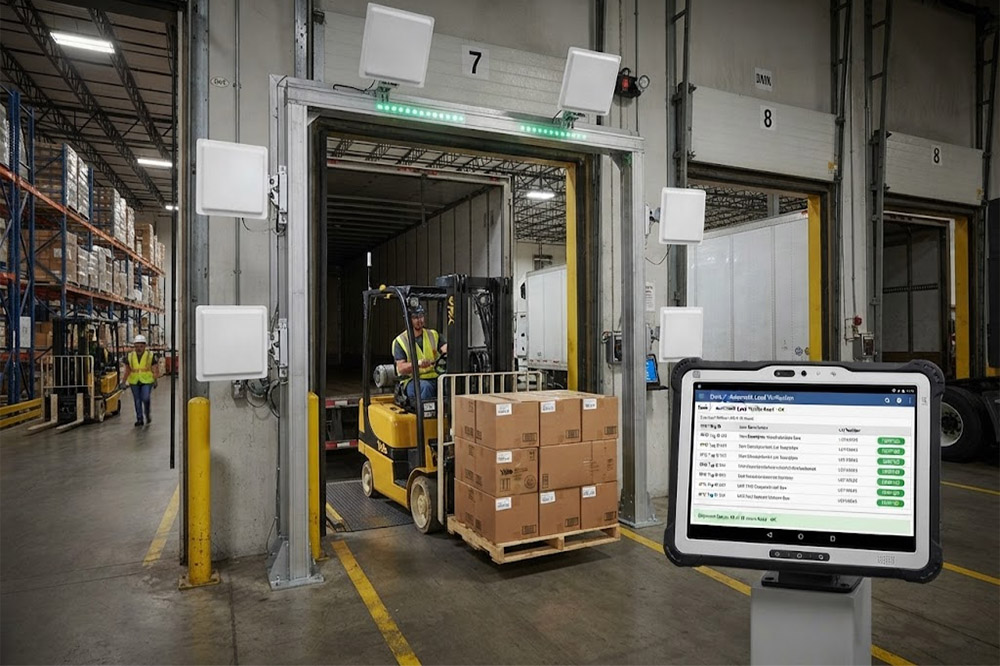
A fixed RFID reader installed near the loading area can automatically identify tagged pallets as they pass.
If the system knows which pallets belong to the shipment, it can compare the RFID reads with the shipping order.
This creates an opportunity to catch mistakes before the truck leaves.
For example, a pallet intended for Customer A is accidentally loaded onto Customer B’s truck.
The RFID system can potentially flag the mismatch before departure.
The actual workflow depends on the software integration, of course, but this is one of the more useful reasons to put RFID at a shipping checkpoint.
Reading Distance Is Not the Whole Story
When logistics companies buy RFID equipment, the first question is often:
“How far can it read?”
A long reading distance sounds attractive.
But suppose the loading dock needs a reading zone of only 4 or 5 meters.
If the scanner reads tags 15 meters away, it may start detecting pallets in the wrong area.
Now the software receives extra tag data.
Workers may see duplicate or unexpected shipment records.
So for logistics projects, I would look at reading-zone control at least as closely as maximum range.
A small change in antenna angle can sometimes improve performance.
This is why installation testing is useful before a large deployment.
A warehouse drawing can show the basic layout, but the real site may contain metal racks, concrete structures, trucks, electrical equipment, and other things that affect RFID performance.
What About Metal Pallets and Containers?
Logistics companies do not only move cardboard boxes.
They may also handle:
Metal containers
Steel cages
Returnable bins
Industrial equipment
These materials can make RFID tag selection more complicated.
A normal RFID label may not perform well when attached directly to metal.
For these applications, an on-metal RFID tag is generally more appropriate.
This is an area where RFID solution providers can add real value for customers. The reader alone is not the complete solution.
RFID for Returnable Transport Items
Returnable transport items, often called RTIs, are another interesting logistics application.
Companies may repeatedly circulate:
Plastic totes
Metal bins
Pallet boxes
Shipping containers
Specialized cases
The problem is familiar.
The containers leave one facility and come back later.
Some come back late.
Some go somewhere else.
Some disappear completely.
RFID can create automatic checkpoints when these assets enter or leave a facility.
For businesses with a large number of reusable containers, even a small improvement in return rates can have a financial impact.
Long Range RFID Scanner for Vehicle and Yard Management
RFID can also be used outside the warehouse.
For example, logistics yards may need to identify:
Check what happens when multiple tags are close together.
Also test unwanted reads.
That last one gets overlooked surprisingly often.
A logistics RFID system should identify the right shipment, not simply collect the maximum number of tags possible.
Questions to Ask Your RFID Supplier
Before purchasing long range RFID scanners for a logistics project, ask:
What reading range can we realistically expect?
Which antennas are recommended?
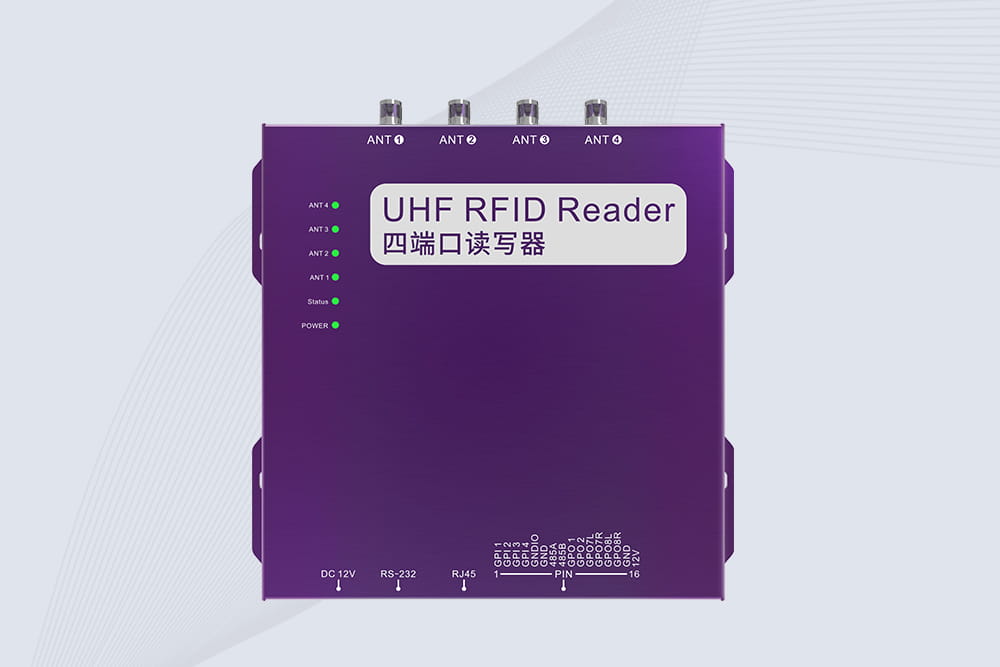
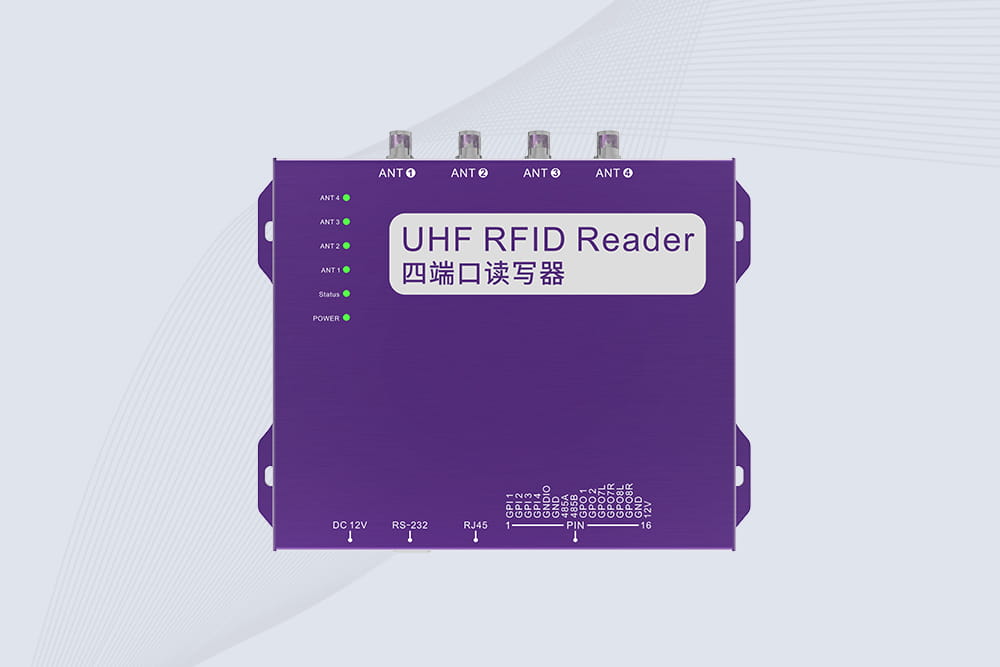
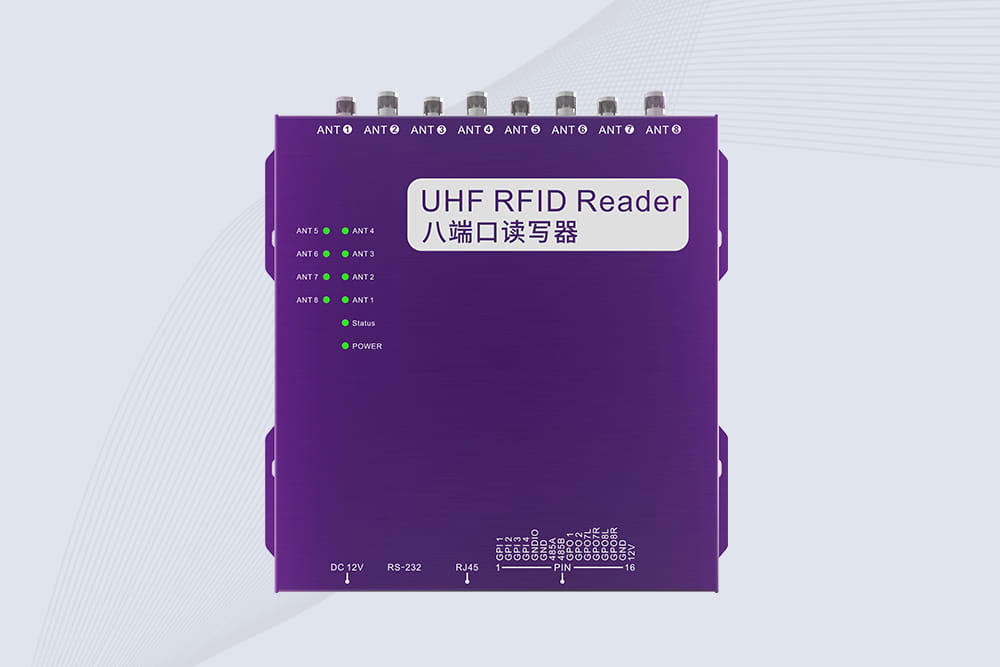
Can the reader support multiple antennas?
Which RFID tags work with our pallets?
Can the reader connect to our WMS or ERP?
Is SDK/API support available?
Can the hardware be customized?
Can we test samples before a bulk order?
What is the expected production lead time?
For distributors, stable supply is also important.
A customer may start with one warehouse and later need equipment for ten more locations.
FAQ for Logistics RFID Buyers
Can a long range RFID scanner work outdoors?
Yes. Outdoor logistics applications are possible, but the reader and antenna should be suitable for the environment. Weather protection, temperature, dust, mounting, and antenna placement all need to be considered.
Can RFID prevent shipping mistakes?
It can help reduce shipping mistakes by automatically identifying tagged goods at loading checkpoints and comparing those reads with shipment information. The final result depends on how the RFID system is integrated with the customer’s software.
How many RFID antennas does a warehouse need?
There is no standard number. A small doorway may need one or two antennas, while a larger loading area or multi-lane gate may require more. The number depends on the doorway size, tag position, reading zone, and desired coverage.
Does RFID require workers to scan each pallet?
No. Fixed UHF RFID readers can automatically detect tagged pallets when they enter the reading zone. Handheld readers can still be used when workers need mobile inventory checks.
What is the best RFID scanner for logistics?
There is no single best scanner for every logistics project. The appropriate choice depends on the required reading distance, pallet and tag type, antenna configuration, warehouse layout, software integration, and environmental conditions.
The Part That Matters to RFID Solution Providers
For a distributor or system integrator, the business opportunity is not simply selling one RFID reader.
A logistics customer may need a combination of:
RFID reader + antenna + tag + software integration + installation support.
That creates a much larger solution.
It also means the supplier needs to be flexible.
One customer may need pallet tracking.
Another may need vehicle identification.
Another may be trying to manage 50,000 returnable containers.
The basic RFID technology may be similar, but the actual configuration can be quite different.
If you are sourcing long range RFID scanners for logistics, warehouse automation, pallet tracking, or shipment management, we can support bulk orders, OEM projects, antenna matching, and application testing.
Send us your application, required reading distance, tag type, installation environment, and estimated quantity for a suitable RFID configuration and wholesale quotation.
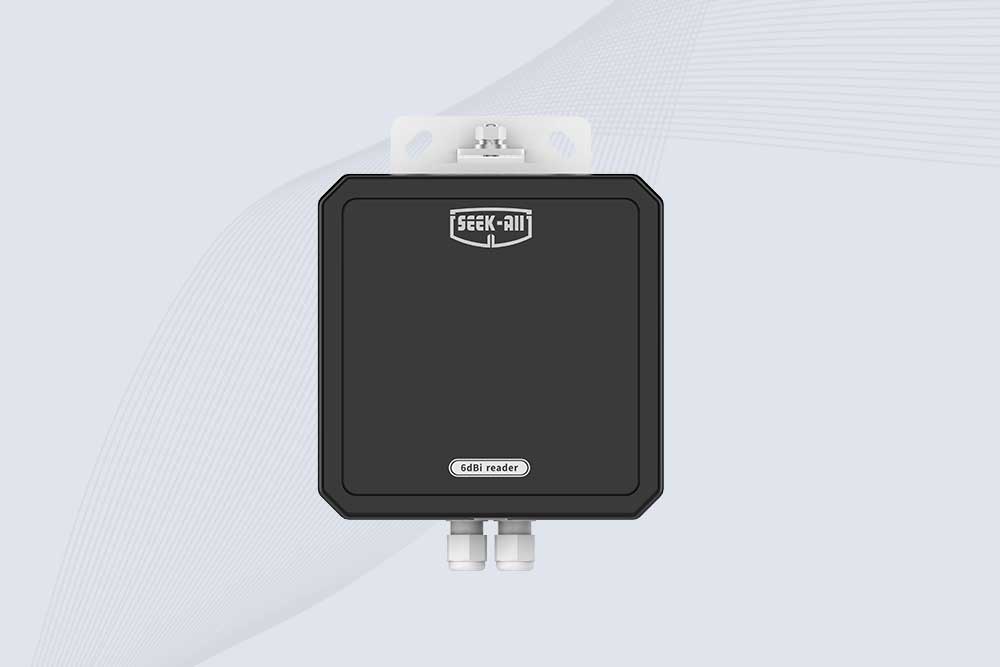
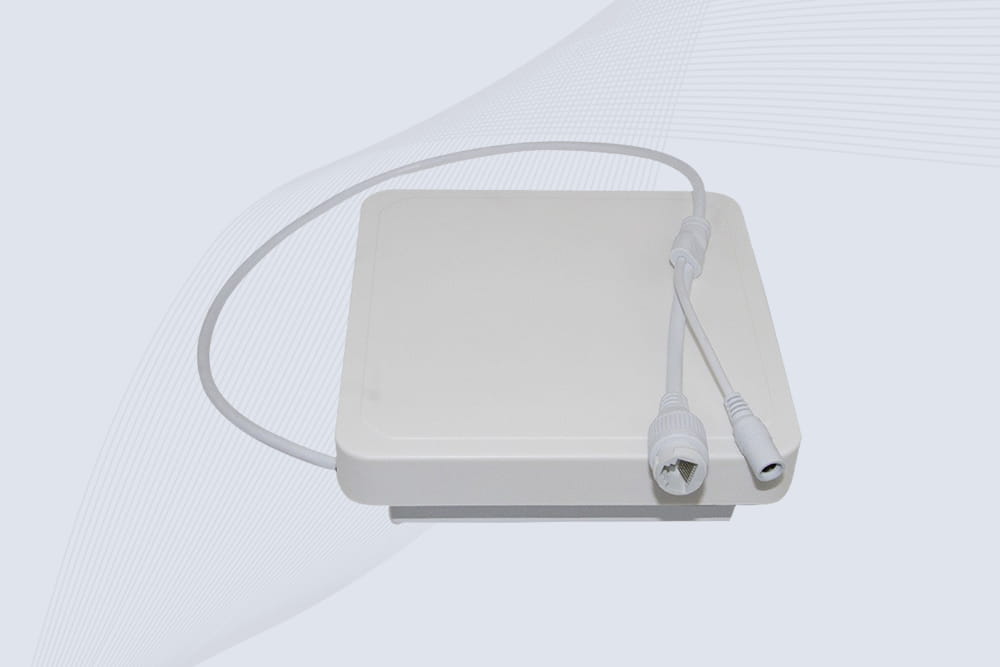
SSD-RA06L is an industrial UHF RFID reader with a built-in 6 dBi antenna, 3 m read range, 600+ tags/s, Ethernet, RS232, and optional Wi-Fi, 4G, and PoE.
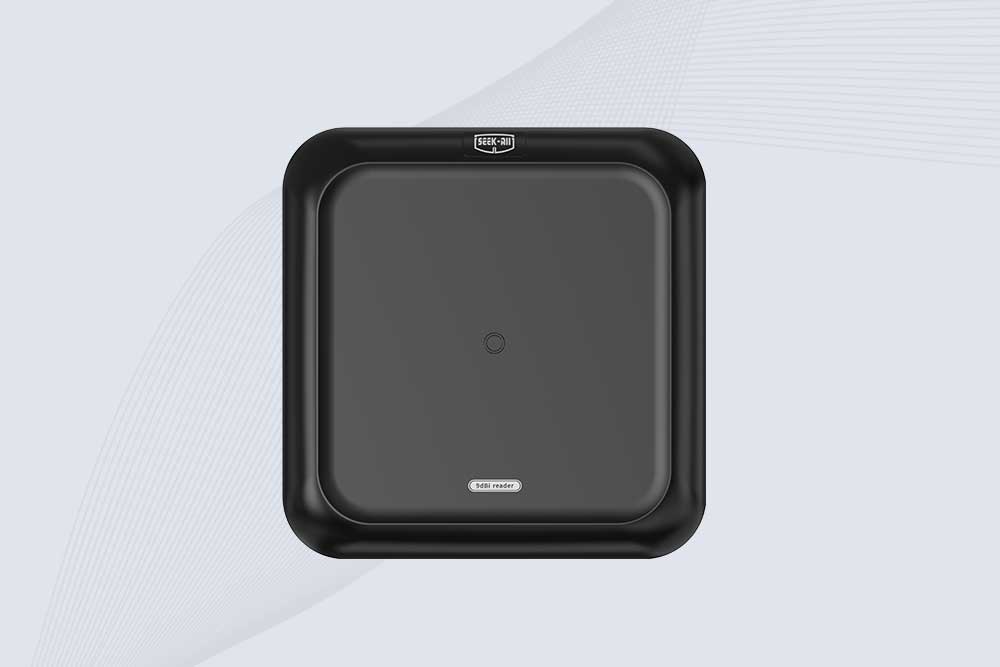
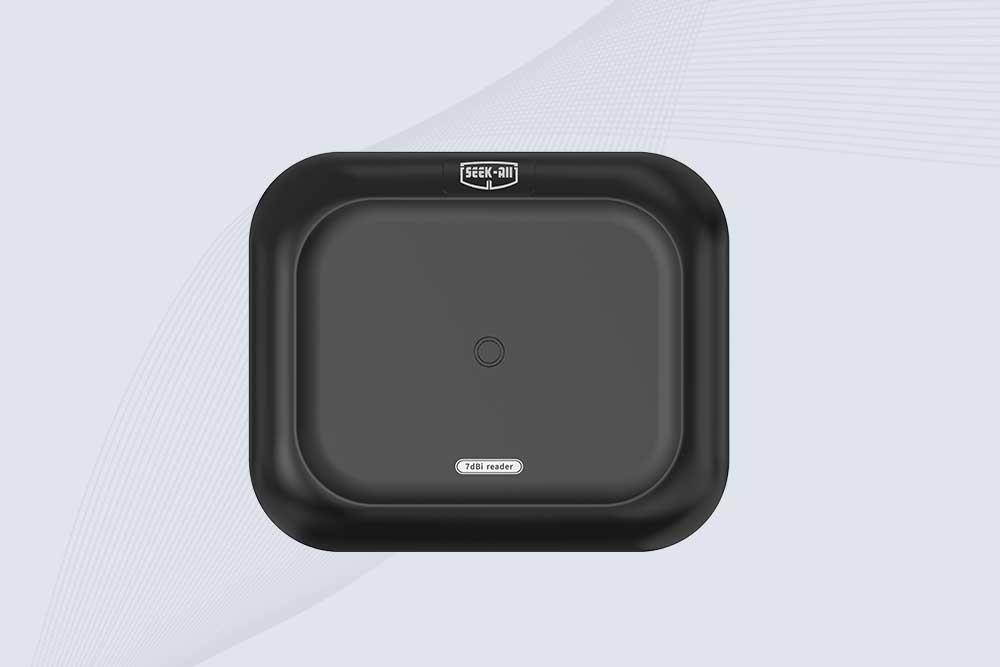
SSD-RA07L industrial UHF RFID reader with integrated 7 dBi antenna, up to 6 m reading distance, over 600 tags/s, Ethernet, RS232, and optional Wi-Fi, 4G, and PoE.
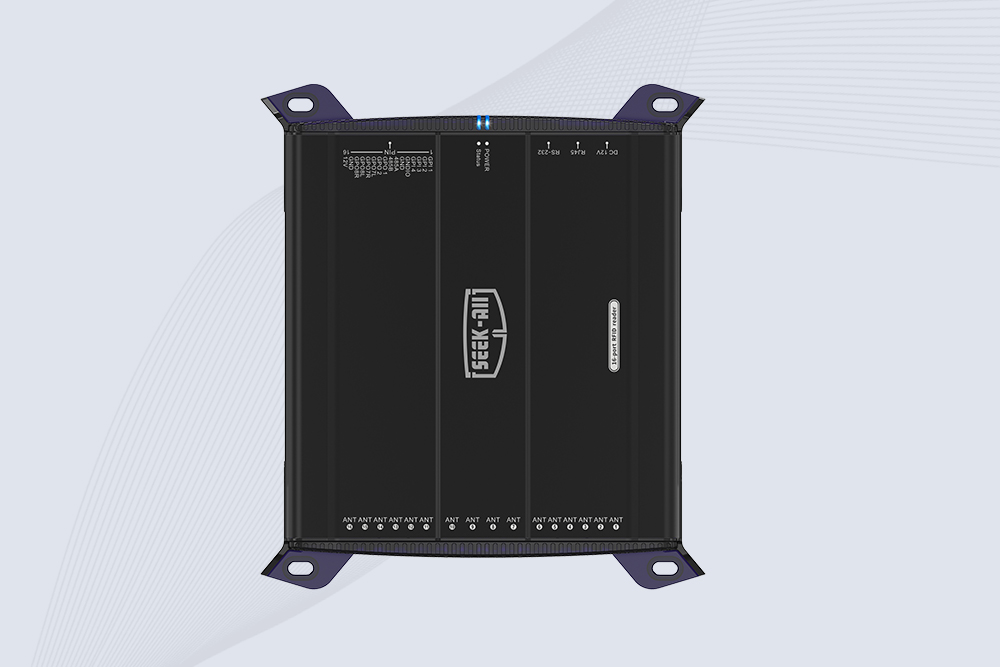
SSD-R16L Multi-Channel RFID Infrastructure for Automated Inventory Management ✔️ 16-Port High-Density RFID Reading Equipped with 16 SMA antenna ports, SSD-R16L supports multi-antenna deployment for warehouses, retail stores, logistics, production lines, and large-area RFID identification. ✔️ High-Speed & Long-Range Performance With up to 33…
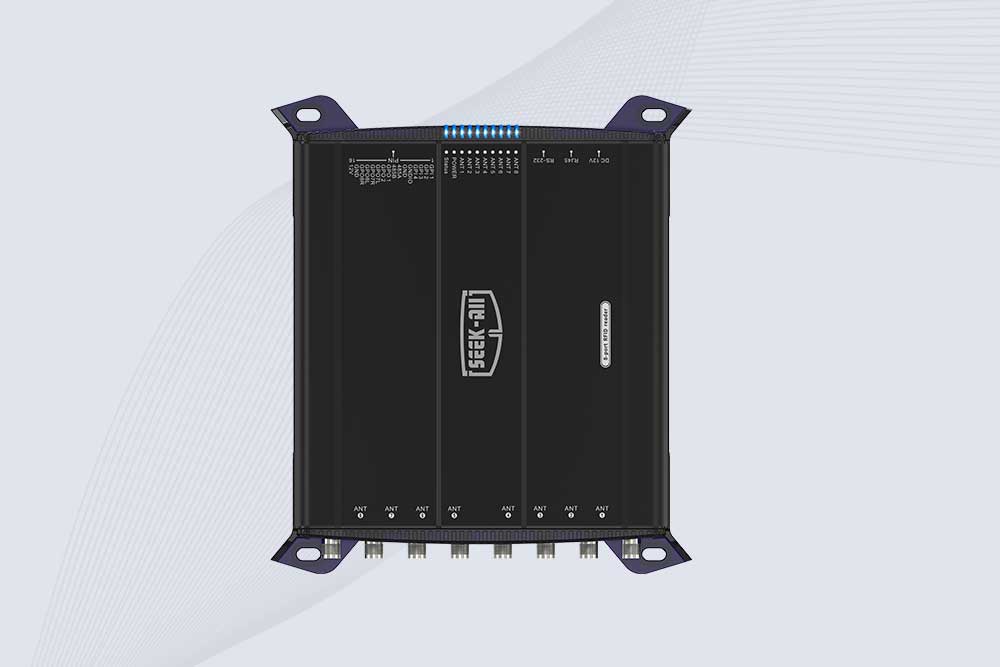
SSD-R8L 8-port UHF RFID reader with 33dBm output, up to 20m reading range and 600+ tags/s recognition. Ideal for warehouse, logistics, retail and asset tracking.
CYKEO Embedded RFID Modules are designed for compact industrial and IoT devices that require stable UHF performance. These UHF RFID Modules support global protocols, flexible power control, and reliable multi-tag reading for smart cabinets, production lines, and asset tracking systems.
CYKEO Embedded RFID Module is built for compact IoT and industrial devices that need stable UHF performance. This UHF module supports global protocols, low power operation, and reliable multi-tag reading for smart lockers, production lines, and always-on RFID systems.
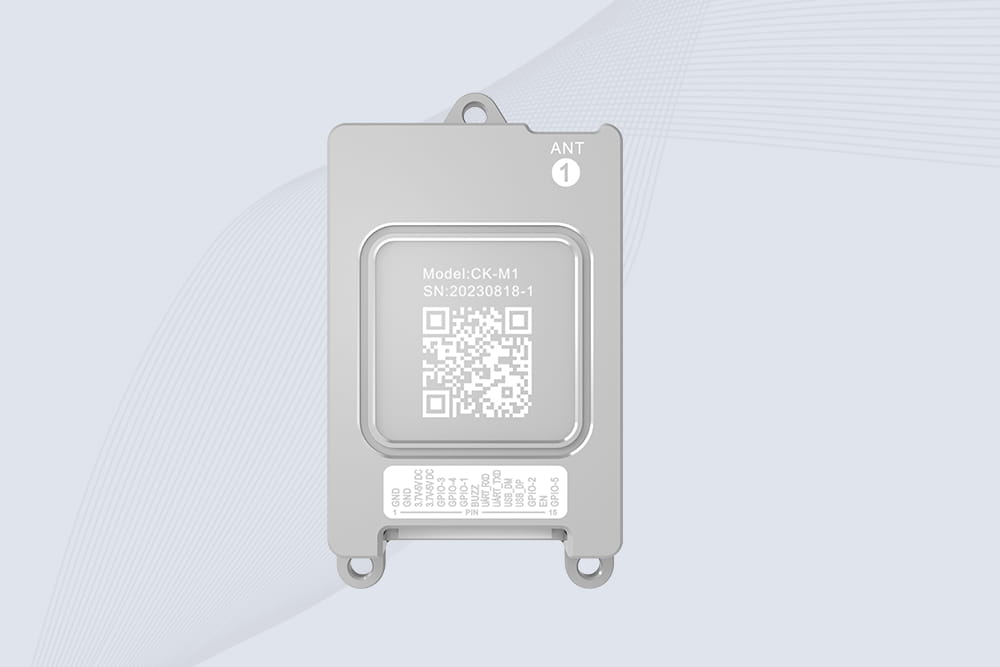
CYKEO CYKEO-M1 drone rfid module is a compact UHF RFID reader module designed for drones and UAV platforms. It supports long-range aerial scanning, fast multi-tag reading, and stable performance in wind, vibration, and outdoor environments.
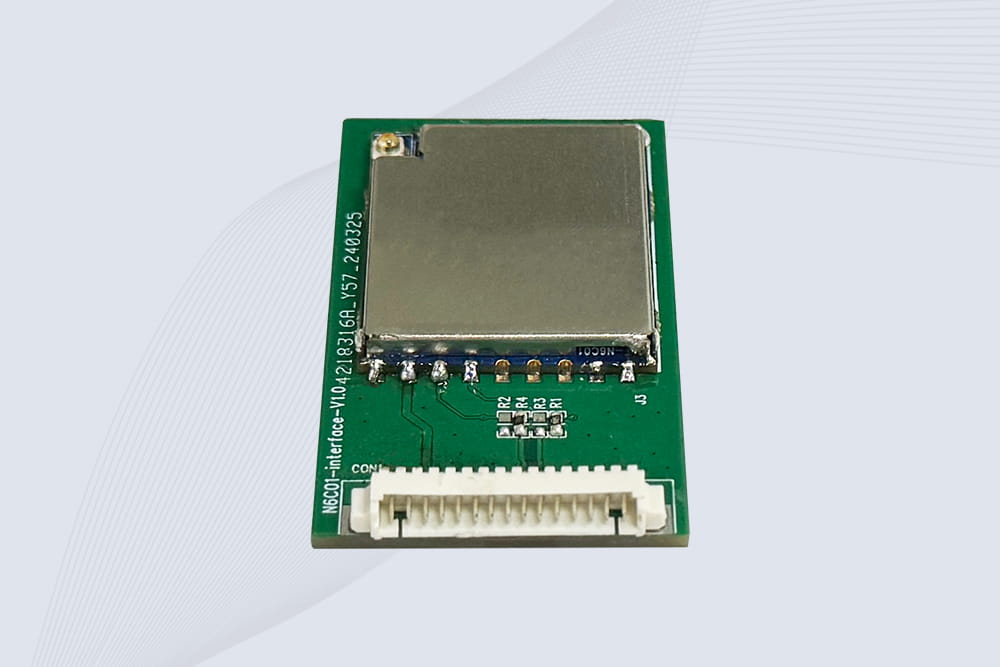
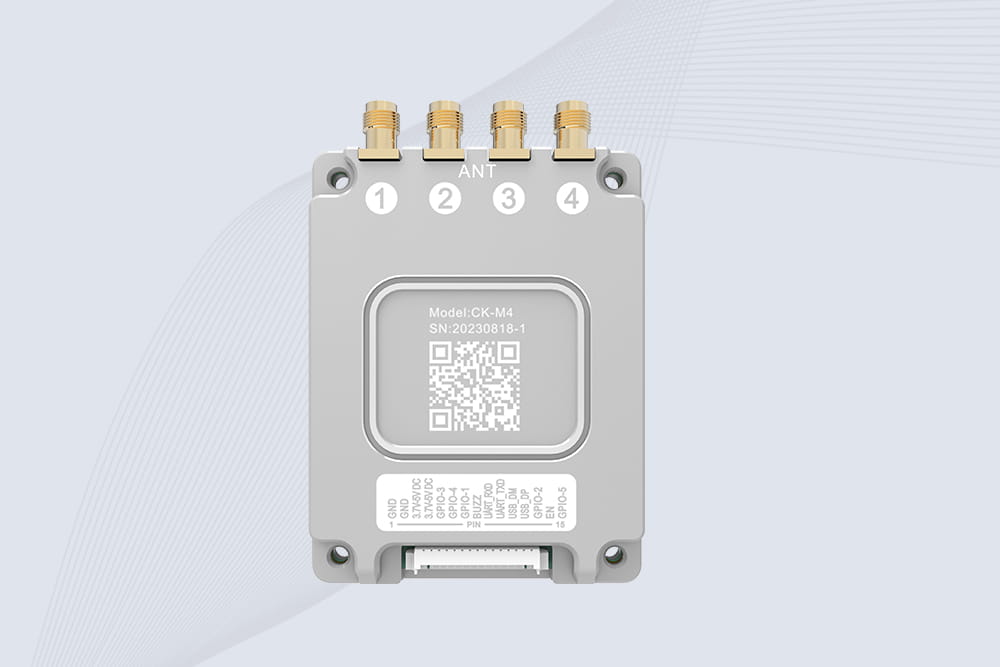
CYKEO CYKEO-M4 RC522 RFID Module is an industrial-grade UHF RFID reader with 4 ports, supporting ISO, EPC, and GB protocols. High-speed, accurate reading for IoT, automation, and warehouse applications.
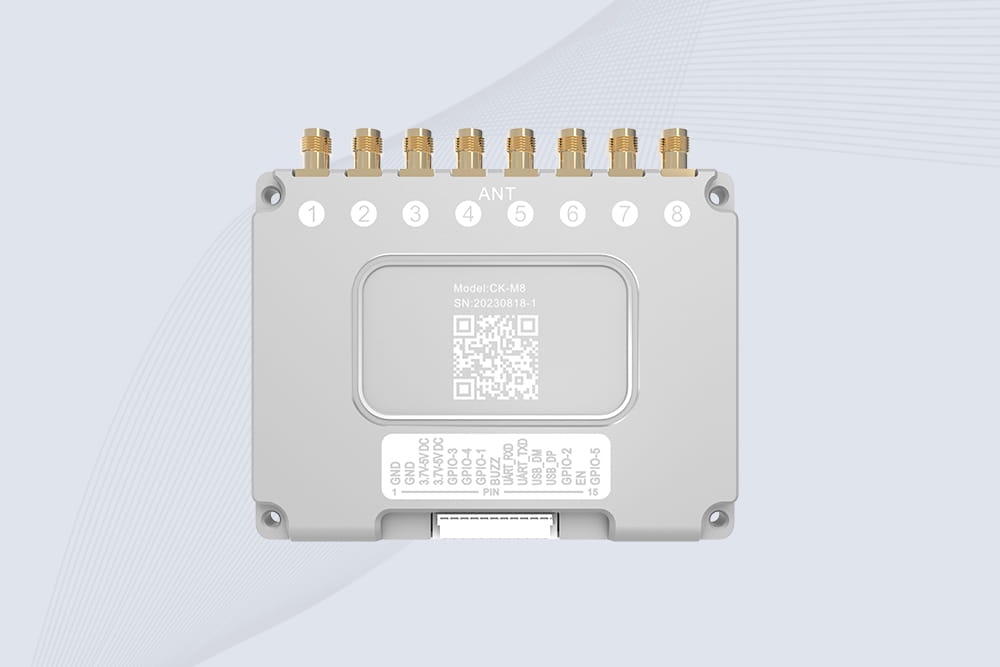
CYKEO CYKEO-M8 Module RFID is an 8-port UHF R2000 RFID Module designed for high-density, multi-tag environments. Stable 33dBm output, ISO & GB protocol support, ideal for warehouses, factories, and automated systems.
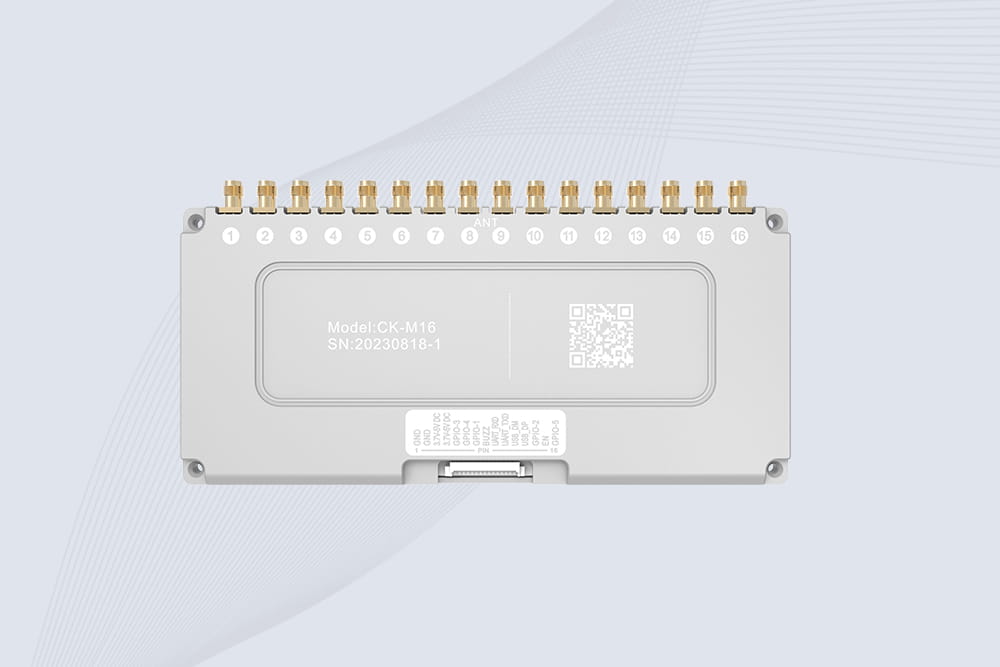
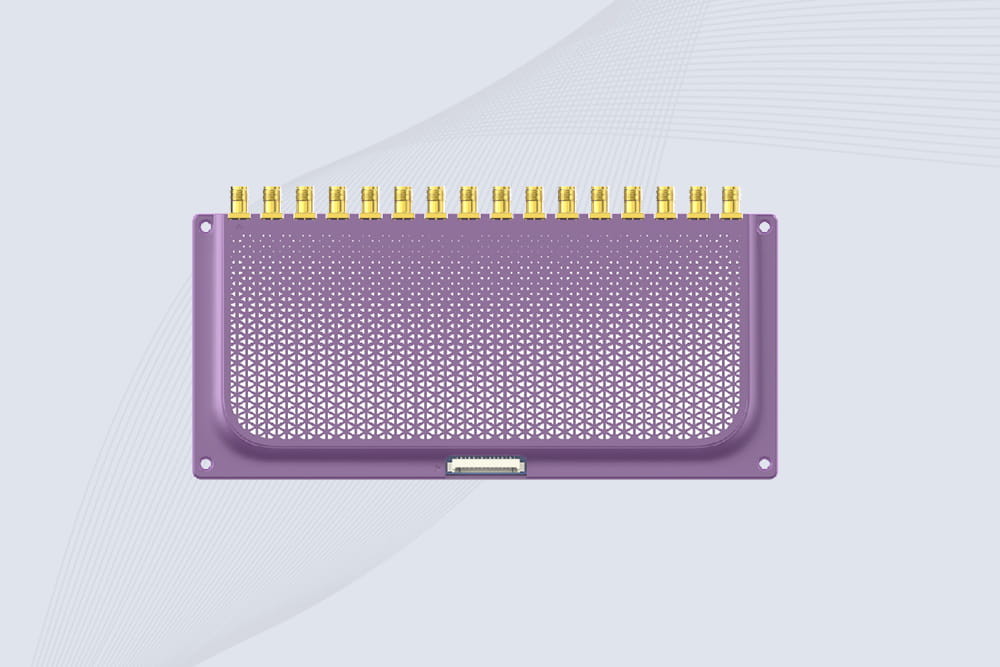
CYKEO CYKEO-M16 RFID Module is a 16-port UHF RFID reader module based on the R2000 chipset. Designed for dense tag environments, it supports ISO and GB standards and delivers stable multi-antenna control for industrial automation.
The CYKEO CYKEO-M16L RFID Reader Module is a 16-channel UHF RFID core designed for dense tag environments. With adjustable 33dBm output, multi-protocol support, and stable multi-antenna control, this RFID Tag Reader Module fits industrial automation, warehouse systems, and large-scale IoT deployments.
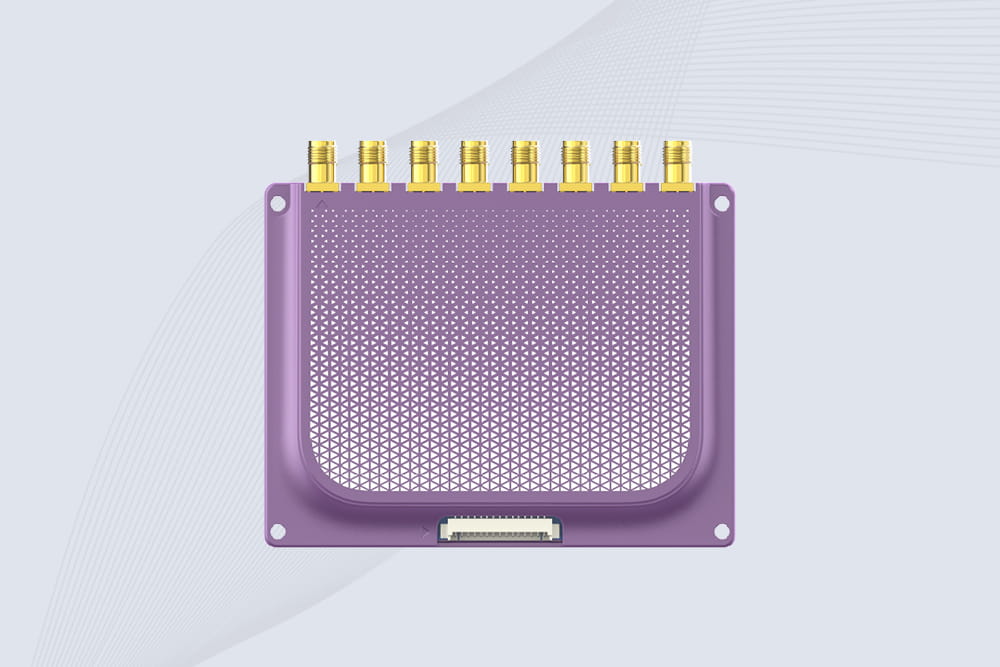
CYKEO CYKEO-M8L module RFID is a compact industrial UHF module built for dense tag and multi-antenna environments. With 8 RF ports, adjustable 33 dBm output, and ISO & GB protocol support, it is widely used in factories, warehouses, and automated tracking systems.
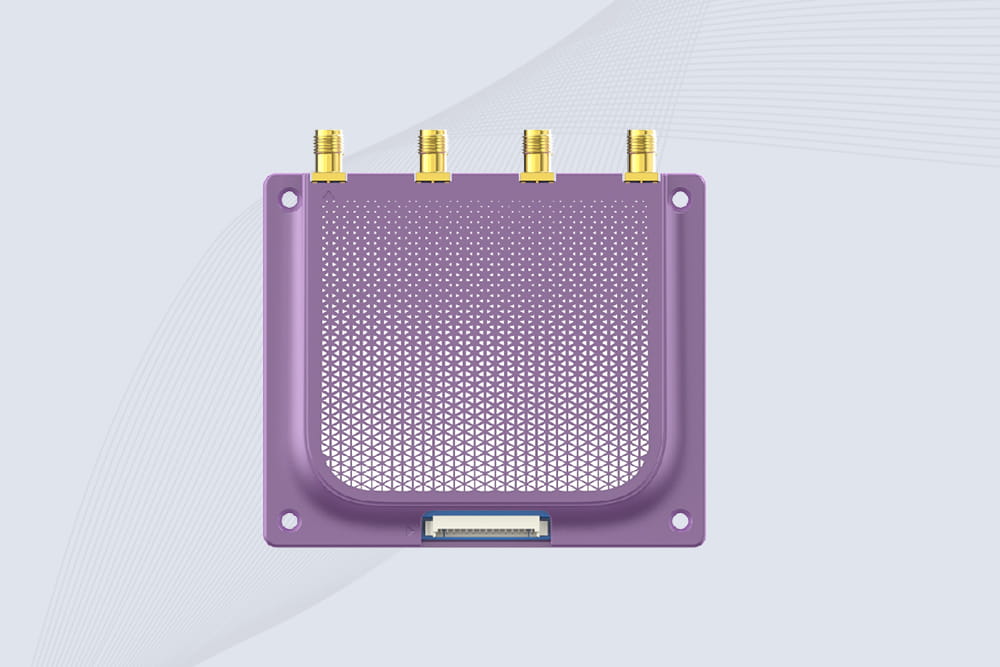
CYKEOCYKEO-M4L UHF RFID Module is a compact 4-channel RFID tag reader module designed for dense tag environments. Supporting ISO and GB protocols, it delivers stable reads up to 10 meters for industrial and IoT systems.
Cykeo’s industrial long range RFID reader delivers 20-meter scanning, 500+ tags/sec speed, and IP67 waterproof design for automated warehouses, logistics, and harsh environment applications.
Cykeo’s CYKEO-RA6L industrial RFID long range reader features 20m read distance, 500 tags/sec speed, and IP67 protection. Ideal for warehouse automation, manufacturing WIP tracking, and smart logistics. Supports ISO 18000-6C/6B protocols.
CYKEO Long Range RFID Tag Reader built for outdoor and industrial operations. This Outdoor RFID Reader delivers 20m read distance, fast tag processing, and IP67 durability for wide-area tracking.
Cykeo CYKEO-RA12L industrial Long Range RFID Reader delivers 20m read range, 200+ tags/sec scanning, and IP67 protection for manufacturing/logistics applications. Supports ISO 18000-6C/GB protocols.
Cykeo CYKEO-C1 industrial Forklift RFID Reader features 20m read range, 600 tags/sec scanning, Impinj R2000 chipset, and IP67 rugged design. Ideal for warehouse logistics and manufacturing. Supports ISO 18000-6C/6B protocols.
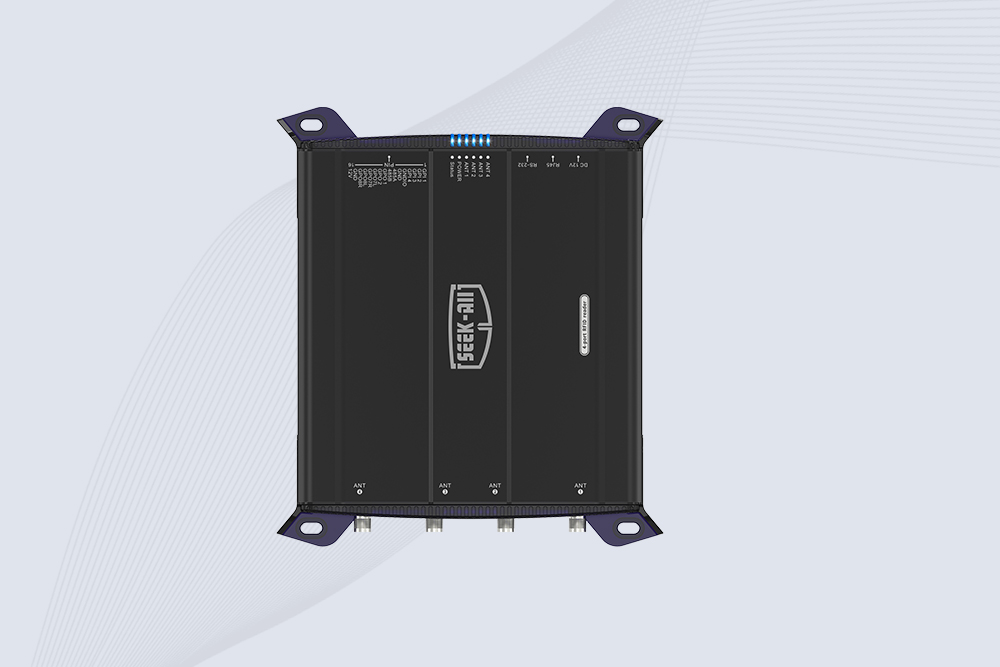
Cykeo CYKEO-R4 industrial UHF RFID Fixed Reader features 4 TNC ports, 400+ tags/sec speed, IP67 housing, and global frequency compliance for vehicle inspection, smart warehouse, and asset management systems.
CYKEO CYKEO-R8L Fixed RFID Reader with 8-port UHF design, Impinj-based RF core and up to 20m read range. An industrial Fixed RFID Reader for vehicle inspection, warehouse portals, smart manufacturing lines and secure access checkpoints.
RFID Fixed Reader from CYKEO – the CYKEO-R16L 16-port UHF fixed reader for warehouses, smart cabinets, and production lines. Long-range, multi-tag reading, stable performance for 24/7 industrial use.
RFID Industry Writer | IoT & Asset Tracking Analyst
James writes about RFID technology, asset tracking, and the practical challenges of digital transformation across warehousing, retail, manufacturing, and logistics.
His work focuses on how RFID is applied in real-world operations—improving inventory visibility, automating workflows, and helping businesses manage assets with greater accuracy and efficiency.
He regularly covers topics including UHF RFID, smart cabinets, RFID portals, tool tracking, warehouse automation, and industrial IoT trends..
CYKEO RFID USB scanner designed for developers and system integrators. This USB RFID scanner connects via Type-C, supports tag reading, writing, and data conversion, and integrates easily with custom software systems using demo tools and SDKs.
Discover how RFID tool tracking solutions by Cykeo reduce tool loss, improve safety compliance, and streamline MRO workflows. Learn benefits and implementation strategies.
Discover how rfid works with expert insights, real industry data, and practical RFID applications. Learn how Cykeo RFID systems improve tracking, inventory, and automation.
Wondering how small can an RFID reader be? CYKEO explores compact UHF modules as tiny as 18x21mm, embedded options, and size-versus-performance tradeoffs.
 Cykeo RFID IoT Solution Products R&D Manufacturer