 Cykeo RFID IoT Solution Products R&D Manufacturer

How to Build RFID Reader Antenna: What You Learn When You Try
280Thinking about how to build RFID reader antenna? We outline the DIY process for learning, and explain the performance gap compared to engineered solutions.
MoreAll RFID Product
In a busy factory, tool management problems do not always happen because employees ignore the rules. Sometimes the rules are unclear, the checkout process is inconvenient, or different departments follow slightly different procedures for the same task.
One shift records every tool return. Another shift updates the spreadsheet later. A maintenance technician may know that a damaged tool should be reported, but there may be no clear place to record the issue. Over time, these small differences make tool records less reliable.
Standard operating procedures, or SOPs, help define how routine tasks should be performed. For tool management, they may cover tool registration, checkout, return, inspection, storage, transfer, and exception handling.
An RFID tool cabinet can support these procedures by connecting physical tool handling with digital identification, transaction records, user permissions, and configured workflow rules. Instead of relying entirely on employees to remember every recording step, companies can build selected requirements into the normal tool handling process.
The objective is not to automate every decision. It is to make the correct procedure clear, practical, and consistent across users, shifts, and departments.

A standard operating procedure explains how a task should be completed, who is responsible, what information must be recorded, and what to do when something goes wrong.
In an industrial tool room, an SOP may specify how employees collect tools, confirm their identity, record a checkout, return equipment, report damage, and place items in the correct storage location.
Some procedures are simple. An employee may scan an ID, collect a common tool, and return it after completing a job. Others require more control. A calibrated instrument might need a status check before issue, while a restricted tool may require authorization from a supervisor.
A useful SOP should answer practical questions:
An RFID tool cabinet does not replace the written SOP. Instead, it can support selected steps by identifying tagged tools, recording supported transactions, applying configured permissions, and presenting relevant status information.
The precise functions depend on the cabinet hardware and management software. Some systems support only basic identification and checkout records, while others offer more extensive workflow configuration or software integration.
Employees often learn tool handling from colleagues rather than from a formal training session. This can be efficient when the process is simple, but it may also create differences between teams.
One person may return a tool immediately. Another may leave it at a workstation and update the record later. A third may report damage verbally without creating a maintenance record.
These habits can make it difficult for supervisors to know whether the official process is being followed.
A well-designed RFID workflow can establish a more consistent sequence for supported tasks. For example, a user may need to authenticate before a checkout transaction is recorded. The process becomes easier to repeat because the system provides a defined interaction rather than leaving every step to memory.
An SOP may look complete on paper but be difficult to follow during a busy production shift.
If a procedure requires several manual forms, repeated data entry, and approval from someone who is not available, employees may create informal workarounds.
Before implementing an RFID tool cabinet, companies should compare their written procedures with actual daily operations. The goal is not simply to transfer every existing step into software. It is to determine which controls are necessary, which steps can be simplified, and which exceptions need a formal process.
A shorter, practical workflow is often easier to follow than a complicated procedure containing unnecessary administrative tasks.
Tool registers and paper sign-out sheets depend on people recording events correctly and on time.
A checkout may be entered several hours after the tool has left the cabinet. A return may be recorded under the wrong item. An employee may forget to update the tool’s status after noticing damage.
An RFID tool cabinet can reduce some manual identification and recording work, provided the system supports the required transaction process. It cannot guarantee accurate records if tags are unreadable, users bypass the cabinet, or the underlying workflow is poorly designed.
Most procedures explain what should happen during normal operations. Fewer explain what to do when the process cannot be completed.
What happens if a tool is missing from its assigned location? What if a user returns a damaged item? Can a supervisor approve an urgent checkout when the normal authorization process is unavailable?
These questions should be answered before deployment. A good tool management SOP includes both the standard path and the exception path.
Tool checkout is one of the most frequent activities in a tool room. It is therefore a useful starting point for SOP improvement.
A typical procedure might require the employee to authenticate, select or identify the tool, confirm that it is available, and complete the checkout transaction.
Depending on the system, an RFID cabinet may identify the tagged item and record supported transaction details such as the tool ID, user, time, and cabinet location.
The SOP should also define the expected return time when relevant, whether supervisor approval is needed, and what the employee should do if the tool cannot be identified.
The most important design decision is to keep the steps clear. Employees should understand what the system expects before they begin, rather than discovering missing requirements halfway through the process.

Returning a tool is not simply the reverse of checking it out.
A complete return procedure may require the employee to identify the tool, complete the return transaction, place it in the correct location, and report damage or missing accessories.
For some tools, a visual condition check may be appropriate. For precision instruments, a separate inspection or calibration process may apply.
An RFID tool cabinet can support the identification and transaction steps where its hardware and software allow. However, RFID identification alone does not confirm that the tool is undamaged, clean, complete, or safe to use.
The SOP should clearly separate the return record from any required condition assessment. This prevents a recorded return from being mistaken for proof that the tool is ready for the next job.
Some tools need periodic inspection, calibration, or maintenance before they can be issued again.
The procedure should explain who checks the status, where the authoritative record is maintained, and what happens if the inspection date has passed.
If the cabinet platform supports tool status management, it may display a warning or apply a configured restriction to an item whose status is not acceptable for normal checkout. If inspection information comes from another system, the integration and update frequency should be confirmed.
An important detail is how the system handles incomplete information. If a tool’s inspection status cannot be retrieved, the organization should define whether the item is held for review or handled through another approved process.
For further reading, see RFID tool cabinet for tool calibration and RFID tool inspection scheduling. Verify the final published slugs before adding these links.
An SOP should tell employees what to do when a tool is damaged, incomplete, or not where it is expected to be.
For example, a technician returning a damaged tool may need to report the condition, move the item to a designated area, and notify the responsible supervisor. The tool record should then reflect the appropriate status when the system supports that workflow.
For a missing tool, the procedure may require an inventory check, a review of recent transactions, and escalation according to the item’s importance.
An RFID cabinet can provide useful transaction information for an investigation. It should not be expected to determine the physical condition of a tool automatically or establish the cause of every discrepancy.
Clear exception procedures are especially important because these situations often occur under time pressure.
A company with several shifts or tool rooms may find that the same SOP is interpreted differently in different locations.
A shared digital workflow can help establish common steps for tool identification, checkout, return, and status updates. However, local differences may still be necessary because departments use different tools or operate under different requirements.
A practical approach is to define a common procedure for all locations, then document approved variations where needed.
For example, all departments may need to record tool checkout, while only selected departments require additional authorization for specialized instruments.
The objective is consistency where it matters, not forcing every department into an identical process that does not fit its work.
Consider a maintenance department that shares tools across several production lines.
The existing procedure asks employees to sign a paper sheet when borrowing a tool. During busy periods, records are sometimes incomplete, and supervisors have difficulty identifying who last collected a missing item.
A revised SOP supported by an RFID tool cabinet could follow this sequence.
| Stage | Procedure requirement | Possible RFID cabinet support |
|---|---|---|
| User identification | Confirm the employee’s identity | Supported user authentication |
| Tool selection | Identify the required tool | RFID identification of tagged tools |
| Status review | Confirm that the tool is eligible for issue | Display or enforce configured status rules |
| Checkout | Record the tool transaction | Supported checkout record |
| Use | Follow the applicable work and safety procedures | Usually managed outside the cabinet |
| Return | Identify and return the tool | Supported return transaction |
| Condition reporting | Report damage or missing components | Status update or linked reporting workflow |
| Exception handling | Escalate unresolved problems | Configured alerts, reports, or supervisor review |
This table is an example, not a guarantee that every RFID cabinet supports all the listed functions.
Before adopting the procedure, the project team should test it with actual users and tools. It should also check what happens when a tag cannot be read, a tool is returned to the wrong location, or the system is temporarily unavailable.
A procedure is only useful if employees can follow it during normal work and understand what to do when normal work is interrupted.
Once the company has agreed on the procedures, it can identify which steps should be supported by the cabinet software.
Some requirements may be informational. The system might display the tool’s assigned location or remind users to complete a return transaction.
Other requirements may need a control. For example, the system may restrict access to a particular tool category or prevent normal checkout when a tool is marked as unavailable.
These requirements should be documented separately. A warning displayed on a screen is not the same as an enforced restriction, and a recorded event is not the same as an approved decision.
A useful requirements table can include:
| SOP requirement | Expected system behavior | Acceptance test |
|---|---|---|
| Identify the tool | Read or retrieve the correct tool record | Test representative tagged tools |
| Authenticate the user | Verify supported user credentials | Test authorized and unauthorized users |
| Record checkout | Save the required transaction fields | Compare system records with test events |
| Restrict unavailable tools | Apply the configured restriction | Attempt checkout with a restricted item |
| Handle exceptions | Record or route the defined exception | Test the documented exception workflow |
| Review records | Retrieve relevant transactions | Run a sample audit or history report |
The acceptance test should reflect the actual requirement. If the SOP requires the system to block a transaction, simply showing a warning does not meet that requirement unless the organization has explicitly approved that alternative.
Industrial procedures change over time. A new tool category may be introduced, a department may change its responsibilities, or an inspection requirement may be revised.
When the SOP changes, the corresponding system configuration, training material, and user instructions may also need updating.
Companies should define who owns each procedure and who is authorized to approve revisions. They should also determine how employees learn about changes and how outdated instructions are removed from circulation.
Where the system supports it, a change record can document relevant configuration updates. More formal document control may need to remain in a quality management system or another approved platform.
For example, if a previously unrestricted tool becomes limited to trained personnel, the company should update both the written SOP and the cabinet’s access rules. Updating only one creates a gap between the official procedure and the actual workflow.
For related guidance, see RFID tool cabinet for tool compliance management and RFID tool cabinet data management.
Training should show employees how to complete real tasks, not simply explain the technology.
A technician needs to know how to collect and return tools, respond to a failed read, report damage, and follow the correct procedure when a tool is restricted. Supervisors may also need to learn how to review exceptions, authorize permitted overrides, and investigate discrepancies.
Different roles may need different training. An ordinary user may only need the checkout and return workflow, while an administrator may need to manage user permissions, tool records, and configuration changes.
A short hands-on session using actual tools can reveal confusing steps that are easy to miss in a written guide.
After training, ask employees to complete representative tasks without assistance. Their performance can help identify unclear instructions, unnecessary steps, and situations that require additional guidance.
Training records may be appropriate where company procedures require them, but the format should match the organization’s needs.
Installing a cabinet and publishing a procedure do not automatically make the workflow better. Companies need to check whether employees can follow the process and whether the intended problems are becoming less frequent.
Useful indicators may include:
The right measures depend on the original problem. If the main concern is missing records, transaction completeness may be more useful than the number of tools tagged. If the concern is delays caused by unavailable tools, availability and exception resolution may matter more.
Establish a baseline before deployment and review results after the workflow has been in use for a reasonable period. Consider changes in production volume, staffing, and tool demand before attributing an improvement entirely to the RFID cabinet.
One common mistake is digitizing an inefficient procedure without improving it. If the original workflow contains duplicate approvals and unnecessary data entry, transferring those steps into software may make the process more frustrating rather than more reliable.
Another mistake is assuming that RFID confirms every part of a task. The system may identify a tool and record a return, but it may not verify tool condition, correct usage, or completion of a maintenance job.
Some projects also overlook exception handling. Employees need clear instructions for unreadable tags, restricted tools, damaged returns, and system outages. Otherwise, informal workarounds may undermine the intended process.
A further problem is failing to keep procedures and system settings aligned. When the written SOP changes but cabinet permissions remain unchanged, employees may receive conflicting instructions.
Finally, avoid adding more controls than the task requires. A routine hand tool should not necessarily follow the same approval process as a specialized or restricted instrument. Controls should reflect actual operational needs and risks.

When evaluating an RFID tool cabinet, start with the procedures that need improvement.
Check whether the system can support the required tool identification, user authentication, checkout and return records, permissions, status management, exception handling, reporting, and integration with other software.
Ask the supplier to demonstrate your actual workflows rather than relying only on a feature list. Test routine tasks as well as exceptions, and confirm which functions are configurable, which require integration, and which remain manual.
It is also worth checking how the system supports multiple cabinets, departments, and user roles if the project is expected to grow. Consistent tool identities and clear ownership of data become increasingly important as more locations are added.
For a structured evaluation, use an RFID tool cabinet procurement checklist. A controlled RFID tool cabinet pilot project can help verify that the cabinet supports the company’s required procedures before a wider rollout.
The best solution is not necessarily the one with the most complicated workflow. It is the one that makes the required steps clear, records the necessary events, and remains practical for employees to use throughout the working day.
RFID tool cabinets can support standard operating procedures by connecting tool identification, checkout, return, user permissions, and selected status information with everyday work. This can help industrial teams reduce manual recording, apply consistent workflows, and investigate exceptions with better transaction visibility.
The foundation remains a well-designed SOP. Companies need to define who performs each task, what information is required, which conditions restrict normal operation, and how exceptions are resolved. The cabinet should support those requirements rather than dictate a workflow that does not fit the workplace.
Start with a frequently used process, test it with real employees, verify the system’s behavior, and measure the results. Once the procedure works reliably, the same approach can be extended to other tool categories and departments.
Can RFID tool cabinet replace written SOPs?
No. It can support selected workflow steps and records, but written procedures still define responsibilities, required actions, and exception handling.
Can RFID automate tool checkout procedures?
Compatible systems can support tool identification, authentication, and transaction recording. The available automation depends on the cabinet hardware and software configuration.
What should a tool management SOP include?
It should define responsibilities, checkout and return steps, required records, tool status checks, exception handling, and escalation procedures.
How can companies verify that an SOP works?
Test the procedure with actual users and tools. Review transaction completeness, failed steps, exception handling, and employee feedback against defined acceptance criteria.
What happens when an SOP changes?
Review the associated system rules, training materials, and user instructions. Assign responsibility for approving changes and keeping the procedure aligned with the actual workflow.
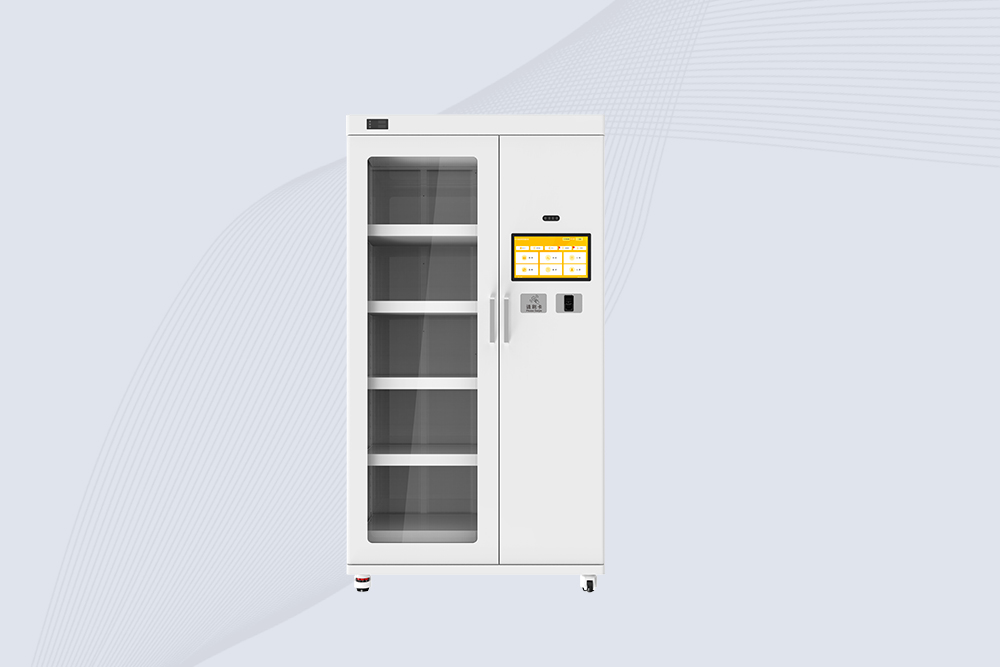
Cykeo’s RFID Smart Tool Cabinet enables 10-second tool audits, user access control & real-time alerts for construction/oil/gas. Features 21.5″ touchscreen, IP54 steel body & -30°C~60°C operation. Supports SAP/Oracle integration.
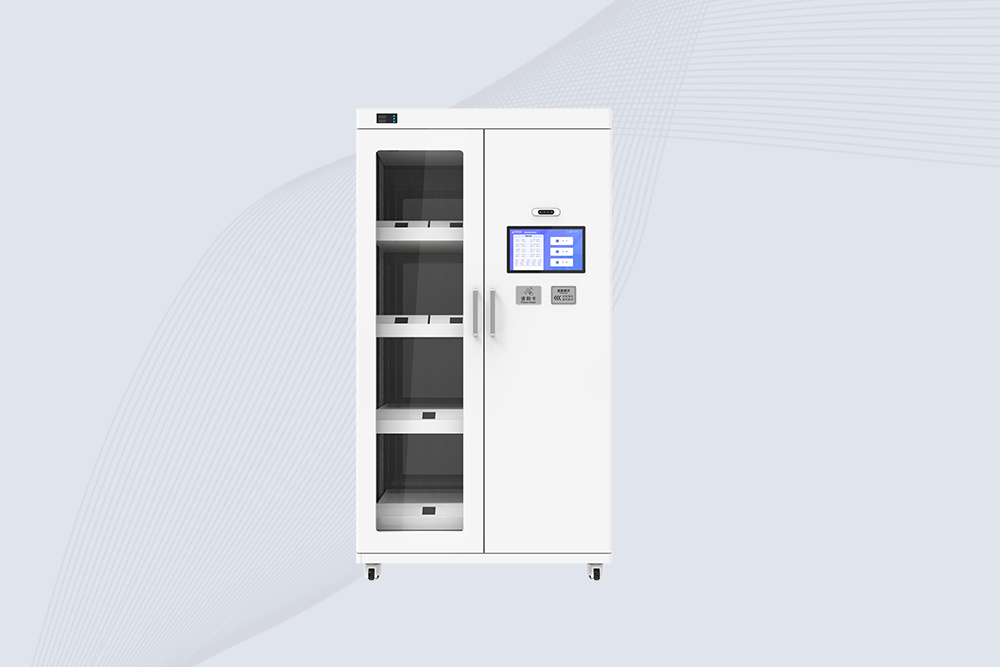
Cykeo’s Intelligent Weighing Tool Cabinet combines weight sensors & RFID for 100% tool accountability. Features solar/4G options, IP54 steel-glass body & nuclear/rail compliance. Supports SAP/Oracle integration.
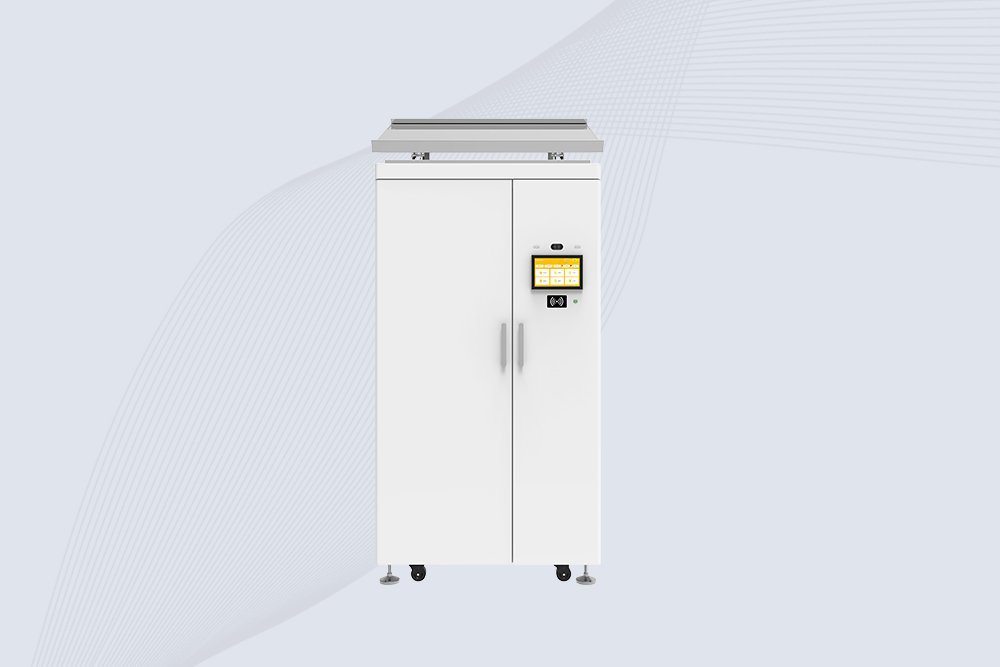
Cykeo’s solar-powered RFID Inventory Tool Cabinet enables 5-second audits for remote sites. Features 160W solar, Android 7.1, 4G & extreme temp operation for oil/energy/mining sectors.
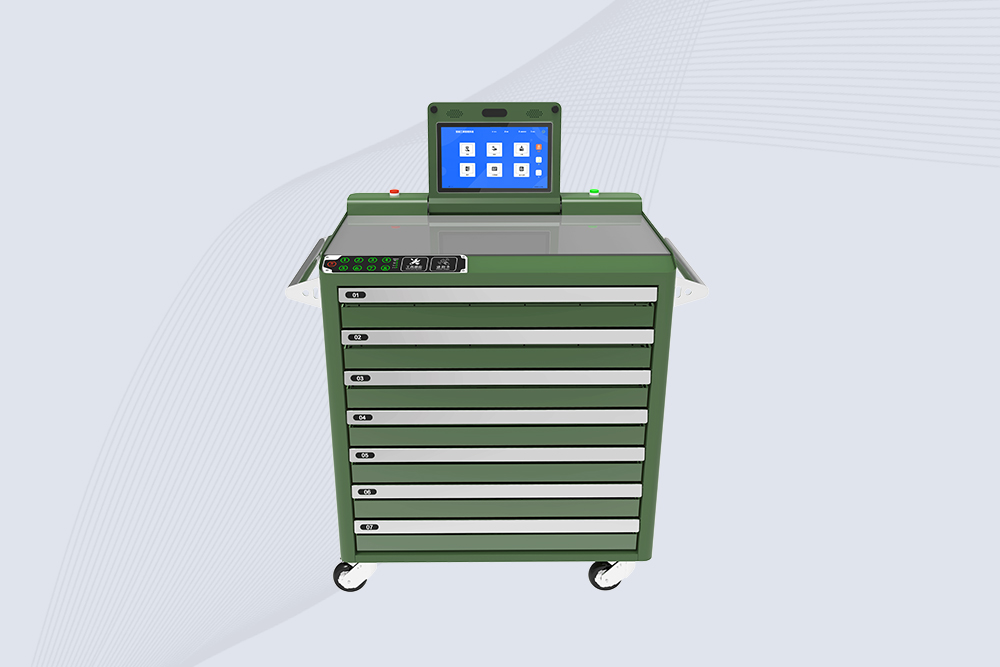
Cykeo’s industrial RFID Tool Cart features 14″ touchscreen, 400+ tool scanning, and carbon steel construction for aviation MRO, power plants and construction sites. 5-second inventory scans.
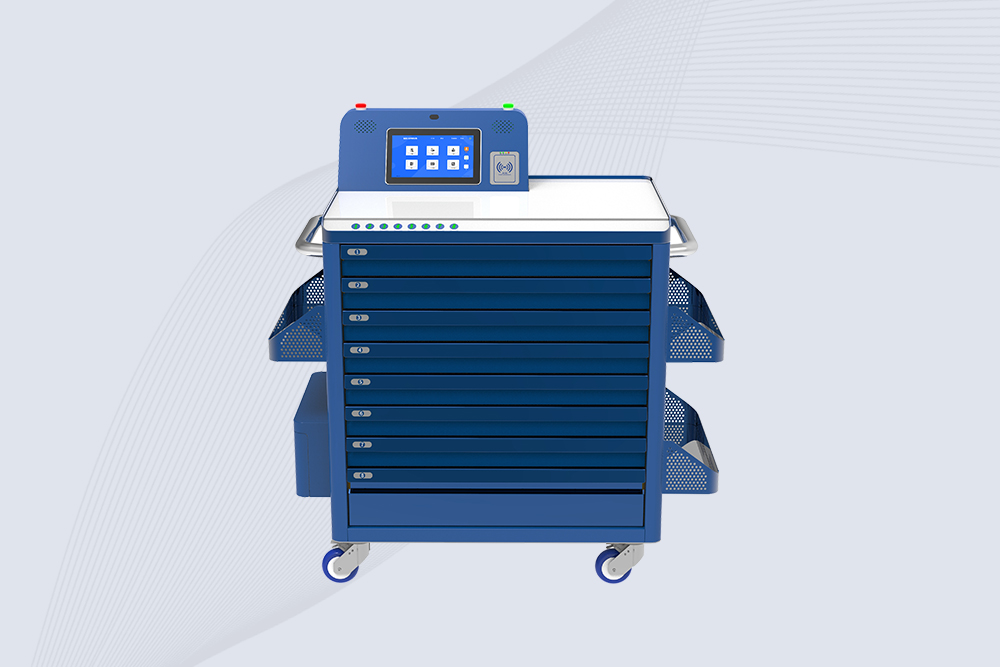
Cykeo CYKEO-TC RFID multi-drawer tool cart manages 300+ tools via UHF RFID, features fingerprint/face recognition, Android/Windows OS, and SAP integration for nuclear/railway/fire safety sectors. IP54 rated for harsh environments.
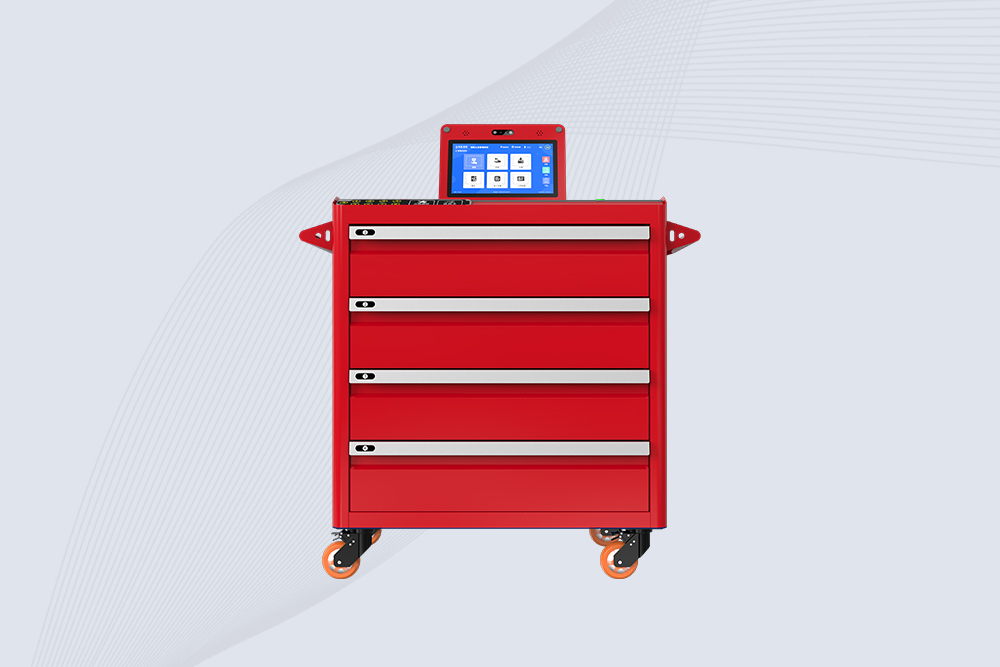
Cykeo CYKEO-GTC4 RFID tool inventory cart manages 300+ tools via UHF RFID, features instant scanning, fingerprint/face recognition, and SAP integration for nuclear/railway/fire safety sectors. IP54 rated for harsh environments.
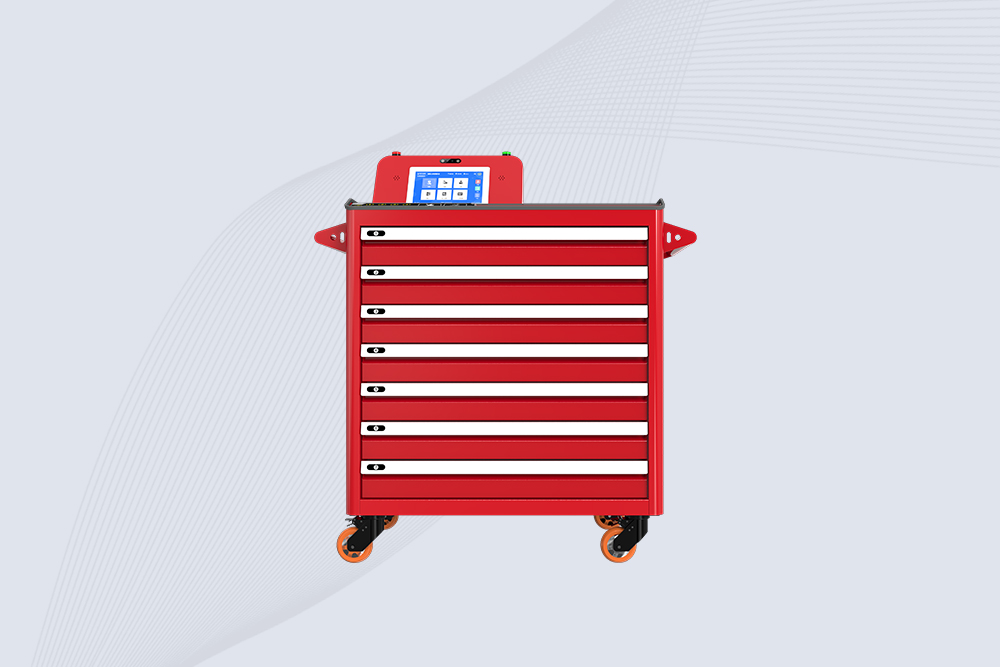
Cykeo CYKEO-GTC7 RFID aviation maintenance cart features military-grade build, blockchain audits, and predictive tool alerts for aircraft MRO. Achieves EASA/FAA compliance.
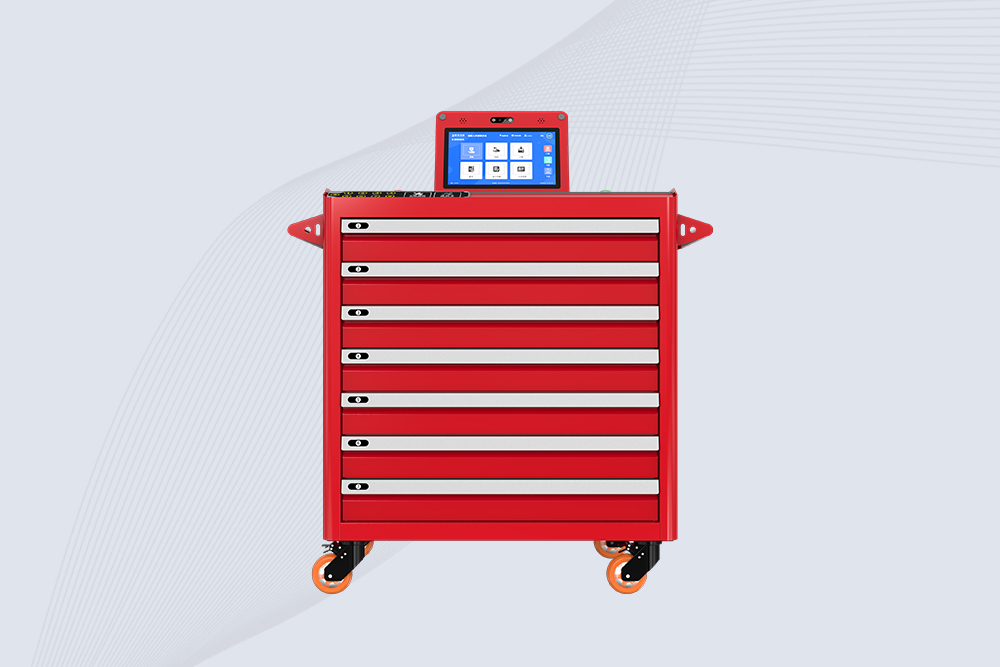
Cykeo CYKEO-GTC7A RFID real-time tool tracking cart features 99.9% accuracy, FOD prevention, and SAP integration for aviation/plant maintenance. Military-grade construction.
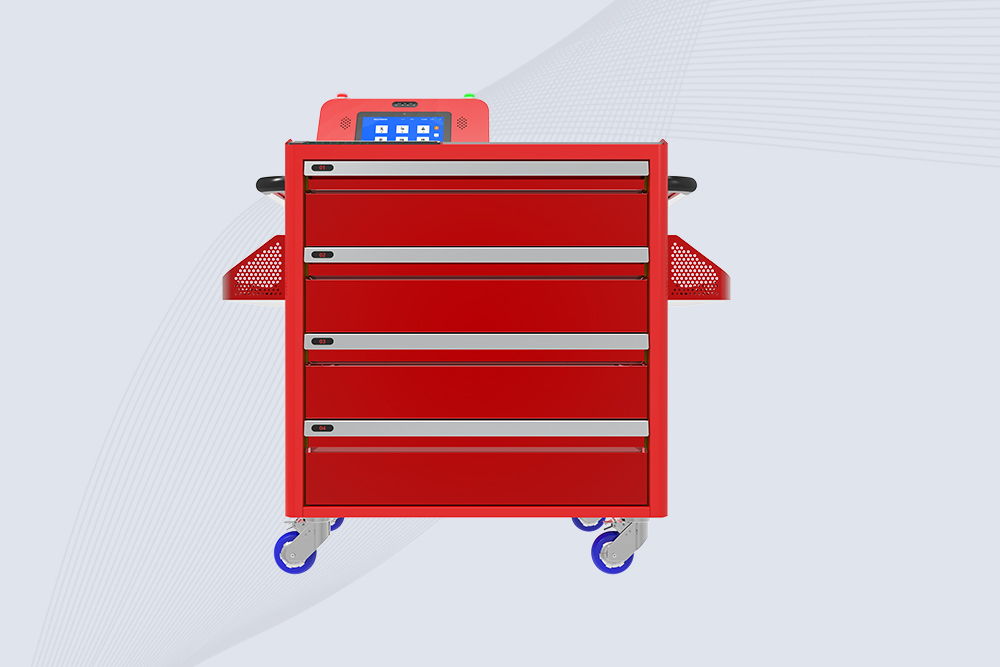
Cykeo CYKEO-GTC4B RFID mobile tool cart delivers 300-tool verification in 7 seconds with modular drawers, ≤150W power, and SAP integration for industrial/aviation use.
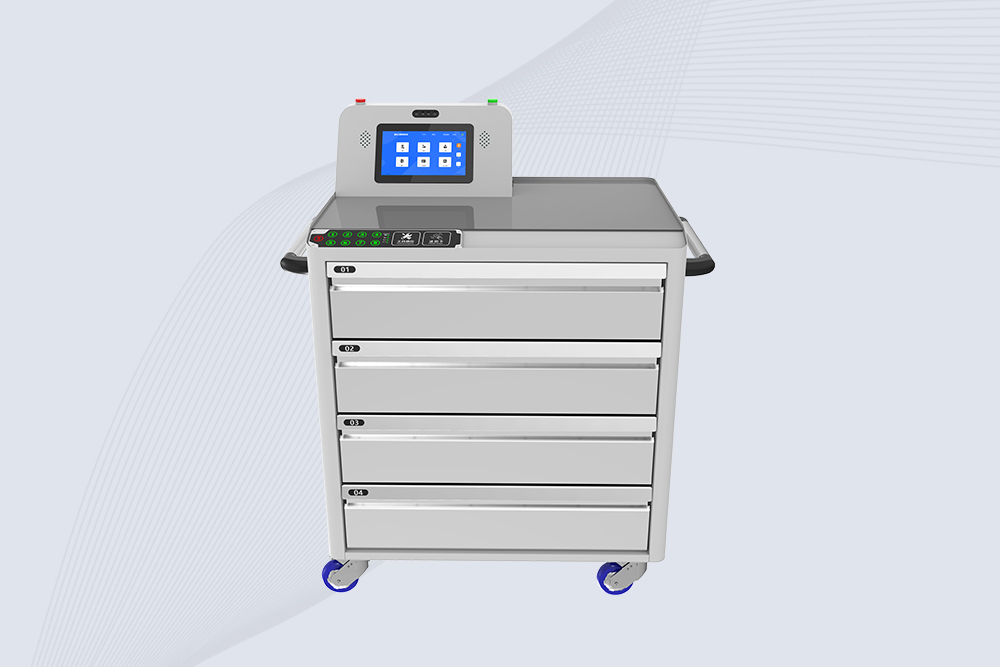
Cykeo CYKEO-GTC4C RFID workshop tool control cart delivers 300-tool inventory in 3 seconds with 10hr battery, SAP integration, and FOD prevention for industrial workshops.
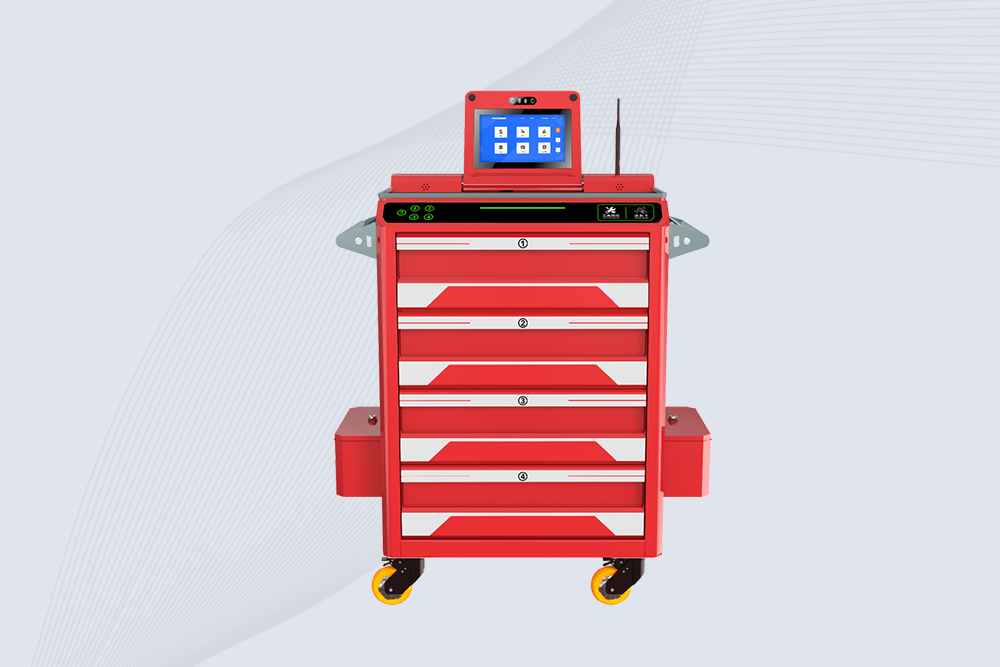
Cykeo’s CYKEO-GTC4A multi-drawer RFID tool cart delivers 7-second aviation tool inventories, 10-hour battery, and dual authentication. ISO 18000-6C compliant for MRO/manufacturing.
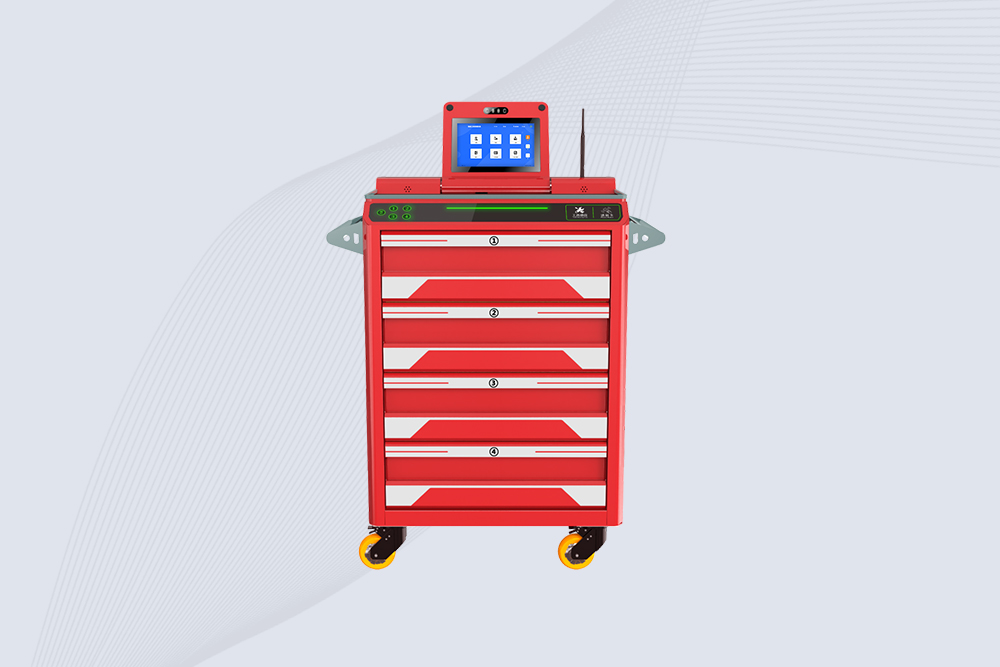
Cykeo’s MIL-STD RFID tool tracking cart scans 300 tools in 7 seconds, with -20°C~60°C operation and FOD prevention for aviation/energy industries.
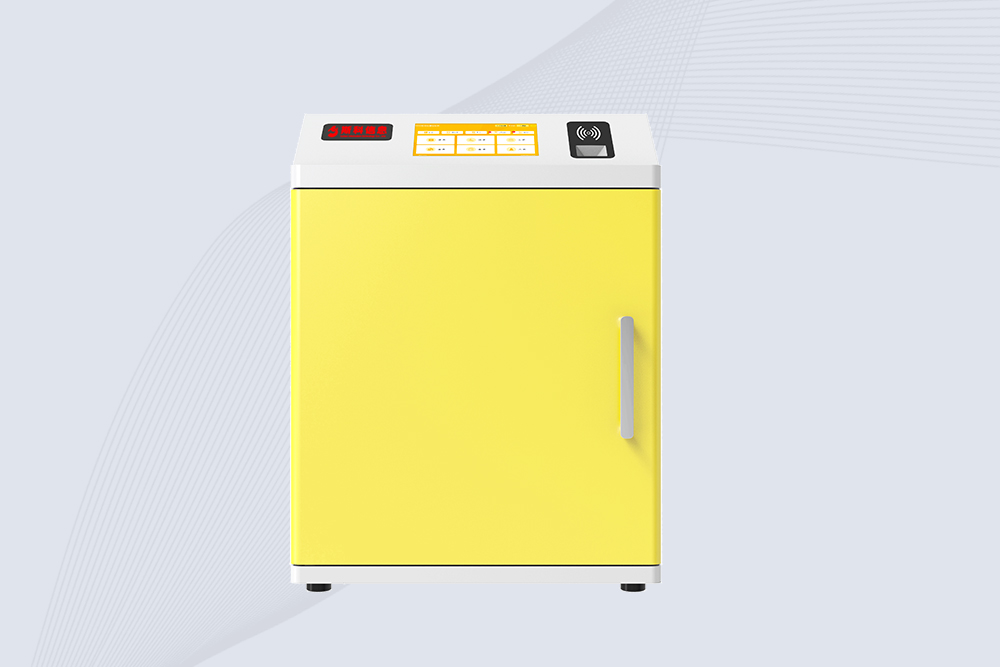
Cykeo’s space-saving RFID tool management cabinet offers 1000-tool capacity, ≤5s scans, and 24/7 unmanned operation for manufacturing/assembly plants.
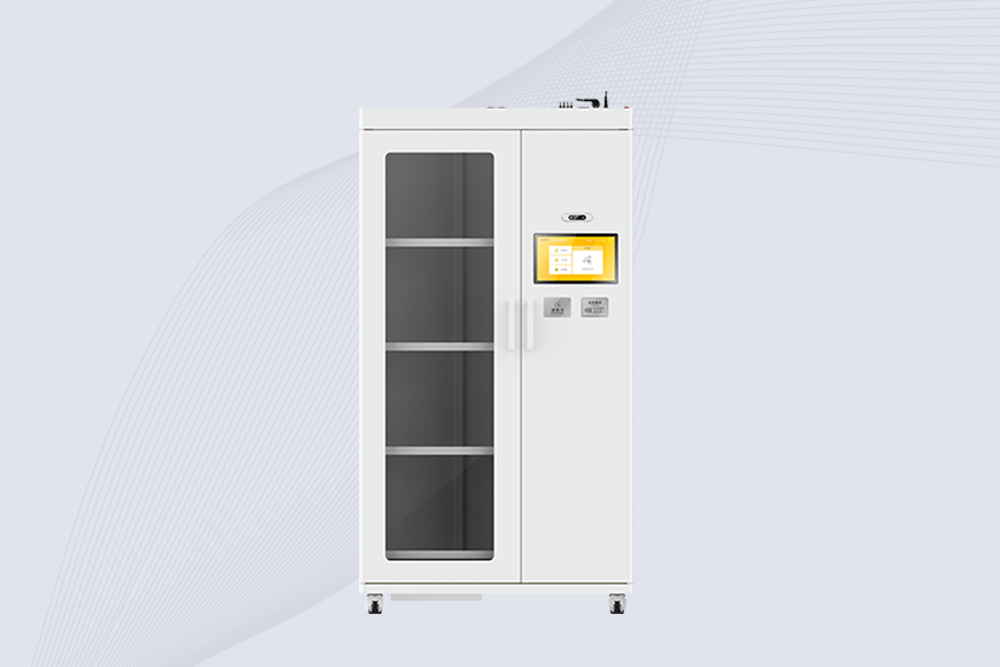
Cykeo’s RFID industrial tool cabinet offers modular shelves, 21.5″ touchscreen, and voice guidance for manufacturing/energy sectors. 24/7 operation with ≤80W power.

Cykeo’s RFID secure tool cabinet features 4 lockable compartments, ≤150W power, and 24/7 monitoring for pharma/aerospace/electronics industries.
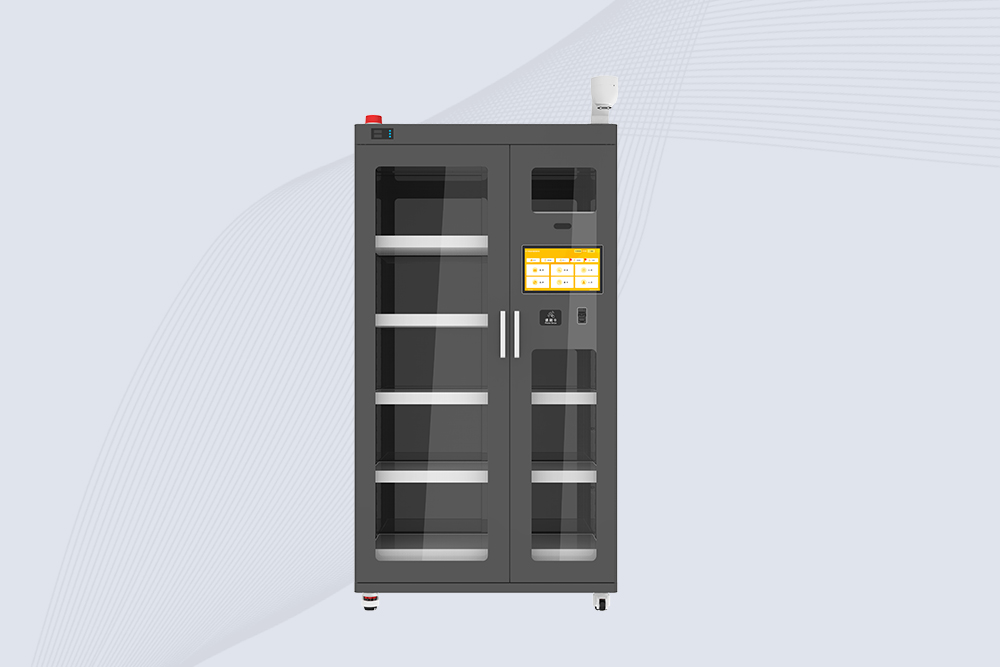
Cykeo’s RFID aviation tool cabinet features triple authentication, 14″ HD touchscreen, and thermostatic control for aircraft MRO/FAA compliance.

Cykeo’s RFID tool tracking system delivers self-service check-in/out, real-time alerts, and multilingual interface for correctional/military security.
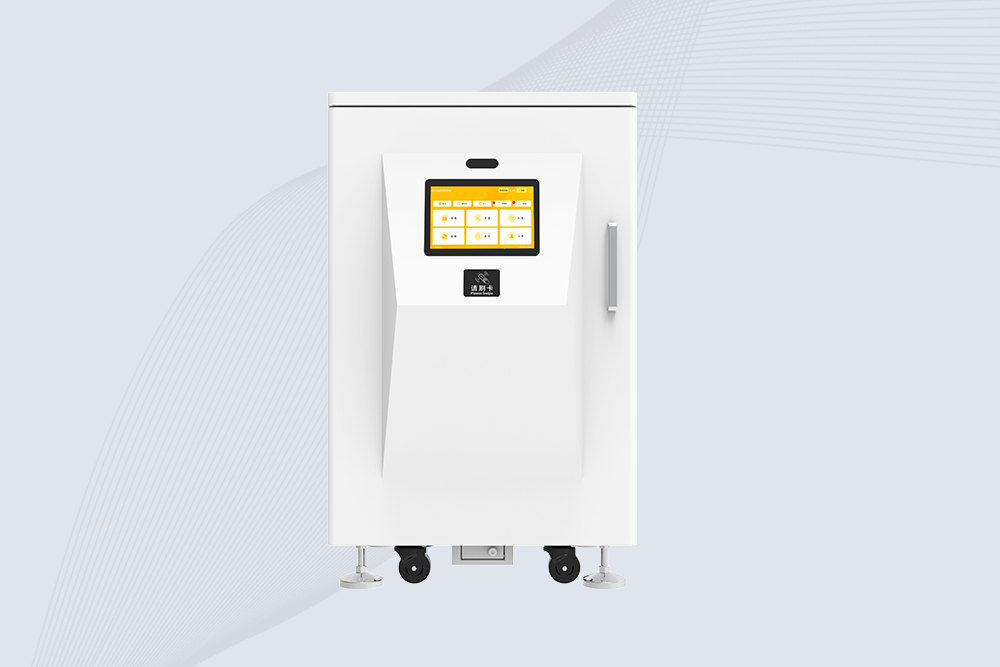
Cykeo’s off-grid RFID tool inventory system features solar/wind power, -30°C~60°C operation, and military-grade durability for mining/energy/military sectors.
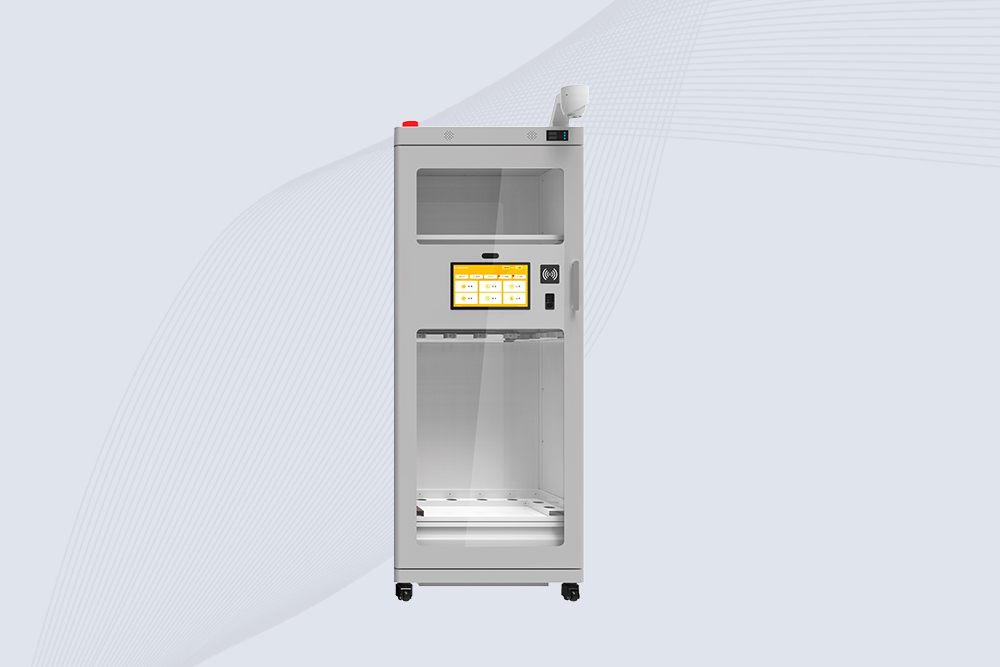
Cykeo’s industrial RFID tool accountability cabinet delivers 99.9% scan accuracy, adjustable shelves, and 24/7 operation for automotive/aerospace manufacturing.
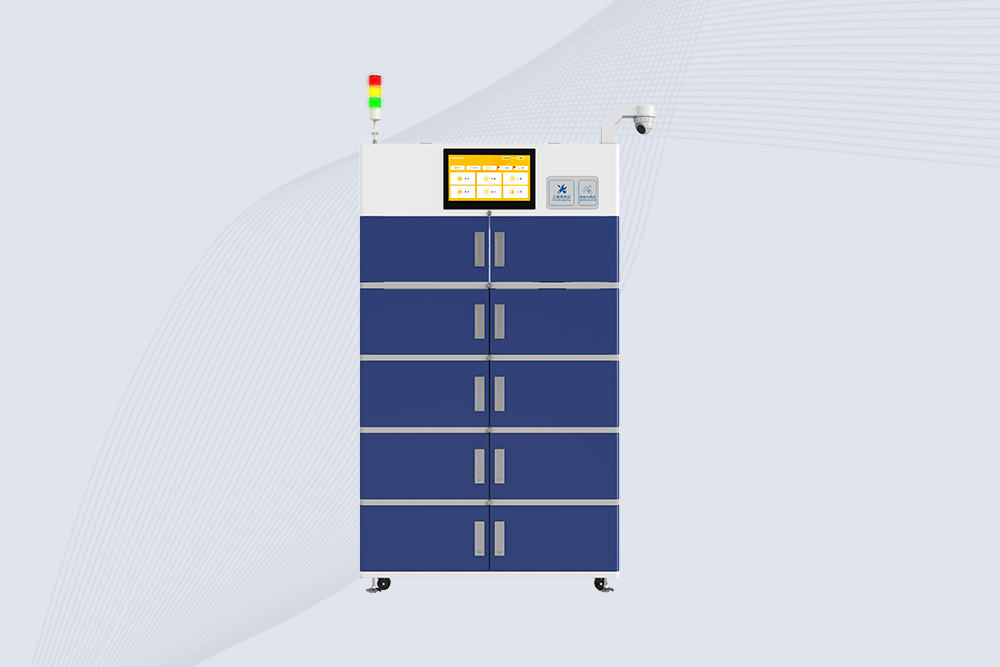
Cykeo’s RFID multi-drawer tool cabinet features 5 adjustable drawers, biometric access, and 99.9% scan accuracy for automotive/aerospace manufacturing.
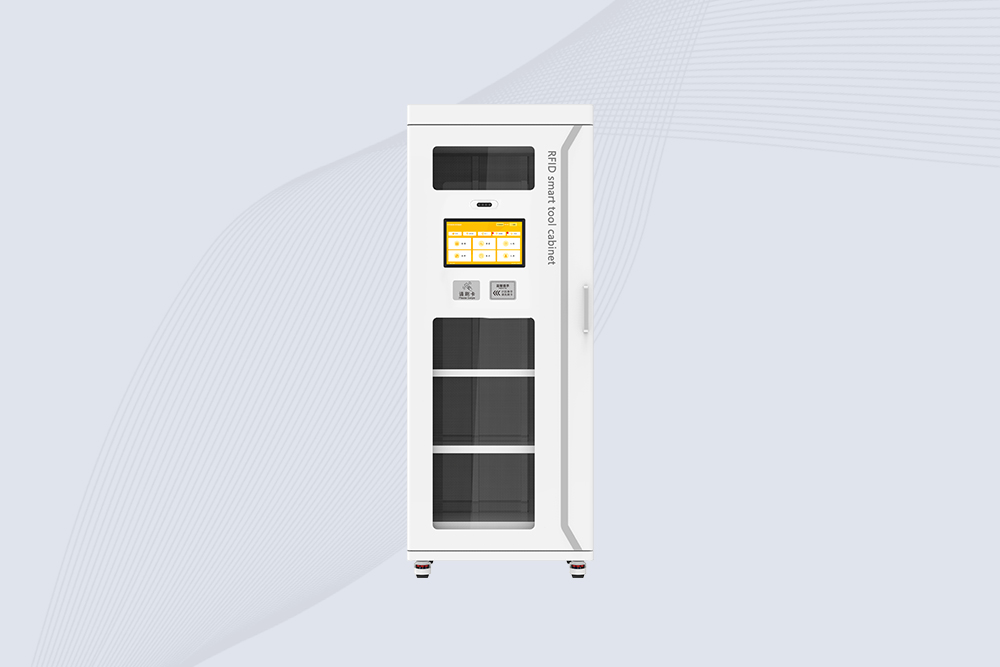
Cykeo’s RFID Automated Tool Cabinet delivers military security, adjustable shelving, and Java/C# SDK integration for defense/aerospace manufacturing.

Cykeo’s RFID scalable tool cabinet features multi-unit management, voice guidance, and semi-outdoor durability for automotive/construction/logistics.
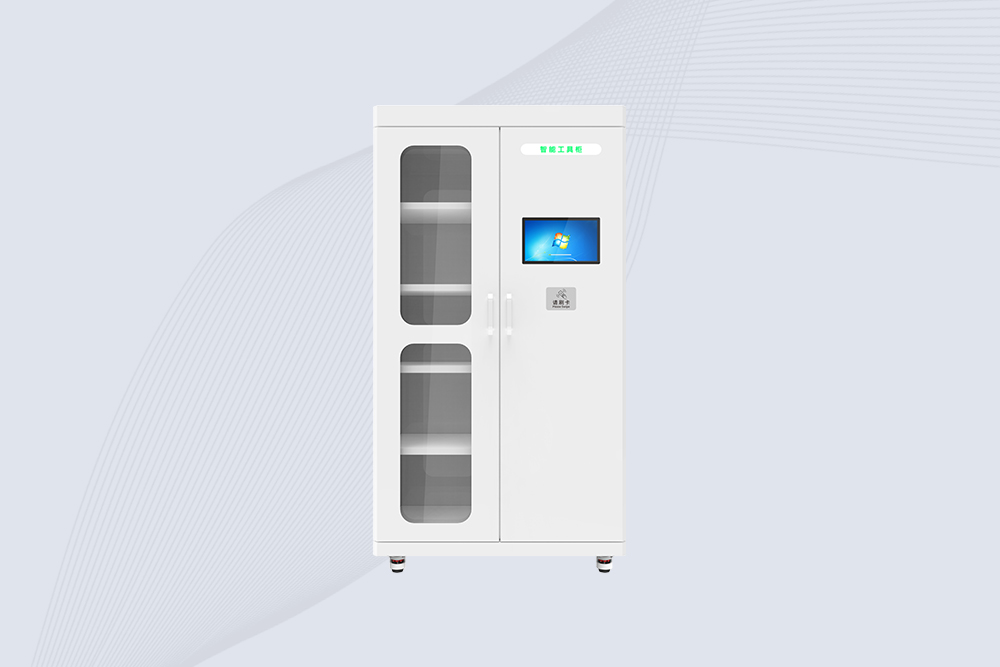
Cykeo CYKEO-GT1B industrial RFID tool storage cabinet features Impinj R2000 UHF technology, 1,000+ tool capacity, IP54 protection, and Windows/Android OS for manufacturing/aviation MRO. Includes auto check-in/out and SAP/Oracle sync.
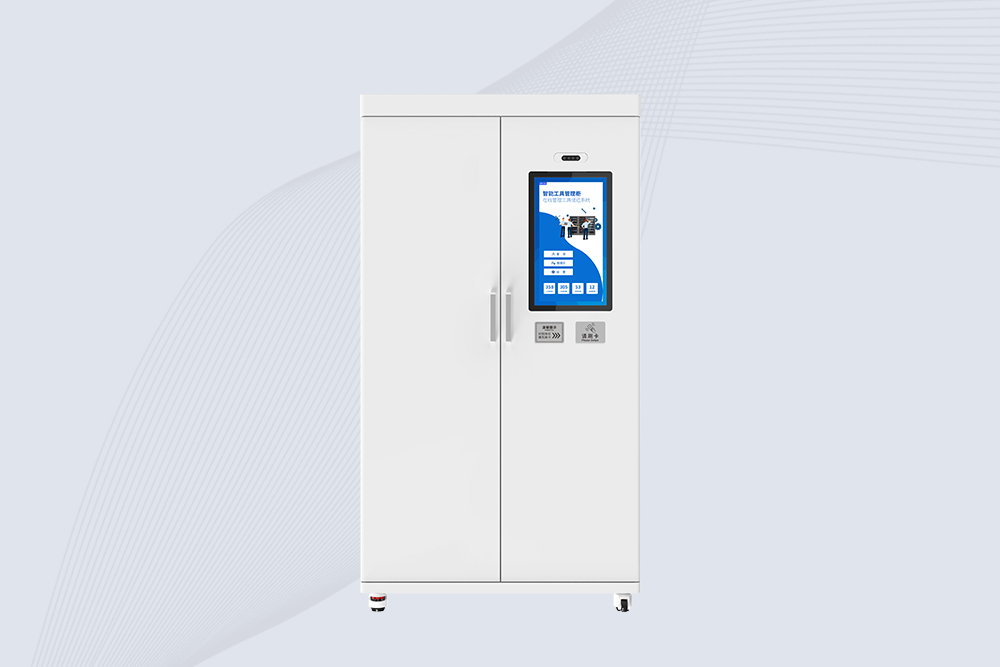
Cykeo CYKEO-GT3C industrial RFID tool checkout system Cabinet features millimeter-wave scanning, 280-layer storage, dual OS, and 99.9% accuracy for aviation/semiconductor sectors. Supports auto check-in/out and real-time SAP sync.
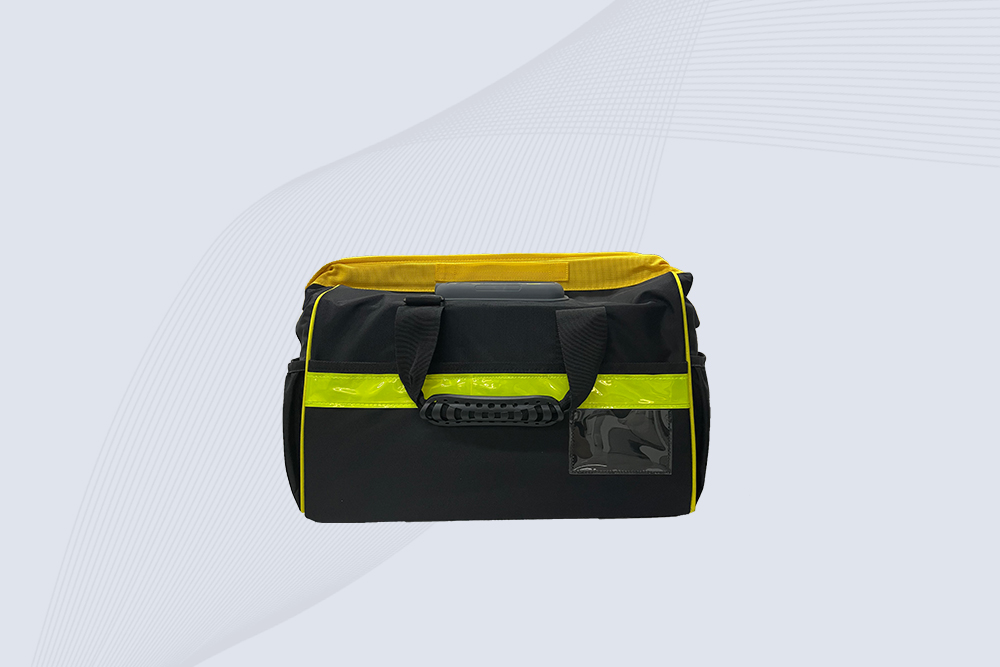
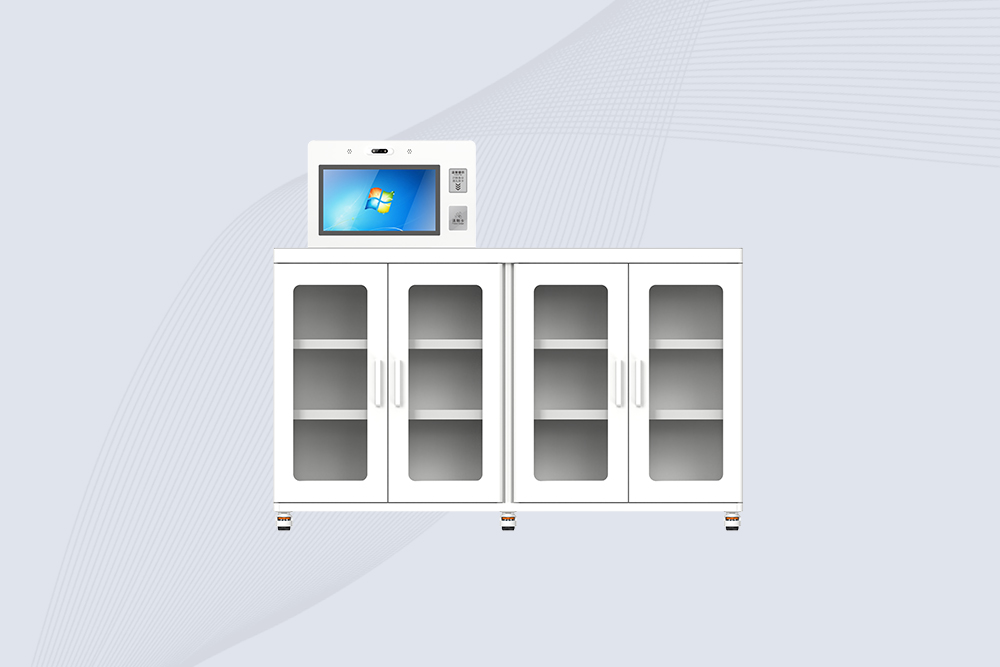
Cykeo CYKEO-GT3D RFID smart tool cabinet offers 5-second inventory scanning for 300+ tools, dual authentication, and 24/7 automated management for industrial facilities.
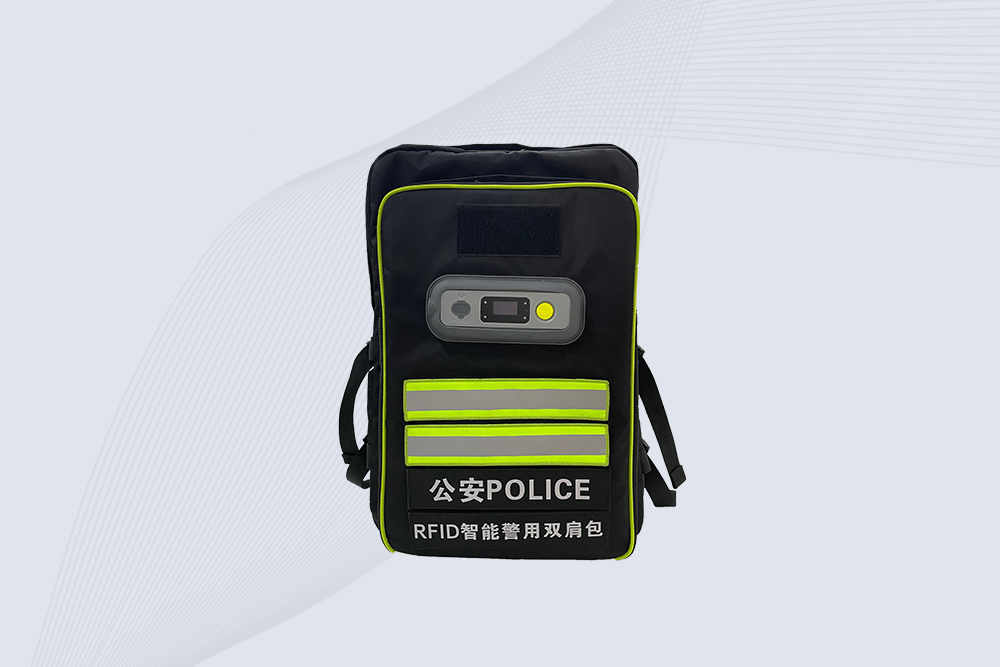
Discover the CYKEO-B1A Industrial RFID Backpack featuring advanced tool tracking technology with 25cm RF shielding, 7-day battery life, and wearable design for field maintenance professionals.
RFID Industry Writer | IoT & Asset Tracking Analyst
James writes about RFID technology, asset tracking, and the practical challenges of digital transformation across warehousing, retail, manufacturing, and logistics.
His work focuses on how RFID is applied in real-world operations—improving inventory visibility, automating workflows, and helping businesses manage assets with greater accuracy and efficiency.
He regularly covers topics including UHF RFID, smart cabinets, RFID portals, tool tracking, warehouse automation, and industrial IoT trends..

Thinking about how to build RFID reader antenna? We outline the DIY process for learning, and explain the performance gap compared to engineered solutions.
More
Learn what is an rfid chip used for and how RFID chips enable EPC identification, asset tracking, and smart management with Cykeo RFID binding solutions.
More
A practical, field-based look at UHF RFID readers from the perspective of system integrators and wholesale buyers. Covers real selection mistakes, deployment experience, system compatibility, and procurement considerations for RFID warehouse and a...
More
Discover how RFID tags tracking improves inventory accuracy, asset visibility, and operational efficiency. Learn proven RFID tracking strategies from Cykeo experts.
More