 Cykeo RFID IoT Solution Products R&D Manufacturer

Impinj RFID Reader in Smart Manufacturing: How RFID Transforms Production Visibility
133Learn how Impinj RFID reader solutions are used in smart manufacturing for real-time production tracking, WIP management, and factory automation.
MoreAll RFID Product
In a factory, a tool can be physically available but still not be suitable for use. A measuring instrument may be overdue for inspection, a restricted tool may be collected by an unauthorized employee, or a maintenance tool may be returned without its condition being recorded.
These problems are not always caused by a lack of equipment. They often happen because daily tool handling does not follow the company’s established procedures consistently.
Tool compliance management helps organizations make sure that tools are identified, issued, used, inspected, and returned according to defined requirements. An RFID tool cabinet can support this process by connecting physical tools with digital records, user identification, transaction history, and configured access rules.
For industrial companies, the objective is to make tool management procedures easier to follow and easier to verify. RFID is not a substitute for safety procedures, quality systems, or regulatory requirements. It is a technology that can help organizations implement and document parts of those processes more consistently.
Tool compliance management is the process of ensuring that tools are handled according to applicable company procedures, quality requirements, safety rules, and other relevant obligations.
The requirements vary by industry and tool category. General-purpose hand tools may only need basic identification, storage, and checkout records. Calibrated measuring instruments may require inspection dates, calibration status, and restrictions on use after an expiration date. Specialized equipment may be limited to trained or authorized personnel.
A compliance process typically defines which tools are controlled, what information must be recorded, who can access them, and how exceptions are handled.
RFID tool cabinet can support these requirements by identifying tagged tools and recording supported events, such as checkout, return, or inventory verification. Depending on the hardware and software, it may also support user authentication, access permissions, and connections to maintenance or quality management systems.
The important distinction is that RFID helps record and enforce configured workflows. Whether those workflows satisfy a particular standard or regulatory obligation depends on the actual requirements, system design, and implementation.

Many factories have written procedures for tool checkout, return, inspection, and storage. The challenge is making those procedures part of daily work.
During a busy shift, an employee may borrow a tool without completing a record, return it to the wrong location, or forget to report damage. These small omissions can create gaps in the asset history.
An RFID-enabled workflow can reduce dependence on manual identification and provide more consistent transaction records. However, the process still needs to be easy to follow, and employees must understand what to do when an exception occurs.
Tool information may be stored in spreadsheets, paper logs, a maintenance system, and a separate quality database. Different teams may maintain their own versions of the same information.
This makes it difficult to establish which record is current, particularly when a tool changes departments or enters maintenance.
A connected tool management platform can provide a consistent operational record and link to other systems where appropriate. Clear data ownership is essential so that conflicting updates do not undermine the reliability of the records.
Some tools require restricted access because of their value, application, risk, or specific handling requirements.
If a tool room relies on an unlocked cabinet and a paper sign-out sheet, it may be difficult to verify who collected an item or whether the employee was authorized to use it.
An RFID cabinet with suitable authentication and permissions can help record user identity and control supported access workflows. The effectiveness of these controls depends on the authentication method, cabinet design, and configuration.
A tool may remain in circulation even after it becomes due for inspection or requires repair.
This is particularly important for precision instruments and equipment whose condition can affect product quality or operational safety.
A tool management system can associate the tool with inspection and maintenance records. Where the software supports it, the workflow can flag restricted items or prevent normal checkout until the required approval is recorded.
The organization must still define the applicable inspection criteria and ensure that the underlying records are maintained correctly.
Compliance begins with knowing exactly which tool is being managed.
Each controlled tool should have a unique asset ID linked to its RFID tag. The corresponding digital record can include the tool name, model, serial number, department, storage location, current status, and relevant control requirements.
For example, two measuring instruments may have the same model number but different serial numbers and calibration records. Their digital identities must remain separate.
The RFID tag usually acts as an identifier rather than a complete storage location for every record. The management software retrieves the relevant information using that identifier.
Consistent identification makes it easier to associate transactions, inspections, and maintenance events with the correct physical item.
A compliance process often needs evidence of who took a tool, when it was issued, and whether it was returned according to procedure.
An RFID tool cabinet can support these records through compatible tag reading and user authentication workflows.
A transaction may contain the tool ID, user ID, timestamp, cabinet location, and transaction type. Additional fields can be included when required by the company’s procedures.
These records help supervisors investigate missing tools, review exceptions, and confirm whether the normal checkout process was followed.
A recorded checkout does not necessarily prove that a tool was used correctly during a task. The record documents the supported transaction, while safe use and work execution may require separate procedures and evidence.
Different employees may have different responsibilities and levels of authorization.
For example, general maintenance personnel may access ordinary hand tools, while specific instruments or specialized equipment may require supervisor approval or a designated qualification.
An RFID cabinet system can support role-based permissions where the required functionality is available. Permissions should be based on actual company rules, with clear procedures for temporary workers, contractors, shift changes, and emergency access.
Access rules should also be reviewed when employees change roles or leave the organization. Otherwise, old permissions can remain active longer than intended.
Tool compliance often depends on more than the physical presence of an item.
A tool might be recorded as available in the cabinet but still be restricted because an inspection is overdue or a repair remains incomplete.
A well-designed workflow separates physical inventory status from operational approval. Depending on the system, the cabinet software may display a warning, require an authorized override, or prevent a checkout transaction for a restricted item.
Where calibration or inspection information is held in another system, integration may be necessary to keep the status current.
The project team should define what happens when inspection records are missing, synchronization fails, or a tool is returned in damaged condition.
A useful compliance record shows more than the tool’s current status. It also preserves relevant events over time.
Depending on the implementation, the history may include registration, checkout, return, transfer, inspection, maintenance, status changes, and authorized exceptions.
This history can help supervisors investigate discrepancies and prepare internal reviews.
Companies should determine which events must be retained, how long records must be kept, who can access them, and whether changes to critical records need additional logging or approval.
Retention periods and record integrity requirements should follow the organization’s applicable policies and obligations rather than being assumed to be the same for every industry.
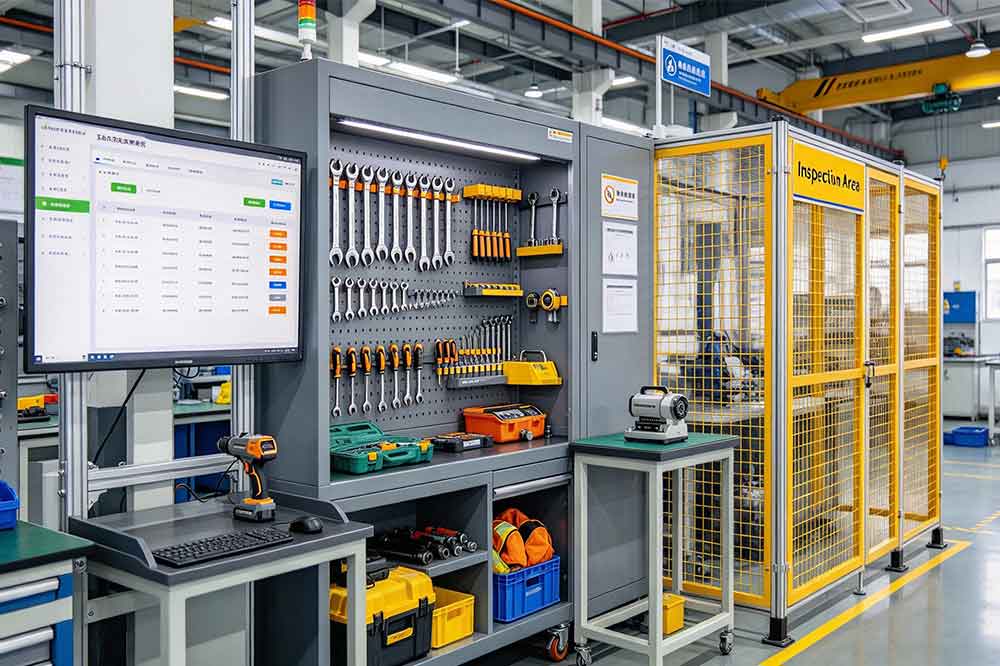
The required information depends on the tool category and the applicable procedures. A practical record structure may include the following fields.
| Record field | Compliance purpose |
|---|---|
| Unique tool ID | Identifies the exact physical tool |
| RFID tag ID | Links the tag with the digital record |
| Tool category | Identifies the relevant management rules |
| Department or owner | Establishes organizational responsibility |
| Recorded location | Supports location verification |
| User and transaction history | Documents supported checkout and return events |
| Current status | Distinguishes available and restricted items |
| Inspection or calibration reference | Connects the tool with applicable checks |
| Maintenance history | Records relevant repair and service information |
| Authorization requirements | Defines who may access or use the tool |
| Exception records | Documents discrepancies and corrective actions |
| Record retention settings | Supports internal recordkeeping policies |
Not every tool needs every field. Requiring extensive records for low-risk tools may increase administrative work without improving control.
A better approach is to define a basic record for all managed tools, then add fields for equipment that requires stricter control, inspection, calibration, or authorization.
For common hand tools, the main requirements may involve identification, controlled storage, checkout records, return procedures, and reporting of loss or damage.
An RFID cabinet can help make these transactions more consistent without creating a complicated process for employees.
Measuring instruments may require traceable calibration records, defined inspection intervals, and clear rules for handling instruments that are overdue or fail verification.
An RFID tool cabinet can help identify the instrument and connect it with the relevant status record. The calibration process itself still requires the appropriate method, qualified personnel, and records specified by the organization’s quality system.
Some equipment may require specific authorization, limited access, or supervisor approval.
A suitable RFID cabinet workflow can associate transactions with authenticated users and record relevant access events. More restrictive controls may be appropriate when the consequences of unauthorized use are significant.
Organizations operating in regulated environments may need detailed documentation, approved procedures, and controlled records.
An RFID cabinet can support selected parts of the process, but the organization must assess the complete solution against its applicable requirements. A cabinet should not be assumed to provide regulatory compliance simply because it records RFID transactions.
Internal audits often involve checking whether documented procedures match actual practice.
For tool management, reviewers may need to establish whether controlled tools are registered, whether transactions are recorded, whether inspection status is current, and whether exceptions are investigated.
RFID transaction history can provide supporting evidence for these reviews. For example, a reviewer may compare a tool’s recorded checkout history with the physical inventory or check whether a restricted tool was issued during a period when it should have been unavailable.
Useful reports may include:
These reports should be supported by accurate source data and appropriate access controls.
A digital record is not automatically sufficient evidence for every audit. Some requirements may call for separate approvals, inspection results, signatures, controlled document versions, or other evidence that the RFID cabinet does not capture.
Before deployment, define which records the system is expected to provide and which must remain in another quality or compliance system.
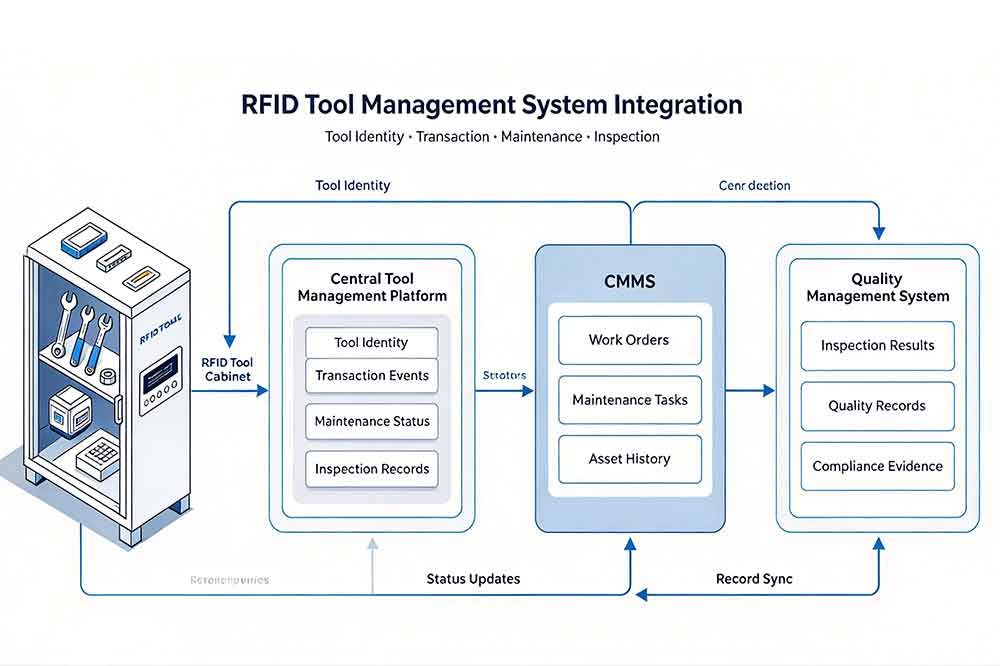
A tool cabinet is often one part of a larger industrial information environment.
A CMMS may contain maintenance work orders and repair history. A quality management system may maintain inspection and calibration records. An ERP system may store asset and purchasing information.
Where supported interfaces are available, the RFID tool management platform can exchange relevant tool identities, transaction events, and status information with these systems.
For example, if an instrument’s calibration status is maintained in a quality system, the tool cabinet software may need access to the current status before allowing a normal checkout.
The implementation should define which system owns the authoritative record, how frequently updates occur, and how synchronization failures are handled.
If the central system becomes unavailable, the organization also needs a clear policy for whether tools can still be issued, which operations are permitted, and how transactions are reconciled afterward.
These decisions are especially important when records support quality, safety, or other controlled processes.
Start by listing the company’s tool management procedures and the requirements that apply to each tool category.
Determine which tools require restricted access, inspection records, calibration status, documented checkout, or additional approvals. In regulated environments, confirm the requirements with the responsible quality, safety, or compliance personnel.
Compare the current tool register with the physical inventory. Identify duplicate tool IDs, missing tags, outdated locations, incomplete records, and inconsistent status definitions.
Clean data makes it easier to associate RFID events with the correct tools.
Select tags suitable for the tools and storage environment. Configure user permissions, transaction workflows, tool statuses, and required record fields.
If multiple cabinets or enterprise systems are involved, define how tool identities and status updates remain consistent across locations.
Testing should include more than successful checkout and return.
Verify restricted-tool access, overdue inspection handling, damaged-tool returns, missing records, user permission changes, and network interruptions. Confirm that the system records events correctly and that employees know how to handle exceptions.
Employees should understand how to identify tools, complete transactions, report damage, and respond to warnings.
Supervisors and administrators need additional training on permissions, record review, exception handling, and data maintenance.
Procedures should be reviewed periodically so that system settings continue to reflect the company’s actual requirements.
One mistake is assuming that installing an RFID cabinet automatically makes tool management compliant. The hardware may support identification and transaction recording, but the organization still needs appropriate procedures, permissions, data quality, and record retention.
Another mistake is applying the same control level to every tool. High-risk instruments and ordinary hand tools may need different records and workflows.
Incomplete integration is another source of problems. If inspection records are maintained separately and not synchronized, the cabinet may display an outdated status.
Companies may also overlook exceptional situations, such as damaged returns, temporary users, or network failures. These cases should be tested before deployment rather than handled informally after the system goes live.
Finally, audit reports are only useful when the underlying records are accurate, accessible to authorized reviewers, and retained according to policy.
When evaluating a solution, review its ability to identify tools, authenticate users, record transactions, manage permissions, support status information, and export or share records through supported interfaces.
Ask the supplier to demonstrate the workflows relevant to your operation. If inspection restrictions are required, verify whether the system can enforce them or merely display a warning. If audit trails are important, confirm which events are recorded, whether changes can be traced, and how records can be retrieved.
Also clarify software configuration, integration scope, data retention, training, installation, and after-sales support.
For quality-sensitive or regulated applications, involve the responsible compliance or quality team in the evaluation. Define acceptance criteria before testing, and avoid assuming that a generic RFID cabinet meets requirements that have not been specifically verified.
RFID tool cabinets can support tool compliance management by connecting physical tools with digital identities, transaction records, user permissions, and relevant status information. These capabilities can make daily tool procedures more consistent and provide useful evidence for internal reviews.
However, compliance depends on the complete process, not RFID technology alone. Companies need accurate records, appropriate control rules, suitable integrations, trained employees, and clear procedures for exceptions.
The most practical approach is to identify the requirements for each tool category, test the relevant workflows with actual equipment, and verify that the system produces the records the organization needs. This creates a stronger foundation for consistent tool control, traceability, and accountable industrial operations.
Can an RFID tool cabinet ensure regulatory compliance?
No. It can support identification, access control, and recordkeeping, but compliance depends on applicable requirements, documented procedures, system validation, and organizational practices.
Can RFID restrict access to certain tools?
A compatible system can use user authentication and configured permissions to restrict supported checkout workflows. Confirm the available access-control features before purchasing.
Can an RFID cabinet support internal audits?
Yes. Transaction histories, inventory records, access events, and exception reports can provide supporting evidence, provided the records meet the organization’s requirements.
Can the system track calibration and inspection status?
It can display or use this information when the necessary records are maintained in the cabinet software or connected systems. The inspection or calibration process itself remains a separate responsibility.
What should companies test before deployment?
Test tool identification, user permissions, transaction records, restricted-tool handling, inspection-related restrictions, exception workflows, data synchronization, and audit-report retrieval.
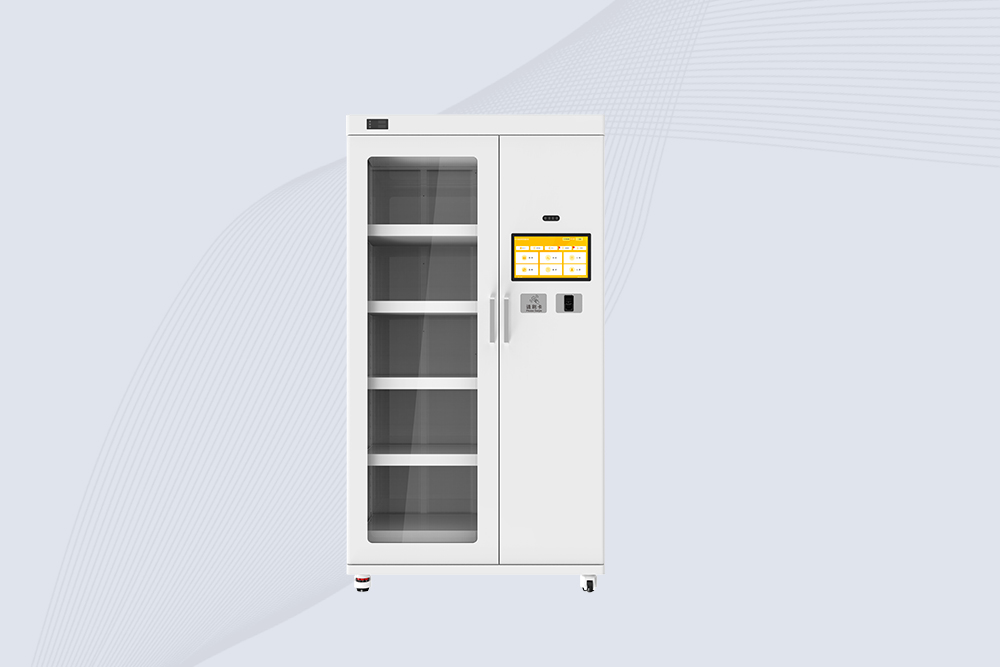
Cykeo’s RFID Smart Tool Cabinet enables 10-second tool audits, user access control & real-time alerts for construction/oil/gas. Features 21.5″ touchscreen, IP54 steel body & -30°C~60°C operation. Supports SAP/Oracle integration.
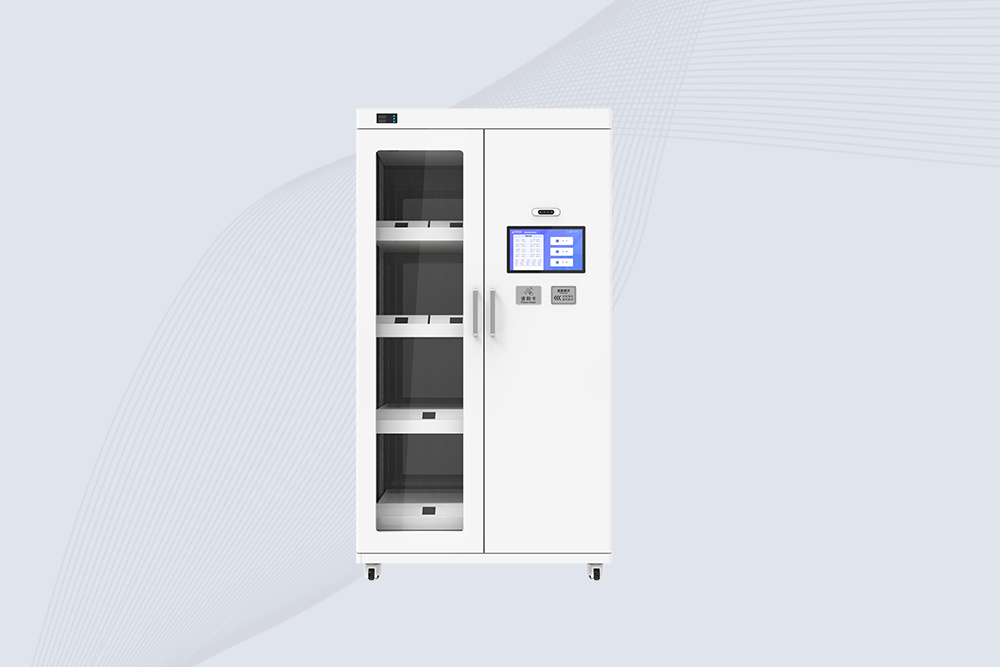
Cykeo’s Intelligent Weighing Tool Cabinet combines weight sensors & RFID for 100% tool accountability. Features solar/4G options, IP54 steel-glass body & nuclear/rail compliance. Supports SAP/Oracle integration.
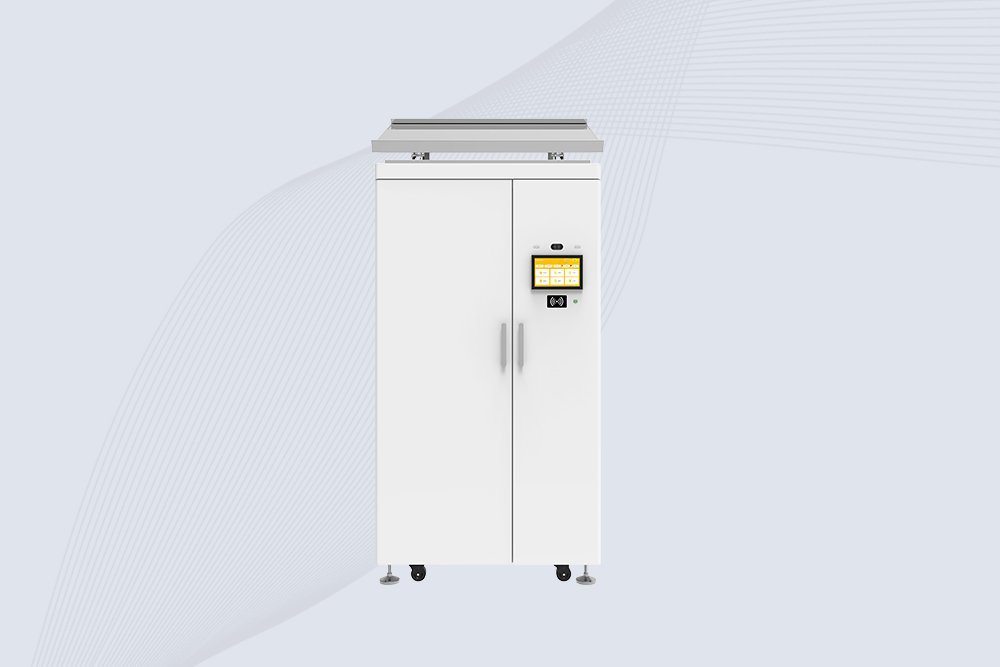
Cykeo’s solar-powered RFID Inventory Tool Cabinet enables 5-second audits for remote sites. Features 160W solar, Android 7.1, 4G & extreme temp operation for oil/energy/mining sectors.
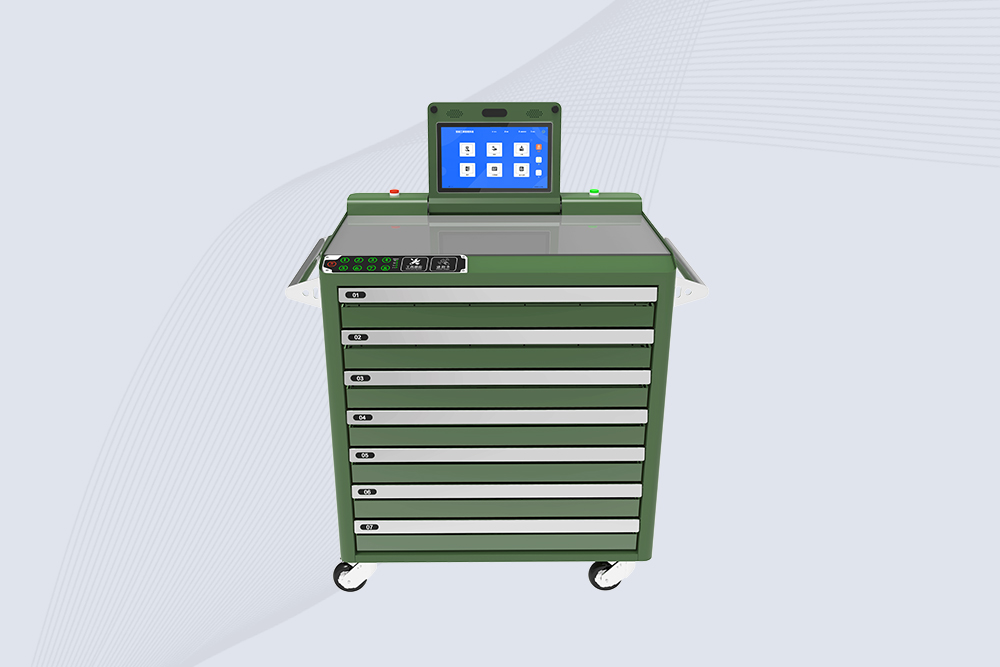
Cykeo’s industrial RFID Tool Cart features 14″ touchscreen, 400+ tool scanning, and carbon steel construction for aviation MRO, power plants and construction sites. 5-second inventory scans.
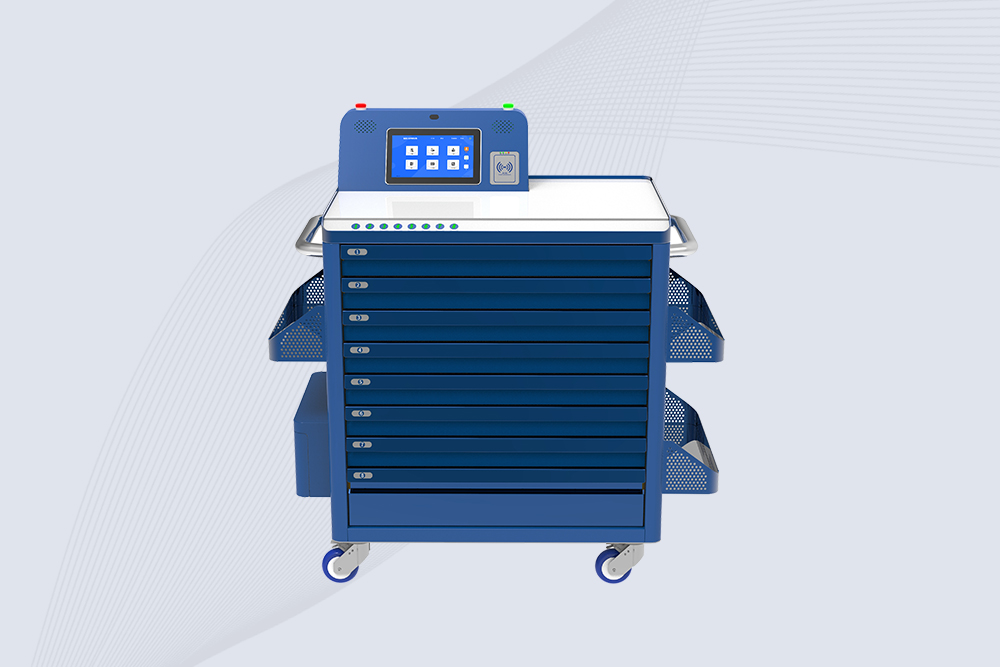
Cykeo CYKEO-TC RFID multi-drawer tool cart manages 300+ tools via UHF RFID, features fingerprint/face recognition, Android/Windows OS, and SAP integration for nuclear/railway/fire safety sectors. IP54 rated for harsh environments.
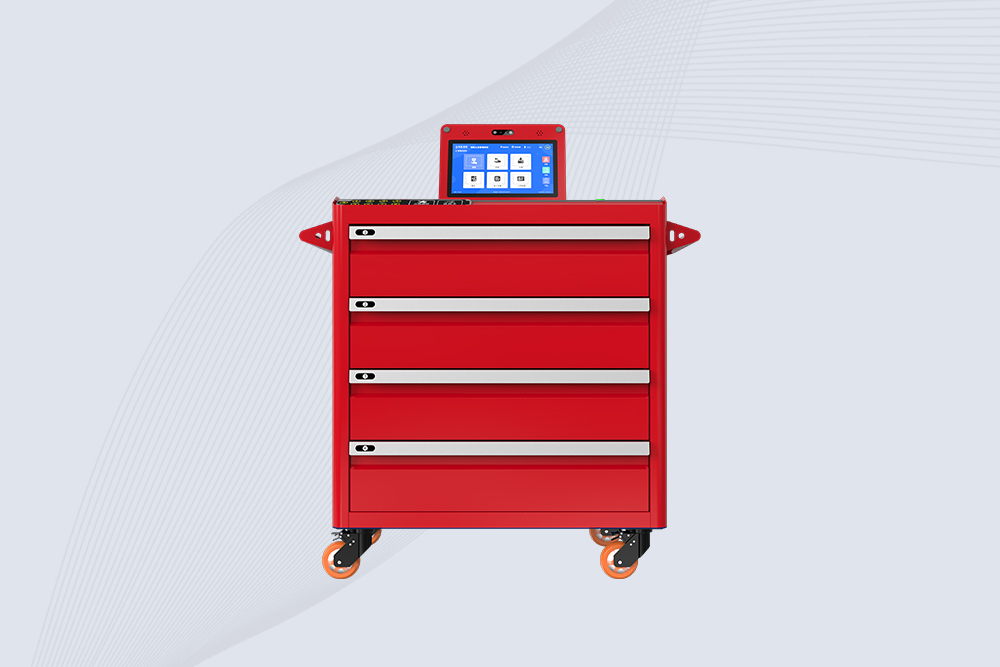
Cykeo CYKEO-GTC4 RFID tool inventory cart manages 300+ tools via UHF RFID, features instant scanning, fingerprint/face recognition, and SAP integration for nuclear/railway/fire safety sectors. IP54 rated for harsh environments.
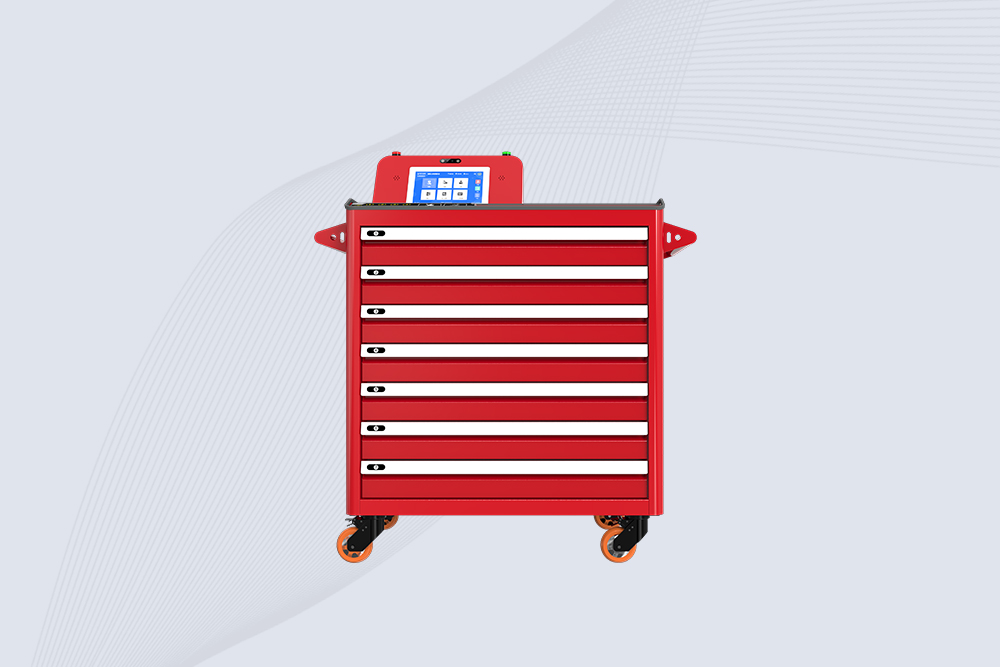
Cykeo CYKEO-GTC7 RFID aviation maintenance cart features military-grade build, blockchain audits, and predictive tool alerts for aircraft MRO. Achieves EASA/FAA compliance.
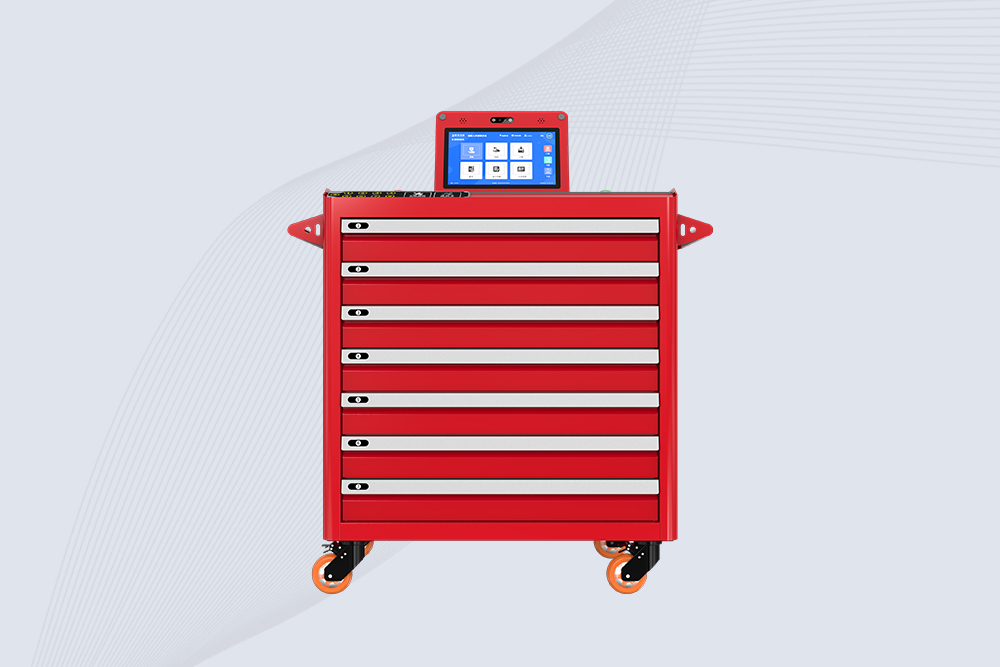
Cykeo CYKEO-GTC7A RFID real-time tool tracking cart features 99.9% accuracy, FOD prevention, and SAP integration for aviation/plant maintenance. Military-grade construction.
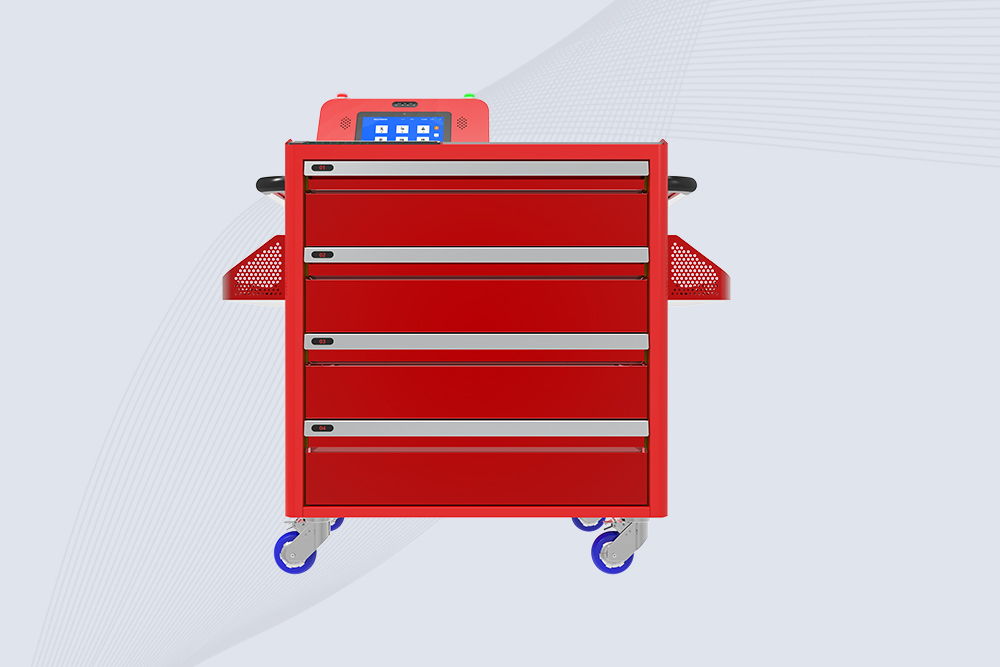
Cykeo CYKEO-GTC4B RFID mobile tool cart delivers 300-tool verification in 7 seconds with modular drawers, ≤150W power, and SAP integration for industrial/aviation use.
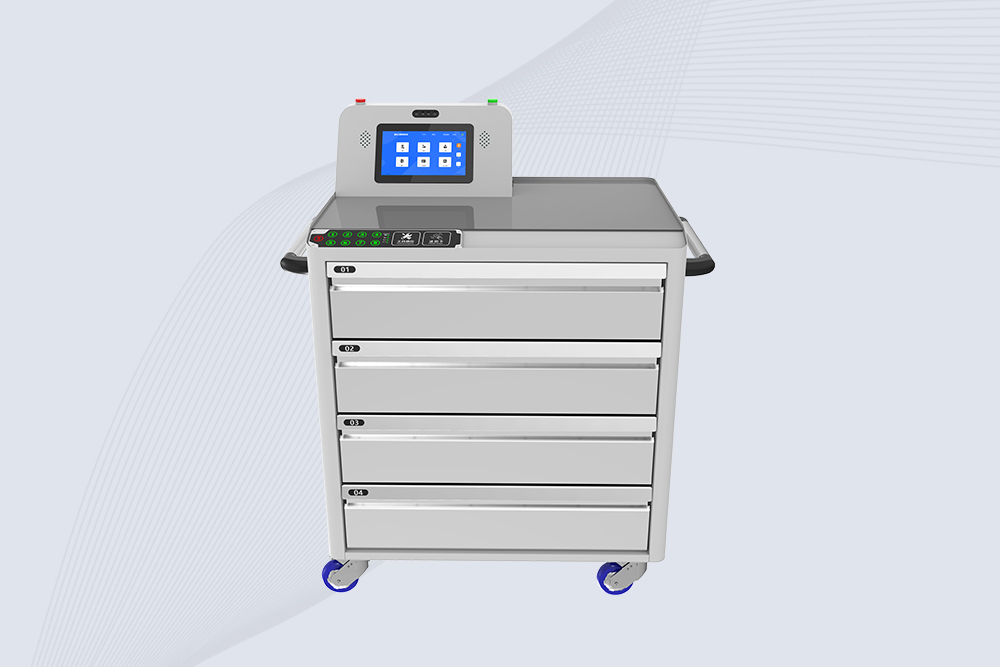
Cykeo CYKEO-GTC4C RFID workshop tool control cart delivers 300-tool inventory in 3 seconds with 10hr battery, SAP integration, and FOD prevention for industrial workshops.
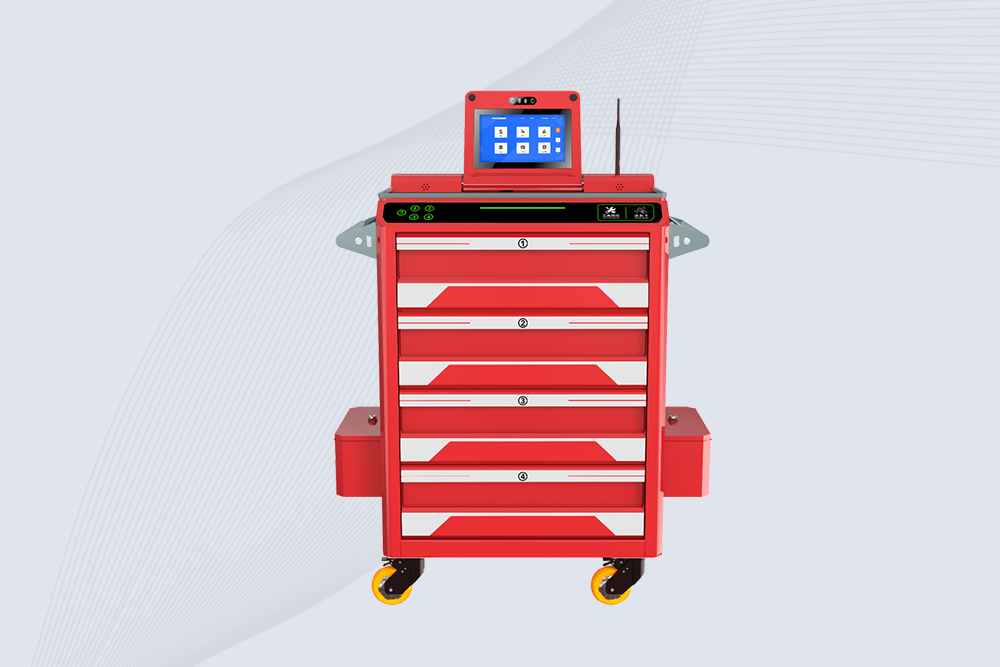
Cykeo’s CYKEO-GTC4A multi-drawer RFID tool cart delivers 7-second aviation tool inventories, 10-hour battery, and dual authentication. ISO 18000-6C compliant for MRO/manufacturing.
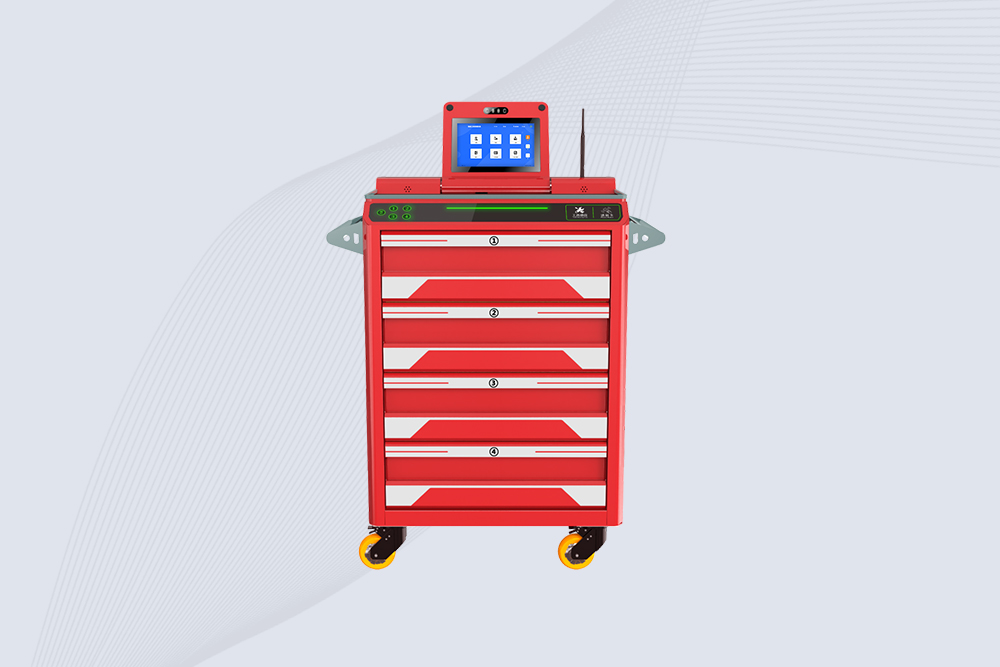
Cykeo’s MIL-STD RFID tool tracking cart scans 300 tools in 7 seconds, with -20°C~60°C operation and FOD prevention for aviation/energy industries.
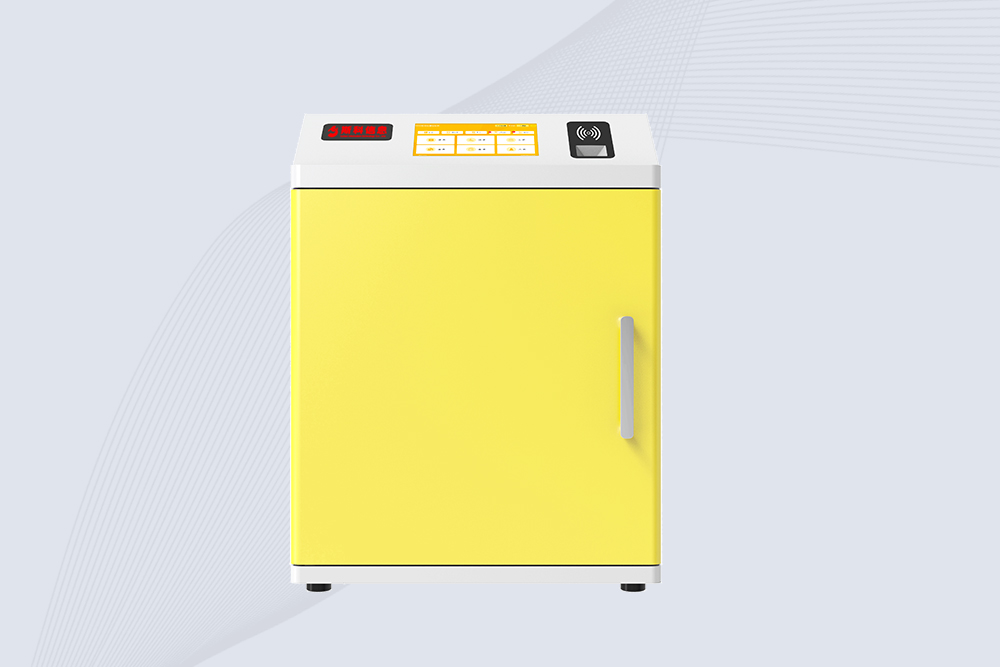
Cykeo’s space-saving RFID tool management cabinet offers 1000-tool capacity, ≤5s scans, and 24/7 unmanned operation for manufacturing/assembly plants.
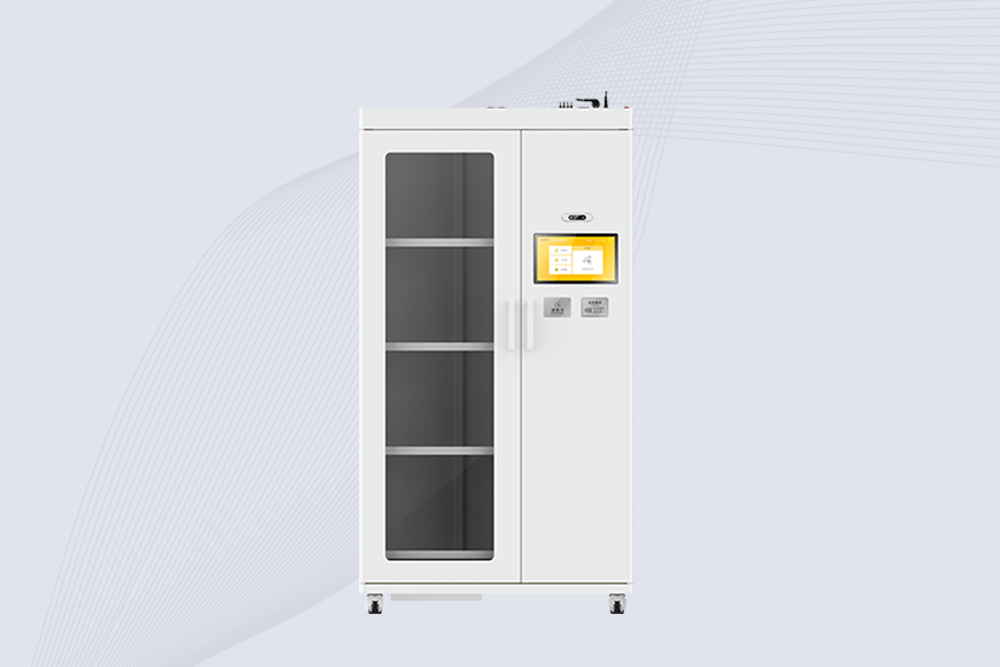
Cykeo’s RFID industrial tool cabinet offers modular shelves, 21.5″ touchscreen, and voice guidance for manufacturing/energy sectors. 24/7 operation with ≤80W power.
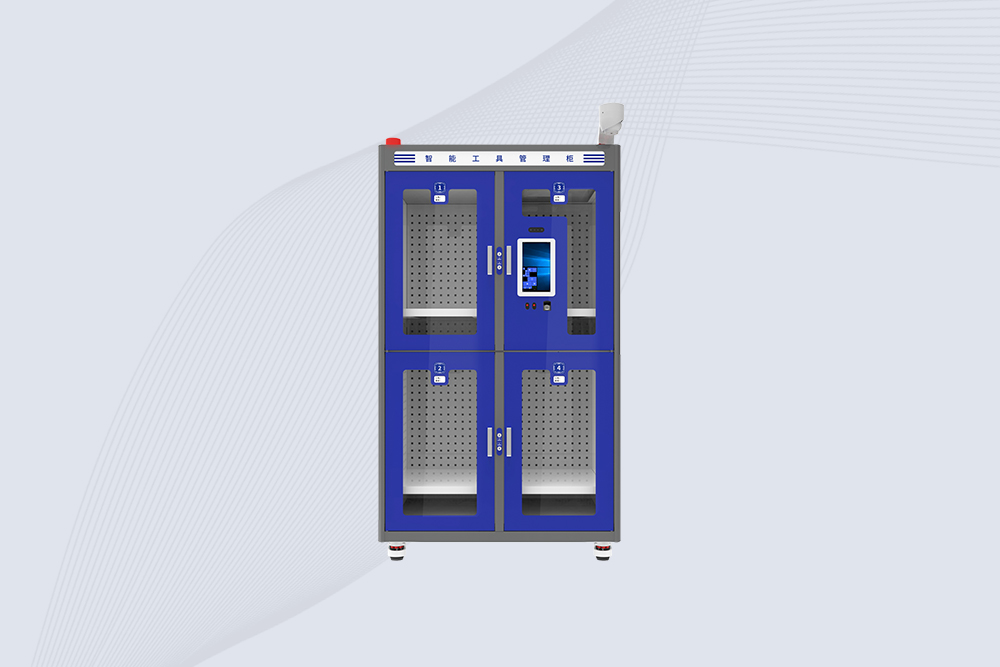
Cykeo’s RFID secure tool cabinet features 4 lockable compartments, ≤150W power, and 24/7 monitoring for pharma/aerospace/electronics industries.
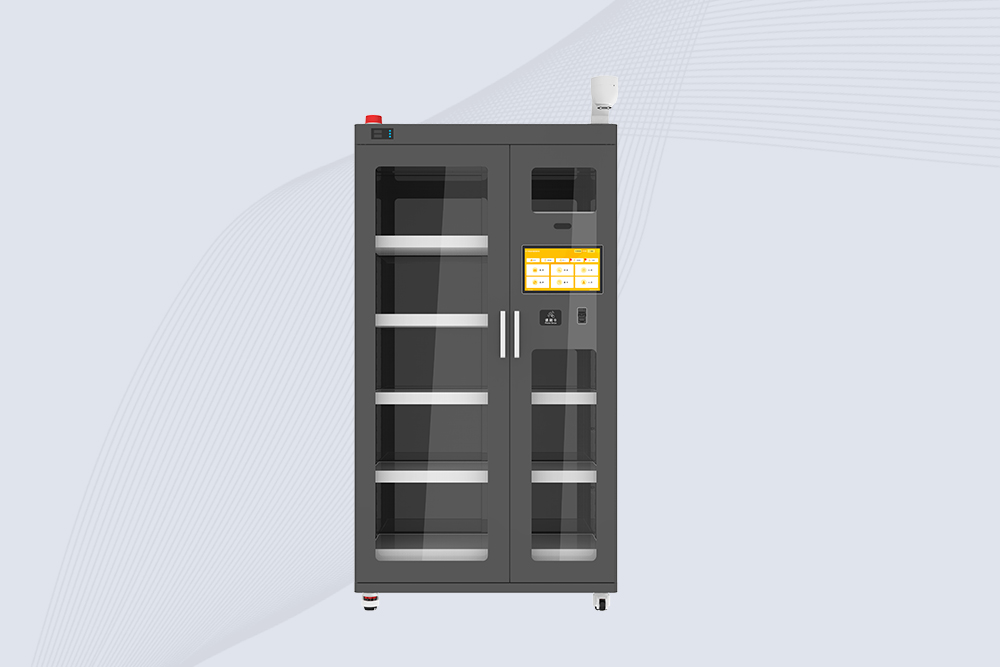
Cykeo’s RFID aviation tool cabinet features triple authentication, 14″ HD touchscreen, and thermostatic control for aircraft MRO/FAA compliance.

Cykeo’s RFID tool tracking system delivers self-service check-in/out, real-time alerts, and multilingual interface for correctional/military security.
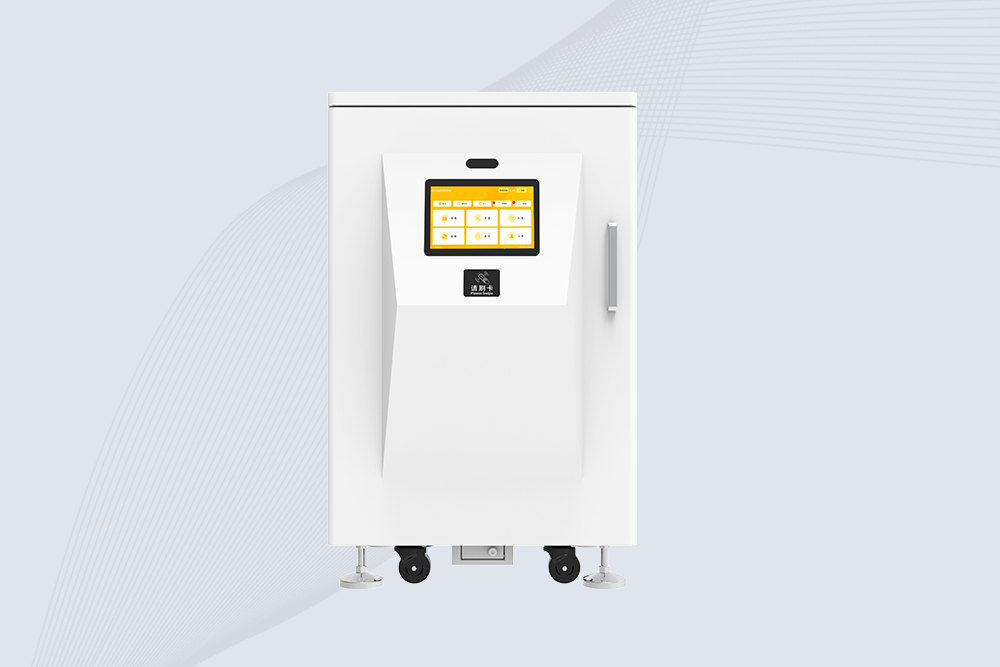
Cykeo’s off-grid RFID tool inventory system features solar/wind power, -30°C~60°C operation, and military-grade durability for mining/energy/military sectors.
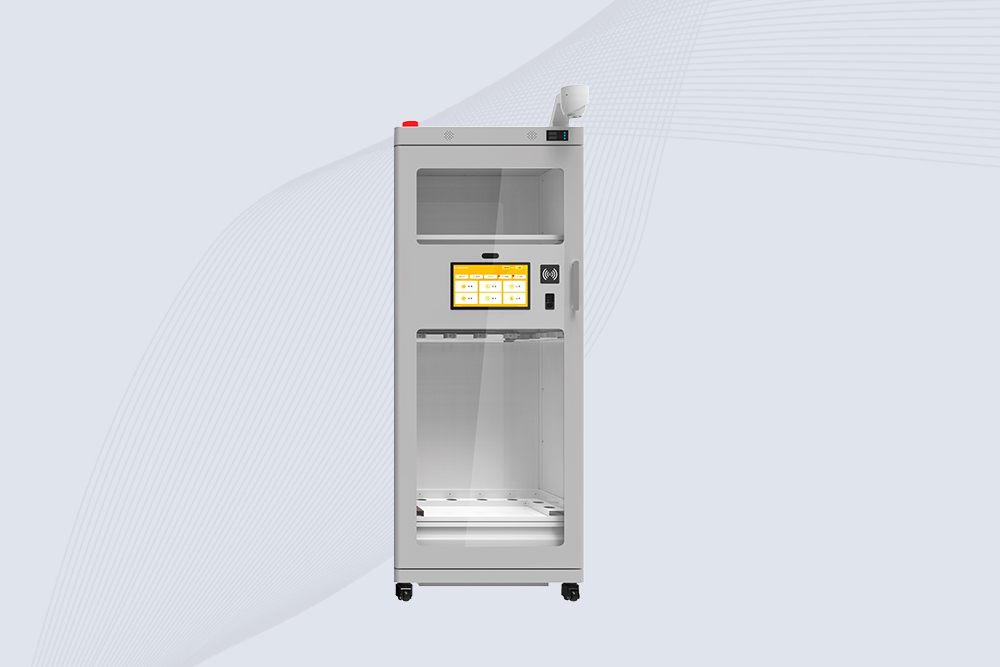
Cykeo’s industrial RFID tool accountability cabinet delivers 99.9% scan accuracy, adjustable shelves, and 24/7 operation for automotive/aerospace manufacturing.
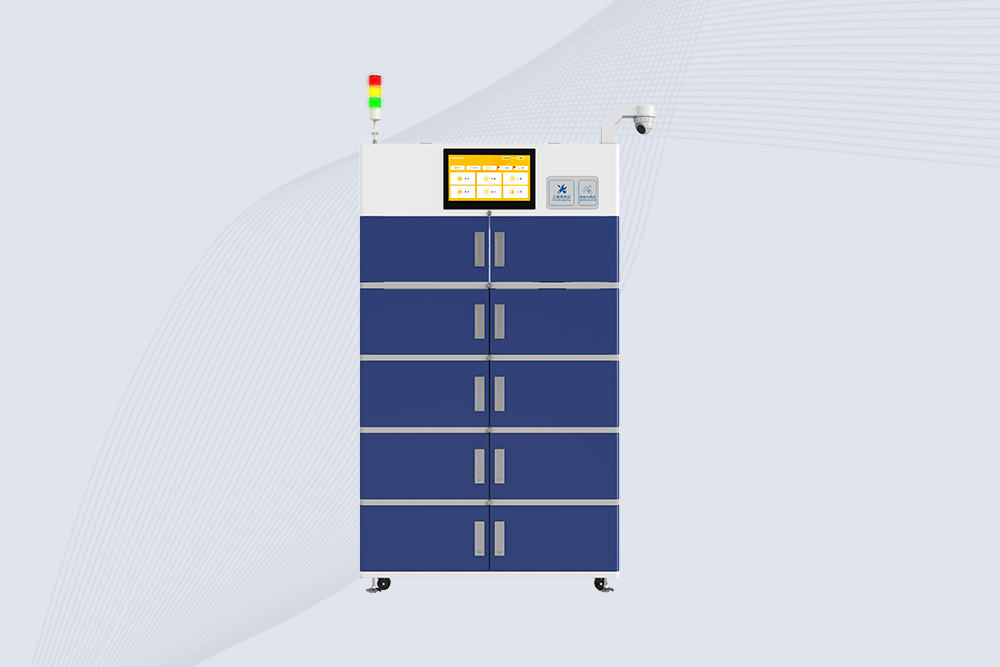
Cykeo’s RFID multi-drawer tool cabinet features 5 adjustable drawers, biometric access, and 99.9% scan accuracy for automotive/aerospace manufacturing.
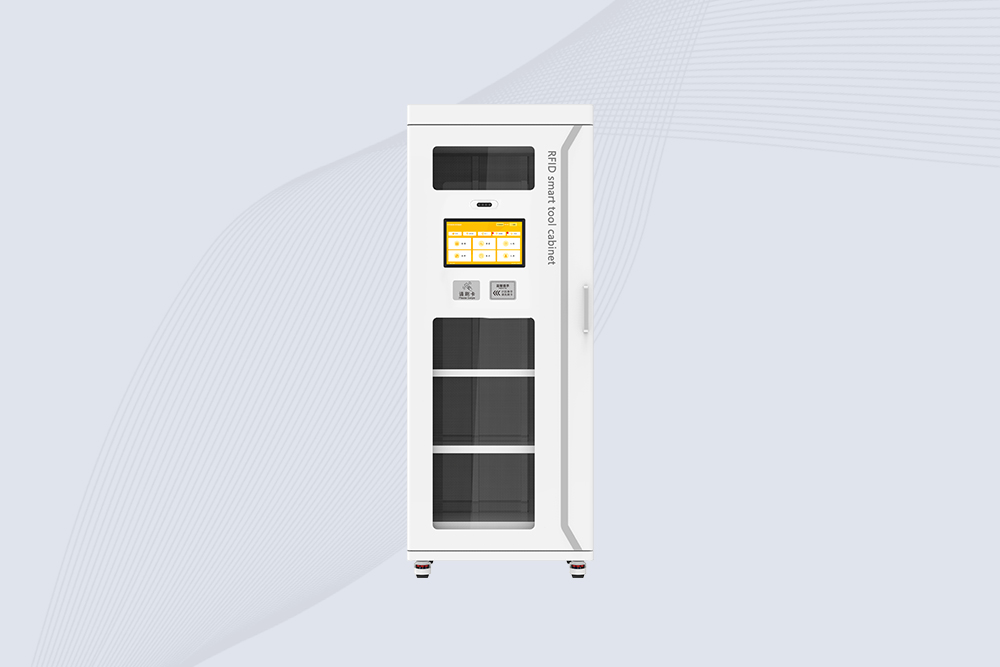
Cykeo’s RFID Automated Tool Cabinet delivers military security, adjustable shelving, and Java/C# SDK integration for defense/aerospace manufacturing.

Cykeo’s RFID scalable tool cabinet features multi-unit management, voice guidance, and semi-outdoor durability for automotive/construction/logistics.
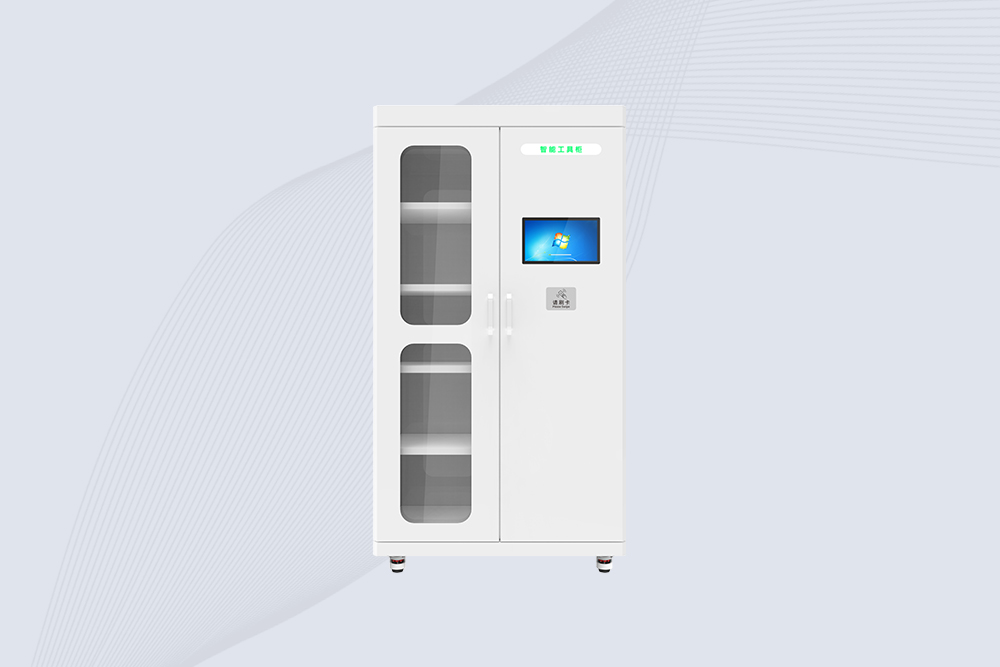
Cykeo CYKEO-GT1B industrial RFID tool storage cabinet features Impinj R2000 UHF technology, 1,000+ tool capacity, IP54 protection, and Windows/Android OS for manufacturing/aviation MRO. Includes auto check-in/out and SAP/Oracle sync.
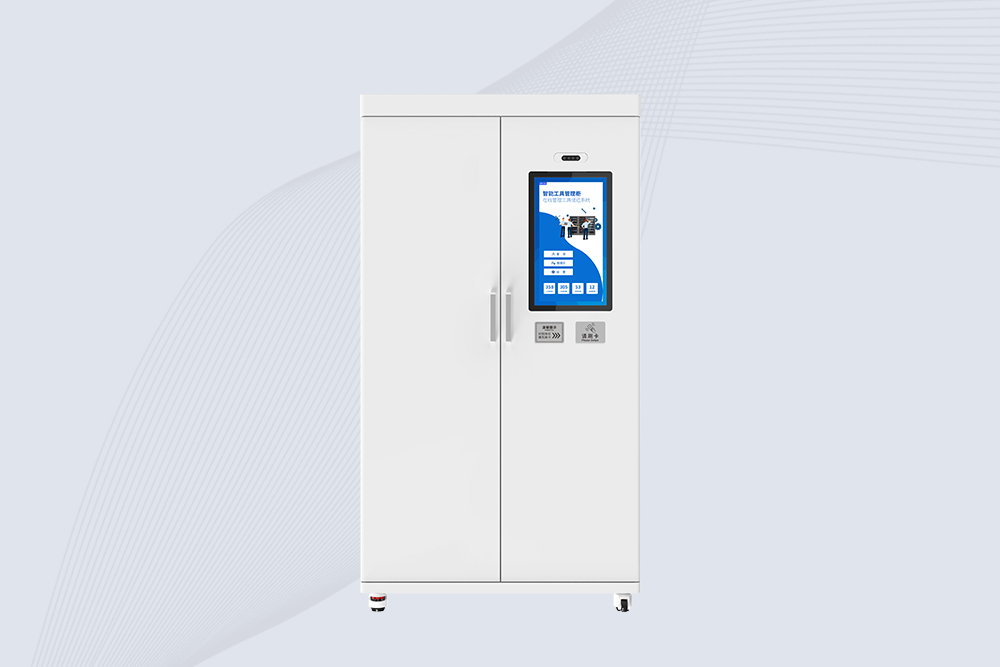
Cykeo CYKEO-GT3C industrial RFID tool checkout system Cabinet features millimeter-wave scanning, 280-layer storage, dual OS, and 99.9% accuracy for aviation/semiconductor sectors. Supports auto check-in/out and real-time SAP sync.
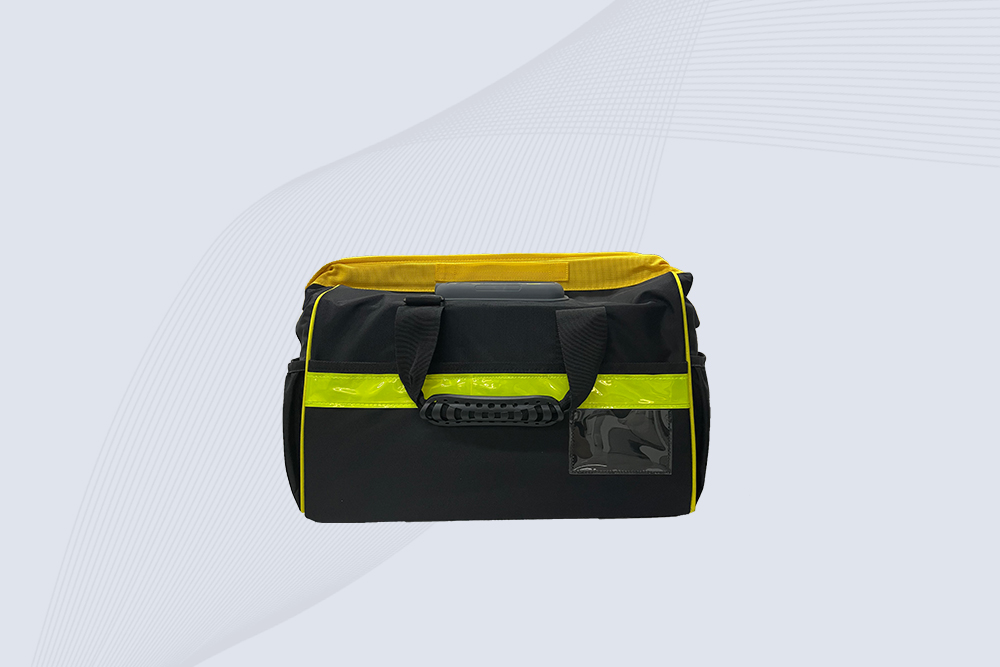
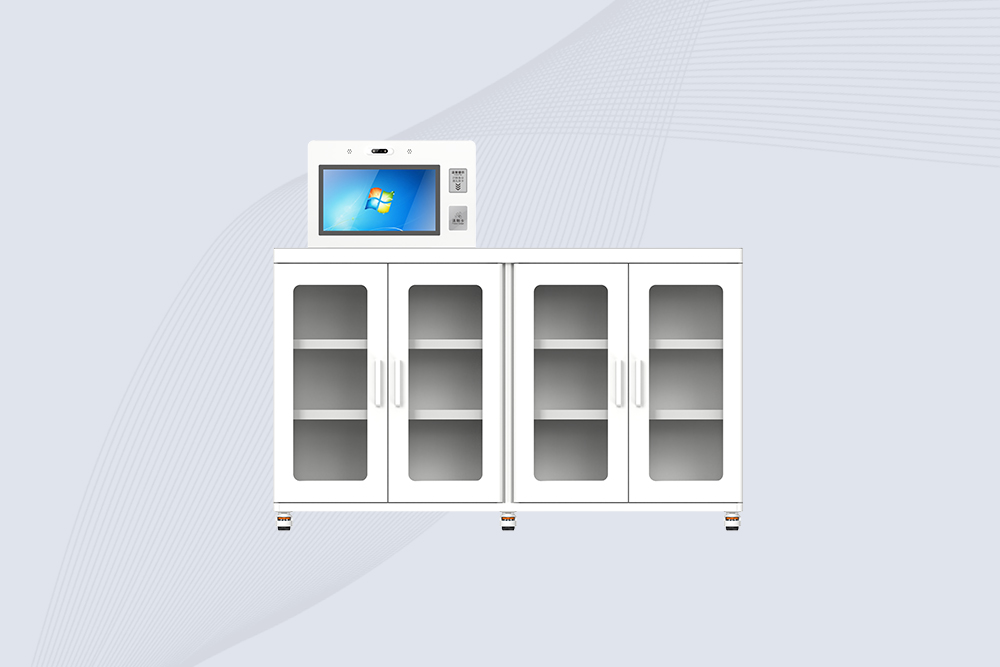
Cykeo CYKEO-GT3D RFID smart tool cabinet offers 5-second inventory scanning for 300+ tools, dual authentication, and 24/7 automated management for industrial facilities.
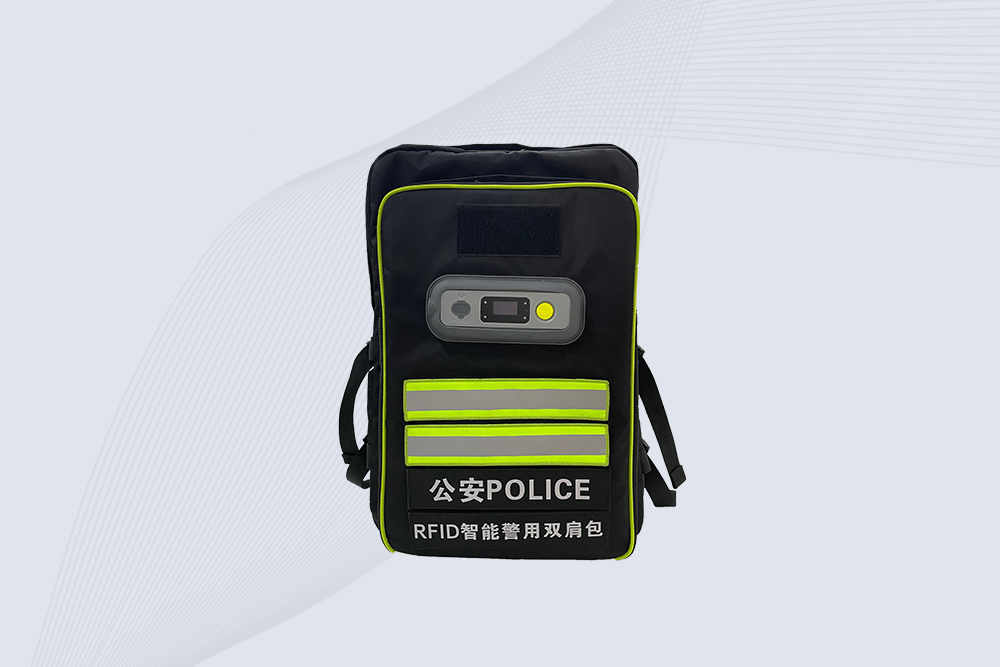
Discover the CYKEO-B1A Industrial RFID Backpack featuring advanced tool tracking technology with 25cm RF shielding, 7-day battery life, and wearable design for field maintenance professionals.
RFID Industry Writer | IoT & Asset Tracking Analyst
James writes about RFID technology, asset tracking, and the practical challenges of digital transformation across warehousing, retail, manufacturing, and logistics.
His work focuses on how RFID is applied in real-world operations—improving inventory visibility, automating workflows, and helping businesses manage assets with greater accuracy and efficiency.
He regularly covers topics including UHF RFID, smart cabinets, RFID portals, tool tracking, warehouse automation, and industrial IoT trends..

Learn how Impinj RFID reader solutions are used in smart manufacturing for real-time production tracking, WIP management, and factory automation.
More
RFID tool management uses RFID tags, readers, smart cabinets, mobile devices, and software to track tools and improve inventory control. It helps companies r...
More
Discover how rfid inventory control systems improve warehouse accuracy, automate stock tracking, reduce manual checks, and help enterprises achieve real-time asset visibility.
More
long range RFID scanner can help ports identify trucks, trailers, containers, and reusable equipment at gates, transfer points, loading areas, and other chec...
More