 Cykeo RFID IoT Solution Products R&D Manufacturer
How to Choose an RFID Handheld Reader Writer for Warehouse Inventory
112Looking for an RFID handheld reader writer for warehouse inventory? Learn how to choose the right device based on range, speed, durability, and system compatibility.
MoreAll RFID Product
An RFID transponder is an electronic device that communicates with an RFID reader through radio waves to identify an object, person, or asset. It normally contains an RFID chip and antenna, with passive versions receiving operating energy from the reader rather than using an internal battery.
The word transponder comes from the combination of “transmitter” and “responder.” In an RFID system, that description is useful: the reader initiates communication, while the transponder responds with information stored in its chip.
In practical RFID work, however, the distinction between transponder and tag can become less obvious. Manufacturers, integrators, and end users often use the terms interchangeably, particularly when discussing passive UHF RFID products.
An RFID transponder is one component of a larger identification system. It does not normally determine its own location. Instead, it responds when an RFID reader creates an electromagnetic field within the appropriate operating range.
A typical RFID transponder contains:
For passive UHF RFID, the transponder can operate without a conventional battery. The reader supplies the RF energy needed for communication. This makes passive transponders practical for tagging large quantities of cartons, products, tools, library materials, and other assets.
GS1 describes RAIN RFID as a technology based on the UHF air interface defined by the EPC Gen2 / ISO 18000-63 framework. GS1 also notes that RAIN RFID enables wireless identification of individual items and supports supply-chain applications.
The operating sequence is straightforward, but the RF behavior behind it is not.
A reader transmits an RF signal. A passive RFID transponder receives energy through its antenna and uses that energy to power the chip. The chip then modulates the response according to the communication protocol, allowing the reader to recover the transponder’s identification data.
With UHF RFID, multiple transponders can respond during the same inventory operation. Anti-collision protocols allow the reader to manage those responses instead of treating every tag as a separate manual scan.
This difference becomes obvious on a warehouse floor.
When a pallet containing dozens of tagged cartons passes through a properly configured reading zone, the operator does not need to point a scanner at each carton. The reader can interrogate multiple RFID transponders automatically. Whether every intended tag is captured, however, depends on antenna positioning, tag orientation, reader settings, materials, and the physical reading zone.
That last point matters more than the headline reading distance printed on a product specification.

Not every RFID transponder operates in the same way. Power architecture is one of the first distinctions to examine when specifying a system.
| Type | Power Source | Typical Characteristics | Common Applications |
|---|---|---|---|
| Passive RFID transponder | Reader’s RF field | Compact, battery-free | Inventory, logistics, retail |
| Active RFID transponder | Internal battery | Longer communication capability | Asset and location applications |
| Battery-assisted passive | Internal battery assists operation | Hybrid architecture | Specialized tracking |
For high-volume identification, passive RFID is particularly important because the absence of a battery can simplify the physical tag and reduce the maintenance burden associated with replacing power sources.
The performance trade-off is equally important. A passive transponder depends on the reader’s RF field and therefore requires careful consideration of operating frequency, antenna design, tag placement, and surrounding materials.
In Cykeo testing, metal objects are a good example of why the transponder cannot be evaluated independently. A tag that performs well on corrugated cardboard may require a different construction when mounted directly onto metal equipment. The antenna and the object underneath it become part of the real-world RF problem.
An RFID transponder can contain different types of information depending on its IC and configuration. In UHF EPC-based systems, the EPC memory is commonly used for electronic product identification, while other memory areas can serve different purposes.
Typical data structures may include:
The actual memory organization varies by RFID chip and protocol implementation. For this reason, an RFID transponder should not be selected only by physical dimensions or claimed read range. The memory architecture, write requirements, operating environment, and reader compatibility all deserve attention.
In many commercial RFID projects, RFID transponder and RFID tag refer to essentially the same physical device. Both can describe an RFID chip connected to an antenna and packaged for attachment to an object.
The word transponder places more emphasis on the device’s communication behavior: it receives a signal and responds. Tag is usually the more practical industry term because it describes the physical identification device attached to an item.
For example, a UHF label attached to a carton may be called an RFID tag by a warehouse operator and an RFID transponder by an RFID engineer. The underlying technology can be the same.
RFID transponders are useful when physical items need to be associated with digital records without requiring individual optical scanning.
Common applications include:
The application determines the transponder design. A disposable paper label may be appropriate for cardboard packaging. A ruggedized transponder is a different proposition when the tag is expected to remain attached to equipment through repeated handling.
A common mistake in RFID projects is choosing a transponder from a catalog first and testing it against the application later. In practice, the tagged object should be examined before the final tag specification is fixed.
Consider these factors:
| Selection Factor | What to Check |
|---|---|
| Material | Cardboard, plastic, glass, metal, liquid |
| Frequency | LF, HF, or UHF requirements |
| Read/write requirement | Read-only or programmable memory |
| Attachment | Adhesive, embedded, screw-mounted, hanging |
| Environment | Indoor, outdoor, heat, moisture, abrasion |
| Reading distance | Short-range workstation or longer-range portal |
| Tag density | Number of transponders within the reading zone |
For a desktop RFID writing station, the priorities can be very different from those of a warehouse portal. A near-field antenna may be preferable when precise tag selection matters. In a portal application, antenna placement and controlled read zones become much more important.
Cykeo’s desktop RFID platforms are designed around this type of controlled tag-management workflow, including tag registration, rewriting, item registration, and query functions. For industrial UHF applications, Cykeo fixed readers and OEM modules are instead suited to integration into automated identification systems.
Manufacturers often publish maximum reading distances, but field performance should not be interpreted from that number alone.
A transponder’s effective range can change with:
GS1’s RFID guidance emphasizes that RFID system performance depends on the interaction between tags, readers, antennas, and the surrounding environment.
This is something we see repeatedly during hardware testing. A tag may perform well when held in open air and become inconsistent when placed against a steel cabinet. The problem is not necessarily the reader. The tag antenna, mounting surface, and RF environment have changed.

At Cykeo, RFID hardware development involves more than verifying whether a reader can detect a tag on a laboratory bench. The useful question is whether the complete combination—reader, antenna, transponder, object, and software—continues to behave correctly in the intended working environment.
For UHF systems, Cykeo solutions support EPC Class 1 Gen 2 / ISO 18000-6C applications, with fixed readers such as the RA9L and CK-D9L designed for industrial integration. OEM modules such as the CYKEO-M4L provide an embedded route for customers developing their own RFID equipment.
The CYKEO-M4L supports multi-tag recognition, filtering, anti-collision processing, adjustable output power, and API integration. In one specification configuration, the module supports output power up to 33 dBm and recognition of more than 400 tags per second under appropriate test conditions.
That number should be read as an engineering specification, not as a promise that every installation will produce the same result. Tag density, antenna configuration and the physical environment still matter.
An RFID transponder is an electronic identification device containing an RFID chip and antenna. It communicates with an RFID reader through radio frequency signals and can return stored identification information when interrogated.
In many applications, yes. The terms are often used interchangeably. “Transponder” emphasizes wireless response and communication, while “RFID tag” is commonly used to describe the physical identification device attached to an item.
No. A passive RFID transponder normally obtains the energy required for communication from the RF signal generated by the reader. This allows passive tags to remain compact and suitable for high-volume identification.
A typical RFID transponder contains an RFID integrated circuit and antenna, packaged on a substrate or inside a protective housing. Depending on the chip, it may contain EPC, TID, user memory, and security-related information.
Yes, where the RFID chip and memory configuration support writing. Certain UHF RFID transponders provide writable memory areas, allowing authorized systems to encode or update information using a compatible RFID reader-writer.
Yes, but standard RFID transponders may not perform optimally when directly attached to metal. On-metal RFID transponders or specially designed mounting solutions can be used when the application requires reliable operation on metallic surfaces.
An RFID transponder communicates wirelessly with an RFID reader and can support multiple-tag identification. A barcode normally requires optical scanning and generally needs the barcode to be visible to the scanner.
An RFID transponder is best understood as the wireless identification component connecting a physical object to an RFID system. The chip stores identification data; the antenna enables RF communication; the reader collects the response.
That sounds simple until the transponder is attached to a real product.
A carton, steel tool, medical device, textile bundle, or liquid container can each create a different RF environment. For that reason, professional RFID deployment is less about finding a universally “best” transponder and more about matching the transponder construction to the object, reader, antenna, and workflow.
For businesses evaluating what is an rfid transponder, that distinction is important. The device is small, but its performance is determined by the entire RFID installation around it.
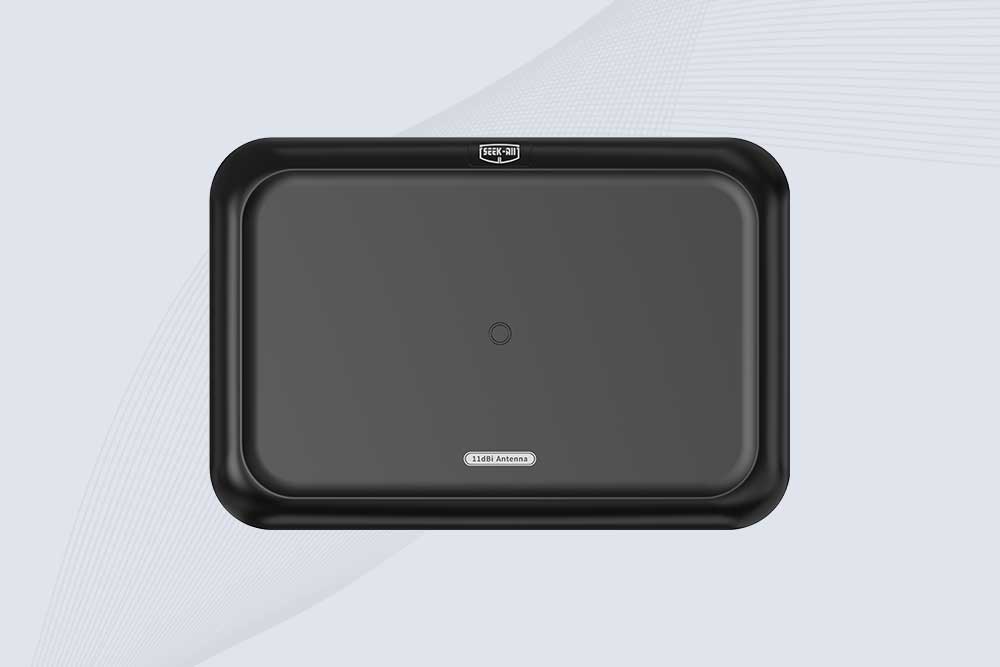
SSD-A11 UHF RFID antenna features 840–960 MHz adjustable frequency, ≥10.5 dBi gain, circular polarization and 50Ω impedance for fixed RFID systems.
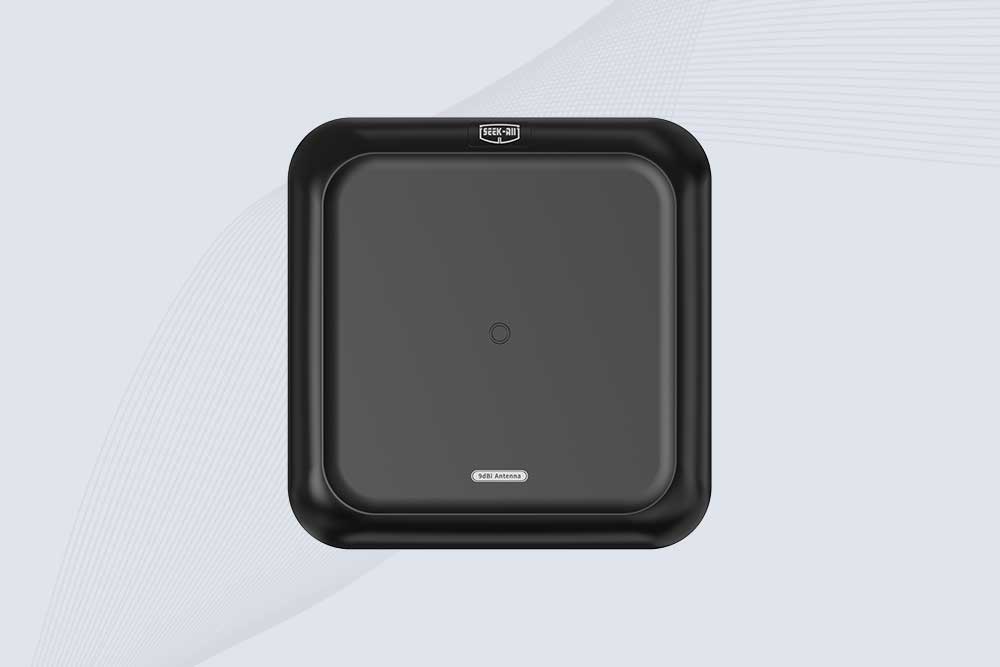
SSD-A09 is a 9 dBi UHF RFID antenna with 840–960 MHz adjustable frequency, circular polarization, 50Ω impedance and directional 60° × 60° coverage.
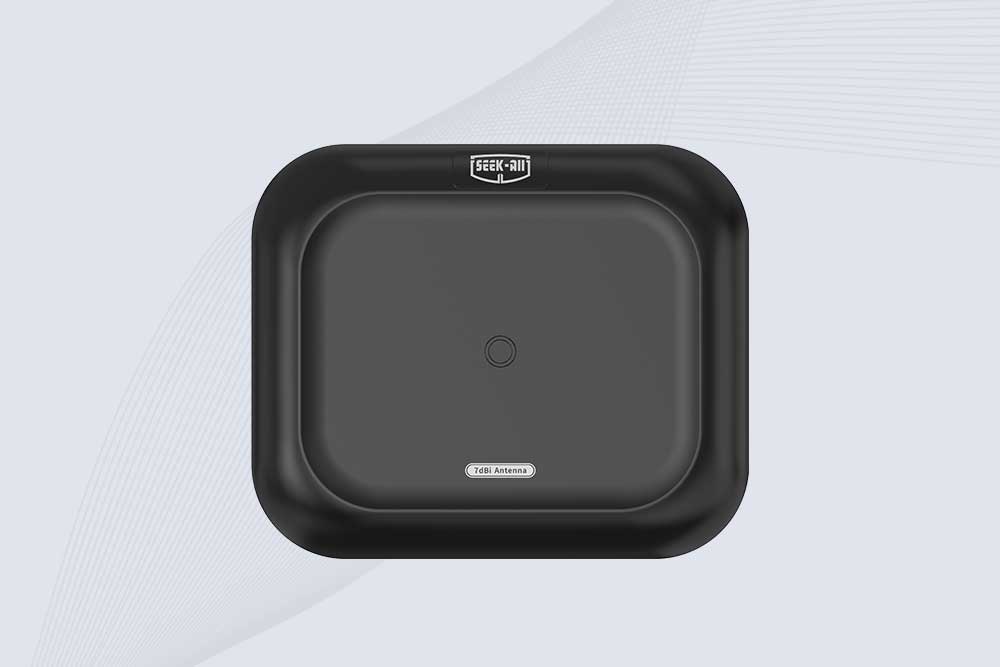
Explore the SSD-A07 UHF RFID antenna with 7 dBi gain, circular polarization, adjustable 840–960 MHz frequency, and 60°/75° beamwidth for stable RFID read/write performance.

SSD-A06 UHF RFID antenna with circular polarization, adjustable 840–960 MHz frequency, ≥4.5 dBi gain, and a compact directional design for RFID systems.

Discover SSD-D4AL, a USB-HID UHF RFID reader with 4/8/16 antenna options, Impinj E710/X3M1 chipset, plug-and-play USB power, and OEM customization.
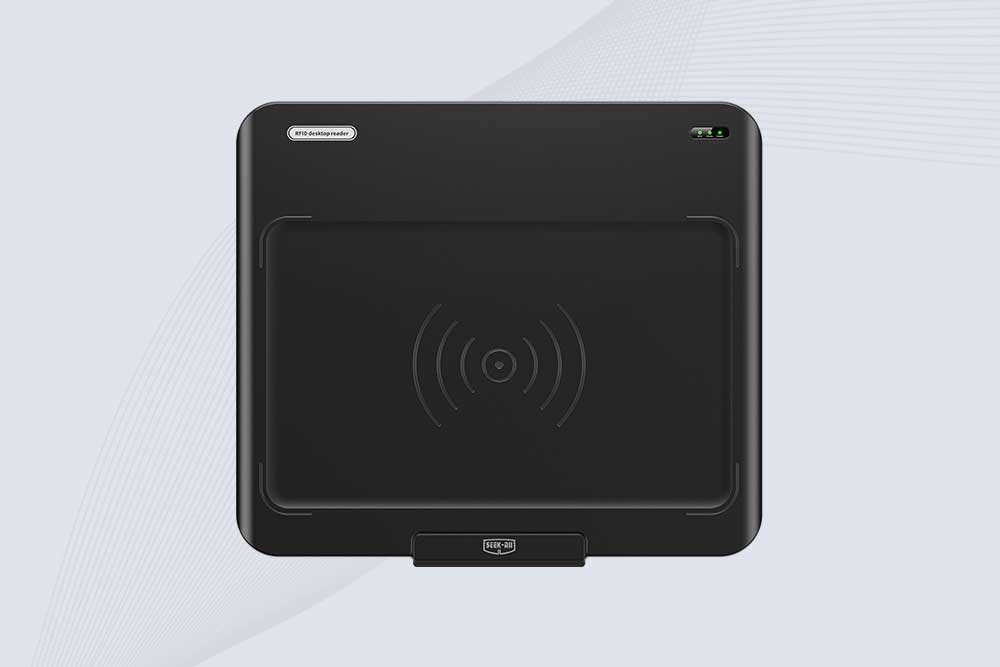
SSD-D3AL is a USB-HID UHF RFID reader with 0–30 cm reading, 0–15 cm writing, over 600 tags/s recognition, USB plug-and-play operation and OEM Logo customization.
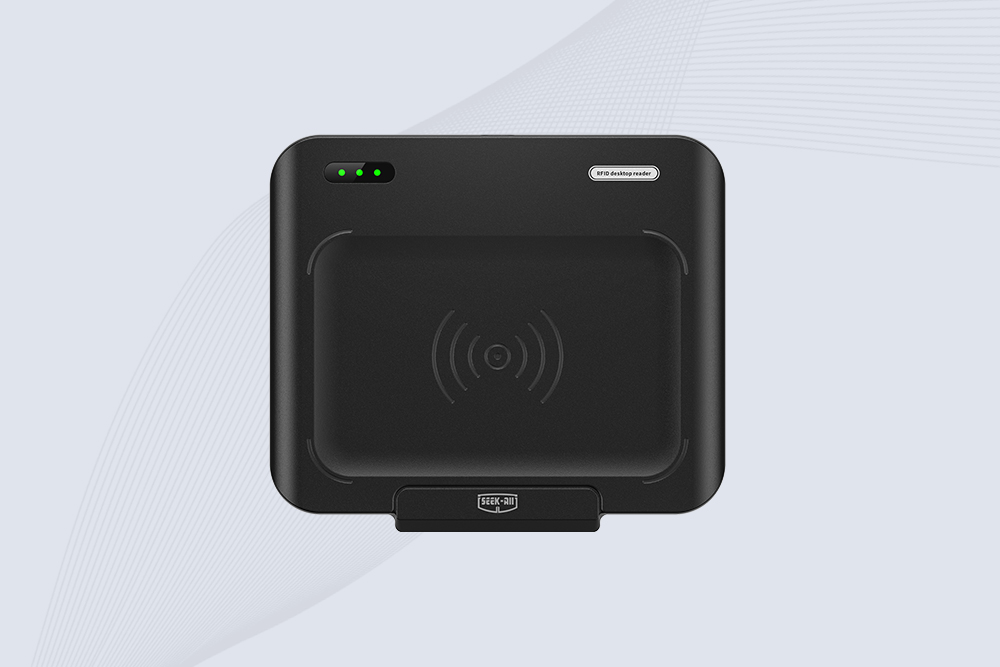
SSD-D1AL is a compact USB UHF RFID reader with Impinj E710/X3M1 chipset, USB-HID, 600+ tags/s recognition, 4/8/16 antenna support and plug-and-play USB power.
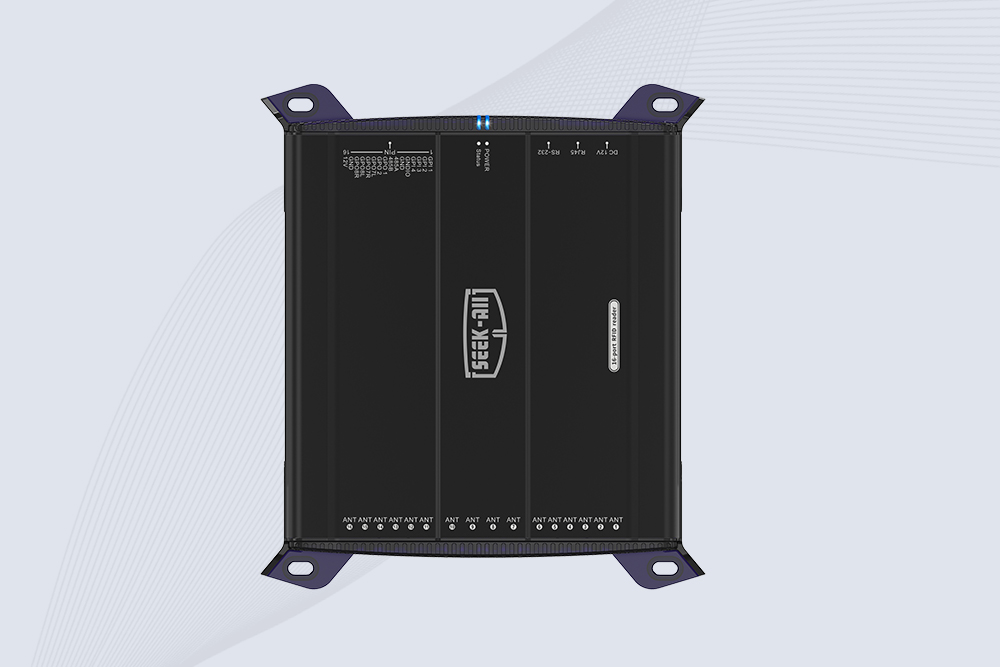
SSD-R16L Multi-Channel RFID Infrastructure for Automated Inventory Management ✔️ 16-Port High-Density RFID Reading Equipped with 16 SMA antenna ports, SSD-R16L supports multi-antenna deployment for warehouses, retail stores, logistics, production lines, and large-area RFID identification. ✔️ High-Speed & Long-Range Performance With up to 33…
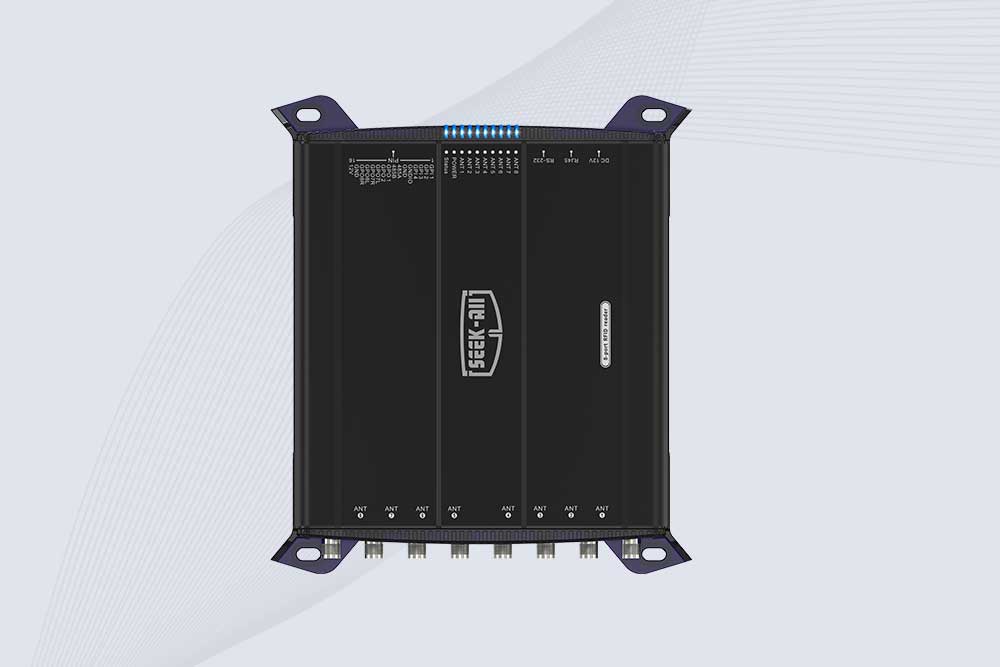
SSD-R8L 8-port UHF RFID reader with 33dBm output, up to 20m reading range and 600+ tags/s recognition. Ideal for warehouse, logistics, retail and asset tracking.
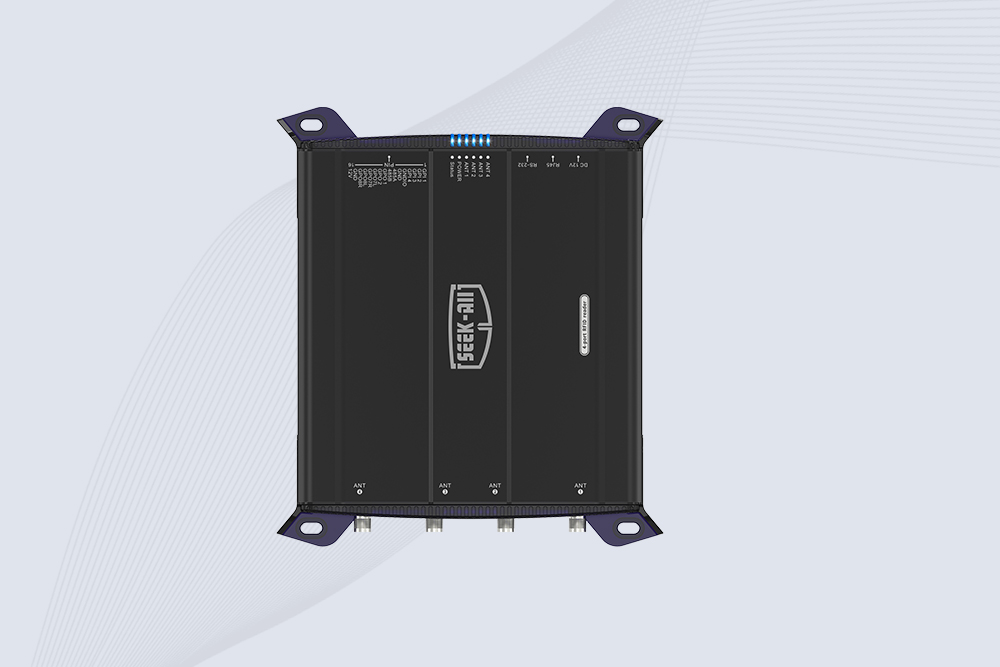
SSD-R4L is a 4-port UHF RFID fixed reader with 33dBm output power, up to 20m reading range, EPC C1G2 support and 600+ tags/s reading speed.

CYKEO CYKEO-D1LA USB RFID Reader is a compact desktop solution with near-field control for precise tag reading and encoding. Powered by USB, supporting ISO 18000-6C, and built for stable batch writing, this usb rfid tag reader fits retail, libraries, offices, and controlled RFID encoding tasks.
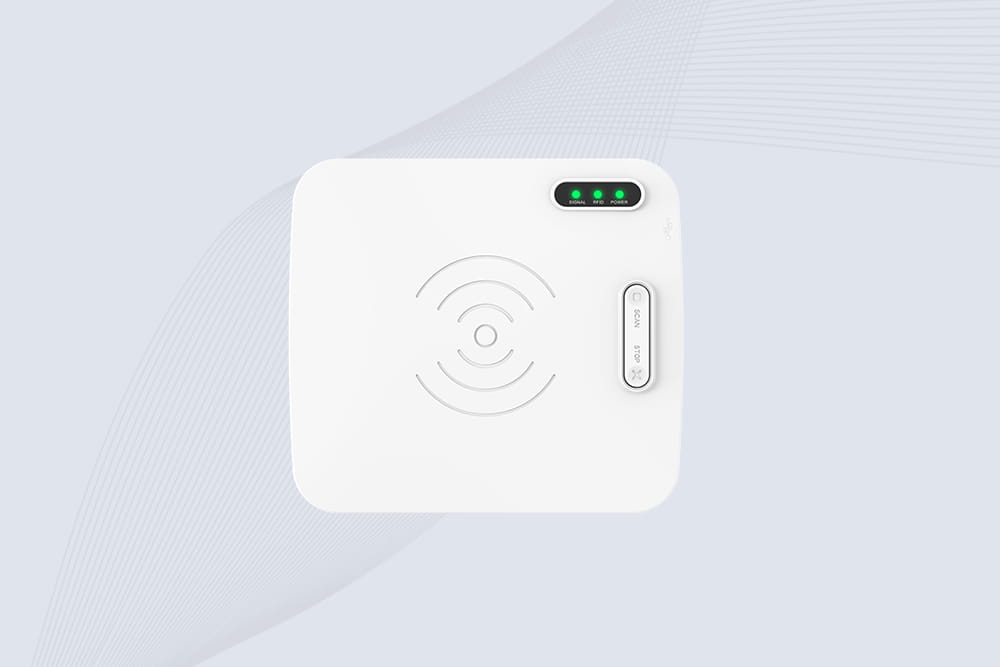
CYKEO CYKEO-D1L RFID scanner USB is a compact desktop UHF RFID scanner designed for short-range tag writing and verification. This usb rfid scanner supports batch encoding, stable 0–26 dBm output, and works across Windows, Linux, and Android systems.
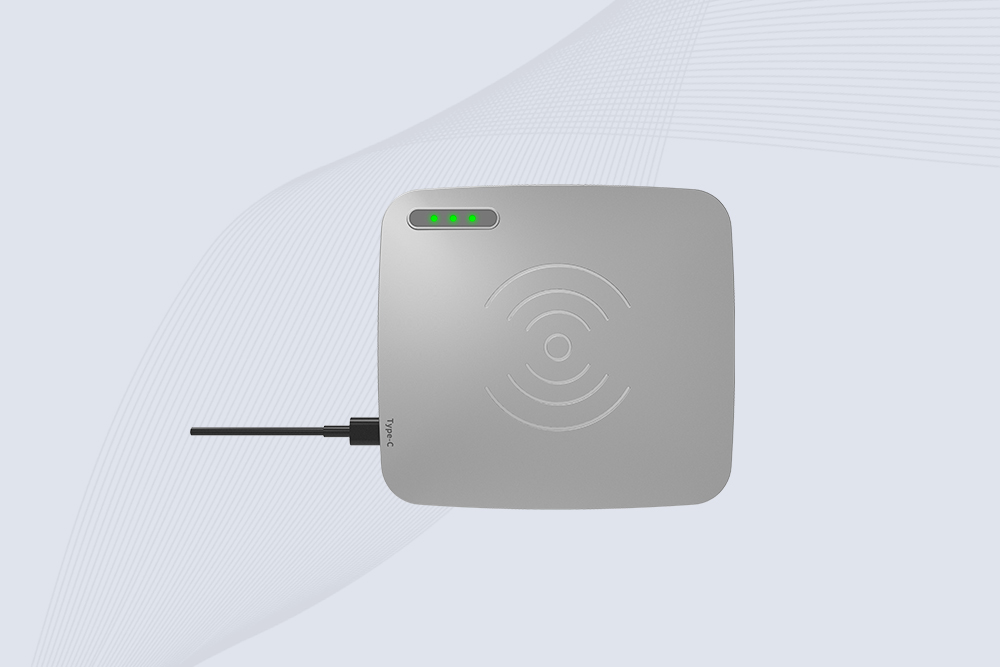
CYKEO CYKEO-D1C USB RFID Card Reader is a near-field UHF desktop writer designed for secure, short-range tag encoding. With USB-C connectivity and stable 26 dBm output, this rfid reader usb c is ideal for badge issuance, label encoding, and controlled desktop RFID workflows.
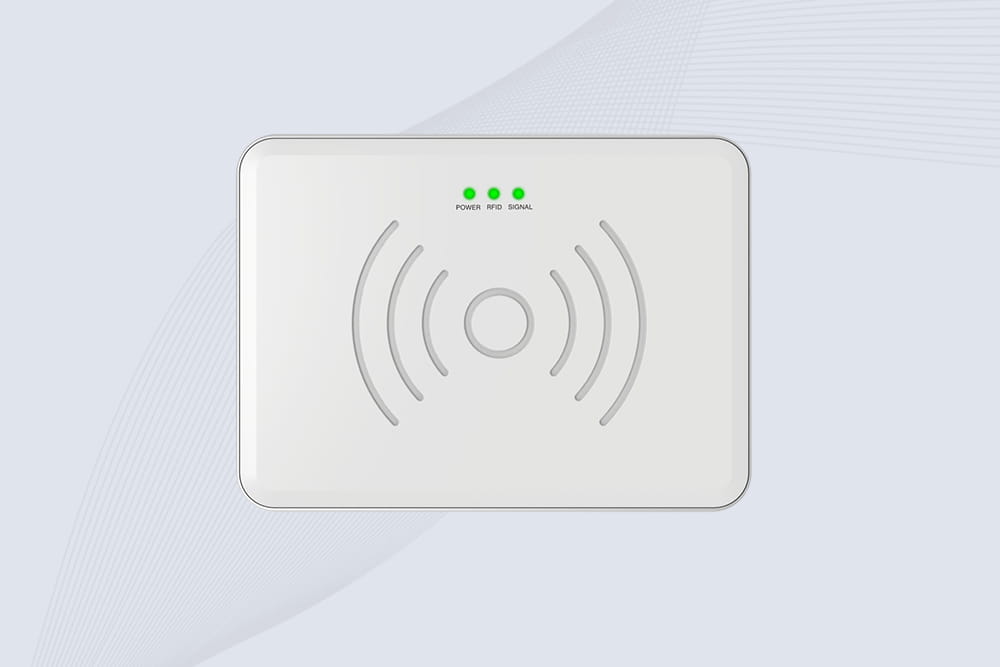
CYKEO CYKEO-D2L RFID Reader USB is a compact desktop encoder built on the Impinj R500 chip. With near-field control and stable USB power, this usb rfid card reader delivers precise tag writing for offices, retail counters, and small-scale logistics encoding tasks.
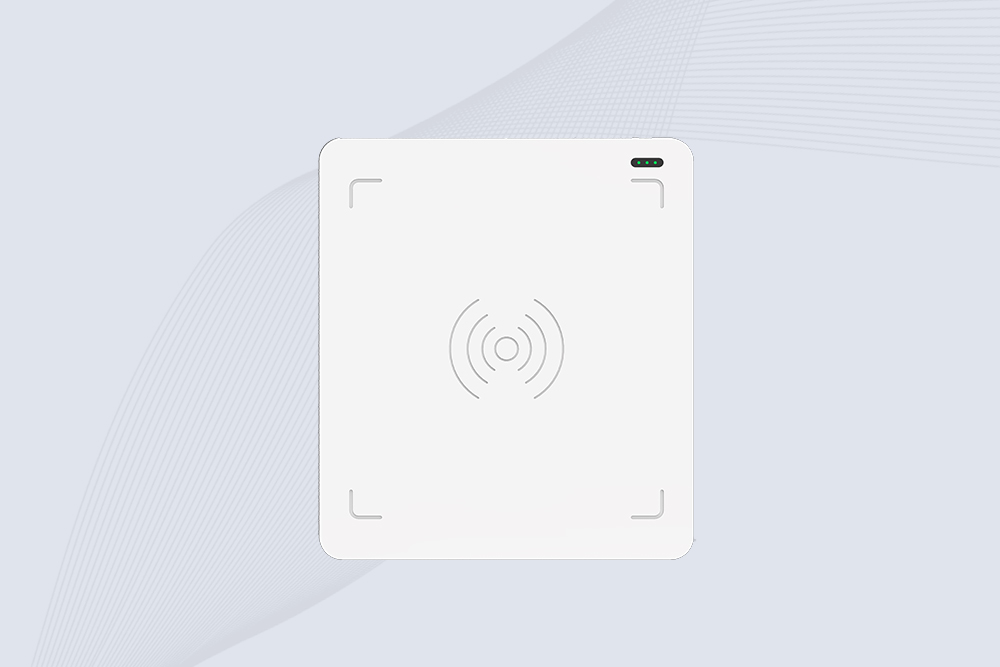
CYKEO CYKEO-D3L USB RFID Tag Reader delivers stable UHF tag reading and writing for daily desktop and light industrial tasks. Designed for controlled short-range operation, this USB RFID Tag Reader works reliably with rfid tag and reader systems in libraries, tool tracking, and inventory registration.
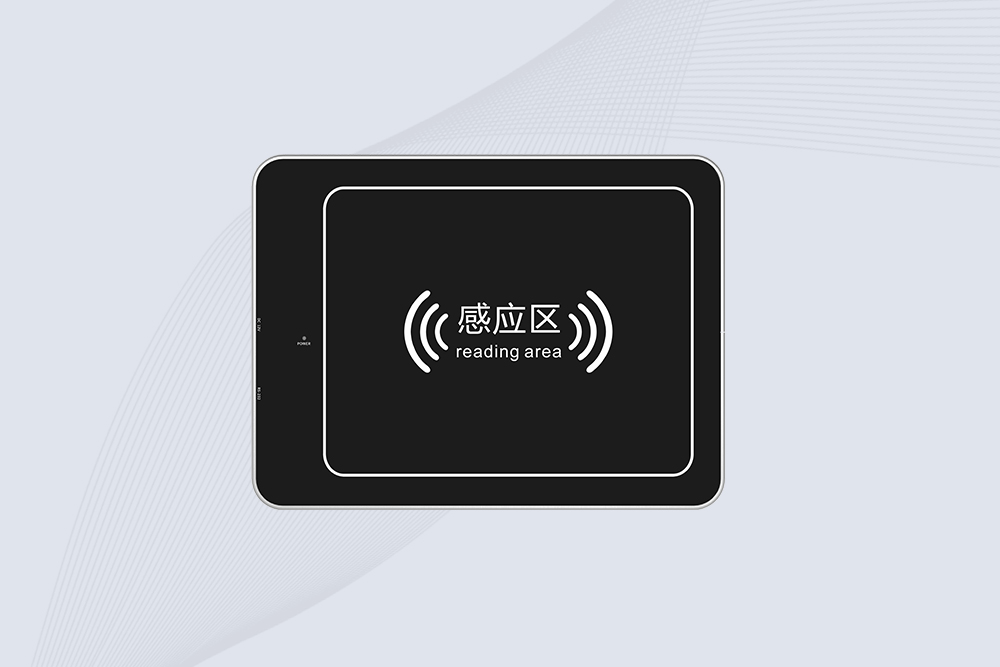
The CYKEO CYKEO-D4L UHF RFID Tag Reader is a stable Desktop RFID Reader designed for accurate tag registration, borrowing, and return workflows. Built with the Impinj R2000 chip, this UHF RFID Tag Reader delivers controlled short-range reads for libraries, asset tracking, and inventory management environments.
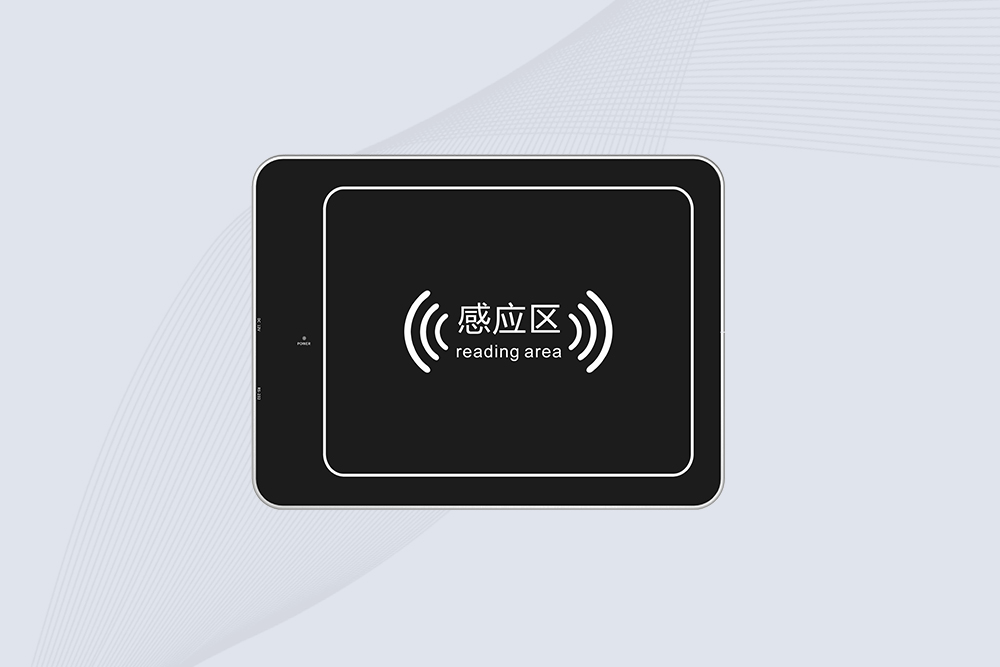
The CYKEO CYKEO-D5L Desktop RFID Card Reader is a stable UHF RFID Card Reader designed for controlled short-range reading and writing. Built for libraries, tool rooms, and asset desks, this UHF RFID Card Reader supports dense tag handling, secure data processing, and easy USB integration.
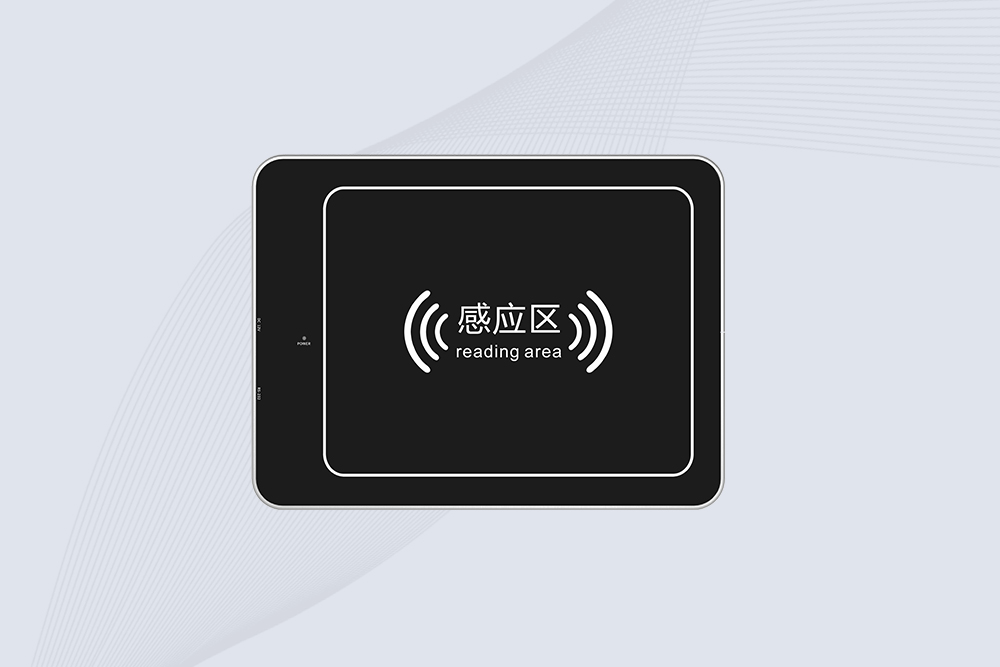
The CYKEO CYKEO-D6L RFID Reader Writer is a heavy-duty Desktop RFID Reader designed for short-range, high-accuracy tag programming. Built for libraries, labs, and asset desks, this RFID Reader Writer supports batch processing, stable 33dBm output, and seamless integration with existing management systems.
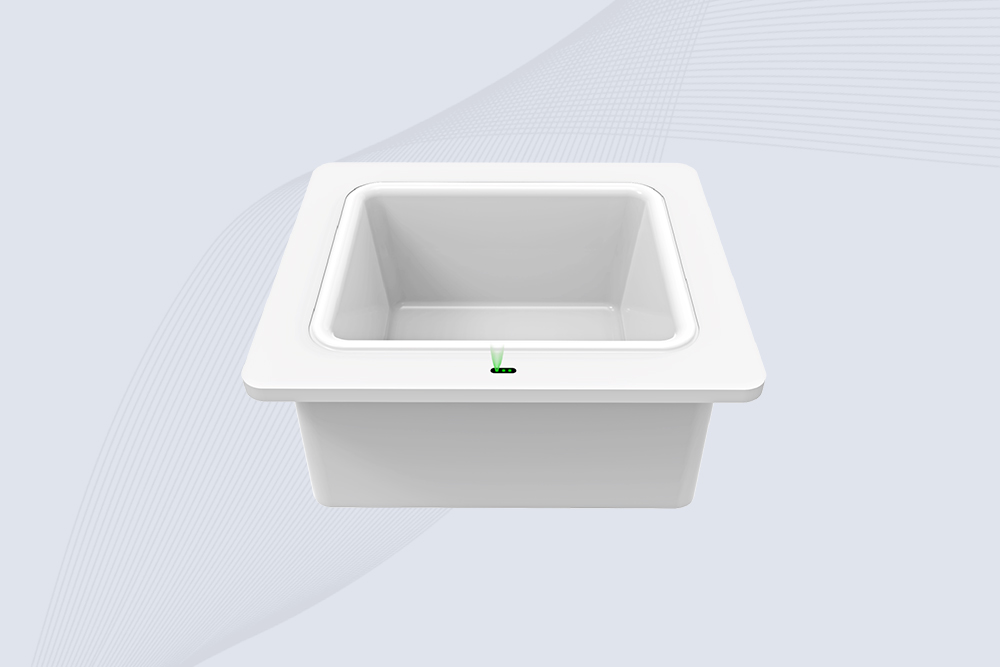
Cykeo CYKEO-D8B UHF RFID tunnel and RFID Desktop Reader features 30+ items batch reading,
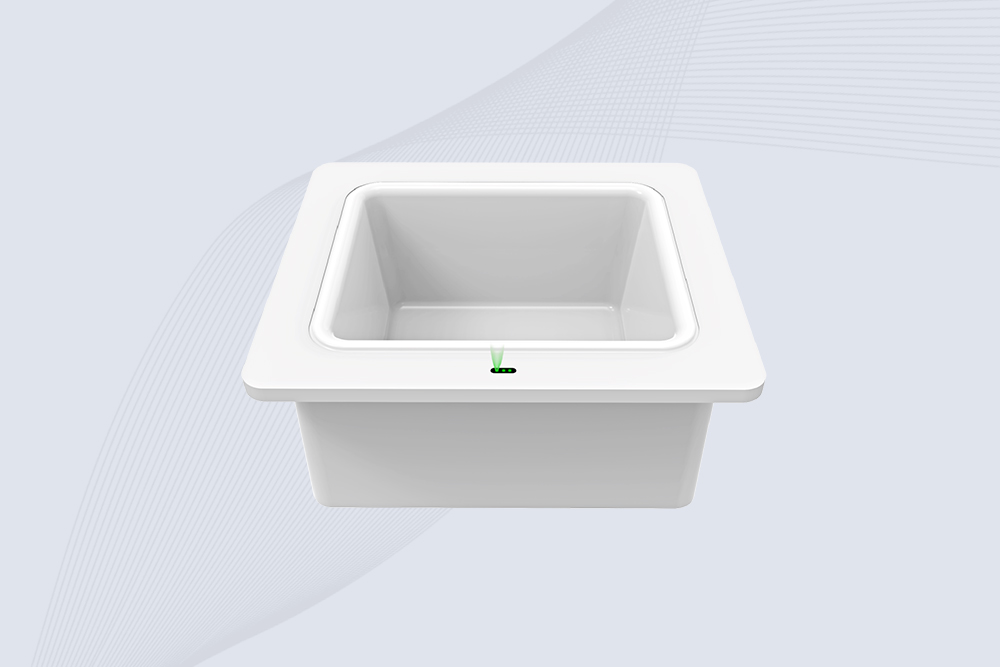
Cykeo CYKEO-D8A embedded RFID badge reader offers 30+ tags/sec scanning, 20cm anti-crosstalk precision, and DC 12V power for unmanned stores, warehouses, and smart inventory systems.
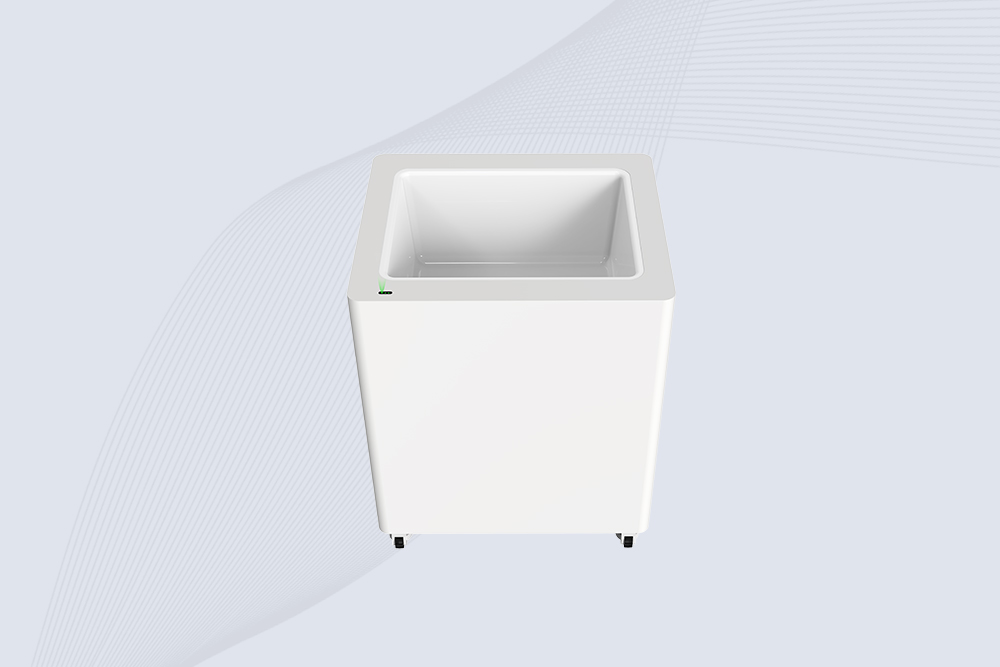
Cykeo’s CYKEO-D8C UHF RFID gate reader achieves 200-tag/batch scanning with adjustable power control, ideal for retail inventory and smart warehouse management.
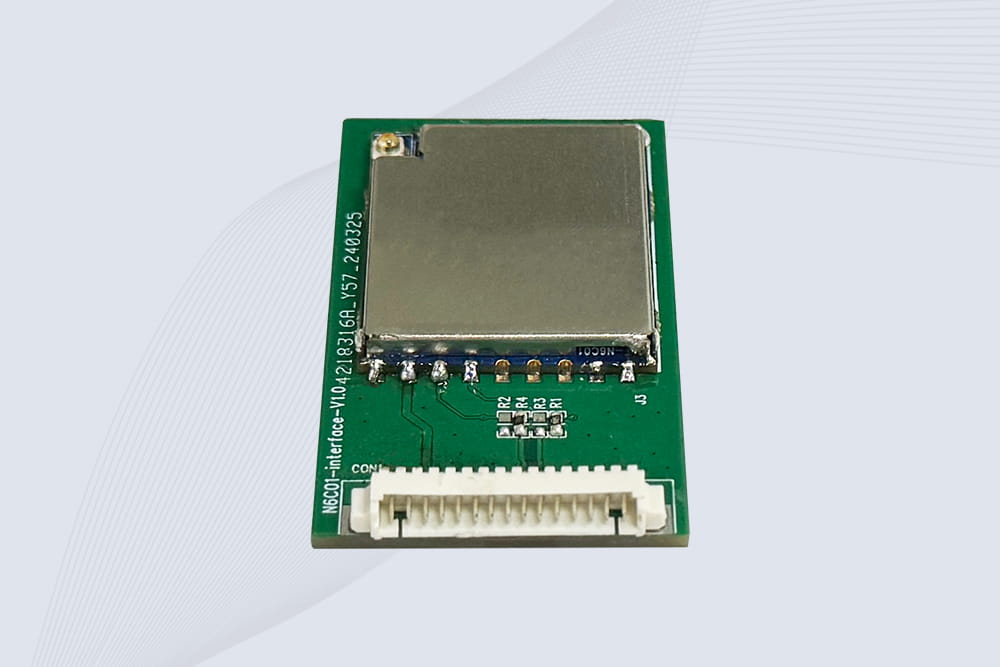
CYKEO Embedded RFID Modules are designed for compact industrial and IoT devices that require stable UHF performance. These UHF RFID Modules support global protocols, flexible power control, and reliable multi-tag reading for smart cabinets, production lines, and asset tracking systems.
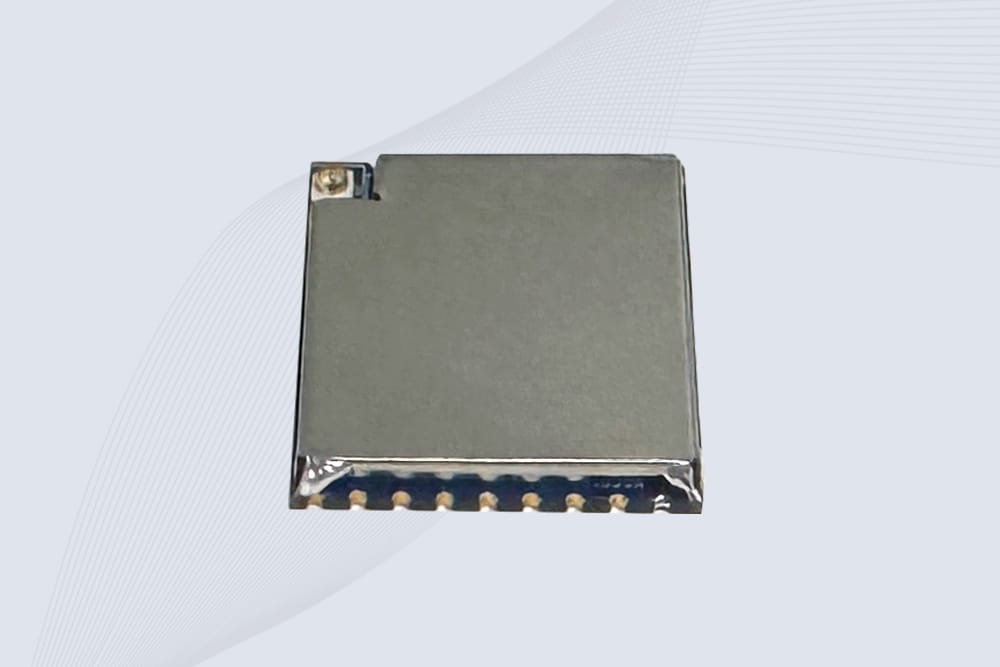
CYKEO Embedded RFID Module is built for compact IoT and industrial devices that need stable UHF performance. This UHF module supports global protocols, low power operation, and reliable multi-tag reading for smart lockers, production lines, and always-on RFID systems.
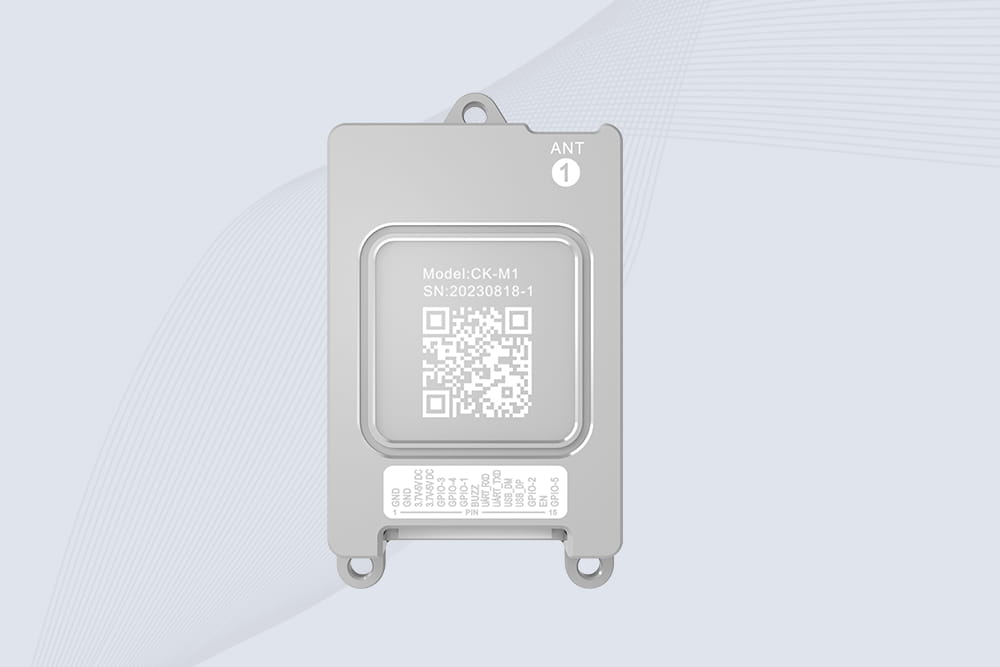
CYKEO CYKEO-M1 drone rfid module is a compact UHF RFID reader module designed for drones and UAV platforms. It supports long-range aerial scanning, fast multi-tag reading, and stable performance in wind, vibration, and outdoor environments.
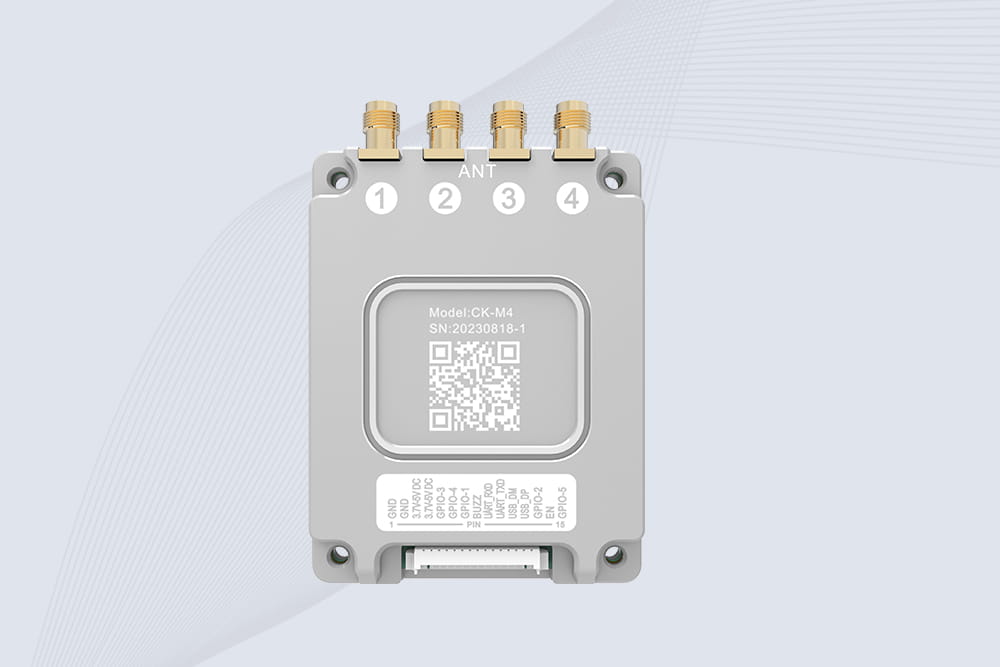
CYKEO CYKEO-M4 RC522 RFID Module is an industrial-grade UHF RFID reader with 4 ports, supporting ISO, EPC, and GB protocols. High-speed, accurate reading for IoT, automation, and warehouse applications.
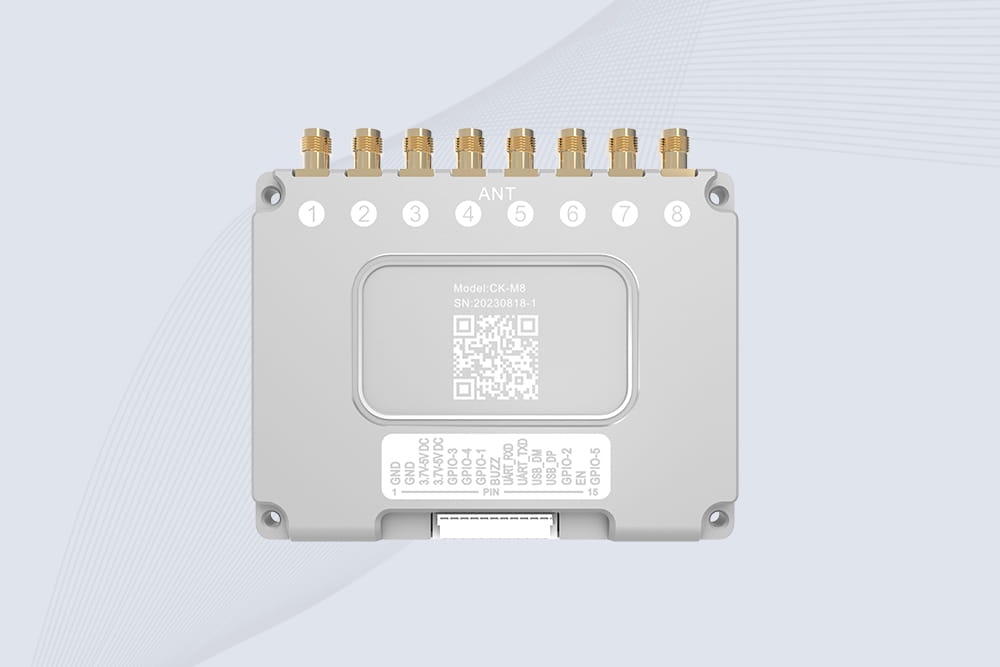
CYKEO CYKEO-M8 Module RFID is an 8-port UHF R2000 RFID Module designed for high-density, multi-tag environments. Stable 33dBm output, ISO & GB protocol support, ideal for warehouses, factories, and automated systems.
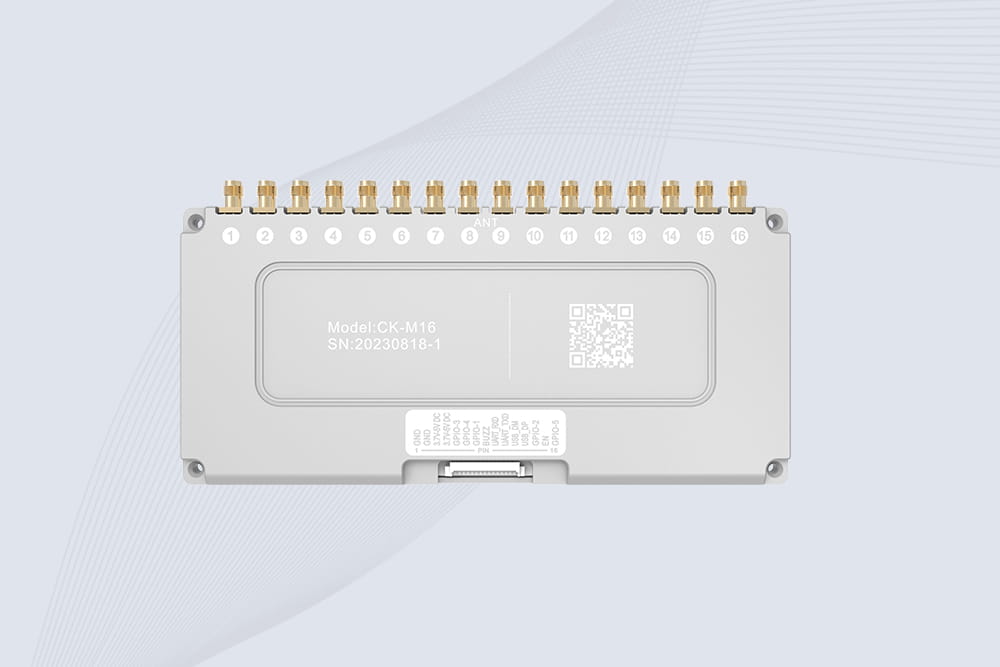
CYKEO CYKEO-M16 RFID Module is a 16-port UHF RFID reader module based on the R2000 chipset. Designed for dense tag environments, it supports ISO and GB standards and delivers stable multi-antenna control for industrial automation.
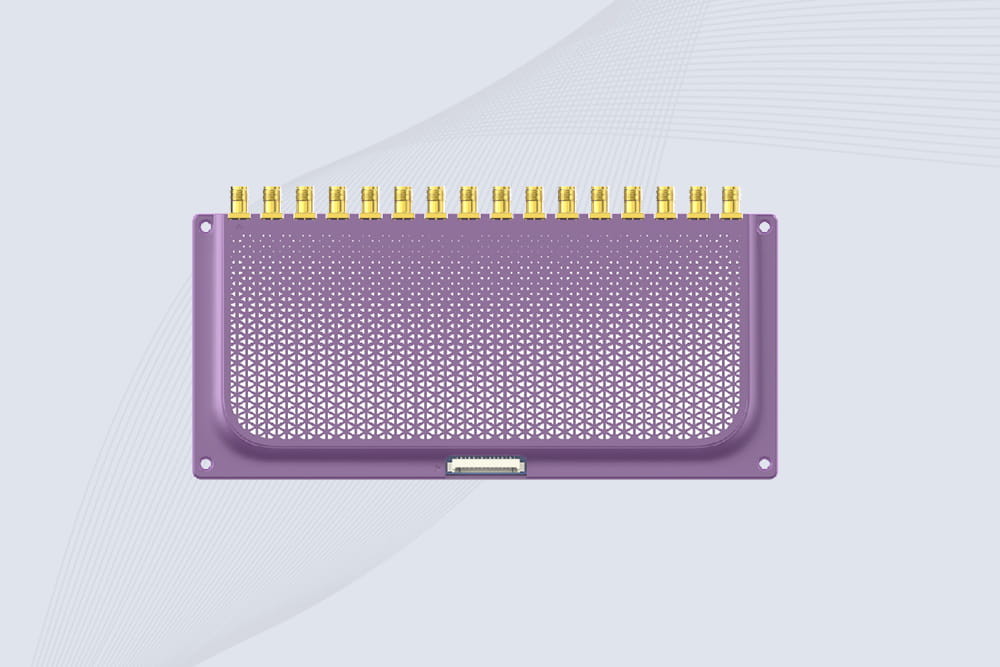
The CYKEO CYKEO-M16L RFID Reader Module is a 16-channel UHF RFID core designed for dense tag environments. With adjustable 33dBm output, multi-protocol support, and stable multi-antenna control, this RFID Tag Reader Module fits industrial automation, warehouse systems, and large-scale IoT deployments.
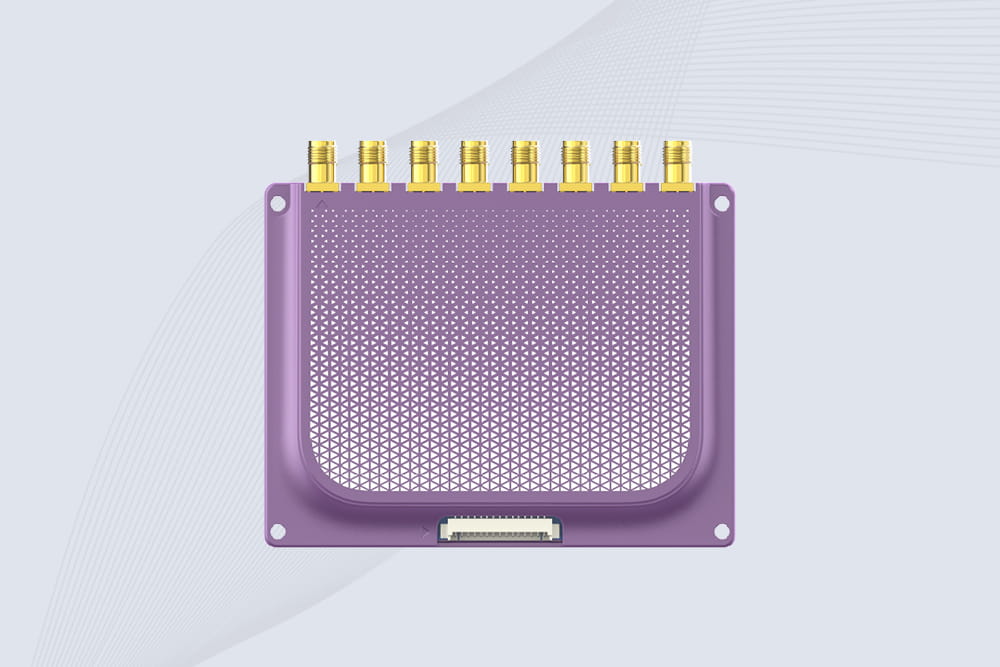
CYKEO CYKEO-M8L module RFID is a compact industrial UHF module built for dense tag and multi-antenna environments. With 8 RF ports, adjustable 33 dBm output, and ISO & GB protocol support, it is widely used in factories, warehouses, and automated tracking systems.
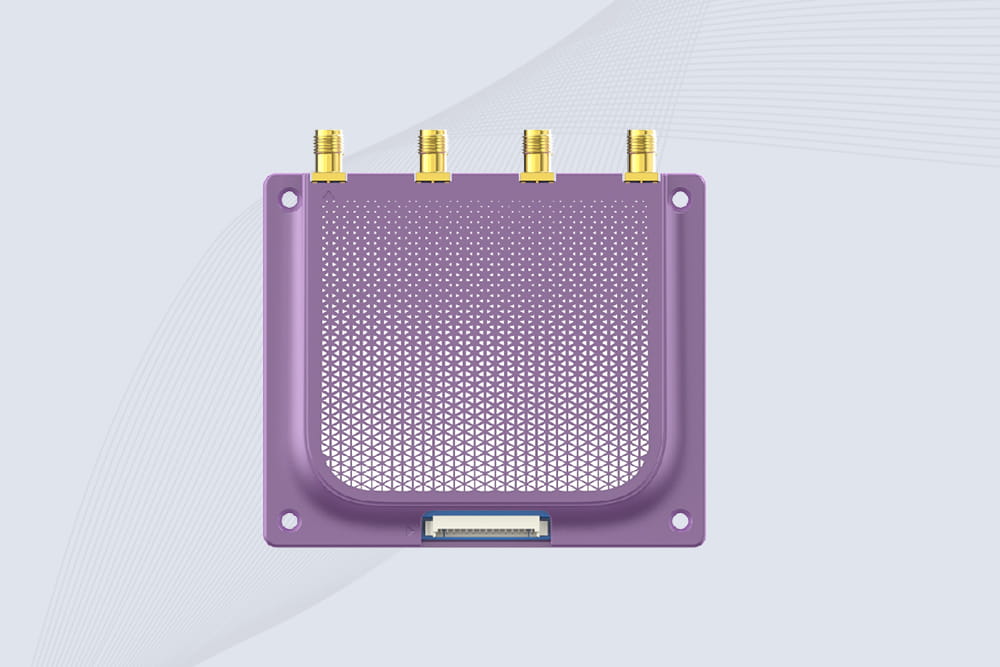
CYKEOCYKEO-M4L UHF RFID Module is a compact 4-channel RFID tag reader module designed for dense tag environments. Supporting ISO and GB protocols, it delivers stable reads up to 10 meters for industrial and IoT systems.
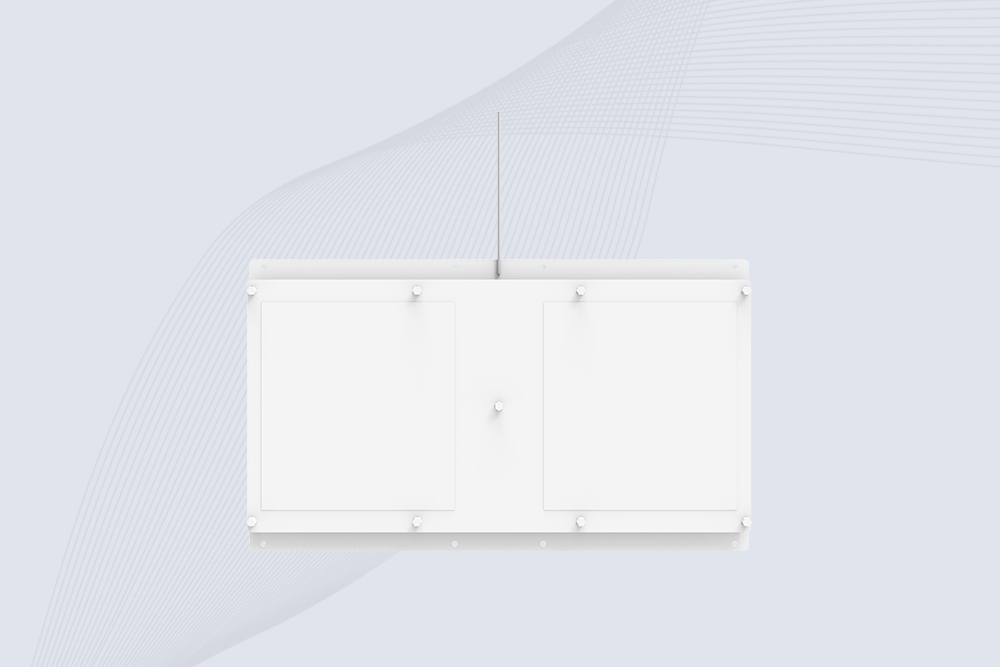
Cykeo CYKEO-A11 UHF RFID reader antenna delivers 11dBi gain, 840-960MHz frequency range, and IP65 ruggedness for retail, logistics, and industrial RFID systems. Features low VSWR and easy installation.

CYKEO Antenna RFID Reader delivers stable long-range UHF performance with a 10.5dBi directional design, built for warehouses, conveyor portals, and industrial RFID systems. This rfid reader antenna provides 20m+ read distance and rugged IP67 protection.

Cykeo CYKEO-PHF3 industrial HF RFID Antenna offers 24-point dynamic tracking, ISO 14443A/15693 protocols, metal-environment stability for archives/libraries/manufacturing.

Cykeo CYKEO-A5B industrial Linear RFID Antenna delivers 5dBi gain, ≤1.5:1 VSWR, and IP65 rugged design for warehouse, production line, and logistics UHF systems.

Cykeo’s CYKEO-B12 Long Range RFID Antenna delivers 15m+ read range with 12dBi gain, IP65 rugged design, and global 840-960MHz UHF support. Ideal for warehouse/logistics asset tracking.
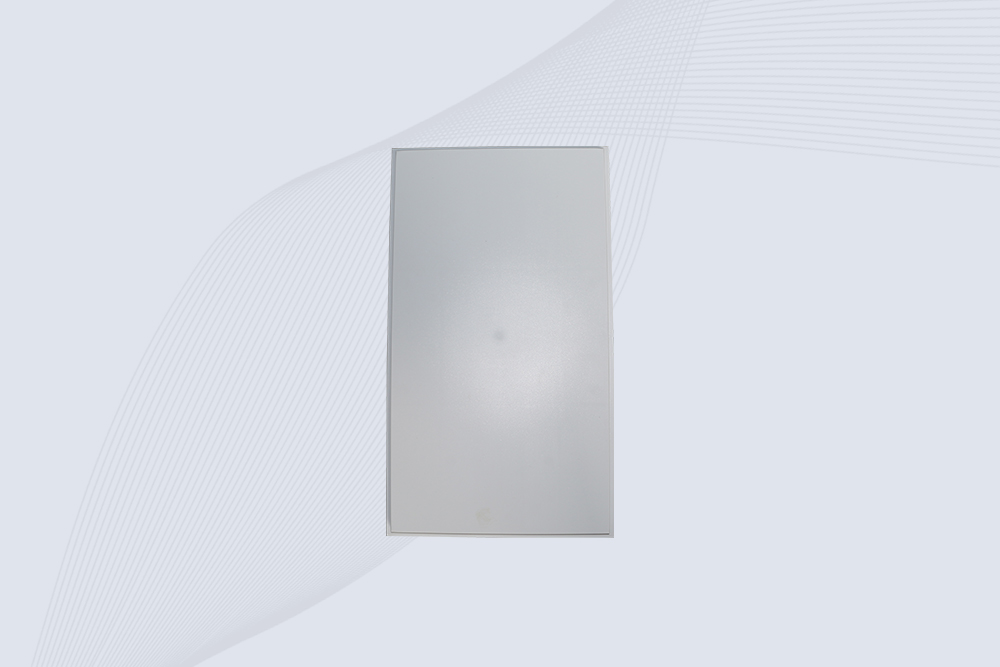
Cykeo CYKEO-B10 Long Distance RFID Antenna offers 10dBi gain, 840-960MHz frequency range, IP65 rating, and 20m+ coverage for logistics/warehousing/ETC systems. Low VSWR ensures stable signal transmission.
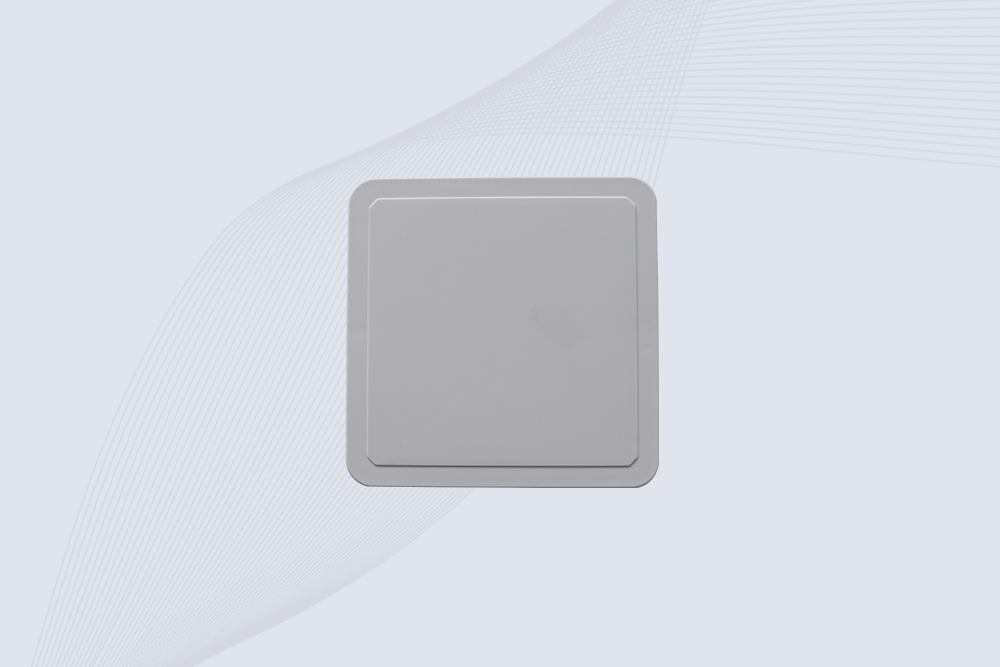
Cykeo CYKEO-A6 UHF RFID panel antenna features 6dBi gain, 840-960MHz broadband, IP65 metal-ready housing for logistics/smart retail. 18mm ultra-thin design with tool-free mounting.

Cykeo CK-A3 industrial antenna RFID UHF offers 5m+ tag detection, ≤1.3:1 VSWR, IP65 rugged design, and global UHF spectrum compatibility (840-960MHz) for warehouses, factories, and retail.
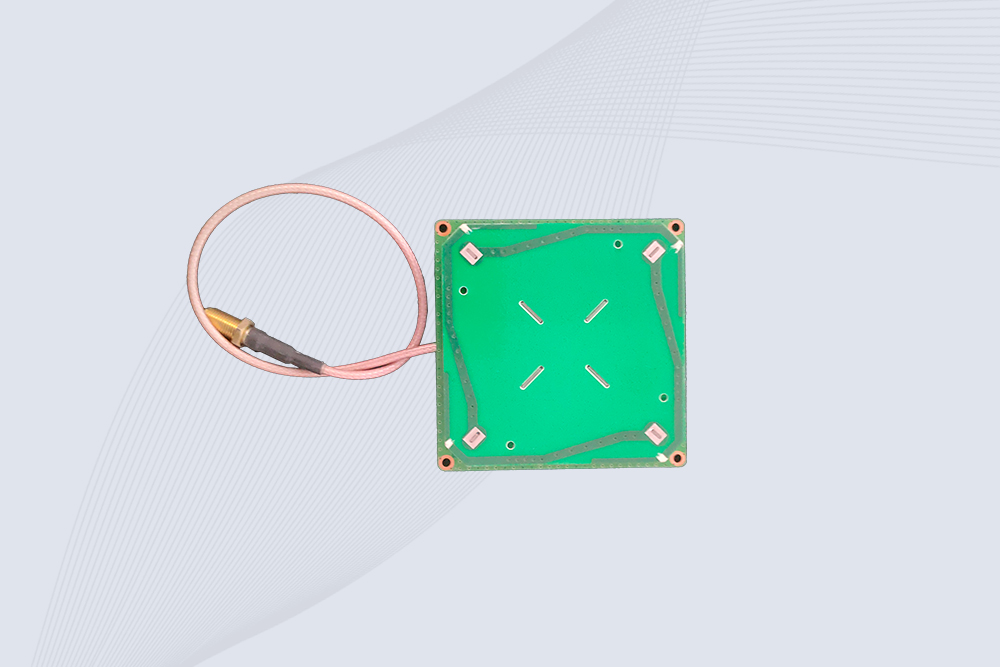
Cykeo CYKEO-B5 directional RFID antenna provides 5dBi gain with 60° narrow beamwidth for precise inventory tracking. IP65-rated, global UHF frequency support, and low VSWR.
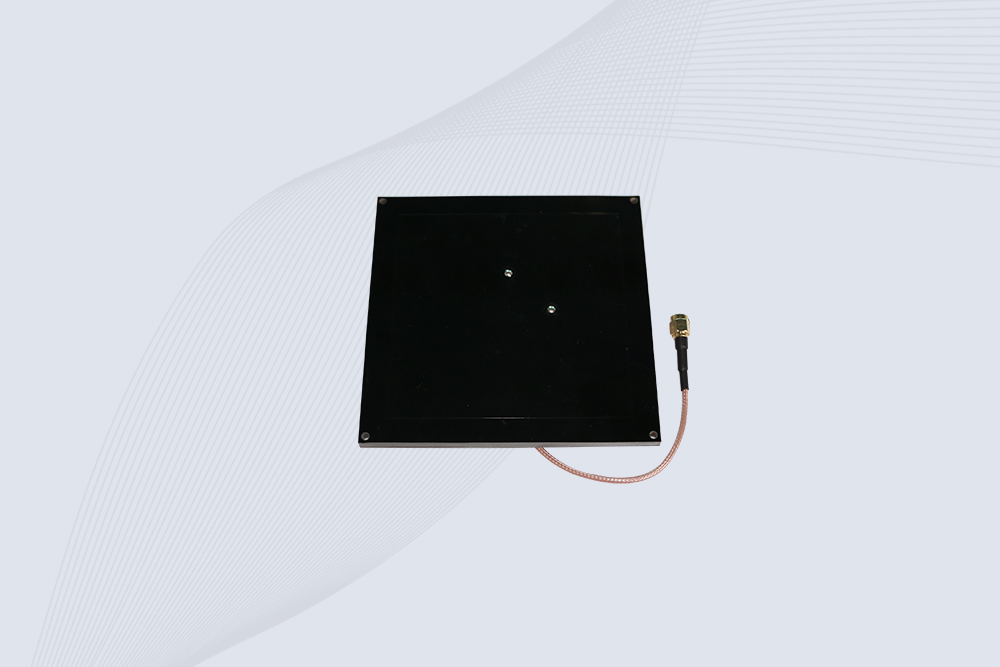
Create your own high-performance DIY RFID antenna! 5dBi gain, 840-960MHz tunable, step-by-step guides. Compatible with Arduino, Raspberry Pi, and commercial UHF readers.
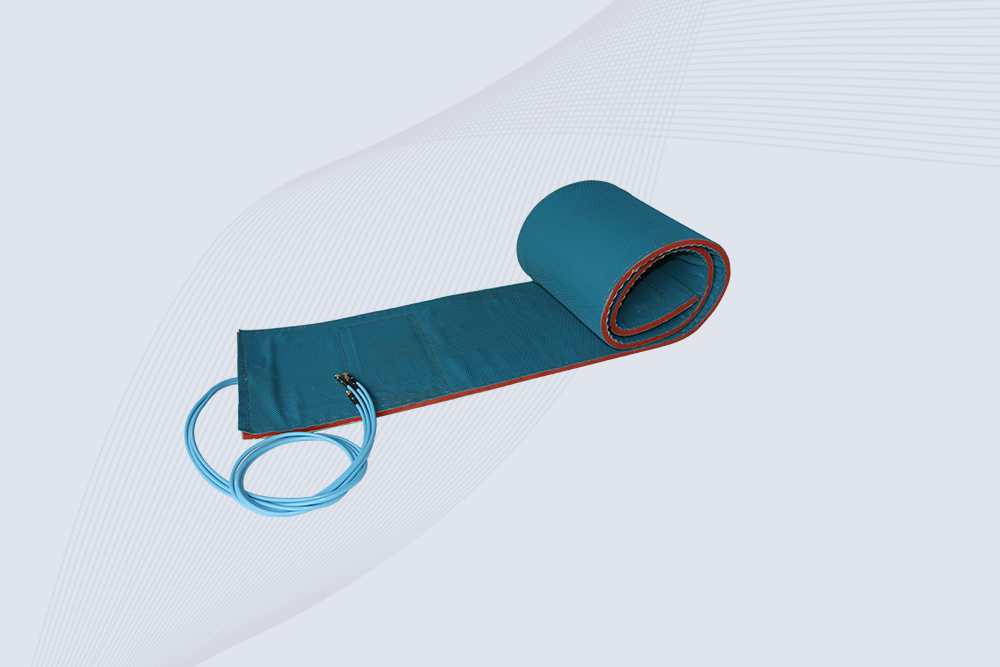
Cykeo CYKEO-A7 Flexible RFID Antenna features 840-960MHz wideband tuning, 7dBi gain, and IP68 rating for medical/retail/industrial curved surface deployments. 98% read accuracy with peel-and-stick installation.

Cykeo CYKEO-B5A industrial Passive RFID Antenna delivers 5dBi gain, 70° beamwidth, and -40°C~55°C operation for warehouses/smart cabinets. Compatible with Zebra/Impinj readers.
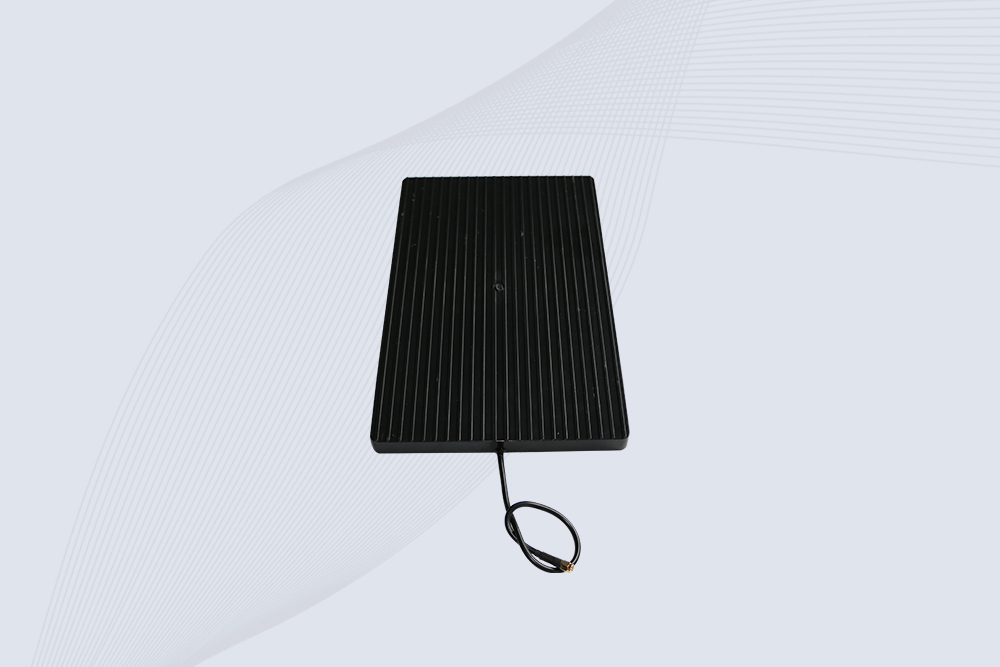
Cykeo’s CYKEO-A9B High Gain RFID Antenna delivers 15m+ read range with 9dBi amplification. Features IP54 rugged design, 840-960MHz bandwidth, and 80° beamwidth for warehouse/manufacturing RFID systems.

Cykeo’s enterprise-grade 8dbi Impinj RFID Antenna 10m+ read range with 840-960MHz tuning. Features IP65 housing, 1.4 VSWR, 35° beamwidth for retail/warehouse RFID systems.
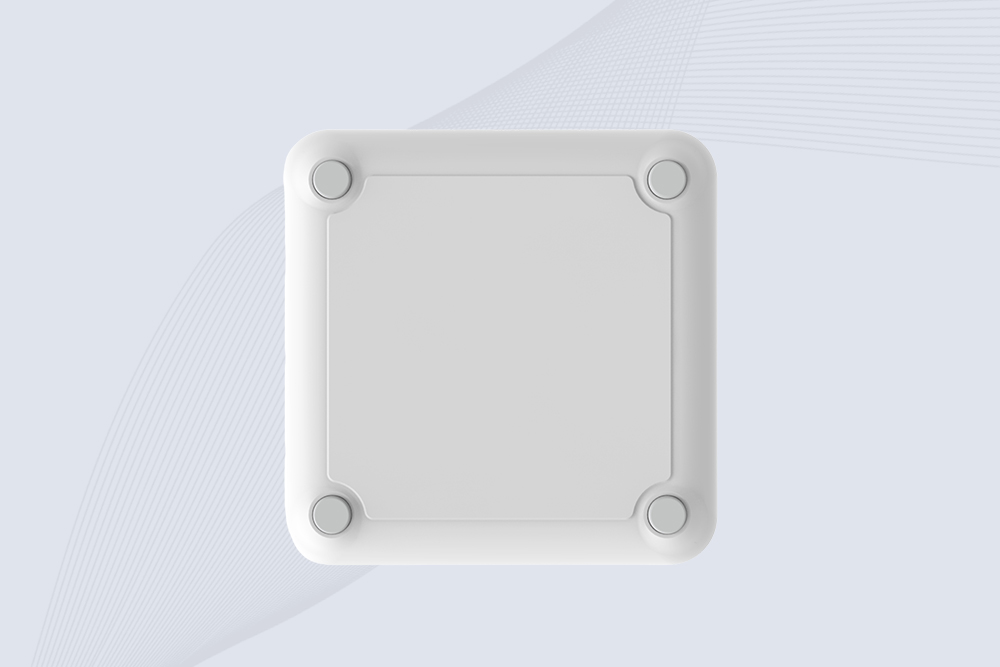
Cykeo CYKEO-A9 industrial UHF RFID antenna delivers 9dBi gain, 840-960MHz frequency range, and IP65 protection for warehouse/logistics/retail RFID systems. Features N-type connector and ≤1.3:1 VSWR.
CYKEO UHF RFID Antenna built for long-distance and industrial applications. This antenna rfid uhf delivers strong gain, outdoor durability, and reliable tag performance in warehouses, yards, and vehicle ID systems.
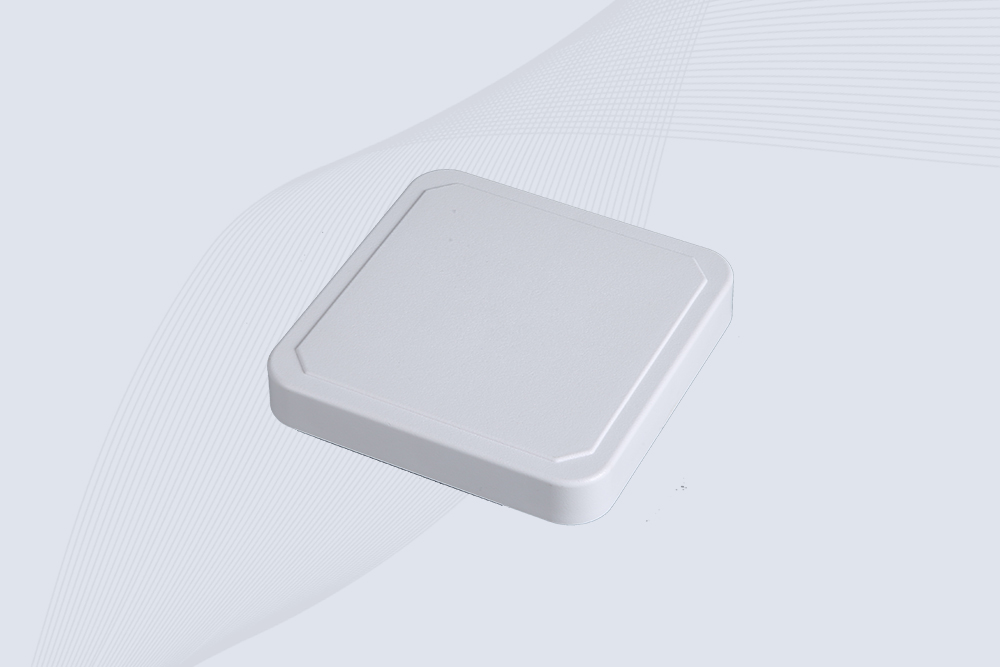
CYKEO Antenna RFID delivers reliable long-range UHF performance in warehouses, retail shelves, and cold-chain environments. This compact uhf rfid antenna provides stable reads with circular polarization and ultra-wide 840–960 MHz support, ideal for industrial tracking, smart shelves, and asset monitoring.
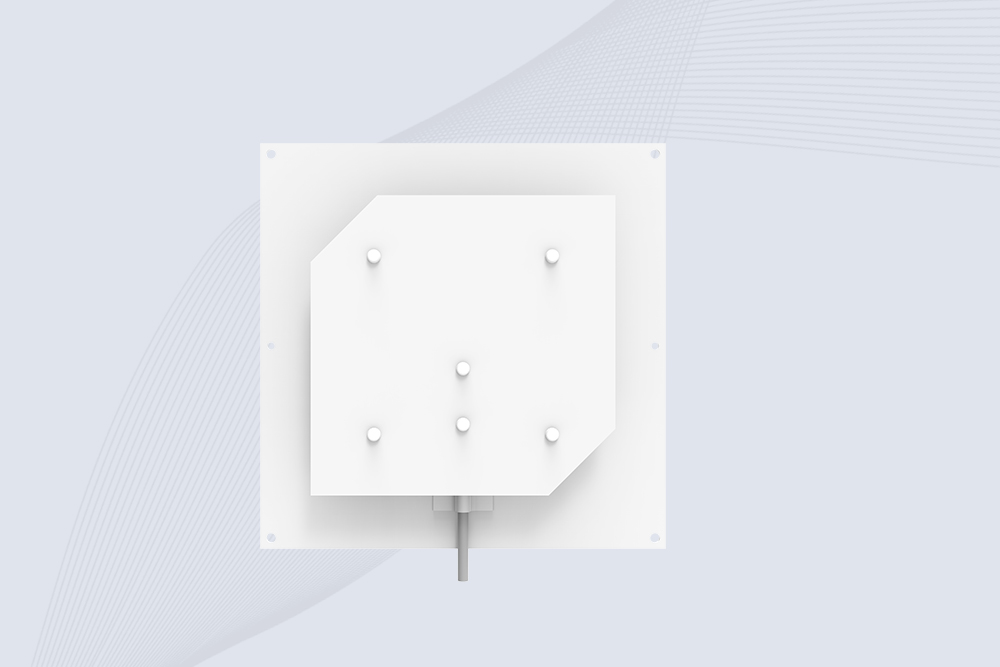
Cykeo’s CYKEO-C8 UHF RFID antennas delivers 8dBi gain, 840-960MHz full-band coverage, and IP65 ruggedness for manufacturing/warehouse RFID systems. Industrial RFID Antennas Features
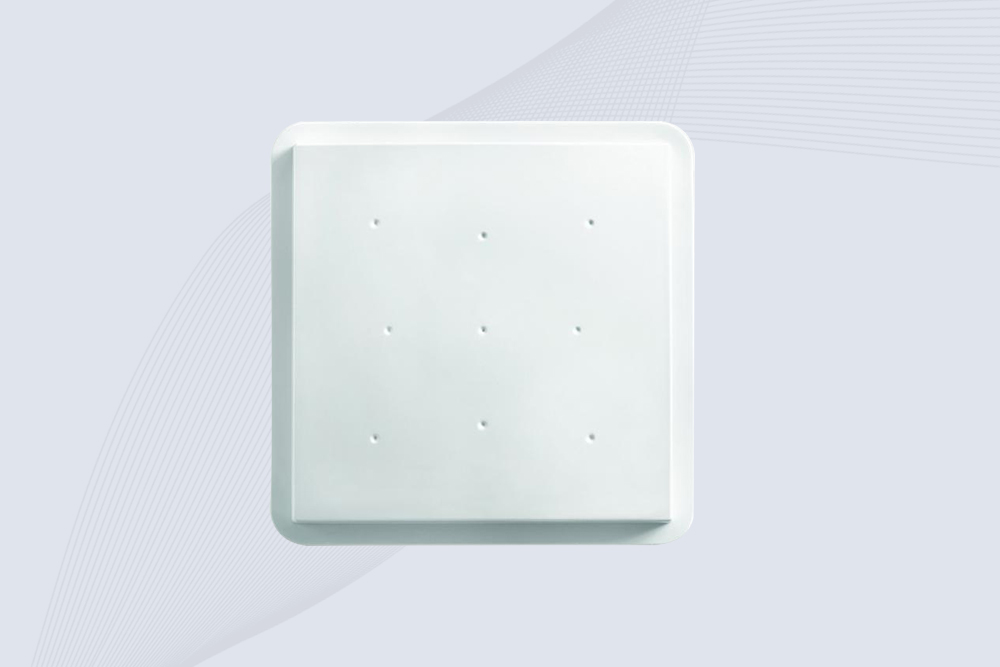
Cykeo’s 8dBi UHF RFID antenna and reader kit delivers 10m+ range, 840-960MHz broadband, and IP65 ruggedness for factories, warehouses, and logistics. ISO 18000-6C & EPC Gen2 certified.
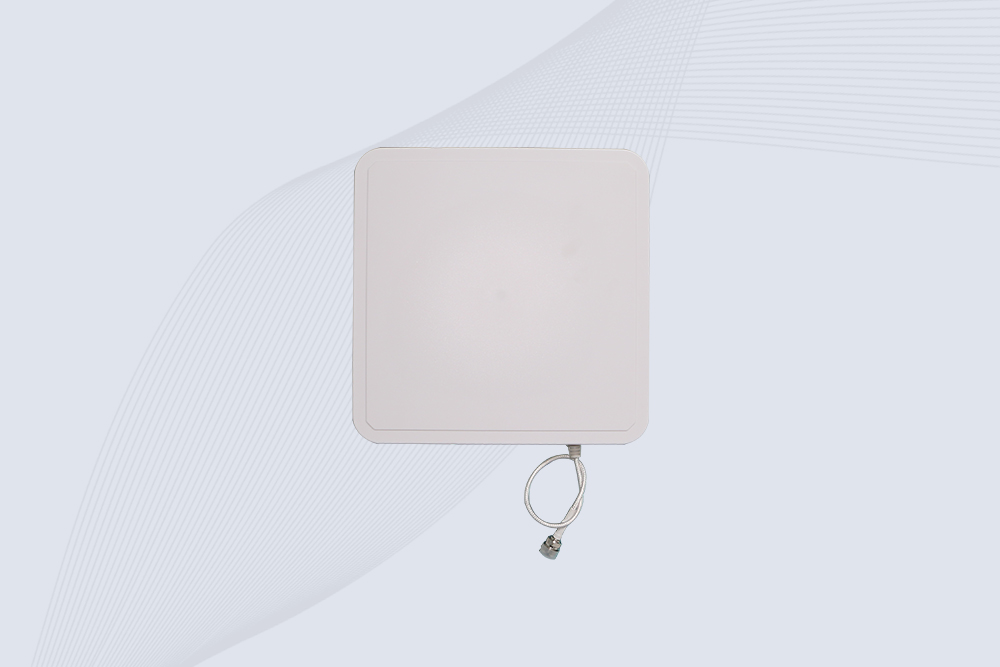
Cykeo CYKEO-A9A industrial UHF RFID reader and antenna kit delivers 10m range, 500 tags/sec, IP65 ruggedness for manufacturing/logistics. Supports EPC Gen2, ISO18000-6C.

Looking for an RFID handheld reader writer for warehouse inventory? Learn how to choose the right device based on range, speed, durability, and system compatibility.
More
rfid laundry systems improve linen tracking accuracy, reduce labor costs, and speed up hotel and hospital inventory counts with automated UHF RFID management by Cykeo.
More
Discover how rfid real time tracking enables automated tool identification, instant inventory, secure borrowing records, and 24/7 asset visibility with Cykeo RFID Smart Tool Cabinet solutions.
More
A warehouse RFID project usually starts with a simple goal: “Know where our inventory is.” But after talking with warehouse operators and system integrators, the real requirement is usually more specific. They want to know: The long range RFID rea...
More