In many factories, calibration management starts with a sticker on the tool.
The sticker may show:
Calibration date
Next calibration date
Calibration number
Inspection status
Service information
This works for a small number of tools.
The situation becomes more complicated when a maintenance department manages hundreds or thousands of instruments across several locations.
A technician may see a tool in a cabinet but not immediately know:
Is it calibrated?
When does calibration expire?
Has it passed its latest inspection?
Is it currently under maintenance?
Who used it last?
Is it approved for this type of work?
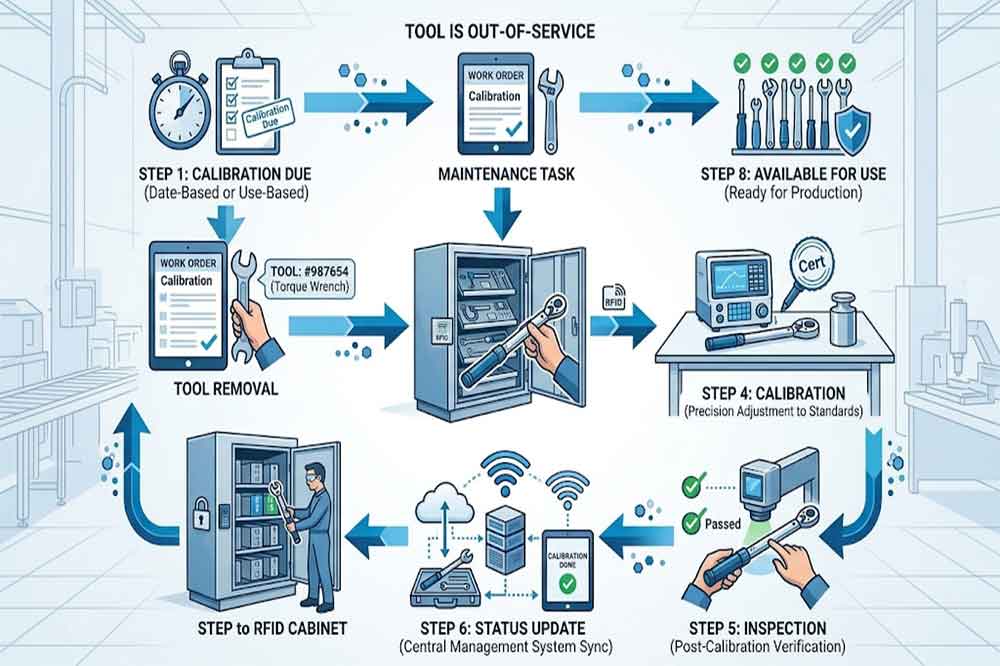
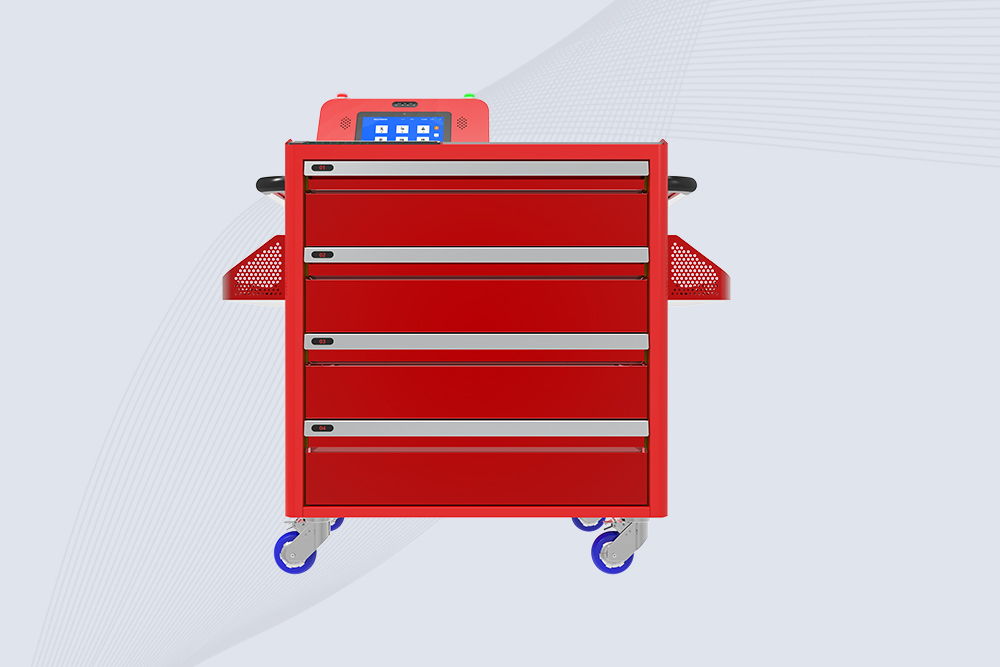
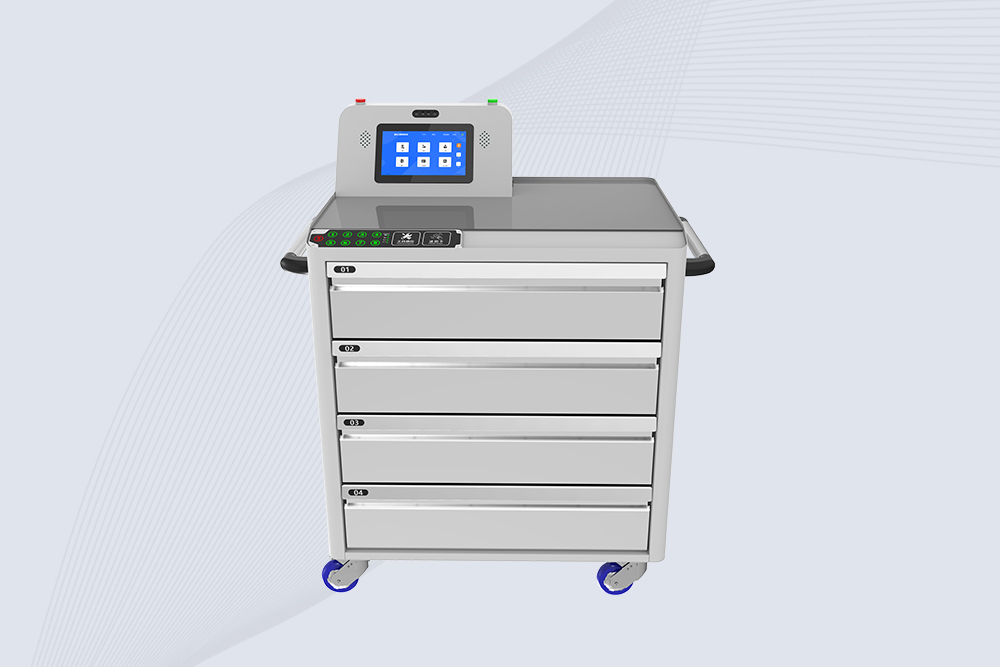
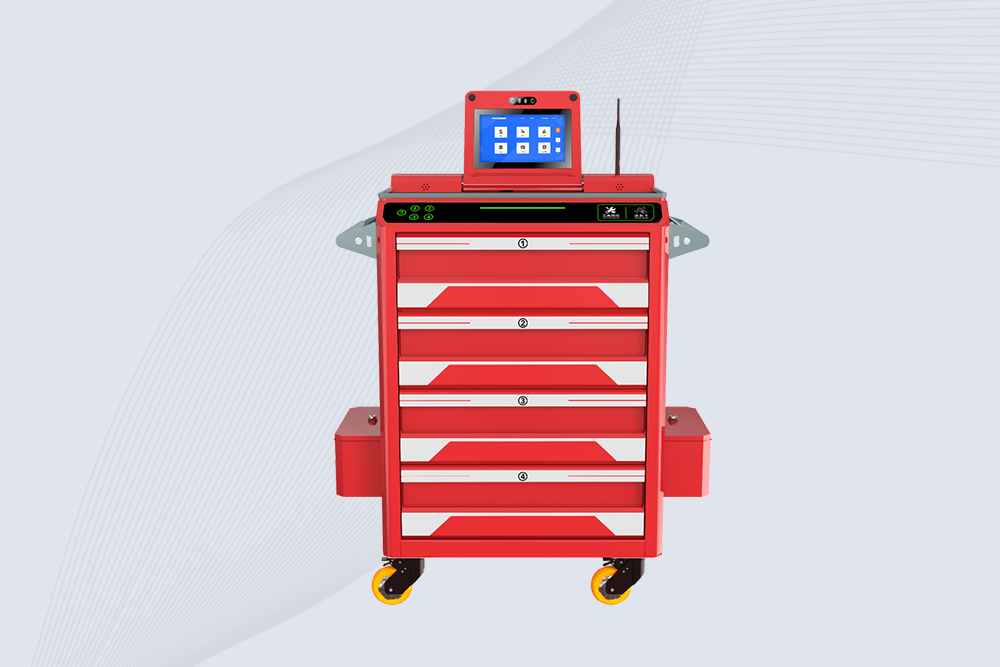
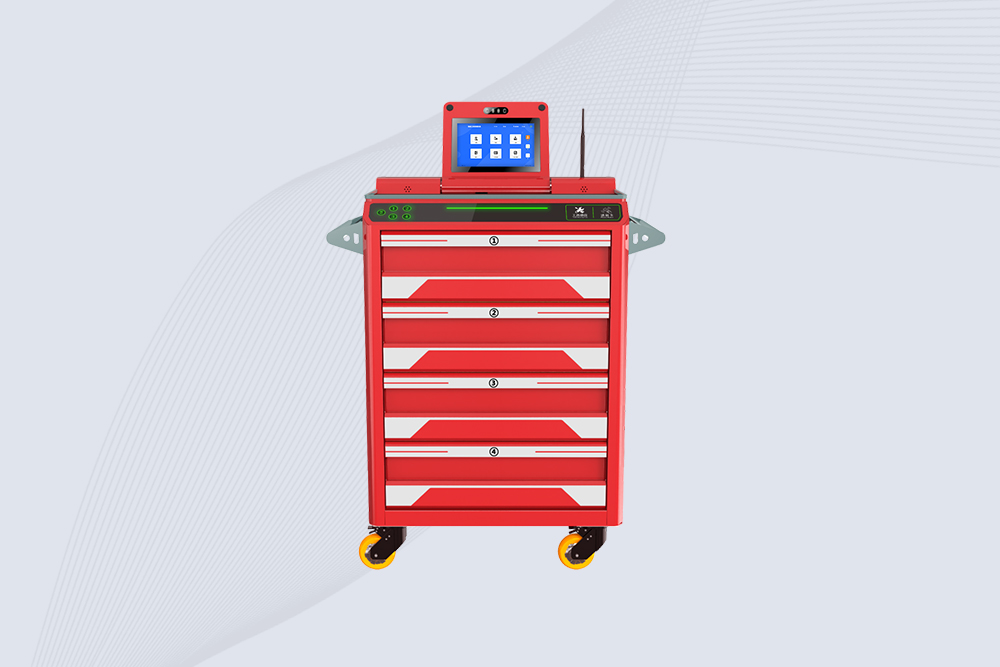
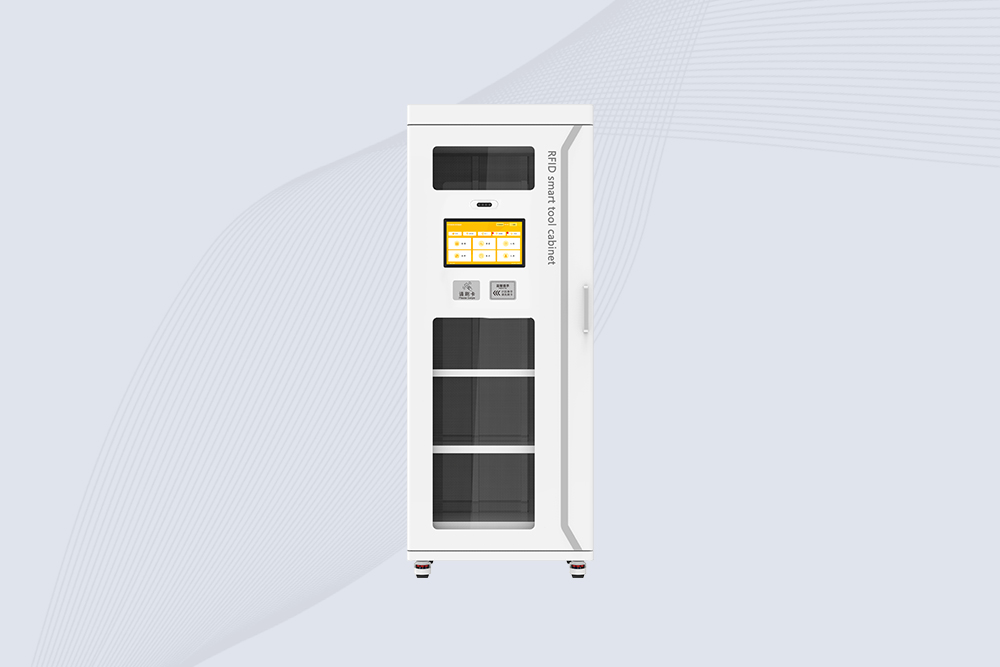
RFID tool cabinet can connect the physical tool with a digital record.
That does not make calibration automatic. Instead, it gives the organization another way to control access to the tool and maintain visibility of its status.
1. Identify Which Tools Need Calibration or Inspection
Not every tool requires the same level of control.
A typical maintenance department may contain:
Torque wrenches
Multimeters
Electrical testers
Pressure gauges
Measuring instruments
Precision tools
Specialized testing equipment
Inspection devices
Some may require formal calibration.
Others may only require routine inspection.
The first step is therefore to classify tools according to actual company requirements.
For example:
Tool Category
Possible Control
Standard hand tools
Basic condition check
Torque tools
Periodic calibration
Measuring instruments
Calibration
Electrical testers
Inspection and calibration
Specialized equipment
Maintenance schedule
Damaged tools
Restricted use
The RFID system should reflect the organization’s actual procedures rather than applying the same rule to every tool.
2. Create a Digital Tool Record
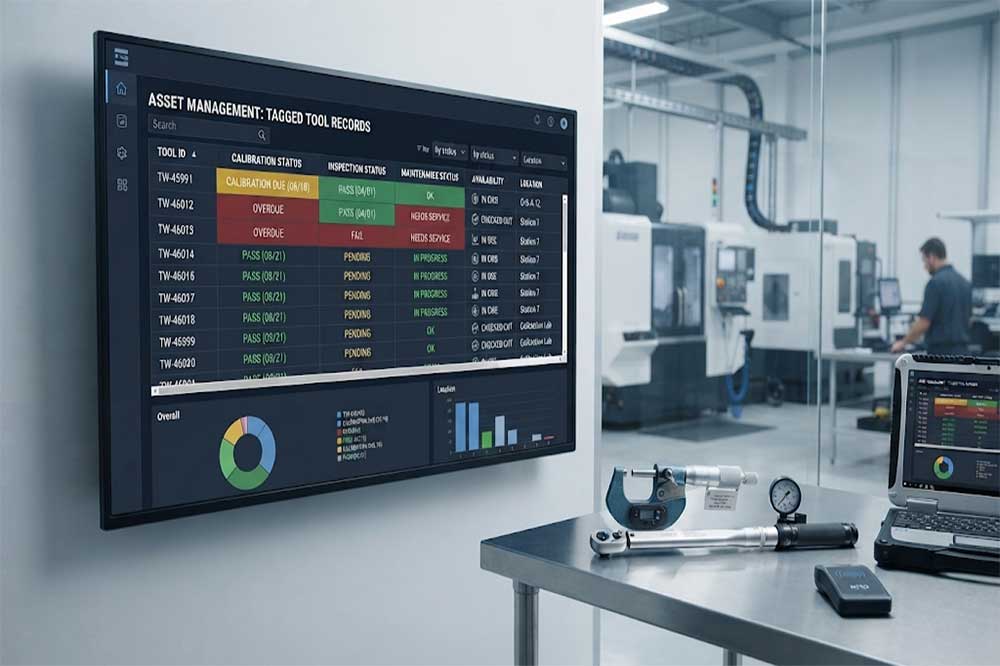
Each managed tool can have a unique digital record.
Depending on the system, the record may include:
Tool ID
Tool name
Tool category
RFID tag ID
Cabinet location
Department
Current user
Calibration status
Calibration date
Next calibration date
Inspection status
Maintenance status
Tool condition
Transaction history
This provides more information than a physical label alone.
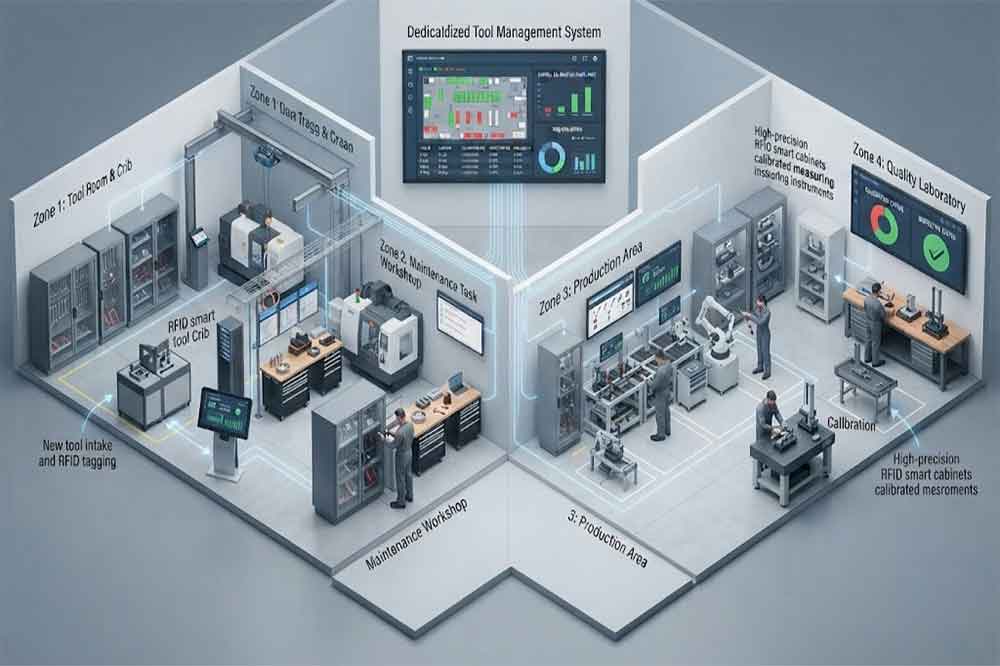
For larger operations, these records can be connected with the company’s existing tool management or maintenance software.
17. Do Not Assume RFID Guarantees Calibration Compliance
RFID can identify a tool.
It cannot determine whether the tool is physically accurate or whether a calibration procedure was performed correctly.
Calibration still requires the appropriate inspection, measurement, equipment, procedures, and qualified personnel.
RFID provides the connection between the physical tool and the digital management record.
This distinction is important when explaining the system to quality managers and engineers.
18. Test the Complete Calibration Workflow
Before deployment, test more than RFID reading.
A practical test should include:
Test 1: Valid Tool
Check out a tool with valid calibration status.
Test 2: Calibration Due Soon
Confirm that the correct warning or workflow appears.
Test 3: Overdue Tool
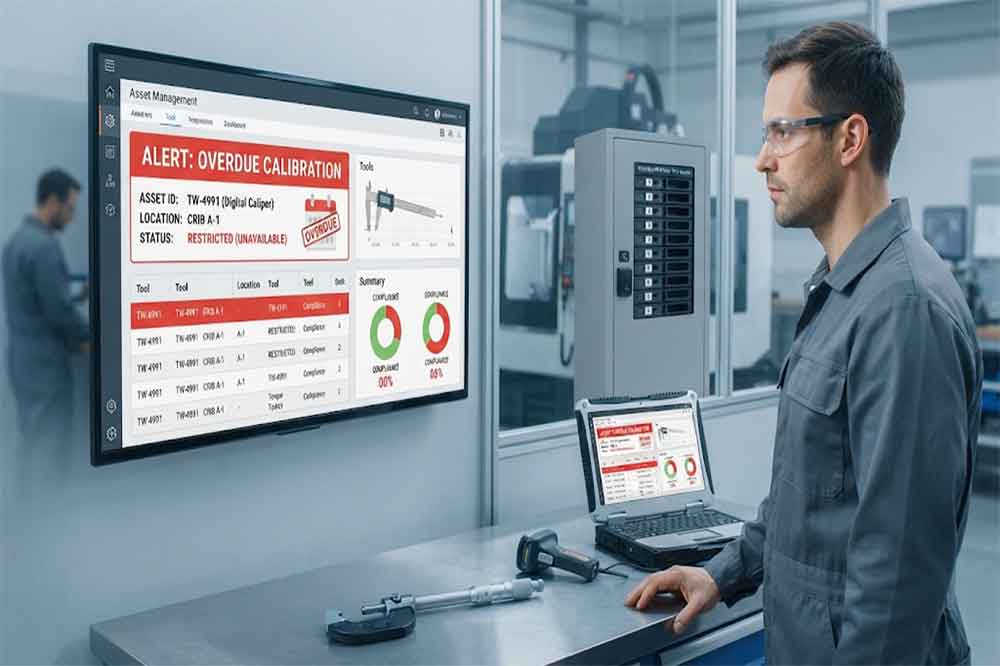
Verify that the configured restriction works.
Test 4: Damaged Tool
Return a damaged tool and confirm that it enters the correct status.
Test 5: Tool Under Maintenance
Confirm that unavailable tools cannot be accidentally checked out.
Test 6: Calibration Completed
Update the calibration record and confirm that the tool becomes available according to the defined process.
Test 7: Multi-Cabinet Movement
Move the tool to another location and verify that its status and location remain correct.
Common Problems to Avoid
Treating RFID as the Calibration System
RFID identifies the tool. Calibration procedures remain separate.
Using Only a Calibration Sticker
A physical sticker can be useful, but it may not provide real-time access to the complete digital record.
Mixing Tool Statuses
Calibration, inspection, maintenance, and availability should be clearly defined.
Allowing Overdue Tools to Remain Available
If a tool should be restricted, the system workflow should reflect that requirement.
Ignoring Damaged Tools
A tool can be calibrated but still unsuitable for use.
Forgetting Location Changes
A tool’s calibration record is less useful if its current physical location is unknown.
Not Testing Real Tools
Tool materials, RFID tag placement, and cabinet configuration can affect RFID performance.
Practical Calibration and Inspection Checklist
Before deploying the system, confirm:
Tools requiring calibration are identified
Inspection requirements are documented
Each tool has a unique ID
RFID tags are matched to tools
Calibration status fields are defined
Inspection status fields are defined
Maintenance status is defined
Overdue rules are established
Restricted tools have access rules
Calibration history is recorded
Damaged-tool procedures are defined
Calibration reports are available
Multi-location movement is tested
Software integration is tested
Users understand status rules
Acceptance testing is completed
Conclusion
An RFID tool cabinet can provide more than simple tool tracking when it is connected to calibration, inspection, maintenance, and availability workflows.
The key is to separate these functions clearly. RFID identifies the physical tool, while the management system records its calibration status, inspection results, maintenance condition, location, and user transactions.
For maintenance and quality teams, this creates a more complete view of tool readiness. A technician can see whether a tool is available, while managers can monitor upcoming calibration work, overdue instruments, restricted tools, and maintenance activities.
The system should still be built around the company’s actual quality and maintenance procedures. RFID does not replace calibration or inspection. It provides the digital connection that can make those processes easier to track and manage.
Frequently Asked Questions
1. Can an RFID tool cabinet track calibration dates?
Yes. The RFID tag can identify the tool, while the connected software stores calibration dates, status, and related records.
2. Can an overdue tool be blocked from checkout?
Yes, if the cabinet and software support the required permission and status workflow. The exact behavior should be configured and tested.
3. Does RFID replace tool calibration?
No. RFID identifies and tracks the tool. Calibration still requires appropriate procedures, equipment, and qualified personnel.
4. Can damaged tools be marked as unavailable?
Yes. A tool can be assigned a restricted, maintenance, or inspection status so it is not treated as normally available.
5. Can calibration records connect with a CMMS?
Yes. Depending on the system, RFID events and tool records can be integrated with CMMS or other enterprise software through available interfaces or APIs.
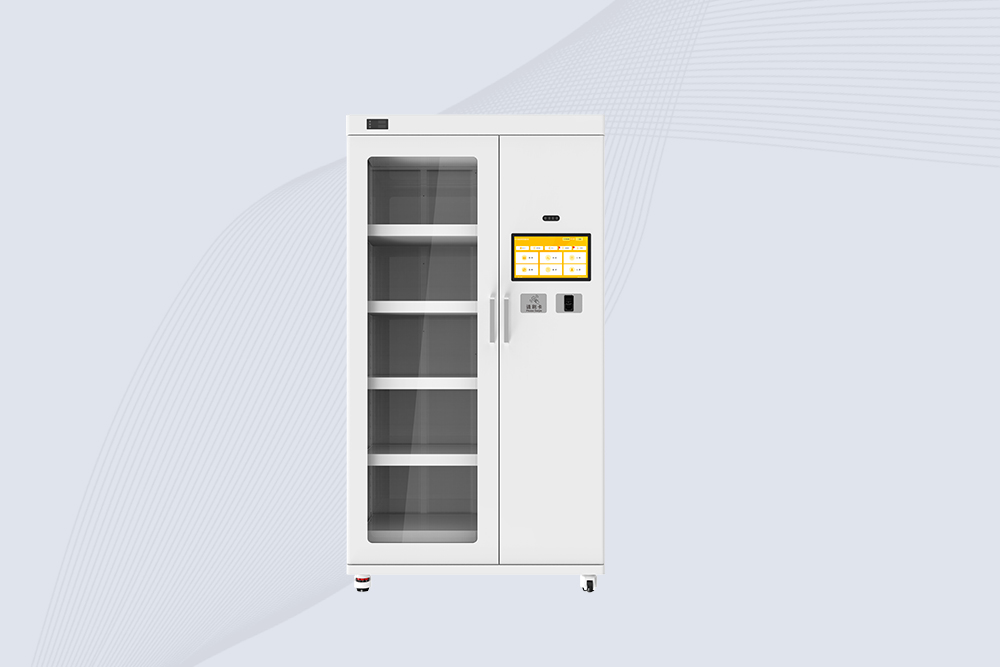
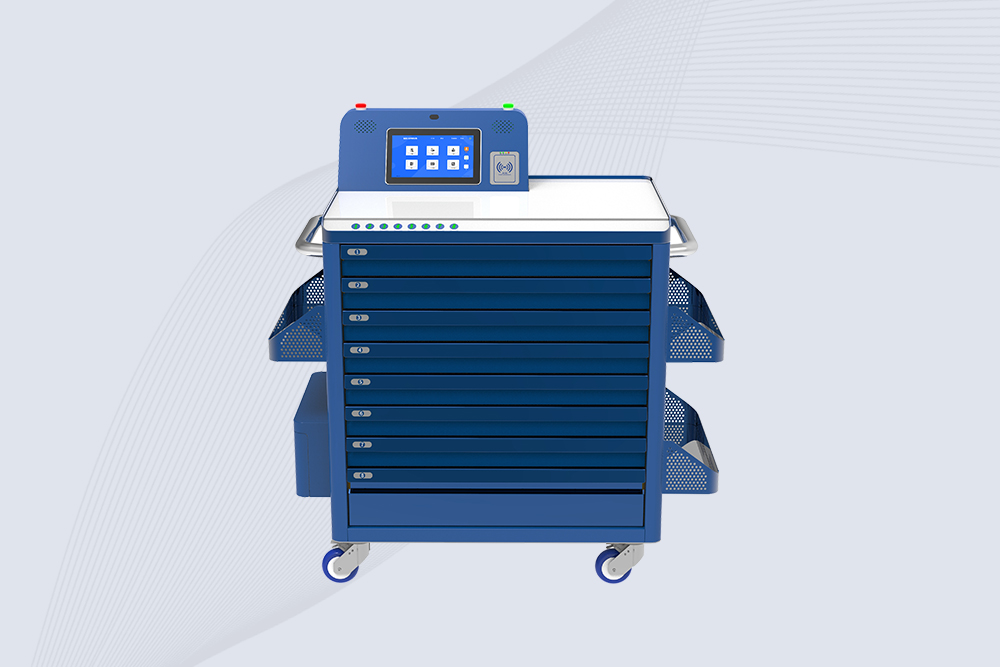
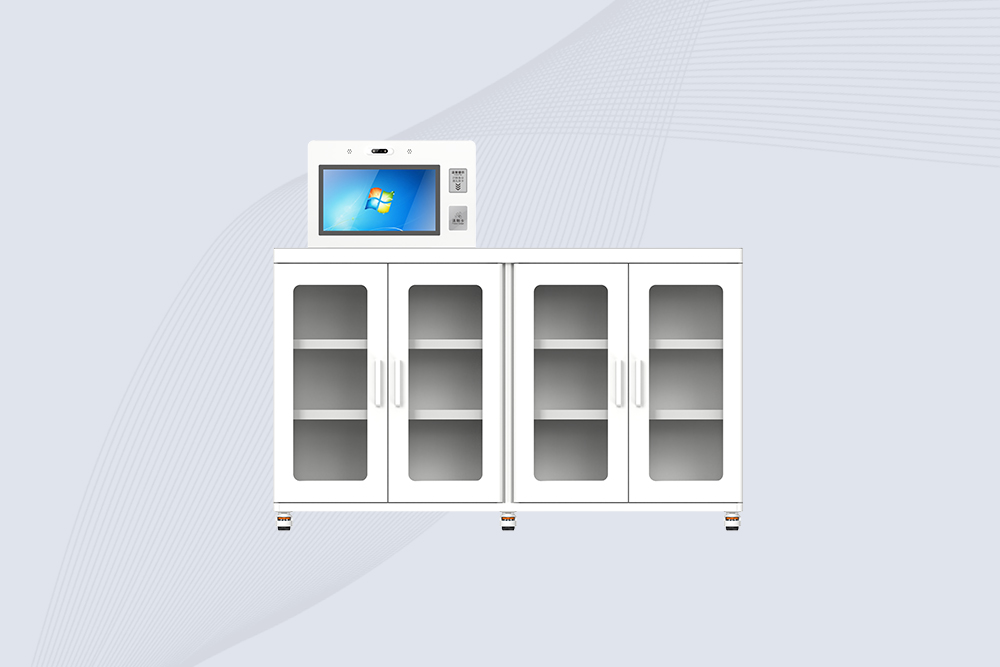
Cykeo’s RFID Smart Tool Cabinet enables 10-second tool audits, user access control & real-time alerts for construction/oil/gas. Features 21.5″ touchscreen, IP54 steel body & -30°C~60°C operation. Supports SAP/Oracle integration.
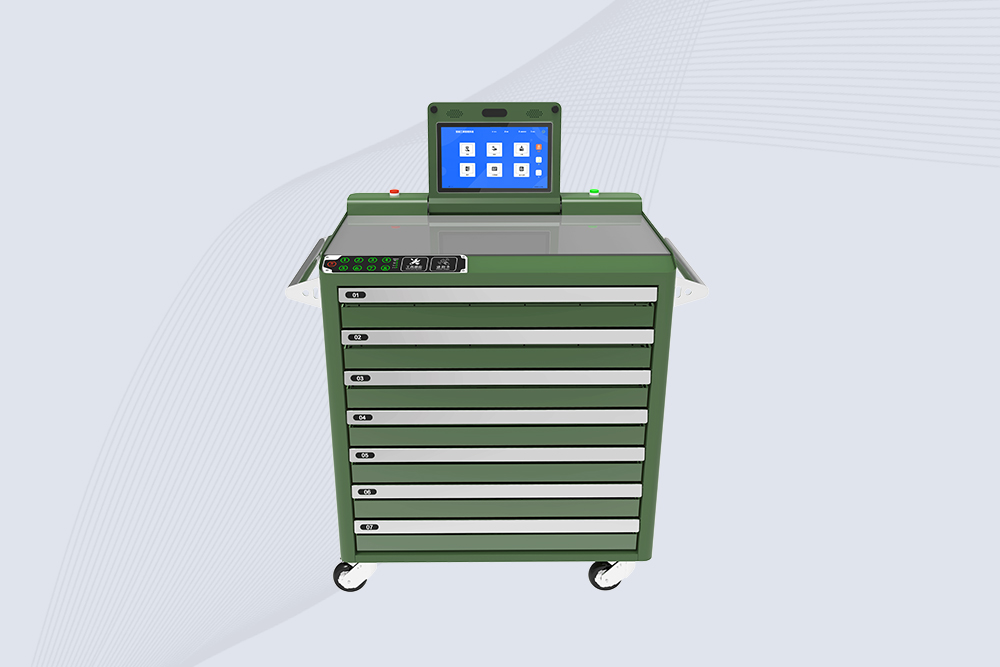
Cykeo’s industrial RFID Tool Cart features 14″ touchscreen, 400+ tool scanning, and carbon steel construction for aviation MRO, power plants and construction sites. 5-second inventory scans.
Cykeo CYKEO-TC RFID multi-drawer tool cart manages 300+ tools via UHF RFID, features fingerprint/face recognition, Android/Windows OS, and SAP integration for nuclear/railway/fire safety sectors. IP54 rated for harsh environments.
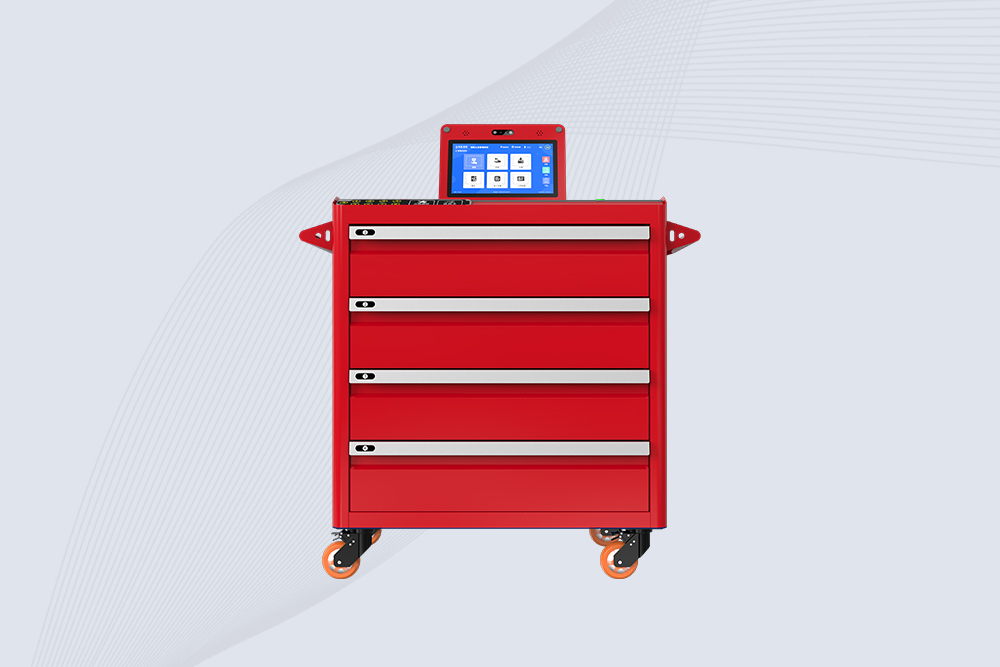
Cykeo CYKEO-GTC4 RFID tool inventory cart manages 300+ tools via UHF RFID, features instant scanning, fingerprint/face recognition, and SAP integration for nuclear/railway/fire safety sectors. IP54 rated for harsh environments.
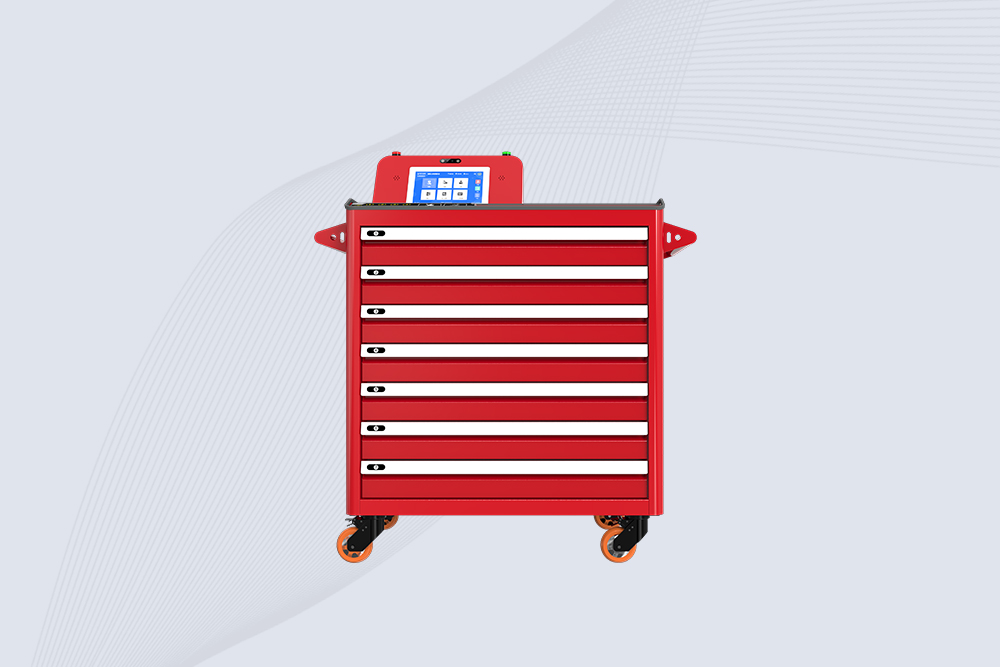
Cykeo CYKEO-GTC7A RFID real-time tool tracking cart features 99.9% accuracy, FOD prevention, and SAP integration for aviation/plant maintenance. Military-grade construction.
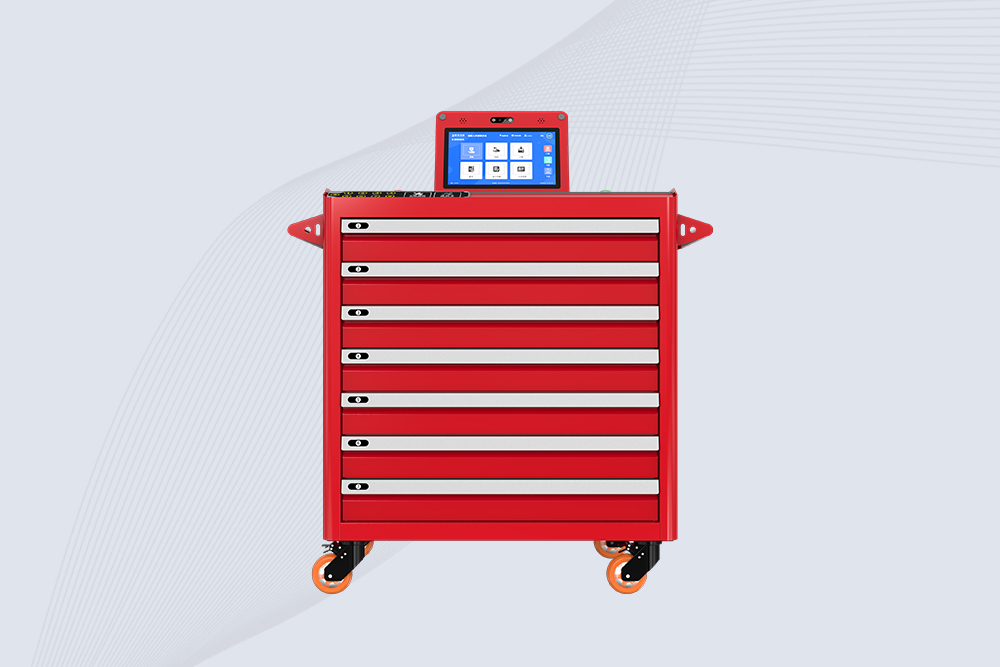
Cykeo CYKEO-GTC4B RFID mobile tool cart delivers 300-tool verification in 7 seconds with modular drawers, ≤150W power, and SAP integration for industrial/aviation use.
Cykeo CYKEO-GTC4C RFID workshop tool control cart delivers 300-tool inventory in 3 seconds with 10hr battery, SAP integration, and FOD prevention for industrial workshops.
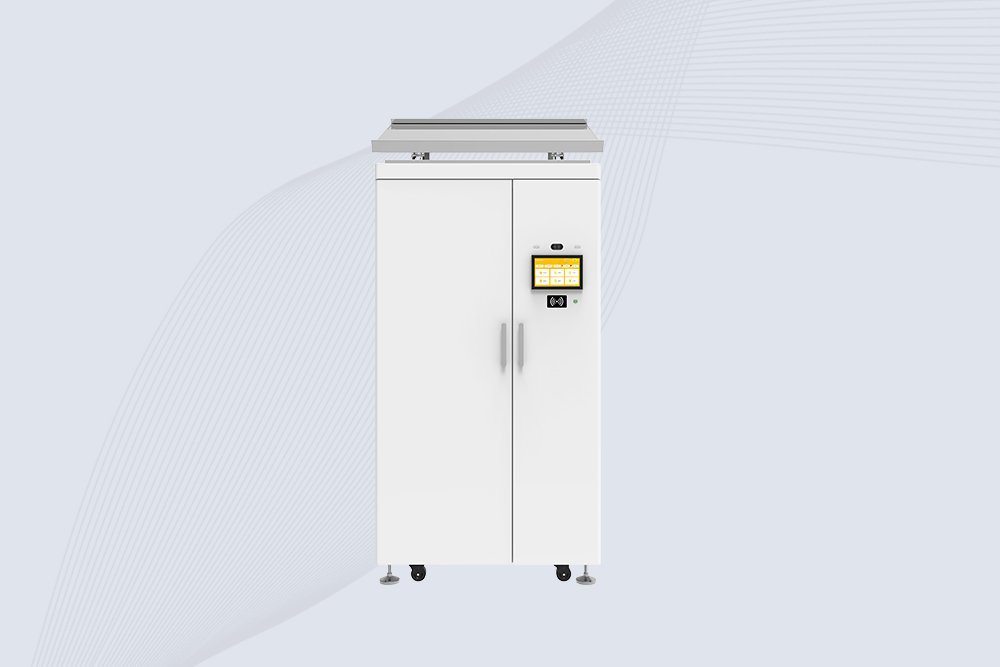
Cykeo’s off-grid RFID tool inventory system features solar/wind power, -30°C~60°C operation, and military-grade durability for mining/energy/military sectors.
Cykeo’s RFID multi-drawer tool cabinet features 5 adjustable drawers, biometric access, and 99.9% scan accuracy for automotive/aerospace manufacturing.
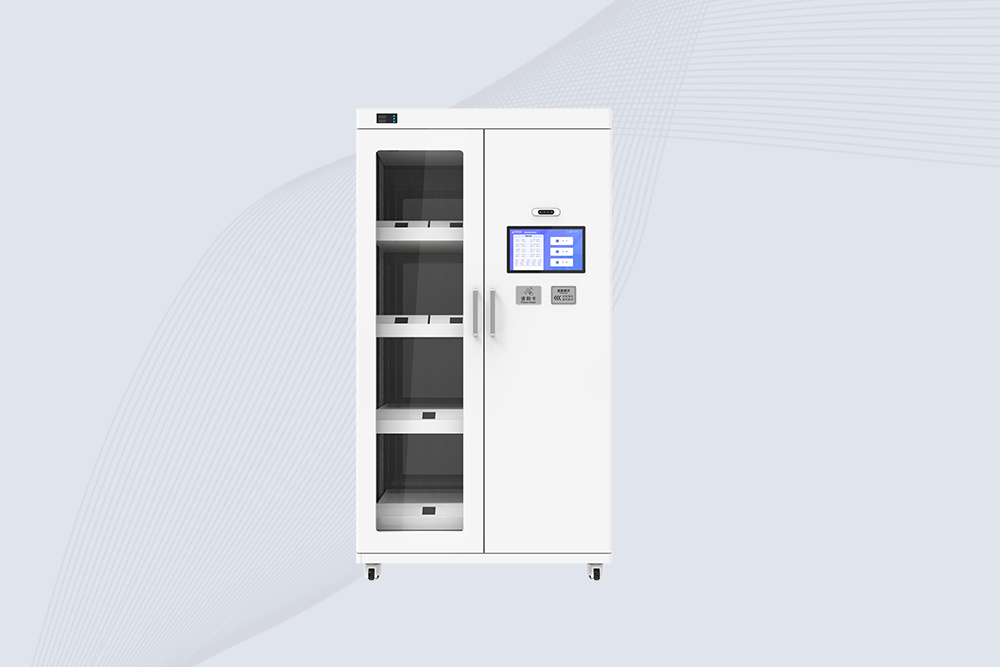
Cykeo CYKEO-GT1B industrial RFID tool storage cabinet features Impinj R2000 UHF technology, 1,000+ tool capacity, IP54 protection, and Windows/Android OS for manufacturing/aviation MRO. Includes auto check-in/out and SAP/Oracle sync.
Cykeo CYKEO-GT3C industrial RFID tool checkout system Cabinet features millimeter-wave scanning, 280-layer storage, dual OS, and 99.9% accuracy for aviation/semiconductor sectors. Supports auto check-in/out and real-time SAP sync.
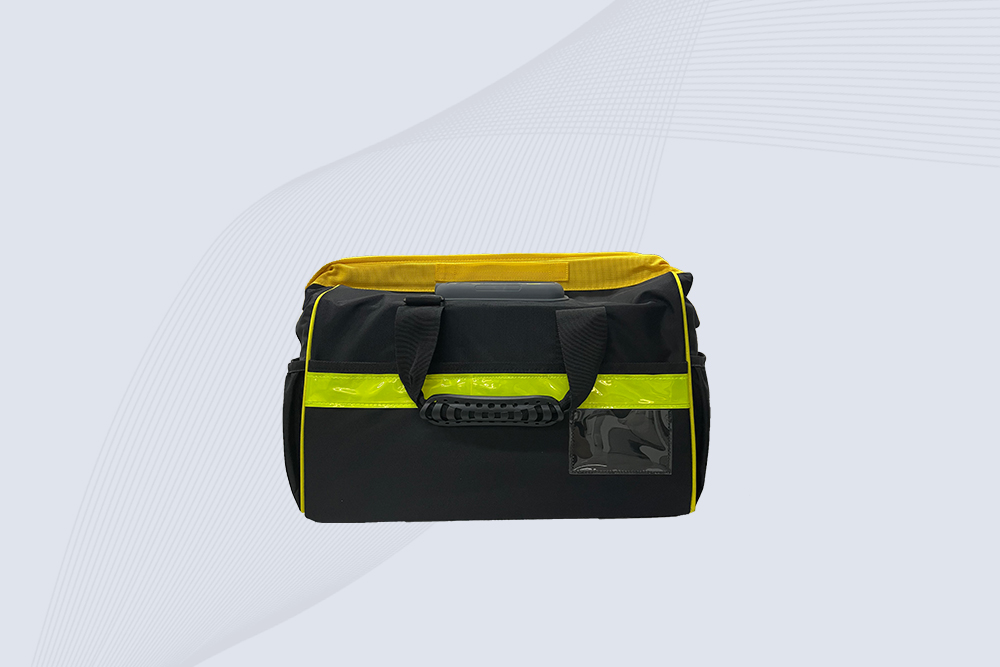
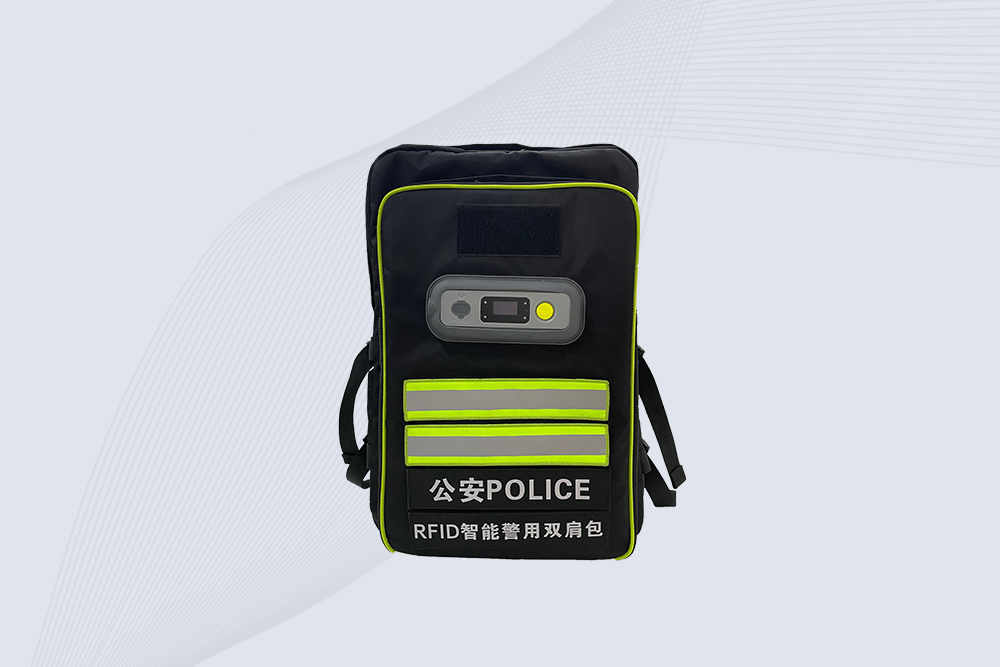
Discover the CYKEO-B1A Industrial RFID Backpack featuring advanced tool tracking technology with 25cm RF shielding, 7-day battery life, and wearable design for field maintenance professionals.
RFID Industry Writer | IoT & Asset Tracking Analyst
James writes about RFID technology, asset tracking, and the practical challenges of digital transformation across warehousing, retail, manufacturing, and logistics.
His work focuses on how RFID is applied in real-world operations—improving inventory visibility, automating workflows, and helping businesses manage assets with greater accuracy and efficiency.
He regularly covers topics including UHF RFID, smart cabinets, RFID portals, tool tracking, warehouse automation, and industrial IoT trends..
With the continuous advancement of technology, intelligent management has become a goal across industries. In the field of tool management, RFID tool cabinets have provided strong support for achieving intelligent management. In this article, we w...
retail tag systems protect stores from theft and improve inventory accuracy. Learn real retail deployment insights, loss prevention data, and RFID integration with Cykeo.
RFID gate opener sticker systems improve automated access control, item tracking, and security management for libraries, retail, healthcare, and smart storage spaces.
 Cykeo RFID IoT Solution Products R&D Manufacturer