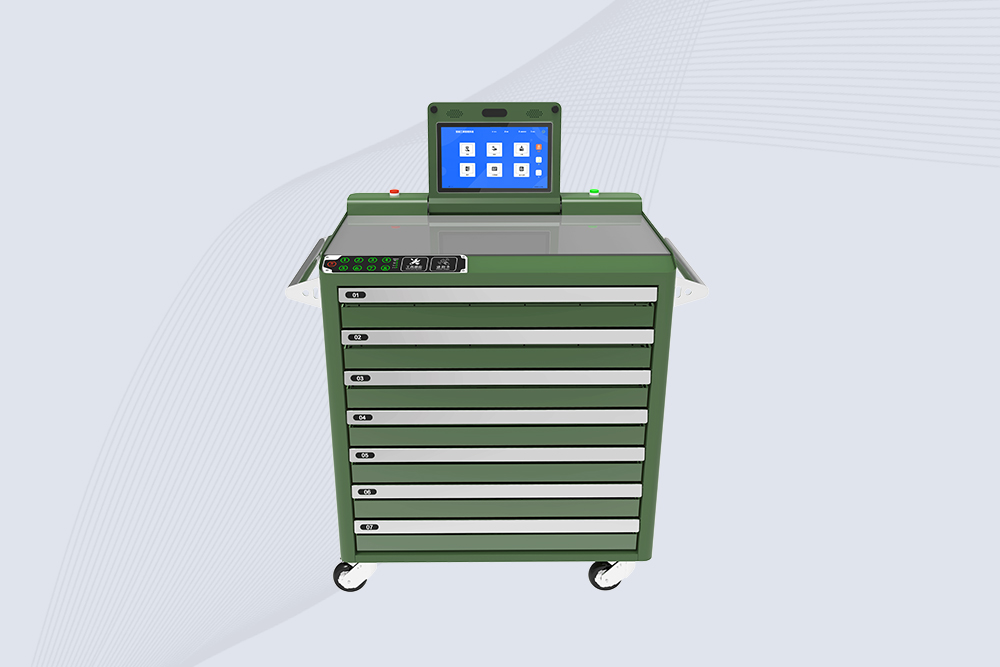
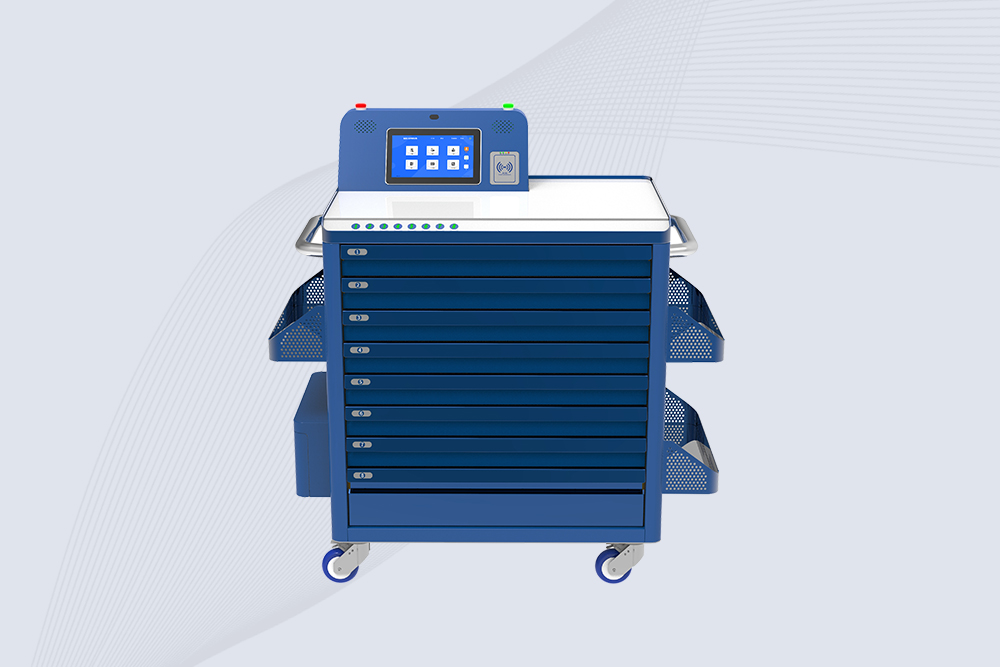
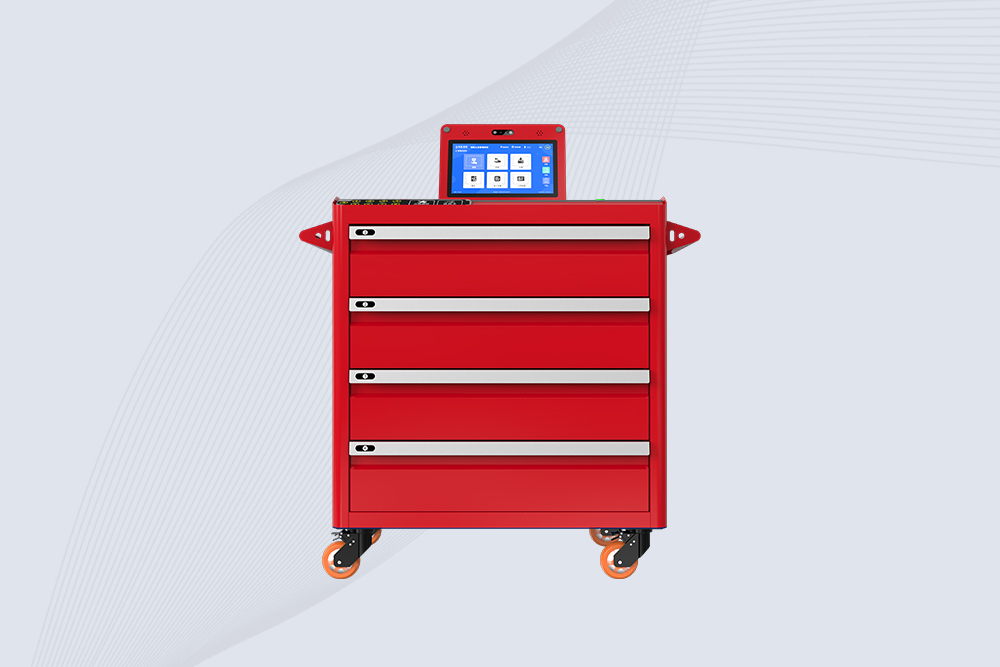
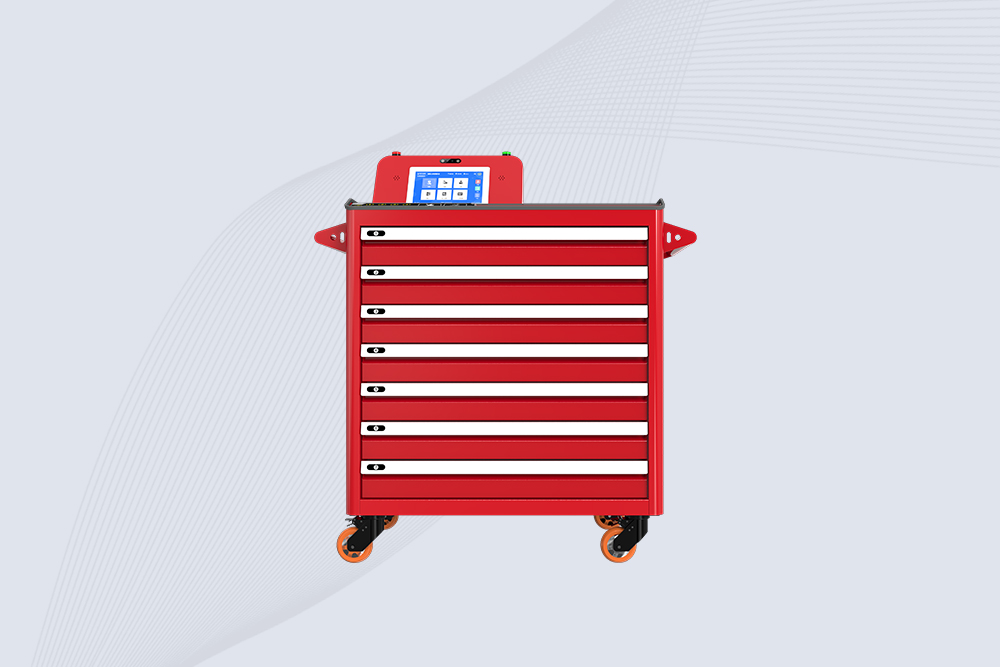
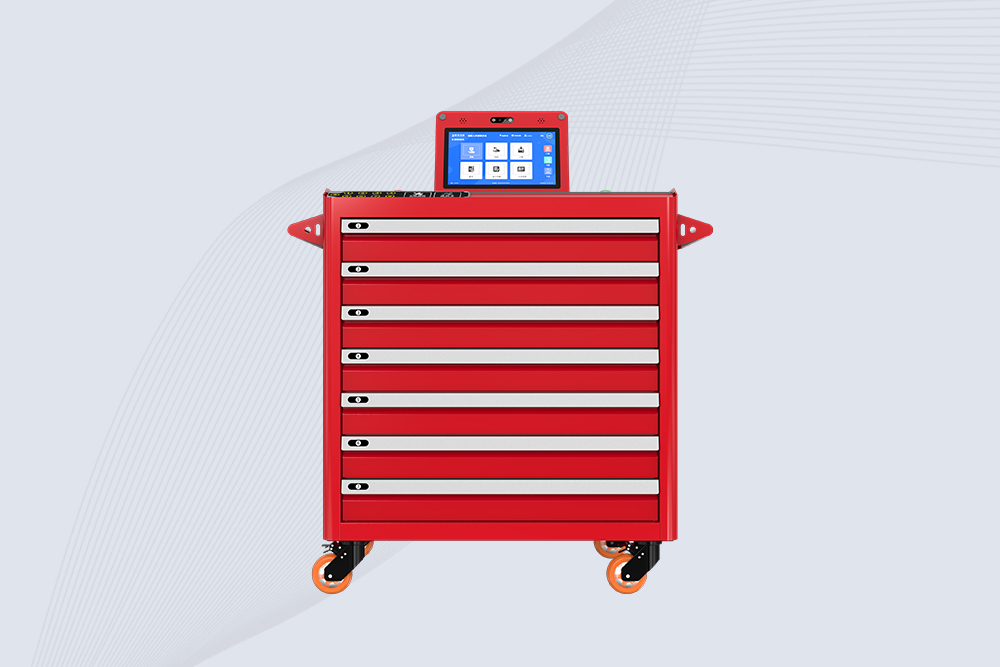
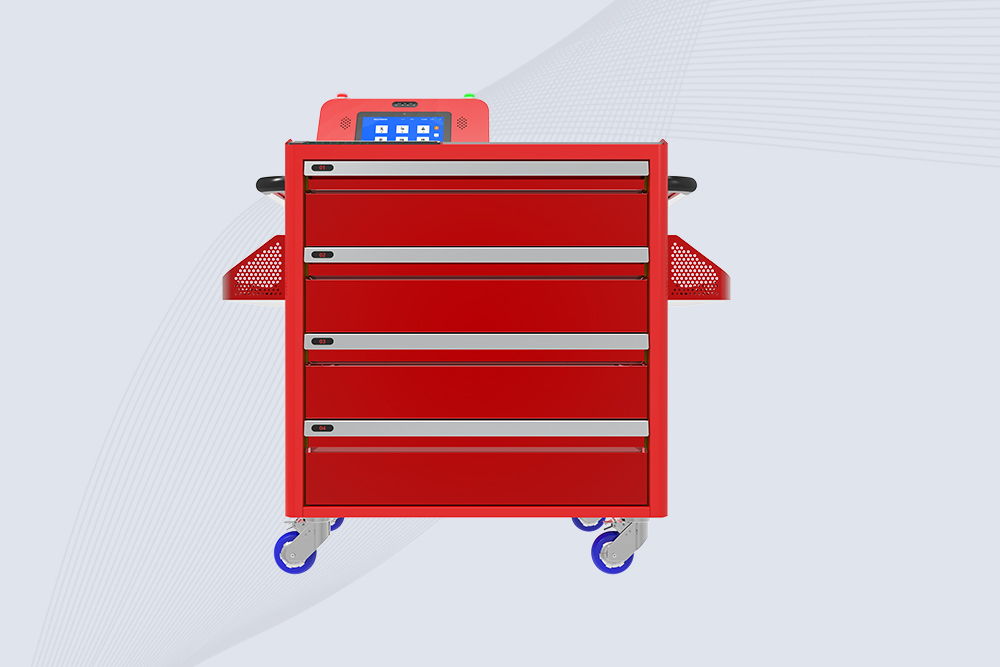
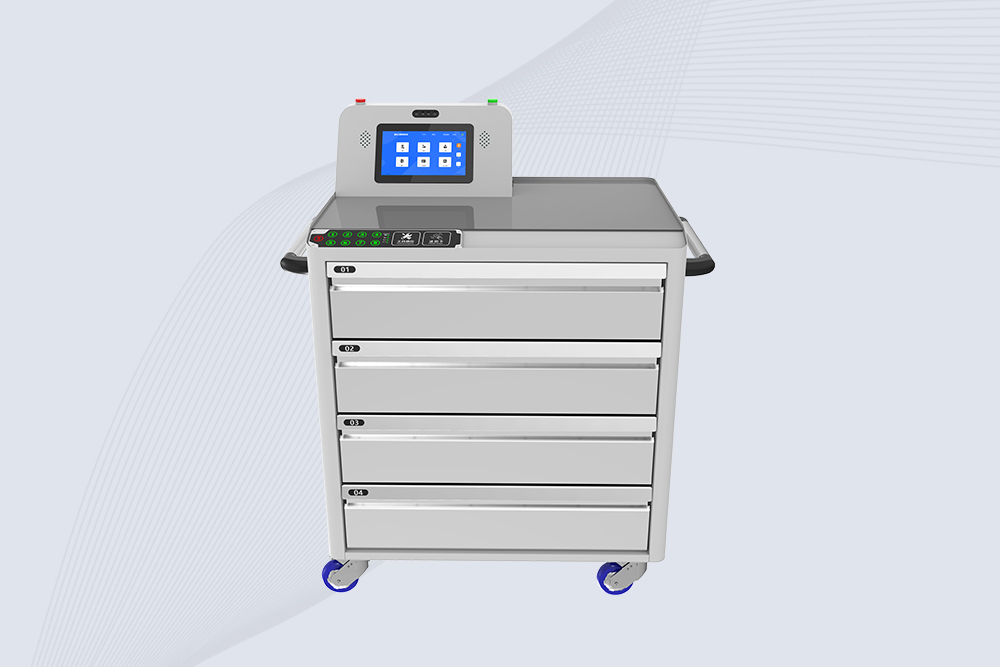
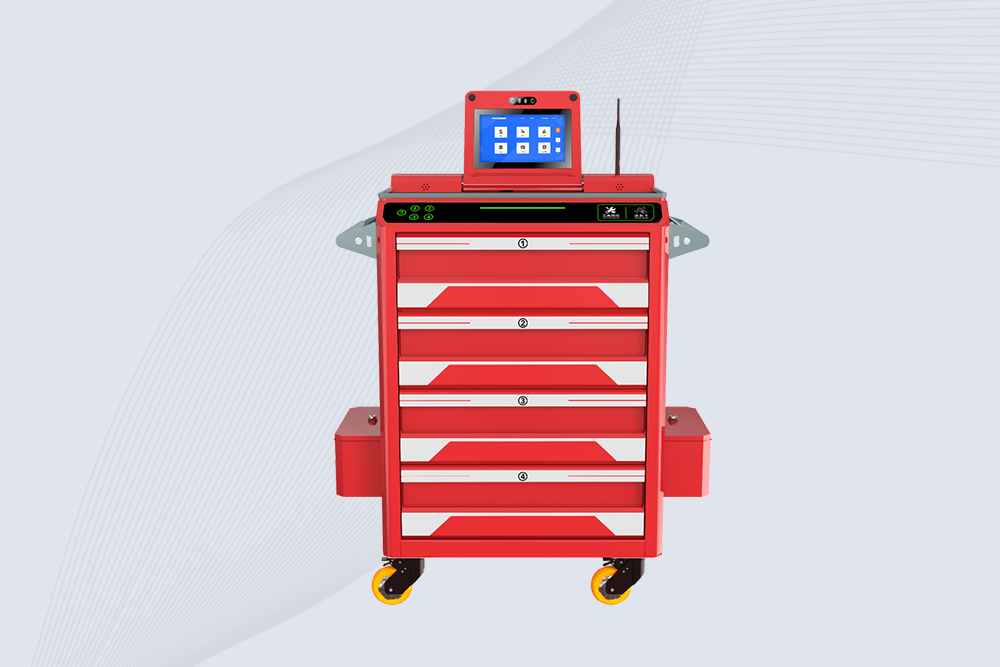
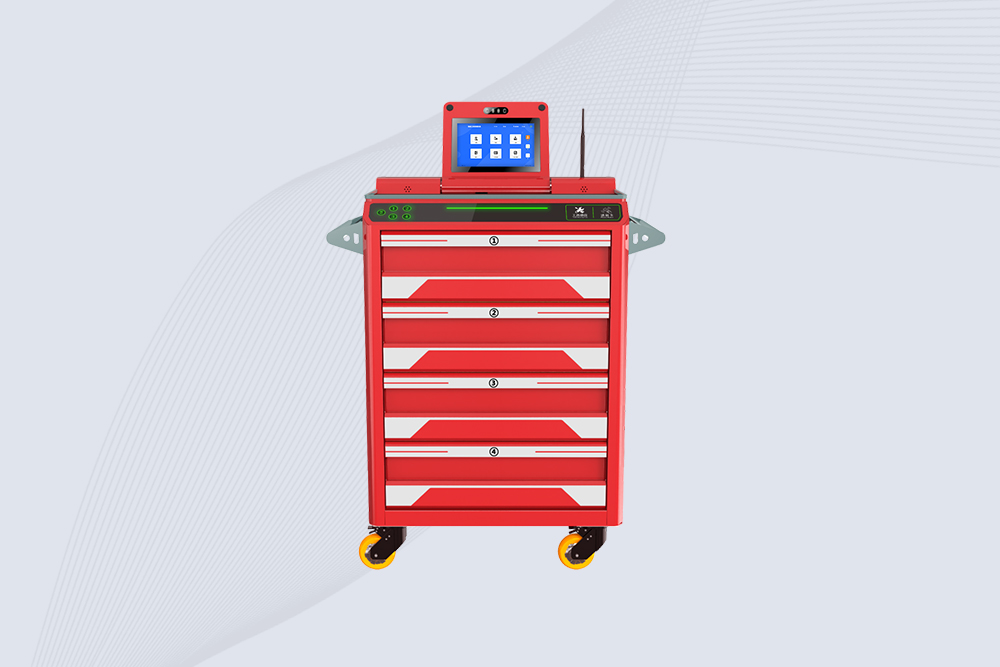
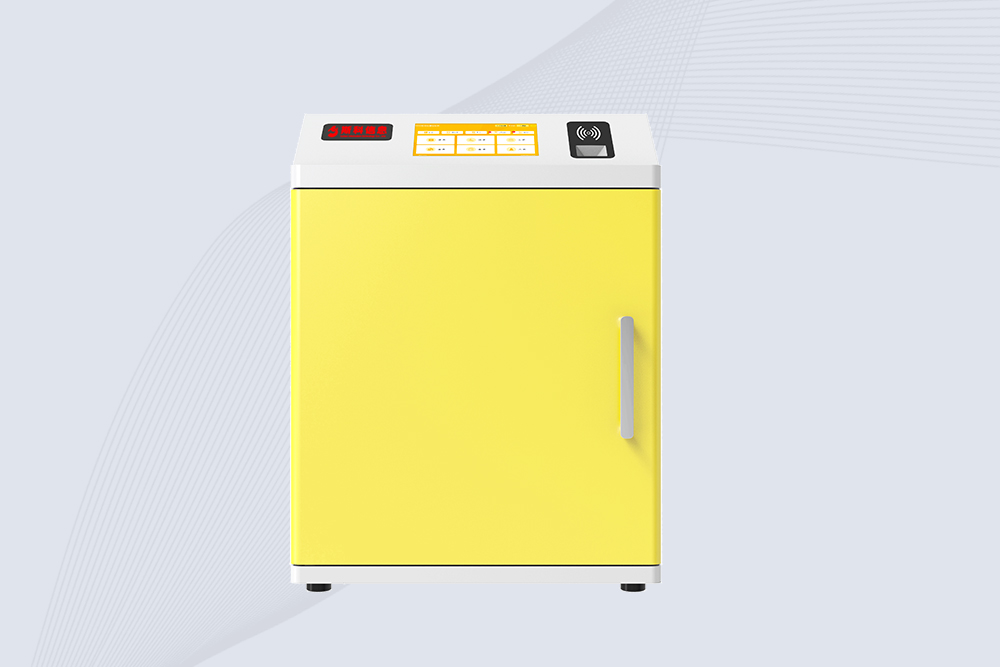
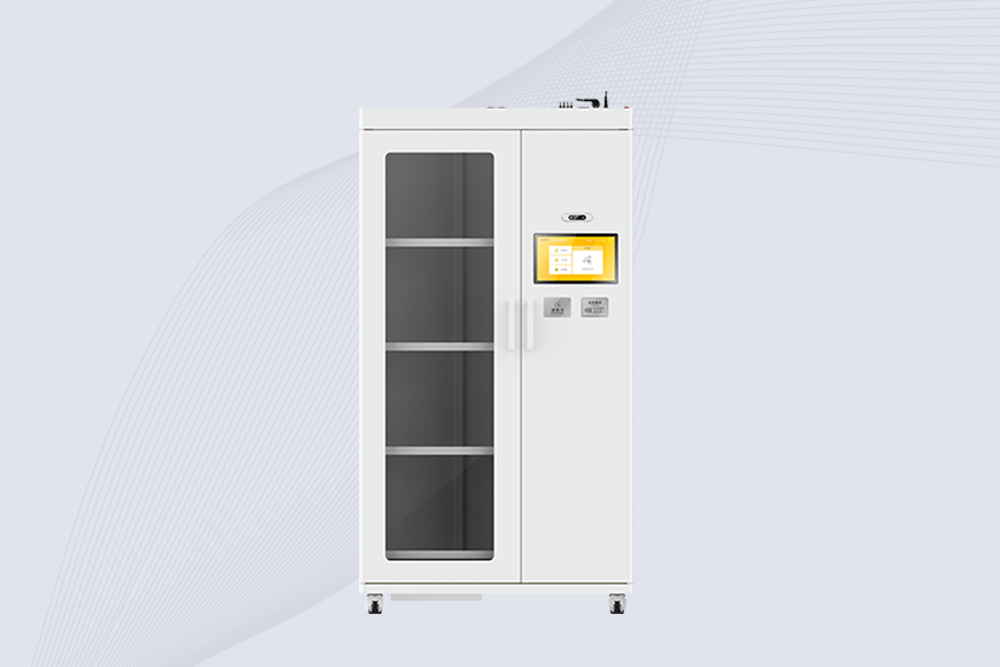
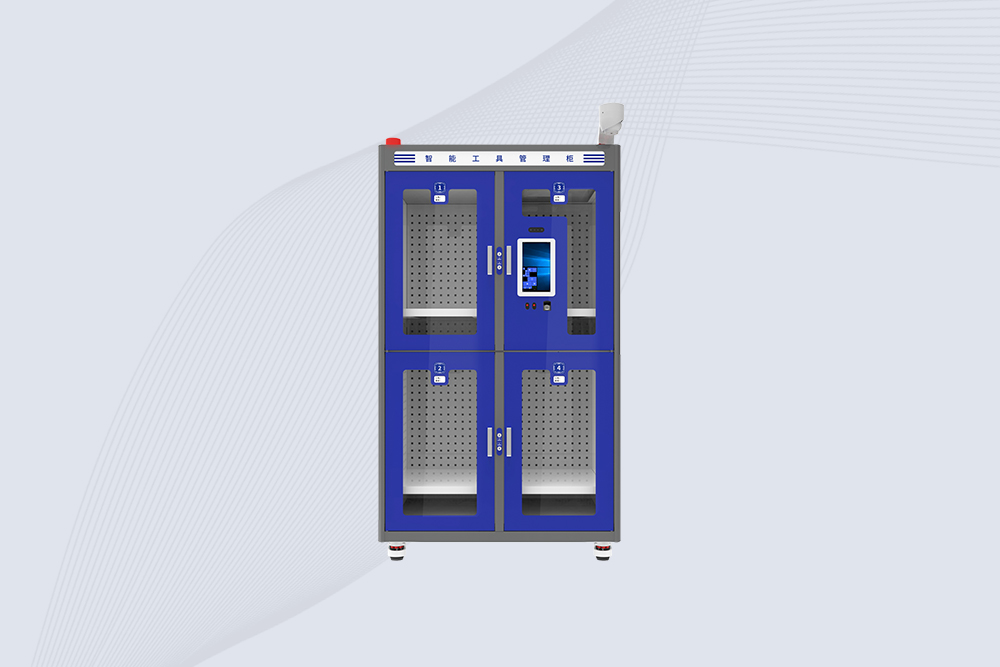
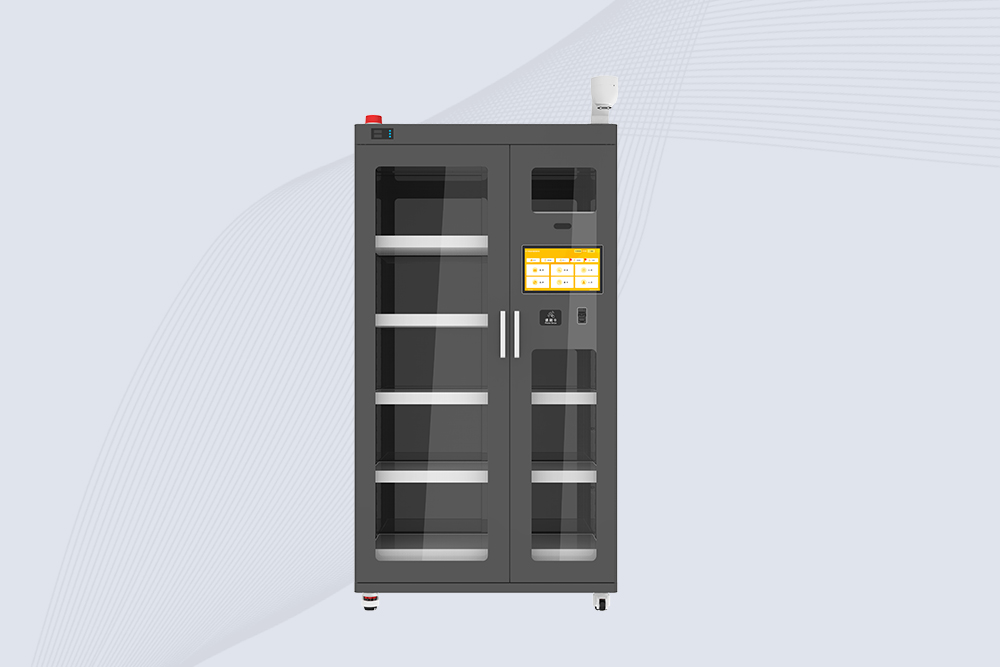
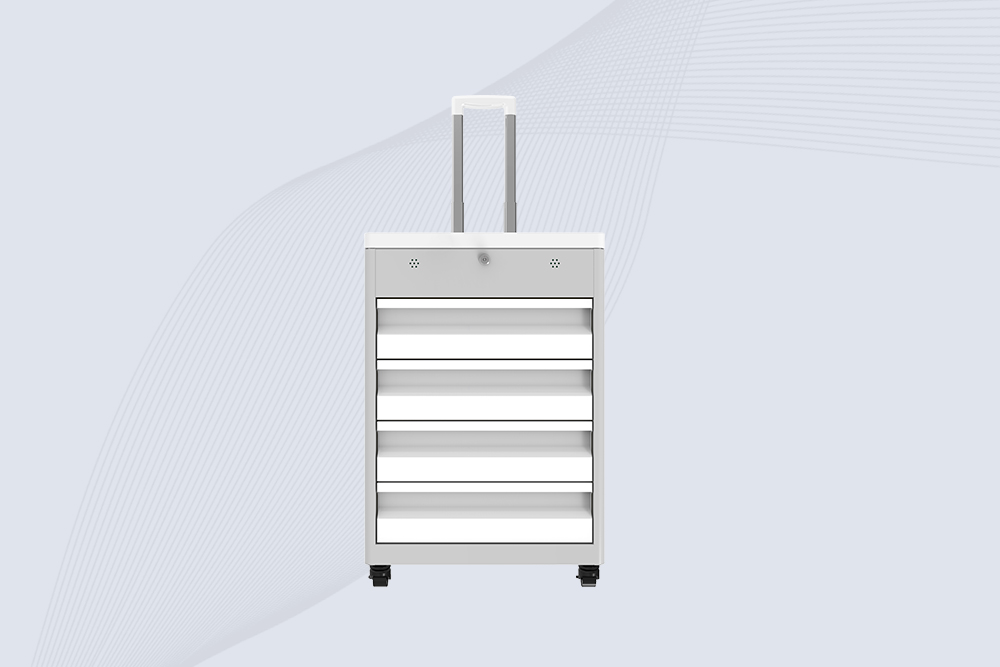
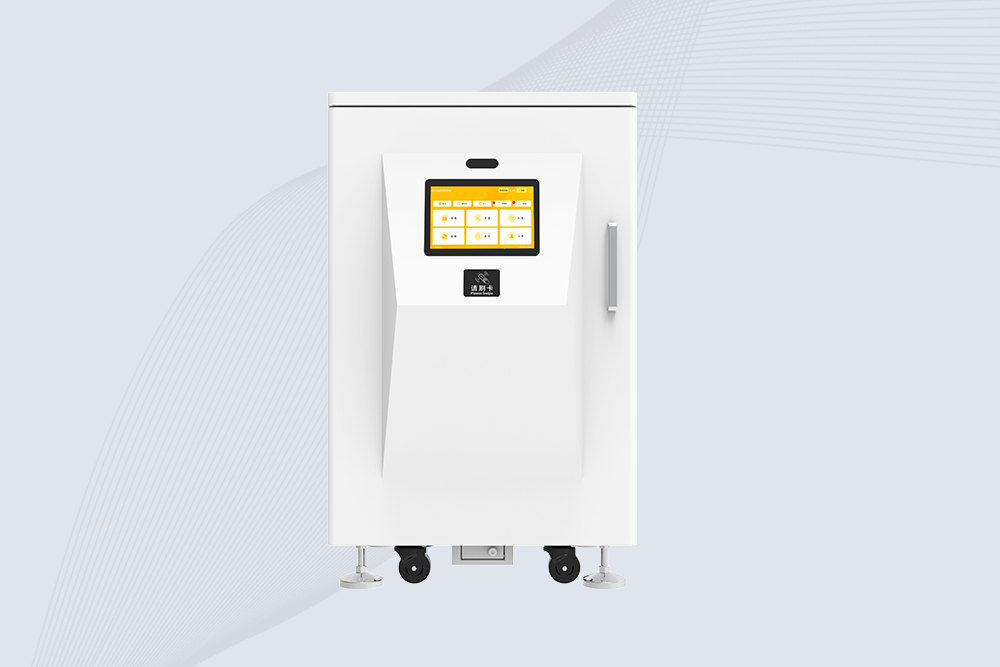
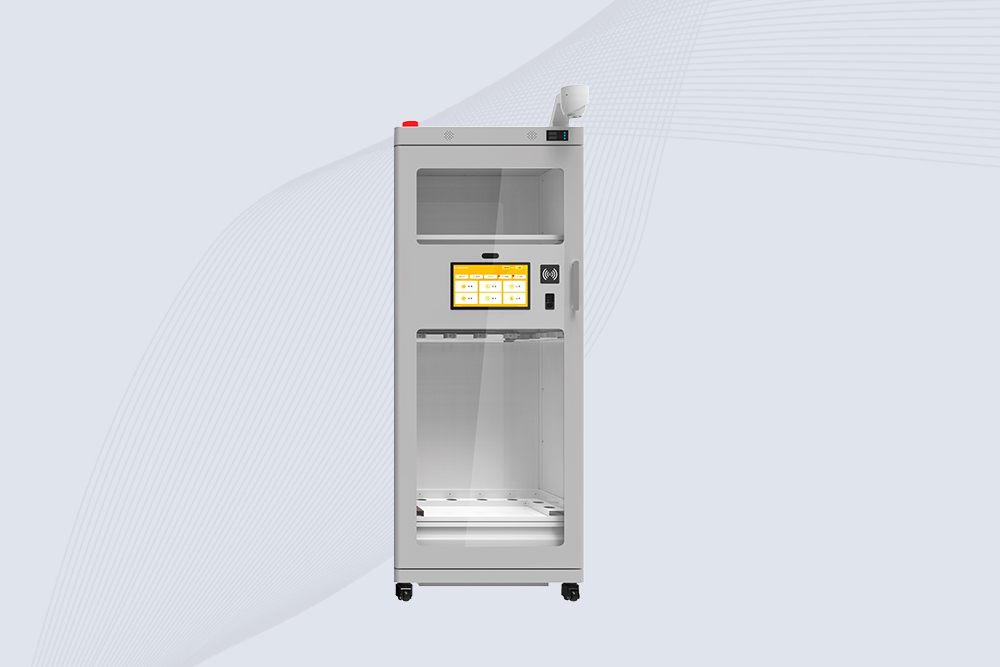
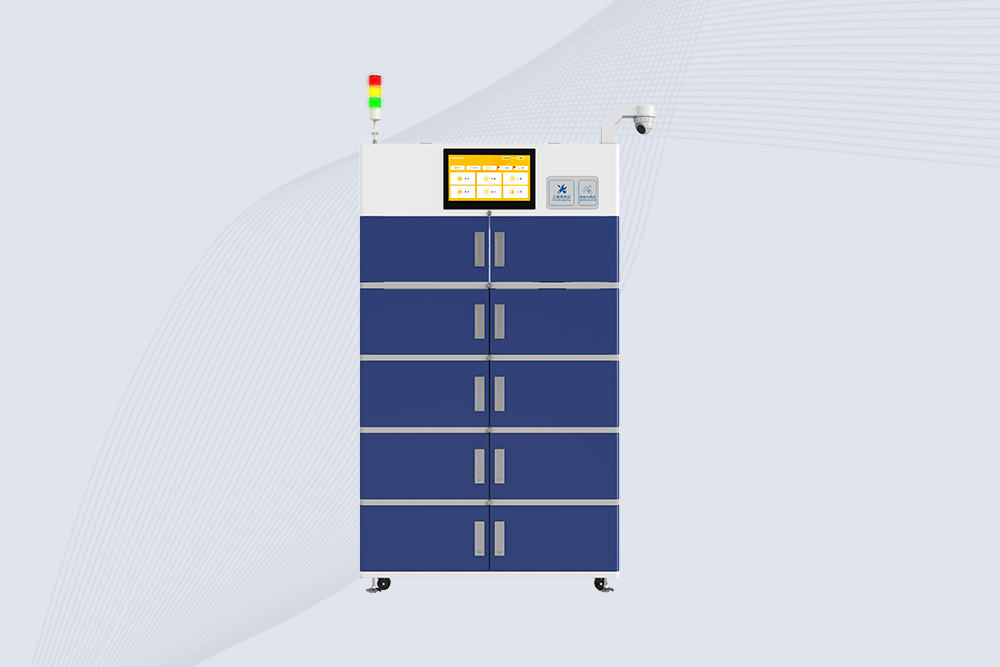
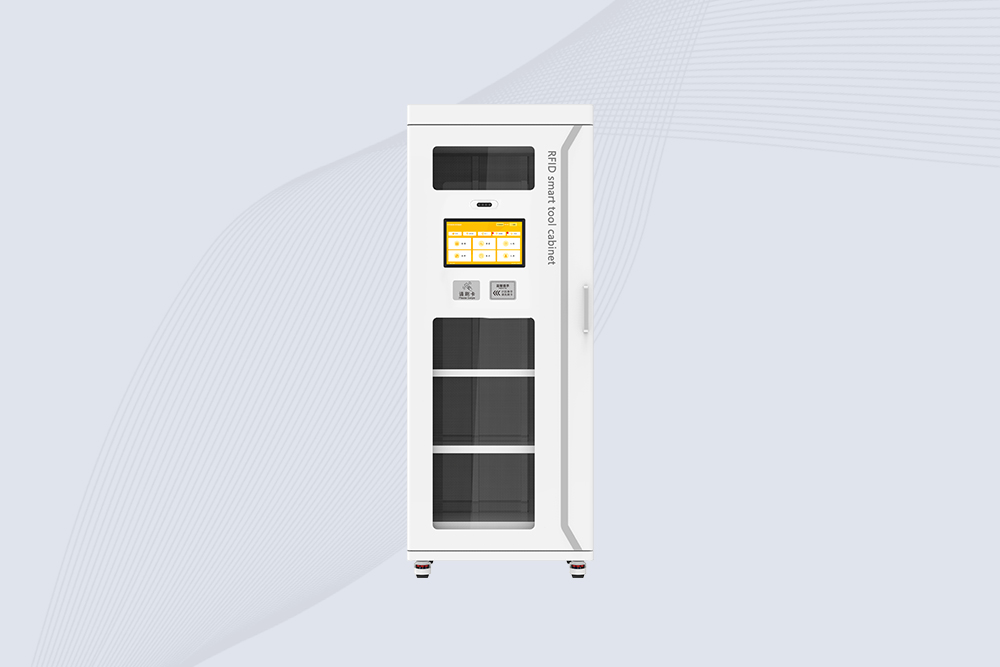
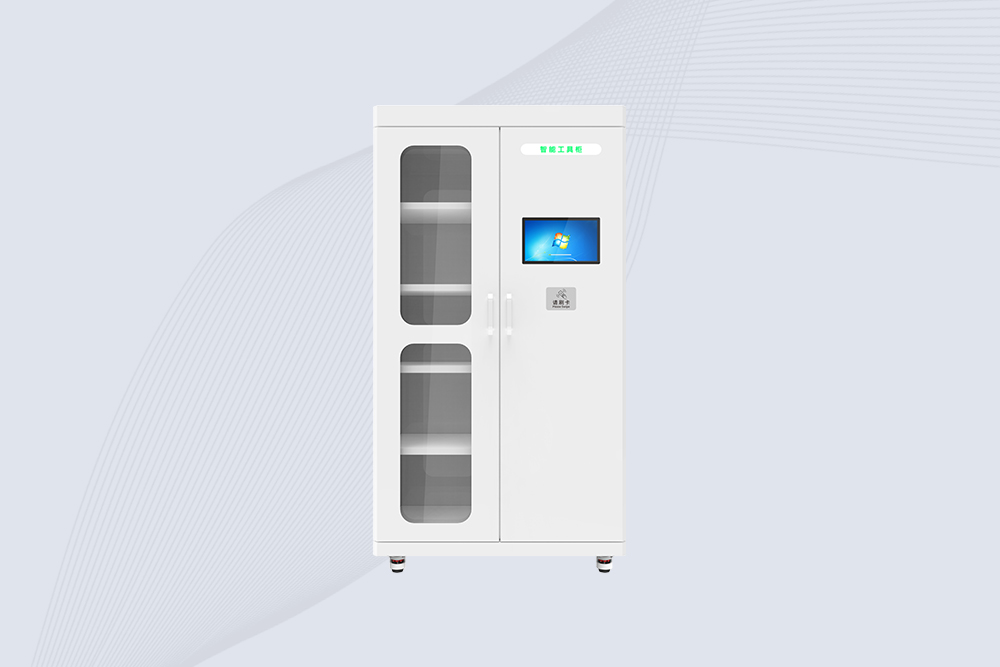
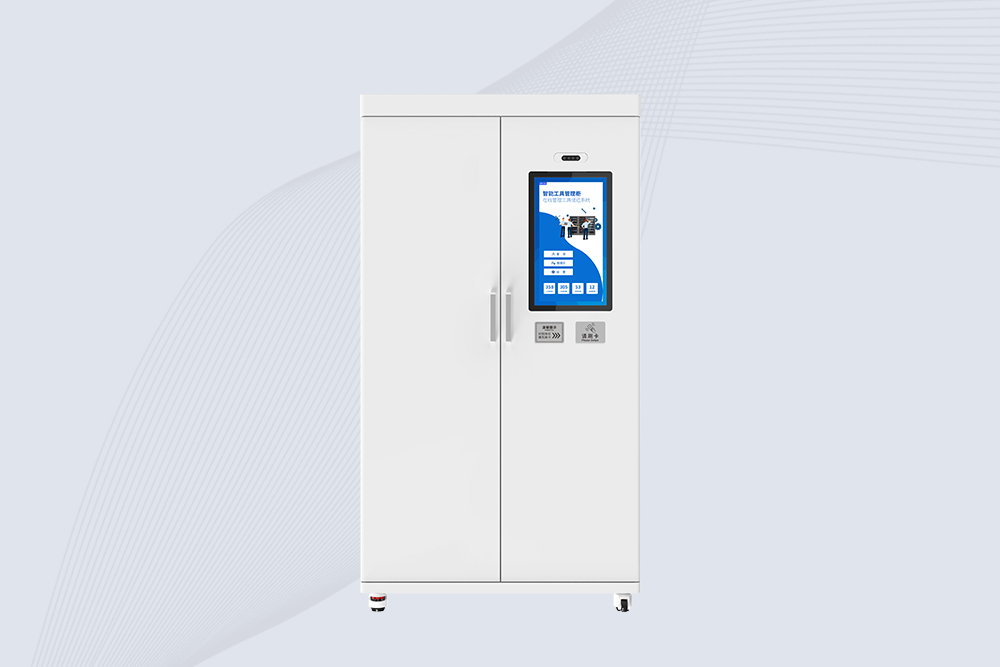
An RFID tool cabinet can help maintenance departments keep tools organized, traceable, and available when technicians need them. By connecting RFID identification with access control, checkout records, inventory, and maintenance workflows, factories can manage maintenance tools with less manual checking.
1. Why Maintenance Departments Need Better Tool Control
Maintenance teams work differently from many production departments.
A technician may need a specific wrench, measuring instrument, electrical tool, or specialized maintenance tool with little notice. The tool may then travel from the maintenance workshop to a machine, production line, warehouse, or another building.
This creates a practical management problem.
The tool may be physically available somewhere in the factory, but the maintenance team may not know where it is.
A maintenance department therefore needs more than storage space. It needs a way to answer basic questions:
Is the tool available?
Who has it?
Where was it last returned?
Has it been checked out?
Does it need inspection?
Is it ready for the next maintenance task?
An RFID tool cabinet can provide a digital layer around this physical tool movement.
2. Common Maintenance Tool Management Problems
Maintenance departments often manage a wide range of tools.
Some are used every day, while others may only be needed for specific machines or emergency repairs.
Typical problems include:
Tools are returned to different locations.
Technicians borrow tools without recording them.
Tools remain checked out after a job.
Manual inventory takes too much time.
Specialized tools are difficult to locate.
Measuring tools may require inspection or calibration.
Multiple technicians may need the same tool.
Managers have limited historical usage information.
These issues become more noticeable as the maintenance team grows or the factory operates across multiple shifts.
3. How RFID Tool Cabinet Supports Maintenance Work
An RFID tool cabinet can connect the physical tool with a digital record.
A typical process can be:
User authentication → Tool access → Tool removal → RFID identification → Maintenance task → Tool return → Inventory update
Each tool can have a unique RFID tag linked to its software record.
When a technician removes a tool, the system can record the transaction according to the configured workflow.
When the tool is returned, the system can update its status again.
This creates a continuous record of tool movement rather than relying entirely on manual forms.
For a broader explanation of the technology, see our guide to RFID tool management.
4. Tool Cabinets for Maintenance Workshops
A maintenance workshop may contain hundreds of different tools.
Common examples include:
Wrenches
Screwdrivers
Pliers
Torque tools
Electrical testing tools
Measuring instruments
Machine maintenance tools
Specialized service equipment
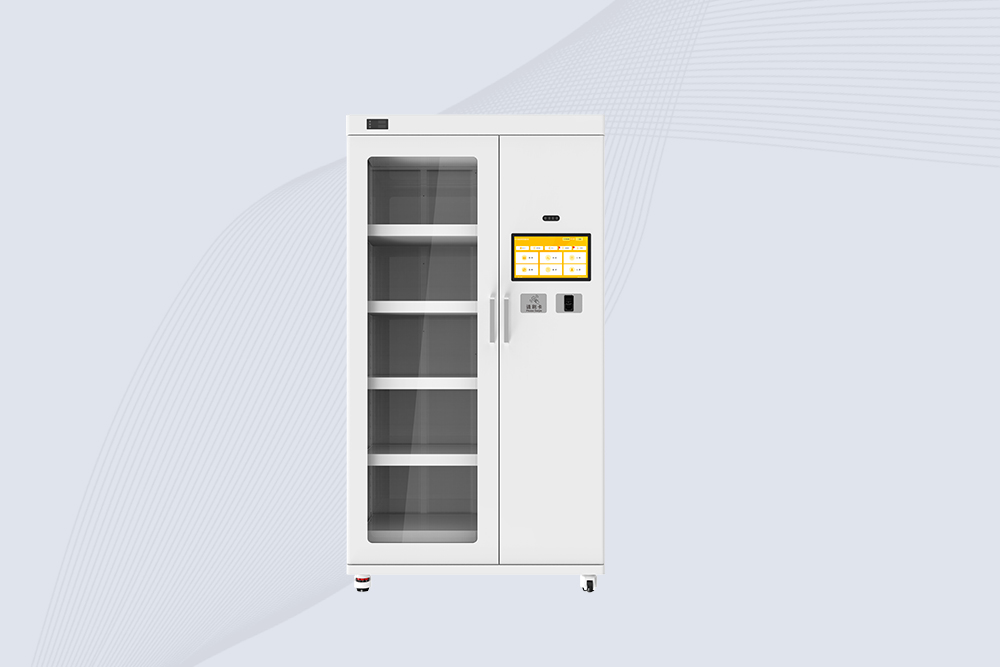
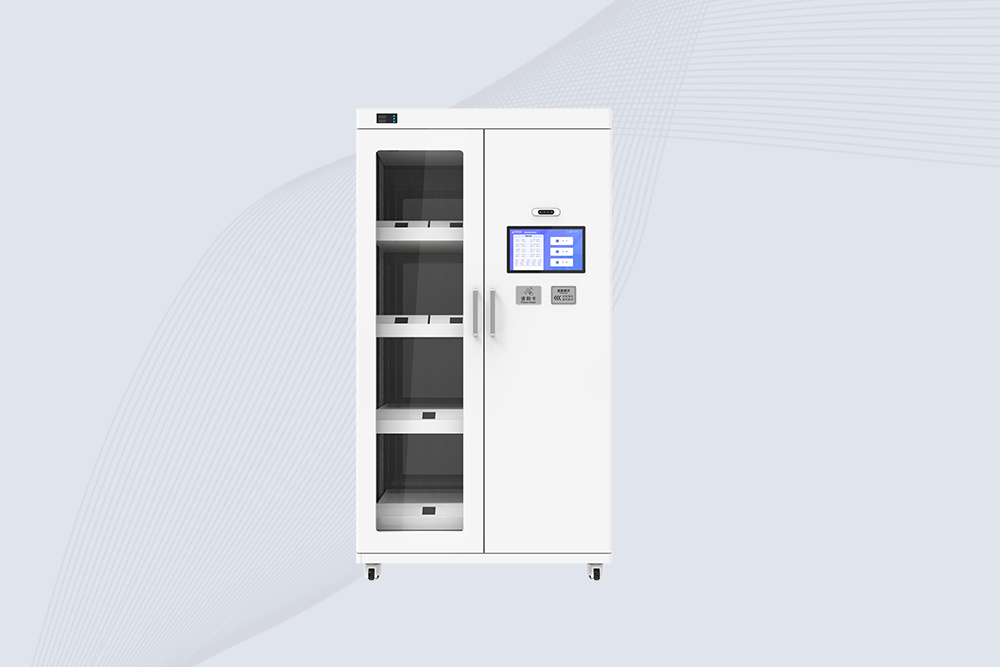
A smart cabinet can organize these tools while adding digital identification.
The cabinet structure should still follow the physical workflow of the maintenance department.
Frequently used tools may need easy access.
Specialized or expensive tools may require restricted access.
Measuring instruments may need additional status information.
The RFID system should therefore support the actual maintenance process instead of forcing technicians to change their normal work unnecessarily.
5. Tracking Tools Used During Maintenance Jobs
A maintenance job can involve several tools.
For example, a technician may receive a work order for machine maintenance and take five or six tools from the maintenance room.
Without a tracking system, the tools may only be recorded when someone remembers to update the list.
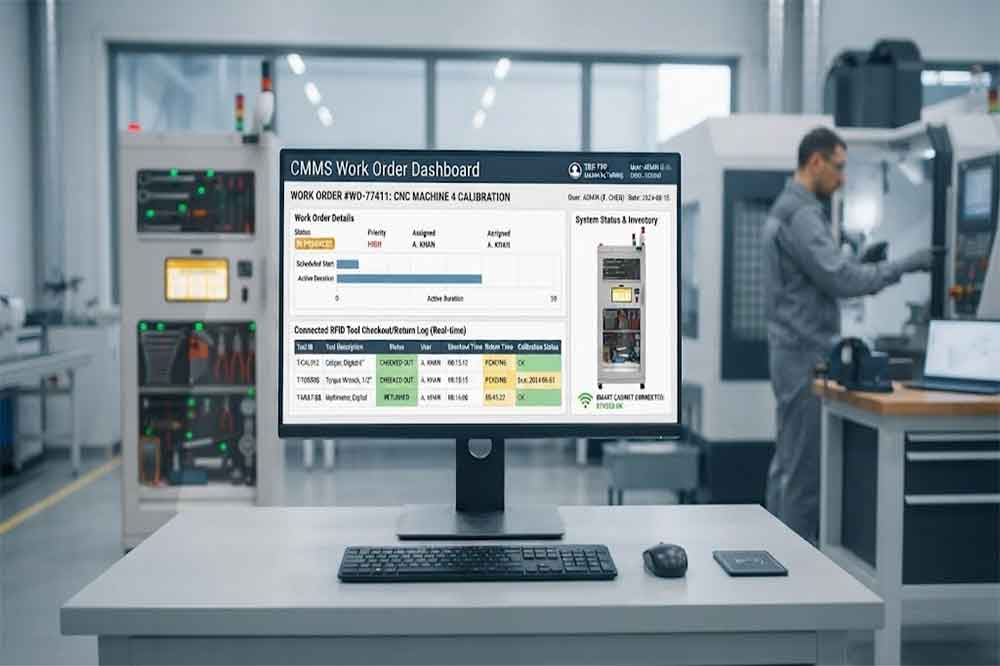
With RFID, the cabinet can become part of the checkout process.
A simplified workflow could be:
Maintenance Work Order → Technician Identification → Tool Checkout → Maintenance Work → Tool Return
The software can associate tool transactions with the technician and, when integrated appropriately, potentially with the maintenance work order.
This creates a stronger connection between the tool and the maintenance activity.
6. Managing Emergency Maintenance Tools
Emergency repairs create a different challenge.
When a production machine stops unexpectedly, technicians usually need tools immediately.
There may not be time to complete a long paper-based checkout procedure.
An RFID cabinet can provide a faster identification and access process, depending on the cabinet design and authentication method.
For example:
Technician authenticates.
Cabinet access is granted.
Required tools are removed.
RFID records the transaction.
Technician performs the repair.
Tools are returned after the job.
The objective is not simply to make checkout automated.
The larger goal is to maintain accountability without creating unnecessary delays during urgent maintenance work.
7. Maintenance Tool Availability
A missing maintenance tool can create a second problem after the original maintenance task is finished.
Suppose a technician needs a torque wrench for an afternoon repair.
The system shows that the tool is already checked out.
Instead of searching through several workshops, the maintenance manager can review the available tool records and identify the current status.
Depending on the software, tools can be classified as:
Available
Checked out
Overdue
Under maintenance
Under calibration
Reserved
Missing
Stored in another location
This makes tool availability easier to understand before a technician begins a job.
8. RFID Tool Inventory for Maintenance Departments
Maintenance tool inventory can become difficult when tools are distributed across several rooms or workshops.
An RFID system can support inventory checks by identifying tagged tools and comparing the detected information with the digital records.
Tool accountability becomes particularly important when several technicians share the same tool inventory.
An RFID system can create records associated with:
Technician
Tool
Cabinet
Date
Time
Transaction
Location
This can make it easier to investigate missing tools.
For example, if a tool is not returned after a maintenance job, the system may show who last checked it out.
This does not automatically mean that the person is responsible for the missing tool. The record simply provides a starting point for checking what happened.
That distinction is important when designing an accountability process.
14. Reducing Time Spent Searching for Tools
One of the less obvious benefits of digital tool management is reducing search time.
Maintenance technicians are usually more valuable when they are working on machines than when they are searching for equipment.
A well-organized RFID tool cabinet can provide information about tool availability and recent transactions.
Instead of checking several storage areas manually, a technician or supervisor can first review the digital record.
This can be particularly useful for specialized tools that are not used every day.
15. How to Deploy an RFID Maintenance Tool Cabinet
A maintenance department can start with a limited group of tools.
Step 1: Identify important tools
Select frequently used, expensive, specialized, or difficult-to-track tools.
Step 2: Review tool materials
Check whether tools are metal, plastic, mixed-material, coated, or exposed to demanding environments.
Step 3: Select RFID tags
Choose tags according to tool material, mounting position, temperature, cleaning conditions, and expected use.
Step 4: Design cabinet storage
Determine whether shelves, drawers, compartments, or mixed storage is more practical.
Step 5: Configure access
Define user permissions according to maintenance responsibilities.
Step 6: Test tool reading
Test actual tools inside the cabinet under normal operating conditions.
Step 7: Connect maintenance software
Map tool information to the existing CMMS or other management platform.
Step 8: Run a maintenance pilot
Start with one workshop or one tool category before expanding.
Before selecting an RFID tool cabinet, maintenance managers should consider:
Tool quantity
Tool size and material
RFID tag compatibility
Cabinet layout
Reading performance
Multiple-tool identification
User authentication
Access permissions
Inventory functions
CMMS integration
Network reliability
Maintenance requirements
Future expansion
A cabinet that looks suitable in a product catalog may still require testing with the actual tools used by the maintenance department.
17. Conclusion
RFID tool cabinet can give maintenance departments a clearer way to manage tools from checkout to return.
The system can support tool identification, availability checking, inventory, access control, technician accountability, calibration-related records, and CMMS integration.
The most practical approach is to start with real maintenance workflows rather than simply choosing a cabinet based on specifications. Testing actual tools, RFID tags, users, and software connections can help ensure that the final system works in the factory environment.
Cykeo’s RFID Smart Tool Cabinet enables 10-second tool audits, user access control & real-time alerts for construction/oil/gas. Features 21.5″ touchscreen, IP54 steel body & -30°C~60°C operation. Supports SAP/Oracle integration.
Cykeo’s industrial RFID Tool Cart features 14″ touchscreen, 400+ tool scanning, and carbon steel construction for aviation MRO, power plants and construction sites. 5-second inventory scans.
Cykeo CYKEO-TC RFID multi-drawer tool cart manages 300+ tools via UHF RFID, features fingerprint/face recognition, Android/Windows OS, and SAP integration for nuclear/railway/fire safety sectors. IP54 rated for harsh environments.
Cykeo CYKEO-GTC4 RFID tool inventory cart manages 300+ tools via UHF RFID, features instant scanning, fingerprint/face recognition, and SAP integration for nuclear/railway/fire safety sectors. IP54 rated for harsh environments.
Cykeo CYKEO-GTC7A RFID real-time tool tracking cart features 99.9% accuracy, FOD prevention, and SAP integration for aviation/plant maintenance. Military-grade construction.
Cykeo CYKEO-GTC4B RFID mobile tool cart delivers 300-tool verification in 7 seconds with modular drawers, ≤150W power, and SAP integration for industrial/aviation use.
Cykeo CYKEO-GTC4C RFID workshop tool control cart delivers 300-tool inventory in 3 seconds with 10hr battery, SAP integration, and FOD prevention for industrial workshops.
Cykeo’s off-grid RFID tool inventory system features solar/wind power, -30°C~60°C operation, and military-grade durability for mining/energy/military sectors.
Cykeo’s RFID multi-drawer tool cabinet features 5 adjustable drawers, biometric access, and 99.9% scan accuracy for automotive/aerospace manufacturing.
Cykeo CYKEO-GT1B industrial RFID tool storage cabinet features Impinj R2000 UHF technology, 1,000+ tool capacity, IP54 protection, and Windows/Android OS for manufacturing/aviation MRO. Includes auto check-in/out and SAP/Oracle sync.
Cykeo CYKEO-GT3C industrial RFID tool checkout system Cabinet features millimeter-wave scanning, 280-layer storage, dual OS, and 99.9% accuracy for aviation/semiconductor sectors. Supports auto check-in/out and real-time SAP sync.
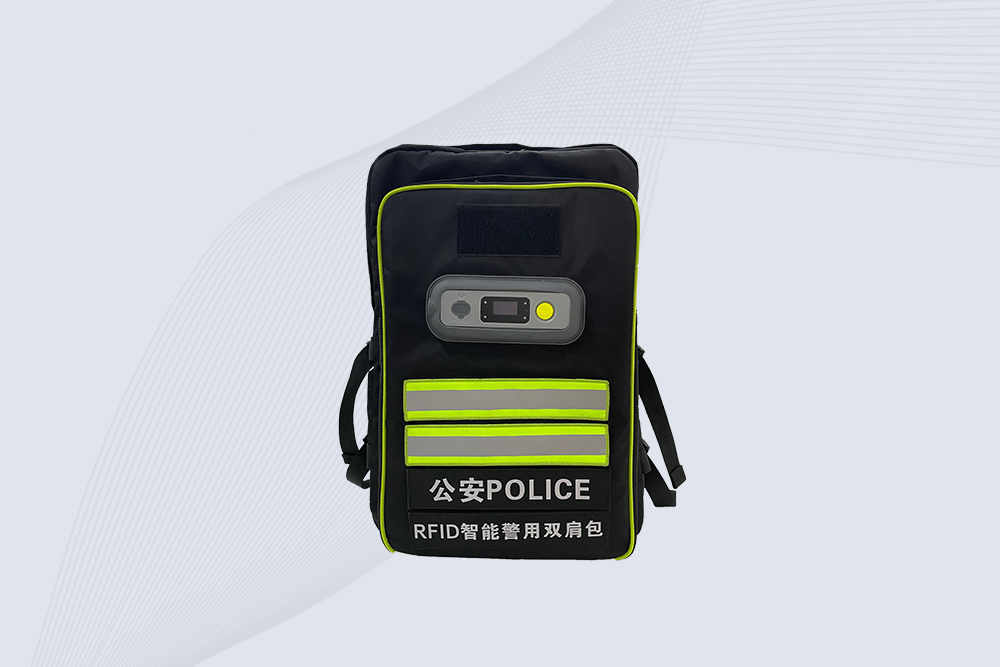
Discover the CYKEO-B1A Industrial RFID Backpack featuring advanced tool tracking technology with 25cm RF shielding, 7-day battery life, and wearable design for field maintenance professionals.
RFID Industry Writer | IoT & Asset Tracking Analyst
James writes about RFID technology, asset tracking, and the practical challenges of digital transformation across warehousing, retail, manufacturing, and logistics.
His work focuses on how RFID is applied in real-world operations—improving inventory visibility, automating workflows, and helping businesses manage assets with greater accuracy and efficiency.
He regularly covers topics including UHF RFID, smart cabinets, RFID portals, tool tracking, warehouse automation, and industrial IoT trends..
Learn what is rfid tags used for in modern industries. Explore RFID tracking applications, inventory control, asset management, and Cykeo smart identification solutions.
RFID readers and barcode scanners both help track inventory and assets, but they work in very different ways. Learn the key differences, costs, advantages, and how to choose the right technology for your business.
Learn what is anti metal RFID tag, how it works, where it excels, and why industries rely on anti-metal RFID tags for reliable asset tracking. Expert insights, real-world applications, and authoritative references from Cykeo.
Discover what an RFID reader is used for in logistics, retail, manufacturing, and security. Learn how CYKEO’s RFID solutions enhance efficiency and accuracy.
 Cykeo RFID IoT Solution Products R&D Manufacturer