 Cykeo RFID IoT Solution Products R&D Manufacturer
How to Configure RFID Reader: A Step-by-Step Guide
396A complete step-by-step guide on how to configure an RFID reader for optimal performance. Learn about connections, software settings, and troubleshooting. Brought to you by CYKEO.
MoreAll RFID Product
To use an RFID writer, connect the device with software, place a compatible RFID tag within the writing area, select the required memory section, and write verified data into the tag. A reliable RFID writing process requires correct hardware configuration, suitable tags, and accurate data management.
RFID writers are essential tools for applications that require tag initialization, data updating, or batch encoding. Unlike a normal RFID reader that only collects identification information, an RFID writer can communicate with writable RFID tags and modify stored information according to application requirements.
In practical RFID projects, the writing process looks simple on the surface, but small configuration differences often determine whether the system performs consistently. Tag frequency, communication protocol, writing distance, output power, and software compatibility all need to be considered.
During RFID equipment testing, I have found that many unsuccessful deployments are not caused by the writer itself. The problem often appears when operators use unsuitable tags, write data into the wrong memory area, or skip verification after programming.
Cykeo develops RFID reader and writer solutions for industrial identification, inventory management, retail applications, and smart automation systems. Understanding how to use rfid writer correctly helps companies create stable tag management workflows.
An RFID writer communicates with RFID tags through radio frequency signals. When a compatible tag enters the writing range, the device sends commands to store or update information inside the tag memory.
A typical RFID writing system includes:
RFID Writer Hardware: The device responsible for communicating with RFID tags.
RFID Tags: Writable identification carriers that store unique information.
Programming Software: The interface used to configure writing tasks.
Database System: A platform for managing written tag information.
Most RFID tags contain different memory areas. For UHF RFID tags, commonly used memory sections include Reserved Memory, EPC Memory, TID Memory, and User Memory. Selecting the correct memory area is important because unnecessary changes can affect future identification processes.
Before programming RFID tags, connect the RFID writer to a computer or control system. Depending on the device model, communication methods may include USB, Type-C, RS-232, Ethernet, or wireless connections.
Cykeo desktop RFID writer solutions provide Type-C communication and development resources such as C# and Java examples, allowing engineers to integrate writing functions into their own applications.
The RFID writer and tag must support the same communication standard. For example, UHF RFID applications commonly use EPC C1G2 / ISO 18000-6C compatible tags.
| RFID Tag Type | Common Writing Application | Typical Equipment |
|---|---|---|
| UHF RFID Tags | Inventory, logistics, asset tracking | UHF RFID writer |
| HF RFID Cards | Access control, identification cards | HF reader writer |
| NFC Tags | Mobile interaction and smart labels | NFC writer |
After selecting the tag, open the RFID writing software and choose the required operation. The system can write identification numbers, product codes, asset information, or other application-related data.
A professional RFID writing workflow normally includes:
Reading the original tag information.
Selecting the correct memory area.
Entering required data.
Executing the write command.
Reading the tag again for verification.
Many commercial RFID applications require hundreds or thousands of tags to be programmed. Manual writing one tag at a time creates unnecessary workload and increases the possibility of human errors.
Batch RFID programming allows operators to:
Write multiple RFID tags continuously.
Filter already programmed tags.
Automatically verify writing results.
Export programming records.
For example, in a retail labeling process, a company may need to encode RFID tags before attaching them to products. A desktop RFID writer with controlled reading and writing distance can reduce accidental reads from nearby tags and improve programming accuracy.
The best RFID writer depends on the working environment and required workflow. A device designed for laboratory testing may not be suitable for a high-volume production line.
| Requirement | Recommended Feature |
|---|---|
| Small item management | Desktop RFID writer with near-field antenna |
| Large-scale encoding | Batch writing and software automation |
| System integration | SDK, API, C#, Java development support |
| Stable operation | Adjustable output power and filtering function |
Cykeo RFID writing equipment is designed around real application requirements rather than only laboratory specifications.
Key features include:
Near-field antenna design for controlled reading and writing range.
Maximum output power up to 33dBm for stable tag writing.
Reading distance control within approximately 30cm.
Writing distance control within approximately 10cm.
Automatic reading and writing demonstration software.
Support for batch RFID tag programming.
Fast tag filtering capability.
C# and Java development resources.
Type-C communication interface.
The controlled writing range is especially useful for desktop applications because it reduces unintended communication with surrounding RFID tags. In real working environments, this small design detail can improve operational reliability.
Based on RFID system testing experience, several problems appear frequently during tag programming:
| Problem | Possible Cause | Solution |
|---|---|---|
| Writing failure | Wrong tag protocol or distance | Confirm compatibility and adjust position |
| Incorrect data | Wrong memory area selected | Verify writing configuration |
| Slow programming speed | No batch function enabled | Use automated writing workflow |
| Unexpected tag reading | Writing range too large | Select controlled near-field equipment |
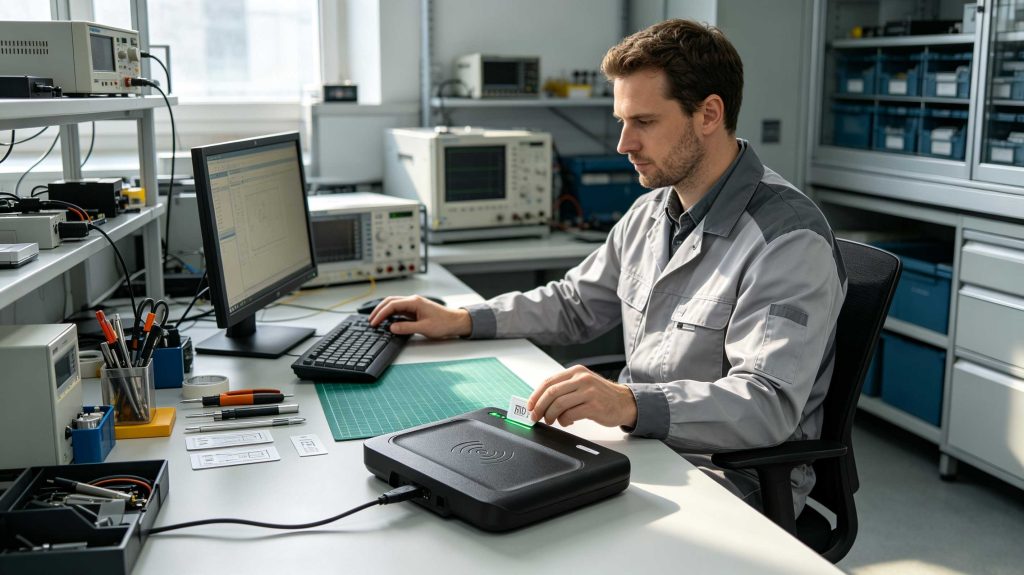
RFID writer software is the bridge between hardware operation and practical business workflows. A writer without suitable software can only perform basic communication, while professional software allows users to control writing commands, organize tag information, and verify results after programming.
In daily RFID deployment projects, engineers usually configure several important parameters before starting batch operations:
Reader connection: Confirm USB, Type-C, serial, or network communication status.
Tag protocol: Select the correct RFID standard supported by the tag.
Memory location: Define where information should be stored.
Writing power: Adjust output parameters according to tag position and environment.
Verification method: Enable automatic checking after each writing process.
Cykeo RFID writer solutions provide automatic read/write DEMO software, allowing users to test tag communication quickly before integrating the device into their own systems. For developers, C# and Java resources reduce the difficulty of connecting RFID writing functions with existing applications.
Batch encoding is one of the most common requirements in commercial RFID projects. Warehouses, libraries, retail companies, and manufacturing facilities often need to prepare hundreds or thousands of RFID tags before deployment.
Import product or asset information into the software system.
Place multiple compatible RFID tags within the writing area.
Start automatic writing commands.
Verify successful programming results.
Save records for future tracking.
A practical point often overlooked during installation is tag positioning. When multiple tags are placed too close together, unwanted communication may occur. A near-field RFID writer design helps reduce this issue by keeping the operating area controlled.
Cykeo desktop RFID writer equipment uses a near-field antenna structure, with a reading range controlled within approximately 30cm and a writing range controlled within approximately 10cm. This design is suitable for desktop issuing stations, tag registration points, and small-item management environments.
Retail and asset management applications usually require fast and repeatable tag programming. Before products enter circulation, RFID tags may need to be linked with product numbers, inventory records, or management databases.
Common application examples include:
| Industry | RFID Writer Usage | Business Purpose |
|---|---|---|
| Retail | Product tag programming | Improve inventory visibility |
| Warehouse | Asset label preparation | Support automated tracking |
| Library | Book tag encoding | Improve borrowing management |
| Manufacturing | Component identification | Monitor production processes |
During field implementation, the writing station is often placed near the operator’s workstation rather than inside a large production area. This improves control because employees can immediately confirm whether tags have been correctly programmed.
Testing is an important step before connecting an RFID writer to a business system. A device may successfully write tags in a laboratory but behave differently when surrounded by metal products, electronic equipment, or other RFID devices.
Test different RFID tag models.
Confirm reading and writing distance.
Check writing success rate.
Verify stored data accuracy.
Test repeated writing operations.
Record communication stability.
According to the RFID industry standardization work published by GS1, EPC-based identification systems are designed to provide standardized identification information across supply chains. Proper RFID writing procedures help maintain consistent data quality throughout these systems.
In engineering practice, stable RFID performance usually comes from matching three elements: the correct tag, the correct writer configuration, and the correct application environment.
Yes. Many RFID writers are designed as reader-writer devices, allowing users to read existing tag information before writing new data. This helps verify tag status and prevents incorrect programming.
Depending on the tag type and memory capacity, users can write identification numbers, product codes, asset information, or application-specific data into writable memory areas.
No. Some RFID tags are read-only, while others support rewritable memory. Users should confirm tag specifications before selecting an RFID writer.
RFID writers usually require compatible programming software or SDK tools. Professional solutions may provide DEMO software, APIs, and development resources for system integration.
Common reasons include incompatible tags, incorrect frequency settings, unsuitable writing distance, insufficient signal conditions, or incorrect software configuration.
The writing distance depends on frequency, antenna design, output power, and tag type. Near-field desktop RFID writers are designed for controlled short-distance writing operations.

Knowing how to use rfid writer correctly requires more than connecting hardware and pressing a writing button. Reliable RFID programming depends on suitable tags, controlled writing distance, stable communication, and accurate verification procedures.
With practical RFID hardware development experience, Cykeo focuses on creating reliable reader-writer solutions for businesses requiring efficient tag programming and digital identification management. From desktop issuing stations to integrated industrial applications, a well-designed RFID writing process helps companies improve operational accuracy and build scalable tracking systems.

Discover SSD-D4AL, a USB-HID UHF RFID reader with 4/8/16 antenna options, Impinj E710/X3M1 chipset, plug-and-play USB power, and OEM customization.
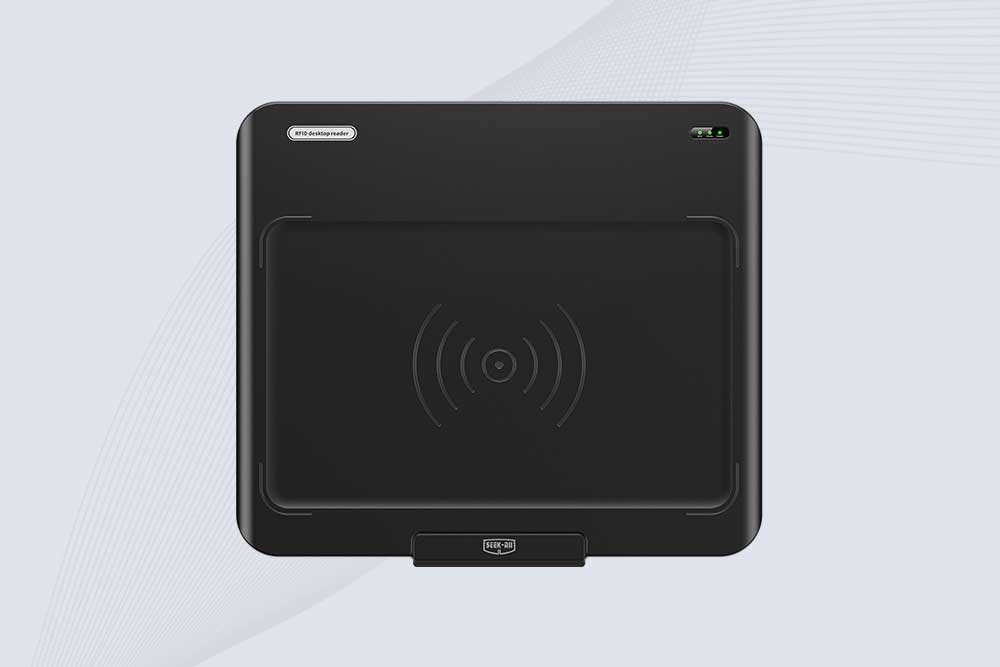
SSD-D3AL is a USB-HID UHF RFID reader with 0–30 cm reading, 0–15 cm writing, over 600 tags/s recognition, USB plug-and-play operation and OEM Logo customization.
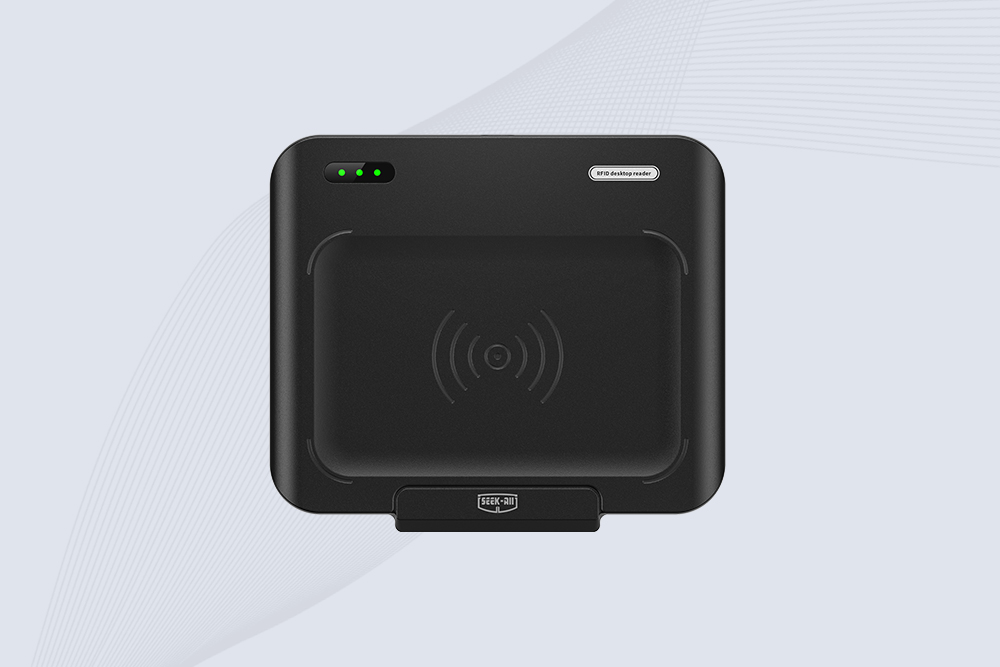
SSD-D1AL is a compact USB UHF RFID reader with Impinj E710/X3M1 chipset, USB-HID, 600+ tags/s recognition, 4/8/16 antenna support and plug-and-play USB power.

CYKEO CYKEO-D1LA USB RFID Reader is a compact desktop solution with near-field control for precise tag reading and encoding. Powered by USB, supporting ISO 18000-6C, and built for stable batch writing, this usb rfid tag reader fits retail, libraries, offices, and controlled RFID encoding tasks.
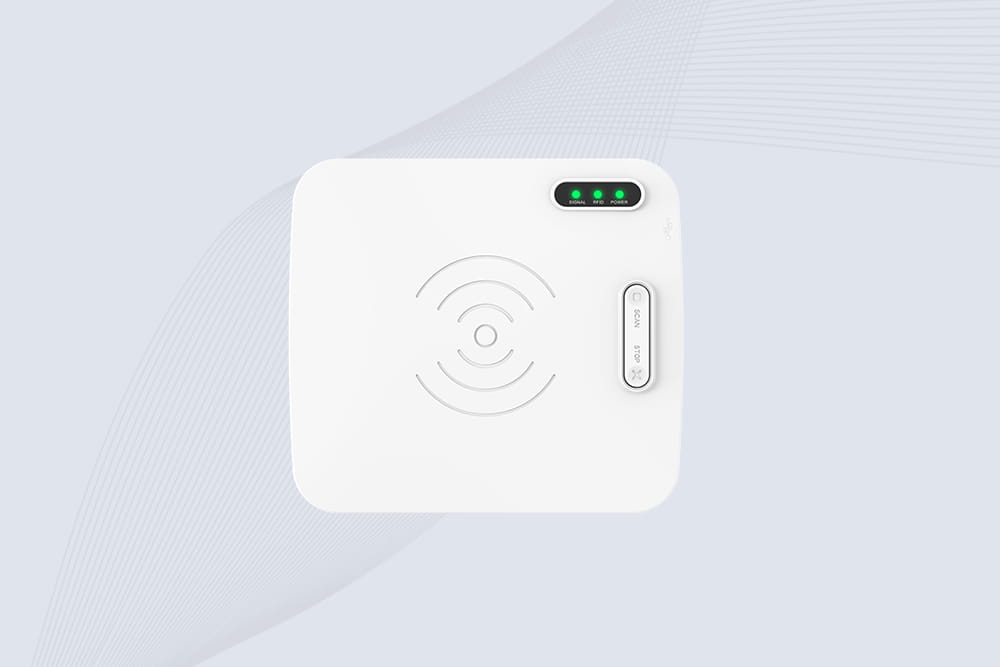
CYKEO CYKEO-D1L RFID scanner USB is a compact desktop UHF RFID scanner designed for short-range tag writing and verification. This usb rfid scanner supports batch encoding, stable 0–26 dBm output, and works across Windows, Linux, and Android systems.
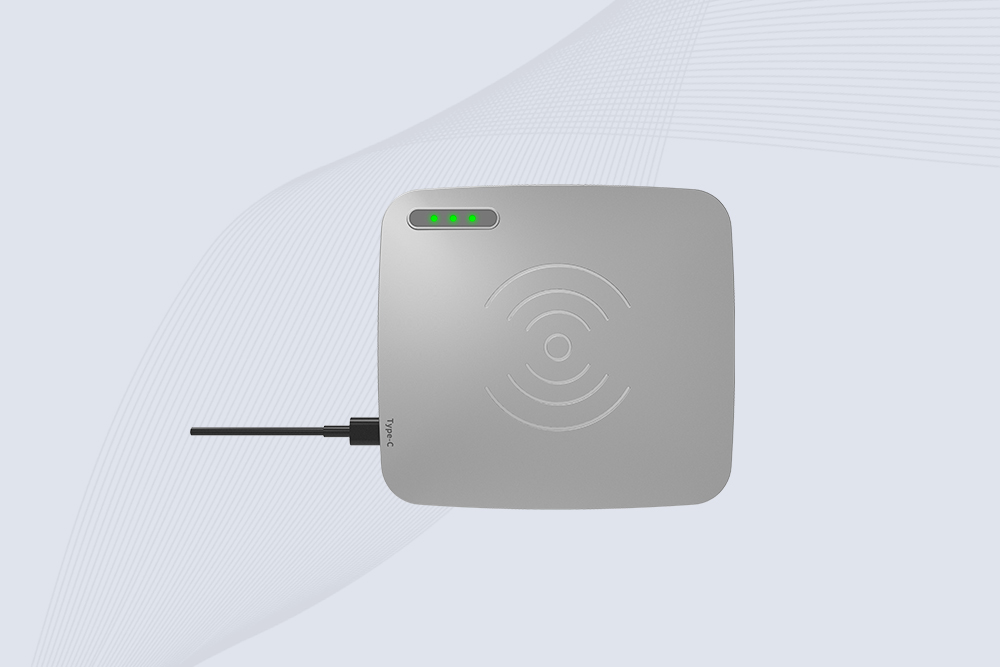
CYKEO CYKEO-D1C USB RFID Card Reader is a near-field UHF desktop writer designed for secure, short-range tag encoding. With USB-C connectivity and stable 26 dBm output, this rfid reader usb c is ideal for badge issuance, label encoding, and controlled desktop RFID workflows.
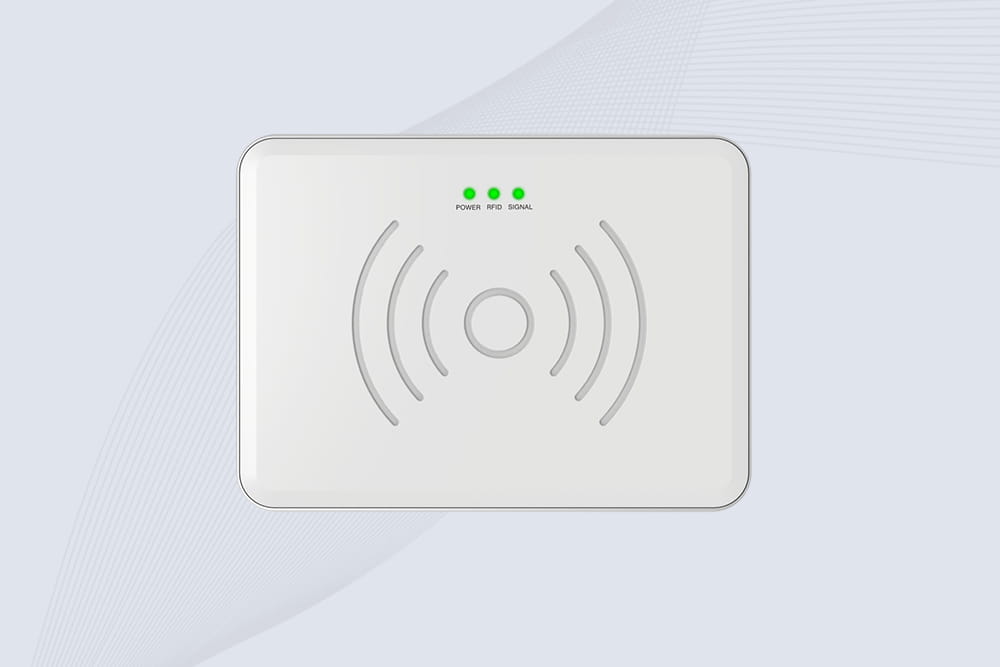
CYKEO CYKEO-D2L RFID Reader USB is a compact desktop encoder built on the Impinj R500 chip. With near-field control and stable USB power, this usb rfid card reader delivers precise tag writing for offices, retail counters, and small-scale logistics encoding tasks.
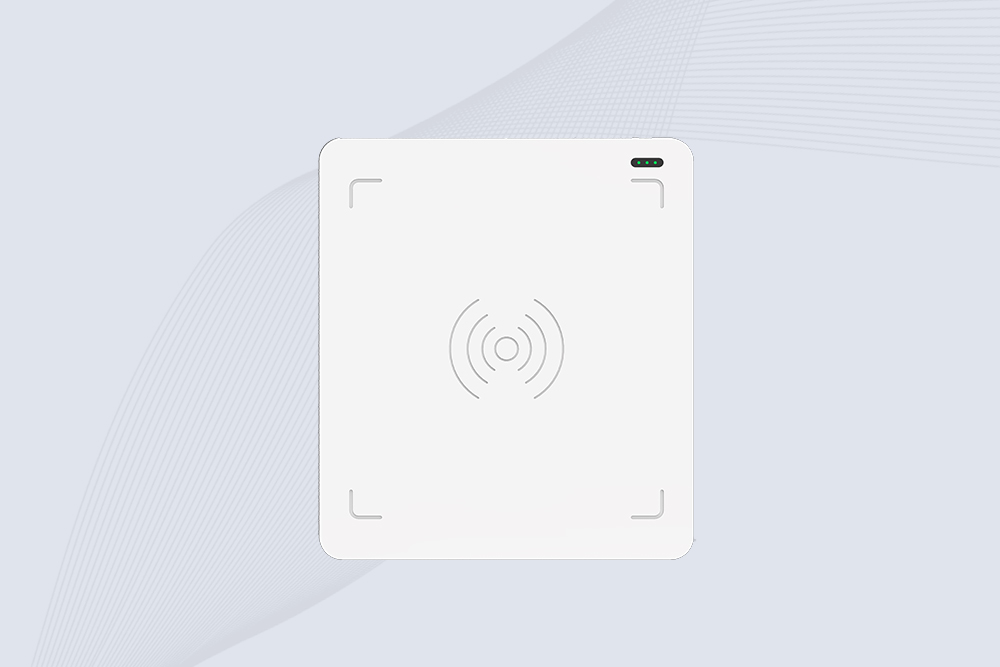
CYKEO CYKEO-D3L USB RFID Tag Reader delivers stable UHF tag reading and writing for daily desktop and light industrial tasks. Designed for controlled short-range operation, this USB RFID Tag Reader works reliably with rfid tag and reader systems in libraries, tool tracking, and inventory registration.
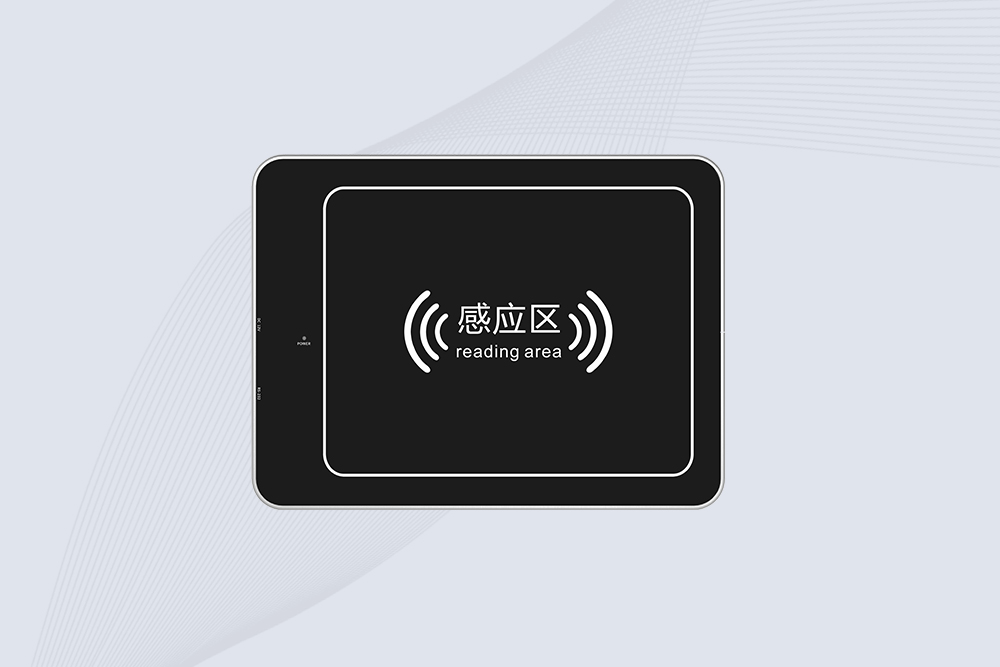
The CYKEO CYKEO-D4L UHF RFID Tag Reader is a stable Desktop RFID Reader designed for accurate tag registration, borrowing, and return workflows. Built with the Impinj R2000 chip, this UHF RFID Tag Reader delivers controlled short-range reads for libraries, asset tracking, and inventory management environments.
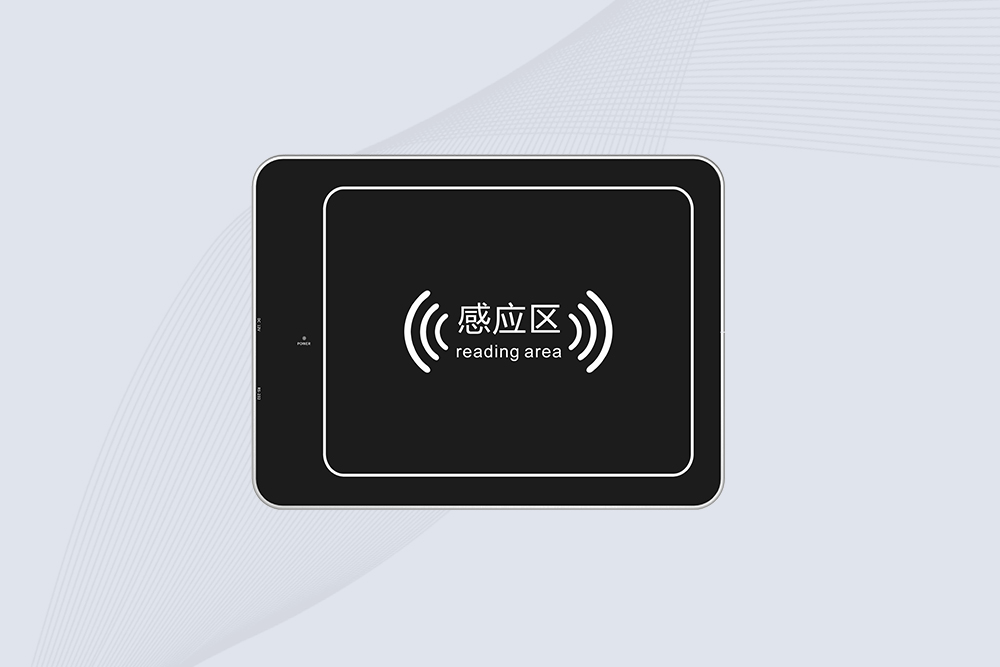
The CYKEO CYKEO-D5L Desktop RFID Card Reader is a stable UHF RFID Card Reader designed for controlled short-range reading and writing. Built for libraries, tool rooms, and asset desks, this UHF RFID Card Reader supports dense tag handling, secure data processing, and easy USB integration.
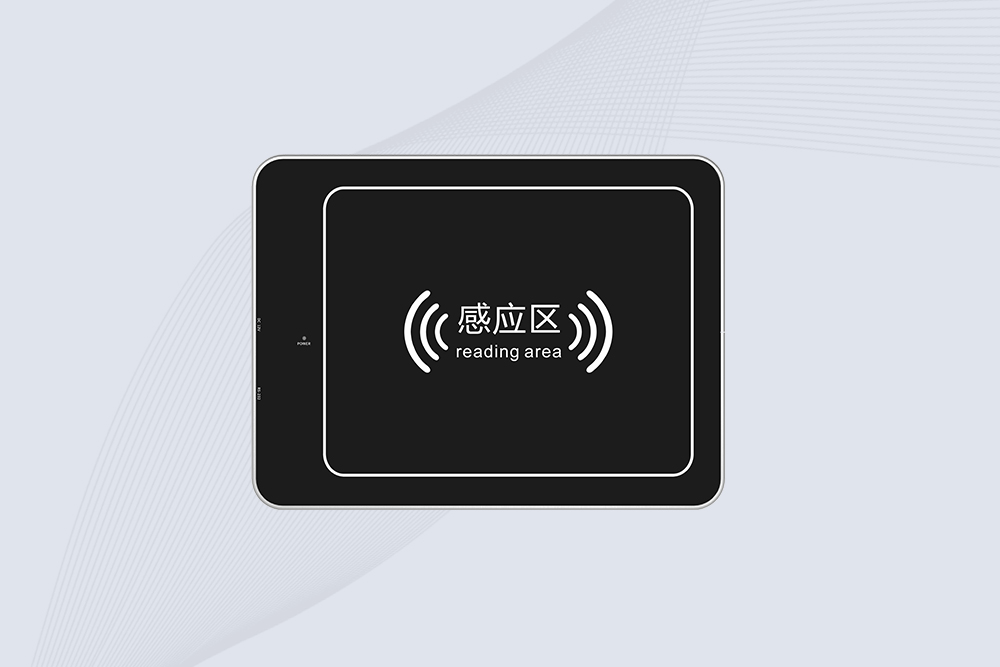
The CYKEO CYKEO-D6L RFID Reader Writer is a heavy-duty Desktop RFID Reader designed for short-range, high-accuracy tag programming. Built for libraries, labs, and asset desks, this RFID Reader Writer supports batch processing, stable 33dBm output, and seamless integration with existing management systems.
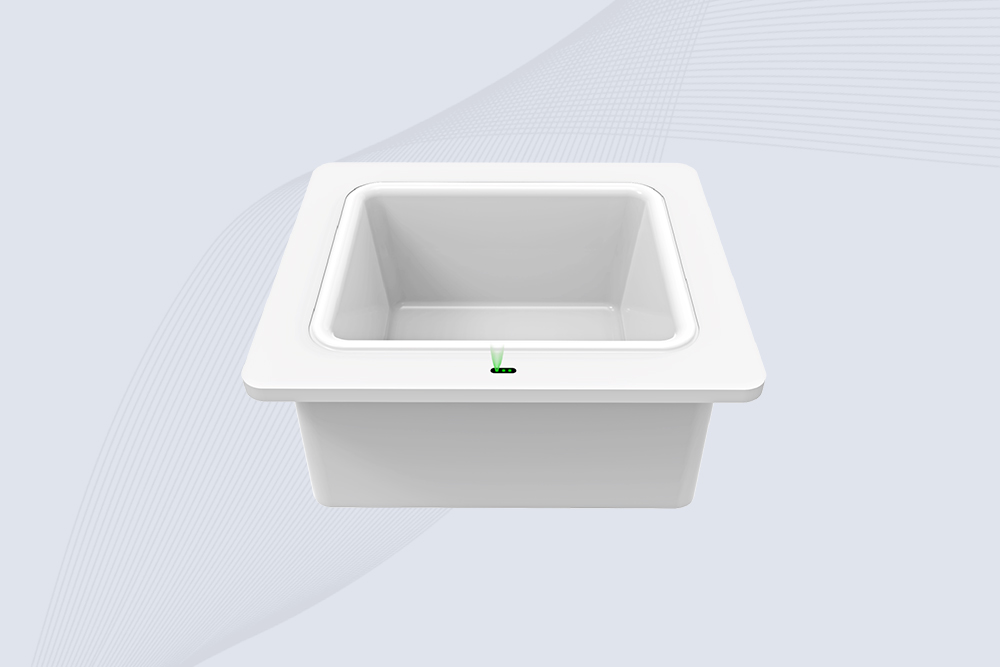
Cykeo CYKEO-D8B UHF RFID tunnel and RFID Desktop Reader features 30+ items batch reading,
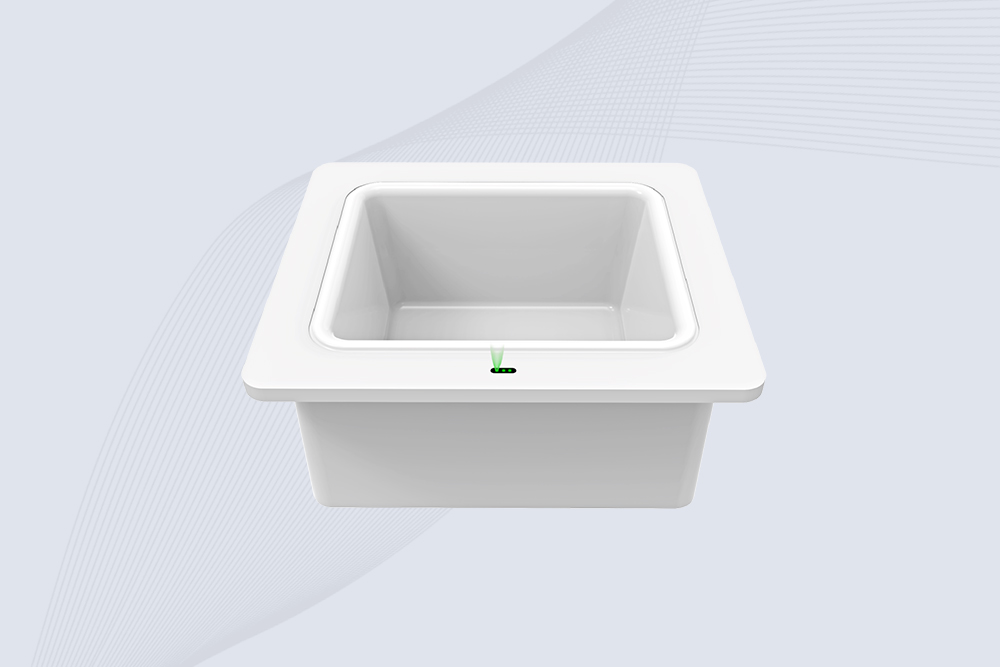
Cykeo CYKEO-D8A embedded RFID badge reader offers 30+ tags/sec scanning, 20cm anti-crosstalk precision, and DC 12V power for unmanned stores, warehouses, and smart inventory systems.
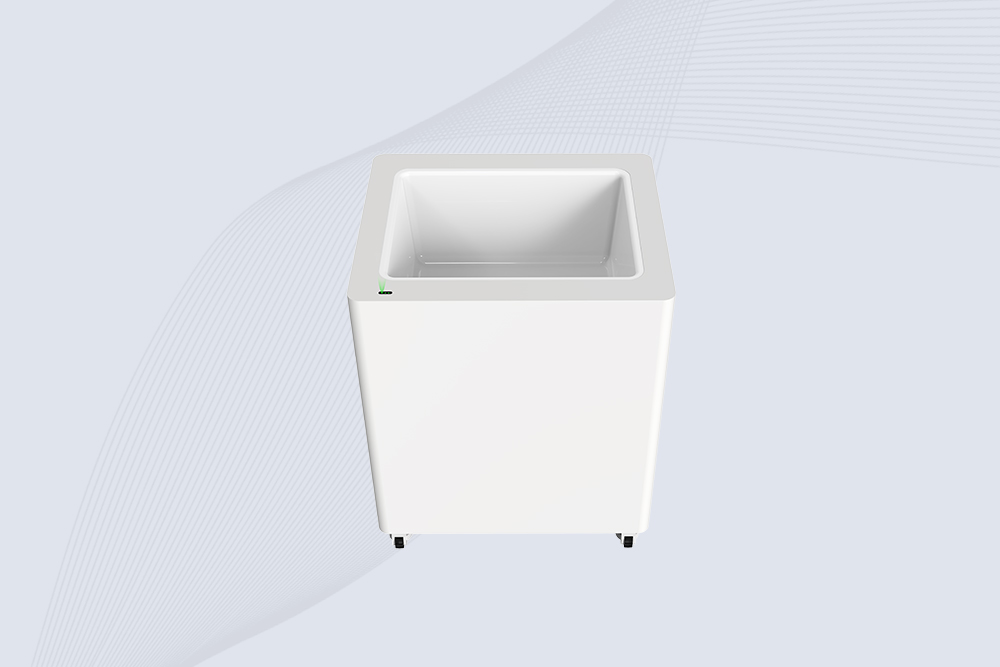
Cykeo’s CYKEO-D8C UHF RFID gate reader achieves 200-tag/batch scanning with adjustable power control, ideal for retail inventory and smart warehouse management.

A complete step-by-step guide on how to configure an RFID reader for optimal performance. Learn about connections, software settings, and troubleshooting. Brought to you by CYKEO.
More
Custom 8dBi RFID panel antennas with Impinj chips for integration in retail shelves, factory lines, and automated warehouses.these antennas easy setup,and reliable performance for custom RFID antenna for retail shelves projects.
More
How is RFID used for animal tracking? Learn how RFID livestock identification improves animal management, traceability, and smart farming with Cykeo solutions.
More
RFID for logistics improves warehouse visibility, shipment accuracy, and inventory speed. Discover how Cykeo RFID solutions reduce manual errors and automate logistics workflows.
More