To use RFID tags, attach the tag to an item, connect a compatible RFID reader, collect the tag information, and manage the data through RFID software. Effective RFID usage requires correct tag selection, installation testing, and integration with business processes.
RFID tags are widely used for identifying and tracking physical objects because they allow businesses to connect real-world items with digital information. Unlike traditional barcode labels, RFID tags do not require direct visual scanning, which makes them suitable for applications where speed, automation, and data accuracy are important.
From practical RFID deployment experience, the biggest challenge is rarely attaching the tag itself. The difficult part is ensuring that the entire system works reliably. Tag material, reader configuration, installation position, and software workflow all influence the final result.
During warehouse and industrial RFID projects, I have seen the same tag perform differently when moved from cardboard packaging to metal equipment. A successful RFID implementation starts with understanding the application environment instead of selecting tags only based on price or reading distance.
Cykeo develops RFID solutions for industrial identification, inventory management, asset tracking, and smart automation applications. Understanding how to use rfid tags correctly helps companies reduce manual operations and create more reliable tracking systems.
How RFID Tags Work in Real Applications
An RFID tag contains a microchip and antenna that communicate with an RFID reader through radio frequency signals. When the reader sends an interrogation signal, the tag responds with stored identification information.
A complete RFID tag system normally includes:
RFID Tags: Physical identification devices attached to products, assets, or materials. RFID Readers: Hardware that communicates with tags and collects information. Software Platform: A system that processes RFID data and connects it with business operations.
The RFID tag itself usually stores identification information such as an EPC number or unique ID. Additional product details, inventory records, and tracking history are generally stored in connected software databases.
How to Use RFID Tags for Inventory Management
Inventory management is one of the most common RFID applications. Businesses attach RFID tags to products, cartons, pallets, or containers and use RFID readers to automatically capture item information.
Typical RFID Inventory Workflow
Select RFID tags suitable for the product material and environment. Attach tags securely to inventory items. Register tag information inside the management system. Use RFID readers to collect inventory data. Compare digital records with physical inventory. Update inventory status automatically.
In warehouse environments, RFID tags help operators identify large quantities of items faster than manual barcode scanning. However, the final performance depends on tag quality, reader placement, and system configuration.
Choosing the Right RFID Tags for Different Applications
Not every RFID tag is designed for the same environment. Frequency, material compatibility, durability, and reading distance should be considered before deployment.
RFID Tag Type
Frequency
Common Applications
LF RFID Tags
125–134 kHz
Access control and animal identification
HF RFID Tags
13.56 MHz
Cards, NFC, documents, smart labels
UHF RFID Tags
860–960 MHz
Warehouse, logistics, retail inventory
For supply chain and industrial tracking, UHF RFID tags are commonly selected because they support longer reading ranges and multi-tag identification. EPC Gen2, also known as ISO/IEC 18000-63, is one of the widely adopted standards for UHF RFID applications.
How to Install RFID Tags Correctly
Proper installation directly affects RFID tag performance. A suitable tag can still produce unreliable results if it is placed incorrectly.
Check the Surface Material
Metal and liquid environments can affect RFID signal performance. For example, standard RFID labels may not work effectively when directly attached to metal surfaces without specialized design.
Test the Tag Location
The installation position should be tested using the actual product or asset. Laboratory testing with empty samples may not represent real working conditions.
Verify Reading Performance
Before large-scale deployment, companies should test reading stability, distance, and data accuracy under normal operating conditions.
How RFID Tags Support Asset Tracking
RFID tags provide each physical asset with a unique digital identity. This allows companies to track equipment location, usage records, and movement history.
Common RFID asset tracking applications include:
Manufacturing tools and equipment tracking. Medical device management. Warehouse pallet identification. Retail product visibility. Library and document management.
According to GS1, RFID technology combined with Electronic Product Code (EPC) standards helps organizations improve product identification and information sharing across supply chains.
Professional Experience: Common RFID Tag Deployment Challenges
After working with RFID identification systems, several deployment problems appear repeatedly:
Challenge
Why It Happens
Practical Solution
Low reading success rate
Incorrect tag selection
Test tags in the real environment
Unstable reading distance
Material interference
Adjust tag position or choose suitable tags
Duplicate data records
No filtering settings
Configure software data processing
Poor system results
No workflow planning
Design RFID process before deployment
RFID tags allow businesses to connect physical products with digital tracking systems.
How to Read Data from RFID Tags
After RFID tags are attached and registered, the next step is collecting information through suitable RFID readers. The reader sends radio frequency signals to activate the tag, receives the returned identification data, and transfers the information to connected software.
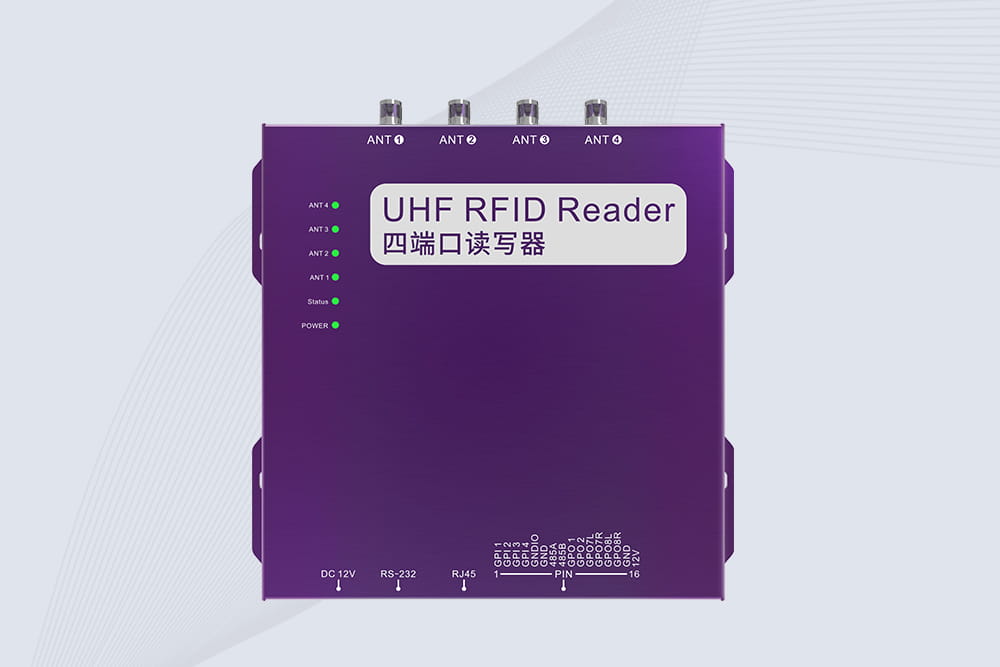
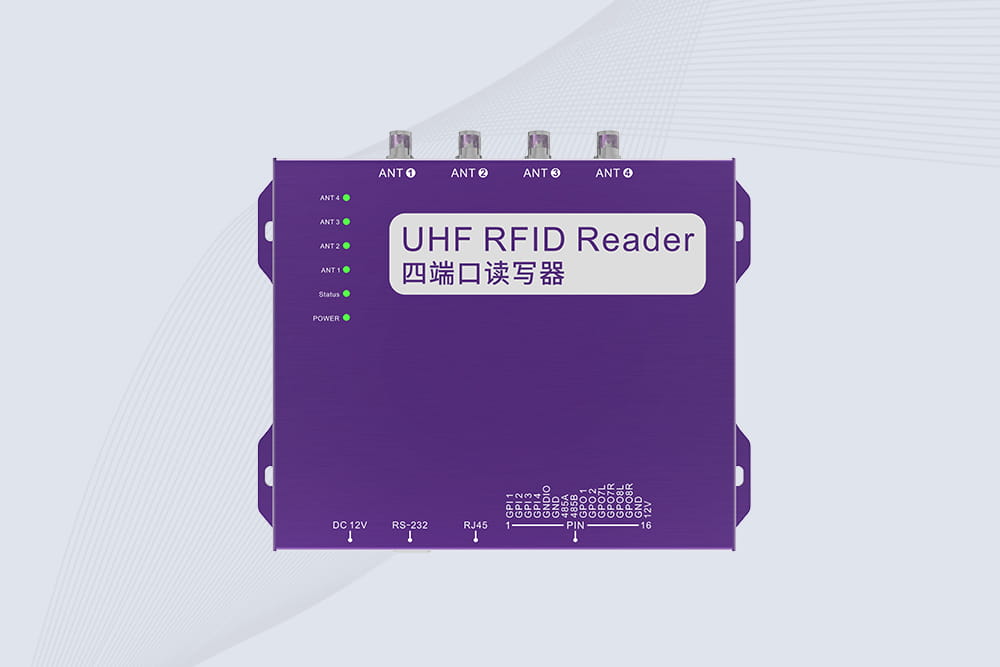
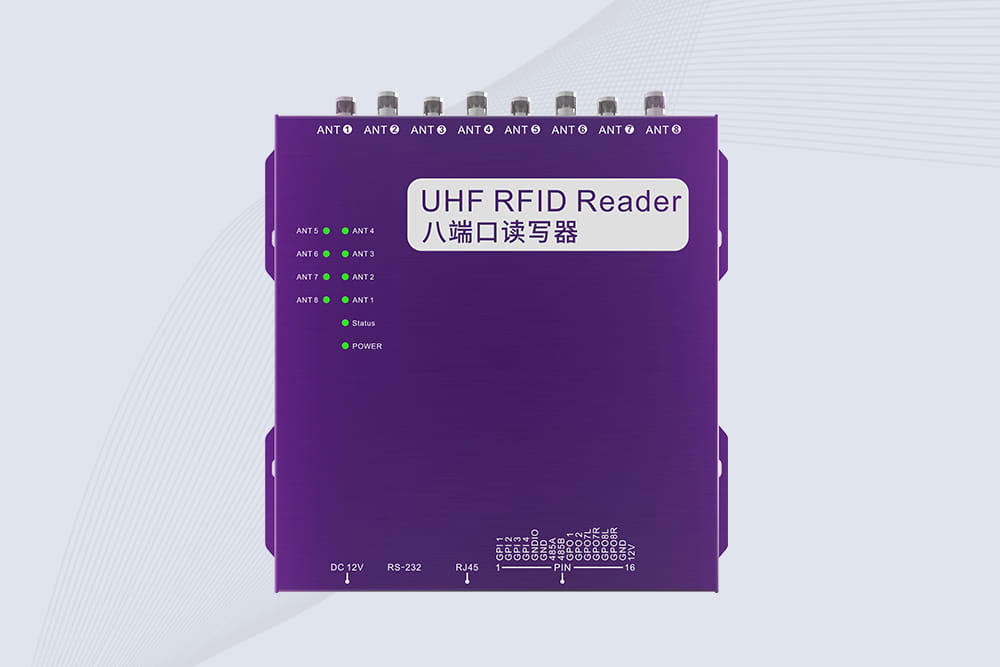
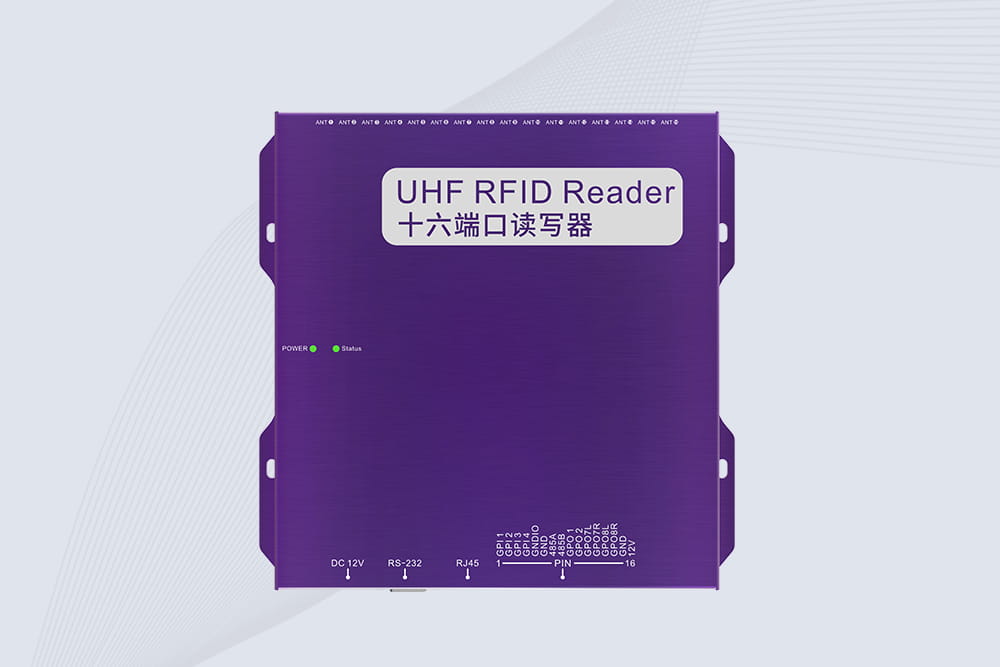
Different RFID applications require different reading equipment:
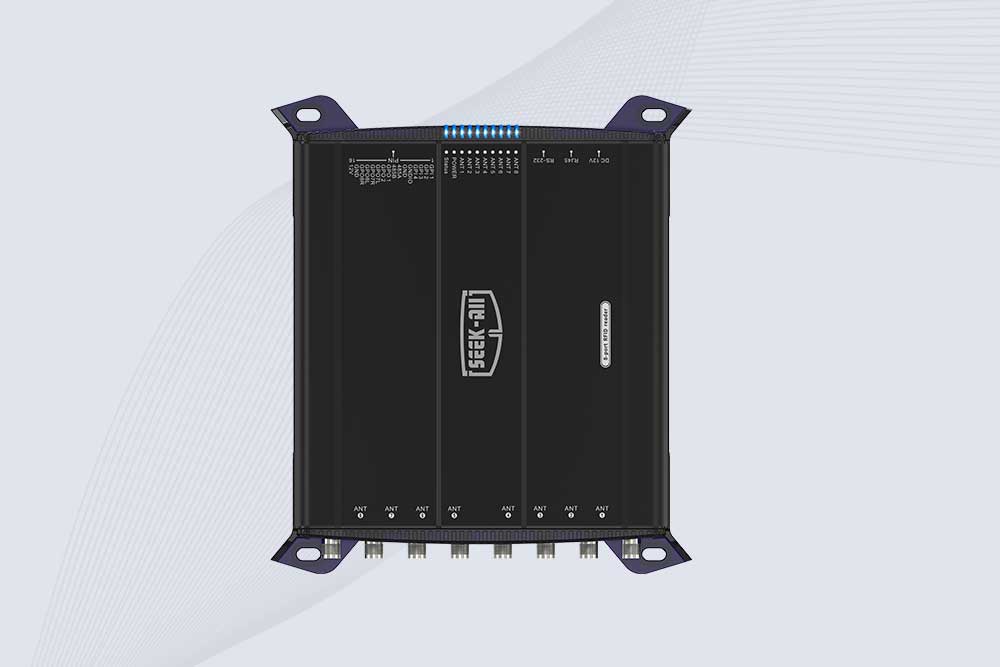
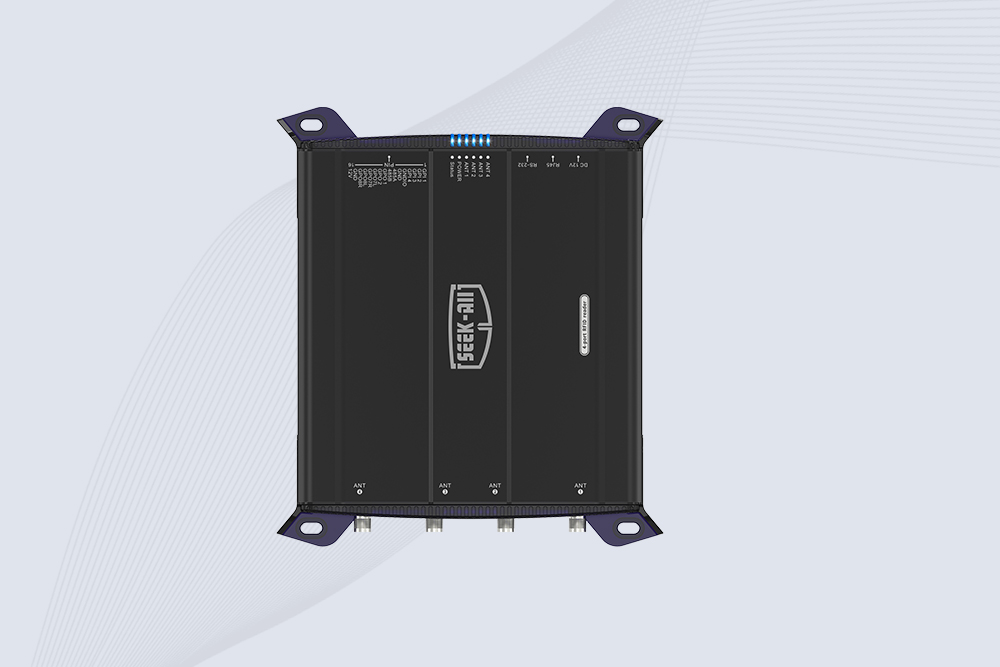
In professional RFID projects, selecting a reader is not only about maximum reading distance. The important factors are read accuracy, interference control, software compatibility, and how the equipment fits the actual workflow.
How to Use RFID Tags with Cykeo RFID Systems
Cykeo RFID solutions are designed for applications where stable identification and reliable data processing are required. The system combines RFID tags, readers, communication interfaces, and software integration to create practical tracking solutions.
Typical Cykeo RFID deployment includes:
Tag Selection: Choosing suitable RFID tags according to product material, environment, and required reading performance. Reader Configuration: Adjusting reader parameters based on application requirements. Software Connection: Using SDK, API, USB, Ethernet, or serial communication for system integration. Data Management: Processing collected RFID information through business software.
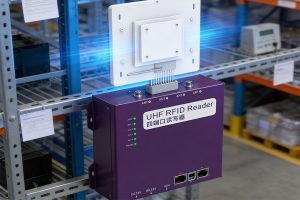
For example, Cykeo UHF RFID readers support ISO18000-6C / EPC C1G2 standards and are suitable for inventory, warehouse automation, and asset tracking applications. In real deployment projects, engineers usually test tag placement and reader settings together because the physical environment often creates unexpected variables.
How to Use RFID Tags for Industrial Tracking
Industrial environments create more challenges than office applications. Metal equipment, moving vehicles, electromagnetic interference, and changing inventory positions can affect RFID performance.
Practical Industrial RFID Deployment Process
Analyze the tracking target and operating environment. Select RFID tags compatible with the application surface. Install readers at key identification points. Test reading performance with actual products. Connect RFID data with existing management systems. Monitor performance after deployment.
A lesson learned from industrial RFID projects is that the best results often come from small adjustments. Moving a tag several centimeters, changing antenna direction, or adjusting reader power can significantly influence stability.
RFID Tag Security and Data Management
RFID tags are commonly used for identification, but the complete system should also consider data security and access control. The tag provides an identity reference, while the software determines how information is stored, processed, and accessed.
Good RFID management practices include:
Assign unique identification numbers to each tag. Maintain accurate tag registration records. Control user permissions in management software. Regularly verify tag information. Backup important tracking data.
This approach prevents problems such as duplicate records, incorrect asset information, or missing inventory history.
Frequently Asked Questions About how to use rfid tags
1. How to use rfid tags for inventory tracking?
To use RFID tags for inventory tracking, attach tags to products, register tag information in the software system, and use RFID readers to automatically collect item data during inventory operations.
2. Can RFID tags be reused?
Some RFID tags can be reused depending on the tag type and application. Writable RFID tags can store updated information, while disposable labels are commonly used for one-time identification.
3. Do RFID tags need direct contact with readers?
No. RFID tags communicate wirelessly with readers, so direct physical contact is not required. Reading distance depends on frequency, reader power, antenna design, and environment.
4. What is the difference between RFID tags and barcodes?
RFID tags use radio communication and can often be read without direct visibility. Barcodes require optical scanning and usually need a clear line of sight.
5. How many RFID tags can be read at the same time?
Many UHF RFID systems support multi-tag reading through anti-collision technology. The actual quantity depends on reader performance, tag density, and application conditions.
6. Can RFID tags store customer or product information?
RFID tags can store identification data, while detailed customer or product information is usually maintained in connected software databases.
RFID tags help retailers improve product visibility and inventory accuracy.
Conclusion
Understanding how to use rfid tags requires more than attaching a label and reading an ID number. A reliable RFID solution combines suitable tags, correct reader selection, accurate installation, and effective software management.
With practical experience in RFID hardware development and deployment, Cykeo focuses on helping businesses build stable identification systems for inventory, logistics, industrial assets, and smart automation. The right RFID design allows companies to improve visibility, reduce manual operations, and create more efficient digital workflows.
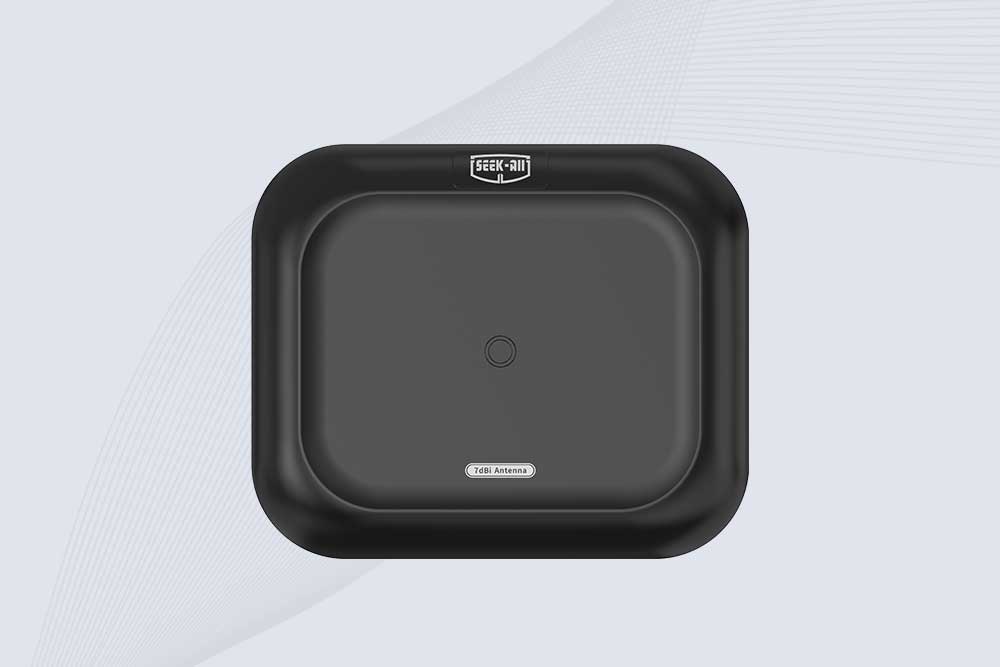
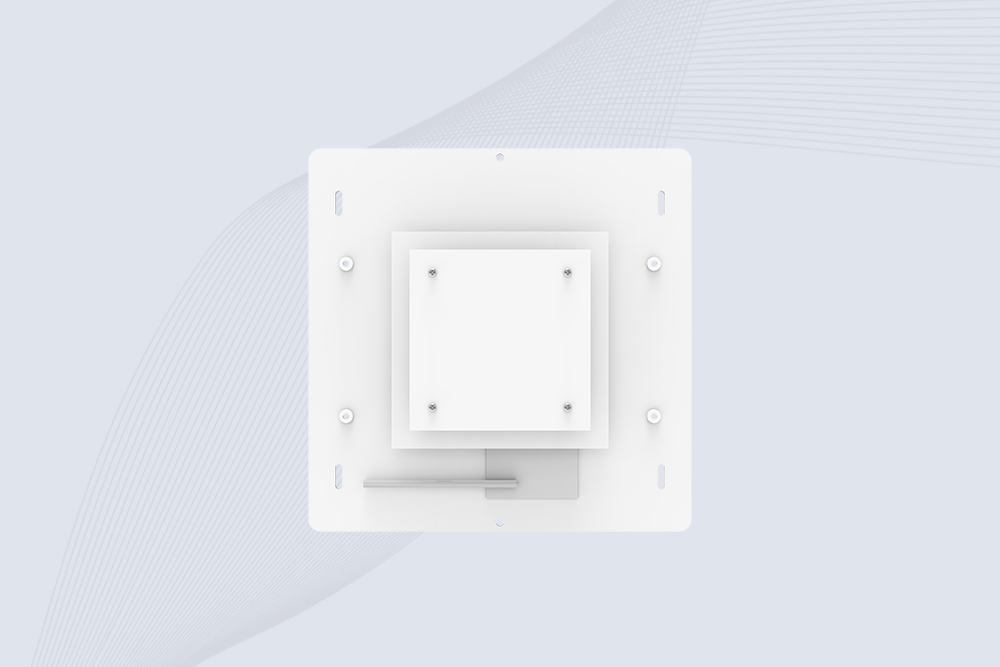
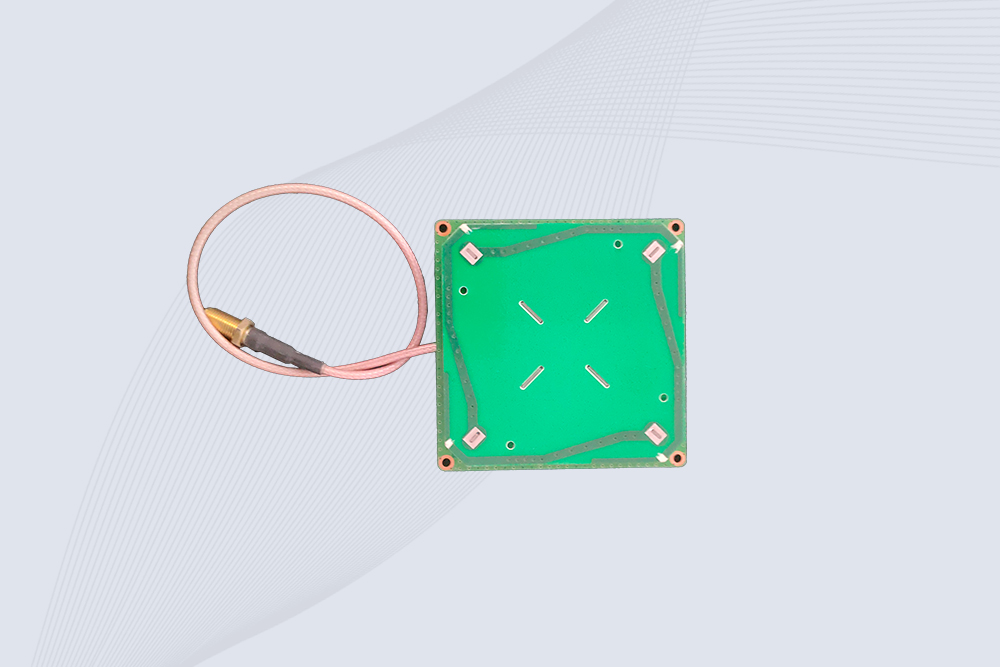
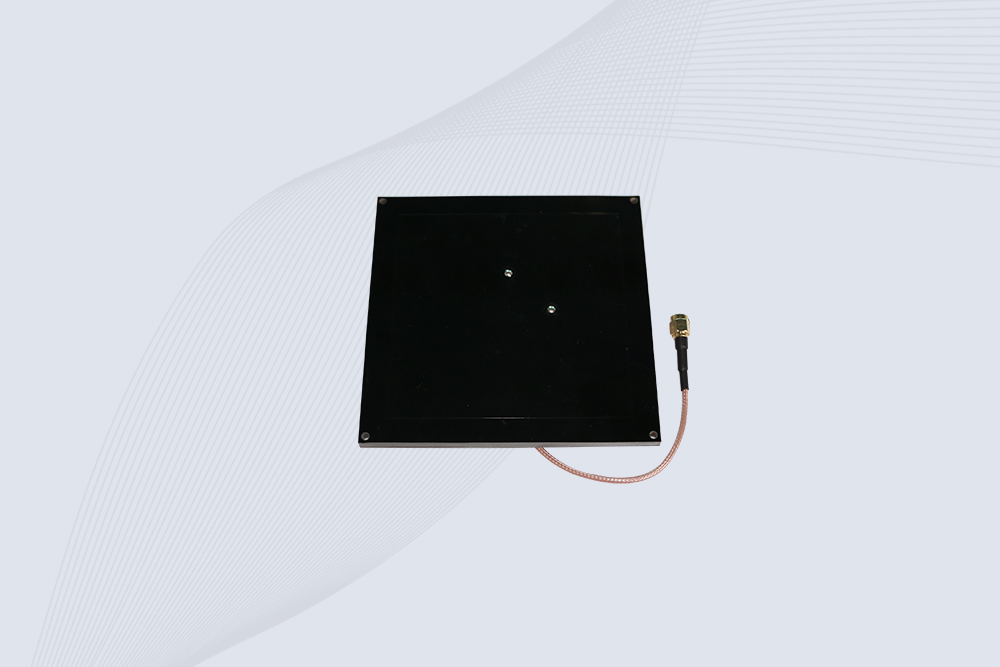
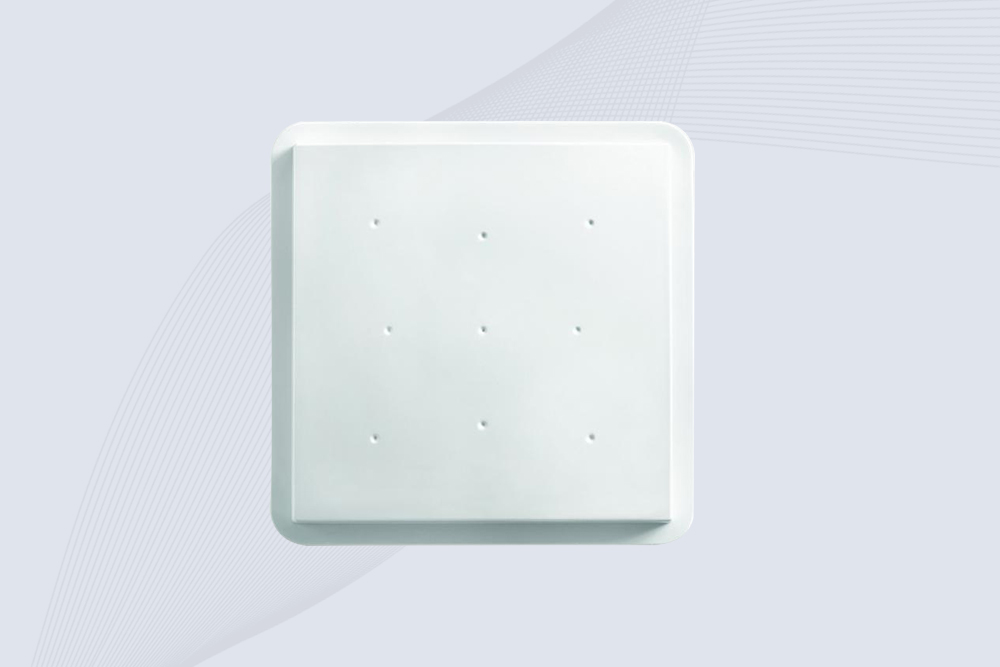
Explore the SSD-A07 UHF RFID antenna with 7 dBi gain, circular polarization, adjustable 840–960 MHz frequency, and 60°/75° beamwidth for stable RFID read/write performance.
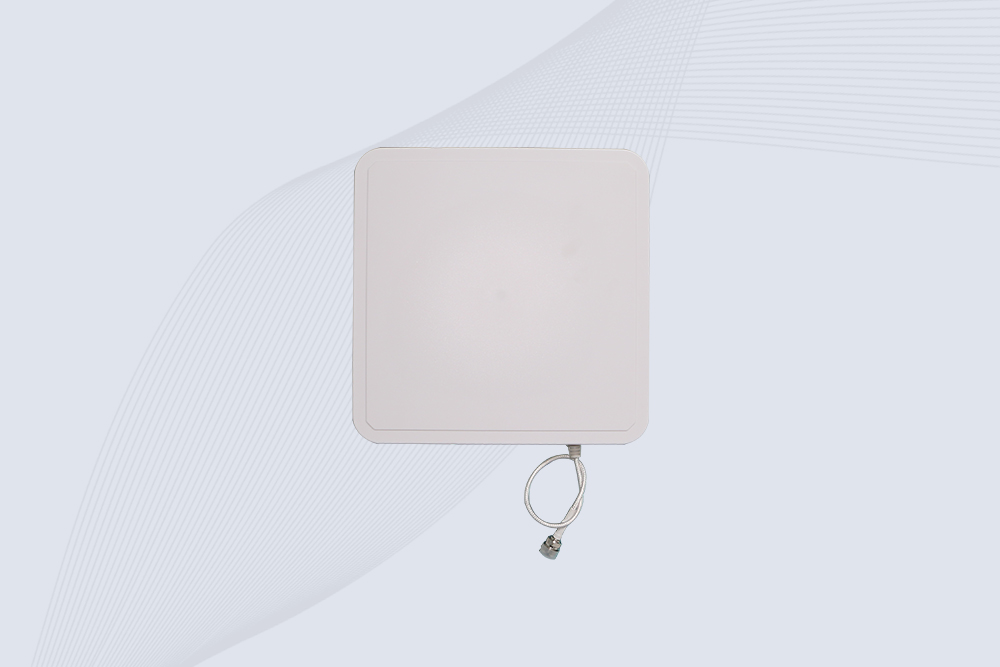
SSD-A06 UHF RFID antenna with circular polarization, adjustable 840–960 MHz frequency, ≥4.5 dBi gain, and a compact directional design for RFID systems.
SSD-R16L Multi-Channel RFID Infrastructure for Automated Inventory Management ✔️ 16-Port High-Density RFID Reading Equipped with 16 SMA antenna ports, SSD-R16L supports multi-antenna deployment for warehouses, retail stores, logistics, production lines, and large-area RFID identification. ✔️ High-Speed & Long-Range Performance With up to 33…
SSD-R8L 8-port UHF RFID reader with 33dBm output, up to 20m reading range and 600+ tags/s recognition. Ideal for warehouse, logistics, retail and asset tracking.
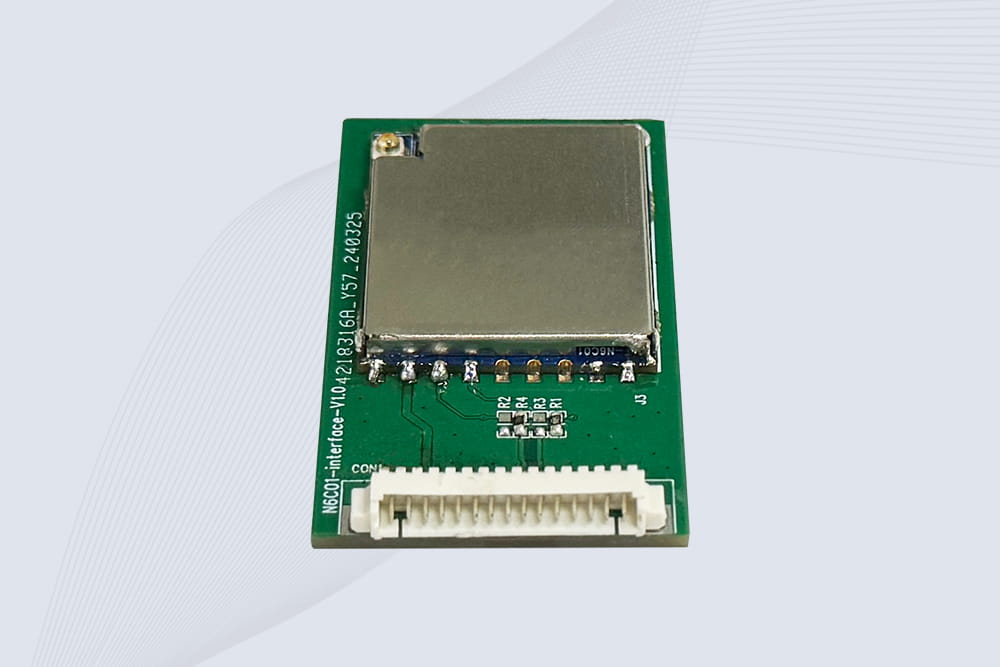
CYKEO Embedded RFID Modules are designed for compact industrial and IoT devices that require stable UHF performance. These UHF RFID Modules support global protocols, flexible power control, and reliable multi-tag reading for smart cabinets, production lines, and asset tracking systems.
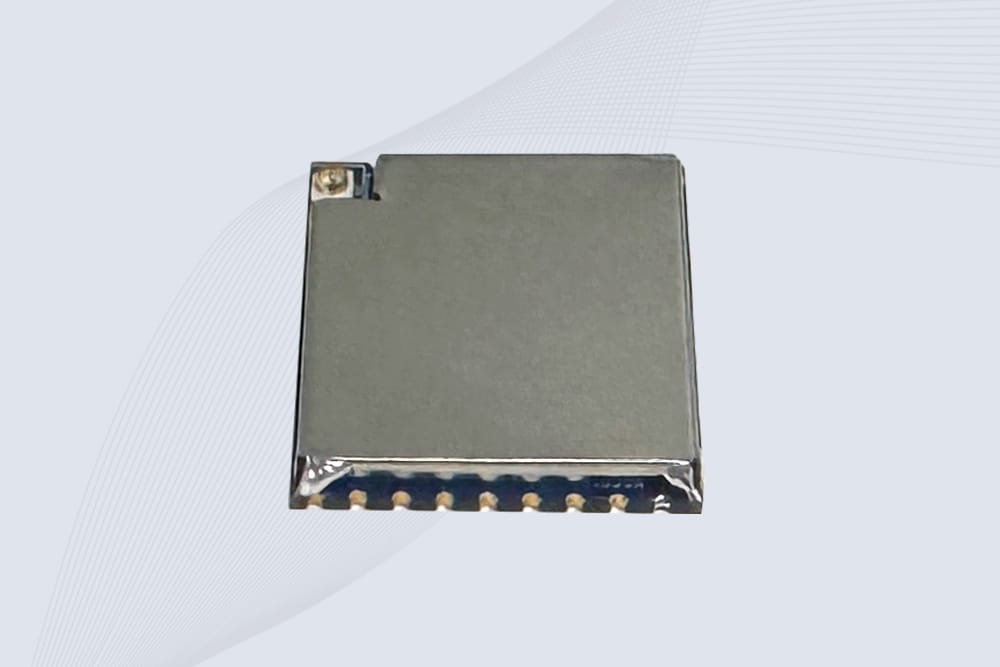
CYKEO Embedded RFID Module is built for compact IoT and industrial devices that need stable UHF performance. This UHF module supports global protocols, low power operation, and reliable multi-tag reading for smart lockers, production lines, and always-on RFID systems.
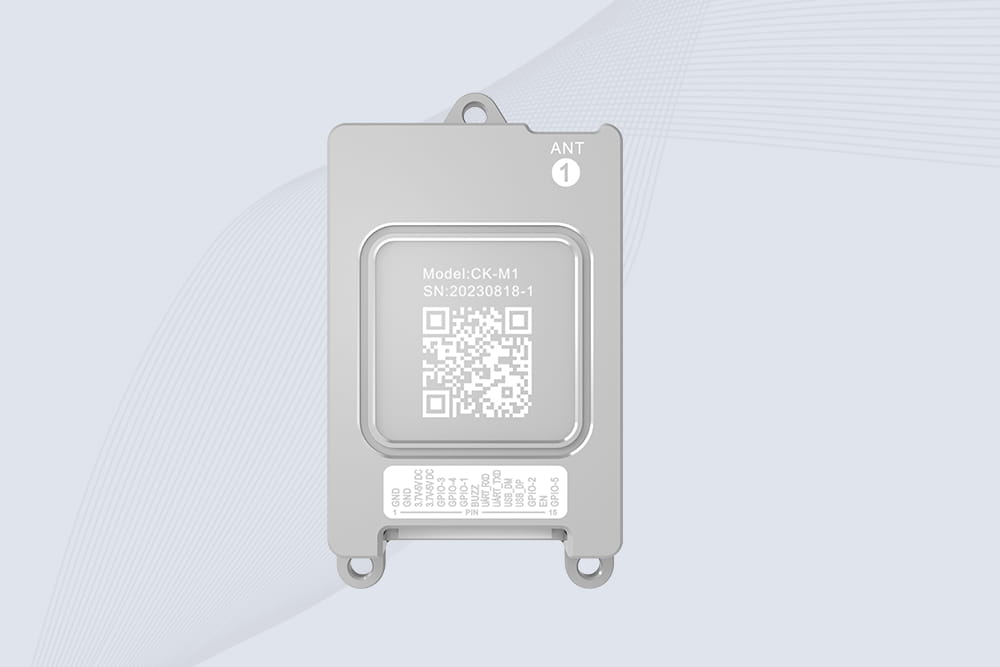
CYKEO CYKEO-M1 drone rfid module is a compact UHF RFID reader module designed for drones and UAV platforms. It supports long-range aerial scanning, fast multi-tag reading, and stable performance in wind, vibration, and outdoor environments.
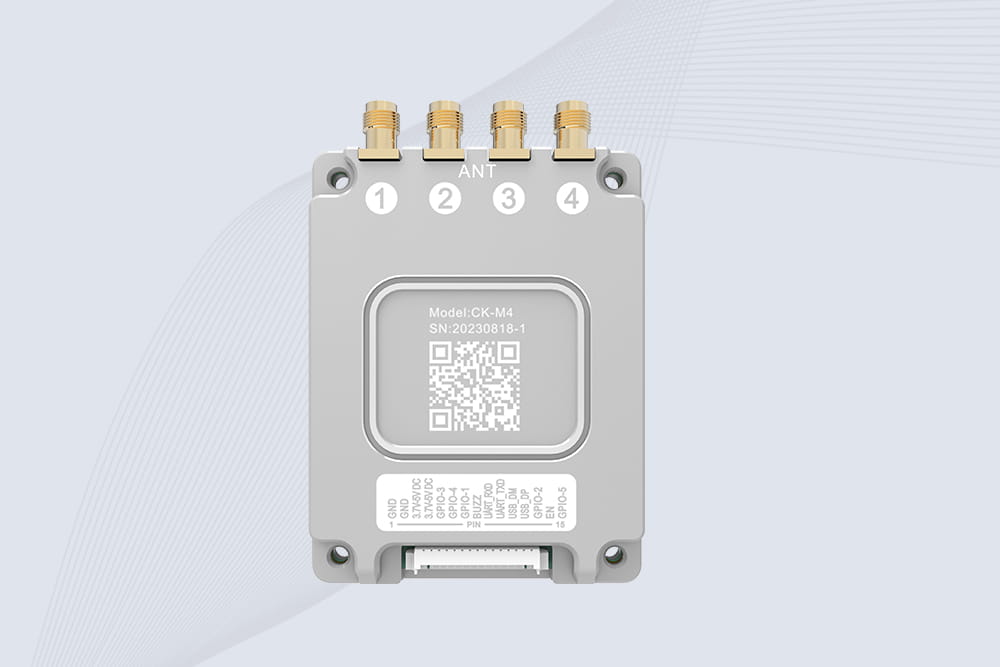
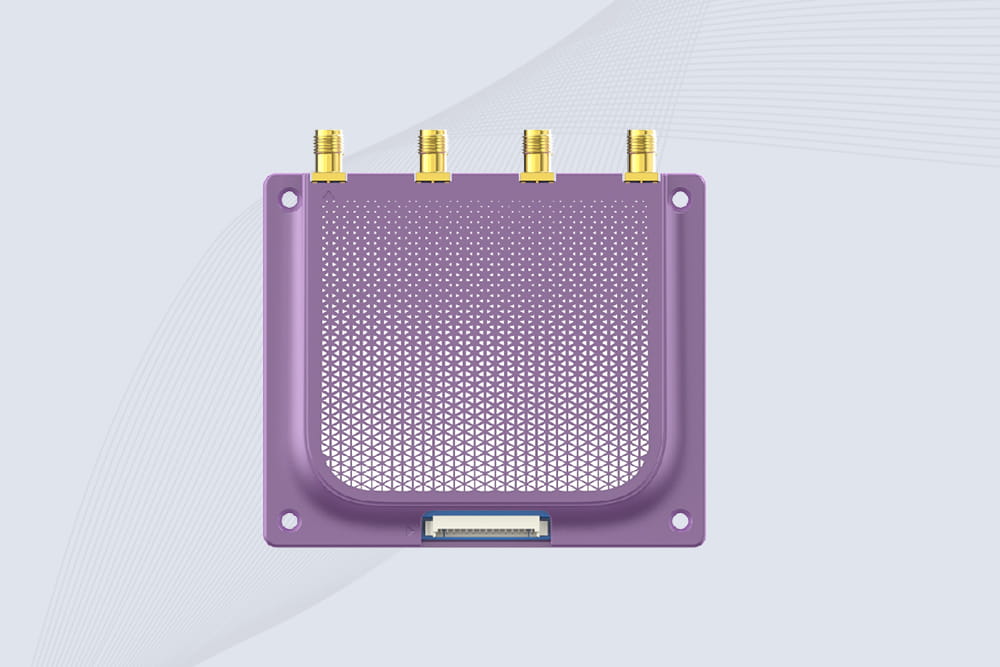
CYKEO CYKEO-M4 RC522 RFID Module is an industrial-grade UHF RFID reader with 4 ports, supporting ISO, EPC, and GB protocols. High-speed, accurate reading for IoT, automation, and warehouse applications.
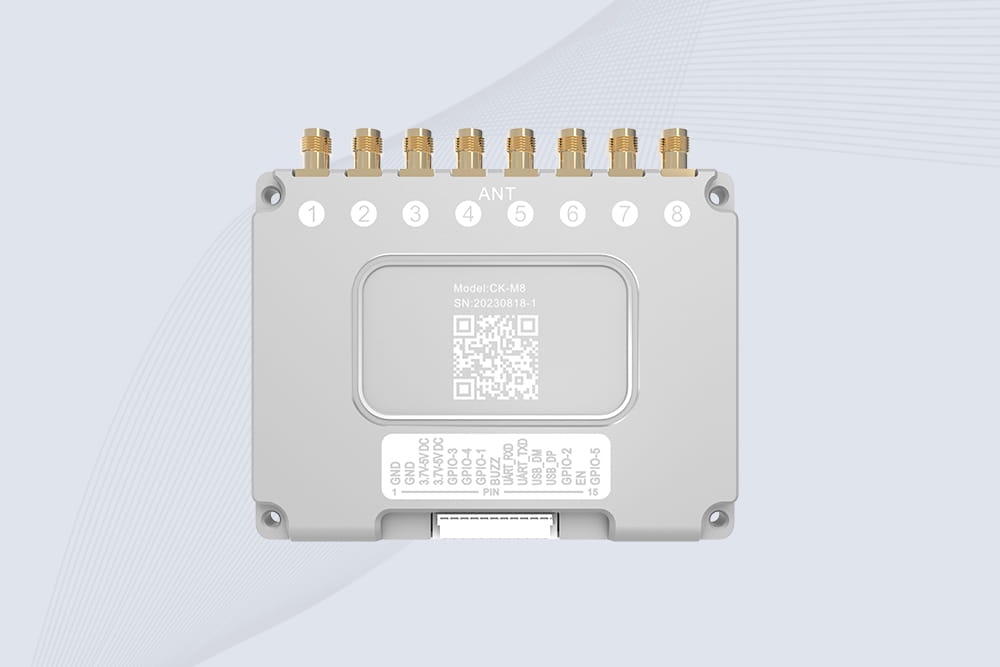
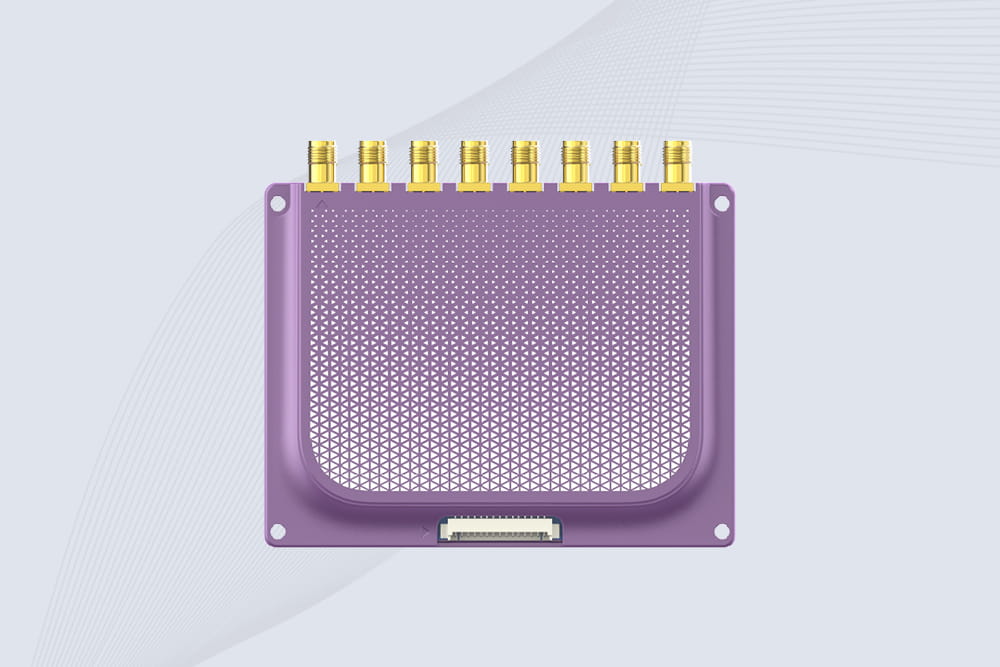
CYKEO CYKEO-M8 Module RFID is an 8-port UHF R2000 RFID Module designed for high-density, multi-tag environments. Stable 33dBm output, ISO & GB protocol support, ideal for warehouses, factories, and automated systems.
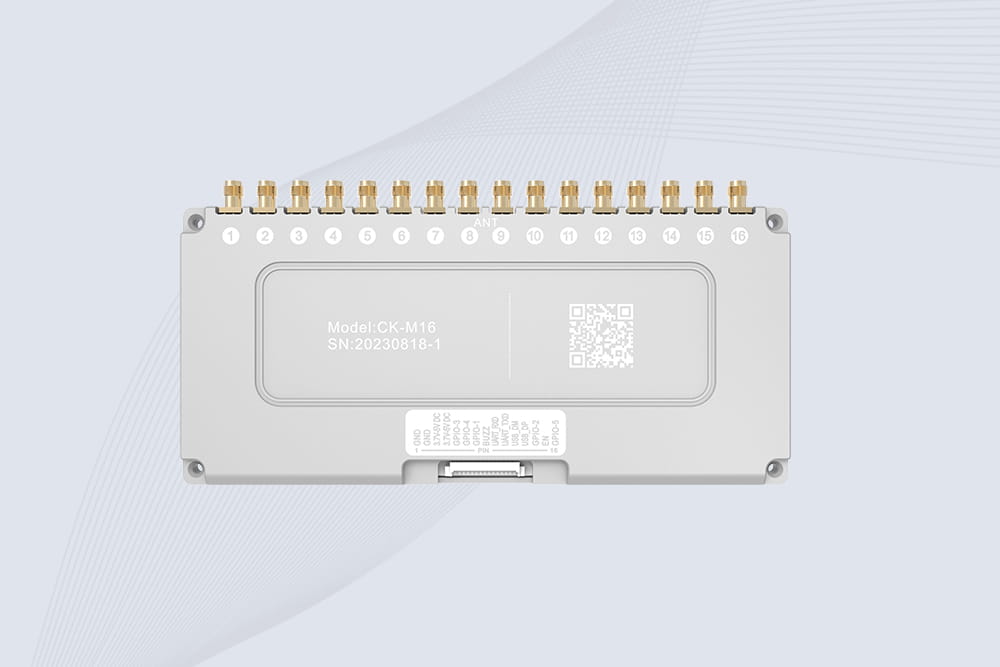
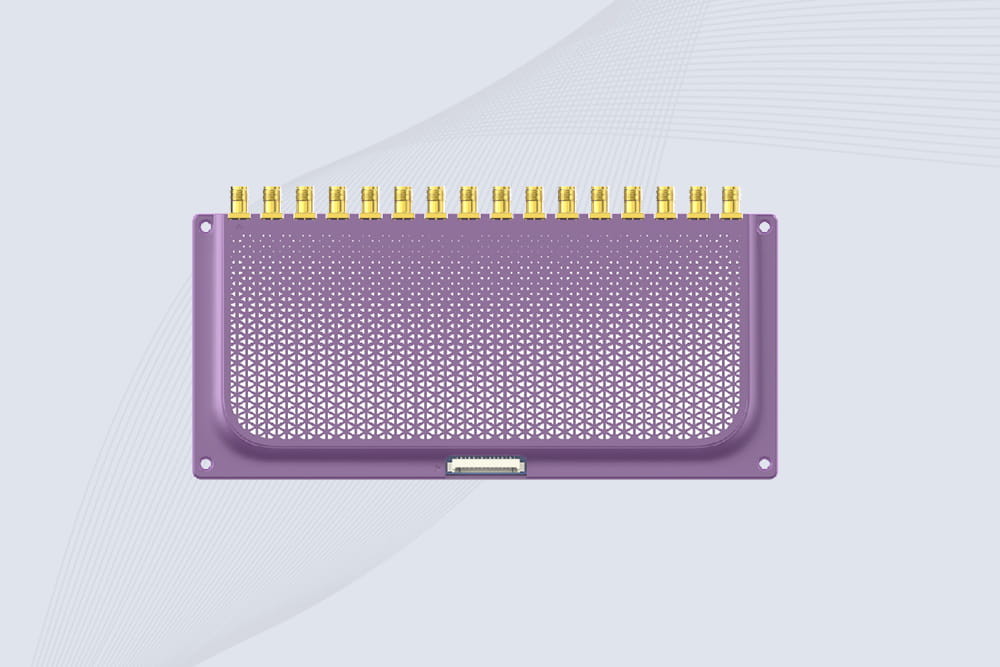
CYKEO CYKEO-M16 RFID Module is a 16-port UHF RFID reader module based on the R2000 chipset. Designed for dense tag environments, it supports ISO and GB standards and delivers stable multi-antenna control for industrial automation.
The CYKEO CYKEO-M16L RFID Reader Module is a 16-channel UHF RFID core designed for dense tag environments. With adjustable 33dBm output, multi-protocol support, and stable multi-antenna control, this RFID Tag Reader Module fits industrial automation, warehouse systems, and large-scale IoT deployments.
CYKEO CYKEO-M8L module RFID is a compact industrial UHF module built for dense tag and multi-antenna environments. With 8 RF ports, adjustable 33 dBm output, and ISO & GB protocol support, it is widely used in factories, warehouses, and automated tracking systems.
CYKEOCYKEO-M4L UHF RFID Module is a compact 4-channel RFID tag reader module designed for dense tag environments. Supporting ISO and GB protocols, it delivers stable reads up to 10 meters for industrial and IoT systems.
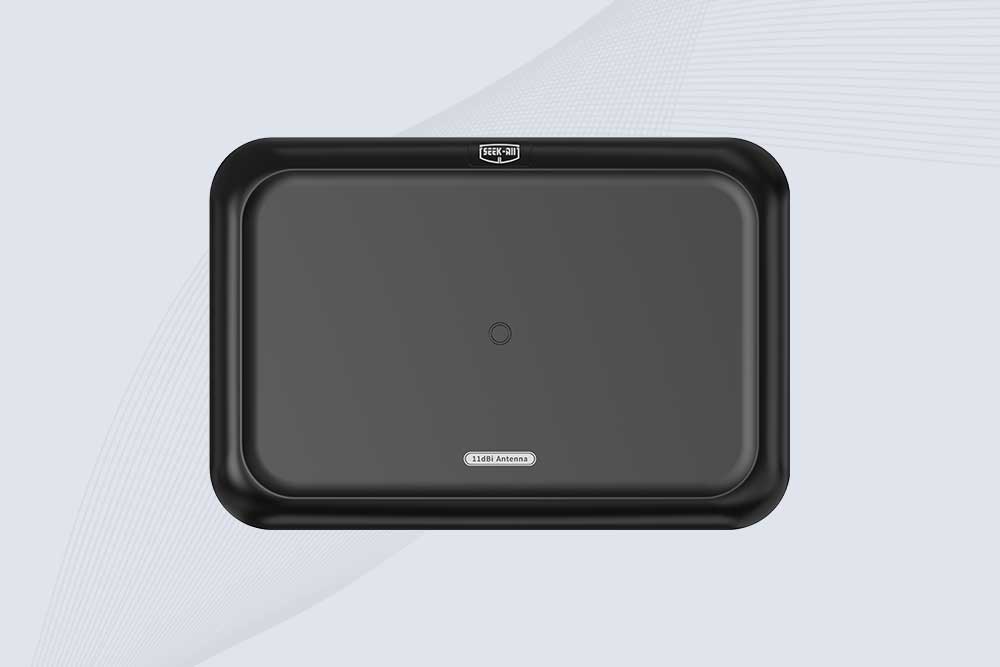
Cykeo CYKEO-A11 UHF RFID reader antenna delivers 11dBi gain, 840-960MHz frequency range, and IP65 ruggedness for retail, logistics, and industrial RFID systems. Features low VSWR and easy installation.
CYKEO Antenna RFID Reader delivers stable long-range UHF performance with a 10.5dBi directional design, built for warehouses, conveyor portals, and industrial RFID systems. This rfid reader antenna provides 20m+ read distance and rugged IP67 protection.
Cykeo CYKEO-A5B industrial Linear RFID Antenna delivers 5dBi gain, ≤1.5:1 VSWR, and IP65 rugged design for warehouse, production line, and logistics UHF systems.
Cykeo’s CYKEO-B12 Long Range RFID Antenna delivers 15m+ read range with 12dBi gain, IP65 rugged design, and global 840-960MHz UHF support. Ideal for warehouse/logistics asset tracking.
Cykeo CYKEO-B10 Long Distance RFID Antenna offers 10dBi gain, 840-960MHz frequency range, IP65 rating, and 20m+ coverage for logistics/warehousing/ETC systems. Low VSWR ensures stable signal transmission.
Cykeo CYKEO-A6 UHF RFID panel antenna features 6dBi gain, 840-960MHz broadband, IP65 metal-ready housing for logistics/smart retail. 18mm ultra-thin design with tool-free mounting.
Cykeo CK-A3 industrial antenna RFID UHF offers 5m+ tag detection, ≤1.3:1 VSWR, IP65 rugged design, and global UHF spectrum compatibility (840-960MHz) for warehouses, factories, and retail.
Cykeo CYKEO-B5 directional RFID antenna provides 5dBi gain with 60° narrow beamwidth for precise inventory tracking. IP65-rated, global UHF frequency support, and low VSWR.
Create your own high-performance DIY RFID antenna! 5dBi gain, 840-960MHz tunable, step-by-step guides. Compatible with Arduino, Raspberry Pi, and commercial UHF readers.
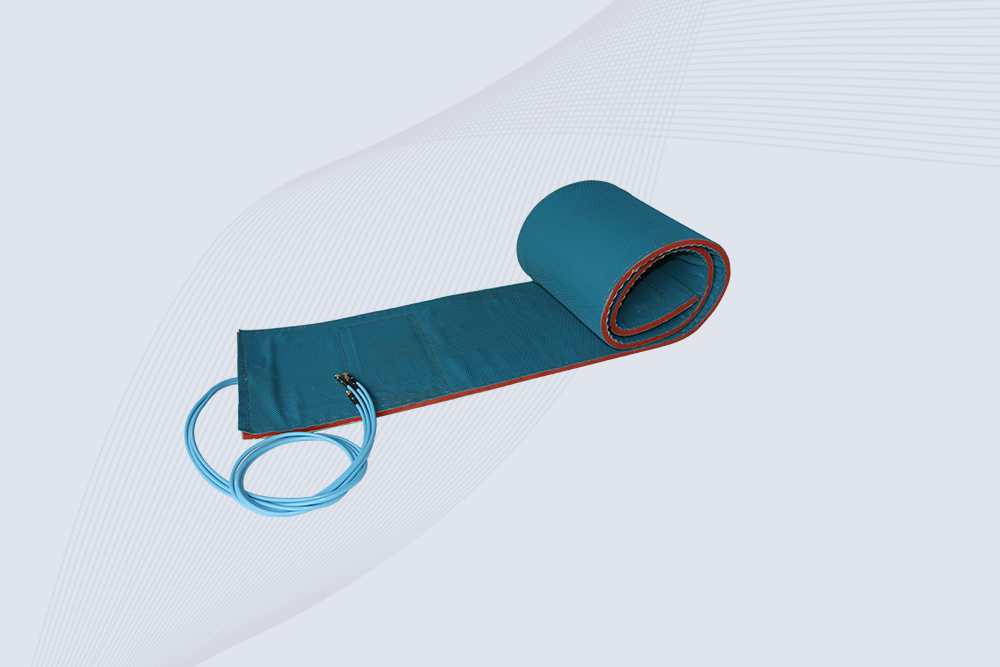
Cykeo CYKEO-A7 Flexible RFID Antenna features 840-960MHz wideband tuning, 7dBi gain, and IP68 rating for medical/retail/industrial curved surface deployments. 98% read accuracy with peel-and-stick installation.
Cykeo CYKEO-B5A industrial Passive RFID Antenna delivers 5dBi gain, 70° beamwidth, and -40°C~55°C operation for warehouses/smart cabinets. Compatible with Zebra/Impinj readers.
Cykeo’s CYKEO-A9B High Gain RFID Antenna delivers 15m+ read range with 9dBi amplification. Features IP54 rugged design, 840-960MHz bandwidth, and 80° beamwidth for warehouse/manufacturing RFID systems.
Cykeo’s enterprise-grade 8dbi Impinj RFID Antenna 10m+ read range with 840-960MHz tuning. Features IP65 housing, 1.4 VSWR, 35° beamwidth for retail/warehouse RFID systems.
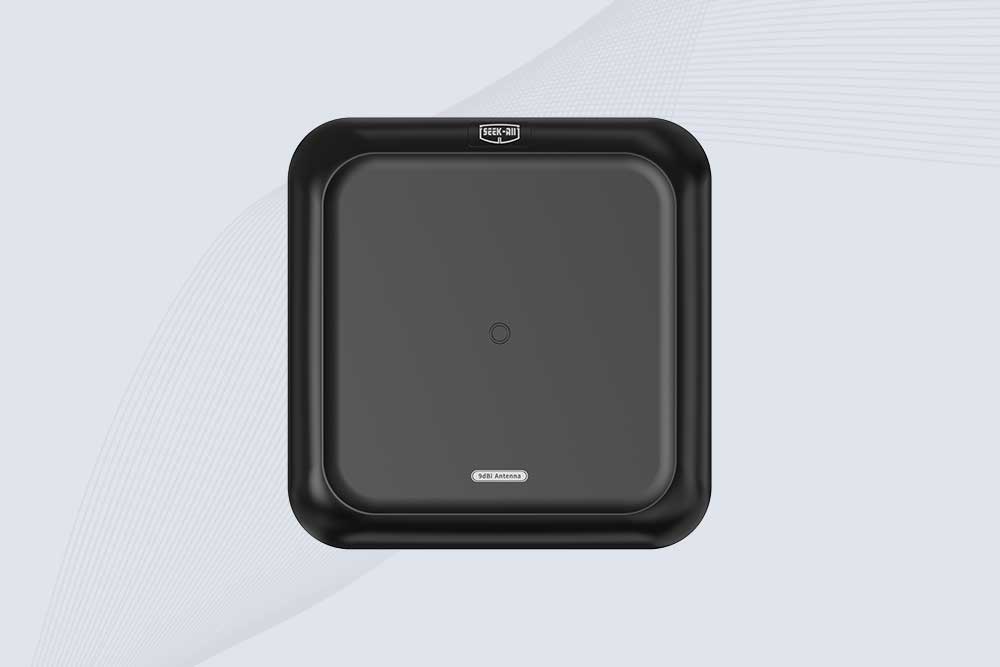
Cykeo CYKEO-A9 industrial UHF RFID antenna delivers 9dBi gain, 840-960MHz frequency range, and IP65 protection for warehouse/logistics/retail RFID systems. Features N-type connector and ≤1.3:1 VSWR.
CYKEO UHF RFID Antenna built for long-distance and industrial applications. This antenna rfid uhf delivers strong gain, outdoor durability, and reliable tag performance in warehouses, yards, and vehicle ID systems.
CYKEO Antenna RFID delivers reliable long-range UHF performance in warehouses, retail shelves, and cold-chain environments. This compact uhf rfid antenna provides stable reads with circular polarization and ultra-wide 840–960 MHz support, ideal for industrial tracking, smart shelves, and asset monitoring.
Cykeo’s CYKEO-C8 UHF RFID antennas delivers 8dBi gain, 840-960MHz full-band coverage, and IP65 ruggedness for manufacturing/warehouse RFID systems. Industrial RFID Antennas Features
Cykeo’s 8dBi UHF RFID antenna and reader kit delivers 10m+ range, 840-960MHz broadband, and IP65 ruggedness for factories, warehouses, and logistics. ISO 18000-6C & EPC Gen2 certified.
Cykeo’s CYKEO-A12C UHF Large RFID Antenna delivers 12dBi gain, 840-960MHz global frequency, IP65 ruggedness for logistics/warehousing/automotive. 40° beamwidth ensures stable 15m+ tag reads.
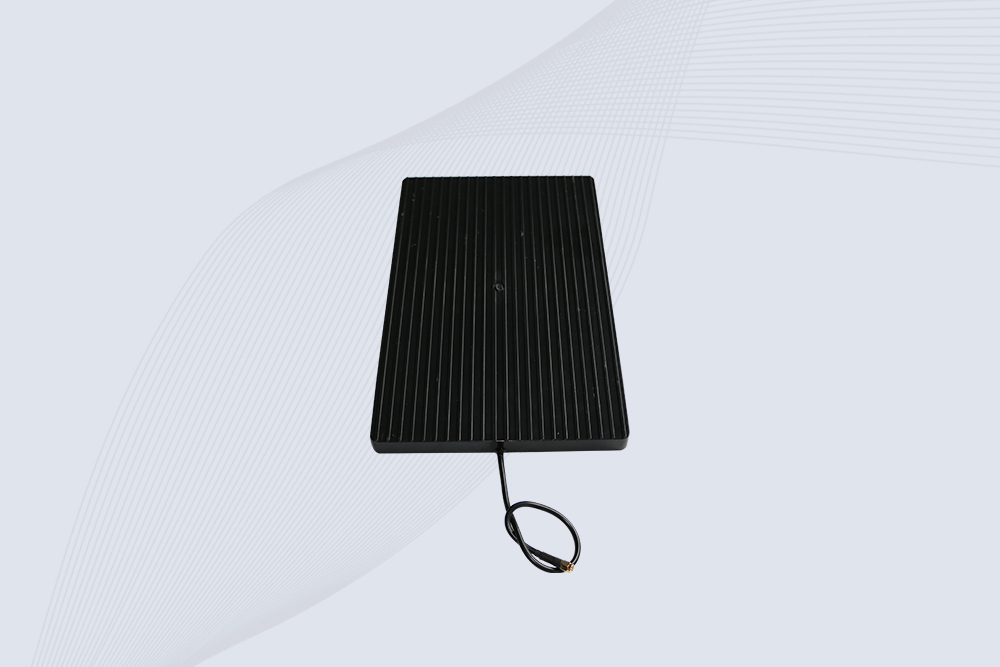
CYKEO Near Field RFID Antenna provides precise 5–30 cm reading for shelves, cabinets, and workstations. This compact rfid shelf antenna delivers stable short-range performance around metal and clutter, ideal for pharmacies, libraries, and electronics sorting.
Cykeo CYKEO-C1 industrial Forklift RFID Reader features 20m read range, 600 tags/sec scanning, Impinj R2000 chipset, and IP67 rugged design. Ideal for warehouse logistics and manufacturing. Supports ISO 18000-6C/6B protocols.
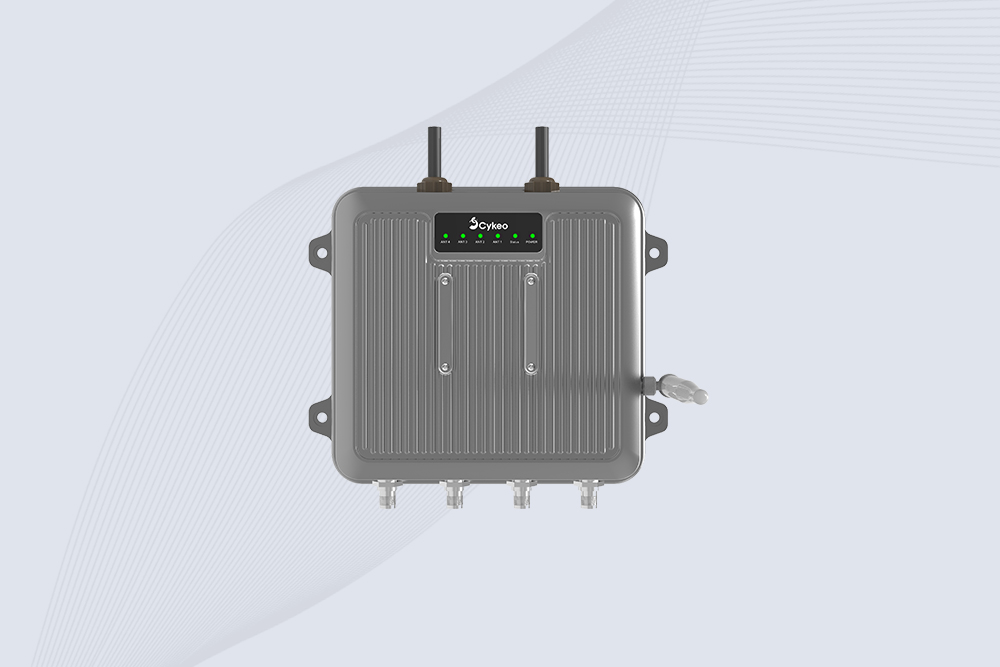
Cykeo CYKEO-R4 industrial UHF RFID Fixed Reader features 4 TNC ports, 400+ tags/sec speed, IP67 housing, and global frequency compliance for vehicle inspection, smart warehouse, and asset management systems.
CYKEO CYKEO-R8L Fixed RFID Reader with 8-port UHF design, Impinj-based RF core and up to 20m read range. An industrial Fixed RFID Reader for vehicle inspection, warehouse portals, smart manufacturing lines and secure access checkpoints.
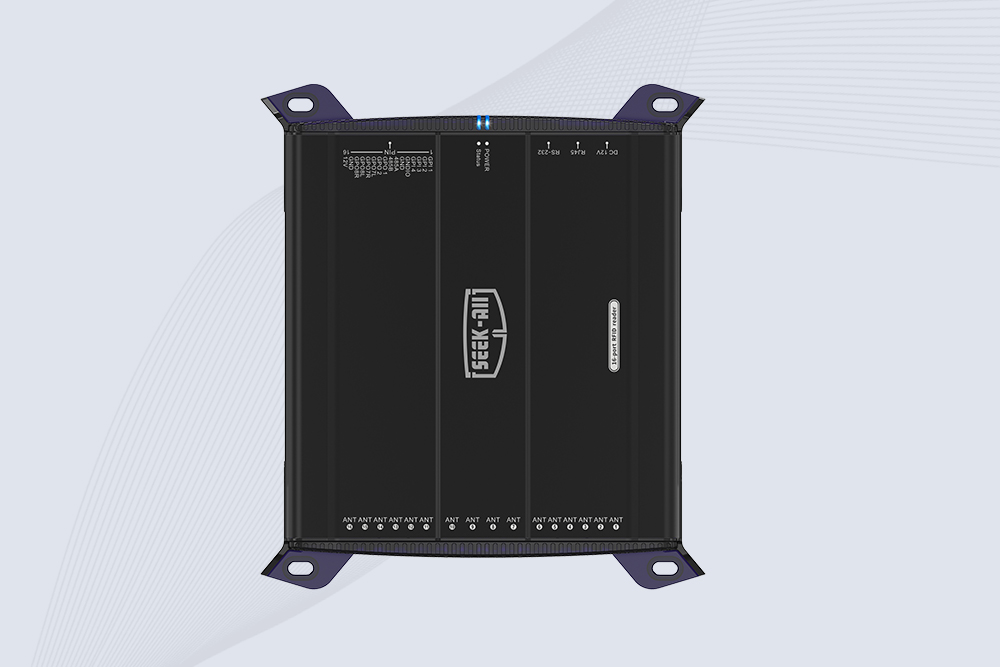
RFID Fixed Reader from CYKEO – the CYKEO-R16L 16-port UHF fixed reader for warehouses, smart cabinets, and production lines. Long-range, multi-tag reading, stable performance for 24/7 industrial use.
how HF RFID antennas improve read performance and system integration. Practical tips, real-world applications, and flexible antenna solutions for RFID solution providers and system integrators.
RFID tunnel machine, a cutting-edge technology in modern logistics, is transforming the way warehouses are managed. It is more than just a simple tool; it’s a vital solution to improving warehouse efficiency. By leveraging RFID (Radio Frequency Id...
Looking for an RFID card reader? CYKEO explains the difference between desktop and door readers, HF vs UHF frequencies, and how to pick the right one for your security needs.
 Cykeo RFID IoT Solution Products R&D Manufacturer