 Cykeo RFID IoT Solution Products R&D Manufacturer

How to Test RFID Reader — What Should You Check Before Real Deployment?
311Learn how to test rfid reader performance with real field methods, troubleshooting tips, and CYKEO technician insights to verify range, stability, and accuracy.
MoreAll RFID Product
A long range RFID scanner can make pallet tracking much faster by identifying multiple tagged items without manual scanning. However, reliable pallet tracking depends on more than reader distance — tag placement, antenna position, pallet orientation, product materials, forklift movement, and reader settings all affect the final result.
Pallet tracking sounds simple until you put the system into a real warehouse.
A pallet moves through a loading area.
The forklift stops for a moment.
Some cartons have RFID tags facing the antenna. Others have tags on the opposite side. There may be metal products on the pallet, another forklift nearby, and a rack only a few meters away.
The RFID reader still needs to identify the pallet correctly.
This is where a long range RFID scanner becomes useful, but also where the installation starts to matter more than the number printed on the reader’s specification sheet.
A good pallet tracking system should consistently identify the right tags at the right point in the warehouse without requiring workers to stop and scan each item manually.
Traditional barcode tracking requires the scanner to see the barcode.
That can become inconvenient when a pallet contains many cartons.
A worker may need to walk around the pallet or position the forklift carefully so the barcode scanner can see the labels.
UHF RFID works differently.
The reader can detect multiple tags within its RF field without requiring direct line of sight.
For pallet tracking, that can save time.
A typical process might look like this:
Pallet prepared → forklift moves through RFID zone → tags are detected → EPC data is sent to software → pallet movement is recorded
The operator doesn’t necessarily need to do anything.
That is one of the main reasons warehouses consider RFID for automated tracking.
One thing I often find confusing in RFID discussions is the phrase “RFID pallet tracking.”
It can mean several different things.
The customer may put one RFID tag on the pallet itself.
Or the pallet may contain twenty cartons, each with its own RFID tag.
Or there may be a pallet tag plus individual product tags.
These configurations produce different reading requirements.
If the system only needs to identify the pallet, one tag may be enough.
If the customer wants to know exactly which products are on the pallet, the reader needs to identify many tags.
That distinction should be clear before choosing the hardware.
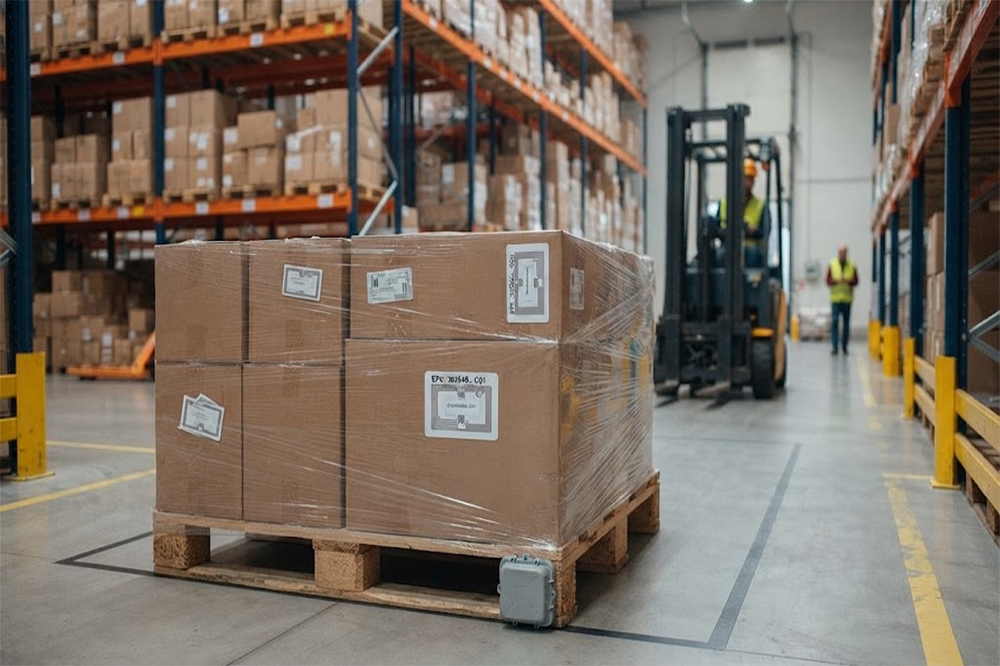
A long range RFID scanner cannot compensate for every poor tag installation.
Imagine a pallet loaded with boxes.
The RFID tags are placed randomly.
Some face the left antenna.
Some face the right.
Some are hidden between cartons.
A few are directly against metal packaging.
The reader may detect some tags quickly while struggling with others.
This can look like inconsistent reader performance.
Sometimes the better solution is simply to standardize tag placement.
For example, the customer might require tags to be positioned on the outer surface of cartons or pallet labels.
It is a small change, but it can make field performance much more predictable.
RFID tags are sensitive to orientation and surrounding materials.
A pallet entering the reading zone straight on may produce different results from a pallet approaching at an angle.
This is especially important when the RFID gate is relatively narrow.
A forklift driver may not always approach the same way.
That is normal warehouse behavior.
Don’t design the RFID system around perfect movement if the real warehouse doesn’t operate that way.
During testing, deliberately approach the antenna from different angles.
Move the pallet slowly.
Then move it faster.
Try different tag positions.
These tests tell you much more than a single maximum-distance test.
Metal is one of the first things I would check when an RFID pallet tracking project behaves differently from expectations.
A metal product can affect the performance of a standard RFID tag.
Metal shelves and structures can also change the RF environment.
If the warehouse handles:
the tag selection becomes important.
The customer may need RFID tags specifically designed for metal surfaces.
Using the wrong tag and then blaming the reader is a common mistake.
Warehouses handling beverages, chemicals, cosmetics, food, or other liquid products may see different RFID performance.
RF energy does not interact with every material in the same way.
A carton of dry goods is not necessarily equivalent to a container filled with liquid.
This is why RFID testing should use the actual customer products.
A supplier can demonstrate excellent reading distance with a standard dry cardboard box.
The customer’s actual pallet may behave very differently.
That difference is exactly why samples matter.
The antenna determines how the reader’s RF energy is directed into the pallet movement area.
For a forklift passage, directional antennas are often installed on one or both sides of the lane.
The exact arrangement depends on:
There is no single antenna layout that works for every warehouse.
If tags can appear on both sides of the pallet, using only one antenna may create blind spots.
On the other hand, adding antennas without considering the reading zone can increase unwanted reads.
More hardware isn’t automatically a better system.
Suppose a reader specification says:
Reading distance: up to 20 meters
A buyer may immediately think this is ideal for pallet tracking.
But if the warehouse gate only needs a 4-meter reading zone, 20 meters may not be necessary.
In fact, excessive range can create another problem.
The scanner may detect tags on pallets waiting behind the active pallet.
Now the software sees several EPC numbers.
Which pallet actually passed the gate?
The objective should be reliable identification within the required zone, not simply the longest possible range.
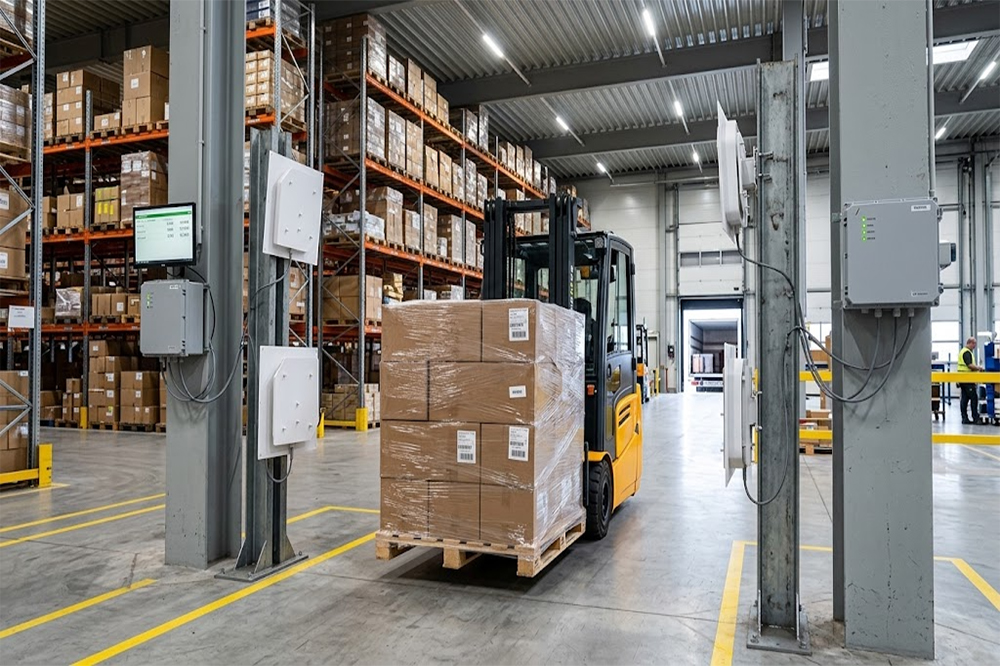
A warehouse forklift may move slowly through a gate.
But “slowly” still means movement.
The pallet can pass the reading zone in a few seconds.
If the reader needs several seconds to identify all tags, the system may miss some data.
A practical test should therefore include different movement speeds.
For example:
The system should ideally continue identifying the required tags without forcing the operator to stop unnecessarily.
Pallet tracking is often a multi-tag application.
One pallet could contain:
10 tags
50 tags
100+ tags
depending on the application.
The important question is not only whether the reader can detect one tag from a long distance.
The more useful question is:
Can it reliably identify the expected number of tags while the pallet is moving?
This is where reader chipset, RF sensitivity, antenna configuration, reader settings, tag performance, and software handling all become relevant.
Reading range is often discussed in terms of transmit power.
But sensitivity also matters.
A reader with good sensitivity can detect weaker tag responses under suitable conditions.
This becomes useful when:
For system integrators, sensitivity should be considered alongside power, antenna gain, protocol support, and real-world tag performance.
Looking at one specification alone rarely gives the full picture.
This part is sometimes overlooked.
The reader identifies RFID tags.
But the warehouse management system needs to understand what those tag readings mean.
For example:
EPC 3012345678 → Pallet A → Outbound shipment → Gate 2 → 10:35 AM
The RFID reader doesn’t necessarily make that business decision by itself.
The software receives the data and applies the customer’s rules.
That is why communication interfaces and API/SDK support can be important when choosing a long range RFID scanner for a commercial project.
Suppose a pallet remains inside the RFID zone for eight seconds.
The reader detects the same EPC repeatedly.
If the software creates a new movement record for every detection, the database quickly becomes messy.
A better approach is to use event logic.
For example:
Tag detected → identify reading zone → check recent event → filter duplicate → confirm movement
The exact logic depends on the customer’s WMS or ERP.
But system integrators should plan for this from the beginning.
A pallet tracking system does not operate in an empty laboratory.
There may be:
All of these can affect installation decisions.
If possible, test the reader at the actual installation point.
Even moving the antenna slightly can change the result.
This is one reason experienced RFID integrators spend time on site instead of relying entirely on datasheets.
For a new project, I would keep the testing fairly simple.
First, use the actual RFID tag the customer plans to purchase.
Then load real products onto a pallet.
Install the intended antenna configuration.
Move the pallet through the gate.
Record which tags are detected.
Then repeat the test with different orientations.
After that, place another tagged pallet nearby.
Check whether the system accidentally detects it.
Finally, test normal warehouse movement.
This gives the integrator a much better picture of what the system will do after deployment.
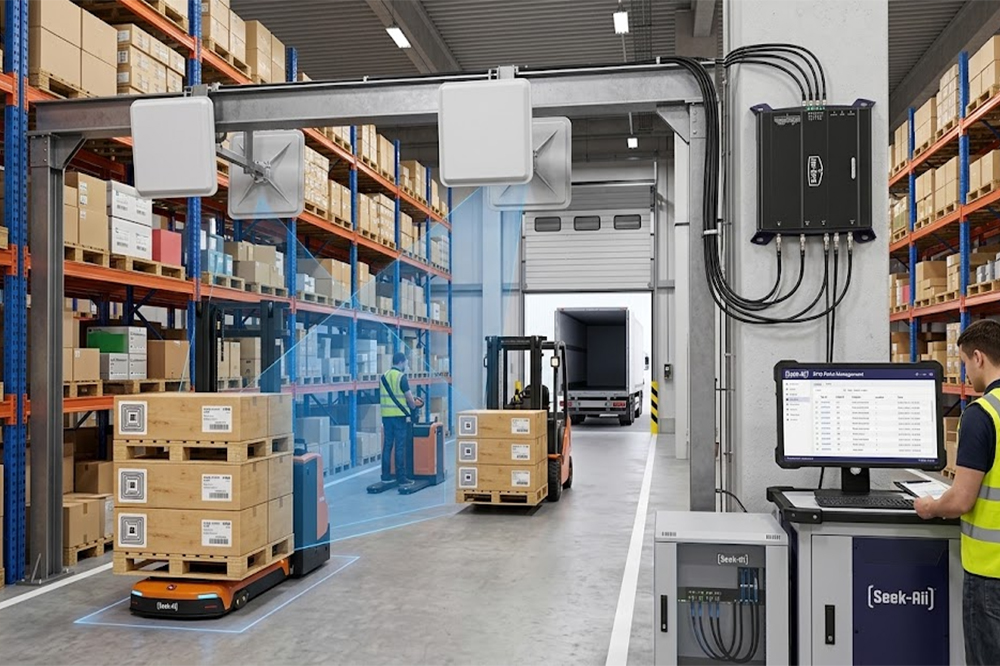
If you’re a distributor or wholesaler buying long range RFID scanners for pallet tracking projects, don’t only ask for unit price.
Ask the manufacturer about:
It is also worth asking whether the supplier can test the reader with your customer’s RFID tags.
That can prevent a surprisingly expensive mistake later.
A specification sheet can tell you that a reader supports long-distance reading.
It cannot tell you exactly how your customer’s pallet will behave.
That depends on the tag, product, orientation, antenna, environment, and installation.
A small sample order gives the integrator a chance to answer the questions that matter:
Does it read our tags?
Does it read enough tags on a pallet?
Does it work while the forklift is moving?
Can we control the reading zone?
Can we integrate the data into our software?
If the answer is yes, moving to a larger order becomes much easier.
For pallet tracking, I would not start with the question:
“Which RFID reader has the longest range?”
I would start with:
“What exactly do we need to identify, and where does that identification need to happen?”
Once that is clear, the hardware selection becomes much easier.
For a simple pallet checkpoint, a fixed long range UHF RFID reader with suitable antennas may be enough.
For a larger warehouse, the project may require multiple readers, several antenna zones, software filtering, network communication, and integration with the WMS.
The reader is important.
But the complete reading environment matters just as much.
For RFID system integrators, distributors, and wholesalers looking for long range RFID scanners for pallet tracking, warehouse gates, logistics checkpoints, or automated inventory systems, it is usually best to start with the actual pallet size, tag type, reading distance, antenna layout, and expected order quantity. These details allow the supplier to recommend suitable hardware and arrange sample testing before bulk purchasing.
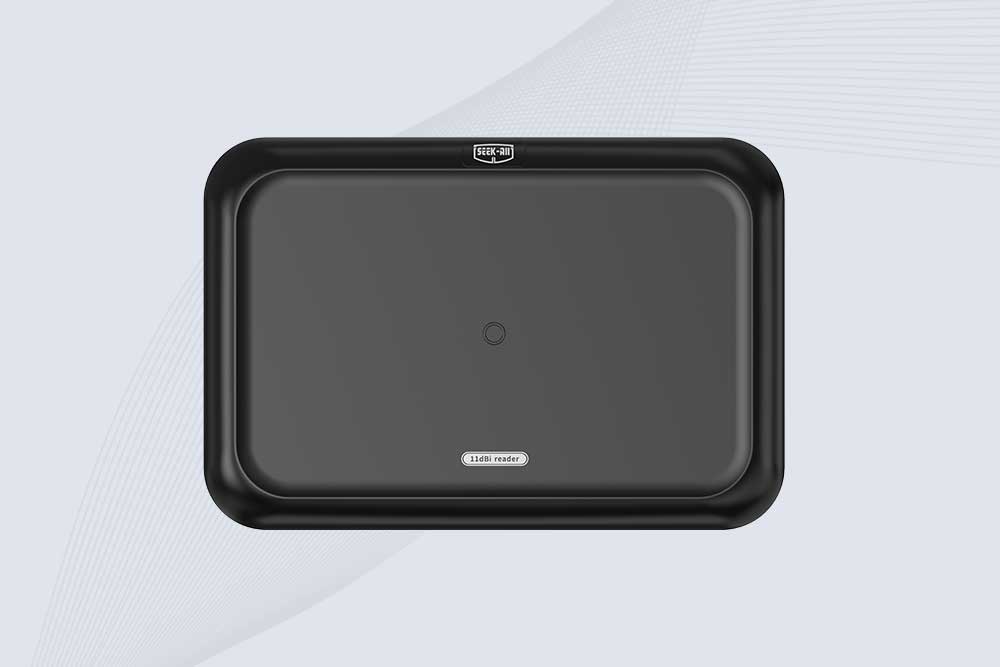
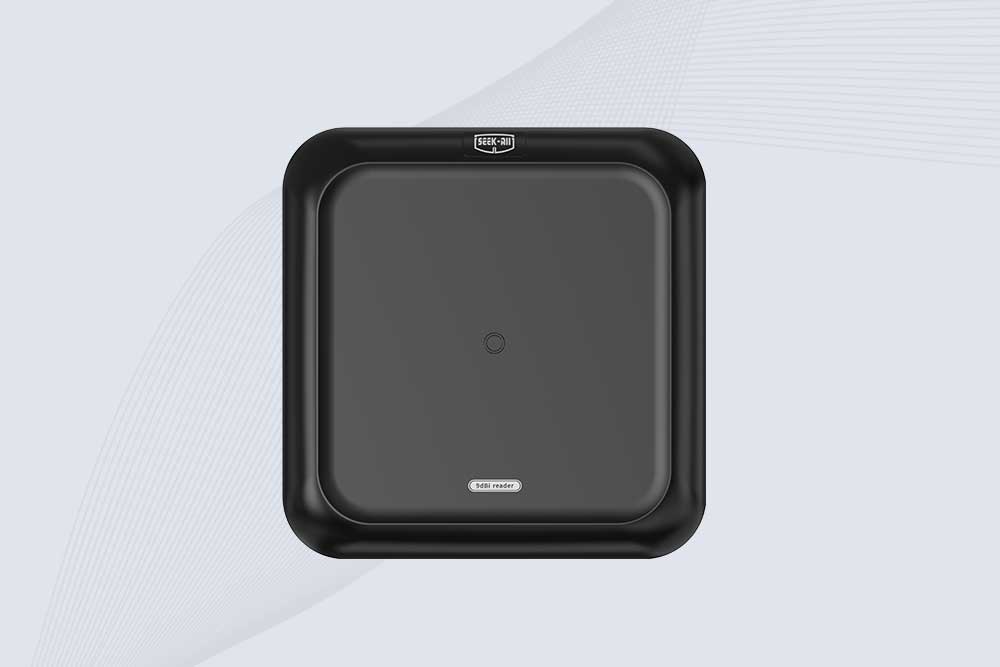
SSD-RA11L is an 11 dBi UHF RFID reader with up to 15m reading distance, 600+ tags/s speed, integrated antenna and flexible connectivity.
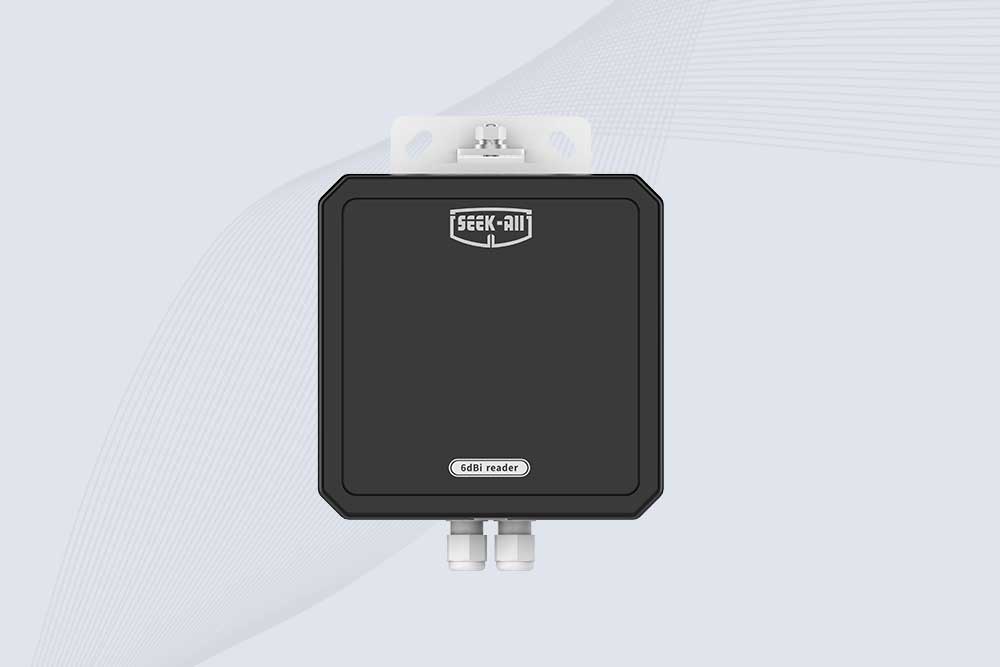
SSD-RA09L is a long range UHF RFID reader with a built-in 9 dBi antenna, 10m reading range, 600+ tags/s speed and flexible interfaces.
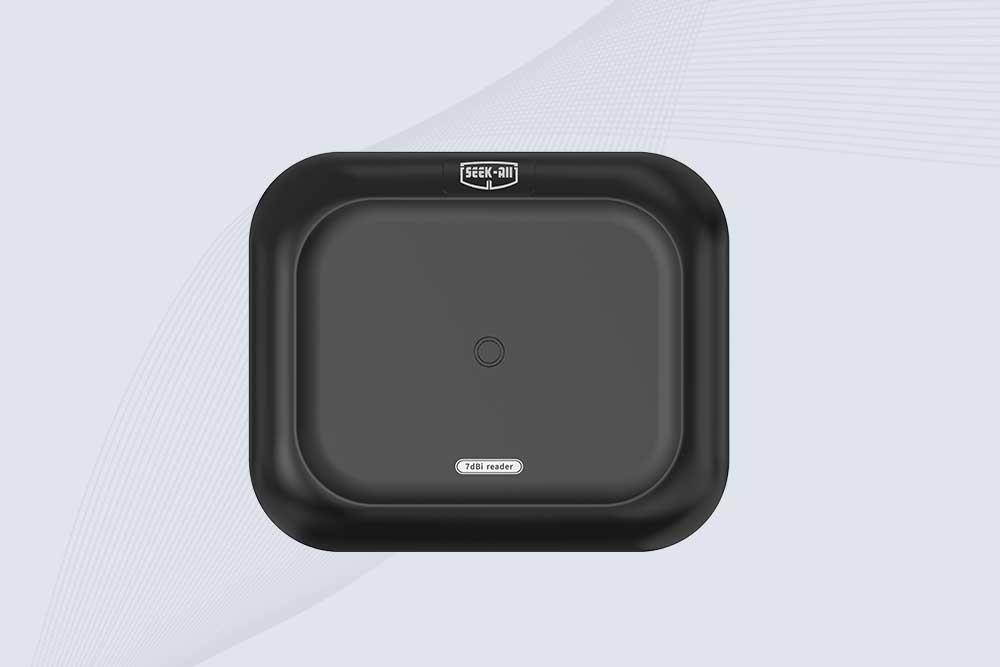
SSD-RA06L is an industrial UHF RFID reader with a built-in 6 dBi antenna, 3 m read range, 600+ tags/s, Ethernet, RS232, and optional Wi-Fi, 4G, and PoE.
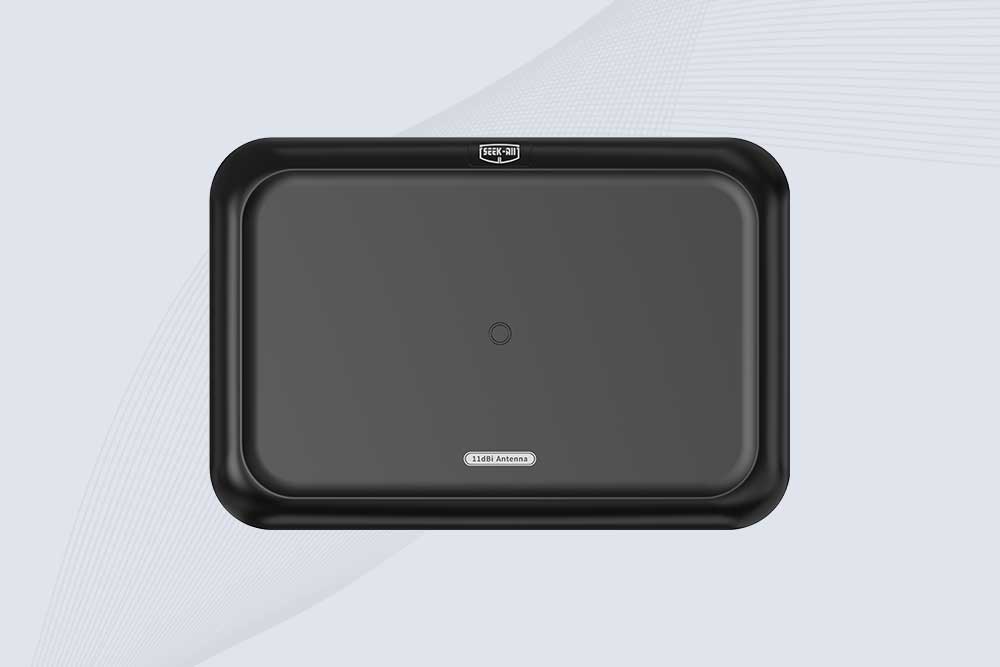
SSD-RA07L industrial UHF RFID reader with integrated 7 dBi antenna, up to 6 m reading distance, over 600 tags/s, Ethernet, RS232, and optional Wi-Fi, 4G, and PoE.
SSD-A11 UHF RFID antenna features 840–960 MHz adjustable frequency, ≥10.5 dBi gain, circular polarization and 50Ω impedance for fixed RFID systems.
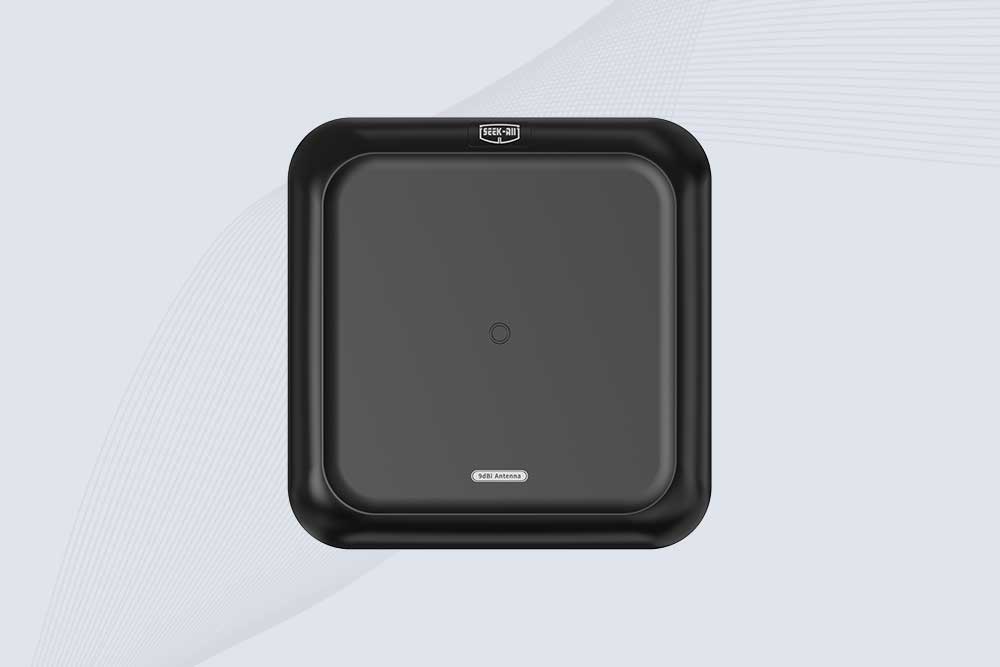
SSD-A09 is a 9 dBi UHF RFID antenna with 840–960 MHz adjustable frequency, circular polarization, 50Ω impedance and directional 60° × 60° coverage.
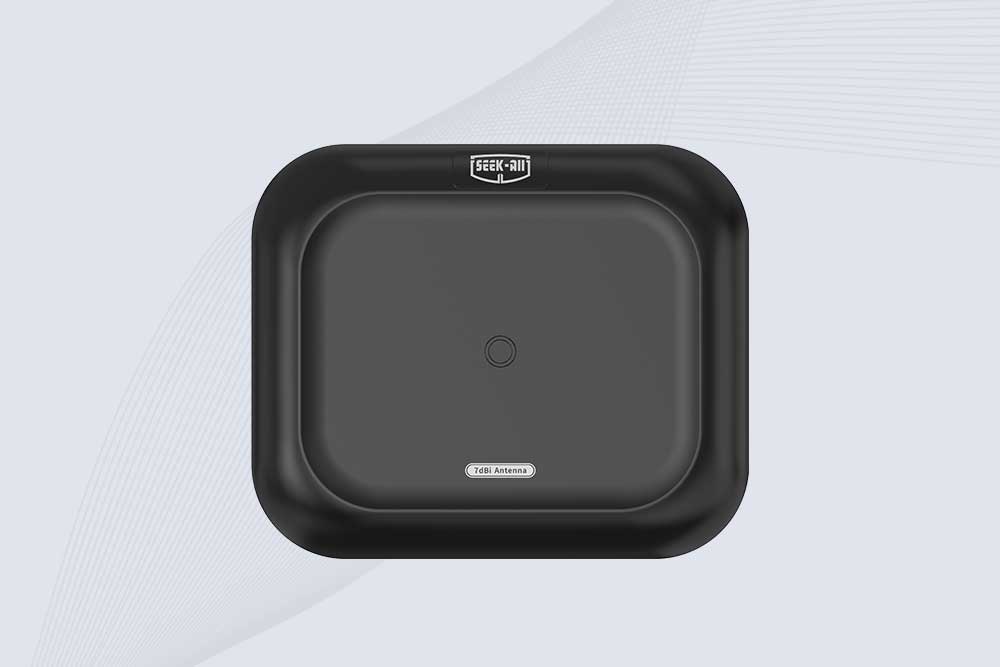
Explore the SSD-A07 UHF RFID antenna with 7 dBi gain, circular polarization, adjustable 840–960 MHz frequency, and 60°/75° beamwidth for stable RFID read/write performance.

SSD-A06 UHF RFID antenna with circular polarization, adjustable 840–960 MHz frequency, ≥4.5 dBi gain, and a compact directional design for RFID systems.
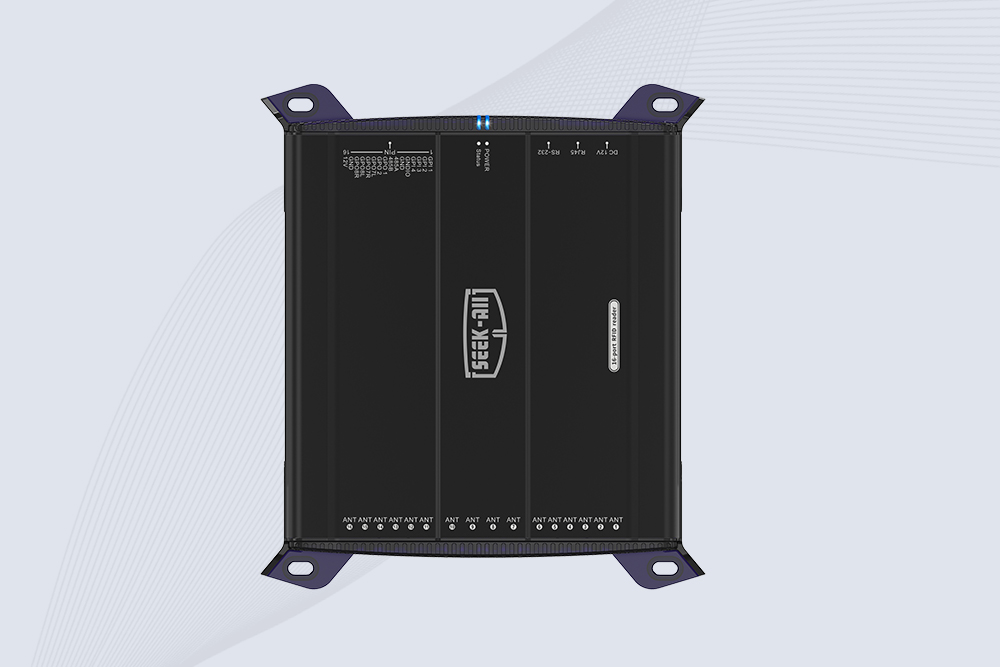
SSD-R16L Multi-Channel RFID Infrastructure for Automated Inventory Management ✔️ 16-Port High-Density RFID Reading Equipped with 16 SMA antenna ports, SSD-R16L supports multi-antenna deployment for warehouses, retail stores, logistics, production lines, and large-area RFID identification. ✔️ High-Speed & Long-Range Performance With up to 33…
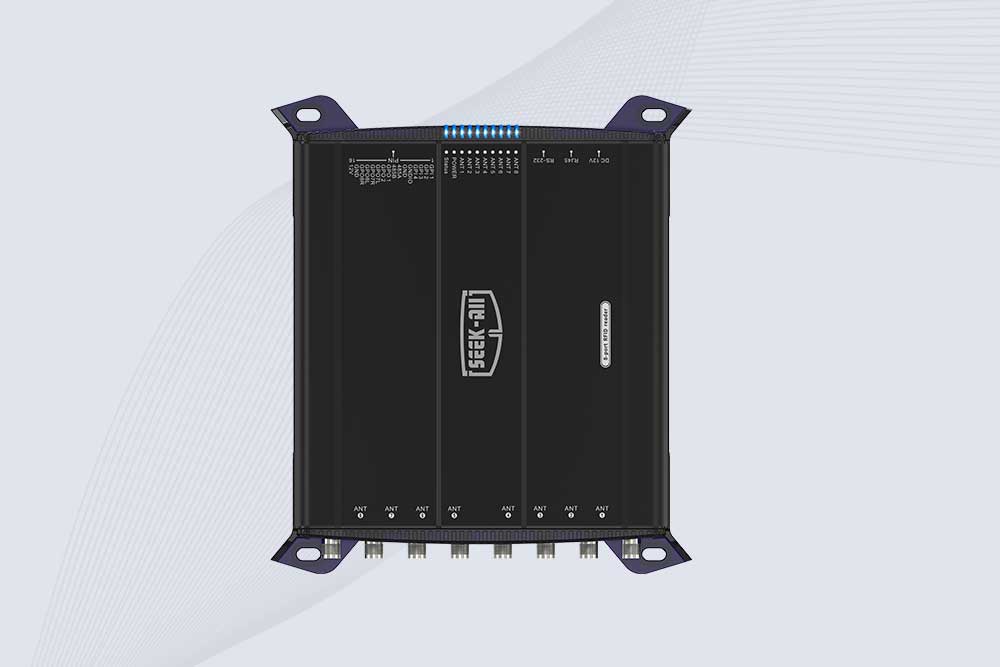
SSD-R8L 8-port UHF RFID reader with 33dBm output, up to 20m reading range and 600+ tags/s recognition. Ideal for warehouse, logistics, retail and asset tracking.
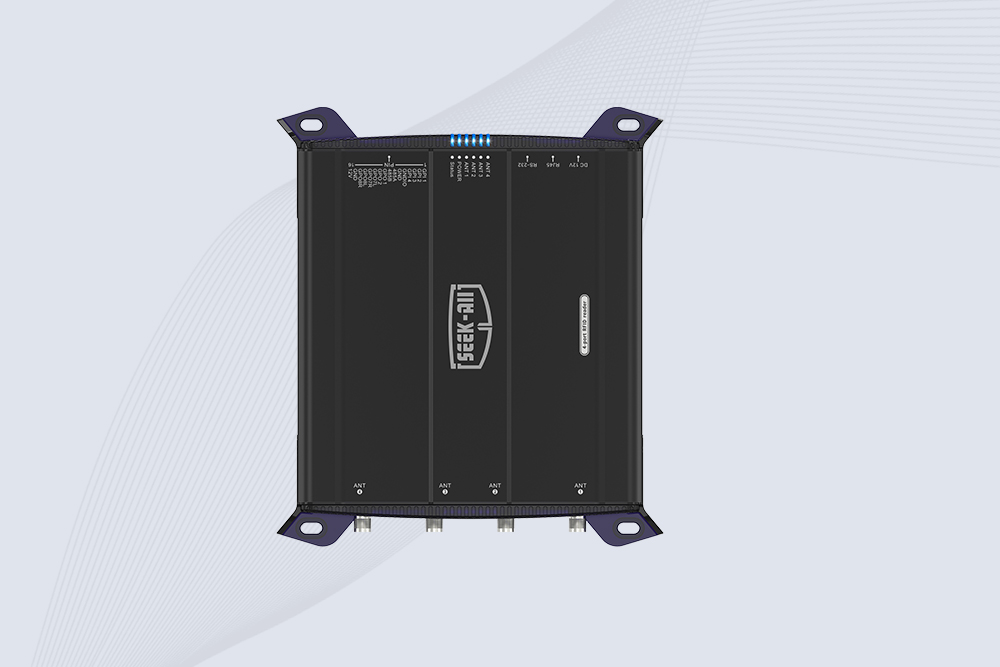
SSD-R4L is a 4-port UHF RFID fixed reader with 33dBm output power, up to 20m reading range, EPC C1G2 support and 600+ tags/s reading speed.
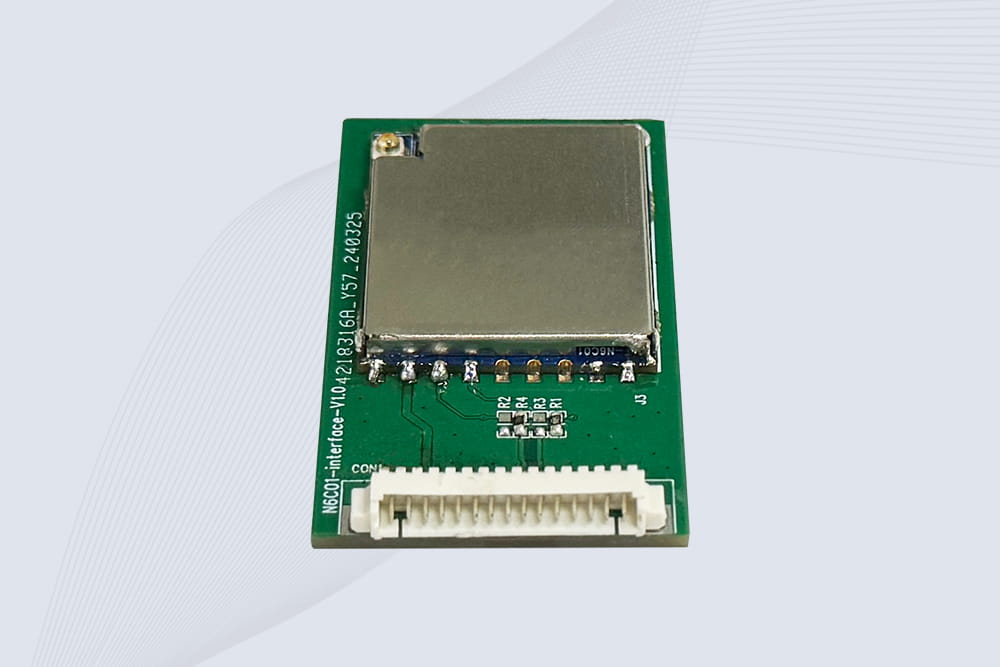
CYKEO Embedded RFID Modules are designed for compact industrial and IoT devices that require stable UHF performance. These UHF RFID Modules support global protocols, flexible power control, and reliable multi-tag reading for smart cabinets, production lines, and asset tracking systems.
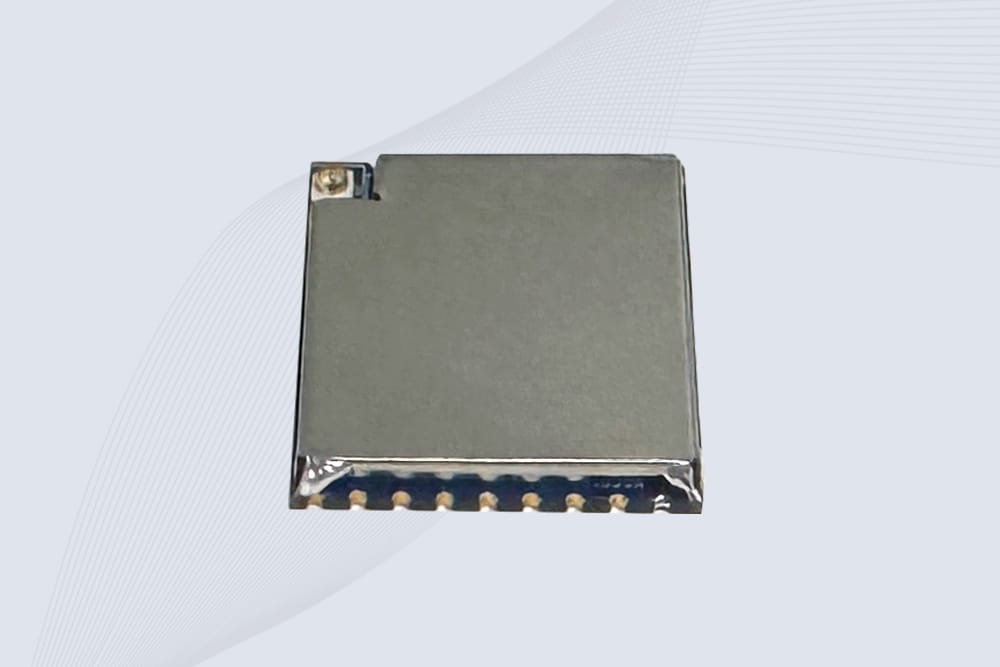
CYKEO Embedded RFID Module is built for compact IoT and industrial devices that need stable UHF performance. This UHF module supports global protocols, low power operation, and reliable multi-tag reading for smart lockers, production lines, and always-on RFID systems.
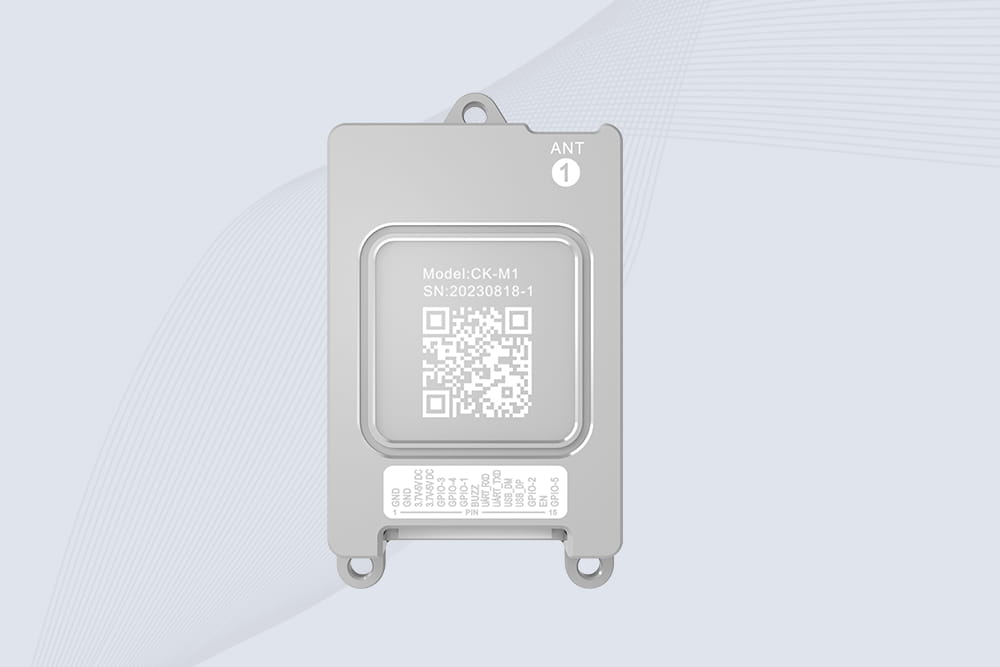
CYKEO CYKEO-M1 drone rfid module is a compact UHF RFID reader module designed for drones and UAV platforms. It supports long-range aerial scanning, fast multi-tag reading, and stable performance in wind, vibration, and outdoor environments.
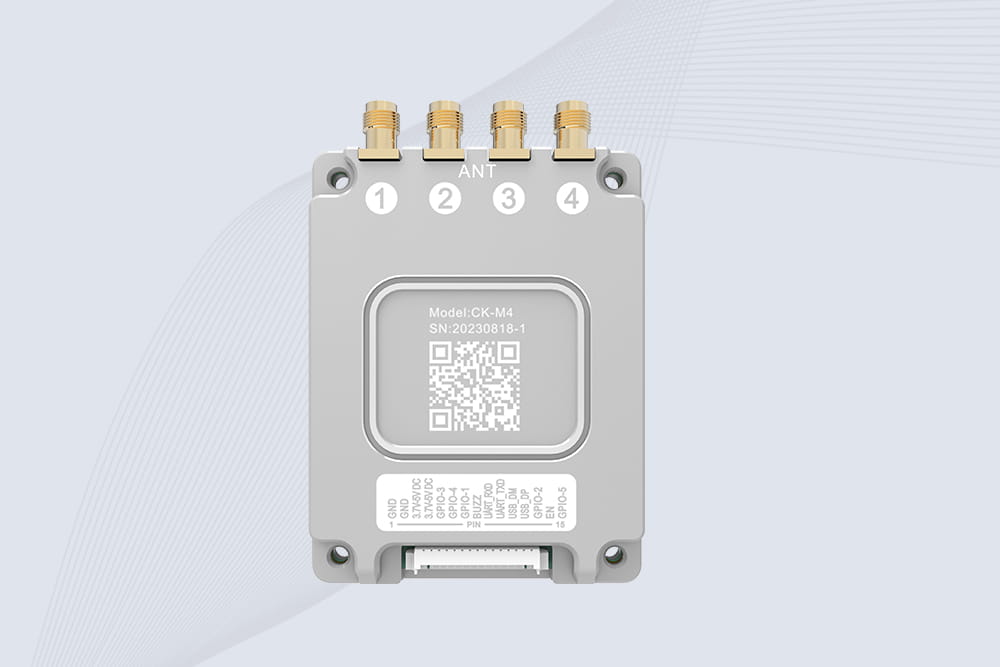
CYKEO CYKEO-M4 RC522 RFID Module is an industrial-grade UHF RFID reader with 4 ports, supporting ISO, EPC, and GB protocols. High-speed, accurate reading for IoT, automation, and warehouse applications.
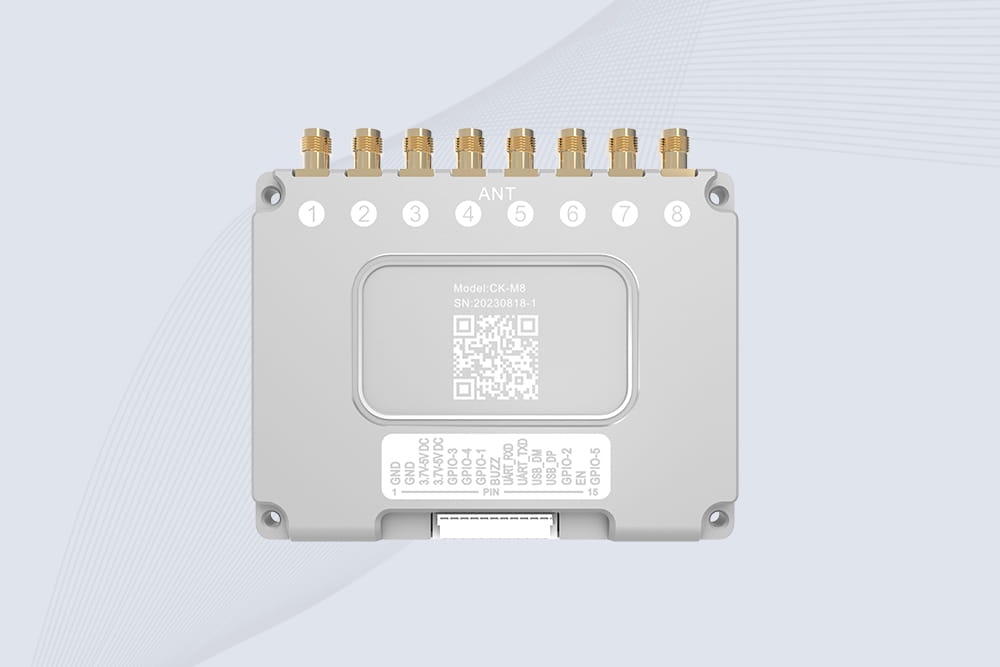
CYKEO CYKEO-M8 Module RFID is an 8-port UHF R2000 RFID Module designed for high-density, multi-tag environments. Stable 33dBm output, ISO & GB protocol support, ideal for warehouses, factories, and automated systems.
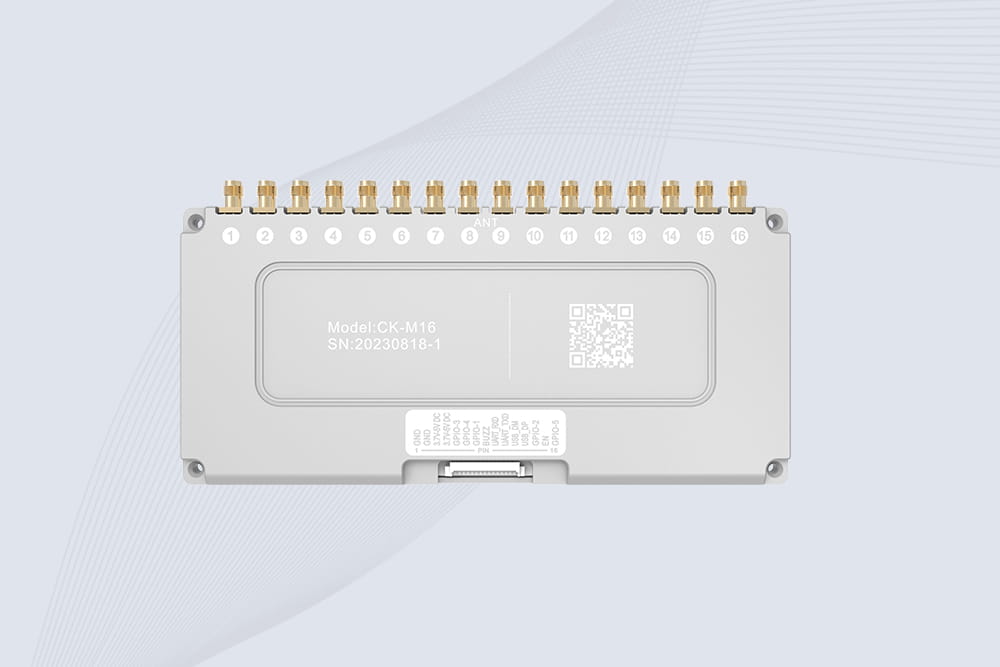
CYKEO CYKEO-M16 RFID Module is a 16-port UHF RFID reader module based on the R2000 chipset. Designed for dense tag environments, it supports ISO and GB standards and delivers stable multi-antenna control for industrial automation.
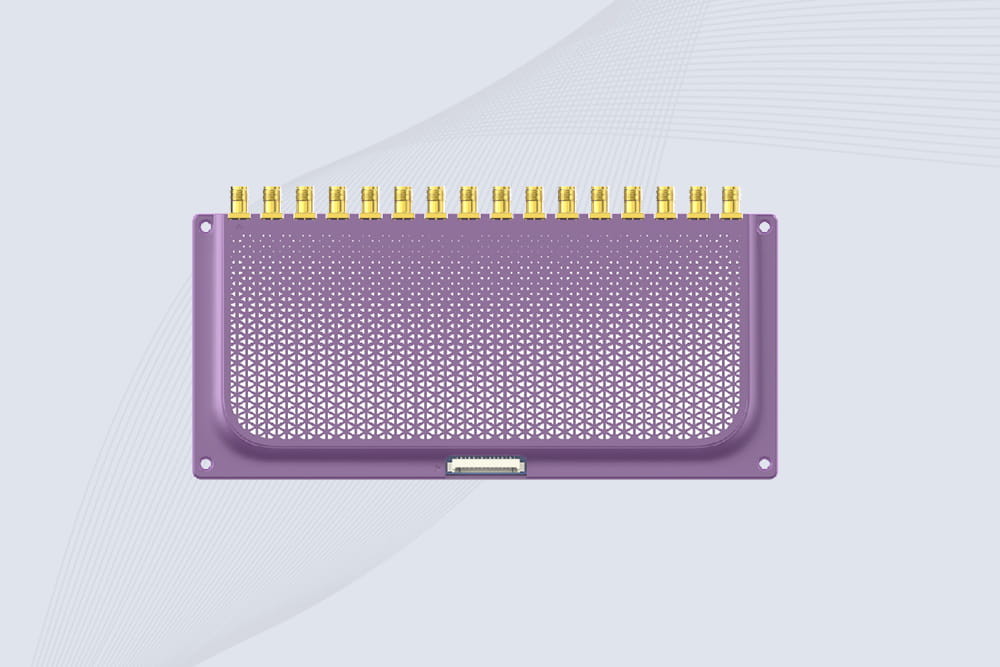
The CYKEO CYKEO-M16L RFID Reader Module is a 16-channel UHF RFID core designed for dense tag environments. With adjustable 33dBm output, multi-protocol support, and stable multi-antenna control, this RFID Tag Reader Module fits industrial automation, warehouse systems, and large-scale IoT deployments.
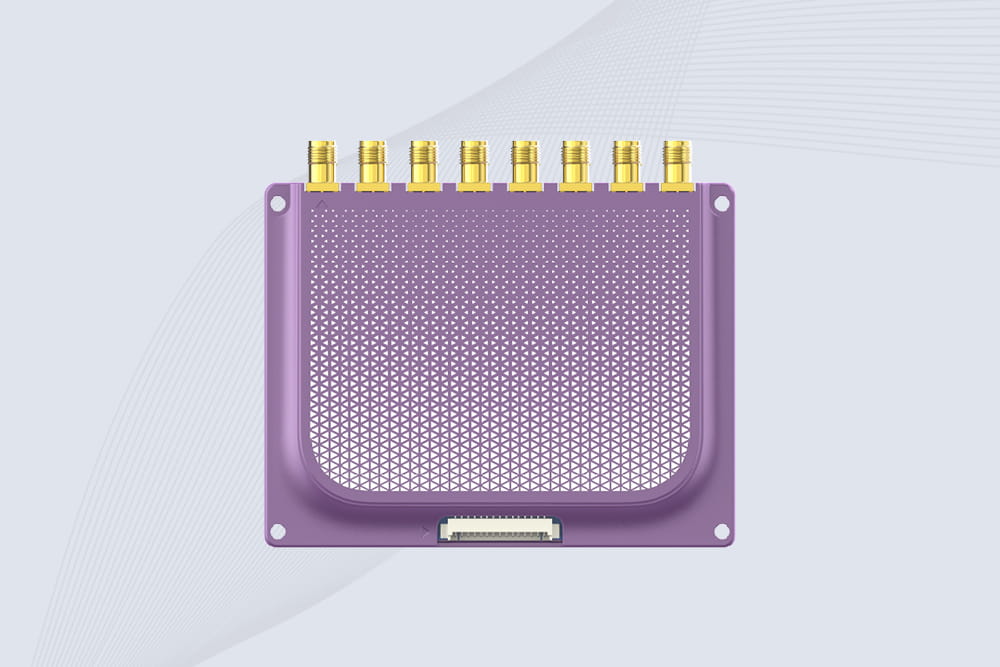
CYKEO CYKEO-M8L module RFID is a compact industrial UHF module built for dense tag and multi-antenna environments. With 8 RF ports, adjustable 33 dBm output, and ISO & GB protocol support, it is widely used in factories, warehouses, and automated tracking systems.
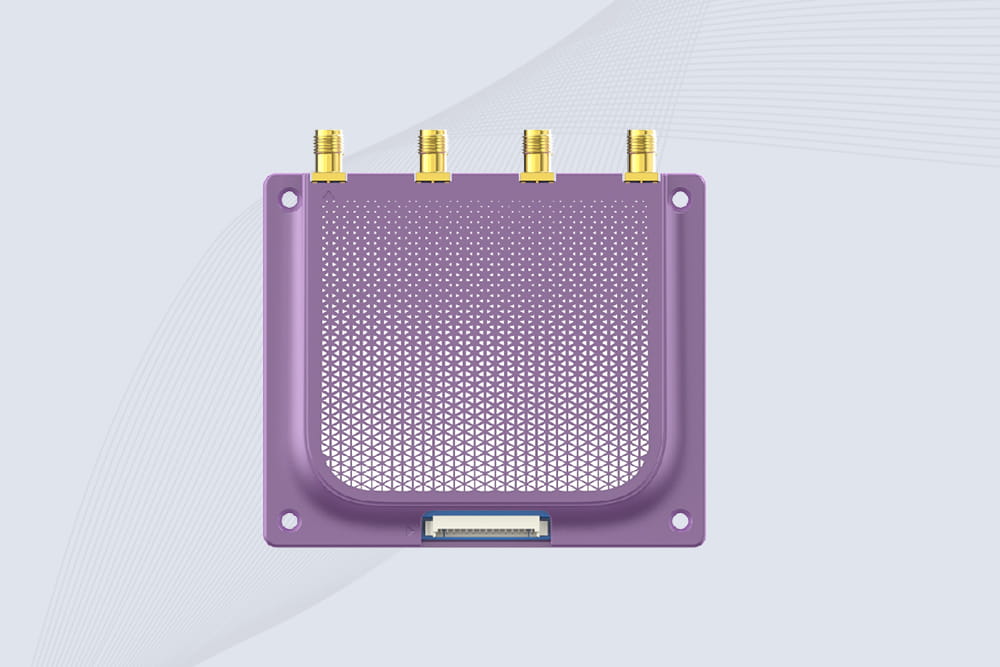
CYKEOCYKEO-M4L UHF RFID Module is a compact 4-channel RFID tag reader module designed for dense tag environments. Supporting ISO and GB protocols, it delivers stable reads up to 10 meters for industrial and IoT systems.

Cykeo CYKEO-A11 UHF RFID reader antenna delivers 11dBi gain, 840-960MHz frequency range, and IP65 ruggedness for retail, logistics, and industrial RFID systems. Features low VSWR and easy installation.

CYKEO Antenna RFID Reader delivers stable long-range UHF performance with a 10.5dBi directional design, built for warehouses, conveyor portals, and industrial RFID systems. This rfid reader antenna provides 20m+ read distance and rugged IP67 protection.

Cykeo CYKEO-PHF3 industrial HF RFID Antenna offers 24-point dynamic tracking, ISO 14443A/15693 protocols, metal-environment stability for archives/libraries/manufacturing.

Cykeo CYKEO-A5B industrial Linear RFID Antenna delivers 5dBi gain, ≤1.5:1 VSWR, and IP65 rugged design for warehouse, production line, and logistics UHF systems.

Cykeo’s CYKEO-B12 Long Range RFID Antenna delivers 15m+ read range with 12dBi gain, IP65 rugged design, and global 840-960MHz UHF support. Ideal for warehouse/logistics asset tracking.

Cykeo CYKEO-B10 Long Distance RFID Antenna offers 10dBi gain, 840-960MHz frequency range, IP65 rating, and 20m+ coverage for logistics/warehousing/ETC systems. Low VSWR ensures stable signal transmission.

Cykeo CYKEO-A6 UHF RFID panel antenna features 6dBi gain, 840-960MHz broadband, IP65 metal-ready housing for logistics/smart retail. 18mm ultra-thin design with tool-free mounting.

Cykeo CK-A3 industrial antenna RFID UHF offers 5m+ tag detection, ≤1.3:1 VSWR, IP65 rugged design, and global UHF spectrum compatibility (840-960MHz) for warehouses, factories, and retail.

Cykeo CYKEO-B5 directional RFID antenna provides 5dBi gain with 60° narrow beamwidth for precise inventory tracking. IP65-rated, global UHF frequency support, and low VSWR.

Create your own high-performance DIY RFID antenna! 5dBi gain, 840-960MHz tunable, step-by-step guides. Compatible with Arduino, Raspberry Pi, and commercial UHF readers.

Cykeo CYKEO-A7 Flexible RFID Antenna features 840-960MHz wideband tuning, 7dBi gain, and IP68 rating for medical/retail/industrial curved surface deployments. 98% read accuracy with peel-and-stick installation.

Cykeo CYKEO-B5A industrial Passive RFID Antenna delivers 5dBi gain, 70° beamwidth, and -40°C~55°C operation for warehouses/smart cabinets. Compatible with Zebra/Impinj readers.

Cykeo’s CYKEO-A9B High Gain RFID Antenna delivers 15m+ read range with 9dBi amplification. Features IP54 rugged design, 840-960MHz bandwidth, and 80° beamwidth for warehouse/manufacturing RFID systems.

Cykeo’s enterprise-grade 8dbi Impinj RFID Antenna 10m+ read range with 840-960MHz tuning. Features IP65 housing, 1.4 VSWR, 35° beamwidth for retail/warehouse RFID systems.

Cykeo CYKEO-A9 industrial UHF RFID antenna delivers 9dBi gain, 840-960MHz frequency range, and IP65 protection for warehouse/logistics/retail RFID systems. Features N-type connector and ≤1.3:1 VSWR.

CYKEO UHF RFID Antenna built for long-distance and industrial applications. This antenna rfid uhf delivers strong gain, outdoor durability, and reliable tag performance in warehouses, yards, and vehicle ID systems.

CYKEO Antenna RFID delivers reliable long-range UHF performance in warehouses, retail shelves, and cold-chain environments. This compact uhf rfid antenna provides stable reads with circular polarization and ultra-wide 840–960 MHz support, ideal for industrial tracking, smart shelves, and asset monitoring.

Cykeo’s CYKEO-C8 UHF RFID antennas delivers 8dBi gain, 840-960MHz full-band coverage, and IP65 ruggedness for manufacturing/warehouse RFID systems. Industrial RFID Antennas Features

Cykeo’s 8dBi UHF RFID antenna and reader kit delivers 10m+ range, 840-960MHz broadband, and IP65 ruggedness for factories, warehouses, and logistics. ISO 18000-6C & EPC Gen2 certified.

Cykeo CYKEO-A9A industrial UHF RFID reader and antenna kit delivers 10m range, 500 tags/sec, IP65 ruggedness for manufacturing/logistics. Supports EPC Gen2, ISO18000-6C.
Cykeo’s CYKEO-A12C UHF Large RFID Antenna delivers 12dBi gain, 840-960MHz global frequency, IP65 ruggedness for logistics/warehousing/automotive. 40° beamwidth ensures stable 15m+ tag reads.

CYKEO Near Field RFID Antenna provides precise 5–30 cm reading for shelves, cabinets, and workstations. This compact rfid shelf antenna delivers stable short-range performance around metal and clutter, ideal for pharmacies, libraries, and electronics sorting.
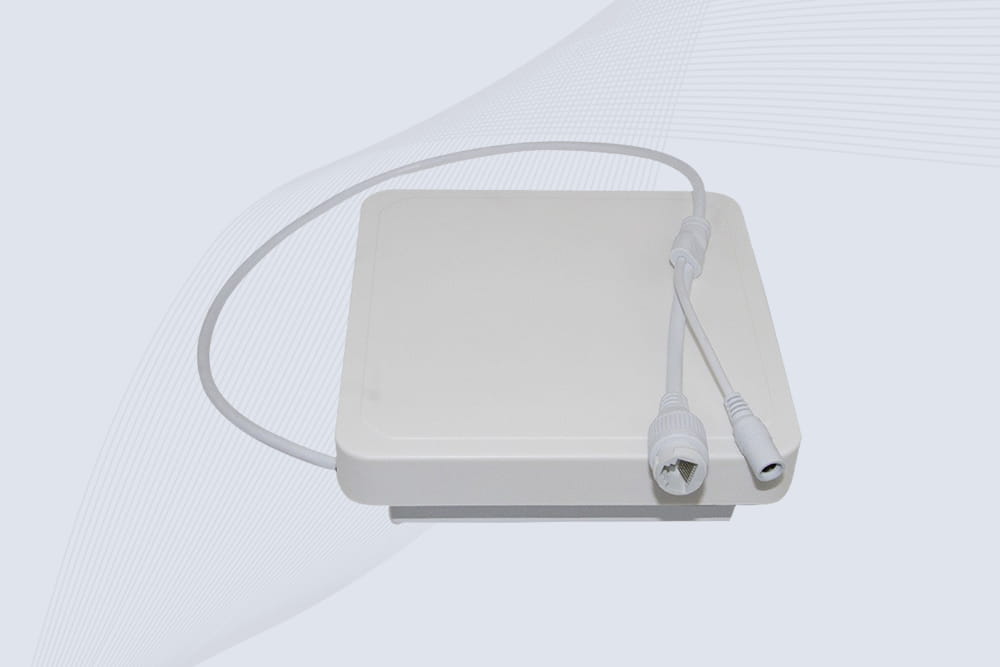
Cykeo’s industrial long range RFID reader delivers 20-meter scanning, 500+ tags/sec speed, and IP67 waterproof design for automated warehouses, logistics, and harsh environment applications.
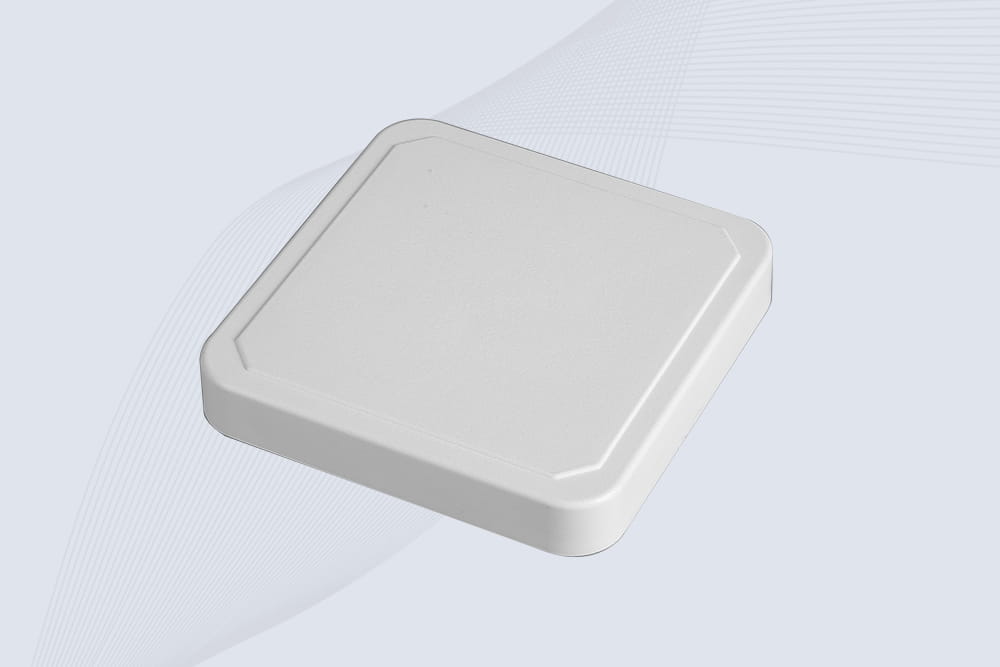
Cykeo’s CYKEO-RA6L industrial RFID long range reader features 20m read distance, 500 tags/sec speed, and IP67 protection. Ideal for warehouse automation, manufacturing WIP tracking, and smart logistics. Supports ISO 18000-6C/6B protocols.
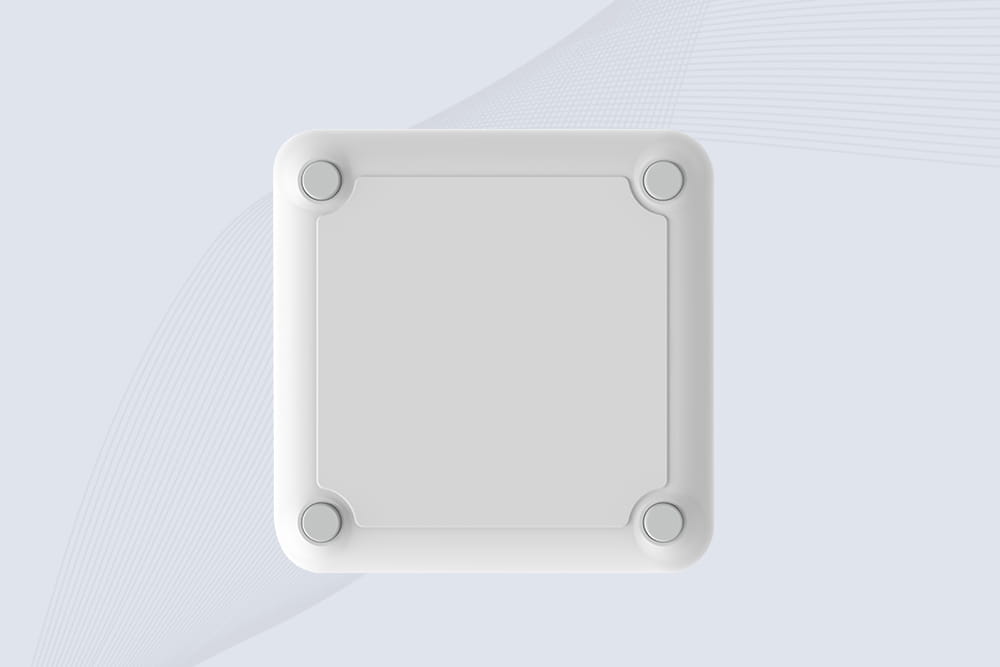
CYKEO Long Range RFID Tag Reader built for outdoor and industrial operations. This Outdoor RFID Reader delivers 20m read distance, fast tag processing, and IP67 durability for wide-area tracking.
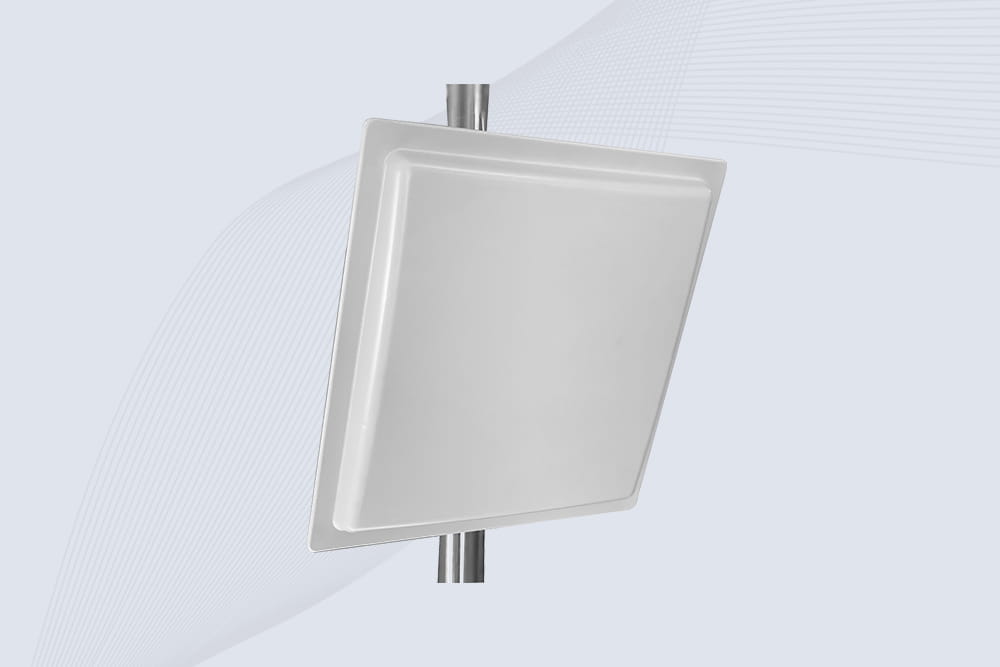
Cykeo CYKEO-RA12L industrial Long Range RFID Reader delivers 20m read range, 200+ tags/sec scanning, and IP67 protection for manufacturing/logistics applications. Supports ISO 18000-6C/GB protocols.
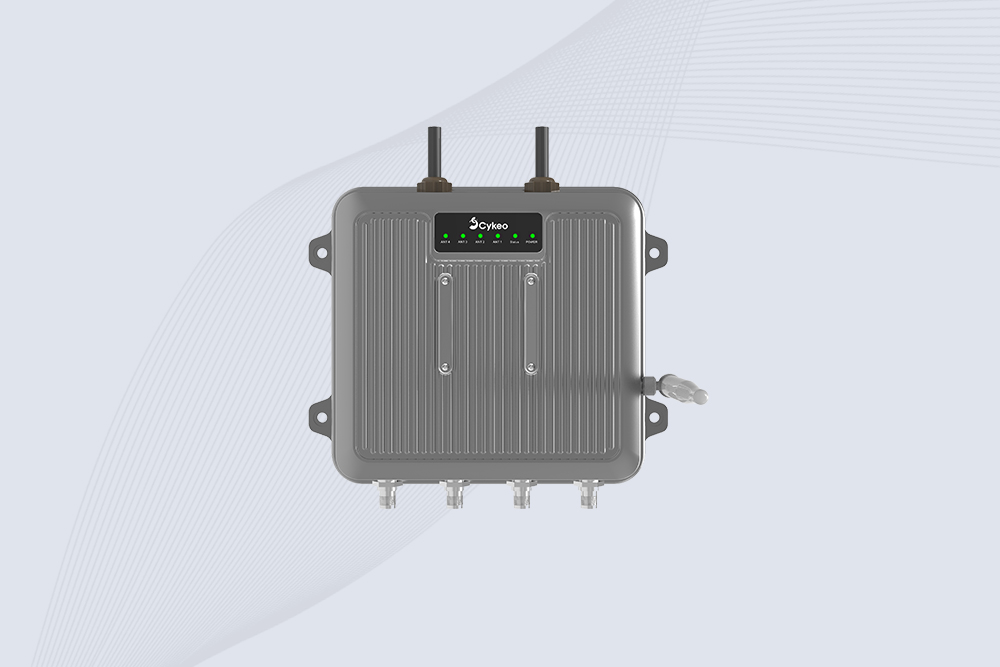
Cykeo CYKEO-C1 industrial Forklift RFID Reader features 20m read range, 600 tags/sec scanning, Impinj R2000 chipset, and IP67 rugged design. Ideal for warehouse logistics and manufacturing. Supports ISO 18000-6C/6B protocols.
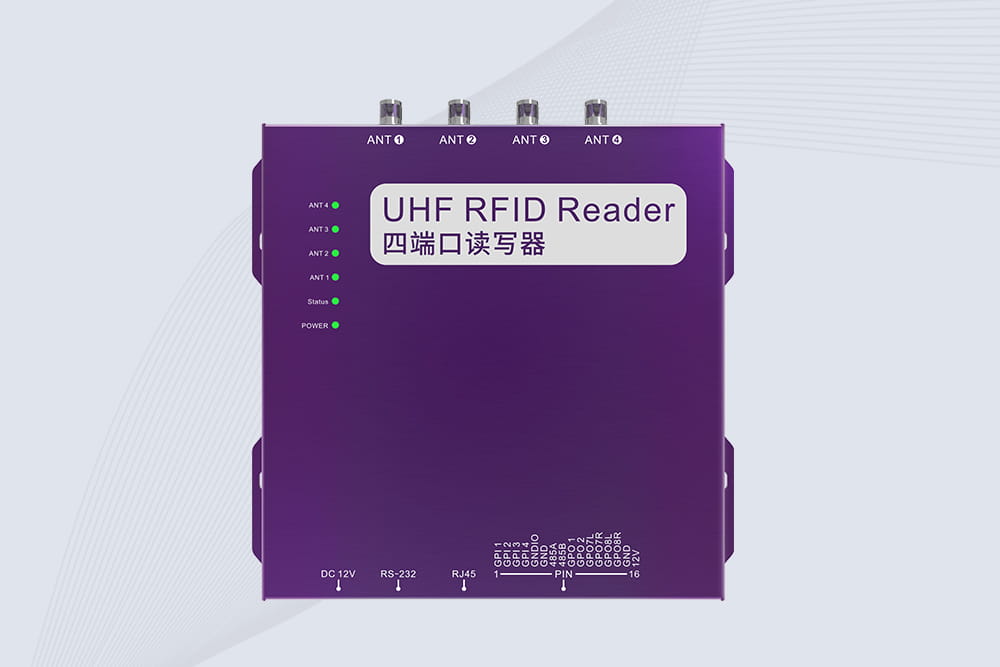
Cykeo CYKEO-R4 industrial UHF RFID Fixed Reader features 4 TNC ports, 400+ tags/sec speed, IP67 housing, and global frequency compliance for vehicle inspection, smart warehouse, and asset management systems.
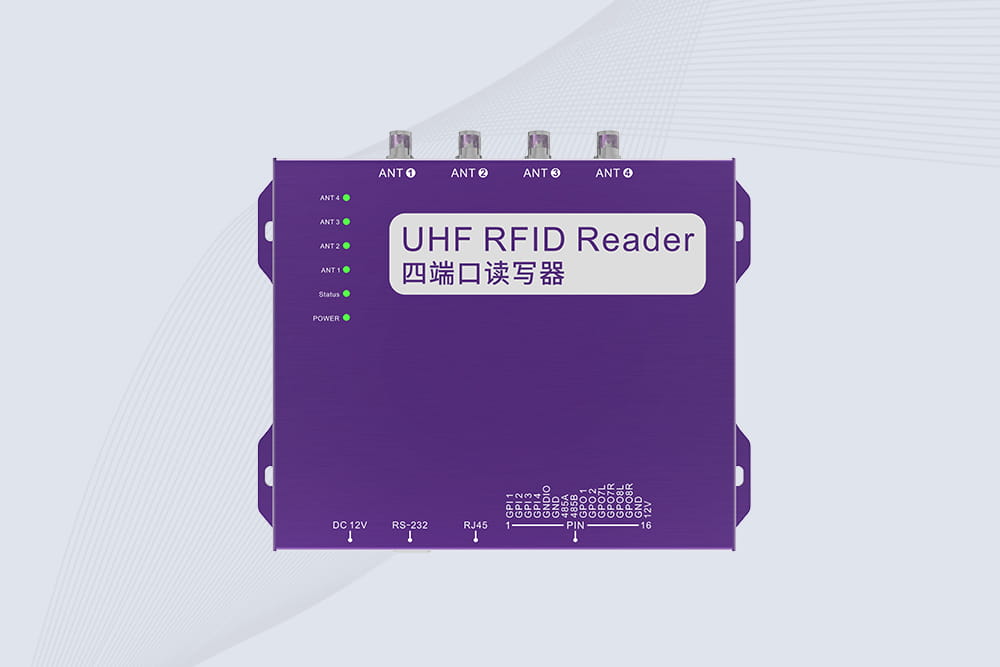
Cykeo’s CYKEO-R4L 4-port Fixed UHF RFID Reader delivers 400 tags/sec scanning, ISO 18000-6C compliance, and IP65 protection. Ideal for warehouse automation, manufacturing WIP tracking, and logistics management.
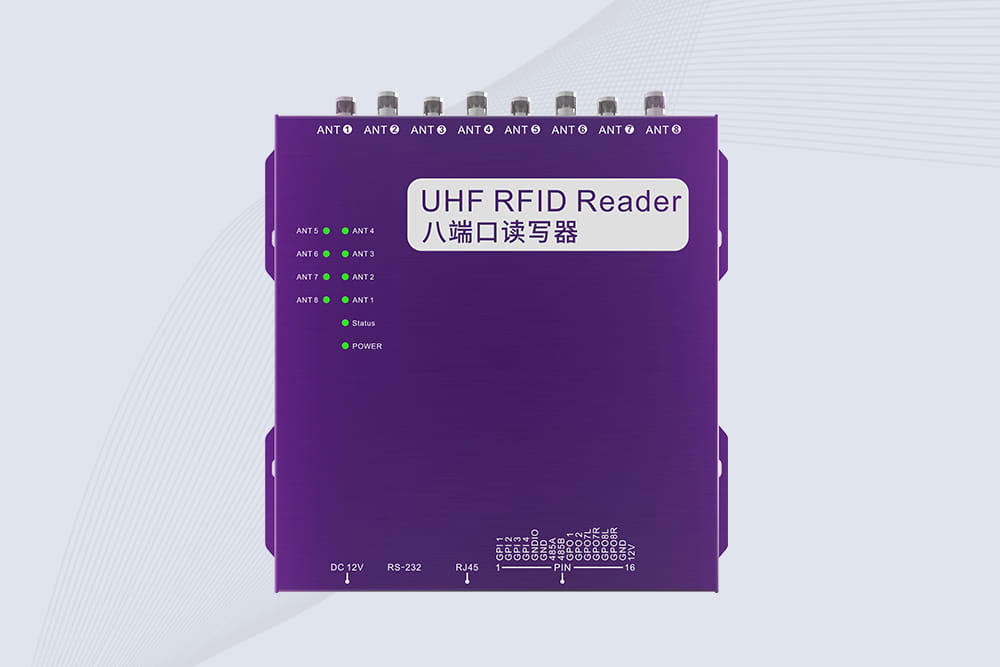
CYKEO CYKEO-R8L Fixed RFID Reader with 8-port UHF design, Impinj-based RF core and up to 20m read range. An industrial Fixed RFID Reader for vehicle inspection, warehouse portals, smart manufacturing lines and secure access checkpoints.
RFID Industry Writer | IoT & Asset Tracking Analyst
James writes about RFID technology, asset tracking, and the practical challenges of digital transformation across warehousing, retail, manufacturing, and logistics.
His work focuses on how RFID is applied in real-world operations—improving inventory visibility, automating workflows, and helping businesses manage assets with greater accuracy and efficiency.
He regularly covers topics including UHF RFID, smart cabinets, RFID portals, tool tracking, warehouse automation, and industrial IoT trends..

Learn how to test rfid reader performance with real field methods, troubleshooting tips, and CYKEO technician insights to verify range, stability, and accuracy.
More
A long range RFID scanner helps food and beverage manufacturers track ingredient containers, raw materials, reusable bins, production equipment, pallets, and...
More
How does a RFID tag work? Learn how RFID tags communicate with readers, transfer identification data, and support smart tracking systems in logistics, retail, and industry.
More
An RFID access control Gate system primarily consists of tags, RFID readers, antennas, and control software. When a person or object carrying an RFID tag passes through the access control gate, the RFID reader emits a radio frequency signal to ac...
More